With rising ownership costs and high fuel prices, choosing the right Polo Vivo engine comes down to your budget, usage and location. We break down the real-world differences between the 1.4- and 1.6-litre options.
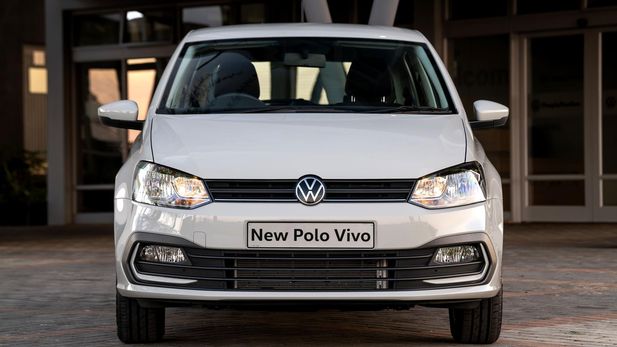
Volkswagen’s Polo Vivo is the go-to starter car for many South Africans wanting entry into a legacy German brand. VW’s smart continuation-model strategy has kept older generations of the Polo on local roads long after being retired in global markets.
While a sunset for VW’s best-selling local model is approaching, it remains the default choice for buyers resistant to the crossover trend. An engineering and spec analysis validates this choice: a crossover built on the same hatchback platform offers minimal practical benefits while adding significant cost.
With recent interest rate hikes and high fuel prices, Polo Vivo buyers are more budget-conscious than ever. How do these economic realities – combined with South Africa’s distinct geographic challenges – shape which engine option you should choose?
Here is how the Polo Vivo’s naturally aspirated 1.4- and 1.6-litre petrol engines compare for different driving needs, budgets and altitudes.
Read more: Volkswagen Polo Vivo (2024) Launch Review
There are two 1.4s
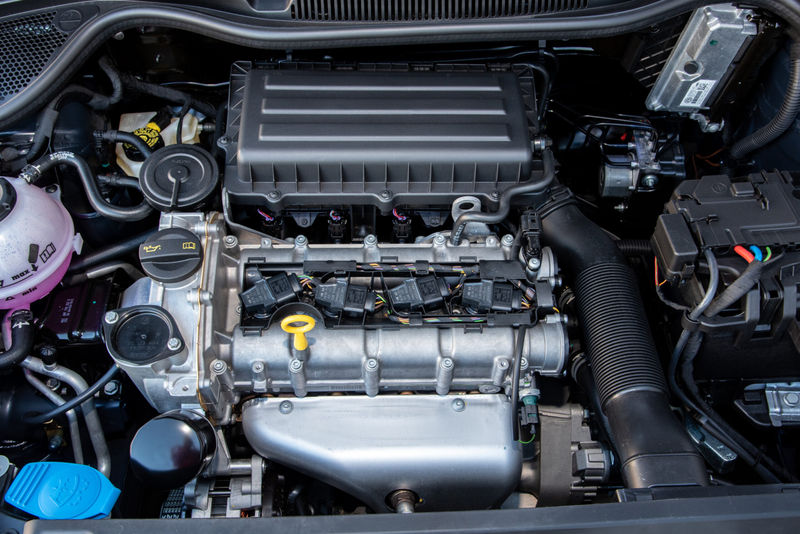
An aged but simple 1.4-litre naturally aspirated engine powers entry-level versions of VW’s popular hatchback.
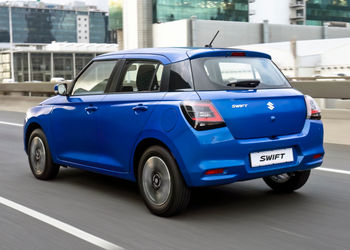
Although VW builds some of the world’s most sophisticated petrol engines, the Vivo’s 1.4-litre unit is distinctly old-school. Unlike rivals like the Suzuki Swift 1.2 – which features variable valve timing – the VW 1.4 lacks valve timing adjustments or cam phasing. Consequently, it can sound noisier and feel less responsive at low engine speeds than competitors with similar power outputs.
Read more: Suzuki Swift vs VW Polo Vivo – What to buy
VW uses two versions of this locally built 1.4-litre four-cylinder engine:
- Base trim: Produces 55 kW and 130 Nm, with a claimed combined-cycle fuel consumption of 5.5 L/100 km.
- Life trim: Uses the same engine architecture, tuned to slightly higher outputs of 63 kW and 132 Nm.
Search for a VW Polo Vivo on Cars.co.za
Which Polo Vivo 1.4 is best?
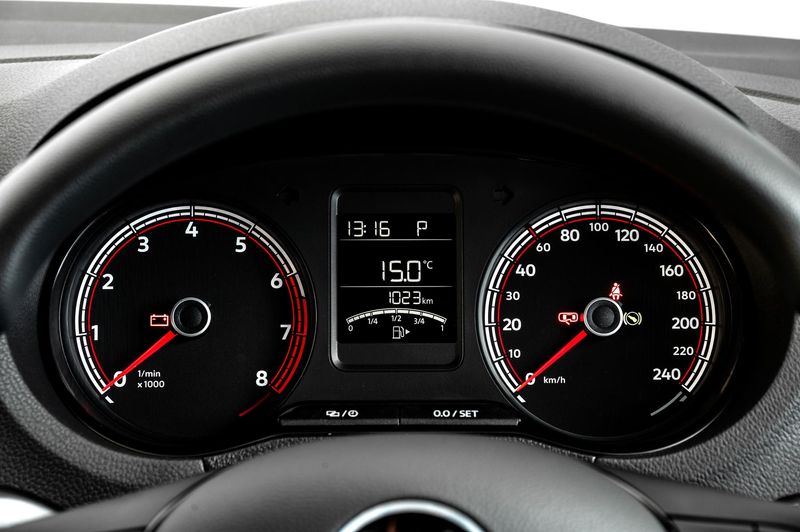
An 8 kW difference between the base 1.4 and the Life trim might sound minor on paper, but it represents a nearly 15% power increase. That difference becomes noticeable when overtaking or climbing steep gradients under load, such as Van Reenen’s Pass between Durban and Gauteng.
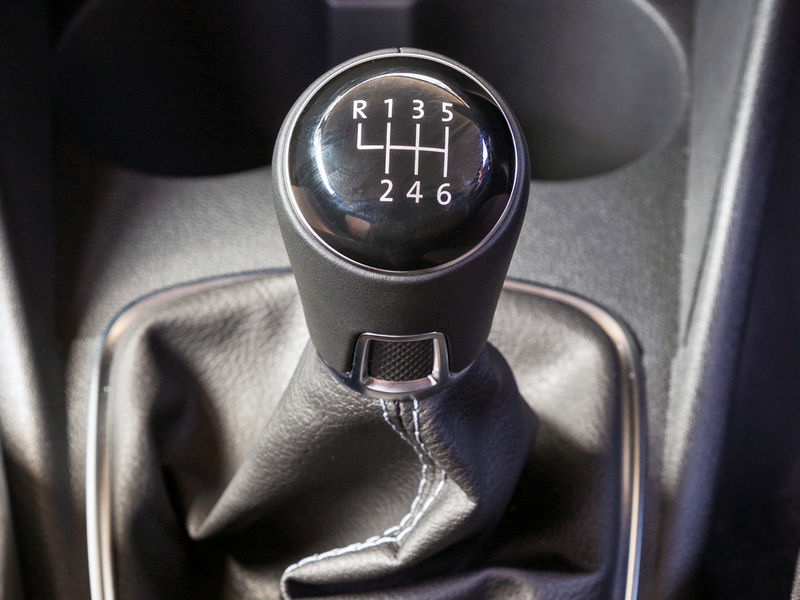
Both 1.4 models use a five-speed manual transmission, lacking an overdrive sixth gear to lower highway consumption. Under ideal conditions, the lower-powered 55 kW base model uses roughly 7.7% less fuel than the 63 kW Life version.
Read more: Volkswagen Polo Vivo – Fuel-efficiency tips
Economy versus comfort
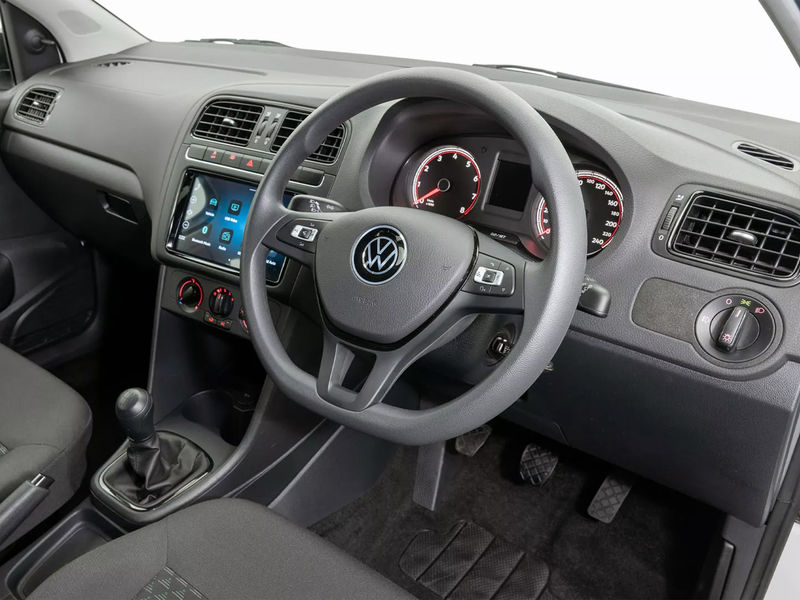
The entry-level 55 kW Polo Vivo is bare-bones. It rolls on 14-inch steel wheels – which, ironically, handle potholes better than alloys – and offers minimal cabin infotainment or digital connectivity. (Driver ergonomics also reveal minor quirks, like a narrow footrest unsuitable for shoe sizes larger than a UK 10).
Upgrading to the 1.4 Life costs around R20 000 extra. For that premium, you get upgraded cabin trim, 15-inch alloy wheels, cosmetic enhancements, daytime running lights and that 15% bump in power for joining highway traffic.
If you don’t need those features, the base 1.4 offers tangible running-cost savings. That R20 000 price difference equates to roughly 15 full tanks of unleaded fuel – which, for the average driver, covers about six months of driving.
Search for a VW Polo Vivo on Cars.co.za
Polo Vivo and the altitude factor
Because the Polo Vivo’s 1.4-litre engines are naturally aspirated, they lose roughly 15% to 17% of their power at Highveld altitudes. For families carrying full loads of passengers and gear, this performance drop is significant.
If you regularly drive at altitude or carry heavier loads, upgrading to the 1.6-litre Style becomes a compelling option:
- Power gain: Upgrading from the 63 kW 1.4 Life to the 77 kW 1.6 Style adds 14 kW, a 17% increase in power.
- Highway driving: The extra power helps maintain momentum in the fast lane on Gauteng highways without constantly working the engine.
Despite the displacement increase, the fuel consumption penalty is surprisingly modest. Unlike the 1.4 models, the 1.6 Style features a six-speed manual gearbox with a taller top gear for efficient highway cruising. On average, the 1.6 uses only about 5% more fuel while delivering 17% more power when you need it most.
Ultimately, your choice in the Polo Vivo line-up depends entirely on where and how you drive. If your daily commute is an inner-city coastal shuffle and your main priority is stretching every rand, the honest, low-maintenance 55 kW base model is hard to beat.
However, if you regularly tackle long-distance highway trips, load up the car for family duties or battle the Highveld’s power-sapping altitude, the extra punch and sixth gear of the 1.6-litre Style justify the modest fuel trade-off.
Lance Branquinho

Lance Branquinho is a Namibian-born writer and photographer who has won numerous motoring journalism awards. He once smuggled parts to South America, in a minor contribution to help Giniel de Villiers finish on the podium at the Dakar. He fears for the eventual collapse of the air-cooled Porsche 911 market – and keenly awaits, in vain, the return of the brand's 928.