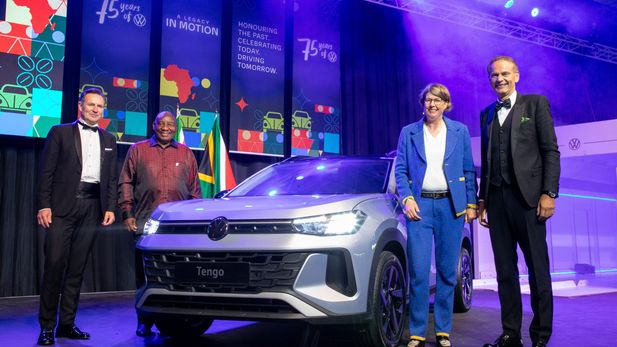
There are birthdays, and then there are birthdays that double as a statement of intent. Volkswagen’s 75th anniversary celebration in Kariega last night was certainly the latter, and the cherry on the cake was a first look at the all-important Tengo crossover.
Amid the nostalgia and the rows of iconic classics, the evening’s real headline act rolled confidently onto the stage: the Tengo, the compact crossover that VW is betting will carry this plant and this brand’s African ambitions into its next chapter.
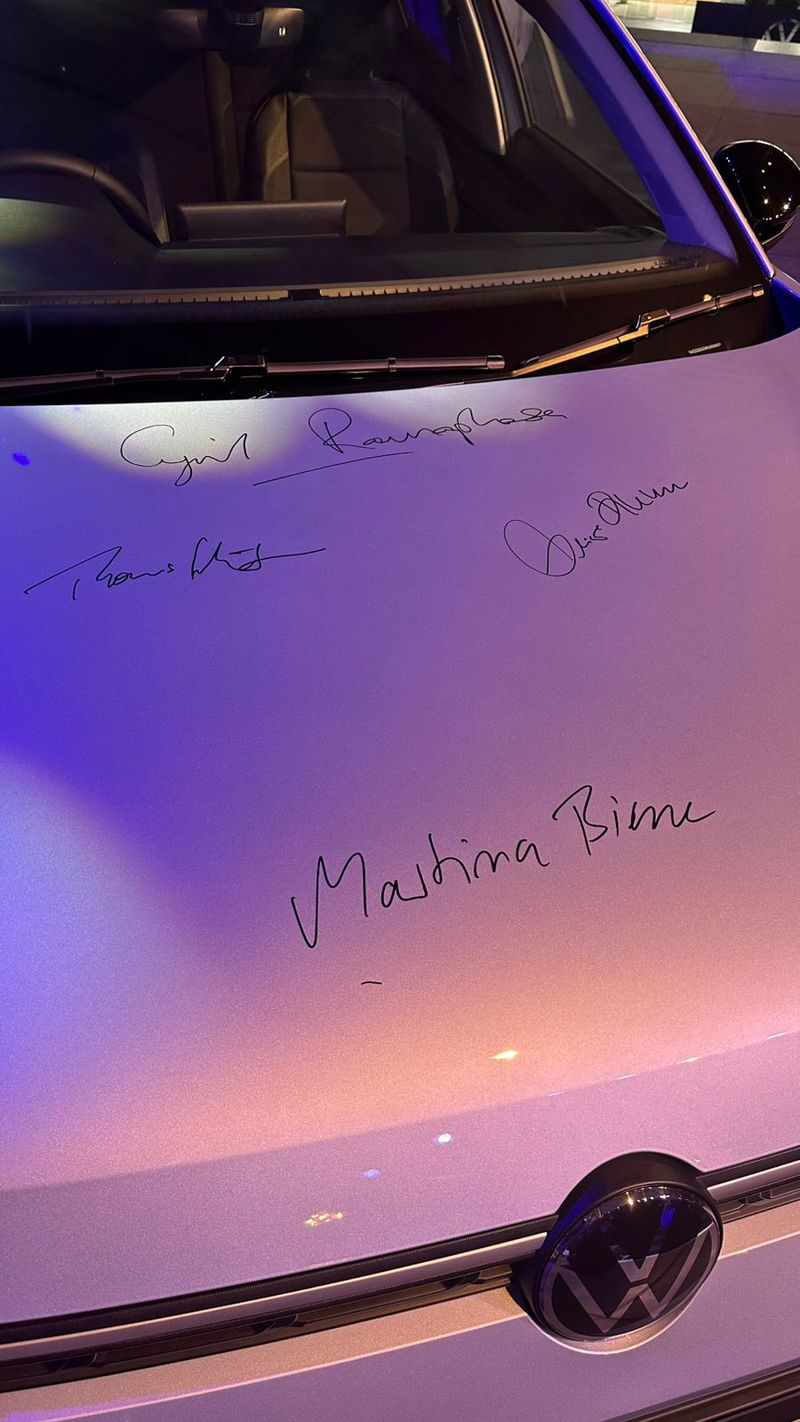
It’s worth sitting with the scale of the occasion first. President Cyril Ramaphosa was the guest of honour at the gala dinner, and he didn’t mince his words about what Volkswagen means here. “This brand is so woven into our culture that we sometimes have to remind ourselves that Volkswagen is not South African,” he told the room. It was a line that landed exactly as intended in a town that has built Beetles, Kombis, Golfs and Polos since a South African Motor Assemblers and Distributors (SAMAD) line first assembled a Beetle on 31 August 1951.
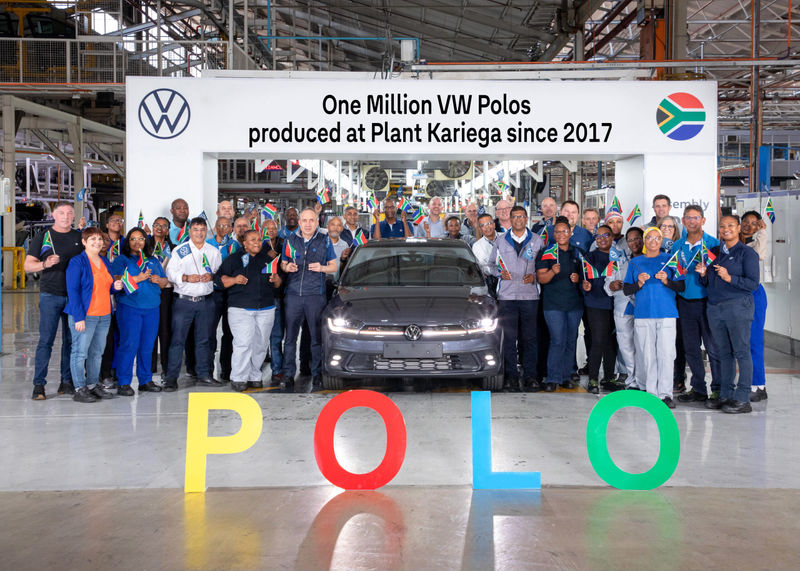
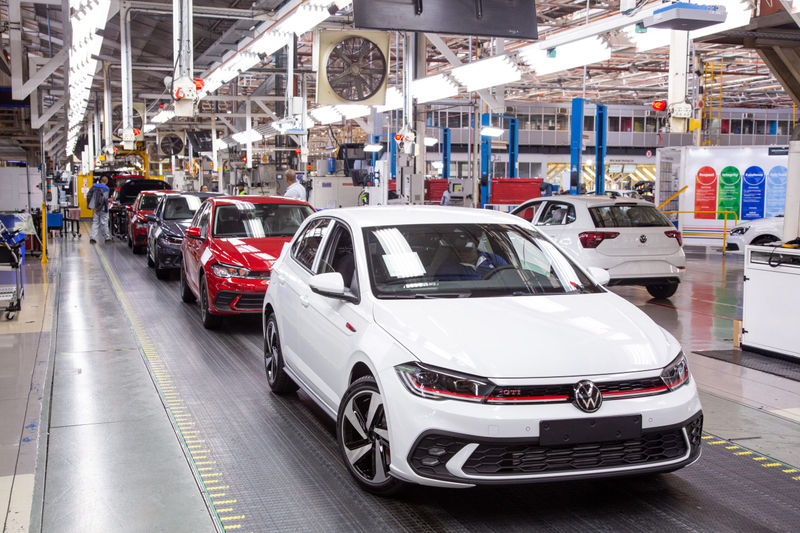
Seventy-five years, nearly 40 models and more than 4.8 million vehicles later, Kariega is still turning out cars for South Africa, but also the world.
Meet the Tengo
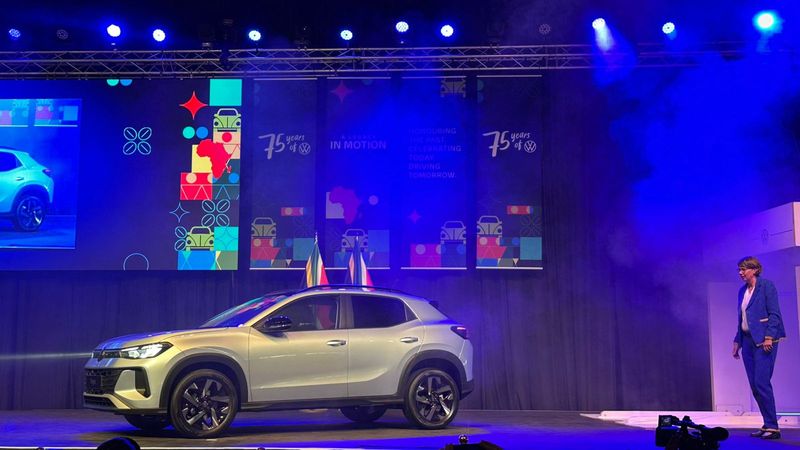
If you’ve been following the local rumour mill, the name won’t be new to you. VW Group Africa (VWGA) let the public vote on it back in 2025, and “Tengo” (chosen for its resonance across African languages, evoking strength and resilience) beat out Tavi, Tiva and Tion. What was new last night was seeing it in the metal, on home soil, for the first time.
Read more: VW’s new small SUV to be called ‘Tengo’ in SA
This is a critical new product. Built on the same platform that underpins the Polo and closely related to the Brazilian-market Tera, the Tengo is a compact crossover engineered specifically to plug the gap beneath the T-Cross. In other words, it will fill the entry-level, value-driven space where Chinese brands have made their most damaging inroads into VW‘s local volumes over the past few years. This is the segment where the battle for South Africa’s new-car buyer is actually being fought, and until now, Volkswagen hasn’t had a proper foot soldier there.
Read more: Why the VW Polo’s SA sales slide matters less than you think
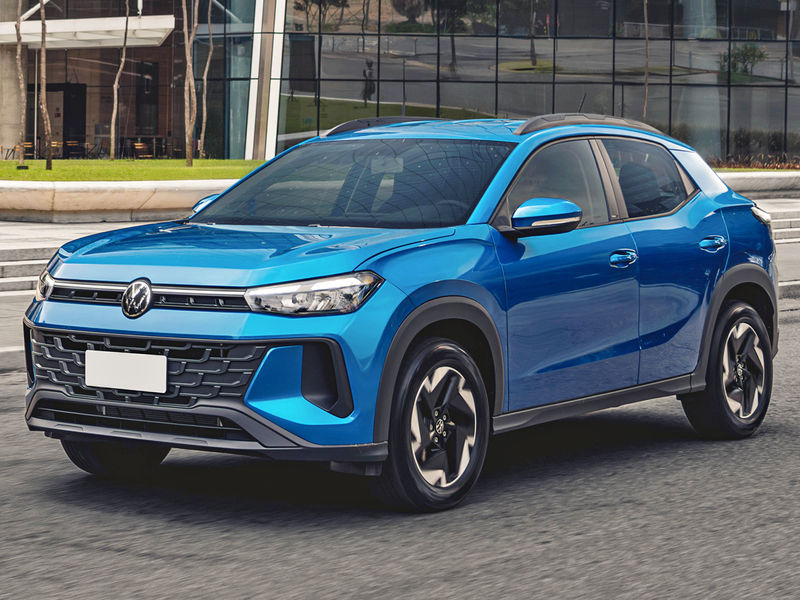
It’s also, unmistakably, a handsome thing. The Tengo is a compact crossover with the kind of tidy, confident proportions VW‘s design language does well: a slim light signature up front, sculpted flanks, and none of the awkwardness that sometimes creeps into cars built down to a price. Nobody in the room last night was left wondering whether this car could hold its own on looks alone.
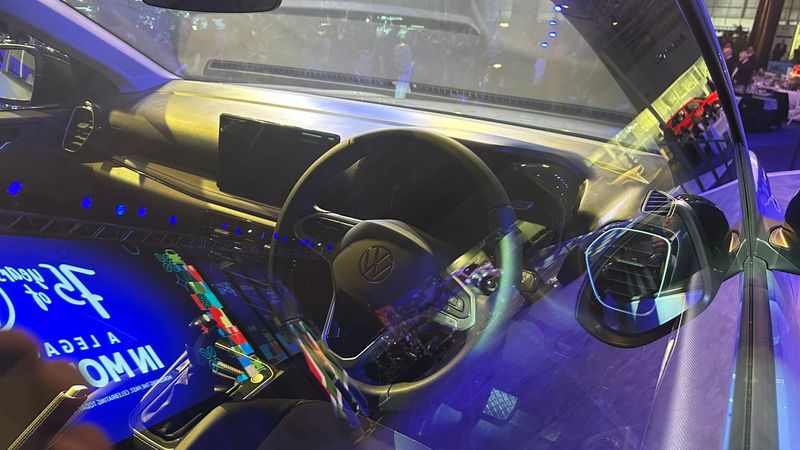
In Brazil, the Tera is available with either a naturally aspirated 1.0-litre petrol engine or a turbocharged 1.0-litre petrol (TSI) motor. Transmission options in the South American country include a 5-speed manual gearbox and a 6-speed automatic.
The Tengo is the product of a roughly R4 billion investment into upgrading the Kariega facility, developed in close collaboration with Volkswagen of Brazil and slotting in alongside Skoda’s India operation as part of a genuinely global small-SUV push.
Martina Biene, VWGA’s chairperson and managing director, has previously been candid that this isn’t a straight copy-paste of the Brazilian Tera. It’s being “Africanised” for local roads, local buyers and, tellingly, local fuel quality.
Production is earmarked to begin in Kariega in around 100 days, ahead of the car’s on-sale date in 2027, alongside the Polo and Polo Vivo that already carry this plant’s export reputation.
Schaefer’s moment
If Ramaphosa’s speech was the political high point of the evening, Thomas Schäfer’s was its emotional one. The Volkswagen brand’s global CEO for Passenger Cars – and a former MD of the local operation – didn’t deliver a polished corporate address so much as a love letter to the plant that shaped his own career.
“Kariega has secured its place in the Volkswagen world over the past 75 years,” he said, before making the point that will matter most to anyone watching this industry closely: “Global success is not created at headquarters. It is built by strong teams, strong locations and strong local roots.”
Coming from the man who now sets direction for Volkswagen Passenger Cars worldwide, that’s a vote of confidence that Kariega’s next 75 years are still being written from right here, not from Wolfsburg.
Then moving to more serious matters, Schäfer directly called for policy changes to enable those brands that invest and manufacture locally to compete “on a level playing field”. The president acknowledged his remark.
Why this matters beyond the party
Strip away the anniversary trimmings, and you’re left with is a genuinely significant moment for South Africa’s auto sector. The Eastern Cape’s manufacturing base doesn’t get many nights like this, where a sitting president, a global brand CEO (in addition to Oliver Blume, CEO of VW Group) and a room full of dealers, suppliers and unions gather to mark not just what’s been built, but what’s coming next.
With VWGA also serving as the headquarters for Region Africa, the Tengo isn’t just another model on a crowded local price list. It’s the car that has to prove Kariega can still win the volume game that keeps a plant like this viable for the next 75 years.
We’ll bring you full technical details, spec and pricing on the Tengo as Volkswagen releases them ahead of its 2027 on-sale date.
Opinion: What happens after Vivo?
Cars.co.za

Providing you with the latest motoring news, new car releases and the simplest way to buy and sell cars.