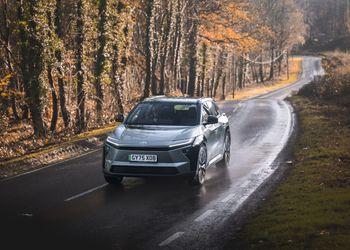
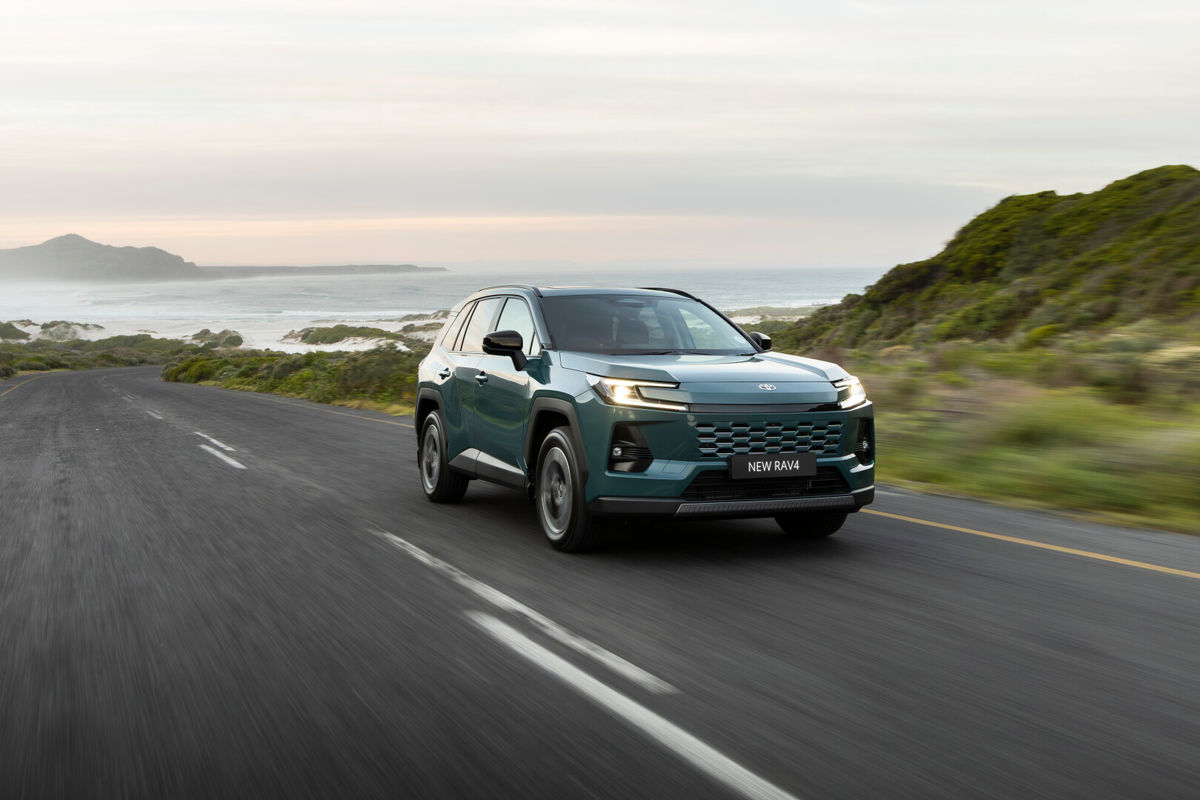
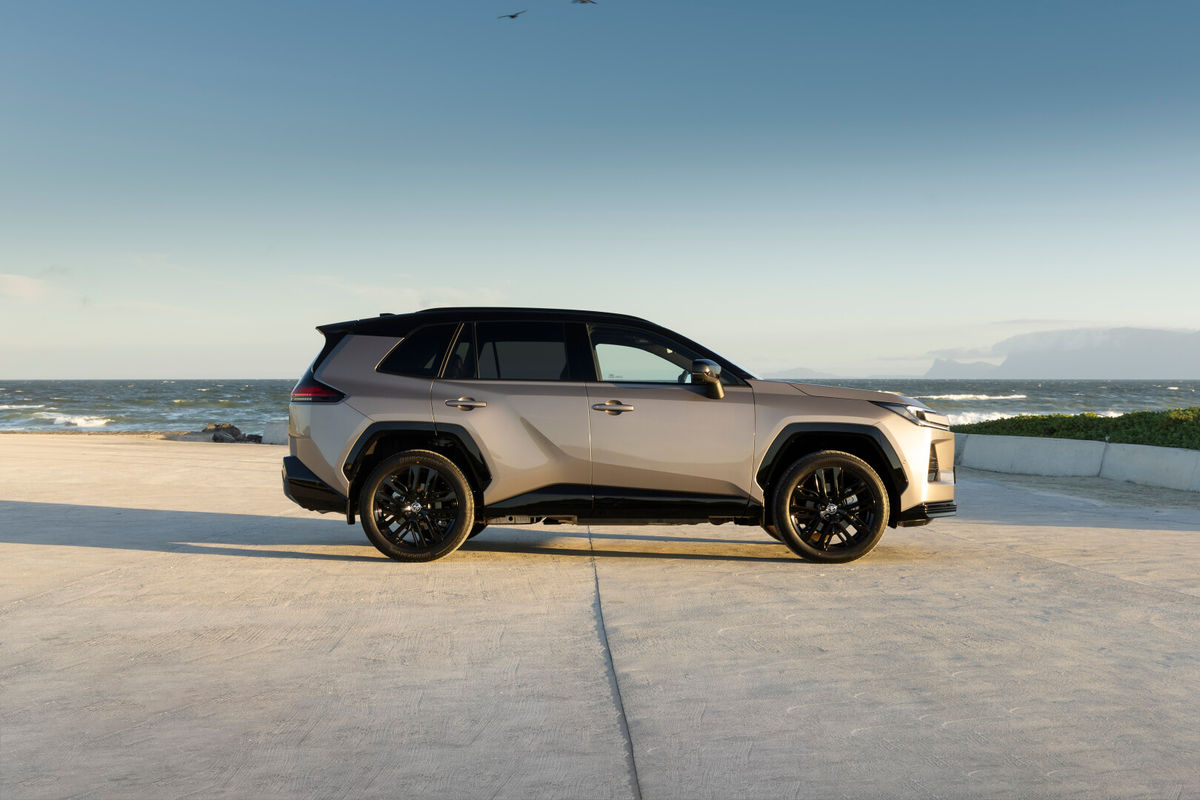
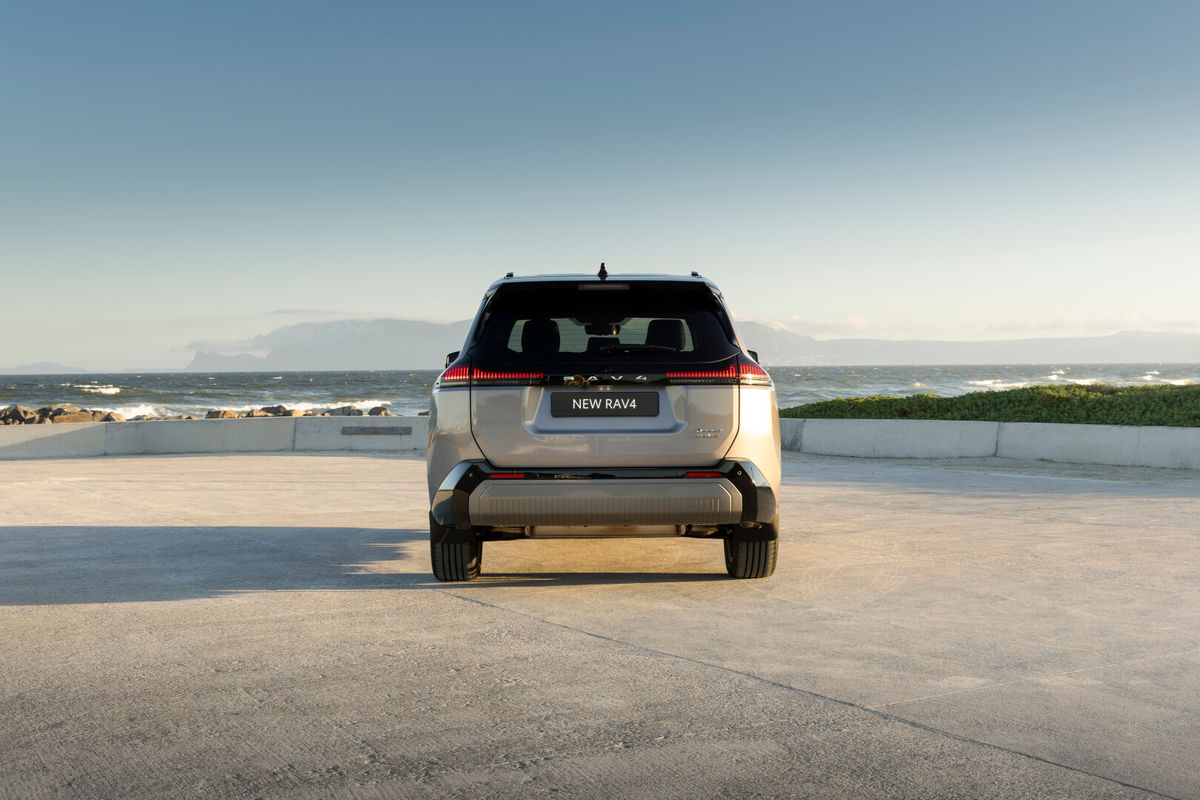
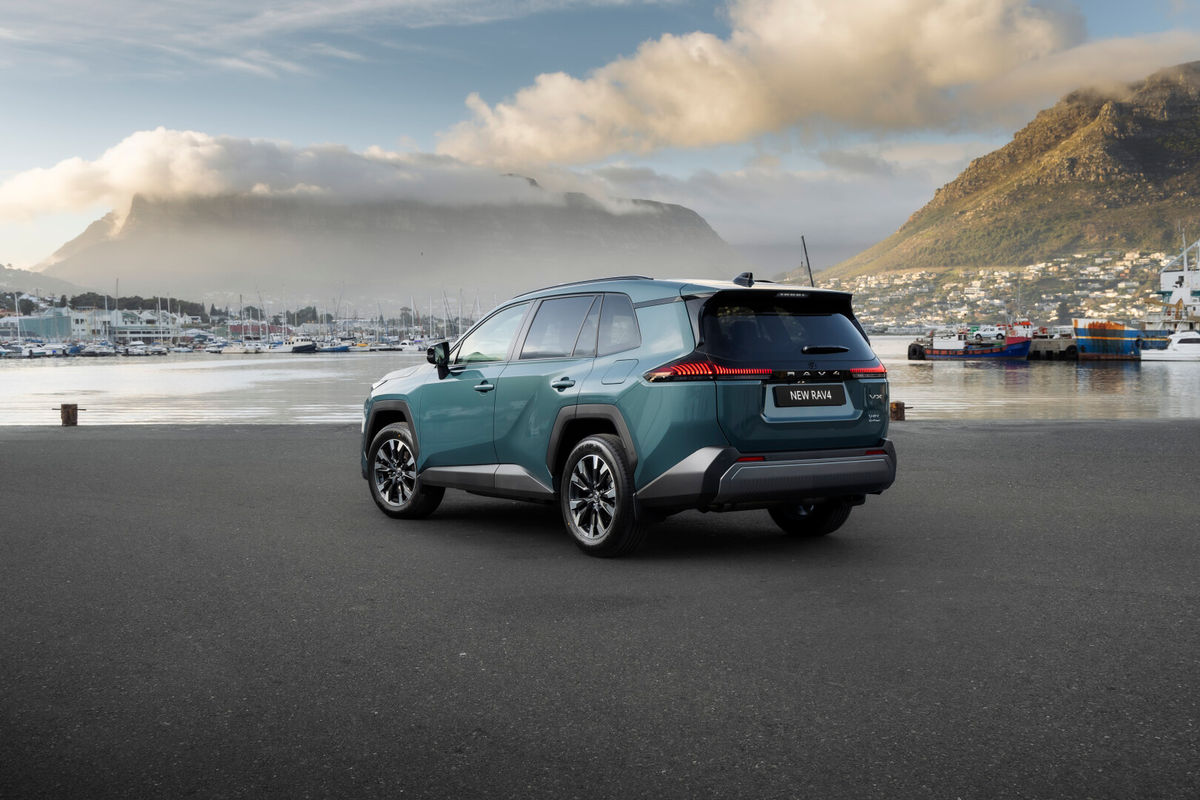
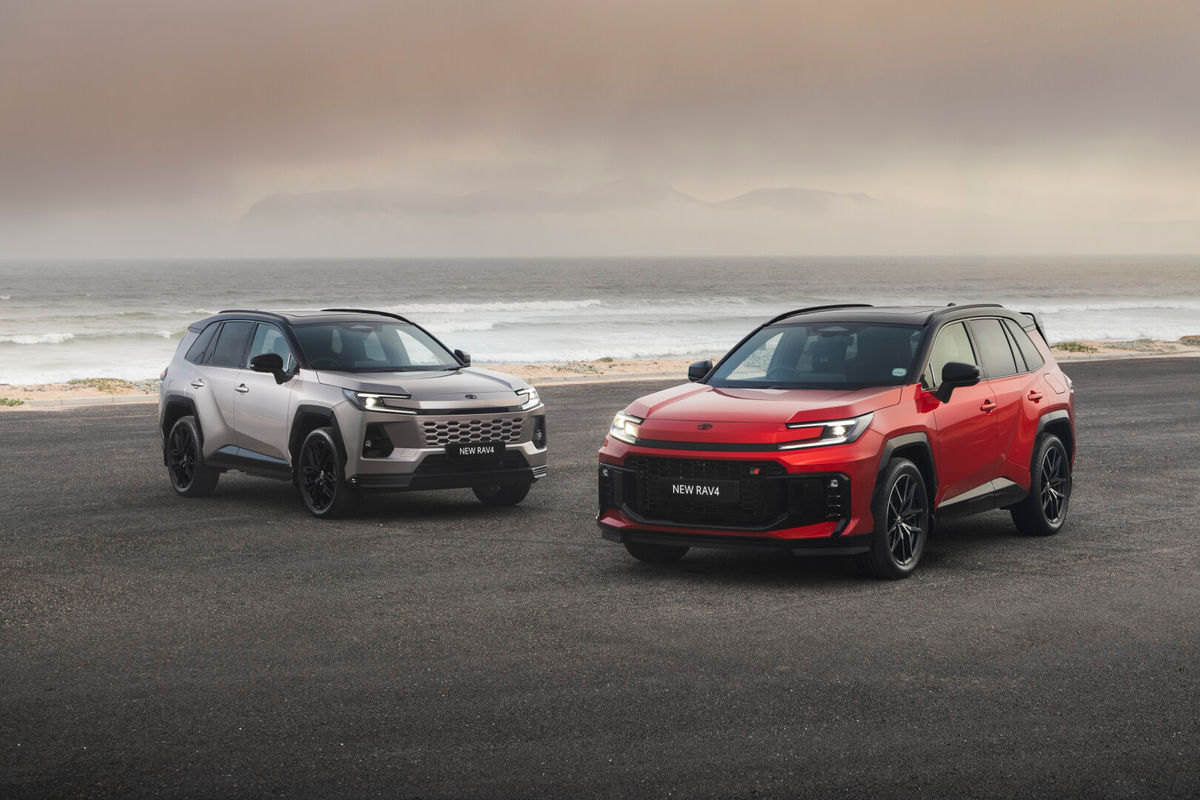
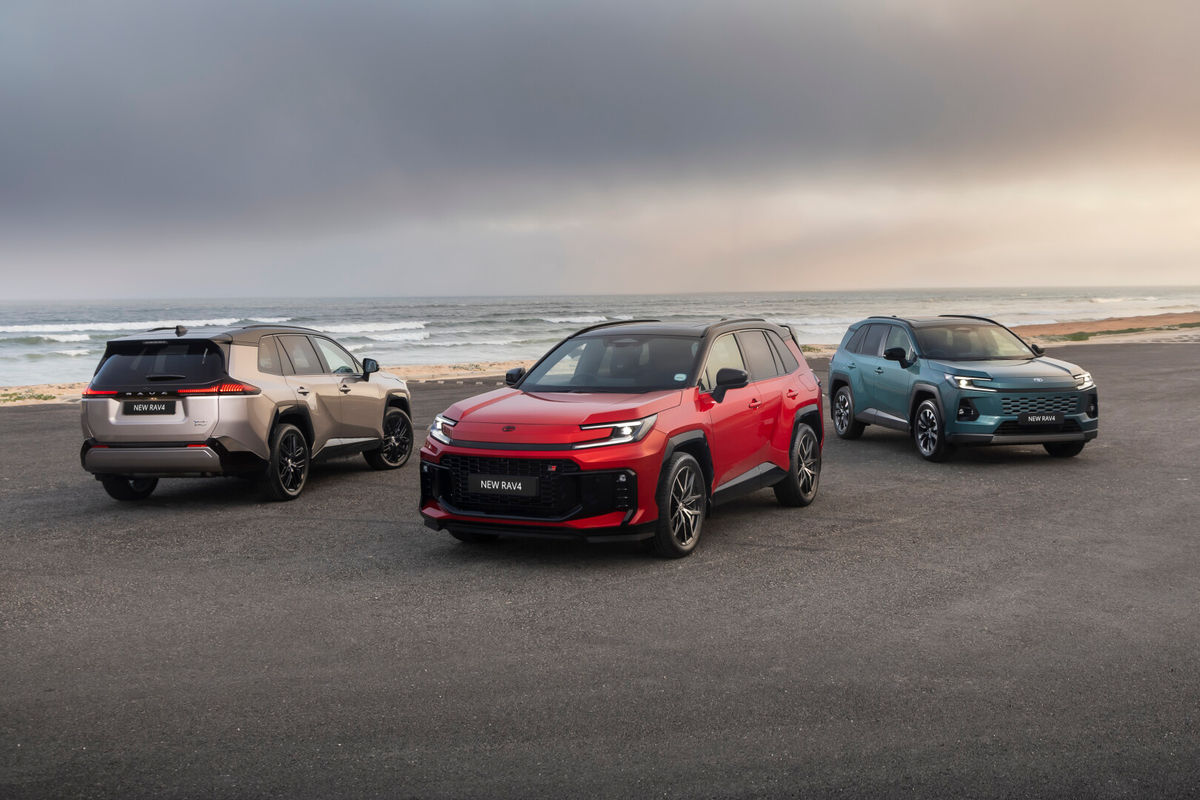
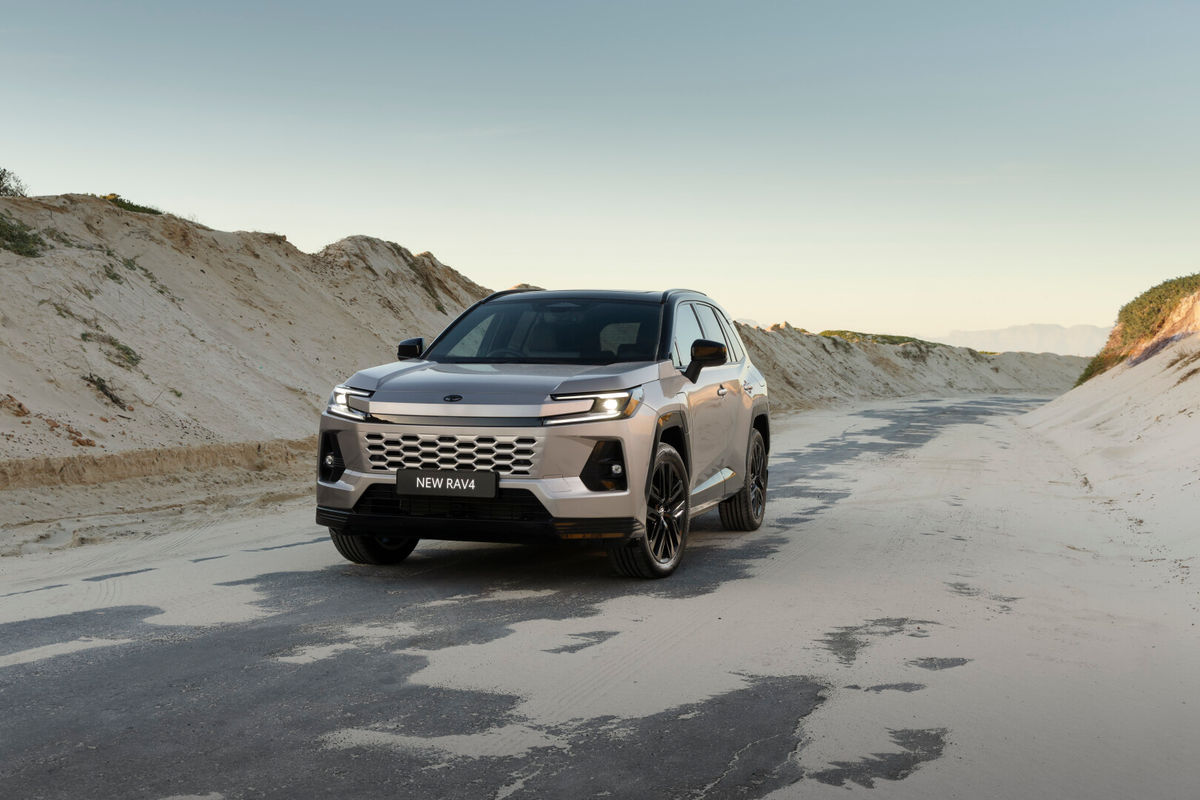
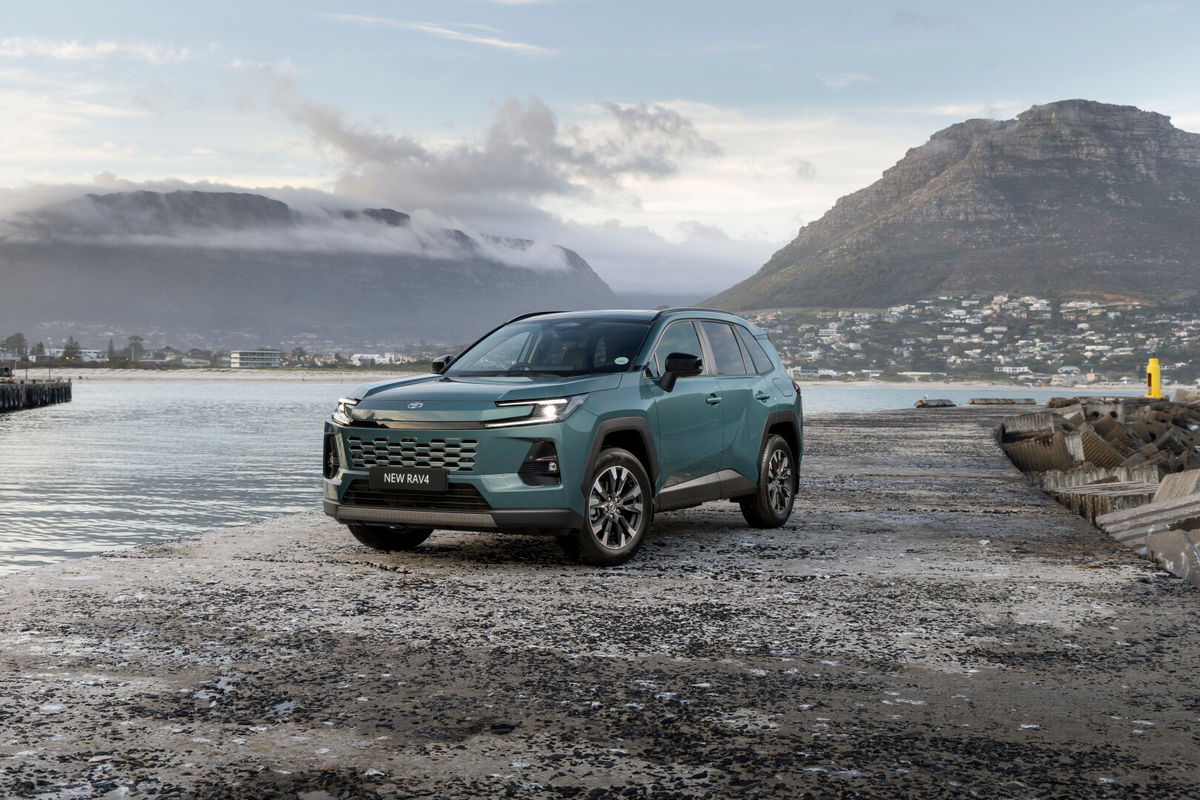
The new 6th-generation Toyota RAV4 has made landfall in South Africa. Given the popularity of newcomer brands, it has its work cut out for it. The good news is Toyota has knocked it out of the park. Here’s why.
The Toyota RAV4 was 2025’s best-selling vehicle globally, with over 1.28 million units sold. It has an incredible legacy, both locally and internationally. Some would go as far to say that the RAV4 was the original unibody SUV when it launched in 1994, kicking off one of the world’s most popular vehicle segments.
What’s changed on the new Toyota RAV4?
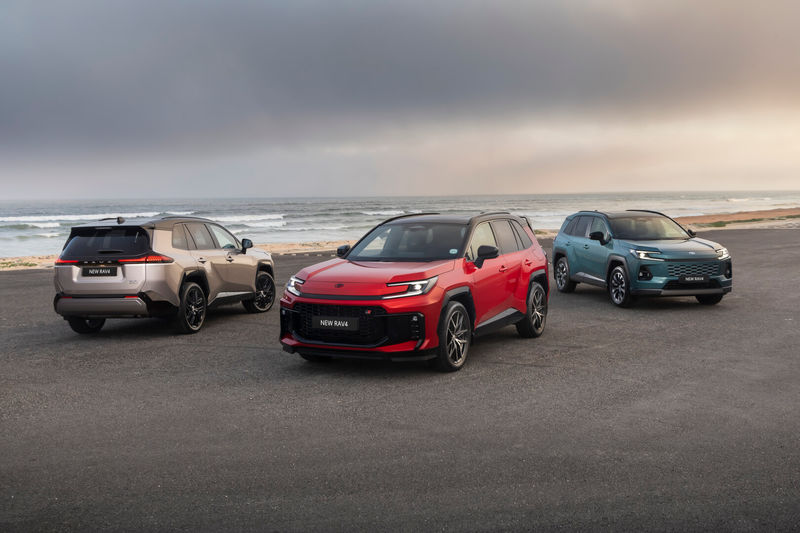
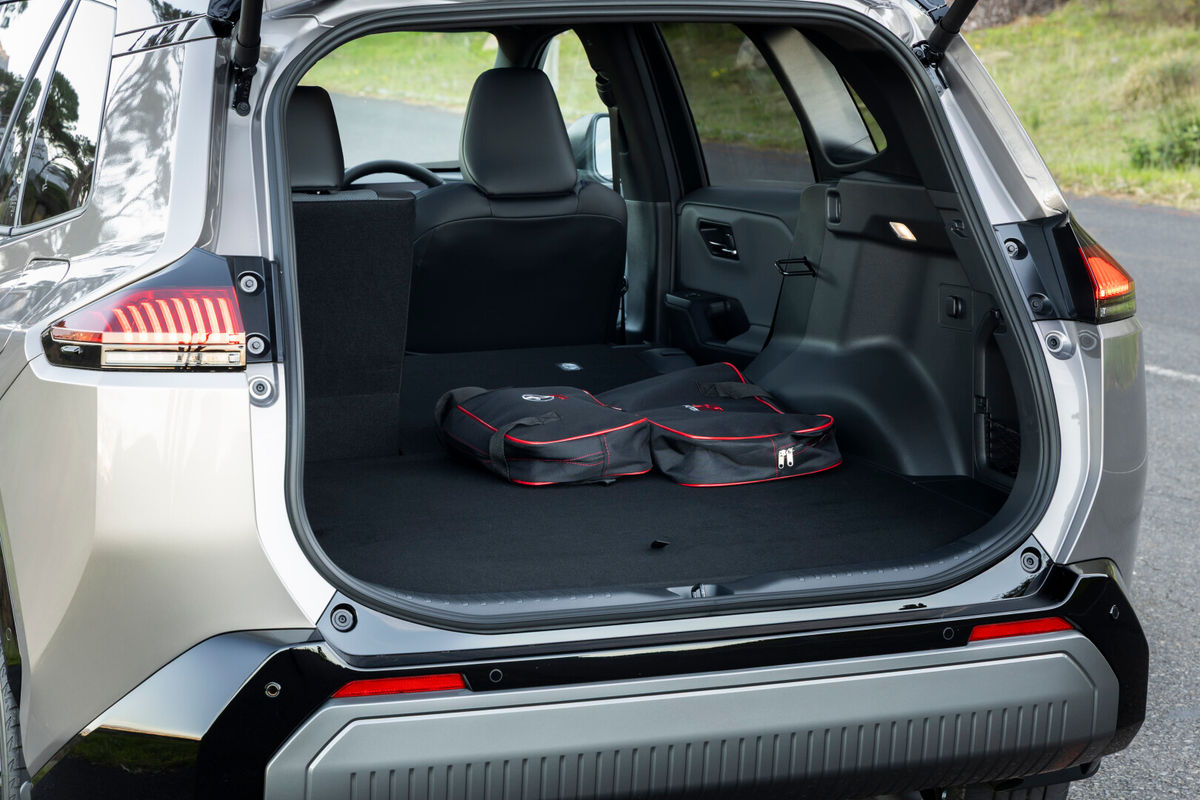
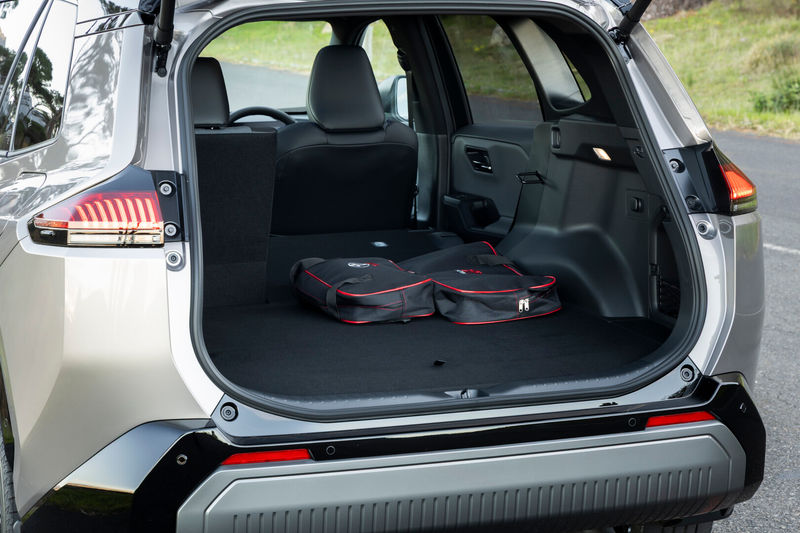
A lot, both inside and out. Toyota South Africa claims this 6th-generation is the most connected, most advanced and most versatile RAV4 to date. Toyota’s TNGA-K platform has been enhanced and upgraded, with driving experience and refinement in mind. The vehicle is a full import, sourced from Japan.
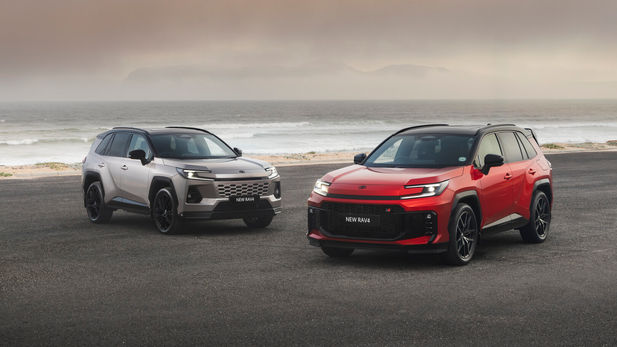
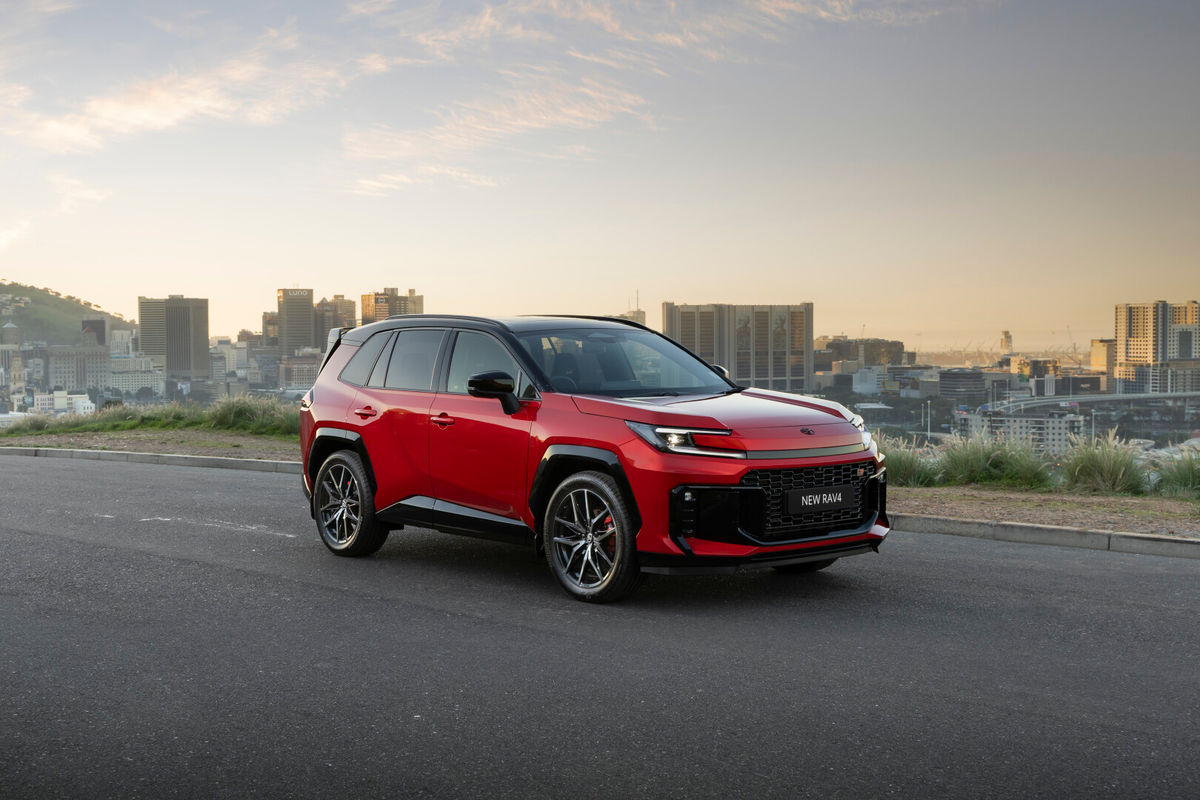
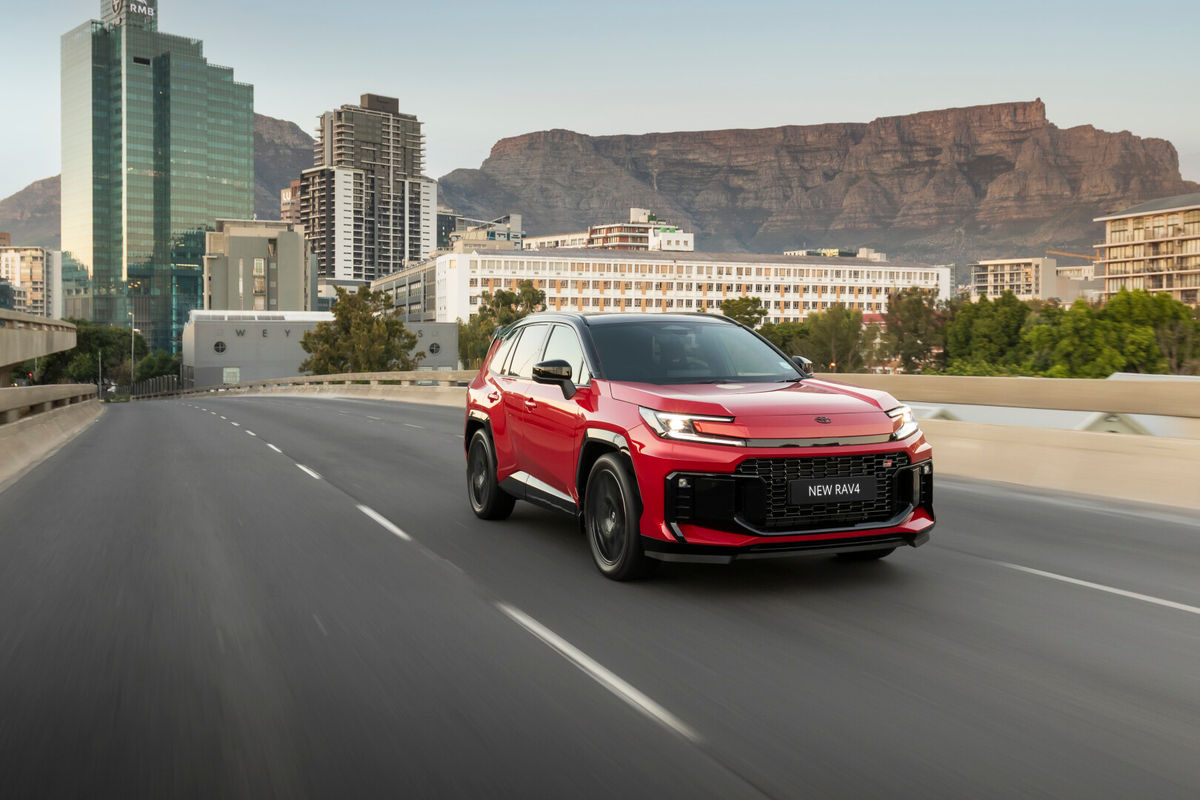
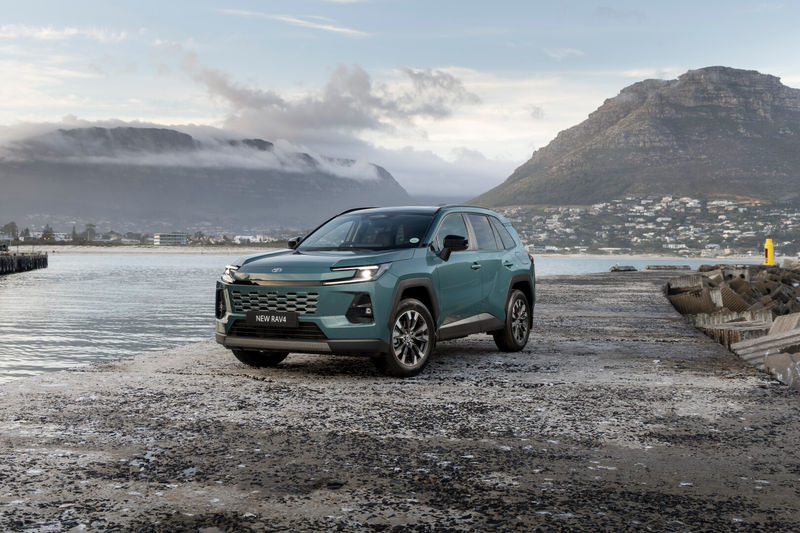
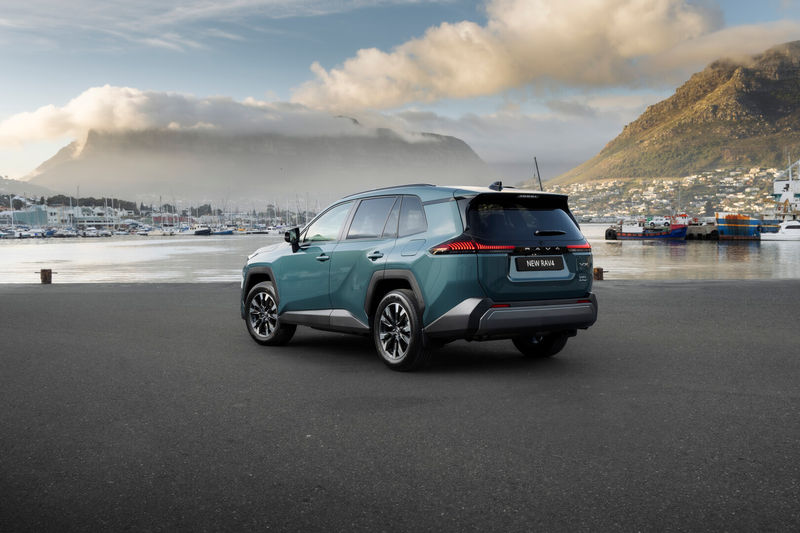
Visually, it’s a modern and sharp-looking family SUV, adopting an angular face with sleek lighting units. Toyota’s rolled out some interesting colour choices too, along with the option of bi-tone combinations for the higher-spec grades.
The RAV4 is positioned as a rival to legacy offerings like the Volkswagen Tiguan, Kia Sportage, Hyundai Tucson, Honda CR-V, as well as more recent arrivals such as the Chery Tiggo 8 Pro, Omoda C9, MG HS and Haval H6.
Powertrain options for the RAV4
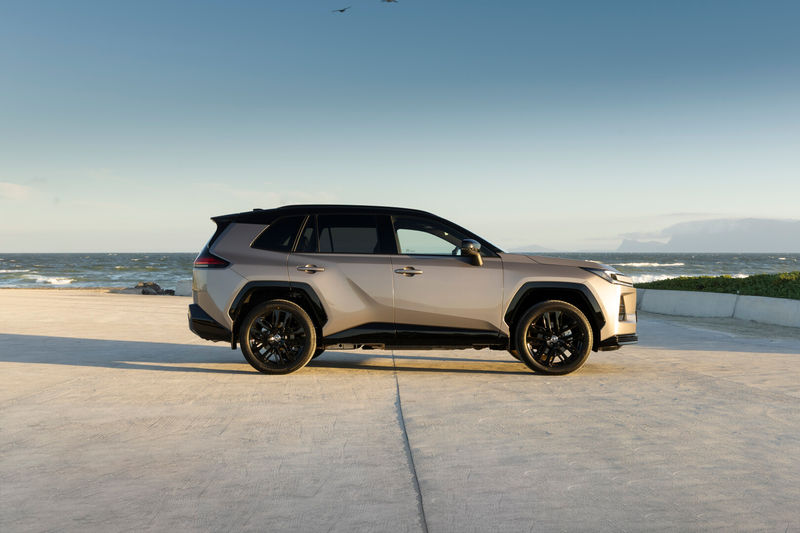
Toyota is launching its 6th-generation RAV4 with a choice of petrol, self-charging hybrid and plug-in hybrid powertrains, across 5 derivatives. The entire range features a continuously variable transmission and every derivative except the naturally aspirated 2.0 VX has all-wheel drive.
The first engine is a 2.0-litre, naturally-aspirated 4-cylinder petrol engine which makes 127 kW and 203 Nm. It’s said to consume 6.3 L/100 km, while dashing to 100 kph in a leisurely 10.3 seconds.
Next is the first of the hybrids, a 2.5-litre naturally aspirated petrol with electric assist. It makes 137 kW and 221 Nm, but has a total system output of 163 kW. It’s significantly quicker to 100 kph at 7.3 seconds and is claimed to consume just 4.5 L/100 km in the combined cycle.
Finally, the flagship is a new plug-in hybrid which boasts 225 kW total system output. It pairs a 2.5-litre naturally aspirated petrol engine with Toyota’s new-gen PHEV system now featuring a larger 25.4 kW battery resulting in a pure EV range of 142 km. The vehicle supports 11 kW AC and 50 kW DC charging, and is sold with charging cables and an AC wall box charger.
The PHEV is easily the quickest RAV4 with a claimed 0-100 kph time of 5.7 seconds. Toyota’s promises a 0.7 L/100 km consumption figure. Like all other PHEV claims, takes this figure with a pinch of salt; the battery needs to be fully charged and used in confined urban environments to be able to get close to this number.
Trim levels on the new Toyota RAV4
Interestingly, Toyota has started the range with a hybrid in low-grade GX trim, with the non-hybrid engine adopting a higher-spec VX trim level. Toyota explained this is aimed at the customer who doesn’t want to go down the hybrid route but who would still prefer a well-equipped model.
2.5 HEV GX
- 18-inch alloy
- Black roof rails
- LED headlamps
- Dual climate control
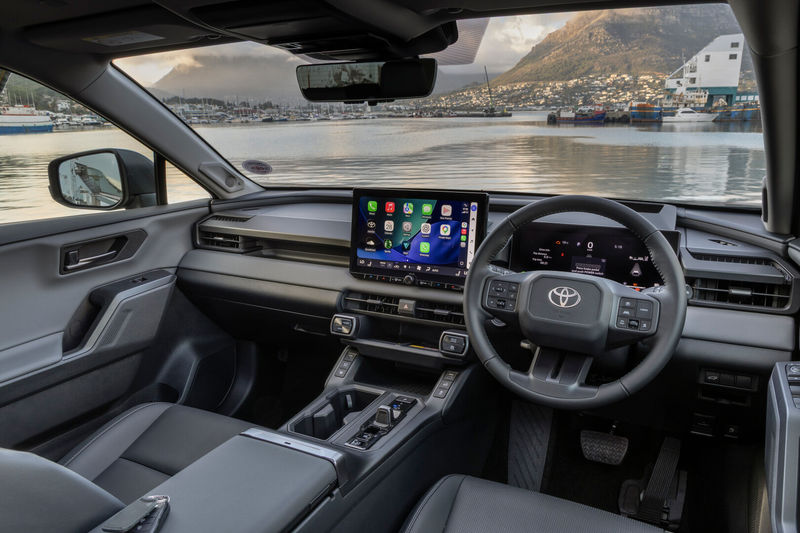
- 12.3-inch digital instrument cluster
- 10.5-inch infotainment screen with 6 speakers
- Front and rear parking sensors
- Fabric trim
- Powered driver’s seat
2.0 VX (additionally)
- LED headlamps with adaptive high beam
- Moon roof
- Toyota Safety Sense 4.0 ADAS package
- Adaptive cruise control
- Panoramic parking cameras
- Powered tailgate
- Rain-sensing wipers
- Automatic climate control
- Head-up display
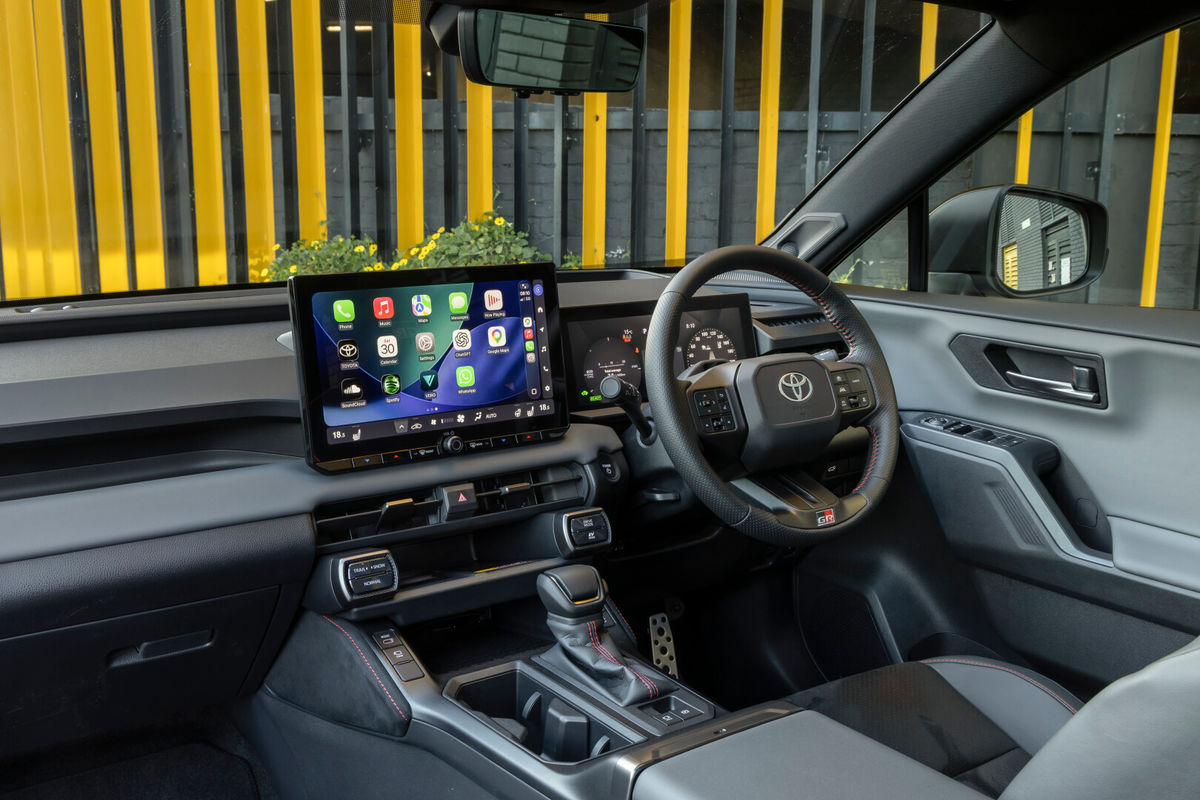
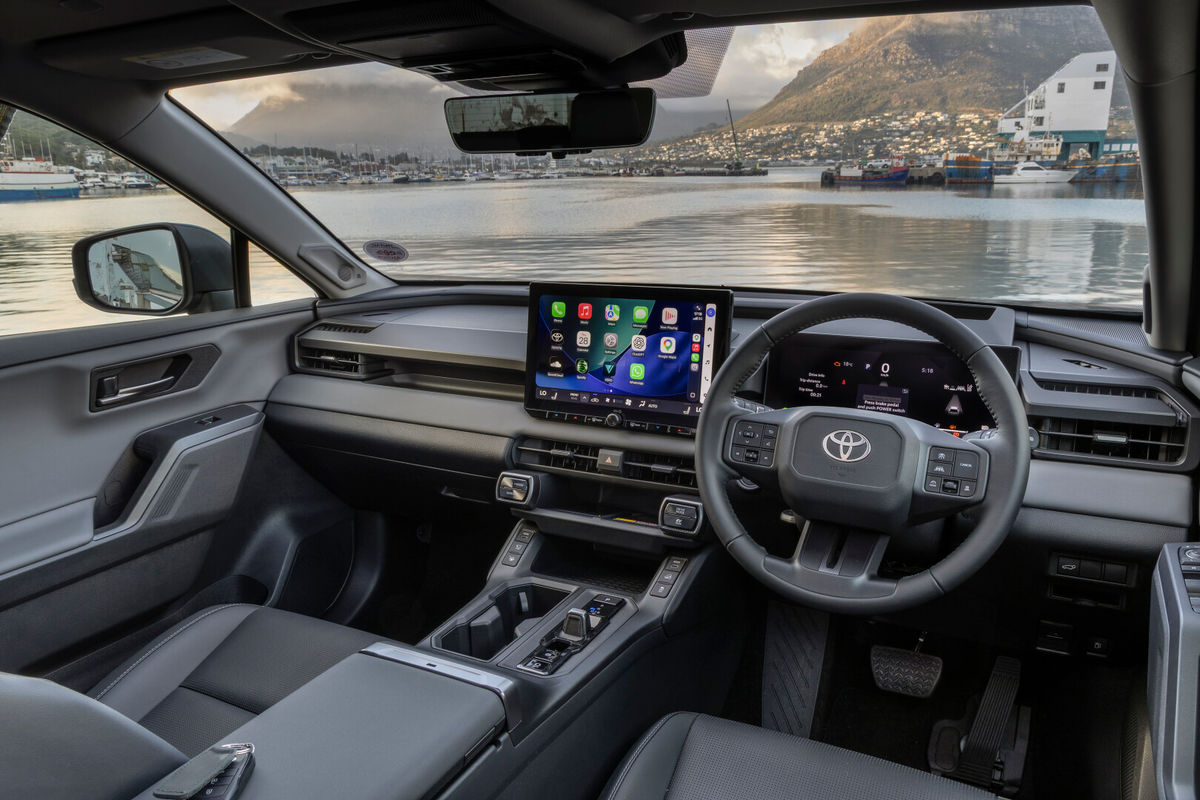
- 12.9-inch infotainment with navigation
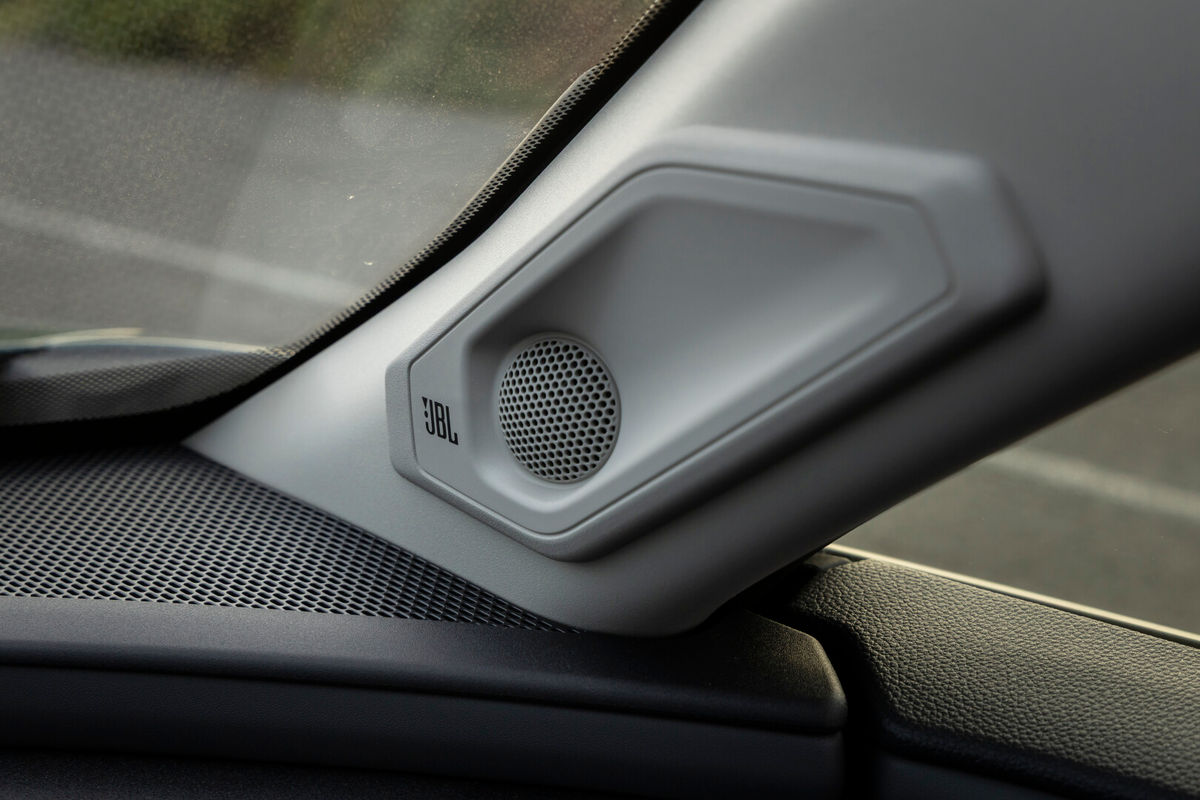
- JBL audio with 9 speakers
- Wireless Android Auto, Apple CarPlay
- Wireless charging
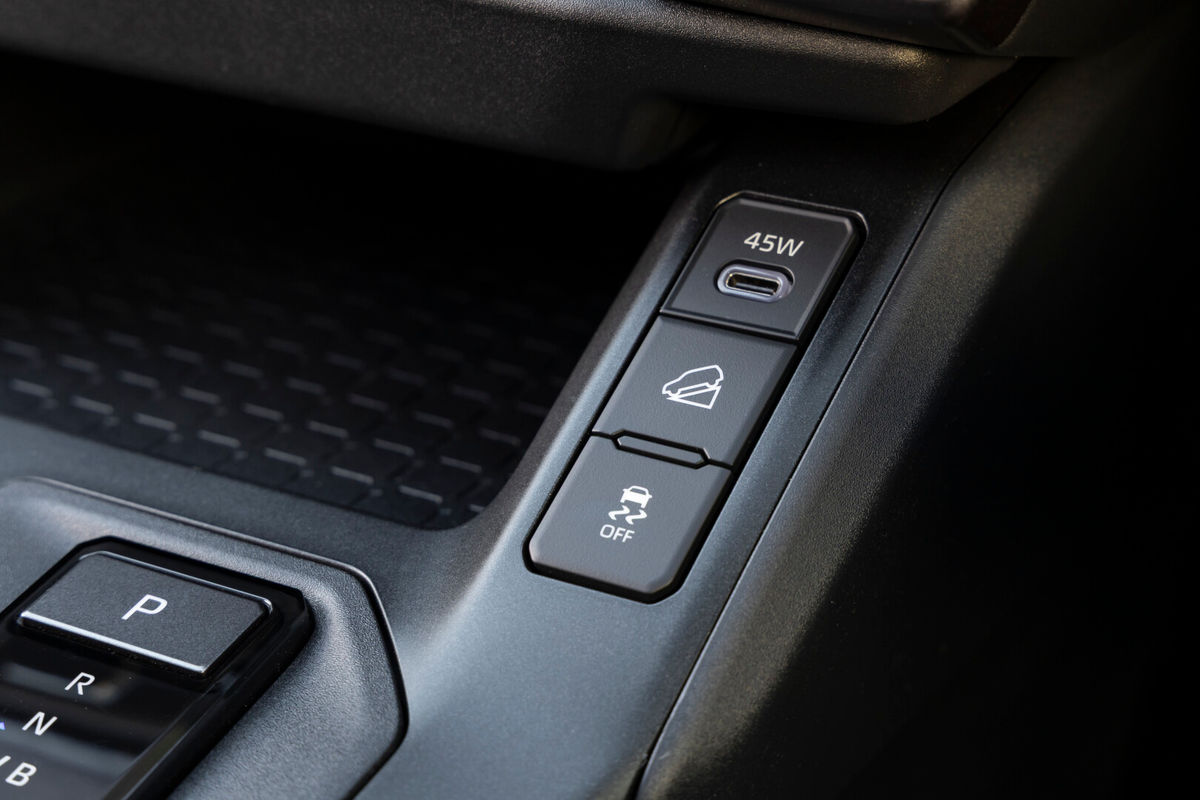
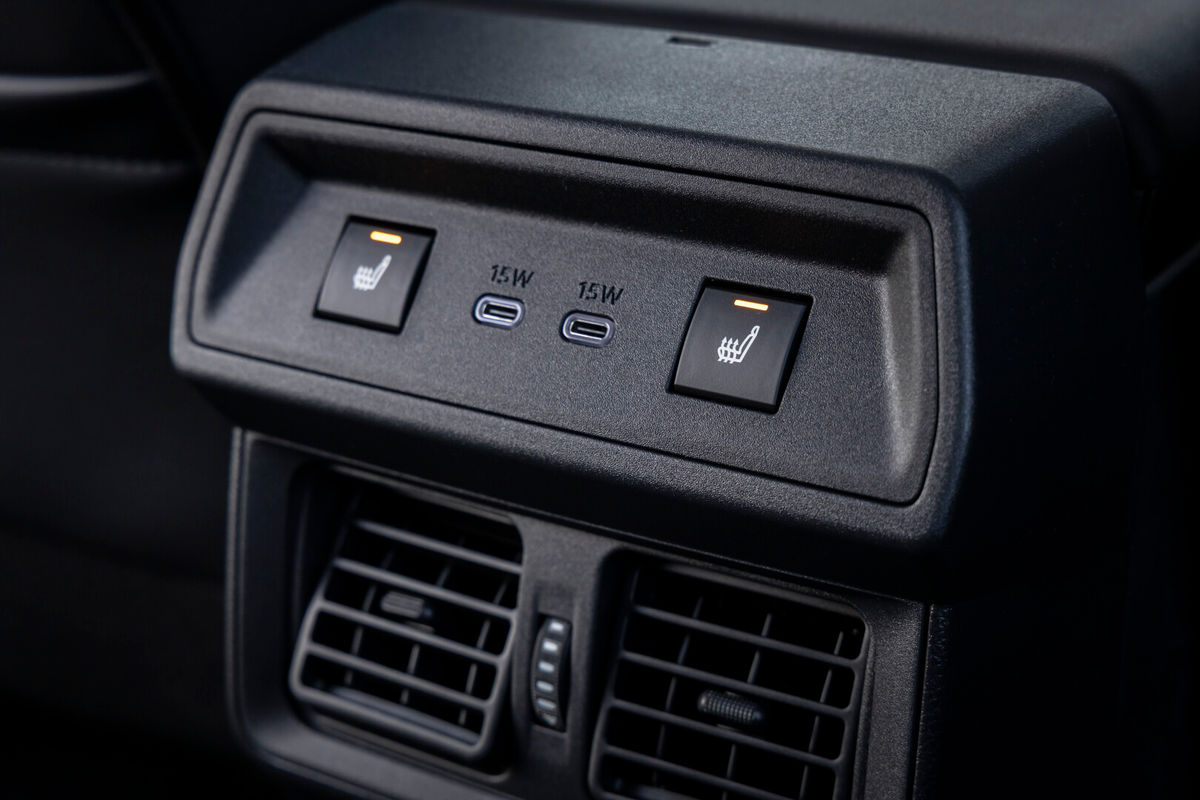
- 2x front USB-C and 2x rear USB-C
- Leather trim with all seats heated + front ventilated
- Digital rearview mirror
2.5 HEV VX (additionally)
- Intelligent park assist
- Panoramic roof
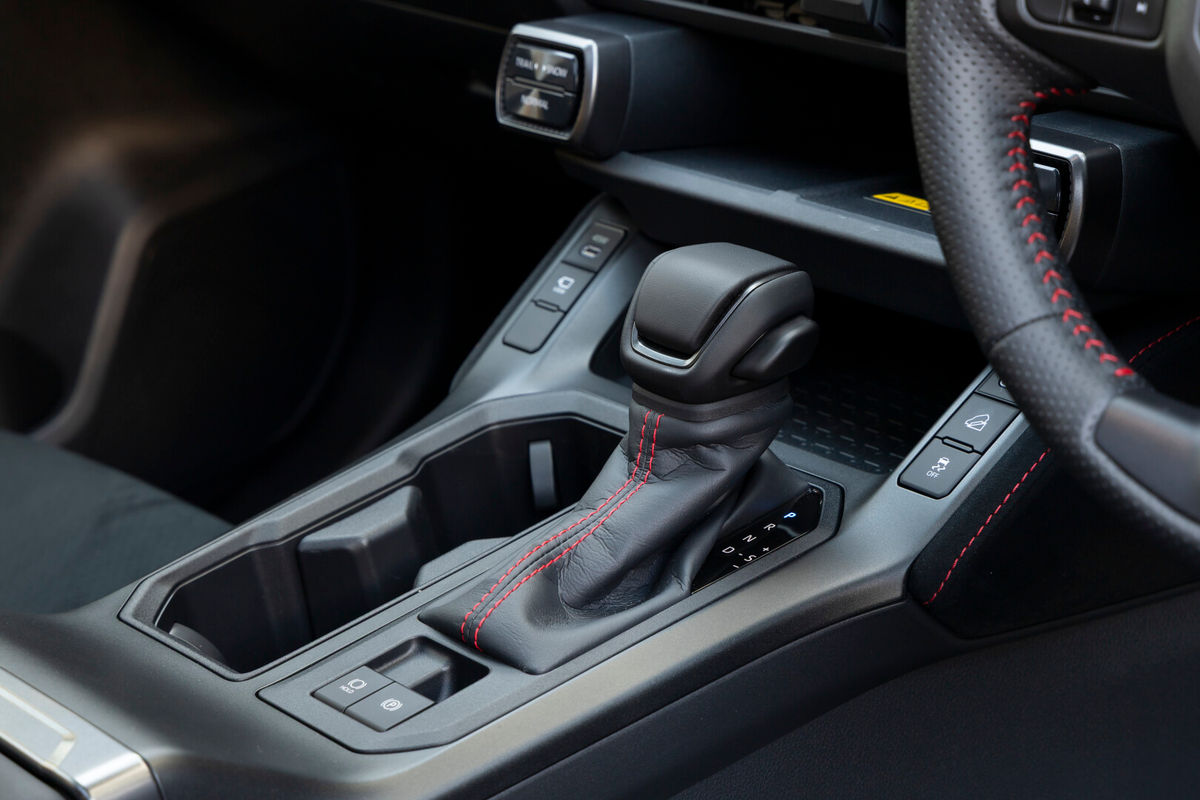
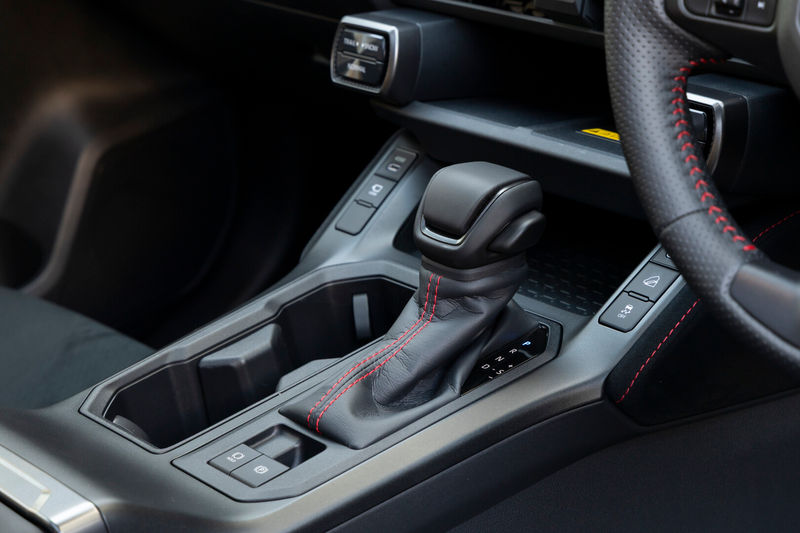
- Shift-by-wire gear selector
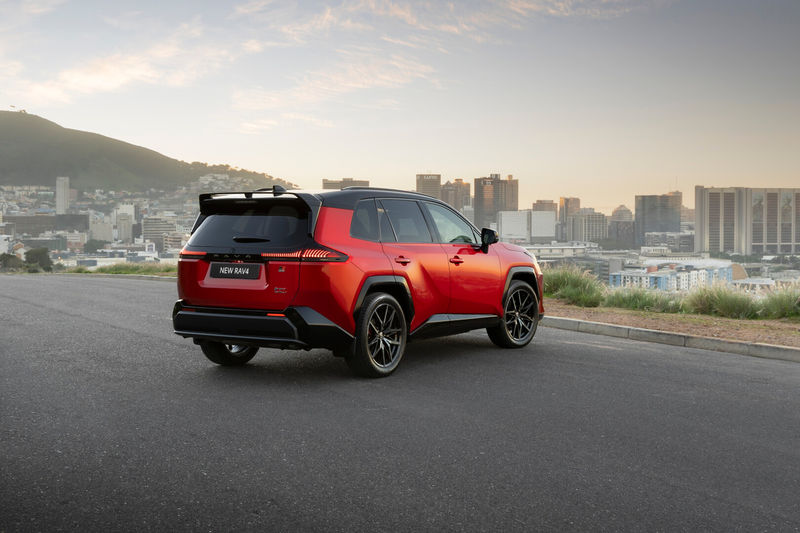
2.5 HEV GR-S
- 20-inch GR-S alloy wheel
- Moon roof
- Leather shift knob
- Heated steering wheel
- Sports alloy pedals
- Heated and ventilated GR-S seats
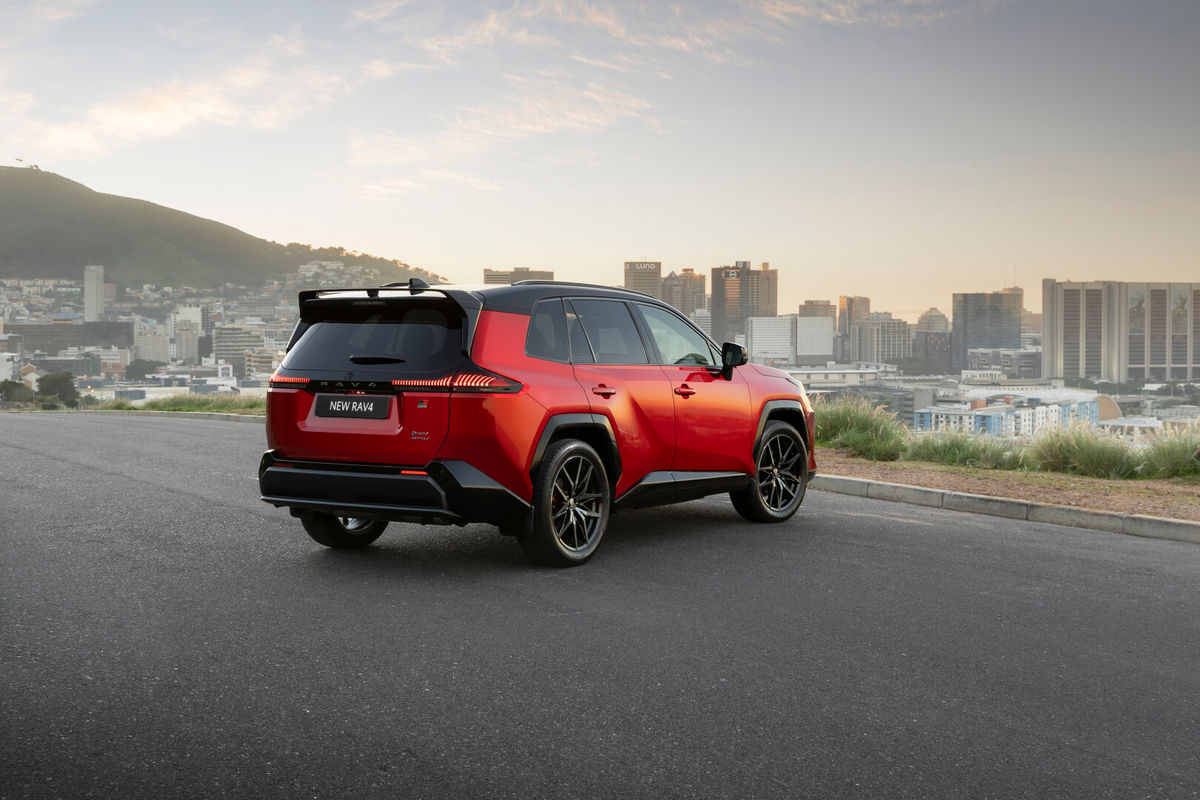
- GR-S body kit including roof spoiler, mesh grille and wider arch mouldings
- 15 mm ride height reduction, sportier setup on the shocks and springs
- Recalibrated power steering
2.5 PHEV
- 20-inch alloy wheel
- Powered tailgate with kick sensor
- Panoramic roof
What is the new model like to drive?
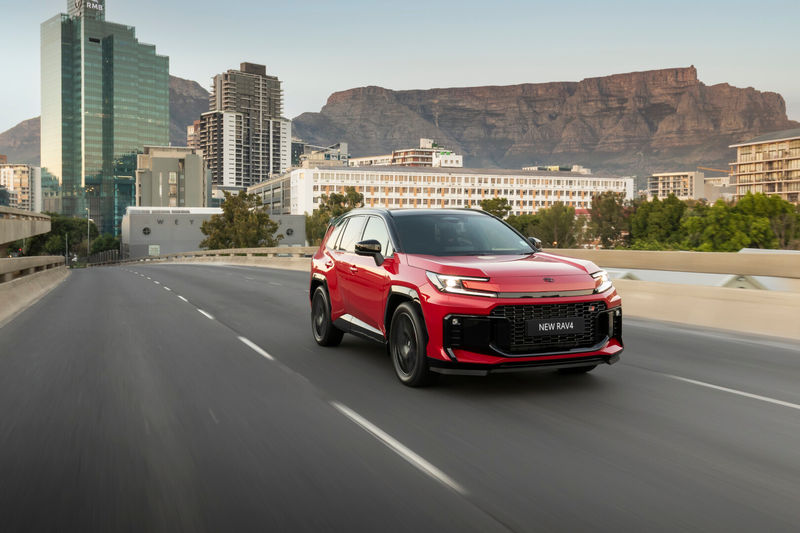
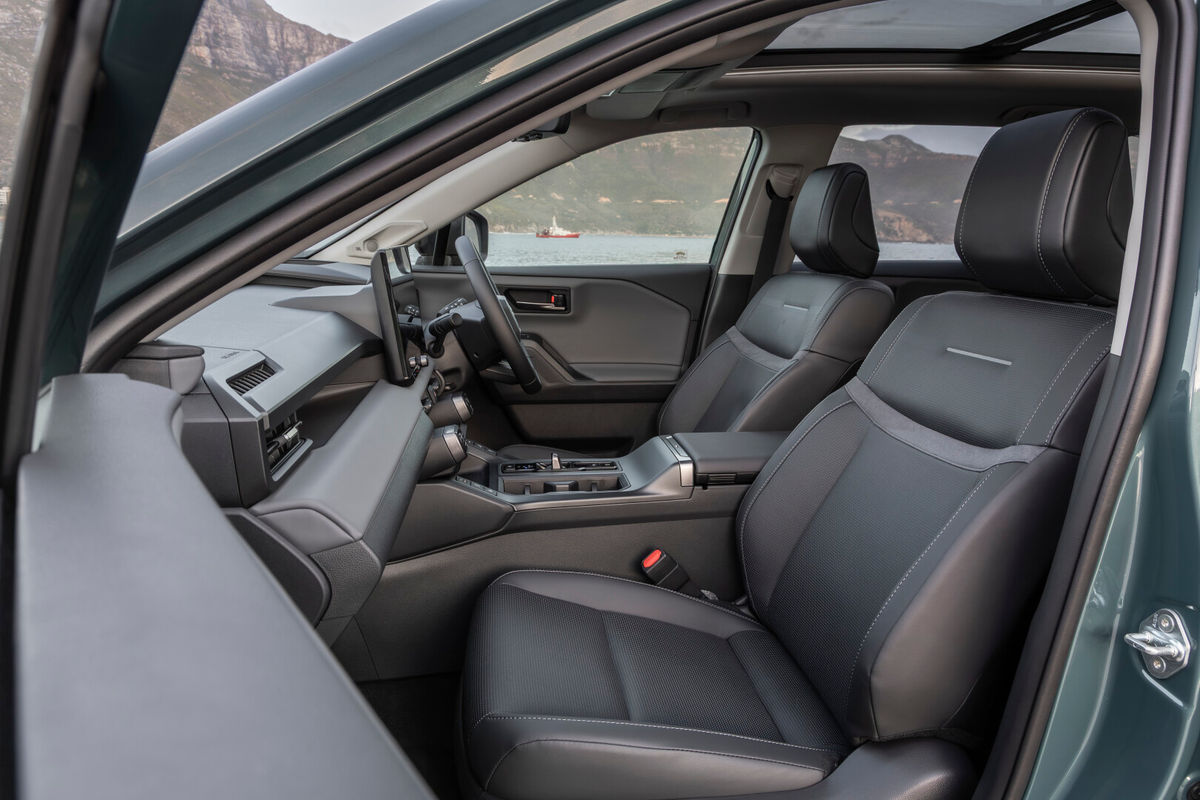
First impressions count for everything, and this is a handsome and modern Toyota both in terms of exterior execution and interior layout. I’d argue this is Toyota’s finest, plushest cabin in years, with a great blend of physical buttons and touchscreen controls. It’s worth mentioning Toyota has upgraded the infotainment software and the result is a package worth shouting about – it’s that far advanced in comparison to the rest of the Toyota range.
Our test drive took us through open, flowing roads from Cape Town International Airport to Tulbagh and then across to Paternoster on the West Coast. The vehicle for the drive was the visually striking red RAV4 GR-S and, despite its sporty outfit, did exactly what we’d expect from a sensible family SUV.
Predictable, relaxing, refined, easy to place on the road – these are just some of the traits the RAV4 delivers in spades. It’s even more impressive when you consider the GR-Sport has a more dynamic suspension setup, yet exhibits minimal road noise, jarring or stiffness. A quick drive in the standard car on smaller wheels highlighted just how gently sprung and soft the new RAV4 is. If you’re after on-road refinement, ease of use and quietness, the RAV4 has nailed it.
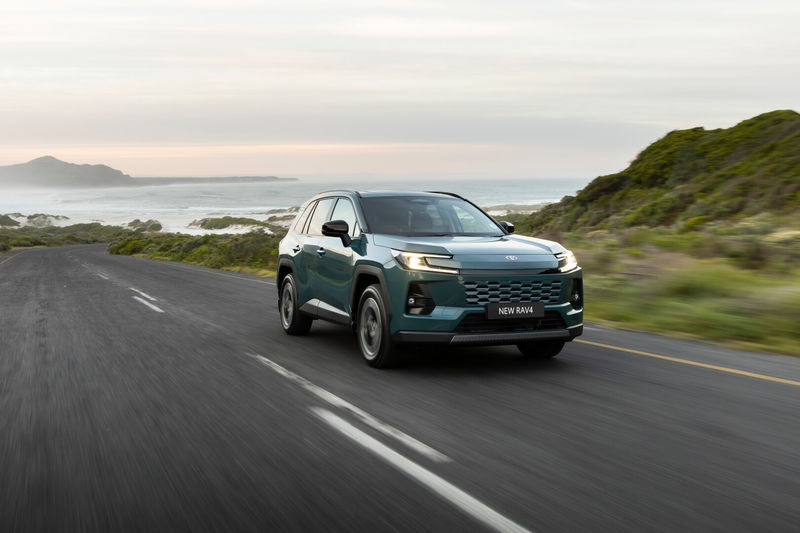
A CVT-equipped powertrain is usually a red flag, but in the case of the new RAV4, the drone noise has been nearly dialled out, unless you’re absolutely pinning that accelerator to the floor. We weren’t shy with that, either, yet recorded an impressive 7.5 L/100 km for the entire route. Use the eco mode and work with the hybrid powertrain and I reckon you’d get under 6.0 L/100 km.
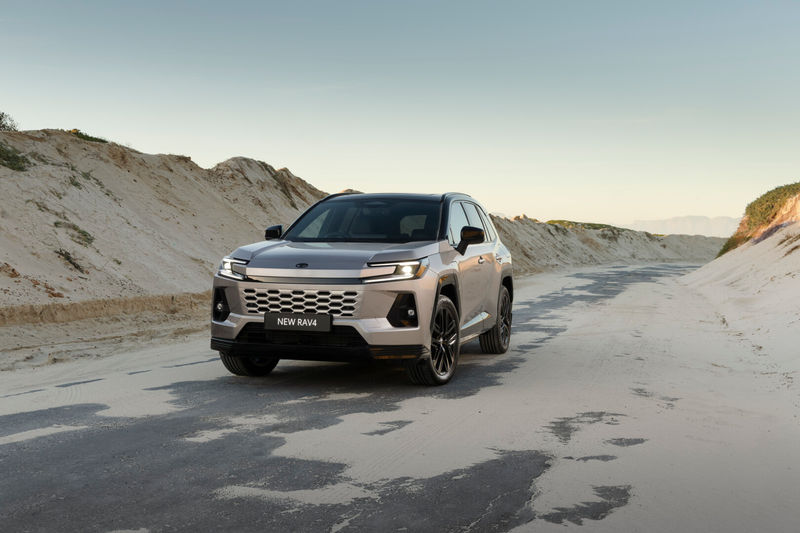
If you’re wanting gravel-travel capability, you’re in luck as most of the RAV4 range features all-wheel drive. There’s just over 200 mm of ground clearance and you get hill-descent control as well as modes for gravel and snow. It’s worth noting the vehicle is primarily front-wheel driven, with the rear axle coming alive when needed.
How much does the new Toyota RAV4 cost in South Africa?
Every RAV4 comes with a 6-service/90 000 km service plan as well as a 3-year/100 000 km warranty. EV battery coverage spans 8 years/160 000 km, and customers can increase both the warranty and service plan durations through dealers.
| Toyota RAV4 2.5 HEV GX | R770 500 |
| Toyota RAV4 2.0 VX | R799 900 |
| Toyota RAV4 2.5 HEV VX | R927 800 |
| Toyota RAV4 2.5 HEV GR-S | R941 800 |
| Toyota RAV4 2.5 PHEV | R1 043 900 |
Final thoughts
Toyota South Africa is well aware that it has its back against the wall in the face of more affordable offerings – think Haval H6 and Jetour T2 – which explains the multi-faceted approach in trying to cover all bases with conventional, hybrid and plug-in hybrid powertrains.
In comparison to the outgoing model, the price difference isn’t too radical. Comparing like for like – for example, the RAV4 2.5 HEV VX – the 5th-generation model retailed for R834 300 and the newcomer is positioned at R927 800. That’s an increase of 11.2% for a replacement model that’s much better specced and more polished.
This new RAV4 addresses all the criticisms of the previous generation, adds a touch more value and brings the range into the modern era with a carefully thought-out package. Paired with punchy yet efficient engines and impeccable refinement, and it’s game on!
Want to purchase a new or used Toyota? Browse vehicles for sale
Read the latest Toyota news and reviews
Frequently Asked Questions
What engine and hybrid options are available for the new RAV4?
- 2.0-litre Petrol: A naturally aspirated four-cylinder engine producing 127 kW and 203 Nm, paired with a CVT driving the front wheels (exclusive to the VX trim).
- 2.5-litre HEV (Traditional Hybrid): Combines a 2.5-litre engine with electric motors for a total system output of 176 kW, driving all four wheels via the E-Four system.
- 2.5-litre PHEV (Plug-in Hybrid): The flagship powertrain pushing out a combined 225 kW, featuring standard all-wheel drive.