An ideal first car must be easy to drive, cheap to insure and simple to repair. Before deciding between a manual or an automatic, here’s everything you need to consider before buying a learner car.
Learning to drive is an exciting rite of passage, but for a learner driver and their parents alike, it can also feel overwhelming. Beyond understanding road signs and traffic rules, choosing the right car is the final step in building confidence behind the wheel.
Certain vehicles are simply far more forgiving than others. Here is what to look for, plus we rank the 6 best learner cars in South Africa right now.
What makes a great learner car?
Learners have somewhat different needs than large families, high-performance or off-road enthusiasts. A good learner car should be easy to see out of, easy to manoeuvre and forgiving when the driver gets something slightly wrong. Light controls, predictable pedal response and a compact footprint all help.
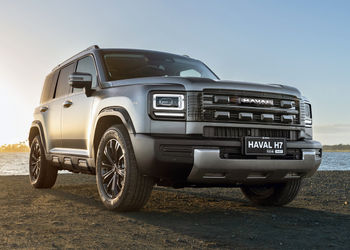
Even before setting off, good all-round visibility is essential. A commanding view of the road provides better situational awareness, whether you’re negotiating a multi-lane intersection or parallel parking. While many driving schools opt for cheap hatchbacks, a higher-riding compact crossover offers a more commanding view of the road and surrounding traffic.
Just as important is how easy the controls are to master. Compact cars with tractable, easy-to-modulate engines are generally more forgiving with the proviso that, in the cases of manual-equipped versions, their clutch uptake is gentle and predictable.
Because the clutch is likely to bear considerable abuse from novices struggling with hill starts or attempting to hold the car on an incline, you want a model with easily obtainable and affordable spare parts. This is one reason to favour models with strong local parts and dealer networks.
Next up is safety. As learners discover the nuances of cornering and braking grip, the possibility of a loss of control must be minimised. Cue anti-lock brakes and vehicle stability control as must-haves.

Finally, there’s the cost of insurance to factor in. Repair costs, theft risk and the availability of parts can all influence insurance premiums, which is another reason to favour a car with a strong local support network.
Read more: Buying a new car? Ways to lower your insurance premium
Manual vs auto for a learner driver: The South African licence dilemma
Understanding how, why and when a clutch is used in a manual car can be intimidating if there’s already an overload of other information that the learner driver has to absorb. The alternative is to learn and complete your K53 driving test in a car equipped with an automatic transmission.
Read more: Manual vs automatic cars for learner drivers – which is best?
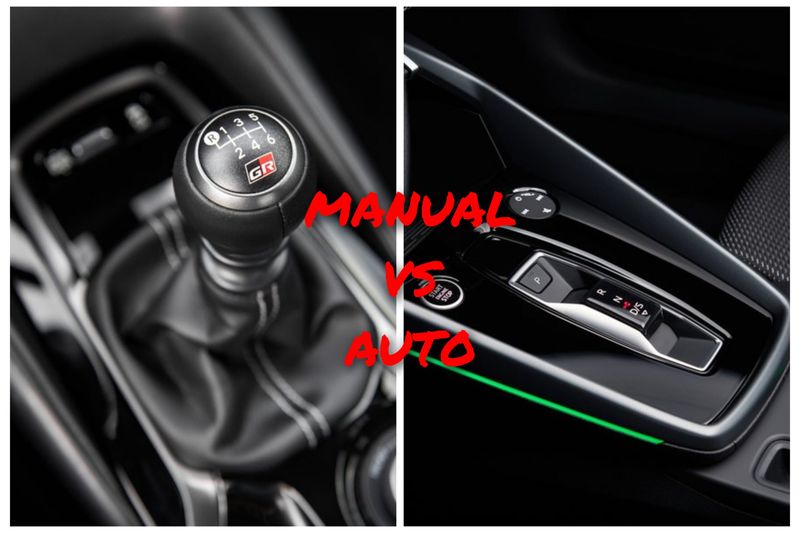
However, this convenience is actually short-term relief that sets you up for long-term pain. Should you pass in an automatic, your Code B driver’s licence will be issued with a restriction code limiting you to automatic vehicles. If you then happen to be involved in an accident while driving a manual car later in life, you will be driving it outside of your licence conditions, triggering insurance and legal complications.
For most learners, it’s therefore worth mastering a manual if you can manage it. Also consider that if you pass in a manual car, you’re legally qualified to drive an automatic.
Best cars for a learner driver in South Africa: Manual & automatic options
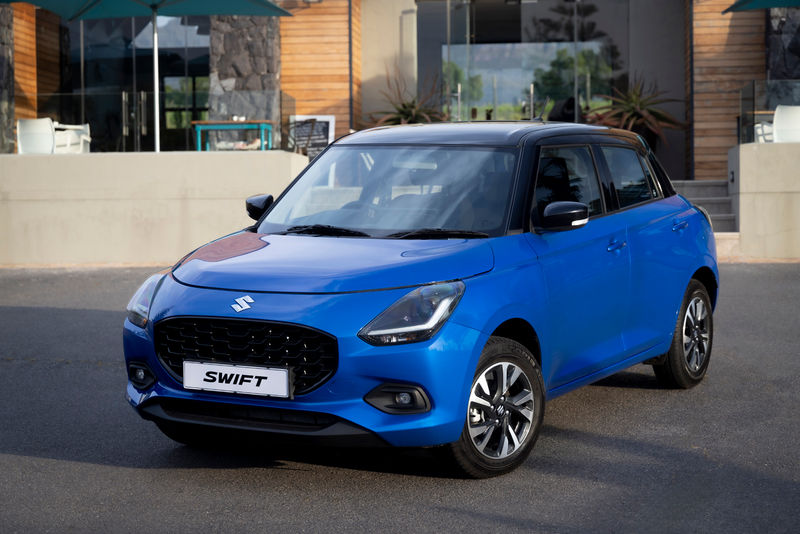
If you still don’t like manual transmission-equipped cars, or sit in left-leg-punishing traffic for hours each day, the smart play is to complete your driving test in a manual car but buy an automatic afterwards. These are great options to consider:
| Model | Price range (new) | Available transmissions |
| Suzuki Swift 1.2 (GL/GLX) | R228 900-R296 900 | 5-speed manual/CVT automatic |
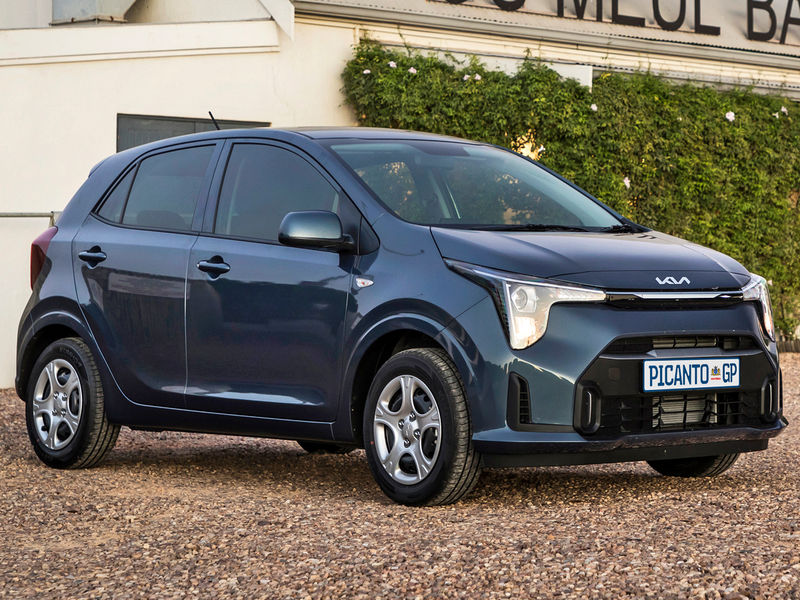
| Kia Picanto (1.0/1.2) | R236 995-R325 995 | 5-speed manual/4-speed automatic |
| Hyundai Grand i10 | R224 900-R309 900 | 5-speed manual/4-speed automatic |
| Suzuki Celerio | R188 900-R225 900 | 5-speed manual/5-speed AMT |
| Volkswagen Polo Vivo | R271 900-R363 300 | 5-speed manual/6-speed automatic |
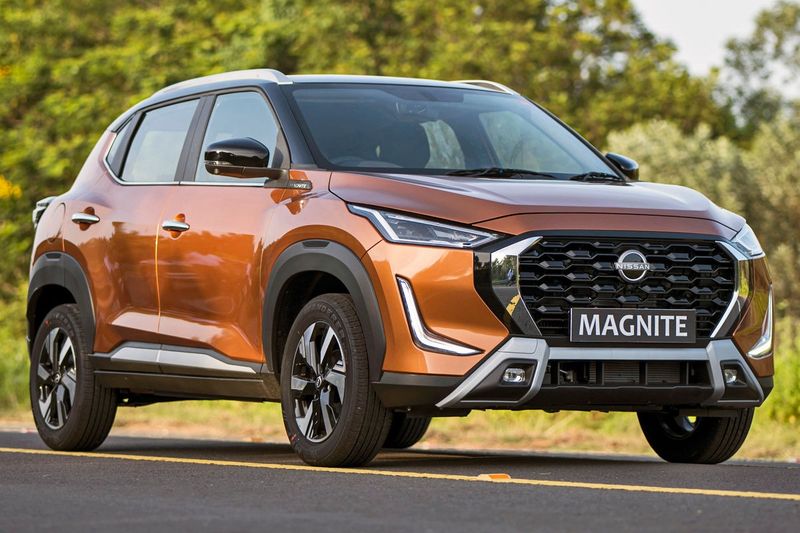
| Nissan Magnite | R252 200-R370 900 | 5-speed manual/AMT/CVT automatic |
Total cost of ownership: Insurance, maintenance & dents for novice drivers
Even when shopping for cars suited to learner drivers, the aftersales considerations are much the same as they are for a more experienced owner.
Maintenance and insurance are essentials on any vehicle. If the car will mainly be used for learning, you may also want to consider scratch-and-dent cover. Also, owing to their inexperience, first-time owners under 25 tend to be charged slightly higher insurance rates than older drivers. Lower-category vehicles can go some way towards alleviating these premiums.
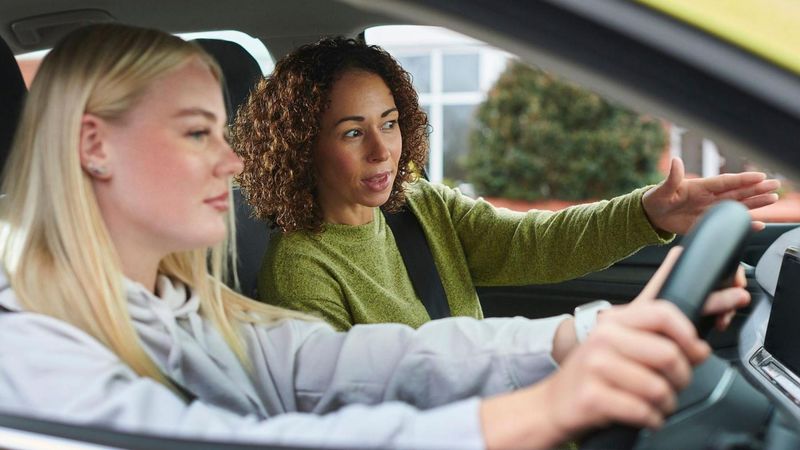
If you’re buying new, test drive two or three of the models listed above back-to-back to get a real-world feel. Pay specific attention to blind-spot visibility and how the pedals feel underfoot.
And if you’re buying used as a first-time driver, insist on a full service history.
Getting your hands on the right – and most forgiving – learner car is great, but a mechanically sound one is non-negotiable.
Frequently Asked Questions (FAQ)
Q: What are the key qualities to look for when choosing a learner car?
A: A great learner car should be easy to see out of, simple to manoeuvre, and forgiving, featuring light controls, predictable pedal response, a compact footprint, and essential safety features like anti-lock brakes and stability control.
Q: What are the licence implications of passing your driving test in an automatic car in South Africa?
A: Passing your test in an automatic vehicle results in a restricted Code B driver’s licence that limits you strictly to automatic cars, meaning driving a manual vehicle afterwards creates legal and insurance complications.
Q: What is the price range for the Suzuki Swift 1.2 in South Africa?
A: The Suzuki Swift 1.2 (GL/GLX) is priced between R228 900 and R296 900 (pricing correct as of September 2026).