A landmark study from Cars.co.za exposes how affordability constraints, changing vehicle finance trends and a 72% surge in Chinese vehicle sales are fundamentally altering consumer buying behaviour across South Africa.
South Africa’s automotive sector continues to navigate a turbulent macroeconomic landscape, but the latest data from the Cars.co.za Industry Report 2026 reveals a market undergoing a rapid, structural transformation. Driven by persistent household budget constraints, evolving vehicle asset finance trends and a dramatic shift in consumer brand preferences, the local motor industry is being reshaped from the ground up.
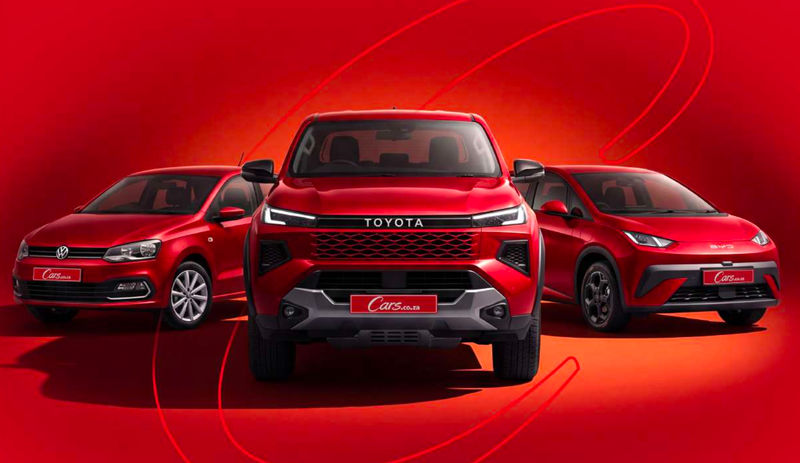
The landmark report combines national sales data, vehicle finance statistics and proprietary lead-generation metrics from South Africa’s leading automotive marketplace to offer an unprecedented look into consumer buying behaviour, OEM performance, and market projections.
Here are the key takeaways from the Cars.co.za Industry Report 2026 defining the South African motoring landscape.
Cars.co.za Industry Report 2026 shows surging sales amid household strains
Despite persistent economic pressure, soaring living costs and elevated interest rates, overall market demand has shown remarkable resilience. A standout moment came in mid-2026, when monthly new passenger vehicle sales surged to levels not seen in over a decade; July alone recorded the highest single-month sales volume since September 2014.
However, this top-line recovery masks significant underlying stress on consumer wallets. Fluctuating fuel prices and high borrowing costs continue to dictate buying patterns, forcing shoppers to re-evaluate their priorities. Price (cited by 70.8% of survey respondents) and fuel efficiency (52.5%) stand out as the primary factors driving vehicle-purchasing decisions.
The demographic landscape of active car buyers is also shifting rapidly. First-time buyers now represent the largest single category of shoppers on the Cars.co.za platform at 37.6%, while millennials (aged 28 to 43) make up the dominant age demographic at 50.5%. As these younger generations enter the vehicle ownership cycle, their preferences are fundamentally altering traditional brand loyalty.
The Chinese OEMs are gaining a stronger foothold
Perhaps the most significant structural shift detailed in the Cars.co.za Industry Report 2026 is the rise of Chinese original equipment manufacturers (OEMs). Once considered niche players in the South African market, Chinese brands have aggressively captured market share by offering high levels of standard features, modern design and competitive pricing.
Chinese manufacturers now account for approximately 22% of total passenger and light commercial vehicle (LCV) sales in South Africa. The speed of this expansion is underscored by quarterly growth metrics: year-on-year sales for Chinese OEMs expanded by an astonishing 72% in Q2 2026. By contrast, sales for traditional legacy OEMs grew by just 3% over the same period.
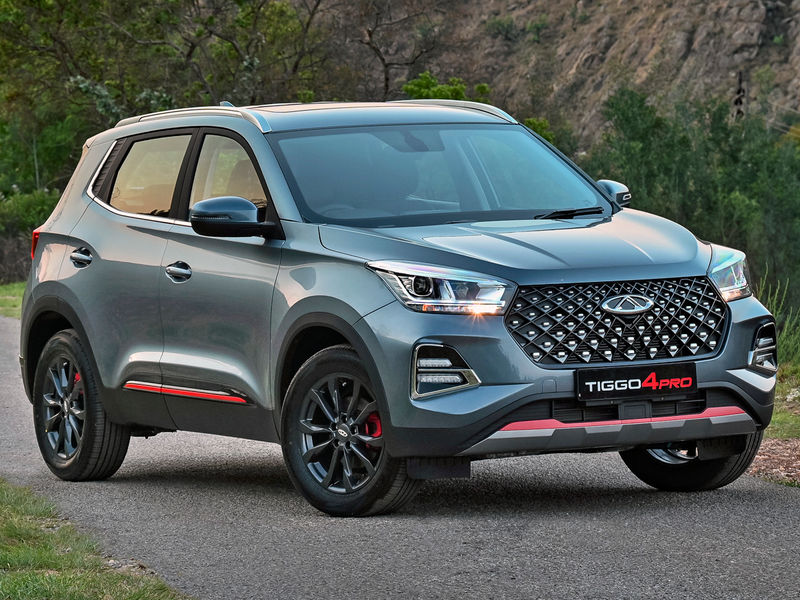
This influx is particularly pronounced in the compact crossover and SUV segments. Models like the Chery Tiggo 4 Pro and the Haval Jolion have become staple choices for budget-conscious families. In the commercial space, GWM’s P-Series range continues to make inroads into a segment historically dominated by Toyota, Ford and Isuzu.
Cars.co.za Industry Report 2026 highlights shift in finance dynamics & price brackets
Vehicle asset-finance data from the Cars.co.za Industry Report 2026 highlights how affordability constraints are reshaping credit approval patterns and loan distribution across price bands. Growth in vehicle financing is increasingly concentrated among young adult and early career buyers who are turning to flexible financing options to secure personal mobility.
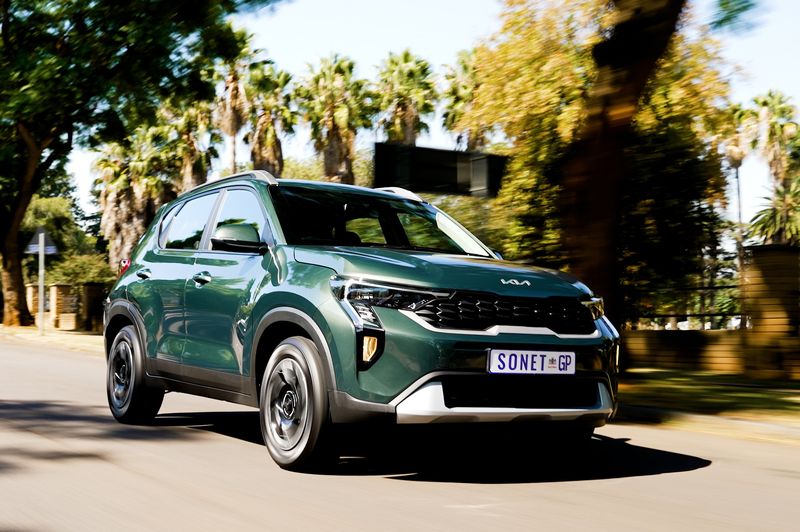
Crucially, the report notes a widening polarisation in vehicle price categories. Financed buying volume growth is strongly concentrated in the R250 000 to R500 000 bracket – where value-focused compact SUVs and well-equipped entry-level vehicles thrive – as well as the premium segment above R500 000.
Conversely, the traditional sub-R250 000 new vehicle market continues to contract sharply. As fewer new cars are offered under the R250k mark due to inflation and rising production costs, entry-level buyers are increasingly pushed into the pre-owned market or forced to stretch their budgets into higher loan tiers.
H1 2026 bestsellers: The local champions
When it comes to actual sales figures on dealer floors during the first half of 2026, established local favourites continue to fight hard to maintain their podium positions against incoming competition.
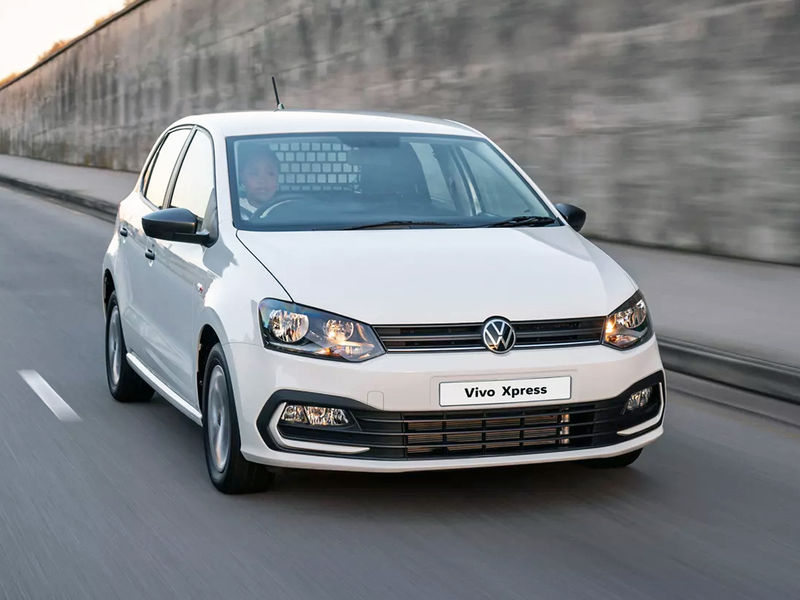
In the passenger car category, Volkswagen’s locally built Polo Vivo retained its title as South Africa’s bestselling new car, moving 12 846 units in H1.
However, the Chery Tiggo 4 Pro family secured a stunning second place overall with 11 322 units, proving that Chinese contenders are now competing directly for overall market leadership. Suzuki’s ever-popular Swift rounded out the top three with 10 469 units, followed by the Hyundai Grand i10 (8 625 units) and Toyota’s locally manufactured Corolla Cross (7 141 units).
The light commercial vehicle (LCV) segment remains a fiercely contested arena, dominated by South Africa’s love for the bakkie:
- Toyota Hilux: 18 862 units
- Ford Ranger: 12 472 units
- Isuzu D-Max: 10 068 units
- Mahindra Pik Up: 4 689 units
- GWM P-Series: 3 647 units
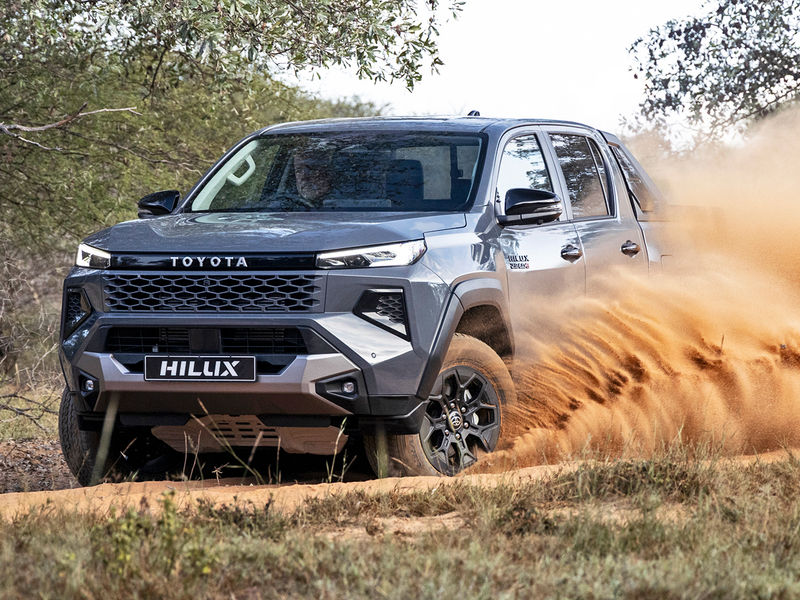
While the Hilux, Ranger and D-Max maintain a strong lead, the steady rise of Mahindra and GWM in the top five underlines the growing acceptance of alternative value offerings in the workhorse and leisure bakkie sectors.
Digital intent: What South Africans are searching for
While sales figures show what consumers ultimately purchase, Cars.co.za lead generation data offers a direct window into consumer desire and shopping intent. Lead share measures the volume of serious buying inquiries submitted to dealers through the platform.
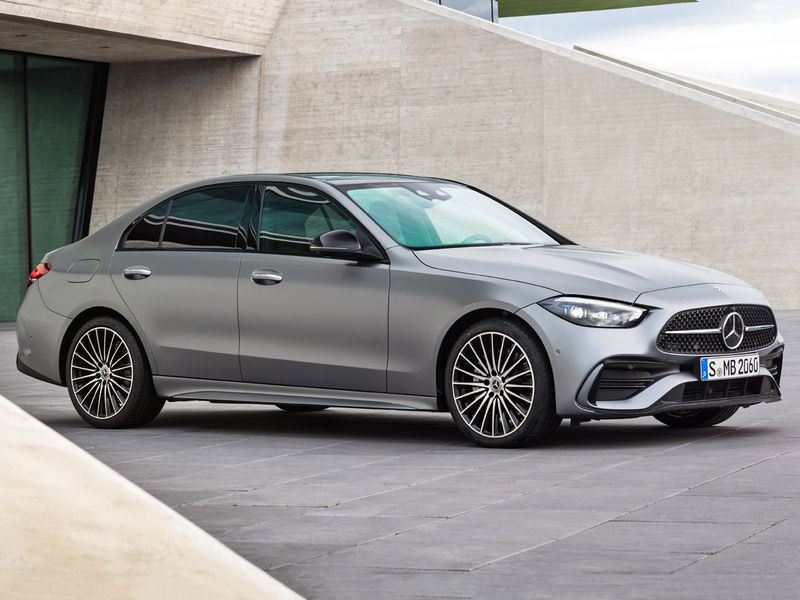
The Volkswagen Polo topped the lead generation rankings for 2026, commanding 6.71% of all total leads, closely followed by the Toyota Hilux (5.15%) and Volkswagen Polo Vivo (4.72%). Ford’s Ranger took fourth place with 4.16%, while the Mercedes-Benz C-Class captured fifth position with 1.97%, demonstrating strong ongoing interest in aspirational pre-owned luxury sedans.
Rounding out the top 10 lead generators were the Suzuki Ertiga (1.90%), Toyota Quantum (1.88%), Suzuki Swift (1.76%), Volkswagen Golf (1.71%) and Hyundai i20 (1.64%). On the platform’s digital lead rankings, the Haval Jolion (31st) and Chery Tiggo 4 Pro (34th) lead the Chinese passenger vehicle standings, while the GWM P-Series (60th) remains the highest-ranked Chinese LCV.
Looking ahead
As South Africa moves through the second half of 2026, the automotive market stands at an unprecedented crossroads. While economic realities continue to test consumer purchasing power, the rapid expansion of feature-packed, competitively priced options is giving South African motorists more choices than ever before. Manufacturers that adapt quickly to these changing demographic expectations, strict budget limits, and shifting finance models will ultimately control the road ahead.
Download the full report: Want deeper insights into South Africa’s motoring trends, regional breakdowns and full vehicle segment data? Click here to download the complete Cars.co.za Industry Report 2026.