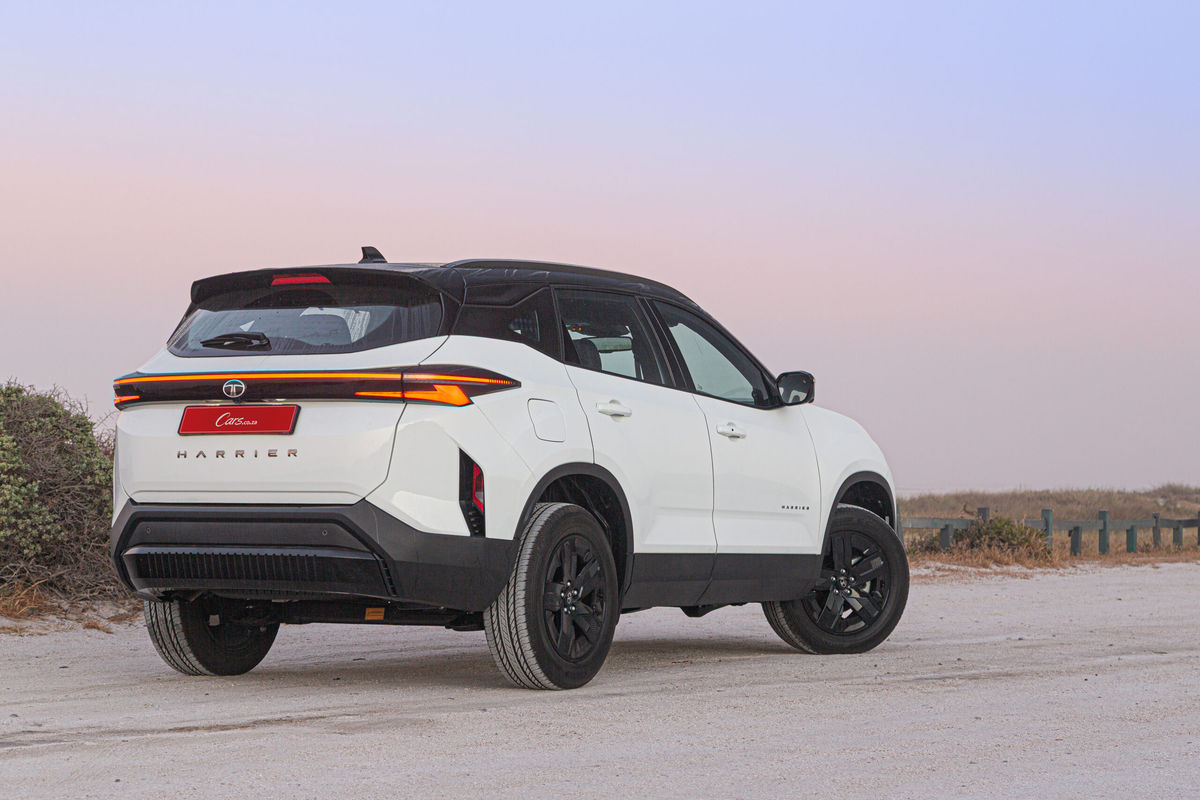
The introduction of the all-new Tata Harrier marks an important development for the Indian brand as it re-enters the local automotive market; the Harrier joins what is arguably one of the most popular and hotly contested segments: midsize crossover. However, it has a potential ace up its sleeve to set it apart: the relative rarity of diesel power.
After a hiatus of more than 6 years, Tata is back in South Africa with a line-up of 4 passenger cars. At the head of this range sits the new Tata Harrier, which steps into the competitive midsize SUV/crossover arena promising an unbeatable blend of value, features, and distinctive styling. We spent time with the flagship Harrier Fearless+ 2.0DT AT derivative to see how it stacks up against its Asian and European rivals.
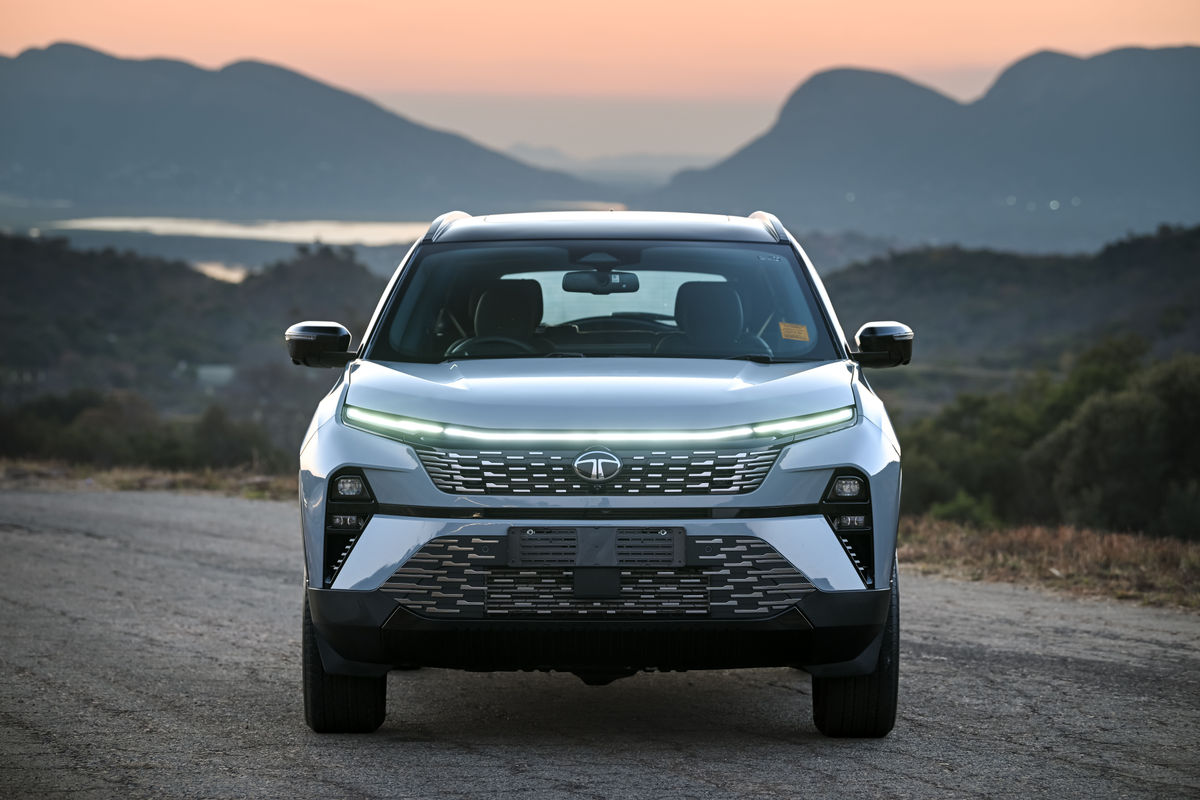
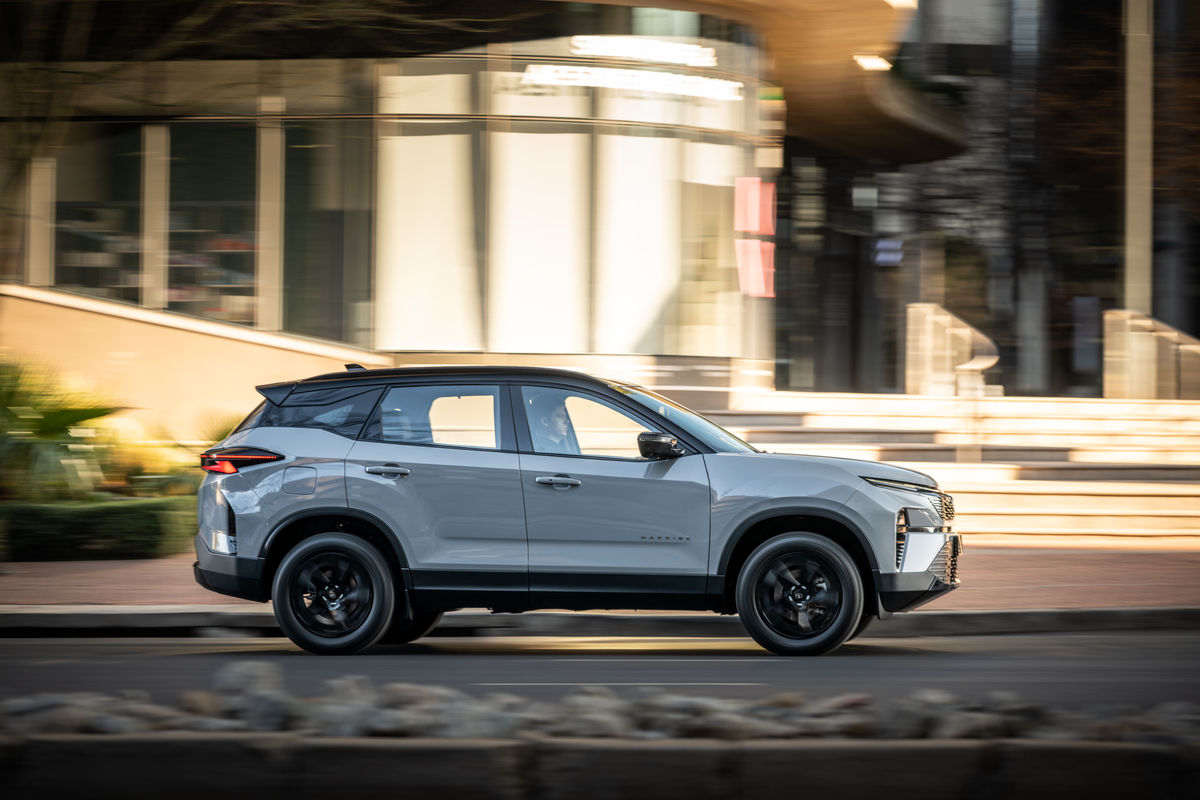
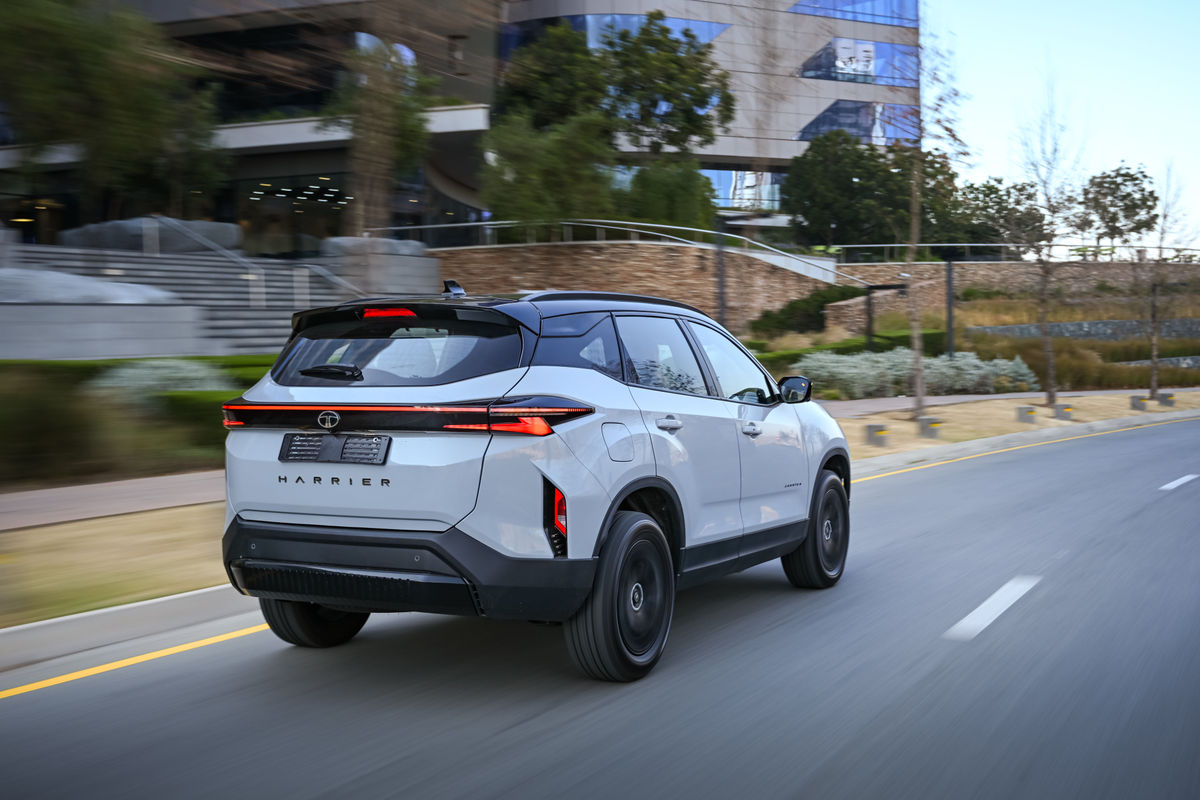
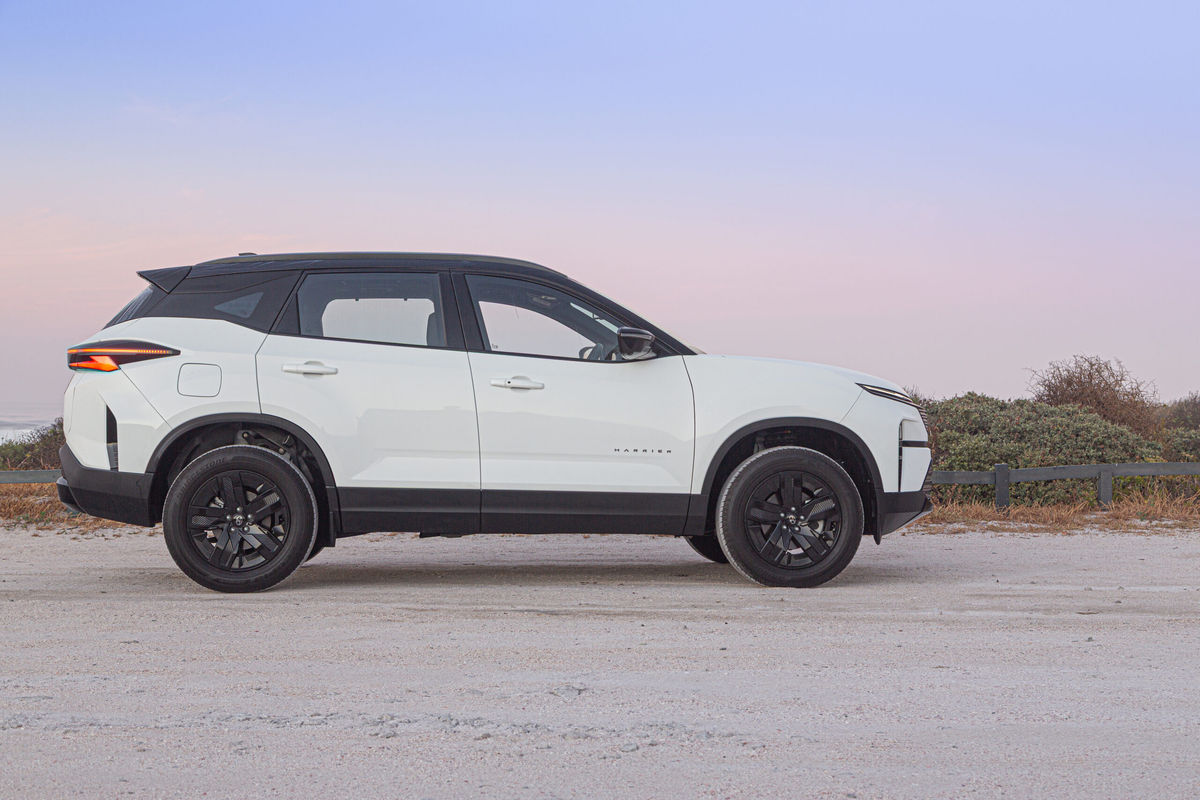
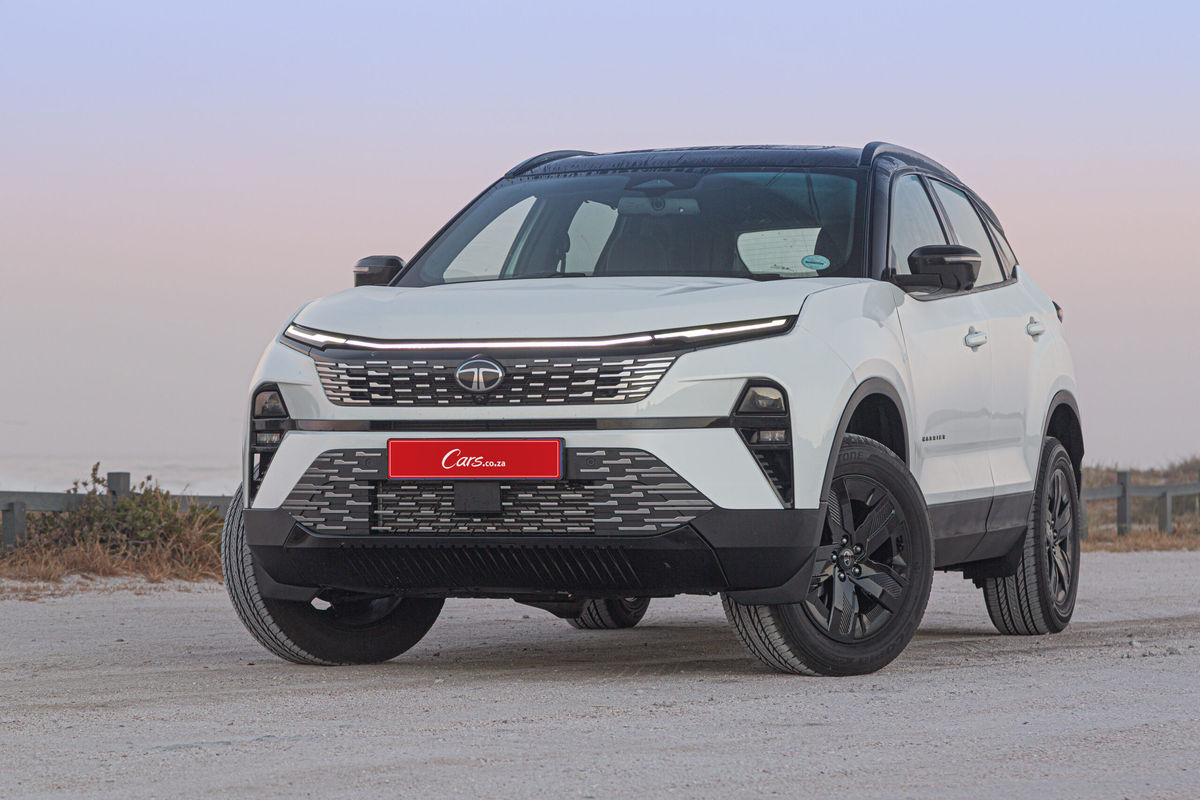
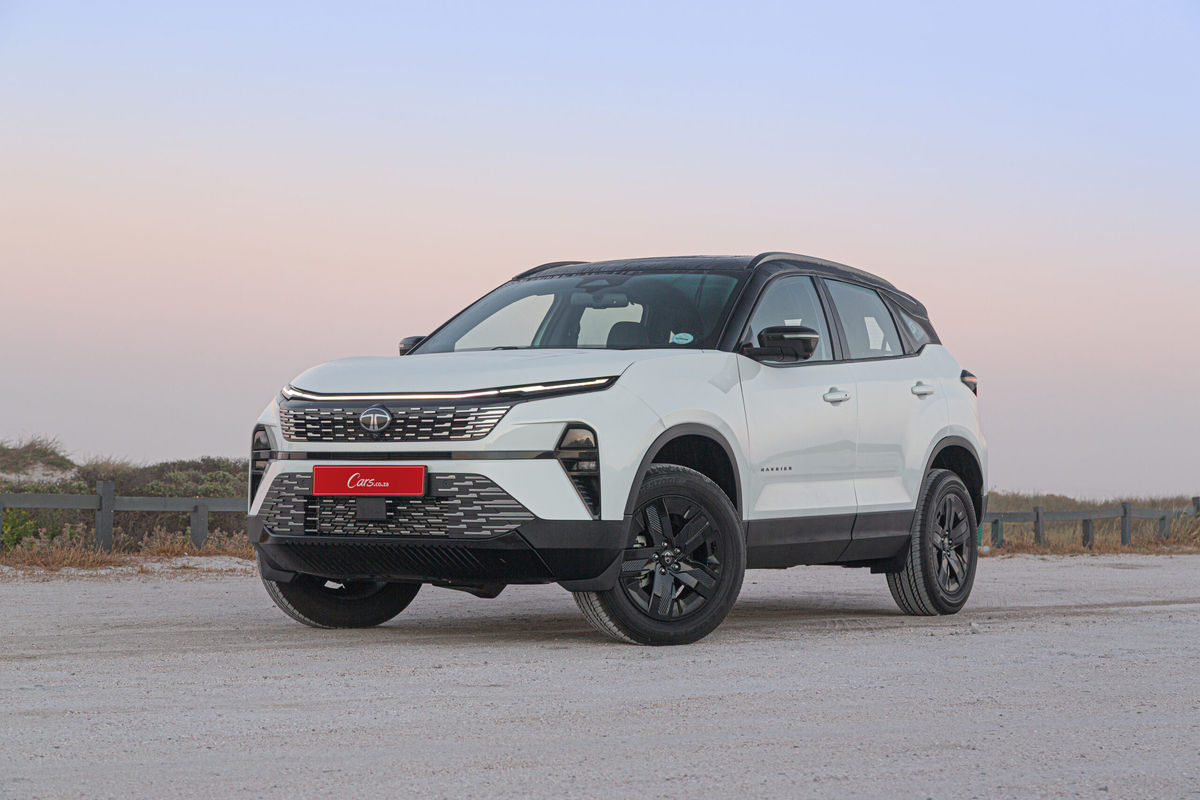
Tata Harrier: Bold & angular exterior design
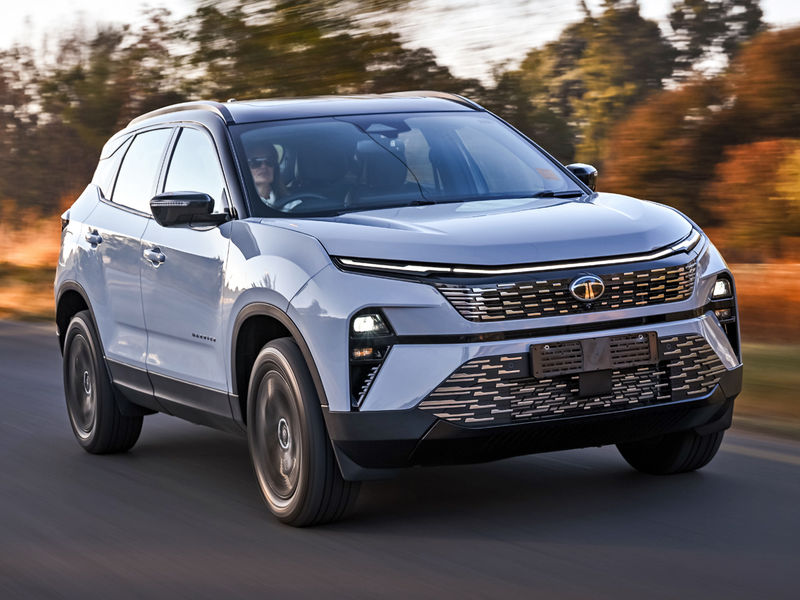
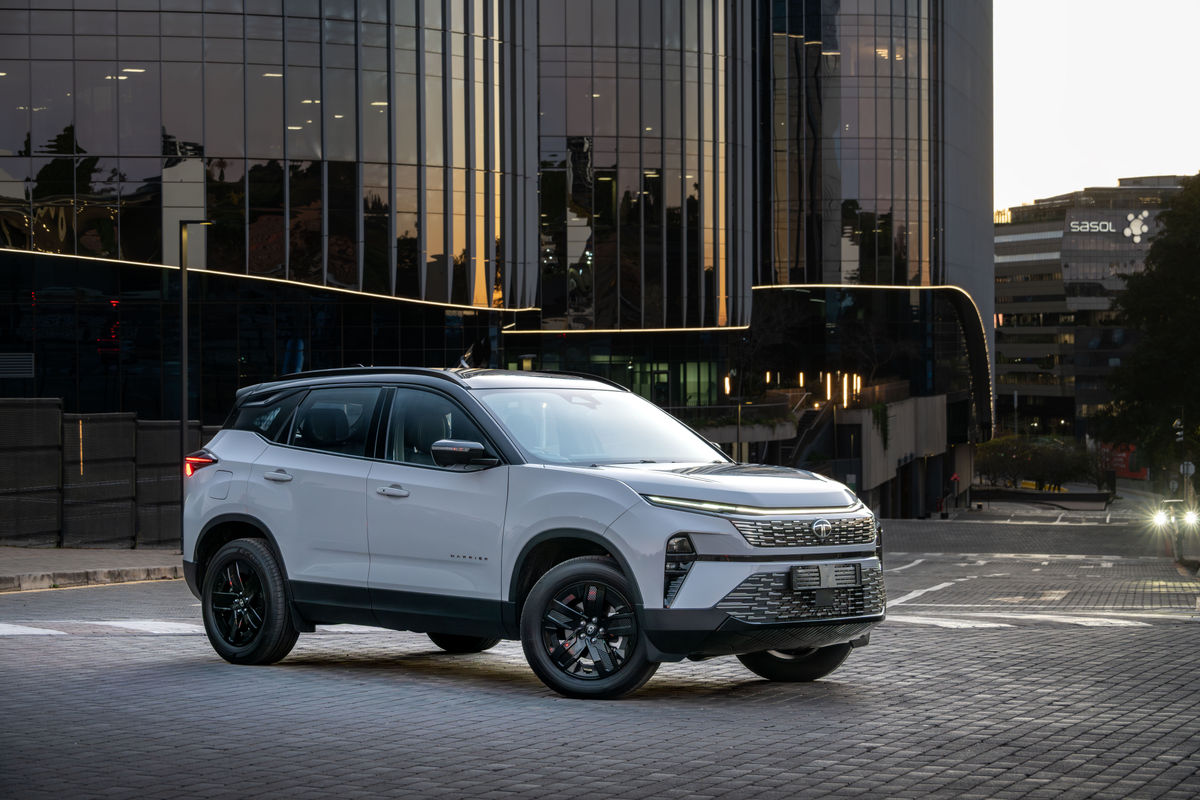
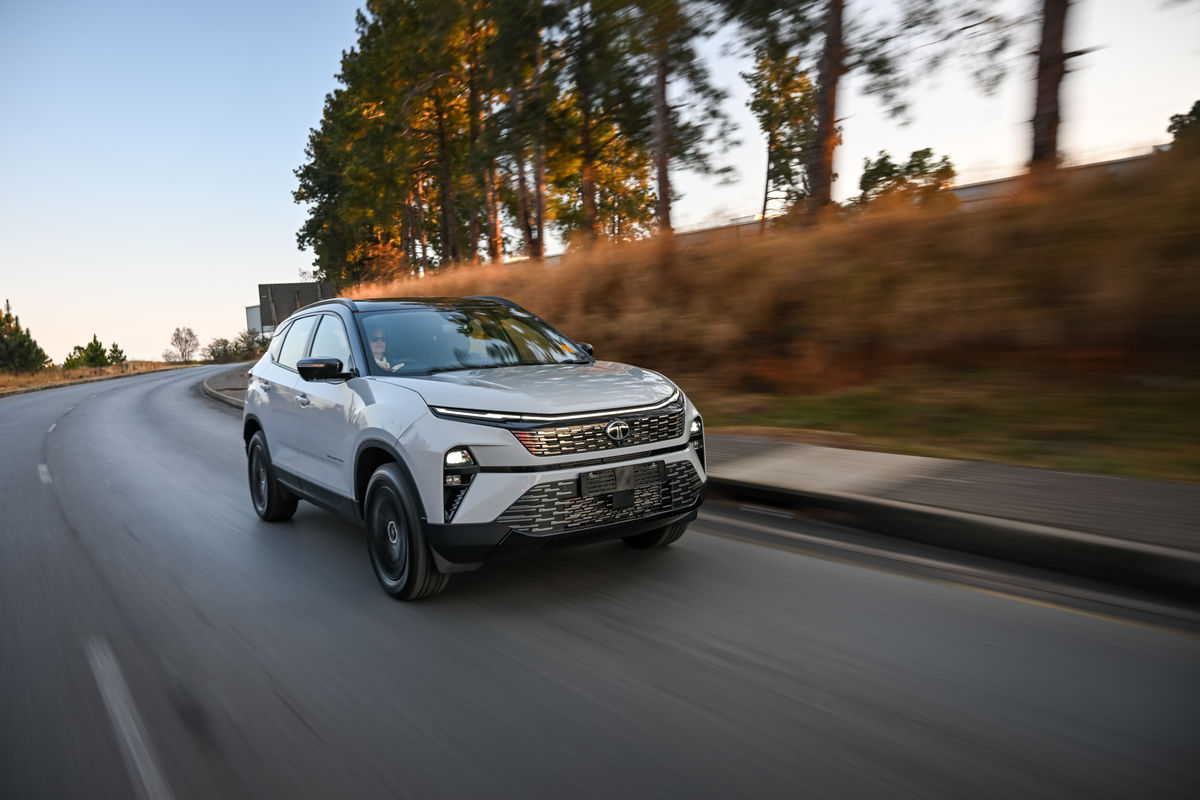
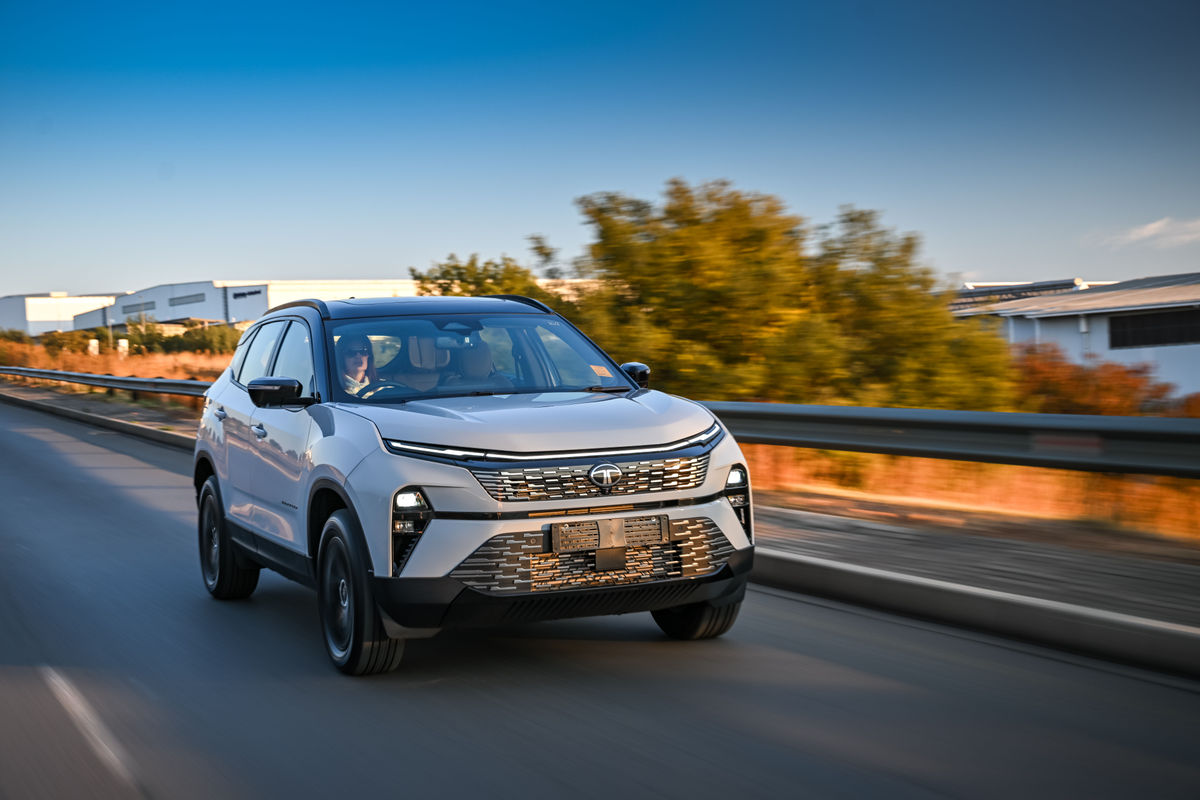
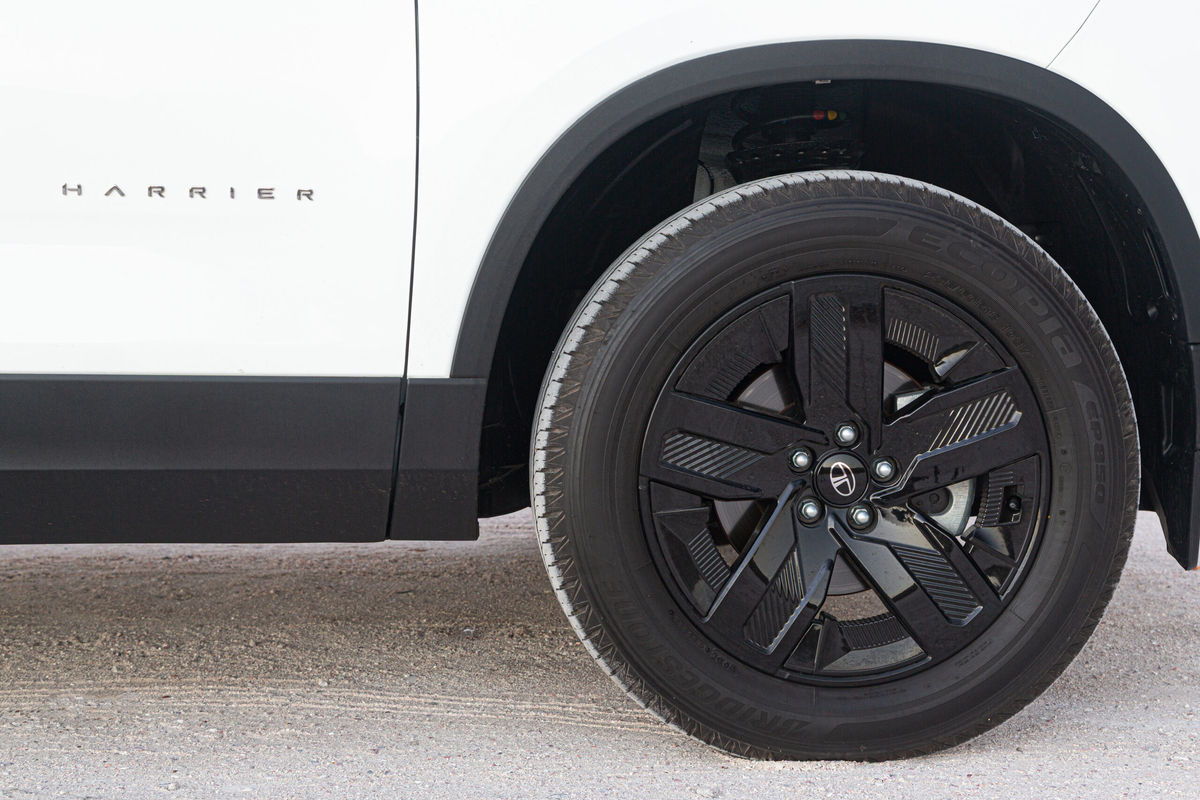
The first aspect of the Harrier that commands attention is its styling. While design is subjective, the Harrier’s sharp angles and bold appearance successfully distinguish it from the family SUV crowd. The review vehicle, finished in white with a contrasting black roof and 18-inch black alloy wheels wrapped in sensible 235/60 tyres, showcased a modern and assertive road presence. Impressive.
Watch: All-new Tata Harrier arrives in SA – How does it compare to rivals?
A feature-rich interior & lots of safety tech
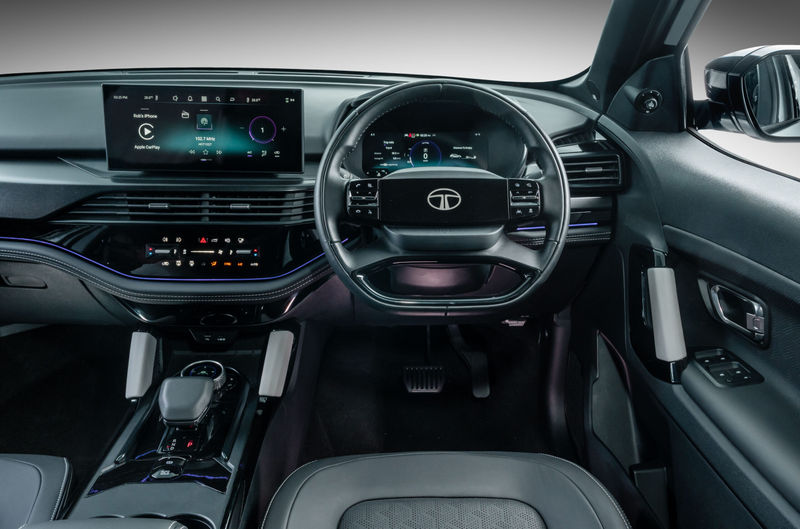
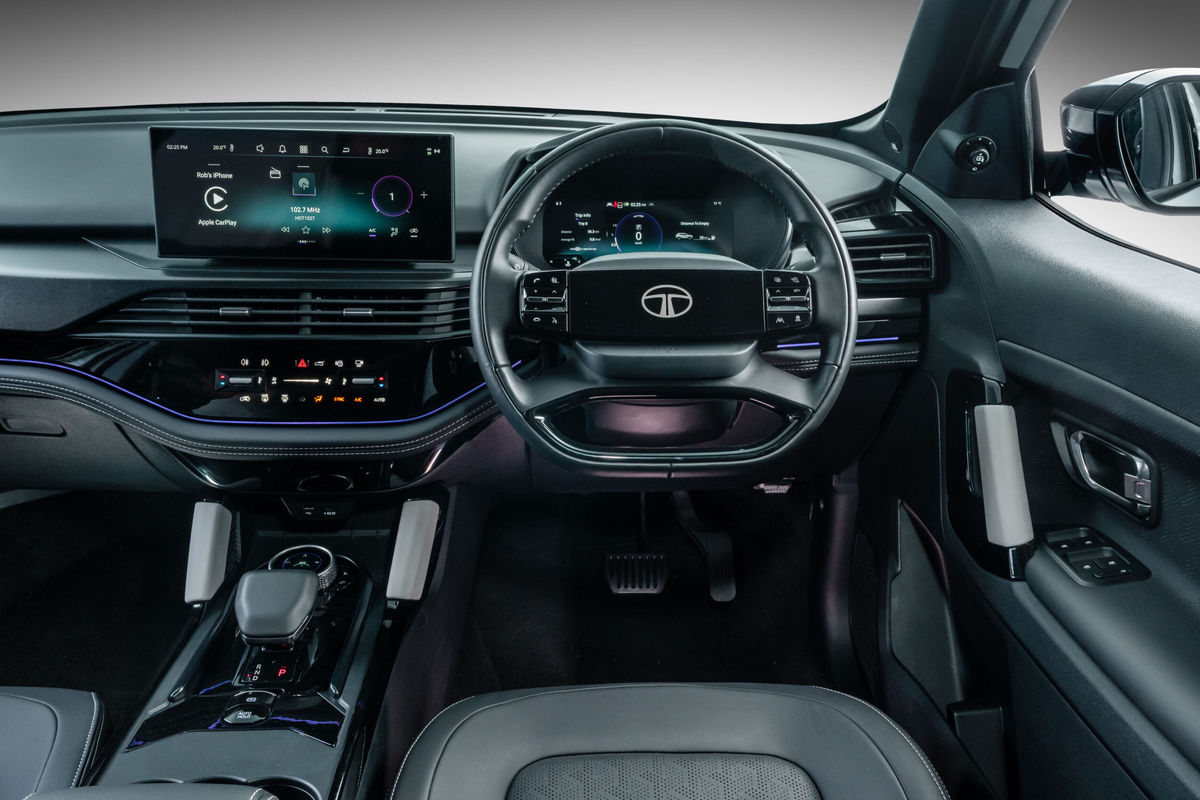
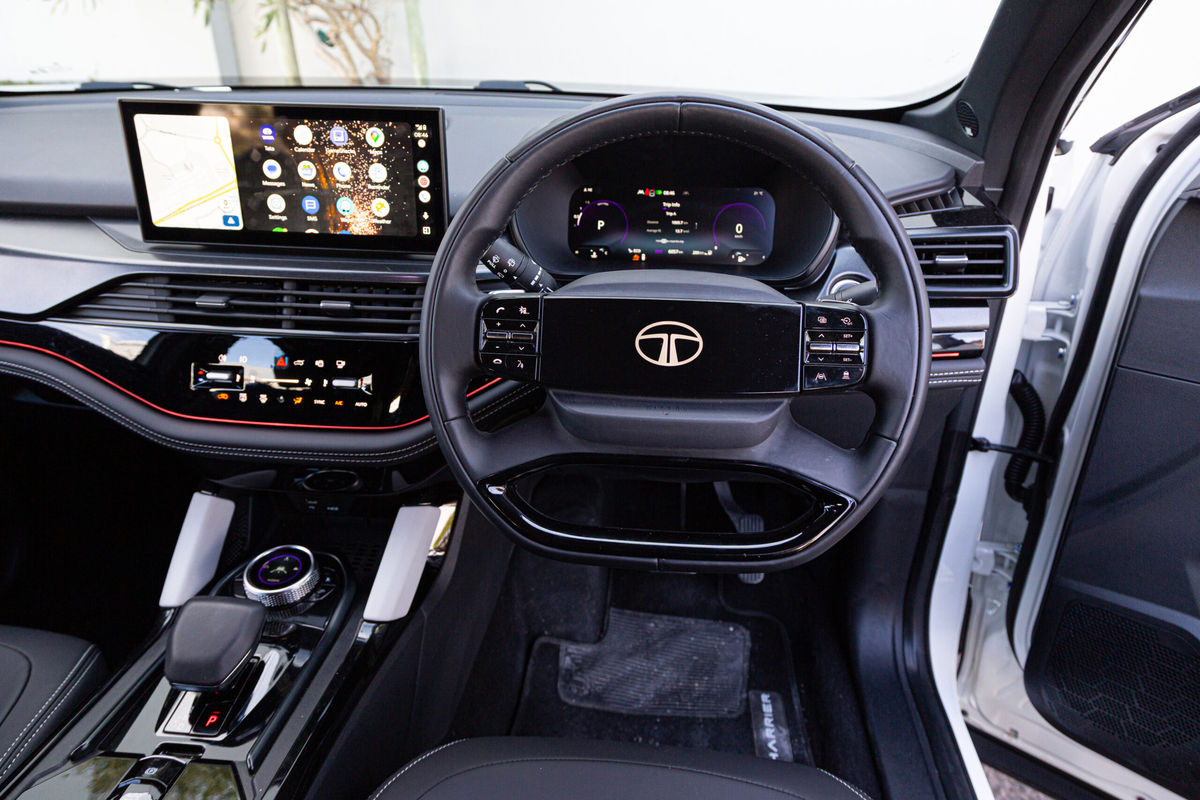
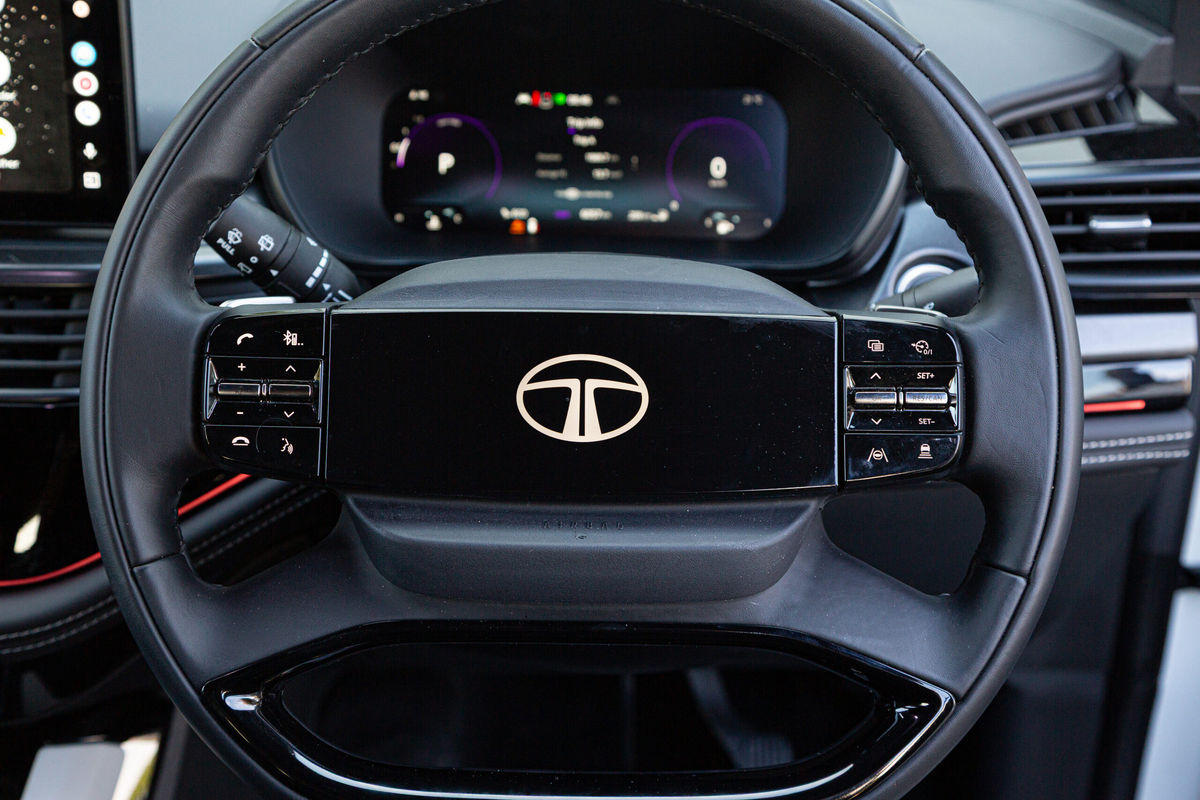
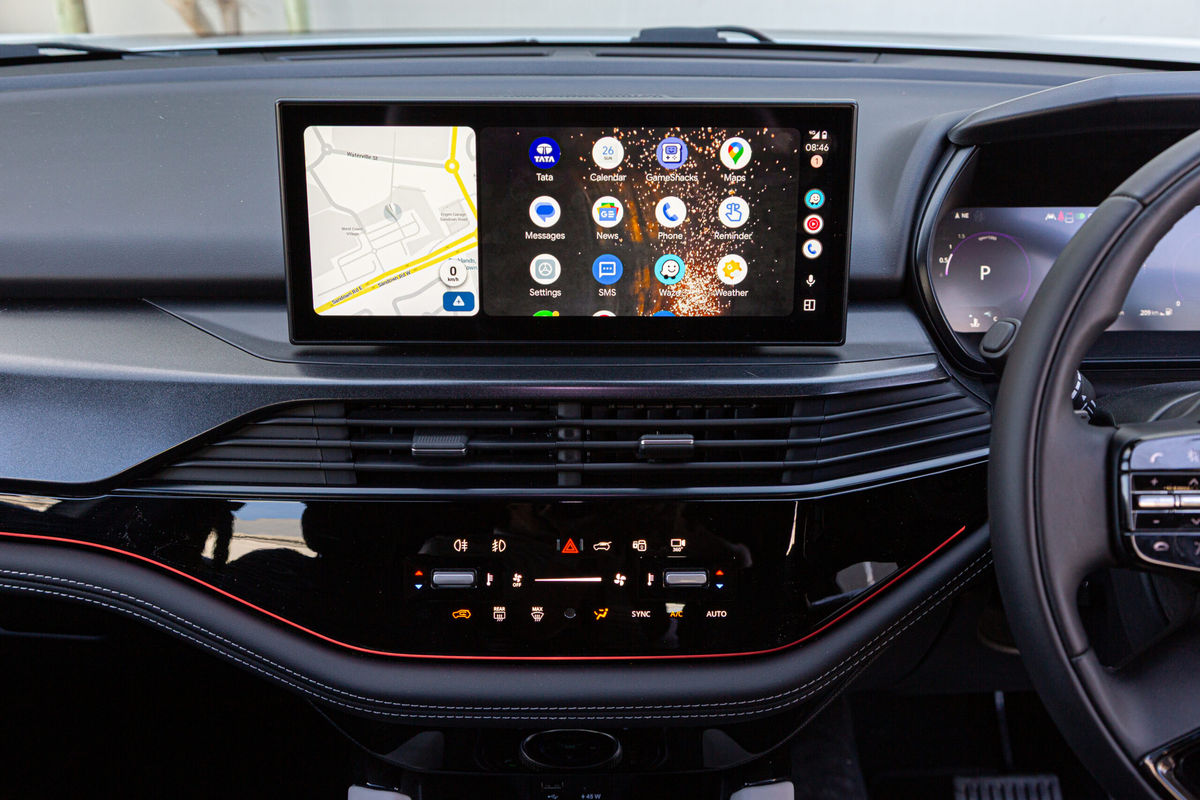
The Tata Harrier‘s interior is packed with technology and features, particularly in the top-spec Fearless+ model, which is priced at R699 900. However, even the Pure+ variant is well equipped at R549 900, including niceties like 17-inch wheels, gear shift paddles, a reverse-view camera, keyless entry and start, plus wireless Android Auto and Apple CarPlay.
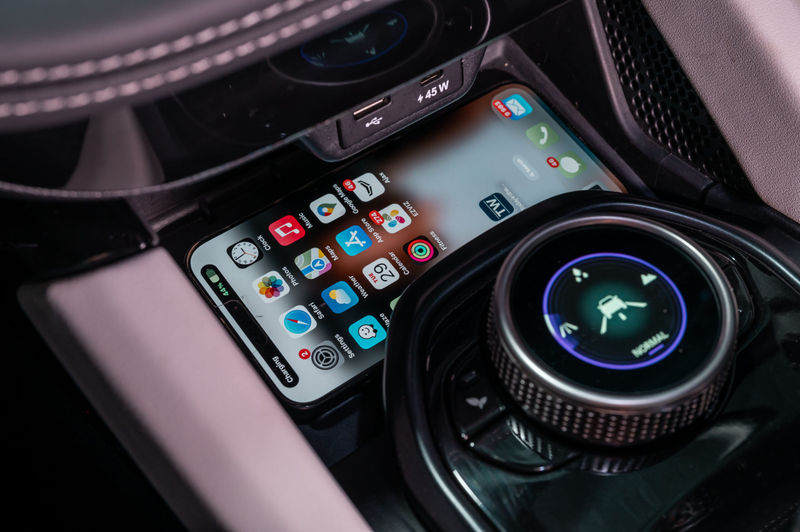
Stepping into the flagship Fearless+ model, you gain the following standout features:
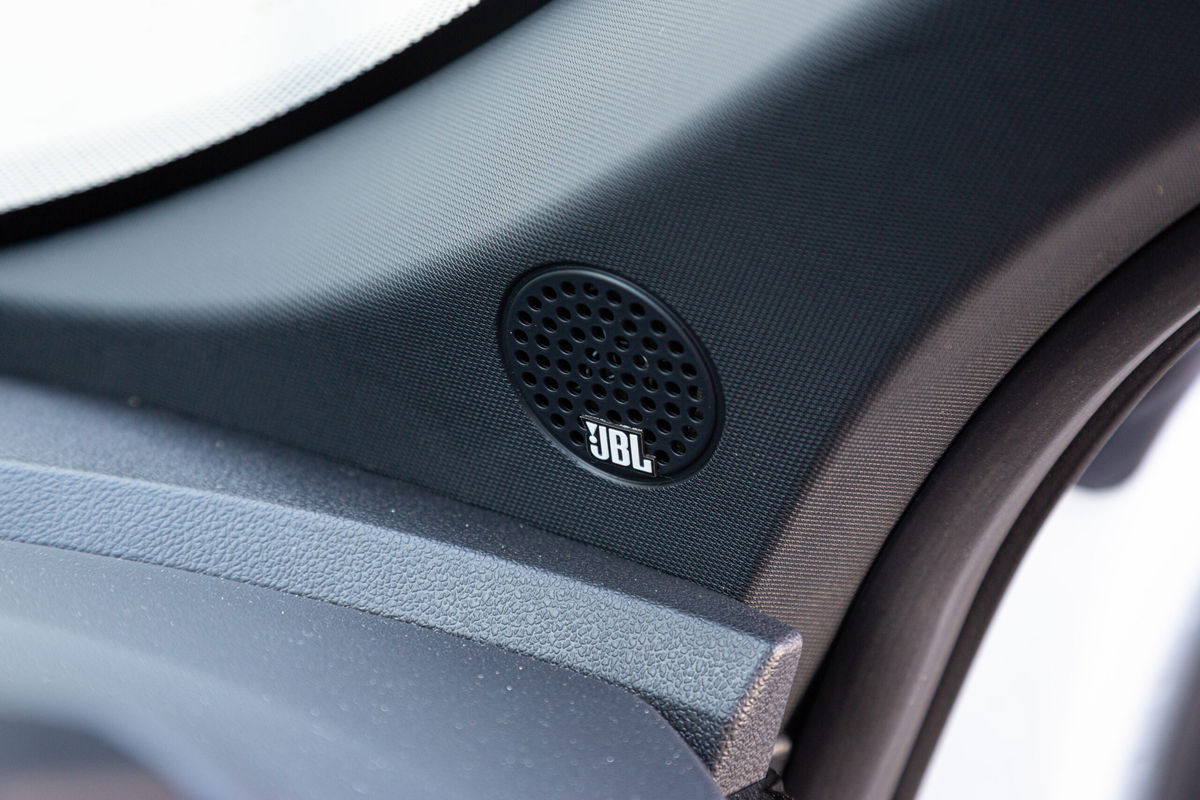
- Premium sound: A 10-speaker JBL sound system.
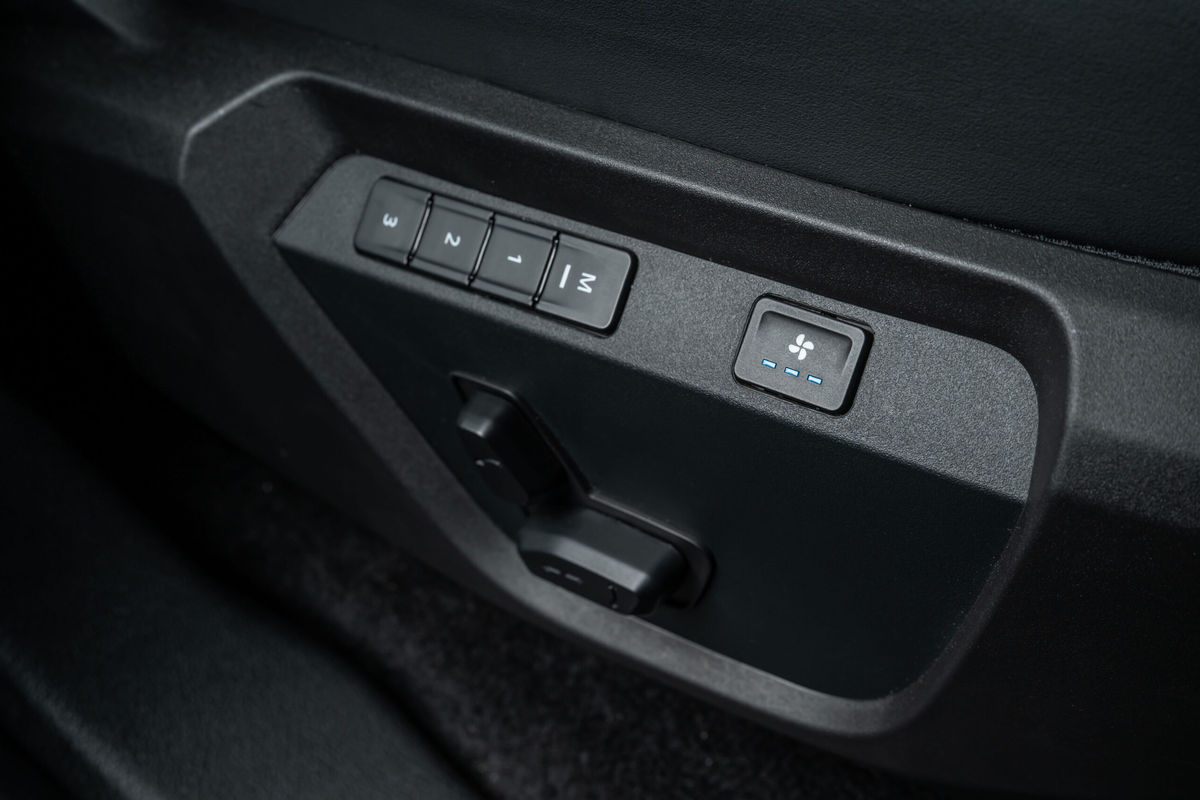
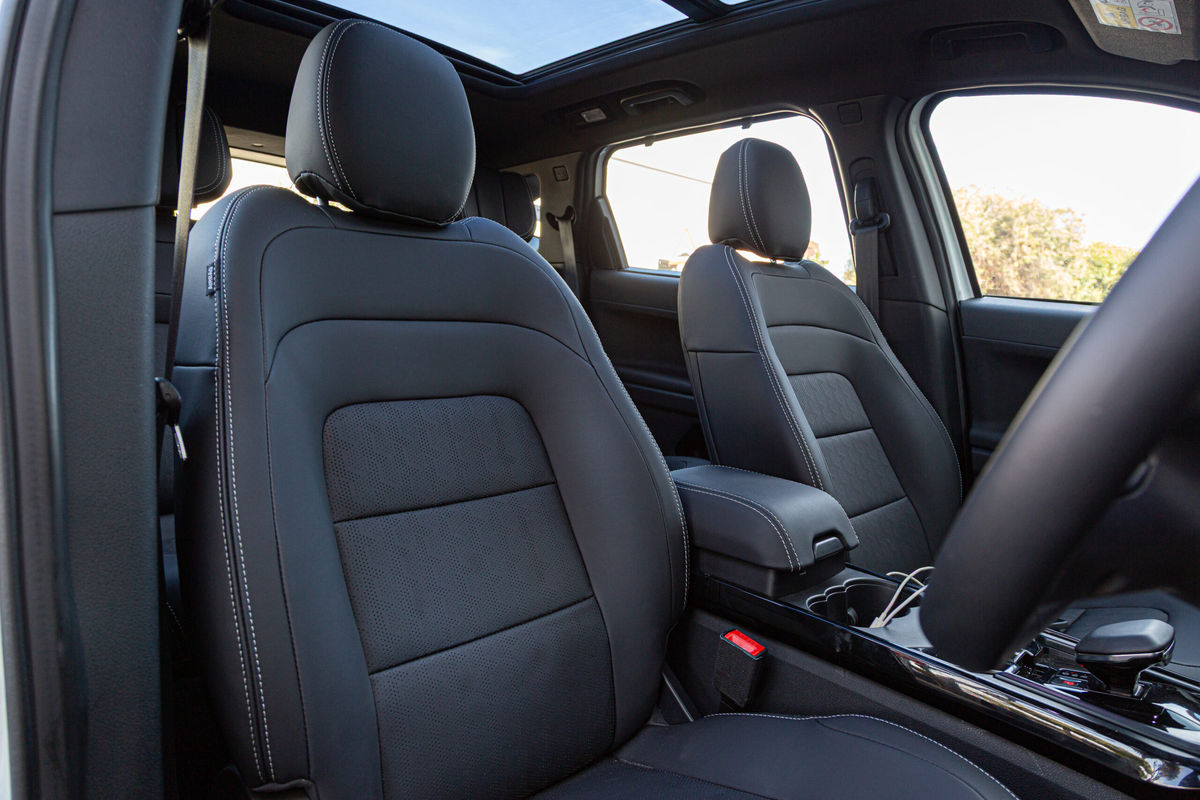
- Comfort: Ventilated seats for hot days.
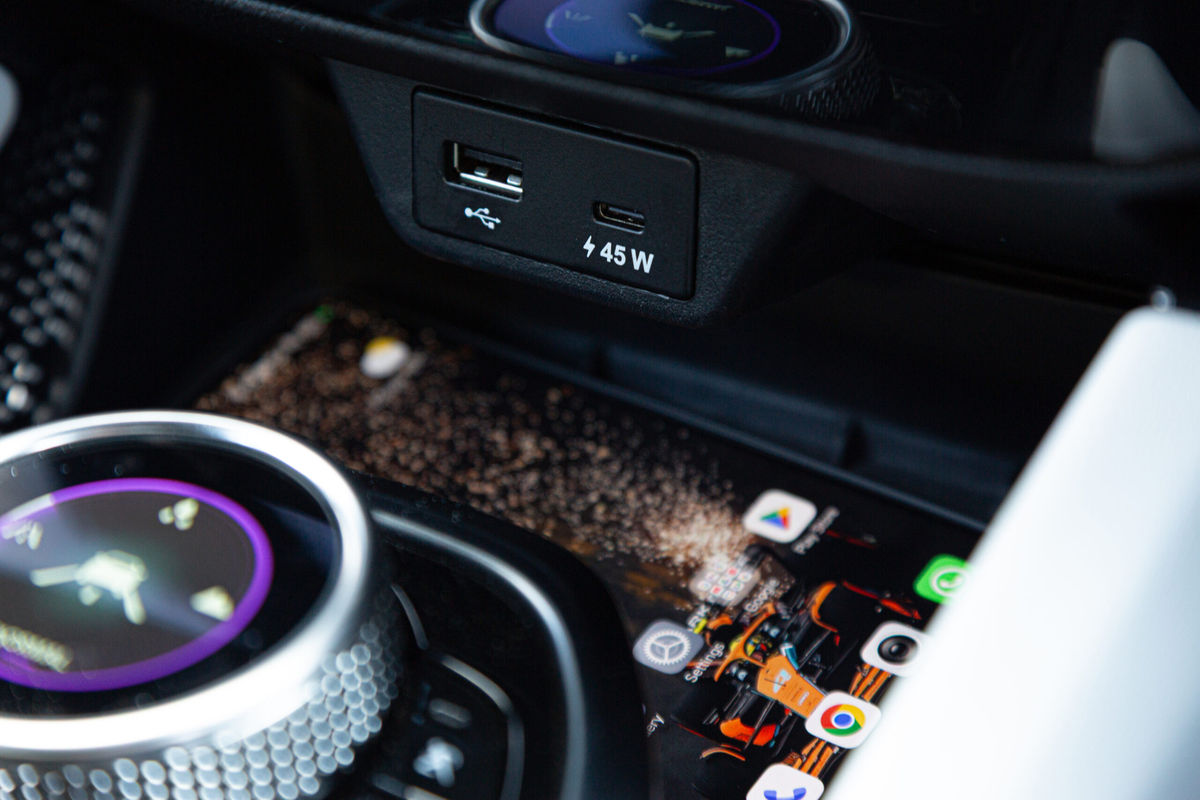
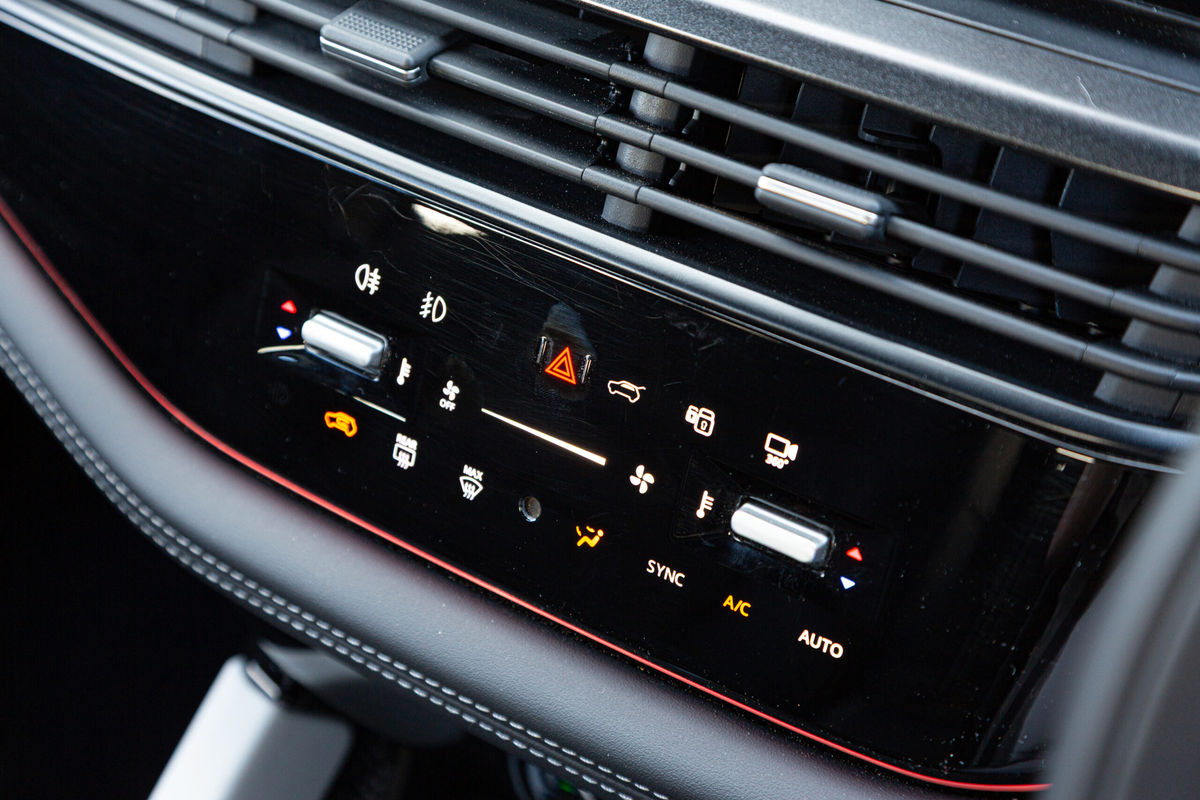
- Connectivity: A generous number of USB-A and USB-C ports, a wireless charging pad, and integration with Amazon Alexa, allowing for voice-controlled climate control.
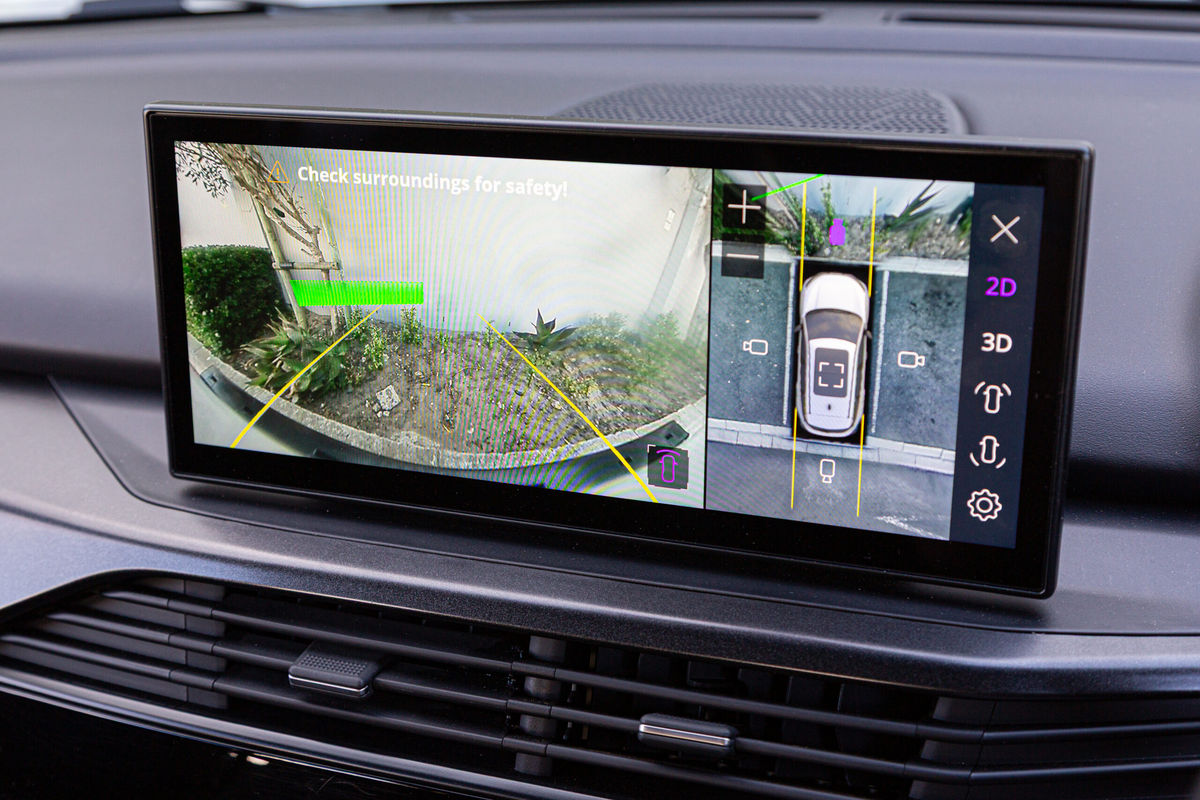
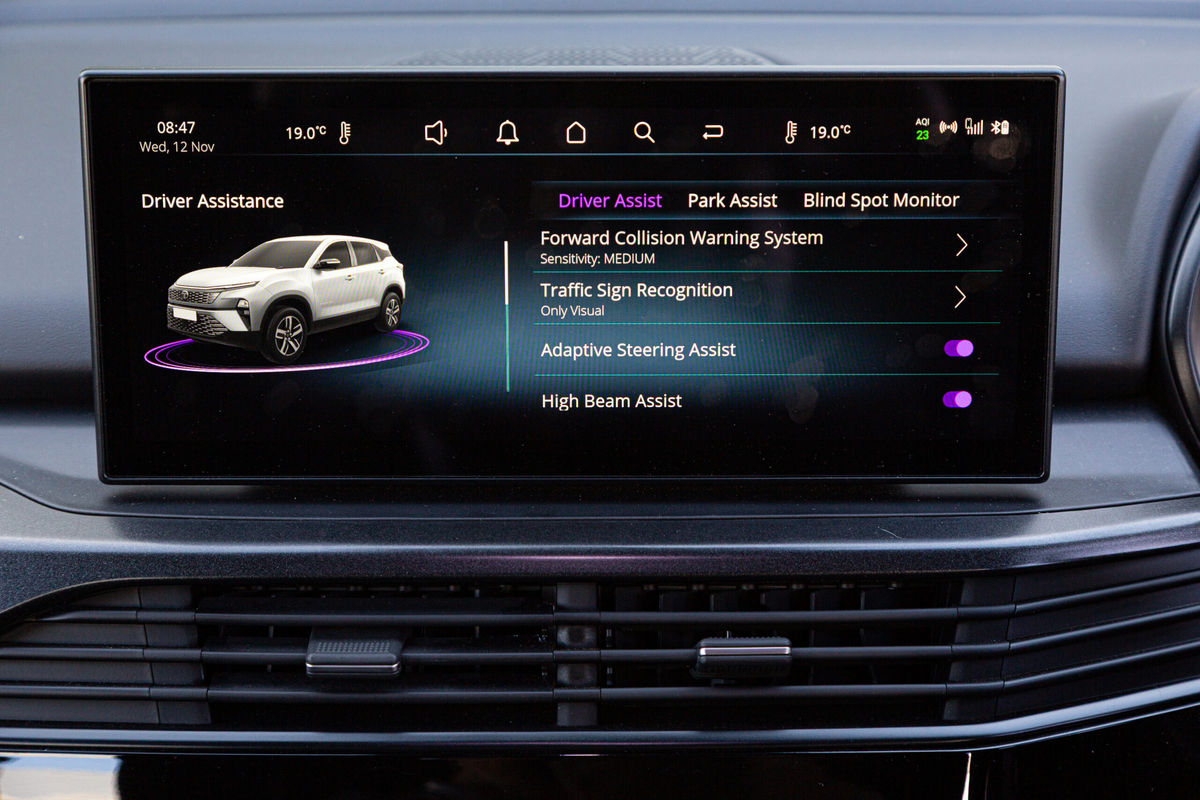
- Safety: The Harrier boasts a comprehensive safety package, including seven airbags, a 360-degree camera, all-round park sensors, and Level 2 assisted driving capability.
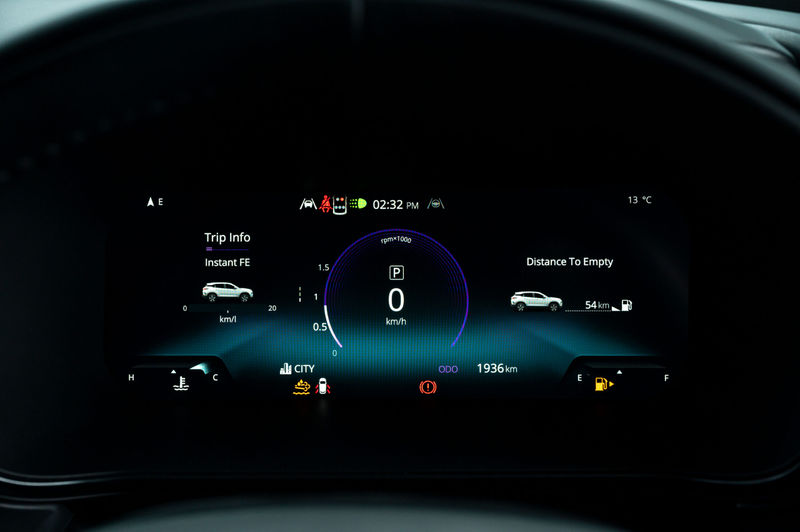
However, the interior is not without its peculiarities. A frustrating ergonomic choice is the positioning of the infotainment screen, which is noticeably angled towards the passenger rather than the driver.
Tactile quality is fine but our test unit exhibited an unsettling number of squeaks and rattles. Try before you buy to confirm whether this is common to other Harriers, or just to this press unit.
Practicality & passenger comfort
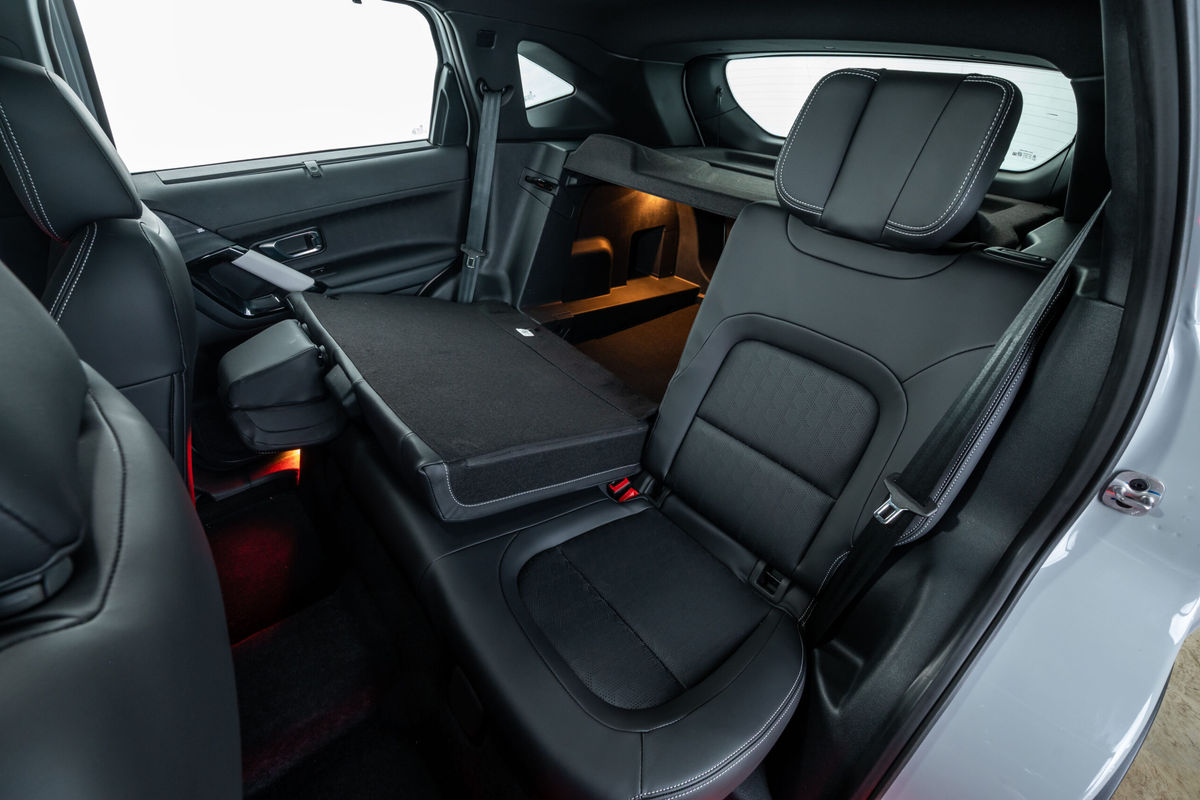
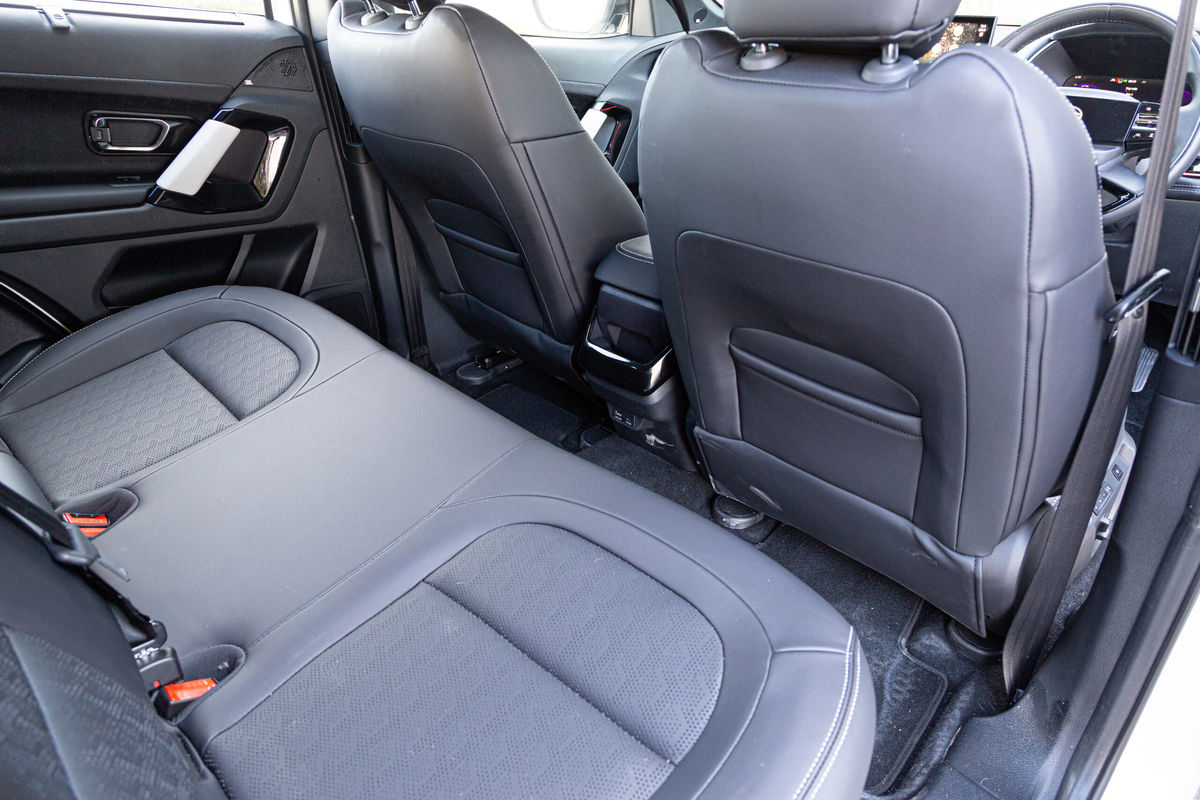
A family SUV must be practical above all else, and the Harrier doesn’t trip up in this regard. The second row is comfortable, offering generous legroom and sufficient headroom. A highlight is the clever design of the headrests, which resemble those found on an airline seat, cradling the head and proving ideal for napping during a long journey.
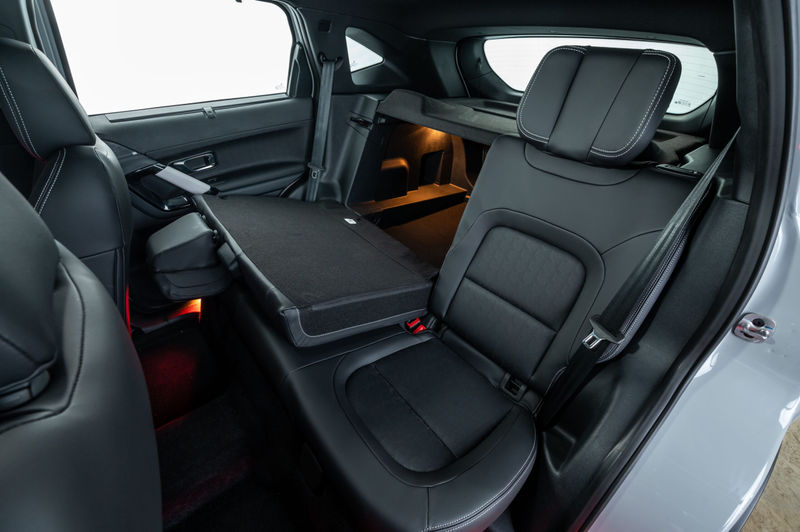
Rear passengers also benefit from privacy blinds, additional climate control vents in the B-pillars, and multiple USB-A and USB-C ports. There’s also a commendable amount of both head- and legroom for tall adults.
The luggage bay is accessed via an automated tailgate (with gesture control) on the top-spec model and offers a capacity of 445 litres, which is segment-average. We managed to comfortably fit 6 cooler boxes, proving it adequate for a weekend jaunt.
Diesel power & open-road performance
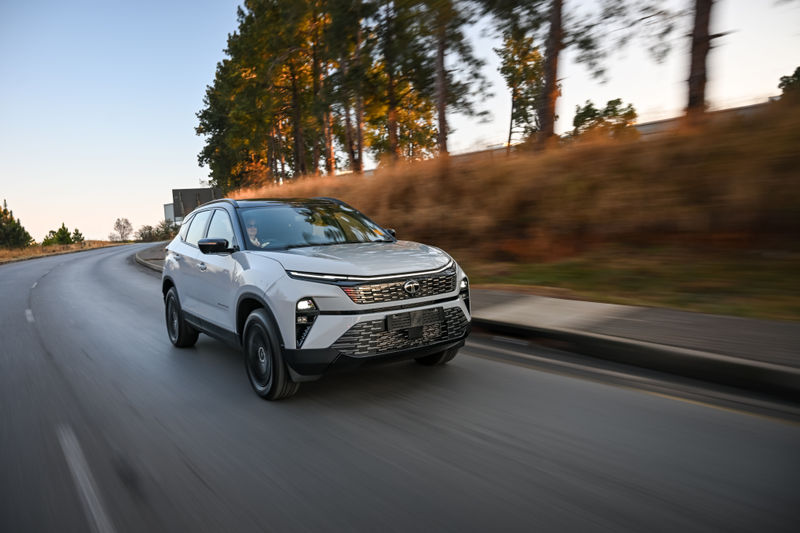
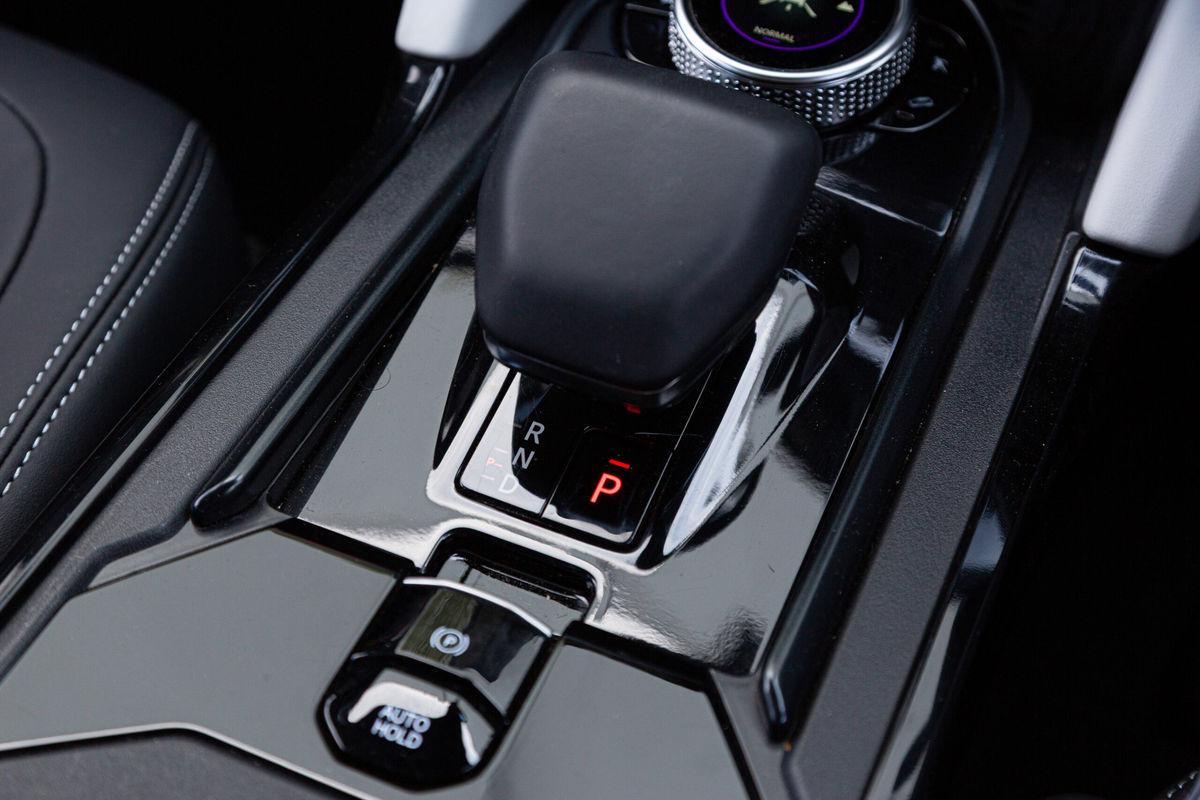
Under the bonnet, all Tata Harrier derivatives are equipped with a 2.0-litre turbocharged diesel engine delivering a commendable 125 kW and 350 Nm of torque. It’s paired with a six-speed automatic transmission driving the front wheels.
We’ve become accustomed to petrol power in midsize crossovers, often mated with one or more electric motors, so it’s refreshing to pilot a torquey diesel engine that moves the Harrier along with little fuss: both mid-range acceleration and refinement are commendable.
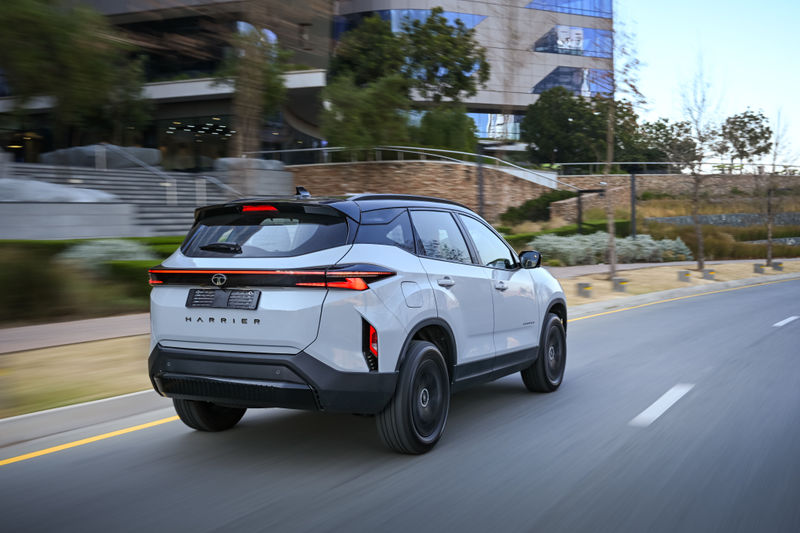
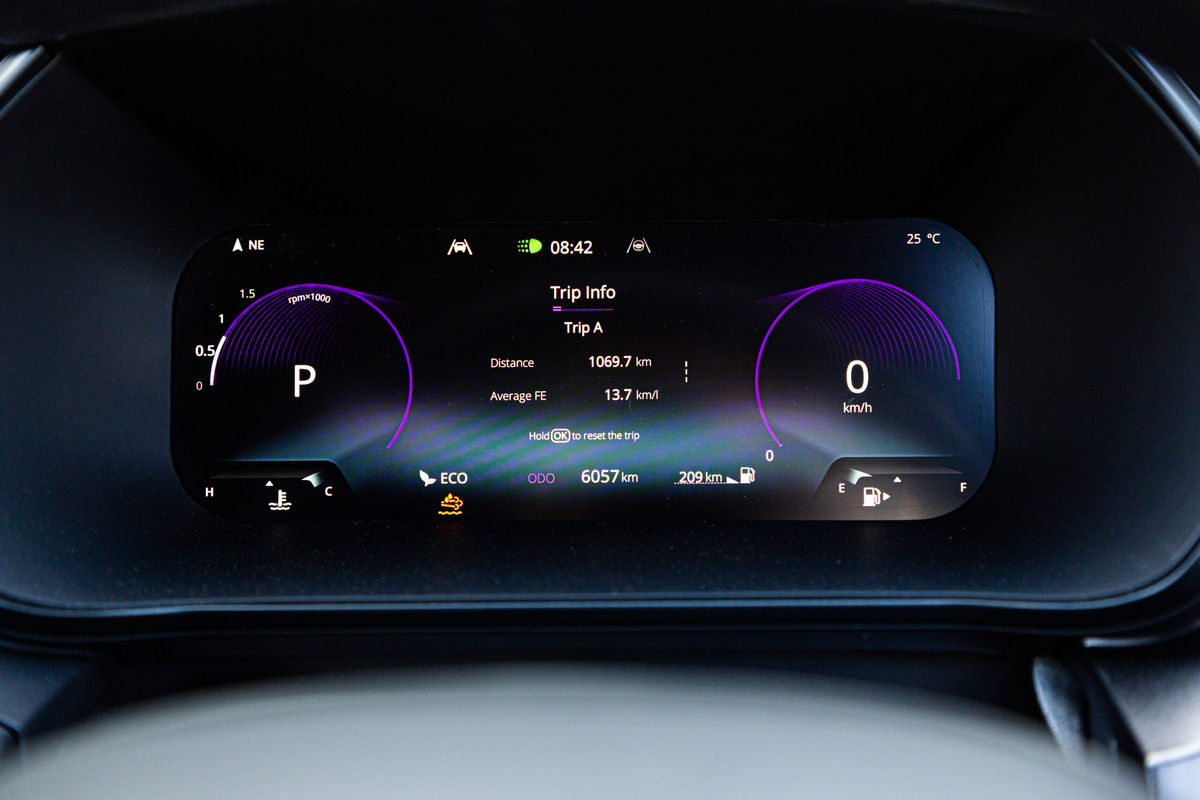
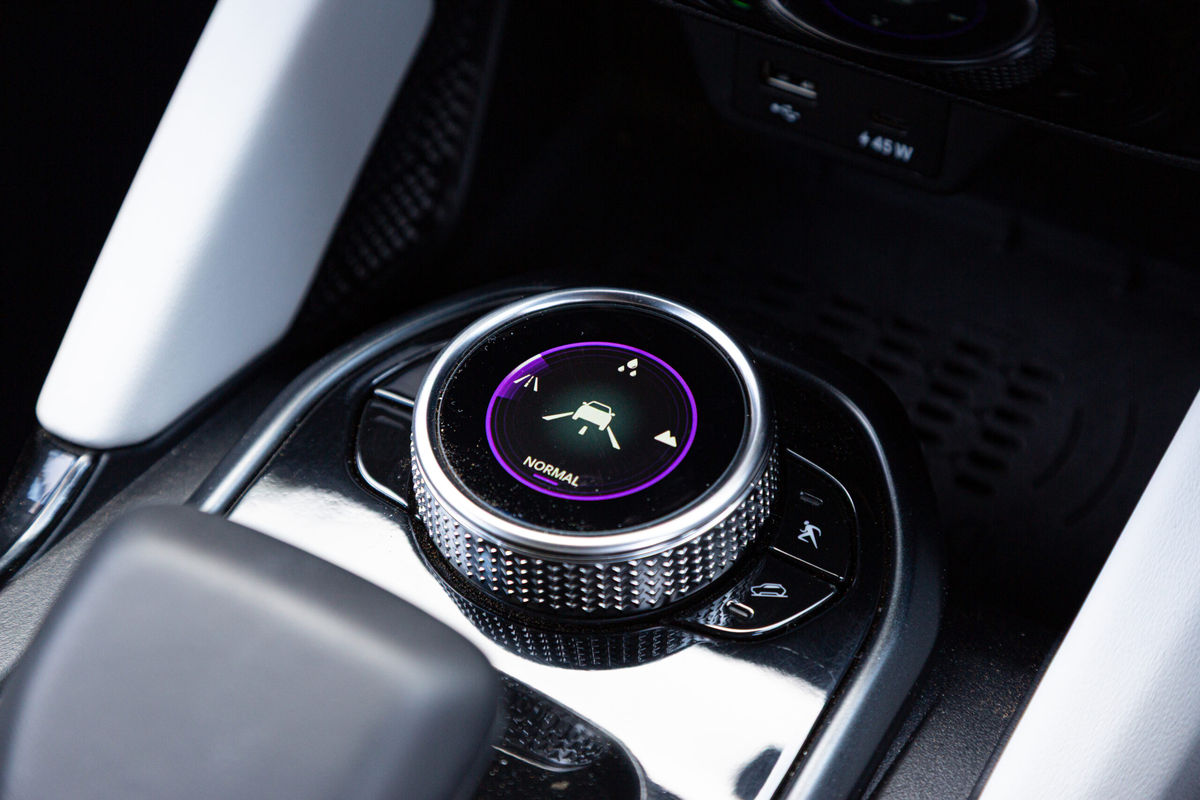
The Harrier offers three driving modes: city, sport and eco. In terms of efficiency, the manufacturer claims a figure of 6.6 L/100 km. During the review, the vehicle achieved a real-world average of 7.6 L/100 km over 560 km of varied driving, which will likely tumble in more gentle, considered daily driving.
As for the driving experience, the ride quality is absorbent, like we’ve come to expect from India-sourced vehicles, but the handling is stable rather than involving. Open-road cruising refinement is generally good, with the diesel engine settling down.
The Tata Harrier’s competitors & pricing
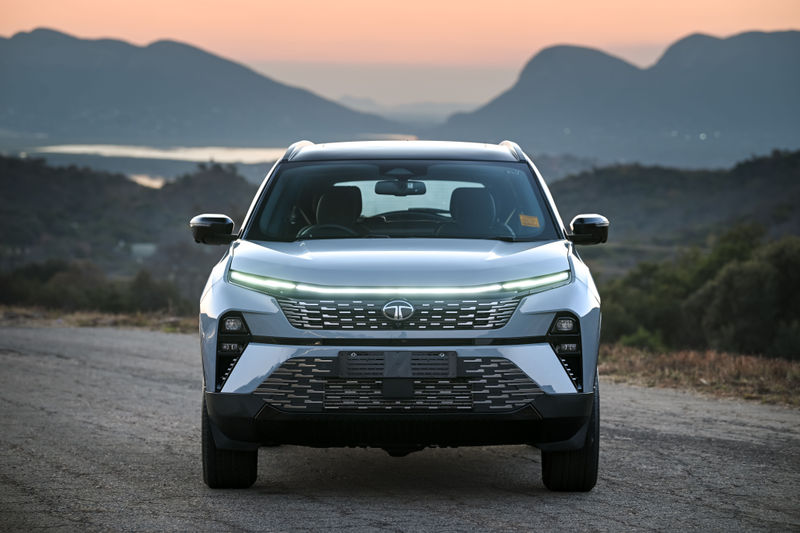
The Tata Harrier enters the market facing stiff competition from several established players. Among its fiercest diesel rivals are the Hyundai Tucson, Kia Sportage and Volkswagen Tiguan (although its diesel derivatives are priced well beyond the Harrier range). If you’re willing to forego diesel power, a whole range of excellent petrol-powered Asian and European competitors are available.
See more: Compare the specifications of the Tata Harrier, Hyundai Tucson & Kia Sportage
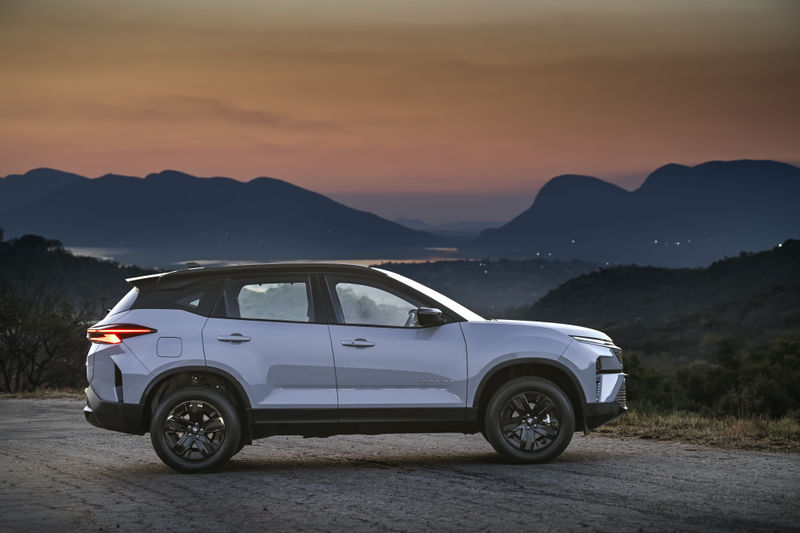
The Harrier’s three-model line-up starts from R549 900, with the range-topping Fearless+ reviewed here topping out at R699 900. The aftersales package includes a 5-year/125 000 km warranty and a 5-year/75 000 km service plan.
| Model Derivative | Price* |
| Tata Harrier 2.0TD Pure+ 6AT | R549 900 |
| Tata Harrier 2.0TD Adventure+ 6AT | R649 900 |
| Tata Harrier 2.0TD Fearless+ 6AT | R699 900 |
Verdict
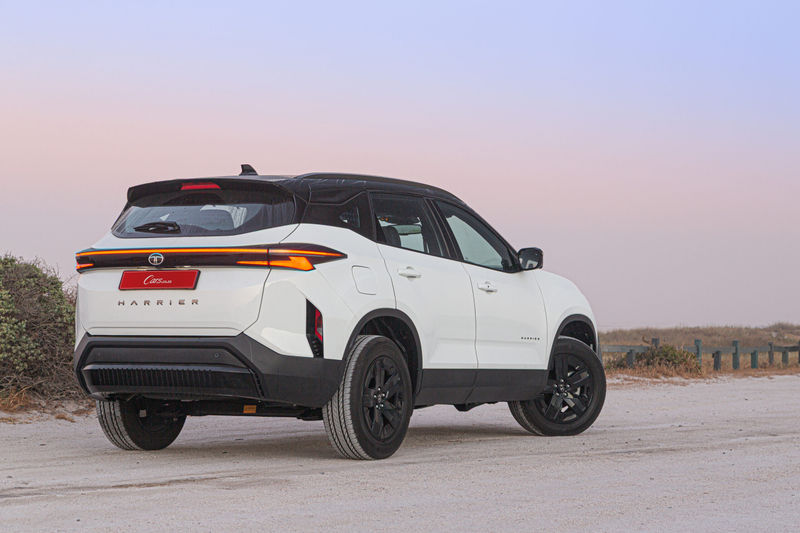
Overall, the new Tata Harrier brings an appealing combination of diesel power, distinctive design and a comprehensive list of features to the South African market. However, in reality it lacks some of the refinement and premium touches vehicles such as the Kia Spotage offer.
For that reason, we feel there’s better value to be found in the entry-level and mid-spec derivatives. That said, if you’re willing to consider petrol alternatives (and even some hybrid and plug-in hybrids), you’ll find the market offers a number of truly excellent alternatives.
Frequently Asked Questions (FAQ)
Q: What engine and power outputs does the Tata Harrier use in South Africa?
A: All derivatives of the Tata Harrier are equipped with a 2.0-litre turbocharged diesel engine that produces 125 kW and 350 Nm of torque, paired with a six-speed automatic transmission.
Q: What is the price range for the new Tata Harrier in South Africa?
A: The Tata Harrier range starts from R549 900 for the entry-level 2.0TD Pure+ 6AT model and goes up to R699 900 for the top-spec 2.0TD Fearless+ 6AT model.
Q: Does the Tata Harrier come with ventilated seats?
A: Yes, the top-spec Tata Harrier Fearless+ 6AT model includes comfort features such as ventilated front seats.
Q: What aftersales package is included with the purchase of a Tata Harrier?
A: The Tata Harrier comes standard with a 5-year/125 000 km warranty and a 5-year/75 000 km service plan.