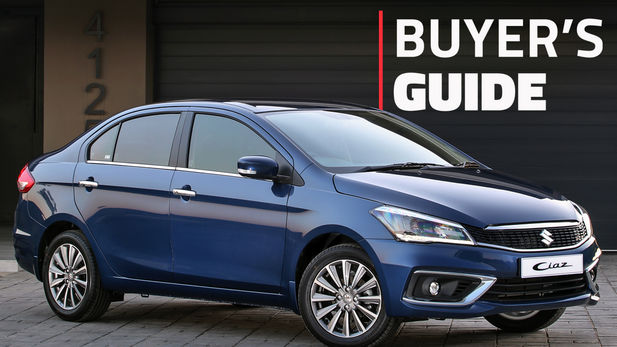
With spacious budget sedans few and far between on SA’s new-vehicle market, is now the time to consider a used Suzuki Ciaz? Let’s examine this long-running saloon’s strengths and weaknesses…
South Africa’s mid-size budget-sedan market is a shadow of its former self, with several big-name players – including the Toyota Corolla Quest, Honda Ballade and Nissan Almera – put out to pasture in recent times. The Suzuki Ciaz is the most recent casualty, ending its decade-plus run in Mzansi early in 2026.
Since the Ciaz was a solid choice among local rental-fleet buyers and ride-hailing drivers, we suspect Suzuki Auto South Africa would have preferred to keep this 3-box saloon in its portfolio for a mite longer. After all, the brand registered 2 364 units in 2024 and a further 1 544 units the following year (with limited stock).
But the Japanese brand’s local division seemingly had little choice in the matter. With the sedan segment shrinking and the automaker’s focus trained squarely on the still-growing crossover market, Maruti Suzuki in India opted to cease production of the Ciaz in April 2025. And that, as they say, was that.
Interestingly, as part of the 2 automakers’ global alliance, Toyota offered a rebadged version of the Ciaz (called the Belta) in certain African and Middle Eastern markets. However, the Belta wasn’t ever sold here in SA, since it would have tread firmly on the toes of the Prospecton-built Corolla Quest of the time.
Suzuki Ciaz model line-up in South Africa
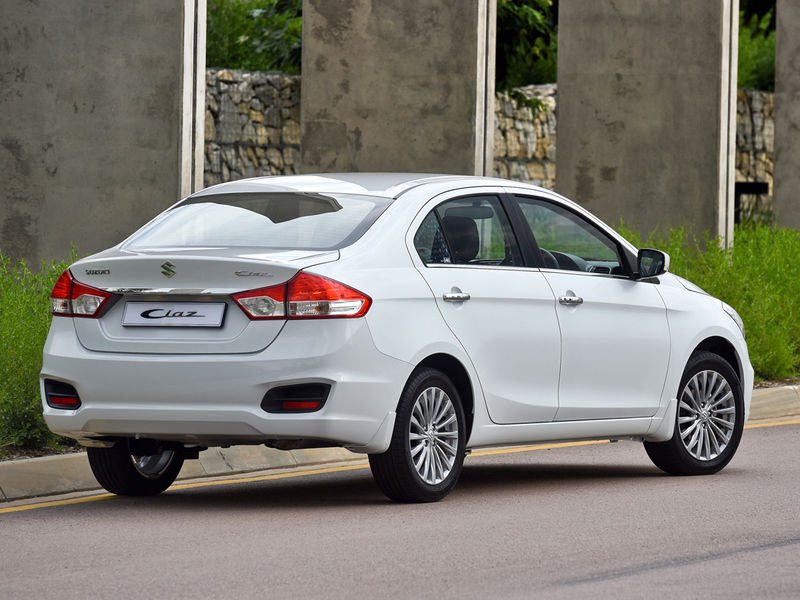
In February 2014, Suzuki revealed the low-slung Ciaz concept in India, before displaying a closer-to-production version (dubbed the Alivio concept) in China in April of that year. In September 2014, the final version was unwrapped in India.
The Ciaz arrived in South Africa in April 2015, positioned above the likewise Indian-built Dzire but below the soon-to-depart Kizashi (which was imported from Japan). At launch in Mzansi, the Ciaz range comprised a trio of derivatives across 2 trim levels. All employed the Hamamatsu-based brand’s naturally aspirated 1.4-litre, 4-cylinder petrol engine (K14B).
- Ciaz 1.4 GL 5MT (70 kW/130 Nm)
- Ciaz 1.4 GLX 5MT (70 kW/130 Nm)
- Ciaz 1.4 GL 4AT (70 kW/130 Nm)
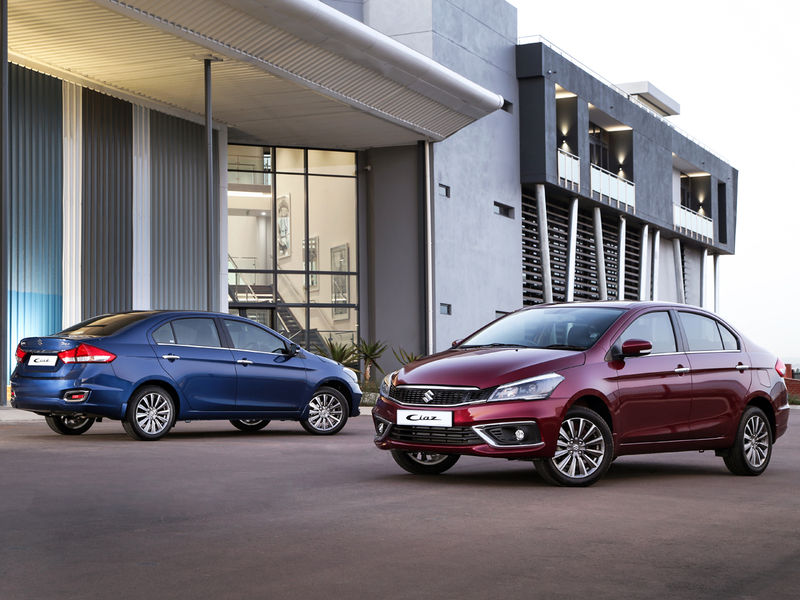
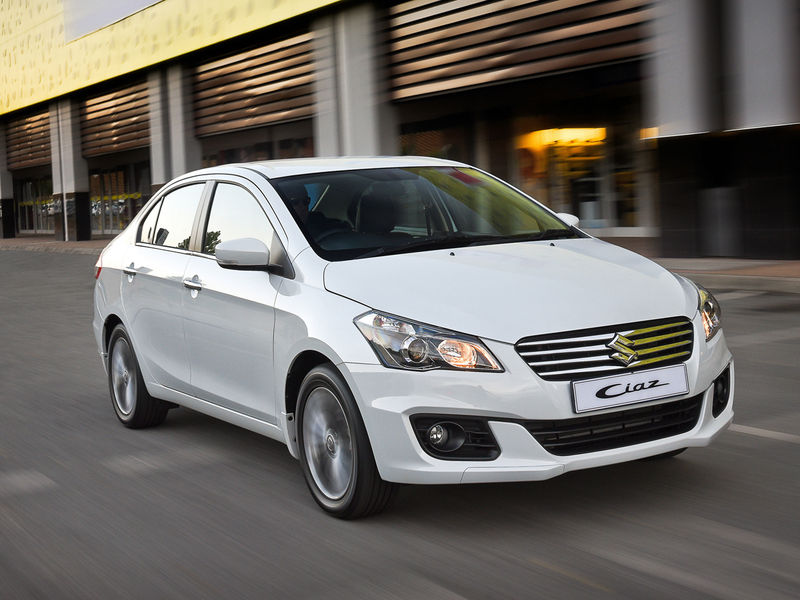
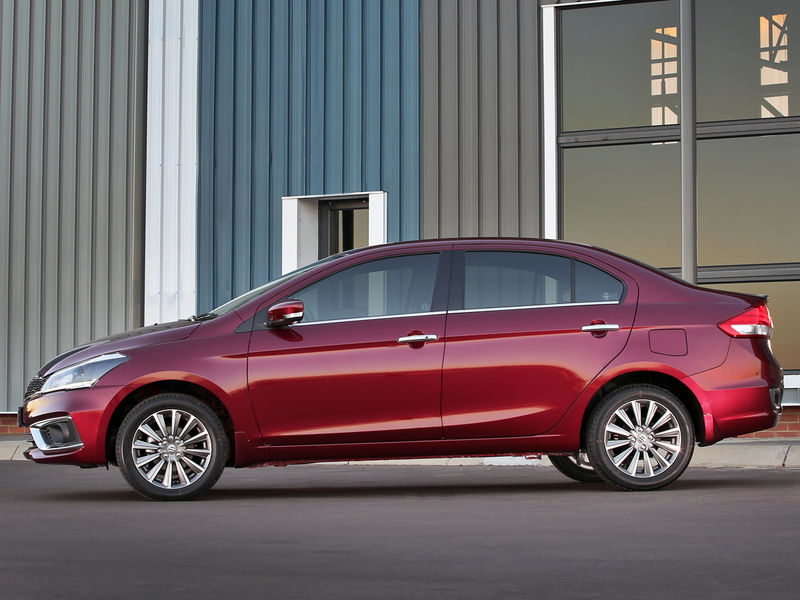
The Ciaz line-up was largely unchanged until April 2019, when the facelifted model touched down in South Africa. In addition to the requisite exterior styling updates, extra standard kit (particularly for the GLX grade) and an expanded range, the refreshed Ciaz switched from the old K14B motor to the slightly more powerful 1.5-litre engine (K15B).
- Ciaz 1.5 GL 5MT (77 kW/138 Nm)
- Ciaz 1.5 GL 4AT (77 kW/138 Nm)
- Ciaz 1.5 GLX 5MT (77 kW/138 Nm)
- Ciaz 1.5 GLX 4AT (77 kW/138 Nm)
In February 2026, after Cars.co.za noticed the Ciaz was no longer listed on the Japanese brand’s local website, Suzuki Auto South Africa confirmed to us the sedan had indeed been discontinued in Mzansi. That marked the end of a local run that had lasted for almost 11 years.
What are the Suzuki Ciaz’s strengths?
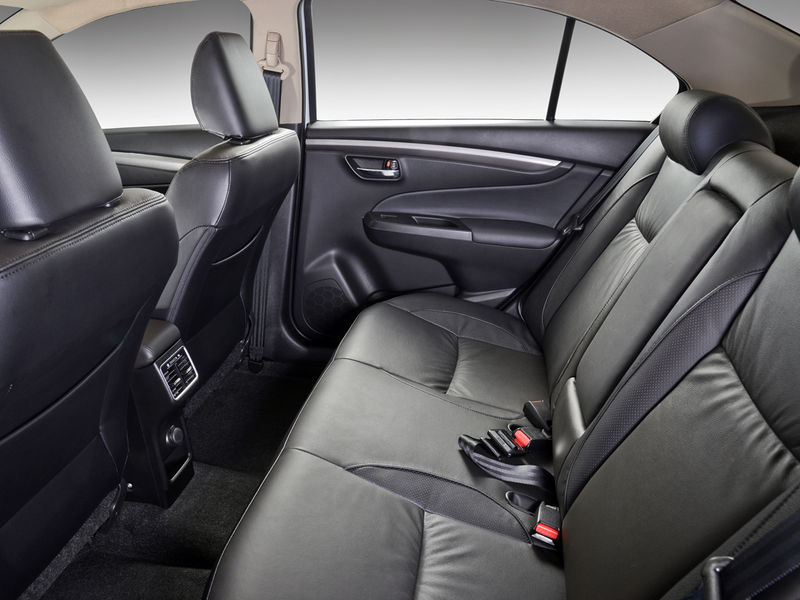
Impressive interior space: One of the Ciaz’s key strengths was the space available in its cabin. Thanks largely to the 2 650 mm wheelbase, rear legroom was particularly generous, which (together with dedicated rear air vents) stood this sedan in good stead as a ride-hailing vehicle.
Note, however, that the middle occupant had to make do with a 2-point lap belt rather than a full 3-point emergency locking retractor (ELR) seatbelt. Furthermore, the Ciaz’s rear bench was fixed in place, meaning there was no option to fold it down to accommodate the loading of lengthy or bulky items.
That said, the luggage compartment – though lined with fairly flimsy-feeling material – was one of the most capacious in the class, offering a claimed 495 litres (or 480 litres, seemingly depending on the measurement method used). In Mzansi, a full-size spare wheel was included as standard.
Well-proven, fuel-efficient K15B engine: While the pre-facelift version used the K14B motor, the updated Ciaz upgraded to the higher-capacity K15B engine. Offering an additional 7 kW and 8 Nm (for peaks of 77 kW and 138 Nm), this powerplant offered a palpably better driving experience.
Though the eager-to-rev engine’s outputs appeared modest on paper, the Ciaz tipped the scales at only a smidgen over a tonne, meaning it felt sufficiently zippy in practice. Suzuki claimed a combined fuel economy of 5.5 L/100 km for the manual version and 5.6 L/100 km for the auto, figures that were entirely achievable in the real world.
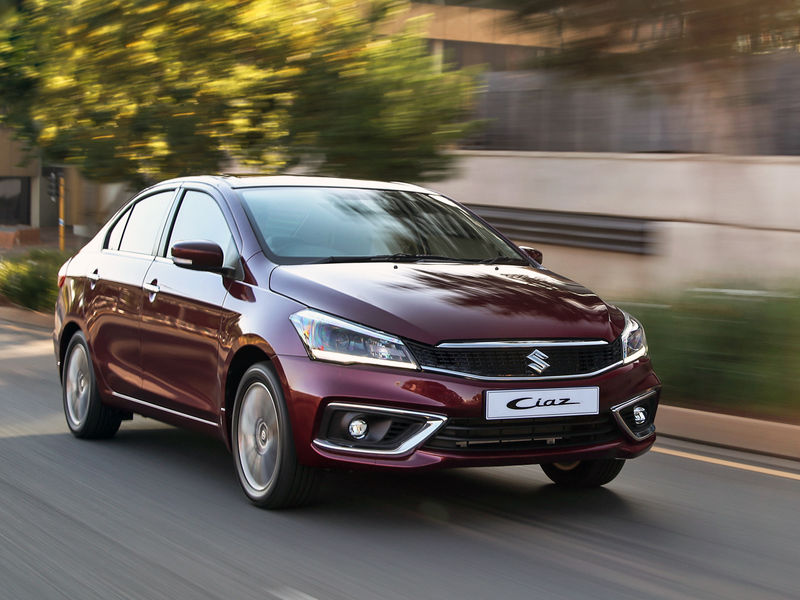
It’s also worth keeping in mind the K15B engine has been – and still is, at the time of writing – widely used in various other Suzuki models (and indeed their Toyota-badged twins). As such, parts availability is unlikely to be a problem in the years to come.
Comfortable ride: Despite coming equipped with the customary budget-car suspension set-up – MacPherson struts up front and a torsion-beam arrangement at the rear – the Suzuki Ciaz rode with an impressive degree of pliancy. In short, the ride was geared towards comfort, something that was particularly evident with the facelifted model.
What are the Suzuki Ciaz’s weaknesses?
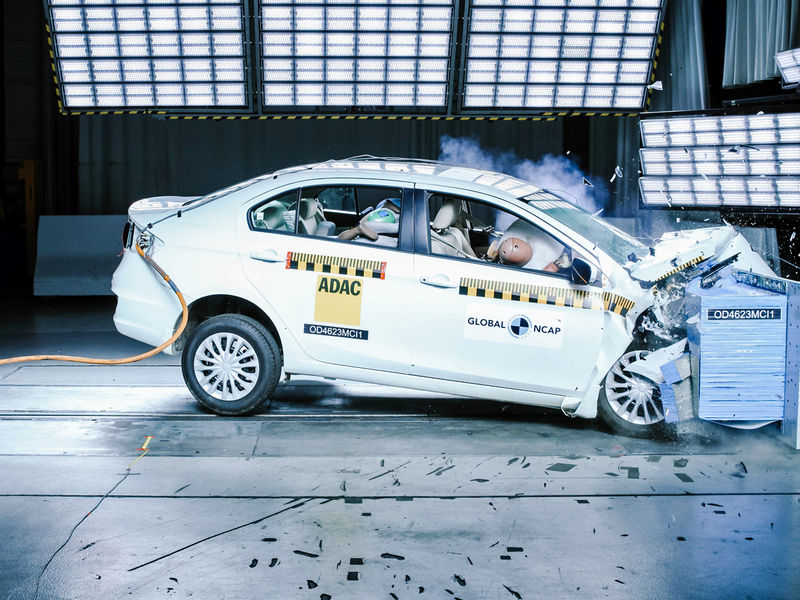
Meagre standard safety specification: The Ciaz was decidedly light in the safety department, coming fitted with dual front airbags, ABS with EBD and brake assist. Key missing safety features thus included additional airbags, IsoFix child-seat anchors and electronic stability control.
Though the latter system was added to the 4-door sedan sold in India in early 2023, the last official Ciaz specification sheet from Suzuki Auto SA suggests this feature didn’t ever make it to South Africa.
Moreover, Global NCAP awarded the Indian-spec model (featuring both stability control and rear outboard IsoFix points) just a single star for adult-occupant safety in December 2025, with the body shell and footwell both rated as “unstable”. The sedan was furthermore heavily penalised for its lack of curtain airbags.
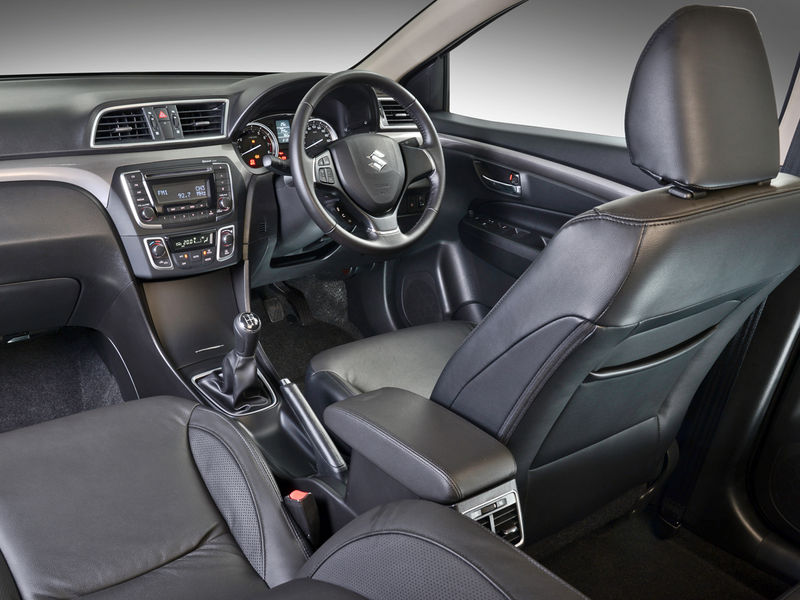
Limited headroom for taller drivers: Though the driver’s seat was adjustable for height (in GLX derivatives, anyway), it wasn’t quite low-slung enough – even in its rock-bottom position – to comfortably accommodate taller drivers. The result was an awkwardly raised driving position and a distinct risk of tall drivers knocking their heads on the door frame upon exit.
Uber-car persona: Thanks to its attractive purchase price, generous cabin space and suitcase-swallowing luggage compartment, the Ciaz was a popular choice among ride-hailing operators (not to mention rental fleets). That means there’s a distinct chance privately owned examples of this sedan could be mistaken for an Uber…
How much is a used Suzuki Ciaz in South Africa?
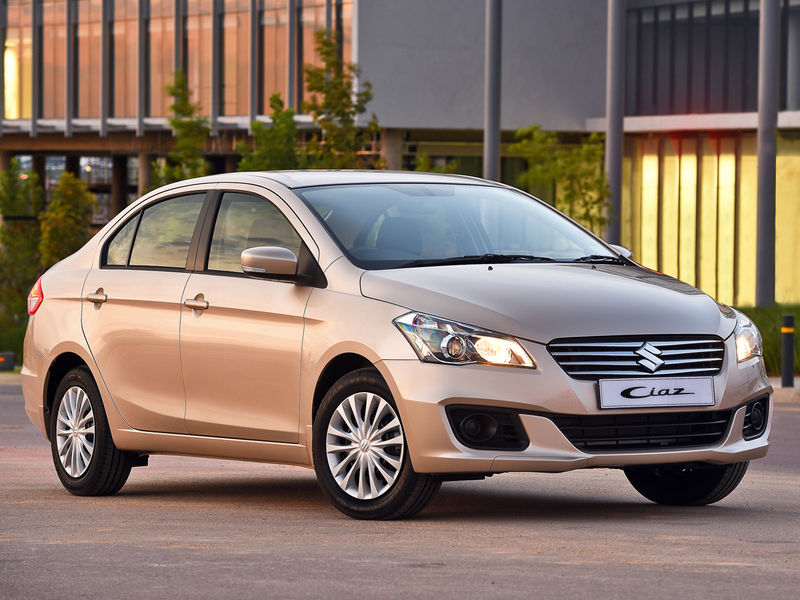
In South Africa, the Ciaz initially shipped with a 3-year/100 000 km warranty and a 3-year/60 000 km service plan (the latter with 15 000 km intervals). However, from around July 2017, Suzuki Auto SA switched to what it called a “promotional” 5-year/200 000 km warranty, which has remained in place for all passenger vehicles (past the Ciaz’s discontinuation, in fact).
Available dealer-fitted accessories for the Ciaz in Mzansi included various bits of chrome-effect exterior trim, divisive “Birch Blonde” interior door armrest trim, rear side-window sunshades and even a cheeky boot spoiler.
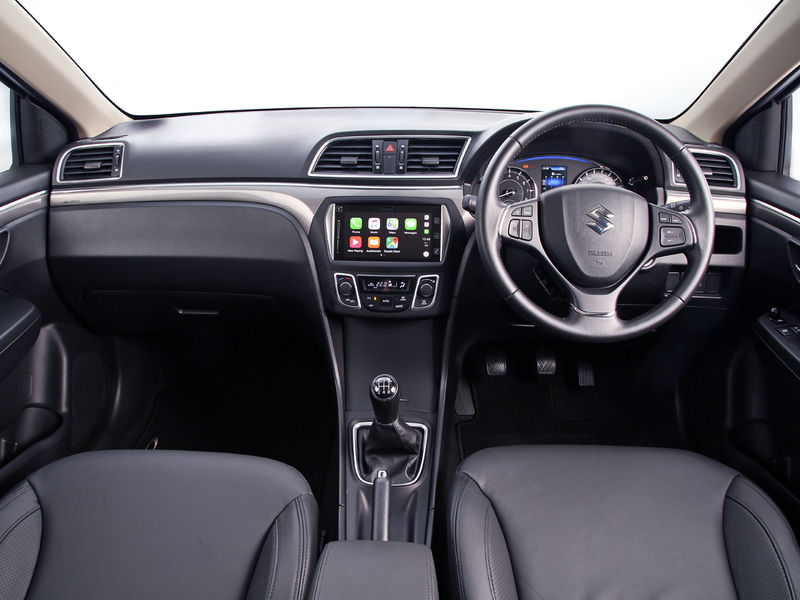
Of the Suzuki Ciaz listings on Cars.co.za at the time of writing, almost 60% featured the automatic transmission. Considering this sedan’s popularity among fleet buyers, it’s perhaps unsurprising the GL grade accounted for a lofty 71% of listed units, with the GLX making up the balance.
Interestingly, 2024 was comfortably the most popular model year, accounting for a whopping 52% of all listings. Next came 2023 (18%) and 2025 (17%), with only 5% of all listed Ciaz units taking the form of pre-facelift examples. Mileage ranged from virtually zero on a 2026 unit to over 210 000 km on a 2018 1.4 GLX 5MT.
- Below R150 000: Just 5% of all listed Suzuki Ciaz units fell below the R150 000 mark at the time of writing. Predictably, most were pre-facelift models with well over 100 000 km on their respective odometers. The split between manual and automatic transmissions here was even.
- R150 000 to R250 000: A considerable 79% of listings were positioned between these bookends. Here we found everything from a couple of high-mileage pre-facelift examples to several 2025 1.5 GL 4AT units, each with around 25 000 km on the clock.
- R250 000 and up: A budget upwards of R250 000 unlocked the final 16% of listed Ciaz units. All were from the final 3 model years, with most featuring the auto cog-swapper. The highest mileage here was 69 000 km, while the most expensive example was a 2026 1.5 GL 4AT (showing just 50 km) for R311 900 – matching this derivative’s price when new.
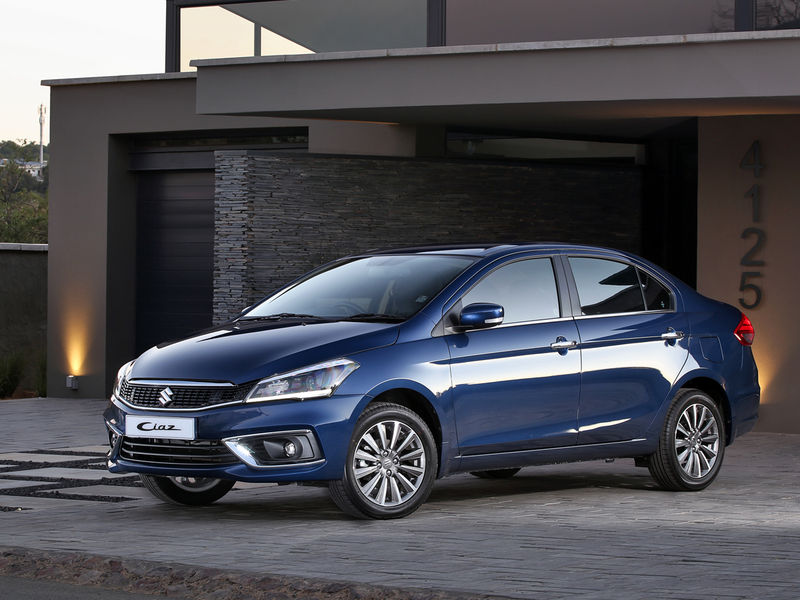
For context on the numbers above, here’s a quick look at Suzuki Ciaz pricing just before the budget sedan officially exited South Africa’s new-vehicle market in February 2026:
- 1.5 GL 5MT – R294 900
- 1.5 GL 4AT – R311 900
- 1.5 GLX 5MT – R339 900
- 1.5 GLX 4AT – R356 900
Which Suzuki Ciaz derivative should I choose?
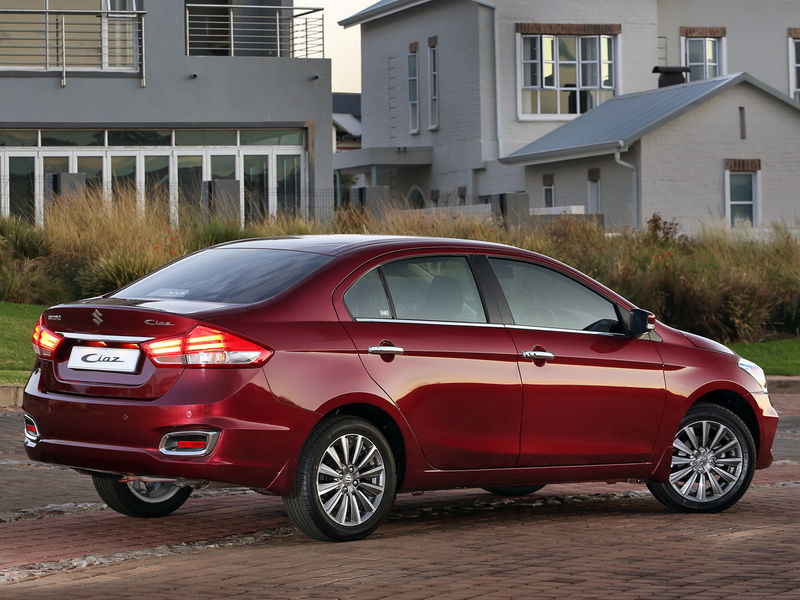
We’d recommend narrowing your search to a facelifted example of the Suzuki Ciaz, since this iteration offered more grunt from its larger-displacement engine (and since very few pre-facelift units are on the used-vehicle market today). Furthermore, the refreshed version came with some extra standard kit, while late model-year examples would benefit from the balance of Suzuki’s warranty, too.
Your chosen transmission will depend on your preferences and requirements, though either is a solid option from a reliability point of view (when the vehicle has been properly maintained, that is). Still, the 4-speed auto could certainly have done with an extra couple of cogs, while the 5-speed manual would have benefitted from a 6th forward gear for highway cruising.
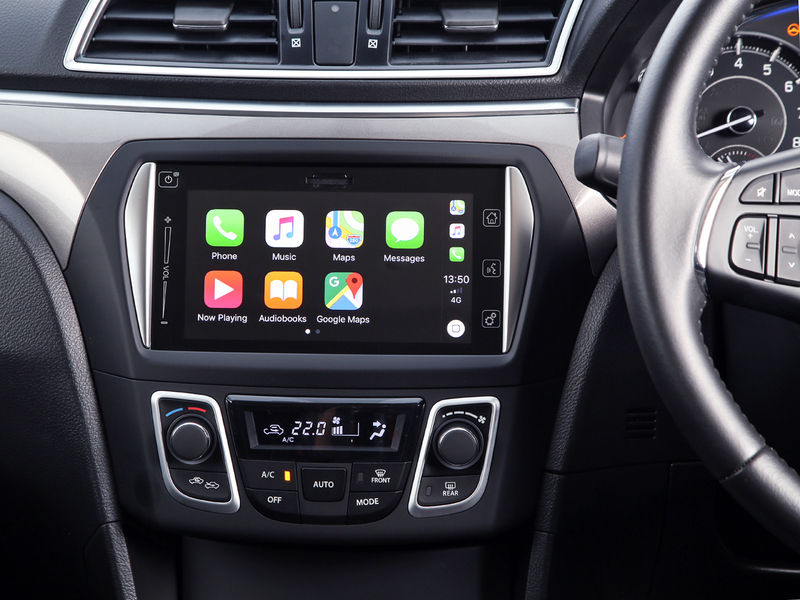
What about trim levels? Well, it could be argued that the GL grade was pitched squarely at fleet buyers, with the facelifted version making do with 15-inch steel wheels, halogen headlamps, a polyurethane steering wheel, cloth upholstery and a basic audio system (including a CD player – something of a throwback in 2026!).
In contrast, the GLX – which we’d suggest is far better suited to private buyers – upgraded to 16-inch alloys, LED projector headlights, a leather-trimmed steering wheel, leather upholstery (a combination of genuine and artificial) and a 7.0-inch touchscreen system, complete with a reverse-view camera.
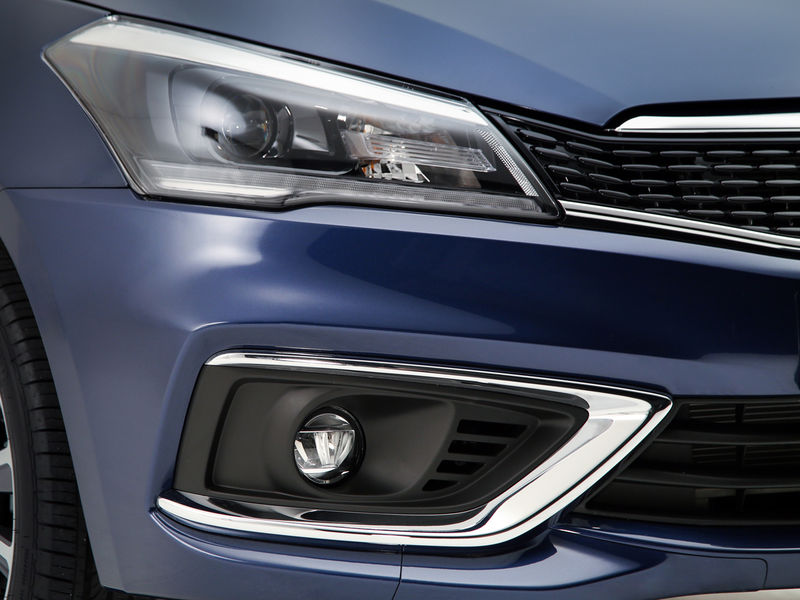
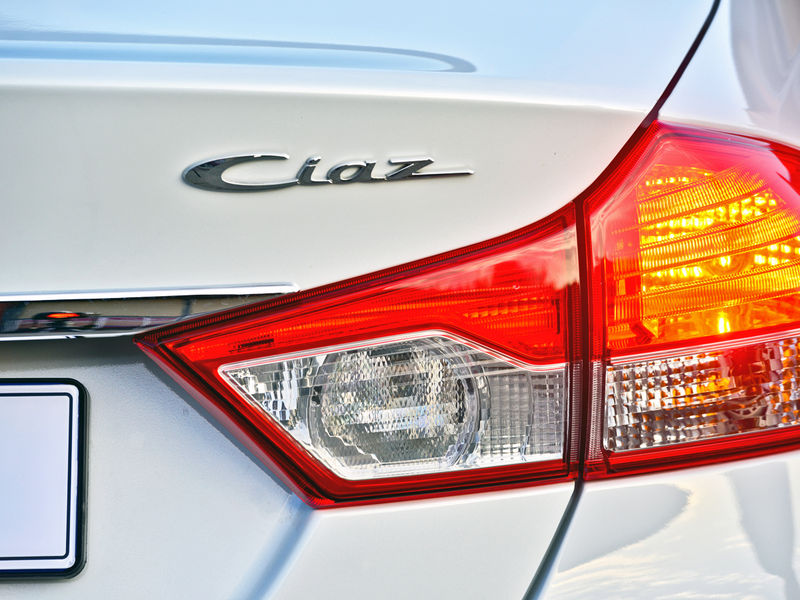
Furthermore, the GLX grade gained items like chrome-effect exterior trim, automatic headlamps, LED daytime running lights, LED front foglamps, LED taillamps, electrically folding side mirrors, keyless entry (with push-button start), an electro-chromatic rear-view mirror, a 4.2-inch colour LCD for the instrument cluster, automatic (rather than manual) air conditioning, cruise control, a retractable rear sunshade and derivative-specific interior trim.
What are the alternatives to Suzuki’s Ciaz sedan?
During the Ciaz’s lengthy run on the local market, it faced several budget-sedan rivals, including the Volkswagen Polo Sedan (initially the Vento-based model and then its Virtus-based successor). It also competed with both generations of the locally built Toyota Corolla Quest as well as the likes of the similarly long-running Nissan Almera and the 7th- and 8th-generation Honda Ballade.
Earlier in its local tenure, the Indian-built Ciaz had to contend with South Korean rivals in the form of the Kia Rio Sedan (in 3rd-gen guise) and the Hyundai Accent Sedan (RB series). Later in the Ciaz’s lifecycle, local buyers might also have considered the Fiat Tipo Sedan (though few actually purchased one).
Is a used Suzuki Ciaz worth considering?
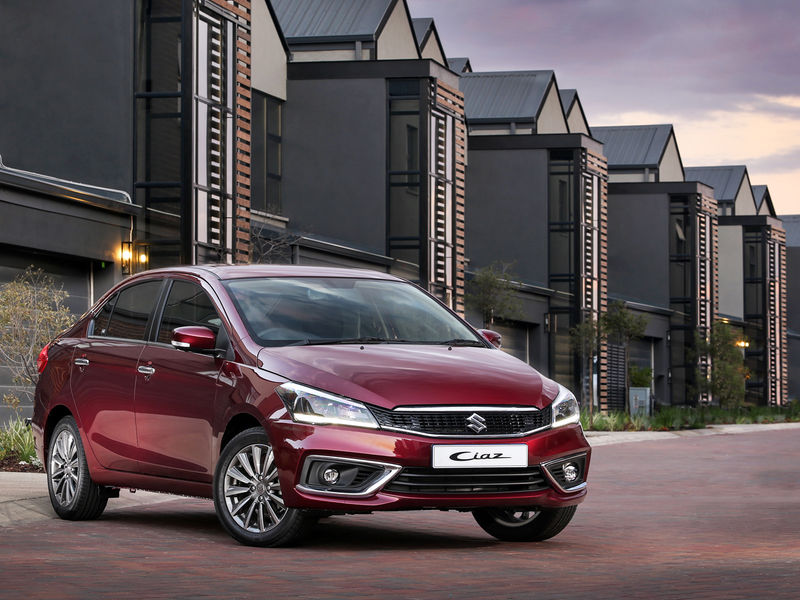
So, should the Suzuki Ciaz be on your shortlist of used budget sedans? Well, the facelifted iteration – particularly in flagship GLX guise – certainly deserves a spot alongside big hitters like the Polo Sedan and Corolla Quest.
In some ways, the Ciaz was an underappreciated option on SA’s new-vehicle market. Today, it offers arguably even stronger value in the used space, where it continues to impress with a heady mix of generous cabin space, a cavernous luggage compartment and impressive real-world fuel economy.
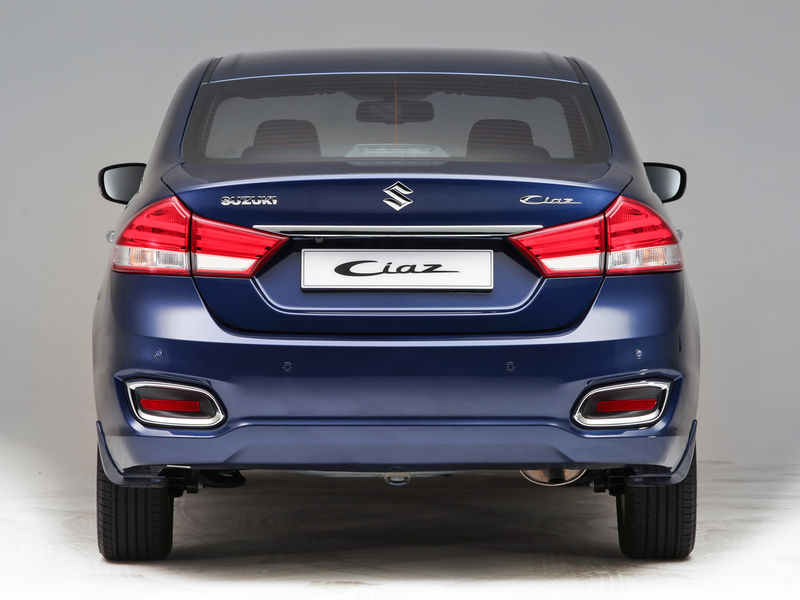
In fact, for the private buyer, the only significant blots in its ledger are its Uber-car persona and – in what we’d posit could be a deal breaker for shoppers planning on regularly ferrying family members – its regrettably meagre level of standard safety equipment (in modern terms, anyway).
Looking for a used Suzuki Ciaz to buy?
Looking to sell your car? You can sell it to our dealer network here
Frequently Asked Questions (FAQ)
Q: Why was the Suzuki Ciaz discontinued in South Africa?
A: The Suzuki Ciaz ended its 11-year run in South Africa in early 2026. This move followed Maruti Suzuki’s decision to cease production of the sedan in India in April 2025, as the brand shifted its focus toward the more popular crossover and SUV segments.
Q: Is the Suzuki Ciaz a safe car for families?
A: While the Ciaz offers great space, its safety credentials are a weakness. In late 2025, Global NCAP awarded the Indian-spec model a one-star rating for adult-occupant safety, citing an unstable body shell. It also lacks modern safety features common in rivals, such as electronic stability control (ESC), curtain airbags and Isofix child-seat anchors.
Q: Which used Suzuki Ciaz derivative is the best to buy?
A: The facelifted GLX (post-2019) is the recommended choice. It features the more powerful 1.5-litre K15B engine and significant luxury upgrades over the base GL, including LED projector headlamps, leather upholstery, a 7.0-inch touchscreen with a reverse camera, and cruise control.
Ryan Bubear

Having written about everything from sport and politics to crime, Ryan eventually settled on motoring. For well over 15 years, he's been penning articles – both online and in print – about the broader automotive industry, though he's particularly fascinated by vehicle-sales statistics. A freelance writer and editor, Ryan has owned a 1971 Austin Mini Mk3 for 20-plus years.