A roadworthy certificate is mandatory when registering a used car in a new owner’s name in South Africa. It confirms that a vehicle meets minimum legal safety standards, but is no substitute for a comprehensive mechanical inspection. Here’s what you need to know about the costs, test requirements and regulations.
A roadworthy certificate (RWC) is something most private vehicle owners seldom think about until it comes time to sell their cars. However, obtaining one can be a frustrating experience if you’re unfamiliar with the requirements. Understanding the costs, conditions and procedures can make the process considerably easier.
When is a roadworthy certificate mandatory?
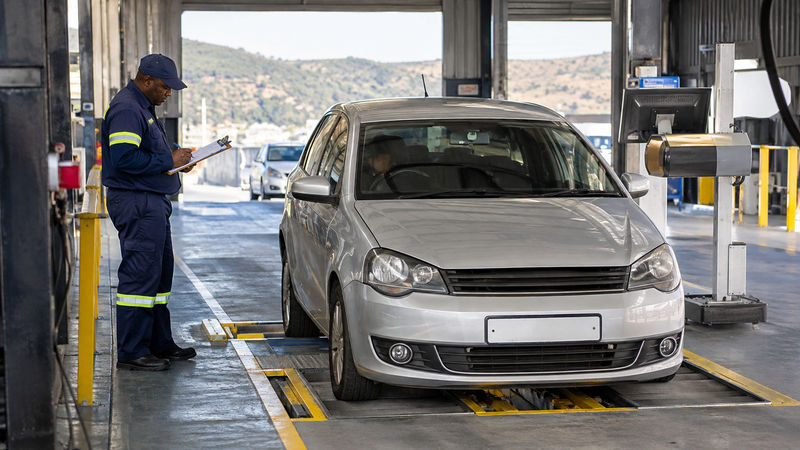
For most private vehicle owners, an RWC is required when there is a change of ownership. Unlike certain commercial vehicles, private passenger cars do not require annual roadworthy certification.
Once the seller submits a Notification of Change of Ownership (NCO) form to the licensing department, the buyer has 21 days to register the vehicle in their name. However, without a valid RWC, the buyer cannot complete the registration and licensing process.
Related: The complete guide to changing a vehicle’s ownership in South Africa
Commercial and public transport vehicles are subject to periodic roadworthy testing. Buses must be tested every 6 months, while heavy goods vehicles exceeding 3 500 kg and vehicles used to transport passengers for reward must undergo annual testing.
Rebuilt, modified and imported vehicles may require additional documentation and specialised inspections. Vehicles with replacement engines, altered or discrepant engine or chassis numbers, or certain previously written-off vehicles may also require SAPS clearance before registration.
Roadworthy certificate costs, validity and retest rules in South Africa

Owners of standard light motor vehicles can have their vehicles tested at municipal facilities or accredited private testing stations, such as DEKRA or AVTS. Municipal facilities are generally more affordable, although appointment availability and turnaround times may vary.
Indicative roadworthy test costs in South Africa are:
| Testing station or vehicle type | Estimated cost |
|---|---|
| Municipal testing station | R200 to R500 |
| Private testing station | R500 upwards |
| Heavy-duty and commercial vehicles | R500 to R1 200 |
Private facilities may offer greater appointment flexibility, faster processing and online booking. Fees vary between testing stations, so confirm the cost beforehand.
Related: Everything you need to know about DEKRA vehicle inspections in South Africa
For a change of ownership, a roadworthy certificate is valid for 60 days from the date of issue. The buyer should complete the registration and licensing process within this period, while also complying with the 21-day registration deadline.
Should the vehicle fail its inspection, the examiner may allow a retest within a specified period of up to 14 days. Whether this is free or discounted depends on the testing station. If the deadline expires or the vehicle is taken elsewhere, a new test and its associated fee will generally apply.
How to verify a roadworthy certificate on eNaTIS
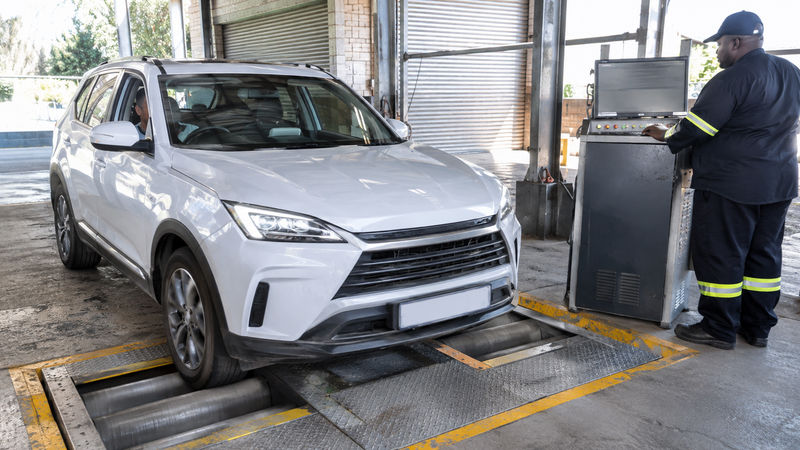
Fraudulent roadworthy certificates are a risk for used-car buyers in South Africa. Scams include certificates issued without vehicles undergoing inspections and printed certificates that have never been recorded on eNaTIS.
A fraudulent RWC can result in registration being blocked and potentially lead to legal consequences. Legitimate roadworthy test results are recorded on the eNaTIS system, and buyers can take the following steps to verify their authenticity:
- Ask the testing station to confirm that the vehicle’s roadworthy status has been updated on eNaTIS.
- Request the original inspection report from the seller and contact the issuing testing station to authenticate it.
- Confirm that the testing station is registered and authorised to conduct roadworthy inspections.
- Ensure the vehicle’s identification details match those on the documentation.
Red flags include certificates issued by unverified testing stations, discrepancies in documentation and sellers claiming the vehicle has passed its test but the system has yet to be updated. Avoid social media advertisements offering roadworthy certificates without requiring a physical vehicle inspection.
Related: Buying a used car from a private seller
Roadworthy certificate vs pre-purchase inspection
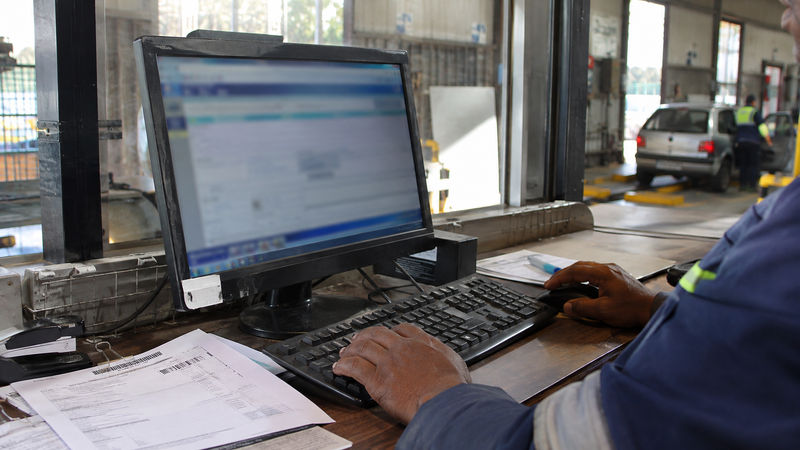
A roadworthy certificate does not guarantee that every component in a car is in good working order. It confirms that the vehicle meets minimum legal safety requirements, including those relating to tyre tread depth, braking performance, lights, wipers and structural integrity.
A roadworthy inspection does not comprehensively assess components such as the turbocharger, clutch, gearbox or electronic systems. An automatic transmission, for example, may meet the requirements of a roadworthy test but fail weeks later.
Related: How to check for previous damage on a used car
For greater peace of mind, a prospective buyer should consider arranging an independent pre-purchase inspection. Depending on its scope, this can include diagnostic fault-code checks, paint thickness measurements and a more detailed assessment of engine, gearbox and suspension wear.
Responsibility for these costs should be stipulated in the sale agreement. Typically, the seller arranges and pays for the RWC, while a more comprehensive mechanical inspection is for the buyer’s account. Ultimately, the buyer is responsible for ensuring the necessary roadworthy certification is in place when registering the vehicle.
If the pre-purchase inspection reveals previously undisclosed defects, the buyer can use the estimated cost of repairs to negotiate a lower purchase price or reconsider the deal altogether.
Related: Buying a second-hand car: What to do
Roadworthy test checklist: What is inspected?
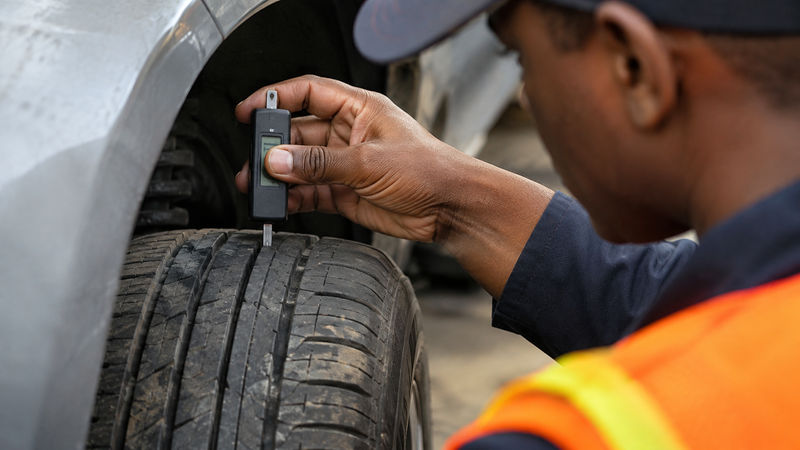
The following table outlines the key components assessed during a roadworthy test, the basic safety requirements and what a successful inspection does not guarantee.
| Component or system | Minimum legal requirements | What a roadworthy test doesn’t guarantee |
|---|---|---|
| Tyres and wheels | Minimum legal tread depth of 1 mm, with no dangerous damage or exposed cords. Applicable tread-wear indicators must also be considered. | Correct wheel alignment, balancing or even tyre wear. |
| Brakes and handbrake | Braking performance and balance must meet prescribed standards, with no dangerous hydraulic leaks and a functioning parking brake. | Remaining brake-pad or brake-disc life. |
| Lights and electrical systems | Required exterior lights must function correctly, with suitable lenses and correctly aligned headlamps. | Functionality of convenience features such as the air conditioning, radio and central locking. |
| Windscreen and wipers | Adequate visibility, no defects that compromise the driver’s vision and functioning windscreen wipers. | The remaining lifespan of wiper blades or the condition of all window mechanisms. |
| Suspension and chassis | Steering, suspension and structural components must meet prescribed safety standards, with no dangerous play, damage or deterioration. | The remaining lifespan of suspension bushes, shock absorbers and other components. |
| Engine and drivetrain | Verifiable engine and chassis identification, with mounting, exhaust and other applicable safety requirements met. | Engine compression, turbocharger condition, oil consumption, clutch wear or internal gearbox health. |
A roadworthy certificate is a legal necessity when transferring ownership of a used car, but it is not a guarantee of mechanical soundness. A valid RWC, comprehensive sale agreement and independent pre-purchase inspection can help protect both buyers and sellers during a used-car transaction.
Frequently asked questions about roadworthy certificates in South Africa
How much does a roadworthy certificate cost in South Africa?
A roadworthy test typically costs between R200 and R500 at a municipal testing station, while private testing stations generally charge R500 or more. Prices vary according to the testing station and vehicle type.
How long is a roadworthy certificate valid in South Africa?
For a change of vehicle ownership, a roadworthy certificate is valid for 60 days from the date of issue.
Can you register a used car without a roadworthy certificate?
A valid roadworthy certificate is required to complete the registration and licensing process when transferring ownership of a used car in South Africa.
What is checked during a roadworthy test?
A roadworthy test assesses tyres, wheels, brakes, steering, suspension, lights, windscreens, wipers, structural integrity and other components to ensure the vehicle meets minimum legal safety standards.
What happens if my car fails a roadworthy test?
You must rectify the identified defects before submitting the vehicle for a retest. The testing station may offer a free or discounted retest within a specified period, depending on its policy.
How can I verify a roadworthy certificate on eNaTIS?
Contact the issuing testing station to confirm that the certificate is authentic and that the vehicle’s roadworthy status has been recorded on eNaTIS. You can also request the original inspection report from the seller.
Who pays for the roadworthy certificate when selling a car?
Typically, the seller arranges and pays for the roadworthy certificate, although the buyer and seller can negotiate responsibility for this cost in their sale agreement.
Does a roadworthy certificate guarantee that a car is mechanically sound?
No. A roadworthy certificate confirms that a vehicle meets minimum legal safety standards. It does not guarantee the condition of the engine, gearbox, turbocharger or other mechanical components. An independent pre-purchase inspection is recommended.
Cars.co.za

Providing you with the latest motoring news, new car releases and the simplest way to buy and sell cars.