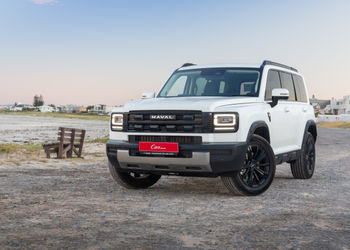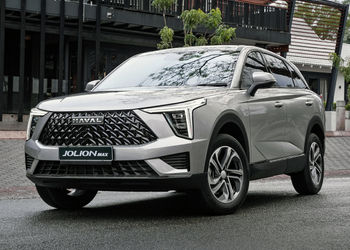
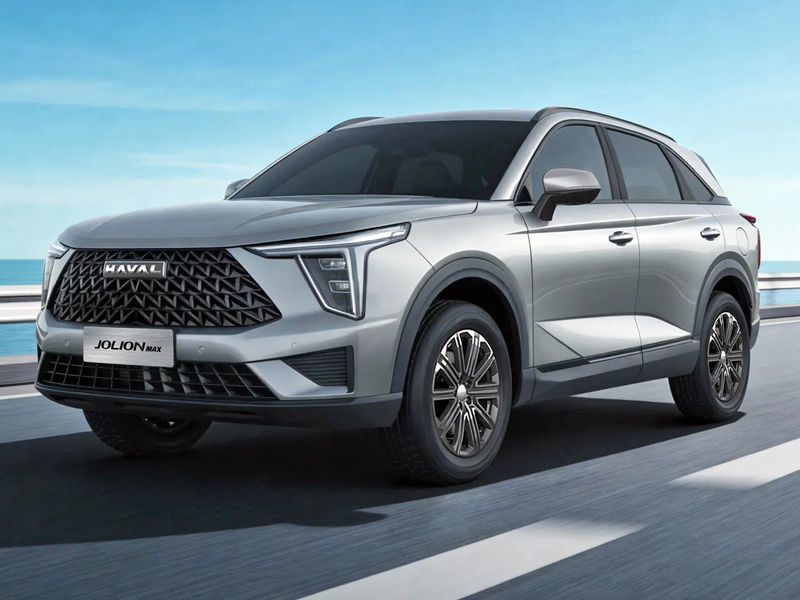
The Haval Jolion nameplate resonates with many South Africans, having found its way into thousands of local homes. Following the introduction of the Jolion Pro and the facelift of the standard Jolion in 2024, another member has joined the GWM family. With larger dimensions, refreshed styling and a choice of hybrid powertrains, the new Jolion Max assumes the role of flagship in the Jolion range.
As motoring journalists, we never thought we’d see the day when South African consumers would embrace new brands to the extent they have in recent years. A decade ago, our roads were dominated by Japanese and European marques, with Korean brands gaining ground.
In 2026, the landscape looks decidedly different, and we have cars such as the Haval Jolion to thank for that. The model was among the pioneers of the new wave of Chinese vehicles in South Africa.
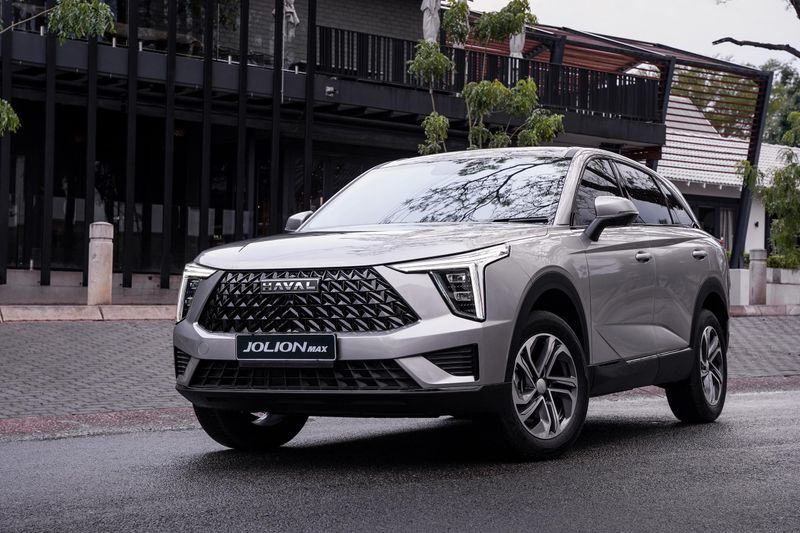
The Jolion arrived in South Africa during a period of considerable uncertainty. The COVID-19 pandemic was in full swing, consumers were cash-strapped and new-car prices were on the rise. GWM introduced a vehicle that seemed to be the perfect “buy-down” for those accustomed to more premium products, while representing an equally appealing “buy-up” for those upgrading from hatchbacks.
As we now know, the formula proved a hit. To this day, the Haval Jolion remains a popular choice among buyers looking for an affordable crossover with a premium feel.
What makes it a Max?
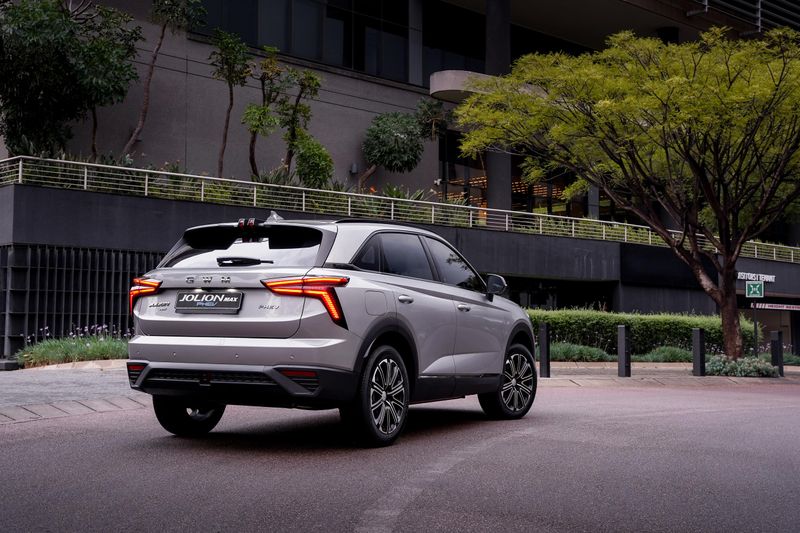
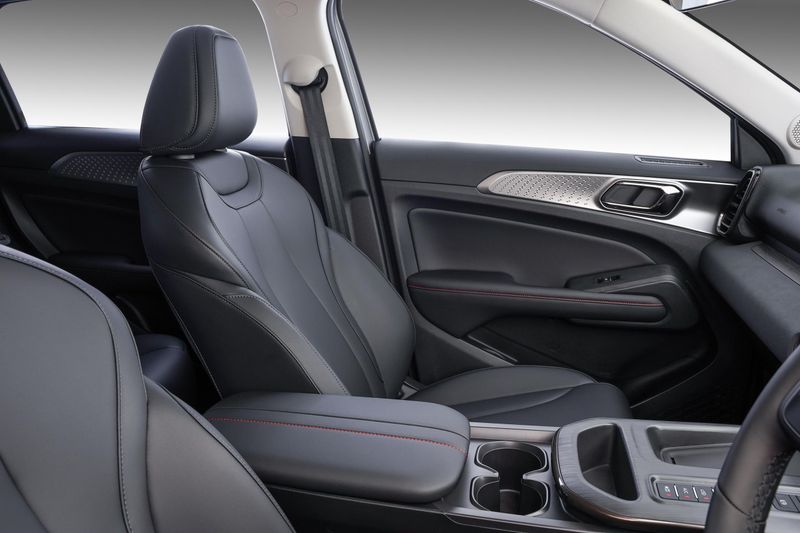
As much as the name might sound like marketing jargon, the Haval Jolion Max is indeed the largest Jolion you can buy. It’s longer and taller than the Jolion Pro, with generous rear legroom, even for passengers who are taller than average.
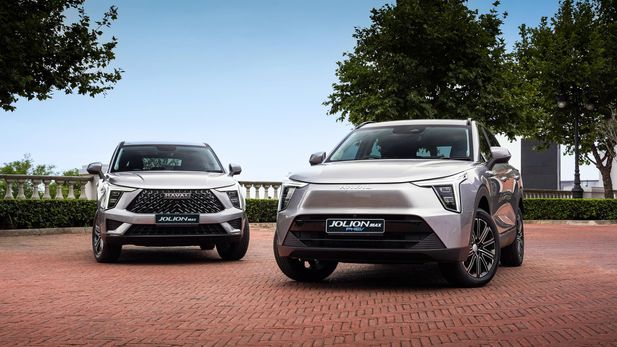
In terms of exterior styling, the newcomer is immediately recognisable as a member of the Jolion family. That is, until you spot the plug-in hybrid (PHEV) derivative, which features a closed-off front end that gives it a distinctive appearance … in a good way.
Parked side by side, the PHEV would be my pick in terms of styling. At the rear, however, the derivatives look largely identical, sporting a new LED tail-light design.
Also read: Haval Jolion vs Jolion Pro: What’s the difference?
A spacious, premium-feeling cabin
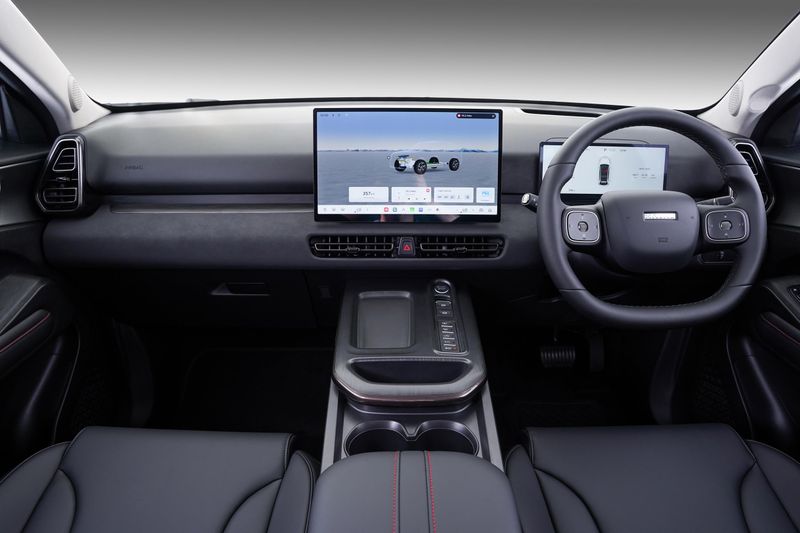
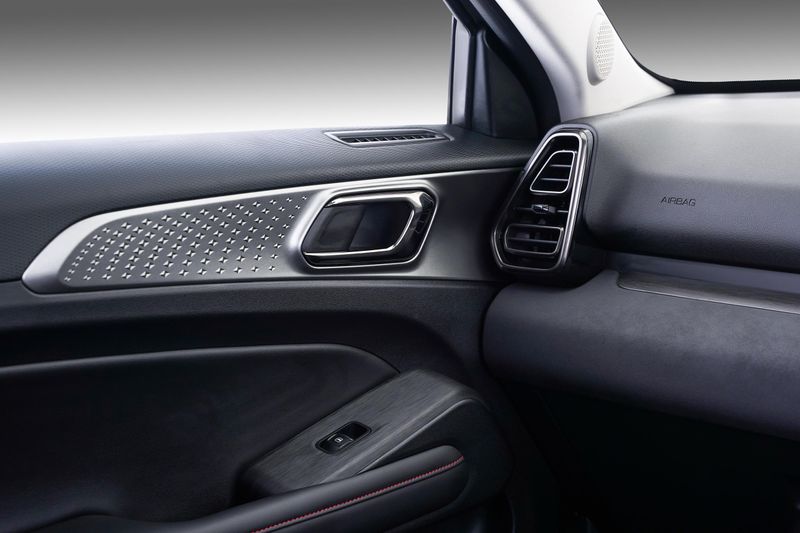
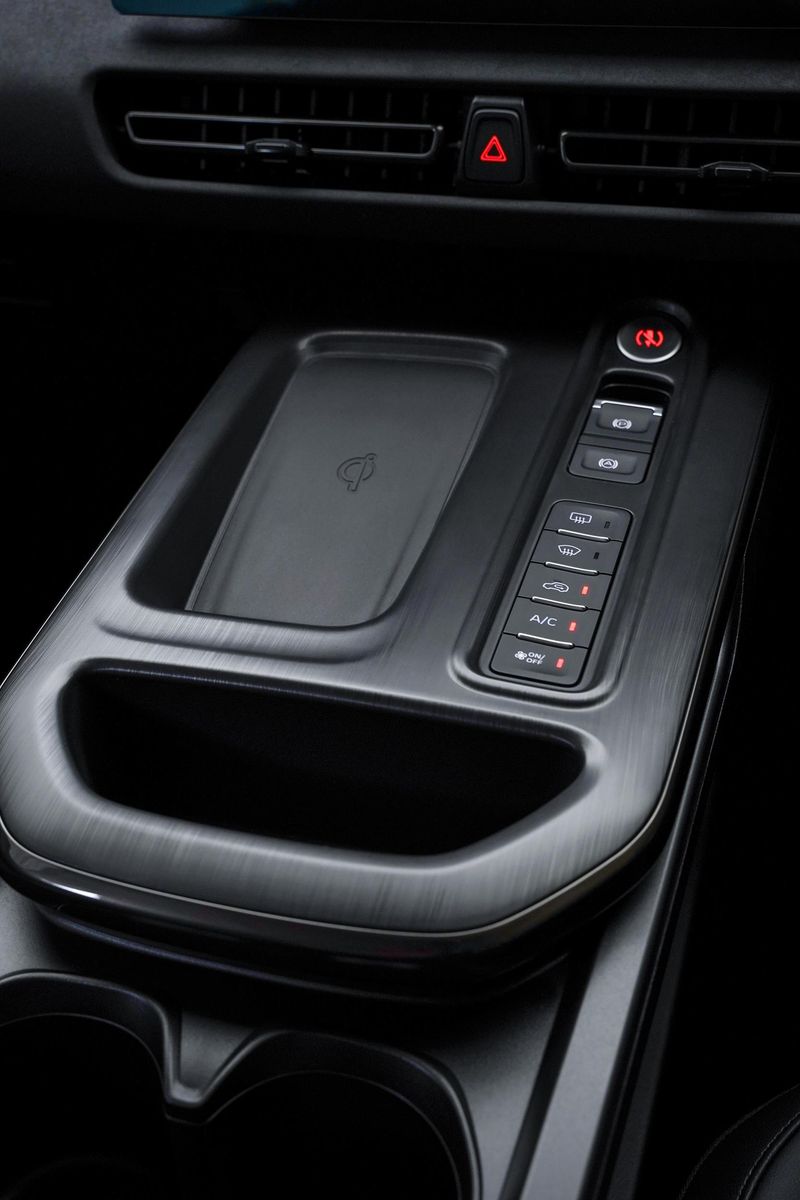
Up front, the interior architecture is minimalist, with a large 14.6-inch infotainment touchscreen serving as the focal point. The floating 10.25-inch digital instrument cluster integrates neatly with the rest of the dashboard, while the soft-touch materials contribute to the cabin’s premium ambience.
There’s also a decent amount of luggage space for family road trips, with a claimed capacity of 490 litres in the conventional petrol (ICE) derivatives and 440 litres in the hybrid (HEV) and plug-in hybrid models.
Three powertrains to choose from
Three powertrain options and five derivatives are on offer, with GWM’s familiar 1.5-litre turbopetrol engine featuring across the range.
Three conventional petrol derivatives form the foundation of the line-up, with buyers able to choose between Premium, Super Luxury and Ultra Luxury specification levels. The 1.5-litre turbopetrol engine produces 105 kW and 210 Nm, and is mated with a 7-speed dual-clutch transmission.
The HEV combines the petrol engine with electric assistance to deliver combined outputs of 164 kW and 518 Nm. The PHEV, meanwhile, incorporates two electric motors and an 18 kWh battery, with claimed combined outputs of 240 kW and 513 Nm.
What’s the Haval Jolion Max like to drive?
We sampled two derivatives during the local launch, the 1.5T Ultra Luxury and 1.5T PHEV Super Luxury DHT, giving us an opportunity to compare the conventional petrol and plug-in hybrid powertrains back to back.
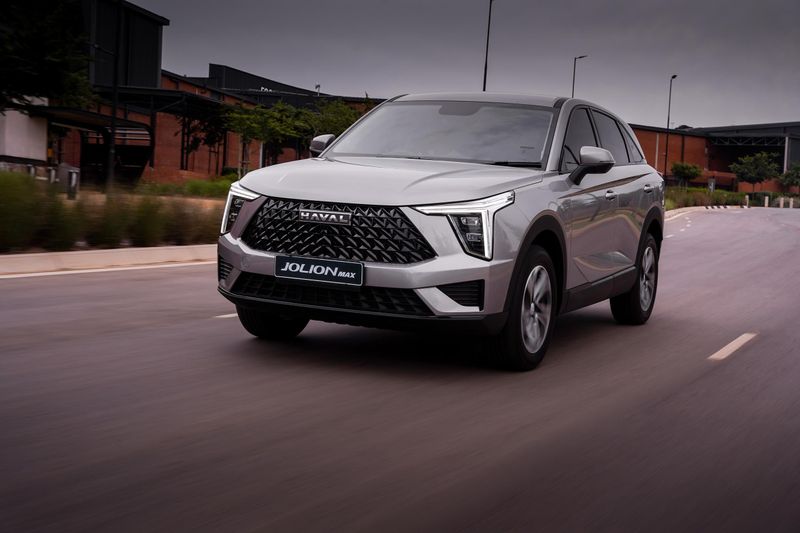
The 1.5T Ultra Luxury felt composed on the road once up to cruising speed, but lacked a degree of eagerness off the line. Given the size of the vehicle and its relatively modest 105 kW output, the somewhat leisurely initial acceleration wasn’t entirely unexpected. Thankfully, the 210 Nm of torque came in handy during overtaking manoeuvres, which the Jolion Max executed competently.
What stood out most in the petrol-powered Jolion Max, however, was its ride comfort and the low levels of noise in the cabin. GWM has become adept at instilling a sense of refinement in its products, and the Jolion Max is no exception.
Also watch: Haval Jolion Pro review: Does Pro mean better?
The PHEV takes things up a notch
Next up was the PHEV derivative, which, in my opinion, takes the Jolion nameplate to another level. There’s something about the quietness of an electrified powertrain that lends a more premium feel to the driving experience.
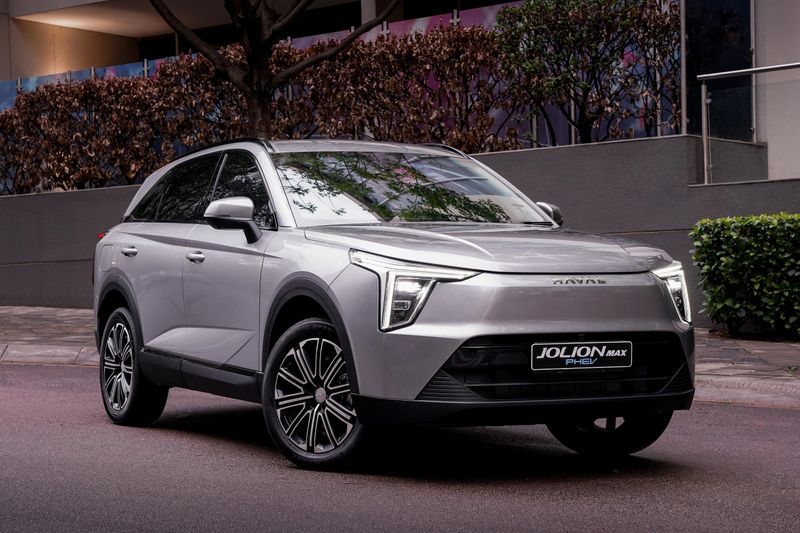
The Jolion Max PHEV glides happily along, surging effortlessly with more than 500 Nm of claimed torque on tap. However, as we’ve experienced with several Chinese PHEVs in our market, the performance figures on paper don’t necessarily translate into the sensation you get behind the wheel. While the Jolion Max PHEV is certainly quick, it doesn’t feel 240 kW quick.
Nevertheless, the more immediate power delivery of the PHEV makes it a more effortless vehicle to drive, particularly when pulling away from a standstill. There’s also the added benefit of a claimed electric-only driving range of up to 115 km.
What about fuel consumption?
Aside from the additional performance, the primary appeal of opting for one of the electrified versions of the Jolion Max is improved fuel economy.
While GWM claims an average fuel consumption figure of 7.2 L/100 km for the conventional petrol derivatives, real-world consumption could be closer to 9 or 10 L/100 km, depending on driving conditions. As we’ve established in previous tests of Haval Jolion derivatives, fuel consumption has traditionally been one of the shortcomings of the conventional petrol models.
The HEV, meanwhile, has a claimed average consumption figure of 4.8 L/100 km, while GWM quotes 4.6 L/100 km for the PHEV. Of course, achieving the best possible fuel economy in the latter will depend largely on how regularly you charge its battery and how much of your daily driving can be completed on electric power alone.
Also watch: Haval Jolion HEV review: Pricing, fuel consumption, specs and practicality
Final thoughts
The Haval Jolion Max is a welcome addition to the Jolion range, offering more space and relatively affordable hybrid technology to South African buyers.
At R469 900, the HEV derivative makes a particularly compelling value-for-money proposition, especially when compared with the pricing of the existing Jolion Pro range. While the PHEV is priced closer to the R600 000 mark, it remains competitively positioned relative to other plug-in hybrids available in South Africa.
The bulk of sales will likely come from the conventional petrol derivatives, though, with the entry-level 1.5T Premium priced at R429 900.
It seems GWM has covered its bases with the Jolion Max. A nameplate that helped change South African consumers’ perceptions of Chinese vehicles has managed to remain relevant several years after its introduction. With GWM continuing to expand and refine the Jolion offering, there’s little reason to expect that to change anytime soon.
Francisco Nwamba
A former vehicle salesman turned motoring writer, Francisco has managed to merge his passion for the arts with his love for motor vehicles. With a background in creative writing, 'Cisco is a freelance motor journalist for Destiny Man Magazine and Sawubona Magazine. Occasionally, you may even see him on the small screen as a TV presenter.