Veteran motoring journalist Calvin Fisher drives the plug-in hybrid and turbodiesel variants of the 2025 Range Rover Sport on a scenic journey from Cape Town to the Winelands – and back. Will he prefer the electrified turbopetrol P460e or the D350?
Saturday mornings in Cape Town are typically reserved for late starts – indulgent breakfasts, nature walks or leisurely pedals into our ample forests.
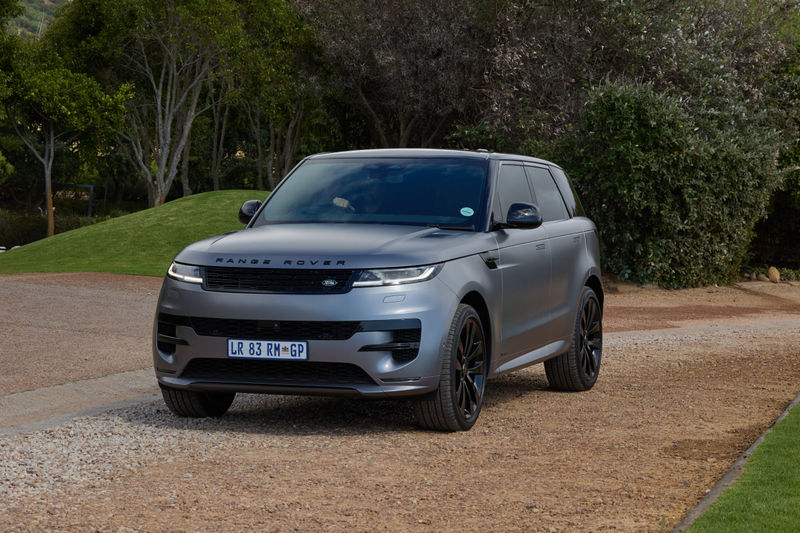
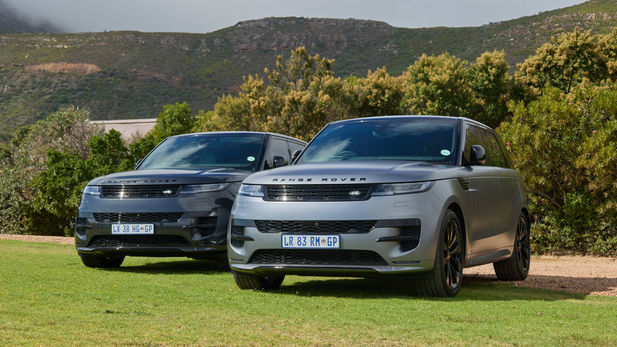
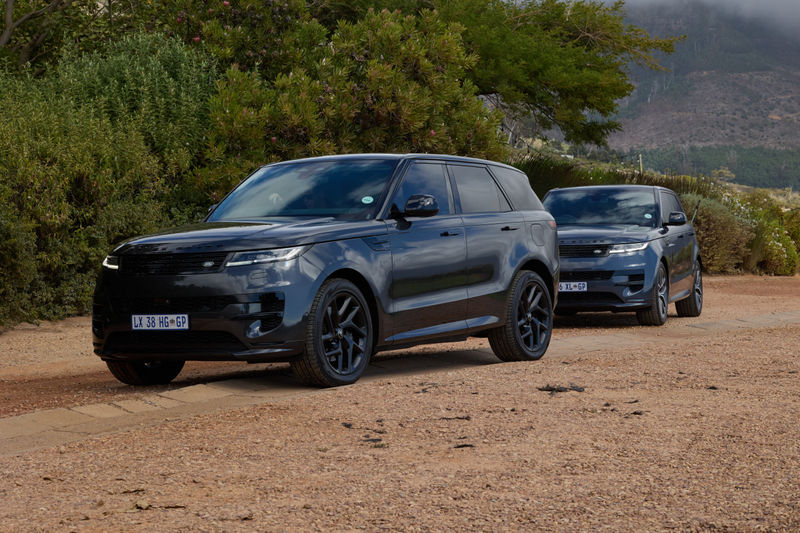
Not today, not when I have access to a pair of boisterous Range Rover Sports at my disposal: a P460e Dynamic HSE with its 3.0-litre inline-6 turbopetrol engine augmented with a plug-in hybrid powertrain and a fervent D350 Autobiography, powered by JLR’s Ingenium 3.0-litre inline-6 twin-turbodiesel motor.
Whereas the petrol-electric obelisk produces 338 kW and 550 Nm, the turbodiesel monolith churns out a comparatively modest 258 kW, but thanks to its wall of torque (700 Nm), it’s no slouch. Neither are.
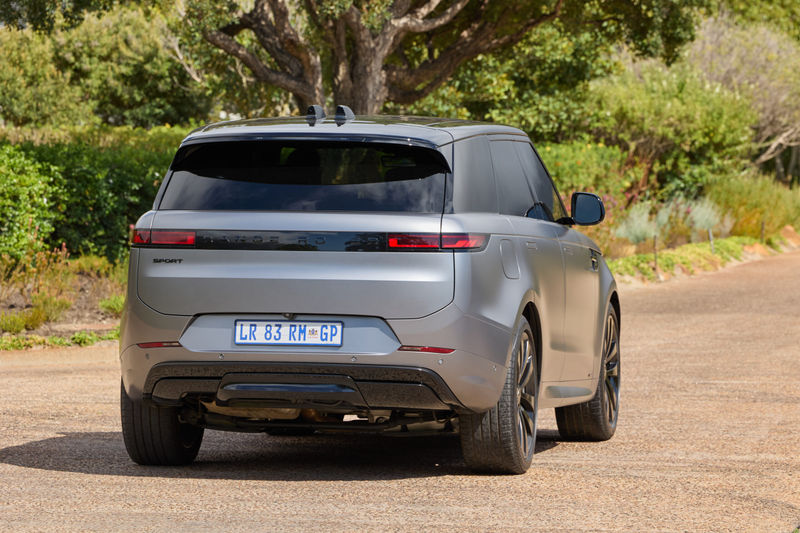
And since I have the keys to both, it’s time to choose which one of the variants I’d live with. There was once a time when you could make a compelling argument for a Range Rover as the idyllic 1-car garage. That’s to say that if you only had room for 1 vehicle, few could rival it for space, pace and grace.
See also: V8-powered Range Rover Sport P530 back in SA line-up!
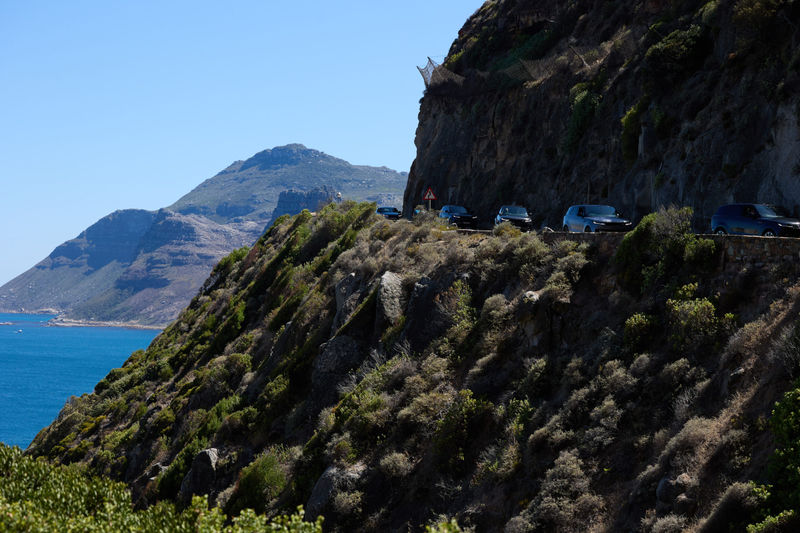
The Range Rover Sport has since taken over that mantle since it’s quicker, is hardly short of occupant space and is monumental to behold, even in traffic bristling with attractive machinery of similar stature.
In fact, I’d argue that the only ground the Range Rover Sport has lost over the decades is, well, “novelty”, because so many rivals have come to market: from the burly Teutons (such as the Audi Q7/Q8, BMW X5/X6, Mercedes-Benz GLE/GLE Coupe and the Porsche Cayenne/Cayenne coupe), to the newly minted offerings from fledgeling Chinese manufacturers that look the part, albeit chintzier and at half the scale.
Yet, settled into my plush drivers’ pew amid a technology-laden cabin, surfaced in premium textures and finishes, it’s hard not to defend this, the progenitor, well pedigreed and substantial as it is.
See also: Range Rover Sport (2024) Review
This is proper, this is genesis. I’ve opted for the P460e Dynamic HSE for my debut, gliding out of the estate’s parking lot entirely silently, thanks to its plug-in hybrid powertrain with a 48V electrical system.
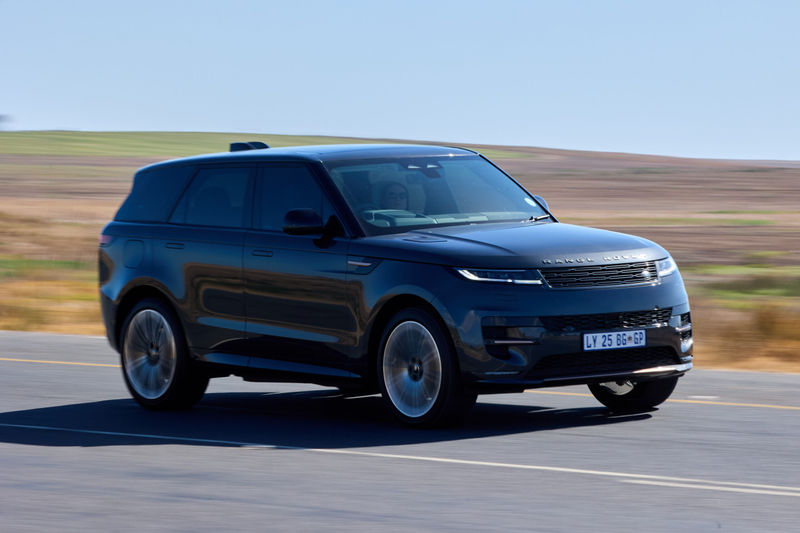
Sink your right foot into the carpet, however, and the P460e Dynamic HSE has no trouble swelling with intent. Do this too gratuitously and you’ll seriously stunt the P460e’s claimed pure-electric range of 122 km, which can be brought back up to 80% in under an hour (if you have access to a rapid DC charger).
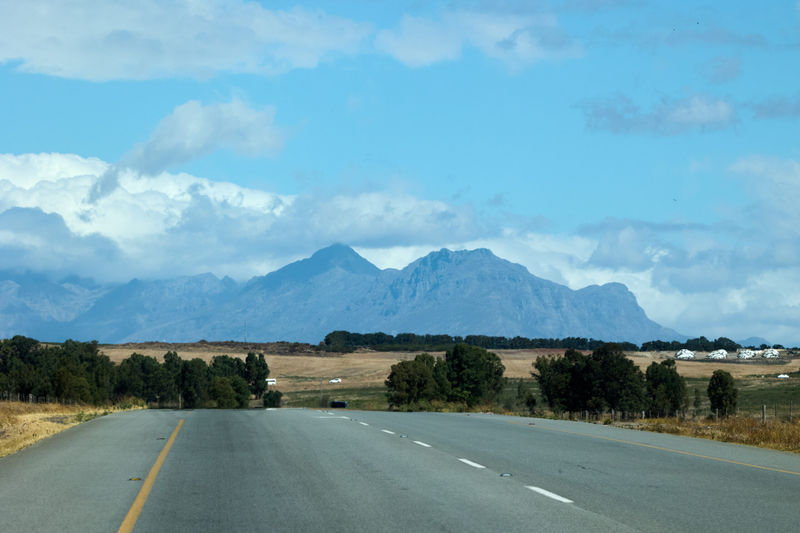
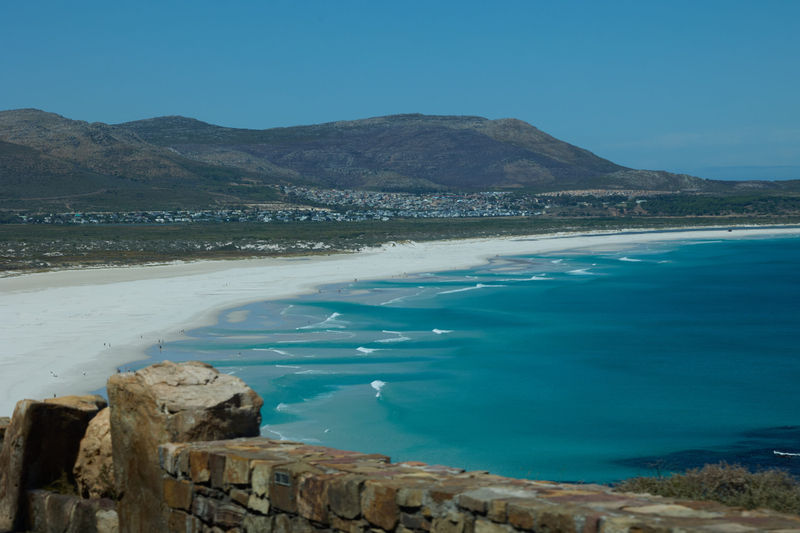
Which our destination in Stellenbosch has – allowing me to enjoy the coastal cruise without fussing with range anxiety. After navigating the beach-lined avenues and diving into the CBD and back out again, the level of performance here was admirable, but I was missing a soundtrack.
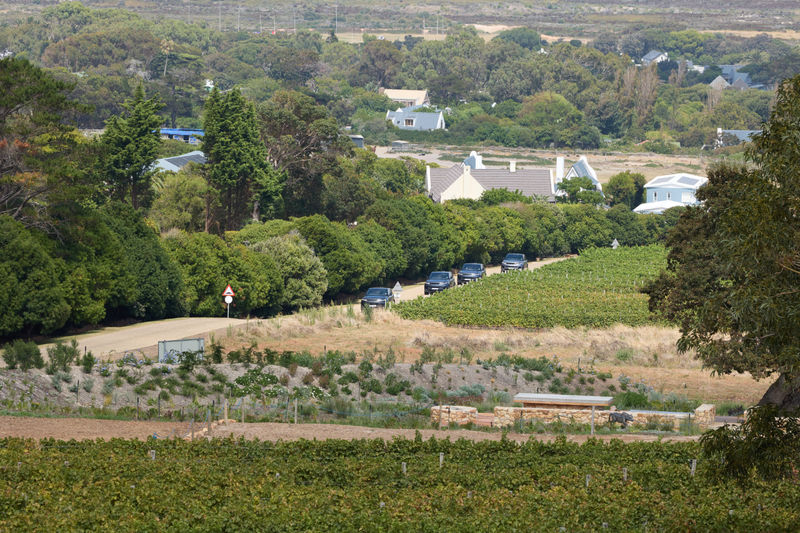
So I dialed the P460e Dynamic HSE into one of the more aggressive petrol-swilling modes and continued the trip to our destination with a guttural inline-6 turbopetrol motor barking at me. There, better.
The city once again gave way to sweeping bends as we entered the Winelands, replete with mountain passes and farm roads where I could get a better feel for the helm. In a word, flavourful.
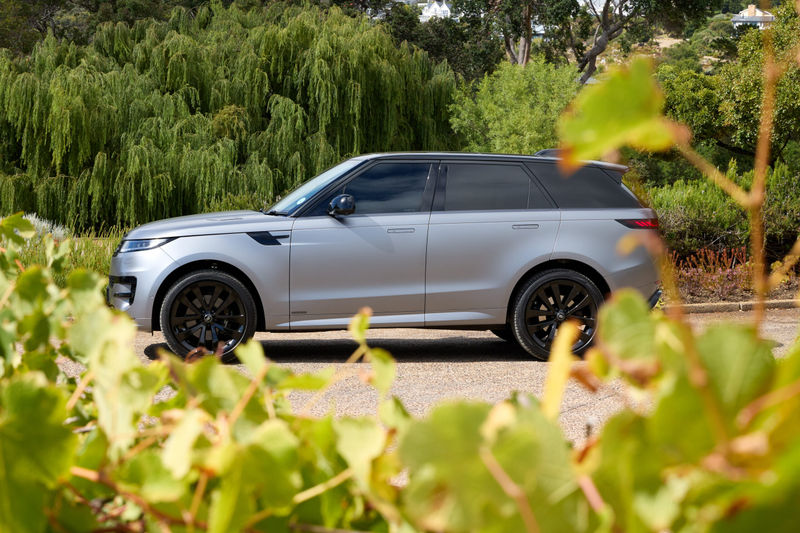
In another, responsive. But also, it was well-weighted. The Range Rover Sport is a 2-tonne-plus SUV with a considerable footprint, but engineers didn’t try to overcompensate for that by making the steering feel overly light, allowing you to truly get to grips with the handling (soft on the straights, firm on the twisties).
Acceleration is copious, and generally, the P460e Dynamic HSE variant of the Range Rover Sport is a driver’s delight to operate. The passengers are hardly struggling either, as the cabin is awash with modcons and safety features, as well as a host of connectivity and charging points.
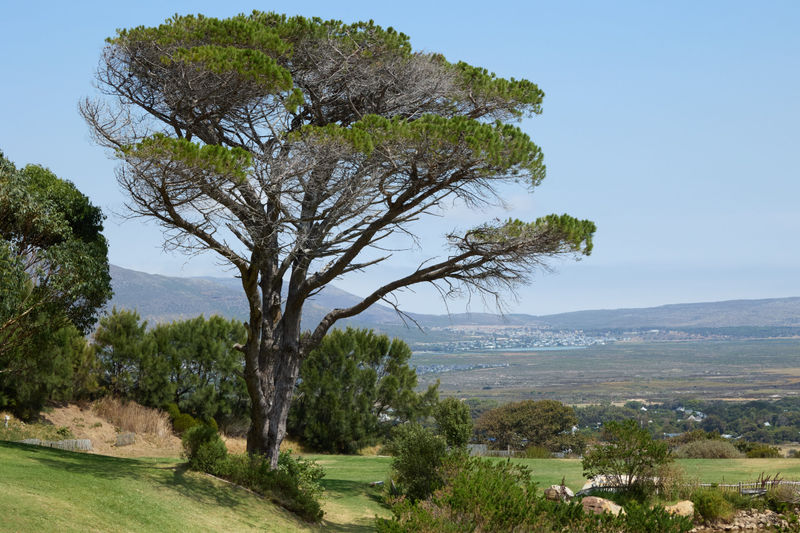
As we pulled into our overnight stop, my copilot was rested while I felt recharged; P460e Dynamic HSE may have benefitted from access to a rapid DC port, but I didn’t need one. The next day, we would repeat the adventure in reverse, but moving from the PHEV into the diesel-burning D350 Autobiography.
How much does the Range Rover Sport cost in SA?
| P360 Dynamic SE | R2 099 900 |
| P360 Dynamic HSE | R2 227 300 |
| Range Rover Sport P360 Autobiography | R2 315 100 |
| D350 Dynamic SE | R2 398 700 |
| D350 Dynamic HSE | R2 526 600 |
| D350 Autobiography | R2 595 100 |
| P460e Dynamic SE | R2 716 700 |
| P460e Dynamic HSE | R2 760 800 |
| P460e Autobiography | R2 845 200 |
| P530 Dynamic HSE | R2 859 000 |
| P530 Autobiography | R2 928 200 |
| P635 SV Edition Two | R3 971 500 |
Prices above (correct in March 2025) include a 5-year/100 000 km warranty and a 5-year/100 000 km maintenance plan.
New Range Rover Sport prices & specs in South Africa
Search for a new/used Range Rover Sport listed for sale on Cars.co.za
Summary
I won’t tease you – I loved the D350 at once. The turbodiesel variant is by no means emphatically the better car, but we gelled almost immediately. I appreciated the tractable and linear way it would deliver its full wad of 700 Nm, and whoever claimed that a diesel engine sounds agricultural should be forced to sit behind the exhaust pipe of an Ingenium-engined D350 derivative until they come to their senses.
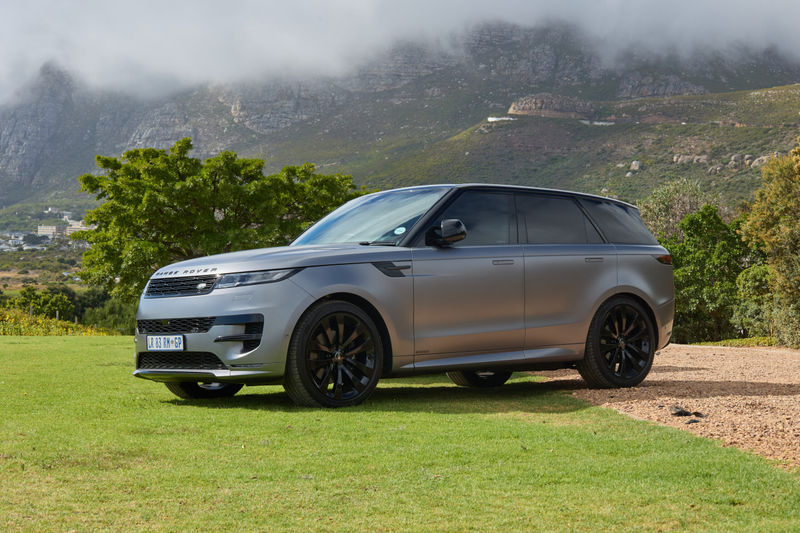
It’s a primal “climbs up your spine” affair, especially when you’re leaning on the throttle. On that note – in the D350 Autobiography, zero to 100 kph can be conquered in 5.8 sec and it will max out at 234 kph.
You can compare that to the PHEV variant which accomplishes similar stats (0-100 kph in a claimed 5.5 sec before topping out at 225 kph). What followed was another 130 km trip across the Cape with a smile grafted firmly across my face. The D350 Autobiography is the one I’d have – no question about it.
Related content:
V8-powered Range Rover Sport P530 back in SA line-up!
Calvin Fisher
Having started scribing in the motoring realm some 15 years ago within the car culture sector, Calvin hit the big time when he was promoted to deputy editor of Top Gear South Africa and editor of Top Car before digital killed the magazine star.