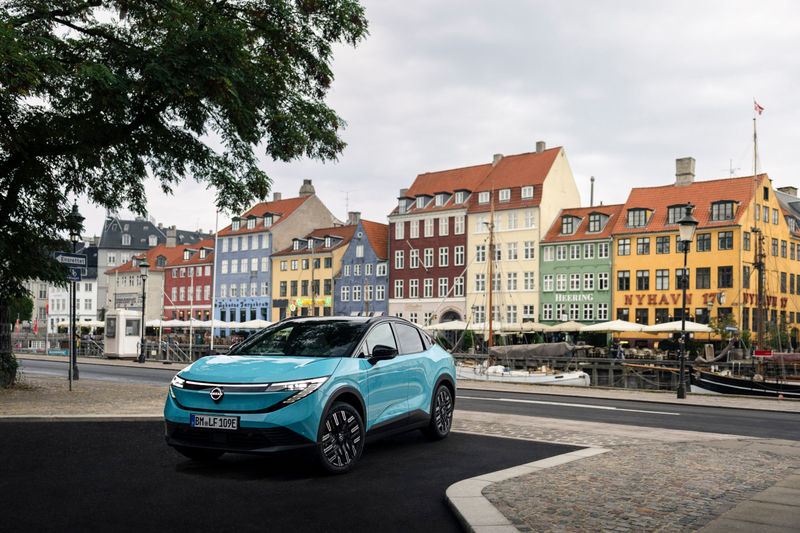
Nissan’s electric pioneer enters its 3rd generation in a distinctly different shape. We drive the latest iteration of the Nissan Leaf in Denmark, where most new cars sold are electric vehicles (EVs).
Nissan South Africa was so far ahead of the curve when it launched the 1st-gen Leaf in Mzansi nearly 15 years ago that these days, most locals have forgotten about the EV pioneer.
Perhaps predictably, the pricey Leaf did not light up the local sales charts in South Africa; the 2nd-gen model was unveiled in Tokyo in 2017 – my colleague Ciro De Siena was there – but the local firm decided to skip it. But then, it was always more of an image builder in Mzansi than a car with volume aspirations.
Whether South Africans will ever be able to buy the new, 3rd-gen Nissan Leaf remains to be seen. I would not bet on it – Nissan South Africa is fighting bigger challenges at the moment, and at the global launch in Denmark, Nissan said the new model was only confirmed for Europe, America and Japan.

Nevertheless, the opportunity to drive it came as a result of my duties as South Africa’s World Car of the Year juror. Nissan wanted to make sure many WCOTY judges got behind the wheel of “Leaf 3.0” before voting started for the 2026 World Car Awards programme – clearly, it believes it has a potential winner.
Crossover aesthetics
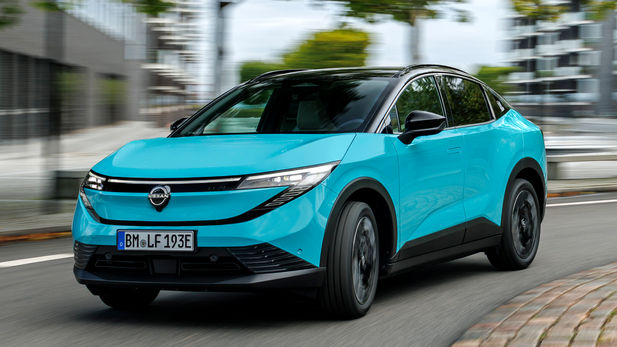
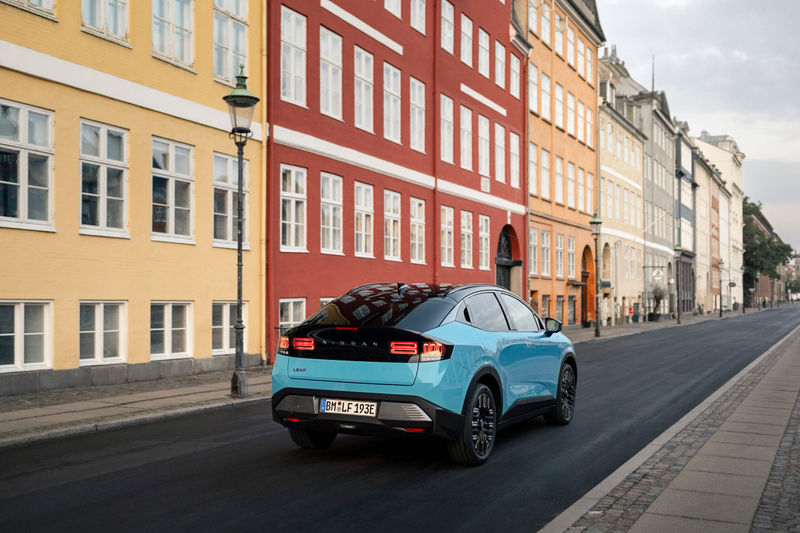
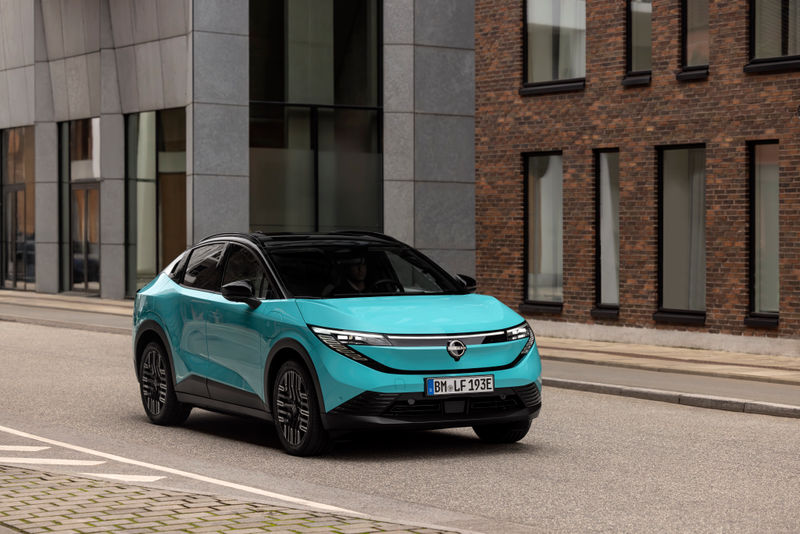
Whereas the first 2 iterations of the Nissan Leaf resembled C-segment hatchbacks, the 3rd-gen model looks more crossover-like. Developed markets prefer these “coupe” high-riders these days, as evidenced during our stay in Europe, where we saw countless Tesla Model Ys and Volkswagen ID.4s, among others.
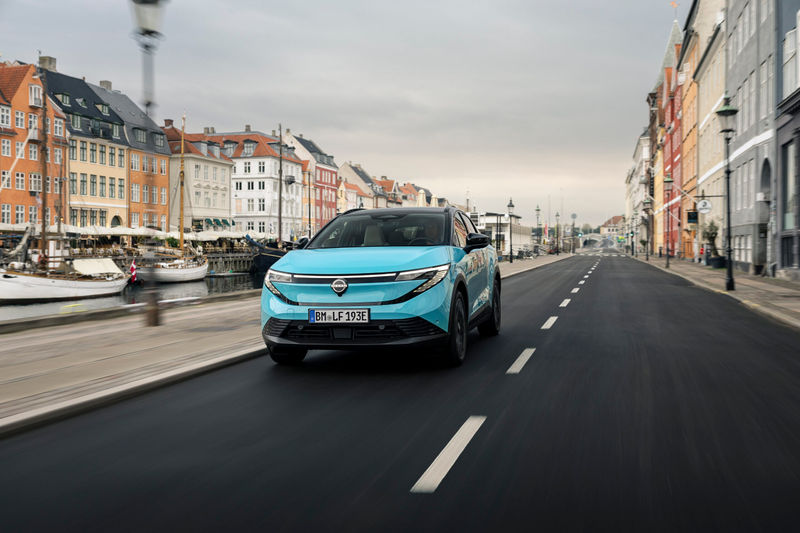
Those with sharp eyes will note that the Leaf’s rear lights are inspired by those of the ’90s Nissan 300ZX (and current Z). There are also some truly striking alloy wheels to choose from, up to 19 inches in size. You may also notice the appearance of the =||| (2 / 3) symbol in various places on and in the Leaf.
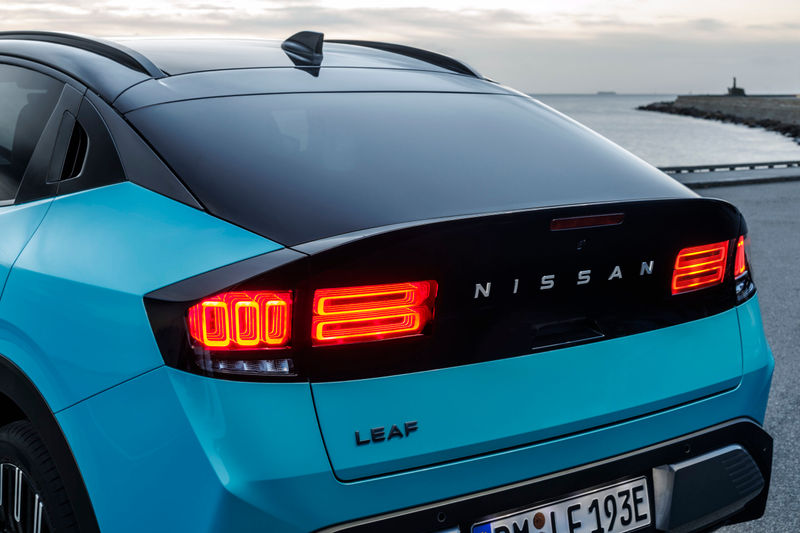
In Japanese, it translates simply as Nissan. The symbol is supposedly hidden in 23 places in the car (again, note the importance of numbers 2 and 3), so if you want to go easter-egg hunting, well, you can.
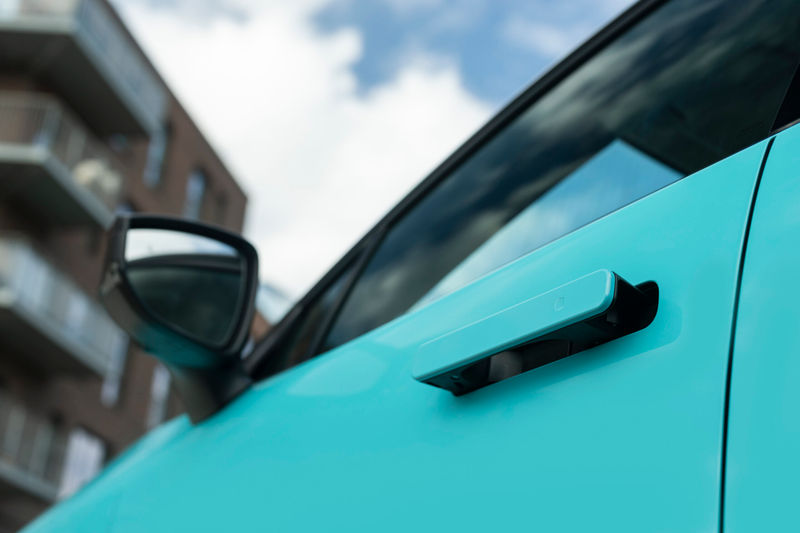
Based on the brand’s CMF-EV platform, which also underpins the bigger Ariya EV, the Nissan Leaf has aero-optimised bodywork – flush door handles, for example, and lots of underbody airflow detailing, to achieve an excellent drag coefficient of 0.25.
With its rigid, relatively light structure and aero excellence, Nissan’s pursuit was lightness and efficiency… From the design phase, it wanted to achieve excellent real-world long-distance range, but without just going for bigger batteries (and the resultant weight).
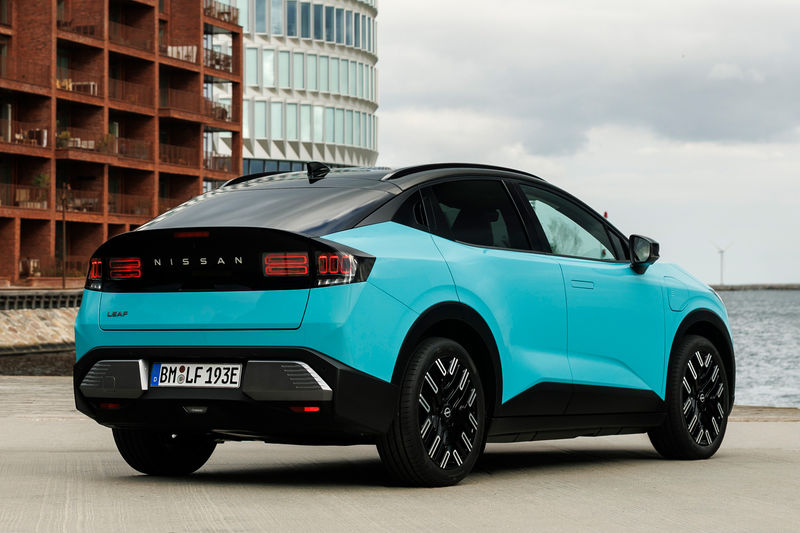
It helps, of course, that the 2026 Nissan Leaf is probably unique in the world in that it is a 3rd-generation EV, and that it is the product of all Nissan’s learnings with the previous two iterations. Nissan will understand better than most what consumers actually want… and how they use their EVs.
Battery and Range
The 2026 Nissan Leaf is offered with 2 battery options: 52 kWh and 75 kWh. The higher-capacity battery enables the model to produce peak outputs of 160 kW and 355 Nm of torque, enough for a (claimed) brisk 0-100 kph sprint time of 7.6 seconds. Top speed is limited to 160 kph.
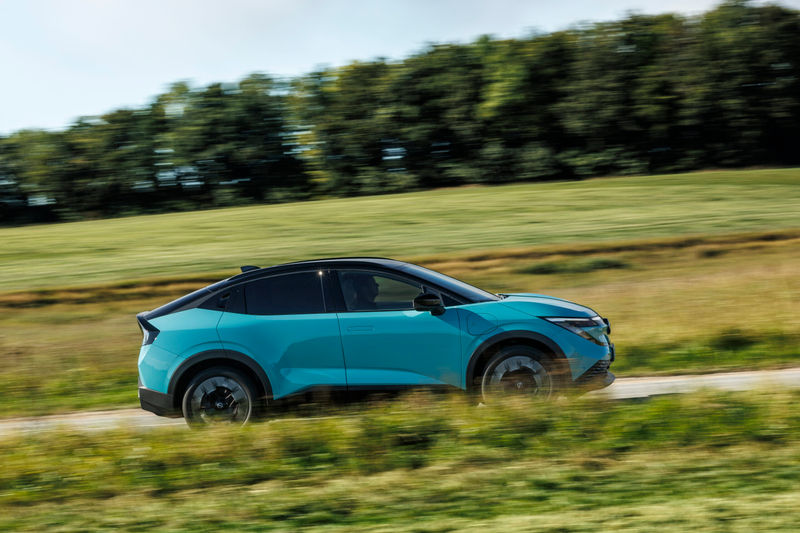
More importantly, it allows for a long-distance range of 622 km (WLTP). During the launch programme, we were given a very long route, taking in the Danish countryside, and there was no planned recharging. Nissan’s confidence was evident.
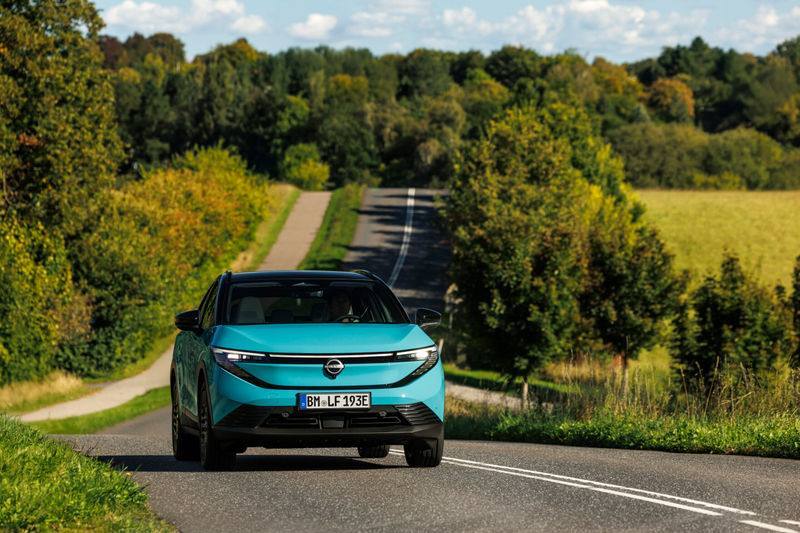
The company claims that even when driving at highway speeds of up to 130 kph (high for Europe, and high for EVs), the range will be 330 km.
It is also worth noting that the smaller-battery Leaf still offers a range of above 440 km (WLTP) and there isn’t too much of a performance penalty either (130 kW/345 Nm) and sprints to 100 kph just 1 sec slower.
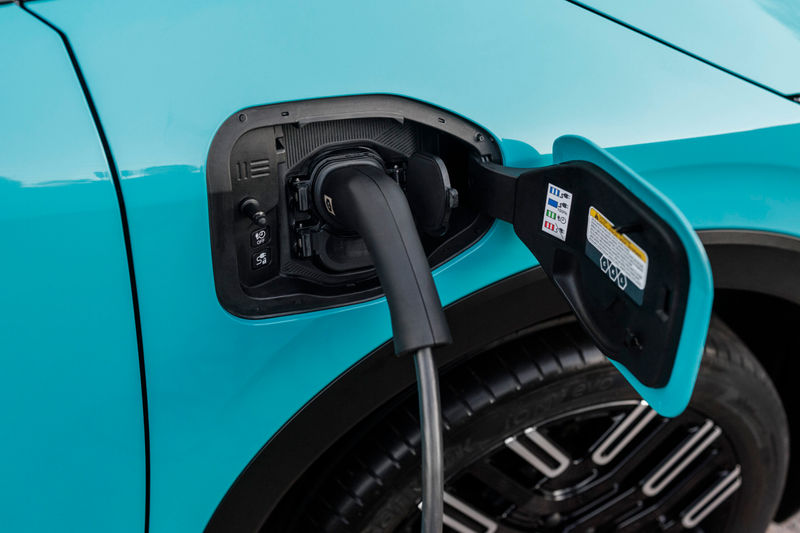
Nissan says consumption (of the 75kWh car) is as low as 13.8 kWh/100 km and that the 75 kWh Leaf supports 150 kW DC fast charging, recovering up to 420 km in range in just 30 minutes of charging.
Another element that remains relatively rare (certainly in terms of daily usability) in South Africa is the Leaf’s so-called Vehicle-to-Load (V2L) capability.
It offers 3.6 kW output to charge devices or power cooking gear, when camping, for example. It is also future-ready in terms of Vehicle-to-Grid (V2G) capability – it can return energy to the grid.
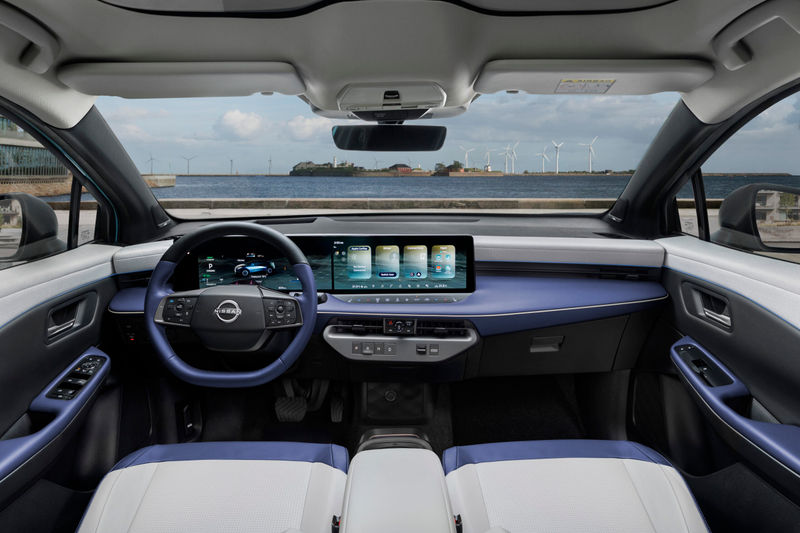
2026 Nissan Leaf: Cabin & Features
Step inside, and the 2026 Nissan Leaf is quite a radical departure from the first 2 generations, which represents a clear shift away from traditional hatchback architecture.
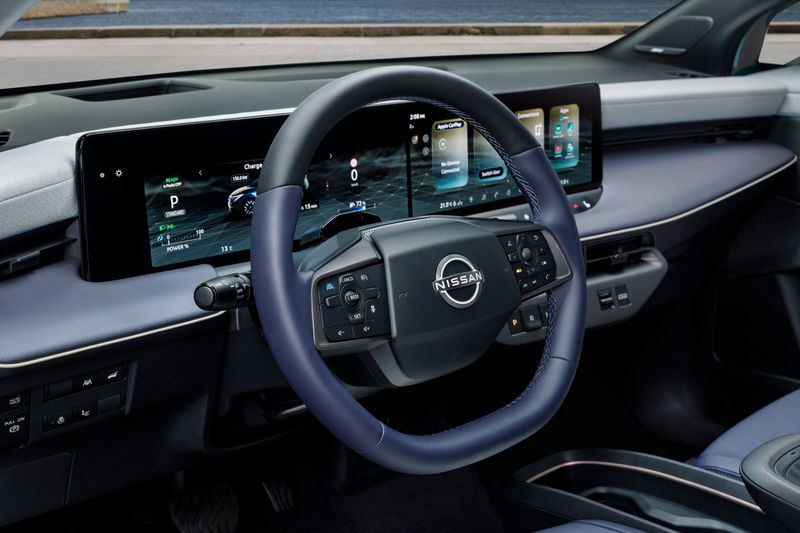
Two 14.3-inch screens dominate the horizontal fascia, while different textures and materials (notably light cloth) stretch from the door panels to the top of the fascia, adding a feeling of lightness and luxury.
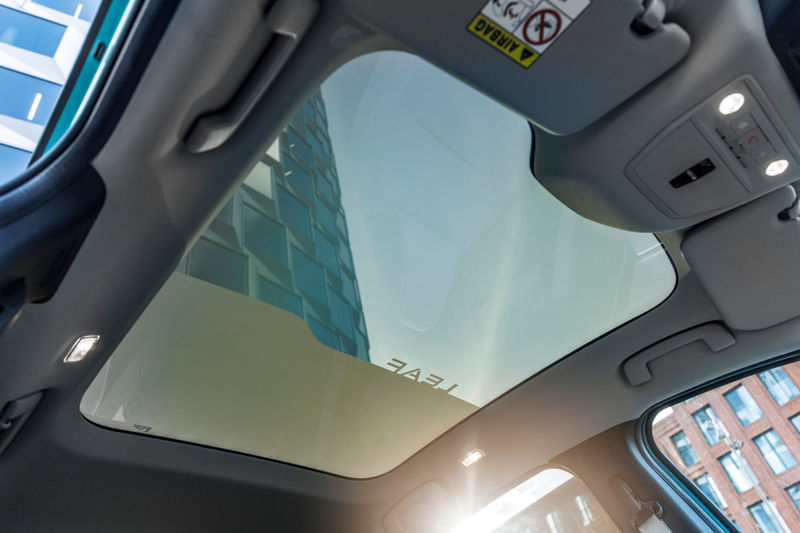
Look up, and you’ll note a neat full-length sunroof with segmented dimming functionality – consequently, a sliding cover is not needed. The sunroof is fitted as standard on higher-specification variants.
Another major talking point is the presence of Google built-in – this means the Google system is part of the car. In other words, and as an example, it can use its knowledge of the car’s remaining charge, traffic situations on the route, etc., to better plan journeys, keeping in mind charge station availability.
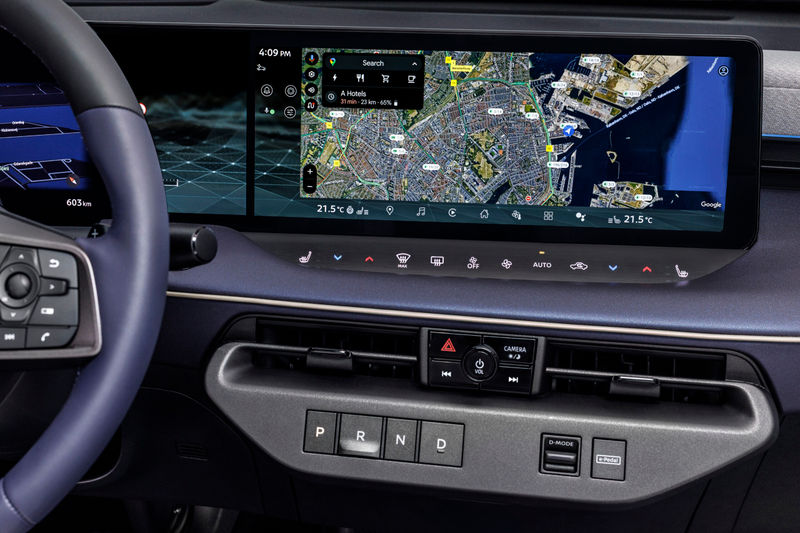
Of course, Apple CarPlay is standard, but not built-in (so when using CarPlay, some of the car- and situation-specific information isn’t integrated – as is the case when using CarPlay in a “normal” car utilising the system). The other advantage of the built-in Google tech is that all the app icons and general UX (including Google Maps) will be familiar.
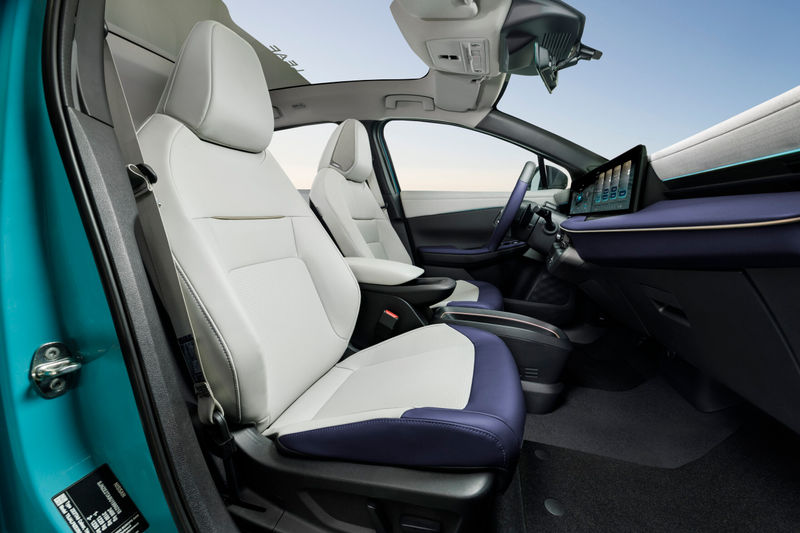
Measuring 4 350 mm in length, this very different-looking Leaf hasn’t changed hugely compared with its predecessor in terms of size. But as a consequence of better packaging, it does seem more spacious.
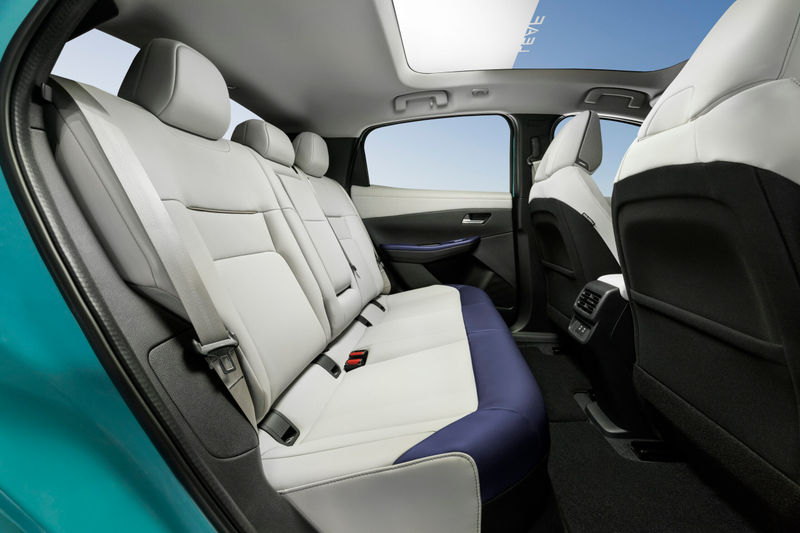
I spent some time in the rear seat (behind my own stretched-out front-seat position – I am 1.8 metres tall), and there was definitely enough knee room. Space for feet is a little tight, however.
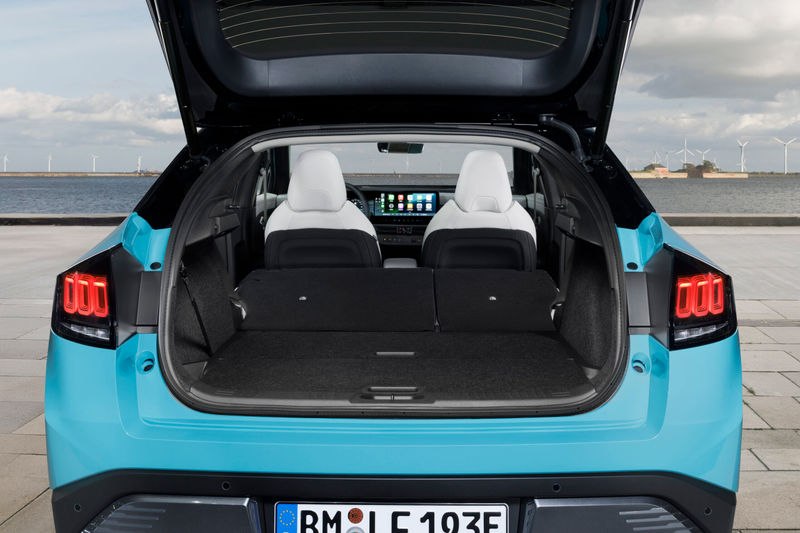
The boot is claimed to be able to accommodate up to 437 litres of luggage and boasts 2 floor levels.
There is no “frunk”, and instead Nissan has prioritised in-car storage with numerous compartments and surfaces for smaller items.
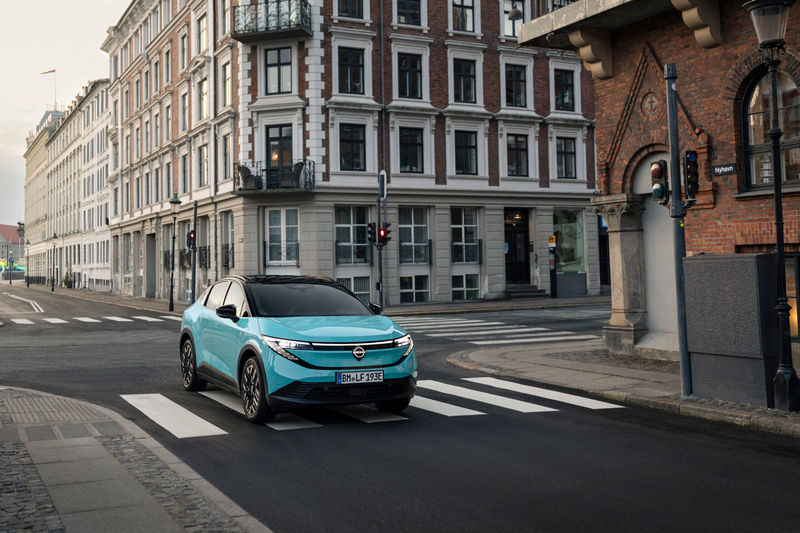
What is the 2026 Nissan Leaf like to drive?
My shuttle from Copenhagen airport to the launch venue was in Nissan’s Ariya, a striking, bigger electric crossover that is based on the same platform. I emerged from that passenger ride thinking that the quietness and ride quality were impressive.
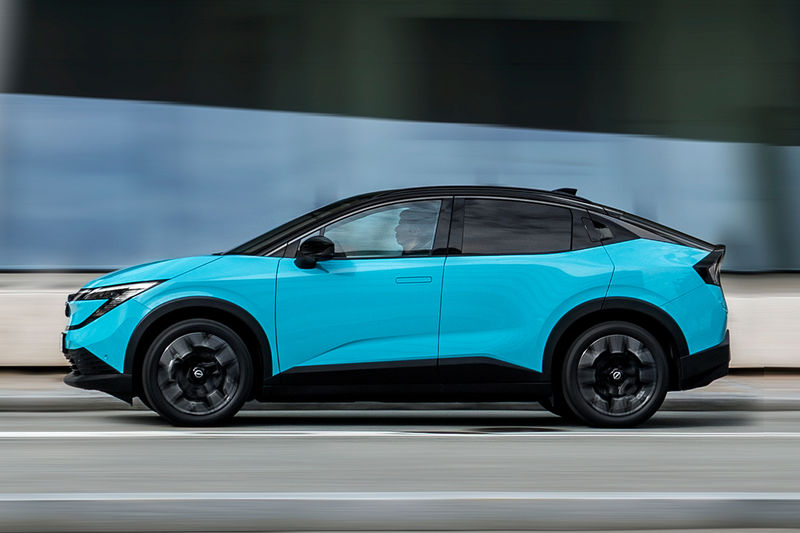
The CMF-EV underpinnings certainly appear to be excellent, then, because the Leaf felt much the same as its bigger sibling as we headed out on Copenhagen’s roads.
Even on big 19-inch wheels, it rides beautifully and quietly – yes, there are some occasionally coarse and bumpy surfaces, even on generally excellent Danish roads.
The Google built-in tech also brings some immediate familiarity into the cabin, helpful when you’re in a new car for the first time, and also don’t know the area you’re driving in. I also liked the Bose speakers built into the headrests, as the driving instructions from the navigation were crystal clear.
As is the case with many EVs, you can pretty much drive the 2026 Nissan Leaf with 1 pedal, but the Leaf also allows you to shift between various levels of strength for the regen braking.
Another useful feature, particularly when navigating tight spaces, is a 3D-Around View Monitor with an 8-point perspective, which includes Invisible Hood View and Front Wide View. For a South African sitting on the wrong side of the car, on the wrong side of the road, these features took a lot of the stress away.
And that’s really the 2026 Nissan Leaf driving experience in a nutshell – stress-free. Serene, comfortable, packed with intuitive tech that actually works and with great real-world range, it speaks volumes about Nissan’s learnings and experience in this segment.
Summary
At the time of its launch, Nissan had not yet announced any pricing details. Production and pre-orders of the newcomer (in Sunderland, UK) start before the end of this year, but deliveries are only slated to commence in Spring (Europe) 2026.
As I mentioned earlier in this review, I doubt South Africans will see the 2026 Nissan Leaf on local soil any time soon. The local EV market remains very small, is particularly price sensitive, and Nissan South Africa needs to find some volume and production sustainability first. But who knows… The new, 3rd-gen Nissan Leaf is certainly one of the more practical and pleasant EVs out there.
2025 CarsAwards: Best EV in SA
Related content:
BYD Dolphin review – Is this SA’s Best-Value EV?
Volkswagen ID.4 Pro (2024) Launch Review
Volvo EX30 Review: It’s super fast, but is it super smart?
Mercedes-Benz EQE (2024) Review
Tesla Model X Performance Video Review – We drive the only one in SA!
Frequently Asked Questions (FAQ)
Q: What are the available battery options and their corresponding maximum ranges for the 2026 Nissan Leaf?
A: The 2026 Nissan Leaf is offered with two battery options: a 52 kWh battery (with a range above 440 km WLTP) and a higher-capacity 75 kWh battery (with a maximum range of 622 km WLTP).
Q: How has the design of the 3rd-generation Nissan Leaf changed?
A: The 3rd-generation model is a radical departure from its predecessors. It moves away from the C-segment hatchback shape to a more crossover-like aesthetic, reflecting market preference for “coupe” high-riders.
Q: What is the maximum DC fast charging speed and charge time for the 75 kWh model?
A: The 75 kWh Leaf supports 150 kW DC fast charging, which allows it to recover up to 420 km in range in just 30 minutes of charging.
Q: When are deliveries slated to commence for the 2026 Nissan Leaf in Europe?
A: While production and pre-orders start before the end of this year (2025), deliveries are only slated to commence in Spring (Europe) 2026.