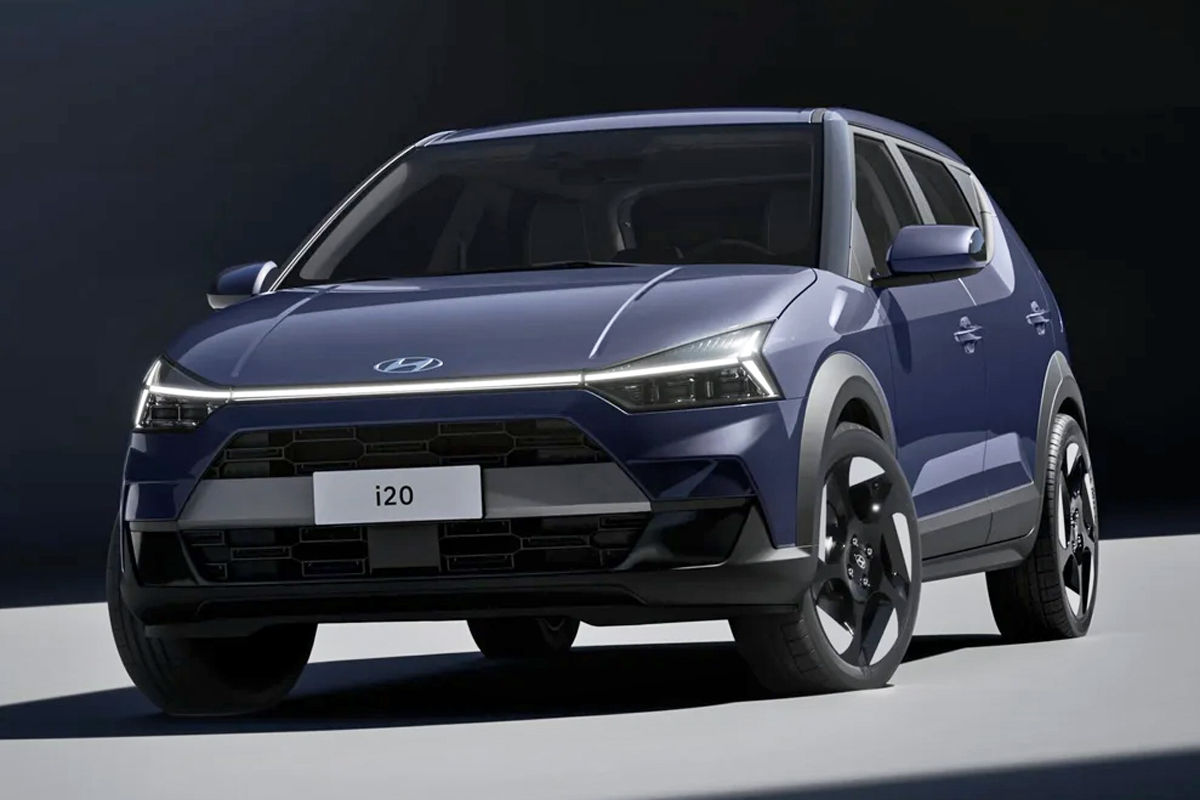
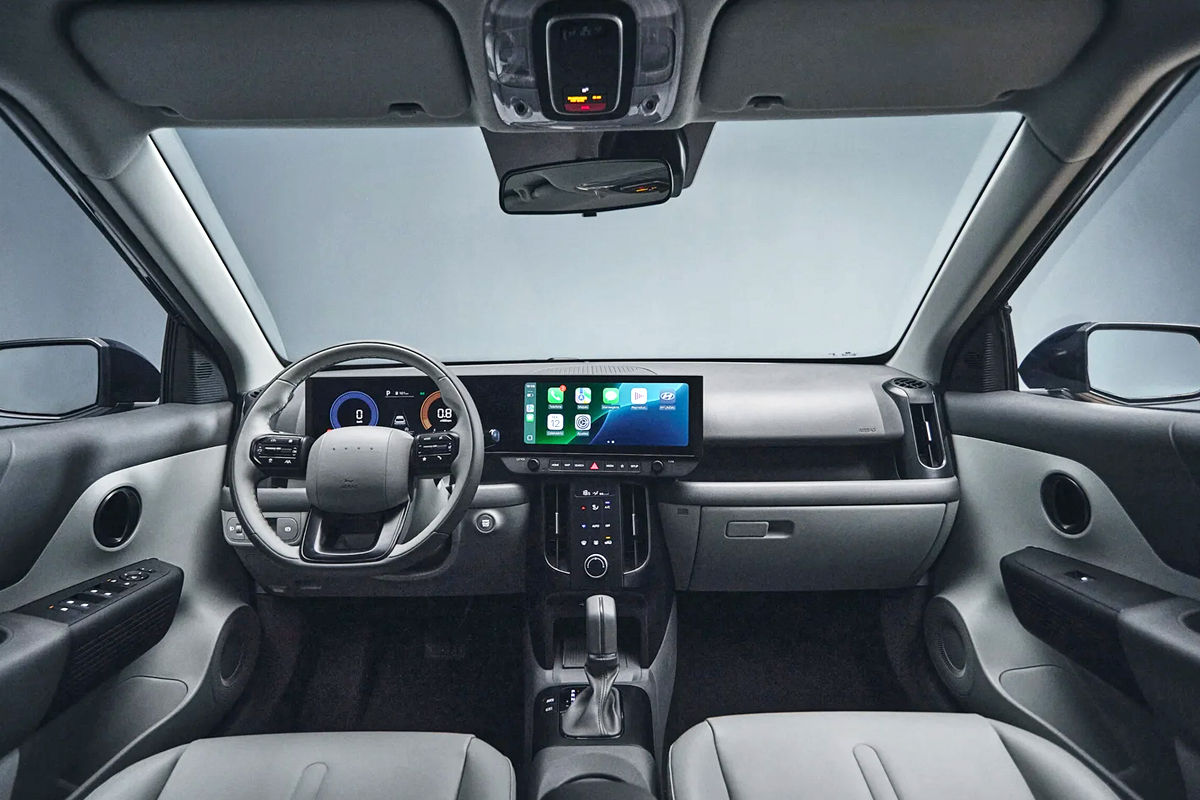
The new Hyundai i20 revealed in Brazil switches to the K3 platform, features crossover-inspired exterior styling and boasts dual screens in its cabin…
- New Hyundai i20 hatchback shown in Brazil
- Exterior scores crossover-inspired makeover
- Hatchback switches to evolved K3 platform
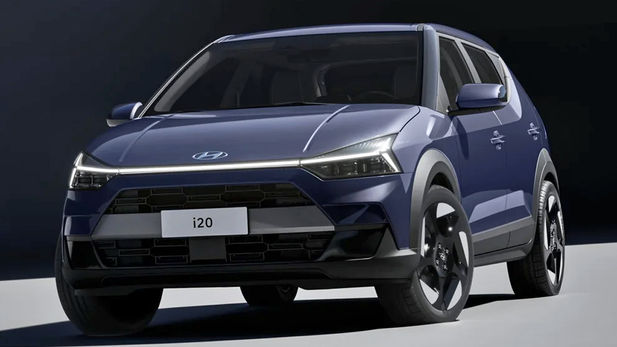
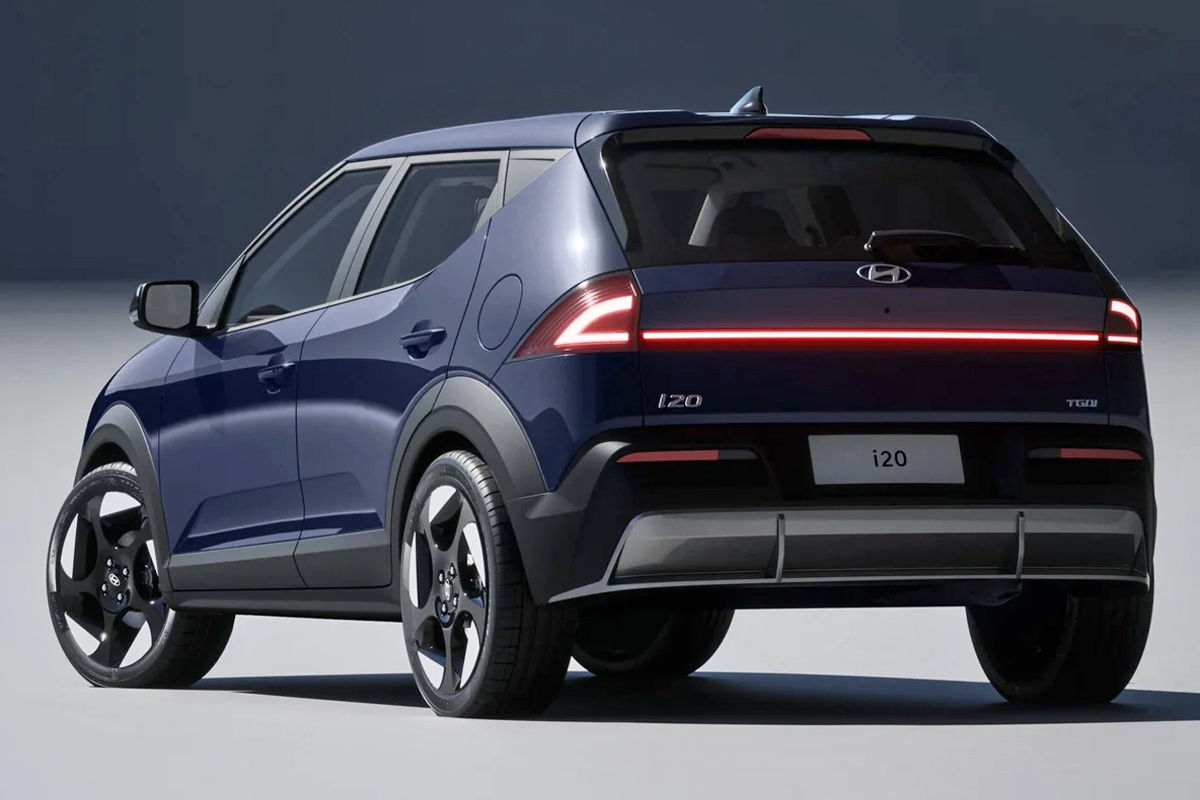
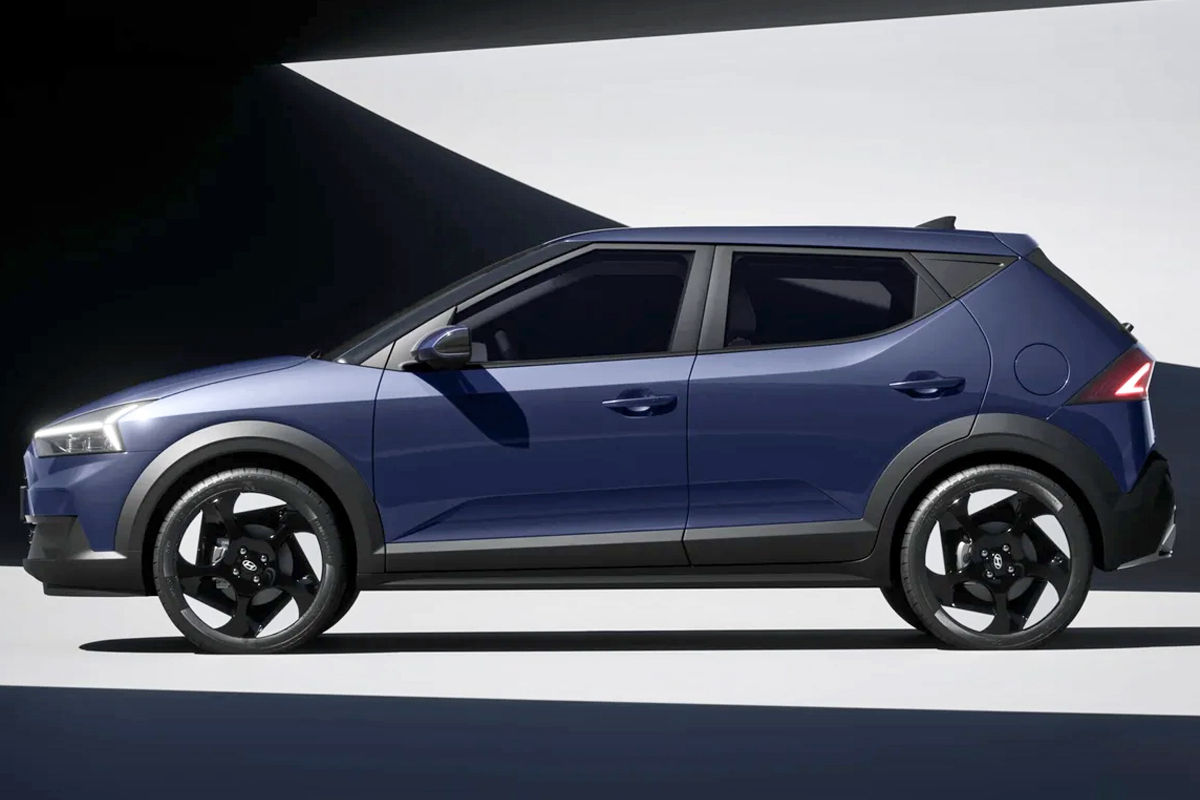
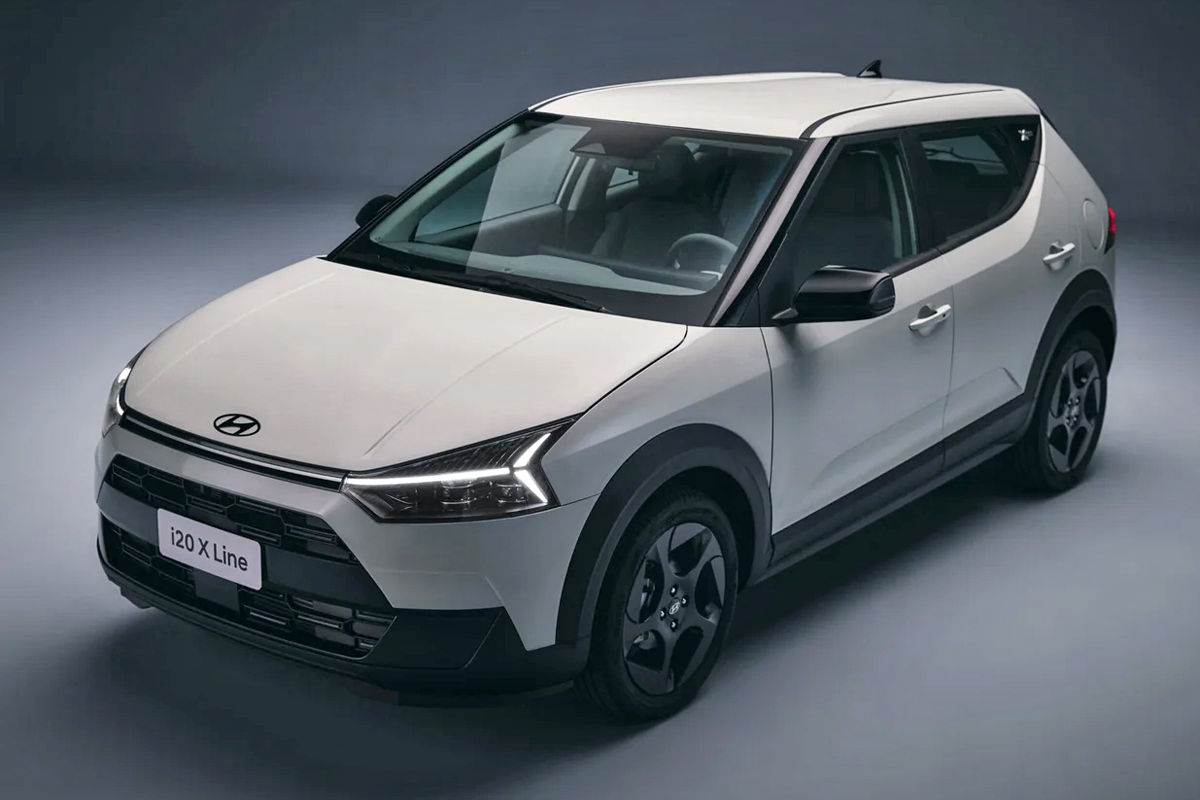
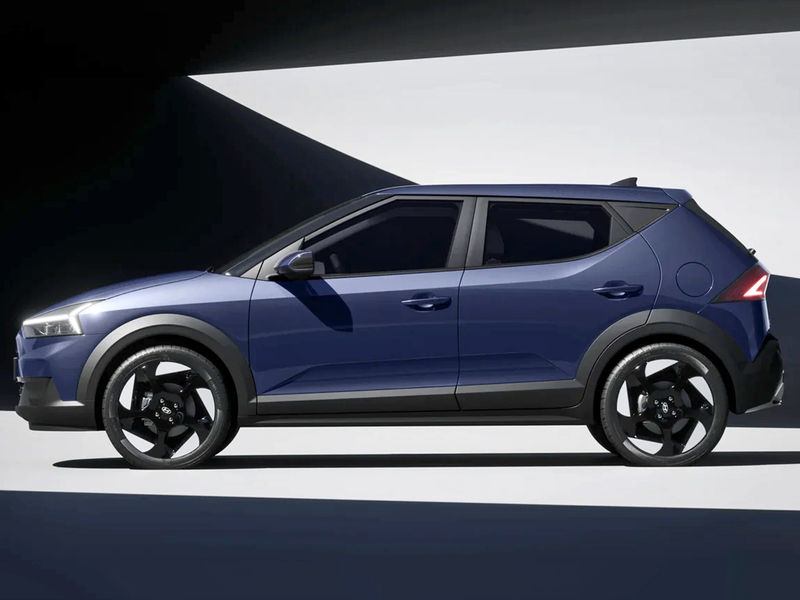
The new Hyundai i20 has been officially revealed in Brazil, billed as a “bridge” between a traditional hatchback and a compact SUV thanks to its crossover-inspired black-plastic cladding and added ride height.
Still, it remains to be seen whether the upcoming version for India – the country from which Hyundai Automotive South Africa imports its i20 units – will stick with this slightly raised ride height or pivot to a more traditional, lower-riding iteration.
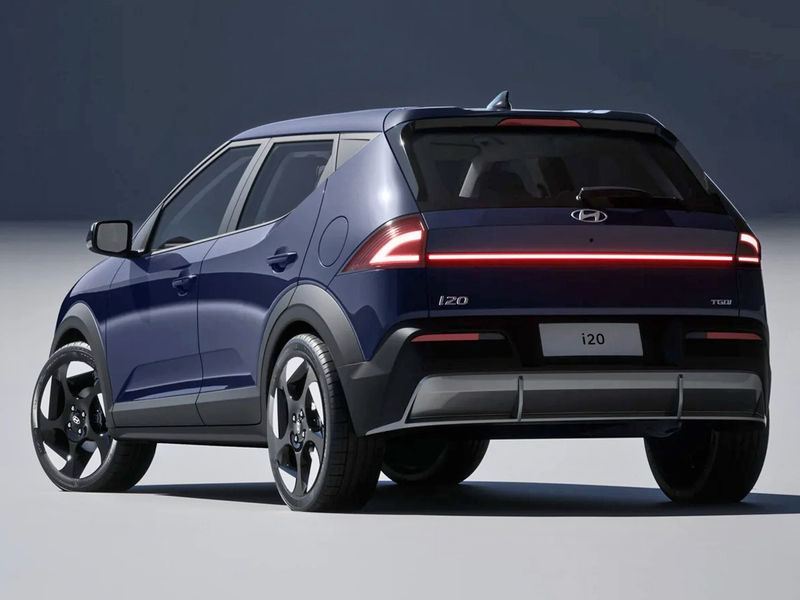
So, what do we know about the BC4-series Hyundai i20, which is based on an “evolved” version of the K3 platform (rather than the current model’s K2 architecture)? Well, measuring 4 130 mm from front to back, the new-generation hatchback is some 135 mm longer than the model offered in South Africa today.
However, the wheelbase is unchanged at 2 580 mm. Still, we should keep in mind the current Indian-built version is restricted to under 4 metres (measuring 3 995 mm long, to be exact) to allow it to qualify for reduced taxes in that market.
According to Hyundai’s Brazilian division, the new i20’s luggage compartment can swallow some 346 litres (measured using the VDA method), expandable to 1 152 litres with the rear seats folded down. The South Korean firm claims rear-seat space is a “strong point”, saying the bench offers 917 mm of legroom, 961 mm of headroom and 1 391 mm of shoulder room.
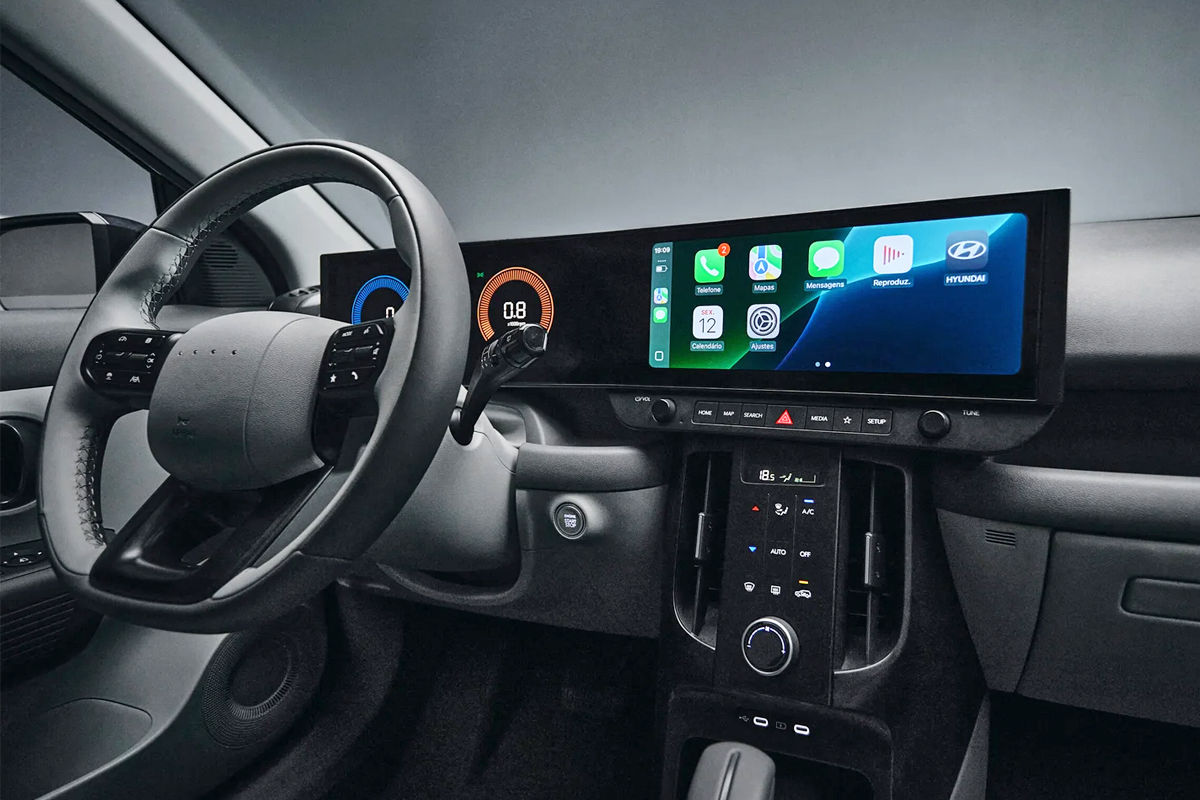
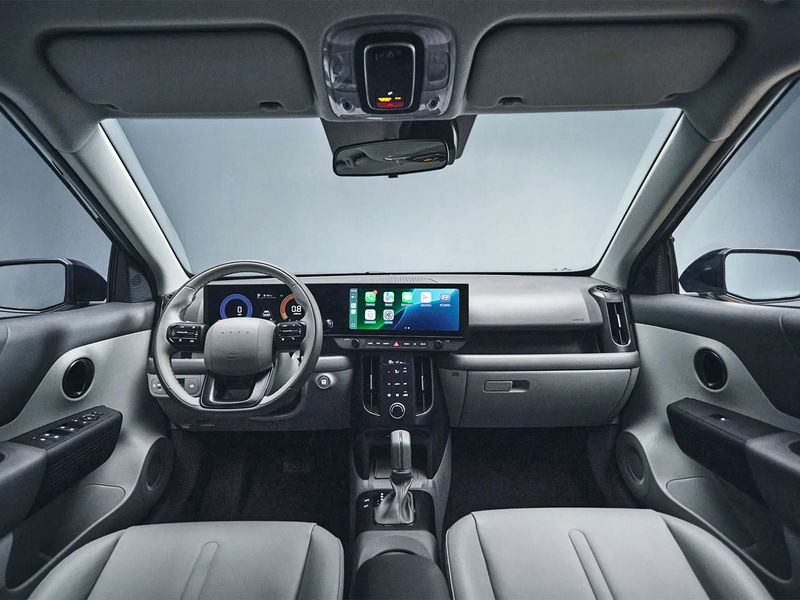
In Brazil, the new i20 is available with a 12.3-inch digital instrument cluster and an infotainment screen of the same size. Other cabin highlights for the South American market include vertical air vents, a 6-speaker sound system, paddle shifters, a reverse-view camera and a raft of advanced driver-assistance system (ADAS) features.
Engine options in Brazil include a 1.0-litre, 3-cylinder petrol engine available in naturally aspirated and turbocharged form. The latter configuration is, of course, familiar from the current flagship in the local i20 line-up, the 1.0T N Line (90 kW and 172 Nm). We’d speculate this engine and indeed the atmospheric 1.2-litre 4-pot from the current Indian-built range would carry over to the new line-up in Mzansi.
In 2025, local sales of the 3rd-generation Hyundai i20 – which arrived back in May 2021 – dipped 19.3% year on year to 3 819 units, though this model still cracked the list of South Africa’s 10 best-selling hatchbacks for the year. Over the opening 5 months of 2026, Hyundai Automotive SA has registered a further 2 409 units.
Frequently Asked Questions (FAQ)
Q: What are the key architectural and design upgrades featured on the newly revealed Hyundai i20?
A: The new-generation Hyundai i20 transitions from the previous K2 architecture to an evolved version of the K3 platform. Visually, the model embraces a crossover-inspired aesthetic, utilising raised ride height and protective black-plastic exterior cladding to act as a bridge between a conventional hatchback and a compact SUV.
Q: How do the dimensions of the new K3-platform i20 compare to the model currently sold in South Africa?
A: The new hatchback measures 4 130 mm from nose to tail, making it 135 mm longer than the model currently available on the South African market. Despite this growth in overall length, the wheelbase remains identical at 2 580 mm. The increased footprint yields an expanded luggage capacity of 346 litres (VDA), which opens up to 1 152 litres with the rear bench folded down.
Q: What powertrain options are expected for the local market?
A: The South African line-up is expected to retain its familiar engine choices. This includes the entry-level atmospheric 1.2-litre four-cylinder engine and the top-spec 1.0-litre three-cylinder turbopetrol motor, which currently delivers 90 kW and 172 Nm in the local N Line flagship variant.
Related content
Hyundai Grand i10 (2026) Price & Specs