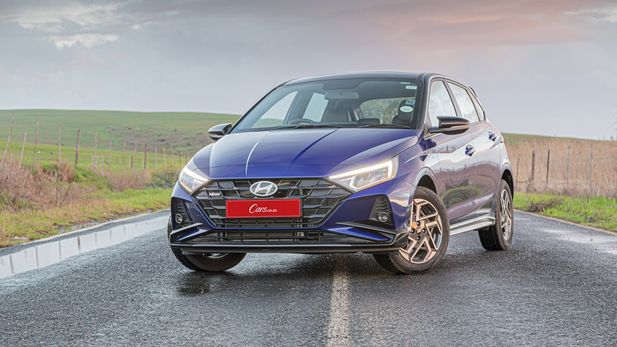
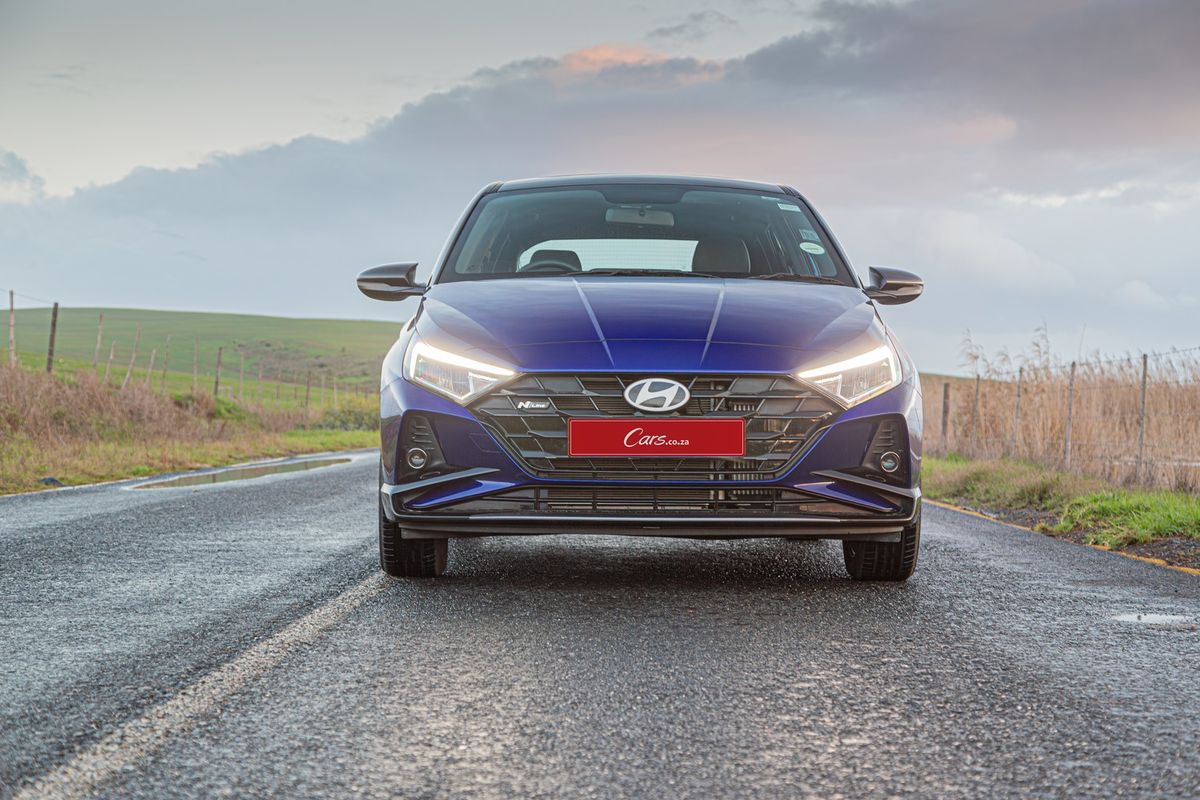
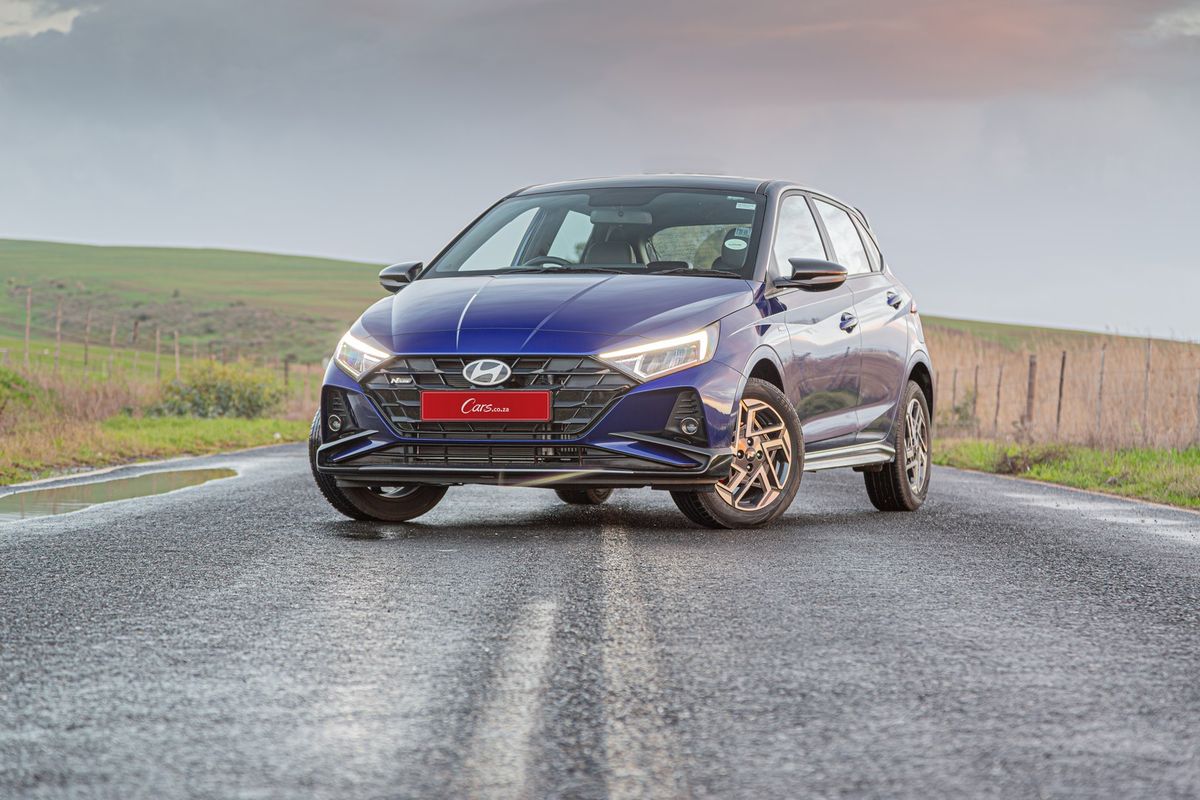
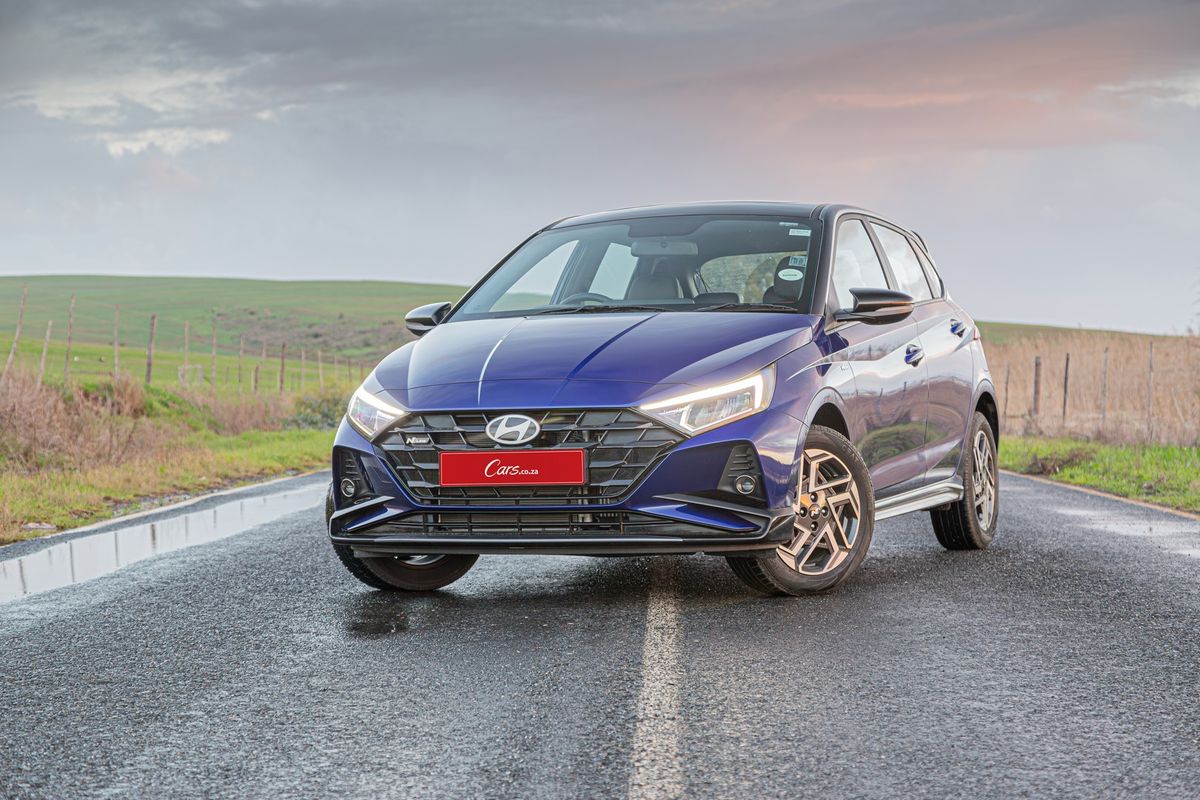
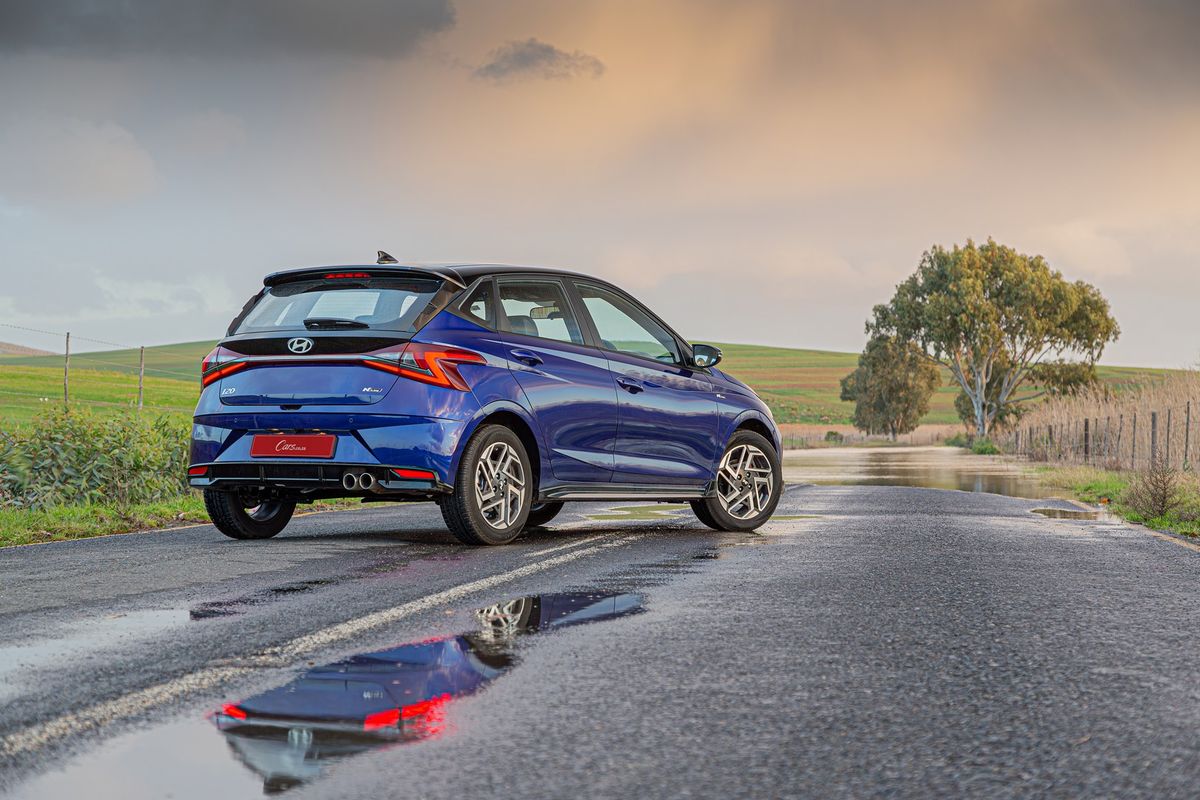
The Hyundai i20 N Line is the flagship of the Korean brand’s revised compact hatchback range. It looks sportier than its siblings and has a great-sounding engine, combined with a dual-clutch automatic ‘box, but what is the variant like to live with?
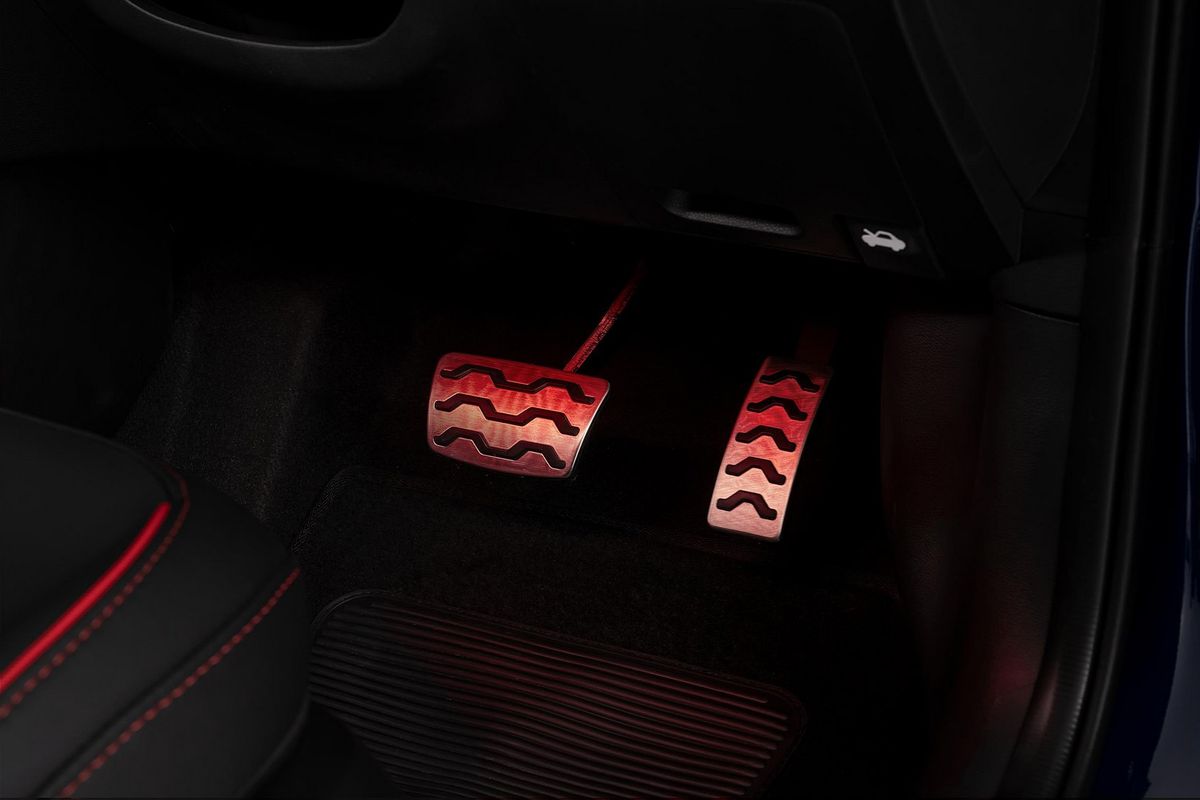
We like: Sporty appearance, subtle red interior accents, generous specification, fun to drive.
We don’t like: The rowdy exhaust may prove tiring in the long run, better value in the rest of the range.
FAST FACTS
- Model: Hyundai i20 1.0T N Line
- Price: R467 500 (September 2024)
- Engine: 1.0-litre 3-cylinder turbopetrol engine
- Power/Torque: 90 kW/172 Nm
- 0-100 kph: 9.9 sec (claimed)
- Claimed fuel consumption: 6.9 L/100 km
- Luggage capacity: 311 litres
Serious about buying/selling?
Some dealerships regularly offer great deals. See our New Car Specials!
Looking to sell your car? Sell it on Cars.co.za for free
Where does the Hyundai i20 N Line fit in?
Less than a decade ago, B-segment hatchbacks were the most popular compact cars in the South African new-vehicle market and almost every model in that segment offered a range-topping and suitably sporty hot- (or at least warm-) hatch variant.
But compact hatchbacks have now been eclipsed by more sensible – and practical – crossovers. Did it happen because young petrolheads who lusted after small hot hatchbacks grew up and their priorities changed? Perhaps, but consider that with hatchback sales in decline, carmakers (who look to save costs wherever they can) are unlikely to devote resources to the development of low-volume variants. Instead, they clad their wares in sporty attire, but stop short of endowing them with “the go to match the show.”
Although compact hot hatchbacks seem to be fading into obscurity (only the Volkswagen Polo GTI remains, until – and if – Suzuki decides to produce a Swift Sport based on the new, AOL-gen model), there are a handful of brands that at least produce sporty-looking 5-door B-segment models and the great news is that they are all fun to wield when driven enthusiastically. While they’re not going to set any speed records, they all look the part, and interestingly, most of them have one word in common: Line.
See, while we’d all love “the real thing”, the Hyundai i20 1.0T N Line, Opel Corsa 1.2T GS Line and the 2023/24 #CarsAwards compact hatchback category-winning Volkswagen Polo 1.0 TSI 85kW R-Line offer you most of the performance without compromising on the image. Of course, if you want the real deal, consider a used (now discontinued) Ford Fiesta ST, Volkswagen Polo GTI or the outgoing Suzuki Swift Sport. The latter looks like unbeatable value as it’s both cheaper – and quicker – than the Hyundai.
Compare the specs of the Hyundai i20 N Line, Opel Corsa GS-Line and Volkswagen Polo R-Line
How the Hyundai i20 N Line fares in terms of…
Performance and Efficiency
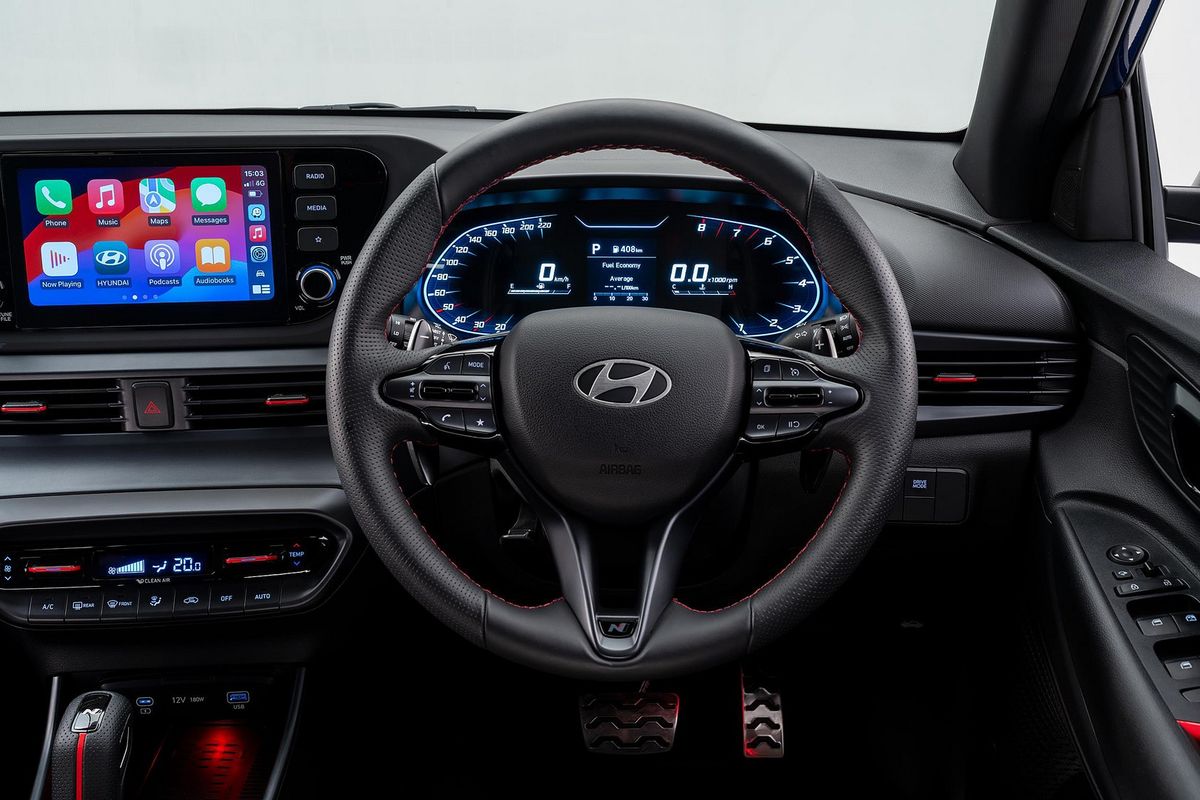
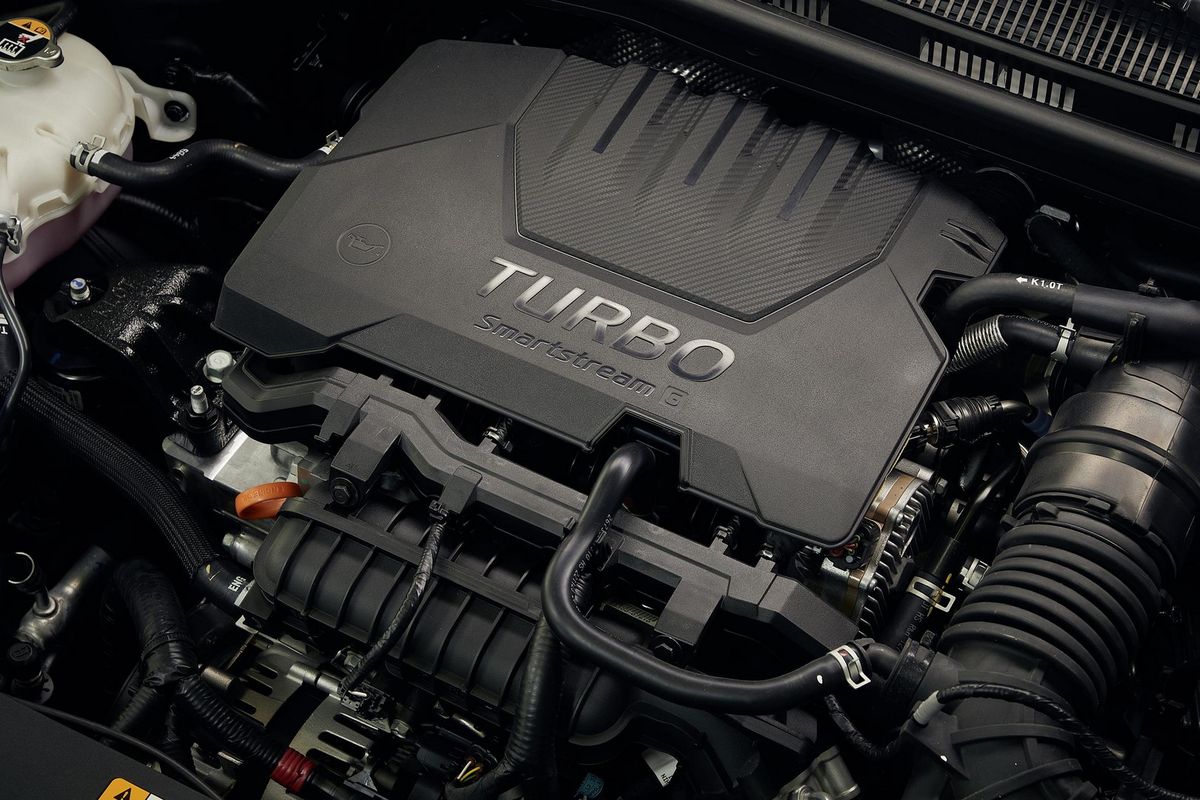
Under the bonnet of the Hyundai i20 1.0T N Line is a 1.0-litre 3-cylinder turbopetrol engine, which has peak outputs of 90 kW and 172 Nm of torque. Power goes to the front wheels via a 7-speed dual-clutch auto transmission and, for the enthusiasts, there are substantial gearshift paddles on the steering wheel.
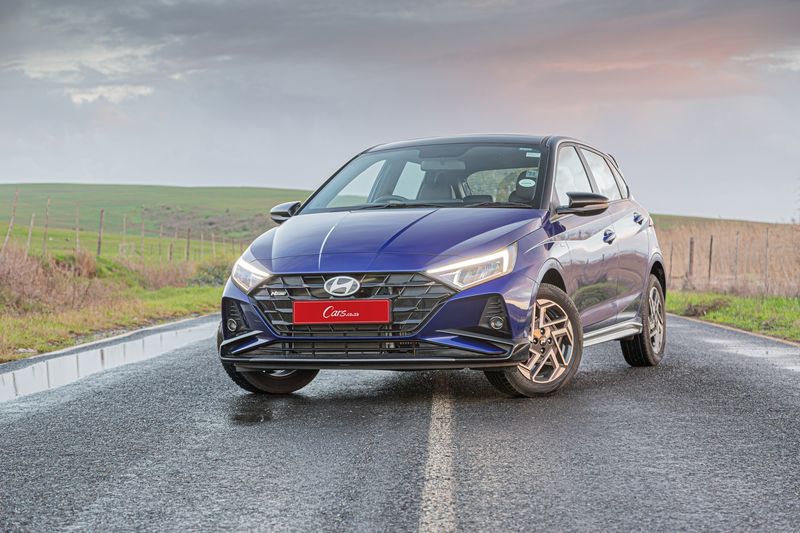
With our test gear hooked up, the i20 1.0T N Line media-fleet unit scampered from zero to 100 kph in 9.46 sec, which was a touch quicker than Hyundai’s claim (we’d put it in the lukewarm hatchback class).
While this isn’t a comparative review, we must mention that when we tested the Corsa 1.2T GS Line, its 0-100 kph time was slightly quicker (9.07 sec), thanks to the Opel’s higher power and torque numbers.
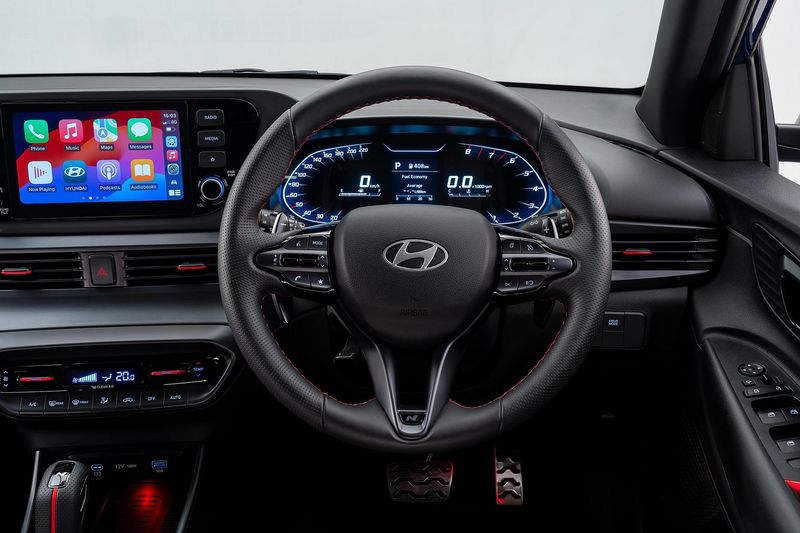
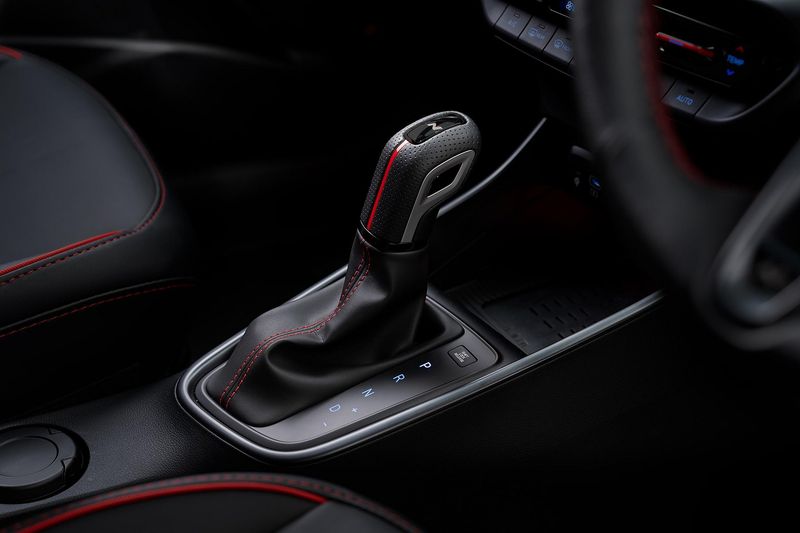
That said, the Hyundai’s powertrain is responsive and ever-willing; the i20 1.0T N Line can punch through slower urban traffic without much hesitation. There is a tiny amount of turbo lag, but this is easily sorted by changing down a gear to put the engine into its sweet spot. It’s a pity there are no drive modes, but you can flick the transmission lever into Sport, which makes the car hold onto its ratios for a bit longer.
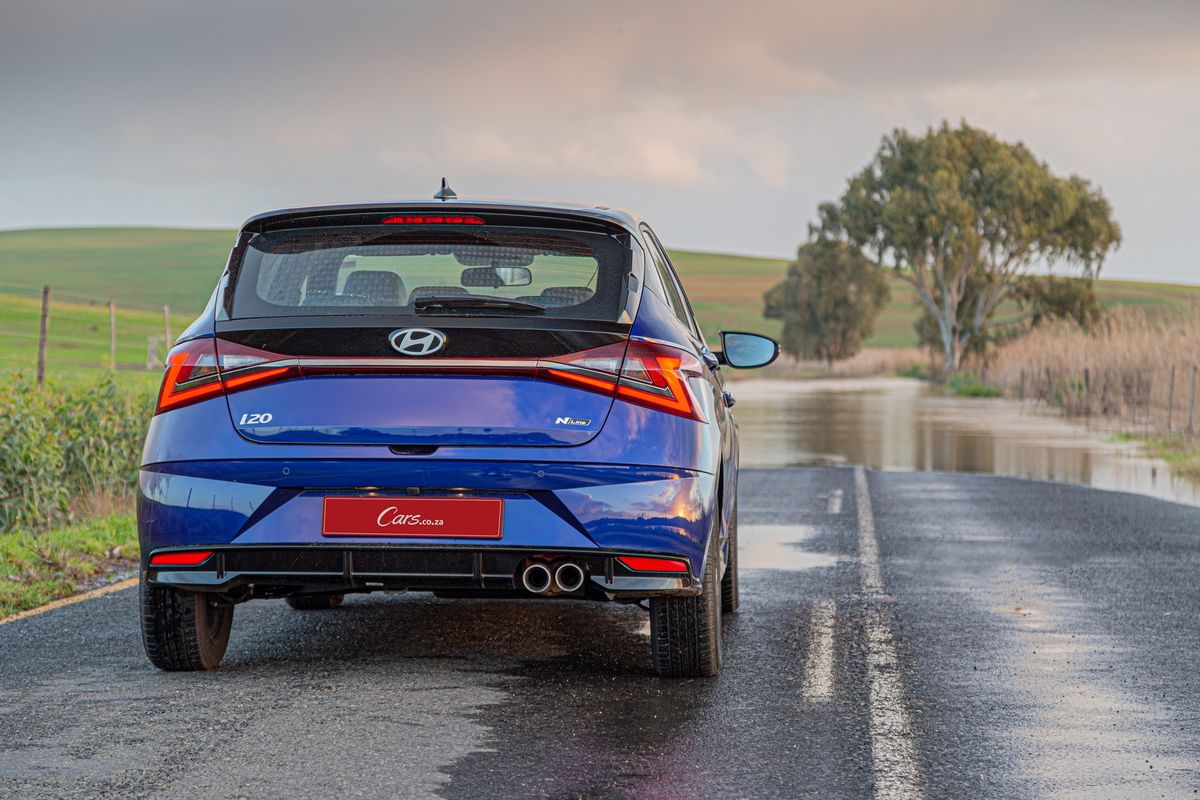
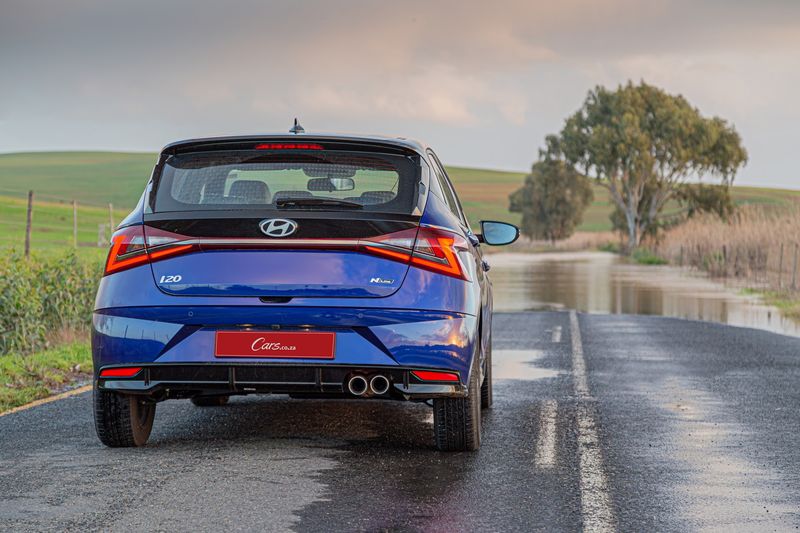
What separates the i20 1.0T N Line from its rivals, however, is the (relatively) evocative soundtrack that it emits from its sports exhaust system. Those dual exhaust ends enhance the off-beat and throaty 3-pot rumble appreciably and when you’re hustling along, each gear change is punctuated by vrrphah!-like pops and bangs. They’re hilarious and induced more than a few grins in our office parking basement.
However, we suspect that the novelty of that rorty noise may wear off eventually, and it’s a pity that you cannot quieten this exhaust at the push of a button when you need to leave (or arrive) home discreetly.
Another – but expected – drawback is that the i20 N Line’s fuel consumption is not impervious to lead-footed driving. At one stage, we saw an indicated figure of 9.5 L/100 km, but you should be able to achieve about 8 L/100 km on the daily commute if you adopt a measured driving style. Hyundai claims an average of 6.9 L/100 km, so with a 37-litre tank, the variant’s theoretical full-to-empty range is 536 km.
Ride and Handling
While it features minimal powertrain enhancements compared with its lesser siblings, the i20 1.0T N Line does offer a comparatively sportier driving experience. Hyundai has firmed up the variant’s suspension setup, which has enhanced the handling to an extent, if (predictably) to the detriment of the ride quality.
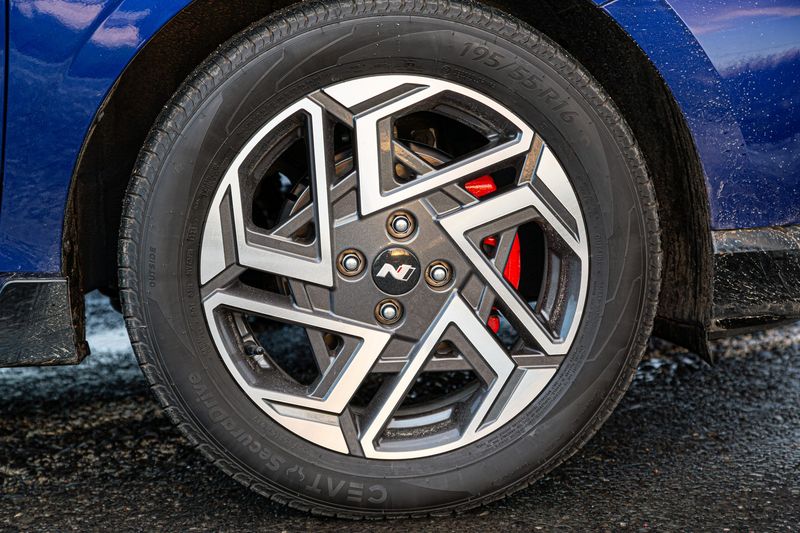
Admittedly, achieving a near-perfect balance between sportiness/driver engagement and everyday usability/ride comfort is not easy, especially considering the i20 1.0T N Line may need to traverse some of the poorly maintained sections of our nation’s road network. Any setup will demand a compromise.
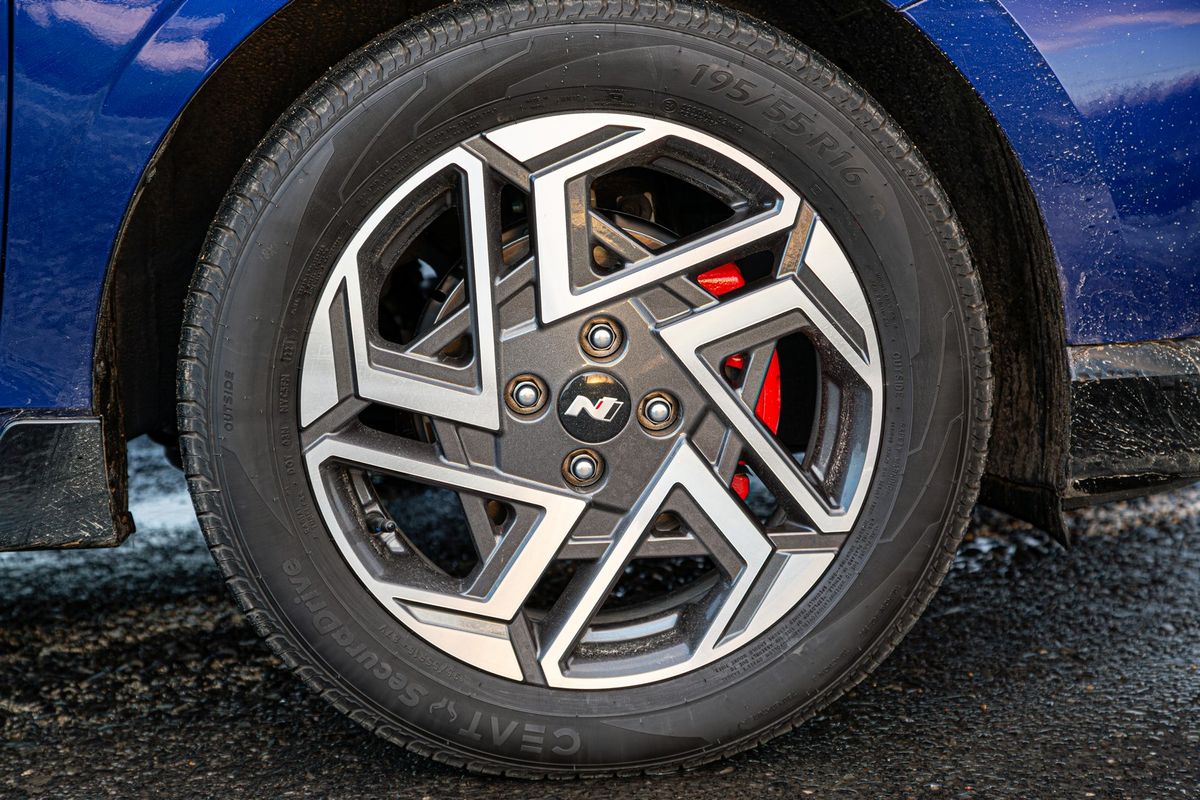
Even so, Hyundai has pretty much nailed the brief with this flagship variant. While the test unit’s general ride quality was firm, it wasn’t unbearably harsh over rougher surfaces. The 195/55 R16 tyres aren’t too skinny (have plump sidewalls) and did a good job of soaking up all but the worst road imperfections.
The 1.0T N Line may look sportier than it is, but its steering offers enough feel and directness to make the Hyundai fun to pilot – whether you’re late for an appointment or “making the most” of a twisty road.
Design, Features and Practicality
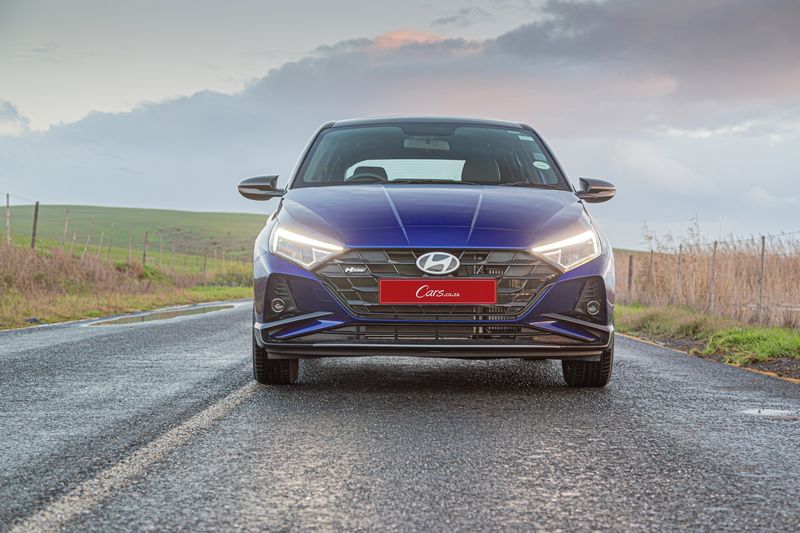
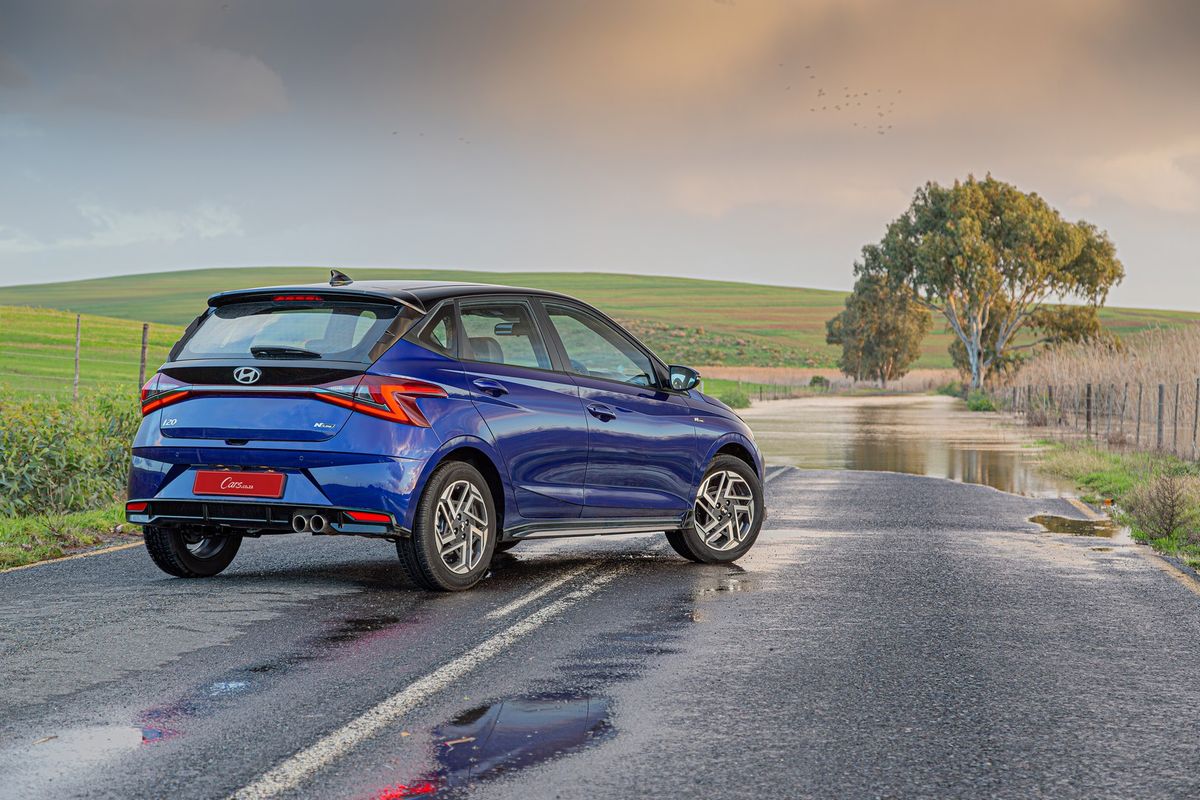
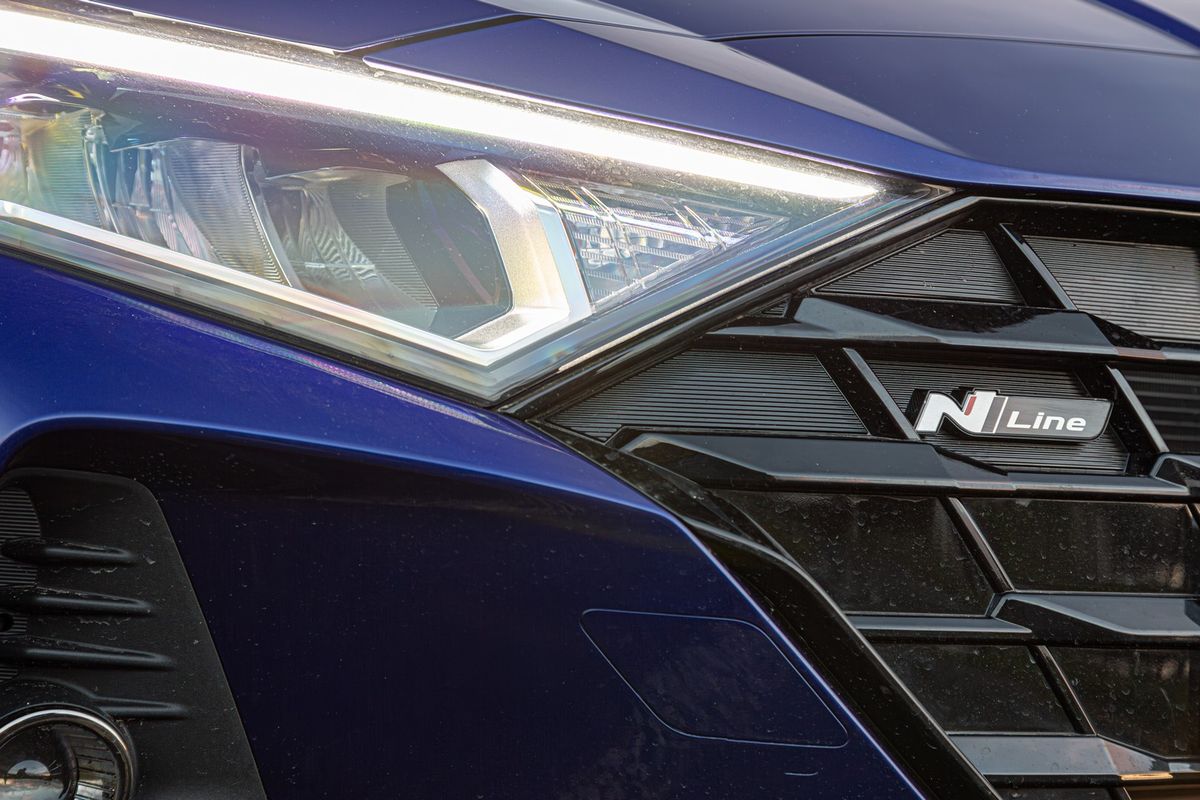
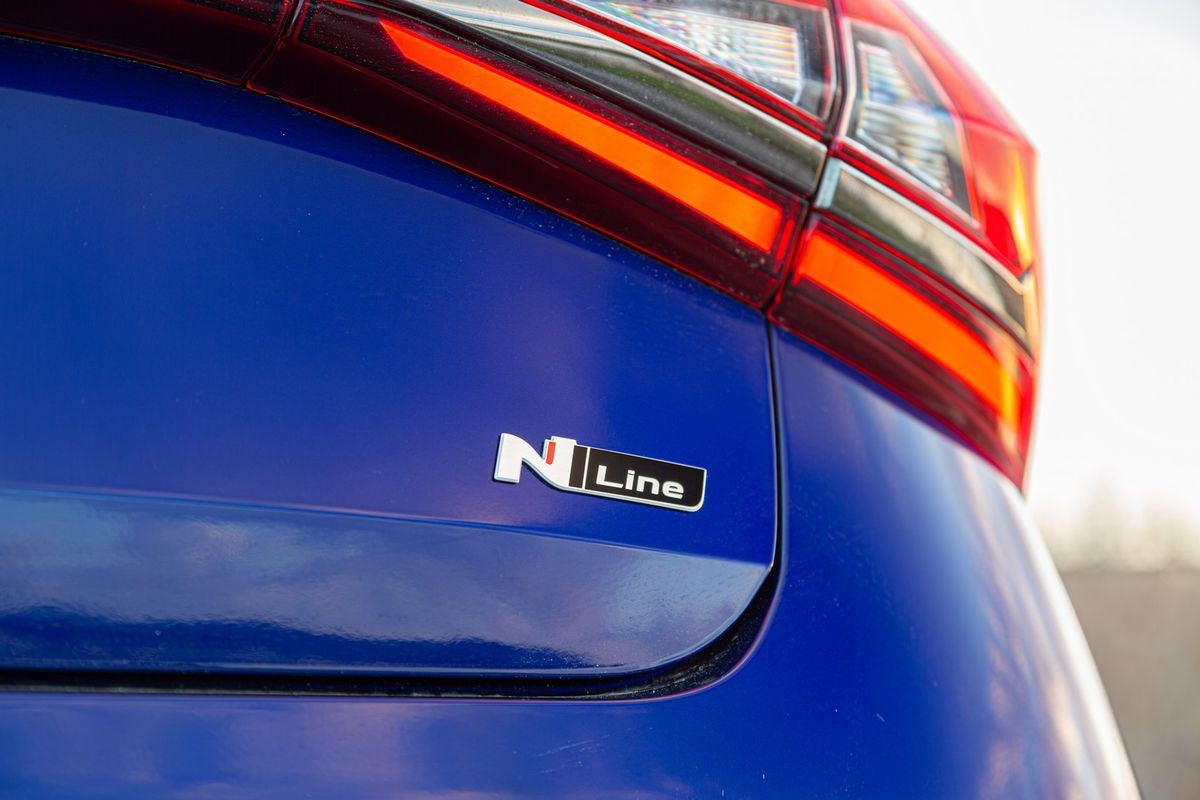
Hyundai has tastefully beefed up the appearance of the 1.0T N Line to distinguish it from the rest of the facelifted i20s. N (the logo of the brand’s performance division) badges feature on the 16-inch alloys, front grille and rear bumper, while LED headlamps with -daytime running lights give the car considerable road presence, along with the aforementioned sporty wheels, twin exhaust ends and tailgate spoiler.
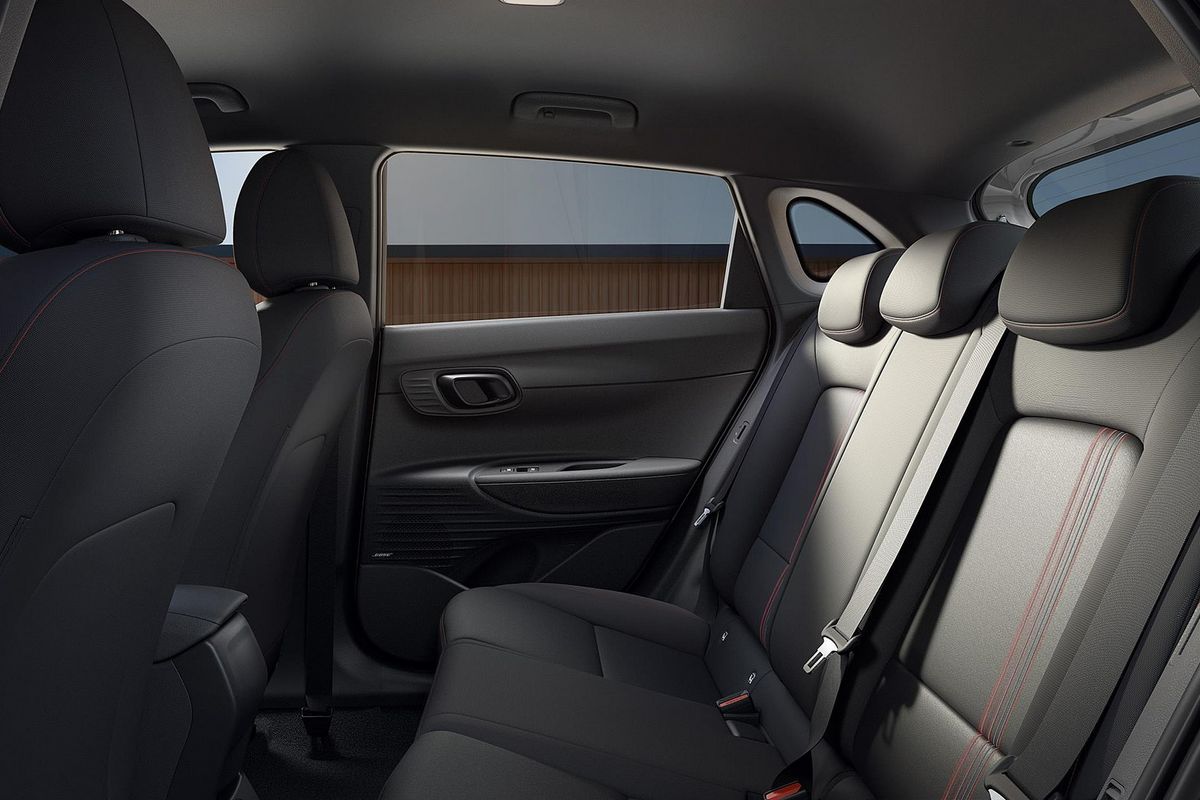
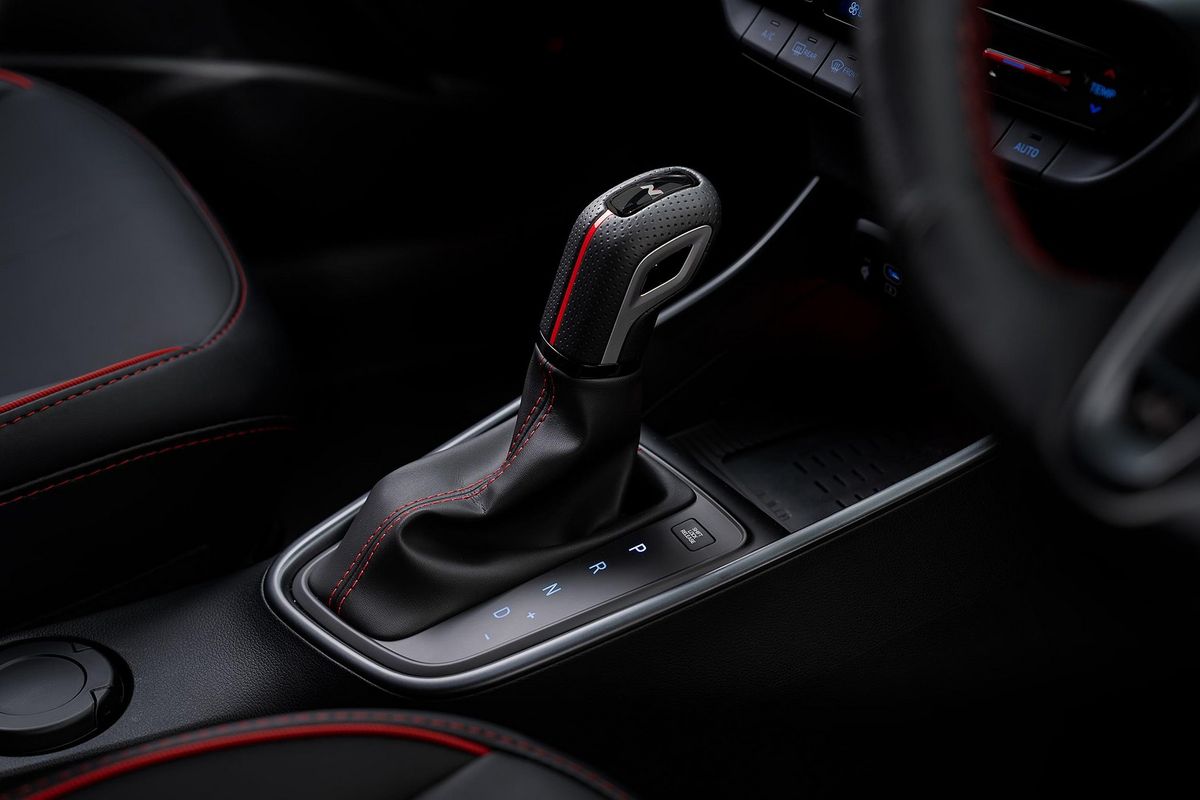
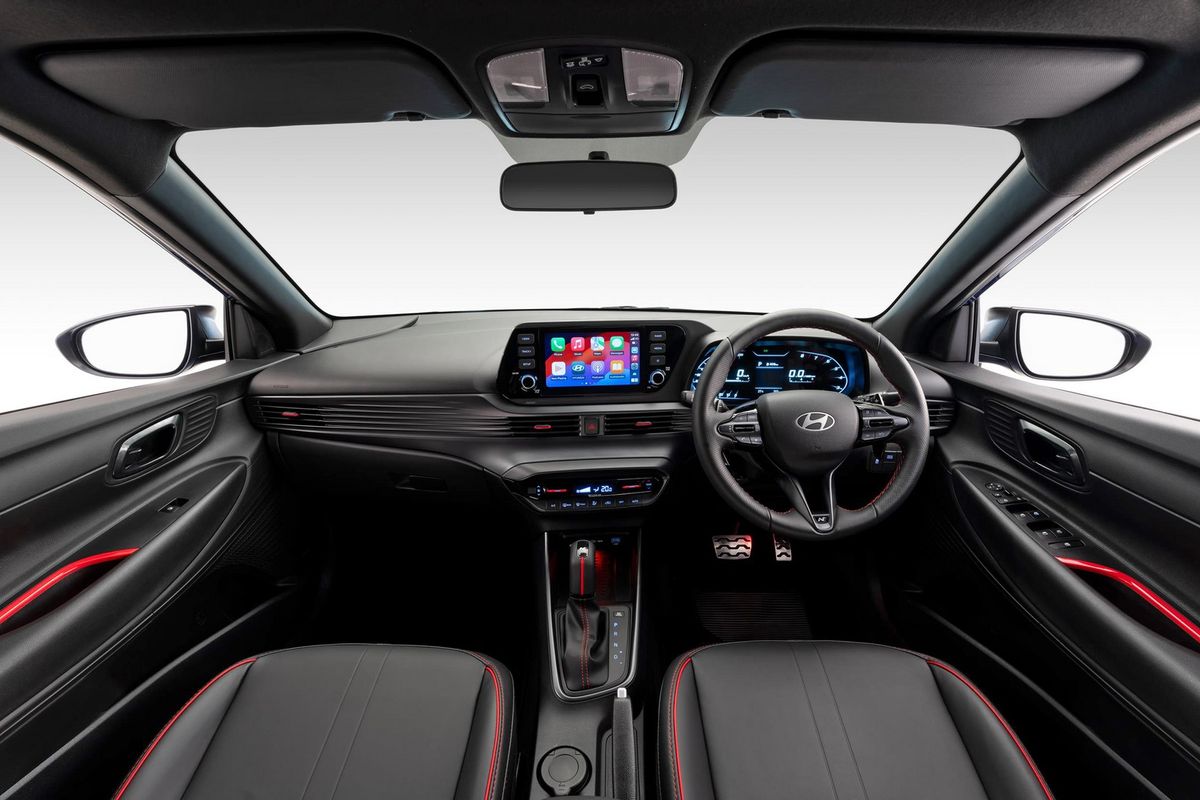
Inside, the sporty theme continues with N-branded seats that are finished in faux leather trim. N logos appear on the transmission lever as well as the steering wheel, in case you need further reminders that this isn’t a run-of-the-mill compact hatchback. Granted, there are some marginal materials (on the door panels, for example) but in general, the build quality is good where it matters (at common touchpoints).
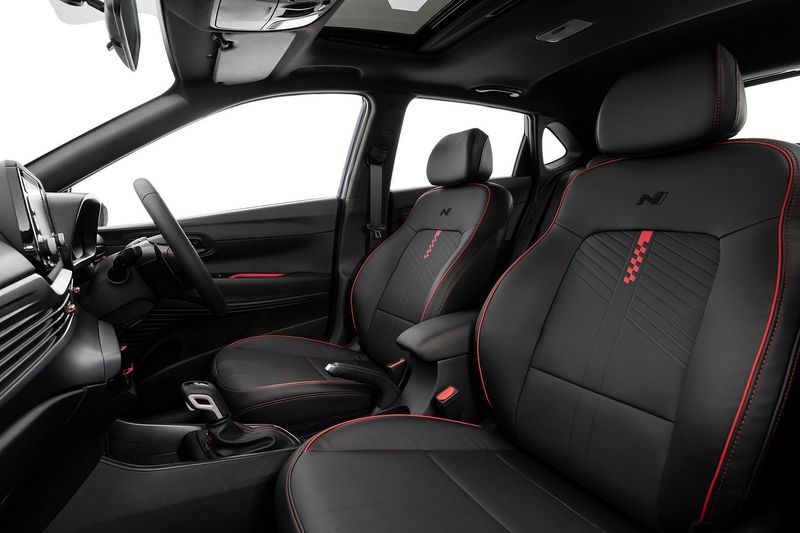
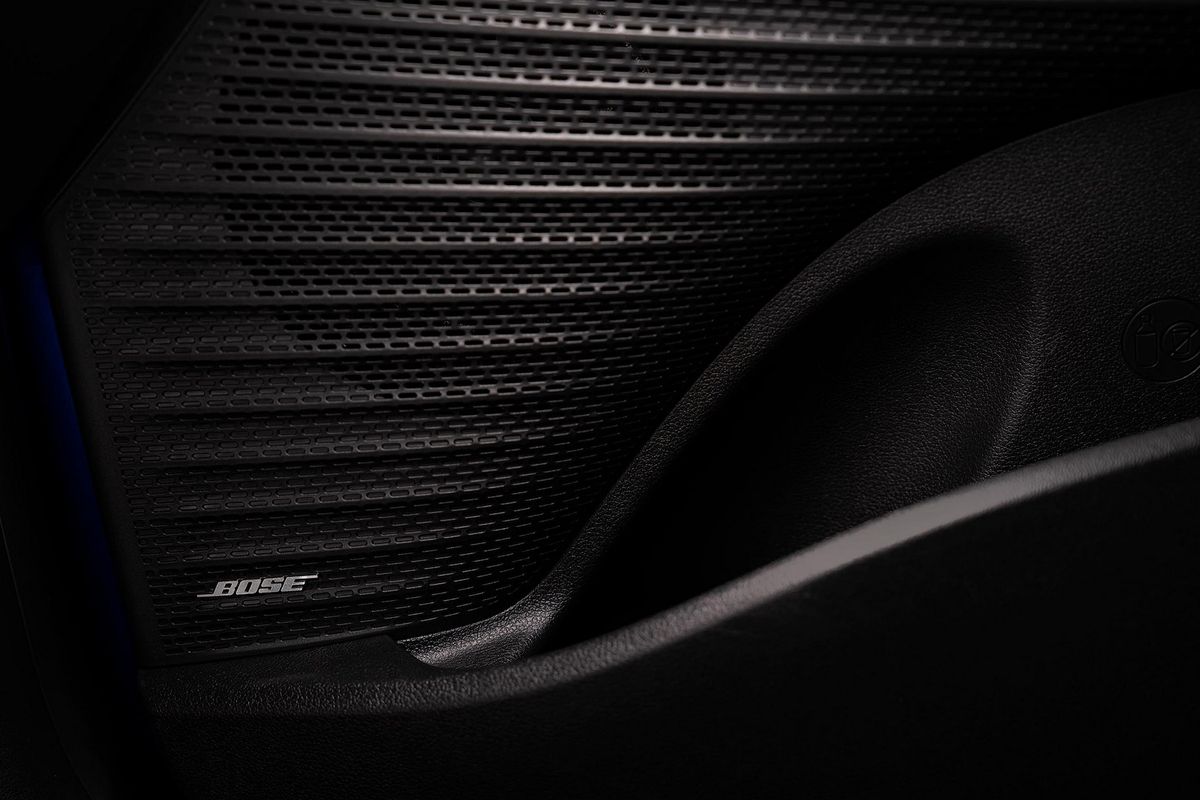
What’s more, the i20 1.0T N-Line comes equipped with some features that you won’t find on Premium- or Executive-grade variants. Push-button start, a sunroof and a Bose audio system are exclusive to the flagship variant, but to Hyundai Automotive SA’s credit, all variants come with a digital instrument cluster, wireless charging pad, USB-A and USB-C charging ports, reverse-view camera and rear parking sensors.
Two additional airbags, taking the total to 6, electronic stability control and hill-start assist are fitted too.
Price and After-sales support
The Hyundai i20 1.0T N Line costs R467 500 (September 2024), which includes a 5-year/150 000 km vehicle warranty, a 7-year/200 000 km drivetrain warranty and a 4-year/60 000 km service plan.
See also: Hyundai i20 facelift (2024) Price & Specs
Verdict
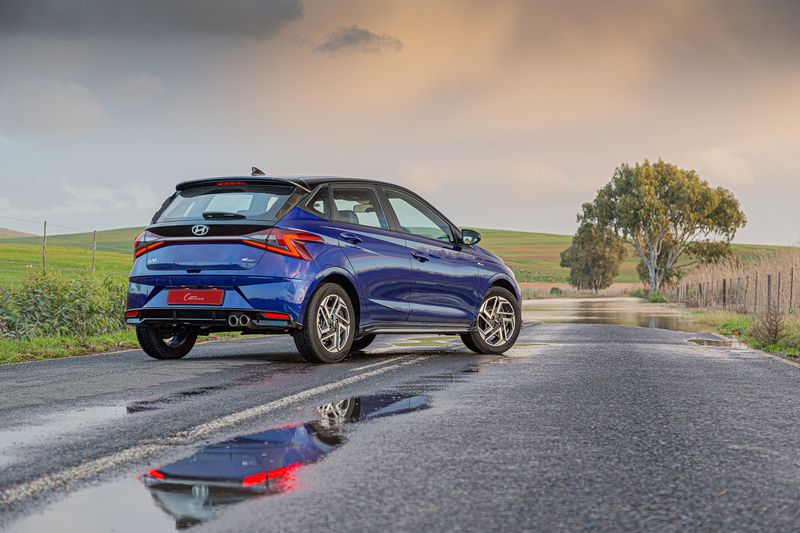
With its extroverted sporty looks, rorty engine and quicker-than-expected performance, the Hyundai 1.0T N Line “ticks most boxes”, as they say, if you are looking to buy a compact hatchback with a long standard-features list and an extra bit of pop (in both figurative and literal senses). We genuinely enjoyed the test unit’s rollicking exhaust note, but do wonder how long it would take for its novelty to wear off…
Also, if the N Line is this enticing, we can only dream of what the full-fat i20 N would be like. Sadly, that car isn’t confirmed for the local market, where it would surely give the Polo GTI a real run for its money.
Should you add the i20 1.0T N Line to your shortlist if you’re shopping for a B-segment hatchback? Sure, if you crave a modicum of excitement from your “daily driver”, but don’t discount the Opel Corsa 1.2T GS Line, which is a little punchier and slightly more affordable. If you’re sold on an i20, but care little for performance (or a fruity noise), the 1.4 Executive derivative (R349 900) offers better value for money.
Want to buy a new or used Hyundai i20? Browse vehicles for sale