The Land Rover Defender facelift has quietly made landfall in SA. Here’s a look at what’s changed & whether it’s still one of the ultimate adventure vehicles.
We like: Image; capability; tech; powerful D350 engine; desirable blend of rugged and luxury; possibly the ultimate vehicle solution?
We don’t like: Driver monitoring intrudes; pricey when fully optioned; our Powerball numbers have yet to materialise.
FAST FACTS
- Model: 2026 Land Rover Defender 110 D350 X-Dynamic HSE
- Price: R2 033 000 (before optional extras)
- Engine: 3.0-litre turbocharged 6-cylinder diesel
- Transmission: 8-speed automatic
- Power/Torque: 257 kW/700 Nm
- Claimed fuel consumption: 8.5 L/100 km
- 0-100 kph: 6.4 seconds (claimed)/6.57 seconds (tested)
- Luggage capacity: 857-1 946 litres (160-743-1 826 litres with optional 7 seats)
Where does the Land Rover Defender facelift fit in?
The Defender has been an absolute winner for the Land Rover brand, with sales effortlessly exceeding expectations. Given this success, it made perfect sense to leverage the brand and name into as many niches as possible. Carry more people? Get a 130. Just the 2 of you and parking’s a hassle? How about a tasty 90? Have access to your own filling station and contemplating an off-road rally experience? Octa.
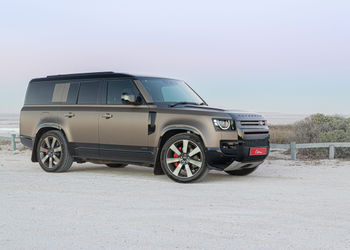
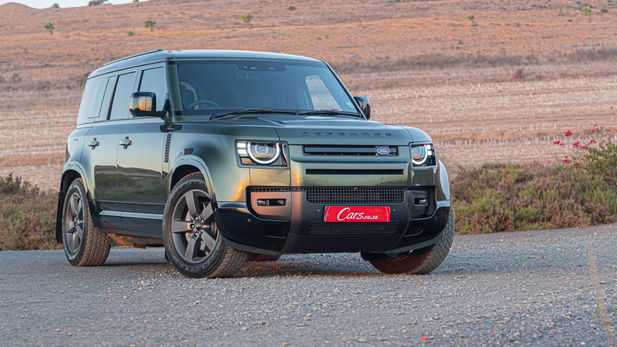
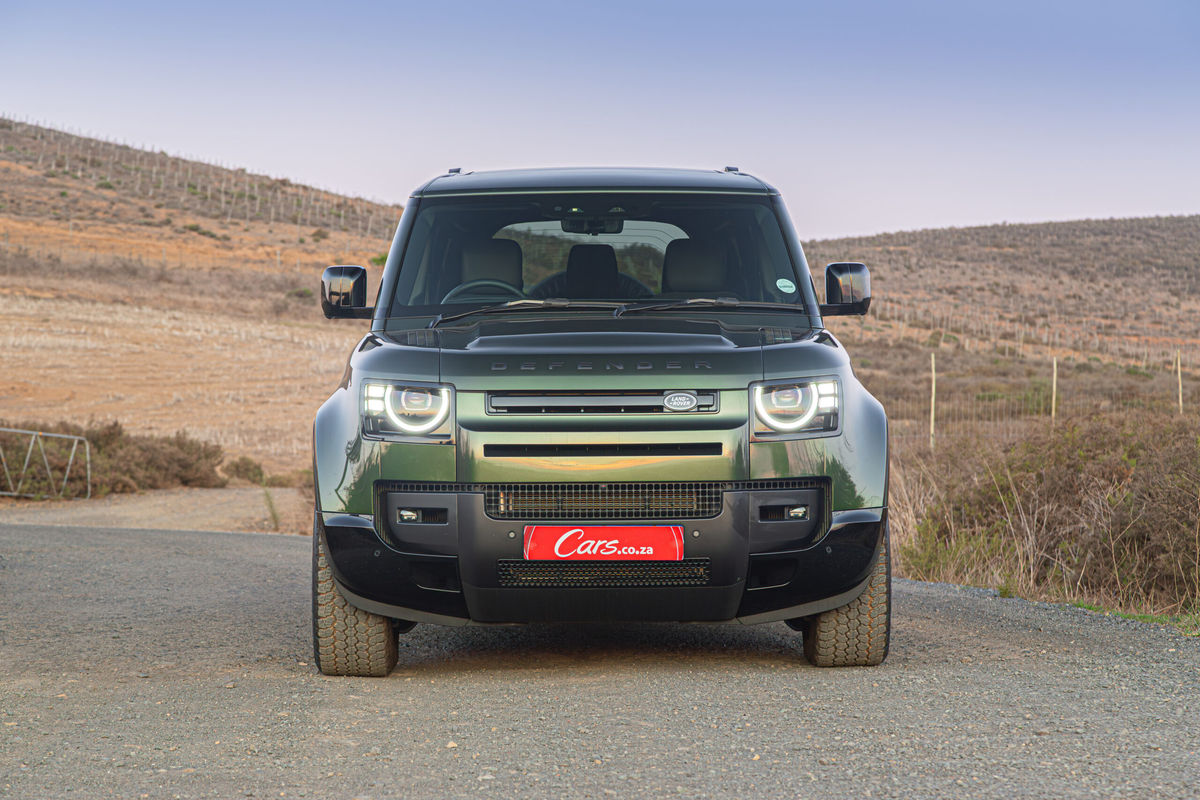
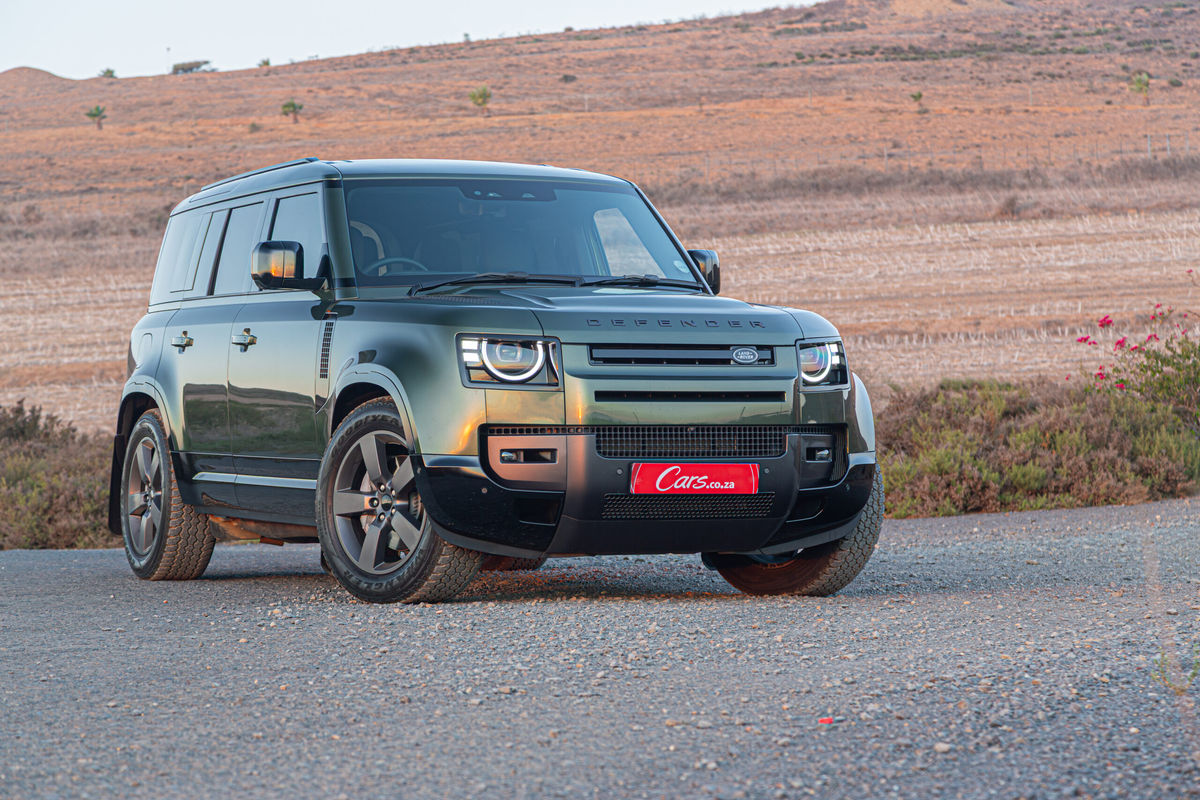
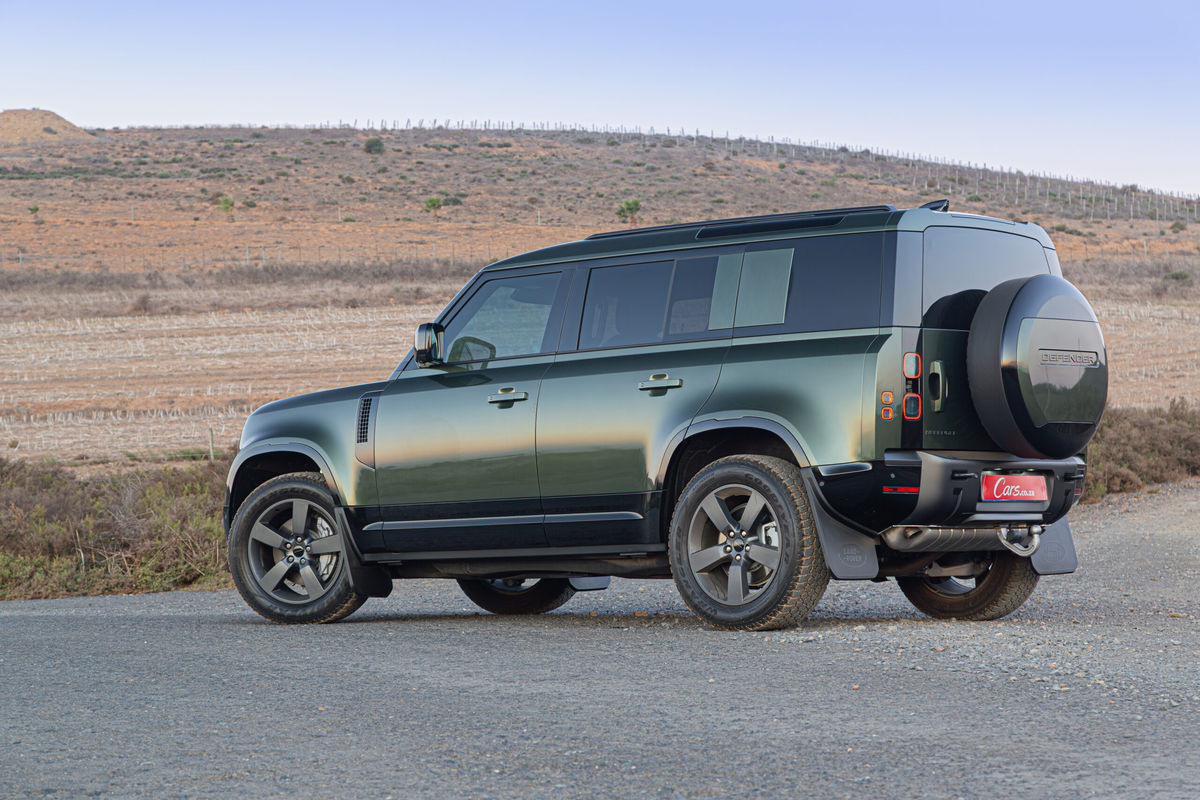
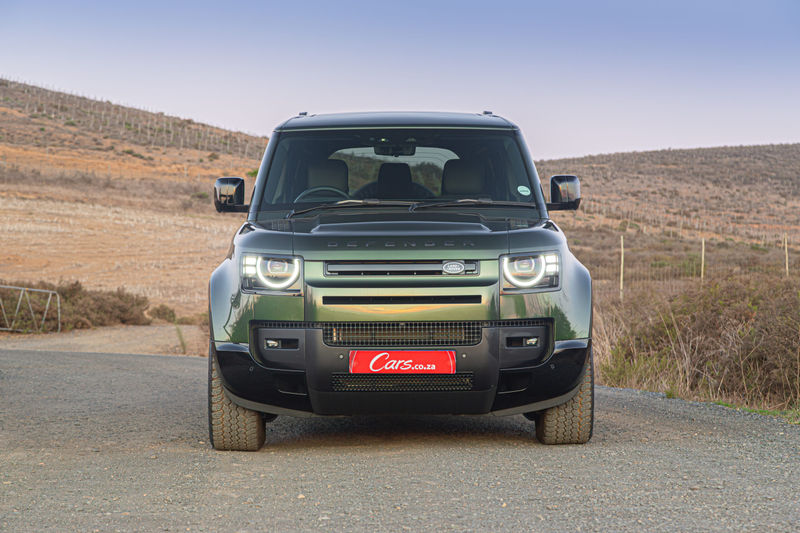
It’s remarkable to think this new-gen Defender is already nearly 7 years old – it still manages to look fresh, premium and relevant. When sales have been this good, it’s imperative that a brand doesn’t stray from what’s clearly a winning formula. For this facelifted model, the exterior changes are minor, in a way that you’ll need to park the pre-facelift next to the newcomer to point them out.
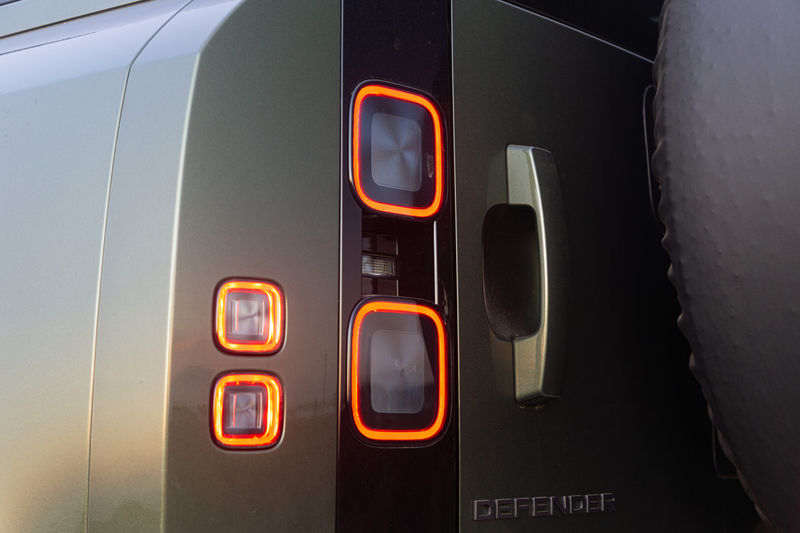
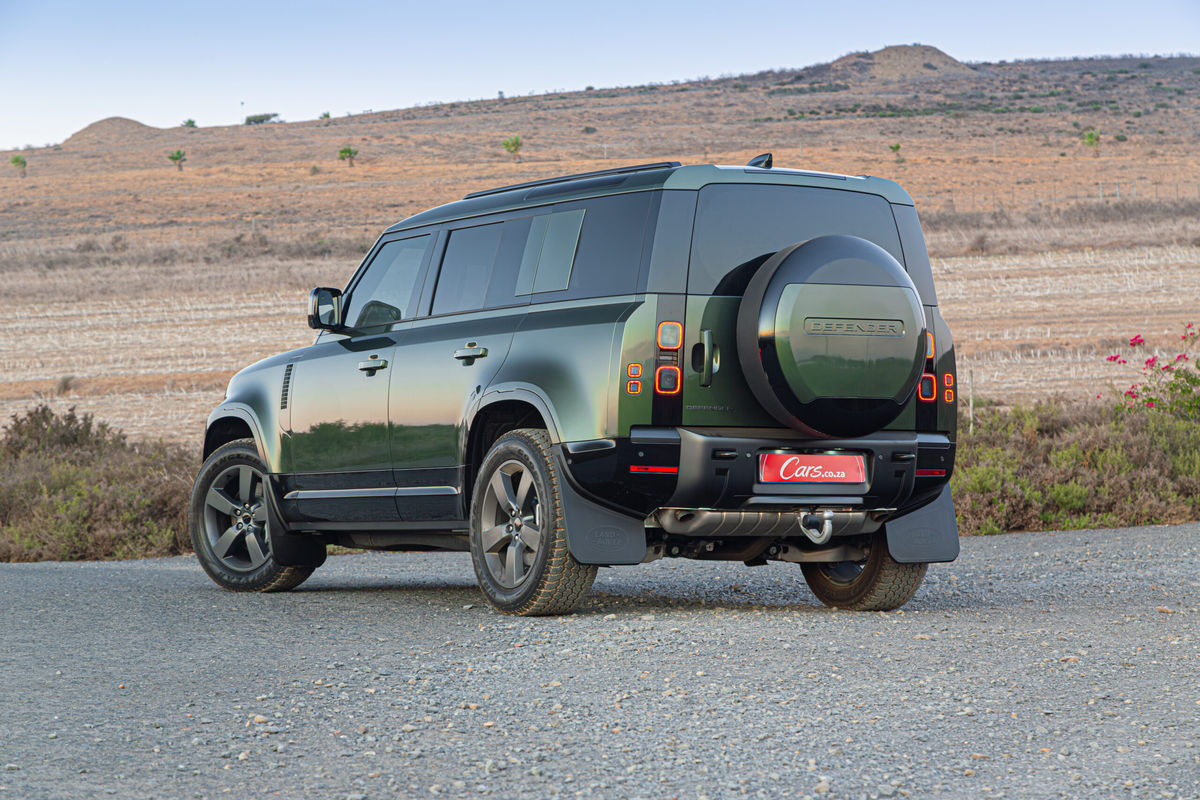
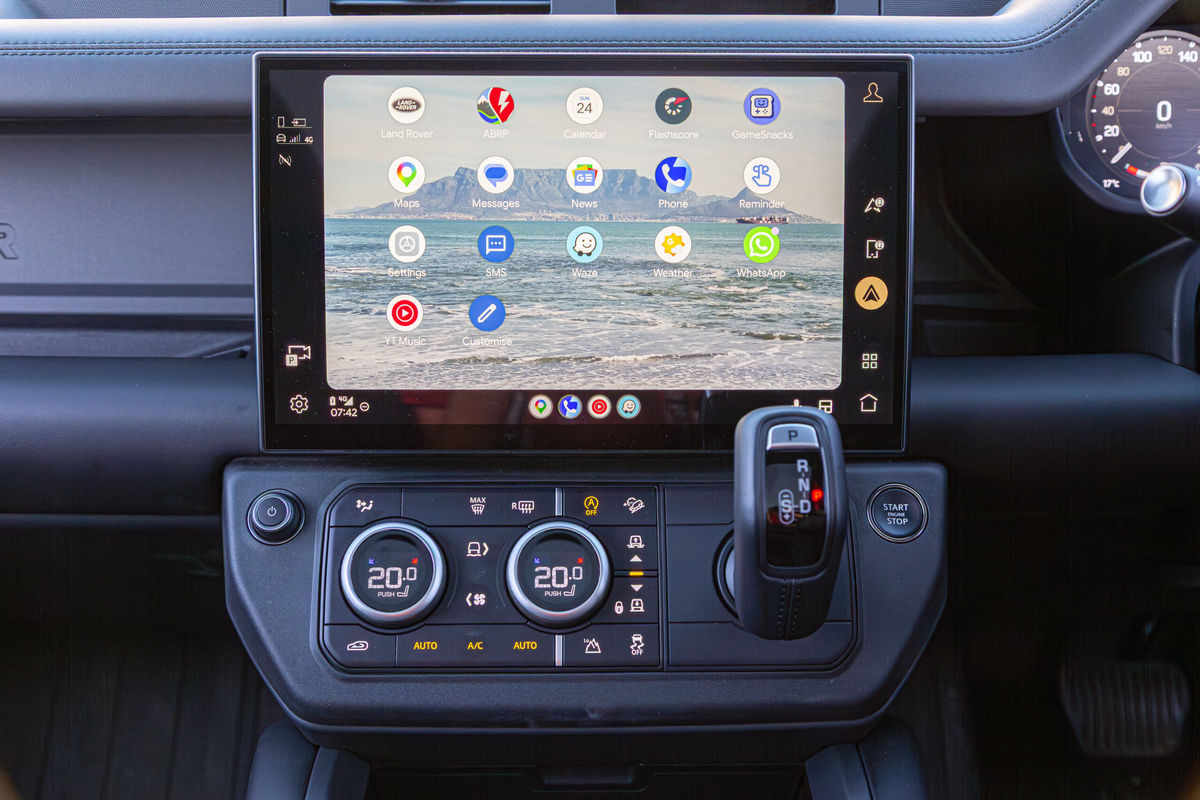
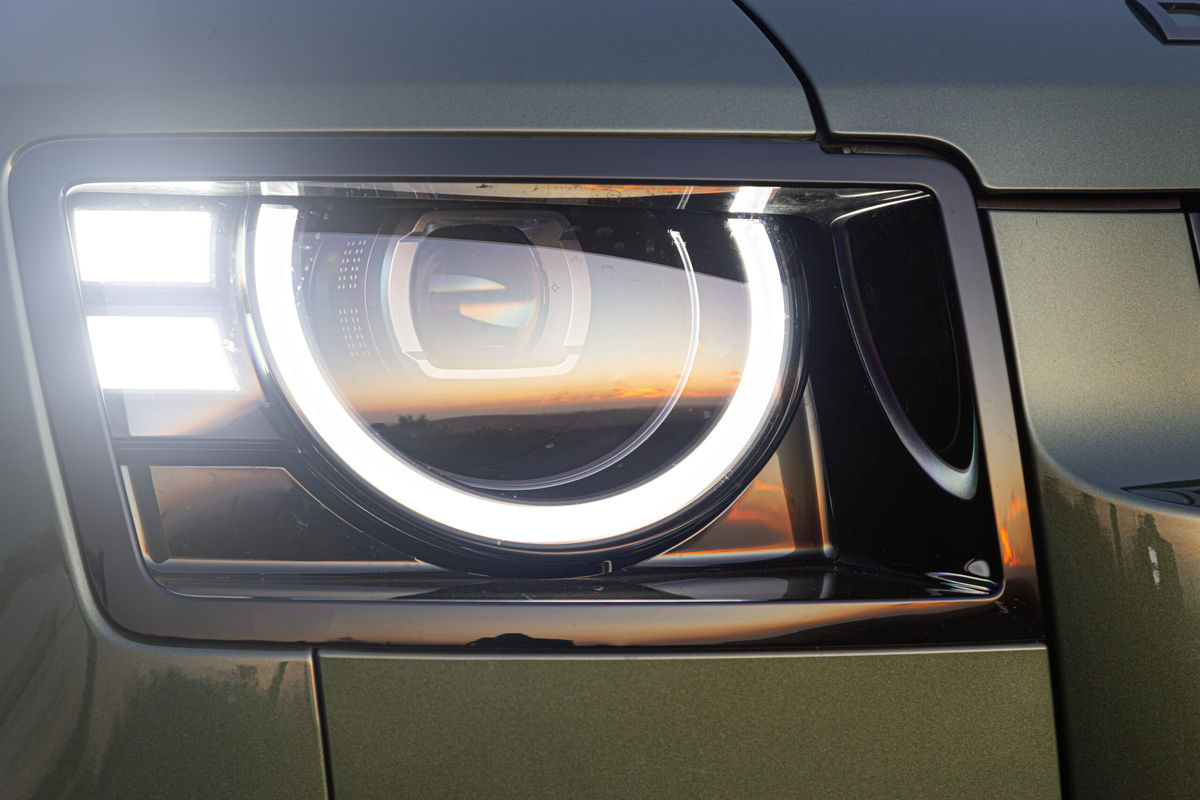
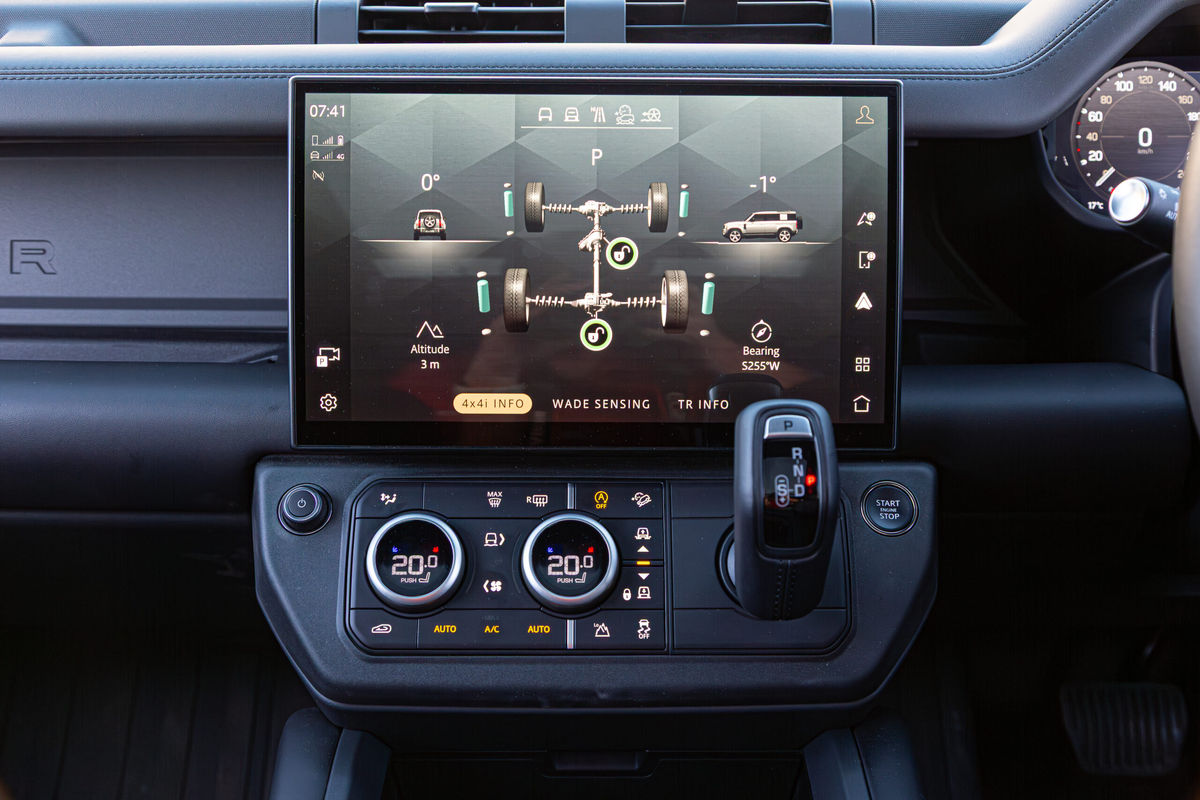
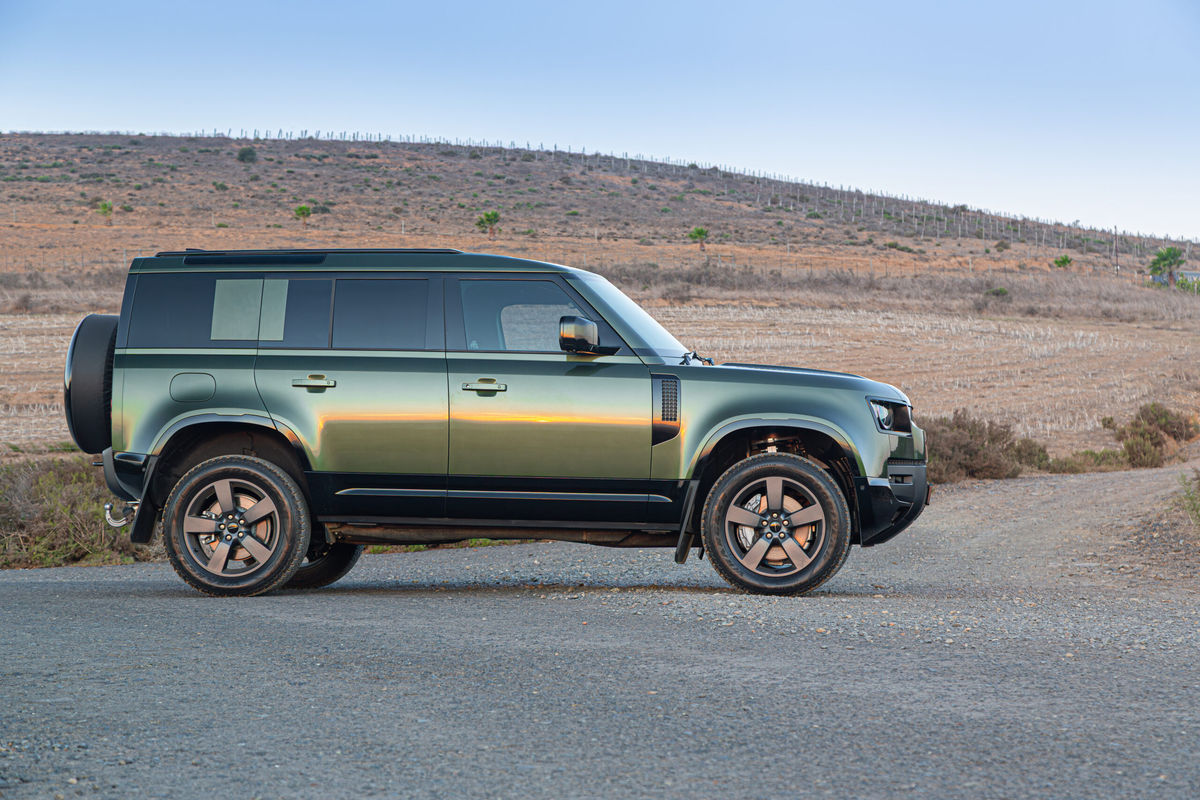
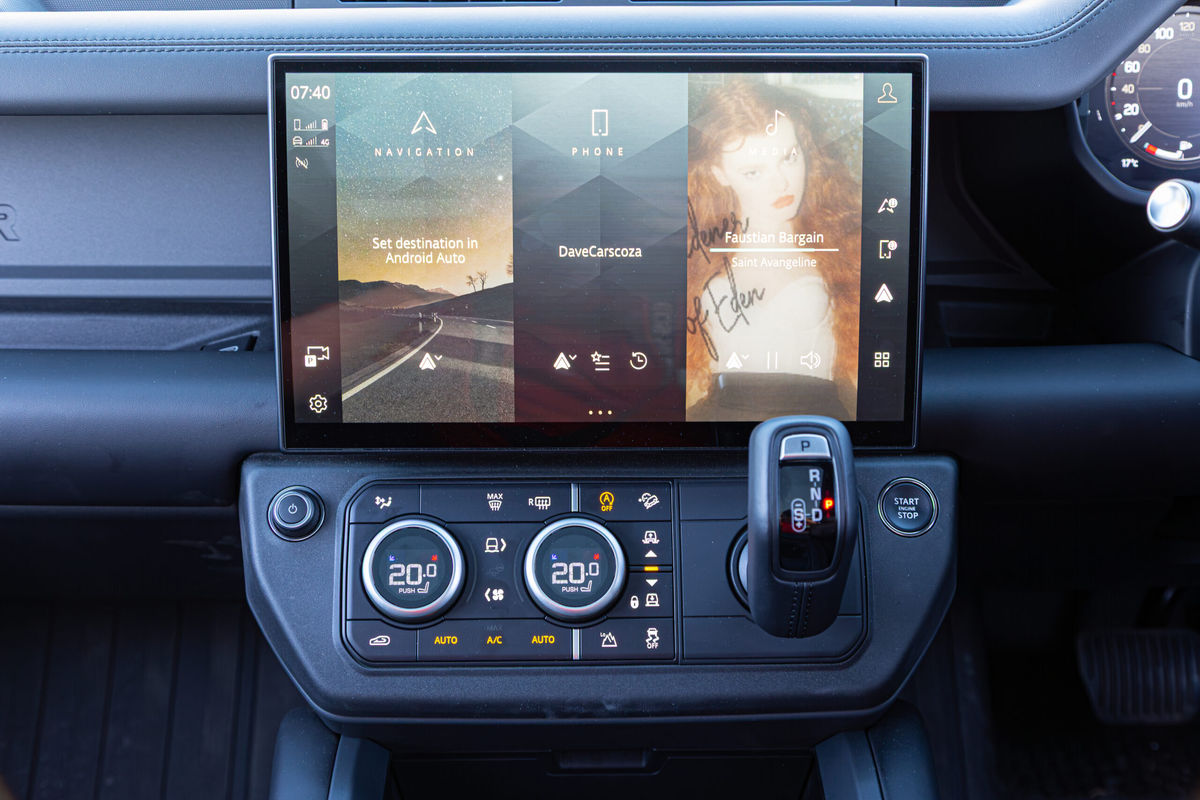
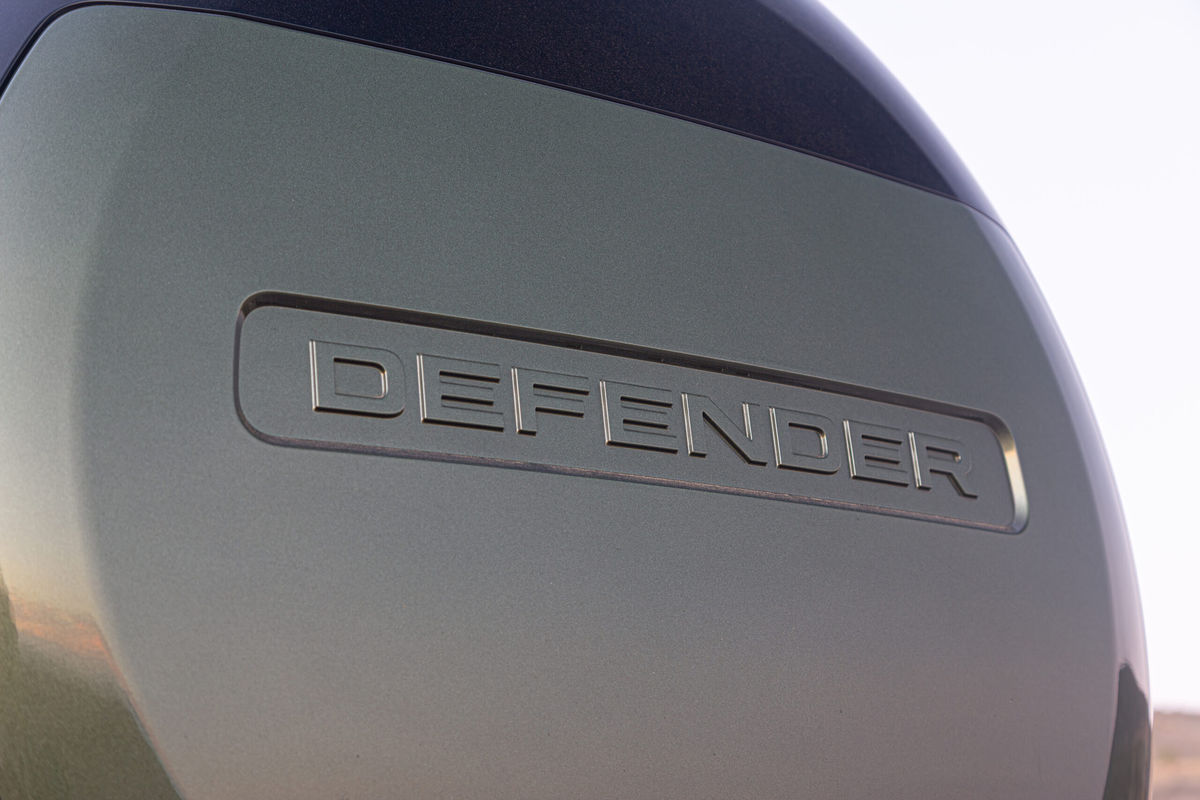
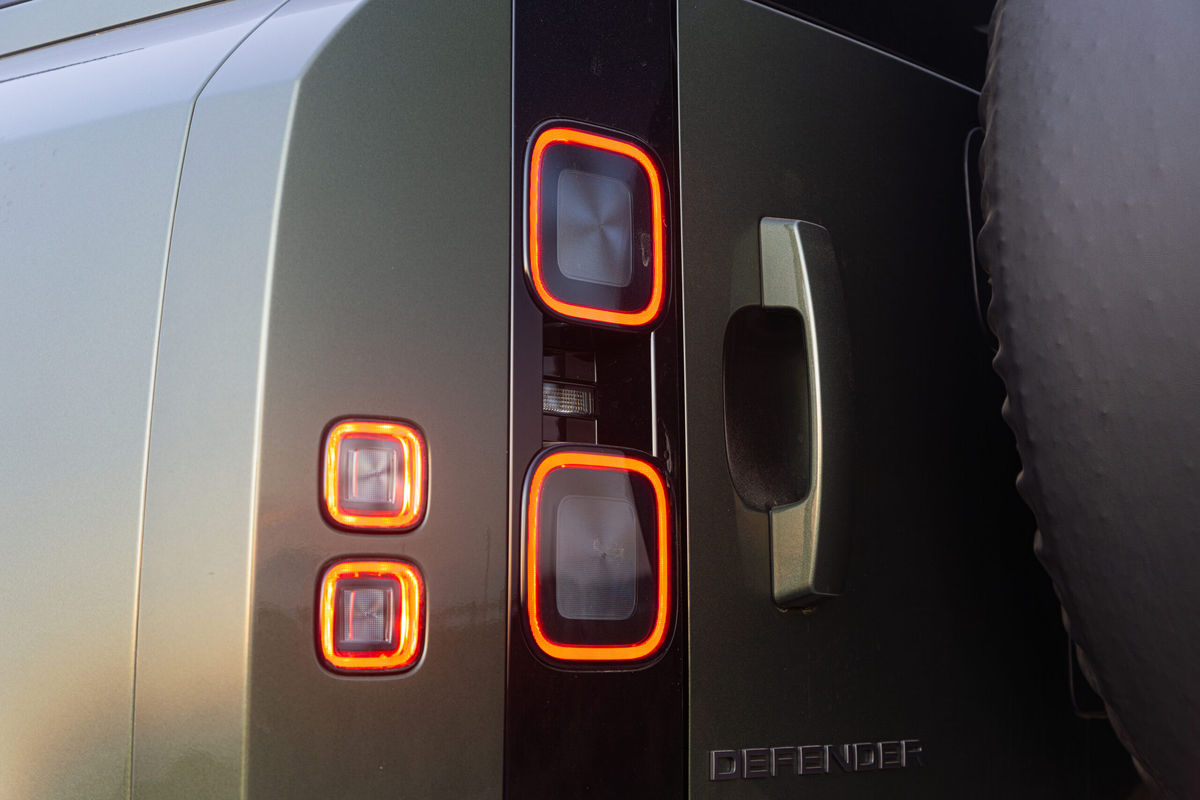
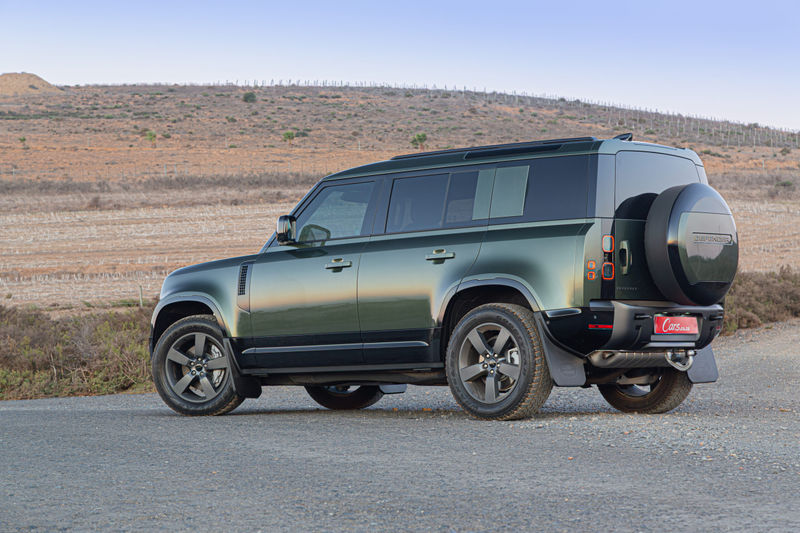
There’s a slightly revised headlight design, while the rear tail lamps now sit flush with the rear door. There’s some inspired textures on the bonnet inserts and some gloss-black goodness on the wheel caps and grille bar. Land Rover has added new colours, too, like this Woolstone Green. Inside, there’s an updated infotainment system with the touchscreen growing to 13.1 inches.
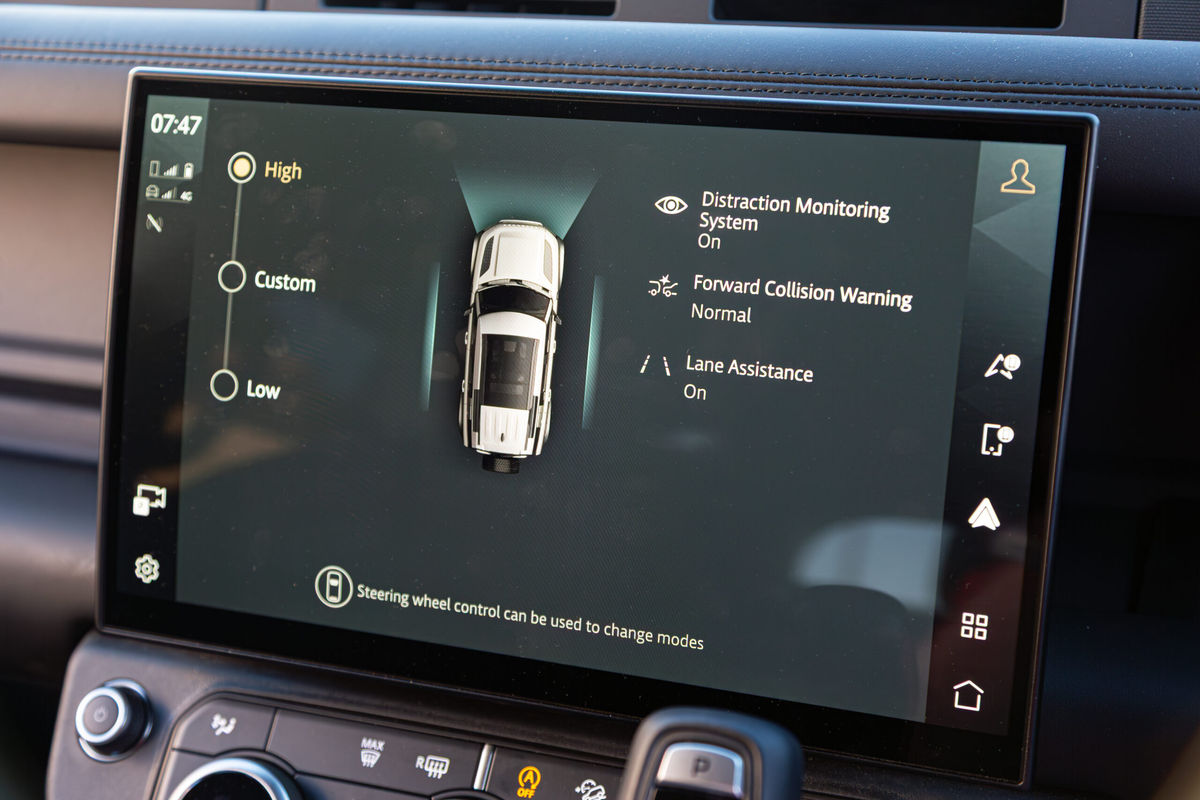
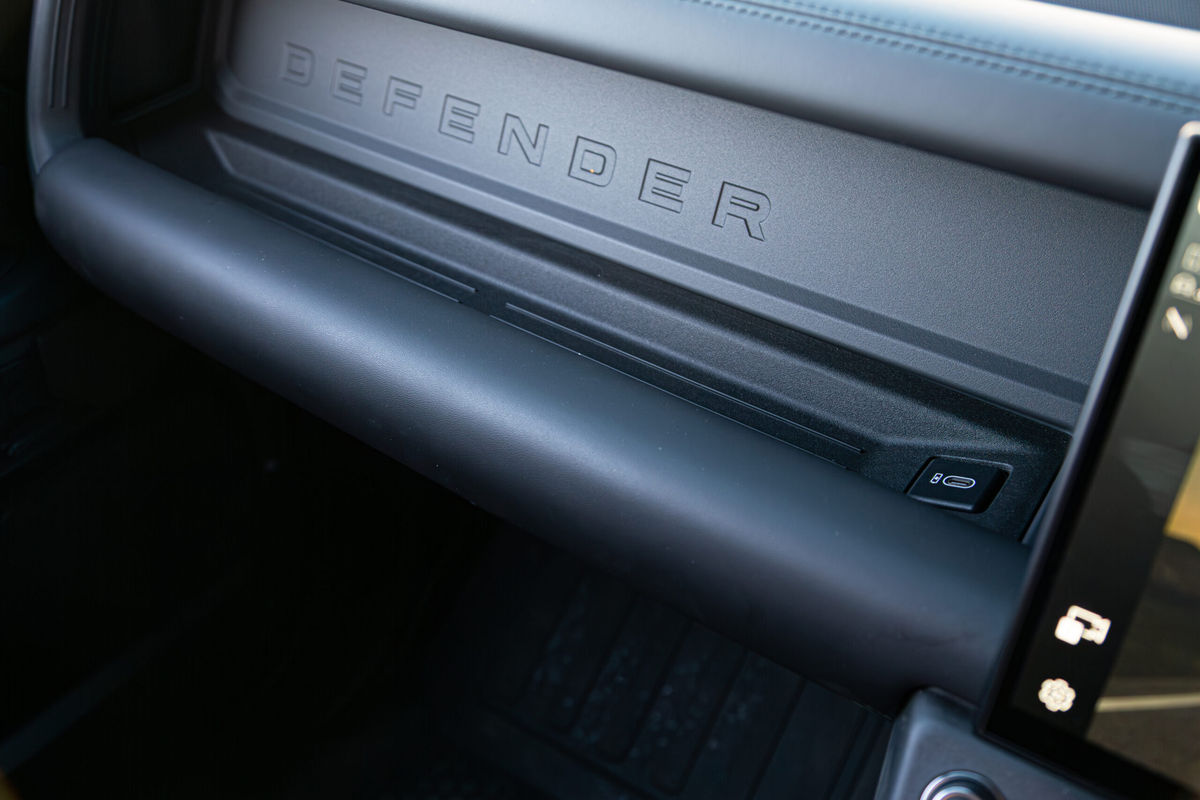
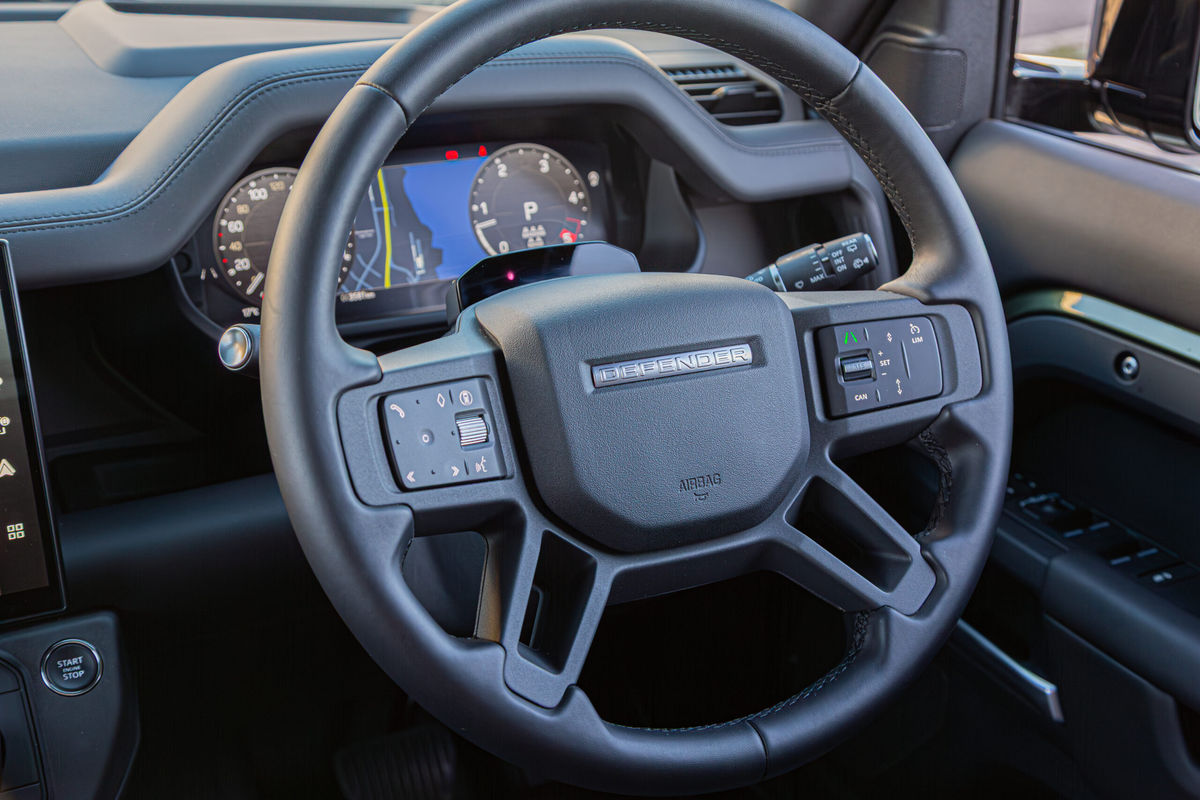
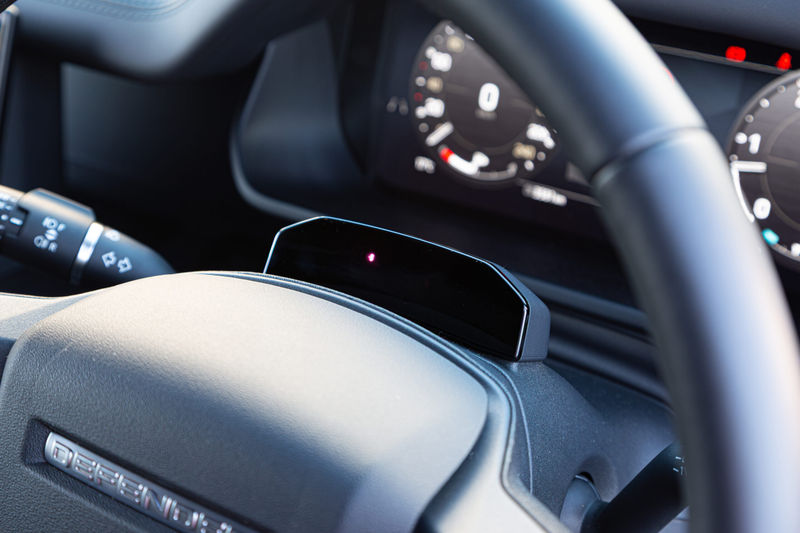
There are ergonomic changes, like the repositioned gear shifter and more cleverly thought-out storage and practicality solutions. The car also features a driver-facing camera to encourage keeping your eyes constantly on the road, but this tech is more of an annoyance than anything else. Sorry, Land Rover and every other brand who have gone this route.
As you can see, the changes represent a gentle nip ‘n’ tuck that should keep buyers interested in a very competitive segment that runs the gamut of serious off-roaders and pavement poseurs. If you’re genuinely serious about traversing Matroosberg Pass on a snowy winter’s day, we’d say the Defender D350’s rivals are the Lexus GX 550 and the Toyota Land Cruiser 300.
Compare the Defender to the Lexus GX 550 Overtrail and Toyota Land Cruiser 300 3.3D GR-Sport
If you’re more urban-orientated and the extent of your off-tar adventures is the gravel driveway up to Kleinhoekkloof Wine Farm outside Ashton (tell ’em I sent you), look to the German trio of the BMW X5, Audi Q8 and Mercedes-Benz GLE. (As an aside, you can get optional off-road packages for the X5 and GLE that raise the ride height.)
How the Land Rover Defender fares in terms of…
Design, Packaging & Features
With the slightest of visual updates, the Defender still continues to be an eye-catching blend of rugged and premium. Car design is a subjective conversation, but in our opinion the modern Defender has aged very well. This begs the question: did it even need these updates?
The interior is an exercise in industrial design wrapped in premium goodness. You get a rugged look, exposed rivets and tough easy-to-clean plastics on the one hand, countered by some of the most comfortable and supportive seats wrapped in quality leather, and a high-tech infotainment system.
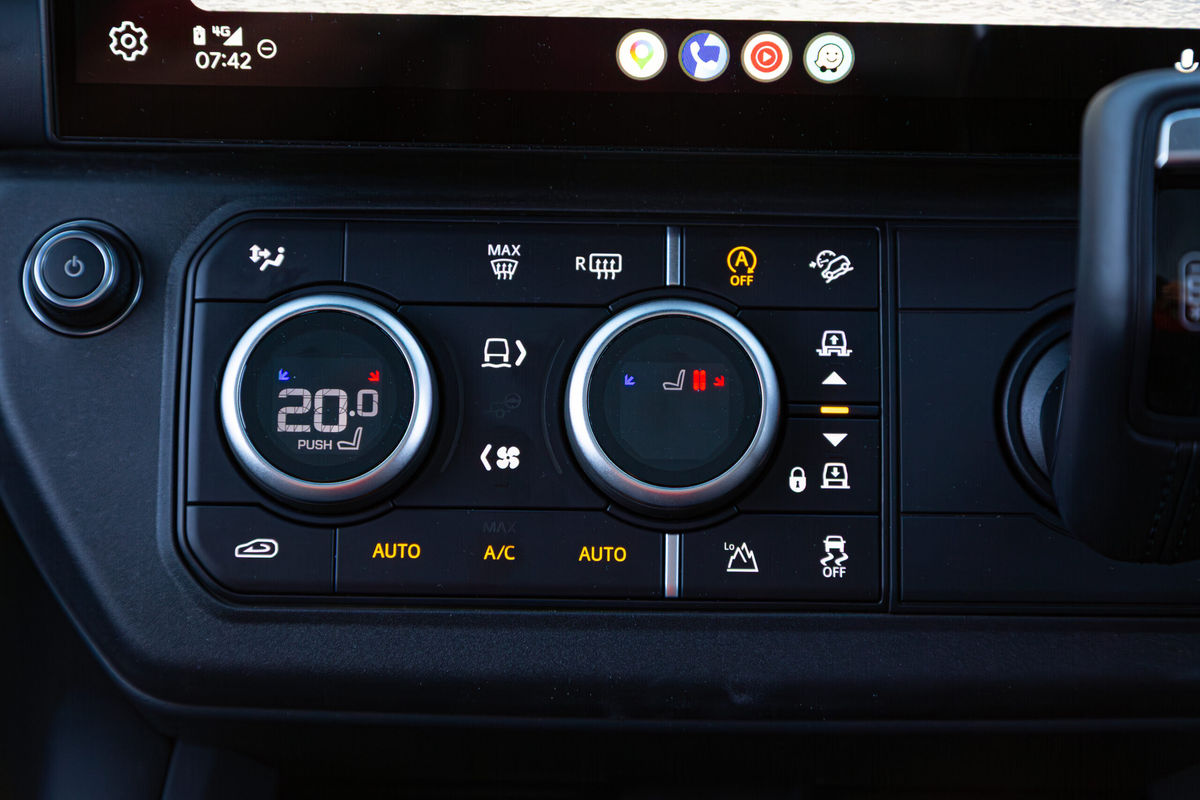
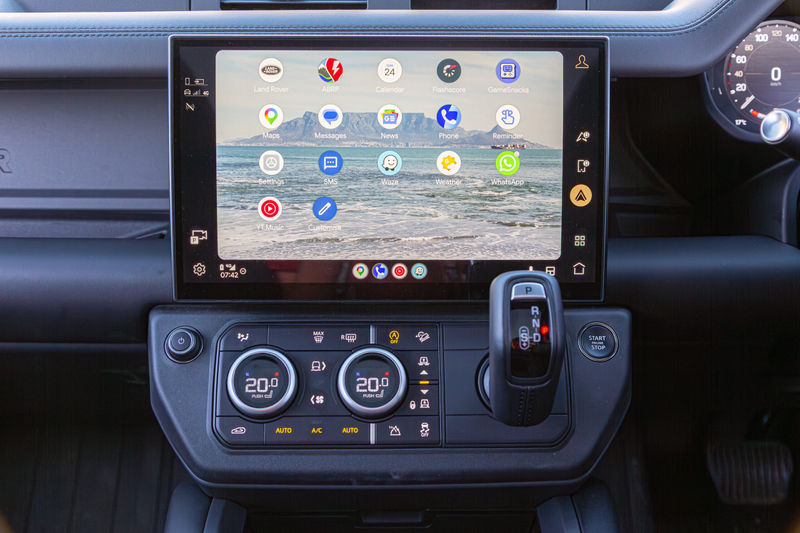
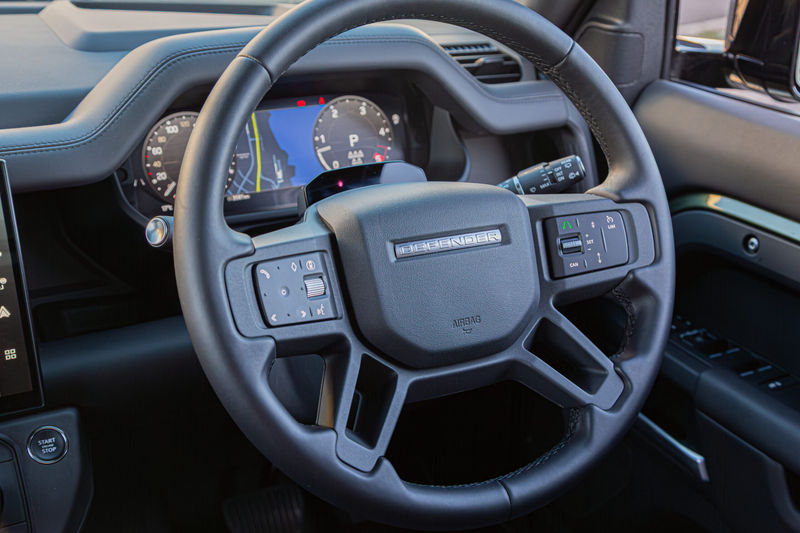
Land Rover’s Pivi Pro infotainment system has long been regarded by this publication as one of the best in the business, boasting ultra responsiveness from its own power source separate from the car’s main power so there’s no lag right from the get-go. It’s also a clean and easy-to-follow layout. Thankfully, the Defender still retains physical buttons for drive modes, climate control and heated seats, unlike its more premium siblings from Range Rover that now have all functionality integrated into the screen.
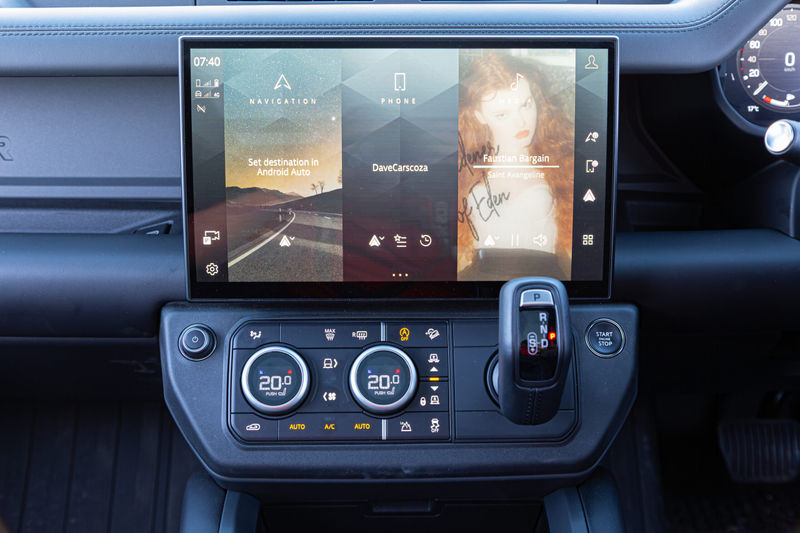
The connectivity is all-encompassing, too, with Wi-Fi, Bluetooth and more USB ports than you’d ever need. They’re strategically placed, allowing for devices to be plugged in and then stored. Wireless Android Auto and Apple CarPlay are also included.
The Defender also supports over-the-air software updates, so don’t be surprised if you wake up and the car’s conveniently downloaded improved software overnight.
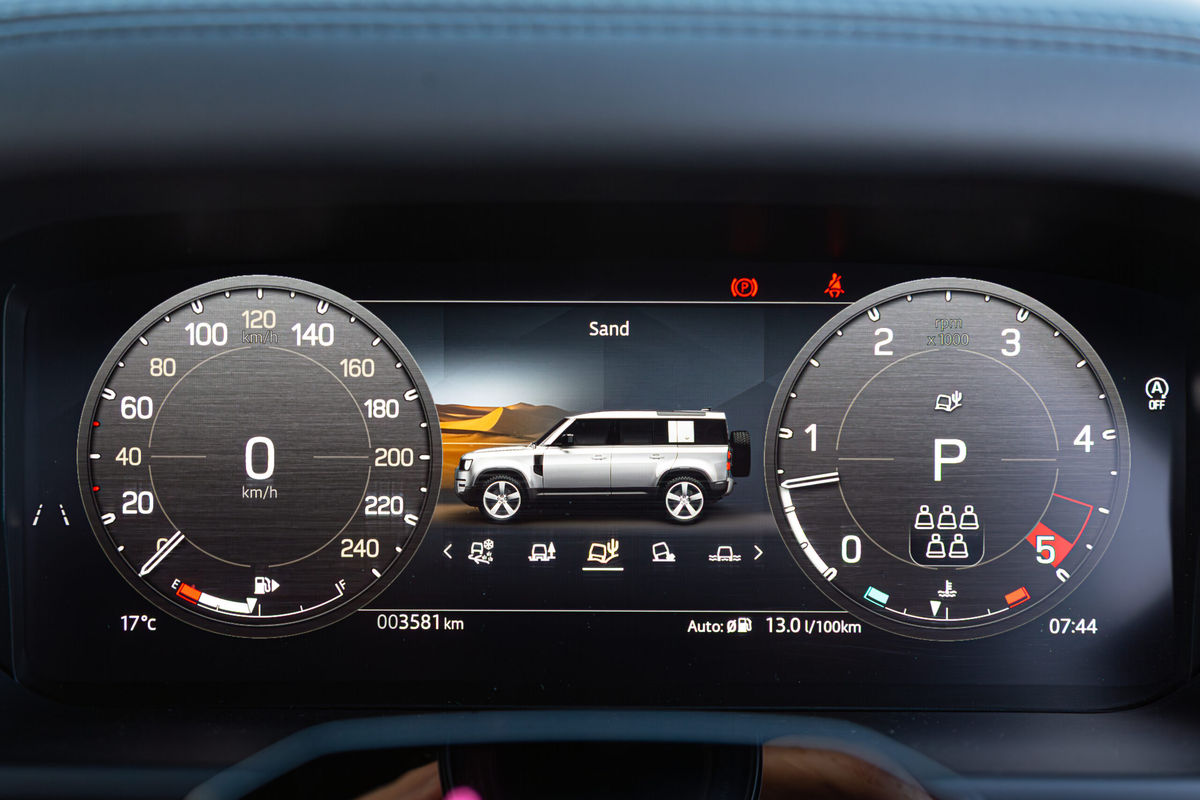
The tech and features at this price point are predictably long and comprehensive. When you’re paying R2 million for a do-it-all family SUV, things like Matrix LED headlights, panoramic sunroof, heated/cooled leather seats, digital instrument cluster, high-resolution parking cameras and electronically adjustable steering column are non-negotiables.
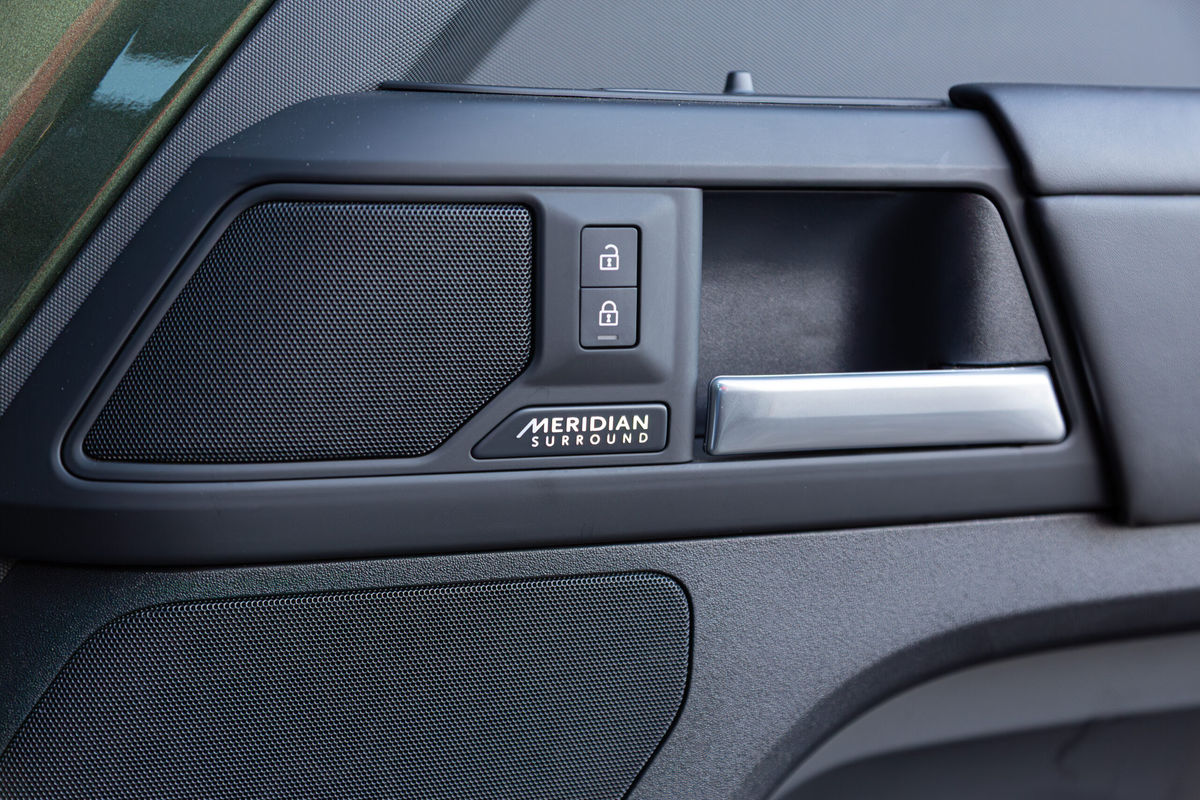
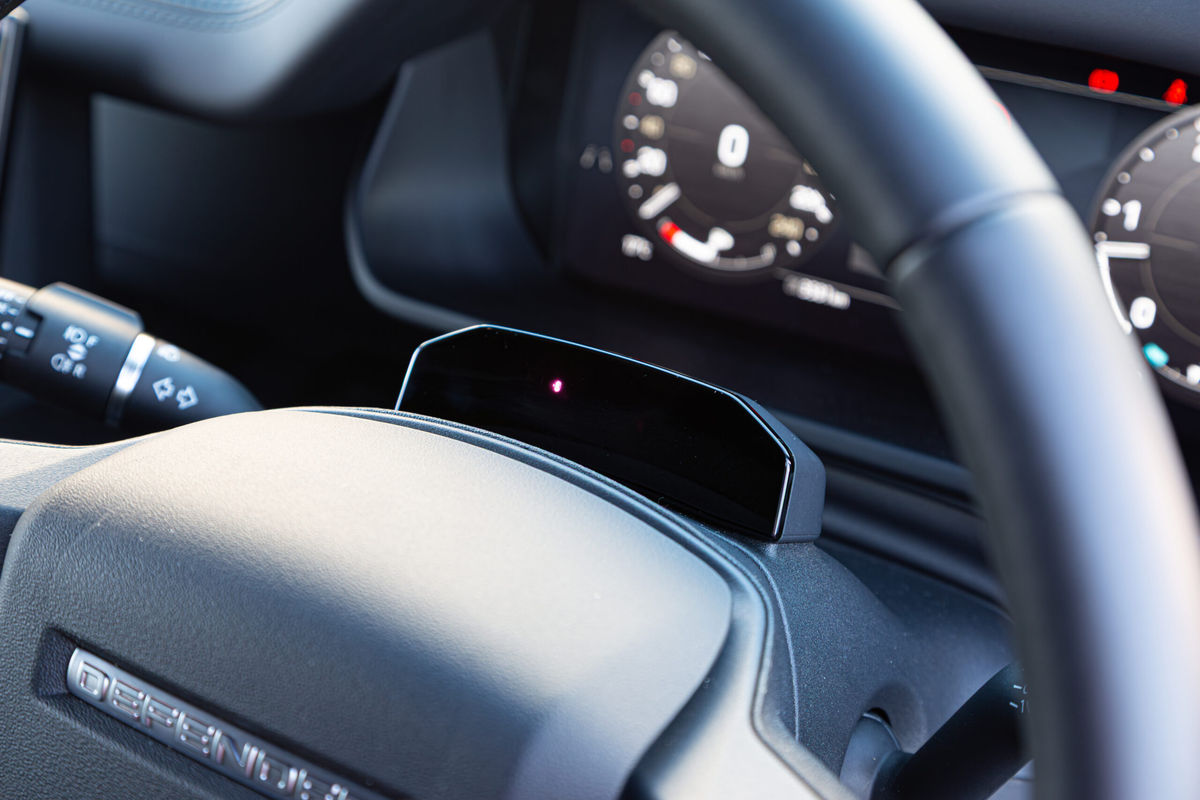
Even with all that, and then some, the Defender configurator allows for even more customisation and add-ons. If you take your Cederberg off-roading very seriously, may we suggest the optional tyre compressor for around R20 000? “Our” Defender’s options list included an electrically deployable tow bar (R7 400), off-road pack (R15 700), adaptive off-road cruise control (R9 600), 3rd row seats with 3-zone climate control and air quality sensor/purification (R35 300), head-up display (R21 800) and Meridian surround sound (R17 400).
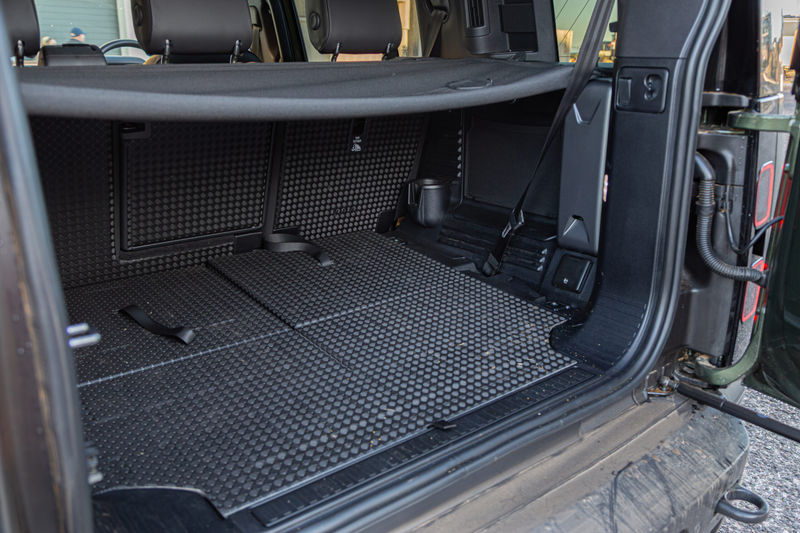
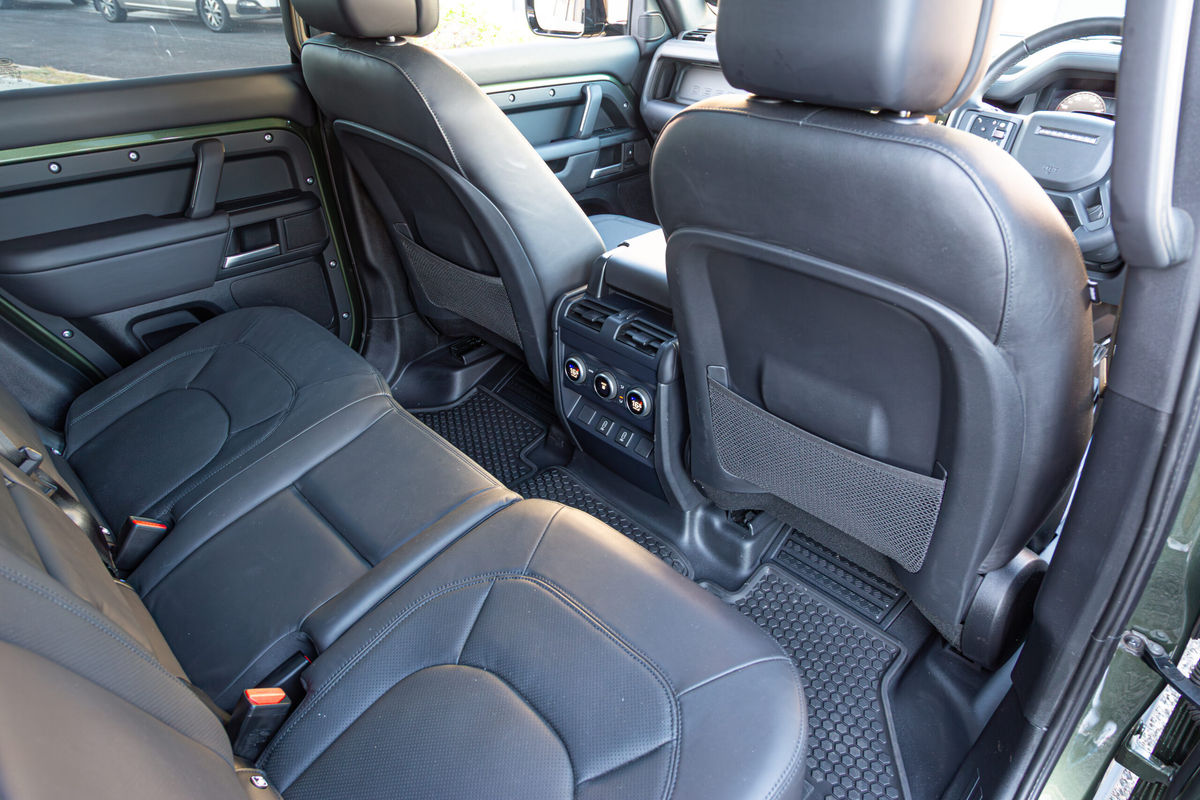
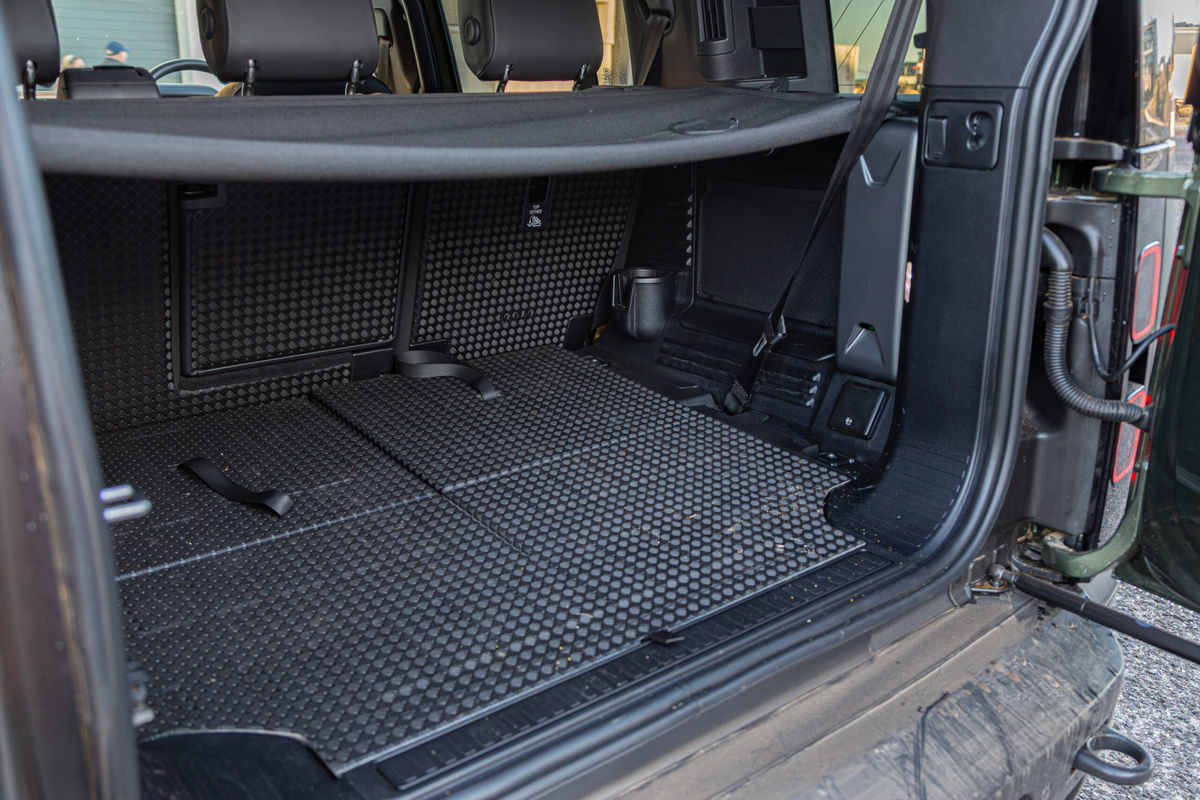
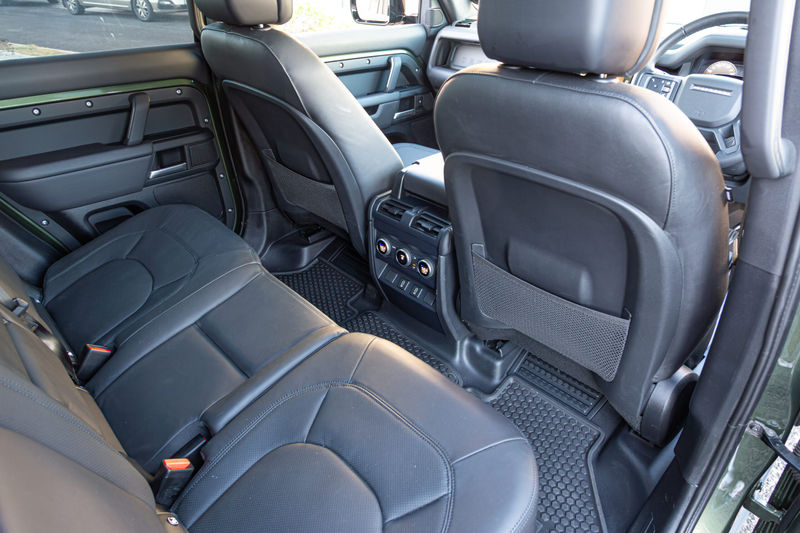
Given its size, the Defender facelift remains a solid family vehicle with generous amounts of rear legroom and headroom. As mentioned, our unit came with the optional 3rd row of seats which neatly stow away into the boot. This author is too tall to origami himself in there, but we reckon they’re adequate for the little ones. If 7 seats are a requirement, rather look to the Defender 130.
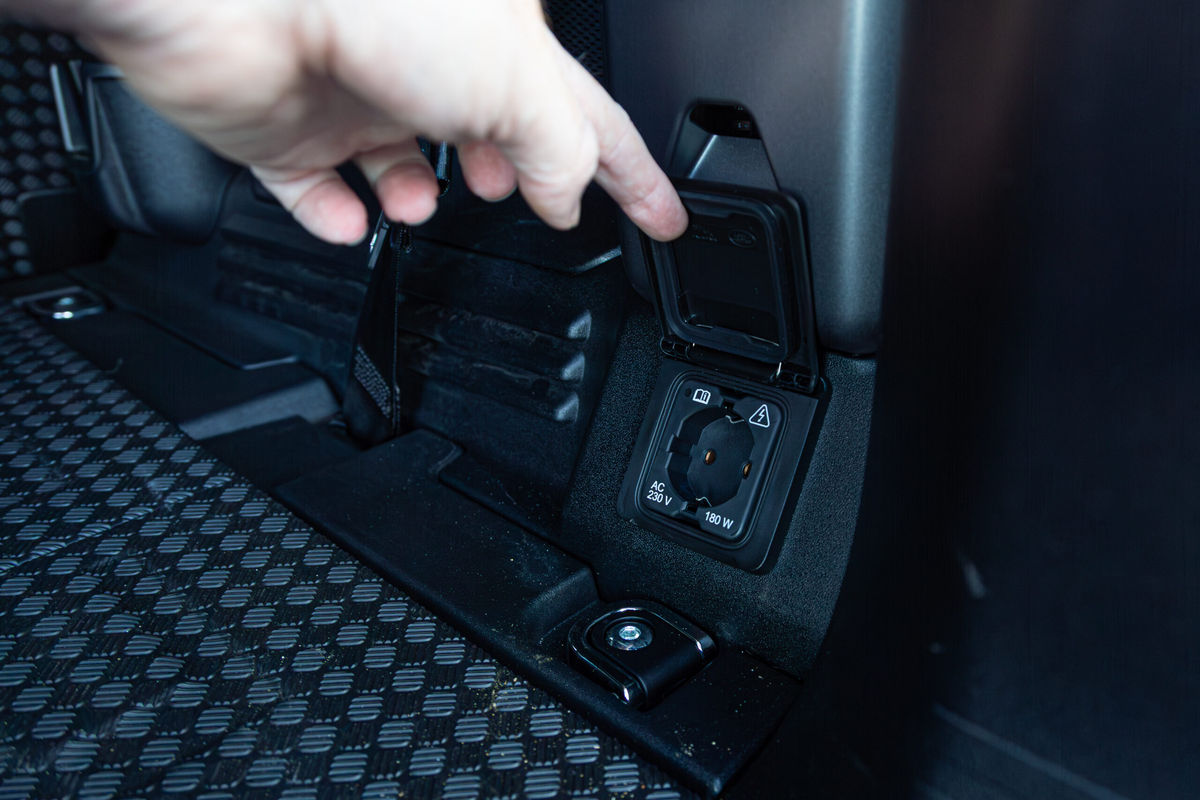
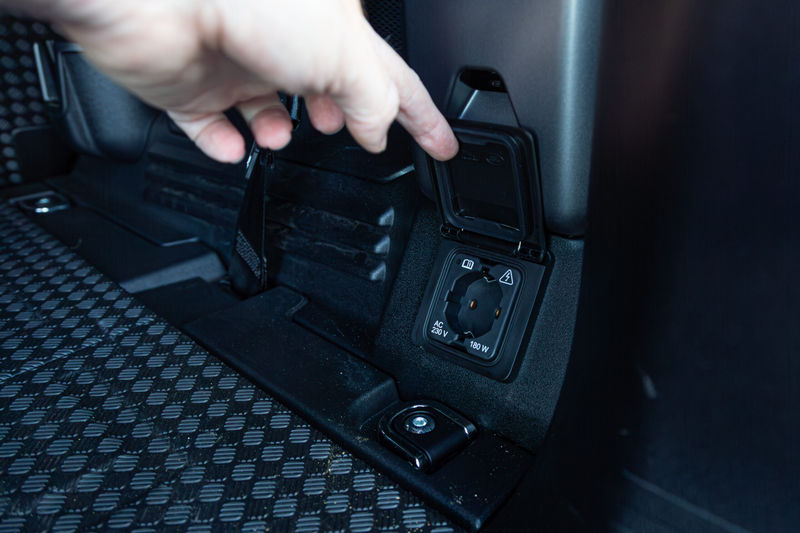
Throughout the boot of the 110, there are clever touches such as the ability to lower the rear air suspension to make access easier and a 2-pin 230 V plug point. It’s nice to see the use of easy-to-clean materials.
Performance & Efficiency
During the facelift, Land Rover dropped the 2.0-litre, 4-cylinder turbodiesel and replaced it with a detuned version of the 3.0-litre. That version is available as the entry-level D250 and develops 183 kW and 570 Nm.
The engine on duty in the D350, however, is a different beast altogether. The 3.0-litre turbocharged 6-cylinder diesel from the Ingenium modular family is called the AJ300D and the outputs are a stout 257 kW and 700 Nm. Power goes to all four wheels via an 8-speed automatic transmission.
Fast? You bet! Our test equipment recorded a 0-100 kph time of 6.57 seconds, on par with the sporty Volkswagen Polo GTI!
Those 700 Newtons serve two purposes. Firstly, the D350 is amusingly effortless in its ability to overtake slower traffic. Secondly, this model has an impressive maximum braked towing capacity of 3 500 kg. Again, a reminder the tow bar is an optional extra.
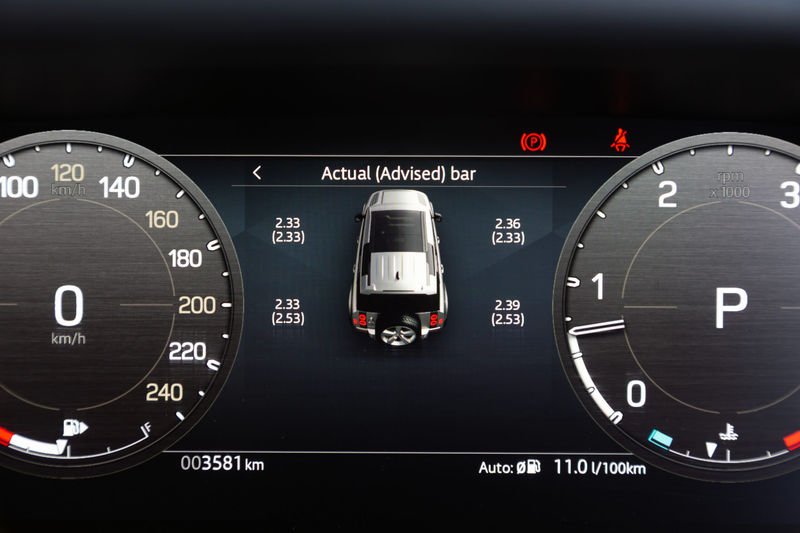
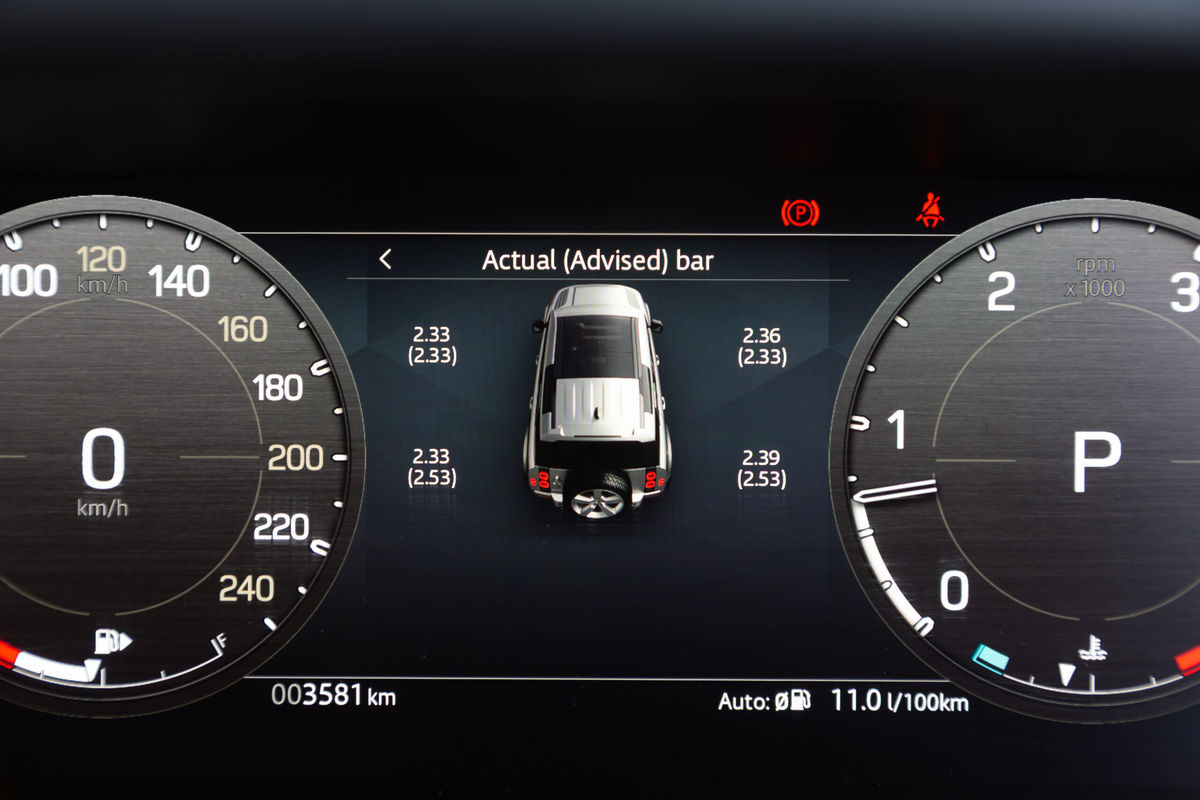
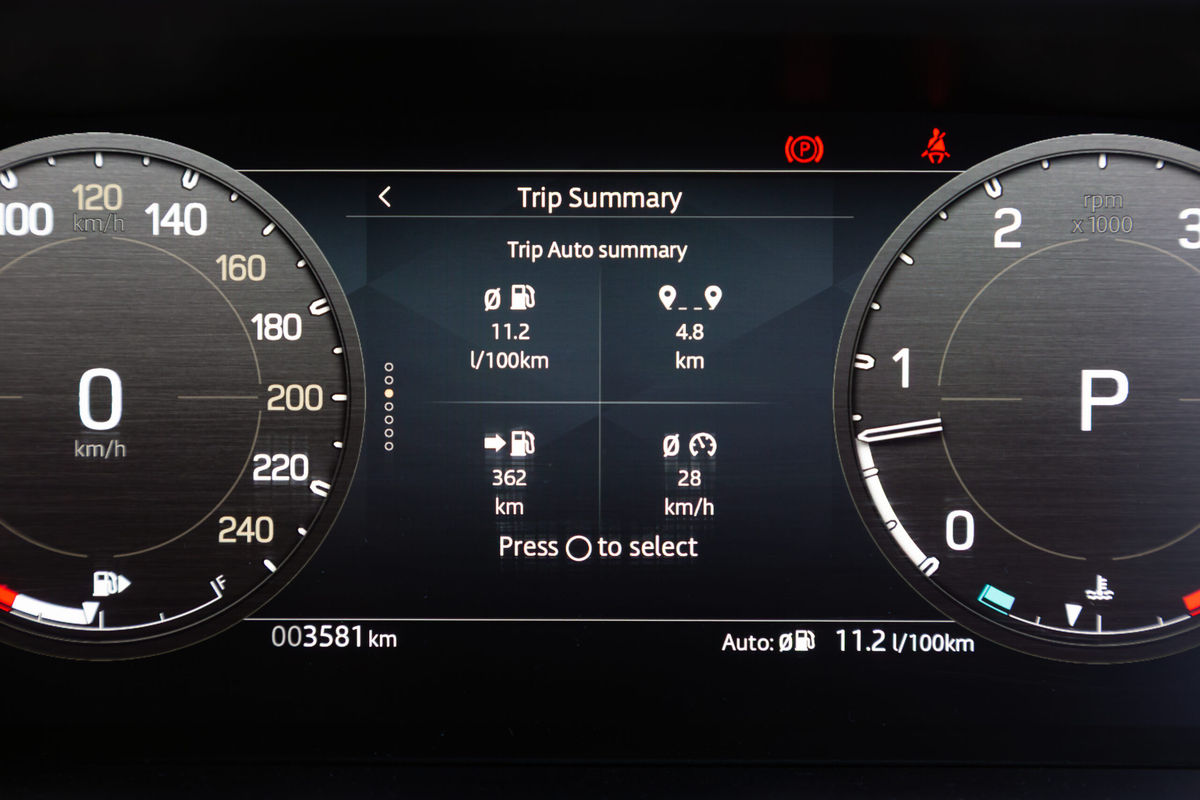
When it comes to economy, the Defender D350 is claimed to consume 8.5 L/100 km, but after a few hundred kilometres behind the wheel, we came away with an average of 11.0 L/100 km. It’s certainly heavier than expected but a worthwhile price to pay for the D350’s tremendous shunting power and capabilities. If you’re planning on long adventures, this Defender has an 89-litre tank, giving it a range of just over 1 000 km between fill ups on Land Rover’s claimed figure.
Ride, Handling & Comfort
Given its shape, height and chunky tyres, you’d think this would be an off-road review, but when you think about how many Defenders are driving on tarred roads, it makes sense to start there first. Despite the 110’s heft and high centre of gravity, its on-road manners are impeccable. It’s more agile than you’d think given it’s a large off-road-biased SUV, thanks to a sharp and direct steering setup which feels just right.
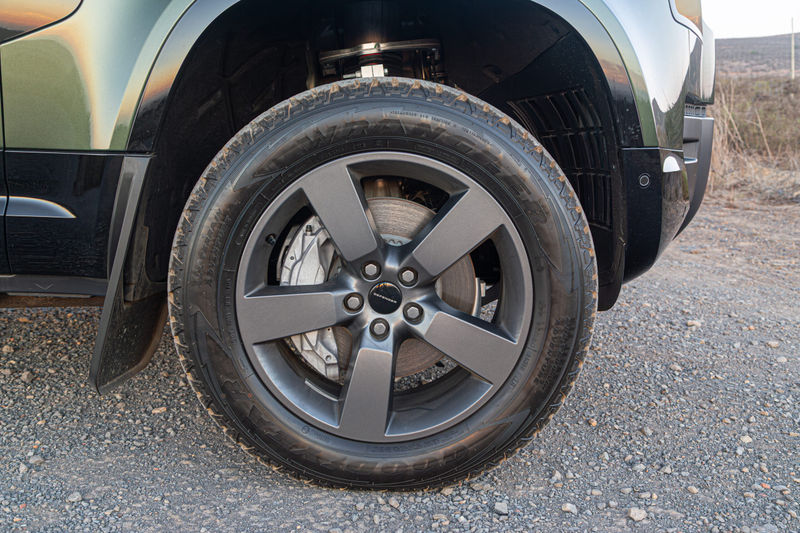
Every Defender 110 comes with air suspension, which adds a premium plushness to the ride quality. Combined with the higher-profile tyres, very few big family SUVs offer this level of quietness, compliance and polish. It feels like you could be in the poshest of Range Rover Autobiography vehicles, which also happen to cost almost double the price of the 110 D350!
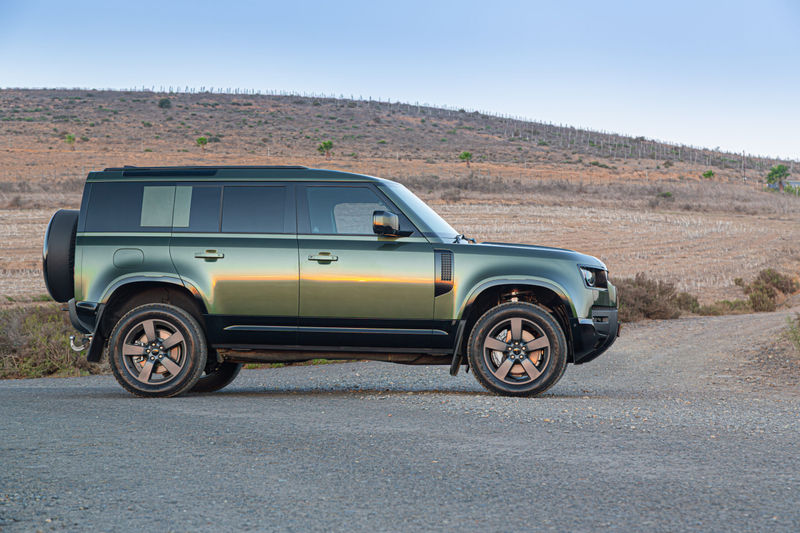
It’s quite remarkable that the Defender is marketed as – and indeed is – one of the more capable off-roaders in the premium segment when it lacks the key component required: a ladderframe architecture. Instead, it makes do with a unibody setup. Officially called the D7X, this platform allows for a talented blend of on-road comfort and refinement, as well as impressive off-road abilities.
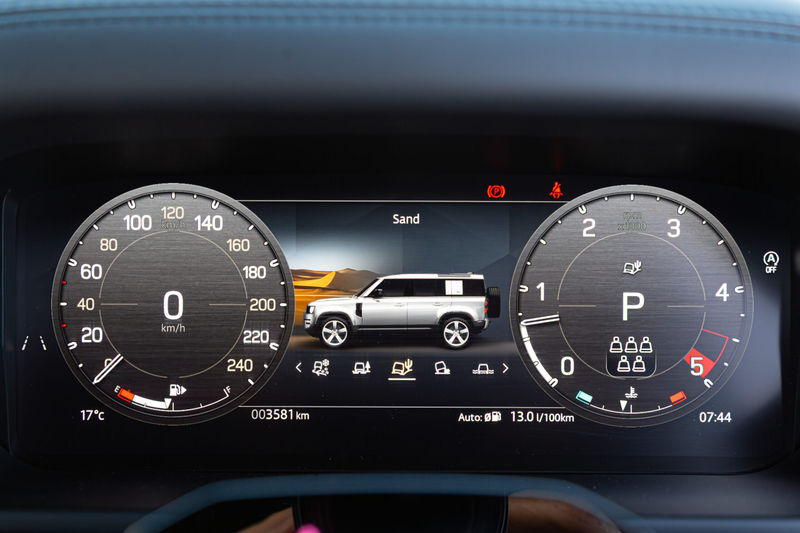
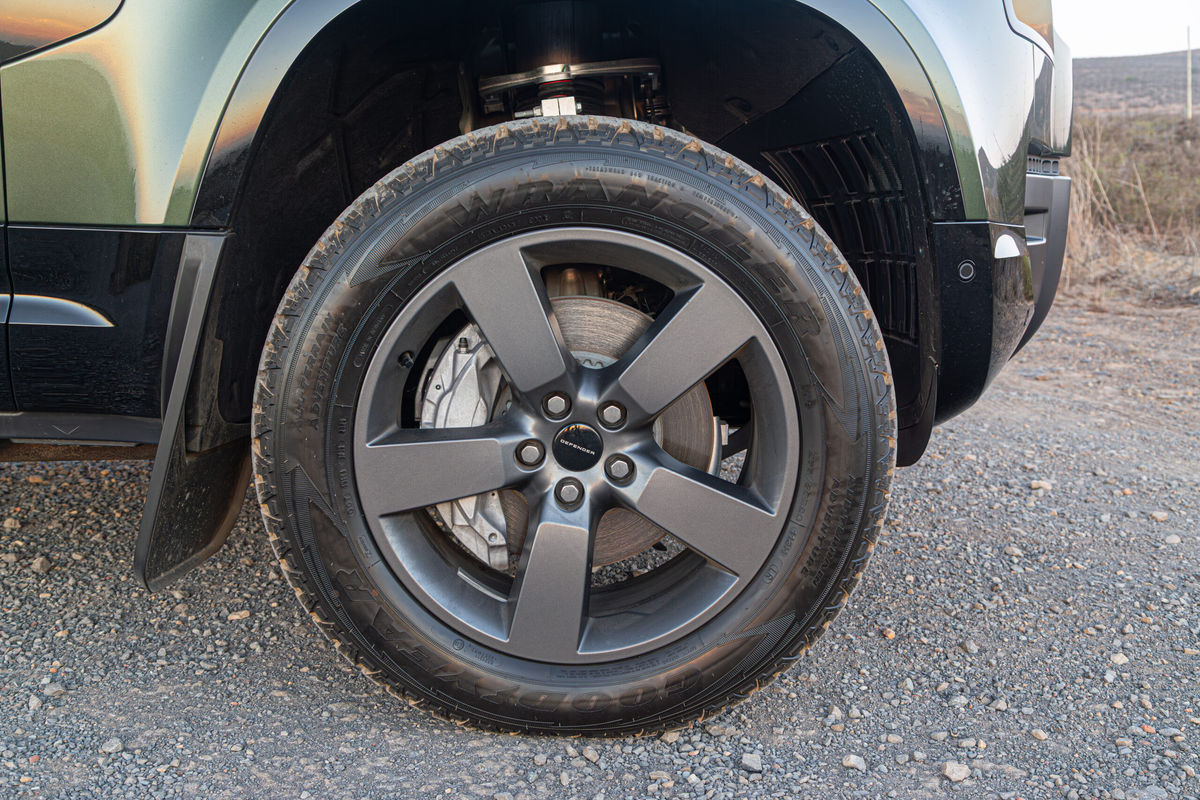
New for this model is the optional adaptive off-road cruise control, which is essentially an enhanced version of the outgoing All Terrain Progress Control. Still, tech aside, the core off-road numbers make for deeply impressive reading. A ground clearance of 290 mm with the air suspension fully extended, a wading depth of 900 mm and approach/departure angles of 38 degrees front and 40 degrees at the back. The car’s electronics are rated to IP67 – they can be submerged in water for up to an hour without incurring damage. Something we didn’t fancy testing…
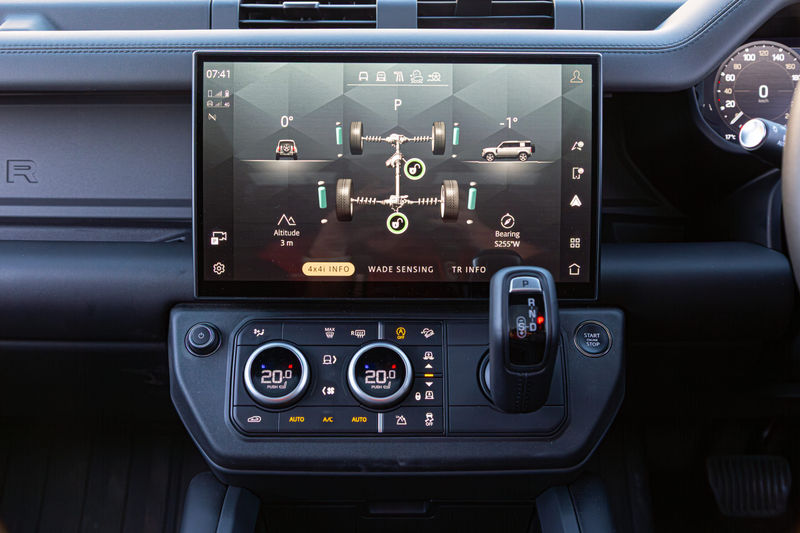
But wait, there’s more. There’s a low-range transfer case, locking centre differential as well as an active rear locking differential. This is all controlled by the car’s Terrain Response tech and, to make things easier, there are various drivetrain modes. Or, do what we did and just leave everything in auto; the majority of the time, the car’s smart enough to just figure it all out. We did enjoy the data and system readouts, showing us exactly what the vehicle is doing when trudging across off-road terrain.
Price & After-sales support
The Defender is sold with a 5-year/100 000 km warranty and a 5-year/100 000 km maintenance plan.
| Defender 110 D250 X-Dynamic SE | R1 871 200 |
| Defender 110 D350 X-Dynamic HSE | R2 033 000 |
| Defender 110 P425 X-Dynamic SE | R2 083 200 |
| Defender 110 P425 X-Dynamic HSE | R2 111 100 |
| Defender 110 P400e X-Dynamic HSE PHEV | R2 370 200 |
| Defender 110 P400e X | R2 446 400 |
| Defender 110 Octa | R3 739 200 |
Verdict
We can’t imagine this update was one the Defender team was looking forward to. Much like each generation of Porsche 911, how do you improve on an already outstanding product?
Luxury pricing aside, the facelifted Land Rover Defender D350 blew the Cars.co.za team away. It’s easy to see why the pre-facelifted derivative took home the trophy for Best Adventure SUV at the 2024/25 Cars.co.za Awards. There’s a clamouring for the key when a Defender derivative arrives at the offices (Ashley Oldfield usually wins). And now, the best got even better.
If you’re in the market for a Defender, you won’t be disappointed with the capabilities, power and image of this 110 D350. Configure it carefully for your specific needs and you’ll have one of the best premium SUVs money can buy.
Want to purchase a new or used Land Rover? Browse vehicles for sale
Read all the latest Land Rover Defender news and reviews
Frequently Asked Questions
What are the main body styles available for the Defender?
- Defender 90: The compact, short-wheelbase three-door variant.
- Defender 110: The standard, highly versatile five-door model available in 5 or 5+2 seating configurations.
- Defender 130: The elongated five-door body styled primarily to carry up to eight passengers across three rows.
- Defender OCTA: The ultimate ultra-performance all-terrain flagship variant.
What engine options power the Land Rover Defender in South Africa?
- D350 Diesel: An uprated 3.0-litre twin-turbocharged inline-six pushing out 257 kW and 700 Nm.
- P400e Plug-In Hybrid (PHEV): A 2.0-litre four-cylinder turbo paired with an electric motor to produce a combined 297 kW.
- P425 V8: A supercharged 5.0-litre V8 delivering 313 kW of pure performance.
- OCTA Twin-Turbo V8: A mild-hybrid 4.4-litre twin-turbo V8 outputting a massive 467 kW.
What is the fuel consumption of the Land Rover Defender?
- P400e Hybrid: A claimed 2.8 L/100 km, assuming full utilization of the electric battery.
- D350 Diesel: Approximately 7.6 to 8.0 L/100 km under mixed driving cycles.
- P400 Petrol: Around 9.9 L/100 km.
- P525 V8: Roughly 12.8 L/100 km.