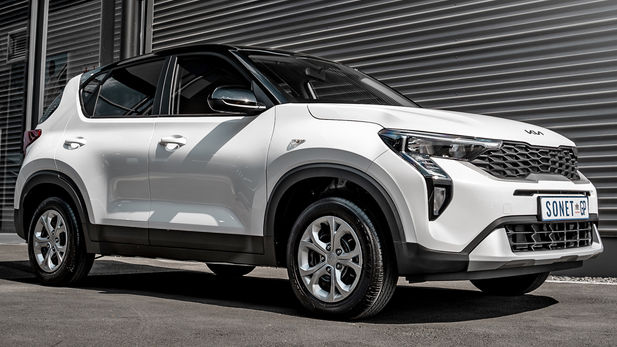
The Kia Sonet LS serves as the entry point to the brand’s crossover range and thus loses out on a few standard features. So, should you pay R67 000 more for the LX grade?
In the final quarter of 2024, the Kia Sonet LS debuted in South Africa. Positioned at the very foot of the local Sonet line-up, this entry-level grade effectively dropped the Indian-built crossover’s starting price, making this nameplate more accessible.
So, is this base derivative – available with either a 5-speed manual gearbox or a continuously variable transmission (CVT) – worth considering? Or should you instead pay more to upgrade to the LX trim level?
What features does the Kia Sonet LS sacrifice?
Well, we’ve scoured the specification sheets to see exactly what separates the Sonet LS from the Sonet LX (we’ve opted to exclude the higher-spec EX, EX+ and SX from this exercise). Mechanically, of course, the LS and LX are identical. Each uses the South Korean firm’s 85 kW/144 Nm naturally aspirated 1.5-litre petrol engine to drive the front axle.
These variants both feature dual front airbags (only the flagship EX+ boasts the full complement of 6 airbags) along with standard kit like ABS with EBD, electronic stability control, hill-start assist, an 8-inch touchscreen and a reverse-view camera. So, what does the Kia Sonet LS do without?
1. Rear Brake Discs
While the LX features disc brakes all around (280 mm fore and 262 mm aft), the LS makes do with brake drums on the rear axle. Drums are, of course, more cost-effective to produce. Though discs typically trump drums in out-and-out braking performance, keep in mind the majority of a vehicle’s stopping power comes from the front wheels – and the LS sticks with 280 mm discs up front. In short, most drivers wouldn’t likely be able to tell the difference.
2. Alloy Wheels
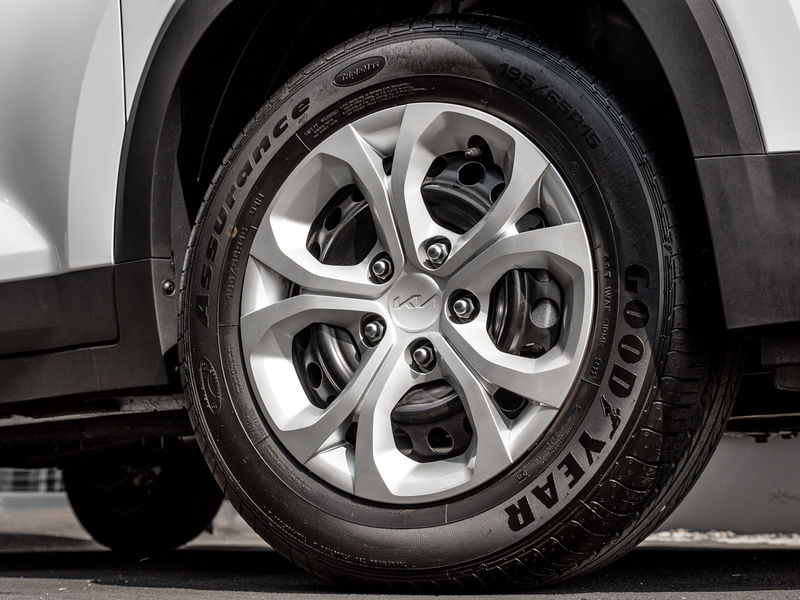
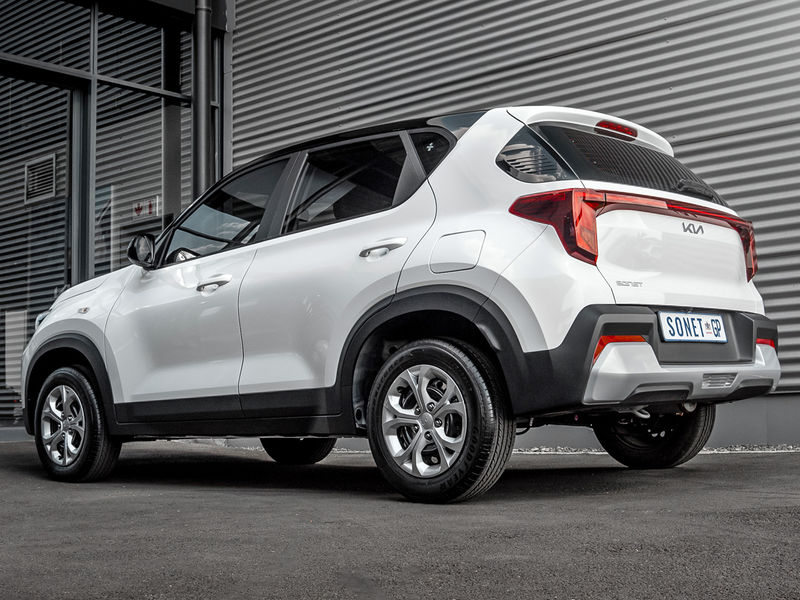
The Kia Sonet LS ships standard on 15-inch steel wheels (wrapped in 195/65 R15 tyres) featuring plastic covers. So, the LX boasts alloys, right? Well, not exactly. The South Korean firm’s spec sheet says LX derivatives ride on 16-inch “styled” wheels shod in 215/60 R16 rubber.
In reality, the LX comes with dual-tone, full-width plastic wheel covers that do a tremendous job of mimicking proper alloy rims (though there are still steel rims underneath). For the record, when it comes to exterior styling, the wheels are the only way to reliably differentiate the LS from the LX.
3. A 60:40-Split Folding Bench
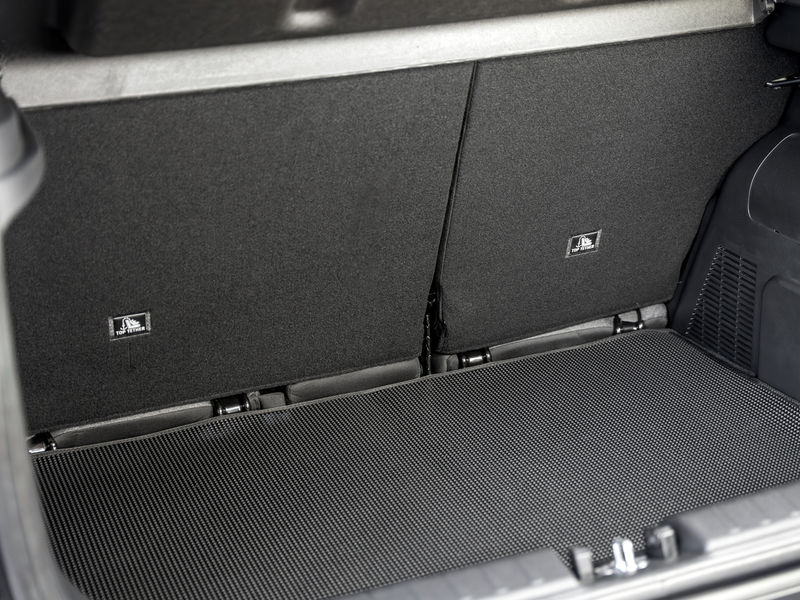
All grades in the local Sonet portfolio except the LS employ a 60:40-split folding rear bench. This adds great flexibility by allowing you to free up extra loading capacity while still retaining passenger-seating options. In contrast, the Sonet LS is saddled with a single-piece rear bench that’s fixed in place. As such, LS variants simply can’t accommodate items that exceed its standard 385-litre luggage capacity.
4. Driver Vanity Mirror
The final piece of missing kit? Well, while the LX and all grades above feature vanity mirrors for both the driver and front passenger, the LS has one for the front passenger only. Hardly a deal breaker, if you ask us…
Kia Sonet LS: Is the Saving Worth it?
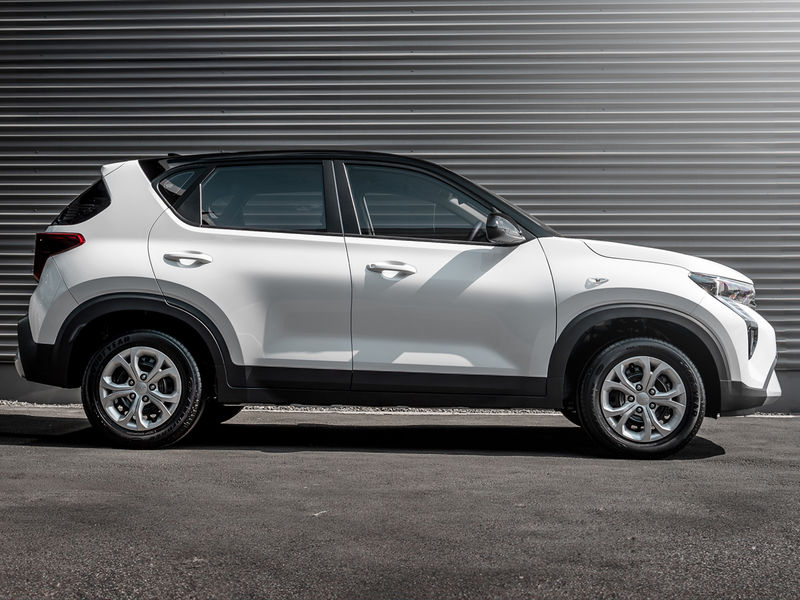
At the time of writing (July 2025), the Sonet 1.5 LS was priced at R299 995 for the manual and R324 995 for the CVT. Upgrading to the equivalent LX derivative would cost you an extra R67 000 in each case. So, should you stick with the basic LS or spring for the LX?
Weighing up the financial saving as well as the missing features outlined above, we’d certainly be tempted by the LS. Why? Well, in our view, the only potentially significant sticking point (depending on your intended usage, of course) is the lack of a 60:40-split rear bench. If you can live without that extra dollop of practicality, the LS will surely make more sense.
Find a used Kia Sonet on Cars.co.za!
Related Content
Kia Sonet (2025) Specs & Price in South Africa
Kia Sonet – Why you should buy it
Reviews