The 2nd-gen Kia Seltos brings a new design language, an overhauled interior and an updated platform. However, under the bonnet, it’s business as usual. Will it continue to distinguish itself in a fiercely contested segment?
It doesn’t feel like all that long ago when Kia introduced the original Seltos to Mzansi. Back then, it was a breath of fresh air – a smartly styled, sensibly packaged compact crossover that quickly established itself as one of the Korean brand’s biggest local success stories.
Where does the Kia Seltos fit in?
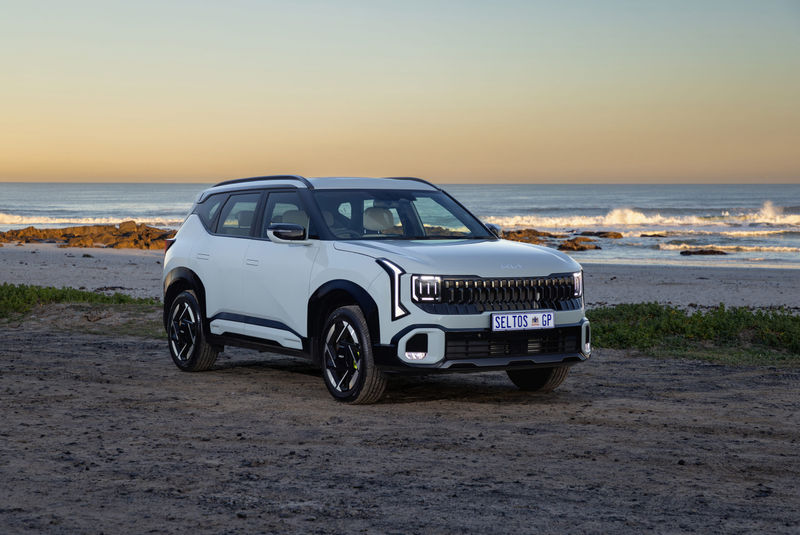
Fast forward to today, and the compact SUV landscape in South Africa is arguably the most fiercely contested slice of the motoring pie. With legacy players fighting for position and an aggressive wave of new arrivals keeping everyone on their toes, standing still simply isn’t an option.
Enter the 2nd-generation Kia Seltos. Kia South Africa recently invited local motoring media out to sample the newcomer. Here are our thoughts.
Read more: Kia Seltos (2026) Price & Specs
How the Kia Seltos fares in terms of…
Design & Packaging
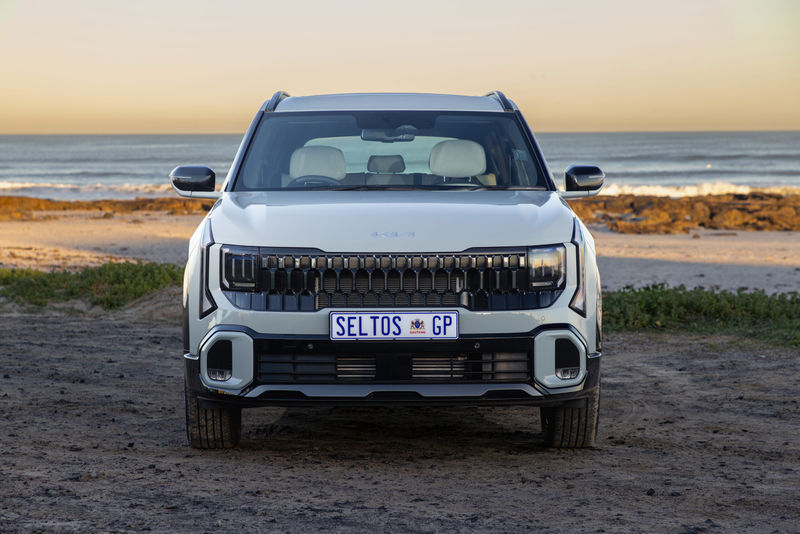
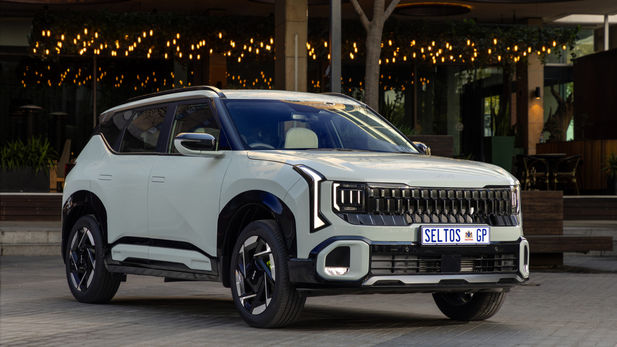
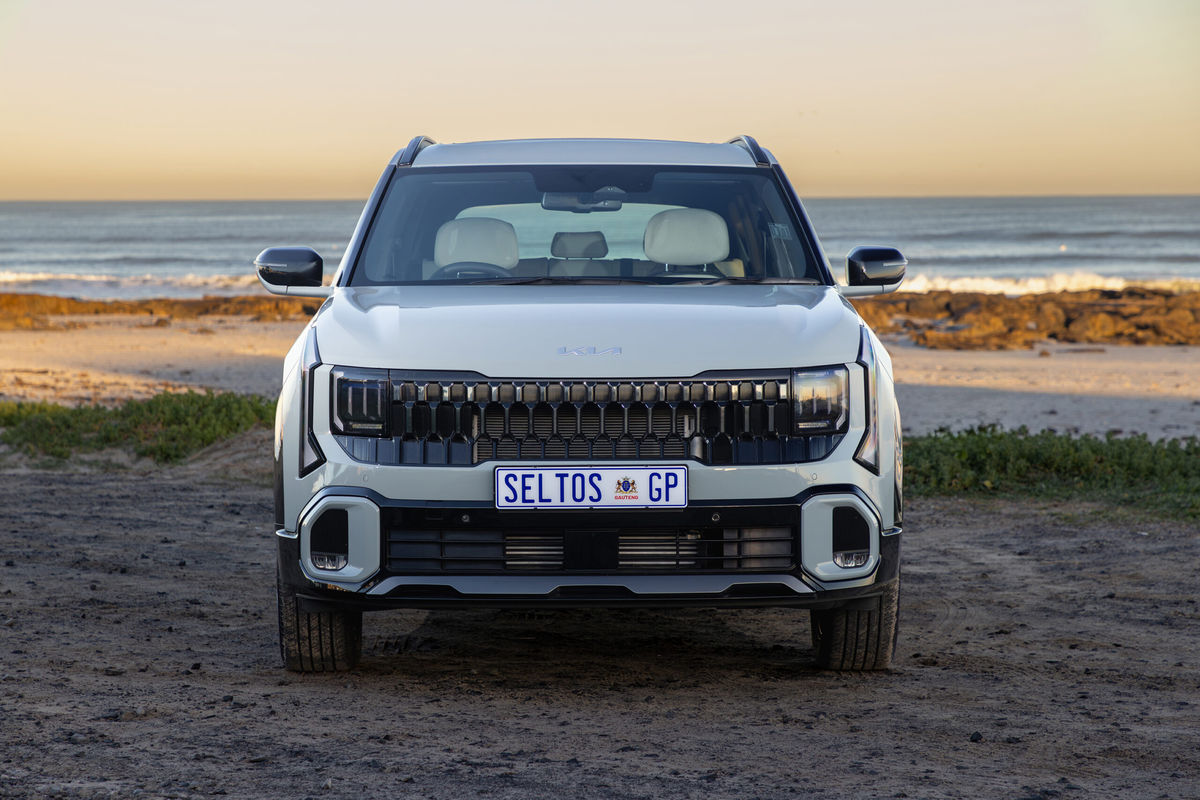
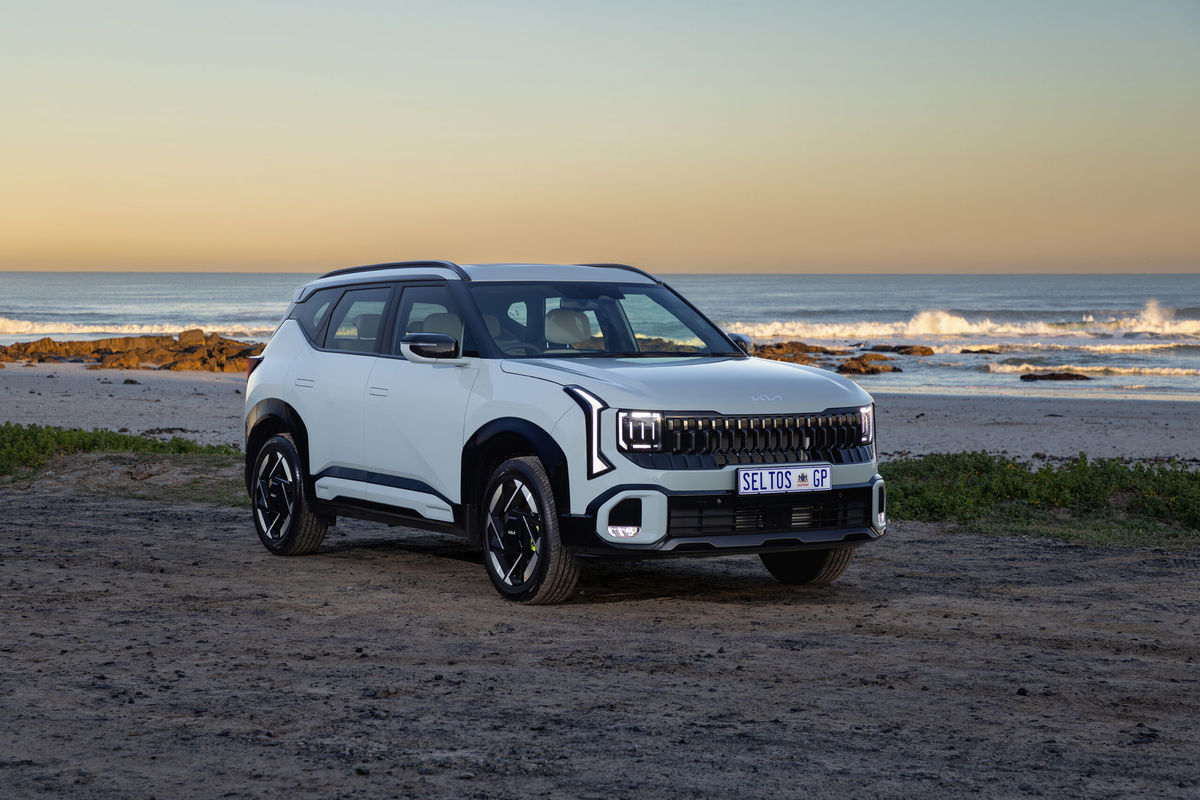
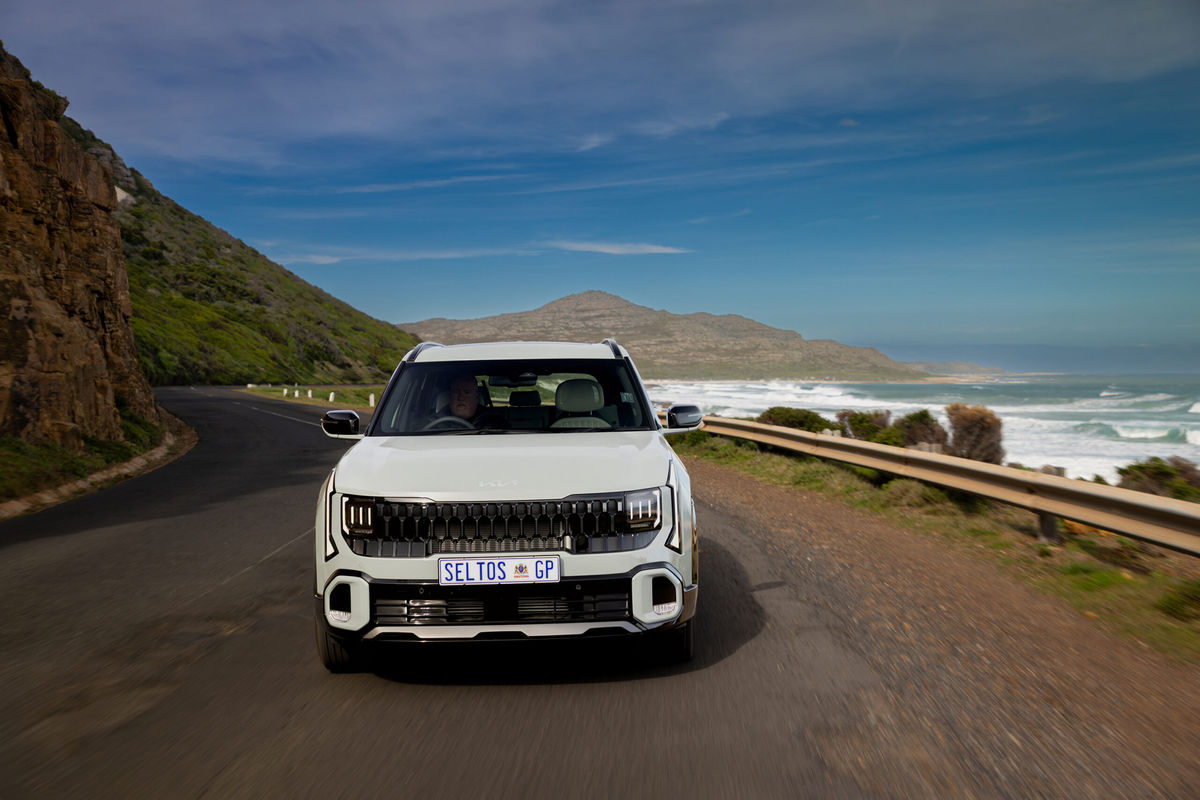
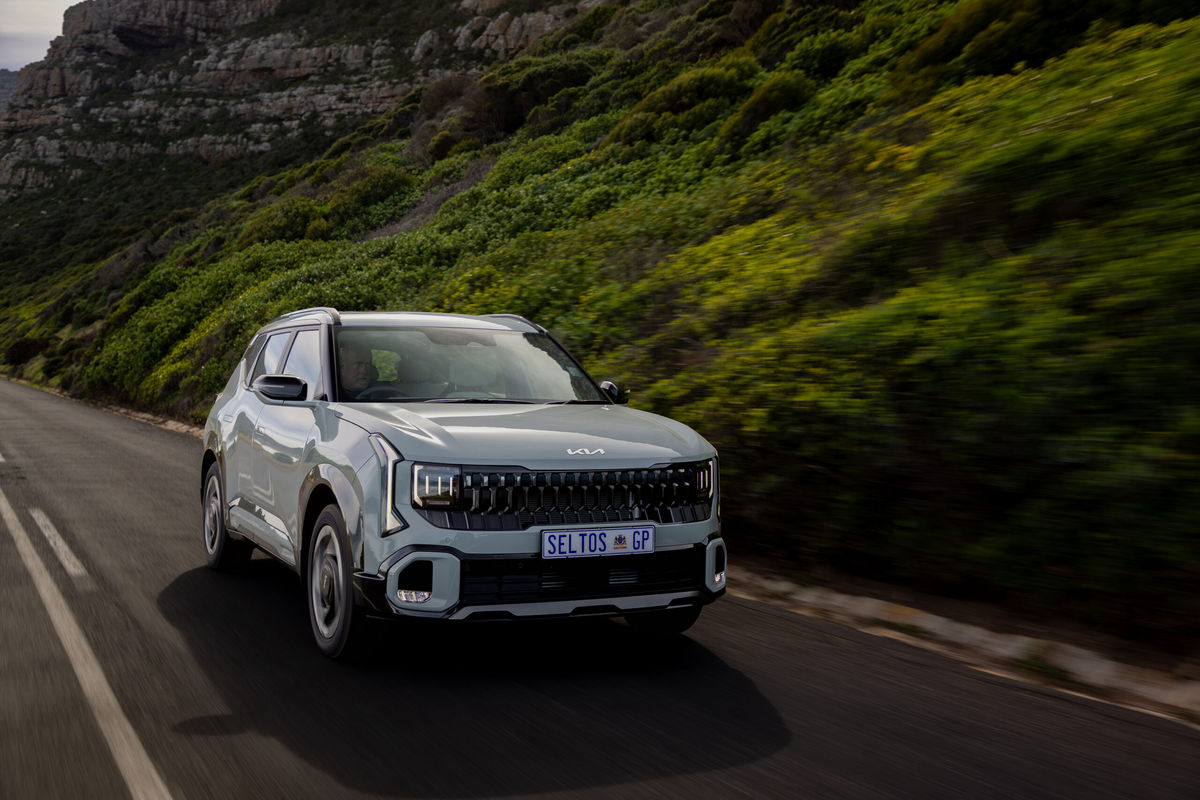
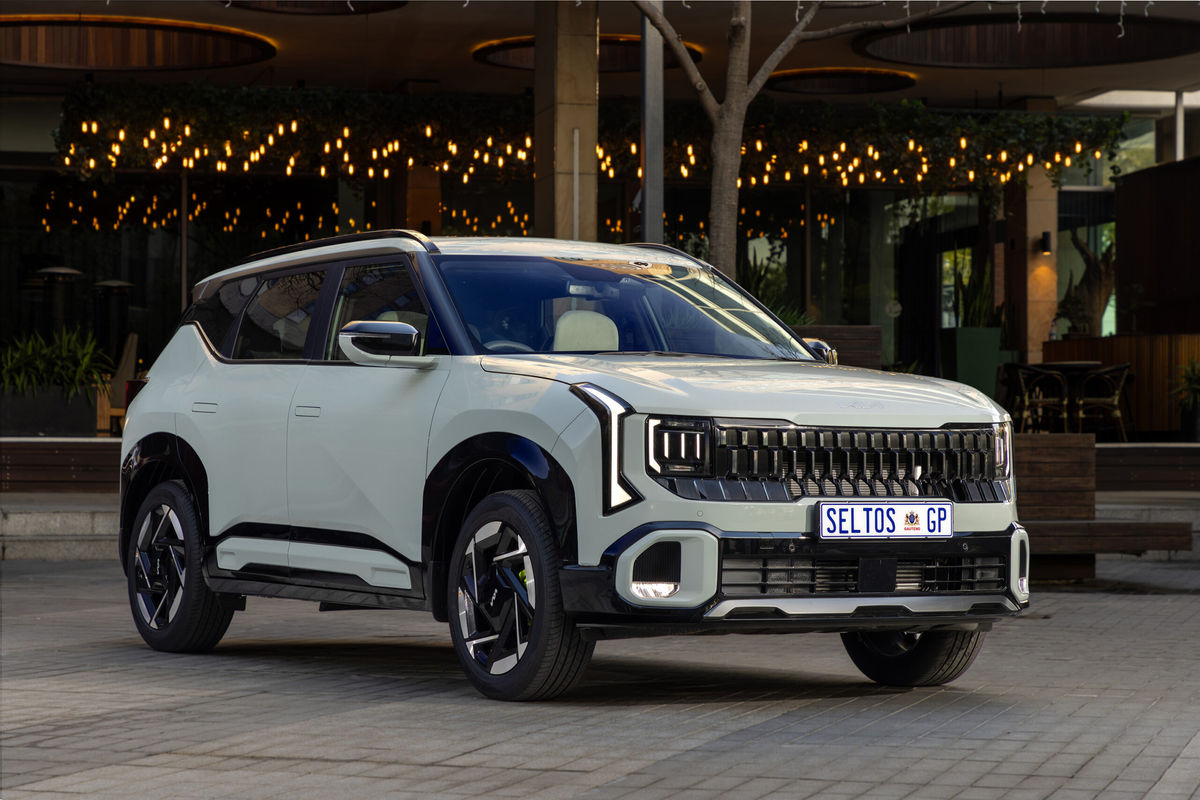
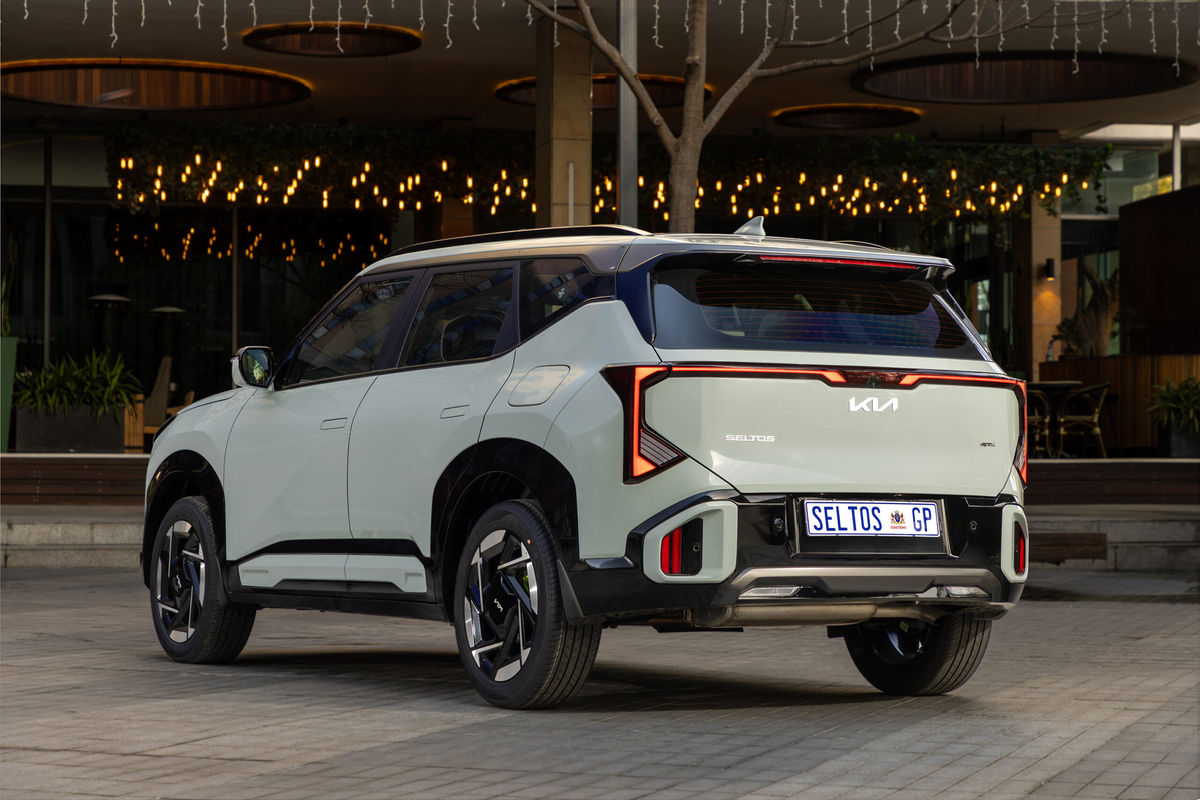
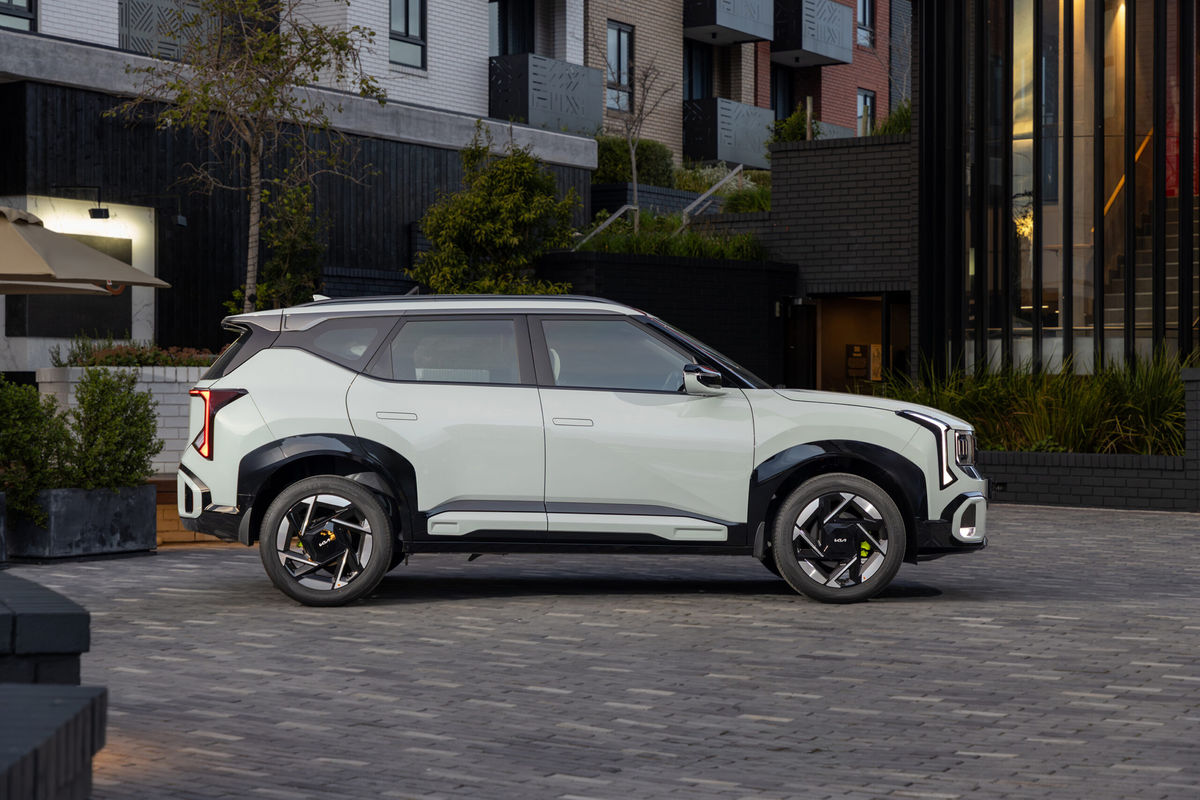
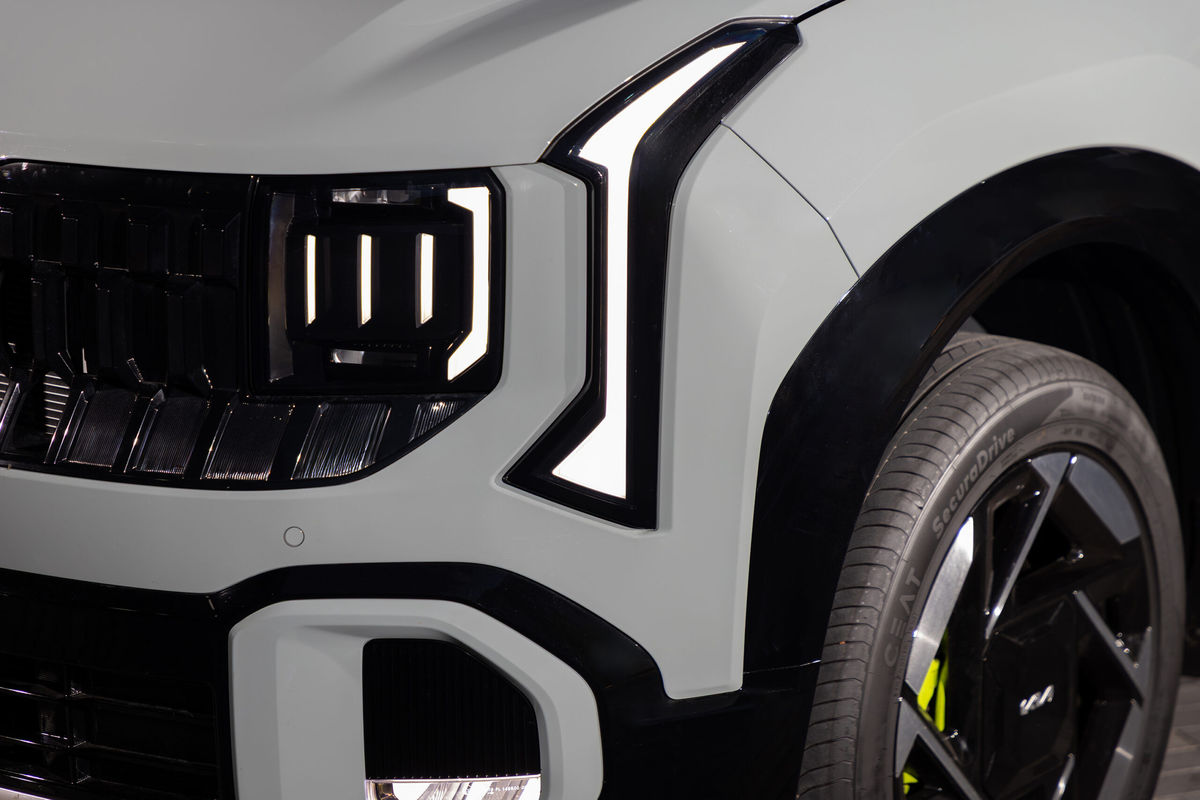
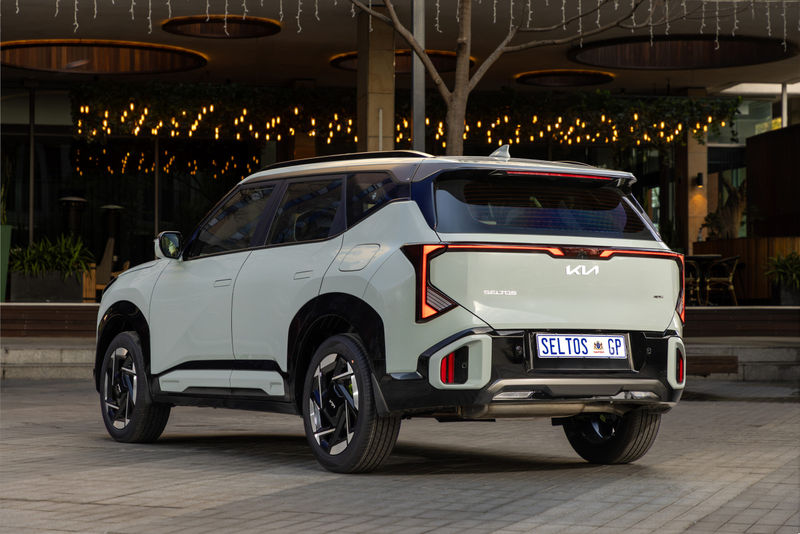
The original Seltos was certainly no wallflower, but Kia’s design team has dialed up the visual presence significantly for this all-new iteration. Under Kia’s overarching “Opposites United” design approach, the new Seltos sports a much sharper, blockier profile that makes it look broader and distinctly more purposeful on the road.
Read more: Kia Seltos (2024) Review
Up front, the signature “Star Map” LED lighting cluster immediately catches your eye, complete with a neat animated welcome lighting sequence as you approach with the key.
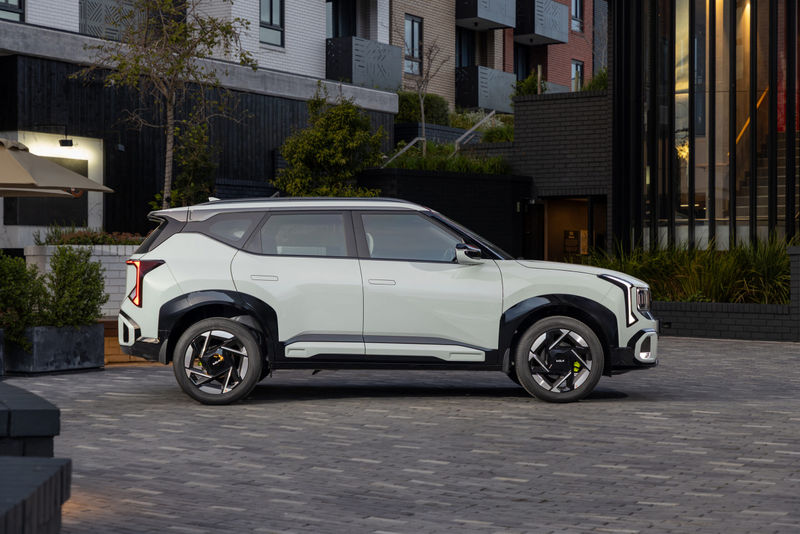
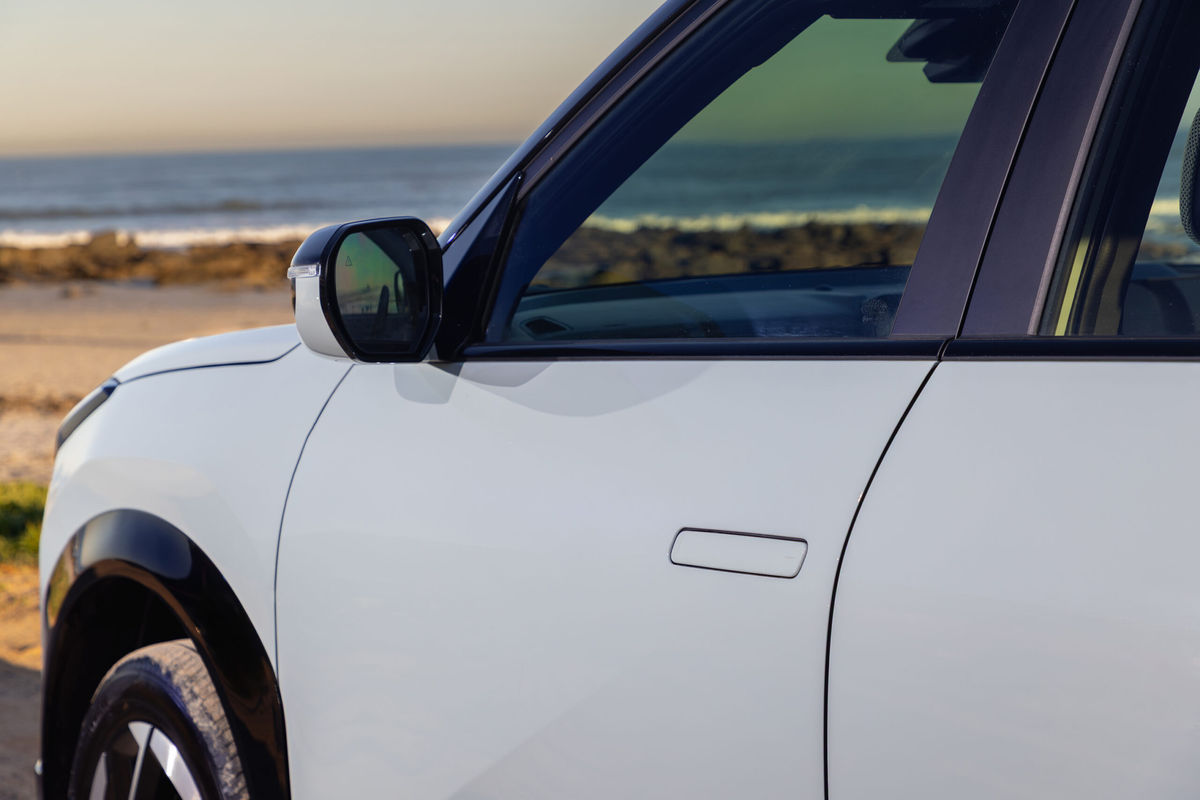
Along the sides, flush-fitting door handles clean up the body lines while aiding aerodynamic efficiency, and a floating roof design paired with a strong shoulder line gives it a crisp silhouette.
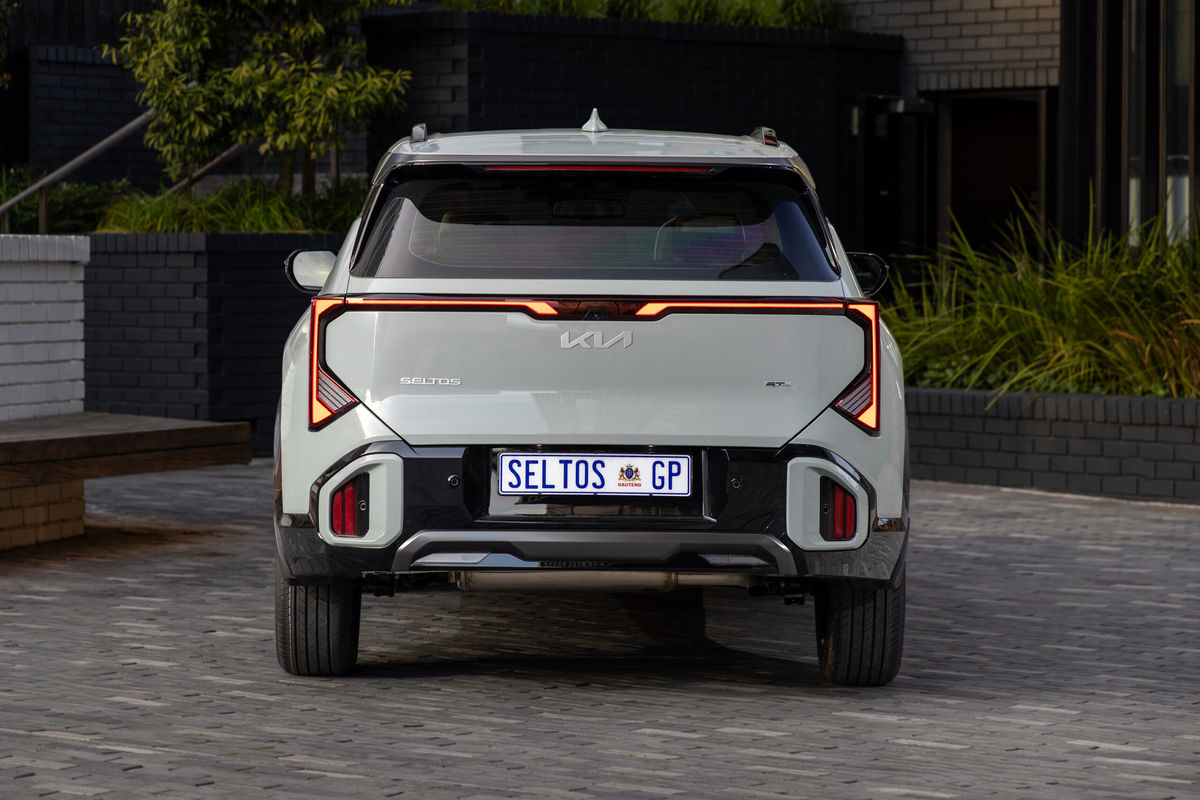
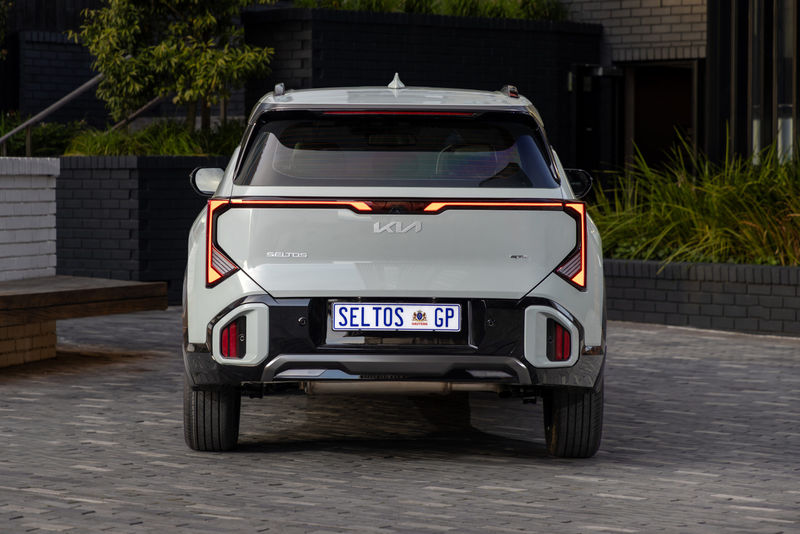
At the rear, full-width vertical LED light bars stretch across the tailgate, giving the Seltos a stance that wouldn’t look out of place on a much larger, more expensive vehicle.
For buyers wanting something extra distinct, the range-topping X-Line derivative features an exclusive matte Dark Gun Metal Grey paint finish paired with full black alloy wheels. From the outside at least, Kia has ensured the new model looks every bit worth its asking price.
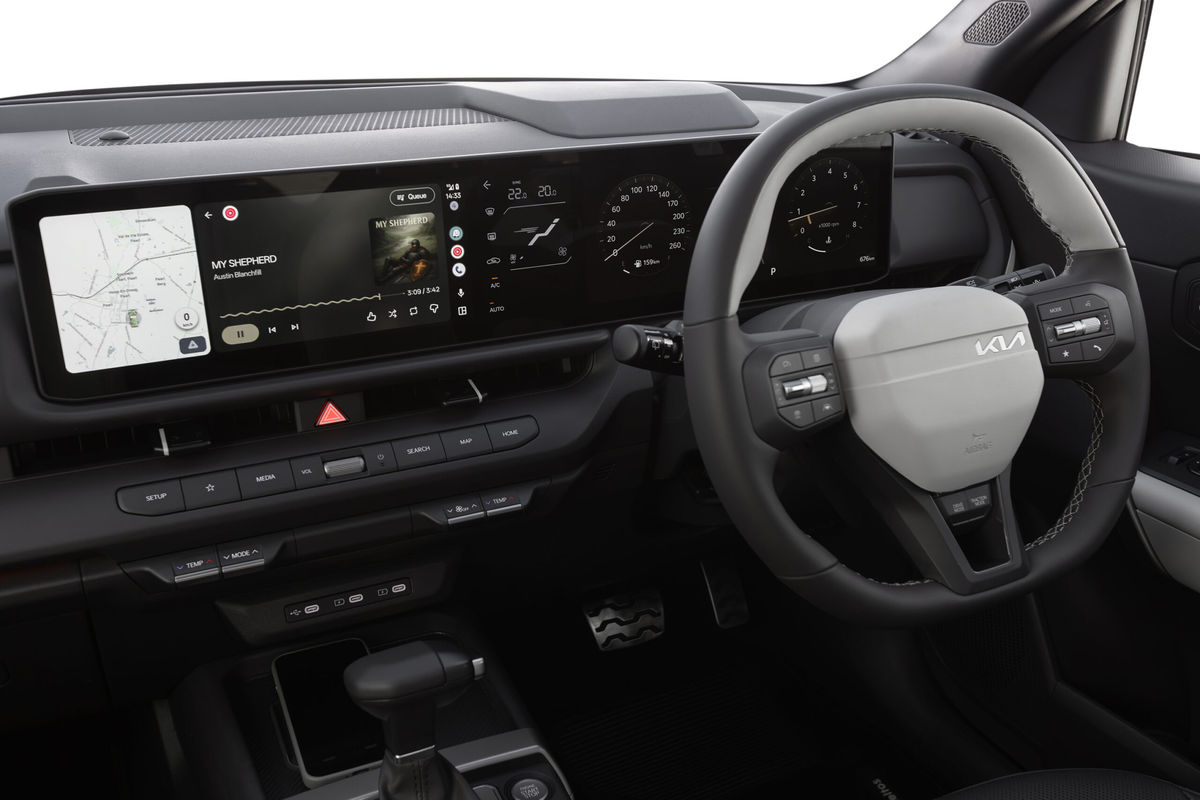
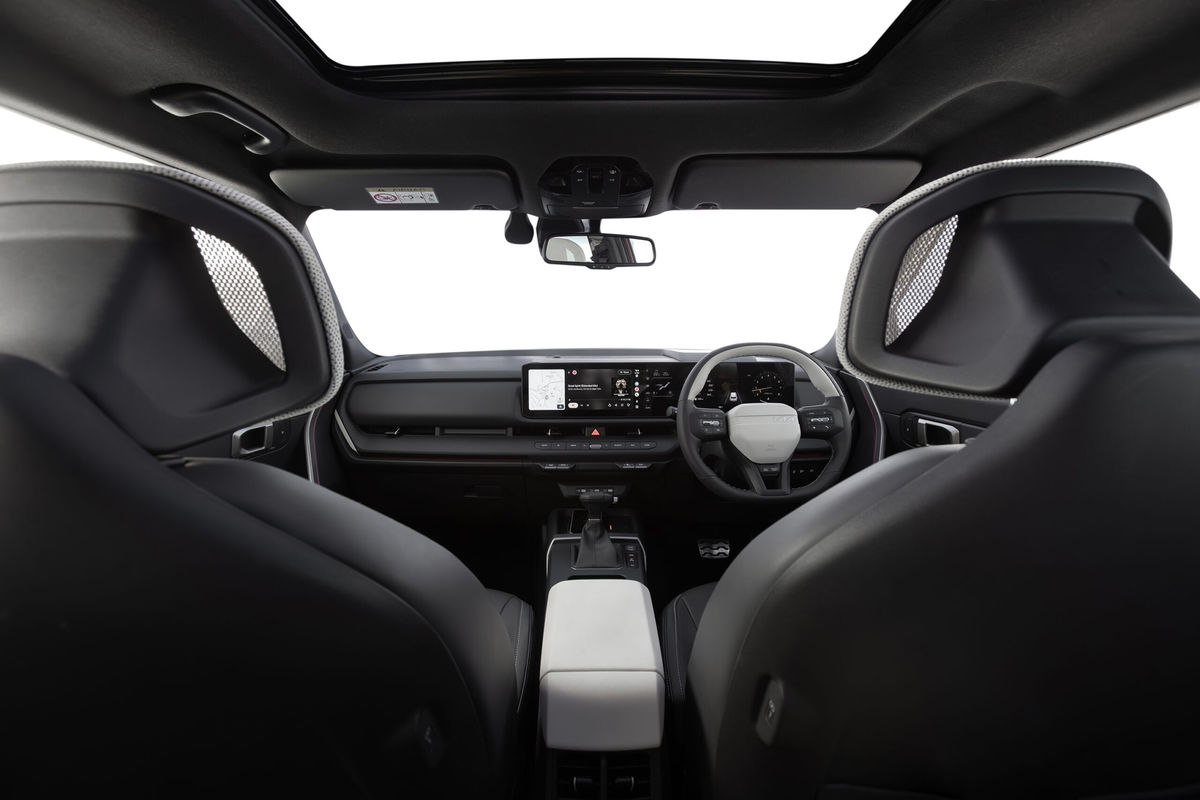
Climbing inside, the cabin represents a notable step forward in terms of layout and general ergonomics. Kia has reworked the dashboard around a low, horizontal plane, which does a great job of opening up forward visibility.
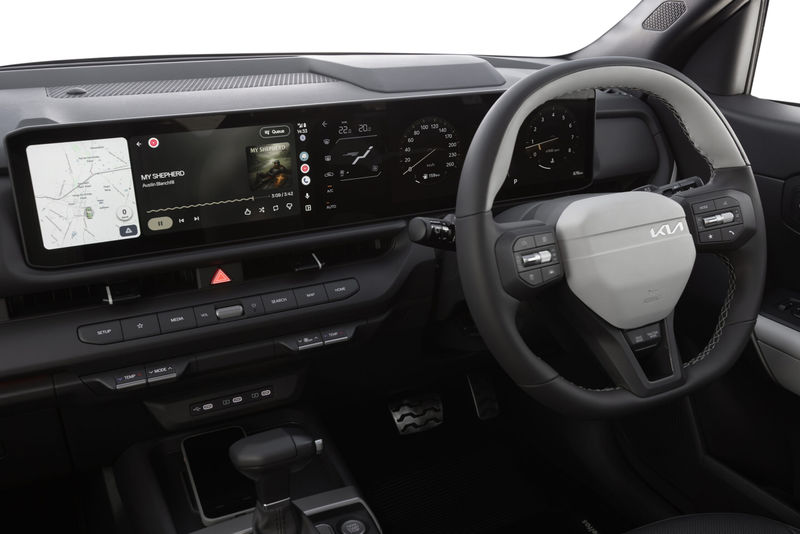
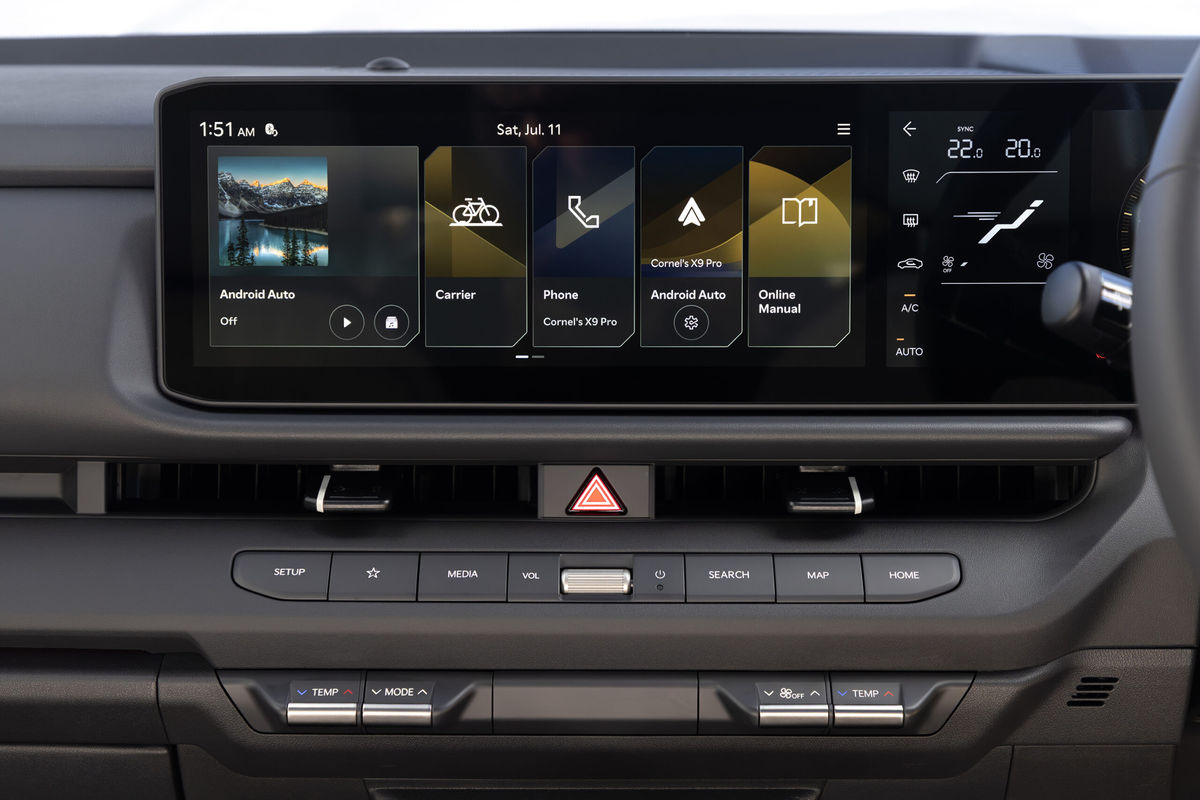
Depending on which derivative you choose, the tech setup scales accordingly. Base LS models make do with a 10.25-inch infotainment touchscreen, but step up to the LX grade and above, and you get a larger 12.3-inch display. If you opt for the top-tier GT-Line S or X-Line models, that display is seamlessly paired with a 12-inch digital TFT instrument cluster to create a striking panoramic twin-screen layout across the dash.
Material quality feels solid throughout, with crisp graphics and intuitive controls. Thankfully, Kia hasn’t buried every single function into screen sub-menus; essential climate controls are still kept within easy reach.
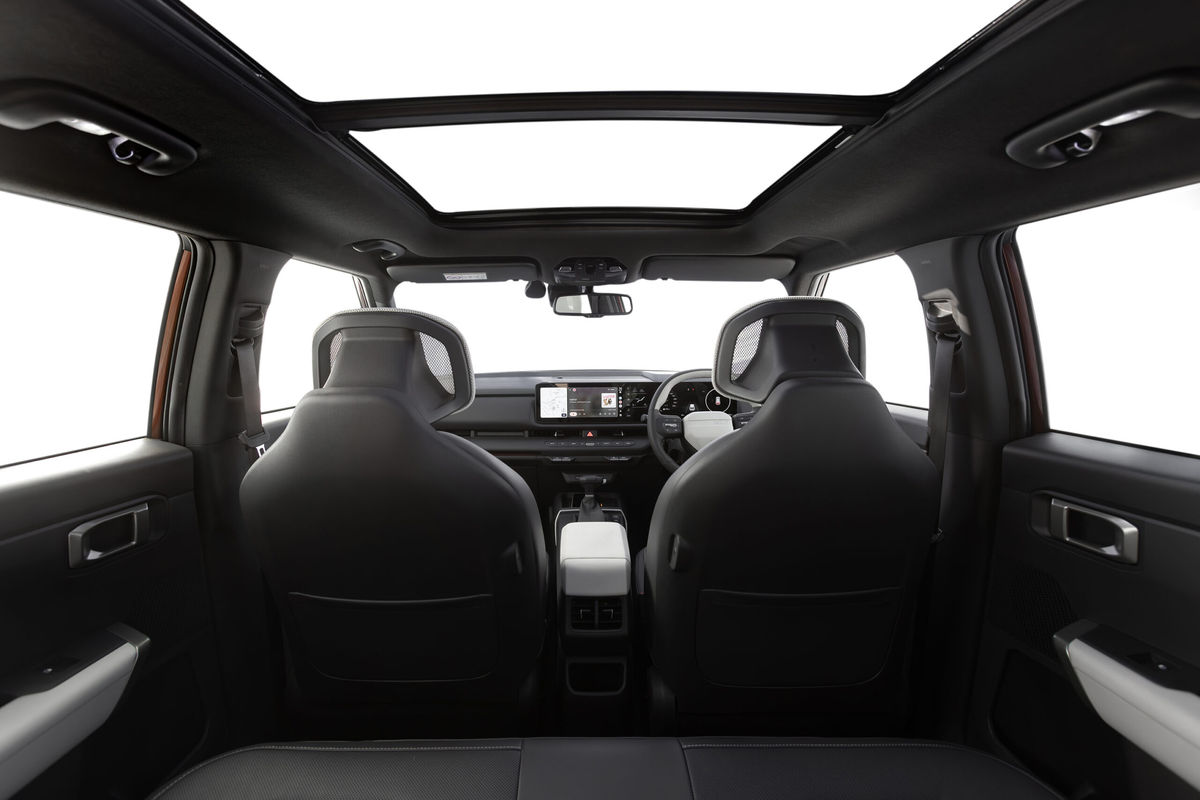
Rear legroom is surprisingly generous, easily accommodating adults, while the boot offers a useful 447 litres of load space with a dual-level cargo floor that adds welcome practical versatility for weekend getaways. And importantly for South African motorists, all Seltos variants are fitted with a full-size spare wheel, under the boot floor, for easy access.
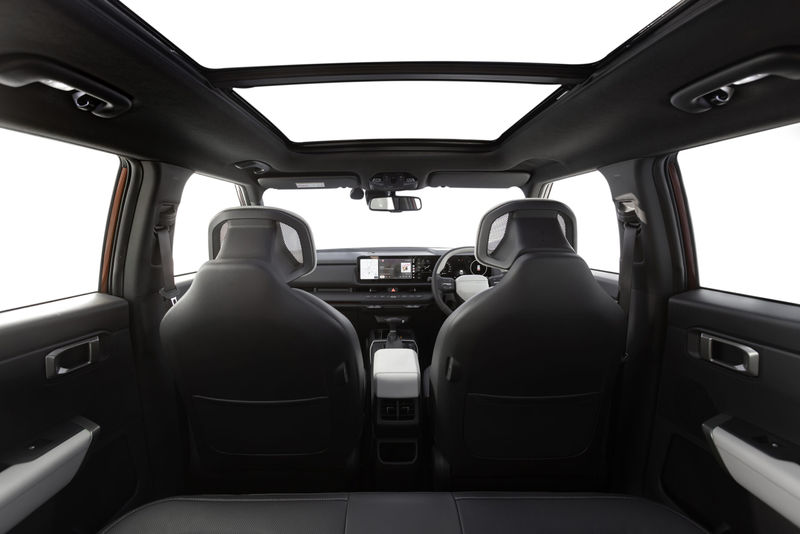
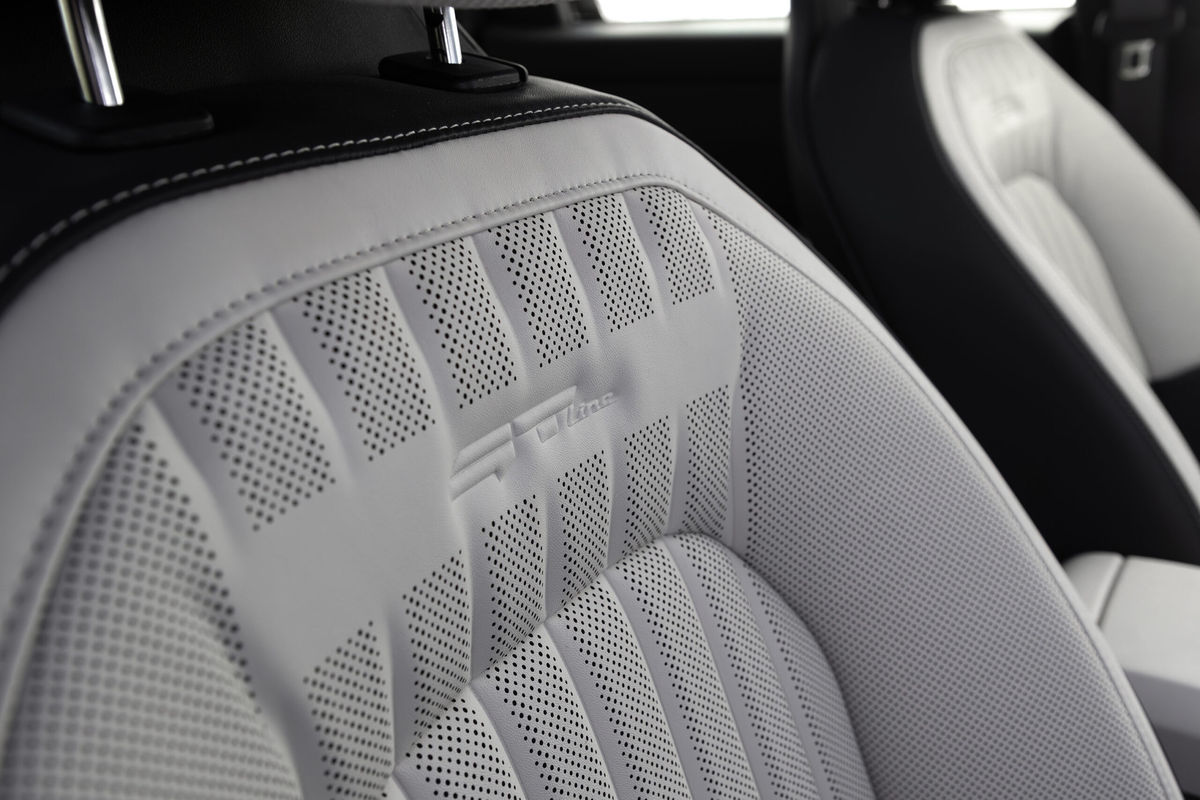
GT-Line models and above feature a panoramic sunroof and customisable 64-colour ambient lighting that elevate the cabin atmosphere nicely once the sun goes down. Higher-end models also add ventilated front seats and a power-adjustable driver’s seat with lumbar support, which made settling in for our launch route a breeze.
Safety equipment is comprehensive across the range, with 6 airbags, electronic stability control, and a rear-view camera standard on all models. GT-Line S and X-Line derivatives pack a full ADAS safety suite, including Blind-Spot Collision-Avoidance, Lane Keeping Assist, and Smart Cruise Control with Stop & Go functionality.
Ride, Handling & Comfort
Underneath the fresh skin sits Kia‘s latest K3 platform, which brings a welcome bump in structural rigidity and overall refinement. Ground clearance is rated at a healthy 200 mm, giving you plenty of confidence when tackling speed humps or rutted gravel roads.
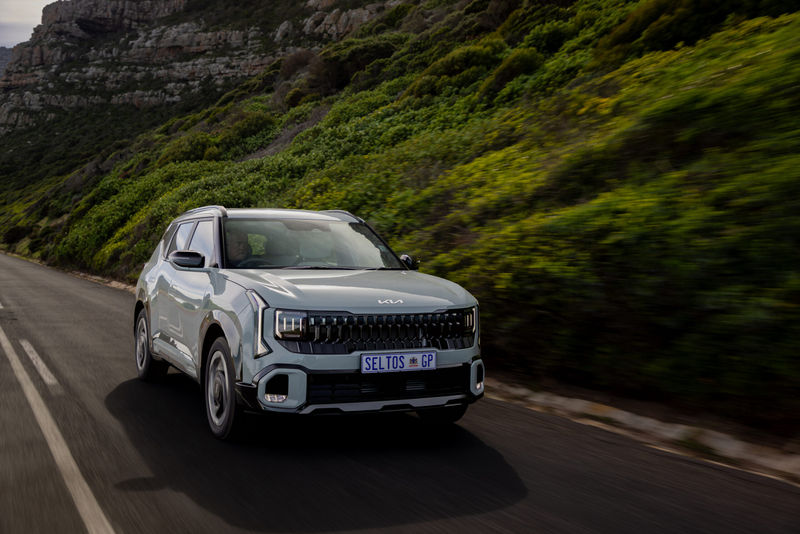
During our time on the launch route, the underlying chassis proved impressive. The suspension setup (MacPherson struts at the front and a basic torsion beam at the rear) strikes a comfortable, composed balance over road imperfections while keeping body roll well contained in the bends. Road and wind noise levels are also noticeably lower than before.
Performance & Efficiency
Locally, Kia offers three engine choices across five trim levels: (LS, LX, GT-Line, GT-Line S, and X-Line):
- 1.5-litre naturally aspirated petrol (85 kW/144 Nm): 6-speed manual or a CVT.
- 1.5-litre CRDi turbodiesel (85 kW/250 Nm): 6-speed automatic.
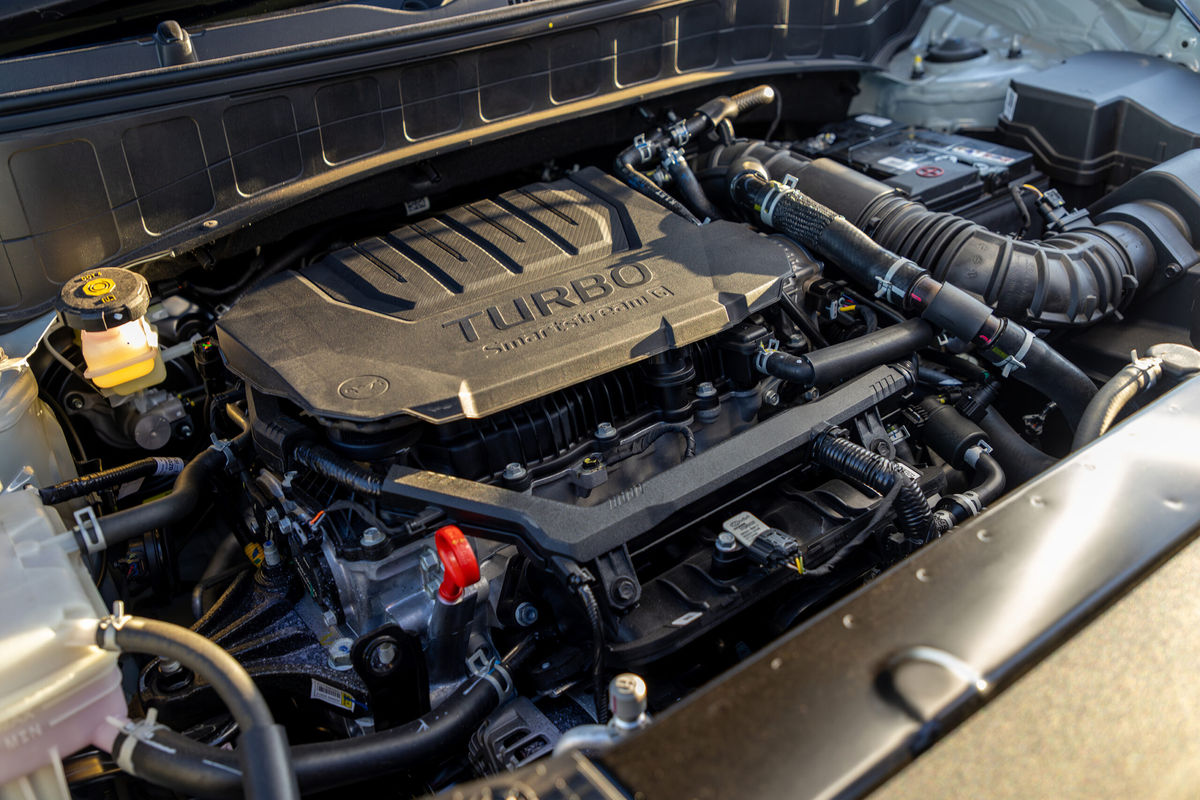
- 1.5-litre T-GDi turbopetrol (119 kW/253 Nm): dual-clutch transmission (DCT).
If you reside at sea level, the entry 1.5-litre naturally aspirated petrol engine provides honest, workmanlike performance for routine daily commuting. However, as I often remind buyers on the Highveld, non-turbocharged engines lose roughly 17% of their power due to thinner air at altitude. Up in Gauteng, when fully loaded with family and luggage, that 85 kW unit will likely require a firm right foot when executing overtaking manoeuvres or climbing inclines.
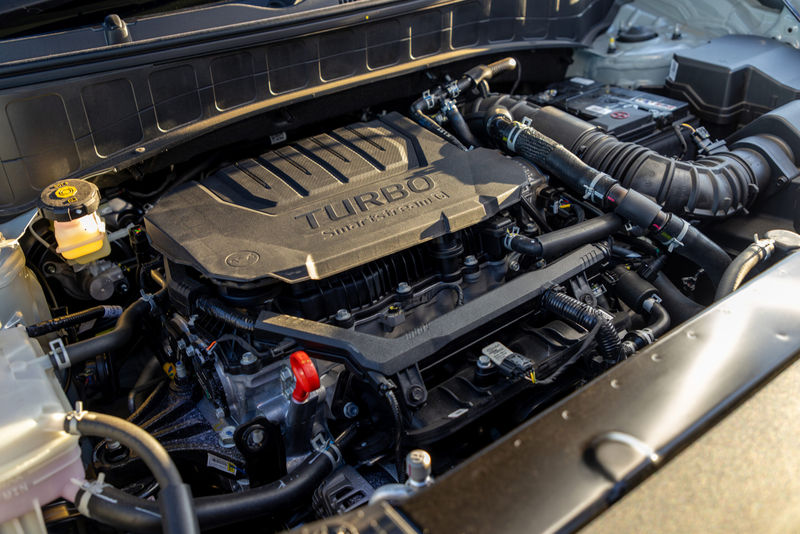
For those doing frequent open-road cruising or living up north, the 1.5-litre turbodiesel is an absolute standout. With 250 Nm of low-end torque mated to a smooth 6-speed automatic, it effortlessly handles overtaking manoeuvres while delivering impressive long-distance fuel economy.
If you prefer maximum punch, the flagship 1.5 T-GDi with 119 kW brings genuine eagerness to the party, though it carries a steeper price tag.
Kia Seltos Price & Aftersales support
All models include Kia‘s 5-year/unlimited kilometre warranty, but a sub-standard 3-year/45 000 km service plan. The outgoing model offered a 5-year/90 000 km plan (although, to be fair, retail pricing is lower on most models in the 2nd generation, and the service plan can be extended).
| Kia Seltos 1.5 LS Manual | R389 995 |
| Kia Seltos 1.5 LS CVT | R414 995 |
| Kia Seltos 1.5 LX CVT | R464 995 |
| Kia Seltos 1.5 GT-Line CVT | R514 995 |
| Kia Seltos 1.5 CRDi GT-Line 6AT | R544 995 |
| Kia Seltos 1.5 T-GDi GT-Line S DCT | R614 995 |
| Kia Seltos 1.5 CRDi X-Line 6AT | R614 995 |
Verdict
The second-generation Kia Seltos arrives with a significantly stronger argument than the car it replaces. It blends eye-catching kerb appeal, modern digital tech and genuine cabin practicality in a package that feels thoroughly up to date.
While the entry-level 1.5-litre petrol derivatives make sense as well-equipped budget commuters, the sweet spot in the line-up is the 1.5 CRDi GT-Line. Offering effortless low-down torque, frugality, and a generous feature count, it makes a compelling case against both established rivals and the growing influx of new crossover competitors in Mzansi.
With a combination of keen pricing and high spec levels, as well as a rare (for this segment especially) and coveted diesel option, Kia has raised the bar for its compact SUV, and I’m confident that it is destined to remain a heavyweight contender on South African roads.
Want to purchase a new or used Kia? Browse vehicles for sale
Frequently Asked Questions
What engine options are available for the Kia Seltos in South Africa?
How much does the Kia Seltos cost in South Africa?
- 1.5 LS Manual: R389 995
- 1.5 LS CVT: R414 995
- 1.5 LX CVT: R464 995
- 1.5 GT-Line CVT: R514 995
- 1.5 CRDi GT-Line Auto: R544 995
- 1.5 T-GDi GT-Line S DCT / 1.5 CRDi X-Line: R614 995