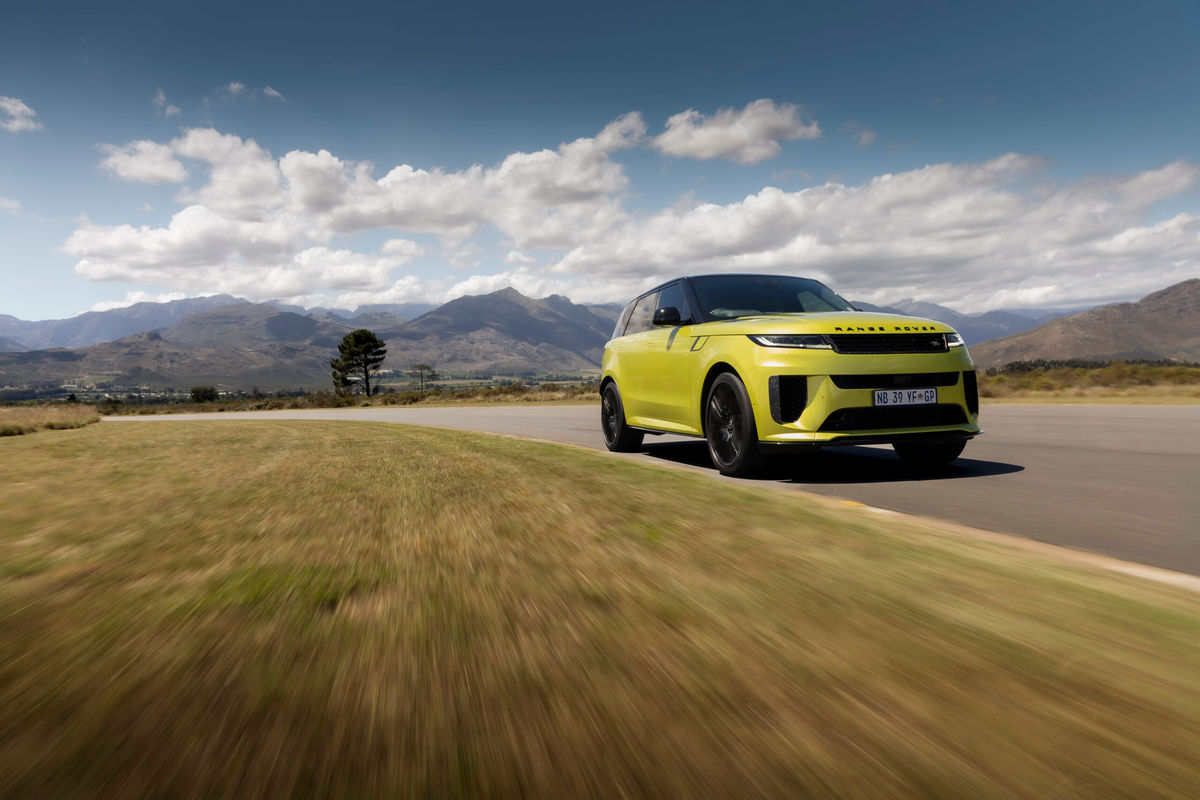
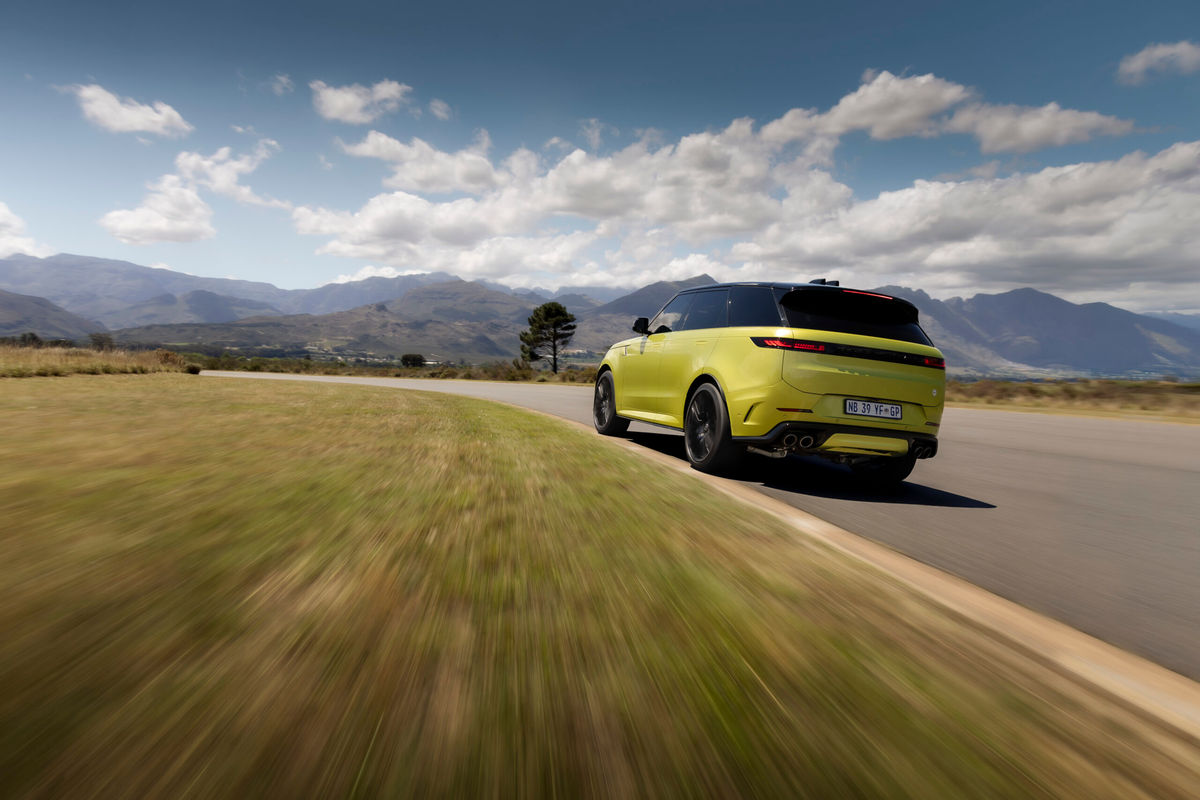
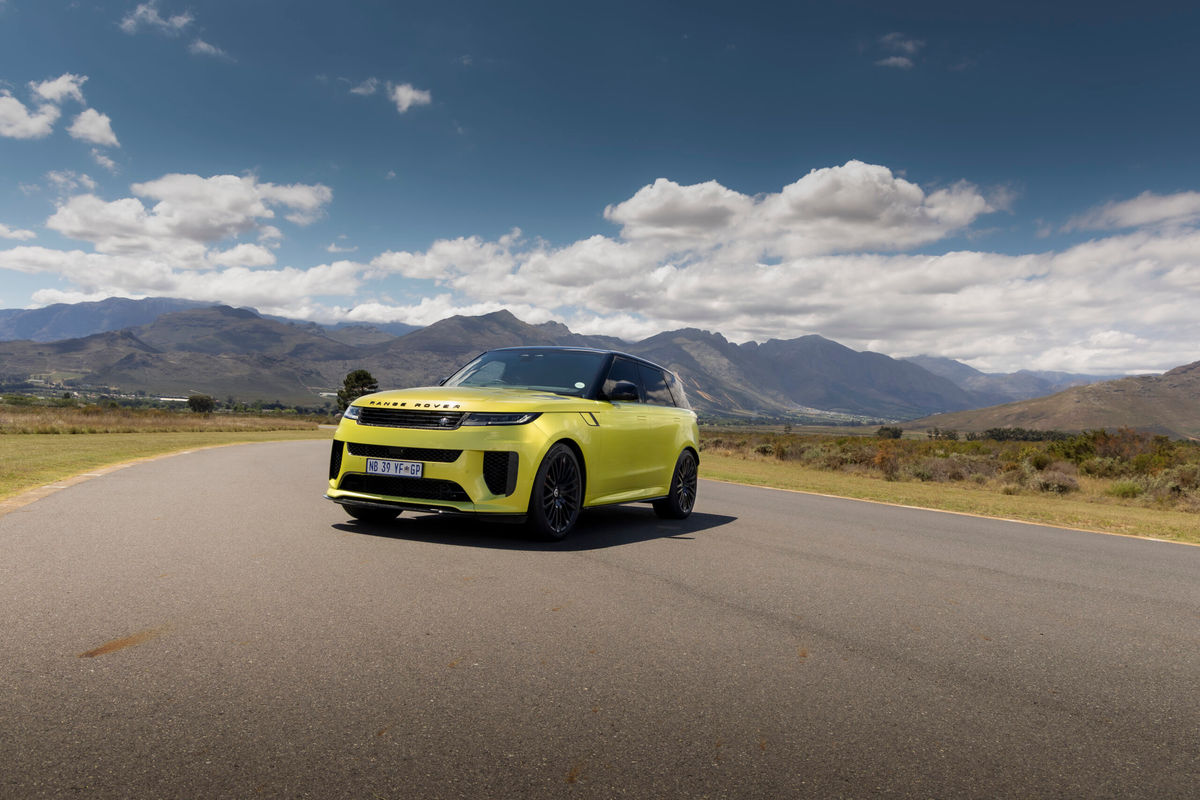
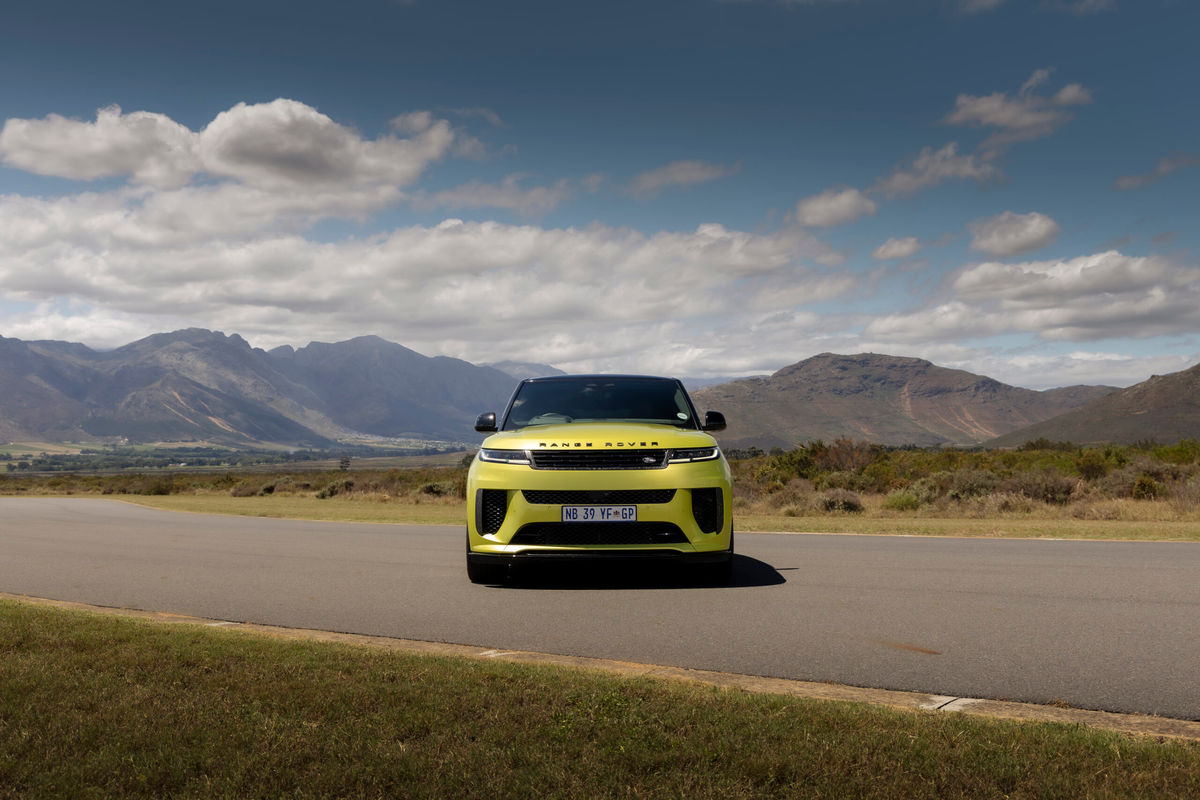
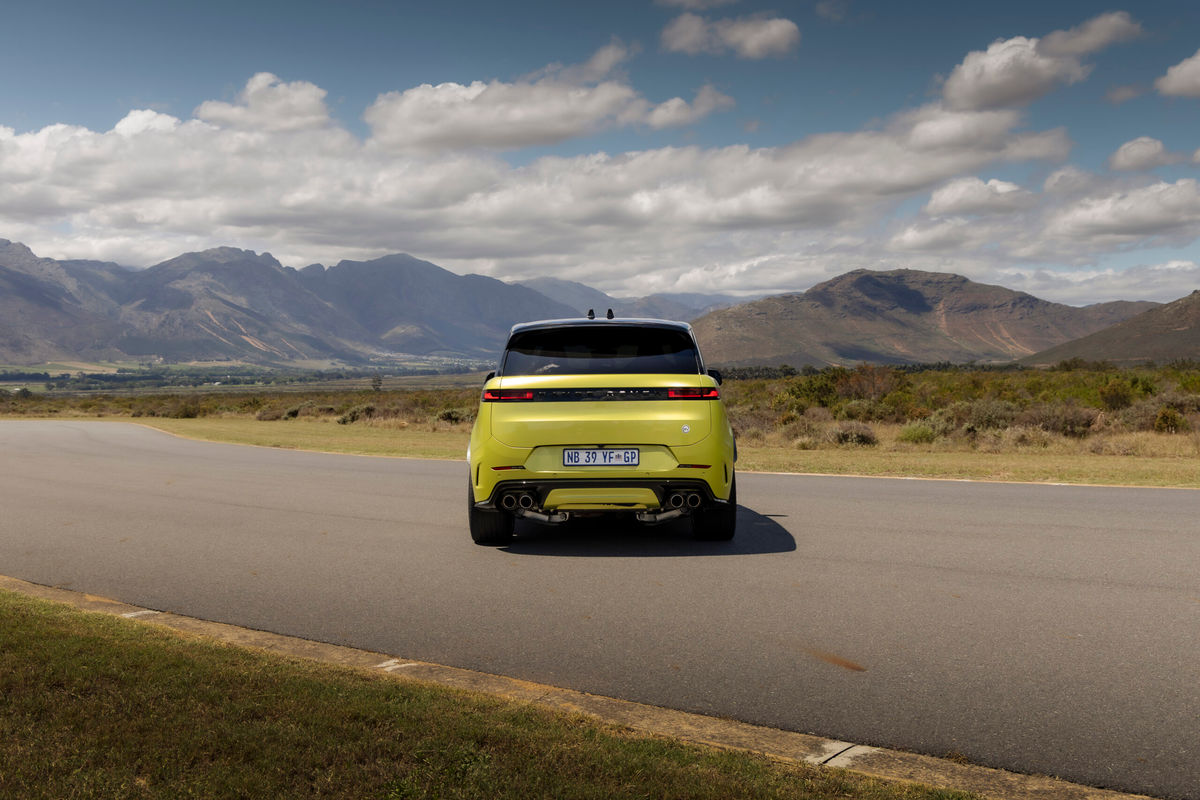
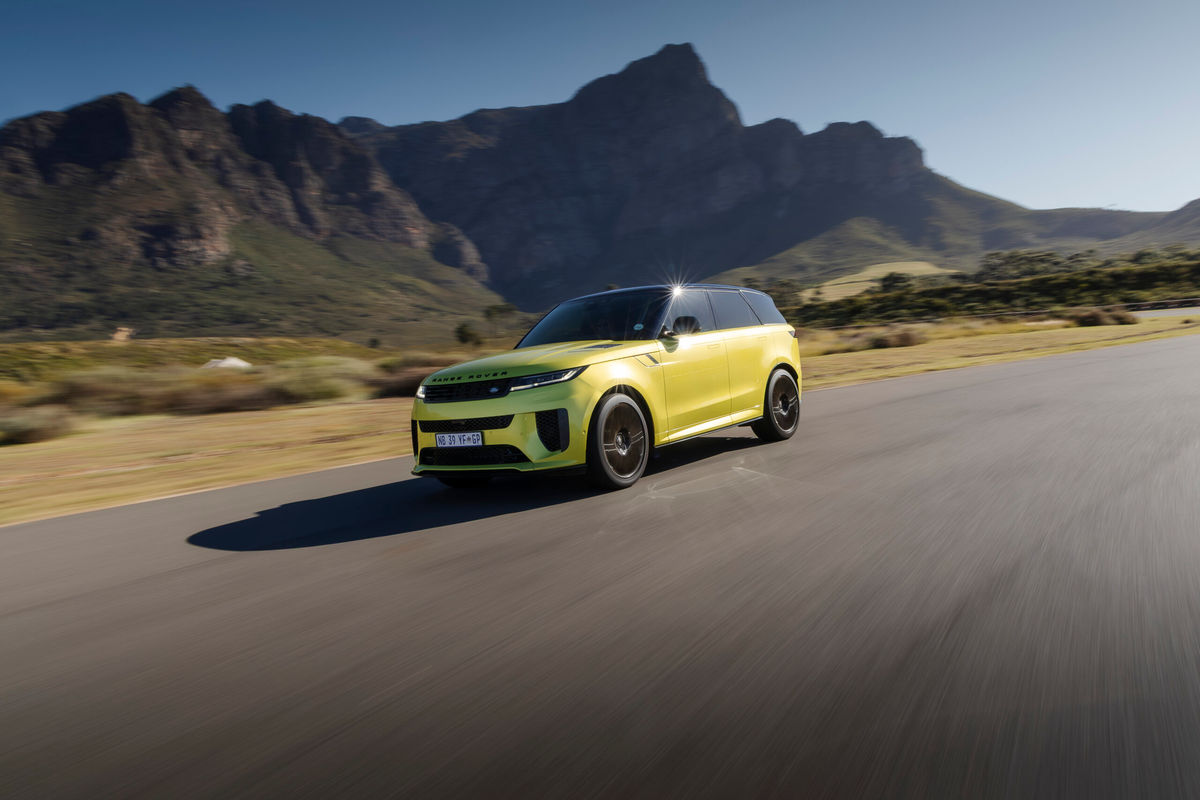
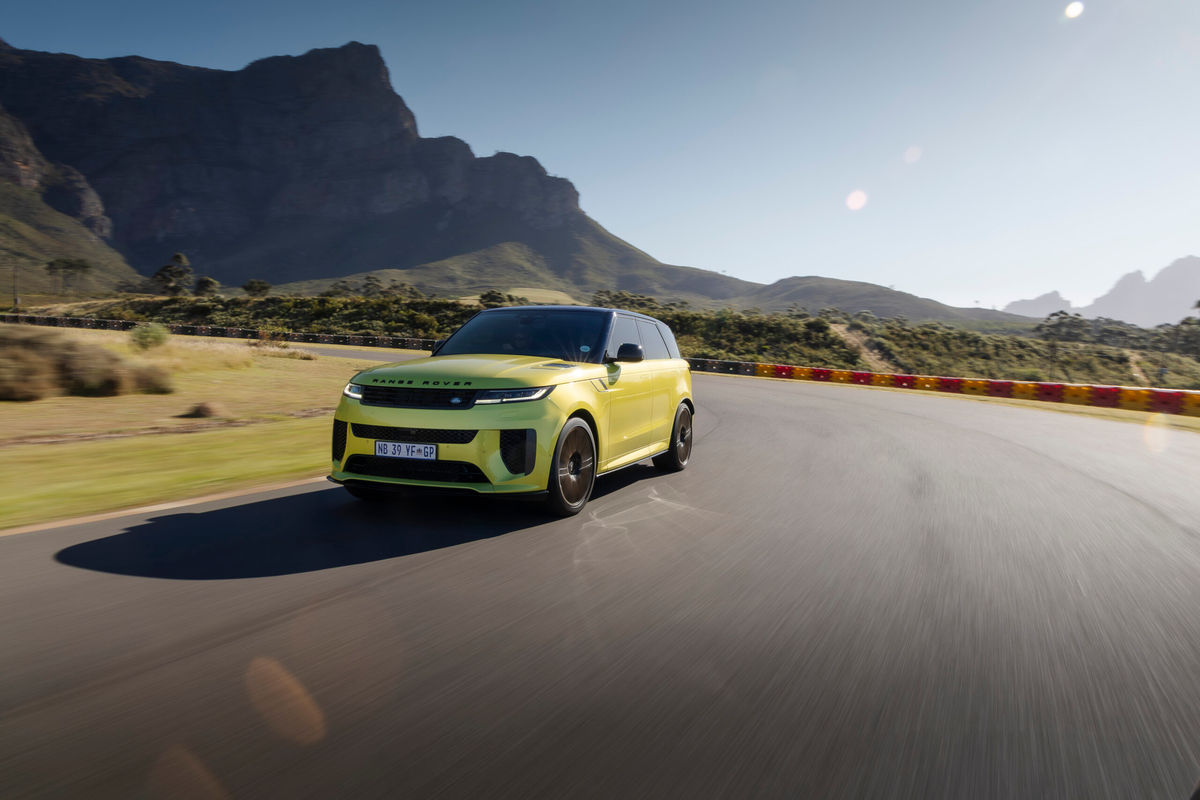
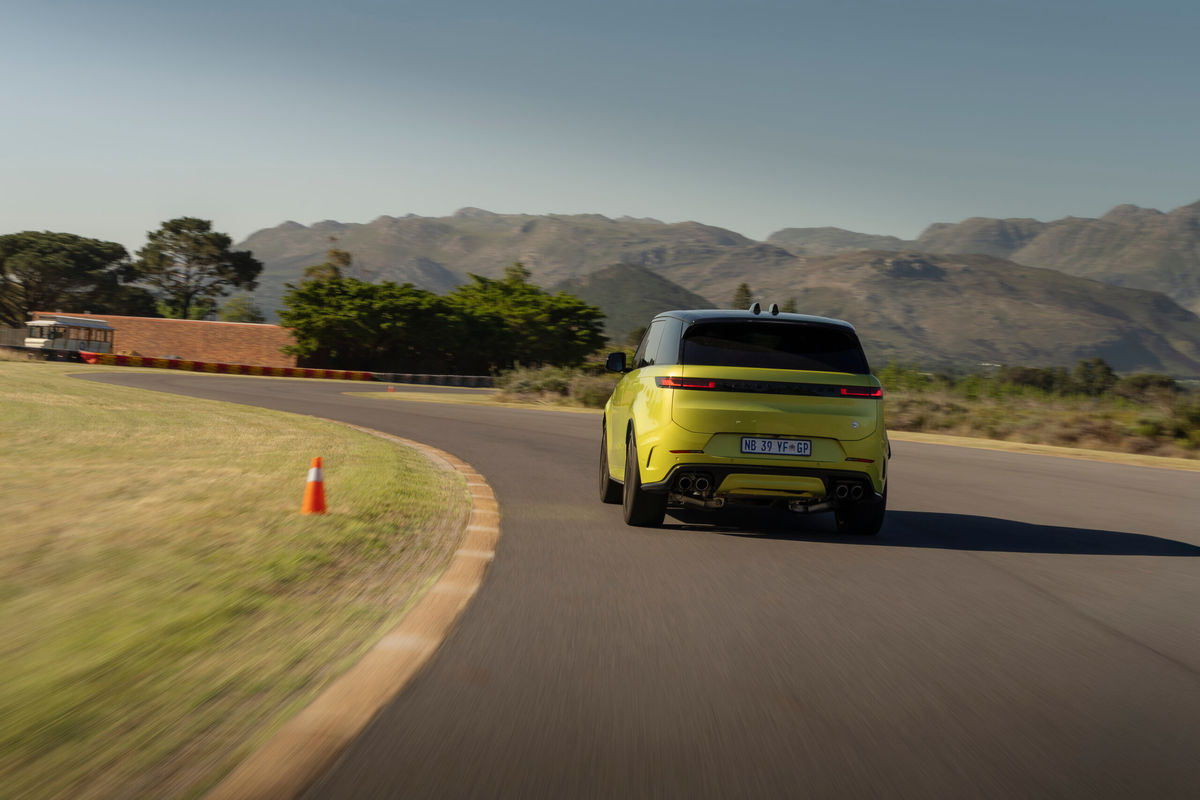
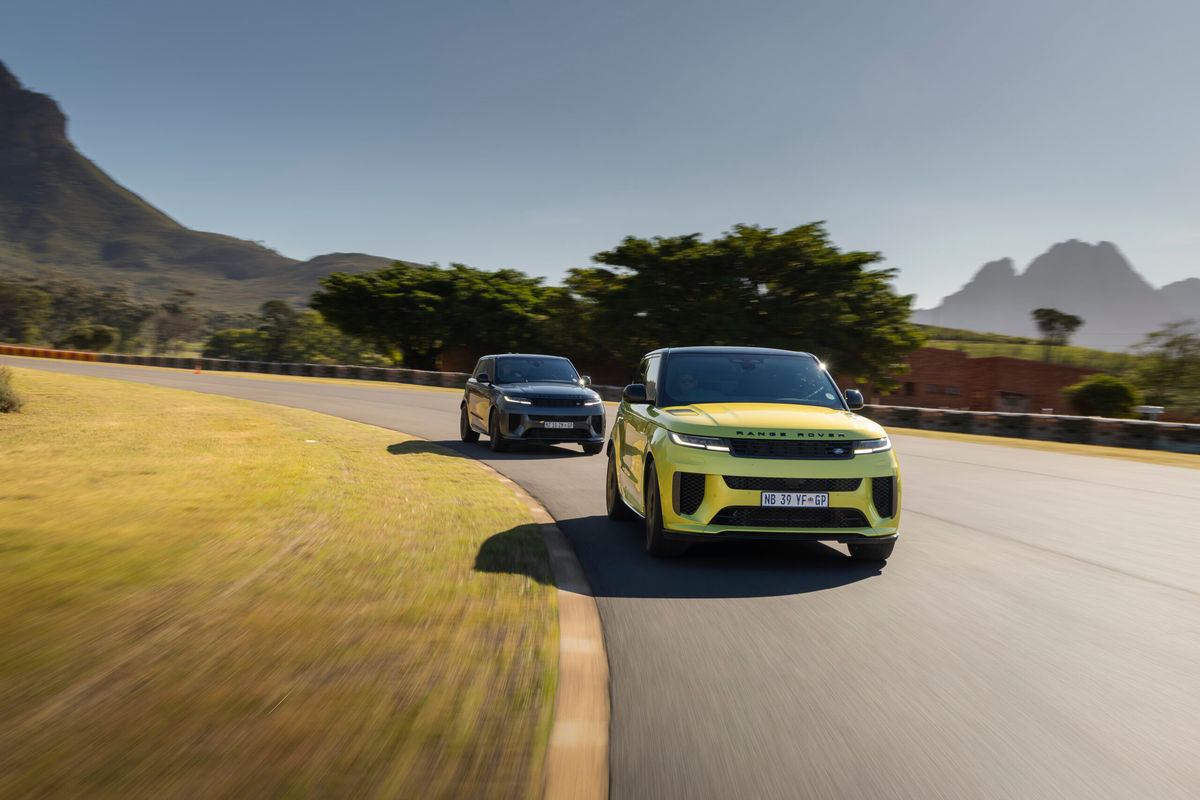
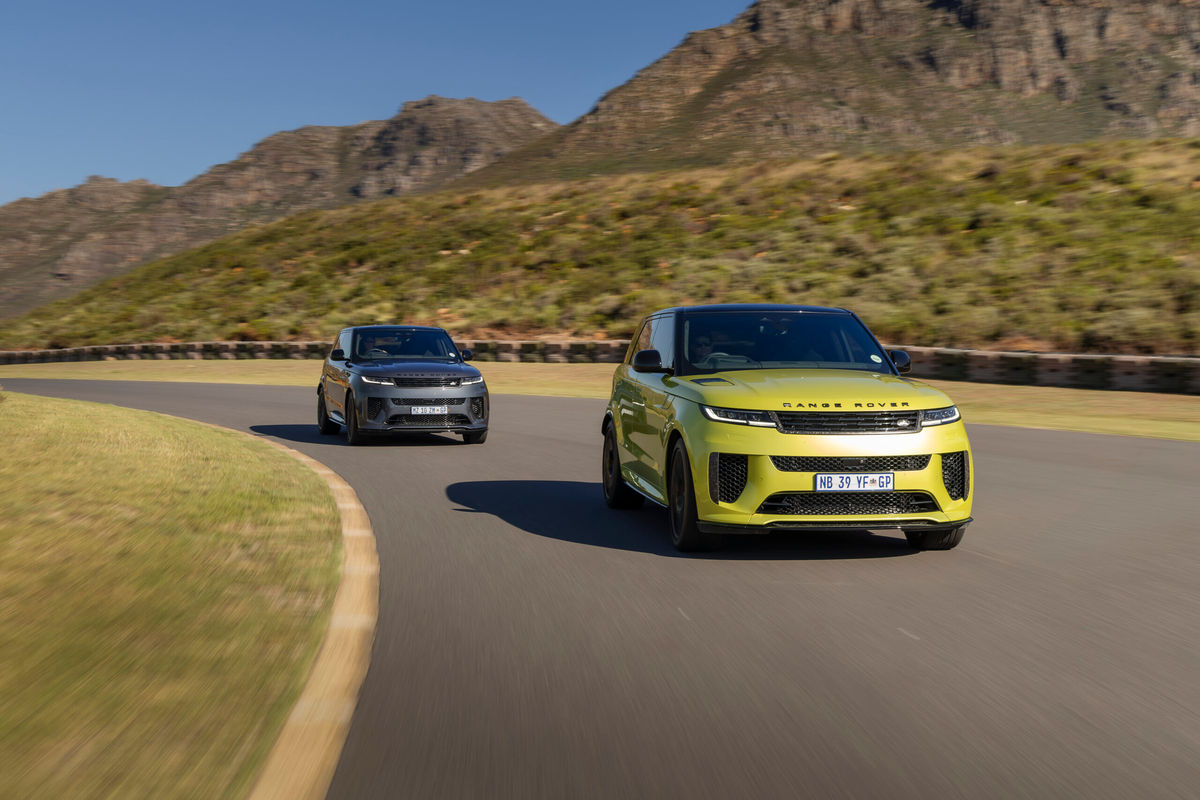
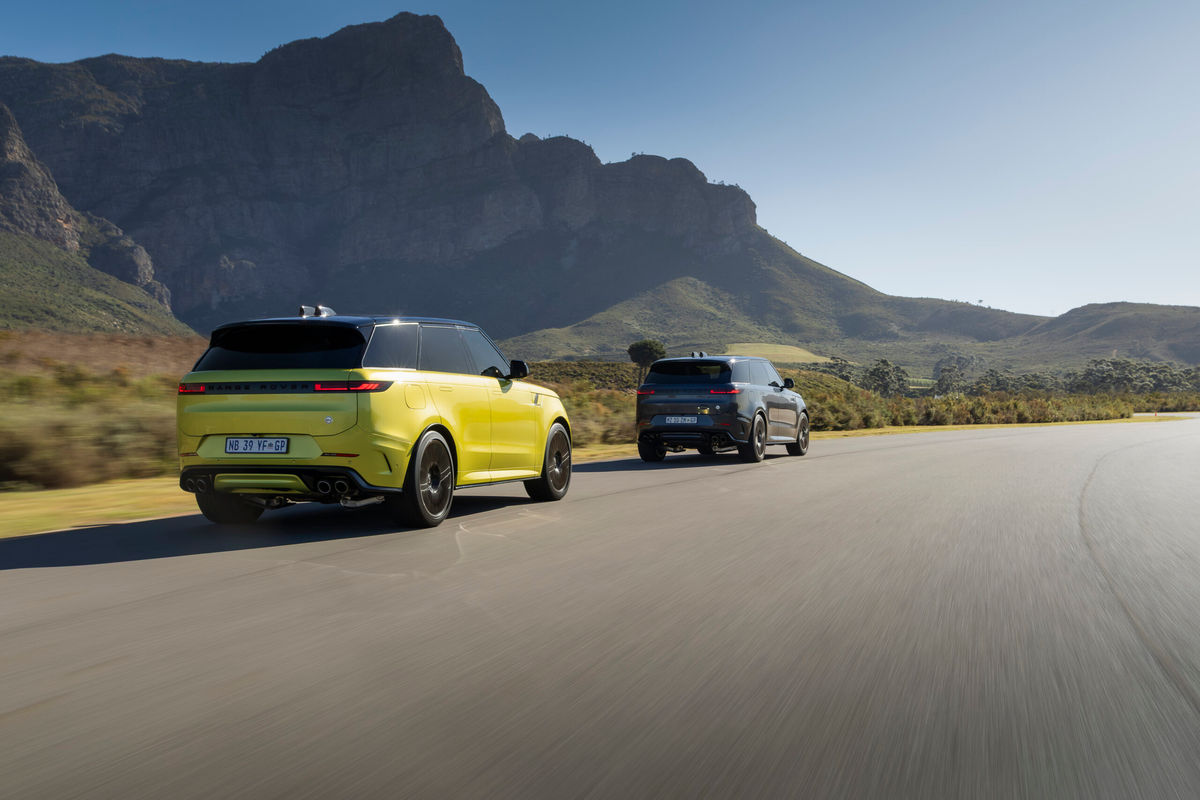
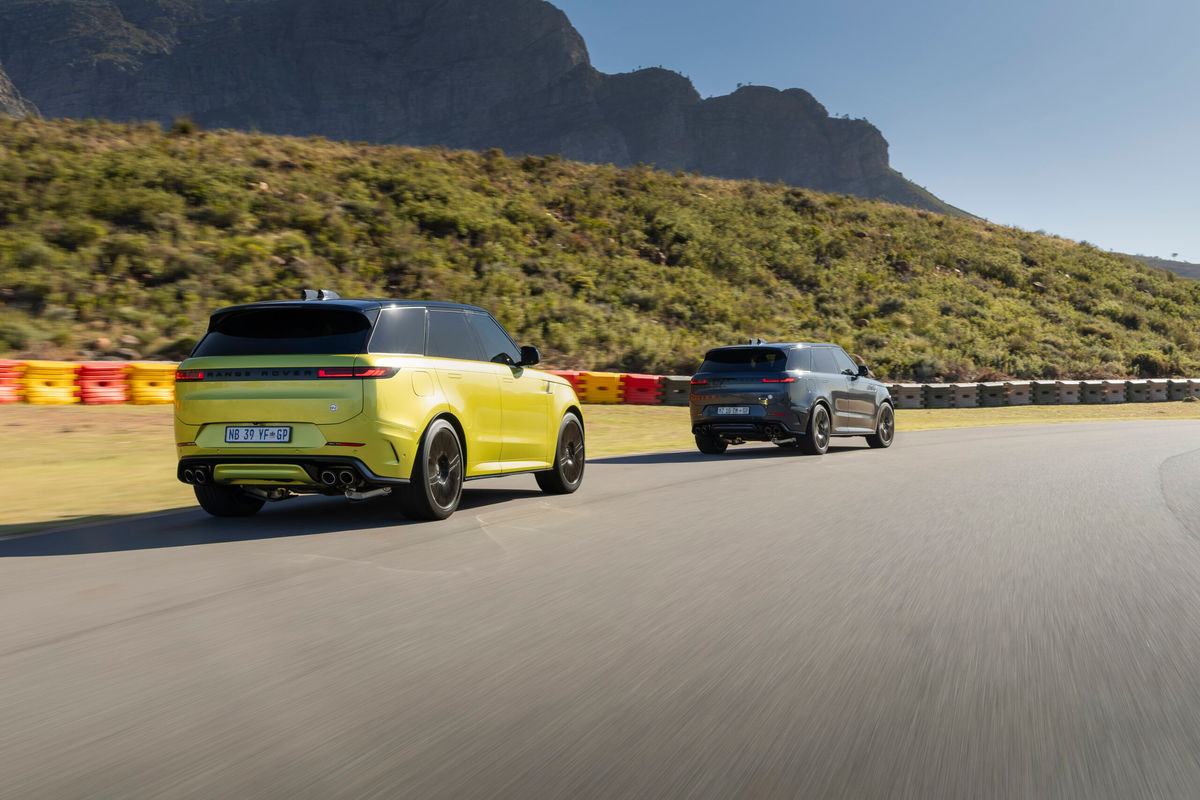
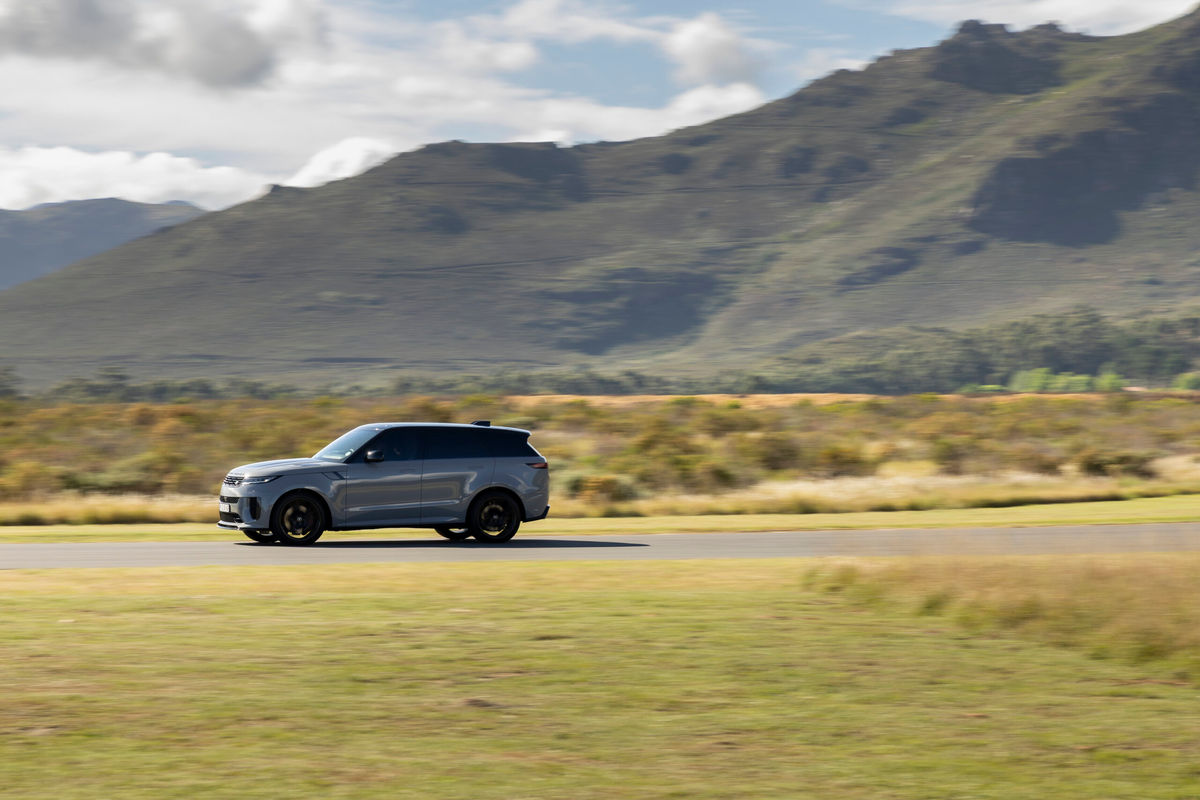
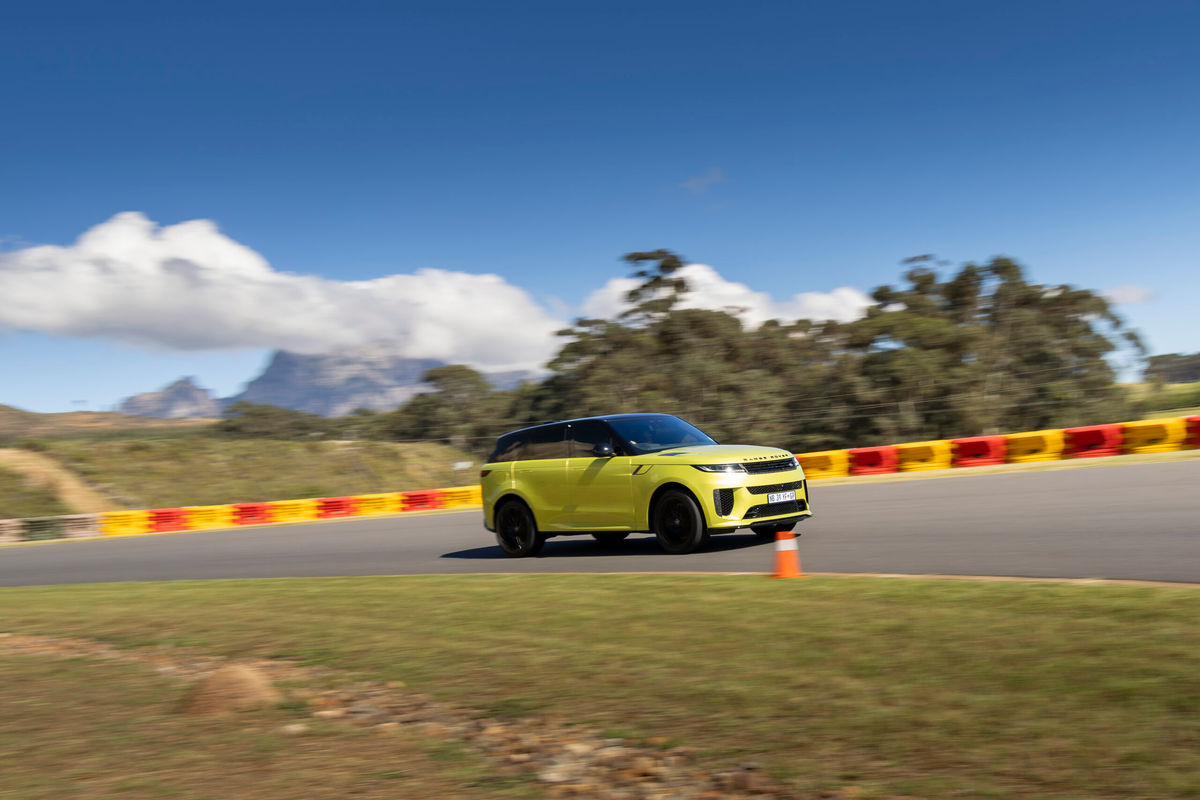
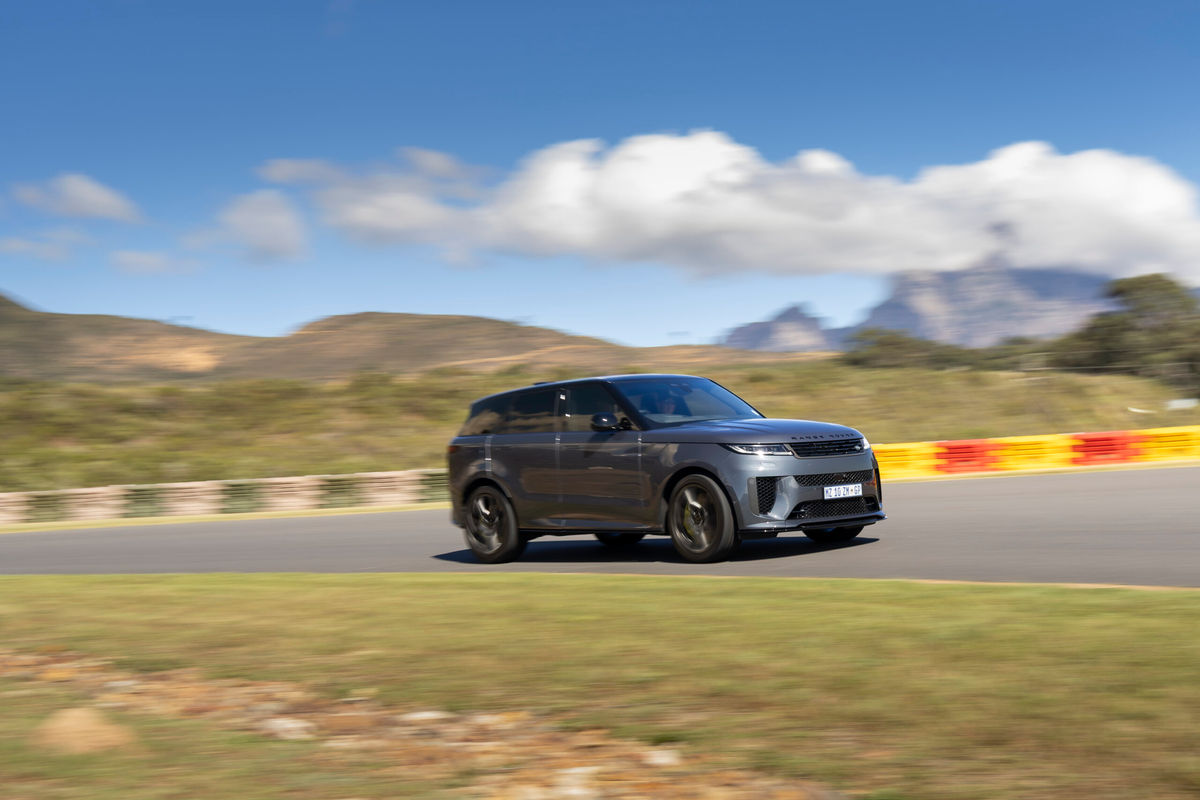
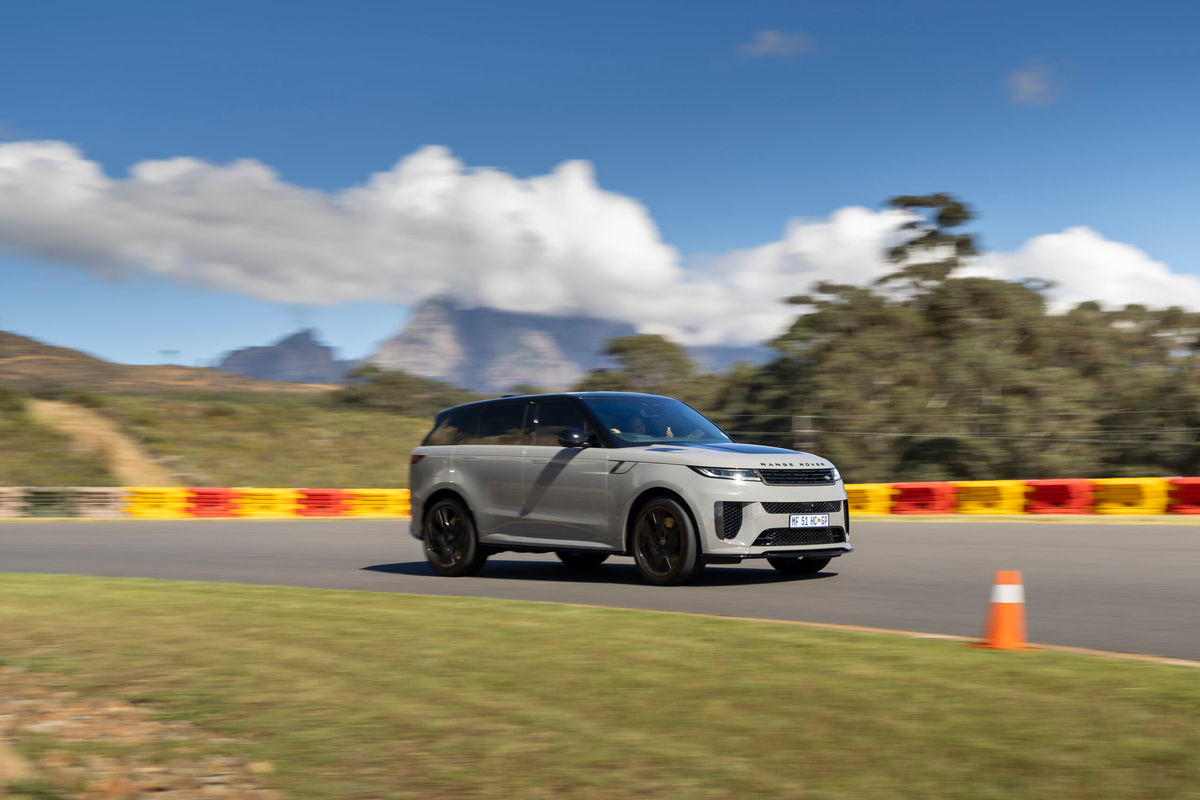
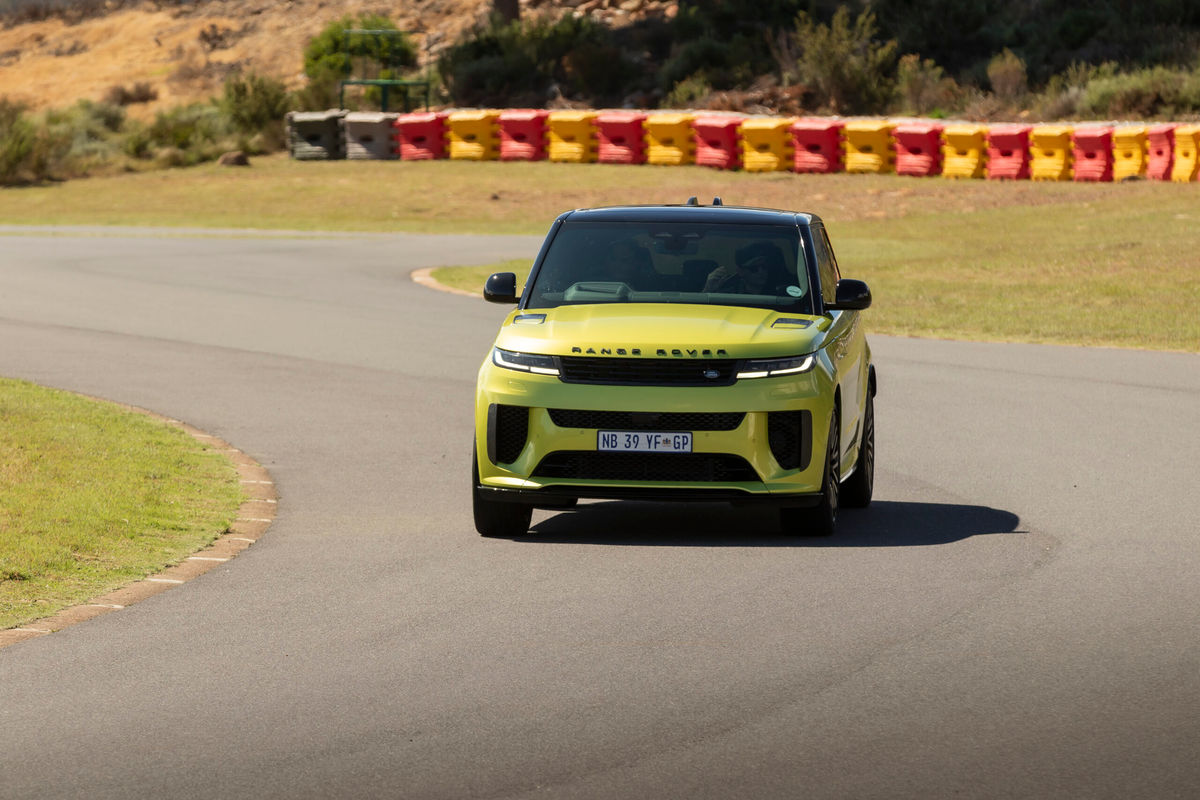
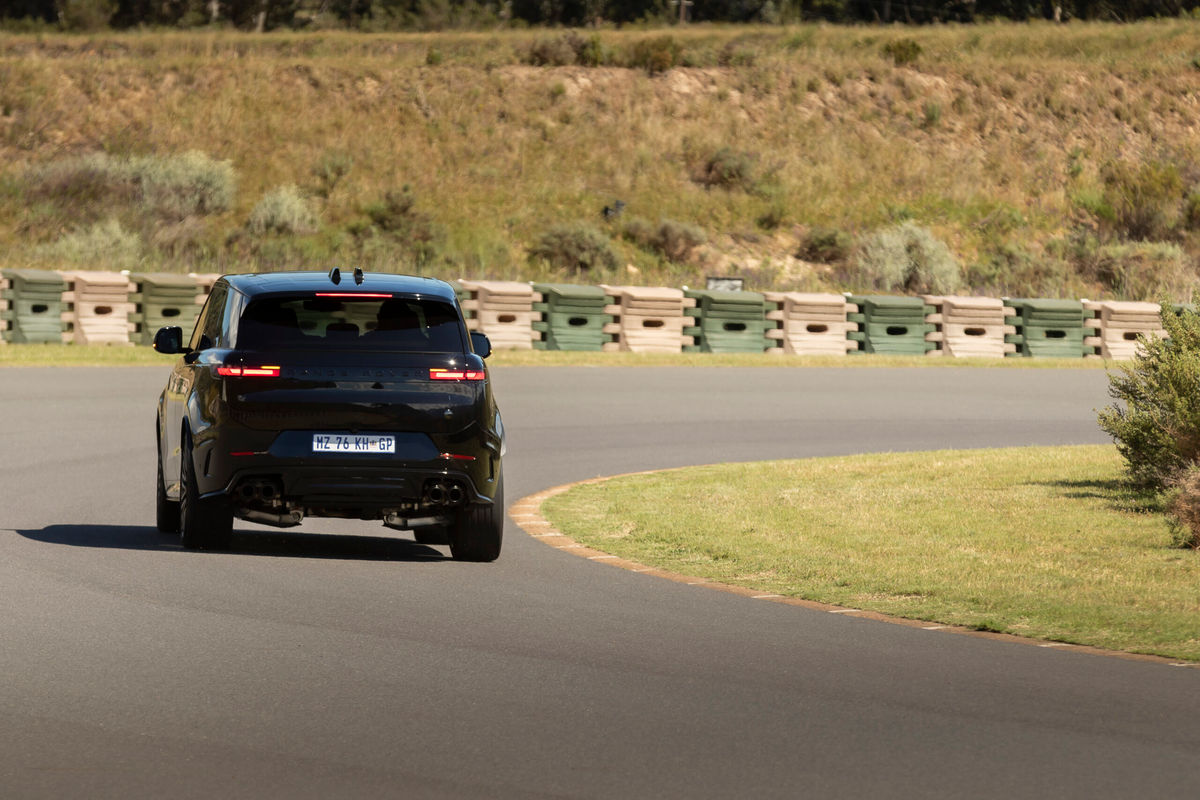
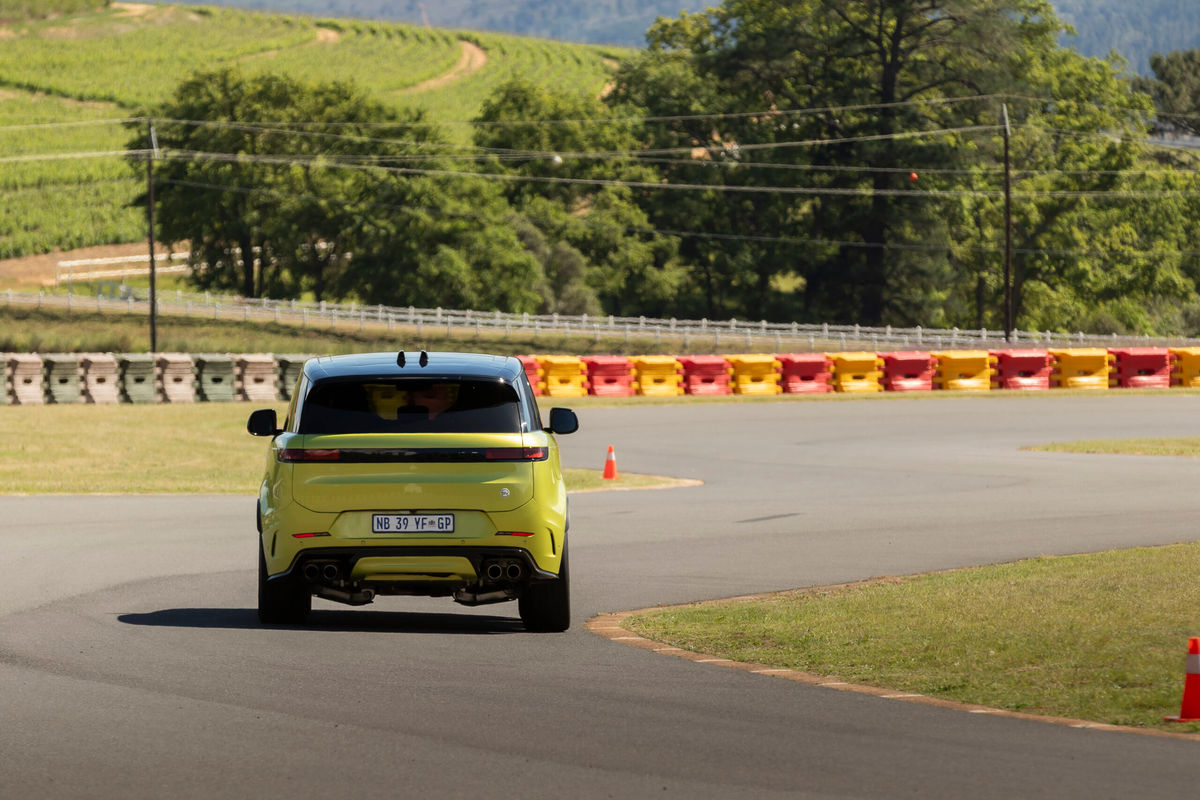
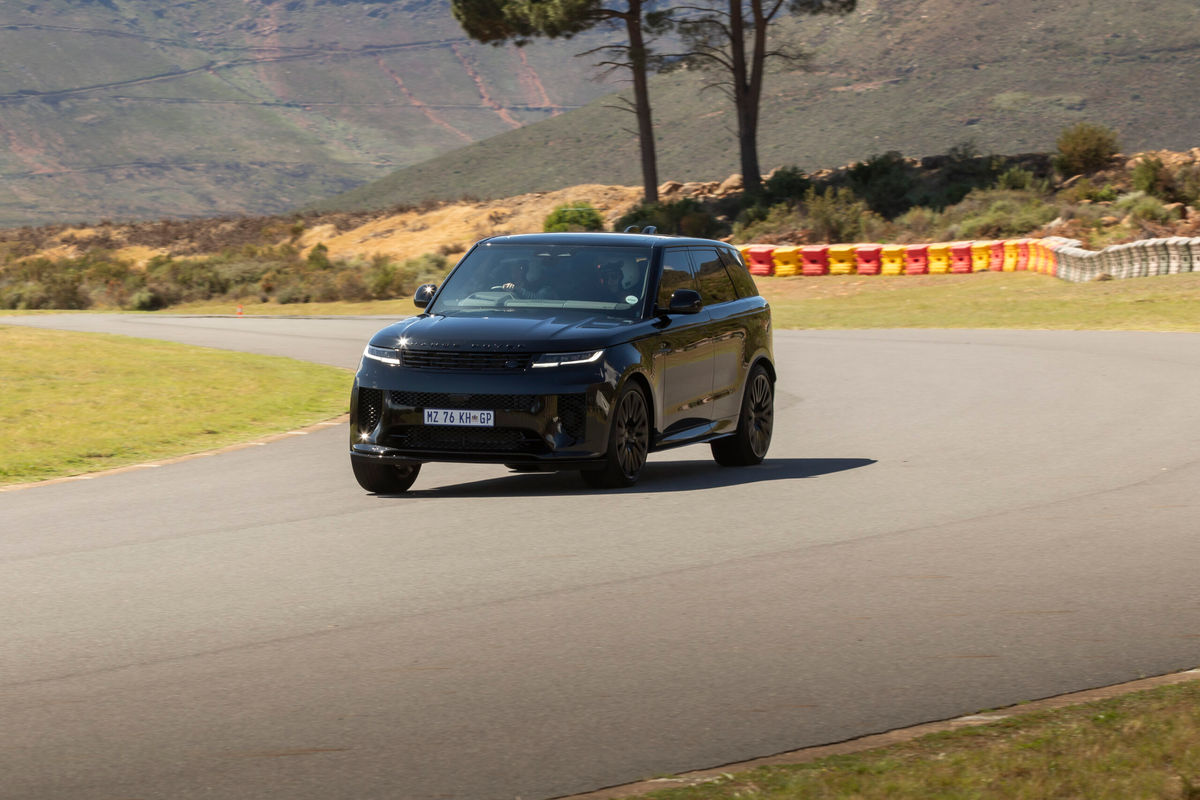
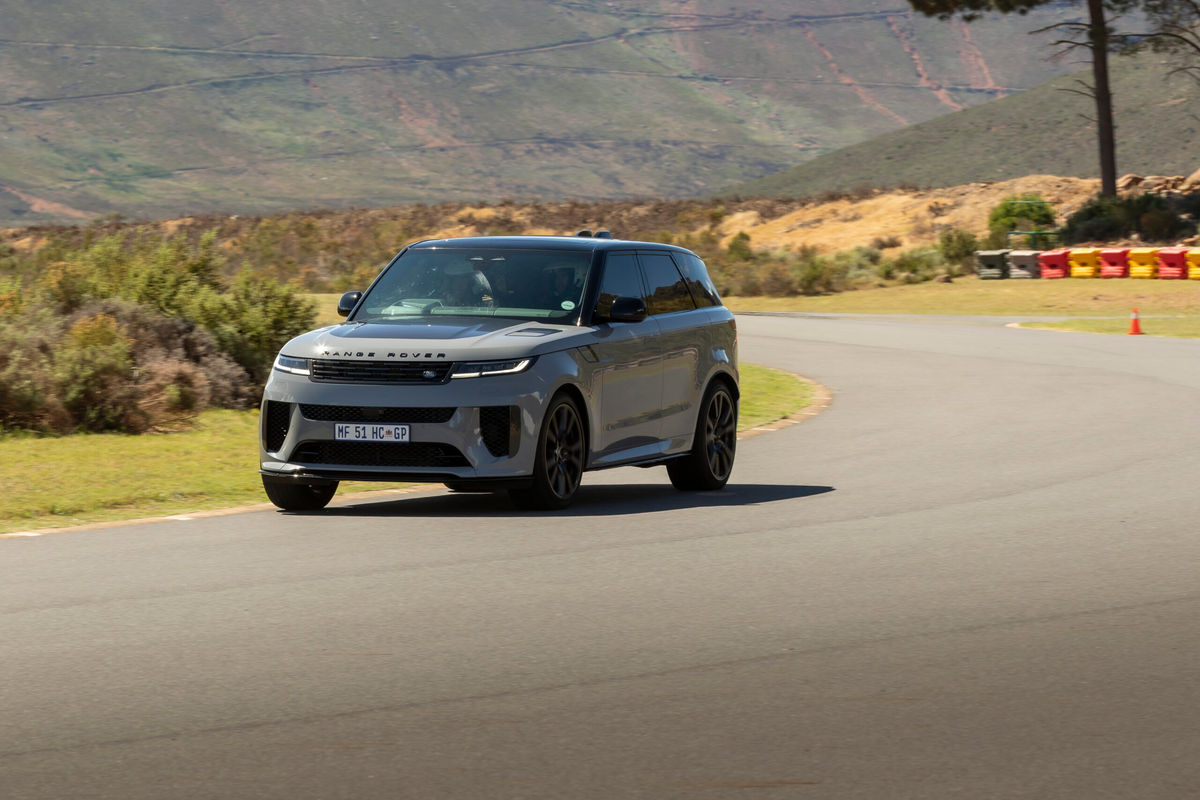
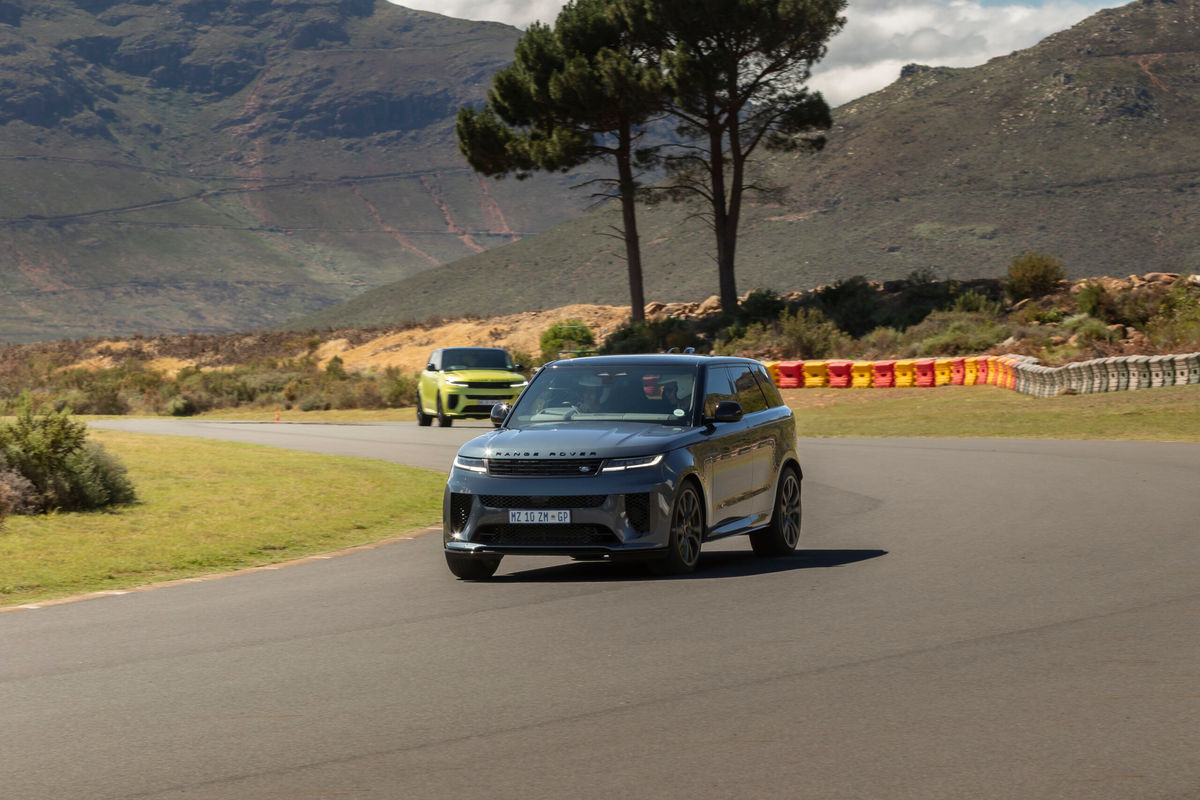
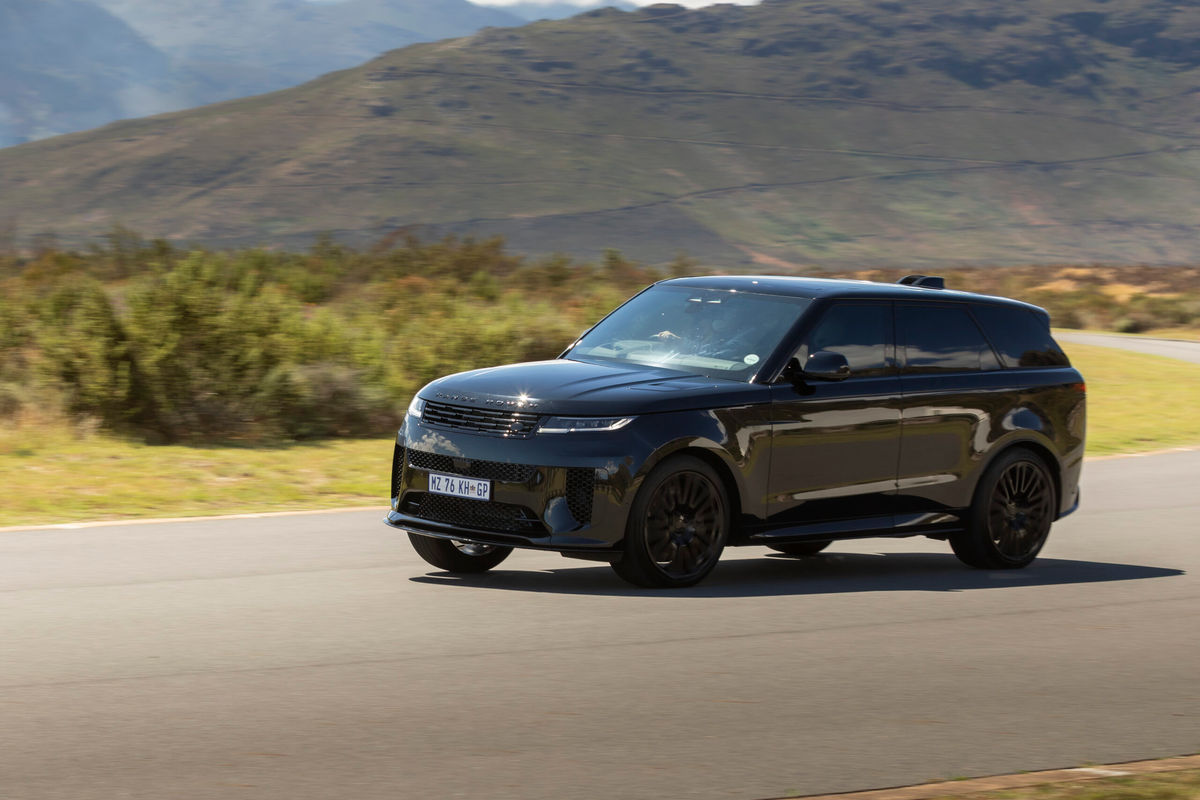
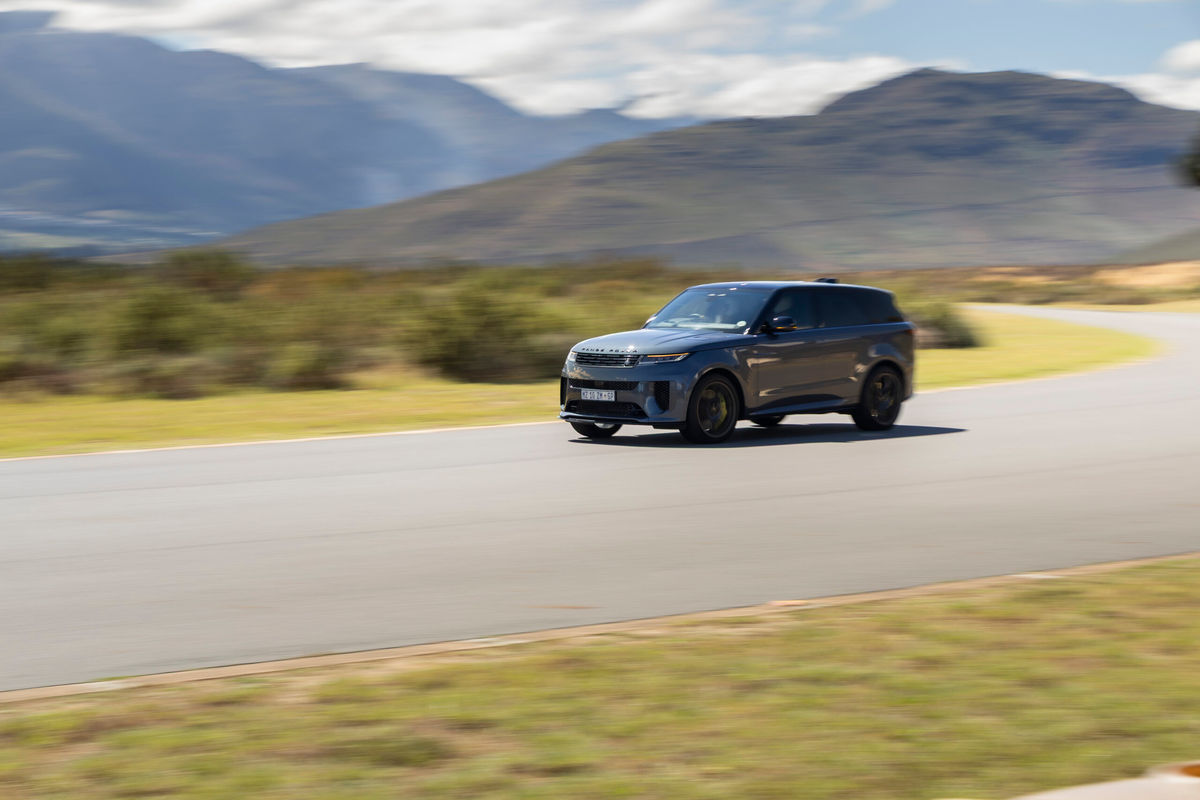
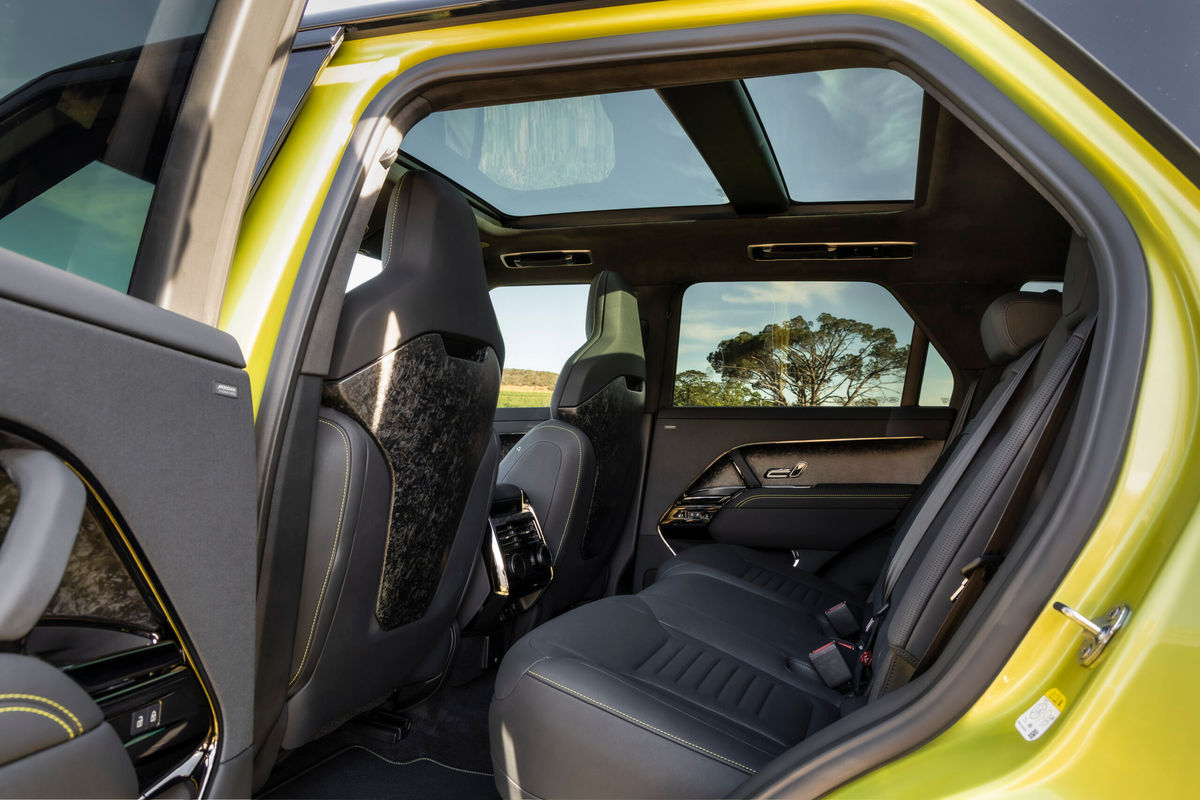
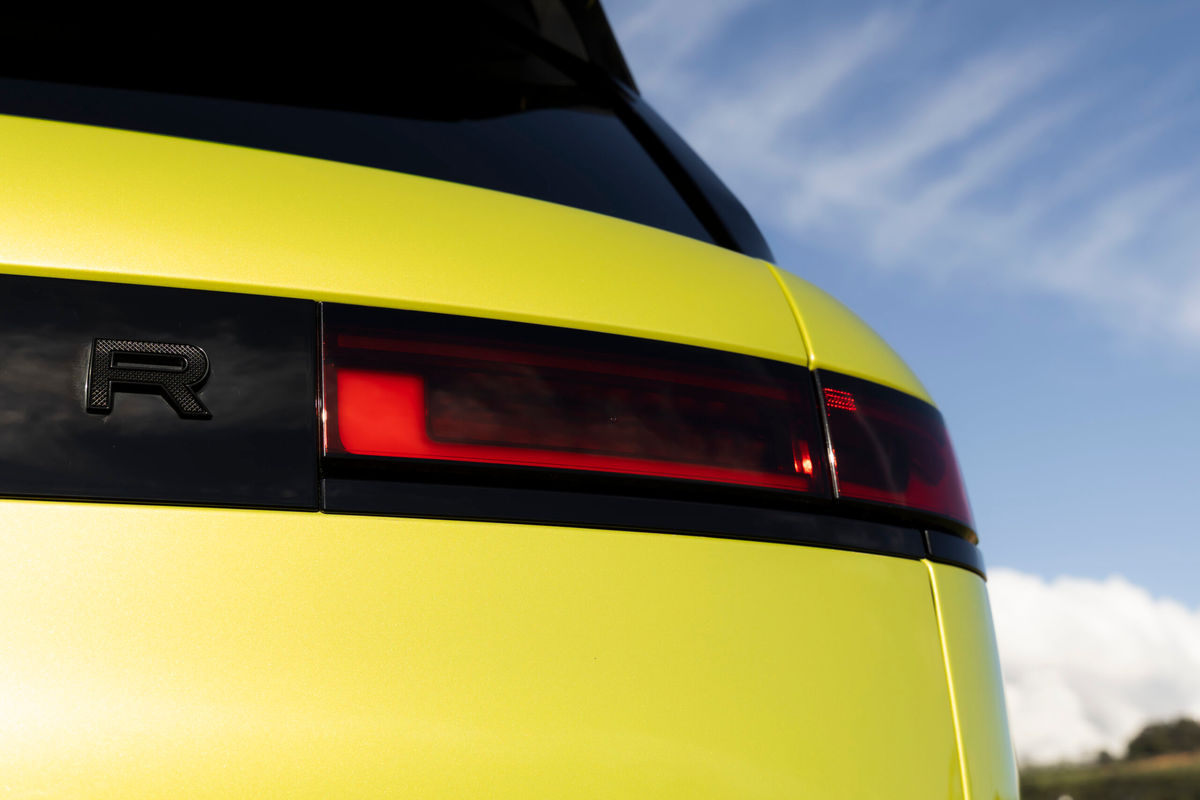
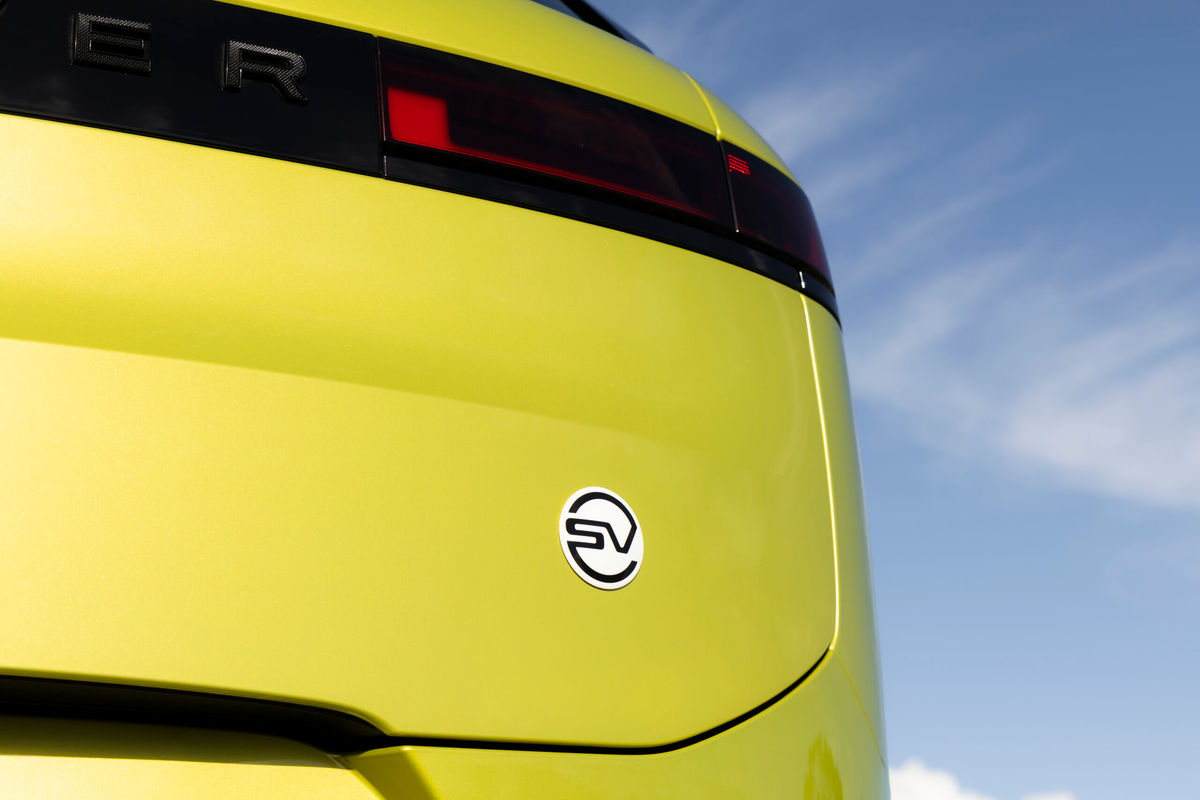
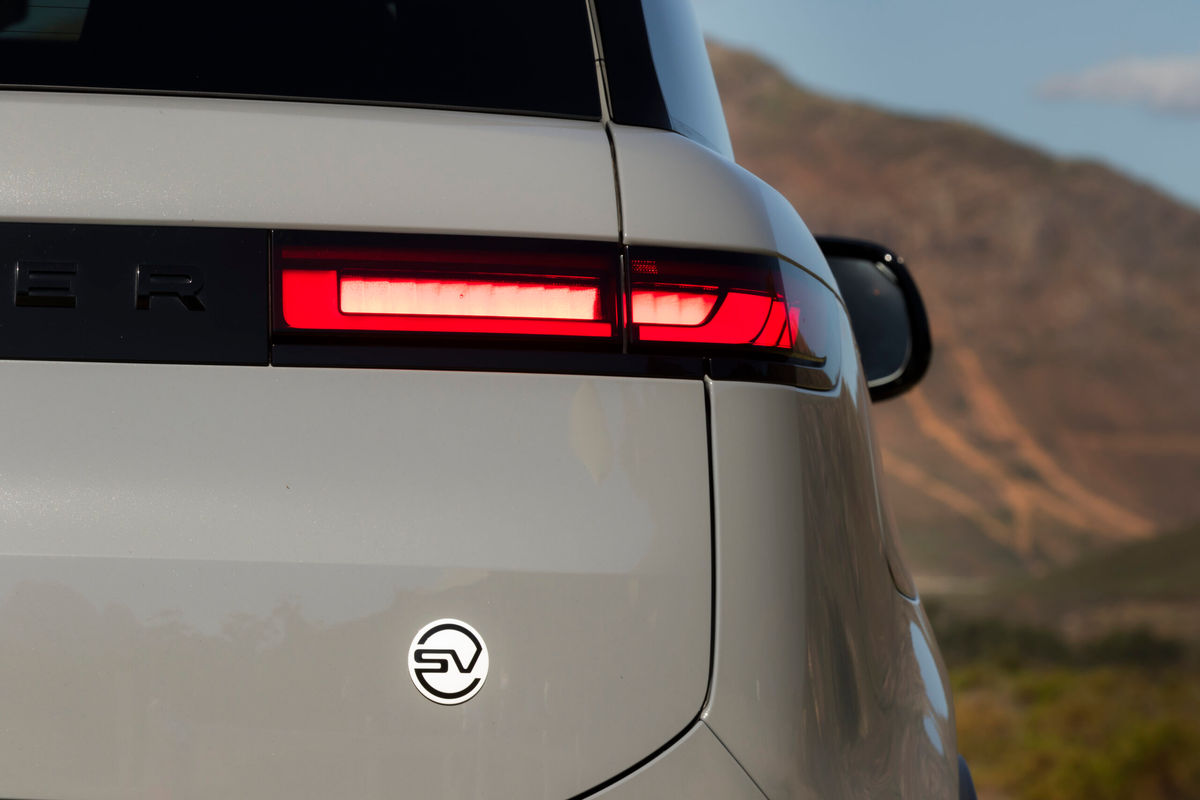
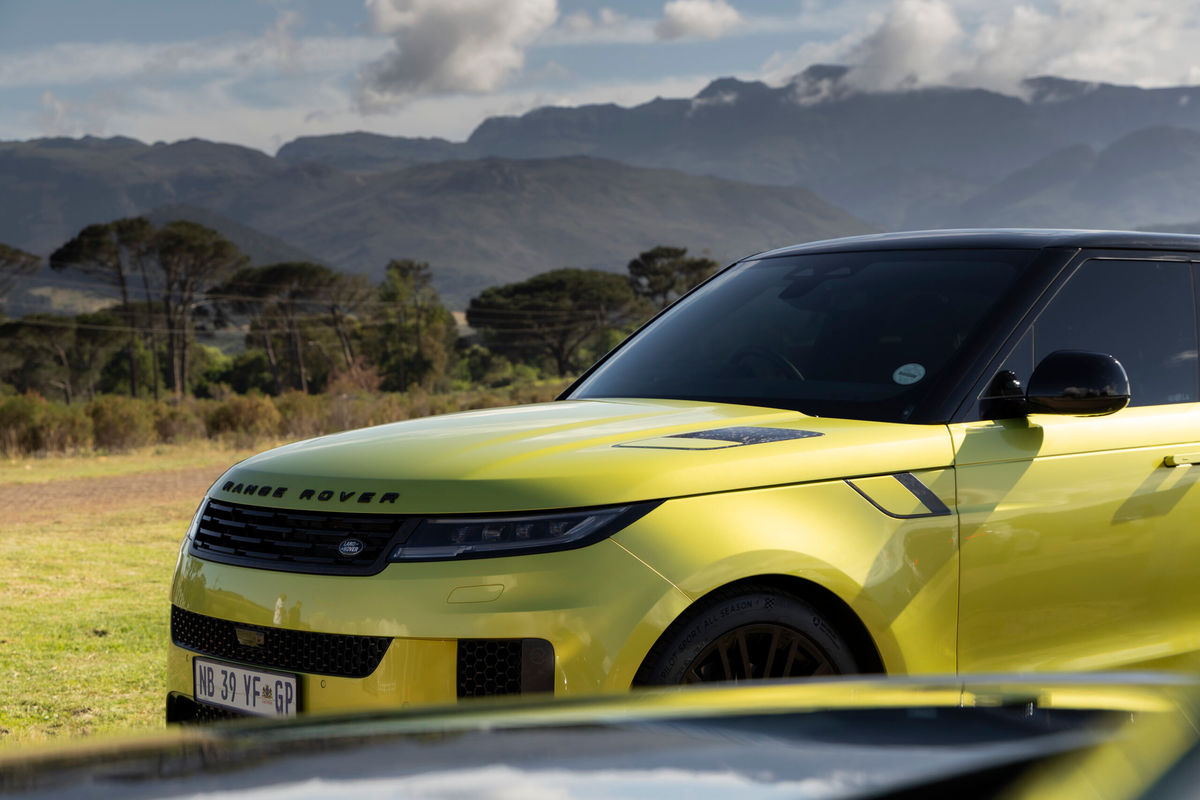
A secret Western Cape circuit, 467 kW of twin-turbo V8 muscle and one very patient instructor… We discover whether Range Rover’s 6D Dynamics can make a 2.5-tonne luxury SUV behave like a sports car.
The average car launch is an enjoyable way to spend a day. It is often the first time a new model has been seen and driven by the media — or anyone outside the company, really. The route is carefully planned to give us motoring hacks a proper chance to assess the car and, with luck, enjoy it.
Lunch and dinner are jovial affairs, where we catch up with industry friends and get valuable face time with the manufacturer’s representatives.
It is an honour and a privilege to be invited to a media launch, and one we do not take for granted. But all of us journos secretly get a little more excited when track driving is involved.
The reasons may seem obvious, but for me a track drive is an opportunity to sharpen my skills, receive training from the pros, go very fast in a safe environment and munch through someone else’s tyre budget instead of my own.
The point of track time on a launch is to let the media — and a few select clients — explore what a performance car can really do, hopefully without ending up in the scenery.
To help prevent that, manufacturers enlist professional driving instructors. They brief you in detail, put a helmet on your head and sit beside you whenever you are on track.
In my experience, South African professional driving instructors are among the best in the world: friendly, helpful, exceptionally knowledgeable, highly skilled and incredibly patient. Most importantly, they inspire confidence and help you enjoy both yourself and the car — while ideally keeping the machinery out of the bin.
The instructor team used by Jaguar Land Rover South Africa is world-class. They are also a lovely bunch of people. A few have been around for as long as I have, yet they still have noticeable biceps and strong jawlines.
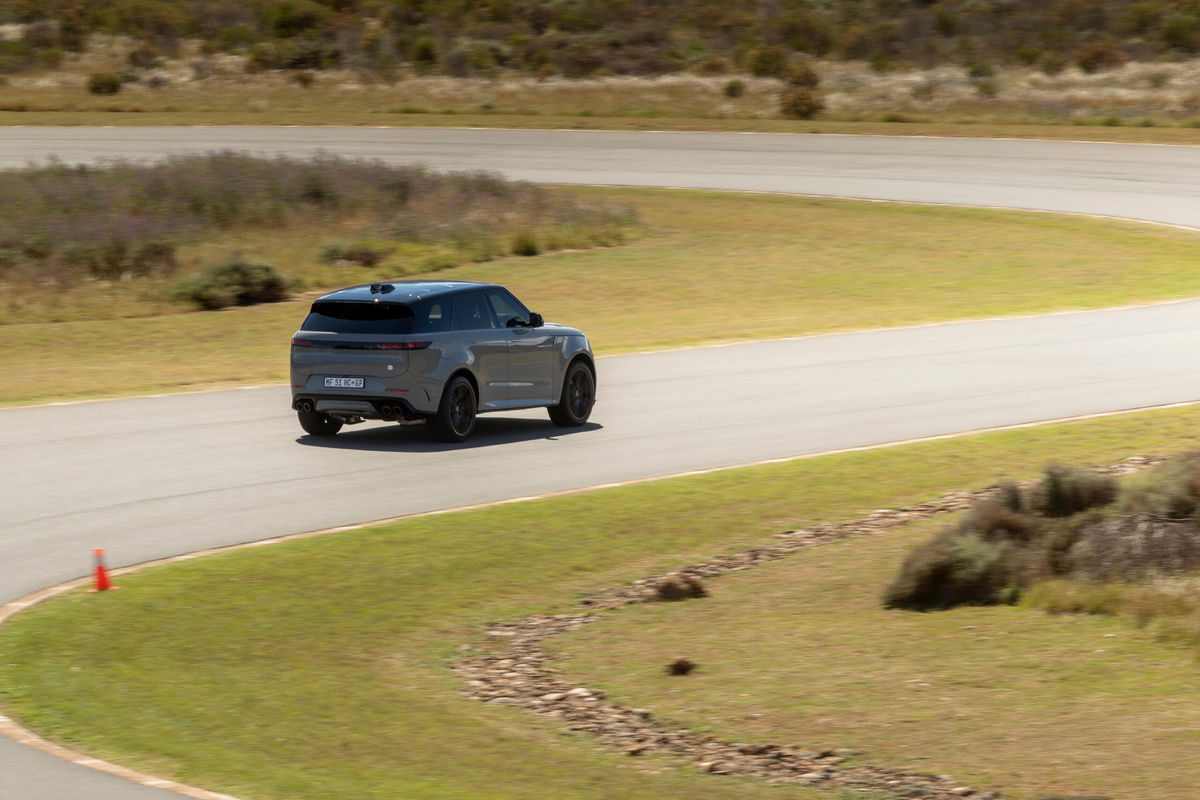
And so the stage was set: I would pilot the latest Range Rover Sport SV around a racetrack, have a blast and then write about it. Which brings us here.
A racetrack that officially does not exist
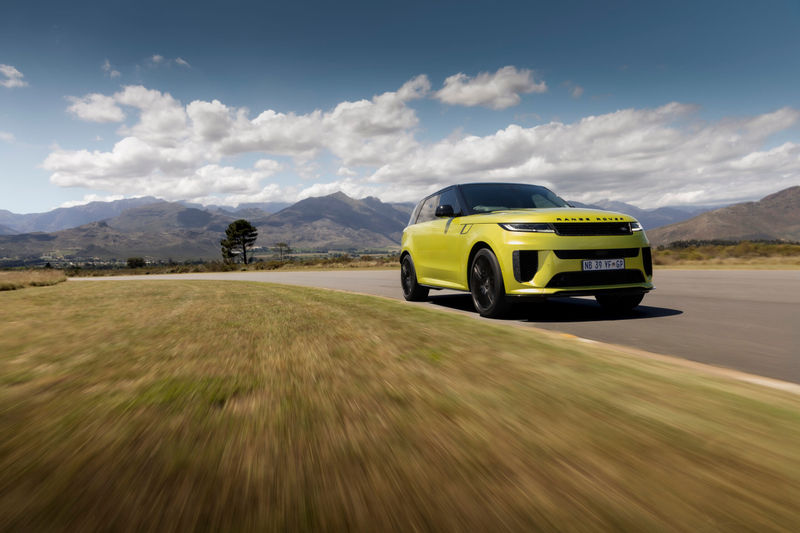
First, a word about this particular racetrack. In the Western Cape, where I live and where the Cars.co.za content office is based, we are blessed with many things. There are more than 450 wine farms, for instance, but only one permanent race circuit.
Killarney International Raceway, just outside Cape Town, is legendary and well managed. We love filming and racing there.
However, if you make a few calls, ask very nicely and agree to a fairly long list of terms and conditions, the Western Cape does offer another racetrack.
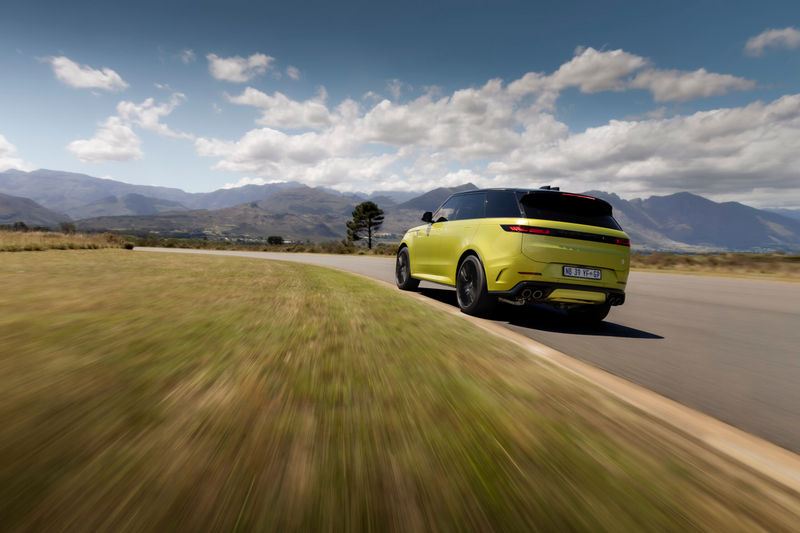
And that, unfortunately, is all I can tell you about it. Seriously: if I say any more, the people from Range Rover could get into quite a lot of trouble, and we do not want that.
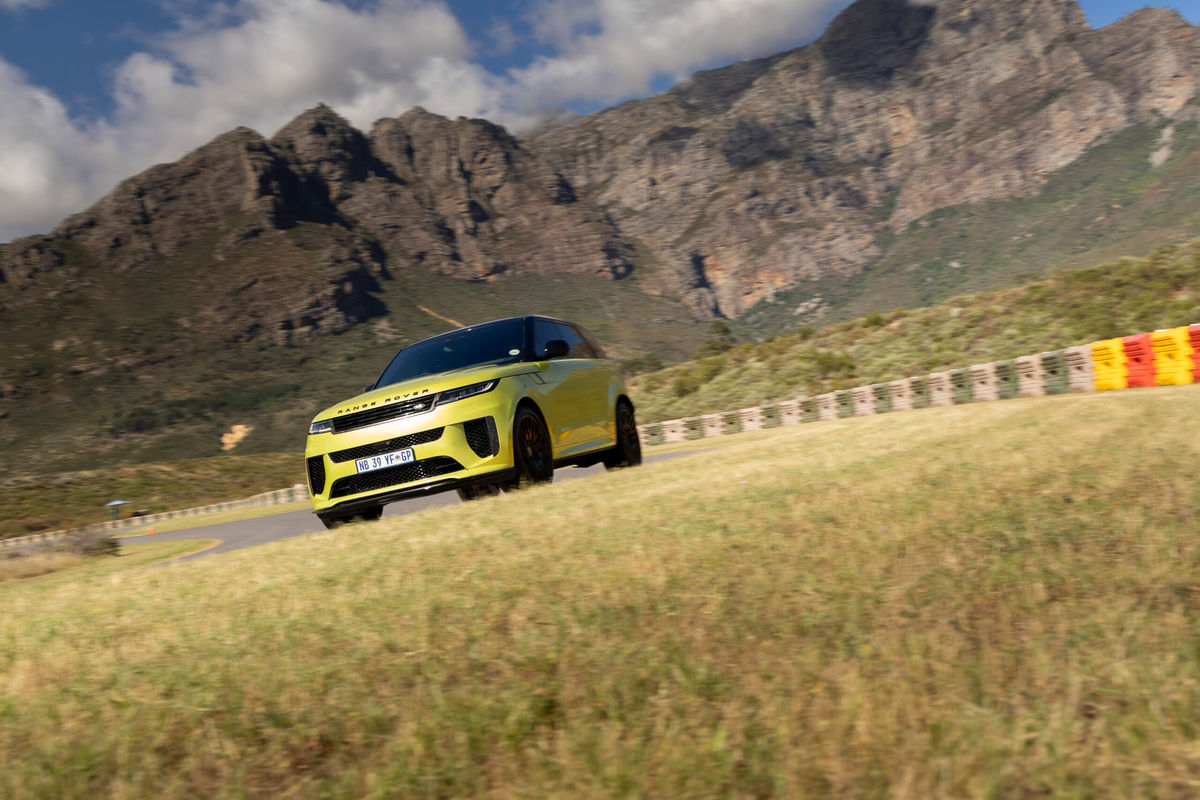
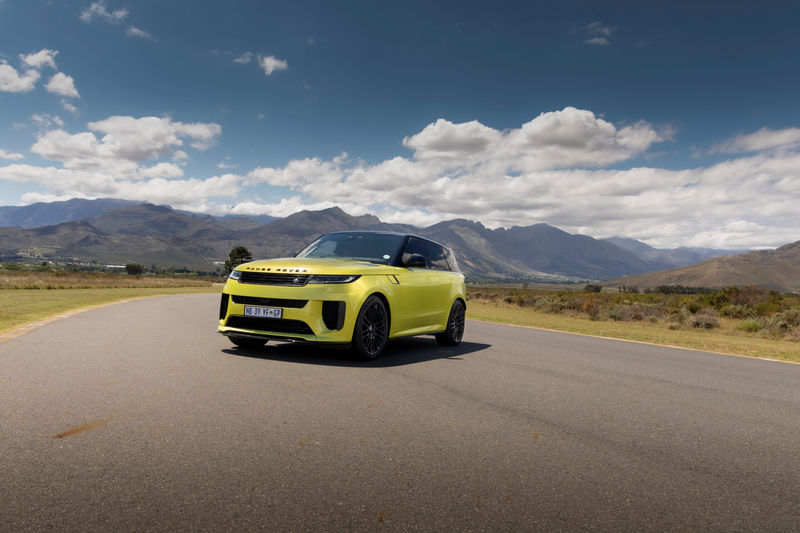
Tucked into the folds of famous mountains and carved through the fynbos is a glorious 2.8 km ribbon of tarmac. For context, Killarney’s full circuit is 3.267 km long, while Kyalami’s modern Grand Prix layout measures 4.522 km.
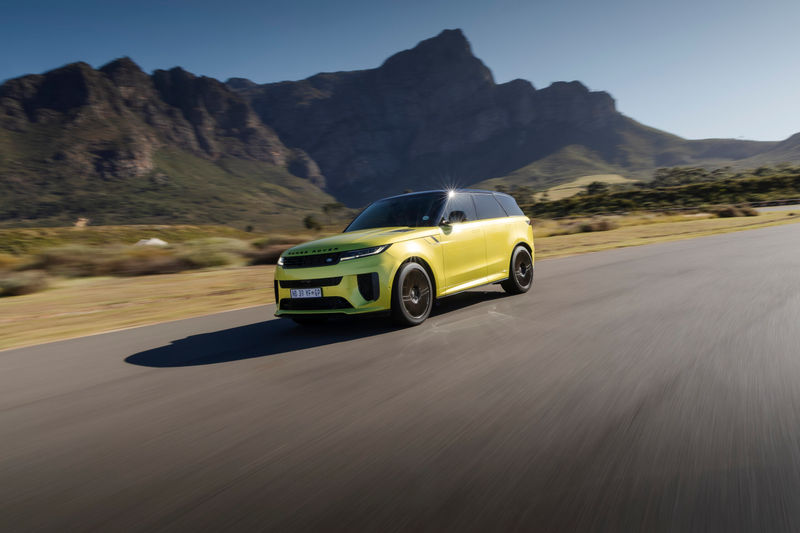
In front of me lay a winding, wide and immaculately surfaced circuit. It was designed by international professionals and built to exacting standards with first-class materials.
And yet it might as well not exist. No amount of money can simply buy you or your company access. Entry is by invitation of the owner and subject to strict terms and conditions.
Even seeing this place in real life is a privilege. Driving it is the kind of opportunity that may come along only once in a career.
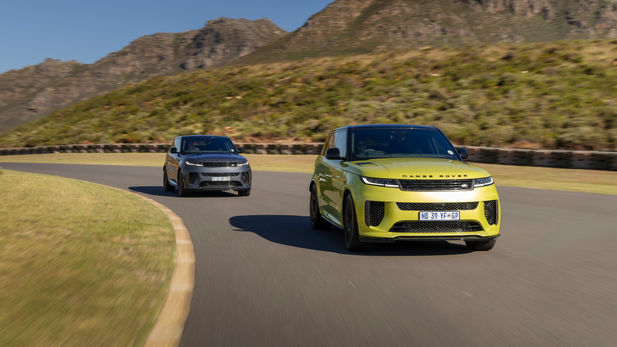
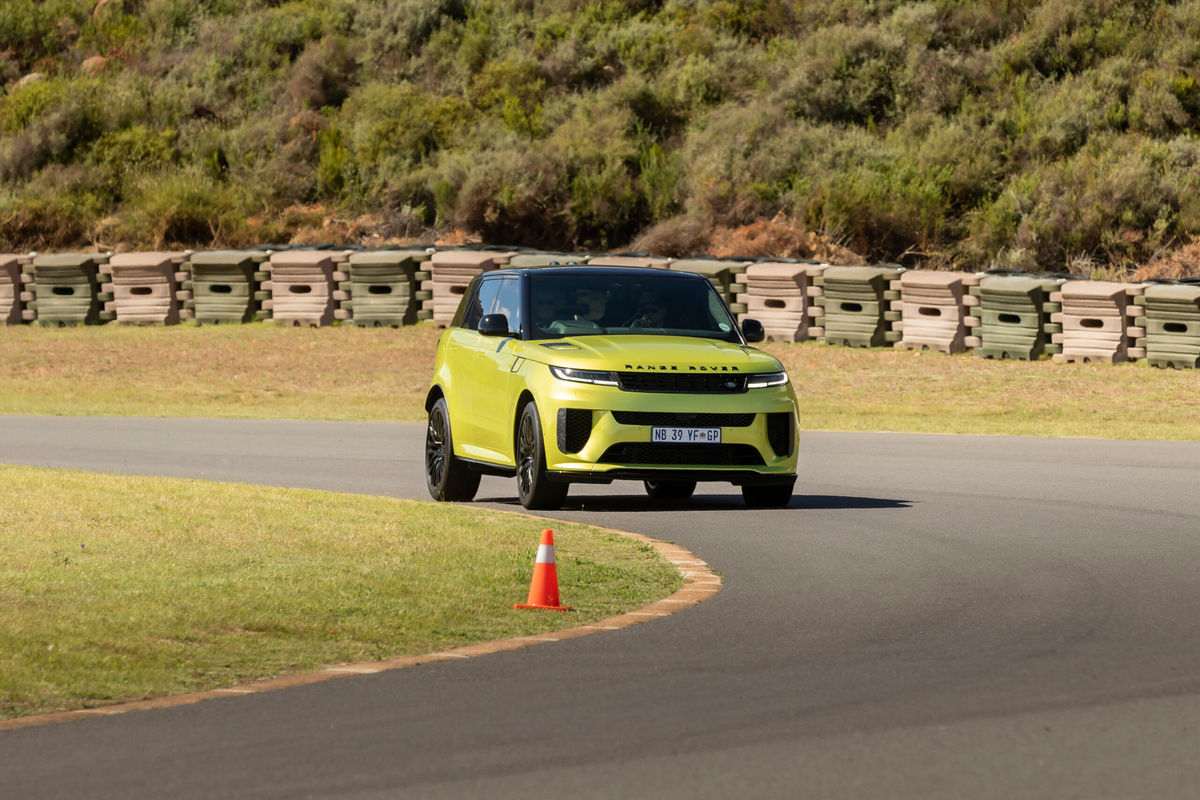
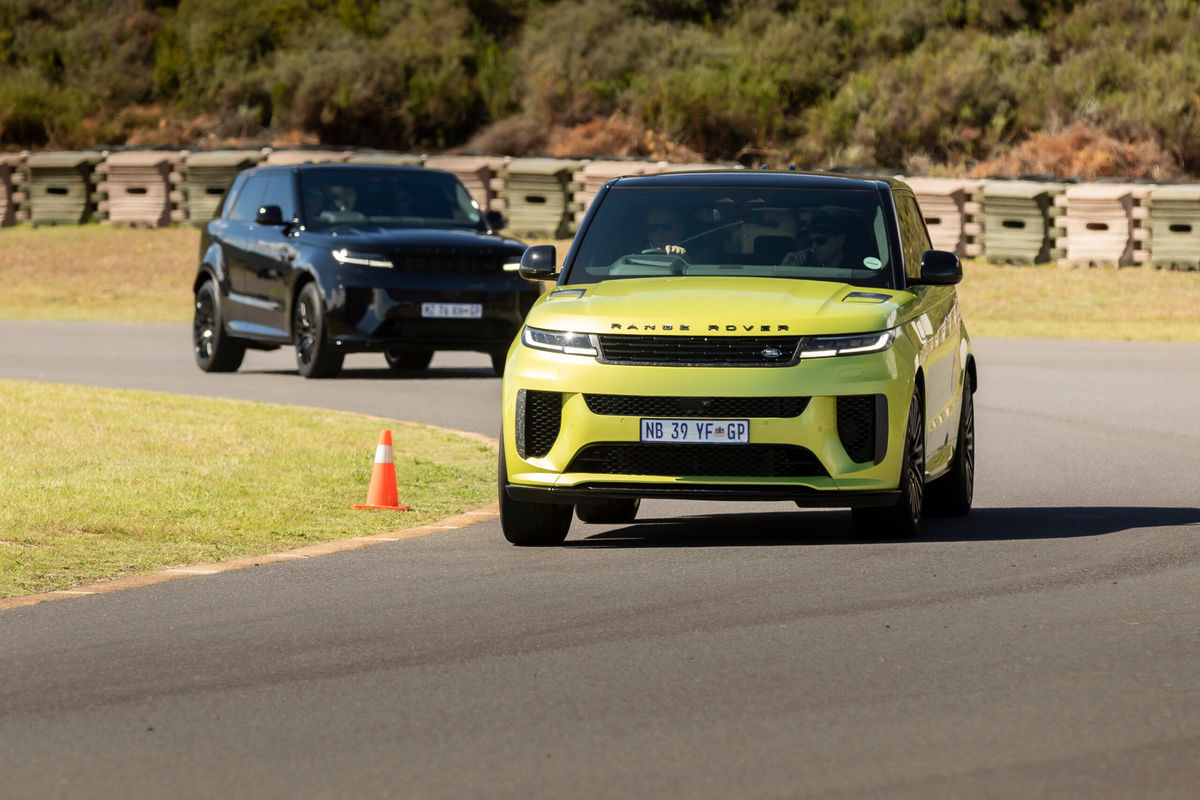
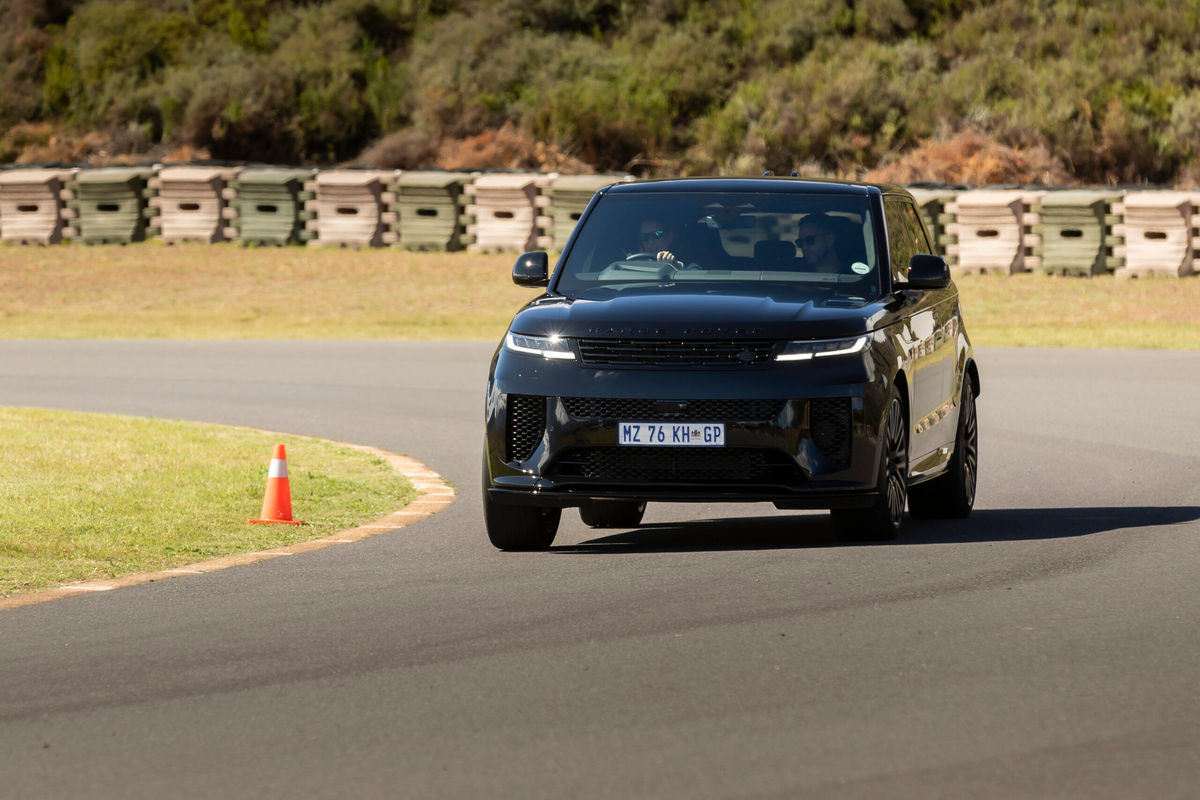
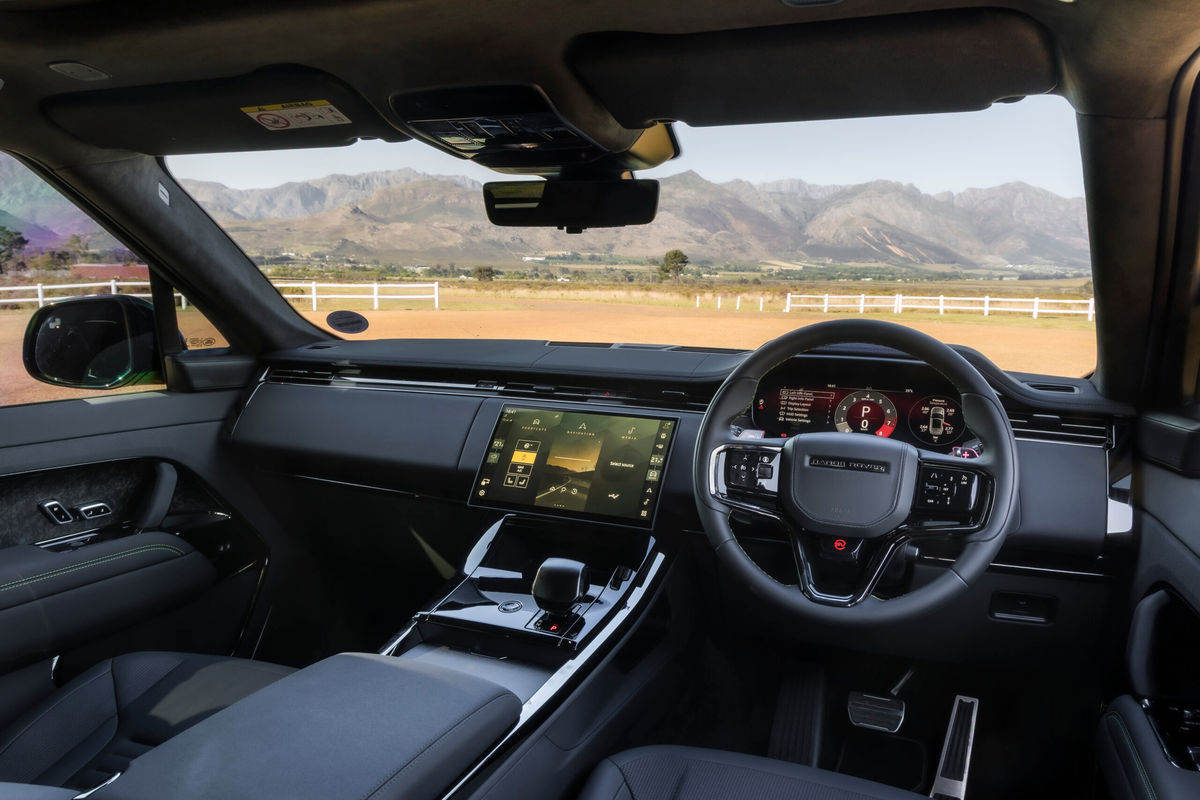
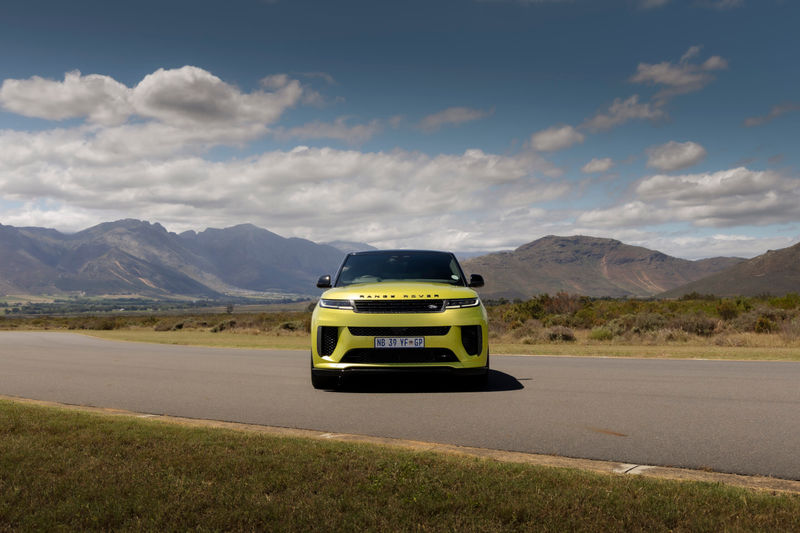
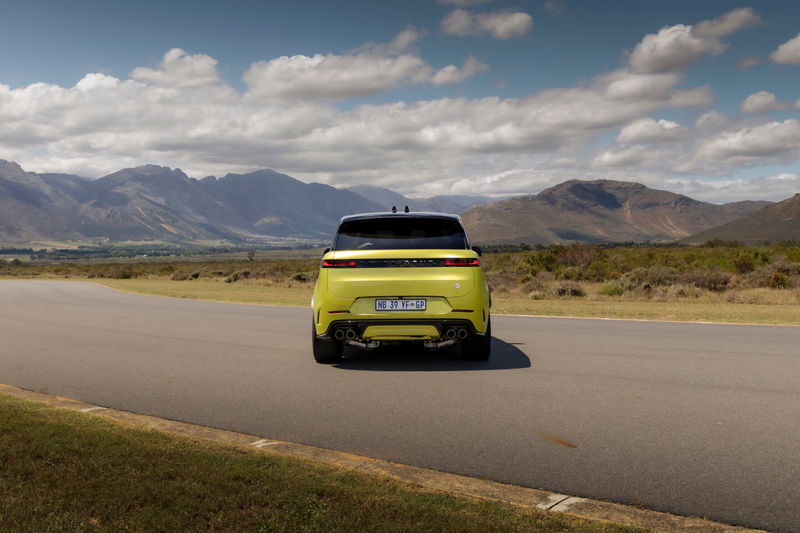
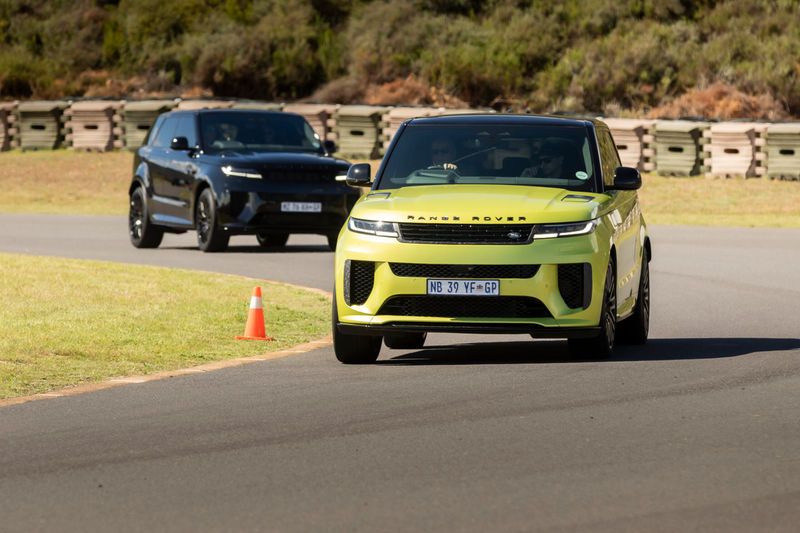
There I sat in a 467 kW/800 Nm, roughly R4-million Range Rover, with one of the best instructors in the business beside me, waiting to be waved onto the track. This was a particularly good day at the office.
Goodbye supercharger, hello BMW V8
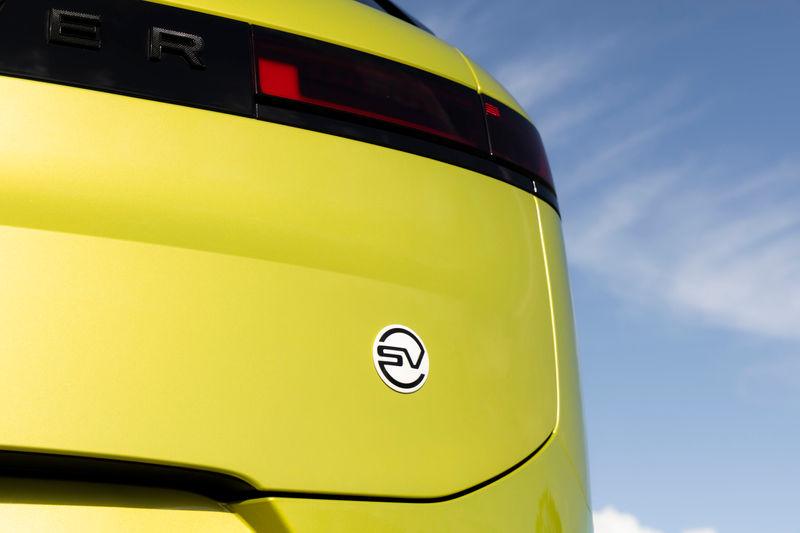
The big powertrain news is that the Sport SV no longer uses Jaguar Land Rover’s thunderous supercharged 5.0-litre V8. In my opinion, that remains one of the finest engines ever made.
Emissions and efficiency requirements have moved the game on, however, and the old 5.0-litre could not continue indefinitely. Its gloriously antisocial soundtrack probably did not help, either.
Developing a new engine from scratch is frighteningly expensive. Aston Martin, for instance, has sourced V8 power from Mercedes-AMG.
Even the billions Sir Jim Ratcliffe poured into developing the Ineos Grenadier did not stretch to a bespoke engine, so Ineos struck a deal with BMW.
Jaguar Land Rover took a similar route for the Sport SV, choosing a muscular and highly tunable BMW-sourced 4.4-litre twin-turbo mild-hybrid V8 — related to the unit used in cars such as the BMW M5.
The Range Rover Sport SV is therefore the lovechild of a German-British affair. But this is certainly not a case of dropping a BMW engine into the Rangie and heading for the pub.
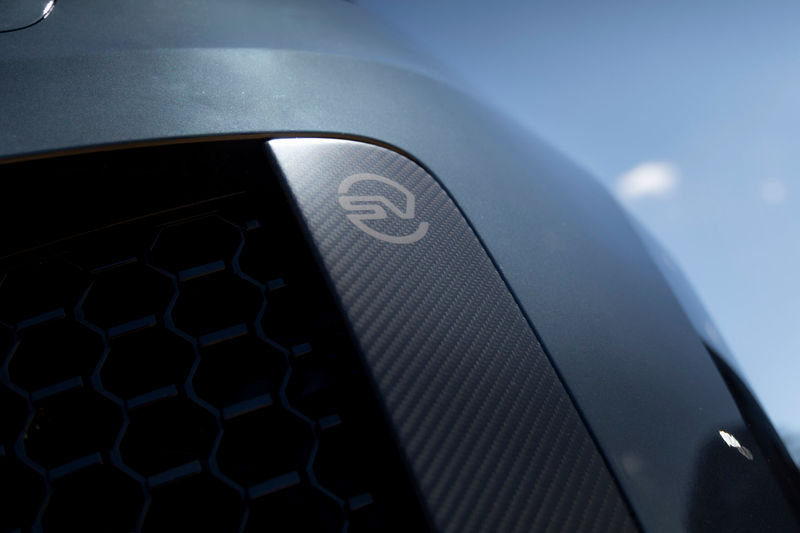
The air intakes and cooling package are bespoke to the Range Rover, as are the engine calibration and exhaust system. The result is 467 kW and 750 Nm from the engine, with up to 800 Nm available through the mild-hybrid system in Dynamic Launch mode.
Those are the headline differences, but the integration runs far deeper than a badge-engineering exercise.
The Range Rover Sport SV 6D Dynamics party trick
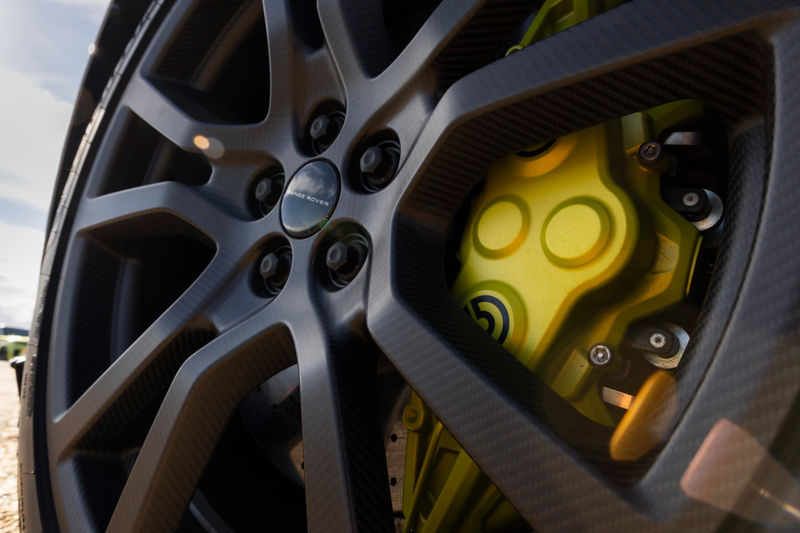
The car’s real party trick — and the reason we were here — is its 6D Dynamics suspension. The instructors were particularly keen for us to feel it working at speed.
I am enough of a car nerd to disappear down a technical rabbit hole here, but the short version is this: the system replaces conventional anti-roll bars with hydraulically interlinked dampers and height-adjustable air springs. By controlling pressure across the circuit, it actively resists both body roll and pitch.
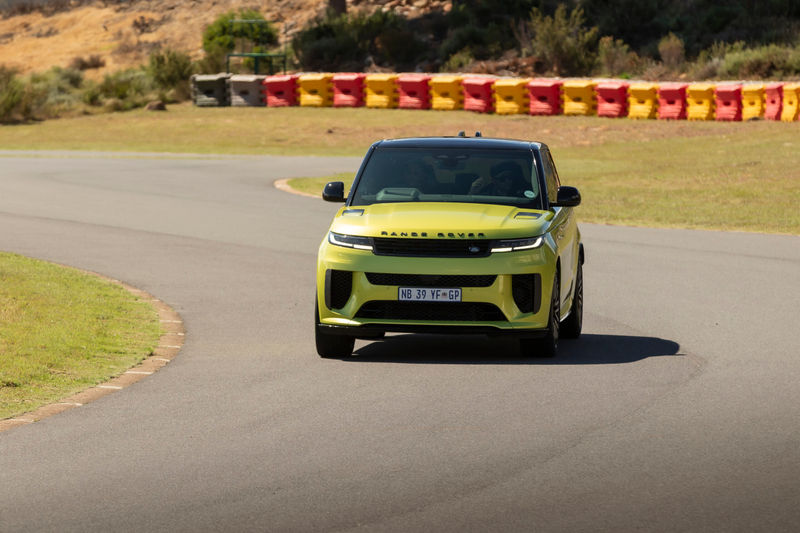
The aim is to manage the Range Rover’s considerable mass under acceleration, braking and, especially, cornering. Remember, this is still a proper four-wheel-drive luxury SUV, complete with a twin-speed transfer case and low range.
Plainly, SUVs do not make natural race cars. There is a reason you do not see BMW X5 Ms or Porsche Cayennes at Le Mans. No matter how fast or clever a modern performance SUV may be, it still has to negotiate the stubborn laws of physics.
That has not discouraged Range Rover’s engineers from trying to bend those laws, and I was about to find out whether they had succeeded.
See how the Sport SV compares: Range Rover Sport SV vs Mercedes-AMG GLE53 vs Porsche Cayenne Turbo e-Hybrid
Devin says: stay on it
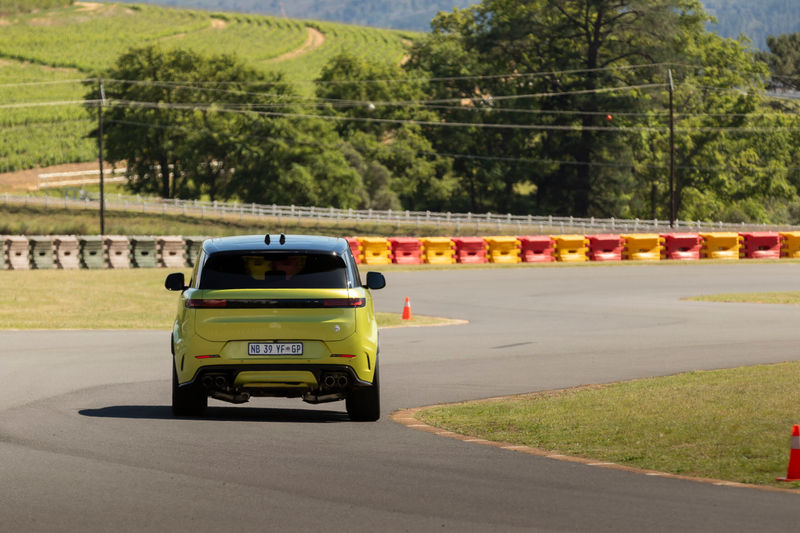
After a few sighting laps — learning where to brake and when to get back on the power — Devin, my instructor, perhaps sensed that I could handle a little more speed. That is always a compliment. He had no pedals or steering wheel of his own, so self-preservation was also a powerful motivator.
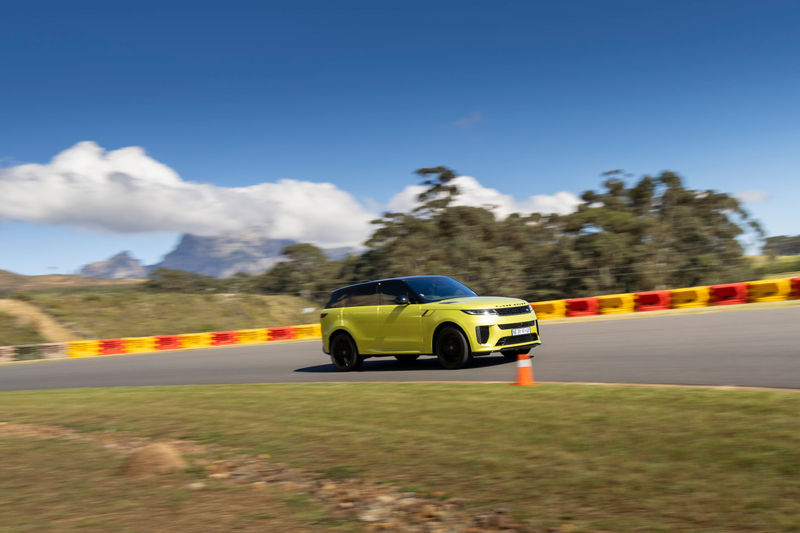
In Comfort mode, the suspension turns the car into a giant, comfy pillow. It wafts along while still keeping body movement neatly in check.
Select Dynamic mode and the 6D system wakes up. Throttle response sharpens, the exhaust grows louder, gearshifts become more assertive and the transmission holds each ratio almost to the redline.
Then Devin said: “Let’s go into SV mode.” The Range Rover Sport promptly turned savage. The V8 went to maximum attack, and so did the chassis.
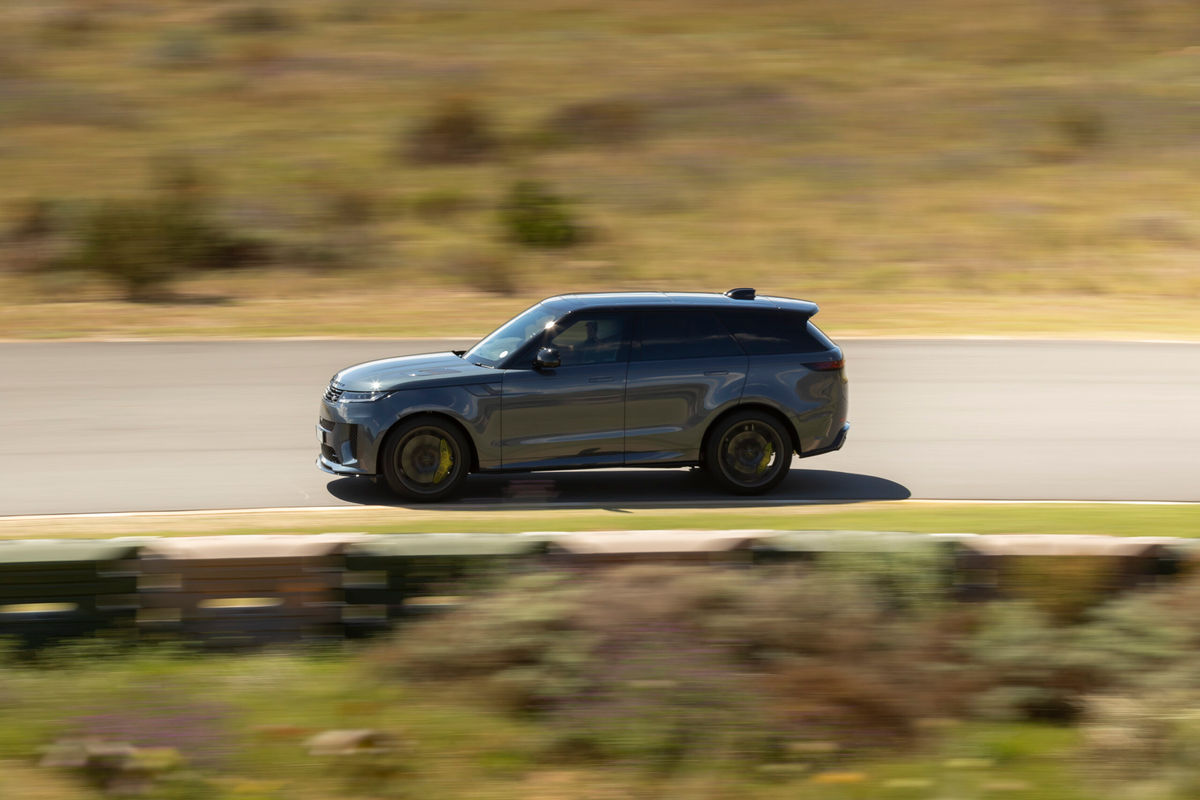
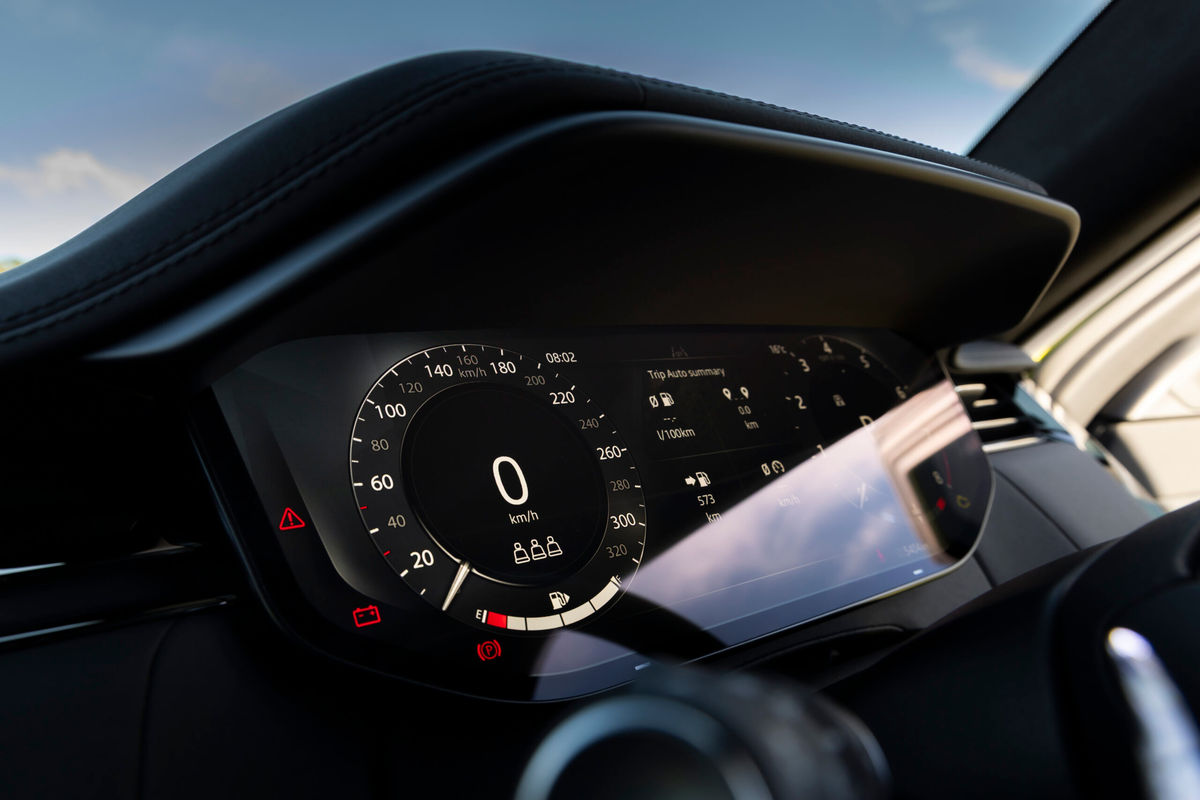
Then I was told to go — really go. Flat-footed down the back straight, the Sport SV delivered relentless acceleration; we touched 195 km/h before the braking zone.
I was completely dialled in, and Devin seemed happy. He urged me to get on the power earlier and carry more speed on the exit while helping me find the best line through the circuit’s fantastic sequence of corners. At times, my instinct was to back off: every sense told me a car this heavy and tall could not possibly make it through in one piece.
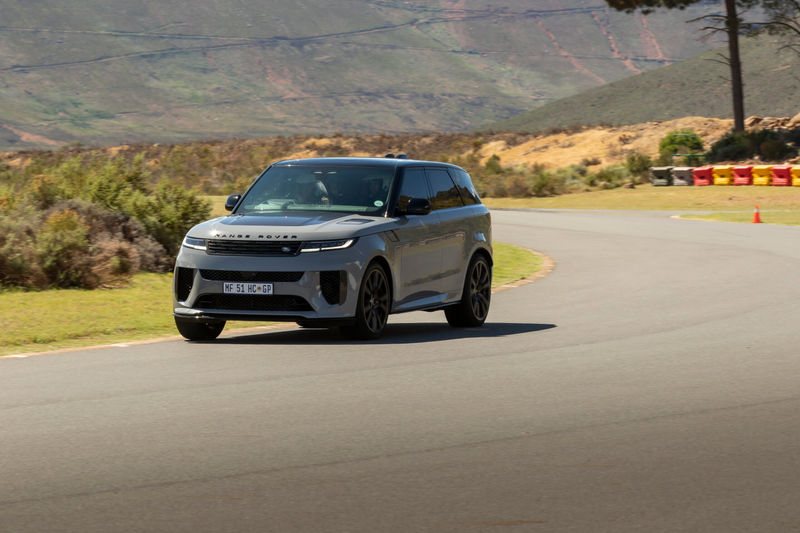
Devin was one step ahead. He sensed the hesitation and told me to stay on it, maintain my speed and hold a constant throttle. It was absolutely exhilarating.
Engineering wizardry — but does anyone need it?
The most remarkable aspect of the experience was the body control. I had never driven an SUV that cornered this flat, resisted roll so convincingly under huge lateral load, and remained so neutral under hard braking and acceleration.
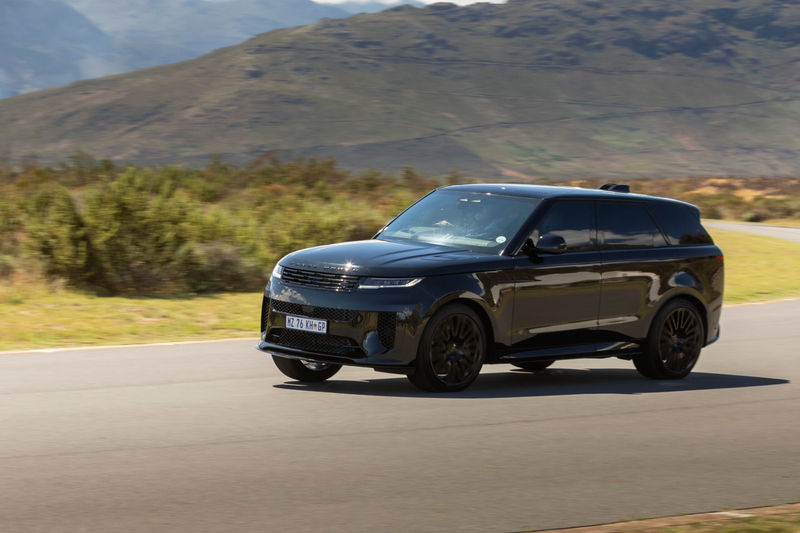
This is engineering wizardry. The Range Rover Sport SV is heavy and its centre of gravity is high — two characteristics you emphatically do not want in a race car or sports car, and two traits those pesky laws of physics are normally delighted to expose.
Yet the Sport SV laughs at those laws, raises a middle finger and says: catch me if you can.
It is, by some margin, the best-handling SUV I have driven. Its limits sit far beyond what the average driver will ask of it, and if you run out of talent, the stability control and torque-vectoring systems are ready to help save you from a long phone call to Budget Insurance.
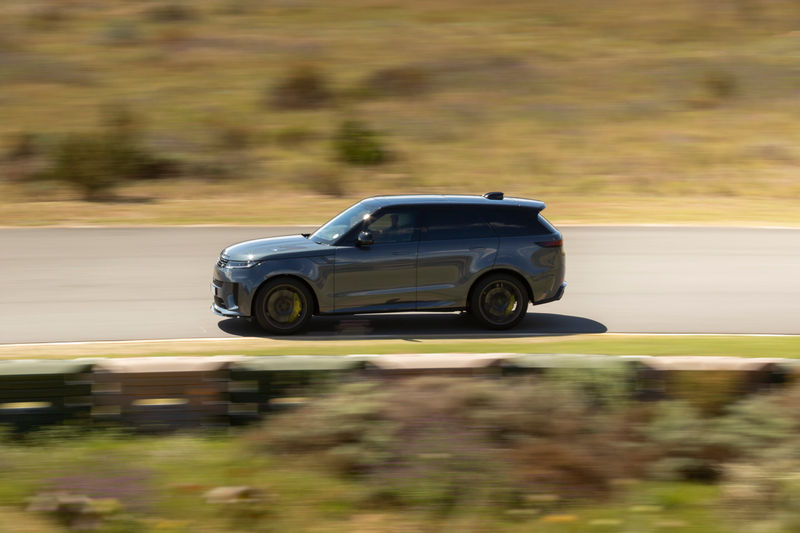
For all that, I am not convinced this hugely impressive ability is strictly necessary. Few people buy a Range Rover Sport dreaming of — or intending to — hammer it around a circuit.
If you can afford one, it is unlikely to be your only car. I imagine something low-slung, two-seater and overtly sporty might be parked beside it.
Yet in the modern motoring marketplace, the Range Rover Sport SV makes complete sense. The appeal is that the SV can be driven on track. It can hunt SUV lap records. It can hang onto the taillights of your mate’s M5 at the next track day.
Whether the owner ever does any of that is almost beside the point.
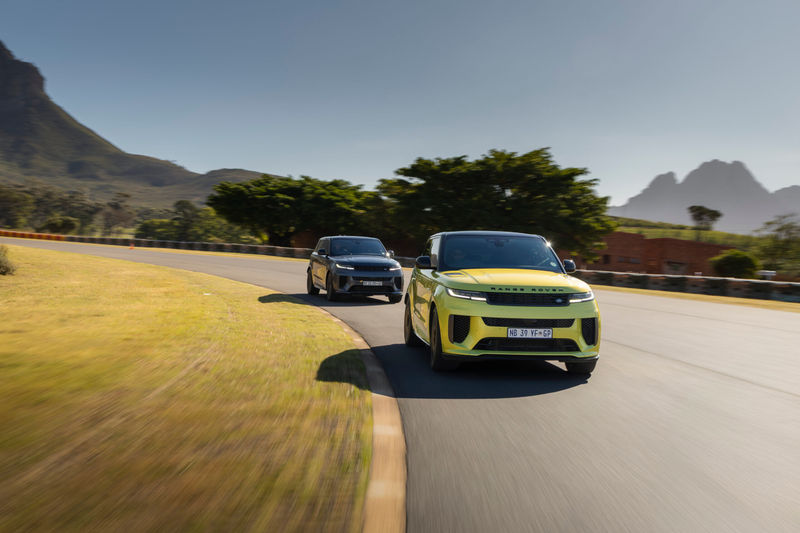
Range Rover knows its clients. They want the best of the best: luxury, power, status, regal aesthetics and badge prestige.
Excitingly — and increasingly rarely — the bean counters appear to have let the engineers run wild. Range Rover can now make a credible claim to building one of the finest-handling SUVs in the world.
In my experience, right now, nothing else comes close.
Read more: Range Rover vs Range Rover Sport: What’s the difference?
Ciro De Siena

Ciro built his first car website back in his university days and despite denting his first ever test car, it launched his career. He's still at this car journalism gig 16 years later and over the years has hosted live TV segments on national television and hosts a regular car segment on CapeTalk radio. He is most at his happiest however producing content for the Cars.co.za Youtube channel.