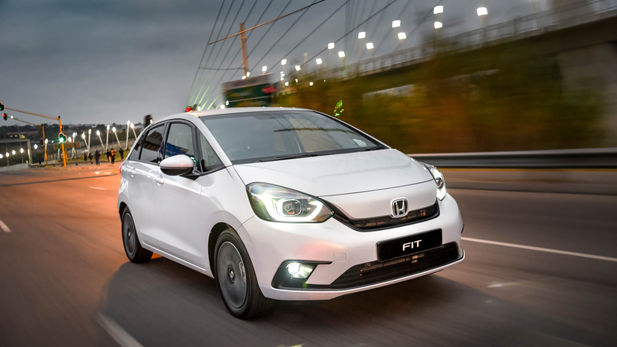
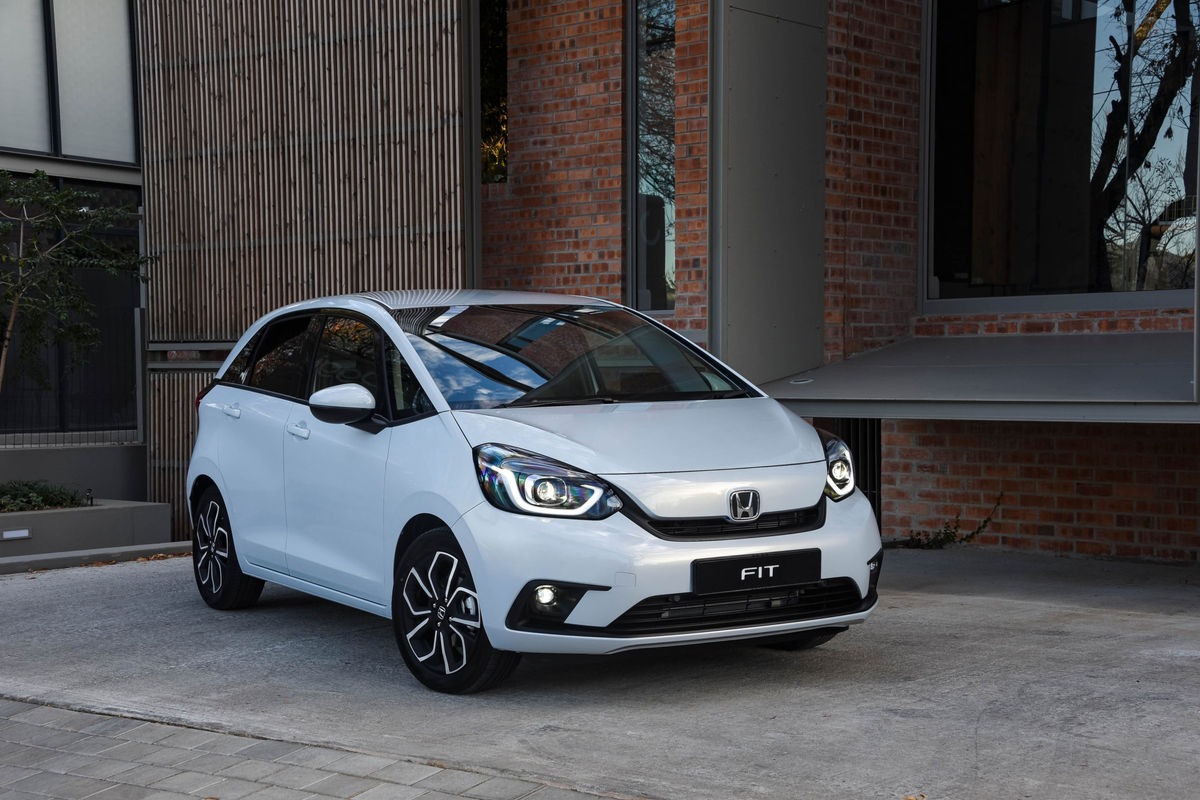
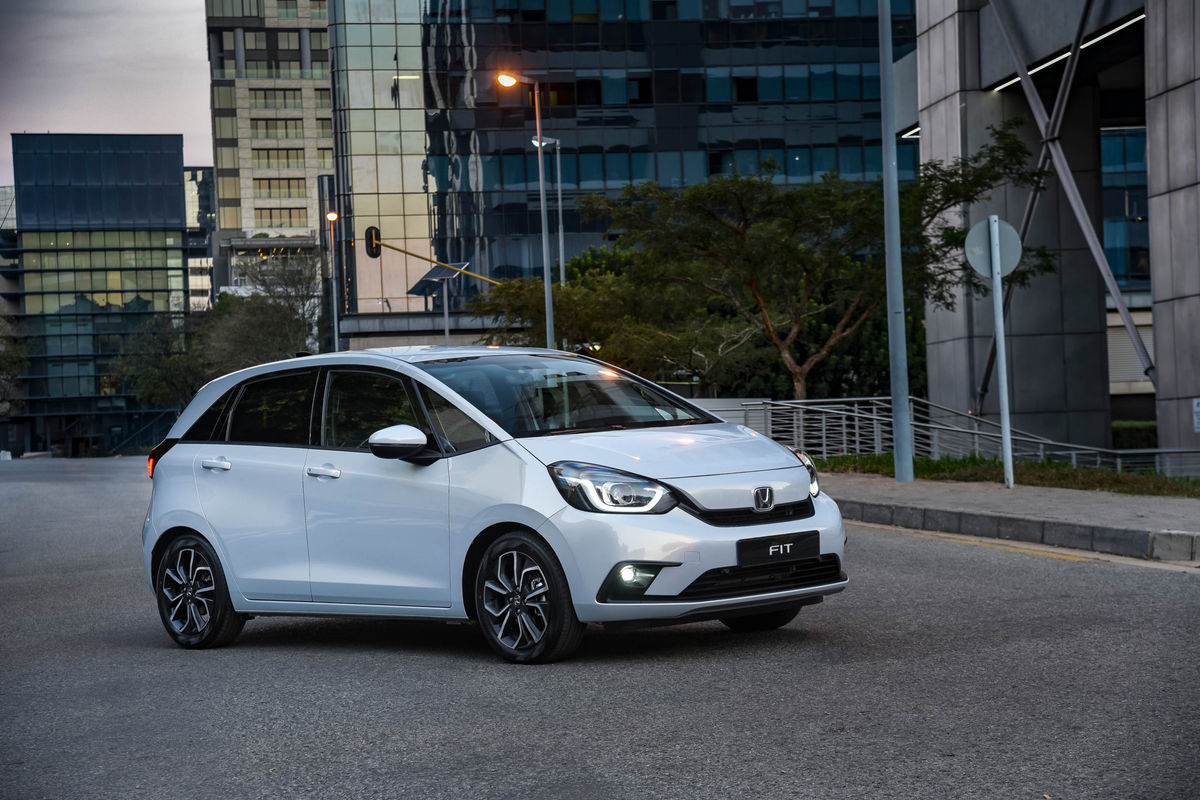
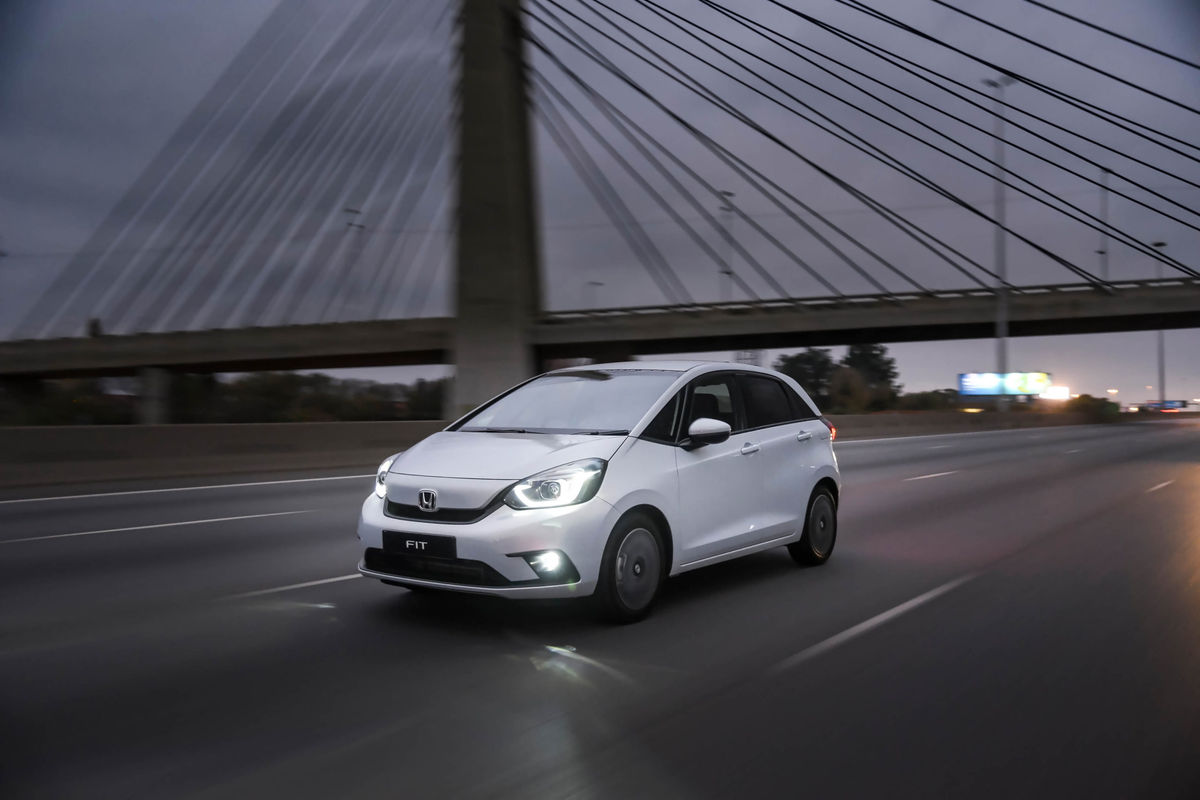
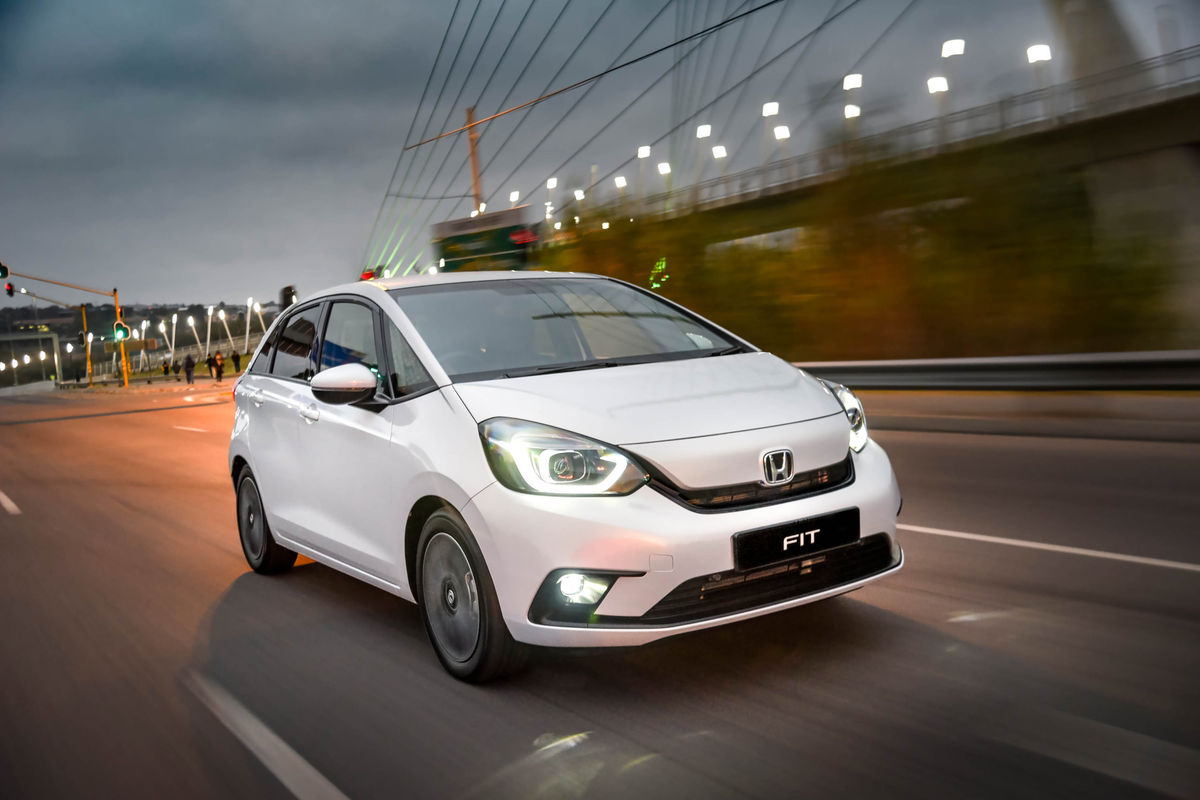
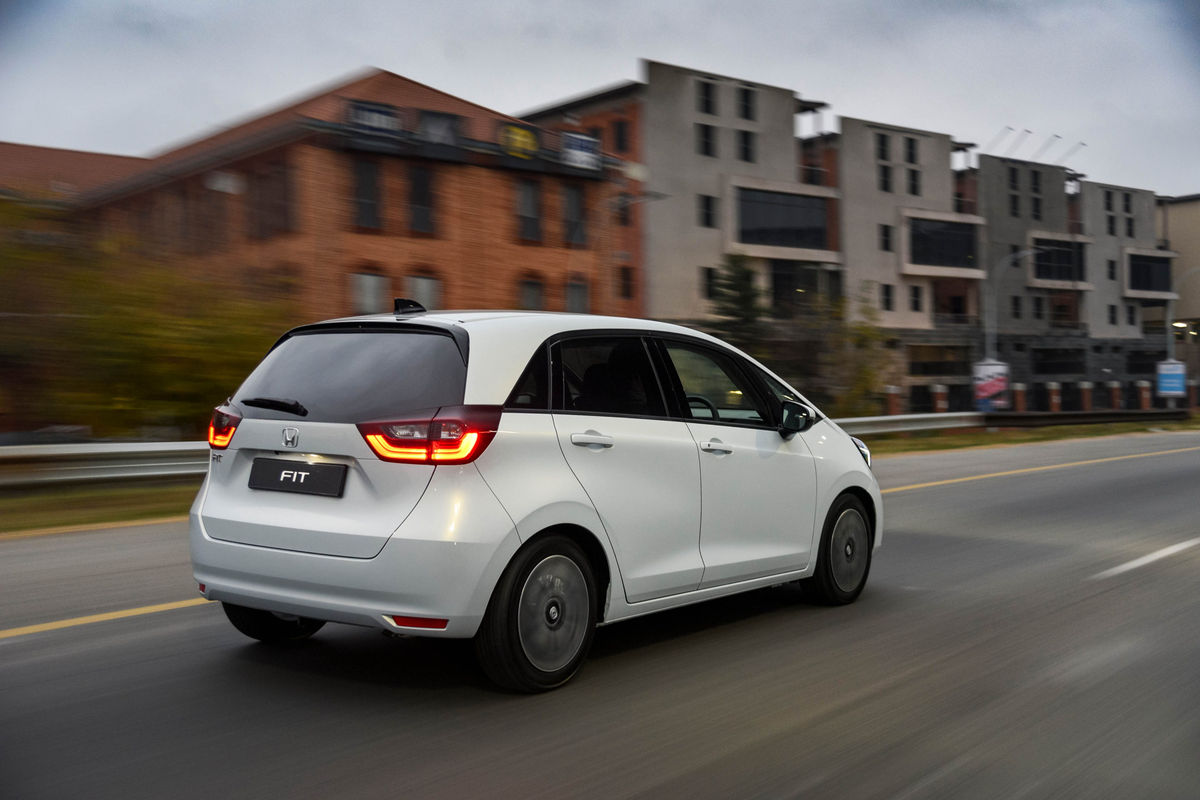

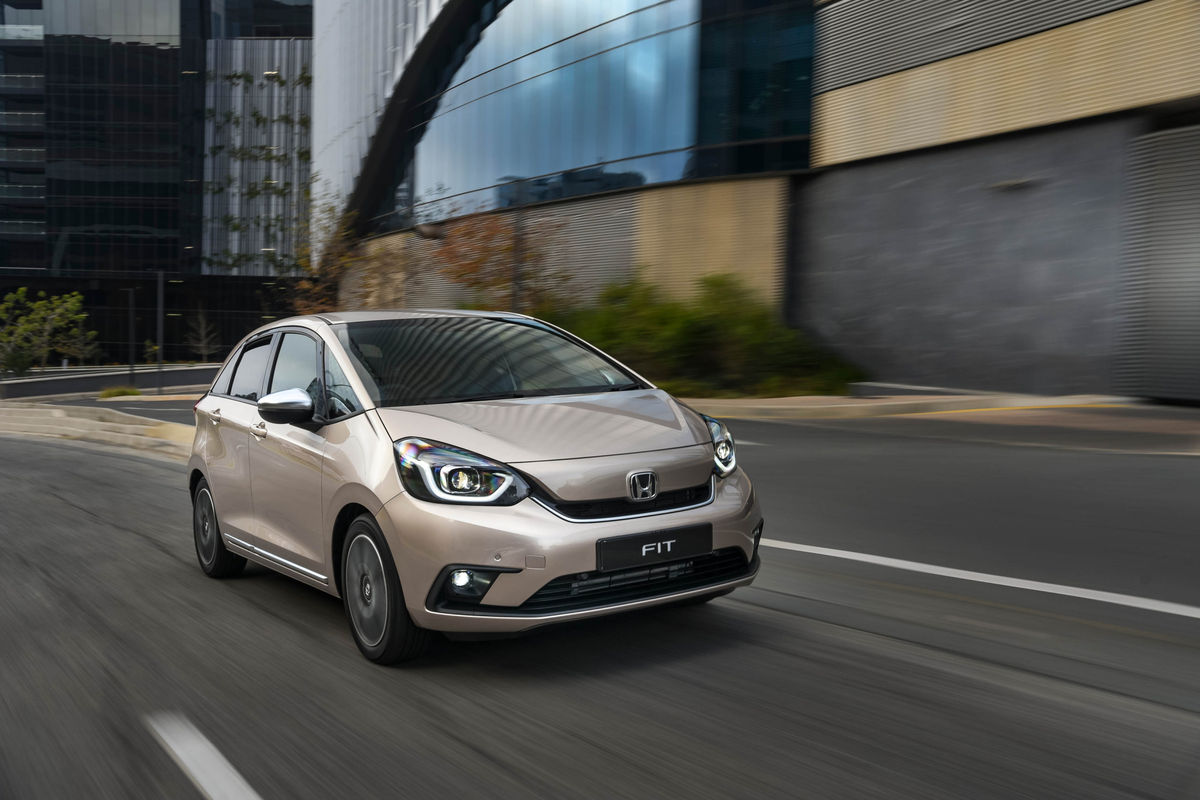
The popularity of Honda’s most popular hatchback has waned through the years – because of fierce competition in its segment, yes, but also the public perception that it’s a car “that’d be perfect for your gran”. In a bid to reframe the Jazz, Honda SA has changed its name to Fit (as the model is known in its home market) and freshened its looks to appeal to a younger clientele. We drove the new model at its local launch in the Western Cape to see if it’s more hip-hop than hip-op.
What’s new on the Honda Fit?
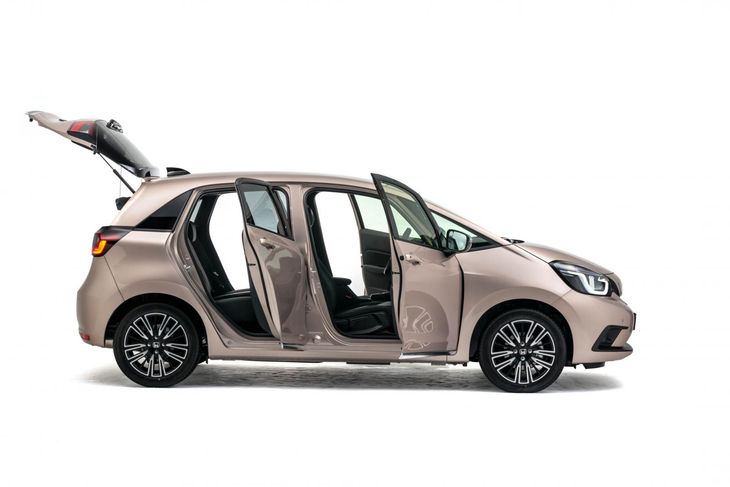
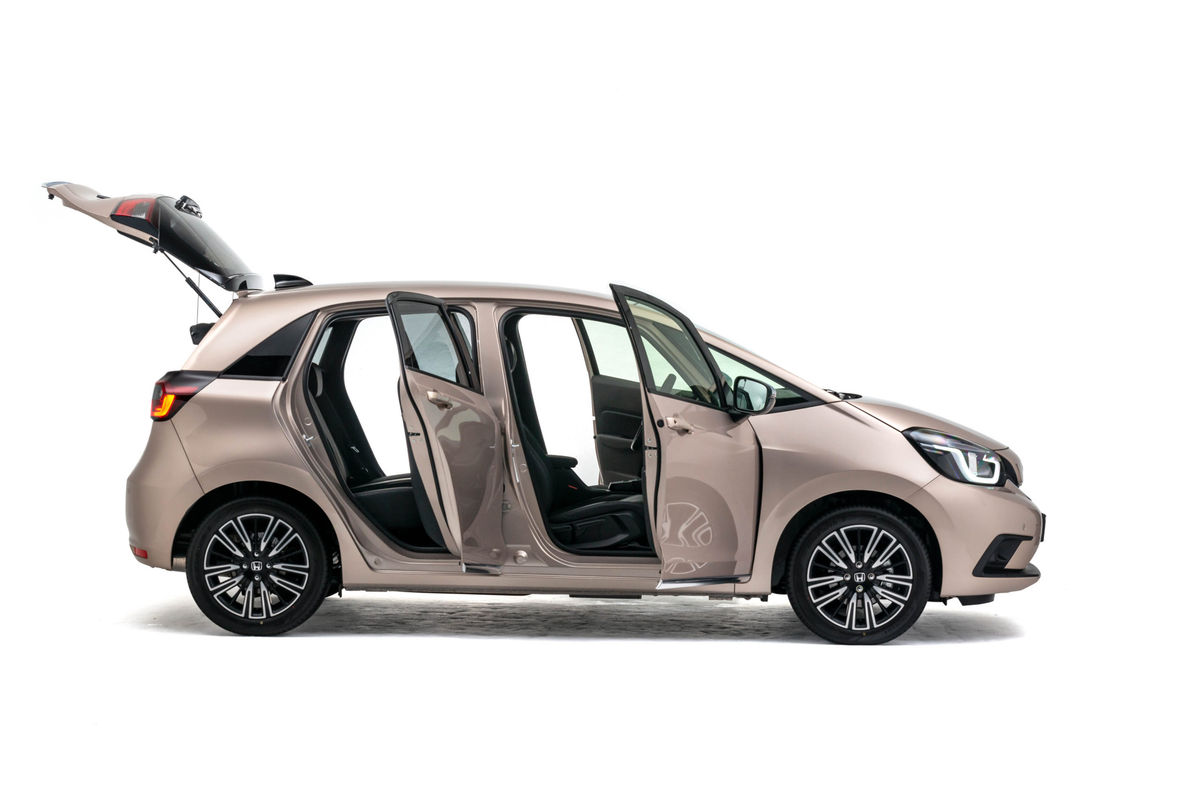
The name change from Jazz to Fit hasn’t made Honda’s compact hatchback any less practical.
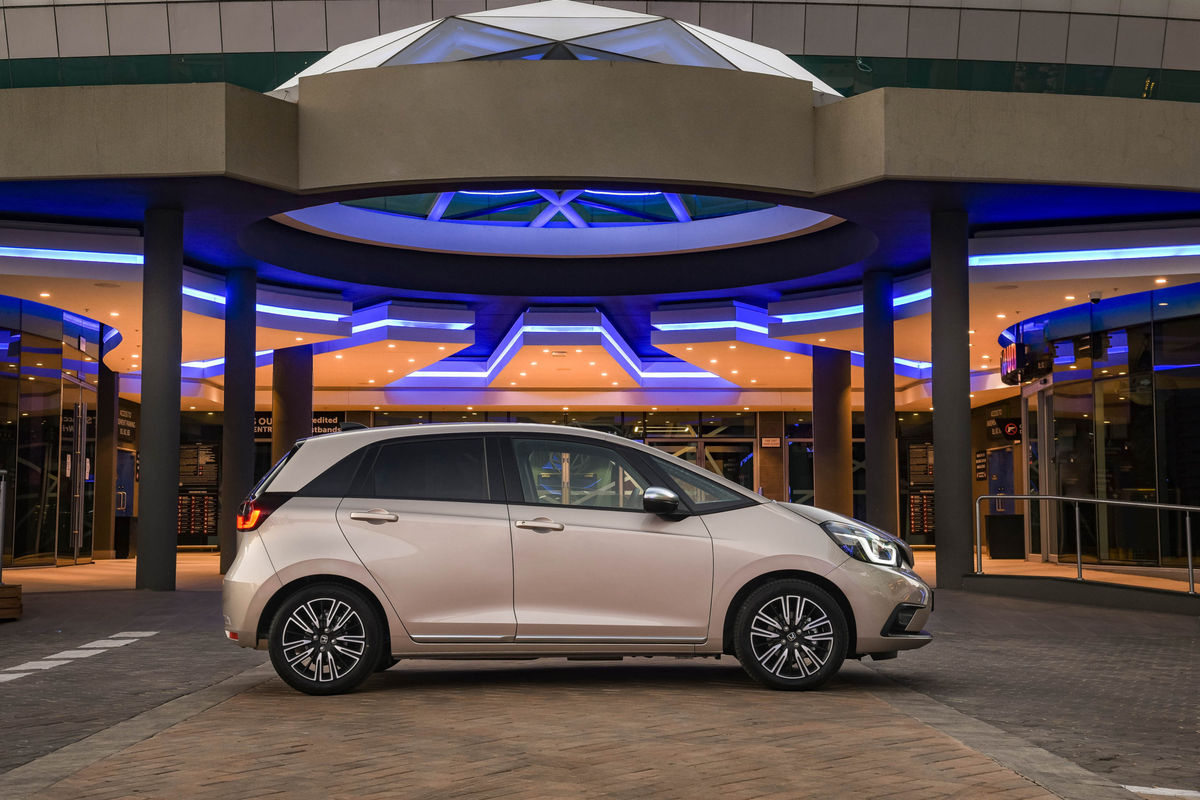
The Honda Fit is the Japanese name for the Honda Jazz as we used to know it (the latter moniker was used in the UK and a few other markets, including our own). Honda SA believes changing the name of its compact hatchback will help to introduce the model to a new generation of car buyers, but without alienating the mature age group that represents the majority of previous-gen Jazz customers.
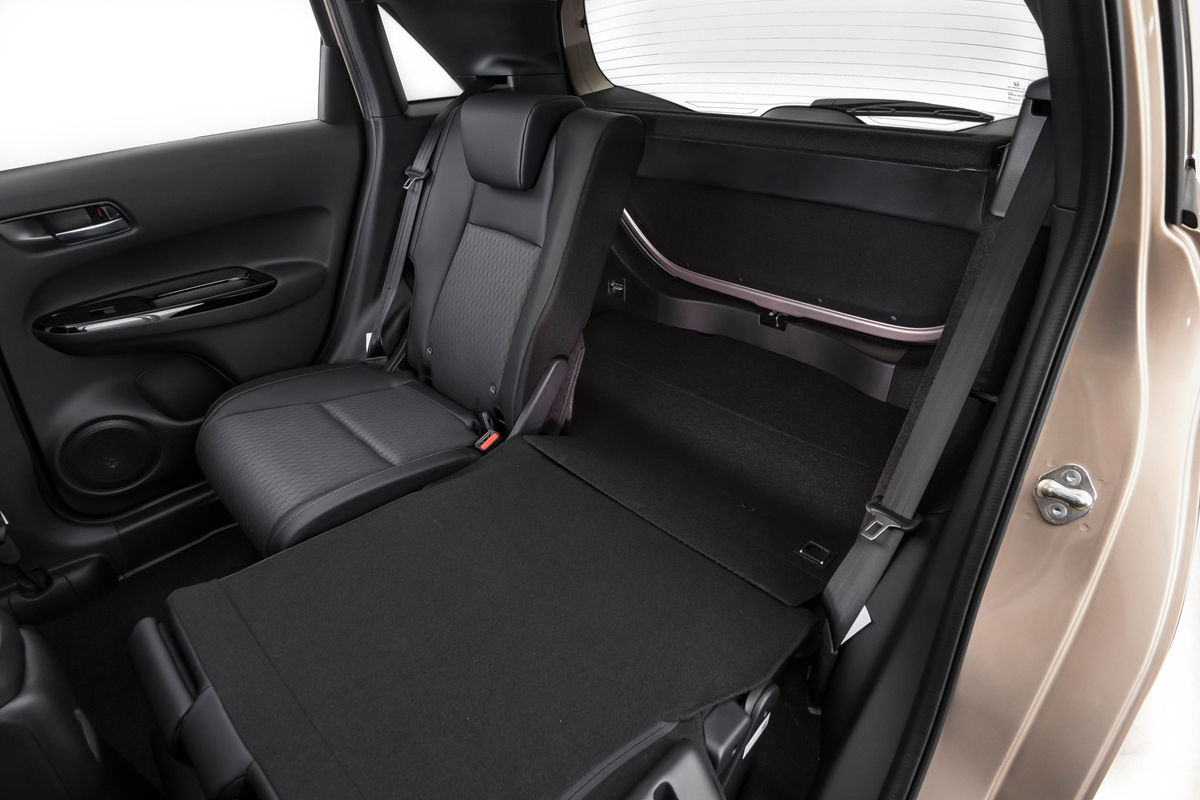
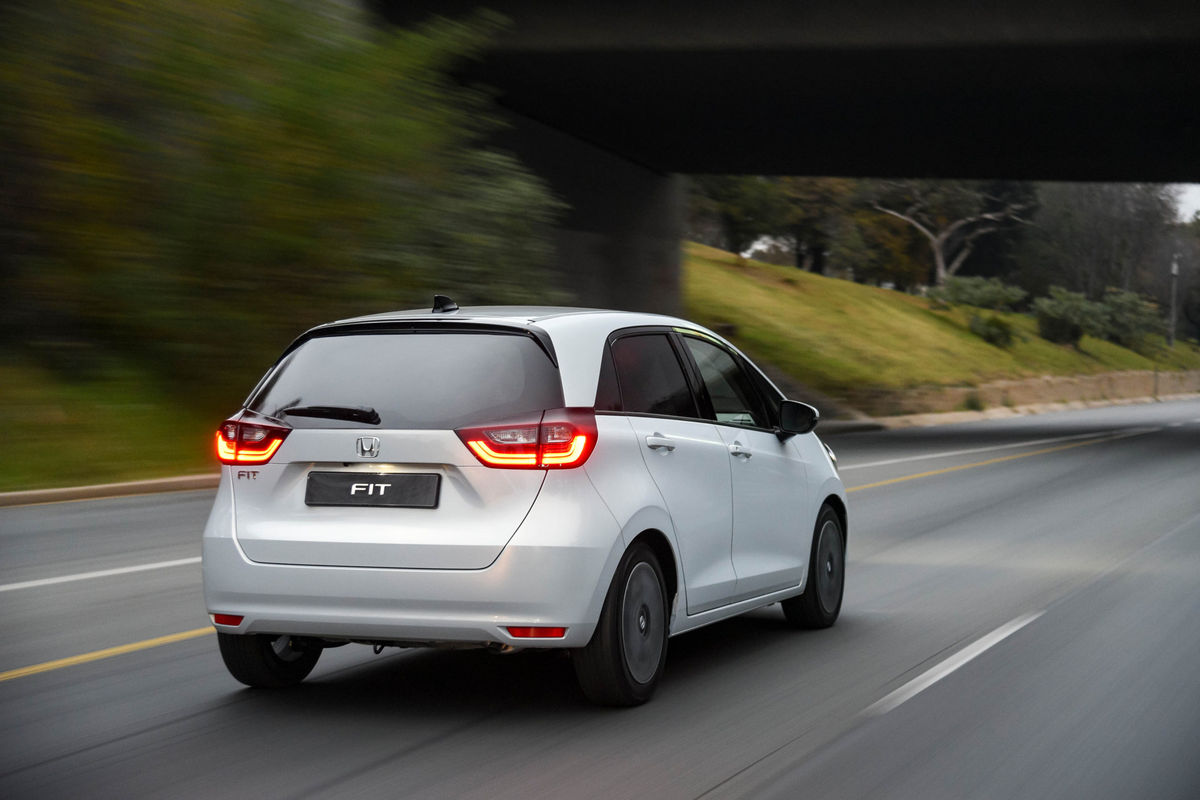
It’s an all-new car and no longer assembled in India for our market – this one comes straight from Japan. It’s 88mm longer than the model it replaces and its extra size is notable when driving next to the rivalling Volkswagen Polo. The Fit retains the Magic Seats, which afford the utility of the largest loading capacity in the segment. What’s more, they create excellent legroom for rear passengers.
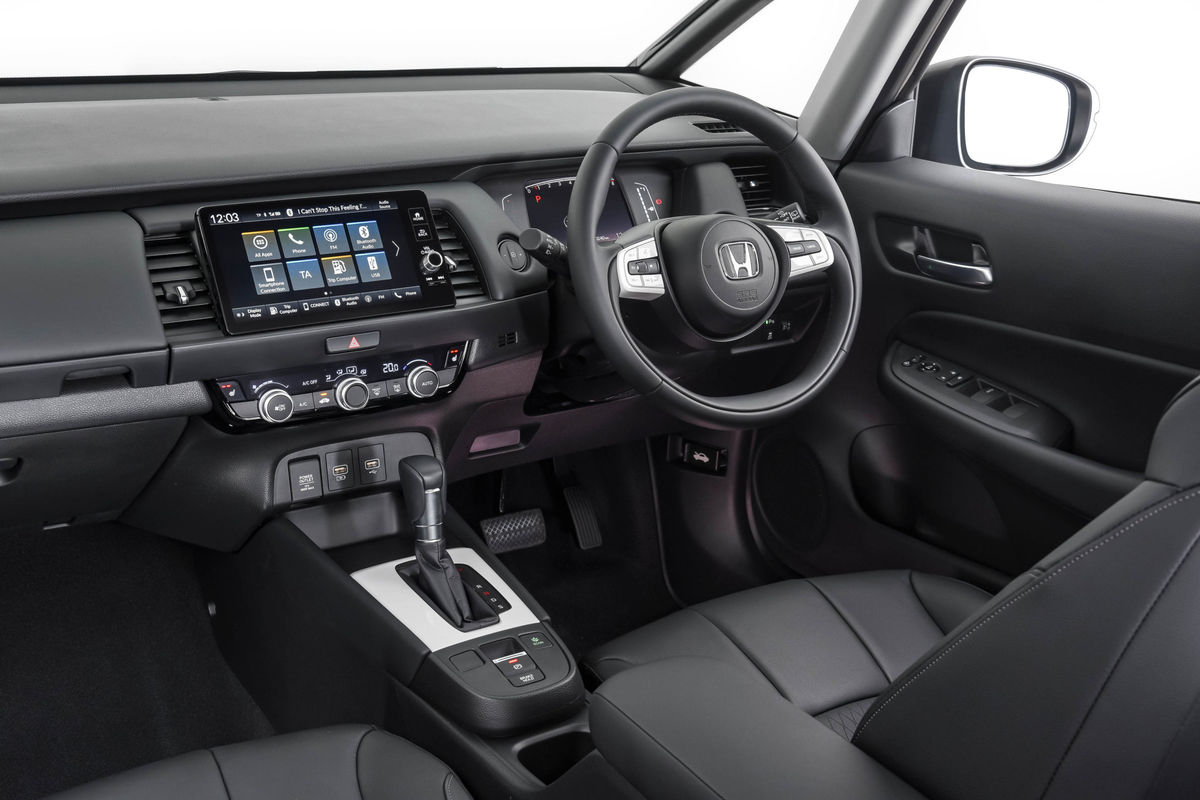
A new touchscreen infotainment system and digital instrument cluster bring much-needed tech improvements to Honda’s newcomer, while outward vision (through the front and sides of the cabin) has been improved by altering the design of the front doors to allow for larger side windows.
Two petrol engines have been assigned to the Fit range, one of which does duty as part of a hybrid drivetrain that’s vastly updated from the previous Jazz’s petrol-electric hybrid system. Interestingly, no manual gearboxes are available; all derivatives employ a continuously variable automatic transmission (CVT), with a fixed-gear configuration in the hybrid version.
What’s powering the Honda Fit?
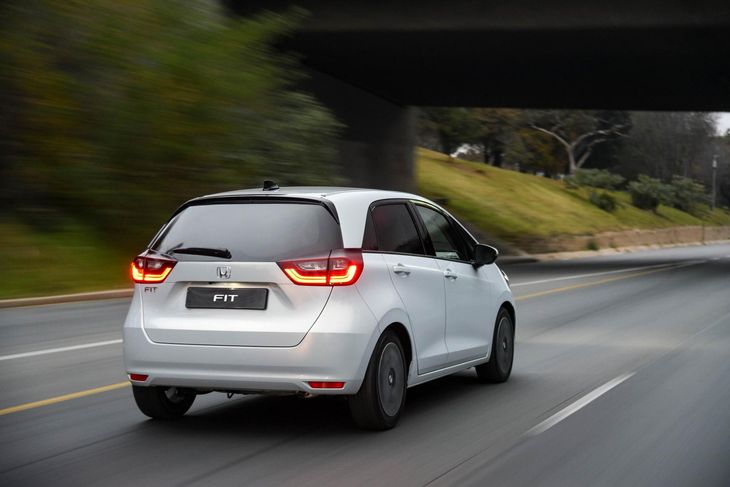
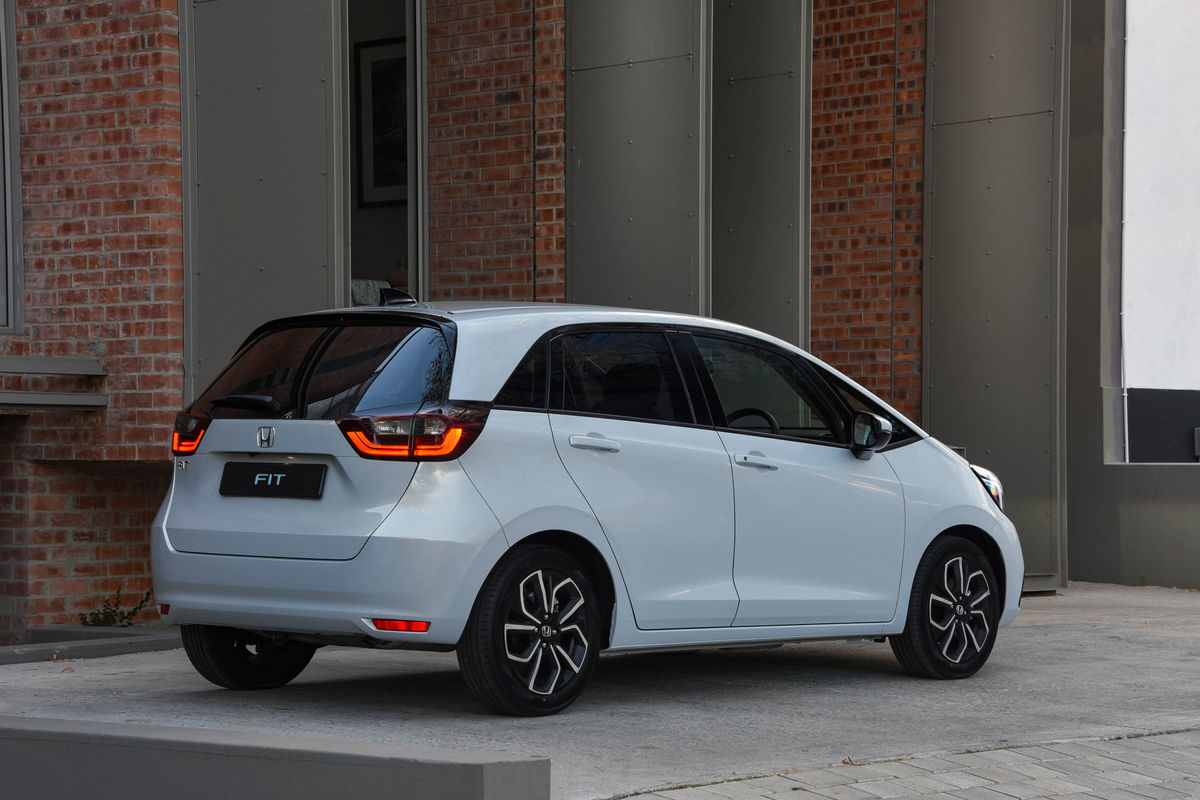
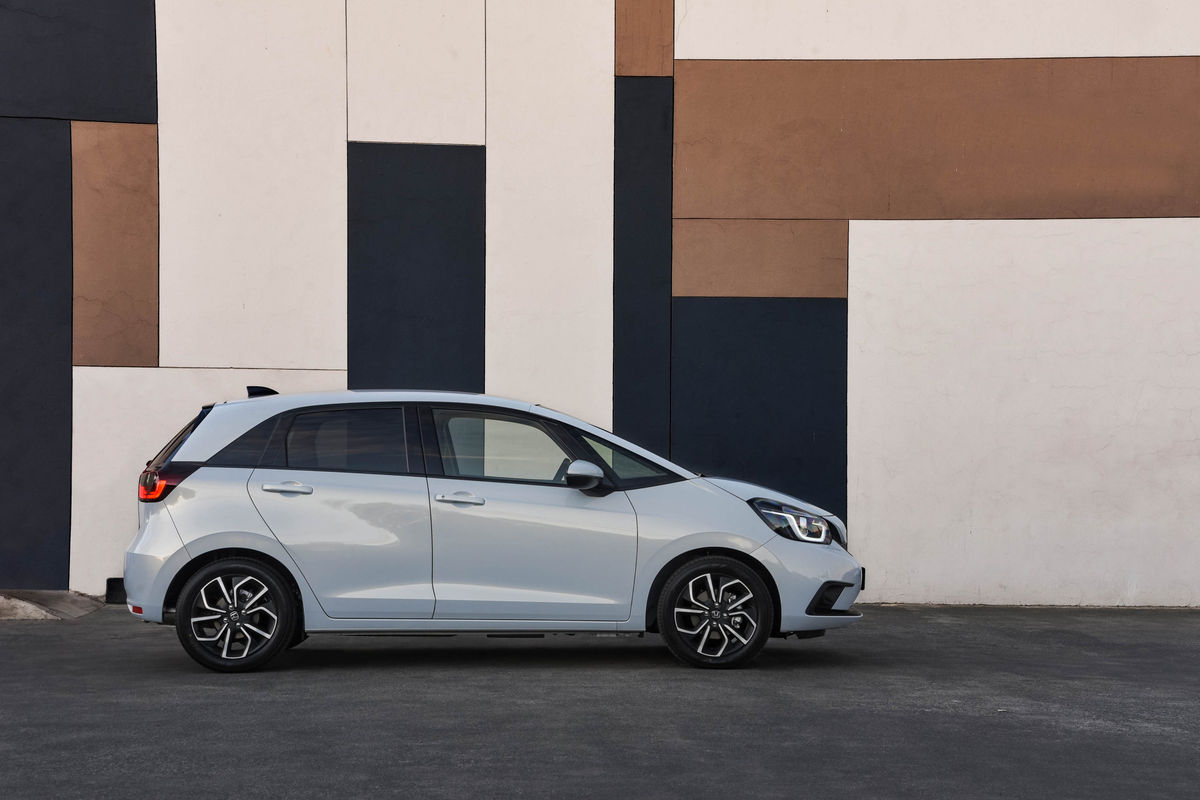
The Honda Fit is visibly bigger on the road than rivals such as Polo and i20.
The Comfort, Elegance and Executive derivatives are all powered by a 1.5-litre petrol engine that produces peak outputs of 89kW and 145Nm of torque. The claimed fuel consumption figures for this non-hybrid powerplant is 5.5L/100km and that’s around the indicated consumption figure we noted having driven the Fit in mixed driving conditions over our 200km route.
As a brand-building exercise, Honda SA is also offering a Fit Hybrid that combines a 1.5-litre petrol motor with a battery and electric motor to produce combined outputs of 80kW and 253Nm of torque. The hybrid’s claimed fuel consumption figure is just 3.7L/100km. With the hybrid system, most of the fuel consumption benefits are reaped in town when the electric motor can do most of the propulsion work.
Both engines feel capable and, um, fit for purpose, while the CVT is fine until you want to press on or at least use more of the engine’s power reserves. At that point, you get the typical high-rpm drone until you revert to a steadier pace, at which point things quieten down.
The fixed-gear transmission in the hybrid seems to work in a similar way to a CVT, but it has simulated “shifts” to make it feel as if the car’s shifting gears (even though it isn’t). It sounds a bit complicated, come to think of it, but as a prospective driver of the Fit Hybrid, all you really need to know is that the transmission works (provides smooth acceleration).
Is it spacious and modern inside?
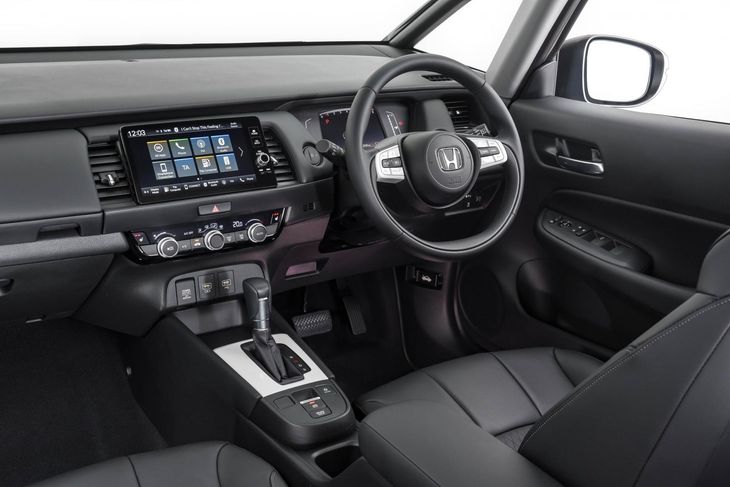
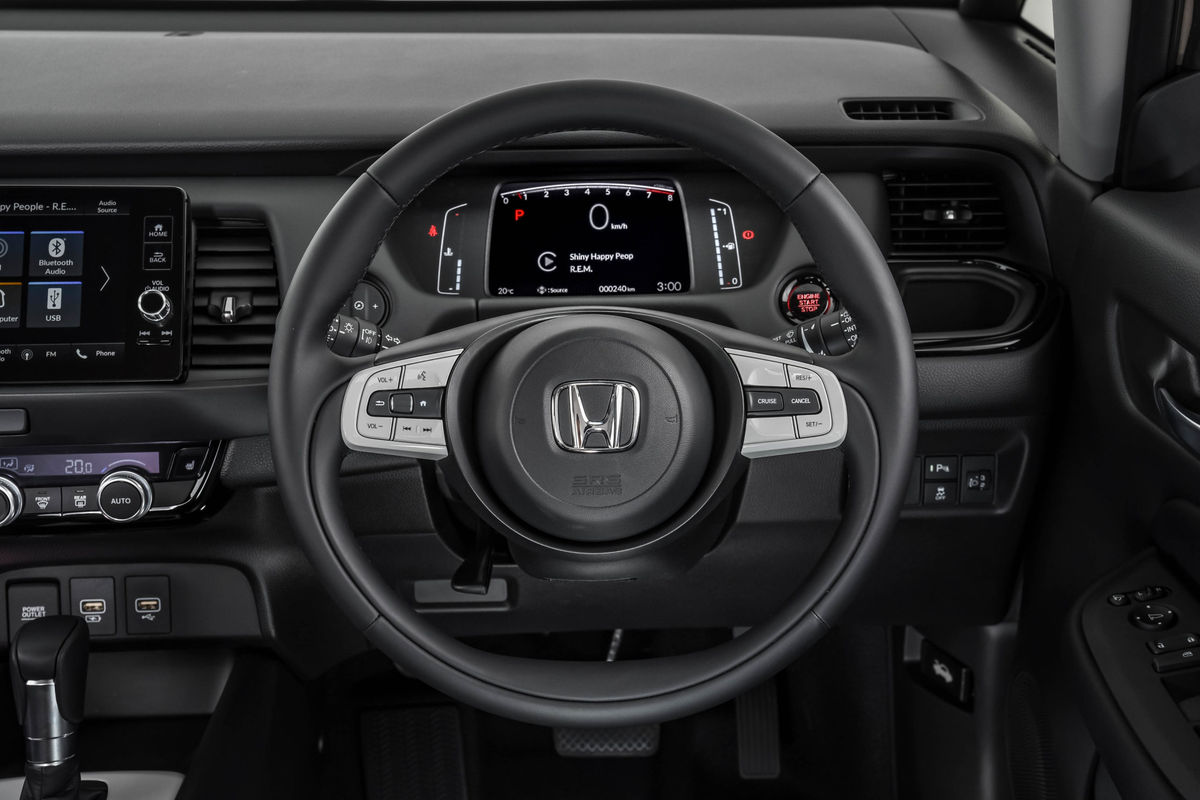
The steering wheel is lifted from the all-electric Honda e.
Class-leading is the best way to describe the cabin space in the Fit. It’s very comfortable inside and passenger space is certainly at the top of the hatchback segment. Rear legroom, meanwhile, is excellent but the load bay is a little on the smaller side at just 309L (claimed figures, with the hybrid version said to have 290L). For comparison, the aforementioned Polo has a claimed 350L luggage capacity.
The “magic” of the Honda Fit comes to the fore when you fold the rear seats down; they sink right down to the floor to create a perfectly flat load area and a cavernous 1210L of utility space. The Magic Seats have always netted Honda’s compact hatchback extra points for practicality and that has not changed with this new model.
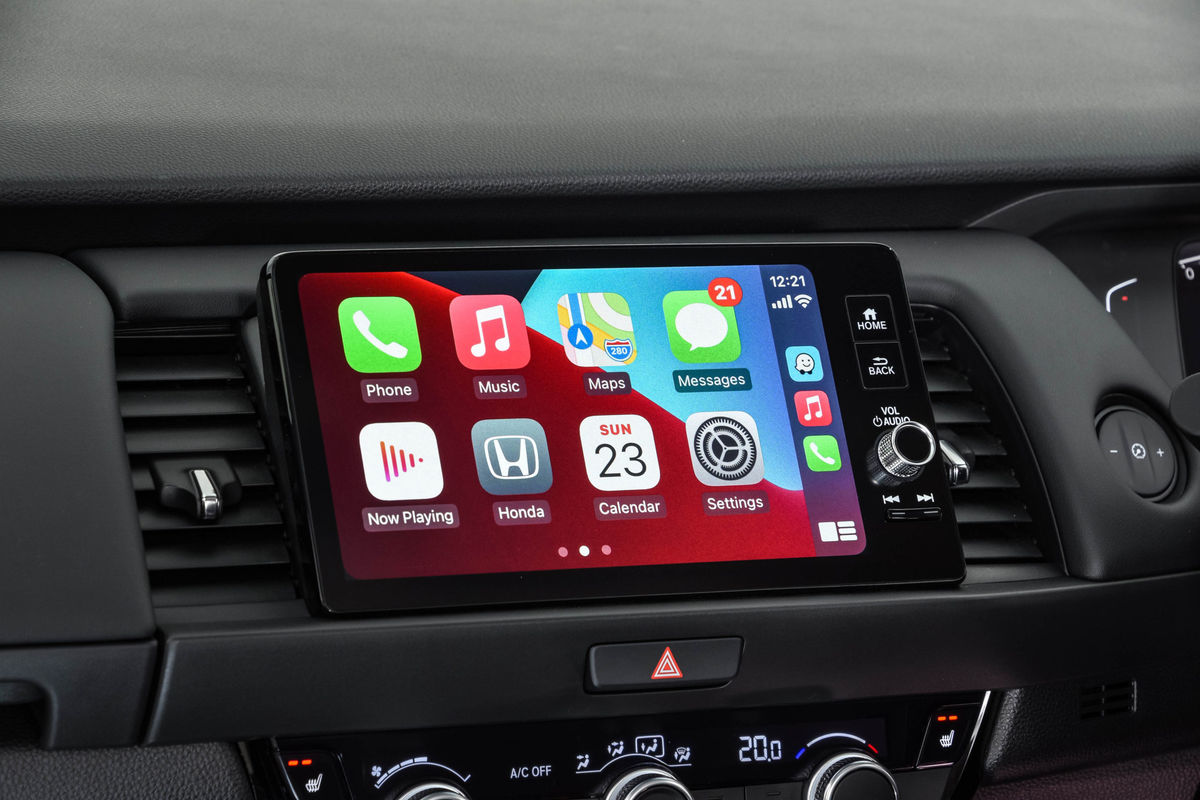
In terms of tech, the new infotainment system is simple to use and connects to your phone via 2 USB ports in the front, which enable Apple Carplay and Android Auto compatibility – the former screen-mirroring technology can also be connected wirelessly. Two separate USB ports are available for rear passengers too.
Analogue dials appear to be on their way out on most new models, including the Fit, which has a fully digital instrument cluster that is set between the gap in the steering wheel (rather than above it like most modern cars). The tiller is carried over from the Honda e, the retro-styled electric car Honda sells elsewhere in the world. It’s a nice touch that, in combination with the white inserts that surround the multifunction buttons, endow the ‘wheel with a pleasingly premium feel.
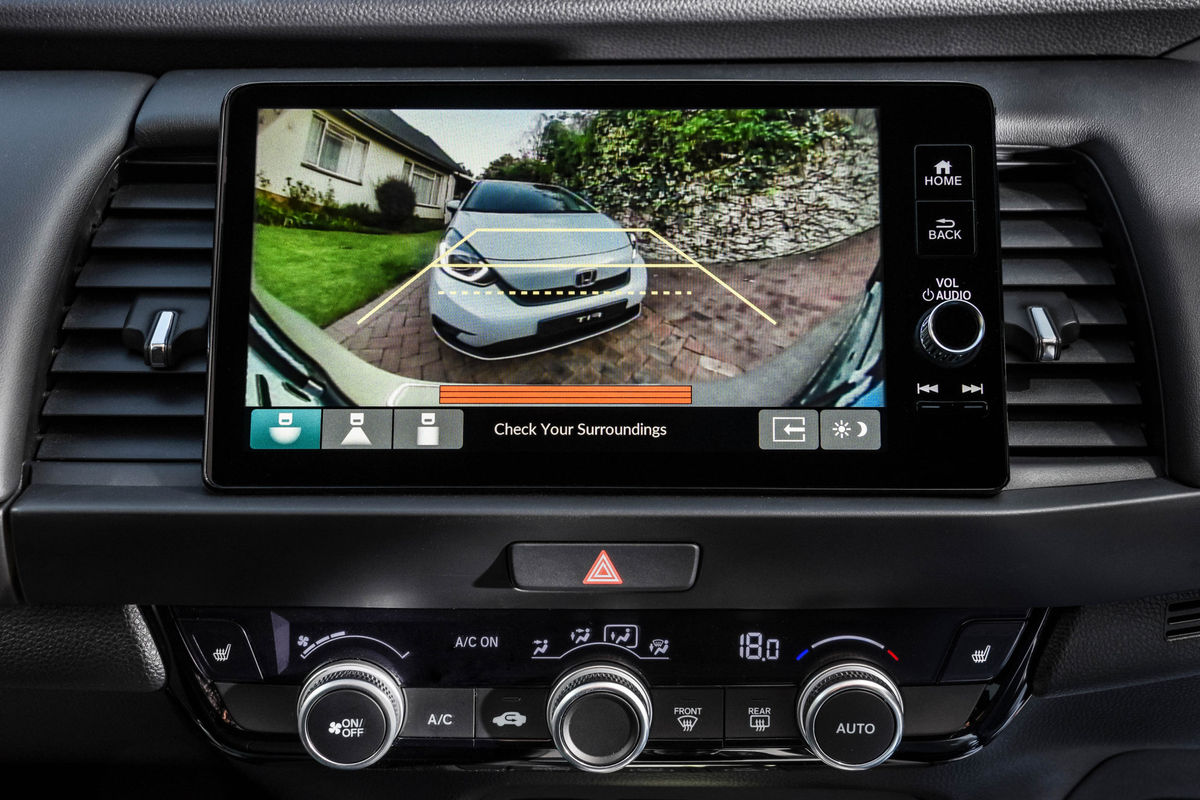
The top-spec Hybrid has some extremely high-end features, including adaptive cruise control, high-beam assist, lane-departure warning and collision mitigating braking. A reverse-view camera is fitted to all but the entry-level Comfort derivative, while front and rear parking sensors, as well as front heated seats (which we made good use of on a rainy Cape day) feature on the Executive derivative.
Is the Fit fun to drive?
I haven’t encountered a fun-to-drive CVT-equipped car yet, because the driving experience doesn’t gel with revving the engine to high-heaven as you attempt to extract eager performance from the vehicle. That said, the Fit rode particularly well over most surfaces we traversed during the launch drive (mostly country back roads). It’s quiet inside and the chassis is responsive to steering inputs. It’s the type of hatchback you’re not going to complain about after clocking up some long hours behind the ‘wheel. The seats are excellent too: very supportive and comfortable, whether you opt for cloth or leather trim.
Honda Fit pricing
The Honda Fit is sold with a 5-year/200 000km warranty, while the Hybrid model comes with an 8-year/200 000km warranty. A 4yr/80 000km service plan is also standard.
Honda Fit Comfort R319 900
Honda Fit Elegance R359 900
Honda Fit Executive R389 900
Honda Fit Hybrid R469 900
Full specs and pricing for the new Honda Fit can be found here
Summary
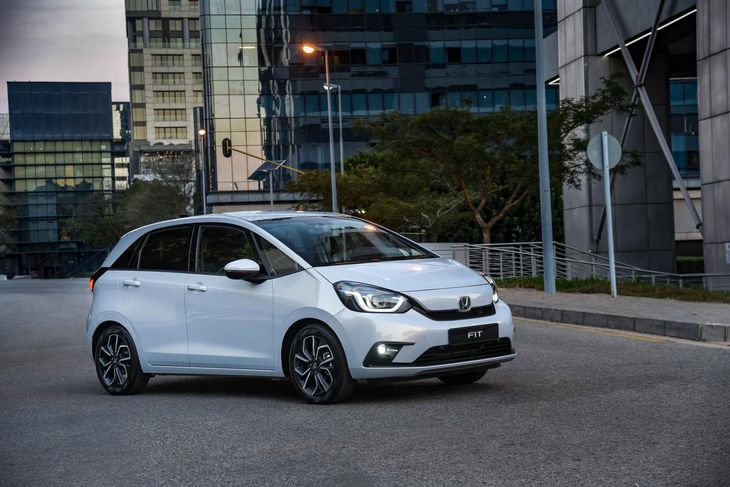
The Honda Fit remains an easily recommendable hatchback.
To recap, the previous-gen Fit (Jazz) seemed to eventually fall out of favour as Honda’s myriad competitors offered newer models, with fresher designs, more modern technology and superior drivetrains. Honda has seen to it that the new Fit addresses those issues, however. The design is newer (if perhaps a little too polarising for a B-segment hatchback), the infotainment tech is up to date, there are plenty of places to charge things and the screens are high-resolution. The powertrains are on par too; those who are particularly concerned with fuel economy will appreciate the Fit’s frugal consumption figures.
Unfortunately, the name change might not fundamentally change motorists’ perception of Honda’s compact hatchback model – the Fit’s unlikely to become that object of desire that the brand hopes will inspire younger buyers to want to own one, but it might just do the job of creating some much-needed buzz around the Honda brand.
Aside from the overly expensive Hybrid derivative (the additional taxes levied on hybrid models in the Republic makes them uncompetitive in our market), the rest of the range offers good value and tech. The FIt’s trump cards are still generous passenger space, those Magic Seats and Honda’s reputation for excellent reliability. Let’s see if those traits can help the brand regain some sales momentum…
Ashley Oldfield

Ashley has been riding or driving some sort of motorised vehicle since his 4th birthday when he got a Yamaha PW50. Equipped with years of racing experience, Ashley took up journalism and became a writer for some of South Africa’s best motoring magazines and online publications. He is SA’s first (and only) GT Academy winner having raced professionally overseas. He now serves as the Content Manager at Cars.co.za, putting his wealth of racing and driving experience to good use.