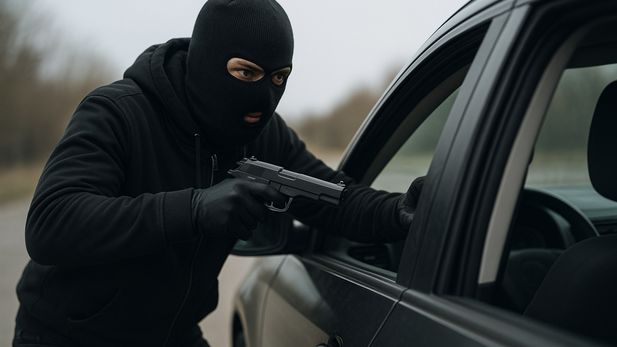
South Africa’s hijacking reality, in numbers and solutions, is something no car owner can avoid. Vehicle hijacking remains a very real risk for South African drivers and vehicle owners. According to the South African Police Service statistics, there were 4,533 carjackings between January and March 2025. That is roughly 50 incidents a day.
Gauteng accounted for just over half of the cases in that quarter, with 2,488 incidents. KwaZulu-Natal and the Western Cape were the second- and third most hijacking-affected provinces. Although the quarterly total was down approximately 15% year-over-year, the scale remains severe and justifies layered prevention.
If you want to avoid becoming part of those statistics, think in layers. No single anti-theft or hijacking device or product is perfect. Pair visibility that deters with technology that delays, alerts and helps recover the vehicle if the worst happens.
Insurers often single out legacy bakkie brands and locally built passenger vehicles as the highest risk. Why? Because these locally built vehicles are sold in significant numbers, there is a lucrative demand for service parts. That’s why so many locally built bakkies and compact passenger cars are targeted by hijackers.
Many insurers require either an early-warning or dual-tracking system to offer coverage, or apply surcharges if none is fitted.
Tracking and recovery services
These are the specialist post-incident recovery specialists who insurers often require for high-risk vehicles. The monthly fees for trackers add to your vehicle’s running costs. Many insurers either require a tracker or offer preferential cover if one is fitted.
Cartrack, Tracker, Netstar, Matrix, and Ctrack are renowned specialists in stolen vehicle recovery. All have different consumer packages, some starting at around R100 and going up depending on the requirements of the vehicle owner and insurer, such as early-warning or anti-jamming functionality.
Tracking companies are effective because of the control room telematics that can guide police to the vehicle. Some tracking companies also have aviation assets, such as helicopters, to assist with active chase-and-recovery operations.
Immobilisers and anti-hijack alarms
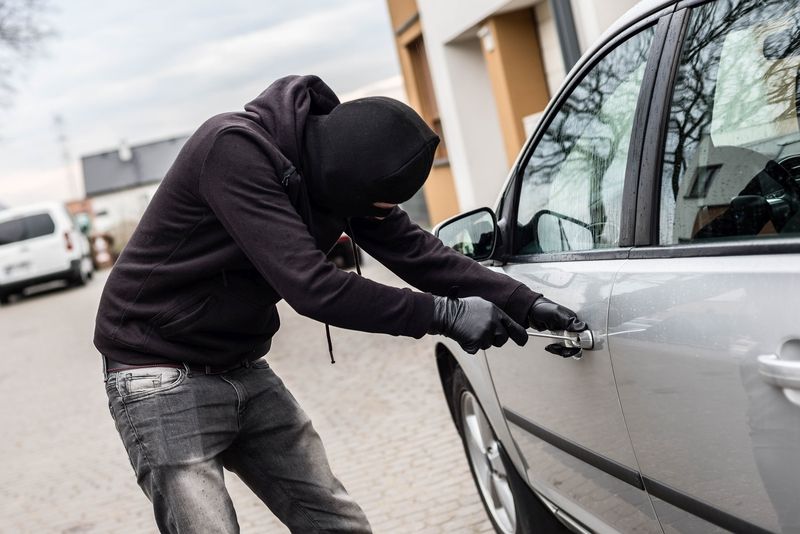
Modern immobiliser and alarm systems often include an anti-hijack mode that safely disables the vehicle after you have been forced out, plus remote jamming detection. Reputable brands include Autowatch and Sanji, which offer VESA-aligned products and fitment through approved centres. Pricing depends on the vehicle and features; budgets range from roughly R1 500 to R7 500 installed for mainstream alarm and immobiliser kits with anti-hijack features.
A newer option is the so-called ghost immobiliser
This adds a hidden PIN sequence using existing buttons in the car. It is discreet, does not require extra fobs and has no monthly fee. Typical installed prices advertised locally range from approximately R5,700 for the Ghost X to approximately R9,500 for higher-spec systems, such as the Ghost Plus.
Smash and grab safety film
This does not stop a hijacking on its own, but it delays entry and helps you drive away from an opportunistic attack. Complete vehicle fitment typically ranges from approximately R900 on promotion to R3,500 and above, depending on the film grade and vehicle size. Remember that the legal limit on darkness in South Africa is generally 35% visible light transmission. Reputable brands and fitters include PG Glass and LLumar fitment partners.

Mechanical locks
These are visible deterrents that increase the time and effort required to move the vehicle.
Steering wheel locks are inexpensive and quick to deploy. Typical retail prices range from approximately R200 to R450.
Gear locks add a fixed mechanical barrier. Universal kits can start at under R500, but professional, VESA-approved, vehicle-specific installations are recommended and can run higher, depending on the model and installer.
Dashcams with parking mode and live alerts
Dashcams can provide evidence and real-time notifications if paired with hard-wire kits and LTE features. You can spend from about R350 for basic units to several thousand rand for multi-channel 4K systems with parking surveillance.
What works best and why?
Visibility matters. A bright steering lock and clearly displayed smash-and-grab film tell offenders that your car will take more time and make more noise to access. Offenders prefer easy targets. These measures are inexpensive and immediate.
Disable and delay, to deflect. An immobiliser with anti-hijack mode and jamming detection counters employs modern methods that counter key cloning and remote jamming in car parks. Quality systems from established brands fitted by VESA-approved centres reduce false alarms and are compatible with insurer expectations. A ghost-type immobiliser adds discreet, driver-specific authorisation.
The threat of pursuit and recovery. A monitored tracker remains the single biggest contributor to recovering the vehicle and can expedite a police response. Insurers frequently require a tracker on higher-risk models, and some recommend dual devices for very high-risk vehicles, which spreads risk if one unit is found and removed.
Practical buying tips
Prioritise reputable brands, written warranties and VESA-approved fitment. This improves reliability and facilitates the processing of insurance claims.
Confirm with your insurer which categories of devices are required for your specific car. Discovery Insure and OUTsurance, for example, set device conditions on certain vehicles and emphasise trackers as part of risk management.
Think like a hijacker or theft syndicate. Visible devices, combined with hidden immobilisation and live tracking, make your car harder to steal and easier to locate. That combination is what moves you out of the easy-target category.