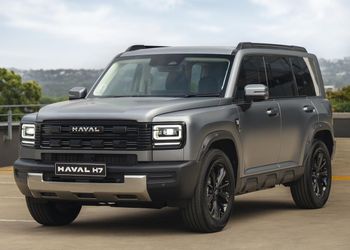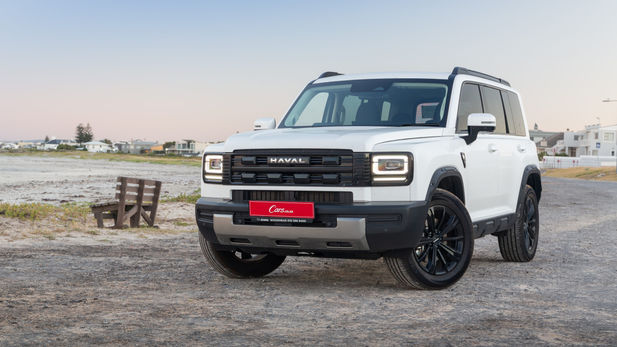
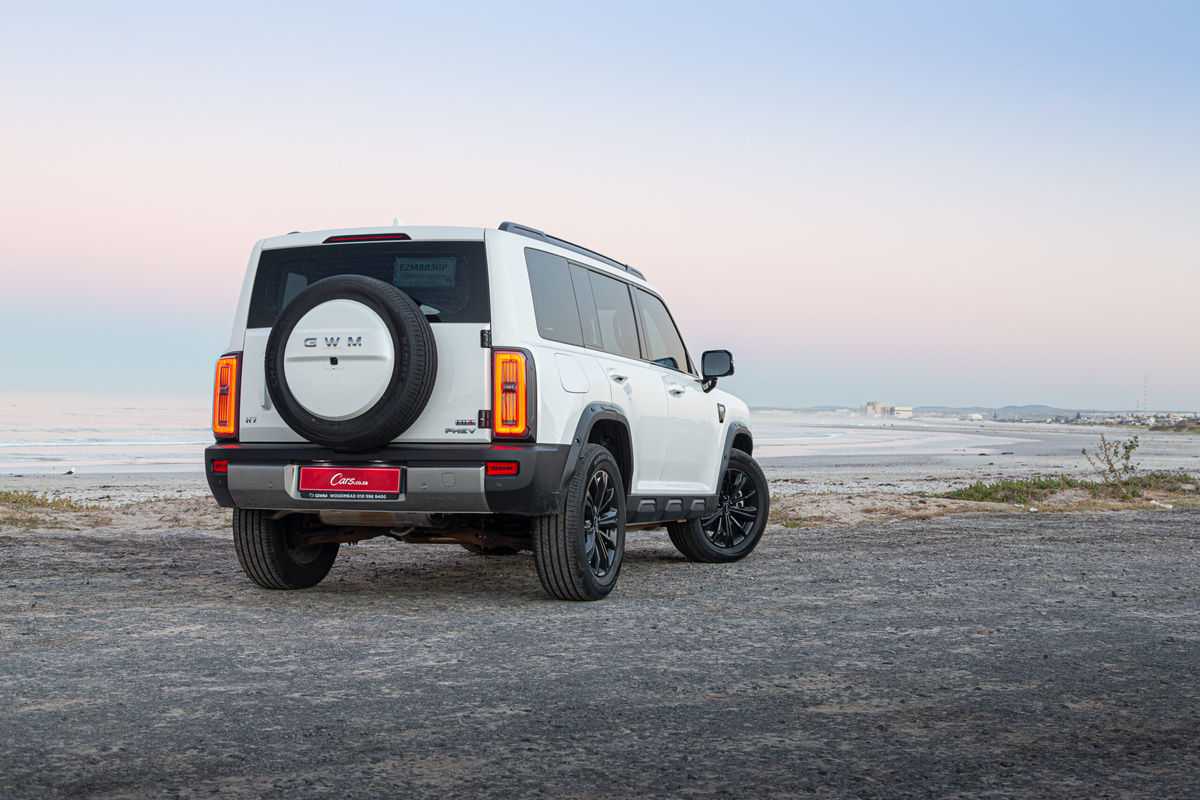
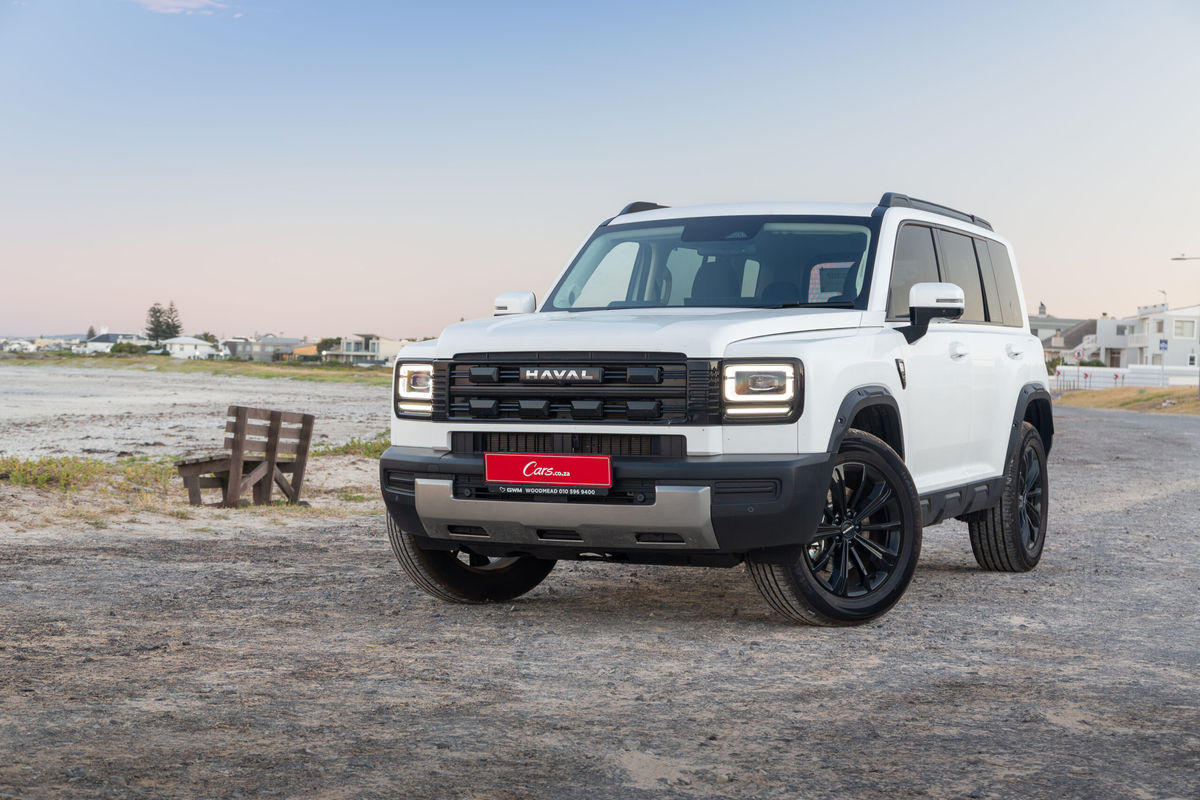
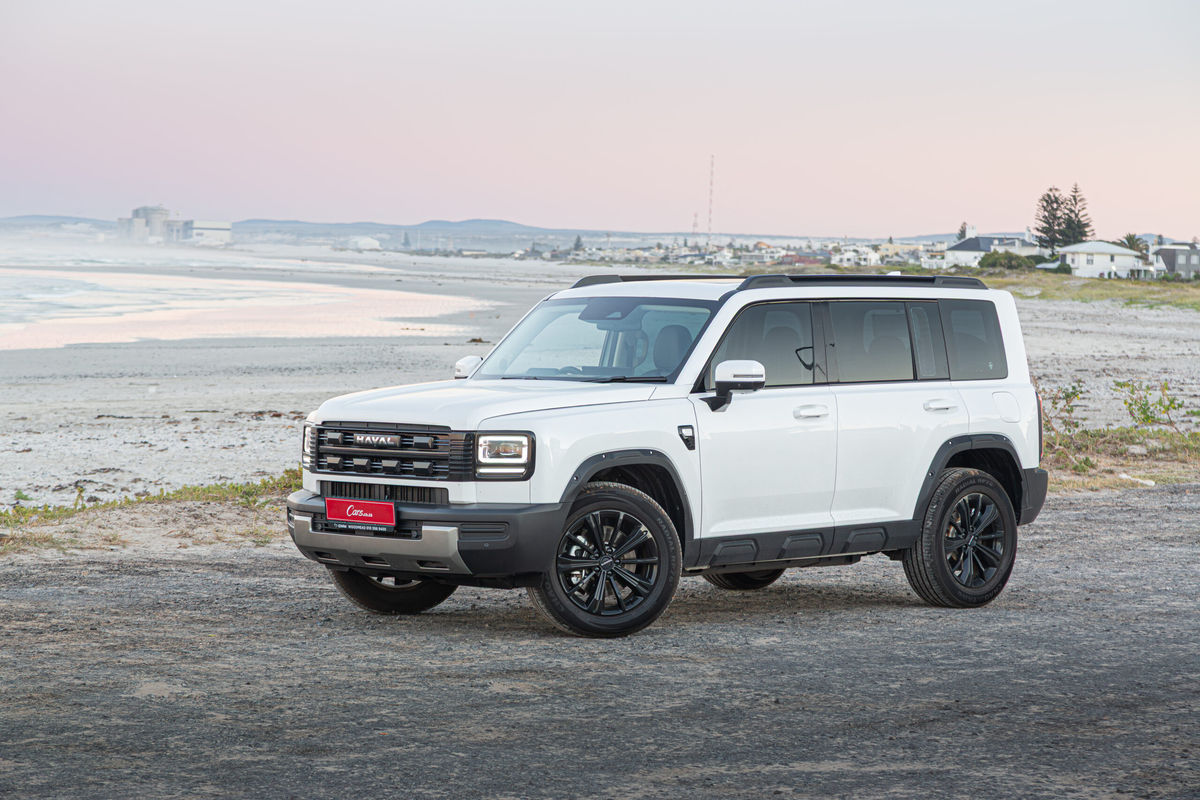
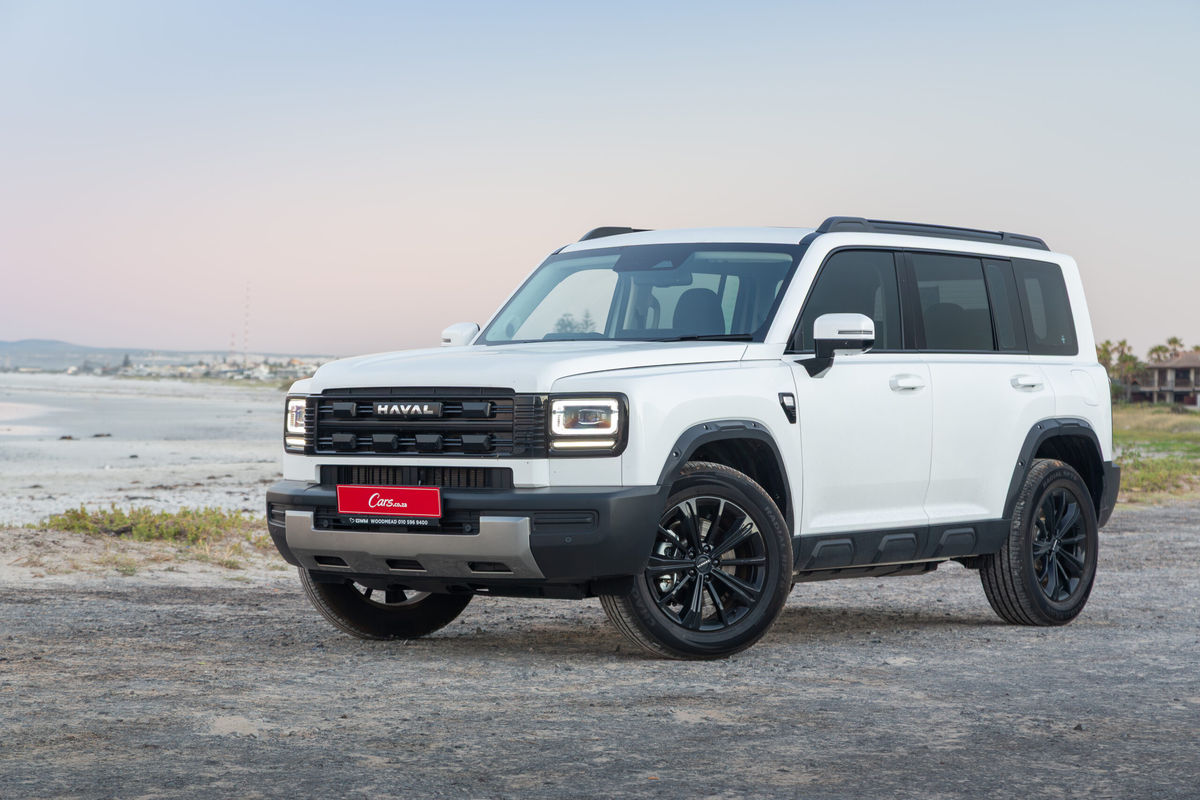
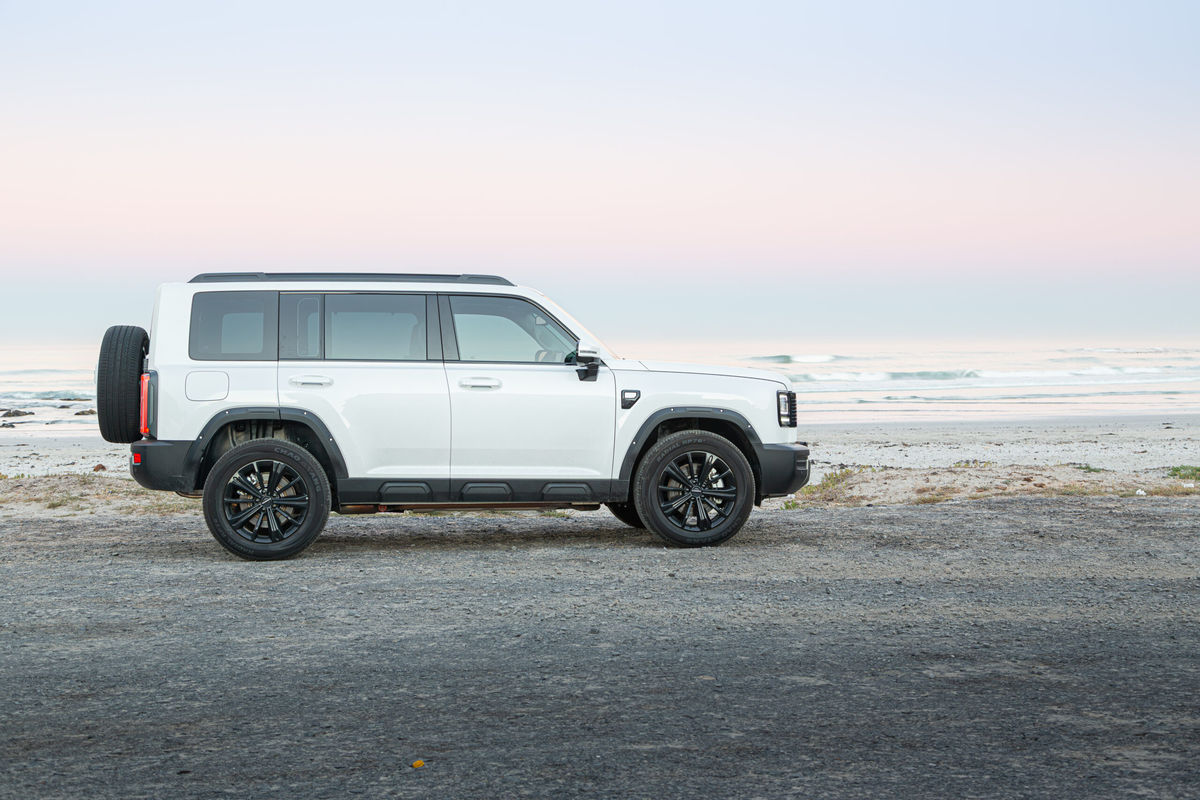
The Haval H7 PHEV is positioned as the flagship offering from GWM’s SUV brand. Priced at under R800 000, it could be one of the most complete family SUVs on sale right now.
We like: Exceptional value; straight-line performance; on-road refinement; cabin space, build quality.
We don’t like: Slightly unsettled ride at certain speeds; lack of a parcel shelf.
FAST FACTS
- Model: Haval H7 1.5T PHEV Ultra Luxury Hi4
- Price: R794 900
- Engine: 1.5-litre turbocharged petrol engine + 2 electric motors
- Transmission: Two-speed hybrid automatic
- Power/Torque: 280 kW/670 Nm
- 0-100 kph: 5.80 seconds (claimed)/5.01 seconds (tested)
- Fuel consumption: 1.0 L/100 km (claimed)/7.6 L/100 km (tested)
- Range: 115 km electric/1 100 combined km (claimed)
- Luggage capacity: 586/1 404 litres (claimed)
Serious about buying/selling?
Some dealerships regularly offer great deals. See our New Car Specials!
Looking to sell your car? Sell it on Cars.co.za for free
Where does the Haval H7 PHEV fit in?
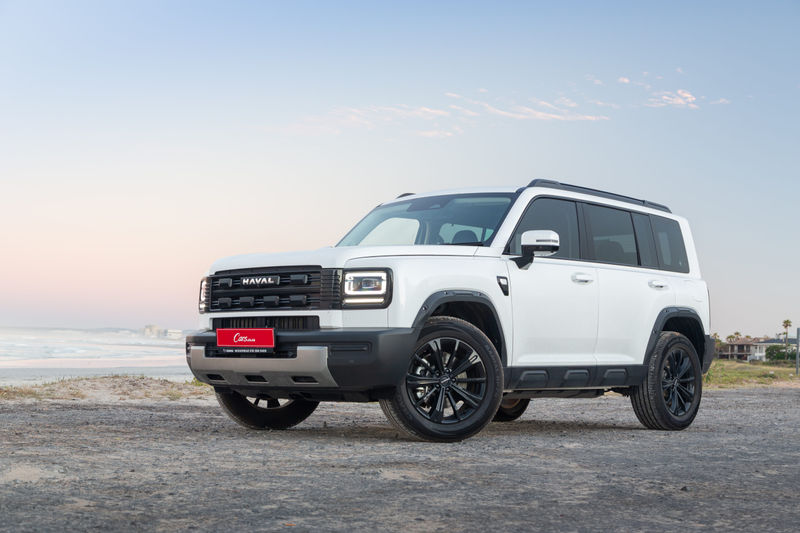
The new-look Haval H7 rides the wave of popularity enjoyed by boxy family SUVs. With models such as the Jetour T2 demonstrating that rugged, off-road-inspired styling can be just as appealing to buyers as genuine off-road capability, Haval’s latest H7 looks set for success.
As of November 2026, Haval offers the H7 in a six-model line-up comprising turbocharged petrol, hybrid and plug-in hybrid derivatives. For those with an adventurous spirit, there are all-wheel-drive versions, too. Pricing is competitive, with the range starting at just over R550 000.
Read more: Which H7 is right for you?
Competition in 2026 is fierce, with newcomer brands vying for segment honours in terms of both efficiency and affordability. Consumers are spoilt for choice, but at the flagship Haval H7’s price point, we’ve identified two key competitors. If off-roading is a priority for your next vehicle purchase, we’d also recommend the Tank 300 2.4 diesel, an impressive offering.

Among the established carmakers, there are only a handful of hybrid alternatives worth considering. At this price point, the Haval H7 PHEV is almost untouchable. However, if you’re still hesitant about Chinese car ownership, consider the likes of the Honda CR-V and Toyota RAV4, the latter of which offers a plug-in hybrid derivative priced at over R1 million.
How does the Haval H7 stack up against the legacy offerings?
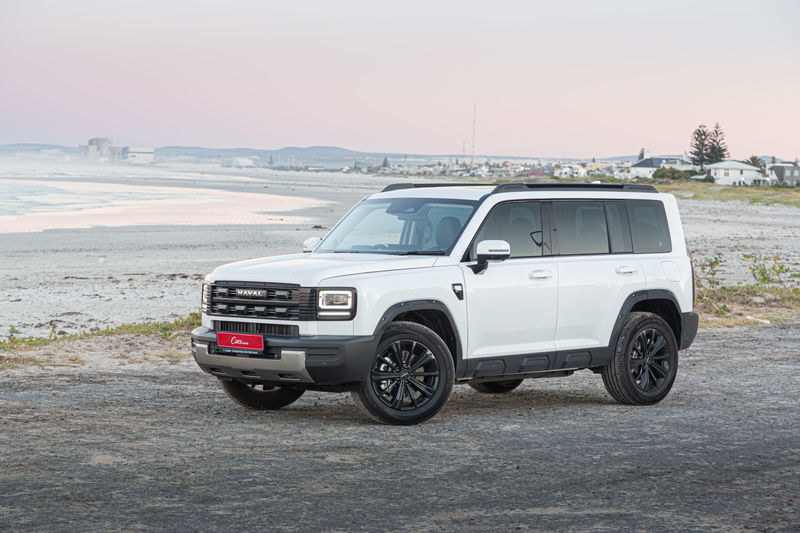
How the Haval H7 PHEV fares in terms of…
Design & Packaging
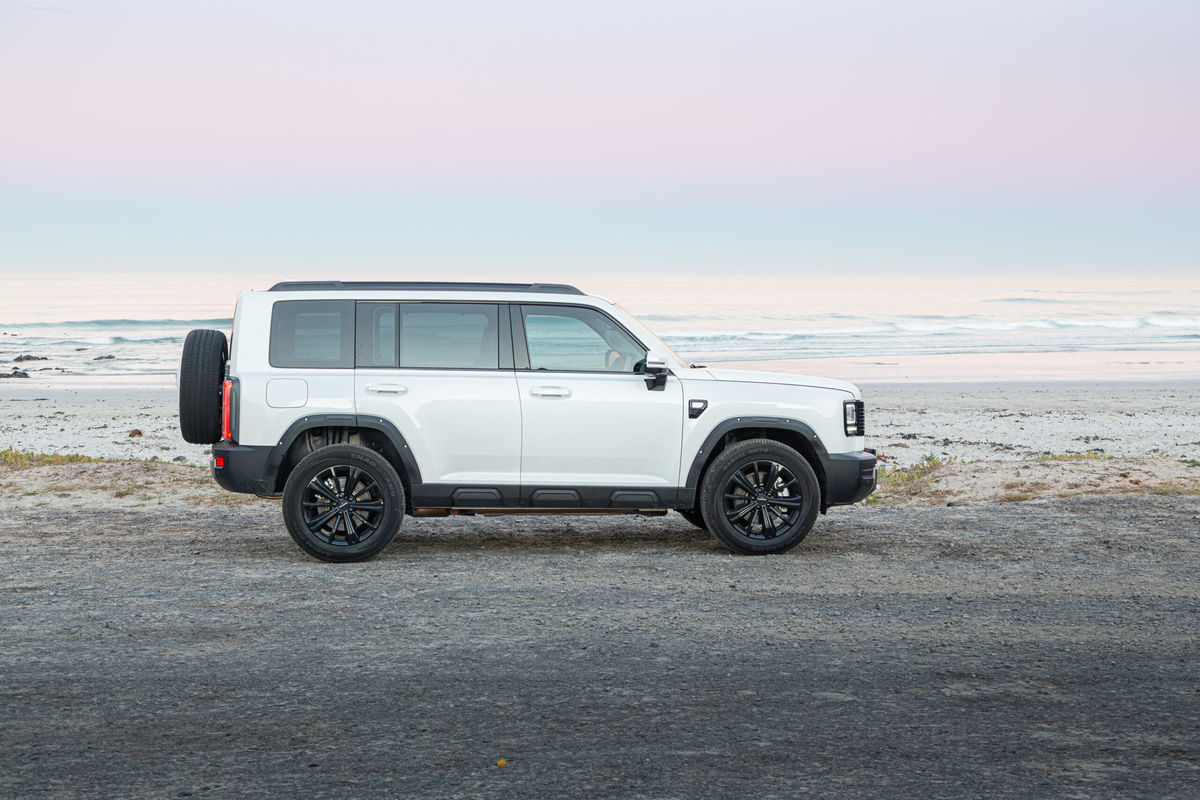
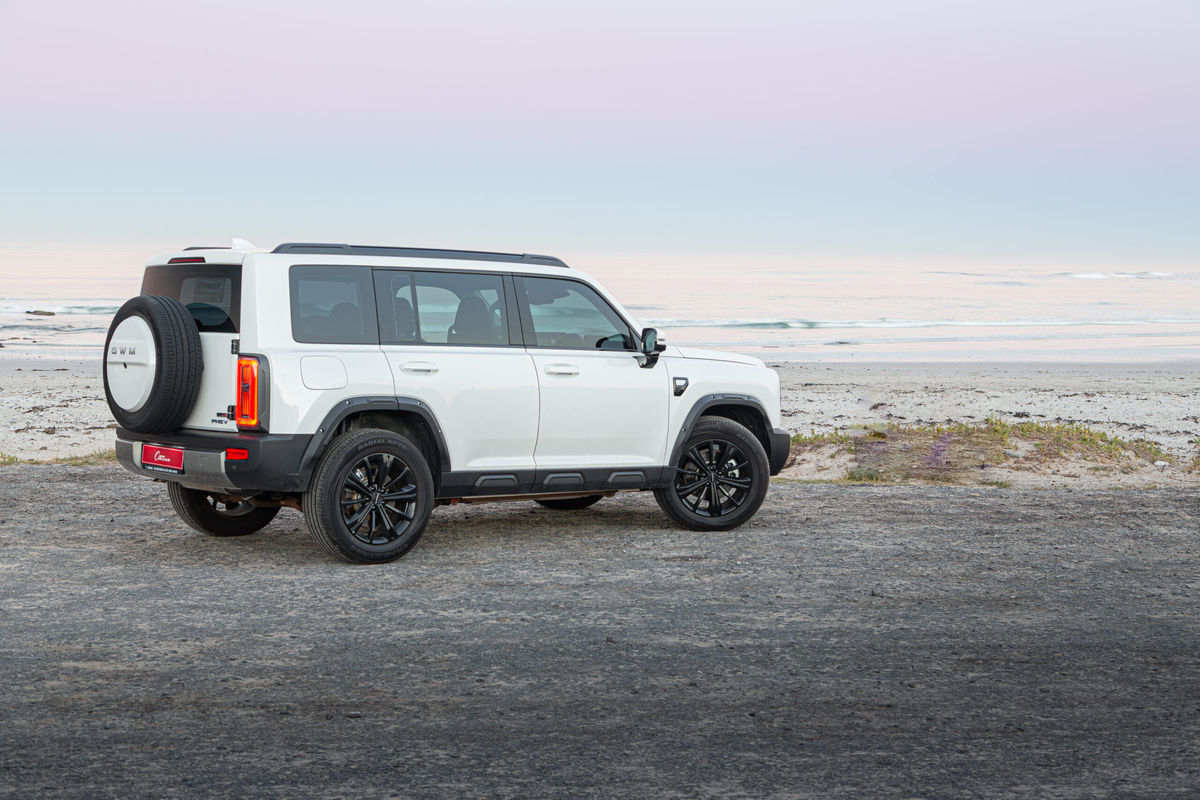
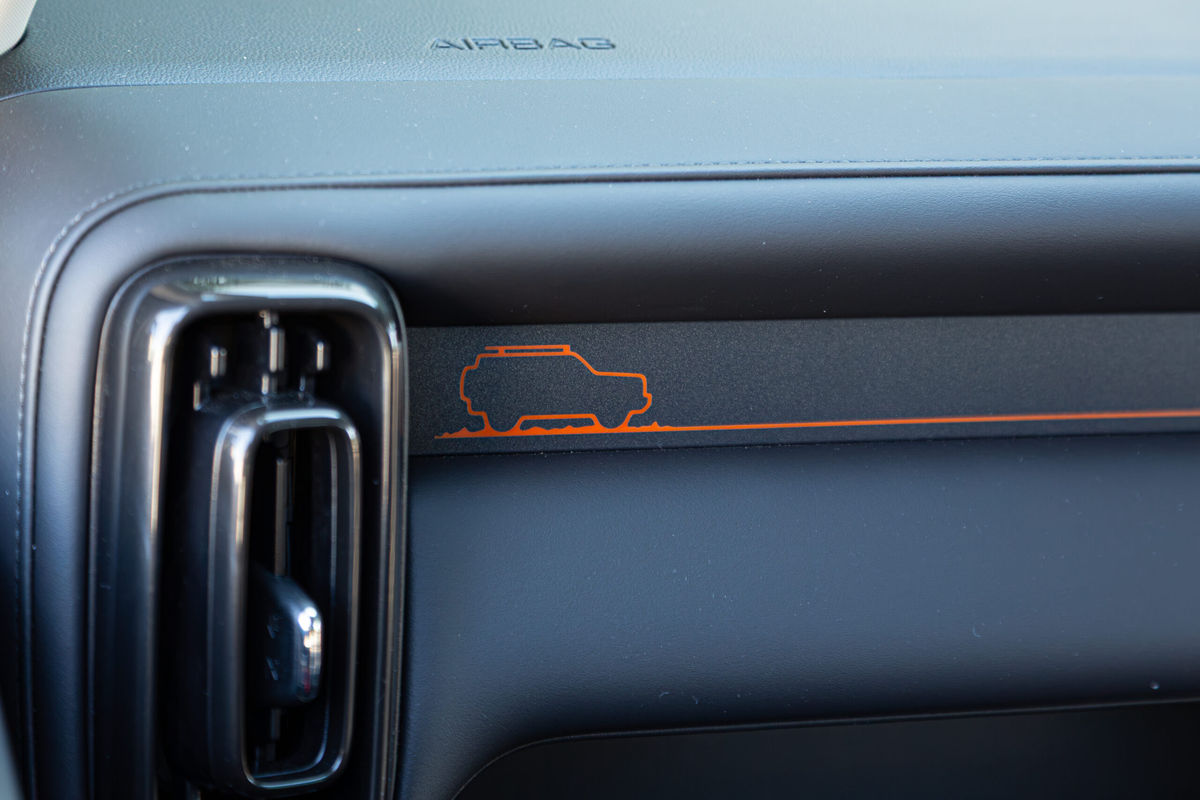
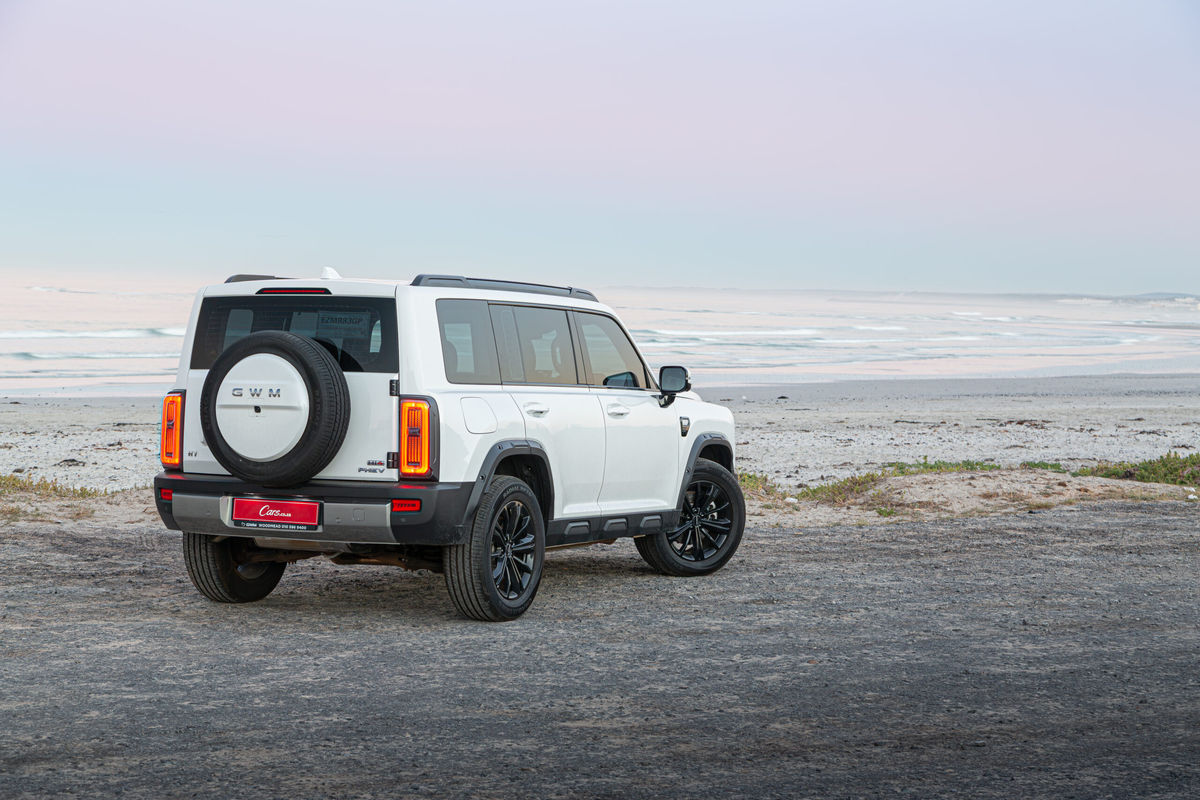
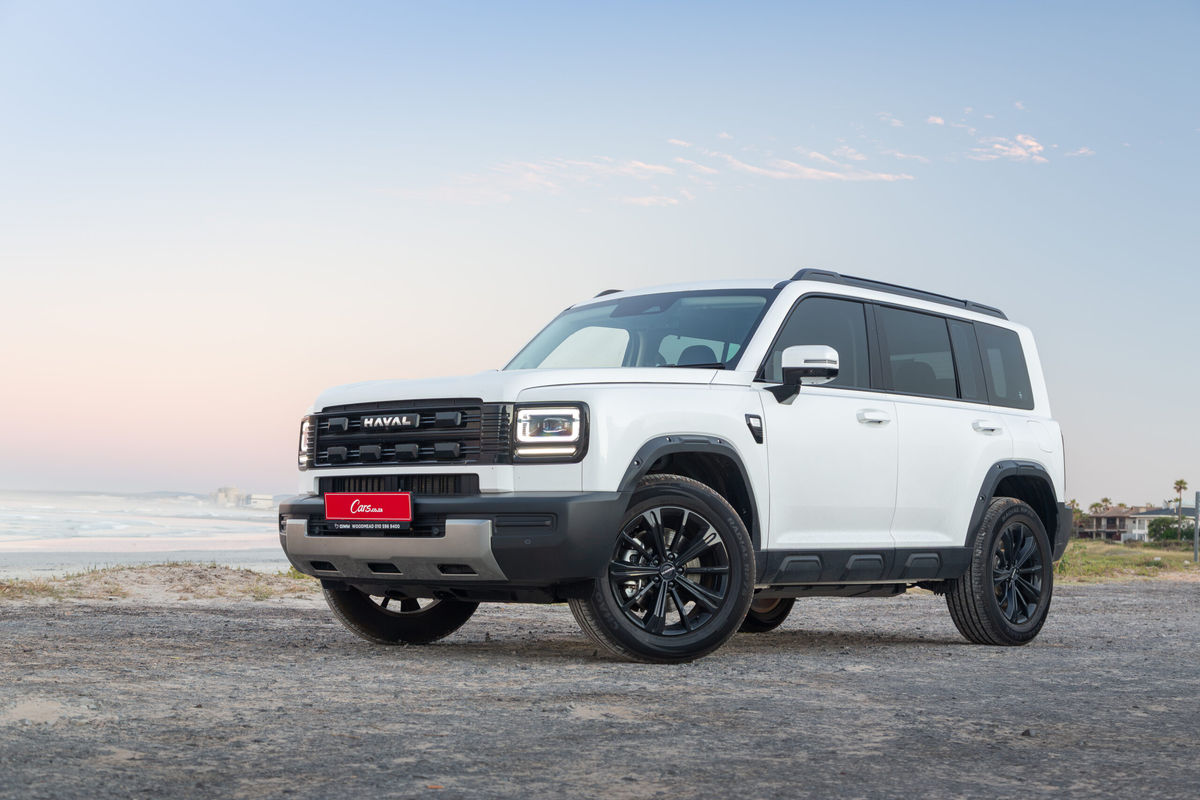
There’s an element of truth to our office joke that “the only round things on the H7 are its tyres”, as squares and rectangles dominate the design language. The overall shape, the headlights, the large screen in the middle of the cabin … everything seems to be rectangular. It’s not ugly; it just looks utilitarian.
Interestingly, the H7 shares its monocoque platform with the H6 SUV, but gains more rugged styling and additional ground clearance. The flagship Haval H7 is offered in Ultra Luxury specification, which certainly lives up to its name. The list of standard equipment is extensive, to say the least.
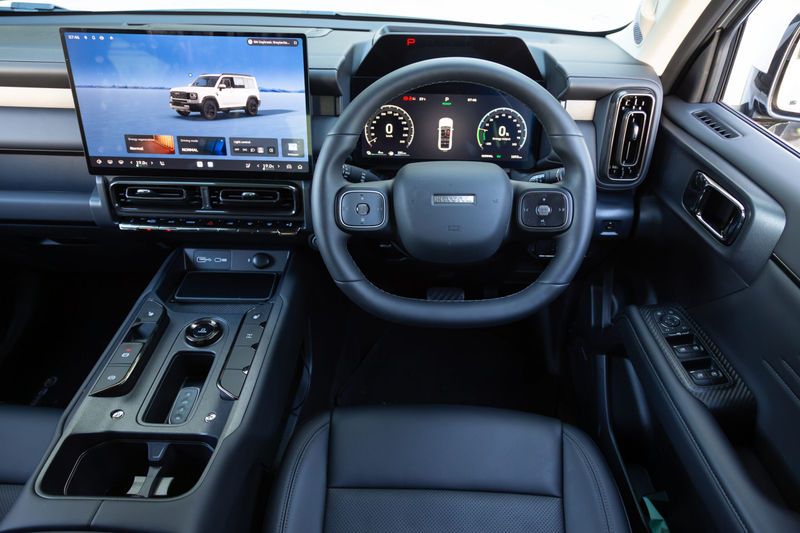
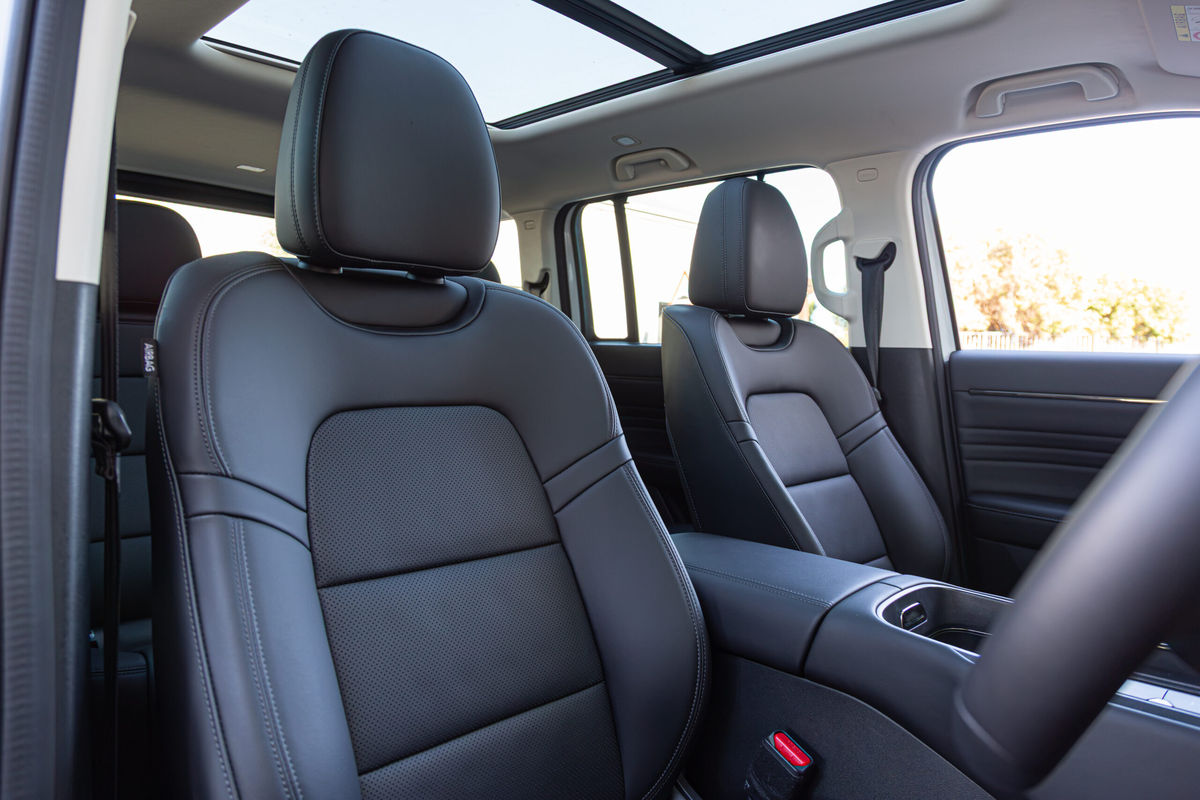
It’s all here: heated and ventilated synthetic leather seats, a heated steering wheel, panoramic sunroof, head-up display, dual-zone climate control, wireless Android Auto and Apple CarPlay, and a comprehensive ADAS suite.
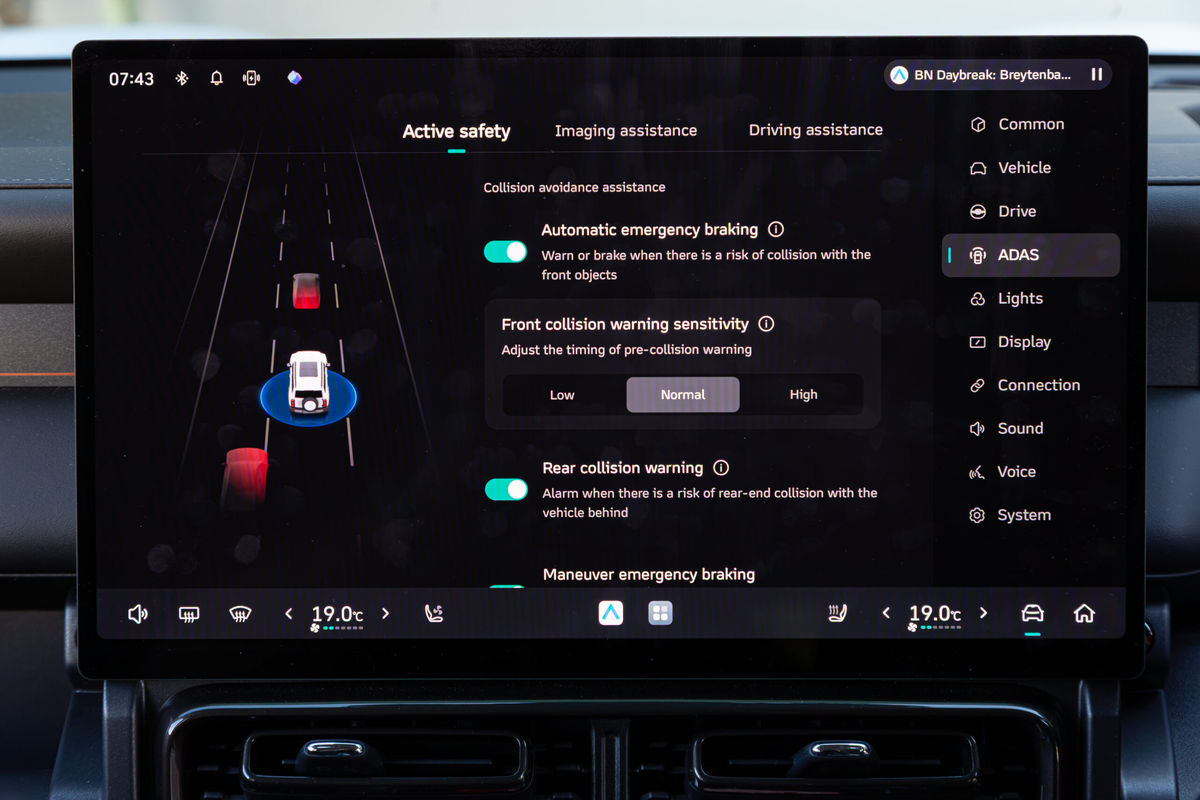
Our testing process involves initially setting all the driver-assistance systems to maximum sensitivity before deactivating the more intrusive features. We’re happy to report that the H7’s ADAS setup generally intervened only when necessary.
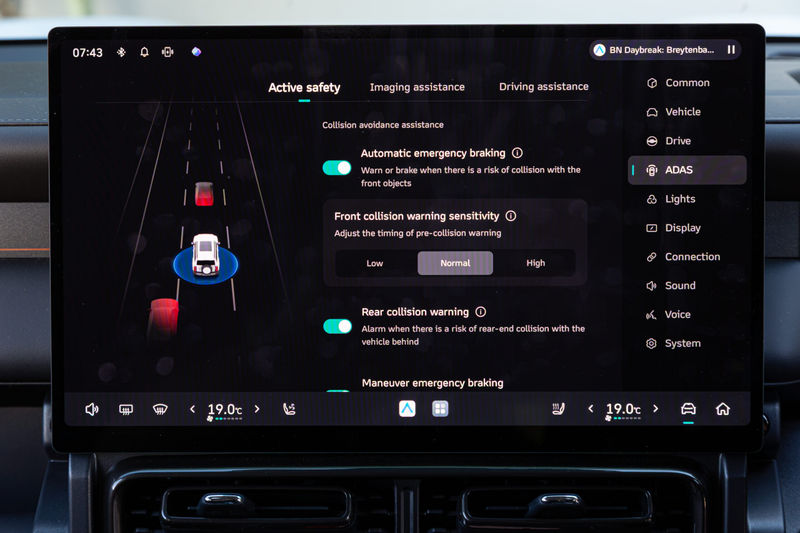
The Level 2 ADAS suite includes lane-keeping assistance, rear cross-traffic alert, forward collision warning, autonomous emergency braking, adaptive cruise control and more. Haval says the H7 has 13 sensors and, impressively, if you switch a feature off, it stays off until you choose to reactivate it. Other car brands, please take note!
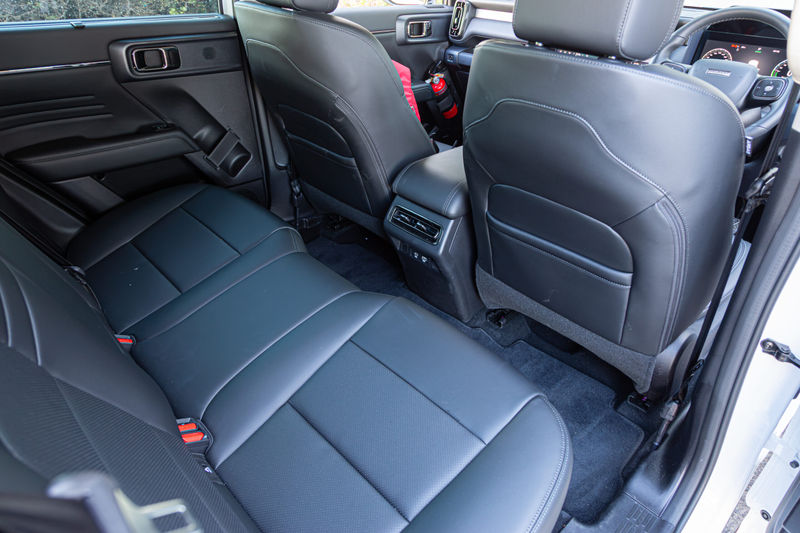
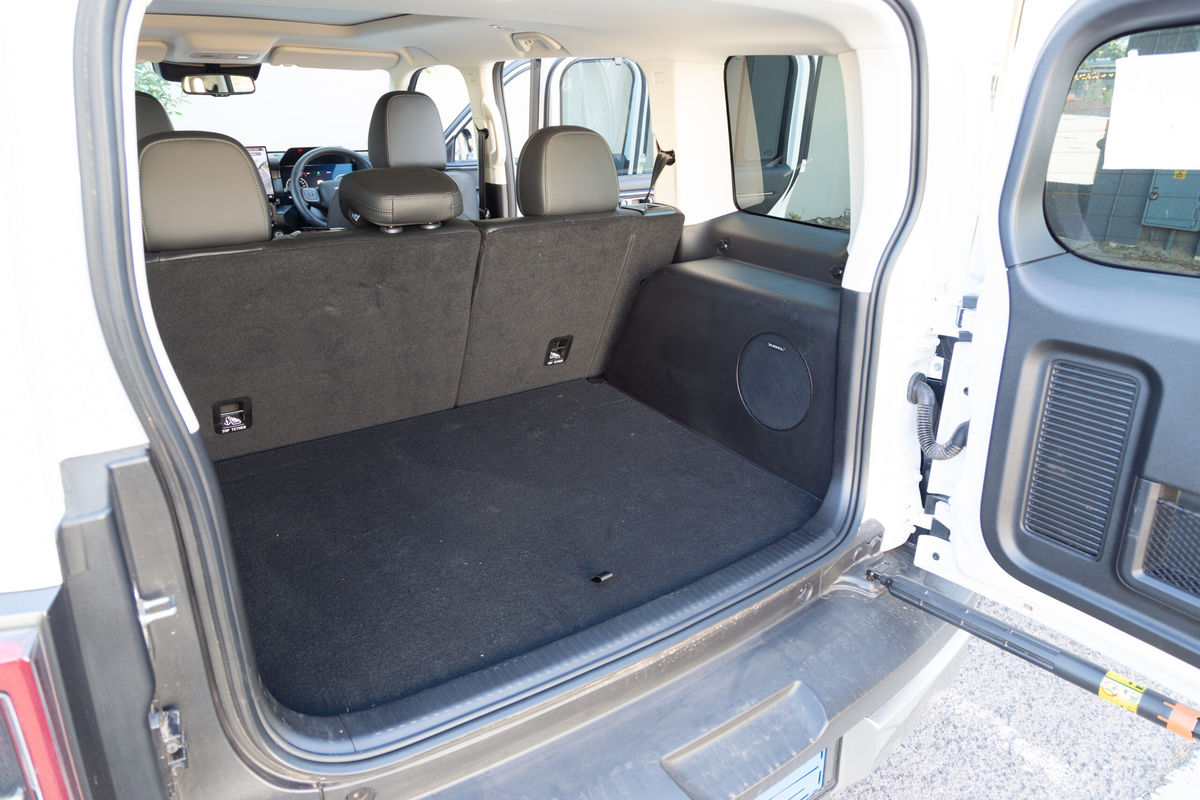
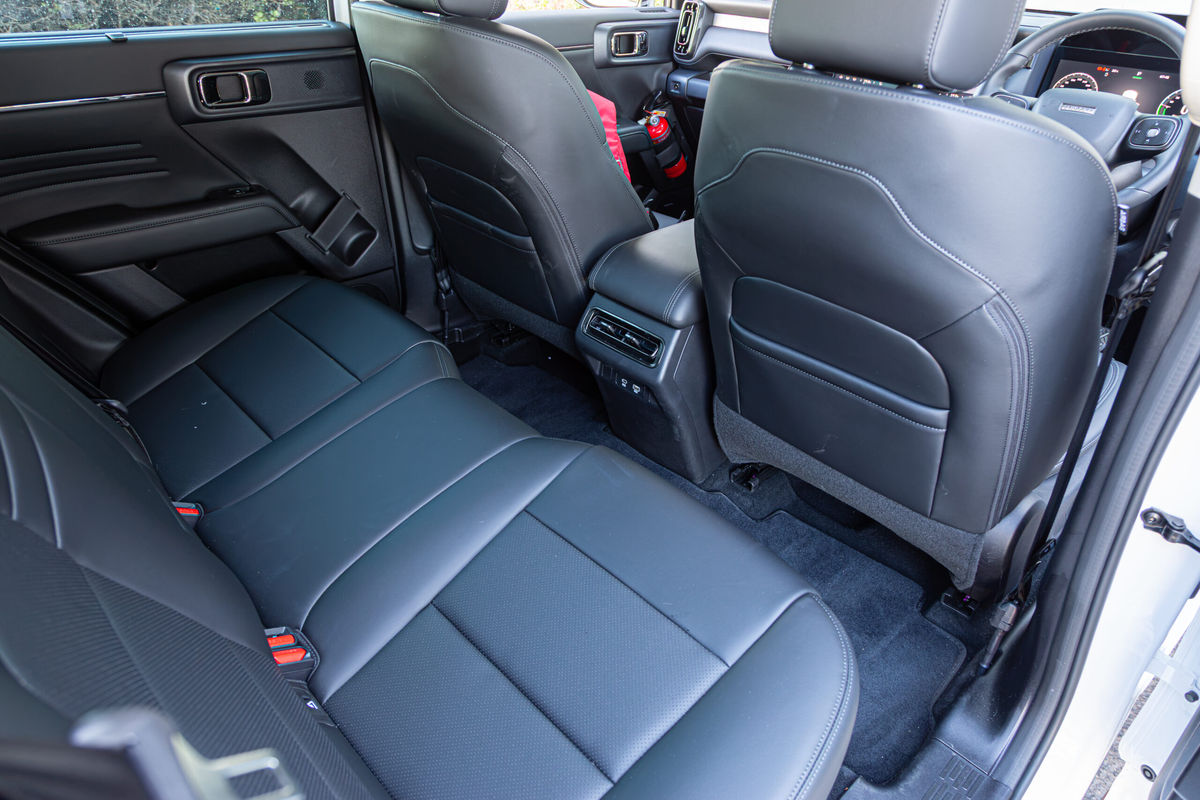
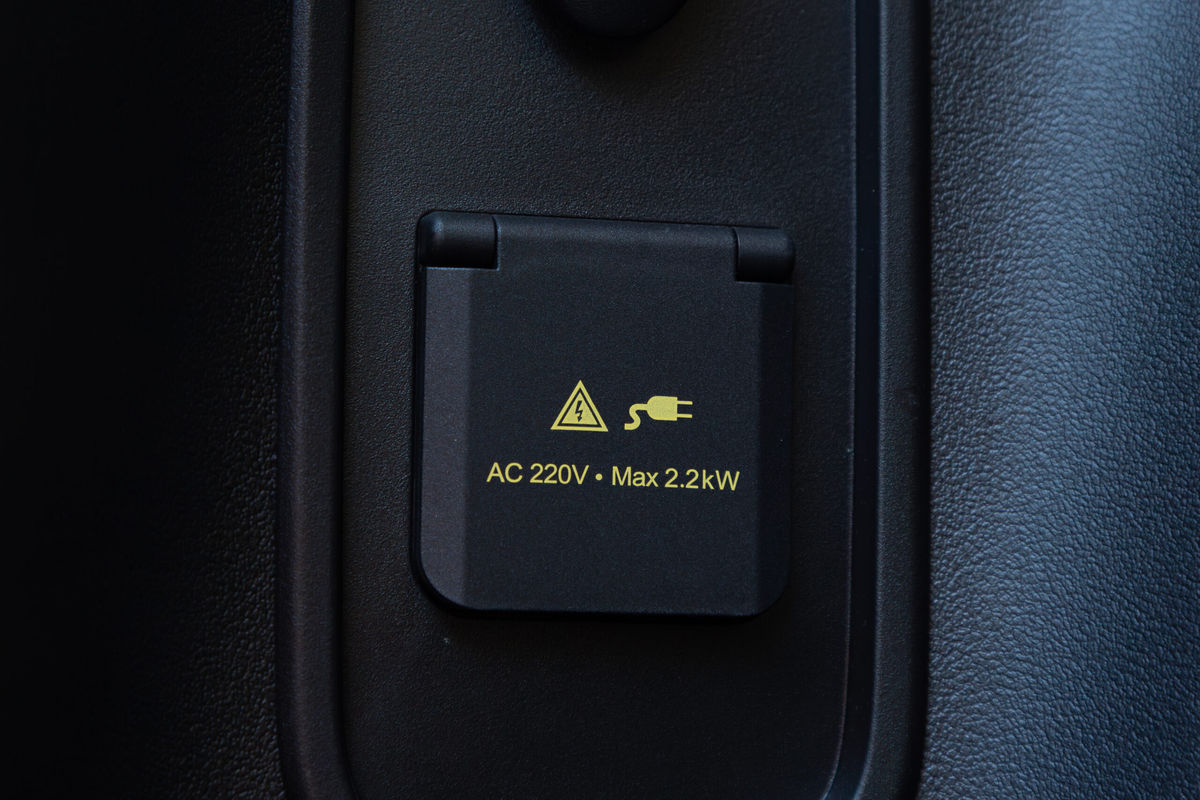
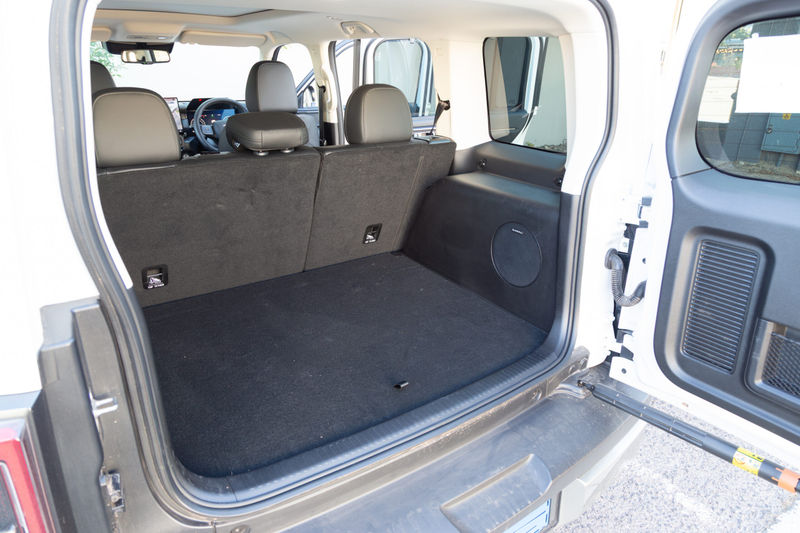
The H7 has a wheelbase of more than 2 700 mm, which translates into excellent passenger space, particularly in terms of head- and legroom. Rear passengers also benefit from window privacy blinds and two USB charging ports. We would have appreciated a parcel shelf to conceal our belongings from prying eyes, but we understand that customer vehicles will eventually be fitted with one. The boot itself, while spacious at 586 litres, is relatively shallow due to the hybrid components. As an added convenience, there’s a 220 V power socket in the luggage compartment.
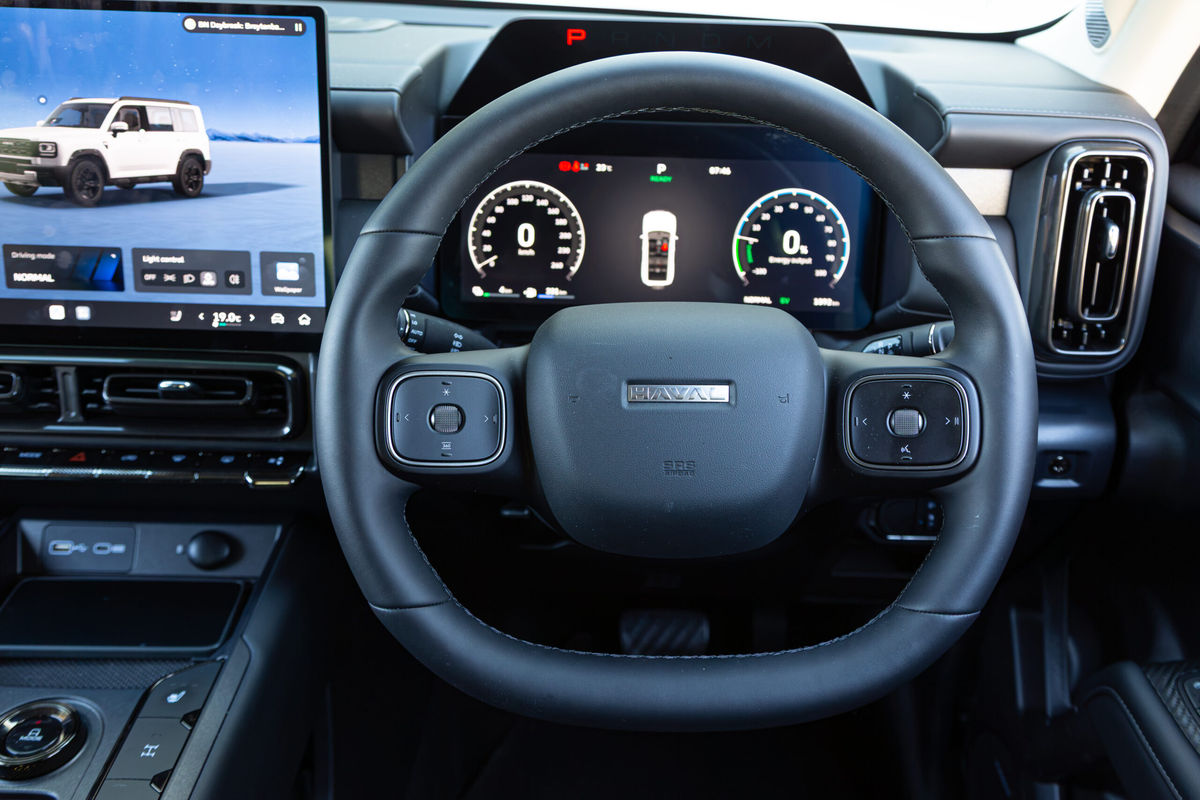
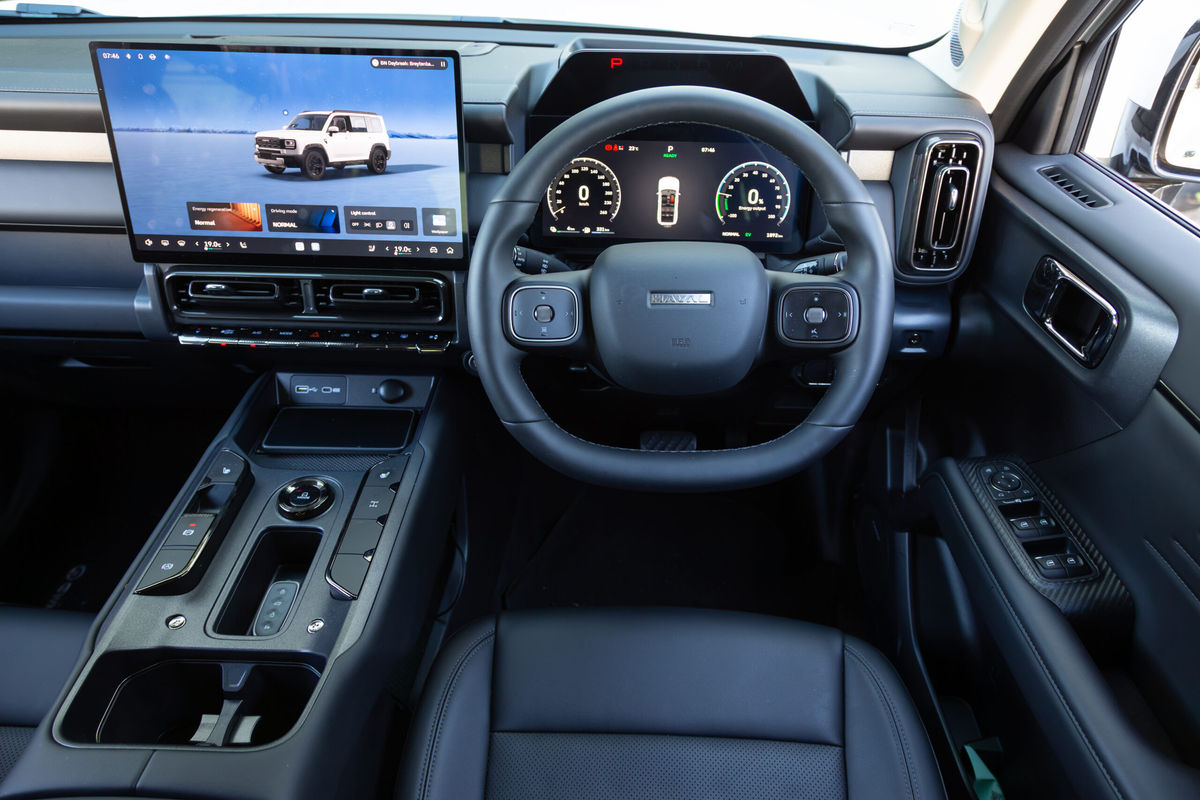
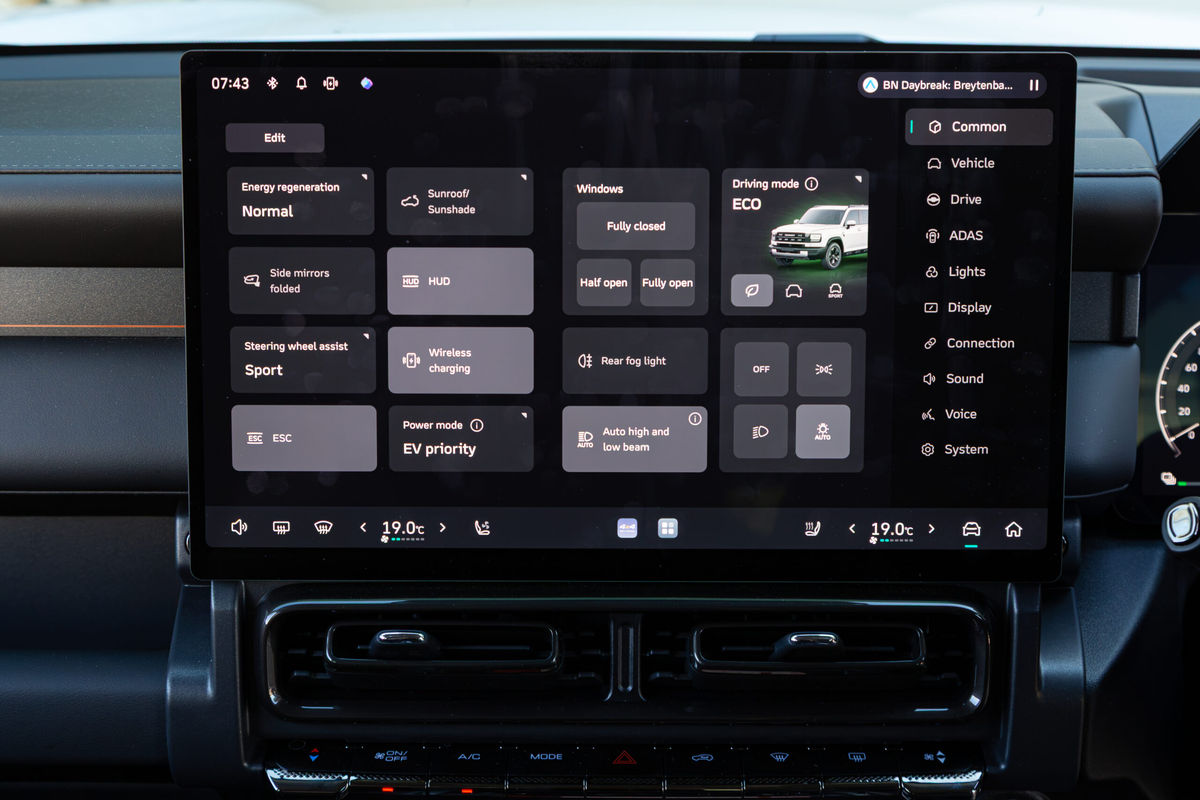
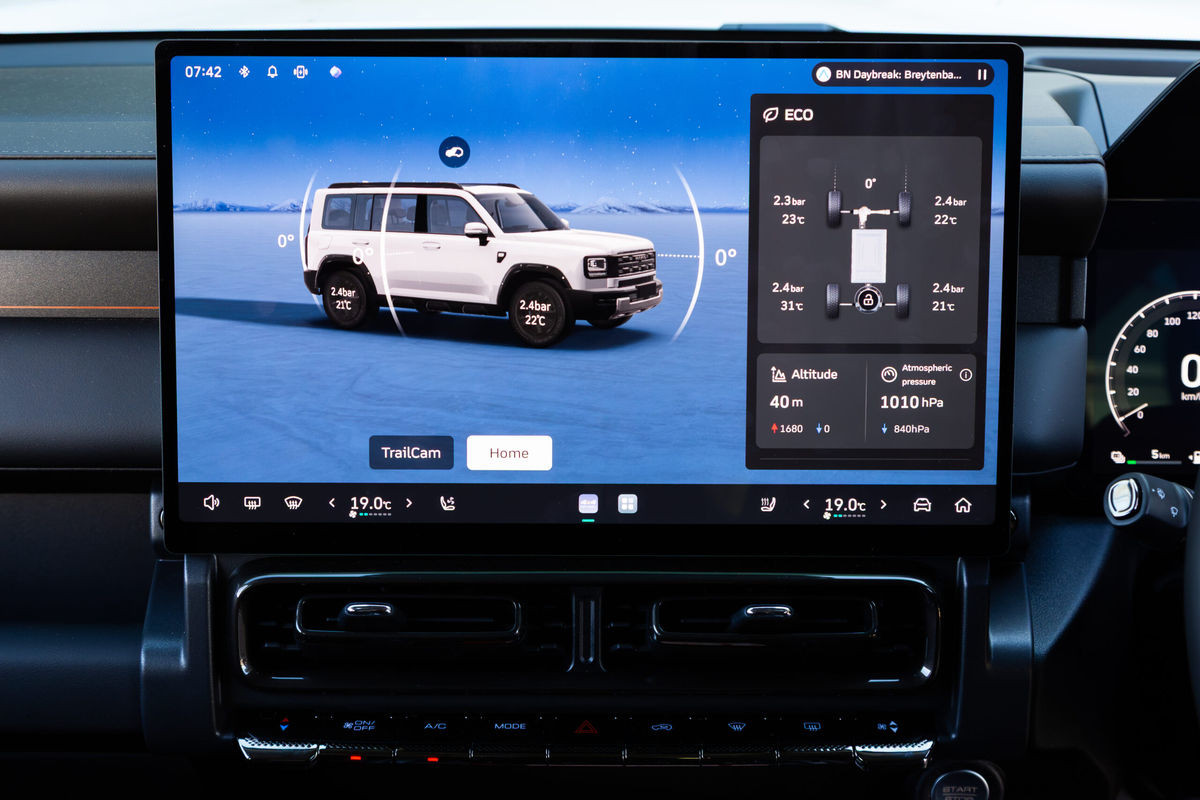
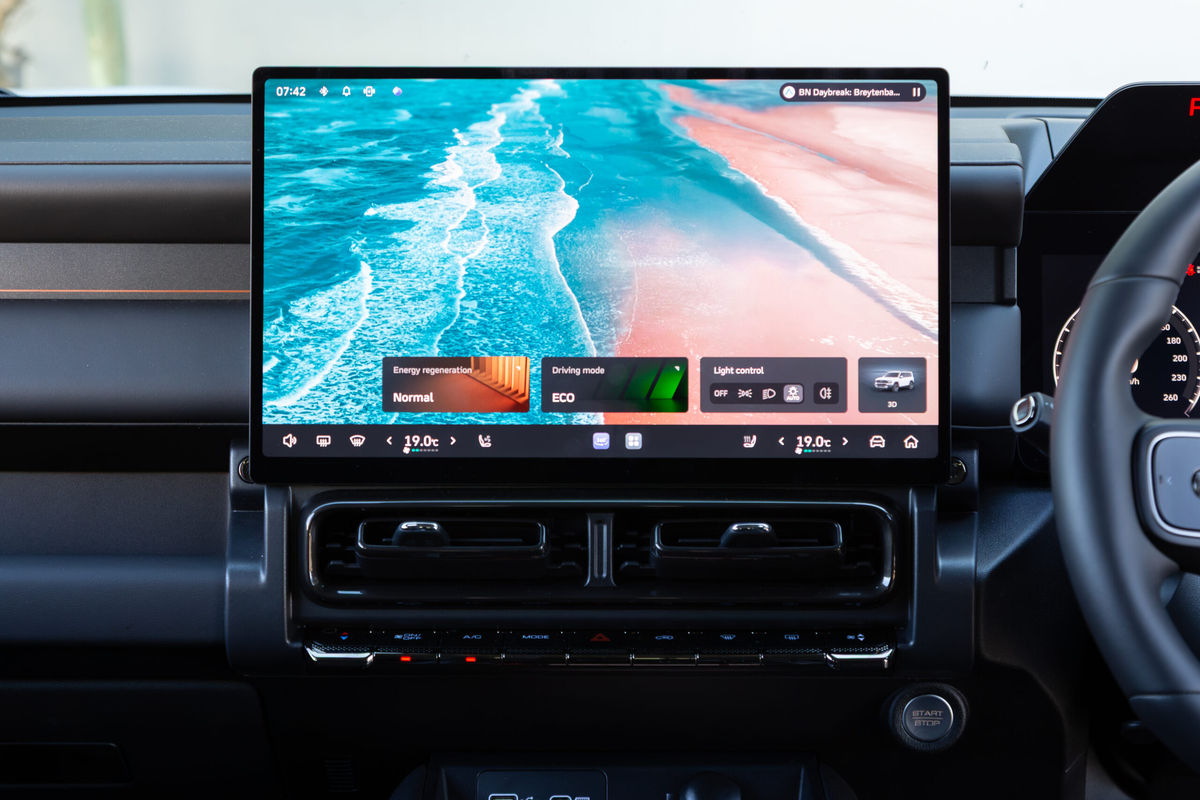
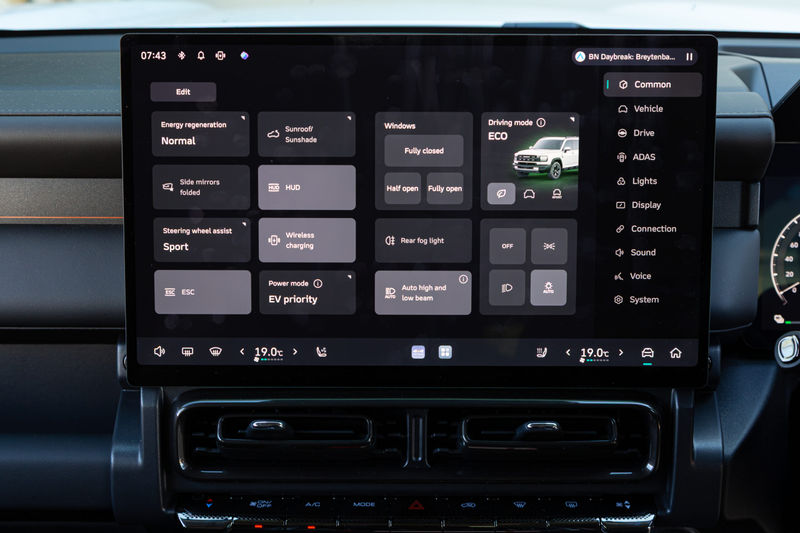
In terms of build quality and ergonomics, the H7 follows the current trend of using a large infotainment screen to control most in-car functions. However, it’s refreshing to see some physical shortcut buttons for the climate controls. It’s a little strange that the sunroof controls aren’t located near the roof, though, as this function is also operated via the touchscreen.
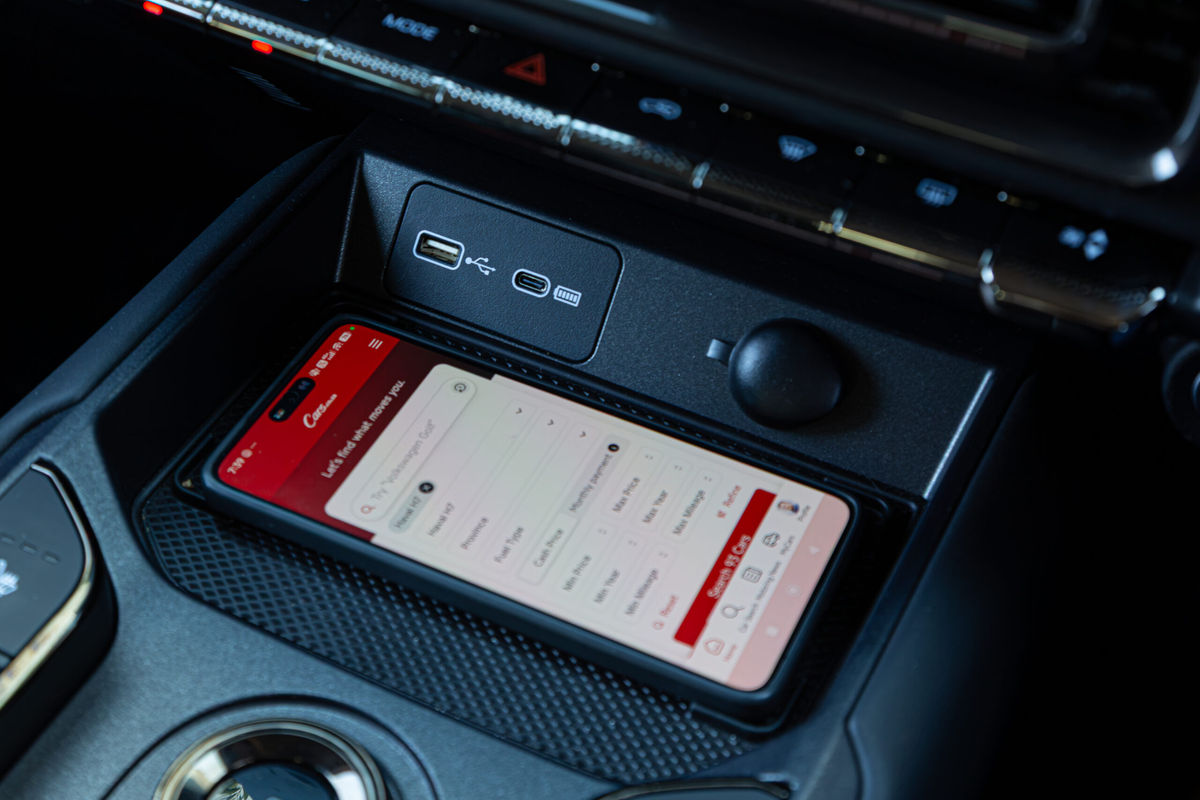
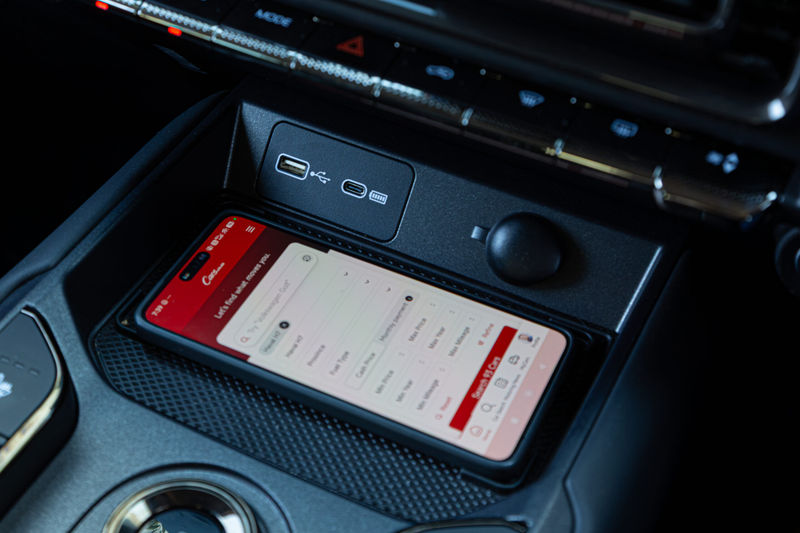
A wireless charging pad, along with USB-A and USB-C ports, is conveniently positioned, while connecting your phone to the infotainment system is effortless.
Ride, Handling & Comfort
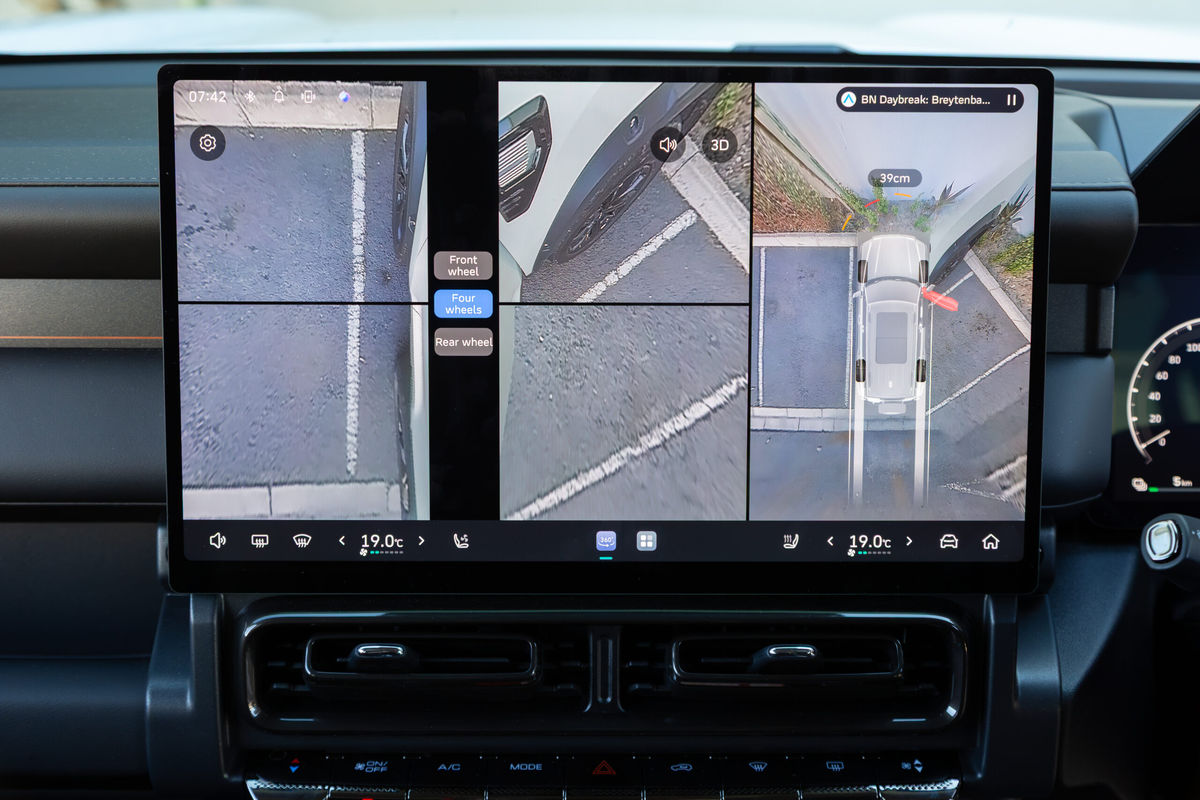
You sit high up in the H7, giving you a commanding view of the road ahead. The centrally mounted spare wheel does obstruct rearward visibility, but raising the driver’s seat helps you see over it. If you’re still struggling to view what’s behind you, the excellent surround-view cameras are there to help.
The H7 starts in electric mode by default and tries to remain there for as long as possible. Accelerate hard, however, and the petrol engine fires up to provide additional performance. And boy, does it deliver! Around town, the electric motors provide a quiet, refined driving experience and, with a gentle right foot, you can even reach highway speeds without using a drop of petrol. The steering weight is adjustable, and our preferred setting of the heavier, sportier weighting helps give the H7 the substantial feel of a premium SUV.
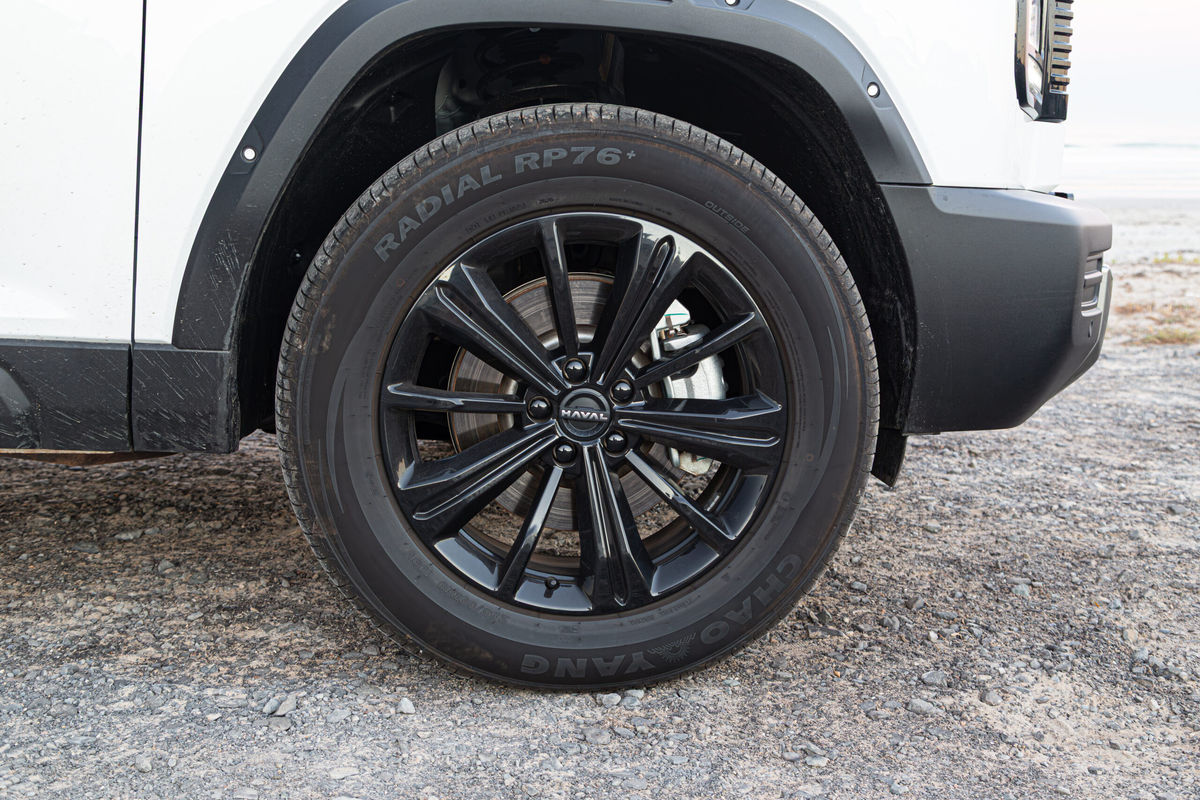
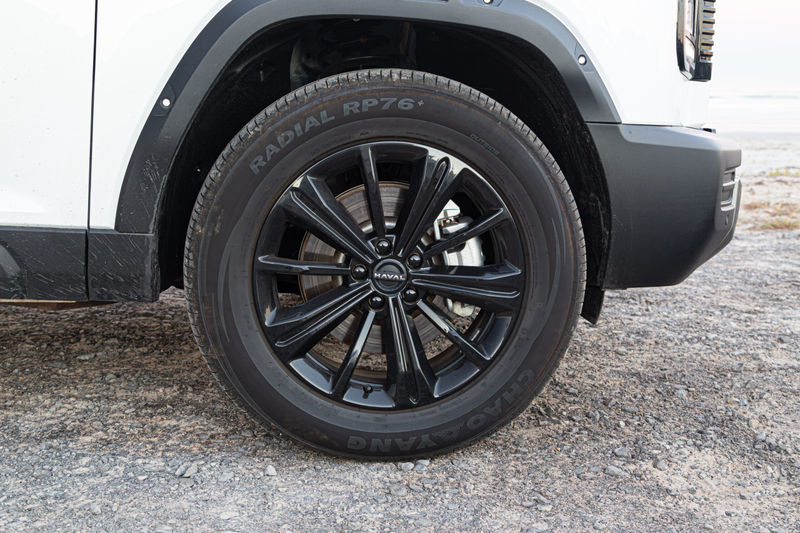
It’s not all plain sailing, however, as the ride quality isn’t quite as polished as we’d hoped. Despite the relatively high-profile tyres on its 19-inch wheels, the suspension is on the firm side and doesn’t fully settle down until you’re travelling at highway speeds. Depending on the road surface, there’s also a noticeable jiggle. On the upside, body roll is better controlled than expected, which is impressive given the H7’s height and generous ground clearance.
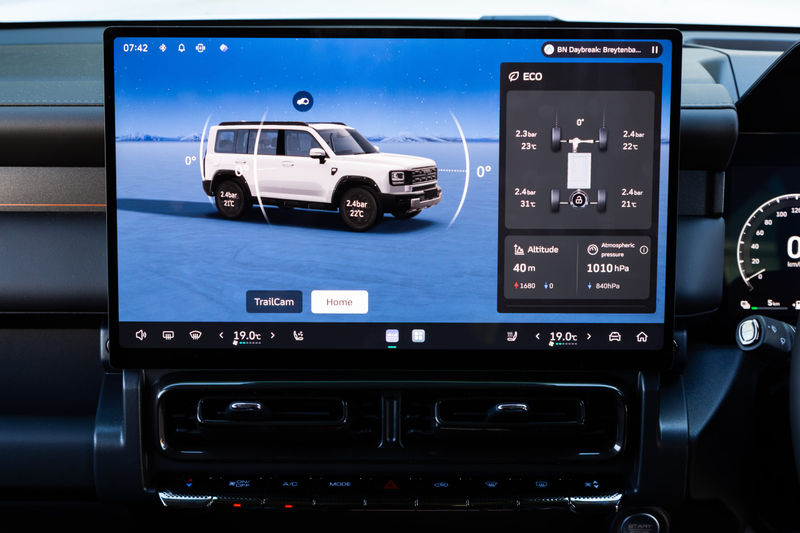
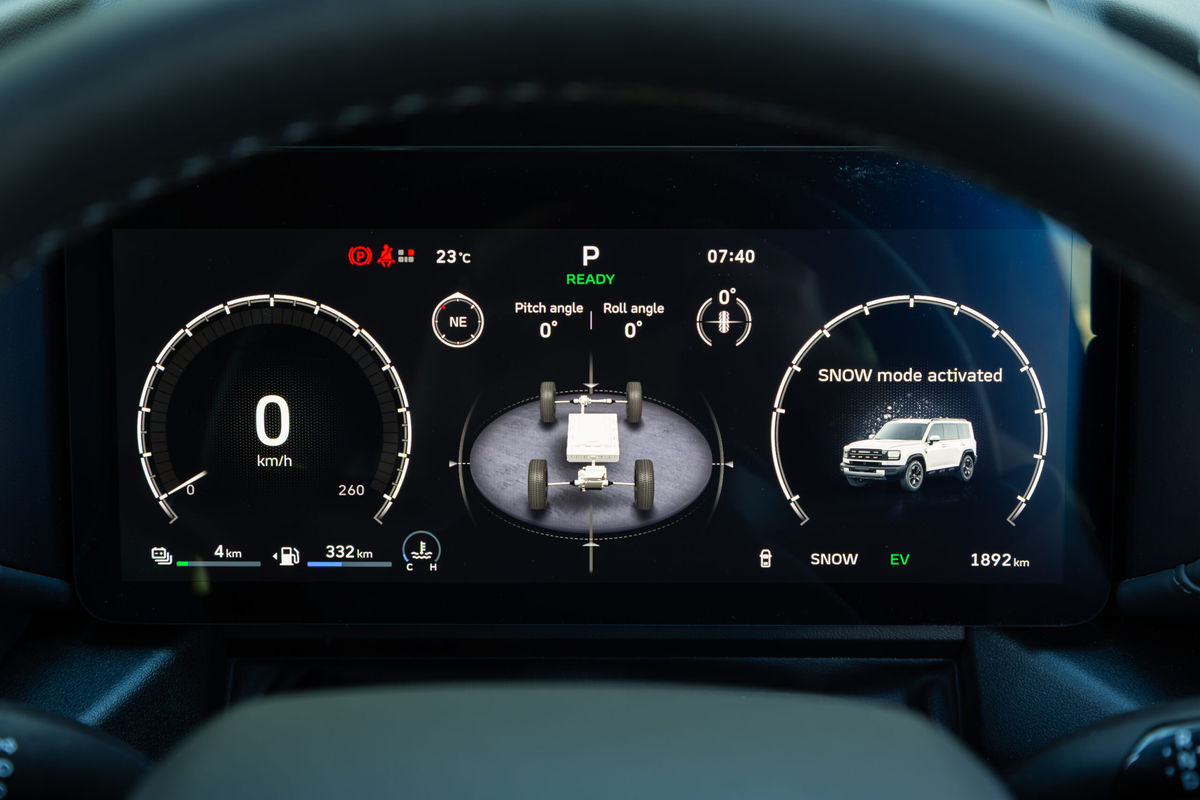
While many boxy SUVs look the part, few have the off-road ability to back up their rugged styling. The H7 is an exception, with the hardware to venture further off the beaten track than you might expect. With 210 mm of ground clearance, a wading depth of almost 600 mm, dedicated off-road driving modes and a lockable rear differential, the H7 has some genuine off-road credentials. Unlike some rivals, it also comes with a full-size spare wheel mounted on the tailgate.
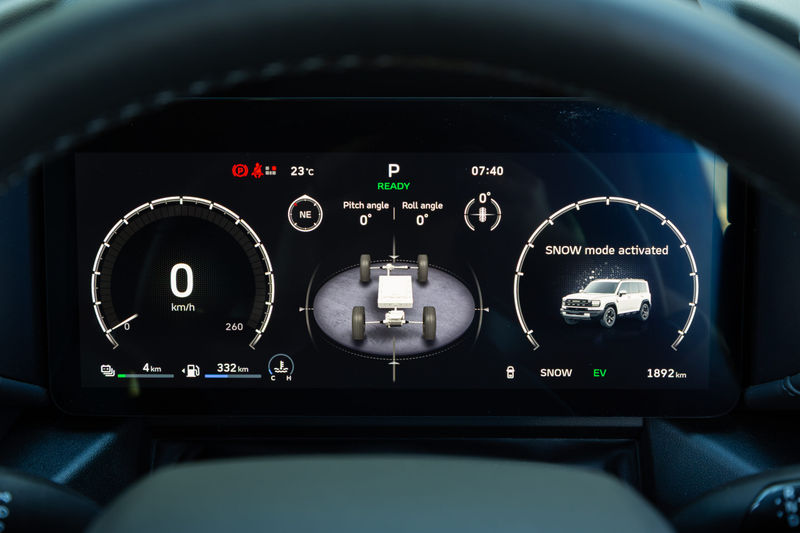
We had the opportunity to drive the H7 extensively on gravel, where it demonstrated impressive grip and stability. However, be mindful of sudden throttle inputs, as the rear electric motor’s instant torque can cause the wheels to spin.
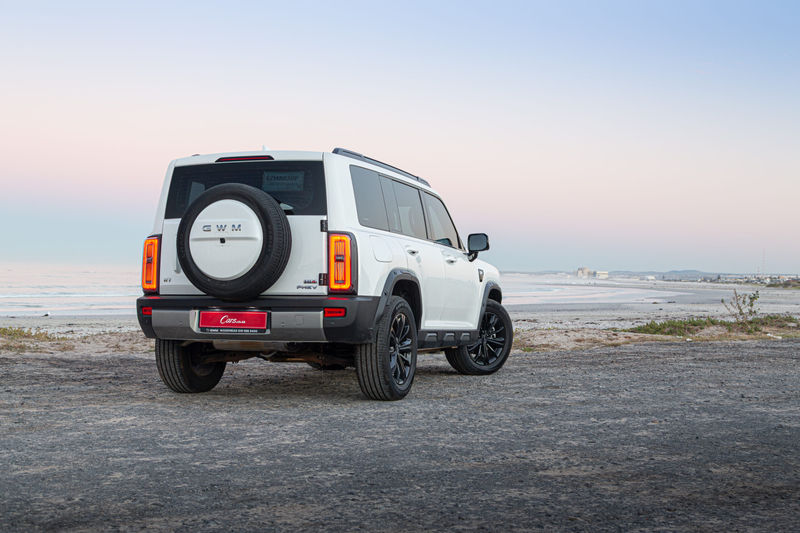
Performance & Efficiency
There are two plug-in hybrid derivatives on offer, with buyers able to choose between front-wheel drive and the more powerful Hi4 all-wheel-drive system. In the latter, a 1.5-litre turbocharged 4-cylinder petrol engine works alongside an electric motor on each axle to produce a combined 320 kW and 670 Nm. With our testing equipment fitted and the car’s launch control activated, the H7 bolted from 0 to 100 kph in just 5.10 seconds.
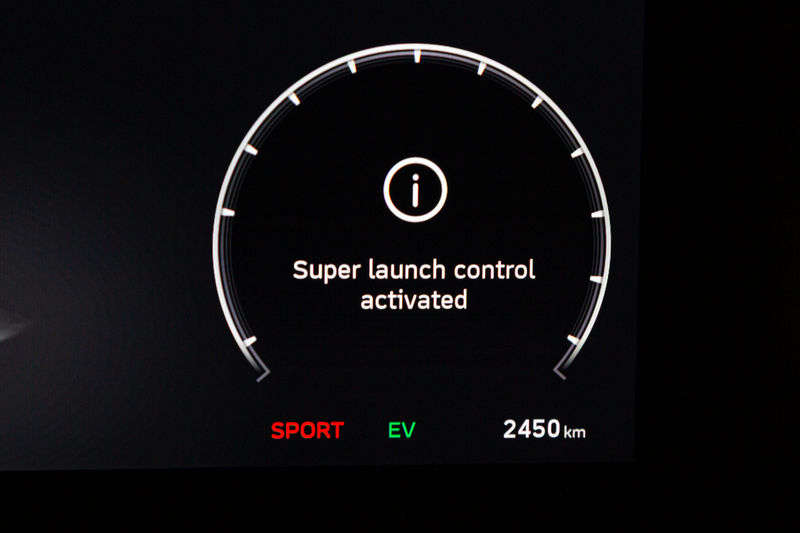
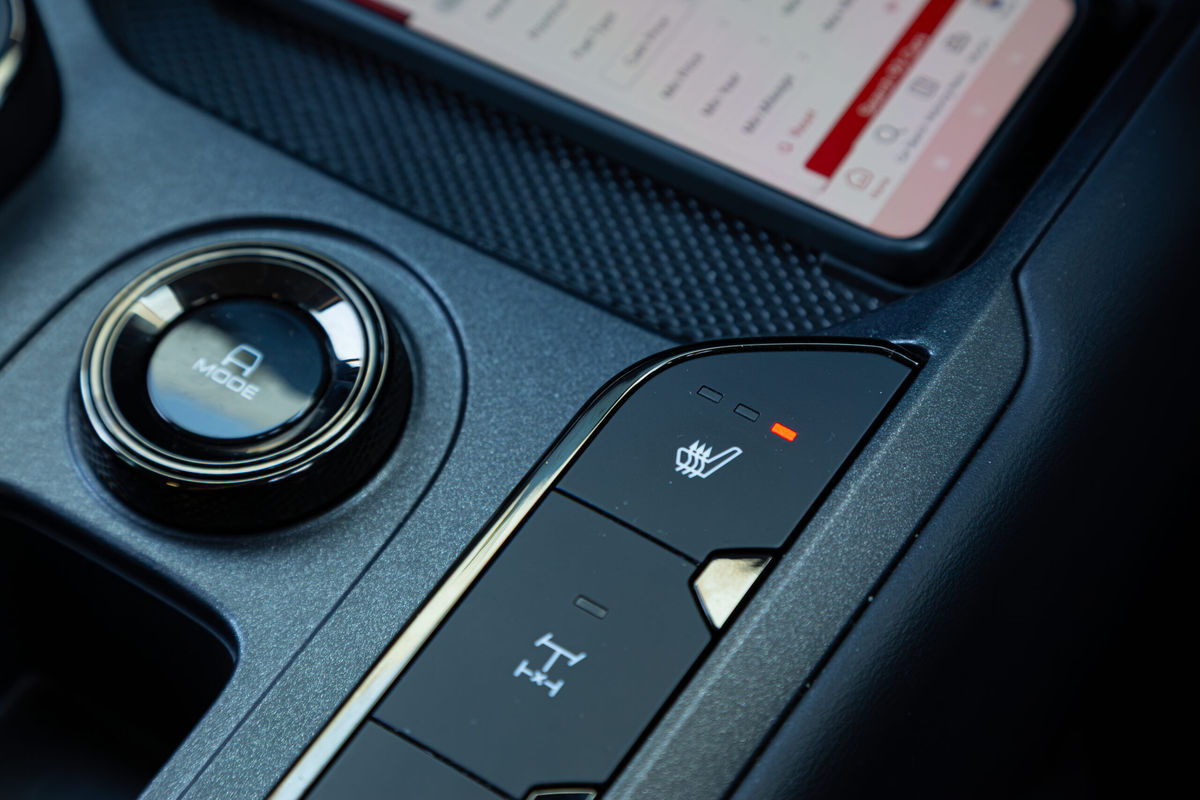
There are plenty of driving modes to choose from, catering for both on-road and off-road excursions. We did notice, however, that Eco mode significantly dulls throttle response, so bear that in mind. Unless you’re after maximum performance or tackling challenging off-road terrain, we’d recommend leaving the H7 in its default driving mode.
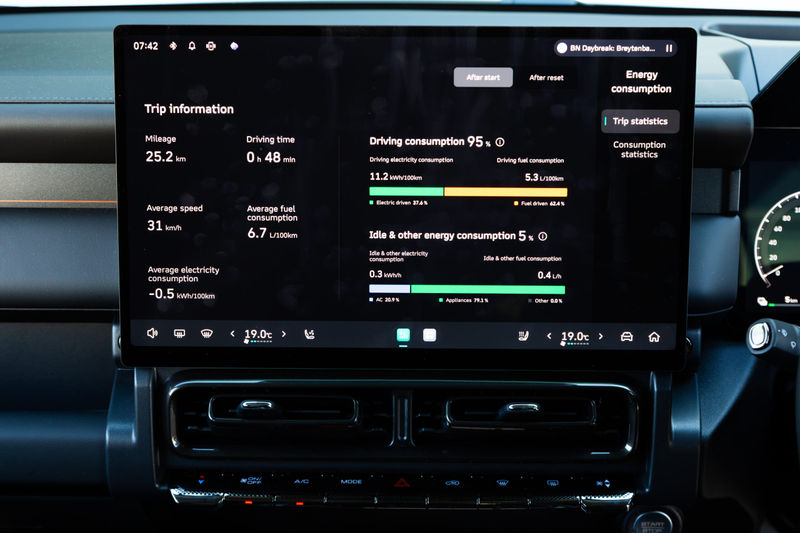
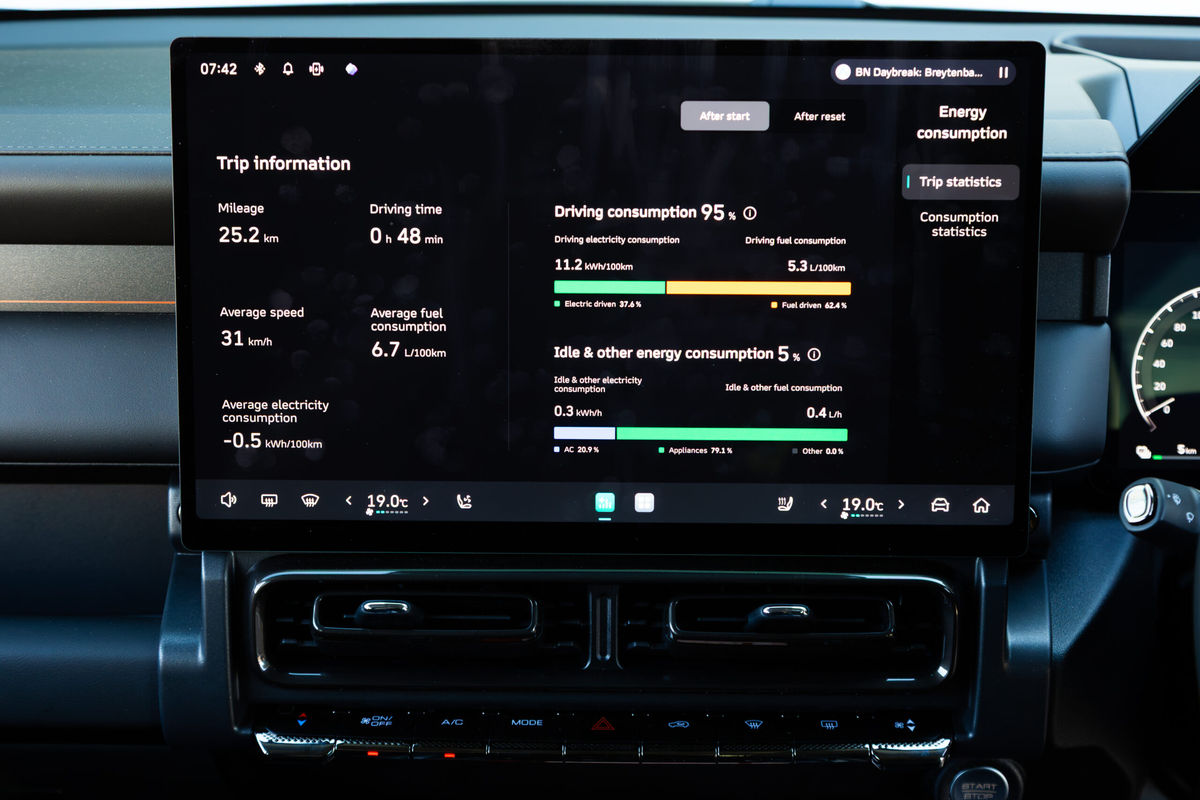
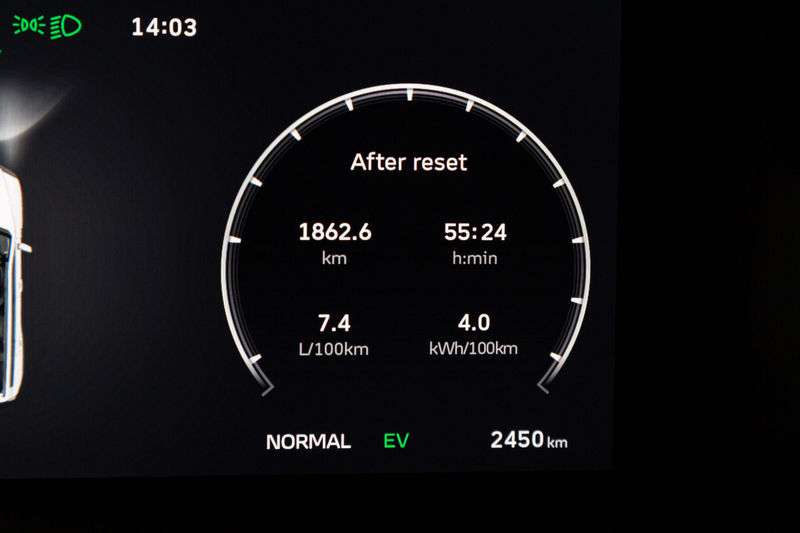
The beauty of a plug-in hybrid is its ability to combine strong straight-line performance with impressive fuel efficiency. The secret, of course, is to charge the 23.7 kWh battery regularly and make the most of the regenerative braking system. We covered considerable ground during our time with the H7 and achieved an average fuel consumption figure of 7.4 L/100 km. There’s also 6 kW vehicle-to-load (V2L) functionality for those who want to power external appliances.
Charging costs
In terms of charging performance, we recorded a maximum DC charging rate of 75 kW, while the H7 also supports AC charging at up to 6.6 kW. The battery never fully depletes, retaining a reserve for low-speed manoeuvres and hybrid operation. Once the usable electric range has been exhausted, the H7 continues to operate as a hybrid, although you can expect petrol consumption to increase.
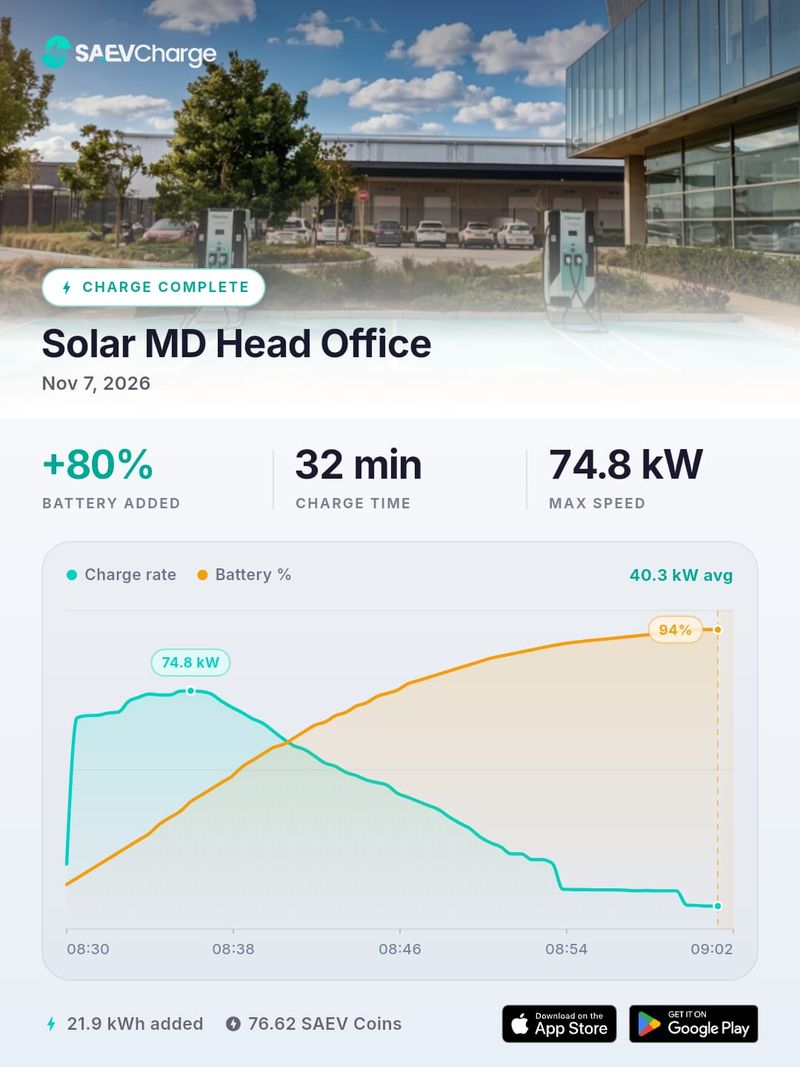
| Supplier | Rate per kWh | Cost (10% to 80%/16.59 kWh) | Cost per km |
| Residential home | ~R3.50/kWh | R58.07 | R0.64/km |
| Public AC charging | ~R5.88/kWh | R97.55 | R1.07/km |
| Public DC fast charging | ~R7.25/kWh | R120.28 | R1.32/km |
| Public ultra-fast DC charging | ~R8.35/kWh | R138.53 | R1.52/km |
Haval H7 PHEV Price & After-sales support
The Haval H7 PHEV comes with an 8-year/150 000 km battery warranty, a 7-year/200 000 km vehicle warranty, 7 years of unlimited-mileage roadside assistance and a 7-year/75 000 km service plan.
| H7 2.0T Super Luxury 4×2 9DCT | R554 900 |
| H7 2.0T Ultra Luxury 4×2 9DCT | R594 900 |
| H7 1.5T HEV Super Luxury 4×2 DHT | R624 900 |
| H7 2.0T Ultra Luxury 4×4 9DCT | R654 900 |
| H7 1.5T PHEV Super Luxury 4×2 DHT | R734 900 |
| H7 1.5T PHEV Ultra Luxury Hi4 4×4 DHT | R794 900 |
Verdict
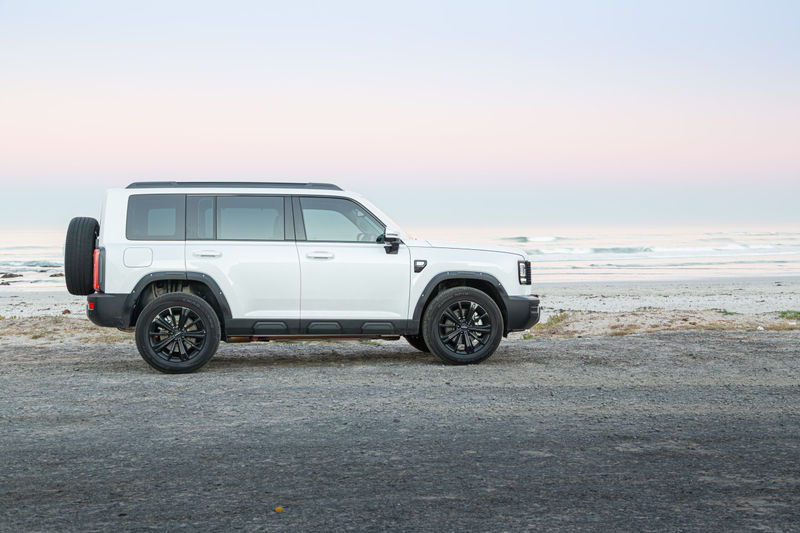
The Haval H7 PHEV isn’t just a great Chinese car; it’s a great car, period. Many of the quirks and gimmicks that have plagued products from newcomer brands have been ironed out, leaving us with a family SUV that can comfortably rub shoulders with the segment’s best. The quality of the finishes and the level of standard equipment at this price point are exceptional, while the H7 is also more capable on off-road adventures than you might expect. We think this segment has a new champion.
Want to buy a new or used Haval? Browse vehicles for sale
Read the latest Haval news and reviews
Frequently Asked Questions (FAQ)
Q: When will the new Haval H7 launch in South Africa, and what will it cost?
A: The new Haval H7 is set to launch locally in October 2026. While full pricing has yet to be finalised, GWM South Africa indicates that the HEV derivative will start at R624 900, with entry-level turbopetrol variants expected to start at a lower price point.
Q: What powertrain options will be available for the new Haval H7 in South Africa?
A: GWM South Africa has confirmed three powertrain configurations for the new Haval H7 line-up: a turbocharged petrol engine, a traditional hybrid (HEV) and a plug-in hybrid (PHEV).
Q: How does the new Haval H7 compare in size and design to the outgoing model?
A: Based on China’s “Haval Raptor” model, the new 5-seater boxy unibody crossover measures 4 800 mm in total length, making it roughly 95 mm longer from front to rear than the outgoing H7.
David Taylor

Having contributed to multiple motoring titles as well helping run the public relations machine of the Johannesburg International Motor Show, Dave has experience in both sides of the motoring industry. He's based in the Western Cape and is responsible for the performance testing, photography & weekly YouTube news for Cars.co.za.