Grey imports are the only way for local Fast & Furious fans to get their JDM-spec Skyline, Supra or RX-7 fix. Still, that foreign numberplate is not only a dead giveaway of such a vehicle’s status; it’s also a magnet for trouble with the authorities. Grey areas, ahem, do exist, though…
What could be cooler than owning a 1 000 hp A80-gen Toyota Supra in South Africa, dressed in an outrageous body kit, able to smoke Ferraris? Obviously, not much. So how to get your hands on one? Where there’s a will, there’s a way – you may think – and the most obvious route is a grey import.
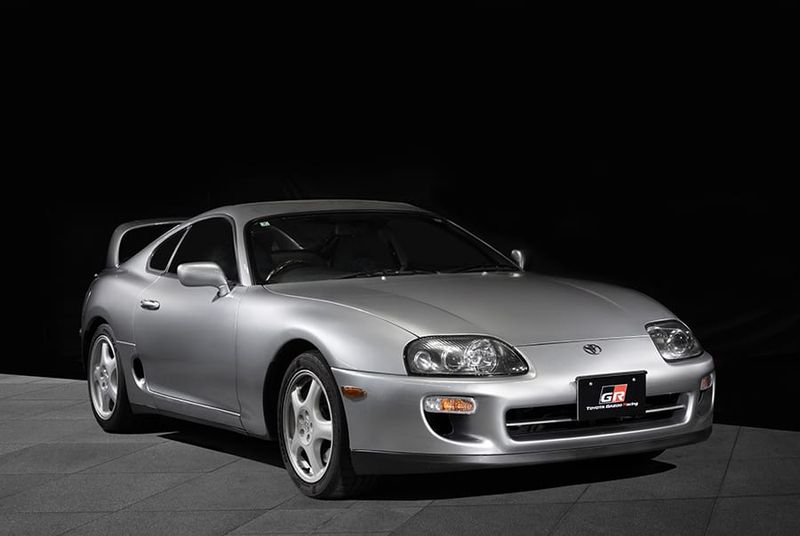
So, get ready for the murky world of forged paperwork, dodgy VIN plates and cars falling off the back of trucks: of course it’s fast. It’s furious.
And sadly, it’s usually futile.
What are grey import cars and why are they in South Africa?
Grey imports are products – not just cars – brought into the country through non-official channels. Because their specifications and safety certifications are different to those sold by the local distributor, they do not qualify for any aftersales support.

In the specific case of cars, by outlawing grey imports, the South African government protects the local automotive industry (mainly Toyota, Ford, Mercedes-Benz, BMW, Isuzu and Volkswagen – that have assembly plants here). It contributes about 5% of the country’s GDP and dumping of cheap imports would harm the industry. It threatens local assemblers’ competitiveness and limits tax liability through under- or misdeclaration or misclassification of their real value.
By contrast, in the absence of manufacturing industries to protect, in many other African countries, there is little to no regulation (or enforcement) and unofficial imports from Europe, the Middle and Far East are common sights on the roads.
Are grey imports legal to own and drive in South Africa? The loopholes explained
It is legal to own a grey import but not register or drive it on a public road. That’s because you won’t be issued an ITAC permit (International Trade Administration Commission of South Africa), a body whose express purpose is to regulate fair trade.
How can I get a legal import permit? There are 6 recognised circumstances under which an ITAC permit will be issued to enable the import of a car to South Africa.
| Reason | Circumstance |
| Immigration | People moving to South Africa permanently |
| Returning SA residents | Worked or lived abroad for 6 months or longer and owned the vehicle during that time |
| Physically disabled persons | Specially adapted vehicles not sold locally |
| Inherited vehicles | A family member living abroad leaves a vehicle in their will |
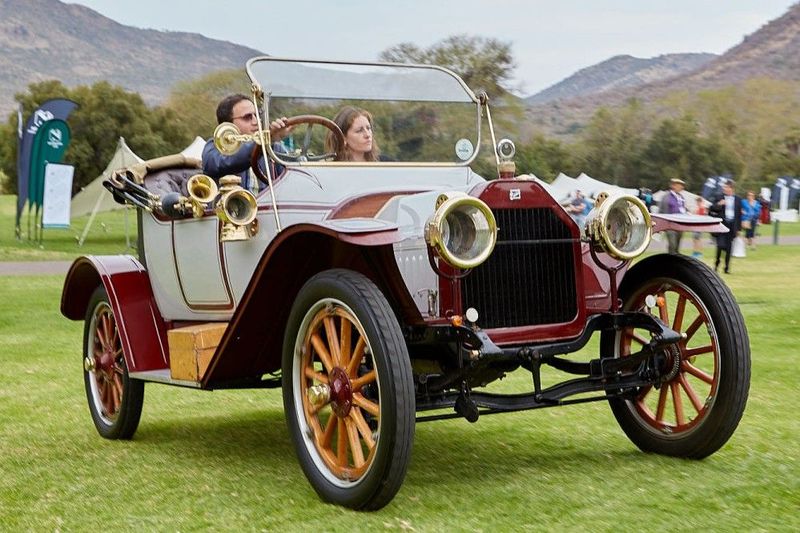
| Vintage/collector cars | Cars older than 40 years |
| Racing cars | Motorsport use only; cannot be registered |
Left-hand-drive, grey import cars are generally illegal for road use in South Africa, and any attempt to register, convert, or disguise them outside narrow exceptions constitutes non-compliance or criminal activity.
The risks of buying a grey import: Insurance, parts & seizure
The issuing of an ITAC certificate is still only half the battle won. The latter allows the car to be brought into country. However, you still need a letter of authority from the National Regulator of Compulsory Standards (NRCS) confirming the vehicle meets local technical, safety and emissions standards. The latter will also allow you take out insurance on your import special.
Only once you have both certificated, the vehicle can be legally registered.
So, what about those loopholes?
The most common practice surrounding grey imports pertain to abuse of the exceptions listed above. A car may be legally imported but quickly sold. To curb this practice, the South Africa Revenue Service stipulates a 2-year period from importation before the vehicle can be sold and only after the full duties and taxes that would have been originally waived are fully paid.
However, the importer may informally transfer ownership of the car to the next owner while leaving it registered under his own name until the restriction period lapses.
Equally common, and illegal, is abuse of the transit process, whereby no import or VAT duties are paid. A car enters the country through Durban Port and is intended for neighbouring landlocked states. However, on the way to the border, the vehicle is diverted and sold locally with falsified VIN plate and bogus papers.
With no ITAC certificate, you are driving a contraband car, which means it can never be legally registered on the eNaTIS database. If caught, you’ll be fined and the vehicle will be confiscated and crushed.
How to spot an illegal grey import before you buy
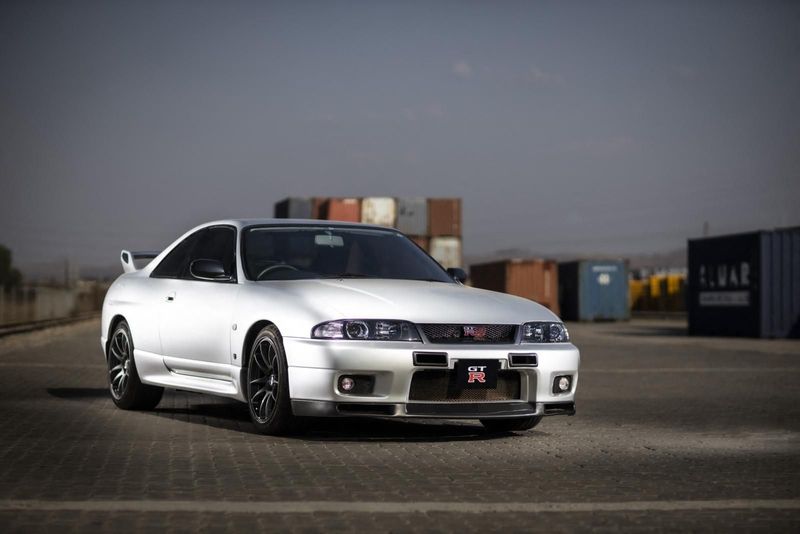
Clearly, there’s no such thing as a free tuna sandwich – even if you’re Paul Walker chatting up Vin Diesel’s sister. If you happen upon a R33 Nissan Skyline GT-R on Marketplace sold with “Namibian papers” or “customs cleared” but no SA papers, keep scrolling.
Cars imported as parts with the intention of local reassembly still require an NRCS approval certificate. These are usually fitted with an altered or new VIN plate, or matched to an existing car on the road, which will get you in hot water with the police.
To stay on the right side of the law with grey imports, the best legal avenues are:
- Living abroad for 6 months or longer and owning it there before returning to SA.
- Owning it as a track-only car.
- Garaging it in a neighbouring country and driving it there. Admittedly not very practical, but Maseru is a mere 350 km from Johannesburg; and Lesotho has some great (tarred) passes for canyon carving.
Essentially, it’s worth knowing that it’s not illegal to import a car to South Africa. Rather, it’s the manipulation of the processes to evade tax, safety and customs regulations that makes it illegal.
In the end, the allure of the JDM grey area is undeniable, but without the right paperwork, you aren’t buying a supercar-slayer. You’re just buying a 10-second way to lose your money.
Cars.co.za

Providing you with the latest motoring news, new car releases and the simplest way to buy and sell cars.