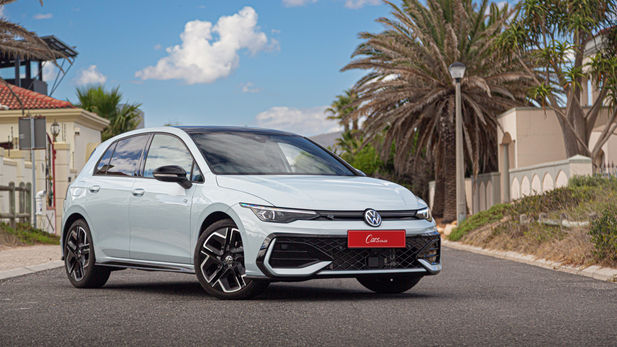
While it’s no surprise that the new Golf 8.5 1.4TSI is an appealing family hatchback, what makes Volkswagen think the newcomer could be a success? After all, the brand anticipated the crossover apocalypse when it withdrew non-GTI Golf variants in 2021.
After a 4-year absence of standard Golf variants from the local market, Volkswagen Group Africa recently added the Golf 8.5 1.4TSI (available in 4 trim grades) to its line-up. This follows VW’s decision in 2021 to offer only GTI and R versions to satisfy what was left of rapidly shrinking demand for family hatchbacks.
In light of feverish demand for crossovers – including Volkswagen’s cute-but-befuddling armada of T-named niche-within-a-niche small and compact SUVs, it’s easy to understand the brand’s 2021 move.
Watch Ciro De Siena’s video review of the Volkswagen Golf 8.5:
At the same time, that doesn’t make it less ironic that VW has reversed its decision to bring back what it deems to be more budget-oriented options in a segment that the Kariega-based firm, well, helped to kill.
Speaking from experience, this has not made the jobs of automotive magazine editors any easier.
Their critical choice of each title’s monthly shop window – the cover – is conventionally hailed as a make-or-break opportunity meant to entice would-be readers. It affects circulation, therefore profitability and, in the wake of lasting misjudgements down the line, ultimately, that magazine’s survival… or demise.
What has happened to cover-worthy cars?
For consumer-oriented magazines, what subjects to deem as cover-worthy defines the tightrope between escapism and sensibility for the readers. If you slap a R3-million supercar on the cover, your mailbox will be flooded with complaints that the publication is out of touch with economic realities.
Conversely, put the popular Polo Vivo on the front page, and the store manager will be forced to call up the exterminators to get rid of the colony of chirping crickets he imagines next to the magazine shelf.
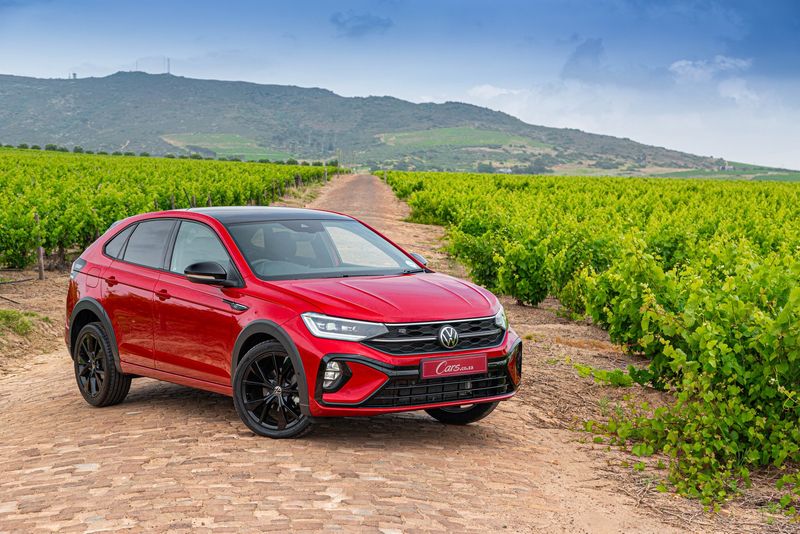
“What about compact crossovers/small SUVs? Nearly everybody wants one!” Yep, but they all look the same, do the same, and bear the same cross of the spirit-crushing inability to raise a pulse (chirp, chirp).
And while South Africa is a dyed-in-the-wool bakkie country, you can’t put a Hilux on the cover all the time; readers simply tire of seeing the same type of vehicle on magazine covers month after month.
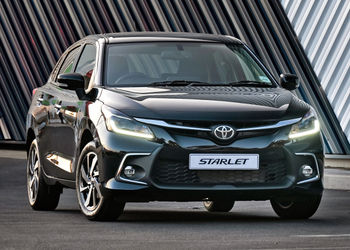
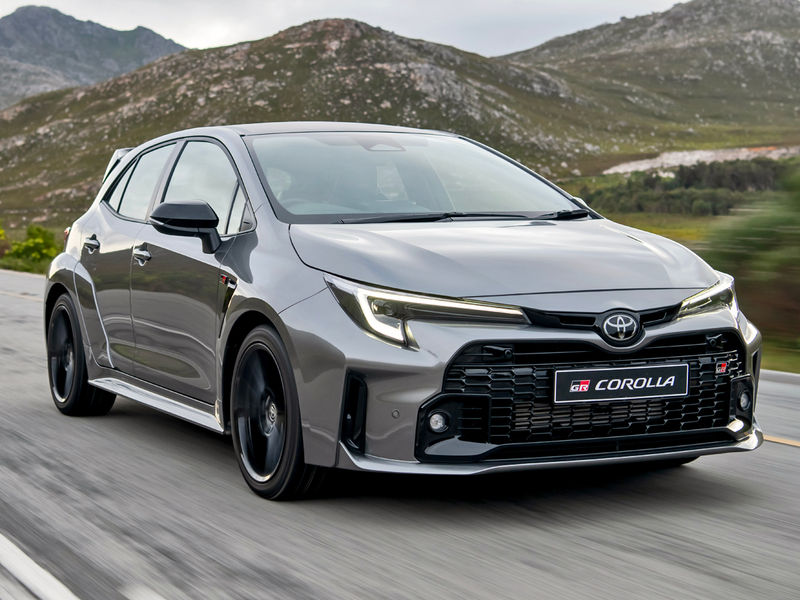
Part of this shortage of striking subjects is the disappearance of the once-staple of family transport – the C-segment hatch. These are, or were, 1st-world hatchbacks – not budget-priced carry-alls built in India or China; models such as the Ford Focus, Renault Mégane, Hyundai i30, Toyota Corolla hatch and the subject of this op-ed – the Volkswagen Golf – that have all but disappeared from our showrooms lately.
Volkswagen, though, hasn’t done itself any favours by pushing the Golf – a car meant to replace the OG Beetle as the “people’s car” and conceived as an attainable compact hatch – progressively upmarket.
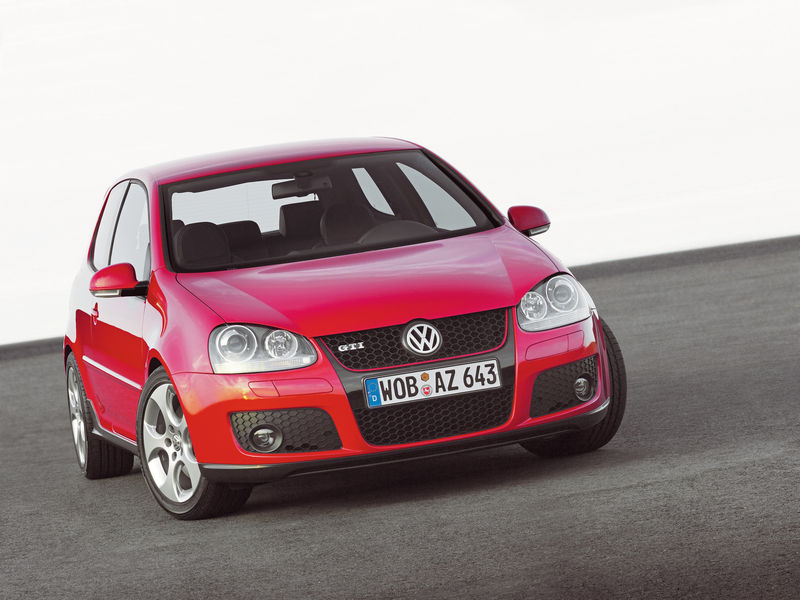
Fifteen years ago, 2 out of every 5 Golfs sold in South Africa were GTI variants. The Golf 6 GTI DSG had a launch price of R368 300 and in 2013, when its Golf 7 successor arrived on our market, that iteration of the GTI retailed for R382 800. Volkswagen was riding a wave and barely able to keep up with demand.
Find a new/used Volkswagen Golf GTI listed for sale on Cars.co.za
Francisco Nwamba presents a Volkswagen Golf 7 GTI (2013-2021) Buyer’s Guide:
However, the arrival of the Golf 7.5 in 2017 signalled the death of the reasonably affordable GTI, with the price skyrocketing by nearly R200 000 to R545 000. The days of the cheap Golf were well and truly over.
The worst was still to come
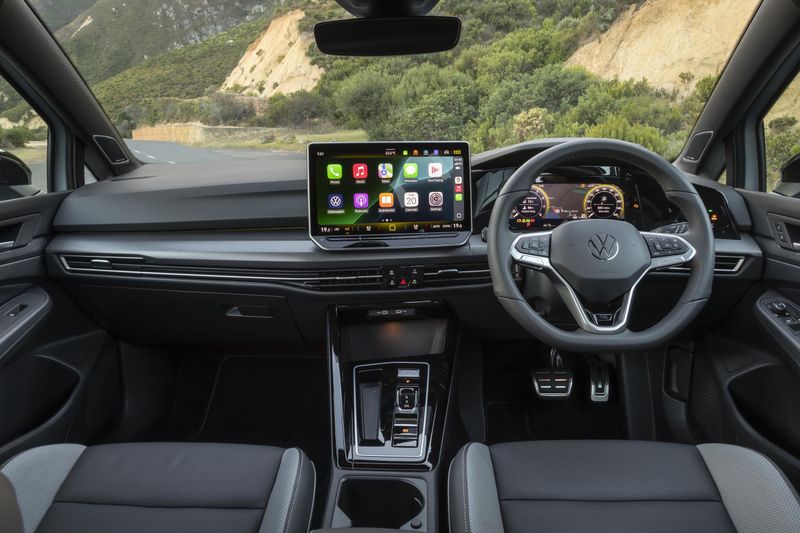
The Golf 8 GTI launched any remaining hope of attainability into space with a 1-way ticket. Its price went up to R669 300 by 2021, followed in 2023 by an increase for no reason other than “demand and supply constraints” and today, in 2025, to an eye-watering, wallet-wilting R853 400 (for the pre-facelift car).
Watch Ciro De Siena’s video review of the Volkswagen Golf 8 GTI:
Offering only incremental improvements over its predecessor, the Golf is no longer worth what you pay for it. I’d be the 1st to admit to acknowledge that inflationary technological, design and manufacturing costs – even that vague chestnut of “market forces” – have driven up the prices of all cars over time.
However, the model’s gradual drift towards the pointy end of the premium hatch segment has rendered the Golf too pricey to still be considered a serious mainstream contender; a phenomenon that is further atrophied by salaries unable to keep up with our beleaguered Rand’s ever-weakening exchange rate.
It’s little wonder, then, that Volkswagen locally discontinued all non-GTI variants of the Golf in 2021, leaving the GTI and R as outlying oddities in the rest of the company’s car park; sales slowed to a trickle.
The result wasn’t just a lesson for all alarmed vehicle importers as it was a snapshot of South Africa’s Gini coefficient (an indicator of the domestic wealth inequality): With the gradual wittling away of the middle class, the stock on local showroom floors increasingly represents our country’s financial inequalities – dealers either sell R200 000 econoboxes or R1-million double-cabs. But very little in between.
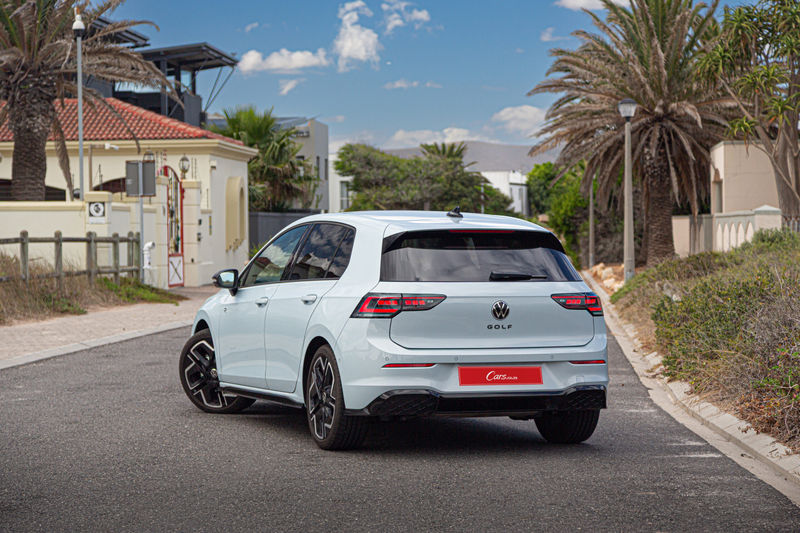
As recent sales reports from naamsa | The Automotive Business Council (of South Africa) reveal, there isn’t a single C-segment hatch among the top 30 vehicles sold every month.
The proliferation of Chinese-made crossovers, which ramped up around 2021, ate the Golf’s lunch. Not only has the passenger hatchback been rendered superfluous, but car buyers can acquire a larger, fully-loaded crossover with everything thrown in as standard for the same price as the new Golf 8.5 1.4TSI.
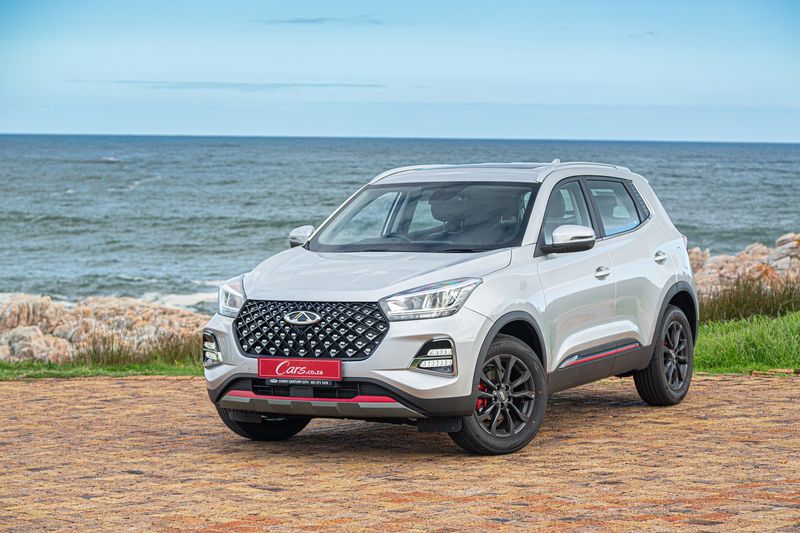
And that is what, more than ever before, is hurting not just Volkswagen, but all other German premium vehicle brands (and others) that doggedly persist with the now-obsolete business model of offering customers 4 wheels and an engine, but whereafter every other convenience item is a cost-option.
Most (smart) car companies employ futurologists who interpret socio-economic trends to anticipate customer behaviour; it’s critical to product planning. In the wake of the tsunami (forgive me) of Chinese products entering not just in South Africa, but other markets (where they’re viable), it’s therefore mind-boggling that in light of the recent launch of the Golf 8.5, Volkswagen still hadn’t learnt its (own) lesson.
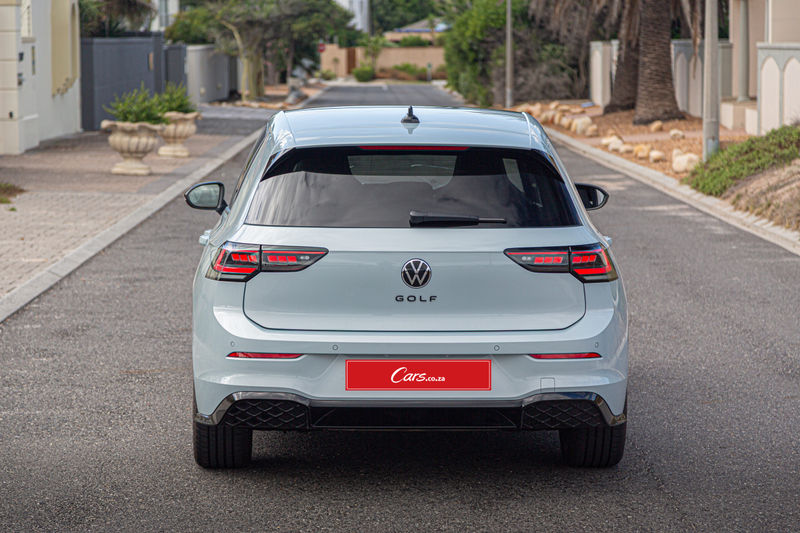
Once again, VW is offering a non-GTI Golf variant, but of which only the 2 most expensive trim grades are truly desirable because they are optionally fitted with the R-Line bodykit and the tech that you really want. It also unfortunately means you have to stretch to a minimum of R80k beyond the try-or-die base model that comes standard with nothing but buyer’s remorse for as long (or short) as you own it.
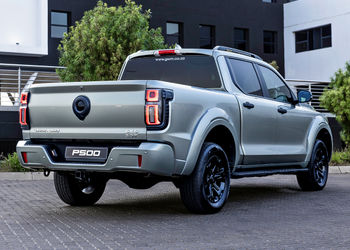
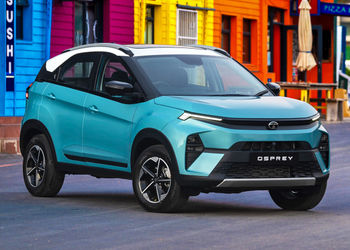
Price is what you pay – value is what you get: for every entry-level Golf 8.5 that Volkswagen hopes to sell for R580 000, there’s a raft of better-equipped and more spacious Chinese offerings from Chery, Haval, Jaecoo, Jetour, JAC and Omoda. Okay, many of these lack brand credentials and a proven track record, but for the struggling middle class, those are nice-to-haves. And the sales numbers don’t lie.
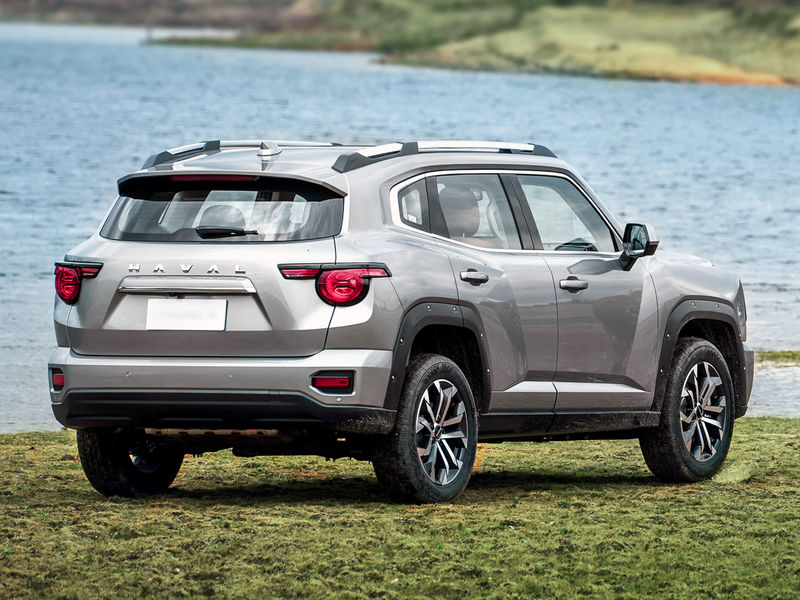
It’s an impossible battle: as a result of rationalisation (“buyers buying down”), Audi and Volvo have begun closing struggling dealerships; even the automotive giant, Toyota, has admitted that competition (from new Chinese brands) is “very real” and that the Aichi-based brand needs to find ways to become more competitive and further differentiate itself. Read: Chinese threat ‘very real’, says Toyota SA boss
Premium brands must embrace ‘the new normal’
That also means that for the SA new-vehicle market, the days of posh dealerships that resemble ivory-towered crystal palaces that endeavour to sell (now just a handful of) R1-million-plus cars, with matching unsustainable overheads, are almost over. A fundamental affordability crisis, coupled with runaway new-car price inflation, has seen luxury brands’ volumes shrink, while Chinese brands gain a larger foothold.
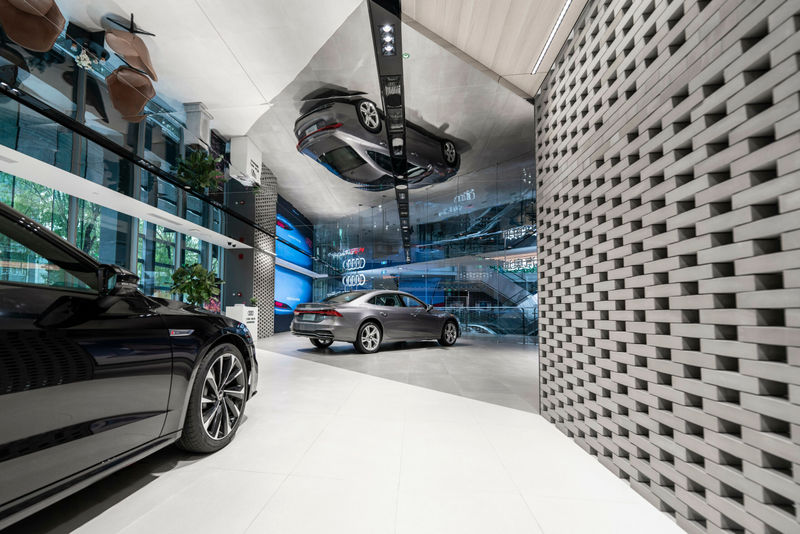
Speaking of which: in China, some cars are sold in iPhone-like stores in shopping malls at a fraction of the operating costs. Imagine a same-specced, more affordable Golf 8.5 taking up those same spaces in Sandton City, Gateway, or Canal Walk is an effortless exercise in value-driven and customer-oriented appropriateness, to say nothing of the feel-good factor and the bigger audience that it would reach.
Now that would be cover-worthy for any automotive magazine.
Find a new/used Volkswagen Golf listed for sale on Cars.co.za
Related content:
What is SA’s ‘Car of the Quarter Century’?
Limited Edition: Can be worth a look, but often isn’t
7 Tips to Becoming a Smarter Car Shopper
5 sportscars that will disappear in 2025
The zero-cost trick Toyota is missing with Fortuner
Why Chinese car brands will win the EV war
6 Small Crossovers that faltered, so others could fourish
Freakish cars that we’re (kind of) glad were made
For business, not pleasure: App-tap small sedans
Braam Peens

Braam is the former editor of TopGear magazine South Africa. He has a secret bank in Germany into which funds are sometimes paid in exchange for his suspiciously positive and unwavering advocacy of supercar Nürburgring lap times, as long as they are not performed by SUVs, powered by batteries, or driven by Nico Rosberg.