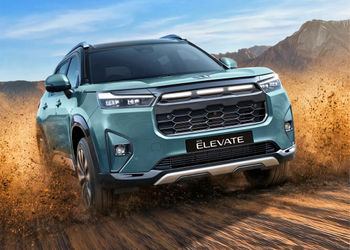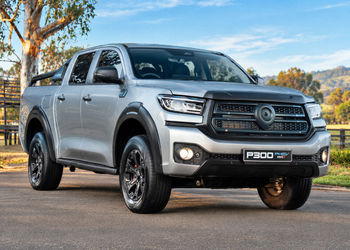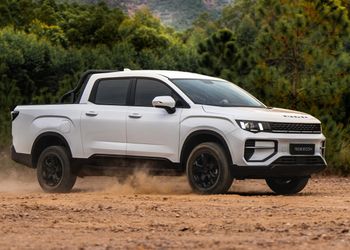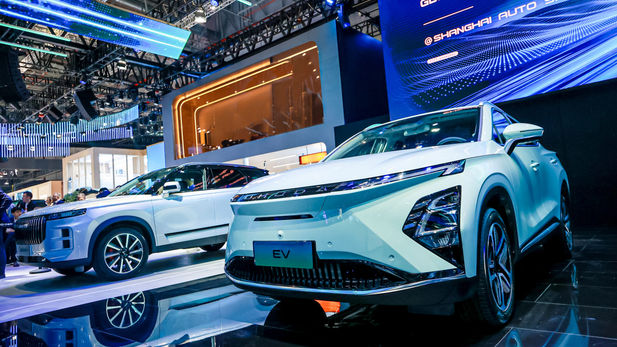
The influx of new Chinese vehicle brands and models has already transformed the South African new-vehicle market and, as local car buyers’ appetite for plug-in and all-electric cars increases gradually, China certainly looks destined to win the EV war.
When Chinese-made vehicles first came to South Africa in the late 2000s, the torpid response by the public (to say nothing of the hostile one by the motoring media) was, sadly, justified in its scepticism.
“Howzit, my China?” became every lazy headline writer’s go-to chestnut to verbalise the cheapjack tawdriness of the clunkers, many of which were patently flimsy, had weird-smelling interiors and odd names (remember the Fudi Lion?); they were shockingly built shameless copies of established products.
Watch Ciro De Siena’s video review of GWM’s first EV model in SA – the Ora 03:
Neither was their cause helped by fly-by-night import efforts offering near-zero aftersales backup; their low prices only underlined the underlying sense of cheap-and-nastiness instead of acting as a genuine incentive to try a potentially smart buy. Alas, the global financial crisis put paid to most such efforts.
As first impressions tend to last, similar to when French brands arrived in South Africa en masse in the early 2000s, almost irreversible damage was done to the perception of the Chinese-made newcomers, fuelling a lasting dismissiveness as well as a healthy dose of customer distrust as the default response.
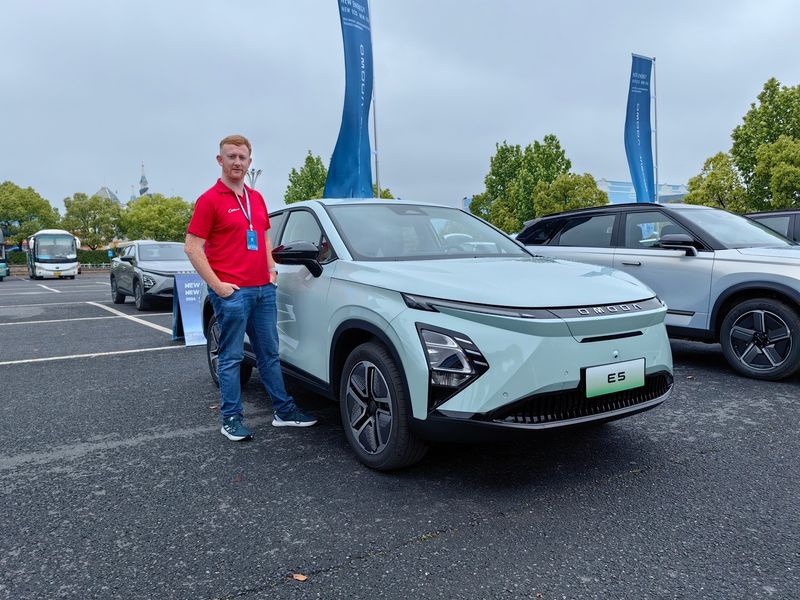
See also: Omoda E5 (2024) International Launch Review
Objectively, there was no way the Chinese brands, as newcomers to the game could credibly challenge established players with decades of experience; be it in vehicle design, engineering or manufacturing.
Chinese brands made giant strides in a short time
But that was then. Since the 2010s, several factors enabled Chinese carmakers to take giant strides in closing the gap to industry leaders. The first was the increased availability of off-the-shelf componentry.
No longer was it a requirement for fledgling carmakers to go through the exhaustive tribulations of developing proprietary transmissions, brakes, steering – even engines – when all of these could be procured from recognised global suppliers.
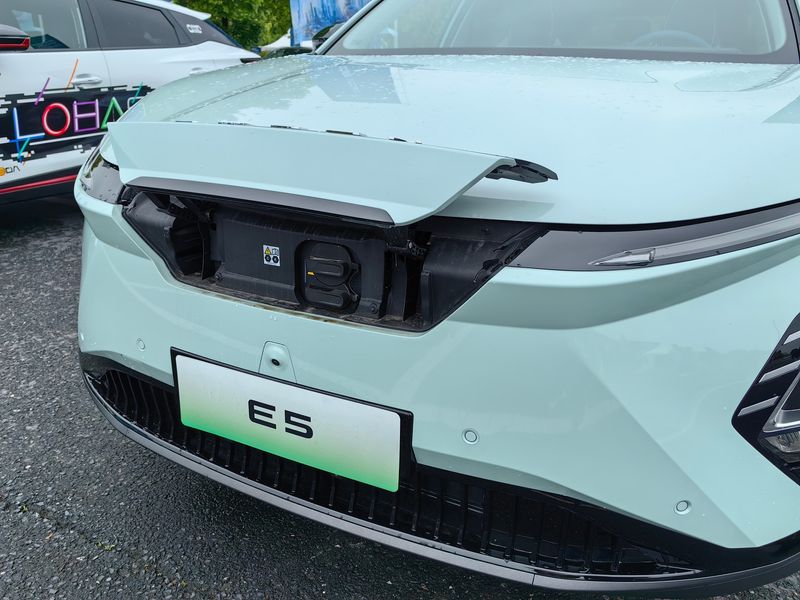
No need to beat European brands at their own game
Furthermore, serendipitously timed social pressure against passenger-vehicle exhaust emissions and a global shift towards crossovers in the mid-2010s spared the Chinese auto industry the effort and cost of having to develop honed apex carvers that would have taken decades to rival the Germans.
Today, brand heritage and ultimate driving pleasure (with apologies to BMW’s marketers) have taken a back seat to the features, versatility and space tyre-kickers crave most, which finally enabled Chinese brands to compete with their European peers on equal footing in terms of product quality and -offering.

See also: Confirmed: Jaecoo PHEVs for SA
However, should an irrevocable shift to EVs occur, which OEMs are increasingly fighting in the European Union as sales of electric cars continue to slow, the game will be up for many (if not most) non-Chinese car brands. Why? Because consumer preference – jumbled in the perfect storm of fading brand loyalty, ever-higher tech requirements and ultimately, affordability – will give Chinese carmakers the upper hand.

Packaging is all-important nowadays
A critical battle was won a decade ago when most car buyers started thinking of cars as… appliances. Today, a Chinese brand’s crossover will perform its duties as diligently as its Western counterparts – but it’ll offer more standard features at a lower price. Sure, you won’t be able to hustle it to pole position at your local club race, but neither would you have felt the need to in an equivalent legacy-brand model.
And where does virtually every appliance in your house – and crucially, their batteries – come from? You guessed right. EVs and PHEVs are the final frontier in the equalisation of tomorrow’s car technology.
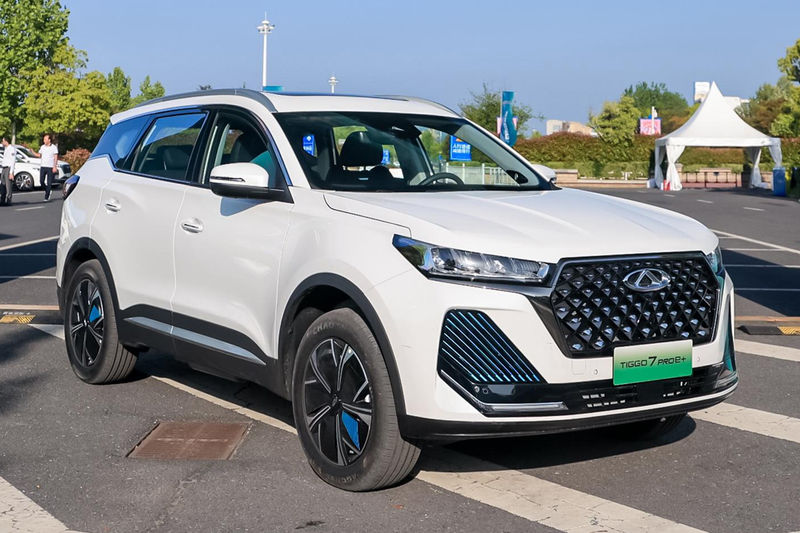
Spared the burden of chasing visceral appeal through engineering along with the emotional baggage of internal combustion engine (ICE) technology, EV-championing Chinese car companies are repositioning themselves as tech giants through investment into artificial intelligence, smart technology, ecosystems, autonomous driving and battery development (Chery will mass-produce a solid-state battery with a 1 500-km range by 2027) to become government-subsidised, future-first automotive pioneers.
Everybody else in the automotive industry seems to be fighting with one hand tied behind their back; many established brands are burdened with legacy, labour disputes and poor new-vehicle affordability.

More than 60% of all new EVs are made in China
Global EV sales reached 853 000 in July – only a 6% up from 2023. This unimpressive growth raises concerns about the demand for electric cars and whether the industry can keep up its momentum.
Unquestionably, in Europe, carmakers such as the Stellantis group, Volkswagen and Mercedes-Benz are losing significant market share. On the flip side, sales of plug-in hybrid electric vehicles (PHEVs) are booming – jumping 58% year-on-year (at the last count), largely thanks to strong demand in China.
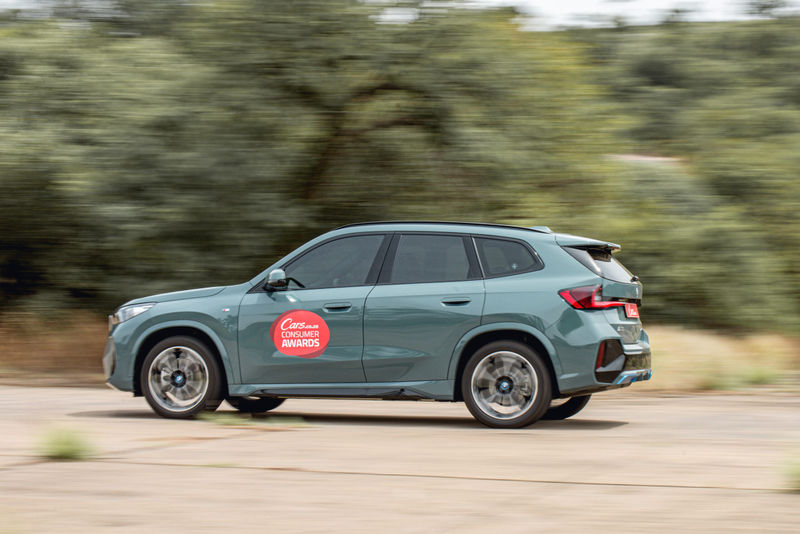
Interestingly, BMW has been the outlier, growing its EV market share (from 3.7% to 4.6%), with the i4 and iX1 as the showroom superstars.
Even though EVs typically have lower running costs than internal combustion engine (ICE) cars, their high purchase prices and steep depreciation are making people think twice about buying them.
In Germany, which is a key European market, EVs are still about 20% more expensive than their ICE equivalents, even when you factor in subsidies. Many European consumers are still wary of “going electric” because of EVs’ hefty upfront costs and persistent fears of such cars’ weak value retention.
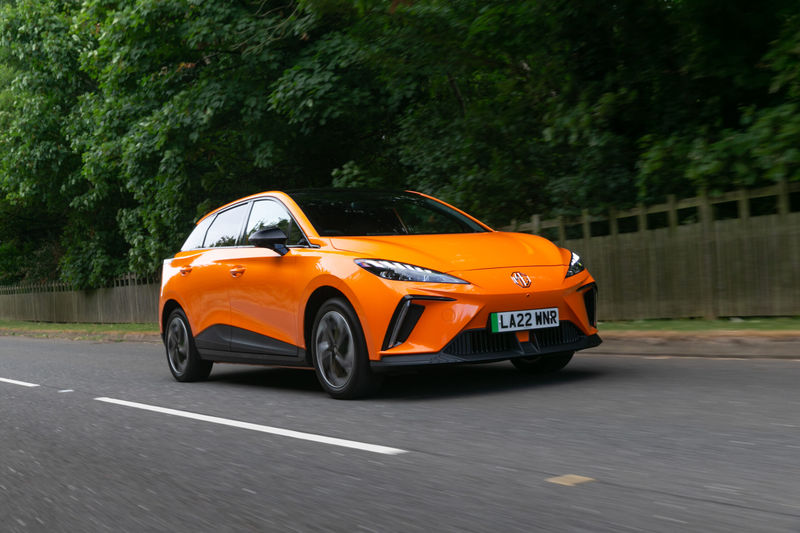
Adding insult to injury, legacy carmakers rely on elaborate supply chains with their own profit demands; whereas in the case of Chinese EVs, almost everything is produced in-house to keep costs down.
These companies’ production facilities already operate almost entirely unmanned, enabling lower production costs through reduced staff costs and the sheer economies of scale of mass production.
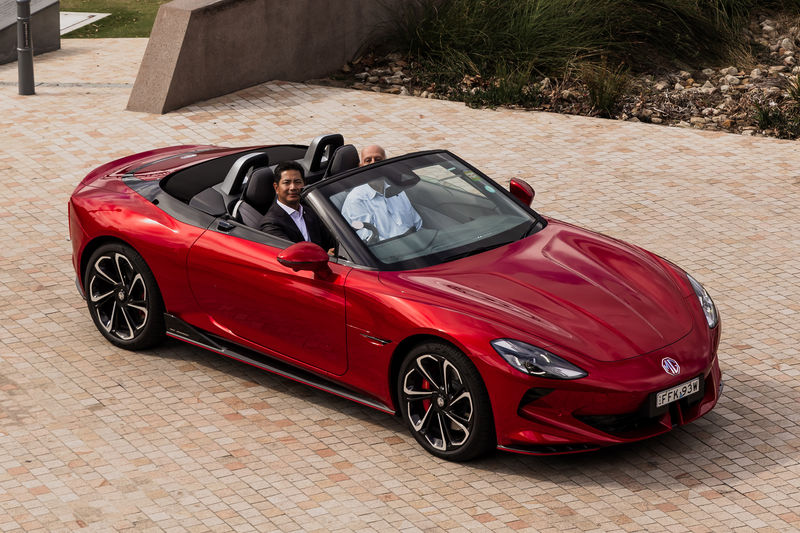
Chinese car brands no longer consider highly regulated markets off-limits. Last year, Chery began selling in the UK, Italy, Spain, Poland and Hungary; and it has the US, Korea and Japan in its sights – not just as new markets, but also to sell its tech for use in other brands’ respective car-manufacturing processes.
In 2023, more than 60% of all new EVs sold around the globe were made in China and, granted, that can largely be attributed to sheer affordability – the 5 cheapest EVs in Australia come from China! And, in China, vertically integrated BYD’s cheapest EV costs less than a 3rd of the most affordable Tesla.
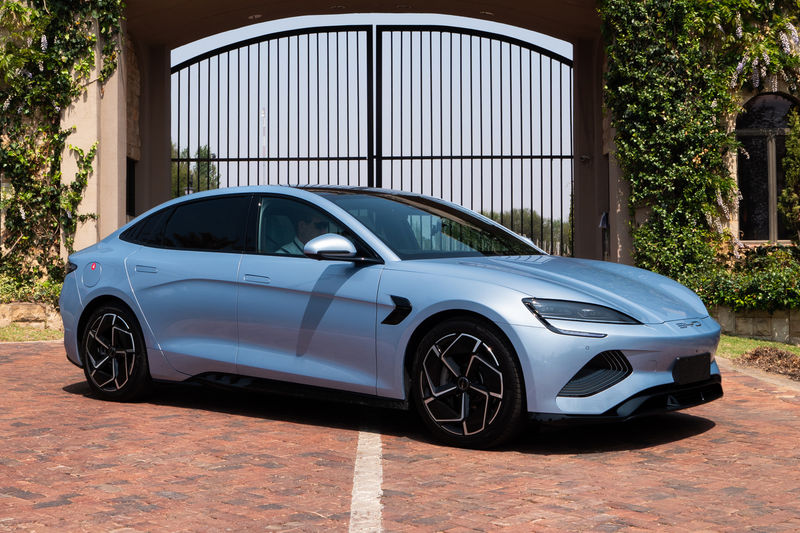
Established carmakers have tried building their own batteries in an attempt to control costs, only to fail.
High-tech, high volumes, low cost – that’s the new Chinese tsunami. And, do you know what? As latecomers to the automotive scene, Chinese car brands didn’t even invent anything remotely concerned with cars. Much like Henry Ford, who did not discover the automobile, but pioneered how to build it in bulk, they only took mass production to the next level and made the end product more affordable.
With legacy brands facing an uphill battle and begging governments for increased protection against waves of Chinese imports (also in Mzansi), the motoring world’s about to change, and it’s happening right in front of our eyes. See also: Mitsubishi SA boss hits out at ‘damaging’ new Chinese brands
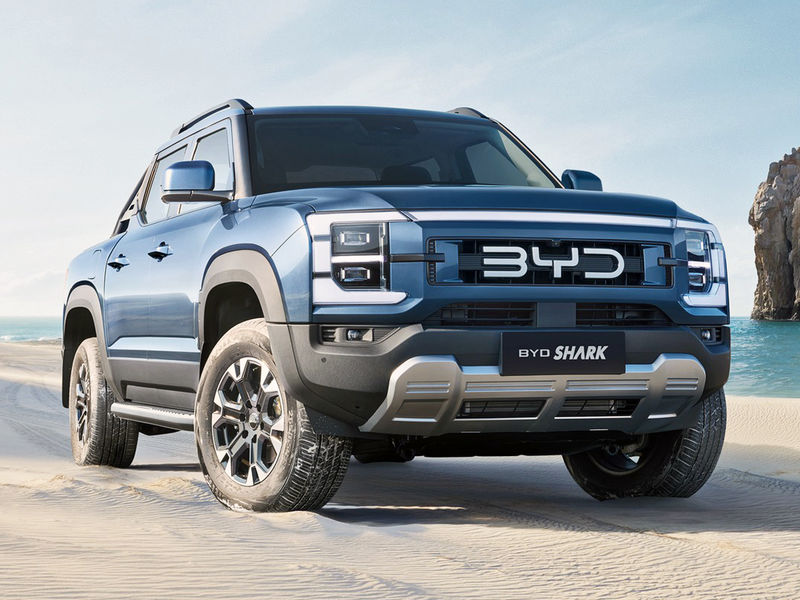
A reduction in EV import tariffs from the current 25% may see battery-electric vehicles and their plug-in hybrid siblings become less expensive and boost the uptake of such variants in South Africa, but you can bet your bottom dollar any model from China will still cost less than a comparable European rival.
It’s either a miracle or a nightmare – or both. But as a cultural phenomenon, it’s definitely unstoppable.
Find a new/used GWM Ora listed for sale on Cars.co.za
Find new/used Chery models listed for sale on Cars.co.za
Find new/used Omoda models listed for sale on Cars.co.za
Find new/used Jaecoo models listed for sale on Cars.co.za
Find a new/used BYD models listed for sale on Cars.co.za
Related content:
6 Small Crossovers that faltered, so others could fourish
Freakish cars that we’re (kind of) glad were made
For business, not pleasure: App-tap small sedans
Want a versatile, spacious 7-seater? Don’t buy an SUV
Turbodiesel heroes you might have forgotten about
Forget the M3 Touring, you want a Golf R Wagon
Braam Peens

Braam is the former editor of TopGear magazine South Africa. He has a secret bank in Germany into which funds are sometimes paid in exchange for his suspiciously positive and unwavering advocacy of supercar Nürburgring lap times, as long as they are not performed by SUVs, powered by batteries, or driven by Nico Rosberg.