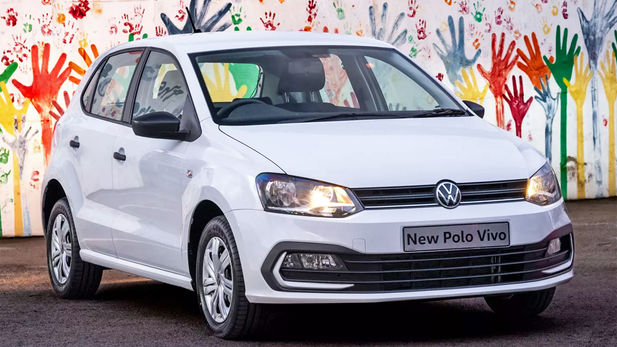
Keen to get the best fuel efficiency from your Volkswagen Polo Vivo? Here are a few fuel-saving tips and a look at which derivative is the most efficient…
The Volkswagen Polo Vivo is one of South Africa’s most popular passenger vehicles – and for good reason. This Kariega-built hatchback not only offers well-proven underpinnings and impressive levels of practicality but also the potential for wallet-friendly fuel efficiency.
So, how do you go about extracting maximum efficiency from this strong-selling hatchback? Here are a few petrol-saving tips, as well as a look at the claimed fuel consumption of each Polo Vivo derivative…
1. Drive Your Volkswagen Polo Vivo Smoothly
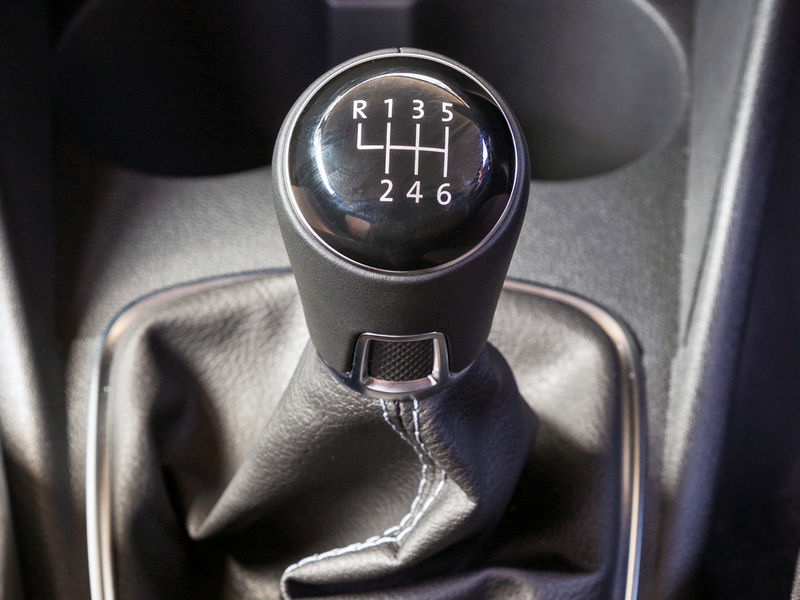
Want to eke out every last kilometre from your Polo Vivo’s 45-litre tank? Well, you’ll have to adjust your driving style accordingly. Drive as smoothly as possible, avoiding harsh acceleration (try to gradually build up speed instead) and abrupt braking whenever possible.
Learn to look ahead and read traffic conditions, minimising unnecessary acceleration and braking – and, in the process, effectively maximising in-gear “coasting”. During highway driving, we’d further suggest staying well within the posted speed limit as the Polo Vivo’s 3- and 4-cylinder engines work harder – and therefore less efficiently – at higher speeds.
Also see: Driving tips to improve fuel efficiency
2. Keep Your Polo Vivo Properly Maintained
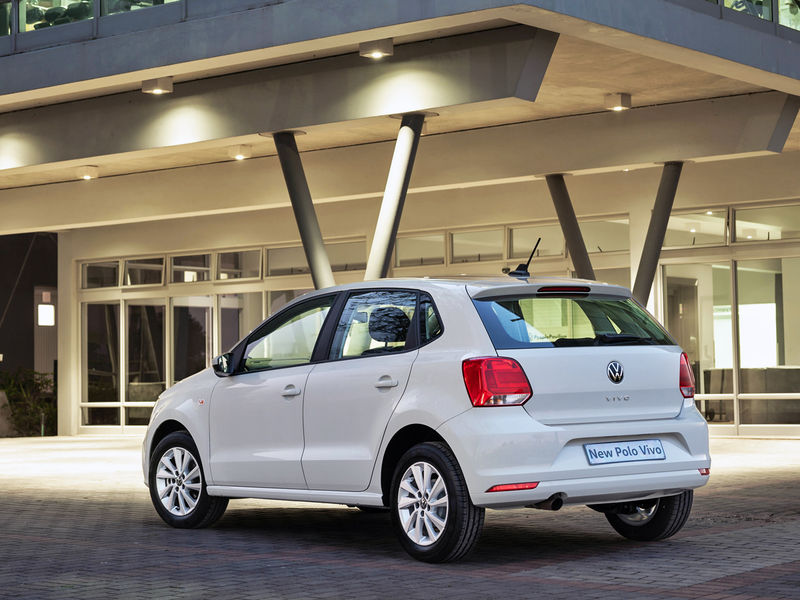
Regular maintenance – scheduled for every 12 months or 15 000 km in the case of the current-generation Polo Vivo – is critical to any vehicle’s overall longevity. But it also plays a key role in fuel efficiency. For instance, dirty engine oil increases friction, clogged air filters restrict airflow and worn sparkplugs can result in incomplete combustion, all leading to an increase in fuel consumption.
So, even though Volkswagen Group Africa unfortunately doesn’t (currently) include a service plan in the Polo Vivo’s purchase price, make sure you keep your hatchback properly maintained. This will extend the vehicle’s lifespan and maintain its value – but also save fuel.
Also see: Car Maintenance Checks to Perform on Your Car
3. Remove Unnecessary Weight from Your Polo Vivo

Are you the type of car owner who leaves all sorts of needless odds and ends on the back seat or stowed away in the luggage compartment? Well, we’d advise swiftly removing any unnecessary clutter – particularly any weighty items – from inside your Polo Vivo. Why? Well, the extra mass has a negative impact on fuel efficiency.
Furthermore, if you have roof racks or roof boxes fitted to your Vivo, consider removing these when they’re not in use. These items not only add weight but effectively increase the surface area of your car, resulting in more aerodynamic drag and therefore worse fuel consumption.
4. Regularly Check Your Vivo’s Tyre Pressures
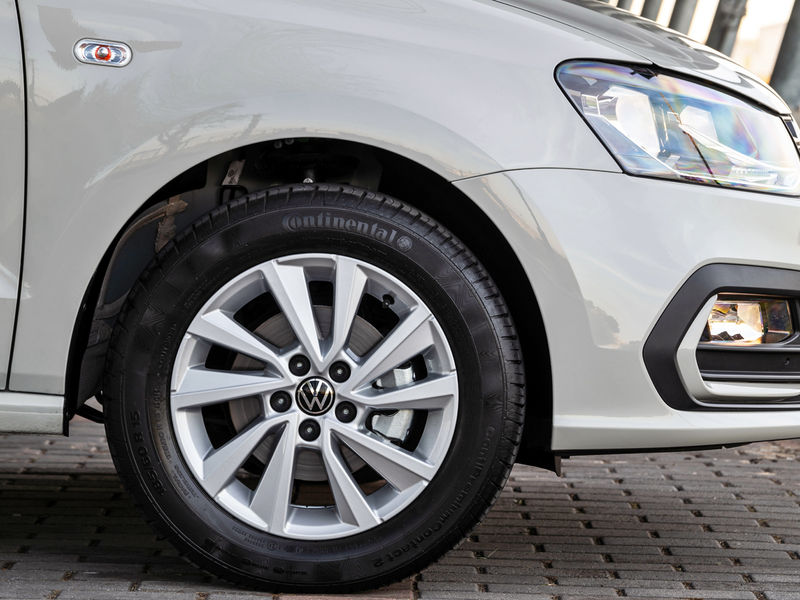
Tyre pressures are often overlooked in the quest for maximum fuel efficiency. But operating at incorrect inflation levels can have a marked impact on your Polo Vivo’s efficiency. Underinflated tyres can not only lead to outright failure but also create added rolling resistance. That means the engine must work harder – and ultimately less efficiently.
So, make sure you inflate your vehicle’s tyres to the recommended pressures (depending on your usage; consult the manual for exact numbers) and regularly check them. Thankfully, all derivatives in Volkswagen’s current Polo Vivo line-up come standard with tyre-pressure monitoring, giving you extra peace of mind.
Also see: Tyre Maintenance Tips
Which Polo Vivo engine is most efficient?
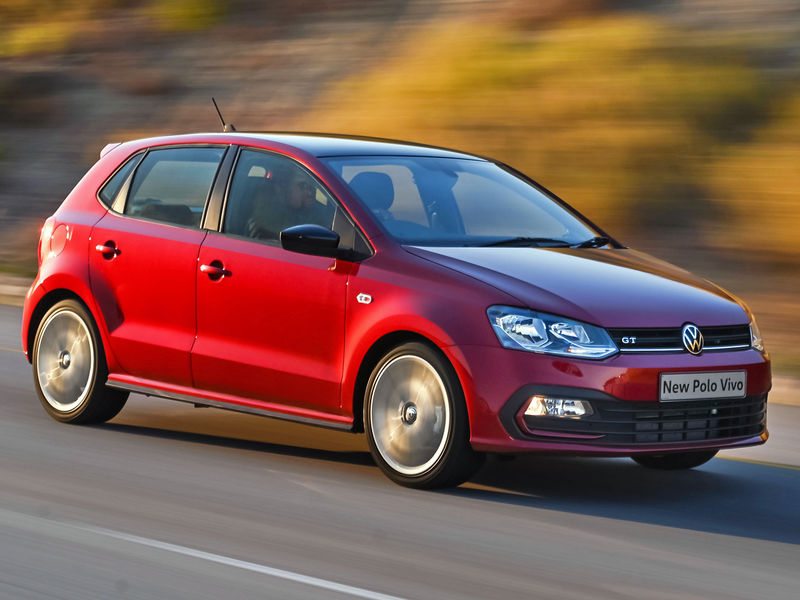
So, which Polo Vivo is the most frugal with fuel? Well, the naturally aspirated 1.6-litre, 4-cylinder petrol engine sips at a claimed 6.2 L/100 km when mated to a 5-speed manual gearbox. This figure increases to 6.5 L/100 km when a 6-speed automatic transmission is specified.
The likewise atmospheric 1.4-litre, 4-cylinder petrol motor, meanwhile, is lighter still on fuel, with VW listing a combined number of 5.5 L/100 km. However, thanks to its turbocharged 1.0-litre, 3-cylinder petrol mill, the range-topping Polo Vivo GT boasts the lowest fuel consumption of all. In fact, its claimed figure of 4.8 L/100 km makes it 1 of SA’s most-efficient petrol cars.
Also see: Most Fuel-Efficient New Cars in South Africa (2025)
Find a used VW Polo Vivo on Cars.co.za!
Related Content
VW Polo Vivo (2025) Specs & Price
Reviews
Volkswagen Polo Vivo (2018) Review
Volkswagen Polo Vivo GT (2018) Review
Volkswagen Polo Vivo GTS (2016) Review
Volkswagen Polo Vivo (2014) Review
Comparisons
New Polo Vivo vs Old Polo: How different are they?
General
Volkswagen Polo Vivo: Fuel Efficiency Tips
Cars.co.za

Providing you with the latest motoring news, new car releases and the simplest way to buy and sell cars.