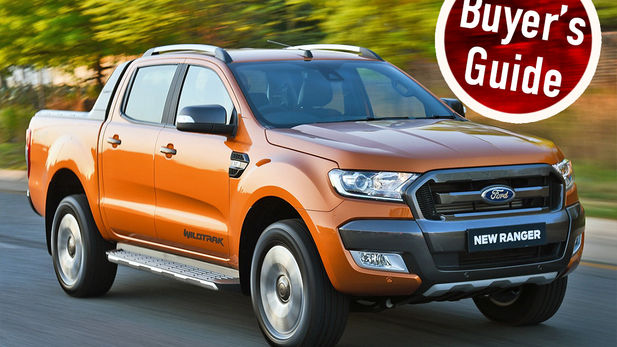
Ford’s first T6-based Ranger was in production for more than a decade. Here we’ll focus on the facelifted version, which hit SA in 2015 and was updated again in 2019. What should you look out for and which one should you buy?
Although the original T6-based Ford Ranger went into production as long ago as 2011, the Blue Oval bakkie received a significant mid-cycle update in 2015 (plus a second refresh in 2019). It’s this version – like the pre-facelift model, produced at Silverton near Pretoria – on which we’ll concentrate in our in-depth buyer’s guide, with a further narrowing of focus to the lifestyle-orientated double-cab derivatives.
With plenty of examples available on South Africa’s used market, let’s take a closer look at the derivatives offered locally as well as product strengths and weaknesses, what you can expect to pay for a second-hand Ranger and our pick(s) of the Dearborn-based firm’s broader bakkie range.
Ford Ranger model line-up
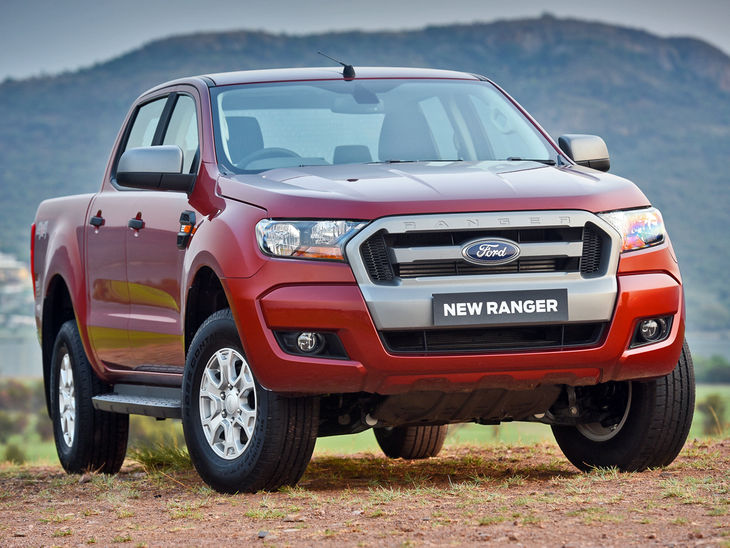
The XLS version of the Ranger slotted in below the XLT and Wildtrak.
The refreshed version of the P375 Ranger was revealed in Thailand in March 2015, with the first unit rolling off the Silverton production line by September of that year. Within a couple of months, the upgraded Ranger was launched in South Africa, with the local line-up comprising as many as 33 derivatives. In short, it was Ford’s latest answer to the strong-selling Toyota Hilux, which itself moved into a new generation locally by February 2016.
But back to the Ranger. There were single-, extended- and double-cab body styles (plus chassis-cab versions of the single and double cabs, though these didn’t remain in the range for all that long) as well as 4×2 and 4×4 configurations, while trim levels included base, XL, XLS, XLT and the flagship Wildtrak.
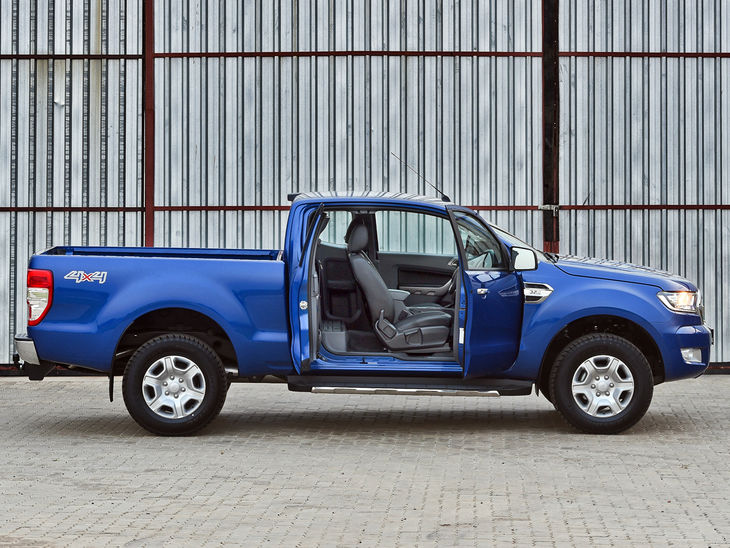
The Super Cab line-up grew to six variants with the 2015 facelift.
Interestingly, Ford decided to switch from hydraulic to electrically assisted power steering at this stage of the Ranger’s life. The powertrain line-up, meanwhile, consisted of 5 choices, with only the 5-cylinder turbodiesel engine offered with the option of an automatic transmission at launch:
- 2.5i (122 kW/226 Nm) 5-speed manual
- 2.2TDCi LP (88 kW/285 Nm) 5-speed manual
- 2.2TDCi HP (118 kW/385 Nm) 6-speed manual
- 3.2TDCi (147 kW/470 Nm) 6-speed manual
- 3.2TDCi (147 kW/470 Nm) 6-speed auto
Over the next seven years, Ford Motor Company of Southern Africa made specification tweaks to multiple derivatives, created fresh variants and implemented one large range update, before rolling out a raft of special-edition versions towards the end of this Ranger’s life.
In July 2016, the line-up was expanded with the option of a 6-speed automatic transmission for the high-output 2.2 Duratorq TDCi engine, prompted by Ford noting “unprecedented” customer demand for the self-shifting version of the Wildtrak. This new powertrain combination also resulted in the first auto-equipped single cab on the local market but was available across all three body styles, seeing 9 extra variants added to the range.
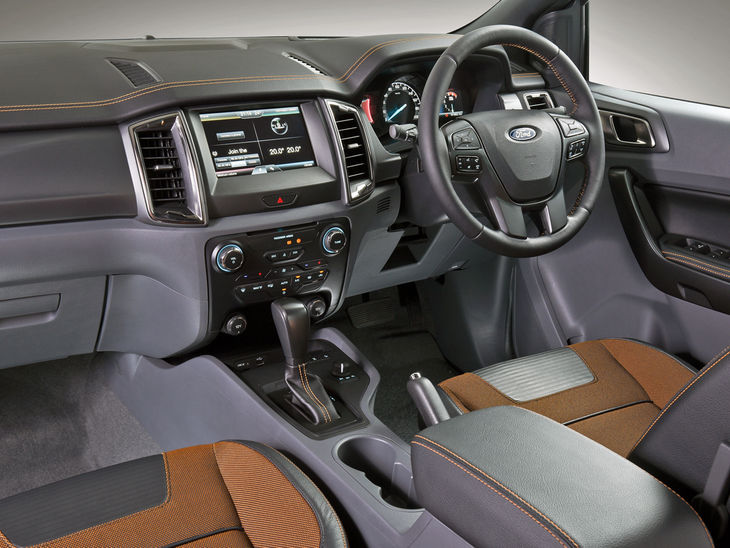
The Wildtrak unwrapped in 2015 shipped standard with the SYNC2 infotainment system.
By April of the following year, XLT and Wildtrak derivatives were handed the then-new SYNC3 infotainment system (complete with navigation). At the same time, a factory-fitted, electronically operated rear differential lock was added to XL, XLS, XLT and Wildtrak variants, with the XLS furthermore gaining a reversing camera and park distance control. All models, meanwhile, were then fitted with a spare wheel lock.
Later that month, Ford launched the limited-edition Fx4, which was based on the 3.2-litre XLT double cab 4×4 and offered with either a manual or automatic cog-swapper. In December 2017, the XLT and Fx4 both gained front parking sensors, while the Fx4 package was extended to all XLT double cabs (so, with either the 2.2- or 3.2-litre engine).
Another facelift for the Ranger in 2019
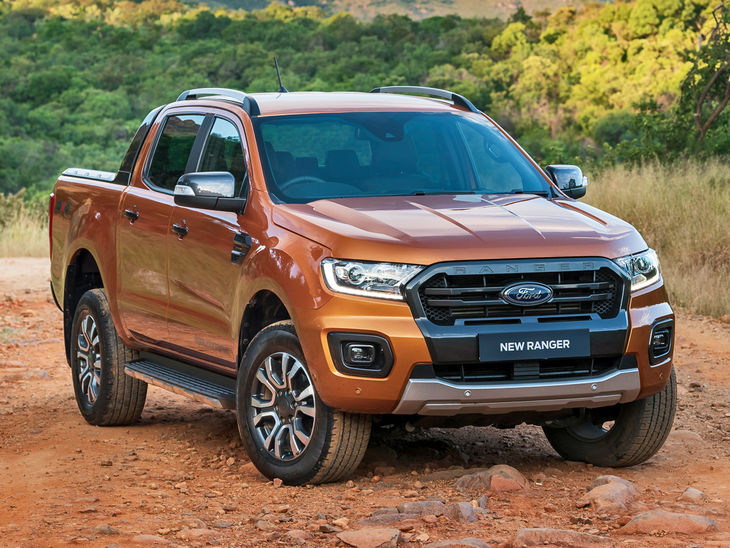
The 2019 refresh of the Ranger included a relatively restrained exterior redesign.
A second facelift followed in April 2019, bringing subtle styling updates inside and out but more importantly introducing the new Struandale-built 2.0-litre, 4-cylinder single- (132 kW/420 Nm) and twin-turbo (157 kW/500 Nm) diesel engines, plus a box-fresh 10-speed automatic transmission. All models also boasted upgraded suspension, while the Wildtrak gained a self-parking feature (and, along with the XLT, the so-called “EZ Lift” tailgate, plus keyless entry and passive start).
The long-awaited Ranger Raptor finally hit the South African market in May 2019, offered exclusively with the aforementioned 2.0-litre bi-turbodiesel engine. Five months later, XLS models gained the no-cost option of a chrome styling pack. August 2020 saw the arrival of the Thunder model as well as the roll-out of specification upgrades such as LED headlamps (with LED daytime running lights and front foglamps) to XLT, Wildtrak and Raptor variants. At the same time, the XLS scored a touchscreen.
In October 2020, the XL was handed a Sport Pack option, while the new FX4 (rather than “Fx4”) appeared in February 2021, debuting FordPass Connect, a feature that was then extended to XL, XLS, XLT, Wildtrak and Raptor derivatives, too. The Wildtrak-based Stormtrak hit the local scene in September 2021, before the Raptor Special Edition strutted into town the following month.
Product strengths
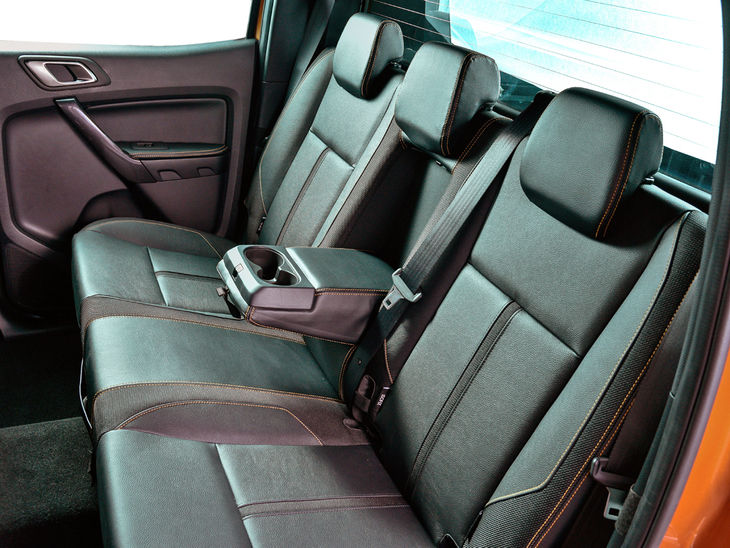
The Ranger offers impressive rear-passenger space.
Commendable road manners: When this version of the Ranger debuted in 2015, most bakkies on the market made do with what we’d charitably describe as agricultural road manners, particularly when the load bay was empty. Ford’s contender, however, brought a fresh level of ride comfort and predictable handling to the segment, helping it make its mark as a leisure bakkie alongside models such as the Volkswagen Amarok.
SUV-like cabin: That theme continued in the cabin, which became increasingly SUV-like with each update and sported more rear passenger space than that of the Toyota Hilux. Even back in 2015, the SYNC2 infotainment arrangement (then standard in the XLT and Wildtrak) featured voice control. Furthermore, the Blue Oval brand included a nifty 240-volt power socket in the cabin.
Standard safety equipment: At launch in 2015, the entire Ranger line-up shipped standard with an electronic stability programme (incorporating traction control, hill launch assist, hill descent control, adaptive load control and trailer sway control) and ABS (with EBA and EBD), bar the base model, though even in that case ABS was available as an option. The Wildtrak, meanwhile, set new standards in the segment with driver aids such as lane-keeping alert, lane-keeping aid, adaptive cruise control (with forward alert), tyre-pressure monitoring, a driver impairment monitor and parking sensors, fore and aft. With the 2019 update, the flagship version furthermore gained a semi-automatic parallel parking system, while all but the base model received a category 1 Thatcham-specification alarm.
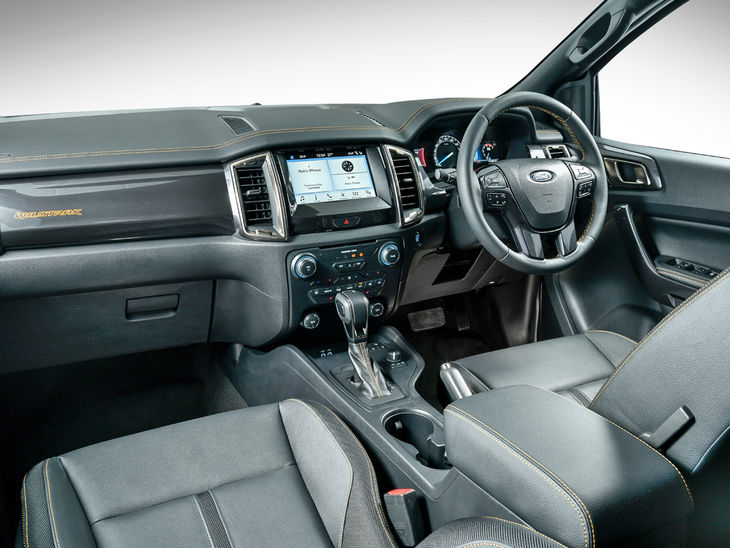
The Ranger update in 2019 brought even more driver assistance kit to the Wildtrak model.
Towing capacity: Back in 2015, each Ranger derivative featuring 4×4 and either the 2.2- or 3.2-litre turbodiesel engine sported a braking towing capacity of 3 500 kg, a figure that has since become the segment’s benchmark. With the 2019 refresh, all variants (including those with 4×2 configurations) except the low-output base models and later the new Raptor (with its coil-sprung rear end) upgraded to this towing capacity.
Broad model range: While the number of derivatives in imported bakkie line-ups tends to be rather limited, the fact this version of the Ranger was built in South Africa means there was opportunity to market an exceptionally broad range. That’s exactly what the Michigan-based automaker did, offering more variants than all rival ranges, including the 23-strong Hilux portfolio that launched in the first quarter of 2016. Today, that means there’s more choice for you on the used market.
Product weaknesses
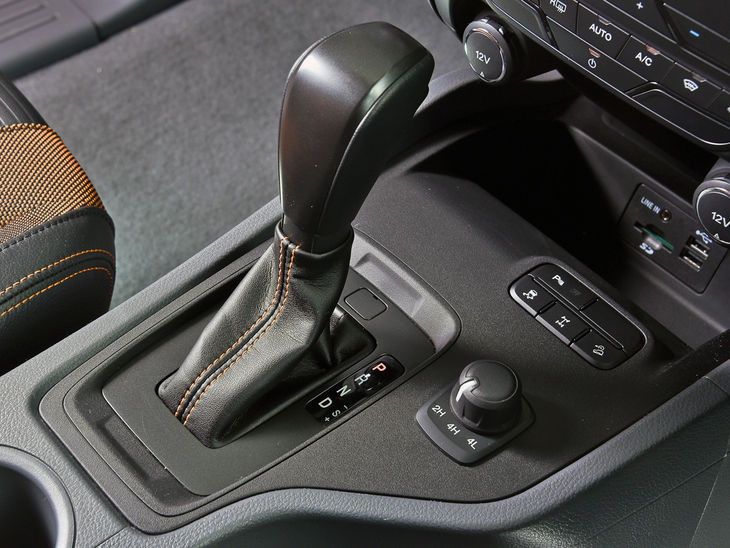
There have been some instances of torque-converter woes with the earlier 6-speed automatic transmission.
While there are a number of known issues with the 3.2-litre, 5-cylinder turbodiesel engine – for example, crank position sensor failures, injector problems, torque-converter worries (for the 6-speed auto models) and turbo failures, with around 11 000 examples recalled locally in 2014 for the latter – many are limited to the pre-facelift versions of this powerplant, so aren’t entirely relevant here.
Still, there are a few reliability troubles that could potentially plague later versions of this engine as well as the 2.2-litre unit. There’s not quite as much data on the long-term reliability of the newer 2.0-litre turbodiesel engines just yet, but we have heard of 2.0 SiT engines smoking excessively and using oil (as well as a few failures of earlier examples of the 10-speed automatic transmission).
Oil pump issues: The 2.2- and 3.2-litre turbodiesel engines interestingly each employ a variable-displacement oil pump. Chain driven rather than self priming, this vane-style component has a 10-minute oil drain time limit. Exceed this and the oil pump will likely have bled dry. Without the ability to prime itself, oil pressure will be virtually non-existent when the engine is next started, which will quickly lead to very expensive damage indeed (priming the pump from this position, meanwhile, isn’t exactly a small job). In addition, these pumps have been known to fail prematurely.
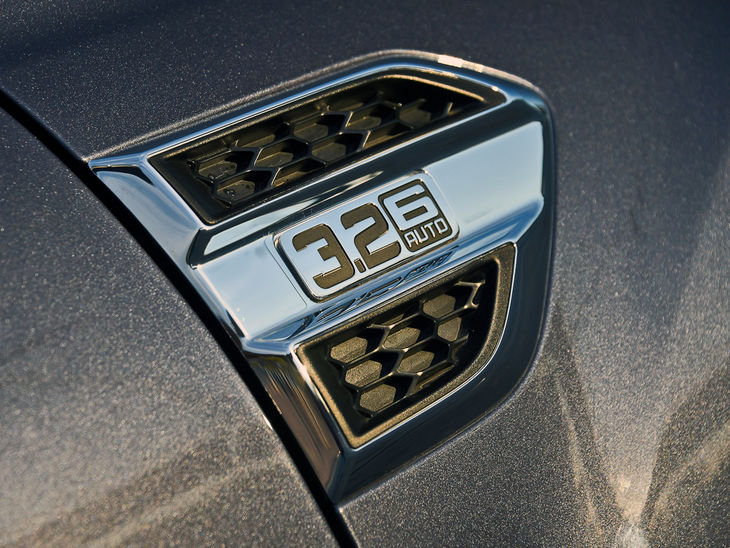
The TDCi engines employed a variable-displacement oil pump.
EGR cooler problems: Another potential gremlin in the two TDCi engines revolves around the exhaust gas recirculation (EGR) valve, which here is water cooled and shares the engine’s coolant. Many owners have reported instances of the EGR cooler splitting and leaking, something that quickly leads to overheating problems.
Faulty flexible brake hoses: In mid-2019, Ford issued a recall of certain Ranger models (produced at Silverton from late in 2014 to August 2018) due to front flexible brake hoses that were prone to failure. This could lead to a loss of brake fluid, causing increased brake-pedal travel and increased stopping distances.
Widespread use of non-approved accessories: For whatever reason, the Ranger became a popular base for customisation, including the common use of non-approved accessories such as Raptor-style grilles. Such aftermarket items would have voided the vehicle’s warranty, with Ford warning in 2020 that these could even “cause premature failure of components”. Interestingly, the automaker launched its own range of factory-approved accessories (including a Raptor-esque grille) in the second quarter of 2021.
What to pay?
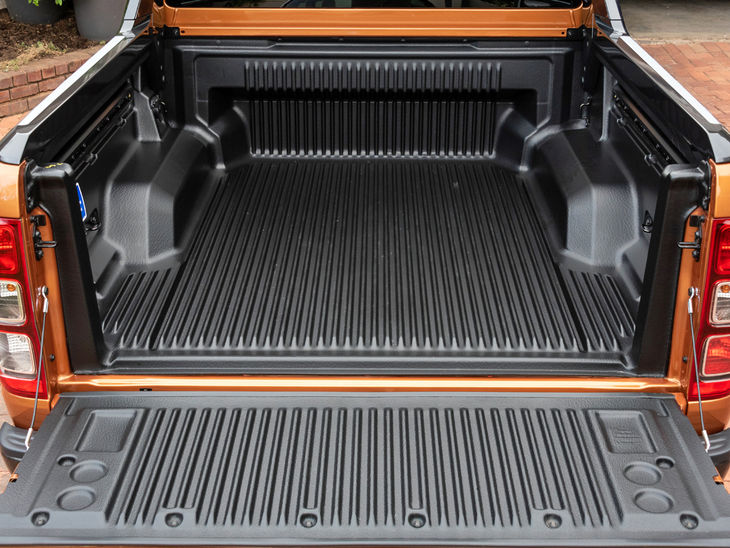
Make sure to inspect the load bay to get an idea of just how hard that particular Ranger has had to work.
As is the case with any model that isn’t in short supply on the second-hand market, we’d suggest simply walking away from a vehicle should there be any semblance of a niggle. After all, you can afford to be fairly fussy since there are plenty of options out there.
When considering a vehicle, make sure to inspect the bakkie’s undercarriage, looking closely for any off-road damage. We’d also suggest avoiding modified vehicles completely. Furthermore, make sure to ask for evidence the bakkie was diligently maintained and keep in mind all models bar the base derivatives were sold with a 5-year/100 000 km service plan (with intervals of 20 000 km) until the 2019 update, when this changed to a 6-year/90 000 km service plan (interestingly with shorter intervals of 15 000 km).
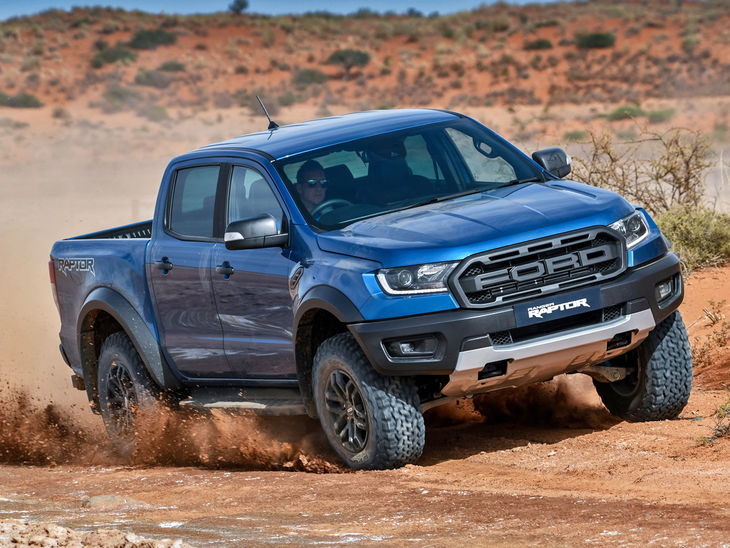
The Raptor was the most expensive (and most capable!) version of the Ranger.
Of the used post-2015 Ranger stock on Cars.co.za at the time of writing, the double cab was unsurprisingly the most prevalent body style, accounting for around 75% of all listings. Virtually all were powered by diesel, while 64% featured the rear-wheel-drive configuration. More than half used the 2.2 TDCi engine, with the newer 2.0-litre units (both single- and twin-turbo) next in line, followed by the 3.2 TDCI powerplant. Interestingly, automatic was the dominant transmission, with 58% of listed models featuring a self-shifting gearbox.
- Below R200 000: We’d steer well clear of this sparsely populated price bracket unless you happen to be in the market for a high-mileage, early model-year single cab (which we’re guessing you’re not). We found a few examples of double cabs here, though each had in excess of 350 000 km on the clock.
- From R200 000 to R350 000: There were far more options in this space, which featured an abundance of nearly new single cabs as well as a few examples of the so-called Super Cab. Of course, the double cab was still the dominant body style here, though again most featured fairly high mileage.
- From R350 000 to R700 000: Considering the broadness of the Ranger line-up, it was no surprise this wide price bracket contained all manner of derivatives, from early Wildtrak variants to virtually brand-new double cabs. If your budget stretches towards the top end of this cap, you should easily be able to pick up a clean demonstrator vehicle.
- R700 000 and up: Here we found yet more low-mileage, high-specification double-cab models, including plenty of examples of the Wildtrak (plus Wildtrak-based special editions such as the Thunder and Stormtrak). The majority of Raptors were likewise priced in this bracket, as were a surprisingly high number of armoured Rangers (Ford-approved armouring packages became available from the start of 2021).
Pick of the range?
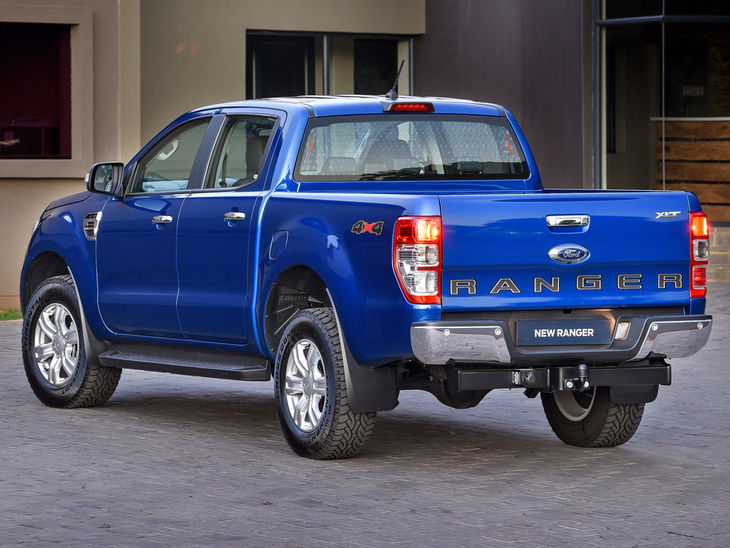
The XLT grade arguably offers the best mix of features and value.
So, which derivatives should you consider? Well, that depends a great deal on your budget and intended usage (do you require 4×4, for instance?). Still, if you’re shopping for a double cab towards the bottom of the market, you’ll be largely restricted to earlier (pre-2019) models. Here, we’d suggest considering the high-output 2.2TDCi engine over the larger-capacity 5-cylinder if you value efficiency, since the former offers sufficient grunt for most applications and seemingly suffered from fewer reliability issues. That said, the 3.2-litre engine is arguably better suited to applications that include regularly towing a caravan or similar.
Though their long-term reliability has yet to be established, the 2.0 SiT and 2.0 BiT engines that joined the range with the 2019 update are generally more efficient than the earlier engines (which soldiered on anyway), as well as more refined, lighter and paired with a more sophisticated 10-speed automatic cog-swapper. Comparing the 3.2 TDCi and the biturbo 2.0 units, the latter also offers more grunt, though the counter argument would be that the 5-cylinder lump doesn’t have to work nearly as hard to produce its peak power.
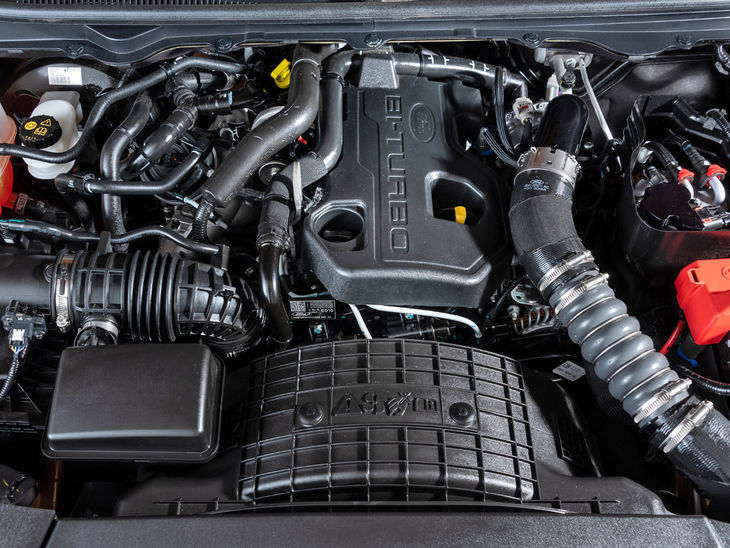
The 157 kW/500 Nm 2.0 BiT engine was reserved for the Raptor and other high-spec derivatives.
We’d advise leisure-bakkie buyers leaning towards a later-model Ranger double cab to look at the mid-spec XLT grade (where the engine options are the 2.2TDCi, 3.2TDCi and 2.0SiT) should they be eager to maximise value. Those demanding all the bells and whistles as well the choice of the two most powerful motors in the range should search for Wildtrak, Thunder and Stormtrak models.
Finally, the flagship Raptor – which comes complete with high-performance, model-specific Fox suspension components and a dedicated Baja driving mode – is a remarkably capable vehicle for high-speed off-road driving and also incidentally boasts the best on-road ride quality of all Ranger models in this generation. Note, though, this variant features reduced load and towing capacities.
Verdict
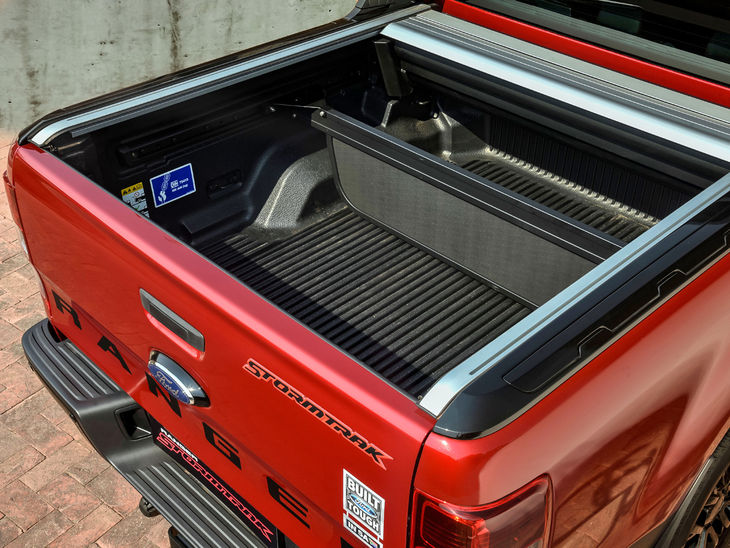
The limited-edition Stormtrak boasted a power roller shutter with an adjustable bed divider.
This iteration of the Ranger has been an exceptionally strong seller in South Africa over the years and was outsold in its segment by only one model: the Hilux. Its popularity on the new-vehicle market means the used space is today very well stocked indeed. Since residual values for the Ranger aren’t quite as impressive as those of its Toyota-badged rival, unearthing a decent deal shouldn’t be all that complicated.
In terms of alternatives, the Hilux is still considered the go-to option in South Africa, though you’ll likely pay more thanks to the aforementioned stronger resale values. The previous-generation Mazda BT-50, meanwhile, might be worth a look considering it shared much with the earlier versions of the Ranger and offers even better value on the used market (though its styling is certainly an acquired taste).
As an aside, it’s also worth noting the original Ranger Raptor didn’t have a true rival in South Africa, with the AT35 version of the Isuzu D-Max and the GR-Sport variety of the Hilux nowhere near as sophisticated in terms of suspension set-up.
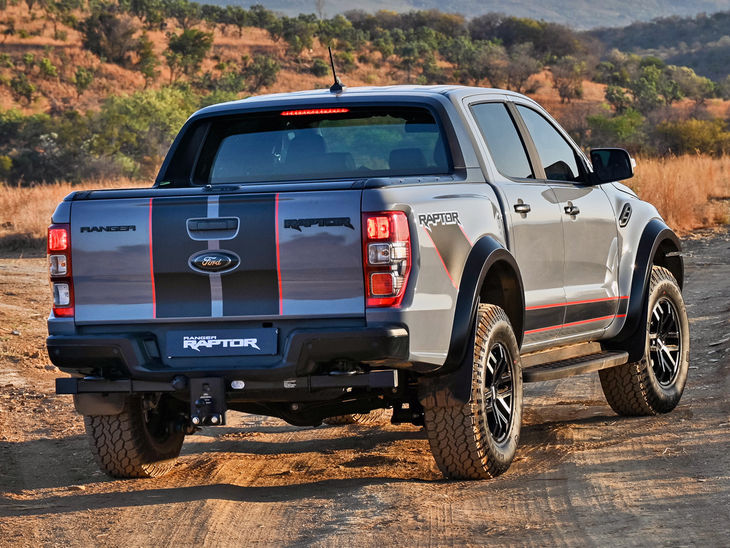
The Raptor (seen here in Special Edition form) had no direct rivals in the local market.
Other mainstream competitors for the Ranger include the likewise locally produced D-Max (which wore the KB moniker until late in 2018) and the Nissan Navara, while the Volkswagen Amarok is a strong shout for those seeking V6 TDI grunt and SUV-like road manners. The Mitsubishi Triton is also vastly underappreciated in South Africa. Budget beaters here include the Mahindra Pik Up (which used the Scorpio prefix until late in 2017) and the Chinese duo of the GWM Steed and P-Series.
As a leisure-oriented vehicle, well maintained double-cab versions of the Ranger make for compelling buys, offering a heady mix of on-road comfort and off-road ability, as well as an impressive towing capacity in most cases. The breadth of the line-up – in terms of both trim levels and engine options – as well as the length of the production run means there’s something to suit most tastes and budgets.
Looking for a Ford Ranger to buy?
Find one on Cars.co.za here.
Or, sell your car here, for free