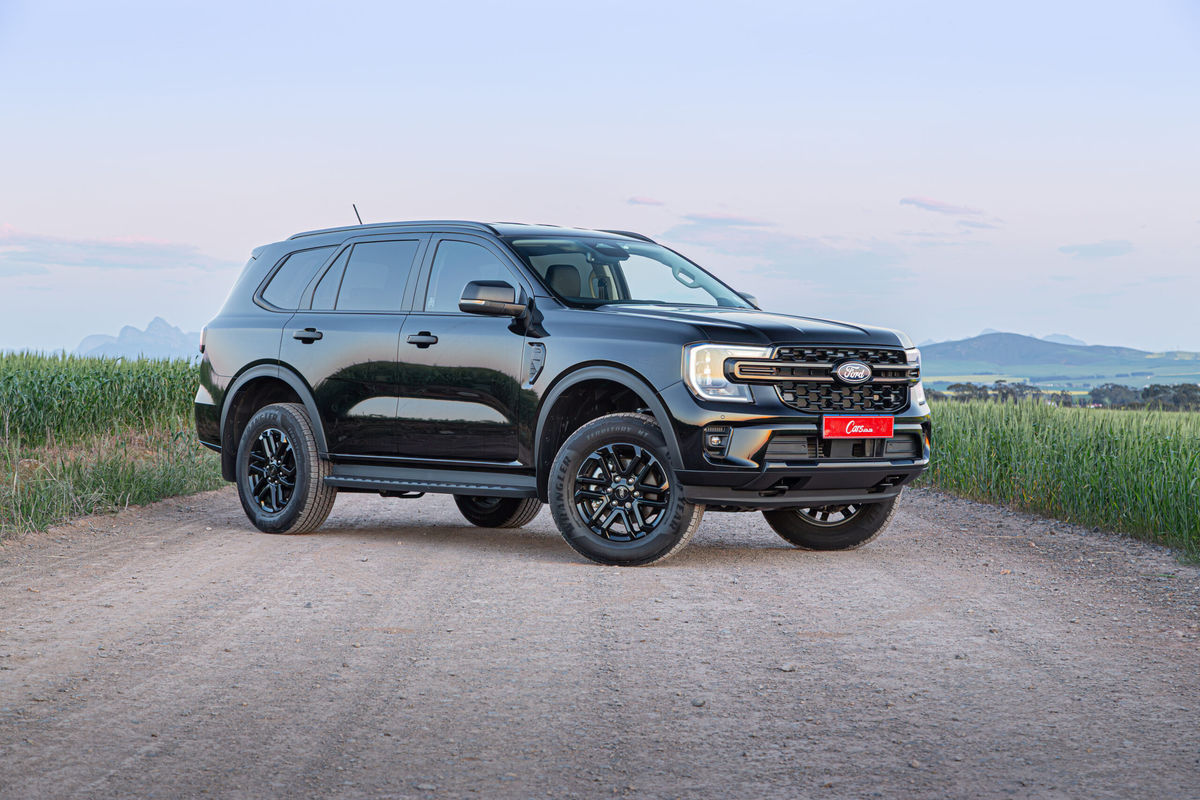
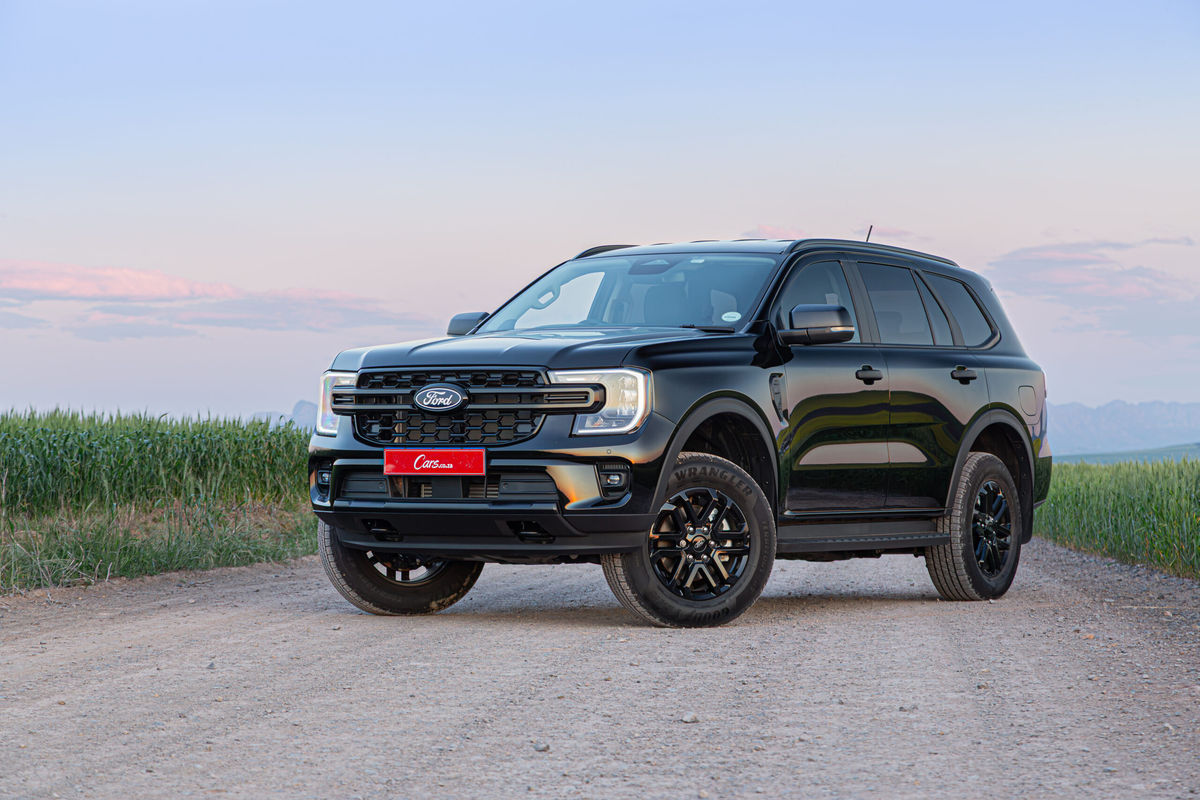
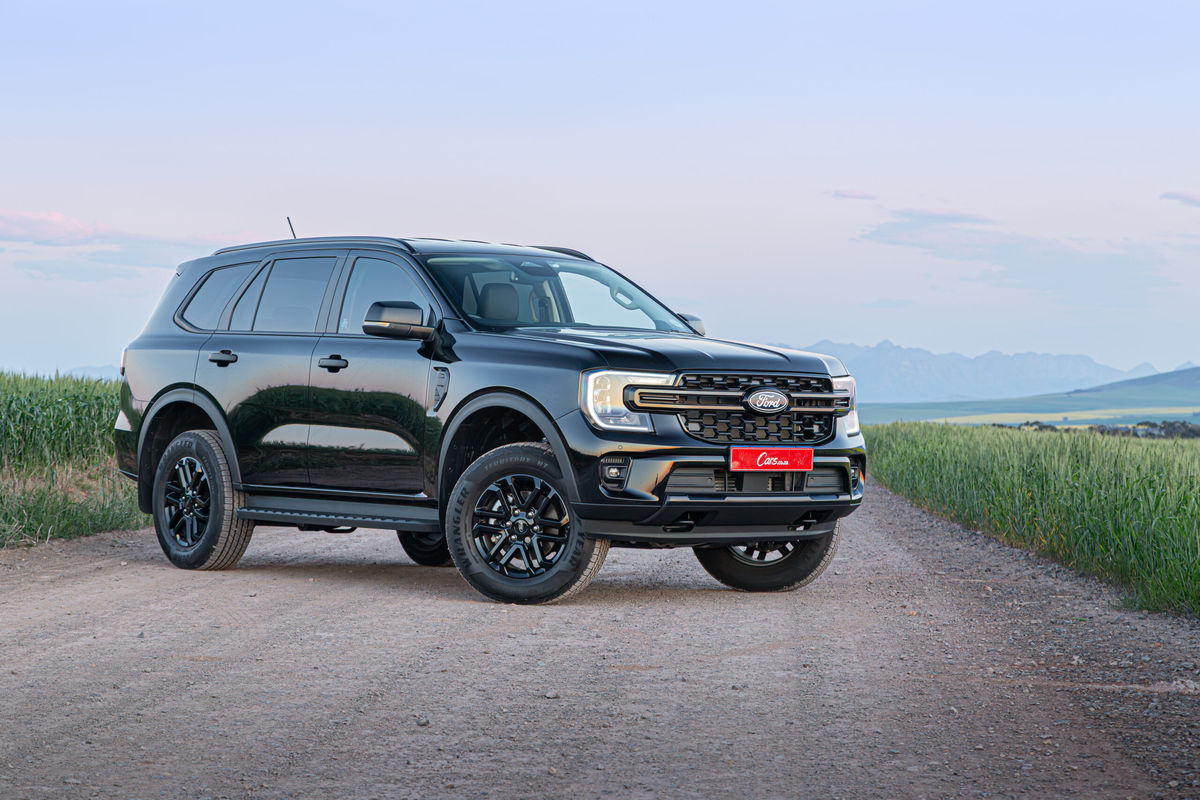
The Ford Everest 2.0 SiT is the new entry-level derivative for the Blue Oval’s 3-row family SUV, coming to market comfortably under R1 million. We take the Active 4×4 for an extended test drive.
We like: Efficient and refined powertrain; impressive value for money; off-road talents aplenty; practicality.
We don’t like: Not the quickest; gearbox arguably has too many ratios.
FAST FACTS
- Model: Ford Everest 2.0 SiT Active 4×4
- Price: R875 000
- Engine: 2.0-litre 4-cylinder turbodiesel
- Transmission: 10-speed automatic
- Power/Torque: 125 kW/405 Nm
- 0-100 kph: 12.08 seconds (tested)
- Fuel consumption: 7.9 L/100 km (claimed)
- Range: 1 013 km (claimed)
- Luggage capacity: 259-898-1 823 litres (claimed)
Serious about buying/selling?
Some dealerships regularly offer great deals. See our New Car Specials!
Looking to sell your car? Sell it on Cars.co.za for free
Where does the Ford Everest fit in?
The Ford Everest 2.0 SiT is the new entry point into the Blue Oval’s 3-row, bakkie-based SUV family. The entire Everest range was facelifted earlier this year, with the line-up reshuffled. The XLT derivative fell away and the 2.0-litre biturbo-diesel powertrain was discontinued after wet belt longevity issues. In its place is the updated 2.0-litre single-turbodiesel which uses a chain, which should be more resilient in the long run.
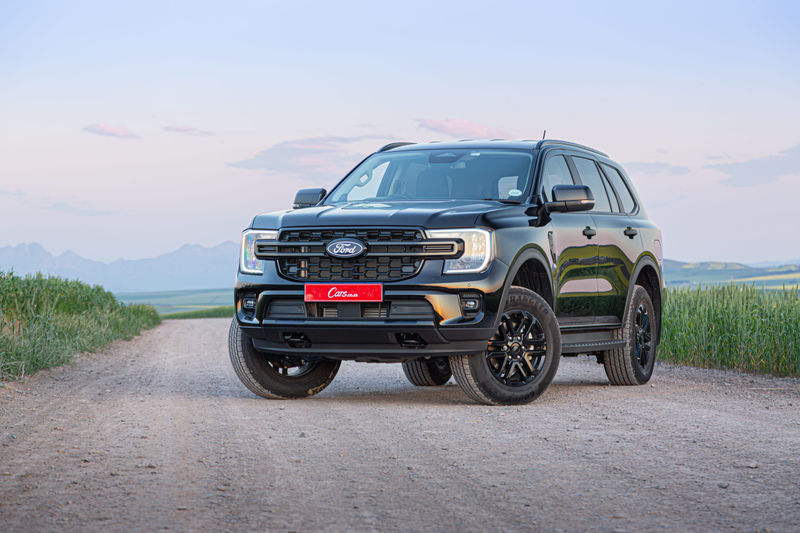
The new 2.0 SiT Active lowers the starting price by a considerable R128 000. It always puts a smile on our faces when newer models are priced lower than their outgoing derivatives.
What else is new on the facelifted model? Well, visually it’s just the big, new-look Ford logo on the front, with major changes having been made to the specification (it’s been enhanced) and, of course, the engine line-up.
When it comes to traditional rivals, the Everest goes up against the Isuzu MU-X and Toyota Fortuner.
There are a number of newcomer brands offering a lot of value, some without the off-road talents, so check out the GWM Tank 500 (soon to feature a new 3.0-litre diesel engine) and the Chery Tiggo 9 (also available in PHEV).
How the Ford Everest 2.0 SiT 4×4 Active fares in terms of…
Performance & Efficiency
Given the changes to the engine line-up, it seems the logical place to start this assessment. We’ll miss the grunt of the 2.0-litre biturbo, but the single-turbo setup is commendable in other ways. Yes, it may be down on power with only 125 kW/405 Nm in comparison to the outgoing model’s 154 kW/500 Nm, but this new-gen engine feels sufficiently sprightly, plus it’s quieter and, dare we say it, a touch smoother than the BiT.
A technical deep dive into this upgraded engine turned up an interesting quote from Pritika Maharaj, the Ranger, Everest and Raptor Chief Engineer at Ford Motor Company Australia. “The 2.0-litre turbo is our most responsive diesel yet. We’ve upgraded the fuel system, so we’ve got new fuel injectors and a new fuel pump, and we’ve moved from the wet belt to a chain drive,” Maharaj said. Ford has also added new pistons and there’s a recalibration on both the engine and transmission.
So, while it’s smoother and quieter, what do the testing figures say? Ford Motor Company Southern Africa doesn’t quote performance figures, but our data logger recorded a 12.08-second run to 100 kph. As a frame of reference, the biturbo Everest Sport ran 9.85 seconds to 100 kph back in 2023. Yes, the new model is notably slower, but in day-to-day driving, it doesn’t feel sluggish.
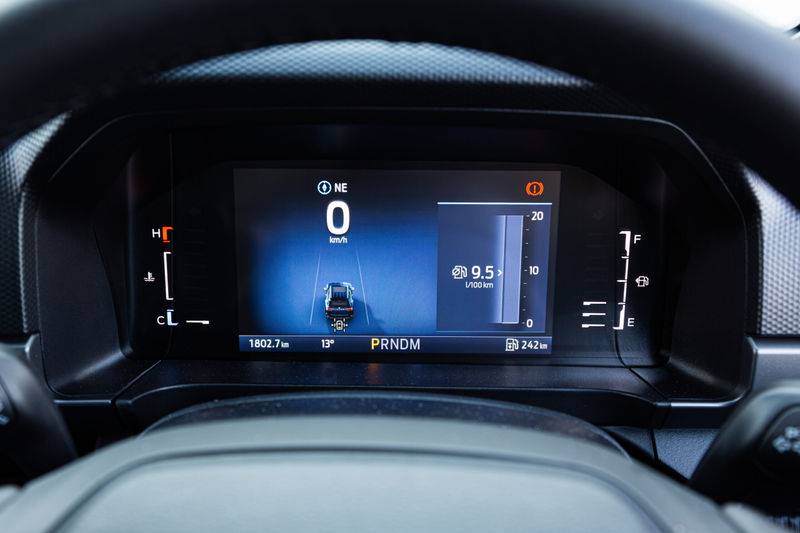
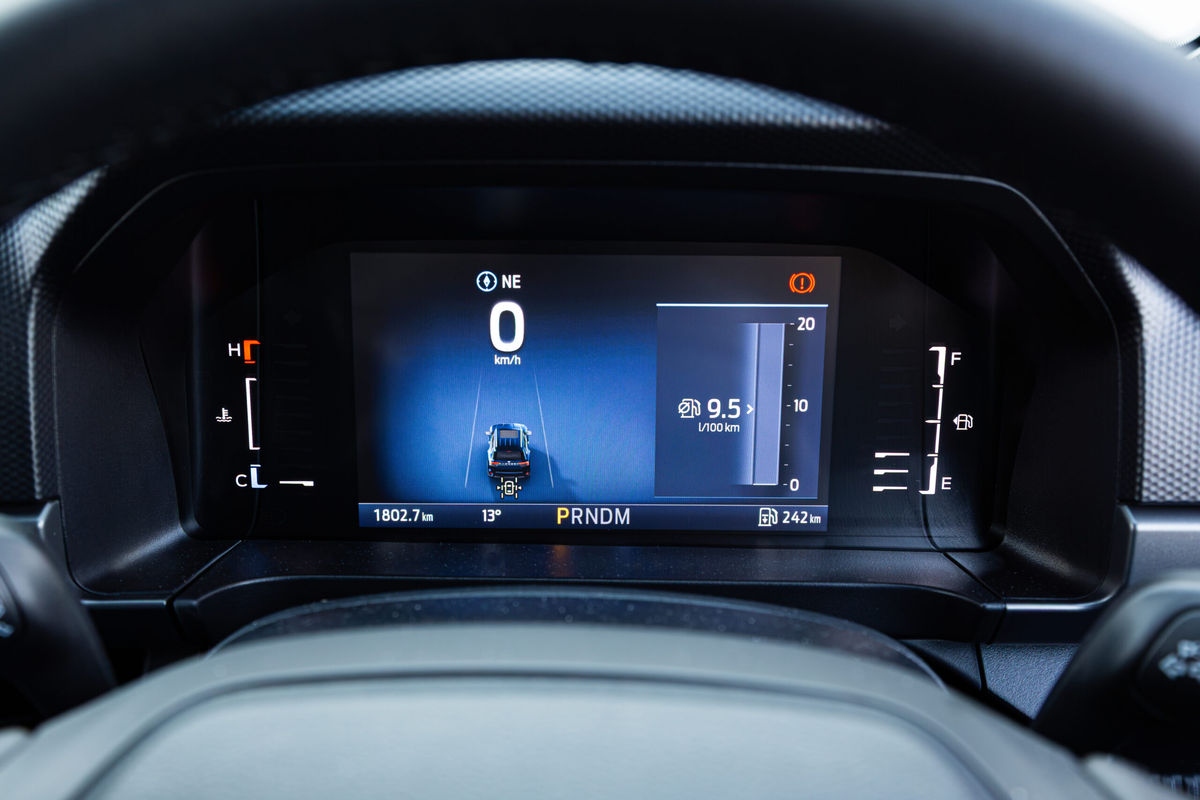
Where this powertrain truly shines is in the economy department. While we were some way off Ford’s optimistic claim of 7.9 L/100 km, we managed a respectable 9.5 L/100 km in mixed-use scenarios. We reckon that extended open-road adventures will see that figure drop to 8.0 L/100 km. An 80-litre fuel tank gives the Everest a claimed range of over 1 000 km.
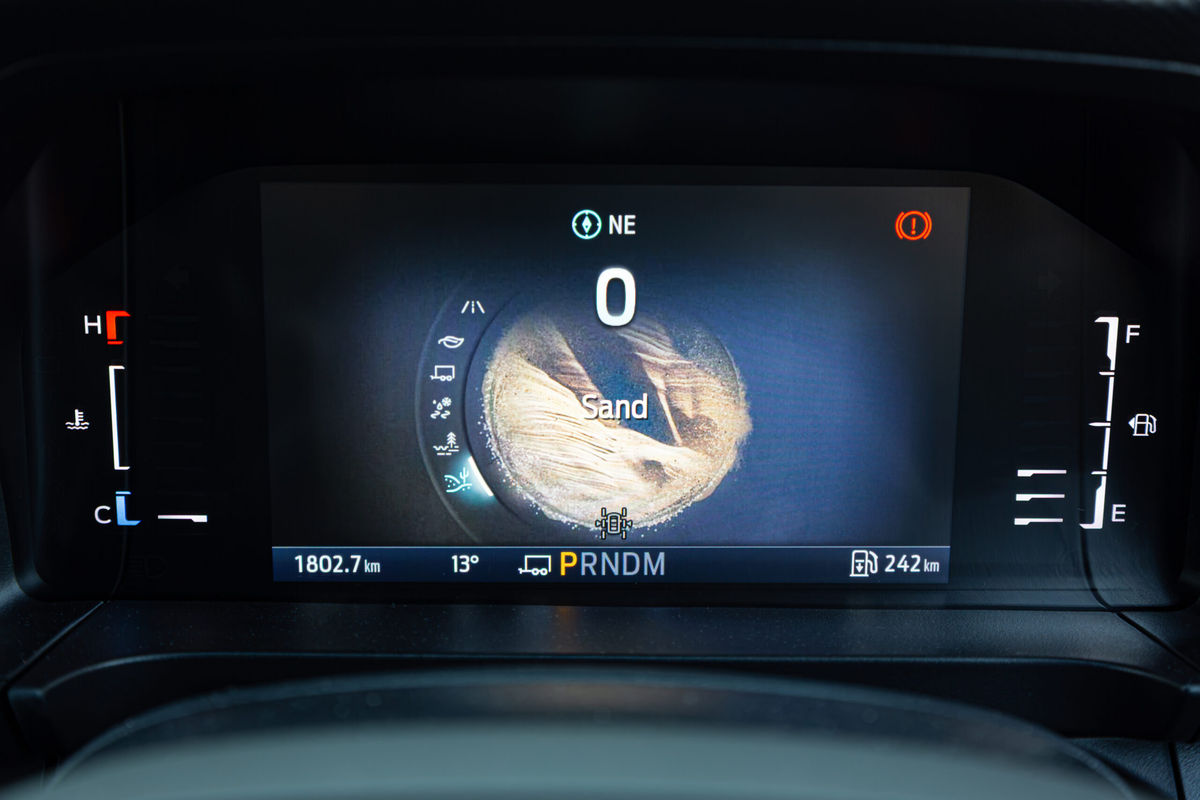
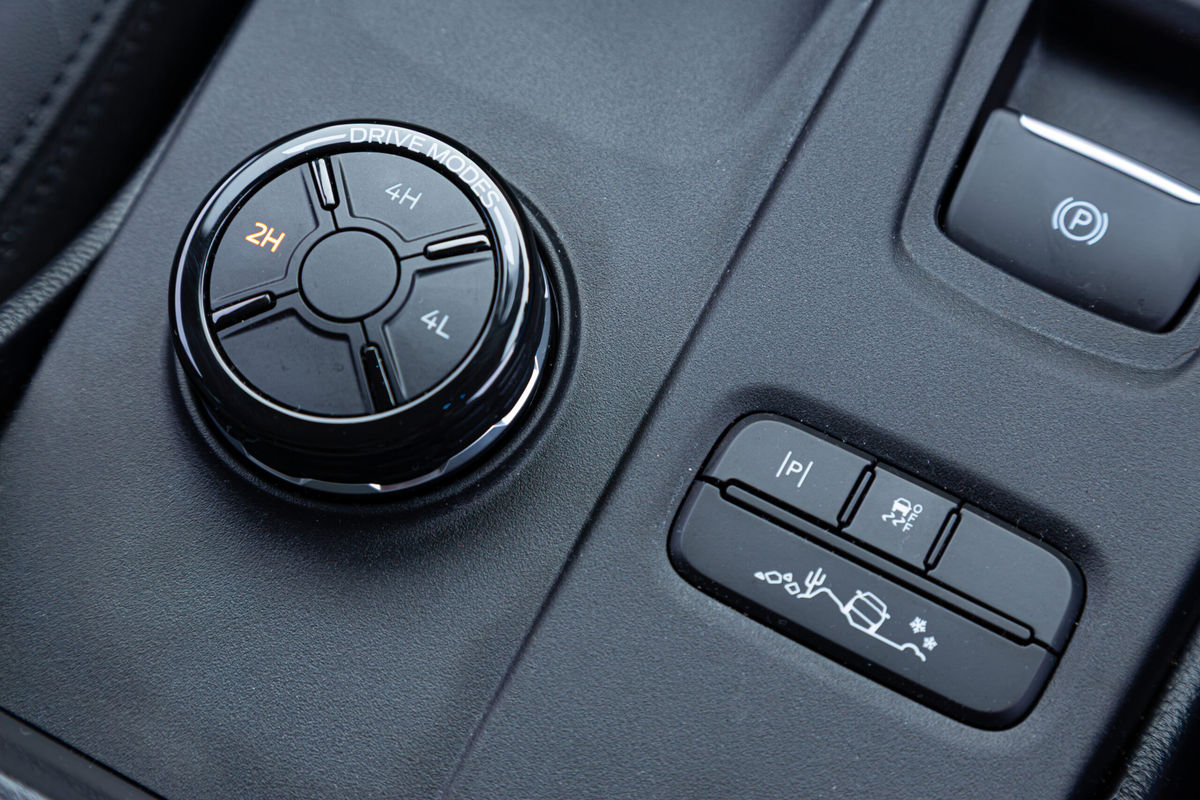
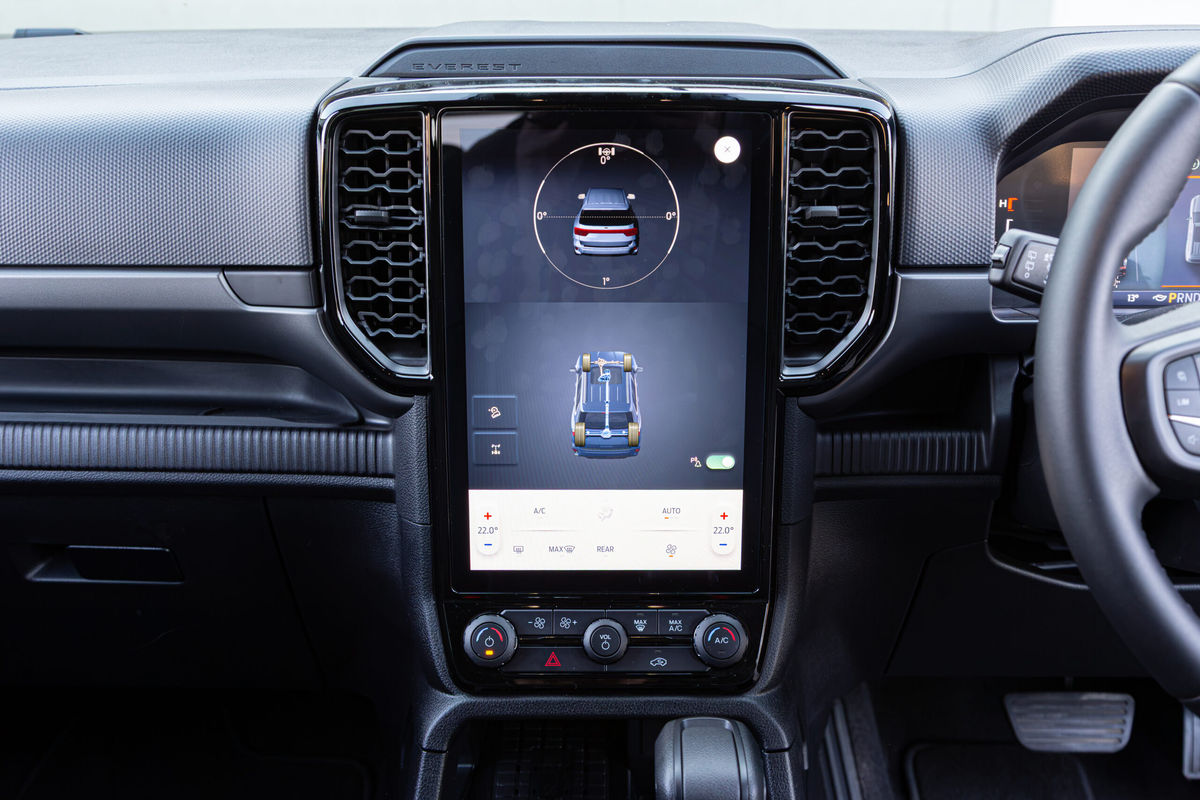
The vehicle features the usual fare of driving modes like normal and eco, and a bevy of off-road and towing settings remove complexity from off-tar excursions. In our minds, normal mode is generally good enough for 99% of scenarios. Downsides?
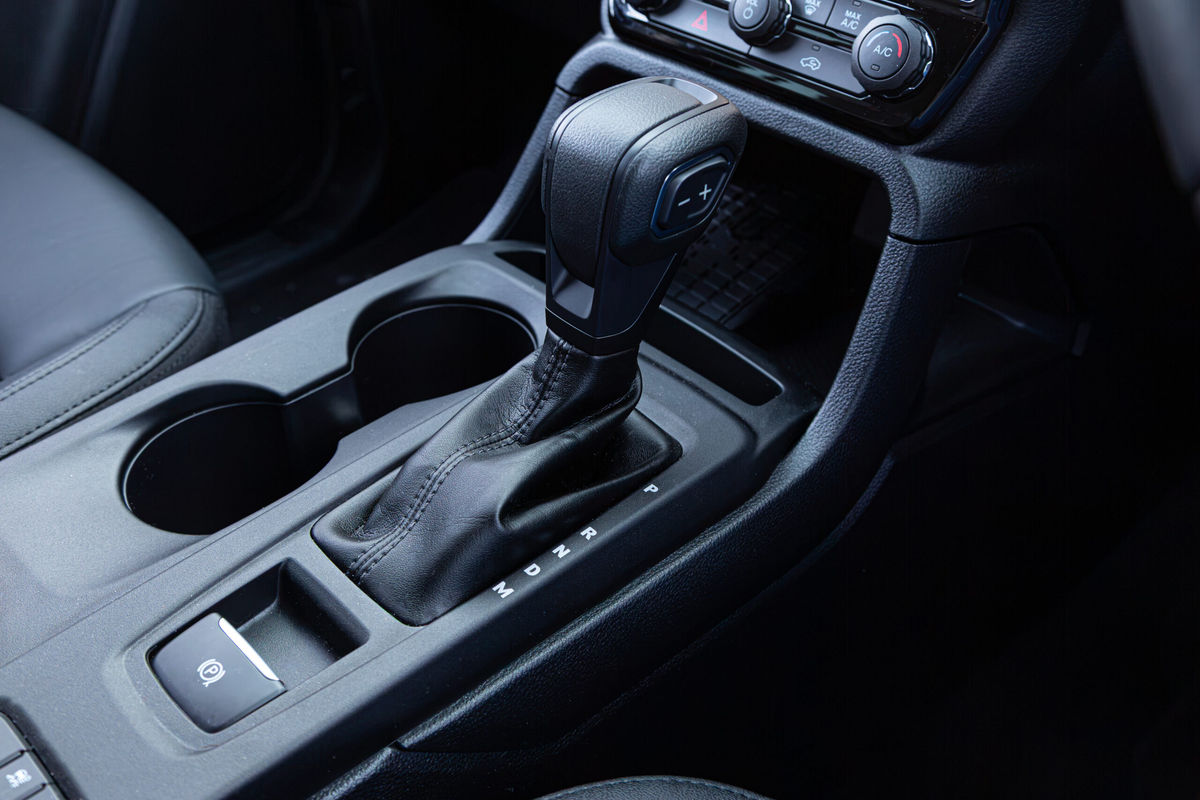
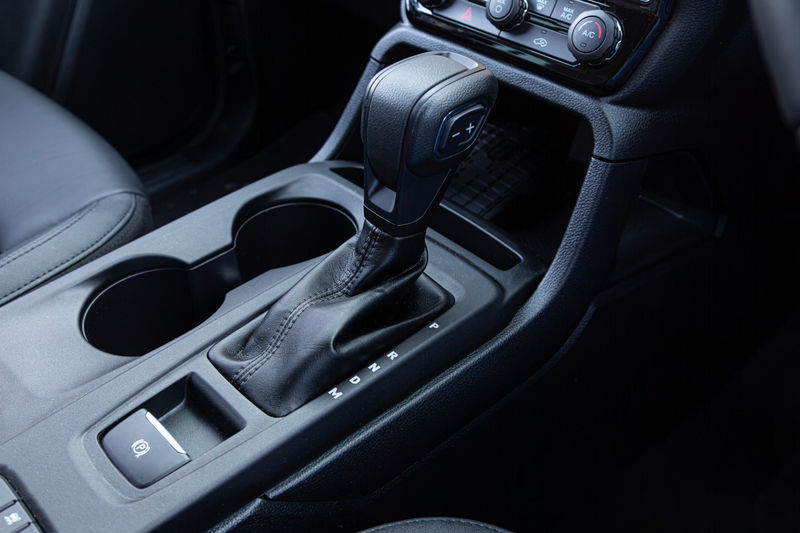
While not specific to this Everest, we still maintain there are a couple too many ratios in Ford’s 10-speed automatic transmission and the car’s forward progression can be interrupted when it has to change down multiple cogs. However, the ‘box has its advantages; it keeps the engine in the optimum powerband, which helps with economy and towing. Speaking of towing, Ford claims a 3.5-ton rating, but we think you should go for the more muscular V6 diesel if you’re doing this regularly.
Design & Packaging
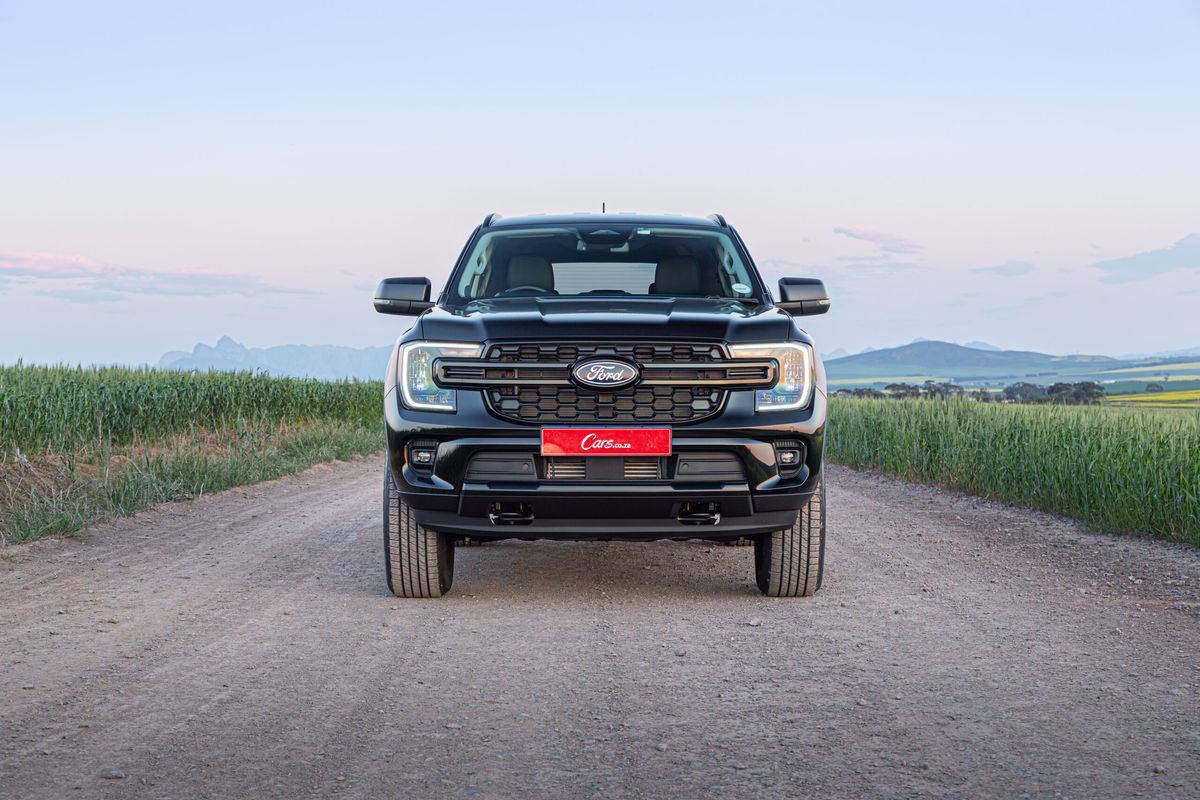
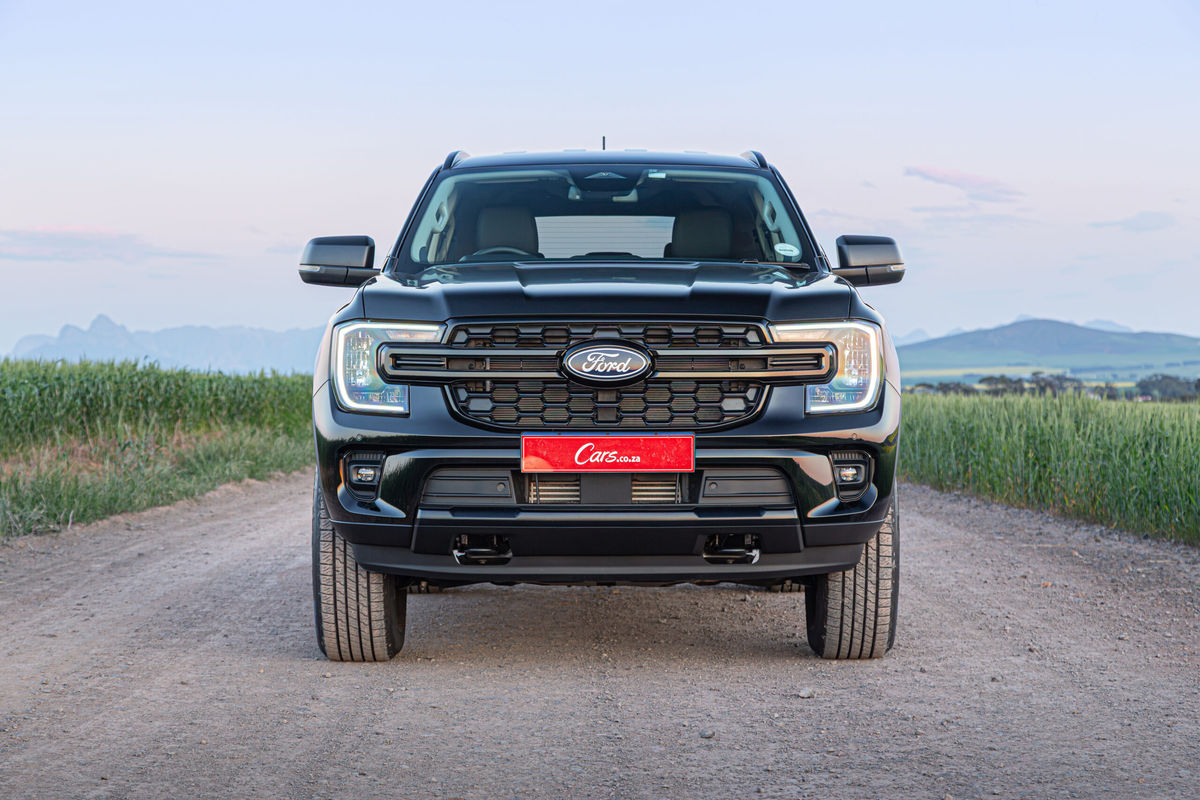
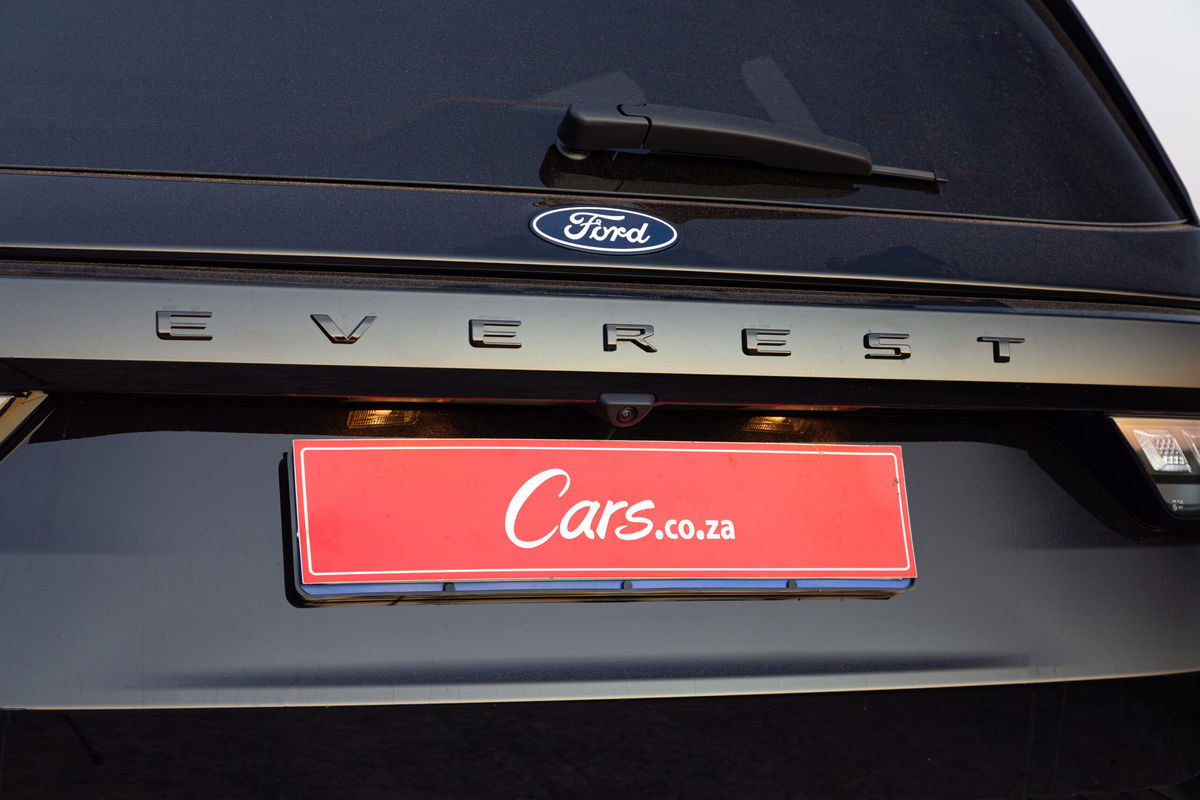
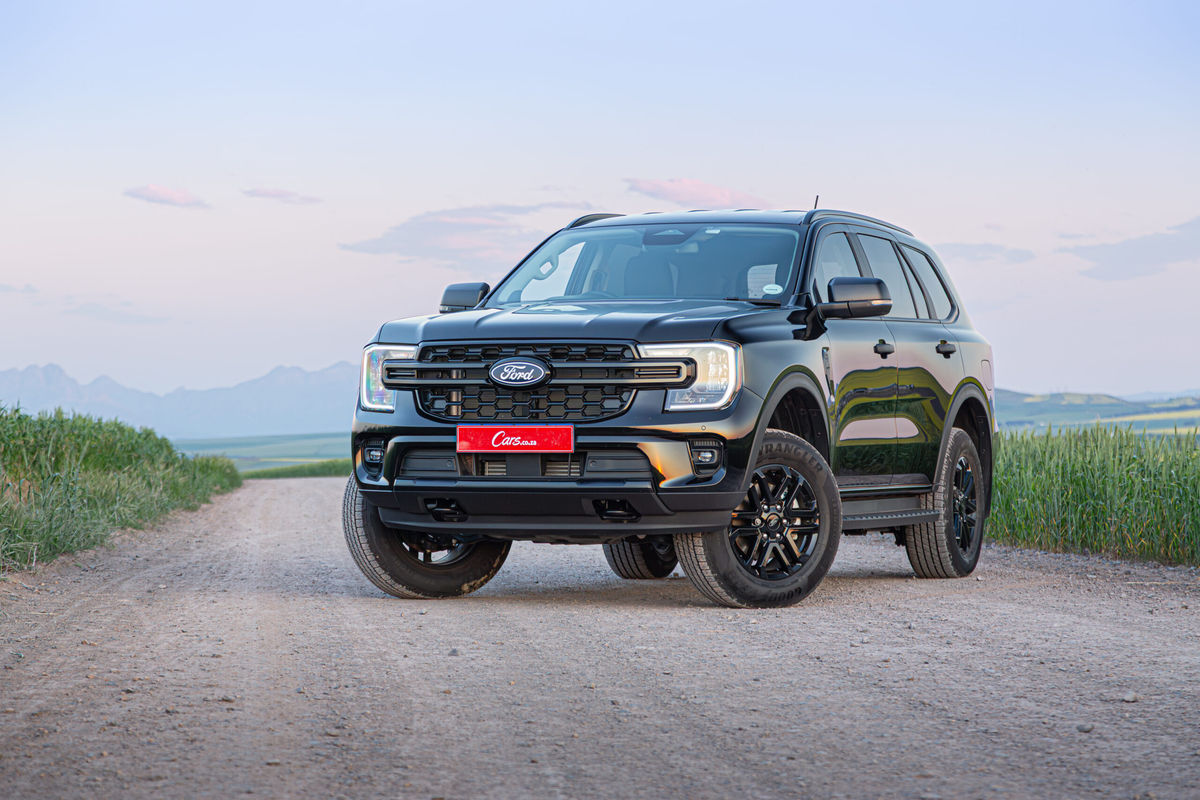
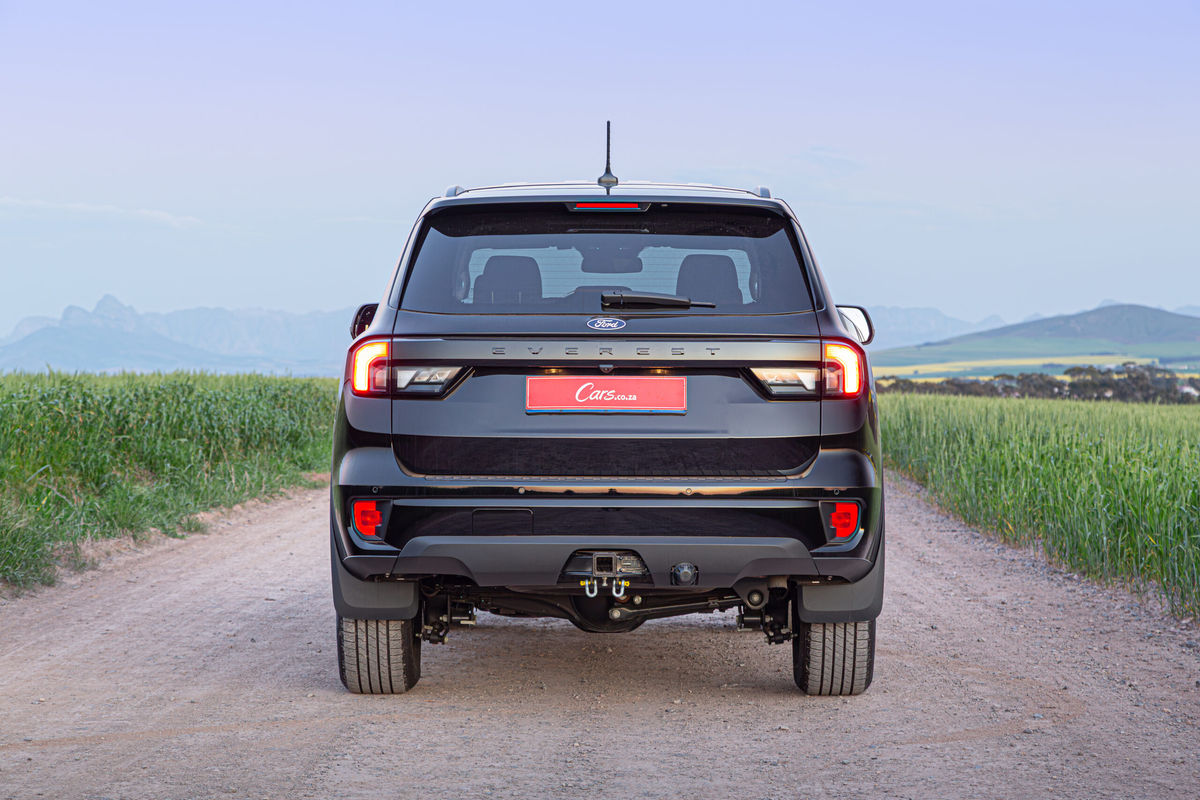
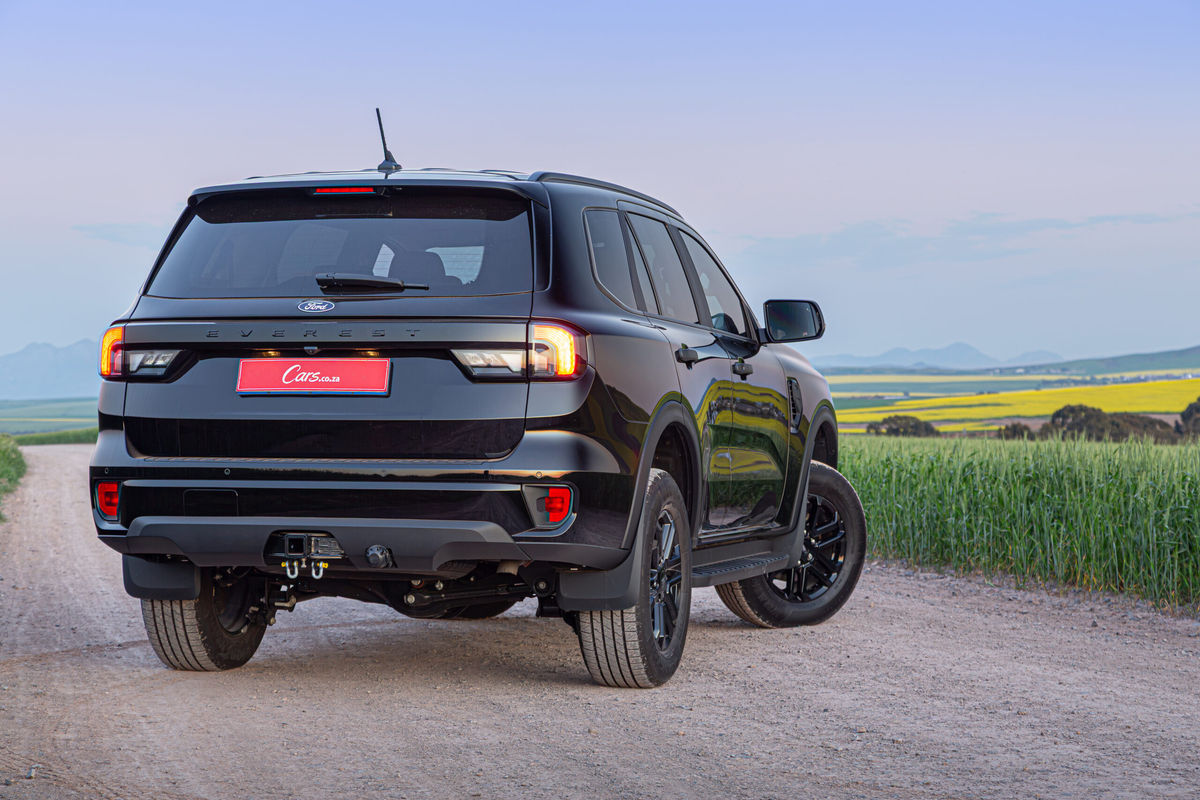
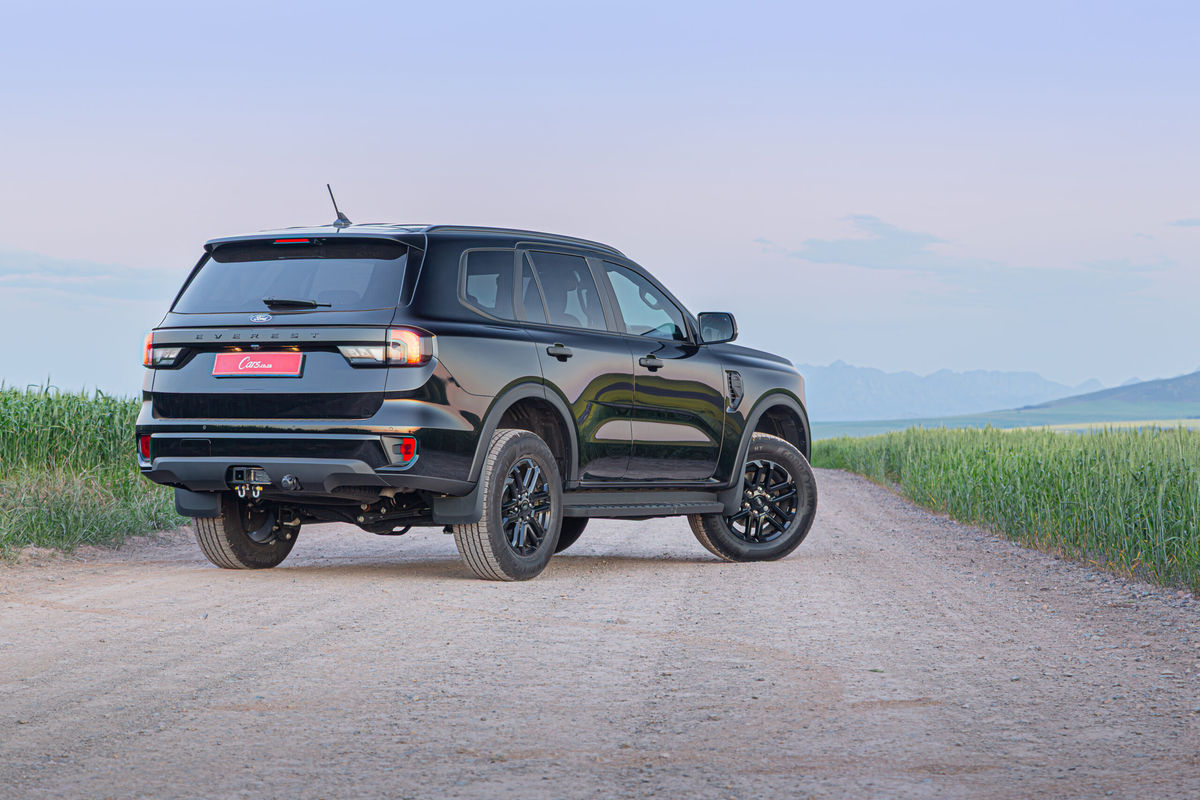
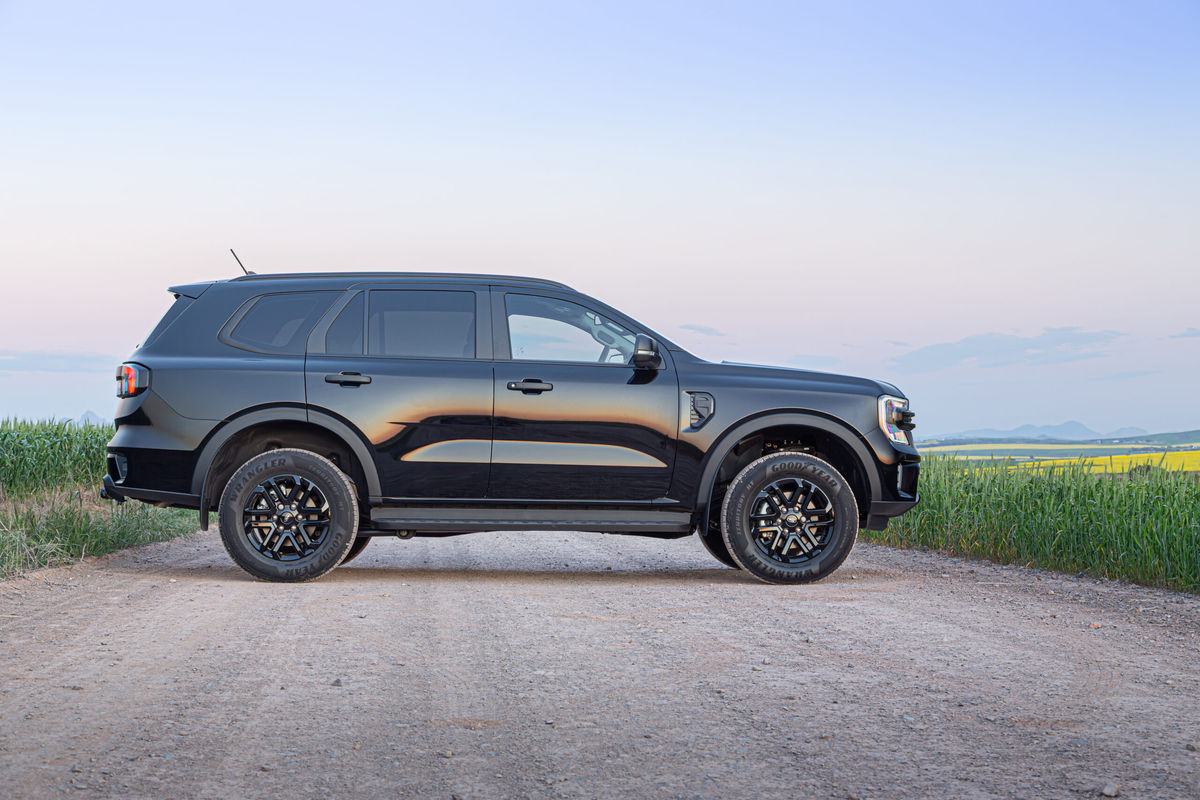
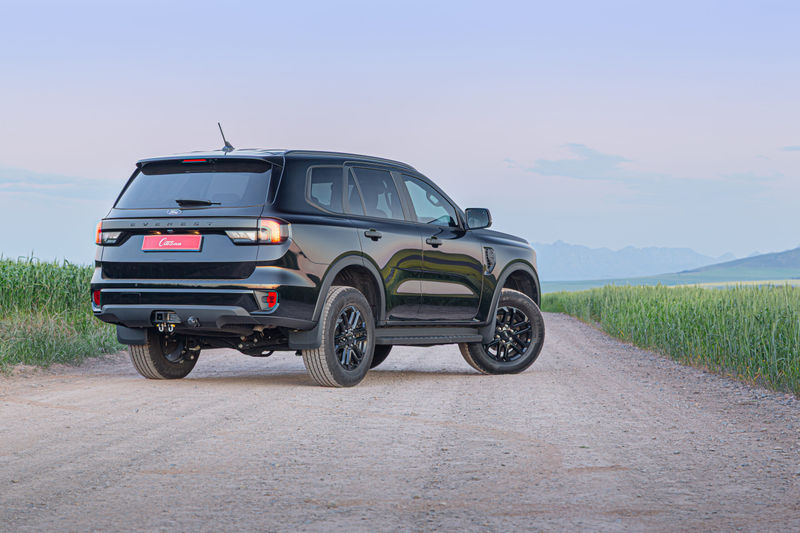
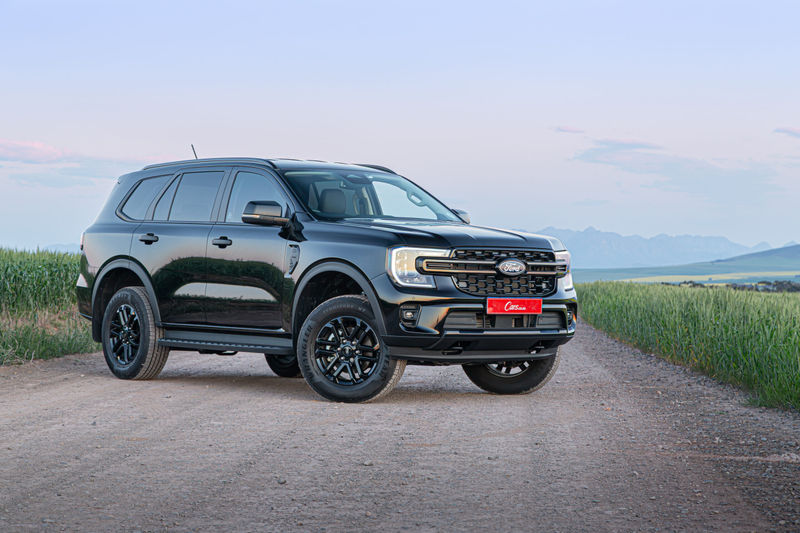
The Ford Everest is one of the more handsome offerings in this segment and, while this generation first made its debut back in September 2022, the design hasn’t aged excessively. The mild facelift retains the big, bold face, of course, replete with the C-clamp-shaped headlights. The colour palette is limited for this Active trim: 2 whites, 2 silvers and the Absolute Black you see here.
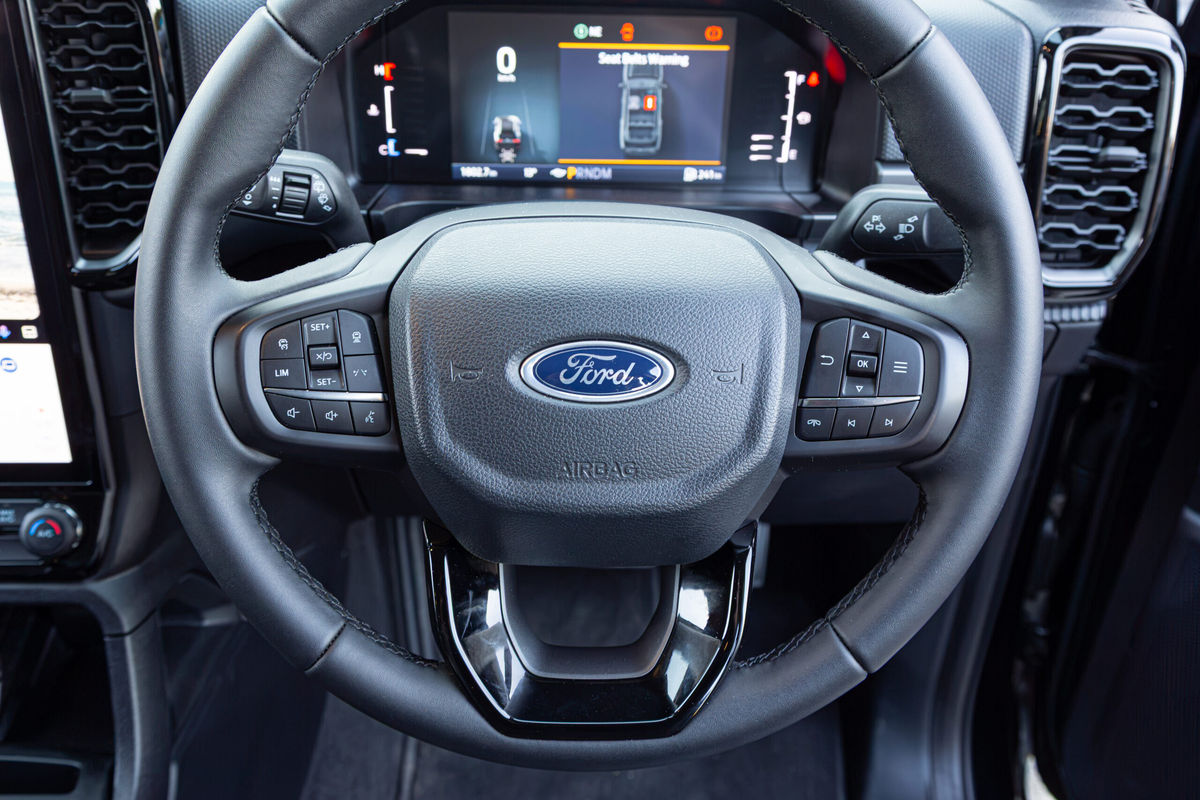
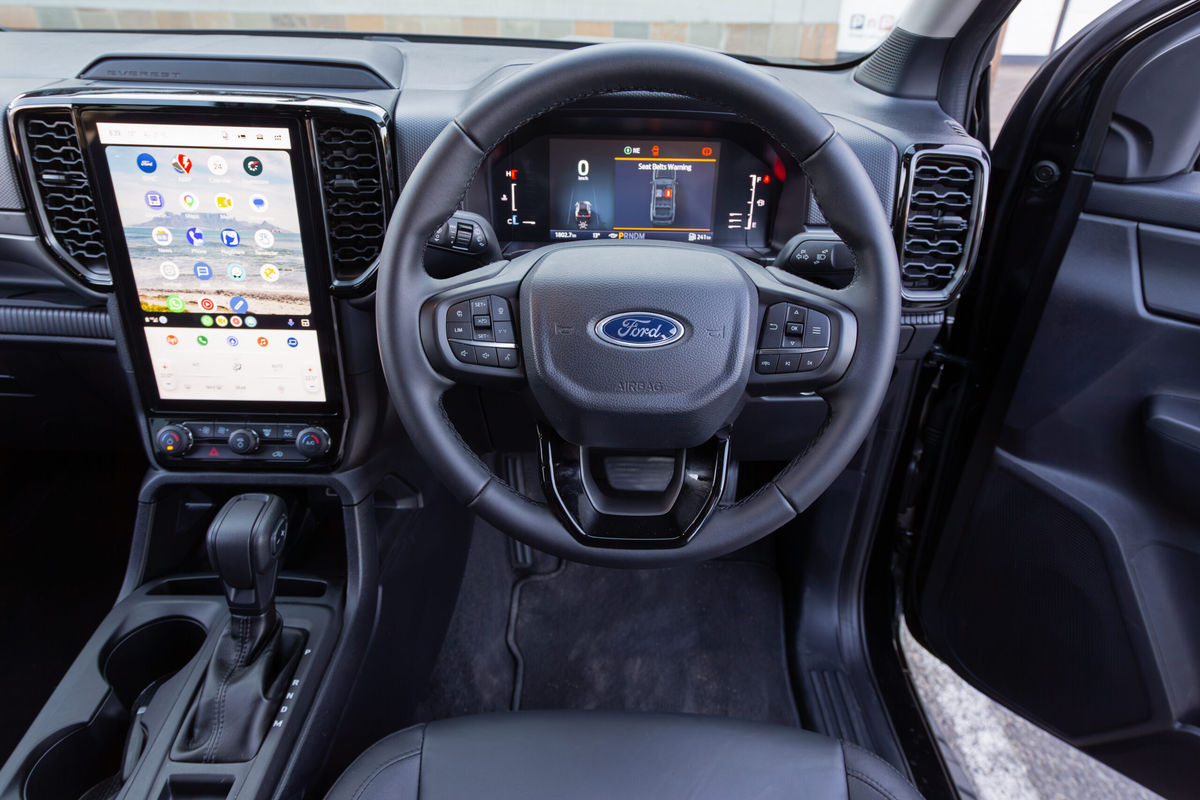
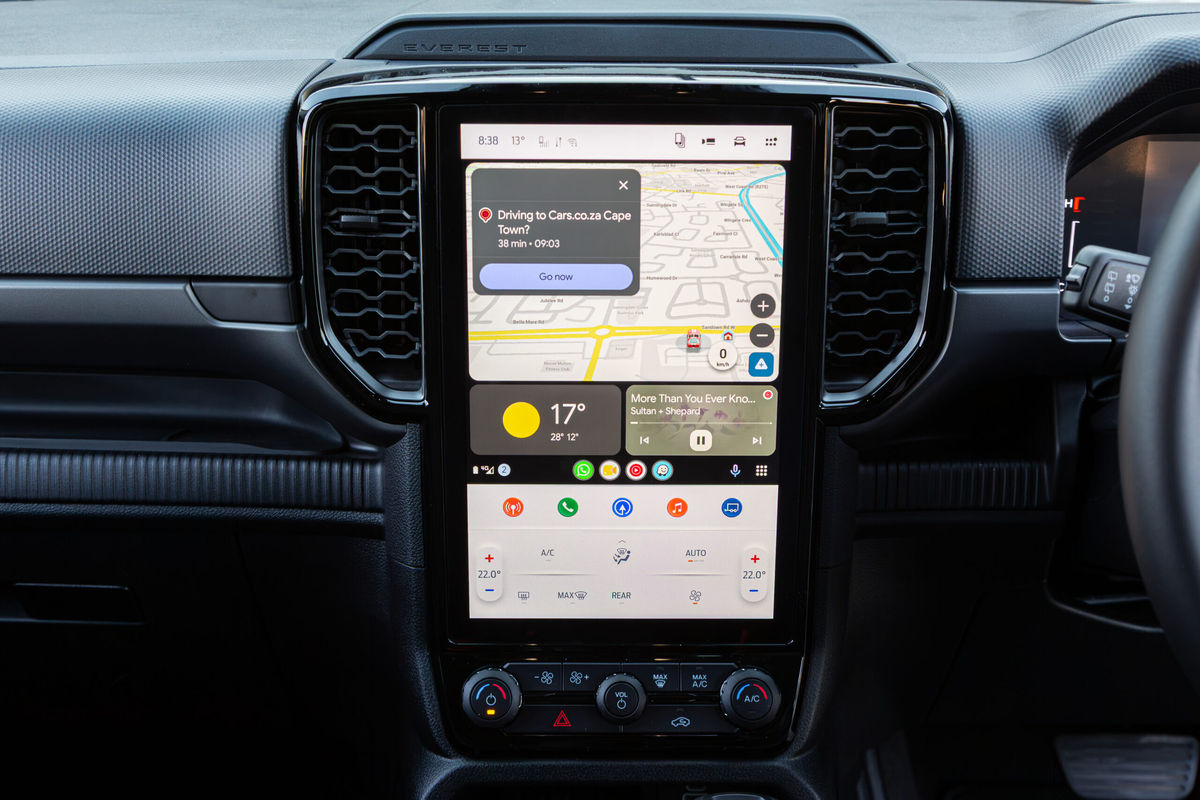
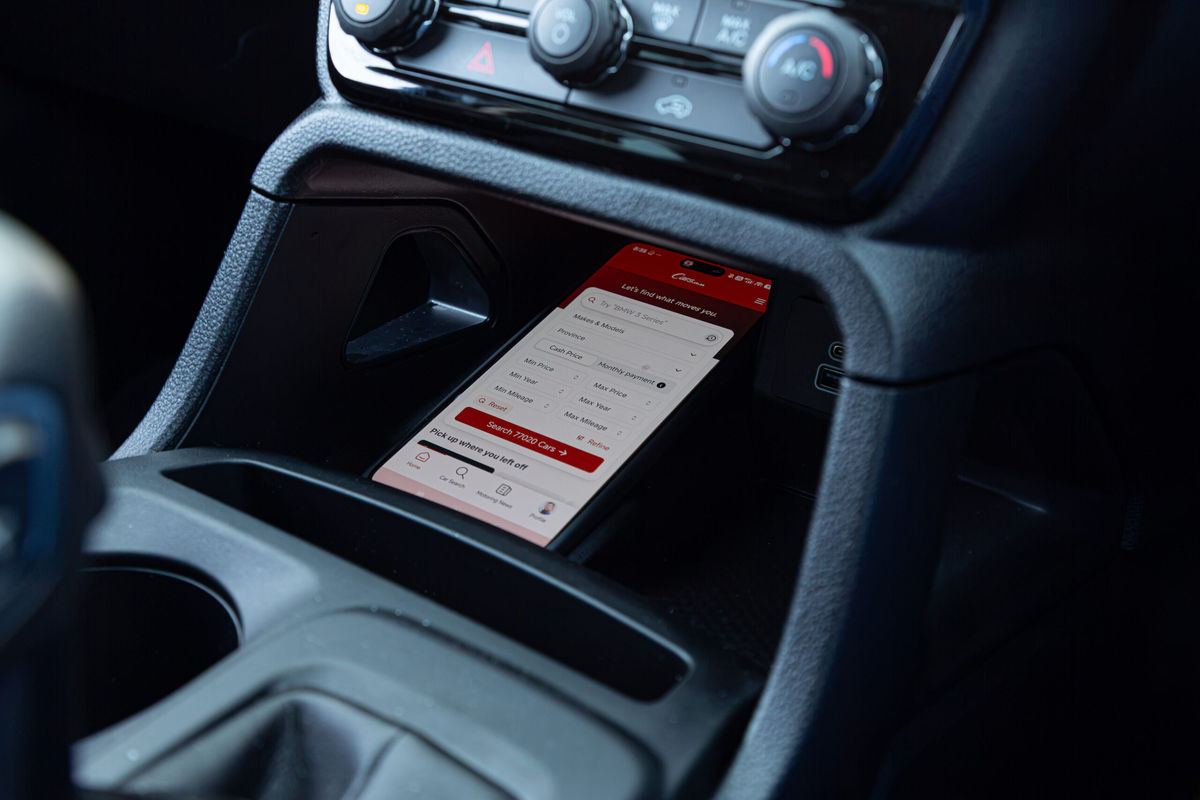
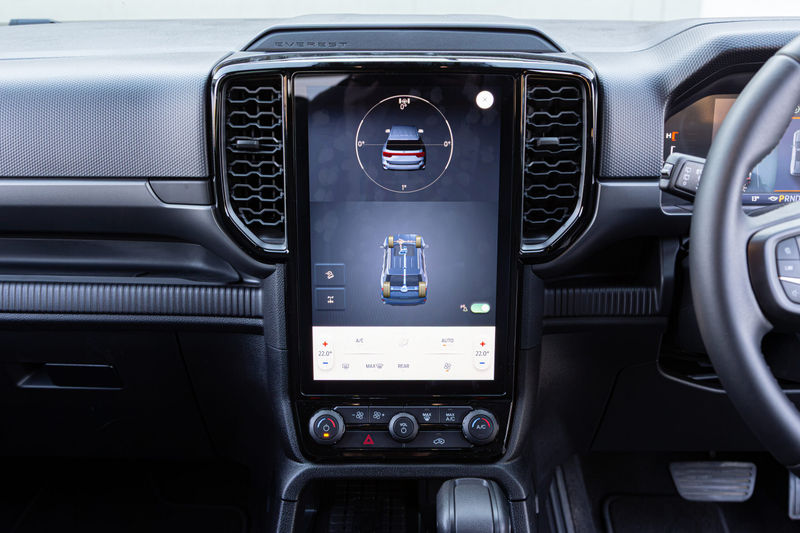
The Active may be the entry-level model in the Everest family, but it feels adequately equipped. Included are auto LED headlights, smart keyless entry with push-button start, 8-way power adjustment for the driver’s seat (the passenger has 4-way manual adjustment), 12-inch portrait infotainment screen with wireless Apple CarPlay/Android Auto, USB-A, USB-C, wireless device charging, digital instrument cluster as well as FordPass app connectivity. We love how effortlessly our devices paired to the vehicle; simply connect via Bluetooth and the car does the rest.
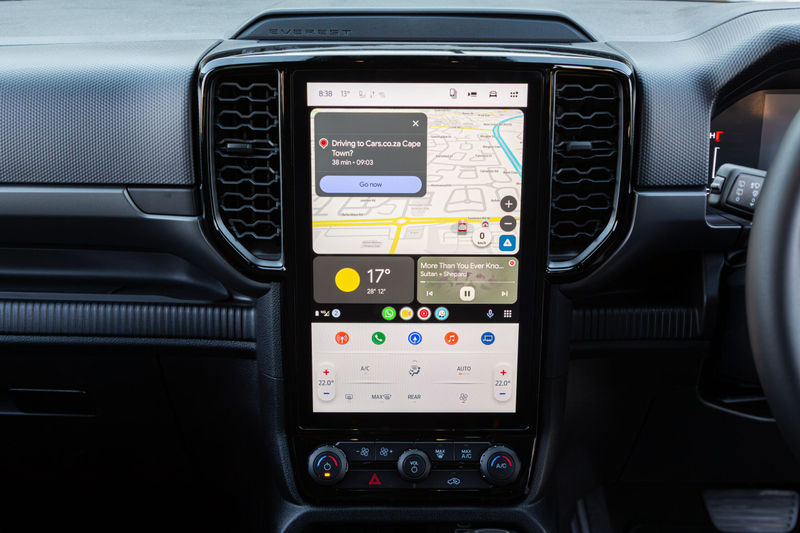
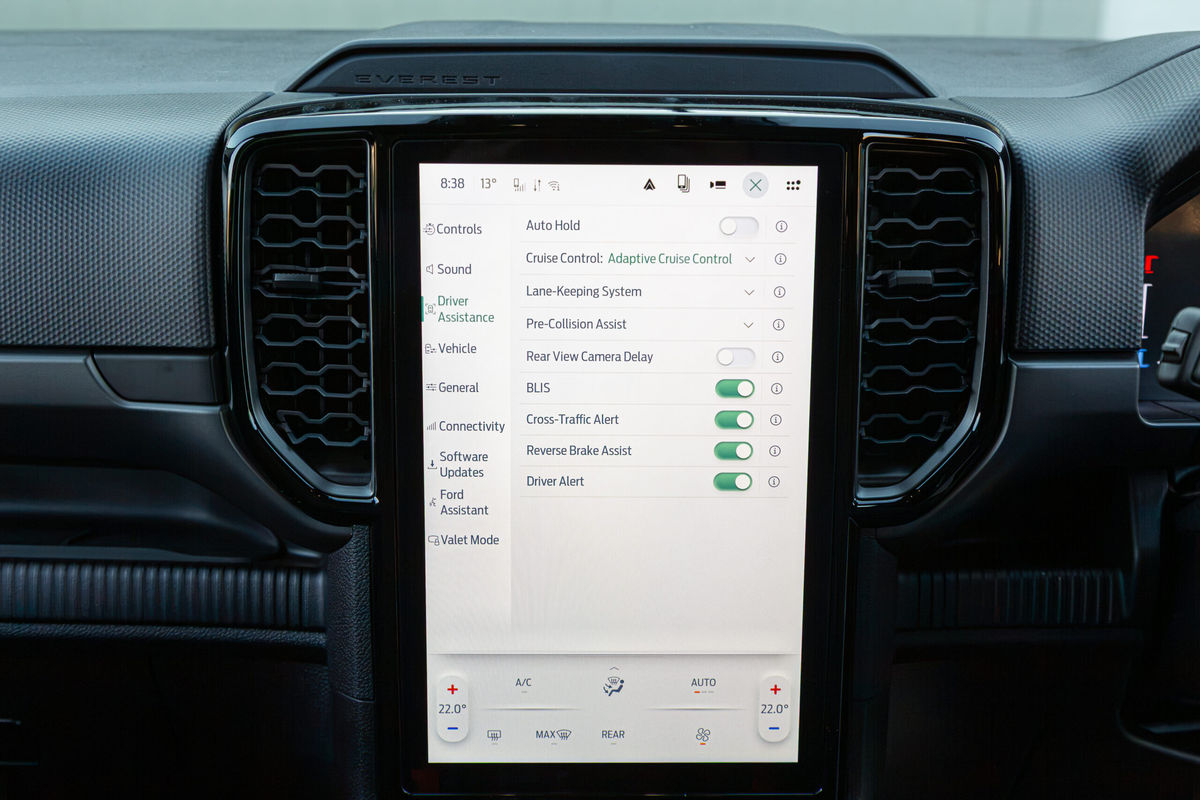
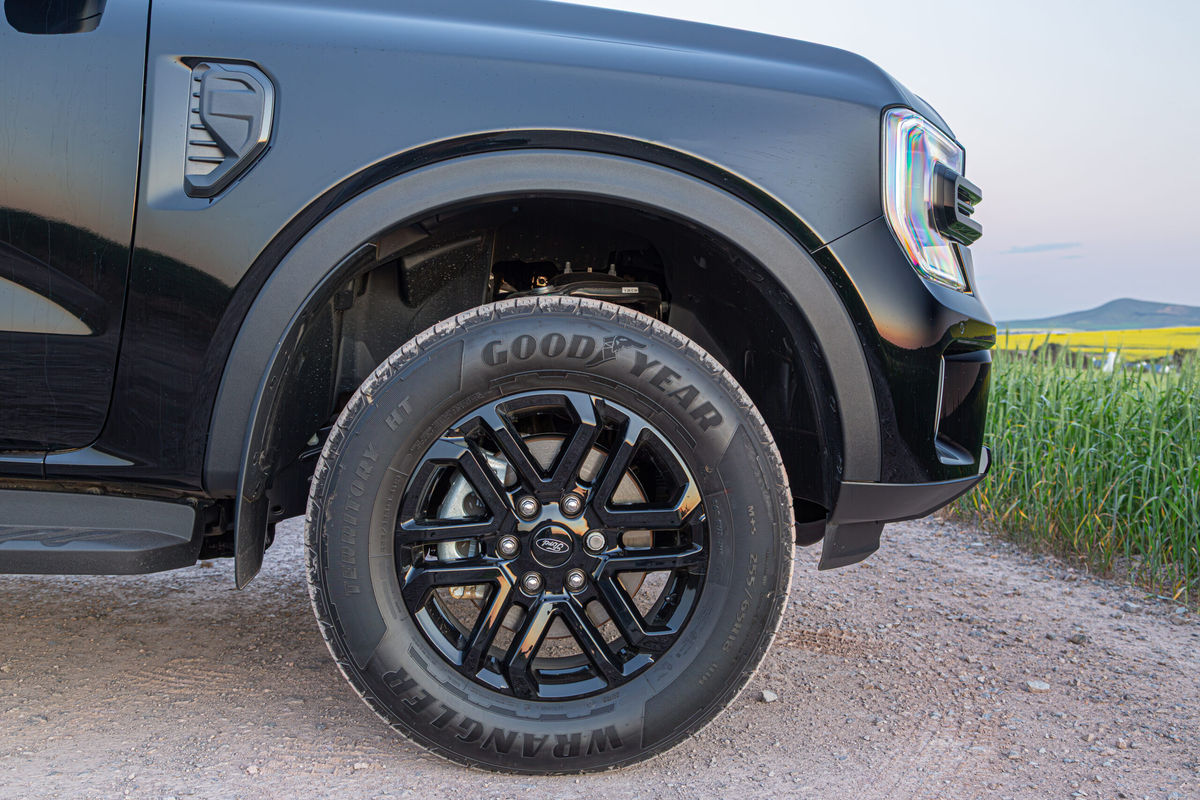
It gets even better as the safety level is to a high standard, with 6 airbags, adaptive cruise control, lane centering, blind-spot monitoring, stability control, front/rear parking sensors and reverse-parking camera are included. There are 2 optional extras available: mood lighting (R850) and 18-inch alloy tyres wrapped in all-terrain rubber (R1 850), the latter of which we’d recommend given our poor roads.
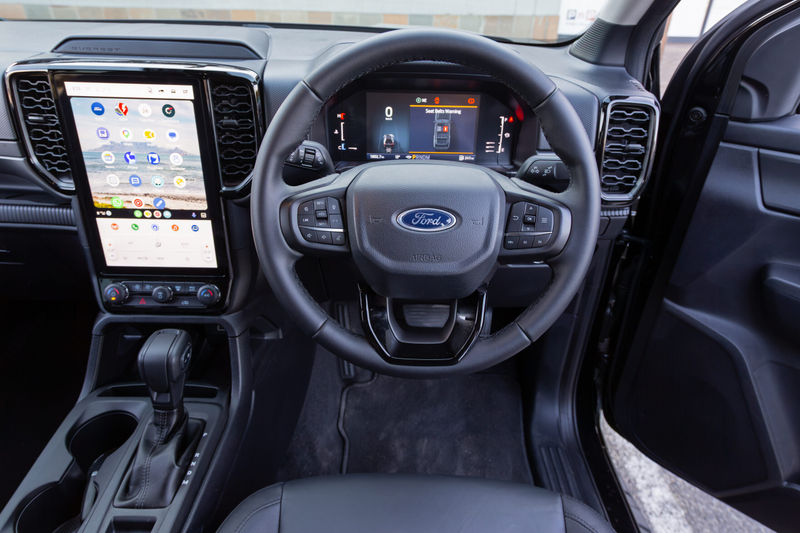
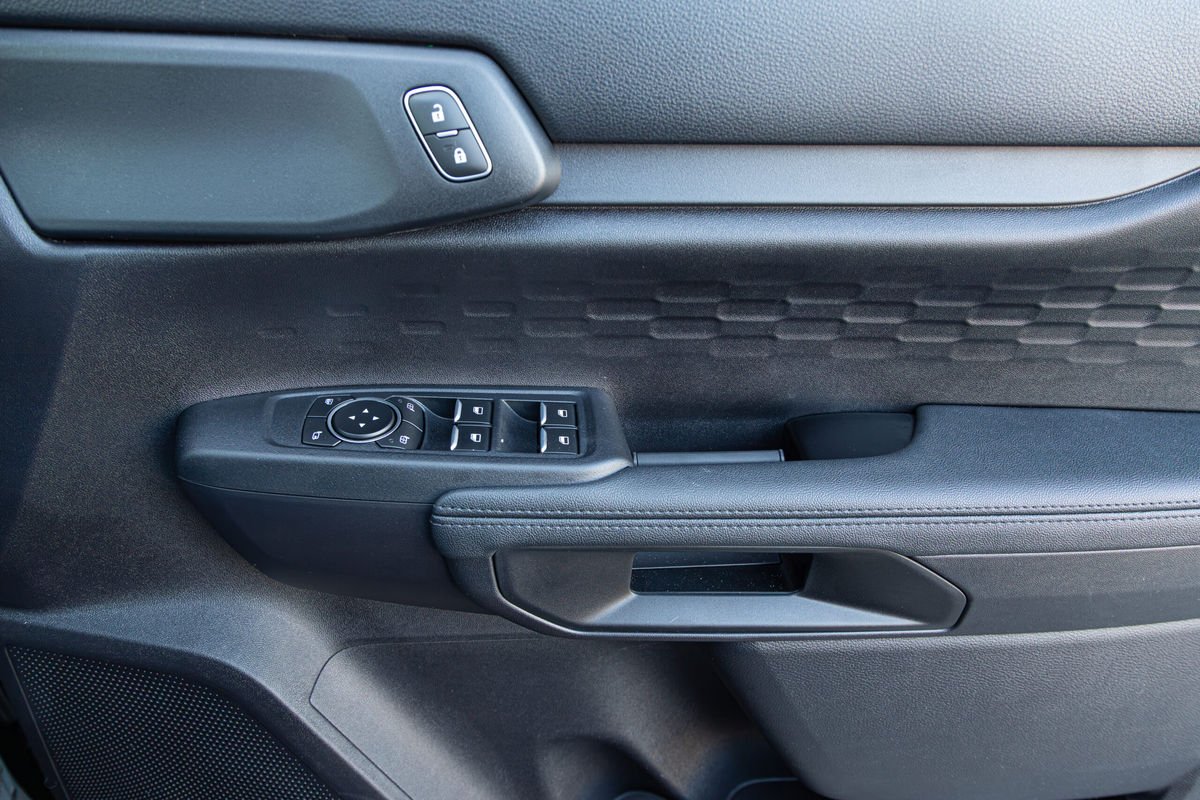
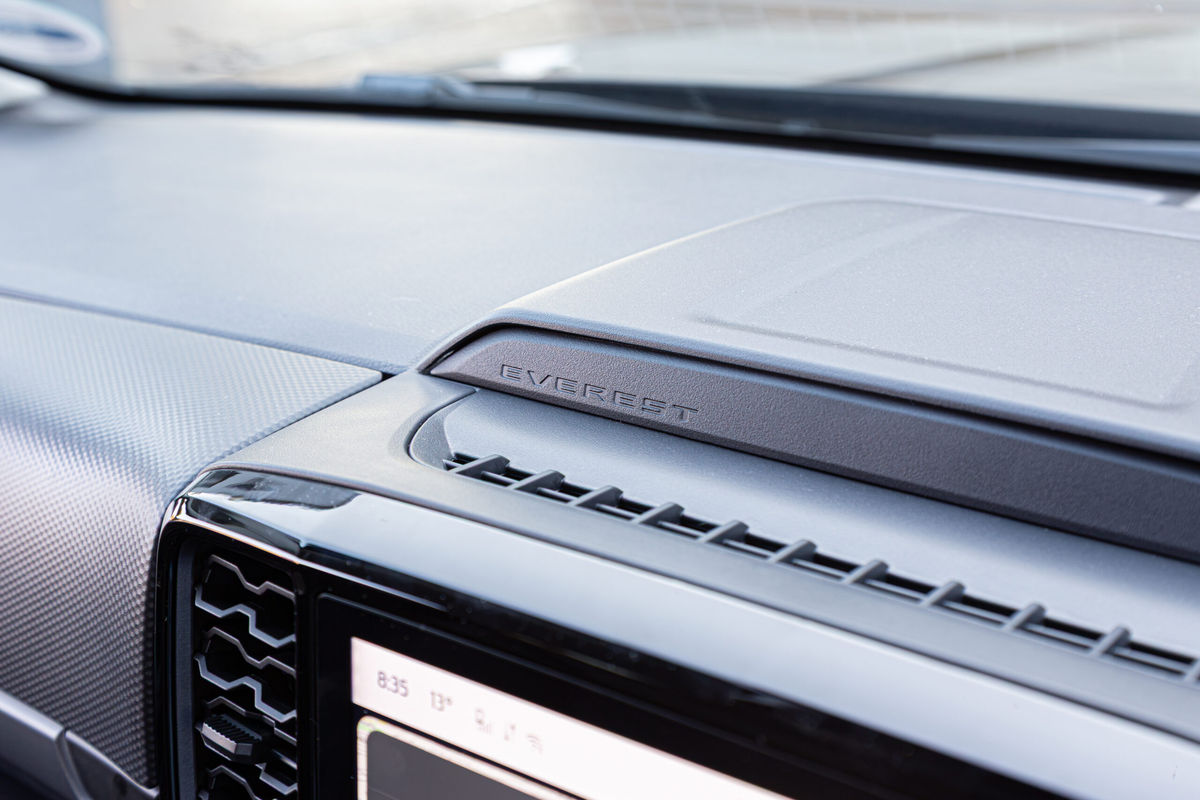
Materials used in the cabin look premium while feeling reasonably durable to the touch. We can see Ford really wants its Everest to look and feel upmarket without sacrificing its utilitarian functionality.
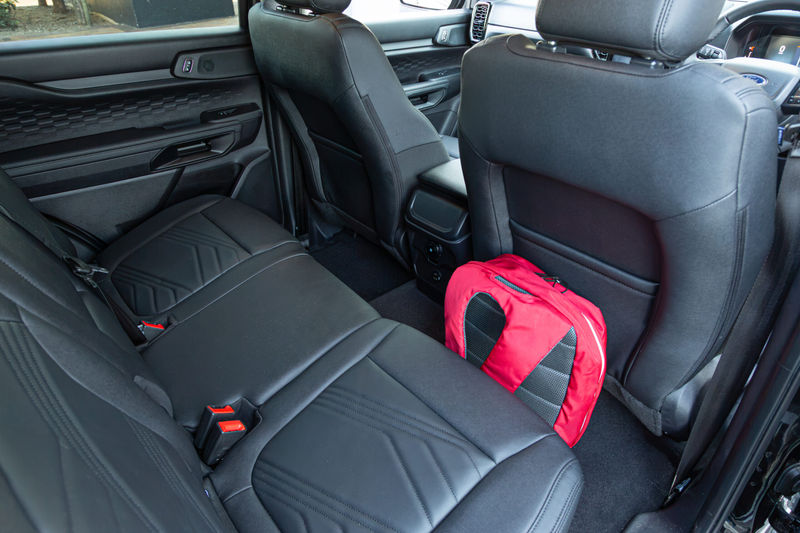
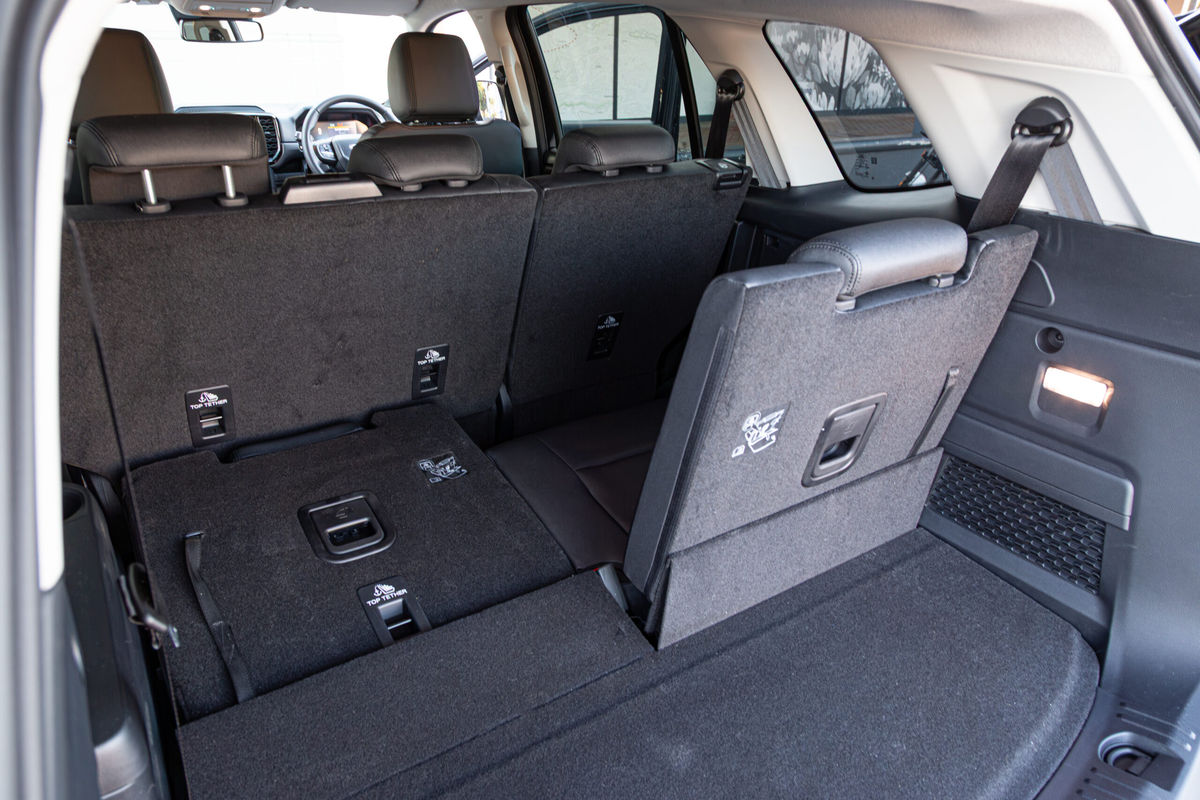
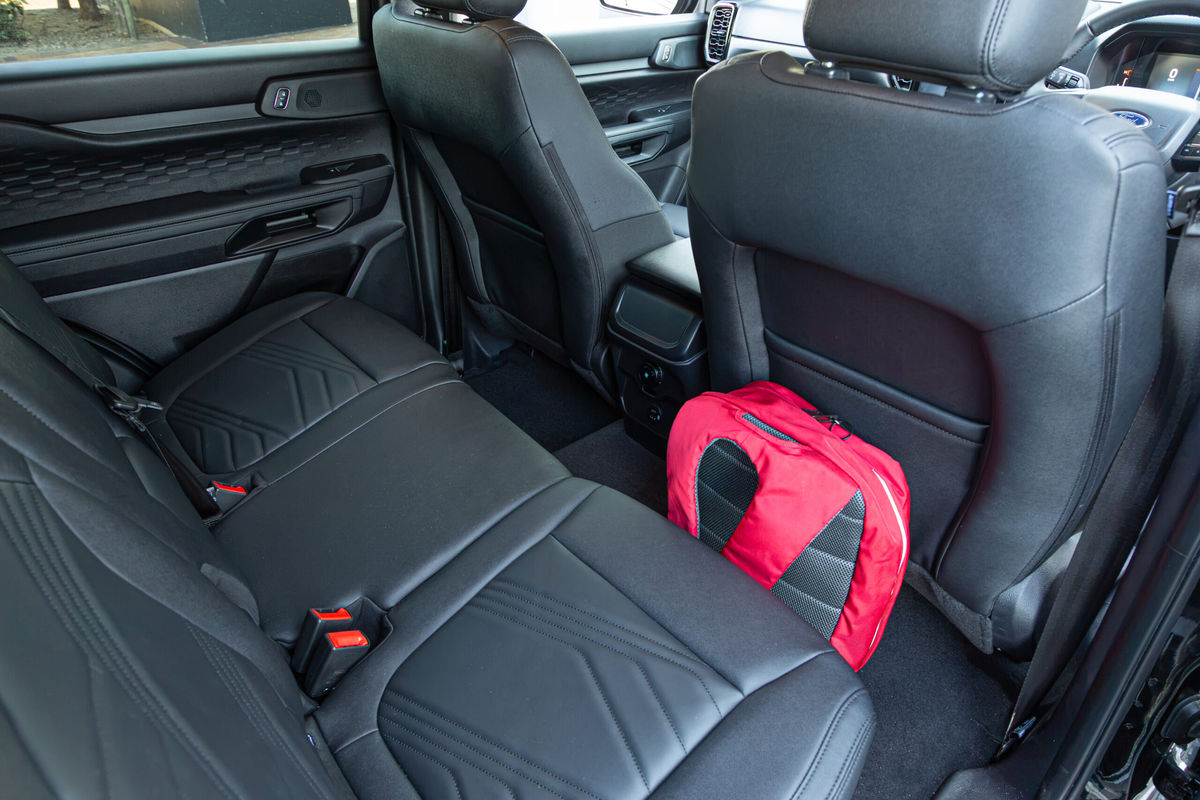
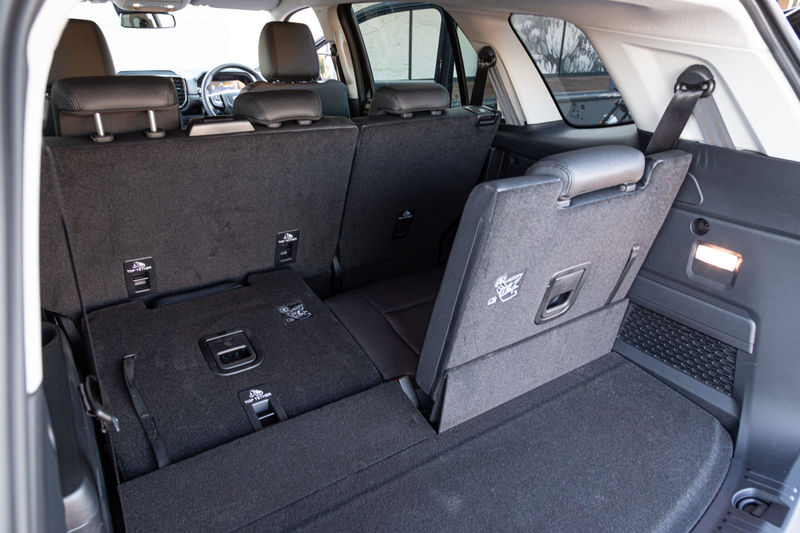
With one of the longest wheelbases in its class at 2 900 mm, the Everest offers excellent space for the 2nd row of passengers. They get USB charging ports as well as ventilation controls. While like most 7-seaters, the 3rd row is cramped for adults, little humans will sit comfortably. Most of the Cars.co.za testing team’s use-case scenario is generally to stow the 3rd row and utilise the enormous cargo area.
Ride, Handling & Comfort
When it comes to on-road dynamics, 7-seater bakkie-based SUVs aren’t known for refinement, sacrificing on-road comfort for off-road capabilities like axle articulation. Despite this engineering choice, the Everest manages to overcome its primitive architecture by offering a mature and comfortable ride.
The suspension makes light work of crushing bumps and the levels of comfort can’t be matched by its rivals. This is a vehicle which will happily eat up a few hundred kilometres with its occupants arriving relatively fresh.
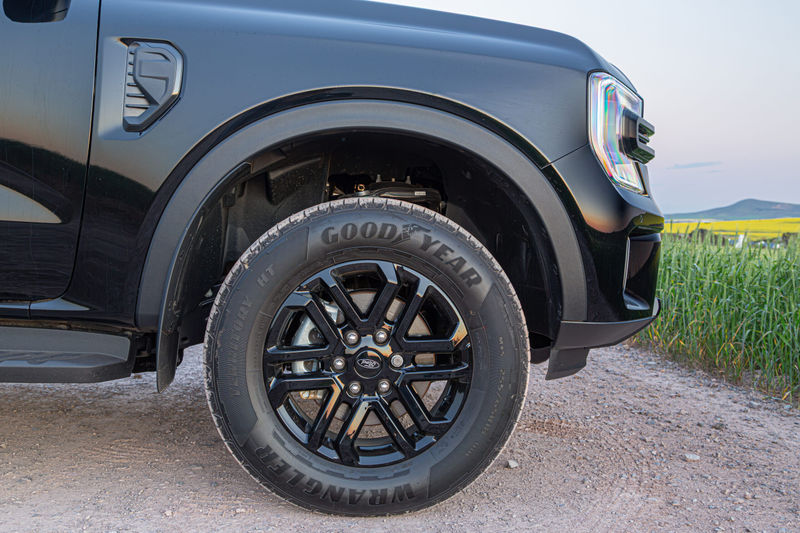
The main reason behind the popularity of the likes of the Fortuner, Everest and so on is their do-it-all capabilities. These vehicles are expected to do the school run during the week, swallowing all the bags and kids, and then crush an off-road course while fully laden on the way to the family holiday home. Comfort, style, tech-laden and rough-roading talent in one total package sounds like an impossible ask, but this segment proves it can be done.
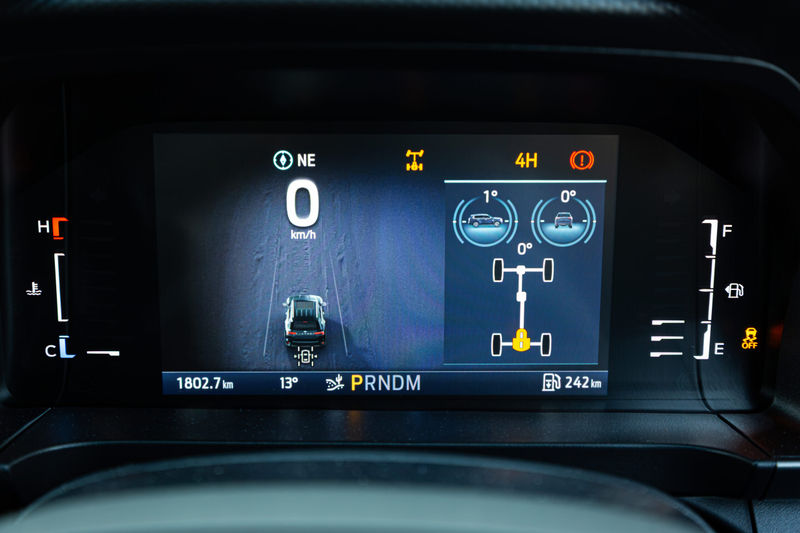
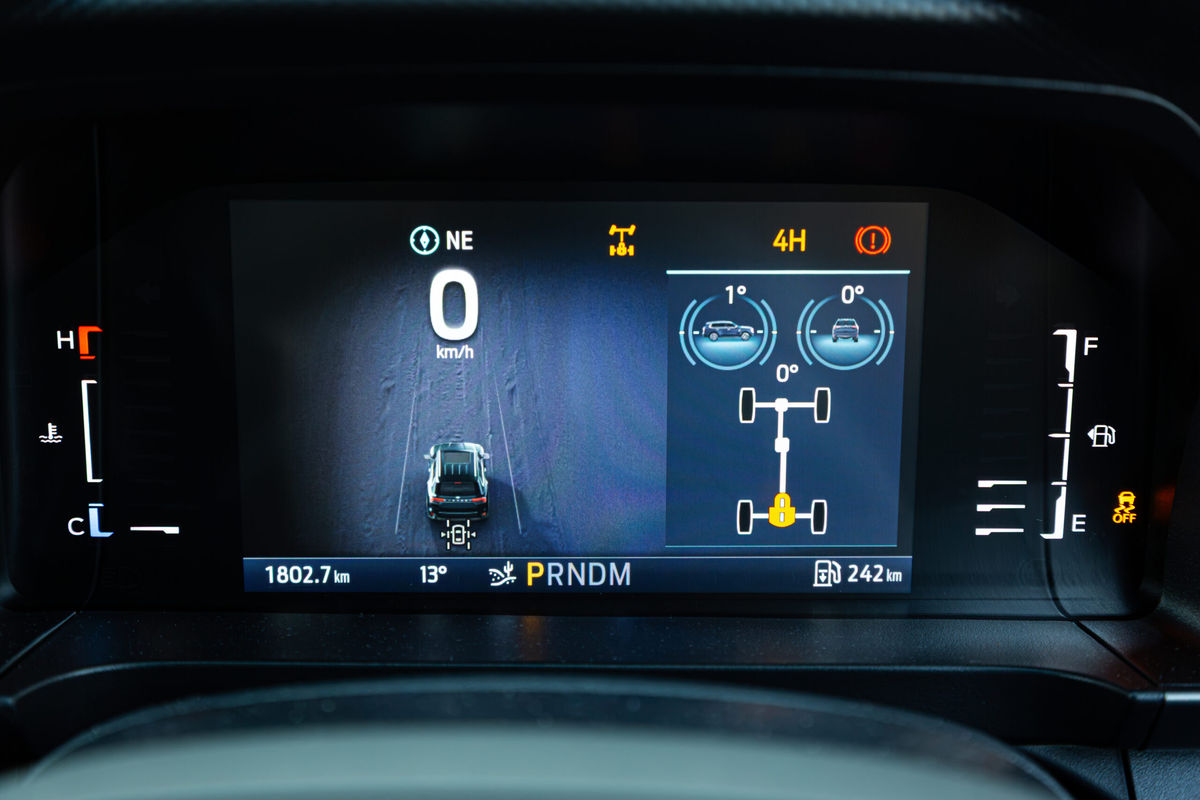
Our test unit was the Active 4×4, which adds underbody protection, a locking rear differential, low-range transfer case, and additional drive modes (mud/ruts and sand). With 220 mm of ground clearance, hill-descent control and excellent approach/departure angles, the Everest Active can go many places.
If you really want to venture away from civilisation, then look to the Everest Tremor which should go on sale before the end of 2026. As for us, the most off-roading we did was the gravel road to the photoshoot location, taking care not to get the vehicle too dusty…
How much does the updated Ford Everest cost in South Africa?
| Ford Everest 2.0 SiT Active 4×2 | R825 000 |
| Ford Everest 2.0 SiT Active 4×4 | R875 000 |
| Ford Everest 2.3T Sport | Coming soon |
| Ford Everest 3.0TD V6 Tremor 4WD | Coming soon |
| Ford Everest 3.0TD V6 Sport 4WD | R1 149 000 |
| Ford Everest 3.0TD V6 Wildtrak 4WD | R1 244 000 |
| Ford Everest 3.0TD V6 Platinum 4WD | R1 340 000 |
Verdict
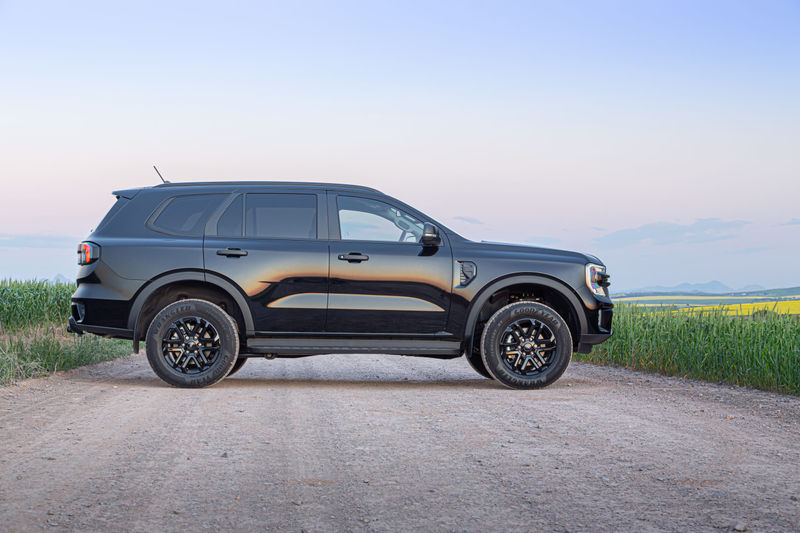
Coming in more than R100 000 cheaper than the pre-facelift model puts the Ford Everest 2.0 SiT in a very good starting position. This is then enhanced by a well thought-out and practical cabin, high levels of standard features and impressive off-road capability.
The Ford Everest was already an award-winning offering (with a few trophies from us) and this value-added update underlines just how complete this package is. Unless you’re towing or craving V6 shove, the Active is possibly all the Everest you’d need.
Want to buy a new or used Ford? Browse vehicles for sale
Read the latest Ford news and reviews
Frequently Asked Questions
What engine options power the Ford Everest lineup in South Africa?
How much does the Ford Everest cost in South Africa?
- Everest Active (2.0L SiT 4×2 / 4×4): Starts from R825 000
- Everest Sport (3.0L V6 4WD): Starts from R1 149 000
- Everest Wildtrak (3.0L V6 4WD): Starts from R1 244 000
- Everest Platinum (3.0L V6 4WD): Starts from R1 340 000