Francisco Nwamba lists F15-gen BMW X5 variants that were offered in Mzansi, their common problems and parts prices. Also in this guide, Ryan Bubear recaps the X5’s strengths and weaknesses and how much you’re likely to pay for a good used example.
Though the subject of this buyer’s guide is the F15 BMW X5, let’s first take a step back. The reveal of the original E53-generation X5 back in 1999 came as a bit of a shock to the system for many BMW fanatics. It was the Munich-based firm’s very first SUV – or Sport Activity Vehicle (SAV), in BMW speak – and thus represented a major departure for a brand defined by its crisp-handling sedans and coupes.
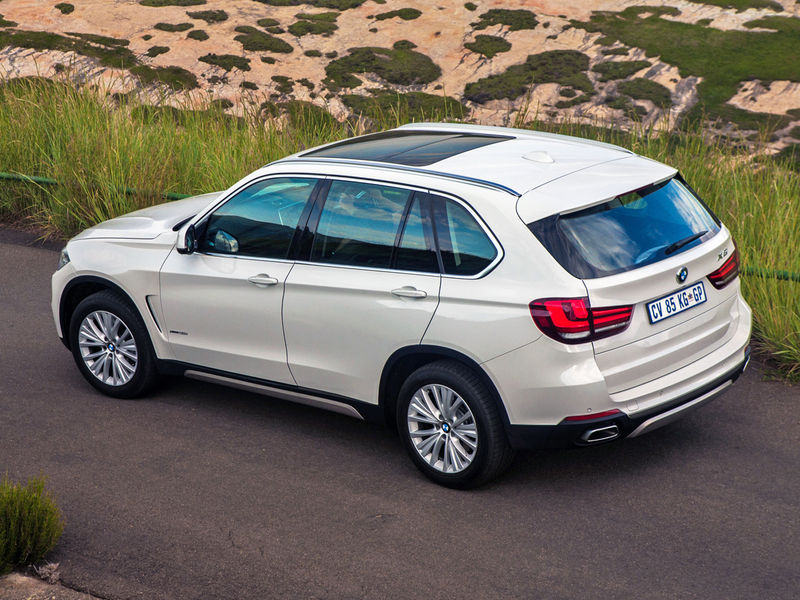
But by the time the 3rd-gen X5 was unveiled in 2013, BMW had sold, oh, 1.3 million units of the model’s predecessors in the preceding 14 years and the automotive world was quite a different place. X-badged BMWs were no longer oddities and, in F15 guise, the X5 had evolved into the consummate all-rounder.
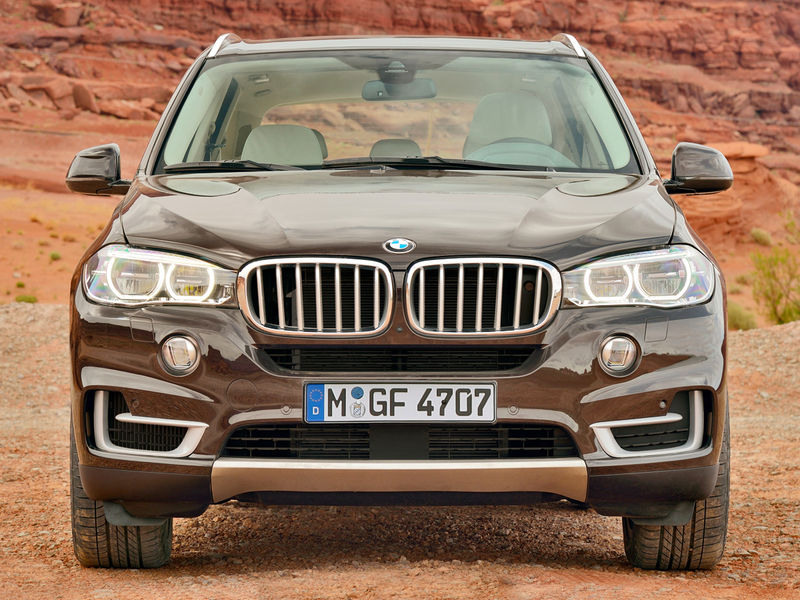
Interestingly, the F15 X5 inherited many engines from its predecessor – the E70 – but gained the option of a plug-in hybrid electric vehicle (PHEV) powertrain and a rear-wheel-drive base derivative (although the latter, badged as the sDrive35i, was never made available in SA). In addition, the high-performance X5 M based on this generation was one of the first M models to score its own chassis code (F85).
Built at BMW’s Spartanburg facility in South Carolina, the F15 X5 played the role of flagship SUV alongside the closely related F16-generation X6 (until the X7 debuted in 2018, that is). Considering its positioning, it’s a mystery why the 3rd-gen X5 wasn’t ever tested by Euro NCAP, though it did receive a 5-star safety rating from the National Highway Traffic Safety Administration in the United States.
F15 BMW X5 model line-up in South Africa
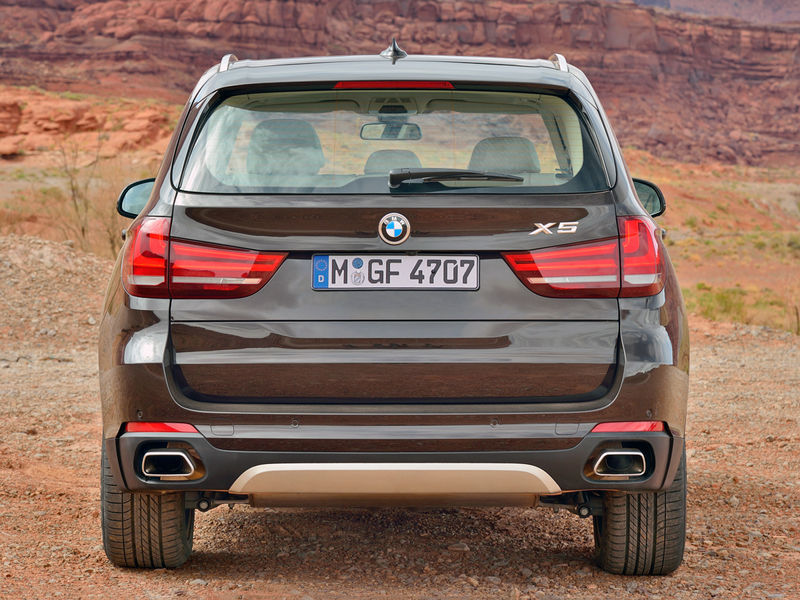
Following its international reveal in May 2013, the 3rd-gen X5 touched down in South Africa in February 2014. At launch, the line-up comprised just a trio of derivatives (including an M Performance variant in the shape of the triple-turbo M50d), each shipping standard with an 8-speed automatic transmission and all-wheel drive. There was a choice of M Sport, Pure Experience and Pure Excellence packages, while BMW’s iDrive-controlled infotainment system was linked to either a 6.5- or 10.2-inch display:
- X5 xDrive30d: 3.0-litre inline-6 turbodiesel with 190 kW/560 Nm
- X5 xDrive50i: 4.4-litre V8 turbopetrol with 330 kW/650 Nm
- X5 M50d: 3.0-litre inline-6 turbodiesel with 280 kW/740 Nm
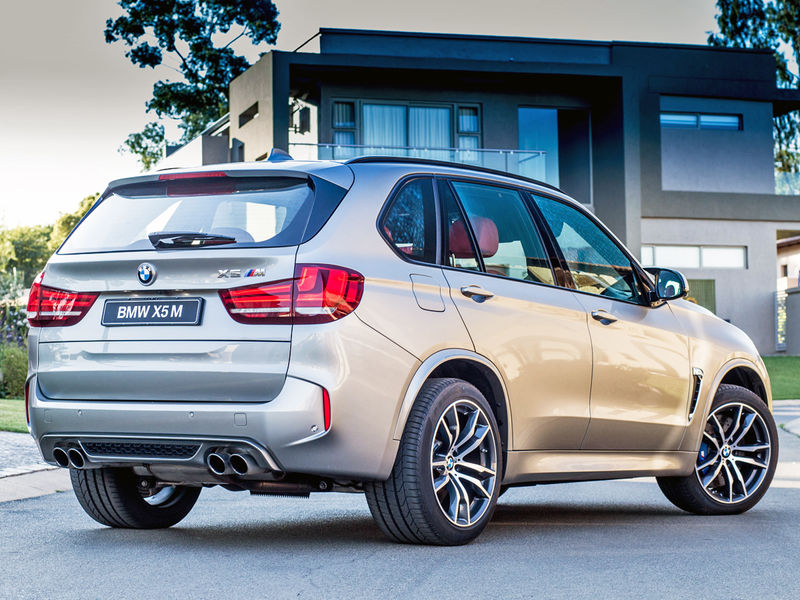
By April 2014, the petrol-powered X5 xDrive35i (225 kW/400 Nm) and the turbodiesel-engined X5 xDrive40d (230 kW/630 Nm) had joined the range, before the flagship X5 M arrived in March 2015. The latter was a full-fat M model, powered by an uprated version of Munich’s twin-turbo 4.4-litre V8 petrol engine churning out heady peak outputs of 423 kW and 750 Nm.
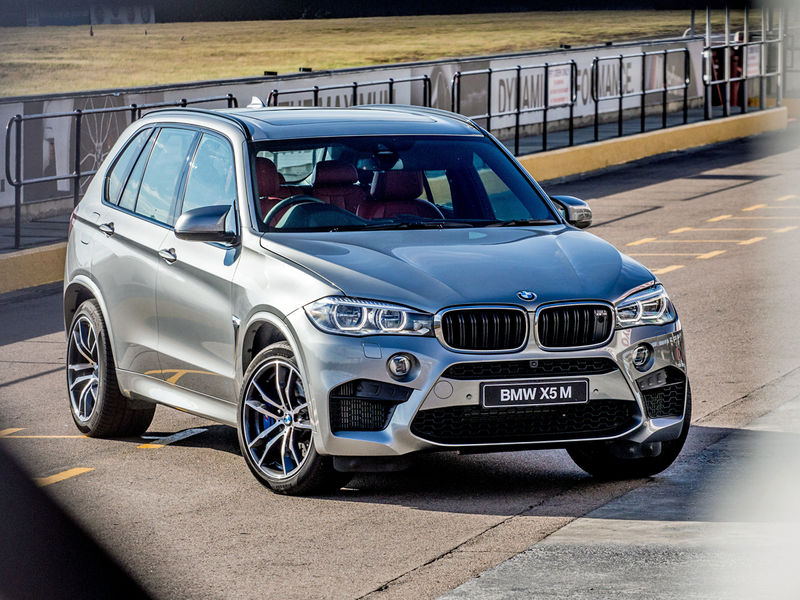
In the opening half of 2016, BMW Group SA added a derivative to the other end of the F15 X5 line-up. The X5 xDrive25d – powered by a 2.0-litre, 4-cylinder turbodiesel mill that produced 170 kW and 500 Nm – became the new entry point to the range. Around the same time, the plug-in hybrid X5 xDrive40e was also introduced; it combined a 2.0-litre, 4-cylinder petrol engine with a synchronous electric motor (plus a lithium-ion battery pack) for peak system outputs of 230 kW and 450 Nm.
In October 2017, just 10 units of X5 M Black Fire Edition were confirmed for South Africa, before local sales of the 3rd-gen X5 ended about a year later (when the G05 model came to market). Interestingly, the F15 didn’t ever benefit from a facelift – or Life Cycle Impulse (LCI), as BMW would have called it.
What are the advantages of a BMW X5?
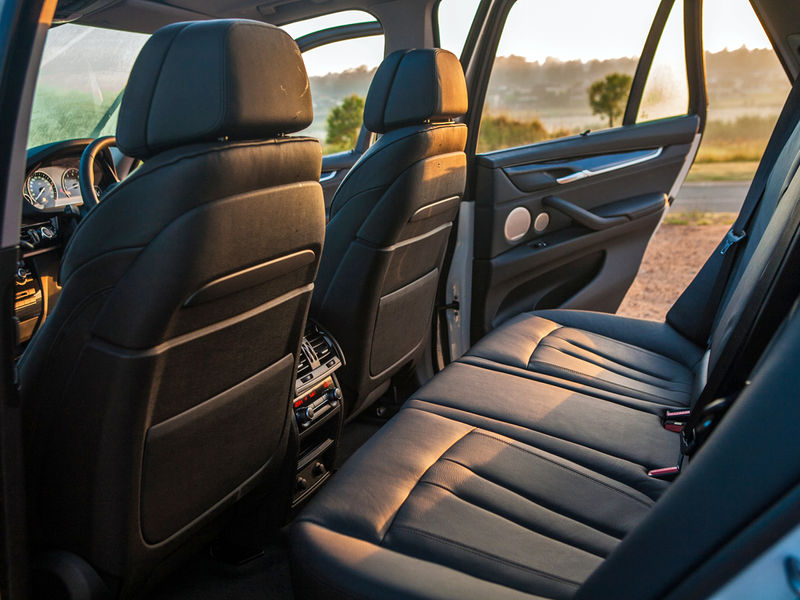
Cabin space and practicality: The interior of the 3rd-gen X5 was even more generously sized than that of its forebear. BMW again offered the option of a 3rd row of 2 seats (for all derivatives bar the PHEV and X5 M), but bear in mind they were designed to accommodate passengers up to 1.50 metres in height.
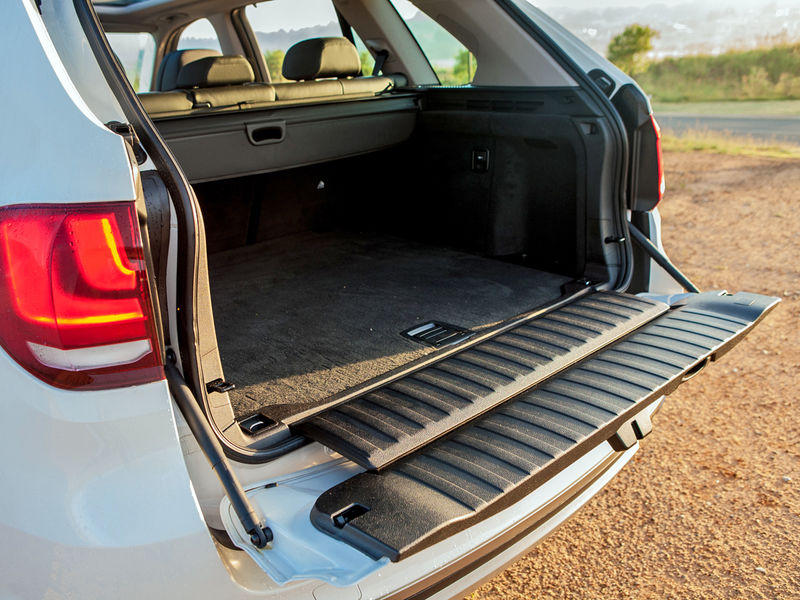
Luggage capacity could be varied between 650 and 1 870 litres (figures that shrunk slightly to 500 and 1 720 litres in the case of the xDrive40e), depending on the configuration of the seats. Furthermore, the premium SUV’s load bay was accessed via a 2-section split tailgate; the lower part could be folded down horizontally to form a single level with the load surface, while the upper section was power operated.
Balance between dynamics and comfort: While perhaps not quite as sharp to drive as its predecessor, the 3rd-gen X5 was endowed with a wonderful balance of dynamic ability and comfort. It was more than rewarding enough to drive (given its heft) and delivered a forgiving ride quality… in most configurations. Plus, many of the turbodiesel engines were capable of returning impressive fuel-economy figures.
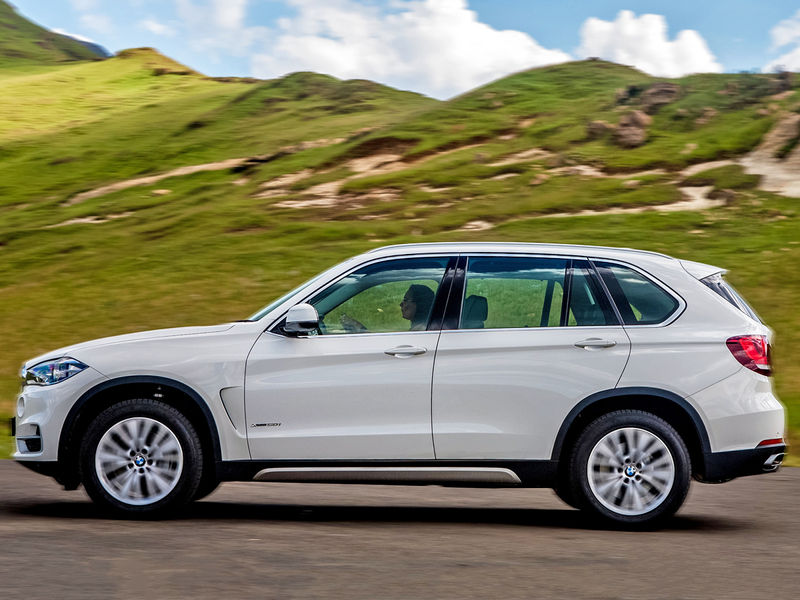
Keep in mind that there were various suspension set-ups available, including adaptive M suspension (as part of the M Sport package) and adaptive comfort suspension, both with air-sprung rear axles. The wide selection of alloy wheels – measuring between 18 and- 20 inches in diameter and all shod with run-flat tyres – could likewise result in ride-quality differences between derivatives.
Broad (largely proven) engine line-up: Since the powertrain line-up was largely carried over from the preceding generation (with some handy efficiency gains), most problems with these engines had already been ironed out. For the record, the new-to-the-portfolio PHEV powertrain in the xDrive40e derivative offered an all-electric range of up to 31 km and a combined fuel economy claim as low as 3.3 litres per 100 km. The X5 M, meanwhile, was said to complete the 0-100 kph sprint in a blistering 4.2 seconds.
What are the disadvantages of a BMW X5?
Maintenance and running costs: While the engine range was largely proven in general terms, remember that most examples of the F15 X5 will, by now, be out of their maintenance plans. So, it’d pay to do some research around the cost of routine servicing – particularly since we’re talking about high-end German machinery here – as well as consider how much you’d have to fork over for any unscheduled repairs.
For instance, would you be able to afford to replace or repair a failed component of the air suspension system? Or what about buying expensive OEM-spec tyres? In addition, note the N63TU twin-turbo 4.4-litre V8 (which is said to be vastly more reliable than the N63 that preceded it) in the xDrive50i and the S63 in the X5 M are thirsty motors that can inflate your daily running costs rahter dramatically.
Potential EGR cooler leaks: Along with a raft of other BMW models, certain turbodiesel derivatives in the F15 X5 range were subject to recalls regarding an exhaust gas recirculation (EGR) cooler that could develop a leak. The coolant would then mix with diesel soot or sediment and “create flammable deposits”, potentially leading to “localised damage in the intake system” and an “increased fire risk”. The N47 (employed by the xDrive25d) and N57 (used by the xDrive30d and xDrive40d) were the engines at risk, with the M50d’s N57S, interestingly, not included in the official recall action.
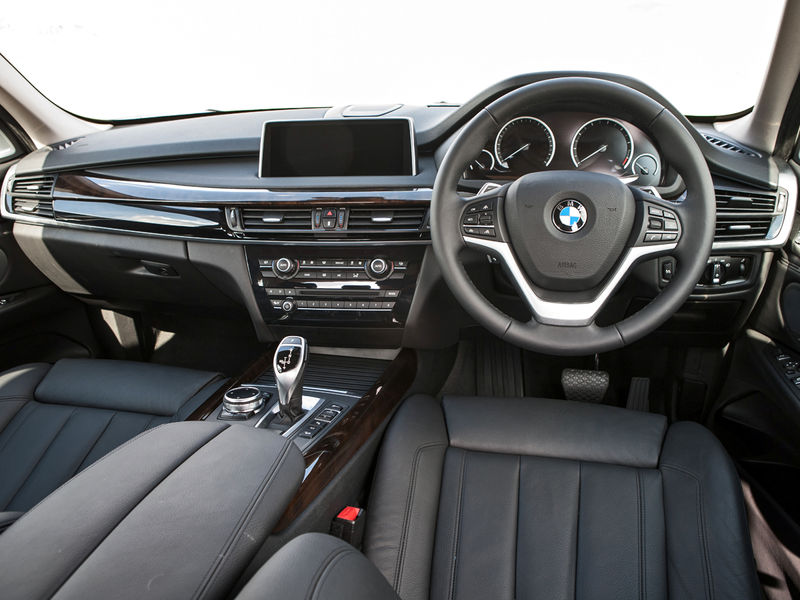
Annoying trim rattles: Despite being positioned as BMW’s premium SUV at the time (and being lauded for its impressive perceived build quality), the 3rd-gen X5 certainly wasn’t immune to interior rattles. Indeed, we’ve heard of complaints of squeaks, creaks or rattles emanating from various areas of the cabin, including the steering column, instrument cluster, centre console, armrest, luggage compartment and tailgate. In addition, the front seats’ leather is prone to cracking (specifically on the squabs’ sides).
How much is an F15 BMW X5 in South Africa?
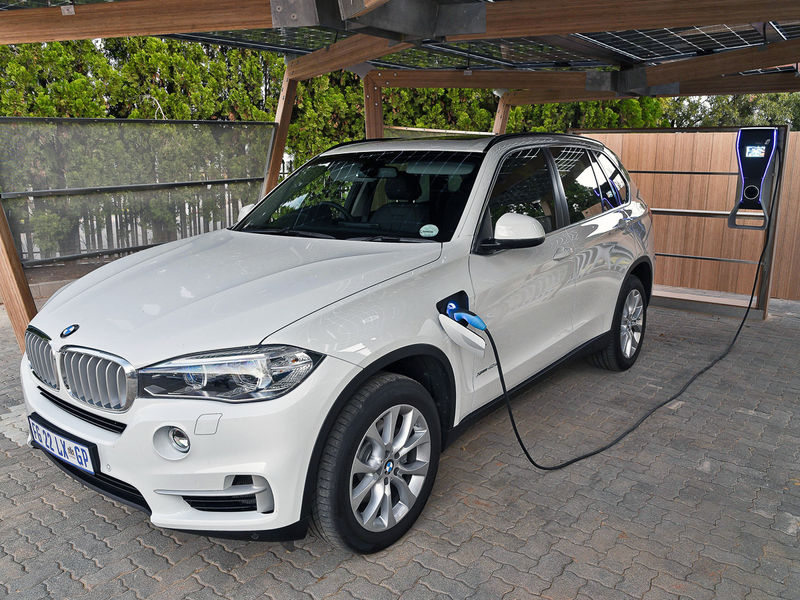
All derivatives in the F15 X5 range came standard with a 5-year/100 000 km Motorplan (maintenance plan) and a 2-year/unlimited kilometre warranty, while the plug-in hybrid xDrive40e derivative further benefitted from an 8-year/100 000 km warranty to cover its high-voltage battery.
As always, we’d recommend narrowing your search to examples with a full (verifiable) maintenance history. In addition, keep in mind the list of options available for the X5 was typically lengthy, so try to ascertain which extras have been added when comparing potential buys.
At the time of writing, a whopping 88% of the 3rd-gen BMW X5 listings on Cars.co.za featured a diesel engine, with the xDrive30d proving the most popular (accounting for 58% of total listings). Fascinatingly, the brawny M50d was next on 19%, followed by the xDrive40d (9%), while there were more X5 M listings (7%) than xDrive50i (3%), xDrive35i (2%) and xDrive25d (2%). Not a single xDrive40e was available.
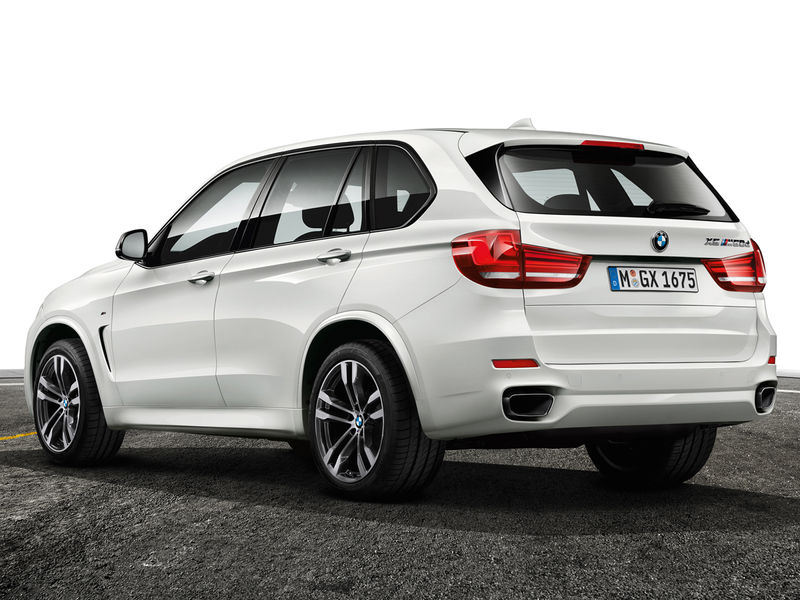
Mileages varied from 21 000 km (on a 2018 X5 M) to 229 000 km (clocked up on a 2017 X5 xDrive30d), with a further 3 listings (all also xDrive30d derivatives) showing in excess of 200 000 km. White was, predictably, the most popular colour at 51%, followed by grey (21%), silver (10%) and blue (7%), while we discovered very few vehicles specified with the optional 3rd row of seats.
- Below R400 000: Pickings are slim below this mark; most examples here are from early model years (2014 and 2015) and have high odometer readings. You’ll really need to have your wits about you if you plan on shopping in this bracket.
- From R400 000 to R600 000: We found the majority (55%) of F15 X5 stock nestled between these price points, so you’ll likely want to focus your search here. Every single engine derivative bar the full-fat M model (and, of course, the seldomly spotted plug-in hybrid) was represented, from the base xDrive25d through to the big-hitting M50d.
- From R600 000 to R700 000: Though there was far less choice in this pricing bracket, most listings here had less than 100 000 km on their respective odometers. The plentiful xDrive30d remained dominant in this space, with a number of late model-year units on offer.
- R700 000 and up: Above R700 000, the M50d was the most common derivative, followed by the flagship M. Towards the top of the pricing pile, we found a 2016 X5 M, a 2017 X5 M and a 2018 X5 M50d all teetering on the brink of 7 figures. Of course, keep in mind that spending this sort of money could get you into a G05-generation X5 derivative instead…
Which F15 X5 should I buy?
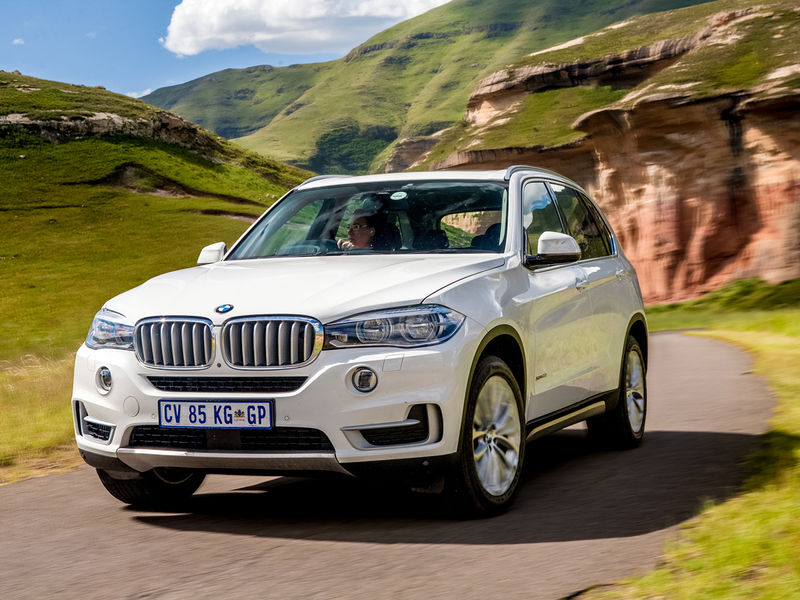
We’d advise buyers – as we often do – to tread particularly carefully when looking at early model-year vehicles (in this case, 2014), as the initial examples of a new generation are often the most prone to teething issues. Even though there wasn’t a traditional facelift, BMW would have ironed out most – if not all – such creases during the F15 X5’s lifecycle.
So, which derivative should be on your radar? Well, the turbopetrol versions are all rather thirsty (and in short supply), while it’d be even trickier to unearth a plug-in hybrid example on the used market (there’s also the potential issue of having to replace the lithium-ion battery, which would be an immensely costly exercise). The X5 M, meanwhile, is a relatively niche offering, but its running costs are bound to be high.
Thankfully, the range of turbodiesels is broad, generally refined and offers something to suit most tastes. The M50d is an absolute sledgehammer, running from standstill to 100 kph in a claimed 5.3 seconds while also being capable of sipping at a claimed 6.6 litres per 100 km (not simultaneously, of course).
Though the 4-pot xDrive25d is the most frugal turbodiesel derivative (it is said to consume, on average, 5.6 litres per 100 km), we’d argue the 190 kW/560 Nm xDrive30d is the pick of the bunch, blending 6-cylinder punch with the potential for wallet-pleasing economy (a claimed 5.9 litres per 100 km). It’s also the most abundant variant on the used market, which translates into more choices for you, the buyer.
Is the F15 BMW X5 a good used buy?
What are your alternatives? Well, the F15 BMW X5’s key rivals during its lifecycle were fellow German luxury SUVs in the form of the 2nd-generation Audi Q7 and the W166-generation Mercedes-Benz ML (which was renamed the GLE at its facelift in 2015).
The 2nd-gen Volvo XC90 was another compelling option, as was the L494-gen Range Rover Sport (for those requiring more off-road ability) and the E2-gen Porsche Cayenne (for keener drivers). Buyers shopping here could also check out the 2nd-gen Volkswagen Touareg.
Considering that the current (G05-gen) X5 retails for between R1 706 850 and R3 123 842 (at the time of writing), pre-owned versions of the F15 X5 look capable of offering decent value. Of course, as we’ve suggested above, it’s wise to set aside some money for maintenance and repairs as well.
Ultimately, the 3rd-gen X5’s impressive breadth of ability helped it fight its way to the summit of the premium SUV class. Opt for the right powertrain and you’ll enjoy a compelling mix of under-bonnet brawn and potential for fuel frugality, while also benefitting from lofty levels of comfort and practicality.
In short, the F15 BMW X5 is as well-rounded as they come.
Looking for a used BMW X5 to buy?
Find one on Cars.co.za here.
Or sell your car here, for no charge.
Cars.co.za

Providing you with the latest motoring news, new car releases and the simplest way to buy and sell cars.