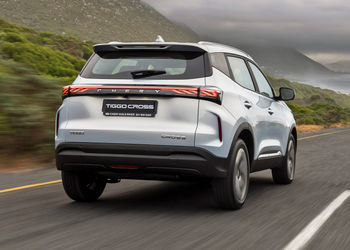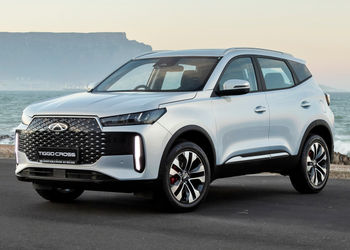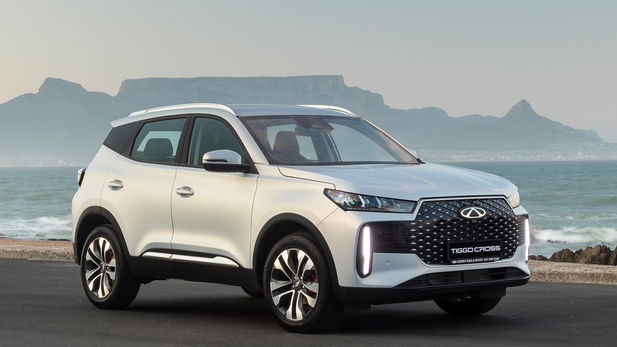
The Chery Tiggo 4 Cross is one of South Africa’s most popular compact crossovers, offering the feature-rich value Chinese automakers are famous for. But when fuel prices surge, how do engine choices impact your real-world total cost of ownership?
While China leads global battery EV manufacturing, its export success has largely been built on simple 1.5-litre four-cylinder petrol engines – and Chery is a prime example.
The Tiggo 4 Cross line-up offers three distinct variations of that 1.5-litre recipe: a naturally aspirated base engine; a turbocharged unit; and a petrol-electric hybrid (HEV). Which one best balances standard kit, purchase price and long-term running costs for local drivers?
Entry-level bargain: The Tiggo 4 Cross LiT
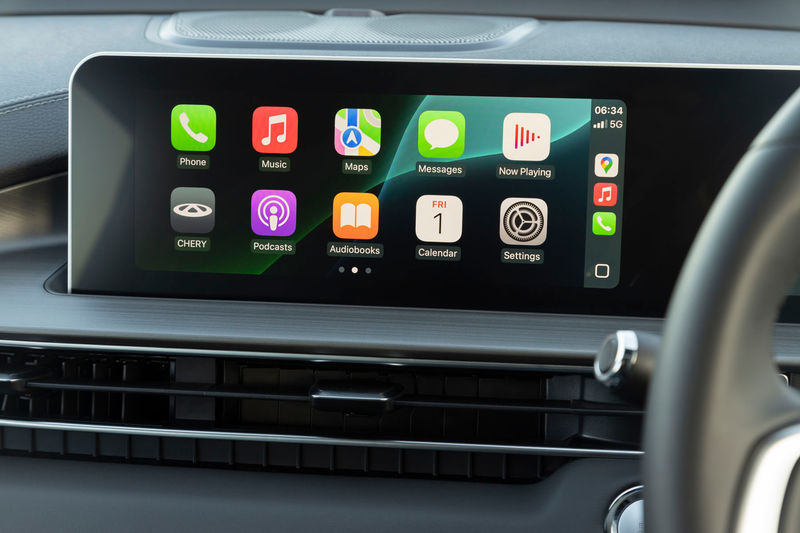
Priced at R279 900, the entry-level Tiggo 4 Cross LiT delivers impressive equipment for the money, including dual 10.25-inch digital displays with Apple CarPlay and Android Auto.
Powering the LiT is a naturally aspirated 1.5-litre petrol engine generating 83 kW and 170 Nm. While those outputs aren’t explosive, Chery claims an average fuel consumption of just 7.0 L/100 km.
Simple, reliable and low-risk
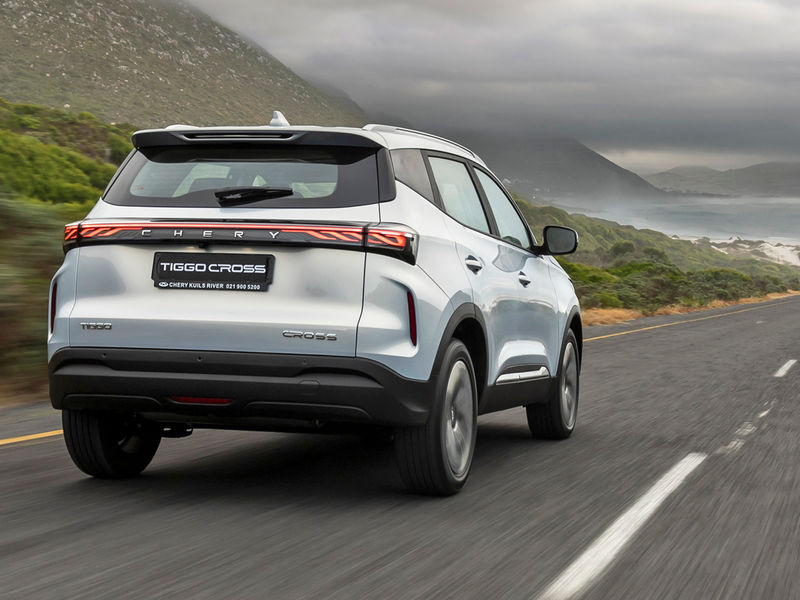
At sea level, the naturally aspirated 1.5-litre engine performs adequately. High-altitude drivers up in Gauteng – where thin air cuts engine output by around 15–17% – will find highway overtaking leisurely with a full load, but the engine wins on mechanical simplicity.
Without a turbocharger, long-term ownership carries significantly fewer high-cost failure points.
The base model also mates the engine to a simple five-speed manual transmission. While rowing through gears in dense stop-and-go traffic isn’t everyone’s preference, manual gearboxes remain far cheaper to service and maintain over time.
Search for a Chery Tiggo 4 Cross on Cars.co.za
Is the turbo worth the extra cost?
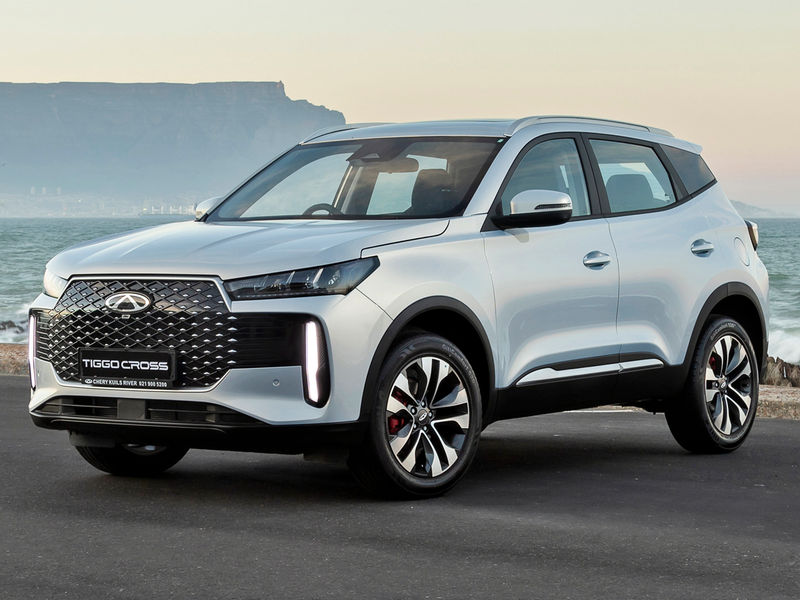
Stepping up to the turbocharged Tiggo 4 Cross Million Edition increases the price tag by nearly 28% to R359 900.
For Gauteng drivers who frequently travel with passengers or heavy cargo on the highway, that price jump brings tangible benefits. The turbo engine puts out 108 kW and 210 Nm, maintaining its performance at altitude without losing power.
However, the turbocharger and six-speed dual-clutch transmission (DCT) add maintenance complexity. Dual-clutch gearboxes require a smooth, adaptive driving style in heavy urban traffic to avoid premature clutch wear – something many drivers overlook.
The real fuel math
Chery officially claims the turbocharged Million Edition model (there’s a flagship Elite option, too) consumes 6.8 L/100 km – slightly less than the naturally aspirated model. In practice, small turbo engines are easily driven “on boost,” leading to far higher real-world fuel consumption than claimed. Naturally aspirated engines tend to be much more predictable.
More importantly, the R80 000 price gap between the base LiT and the Million Edition buys roughly 3 500 litres of petrol. That’s over 50 full tanks – or nearly two to three years of free driving before you ever see a return on investment.
Search for a Chery Tiggo 4 Cross on Cars.co.za
What about the hybrid (HEV)?
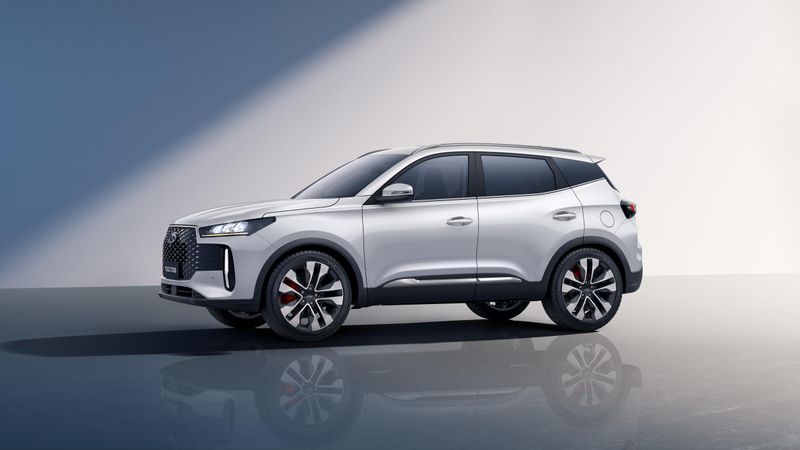
When fuel prices spike, buyer interest in hybrids soars. The entry-level Tiggo 4 Cross HEV starts at R439 900 – an R80 000 premium over the turbo model, and R160 000 more than the base 1.5 LiT.
The HEV pairs a 1.5-litre engine with a small 1.83 kWh battery pack that recharges via regenerative braking. Combined system outputs reach a muscular 150 kW and 310 Nm.
While sustained high-speed cruising will drain the small battery and hurt economy, the instant electric torque is brilliant for short bursts, urban traffic and quick overtaking manoeuvres. Chery claims 5.4 L/100 km, and unlike the turbo, the hybrid is likely to hit close to that figure in town.
The verdict: Which powertrain should you buy?
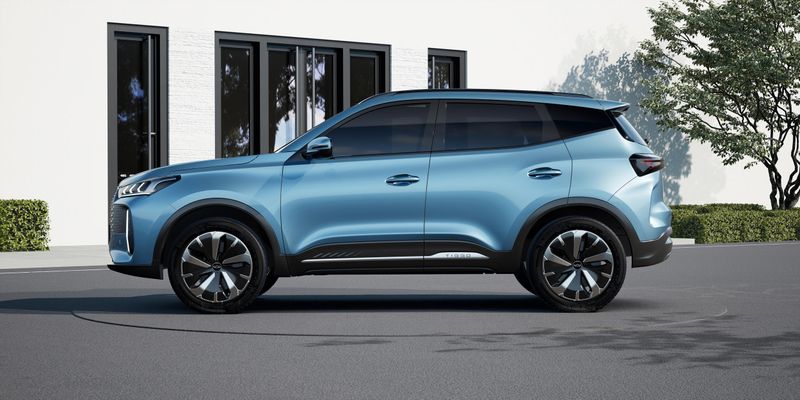
The HEV delivers the best blend of performance and city efficiency, but its premium purchase price is hard to offset through fuel savings alone. The mid-spec turbo version offers great highway punch for high-altitude drivers, but suffers higher real-world fuel consumption.
For smart buyers focused strictly on total operating costs, the entry-level 1.5 LiT remains the sweetest deal in the range. The R80 000 to R160 000 you save on the initial purchase price will cover years of petrol station fill-ups.
Lance Branquinho

Lance Branquinho is a Namibian-born writer and photographer who has won numerous motoring journalism awards. He once smuggled parts to South America, in a minor contribution to help Giniel de Villiers finish on the podium at the Dakar. He fears for the eventual collapse of the air-cooled Porsche 911 market – and keenly awaits, in vain, the return of the brand's 928.