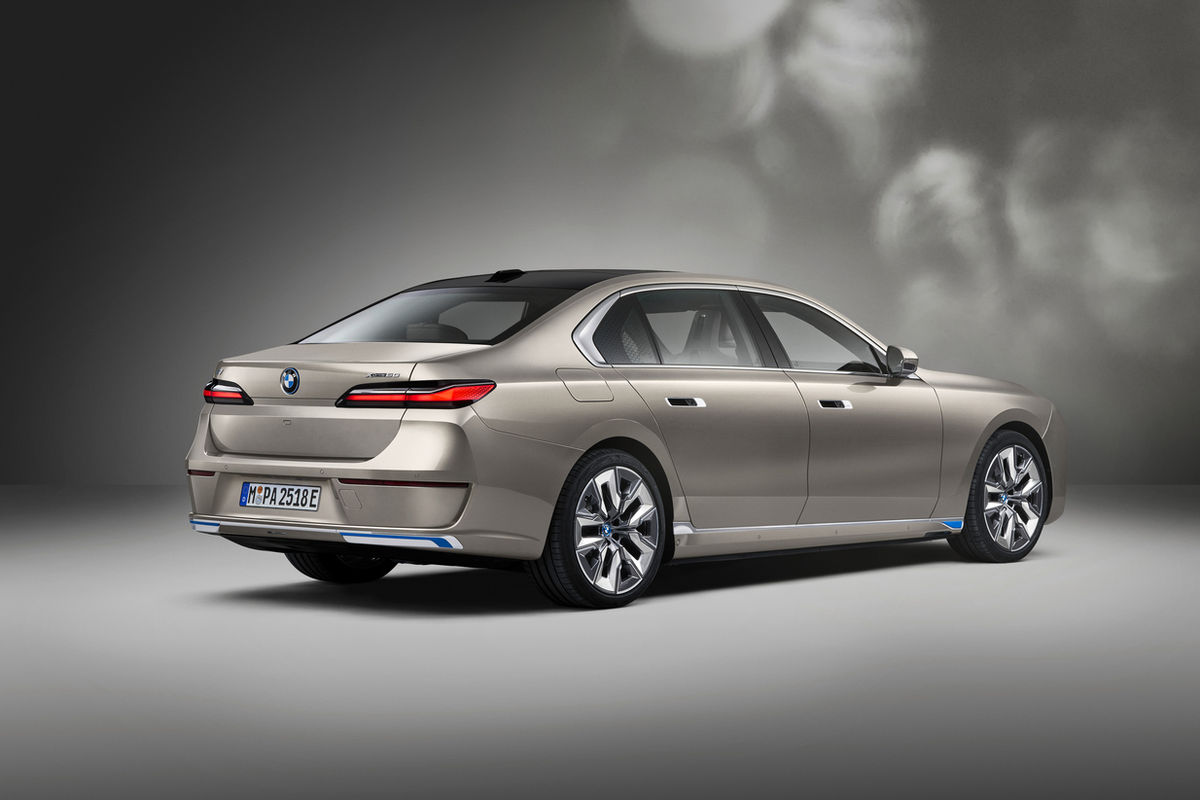
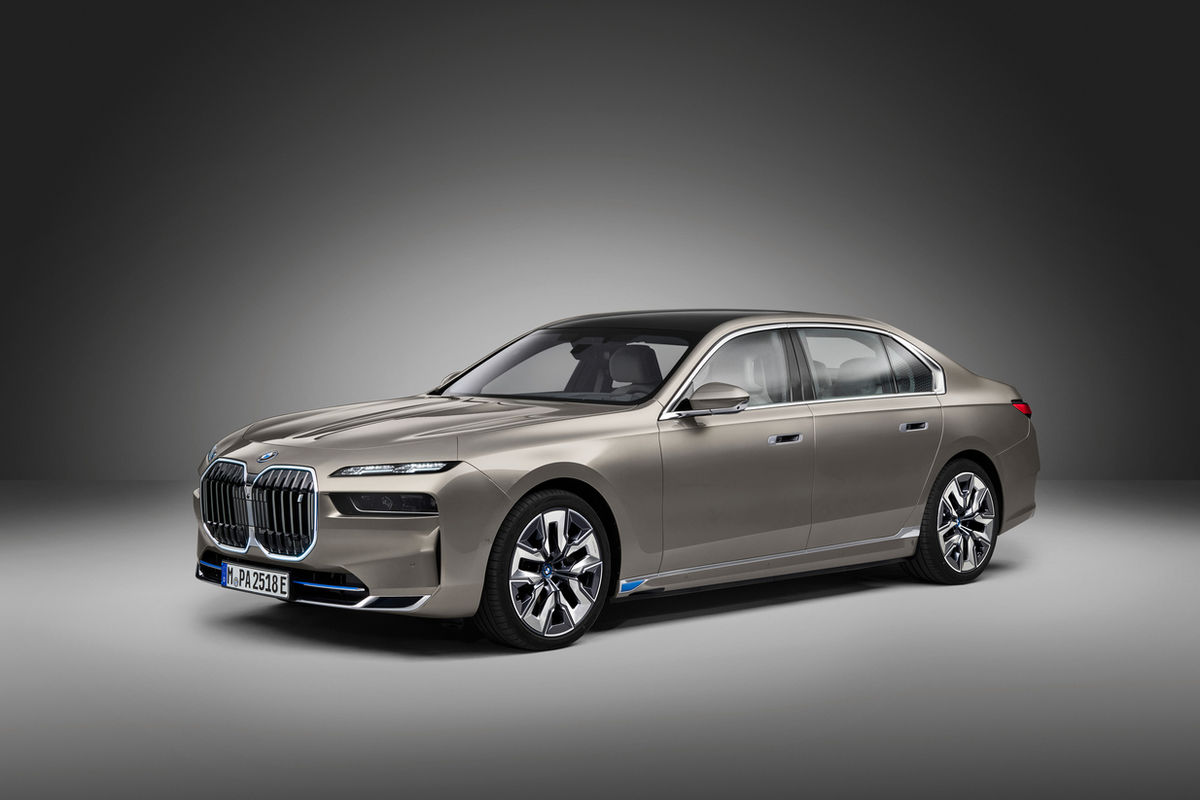
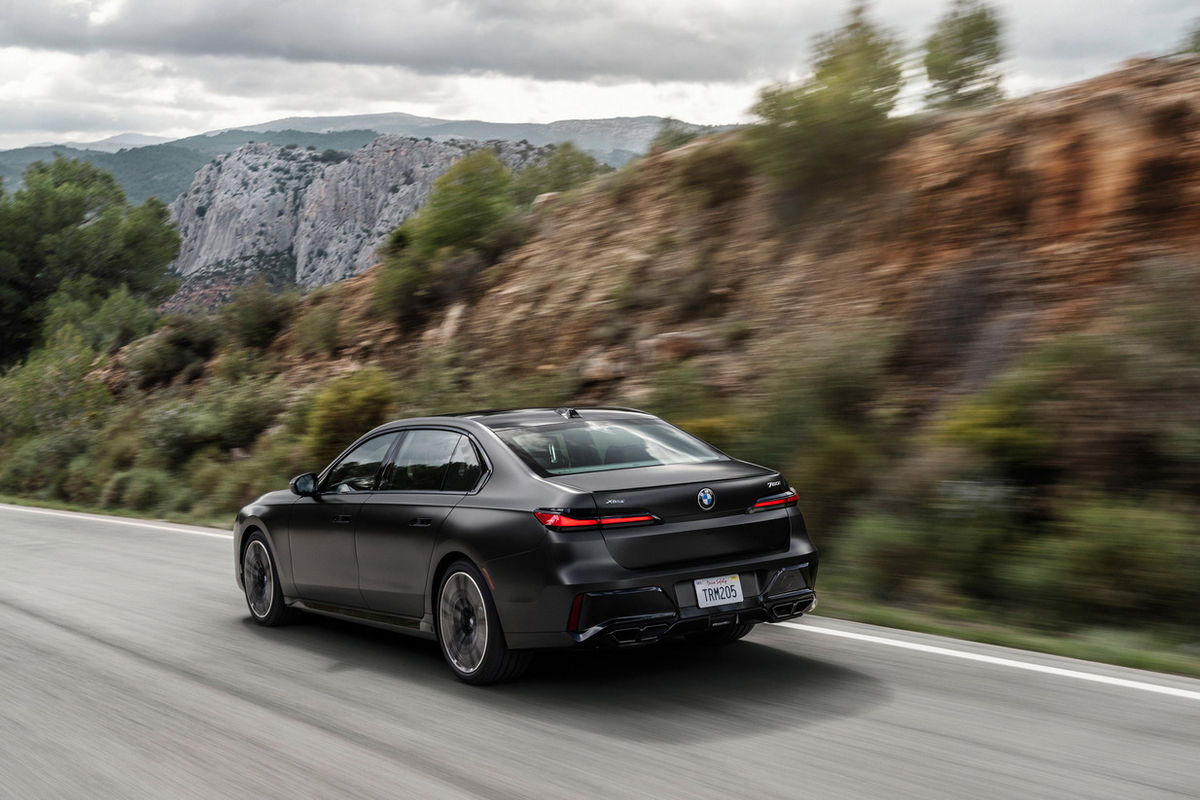
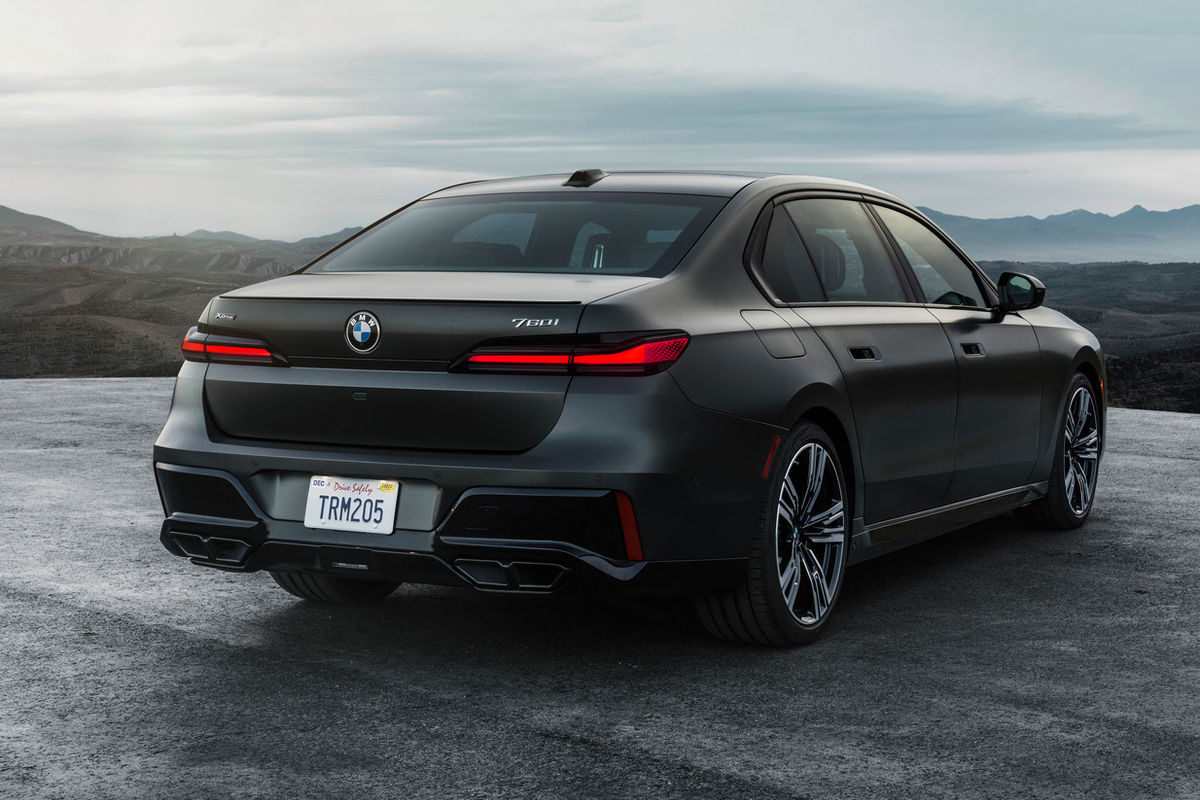
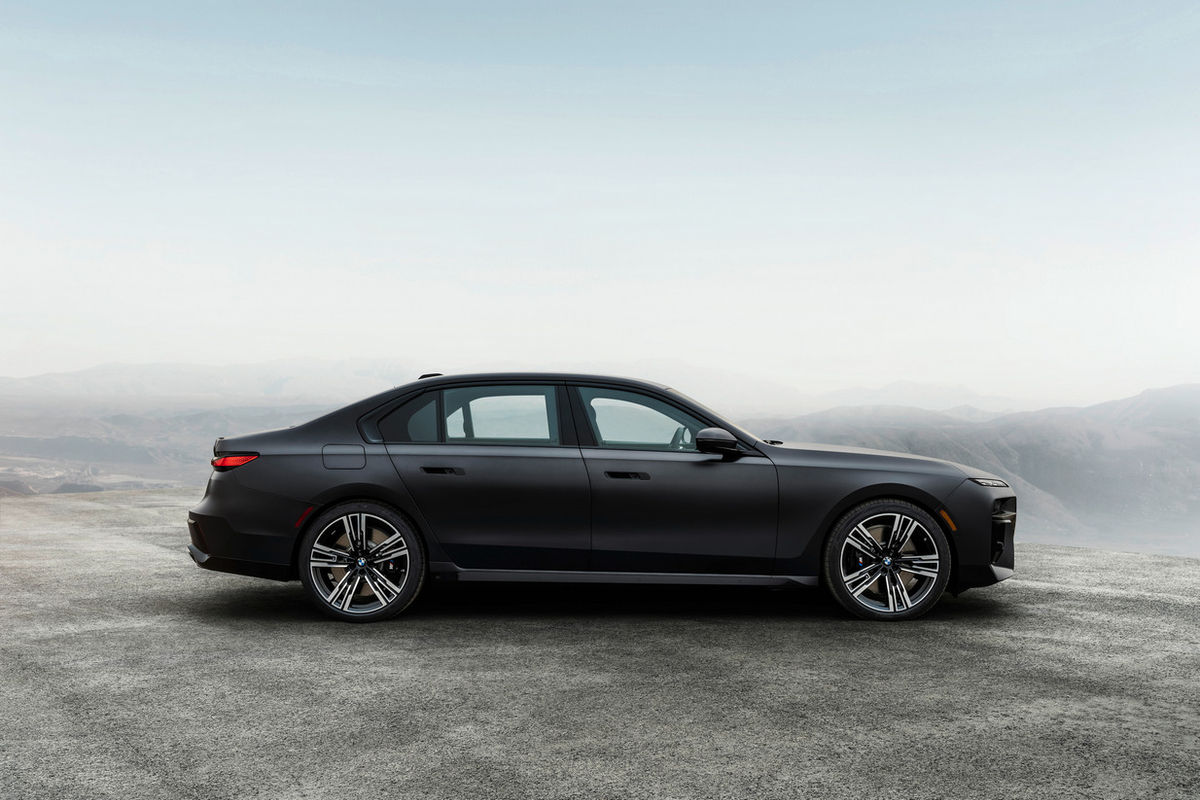
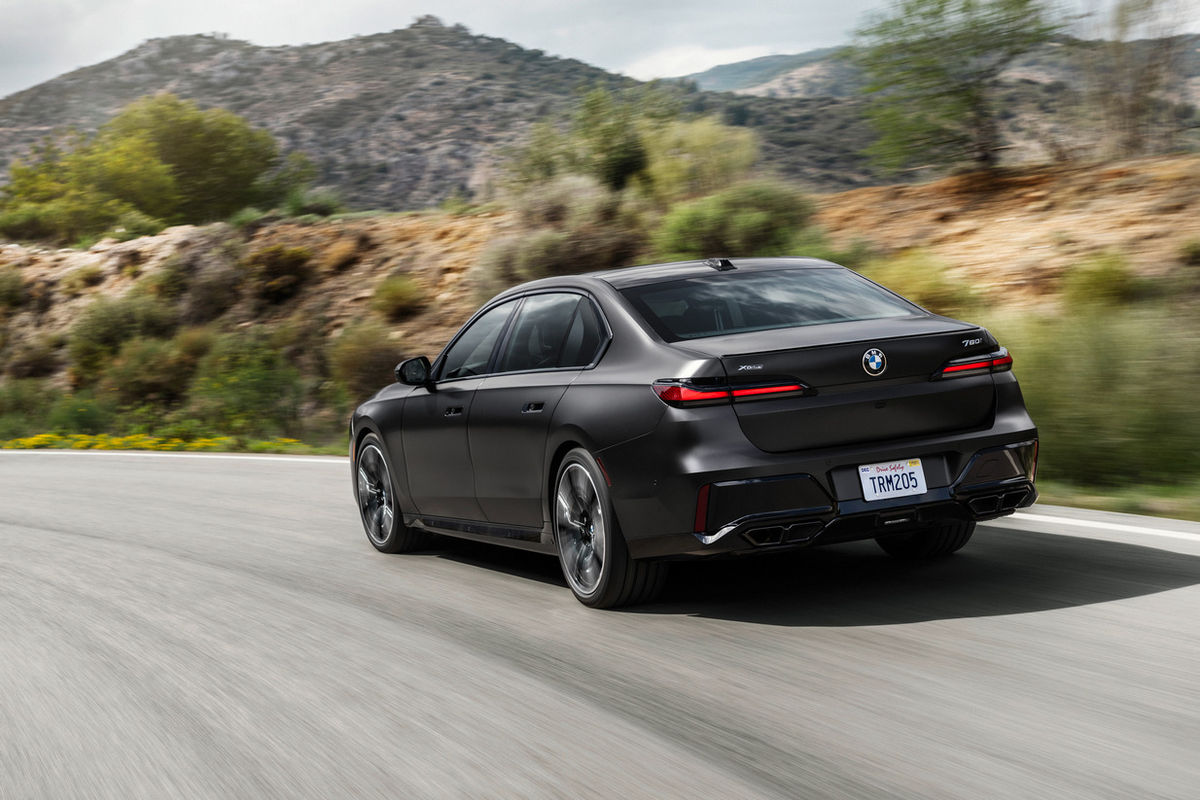
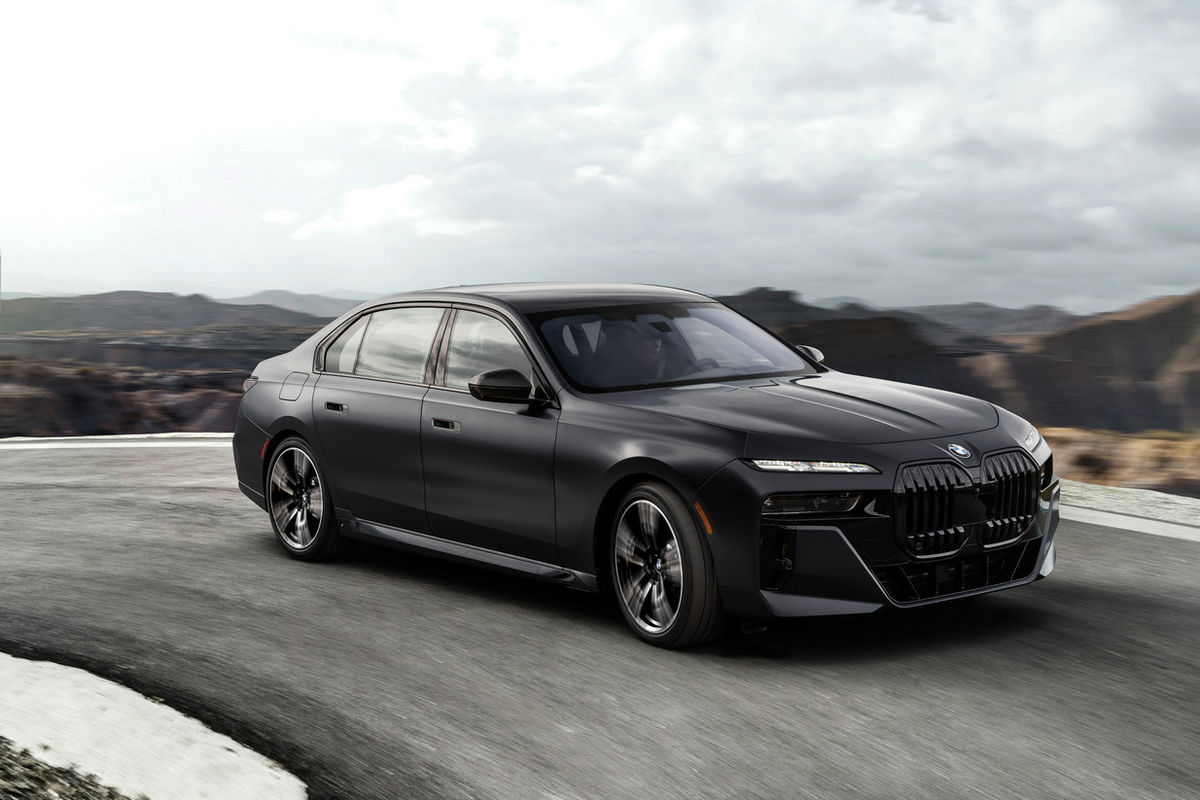
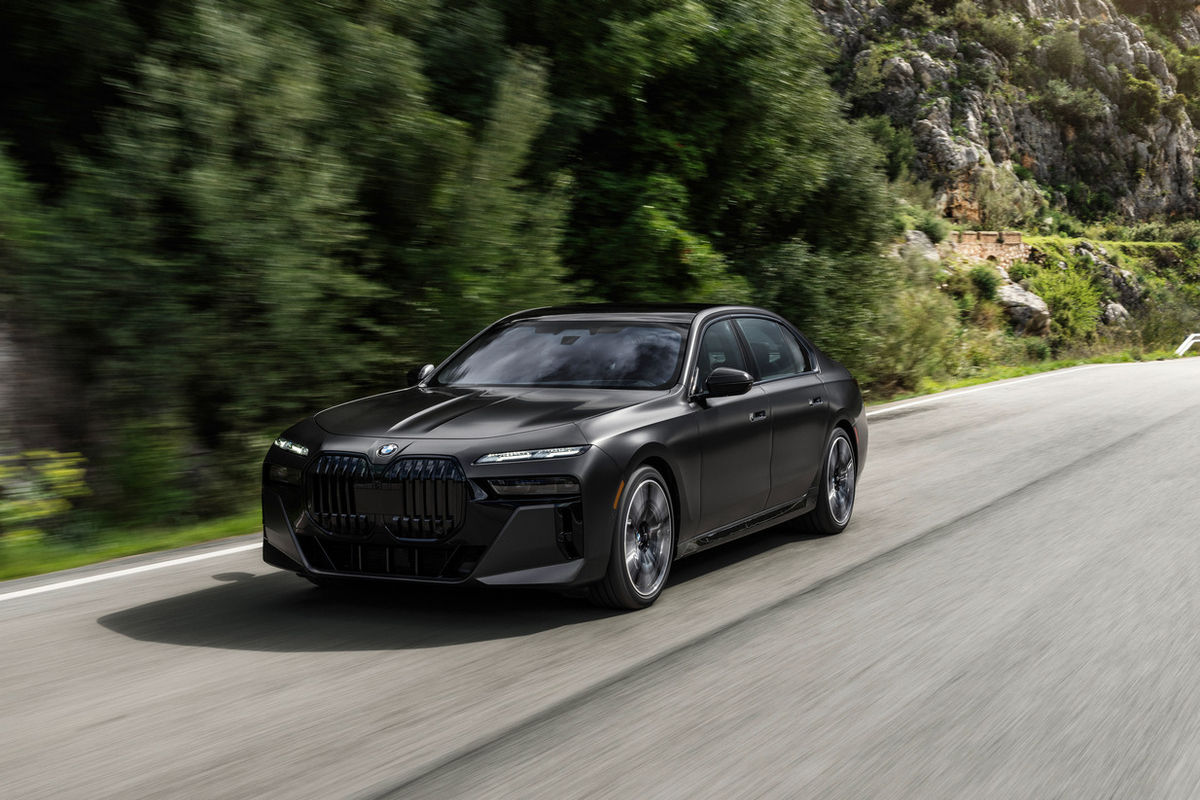
The BMW 7 Series is now in its 7th generation. The flagship sedan has always ushered in firsts for the brand, but is the new G70 model still relevant in an SUV-dominated era? We drove the newcomer in Palm Springs to see if it’s still the ultimate in BMW luxury. Local deliveries will commence before the end of 2022.
BMW 7 Series highlights package
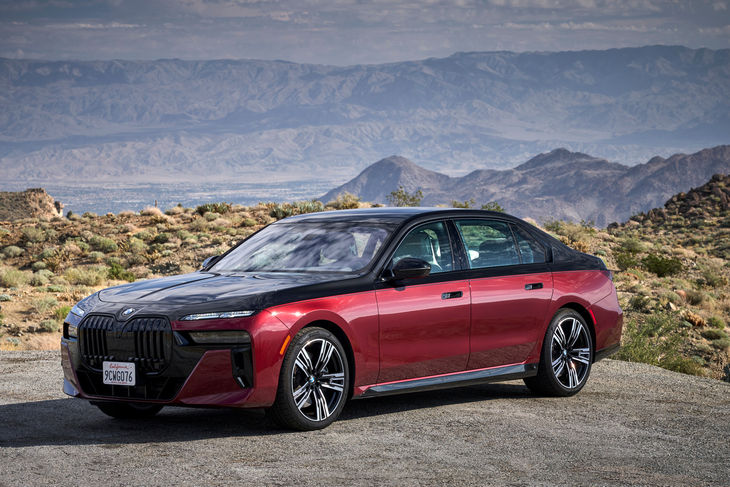
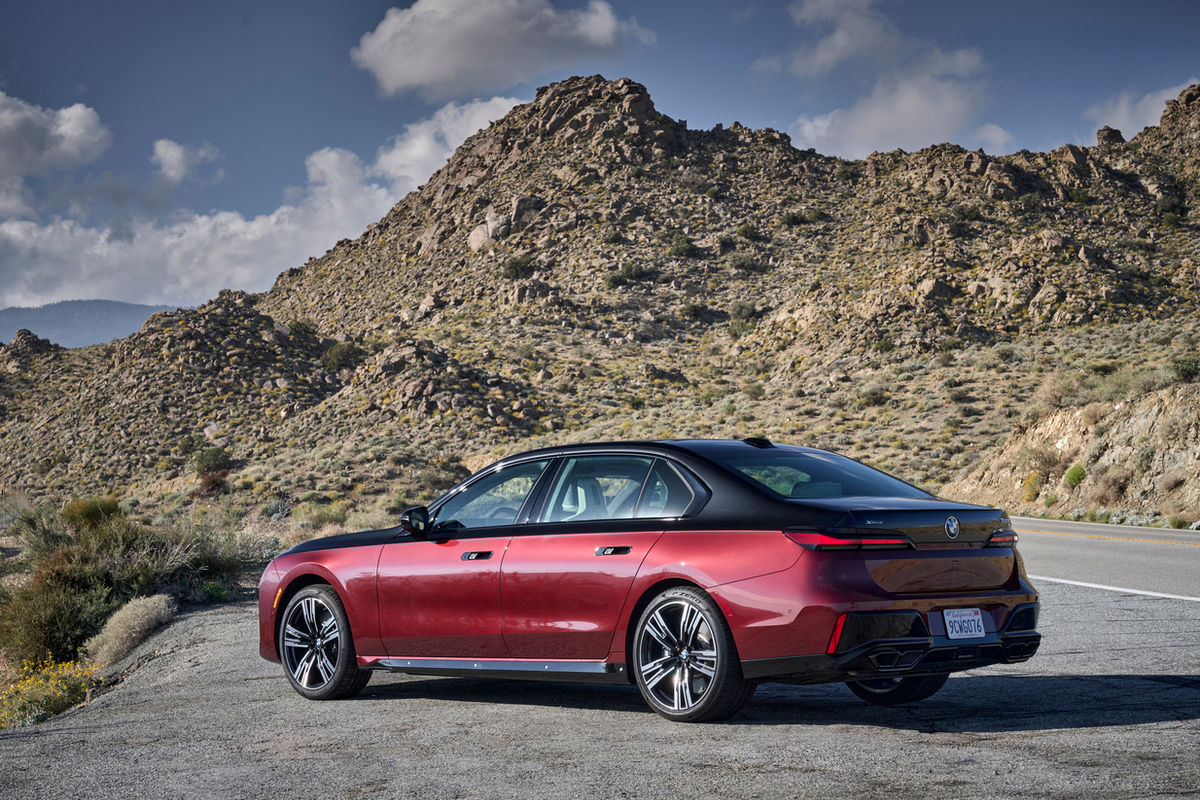
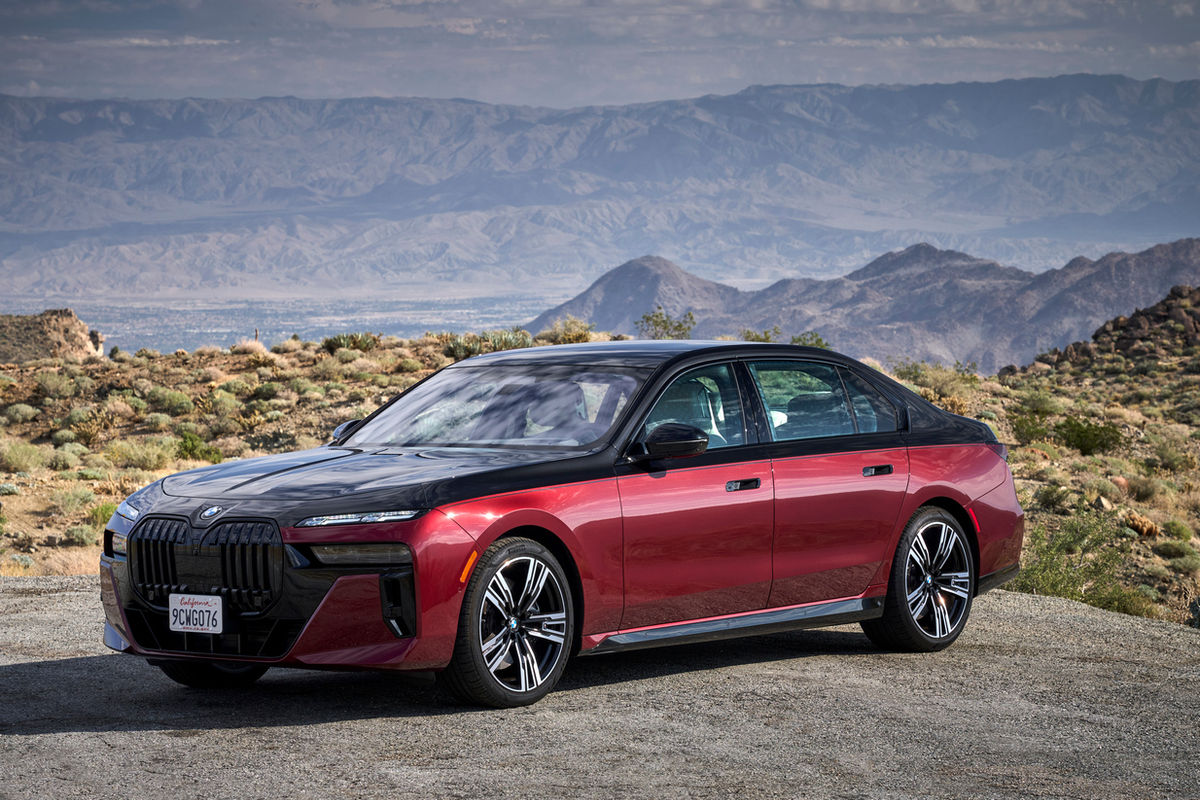
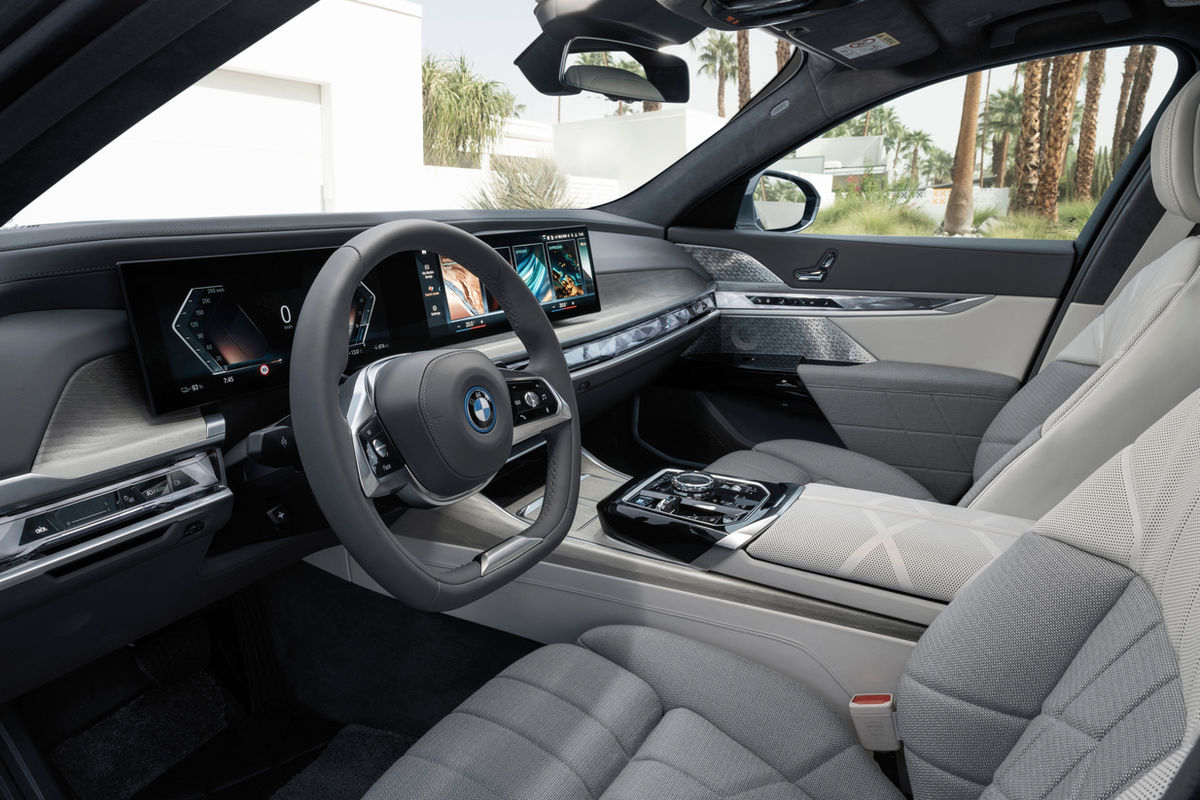
You can have the G70 7 Series in this two-tone paint scheme. Kashmir wool seats are optional.
One does not simply list the new things on a brand new 7 Series – the barrage of bullet points would be exhaustive and, besides, picking out the highlights of the G70 generation 1st-class sedan wouldn’t nearly do it justice. Nonetheless, I can tell you that the model range coming to South Africa will consist of the 740i, 740d and i7 derivatives, the latter of which will stand as the flagship.
Obviously, the design is a notable talking point, which I’ll come to later, but the 7 Series is now a much longer and wider vehicle than its predecessor. In standard guise, this new model is larger than the outgoing long-wheelbase 7 Series!
Much work has been done to improve the ride quality of the 7er, including modifications to the adaptive air suspension setup (standard across the range), while handling prowess benefits from the addition of 4-wheel steering.
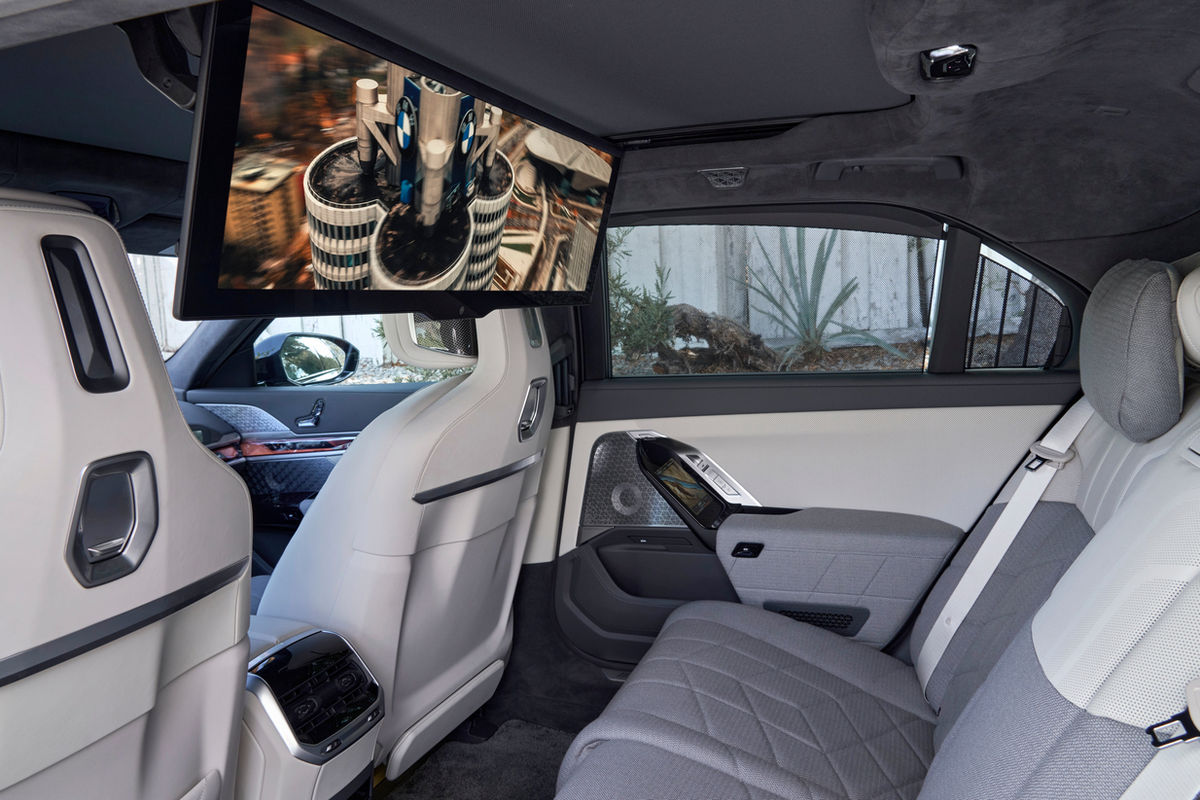
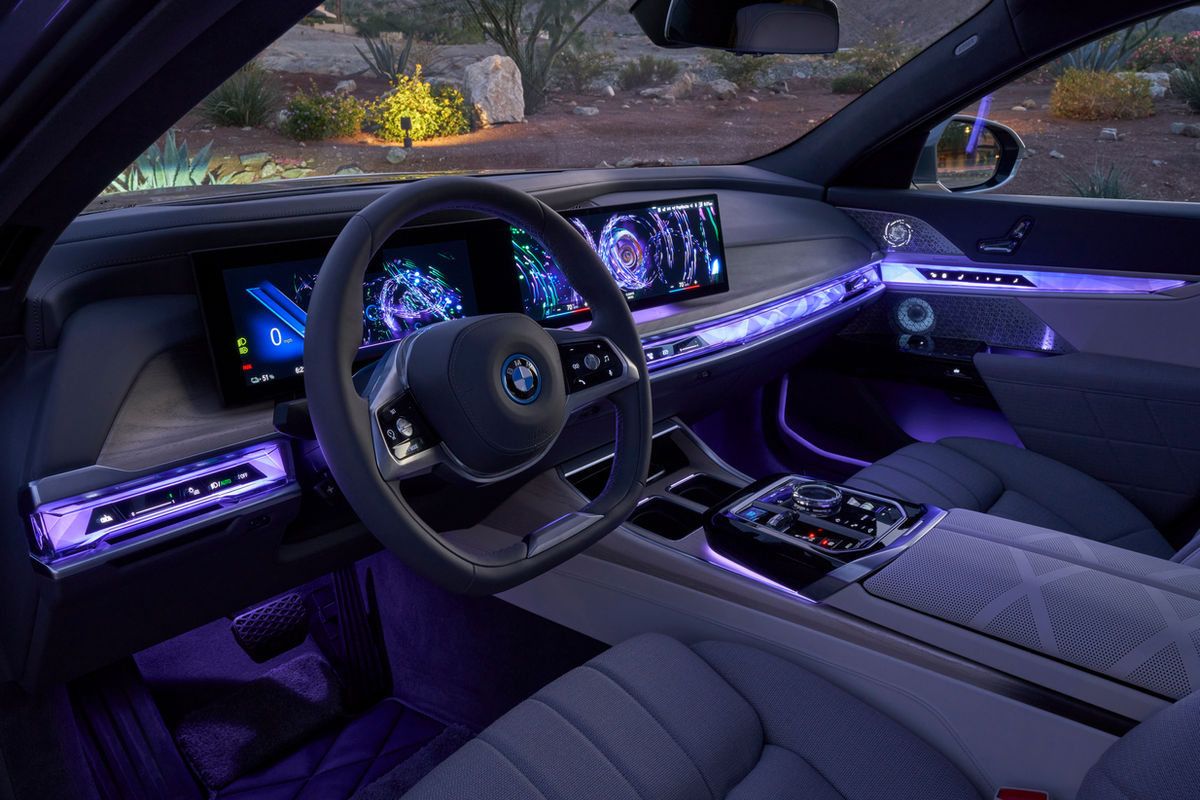
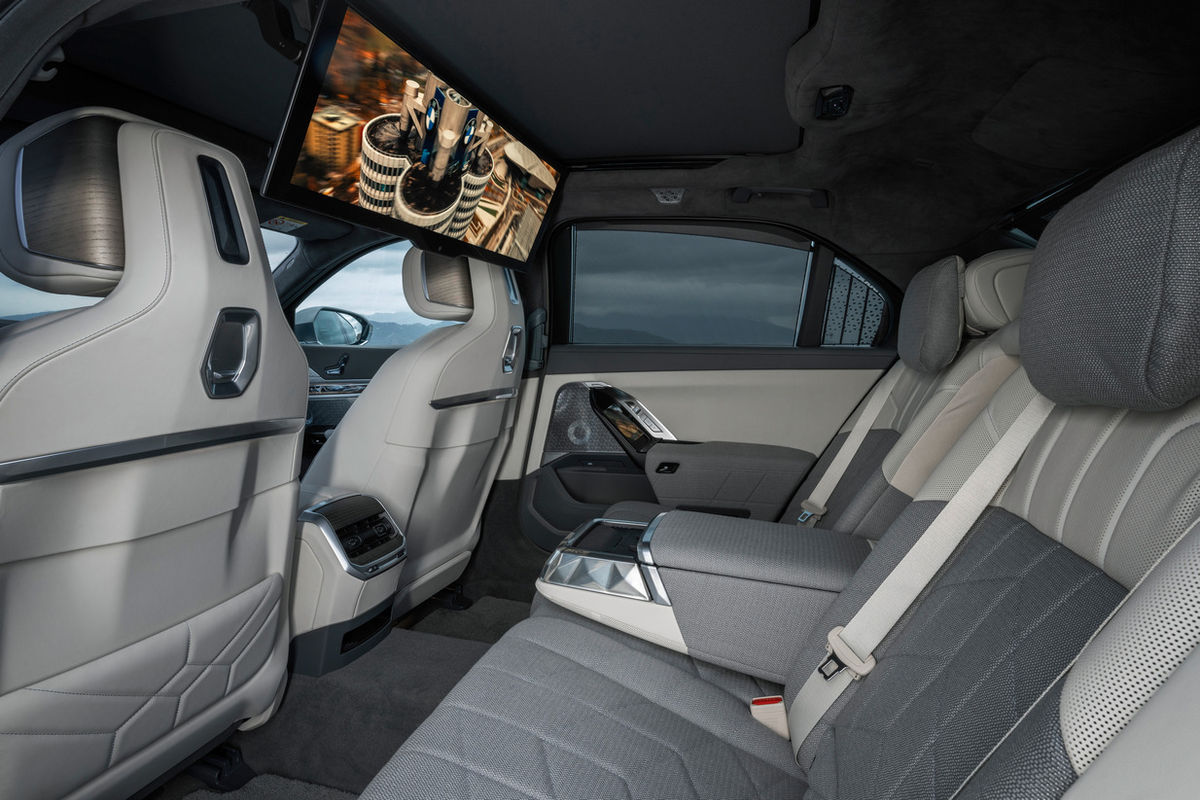
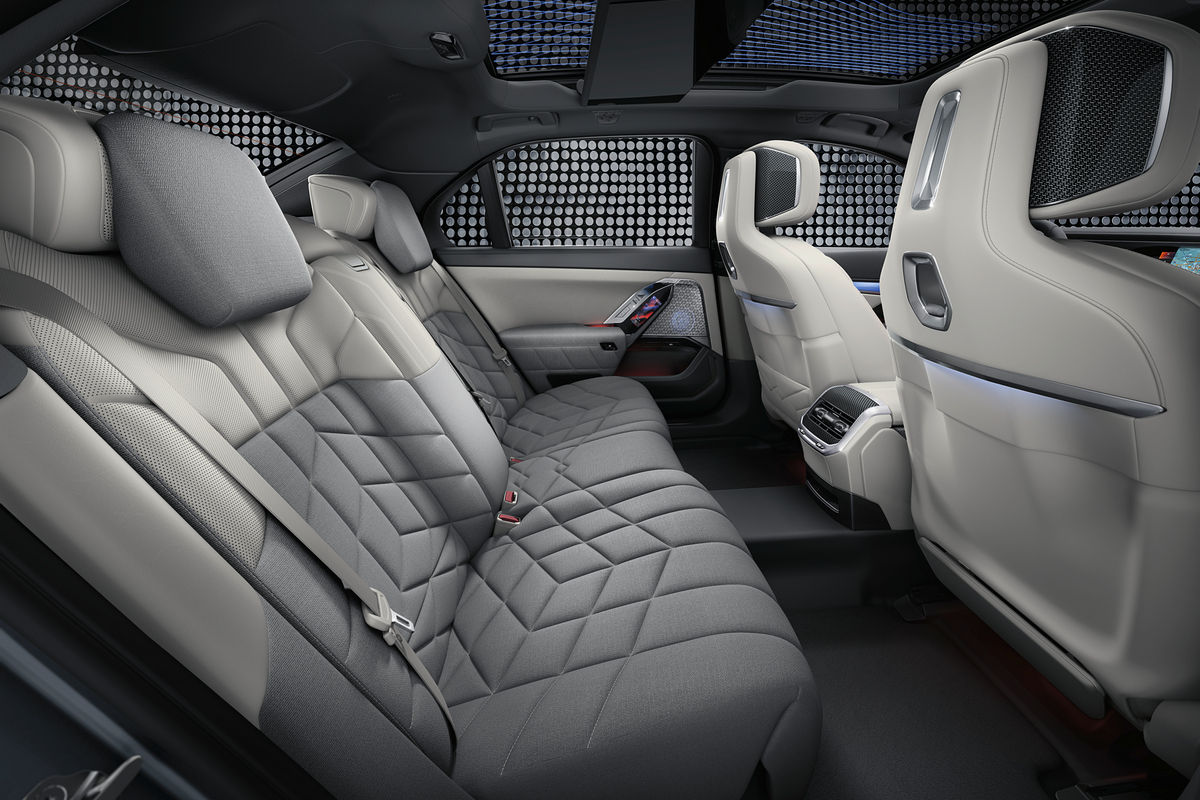
The interior of the new 7 Series, meanwhile, introduces a new cabin layout that will proliferate throughout the brand’s line-up in due course. The rear entertainment area hosts the coolest new tech advancement – aft passengers have access to a folding cinema-style TV screen that may result in more passengers fighting to occupy the rear seat than in any other vehicle ever.
Tell me about this rear screen
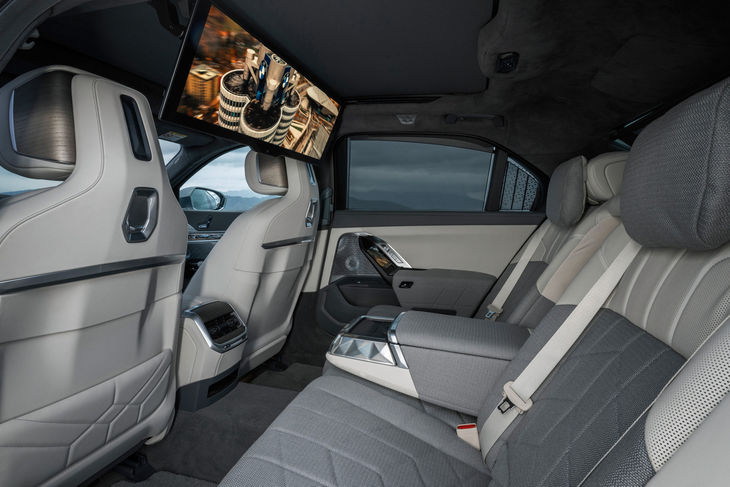
Watch Netflix/Amazon or Youtube on a massive 32-inch widescreen.
During the launch event, BMW asked journalists to sit in the rear seats of the 7 Series units to view the product presentation on the cars’ huge 31.3-inch screens! How novel… to think, I only upgraded from a 32-inch TV in my lounge a few years ago. The screen delivers up to 8K resolution and works via controllers in the door panel or touch inputs. You can stream anything you want. Simply log into your Netflix or Amazon account, and pick up where you left off in your lounge.
I thought it might actually cause a bit of car sickness for passengers, but because the screen is in front of you you can easily see the road below the screen and refocus your vision if you sense that motion sickness is setting in. Bowers and Wilkins provides audio tech in the 7 Series so the system provides amazing clarity and depth, although you probably want to use headphones rather than blasting Die Hard at max volume while the driver tries to concentrate on the road.
The rear entertainment screen folds flat against the roof when it’s not in use, but relax, fellow countrymen, you can have the sunroof open while using the screen (German marques often tease us about SA’s obsession with car sunroofs).
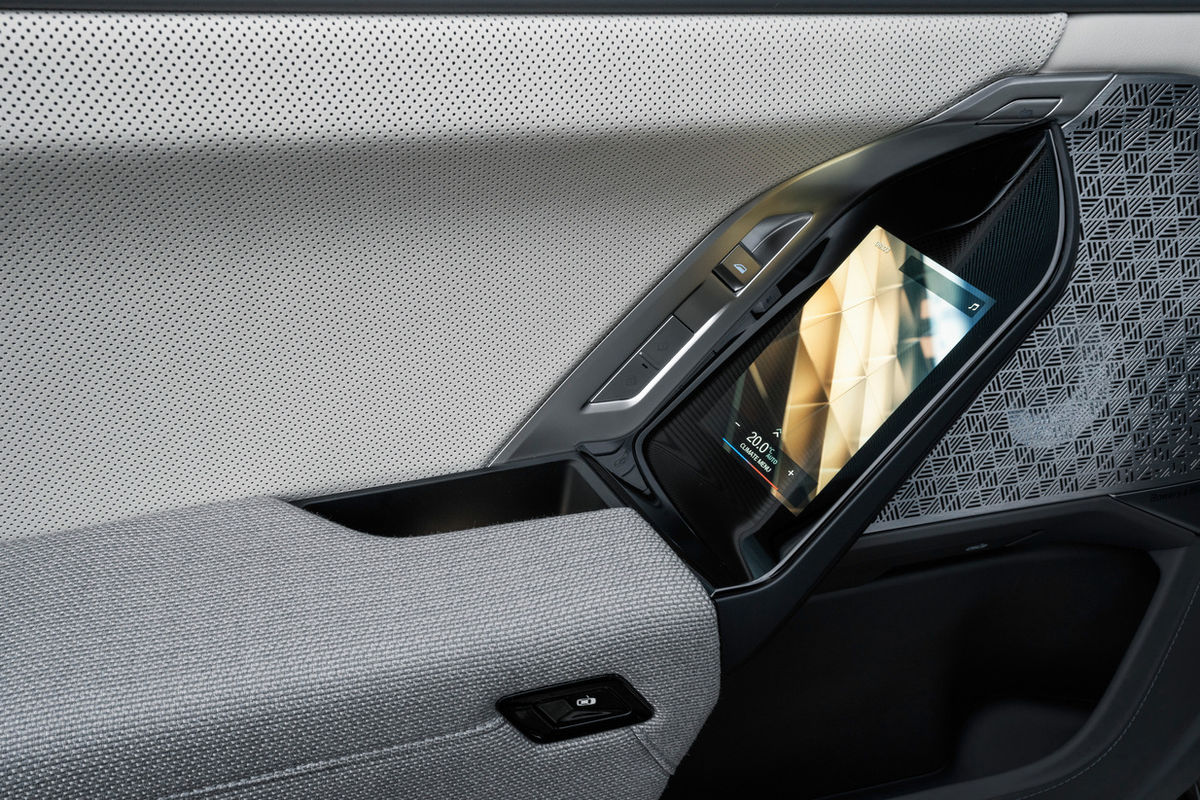
The controllers in the door are also new. They are almost like full-size smartphones docked in the door handle area and give you full access to vehicle apps, sunblind settings and just about everything the front infotainment system offers.
The 7 Series powertrains
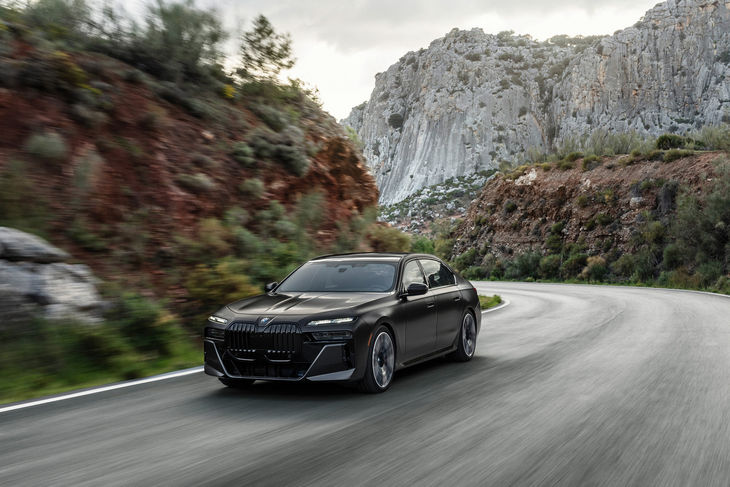
The 740i, 740d and the electric i7 will be available in SA.
Three drivetrain options will be available from launch, with the 740i’s 3.0-litre straight-six turbopetrol delivering 280 kW and 540 Nm of torque (the 48V mild-hybrid system can deliver 200 Nm from a standstill). The 740d, in turn, uses a 3.0-litre turbodiesel to punch out 220 kW and 670 Nm, while the all-electric i7 xDrive60 produces 400 kW and 745 Nm with a claimed range of between 591 and 625 km thanks to a massive 101.7-kWh battery.
I spent plenty of time behind the multifunction ‘wheel of the i7 and think I can confidently say that it will be the 7 Series of choice when it comes to market at the end of 2022. We will drive the model on local soil early next year.
See also: BMW 7 Series and i7 (2022) Specs & Price
Considering all the capital that’s required to procure a 7 Series, it’s more than likely that prospective buyers have already safeguarded their houses from the bane of Eskom’s load-shedding through various means and an integrated home-charging setup is all you need to reduce running costs significantly. The i7 also provides a talking point at social gatherings and provides a buyer with that cool, new-tech gadget that hardly anybody else has yet.
The only downside to the i7 is the added weight it carries due to the battery pack. According to the engineers the battery pack and electric drivetrain weigh around 700kg. Compare that to an ICE engine of say 150 to 200 kg (at most) and you can understand why no manufacturer has made a good job of producing a small battery-electric sportscar.
Heft aside, the i7 is impressively responsive and delivers the kind of effortless acceleration that premium-car buyers expect. It’s also immensely quick from a standstill, but executing “race starts” is rather contrary to the spirit of the 7 Series…
The optimal range of around 600 km seems a little bit optimistic, but 500 km would certainly be possible. I get the impression that if range indications didn’t fluctuate so wildly in EVs (especially the case in smaller models, but still), electric-car owners would be far less prone to experience range anxiety. To put things in perspective, you can lose about 50 to 80 km of range while ascending a 10-km mountain pass, but will have recovered about 30 km once you reach the other side because of regeneration on the descent. In a place like California, where charging stations are abundant (even in small towns) it’s easy to get a quick charge – even if it’s not at the 195-kW maximum charge capacity the 7 Series can take.
Address the design, please
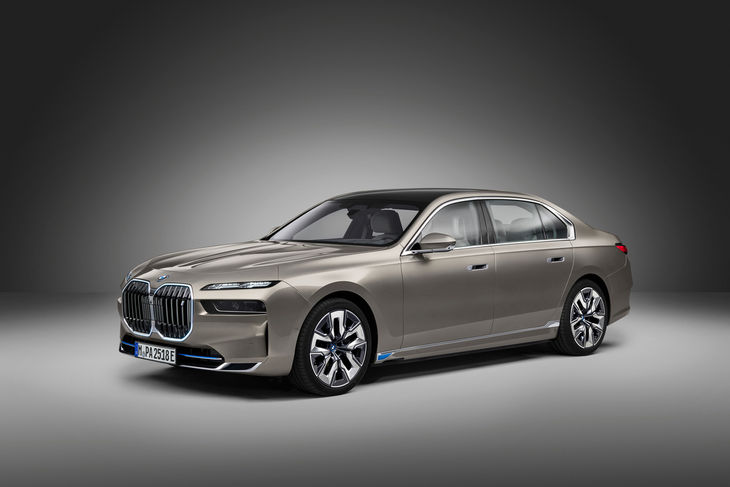
It might not be to everybody’s taste but the 7 makes a big statement.
That’s easy. BMW simply made a business decision with its 7 Series’ design – and that ginormous grille in particular. Forty-five per cent of all 7 Series units are sold in China, which is not only the biggest 7er market in the world, but twice the size of the next-biggest market. In China, the average age of a 7 Series buyer is only 38… in the rest of the world, most buyers are aged over 50! A 38-year-old does not want a stately-looking sedan (a sleeper), they want something that truly stands out, makes a bold statement, polarises opinion and expresses their personality. That’s why contemporary BMW designs (especially that of the 7 Series) challenge convention; the numbers justify the strategy – well, in China anyway.
It’s a bigger 7 Series, but does it handle well?
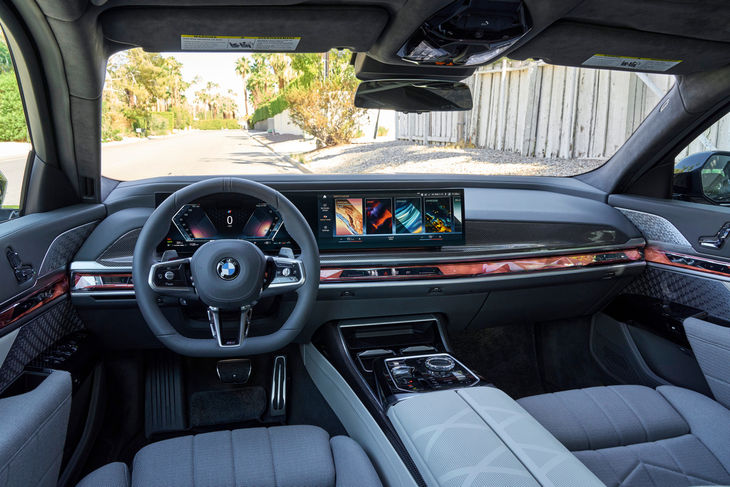
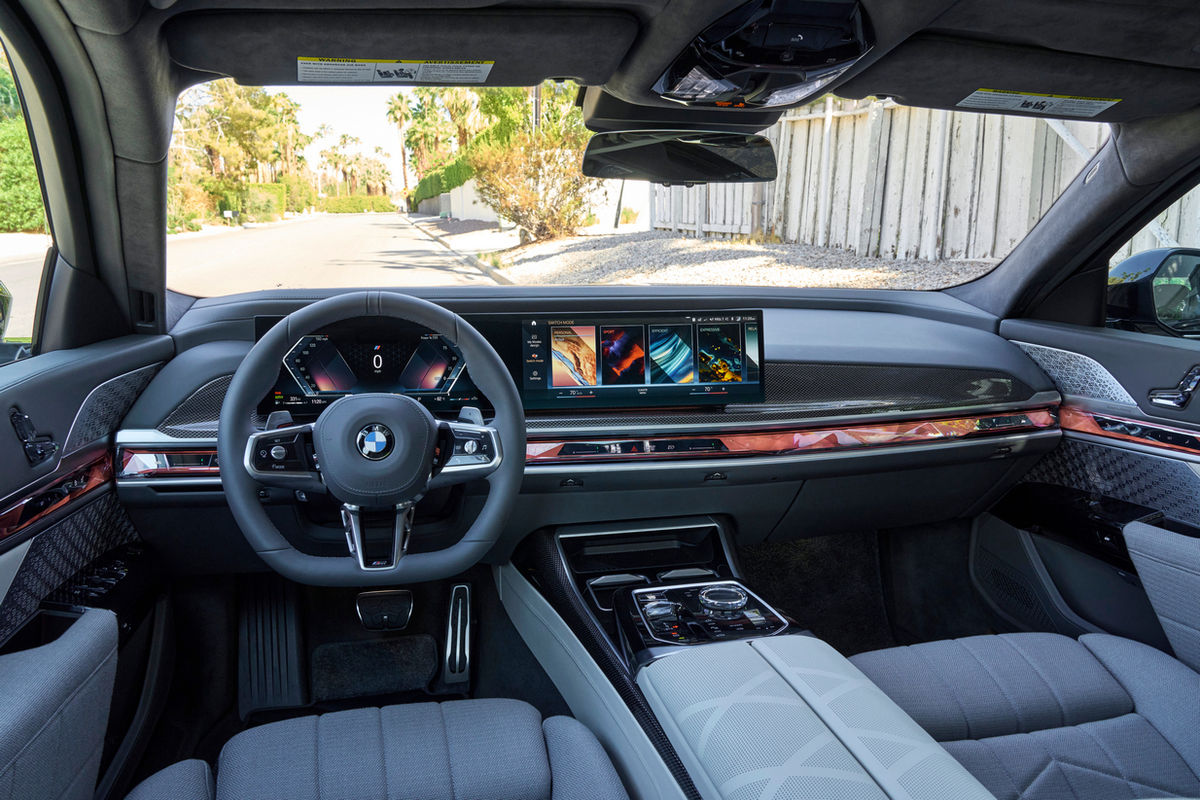
Big screens everywhere, plus a new operating system for the iDrive system that focuses on voice and touch commands.
In true BMW style, much effort has been devoted to ensuring that the person who occupies the driver’s seat feels as entertained as those ensconced in the rear seats, but in a much more immersive, involving way, of course. Everything – from the wheel- and adaptive air suspension to the brakes and (4-wheel) steering – has been redeveloped to facilitate an engaging driving experience, but not at the expense of on-road occupant comfort.
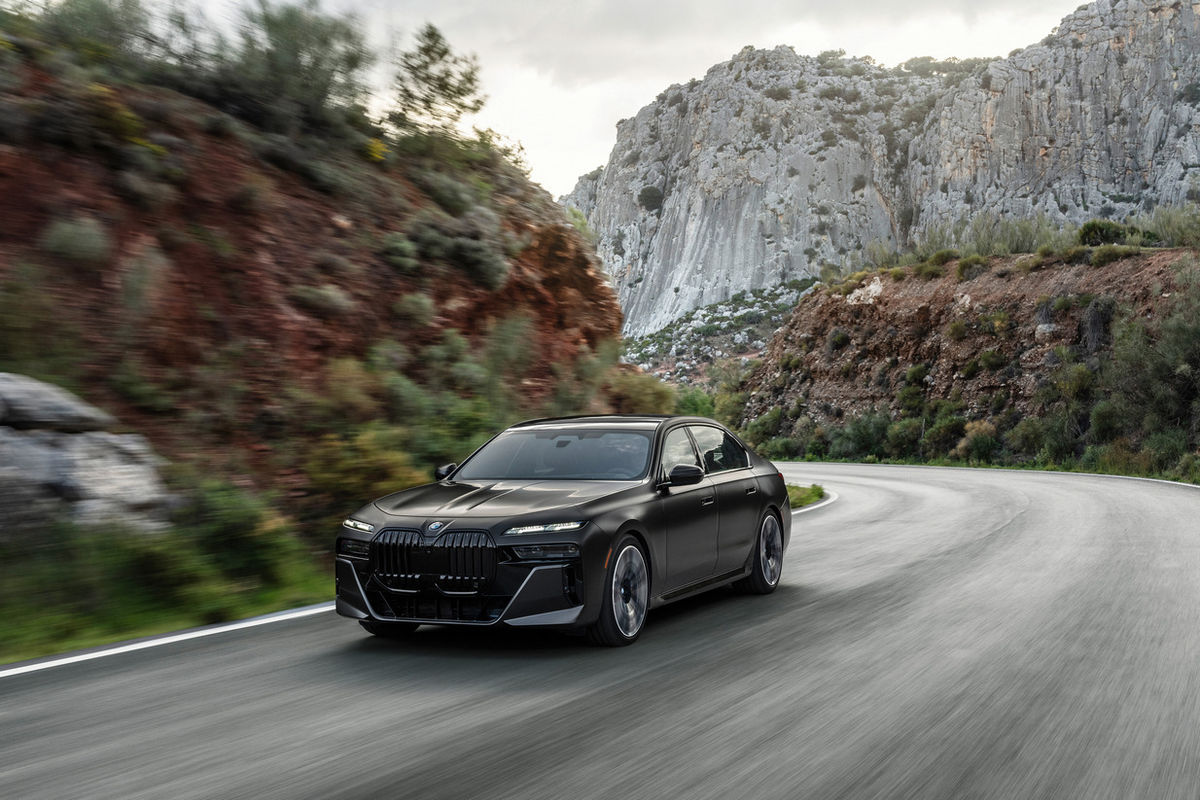
In my experience, long-wheelbase cars tend to struggle to iron out small bumps and other road surface imperfections but, the G70-generation 7 Series’ adaptive suspension is managed at each individual wheel and absorbs both smaller and larger bumps effectively. In a similar vein, the air suspension is set up at each wheel and works to level the car out, reducing body roll to an absolute minimum. The 7 Series really does feel like it floats along on a cushion of air.
I was very impressed with the way it handled a very tight and twisty mountain pass along our set route. It neither felt too big for the road nor a chore to drive at a livelier pace. Granted, it’s not as good as its 3 Series business-class sibling in that regard, but it’s certainly capable if you want to make the most of the most scenic (or serpentine) part of your journey.
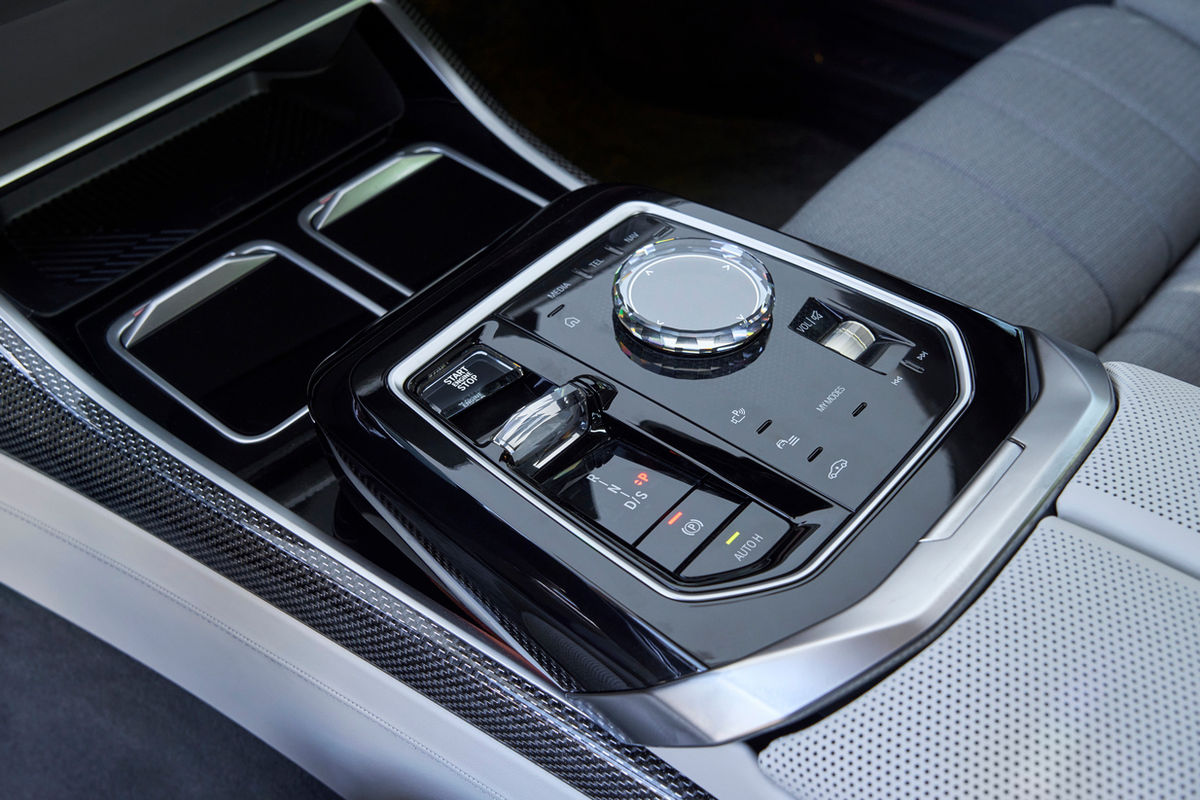
As is the case with the facelifted X7 first-class SUV, the 7 Series features the new iDrive operating system, which introduces the “My Modes” personalisation system, where multiple preset modes are available in addition to individual mods that allow you to personalise your driving setup. Apart from making drive-mode-related setup tweaks, you can adjust everything from the ambient LED lighting to the seats’ massage functions.
The new OS8 operating system is vast and it took me a bit of time to work my way through the menus and select shortcuts to the info that I wanted. The good news is that the interface is very much like that of a smartphone – you can drag icons and often-used items onto shortcut panels or homepages etc.
Summary
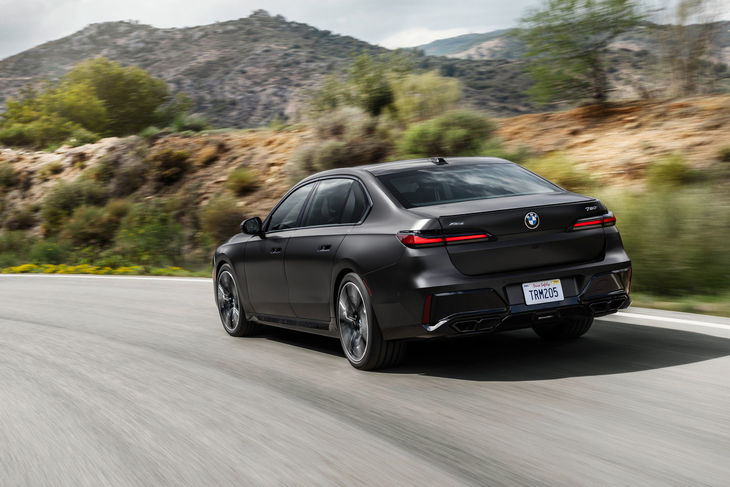
The new 7 is a technological marvel, but it’s the rear seat entertainment that amazes.
It’s truly difficult to differentiate BMW’s flagship sedan from its peers. Contemporary upper-luxury (1st-class) sedans are all exceptional to drive; they feature the most up-to-date tech, high-end materials and opulent finishes, plus they afford their rear occupants lavish comfort and entertainment features. The new 7 Series has managed to step up the game in each of those areas and stands above all its rivals in terms of rear-seat wow factor.
Having the added attraction of an all-electric derivative – the i7 – also gives the new 7 Series somewhat of an edge over its competitors. Early adopters of advanced tech in South Africa tend to be those that can easily afford the latest and greatest (of everything, really) and the associated social standing of owning an electric car might just convince buyers to look past the G70 model’s polarising exterior design, which is subjective anyway.
What’s that saying? “If you’ve got it, flaunt it!”
Related content:
BMW X7 (2022) International Launch Review