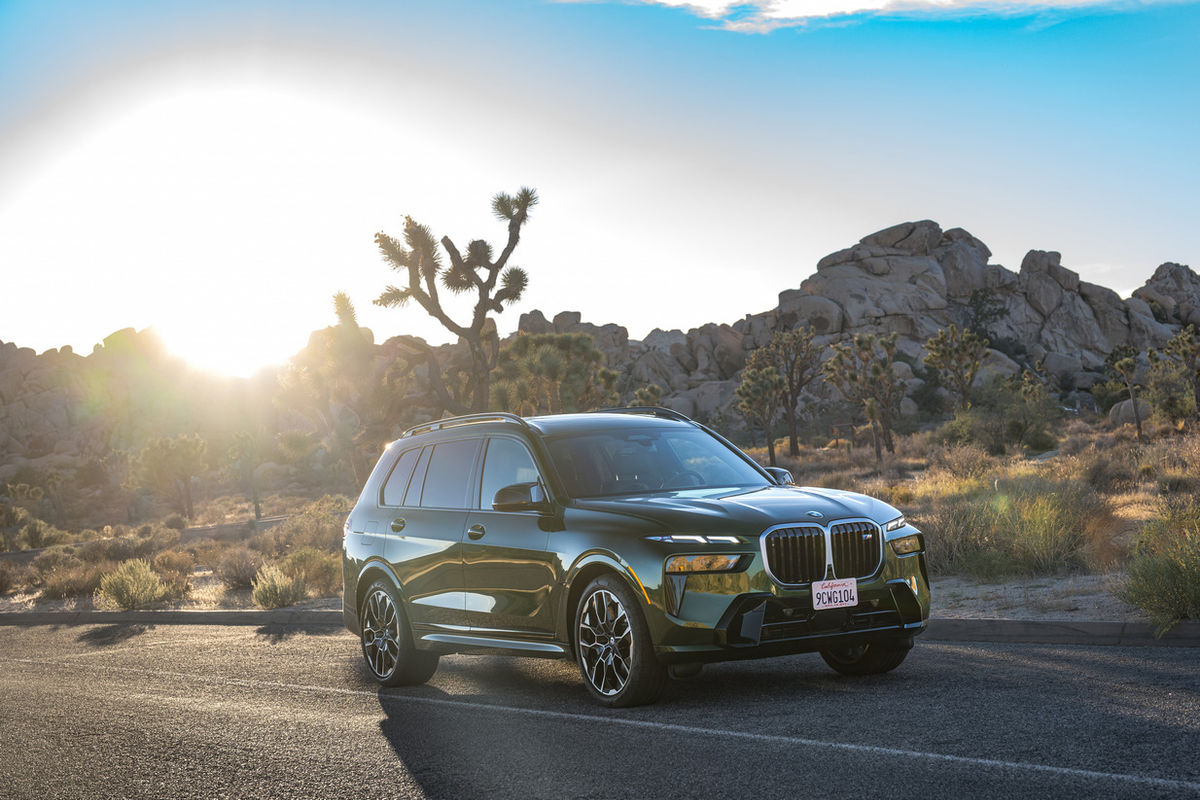
BMW’s biggest, most luxurious SUV has been refreshed and will be available in South Africa in 2023. We had a chance to drive the revised X7 at its international launch in Palm Springs, California.
What’s new with the X7
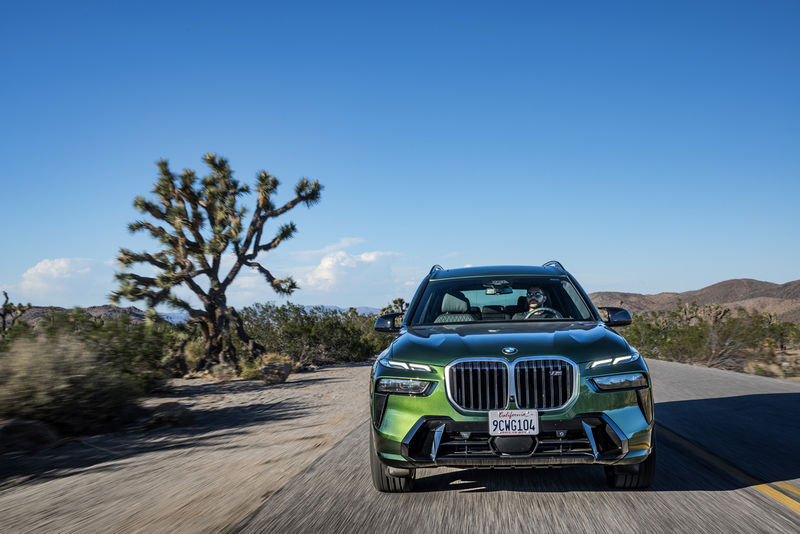
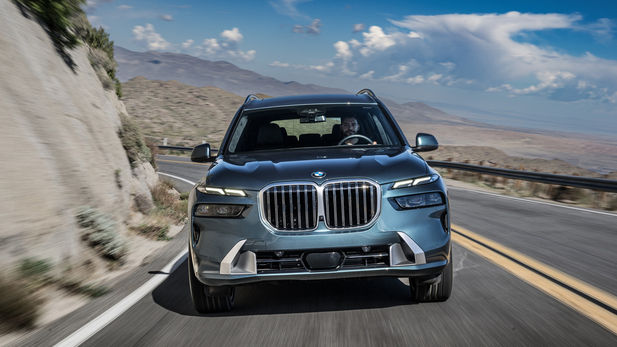
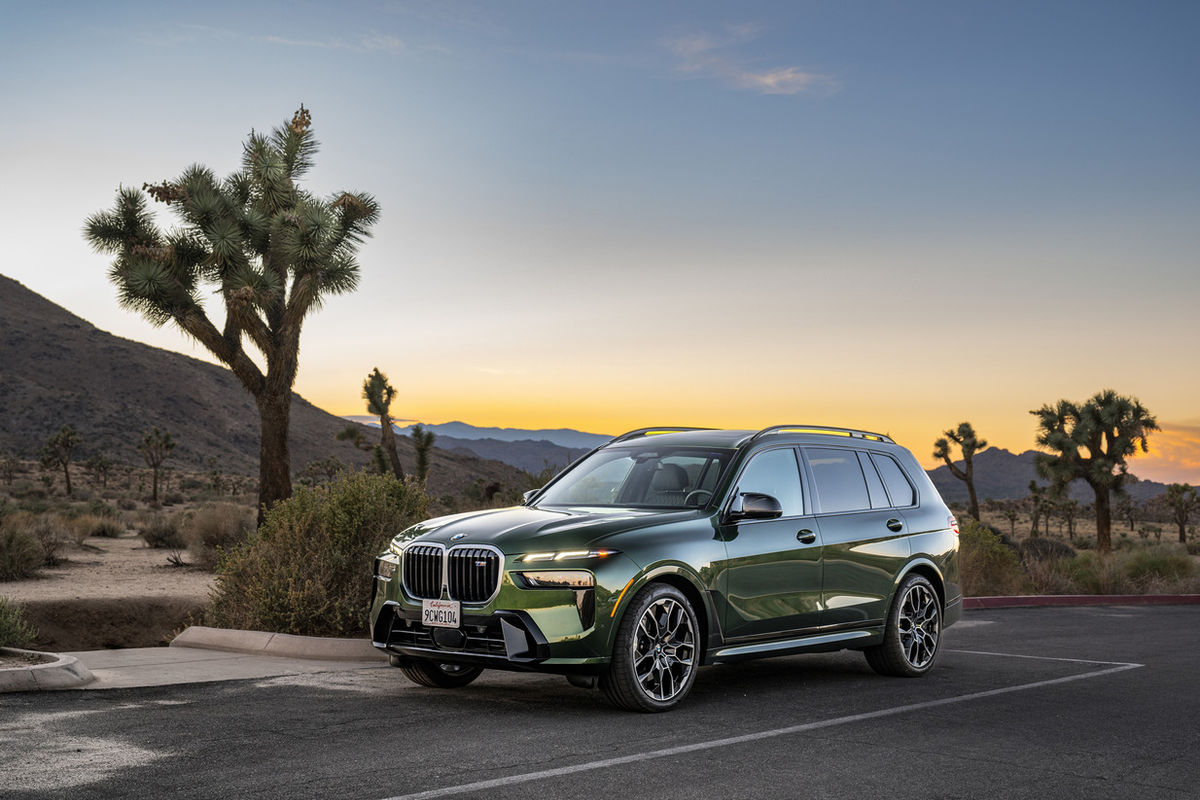
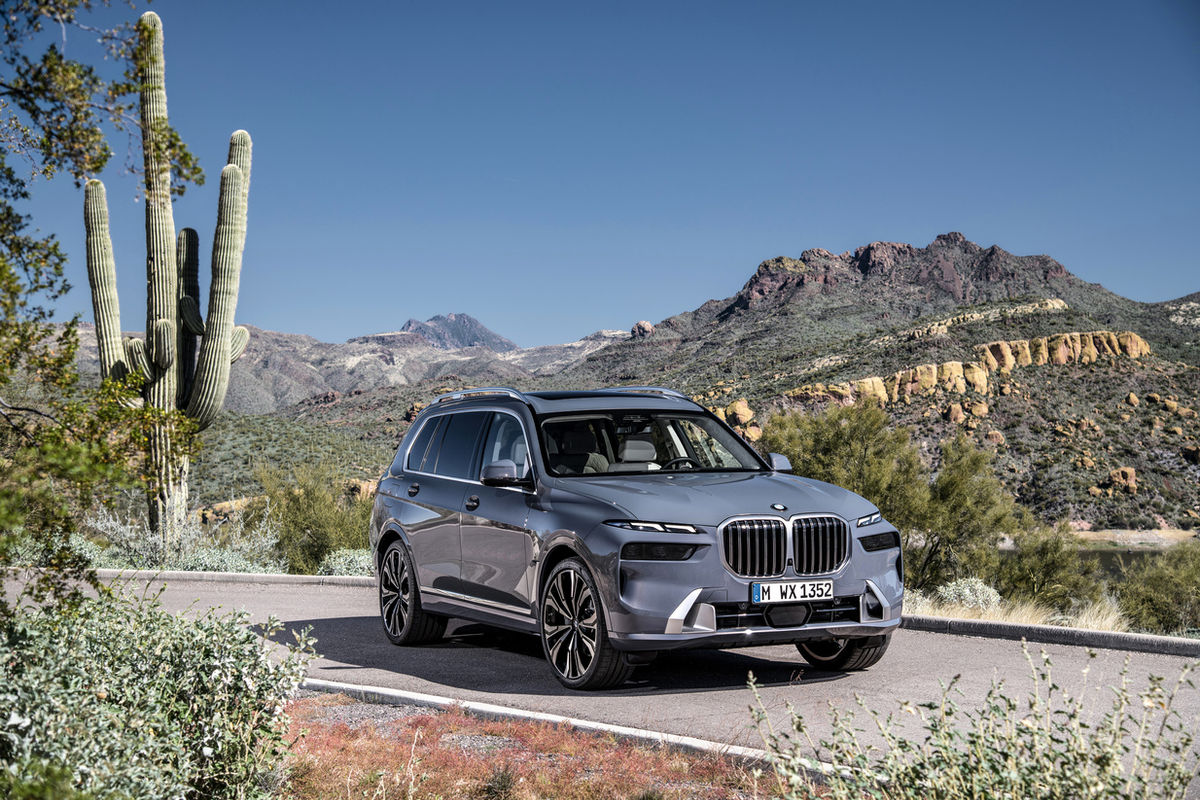
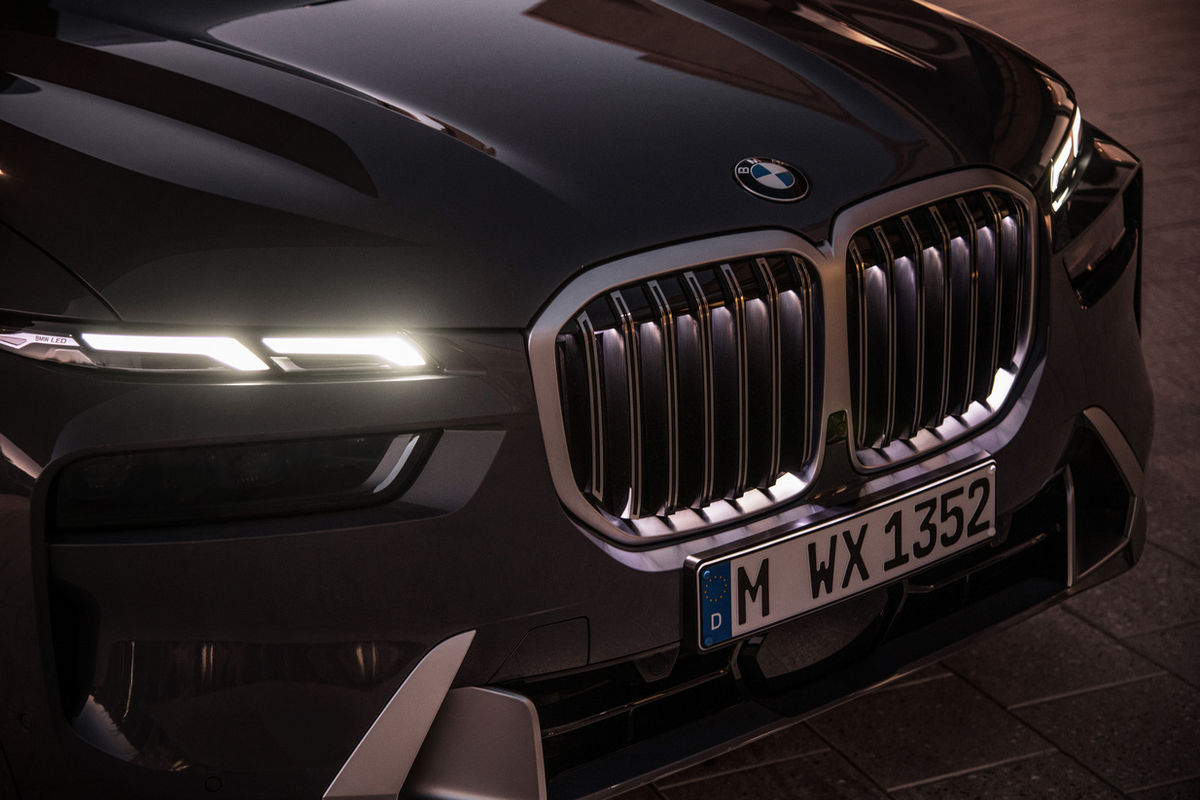
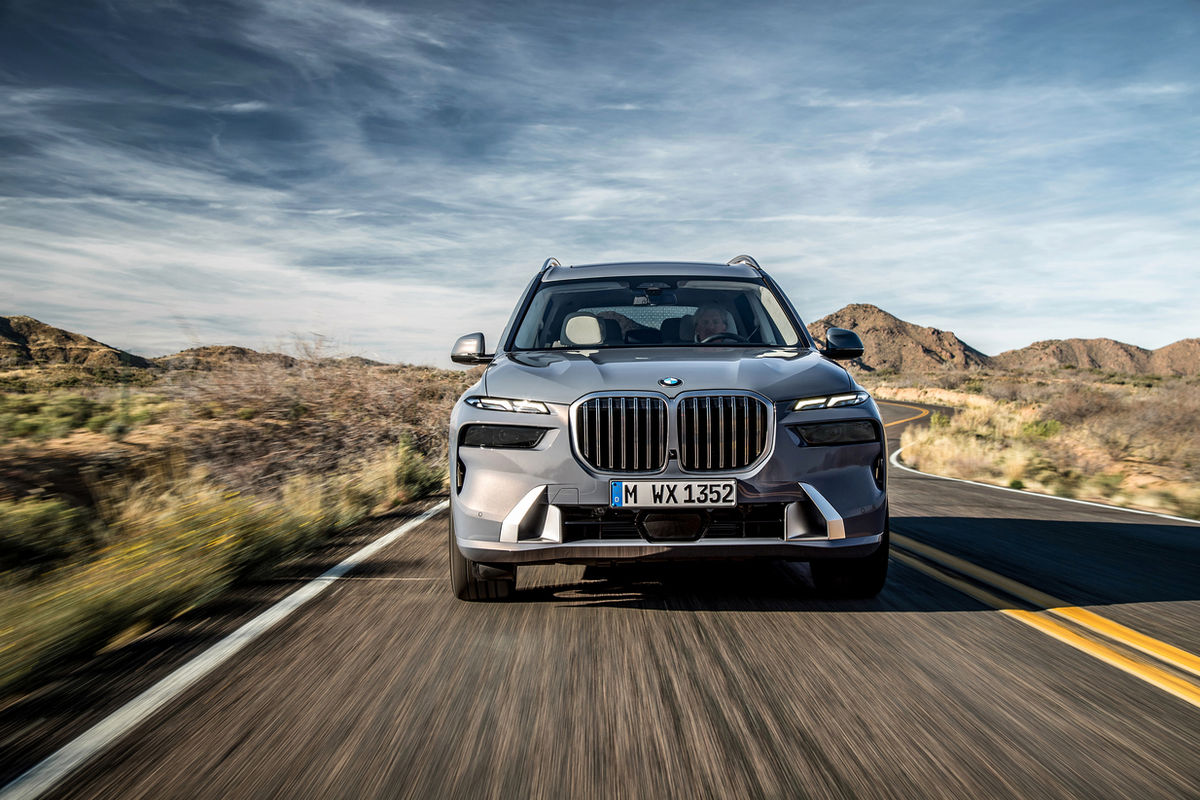
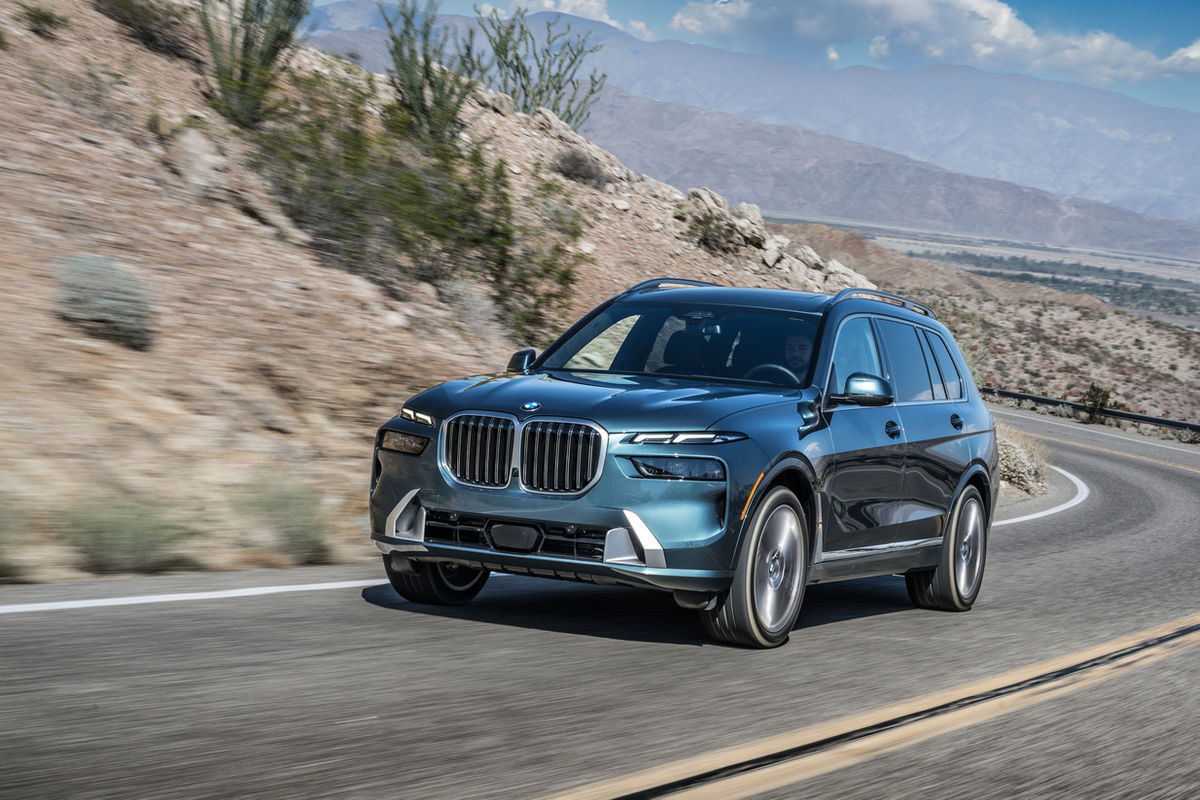
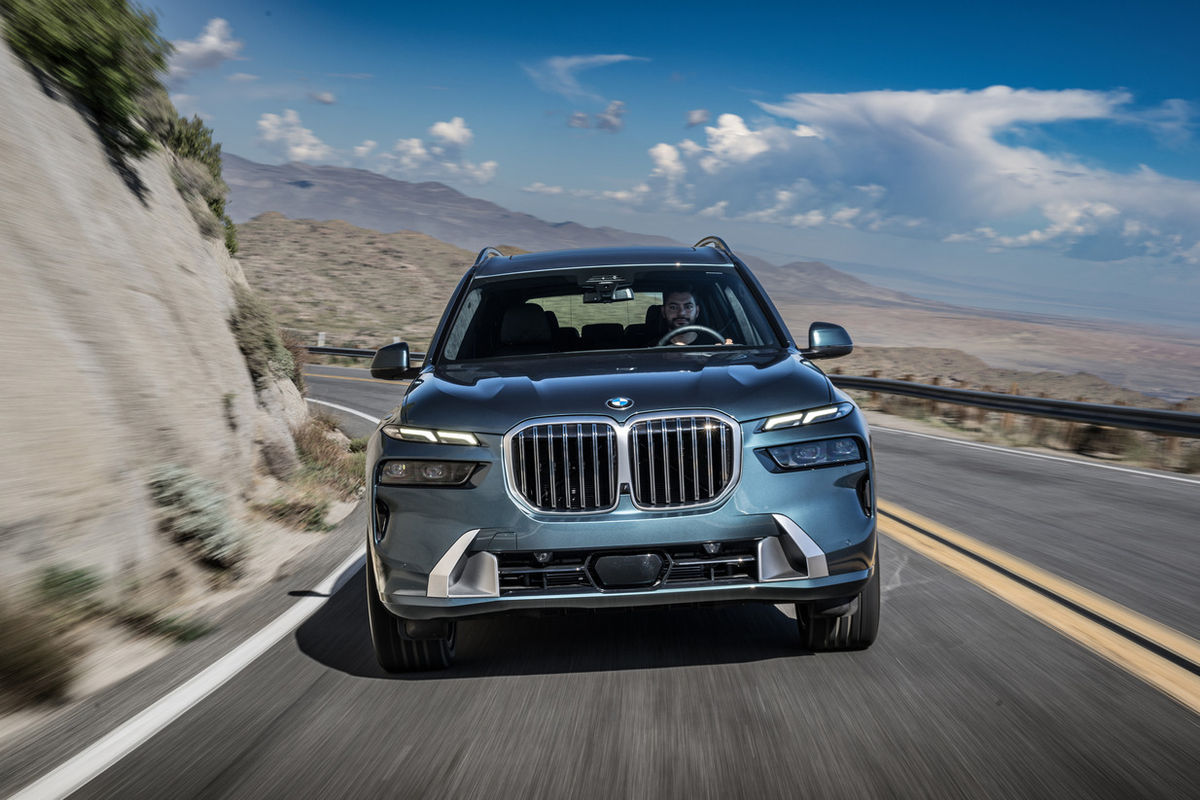
The split-headlight design is carried over from the new 7 Series.
Upon its unveiling in 2018, the X7 represented a step into the unknown for the Munich-based brand, which had achieved runaway success with its X models, but never pushed into the super-luxury market with any of them. Fortunately for BMW, it hit pay dirt with the X7, because the first-class SUV has proved popular, especially in Asian markets, where its bold design (dominated by the then-controversial oversized double-kidney grille) garnered many fans – and buyers.
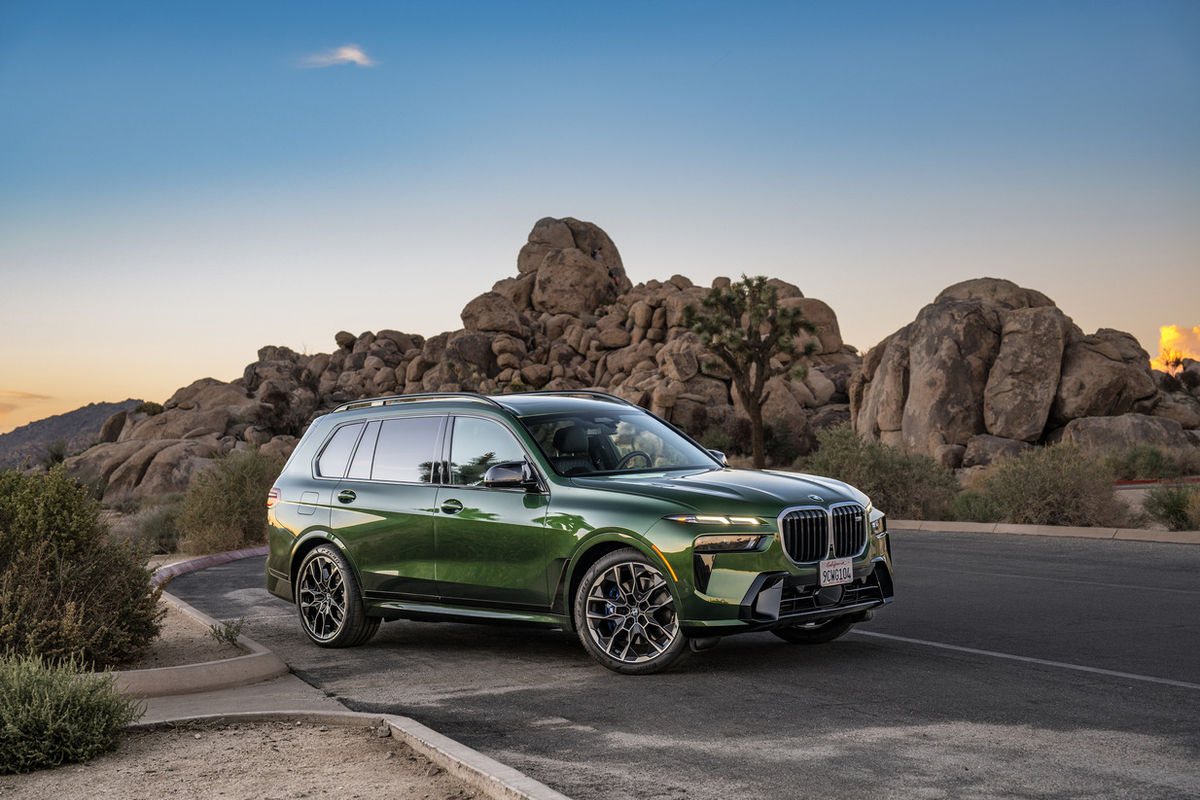
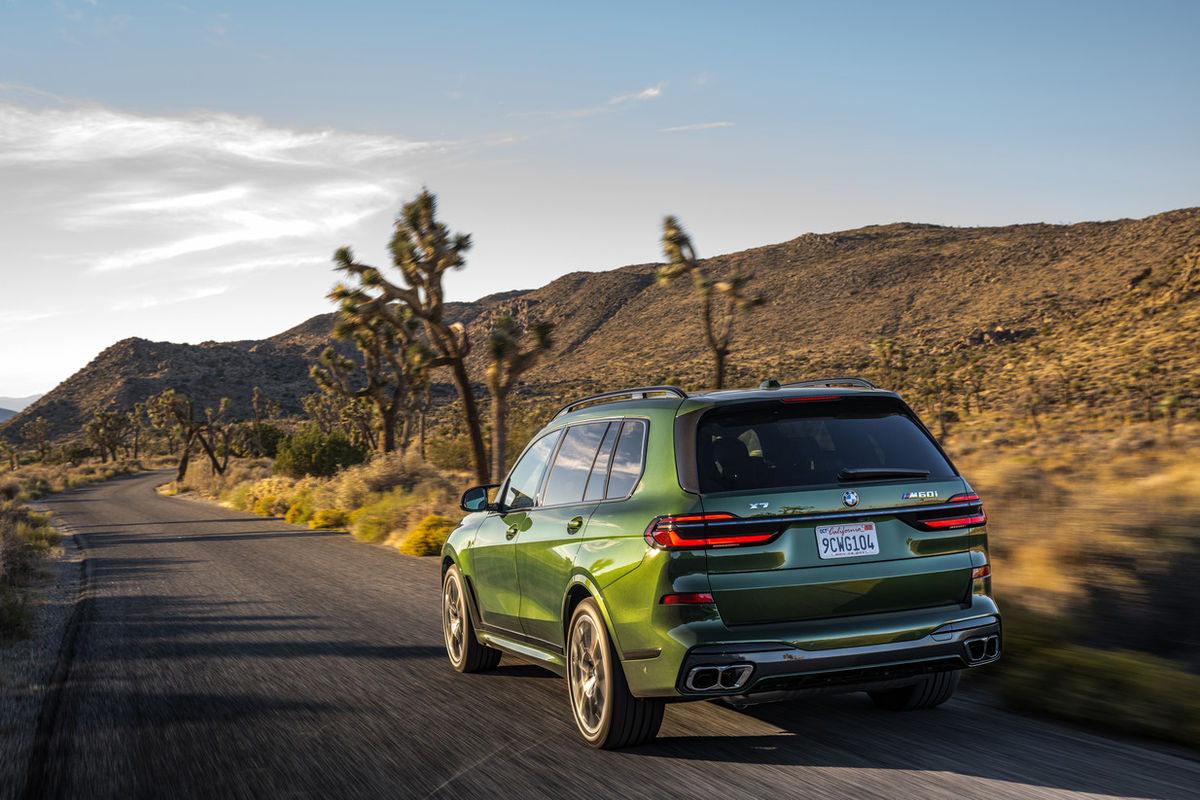
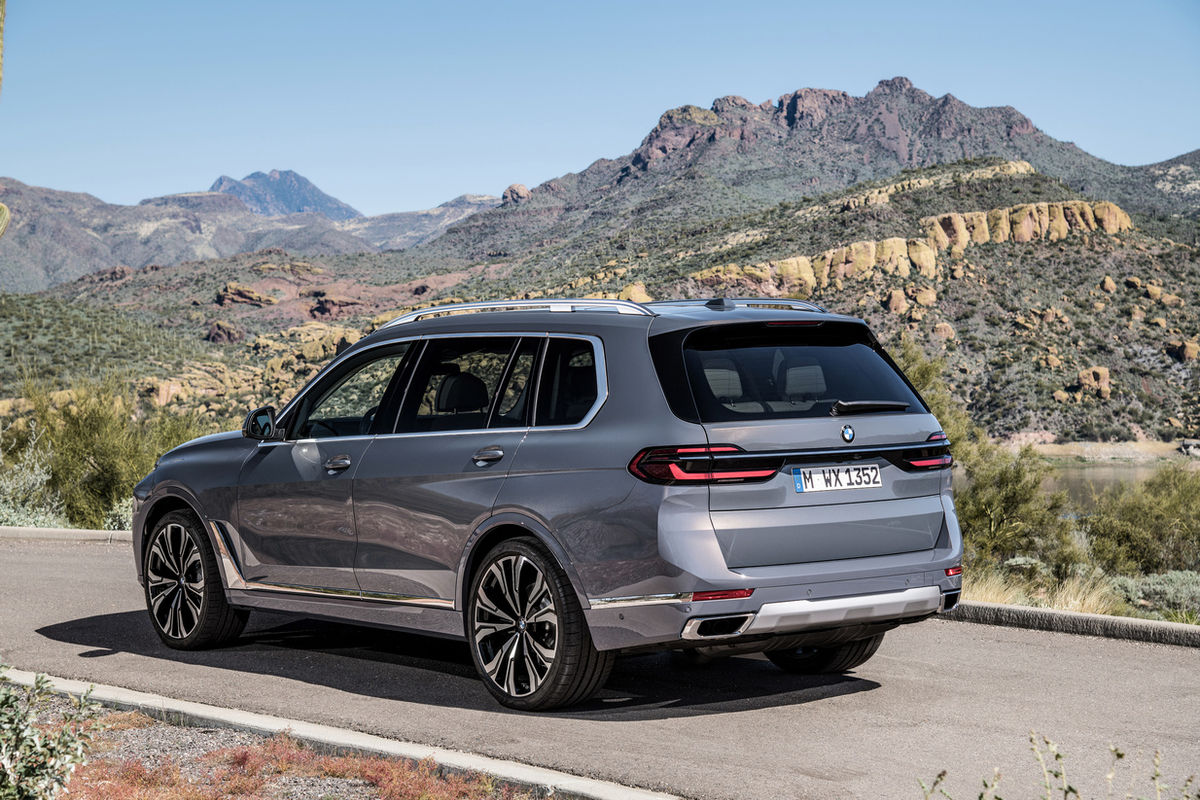
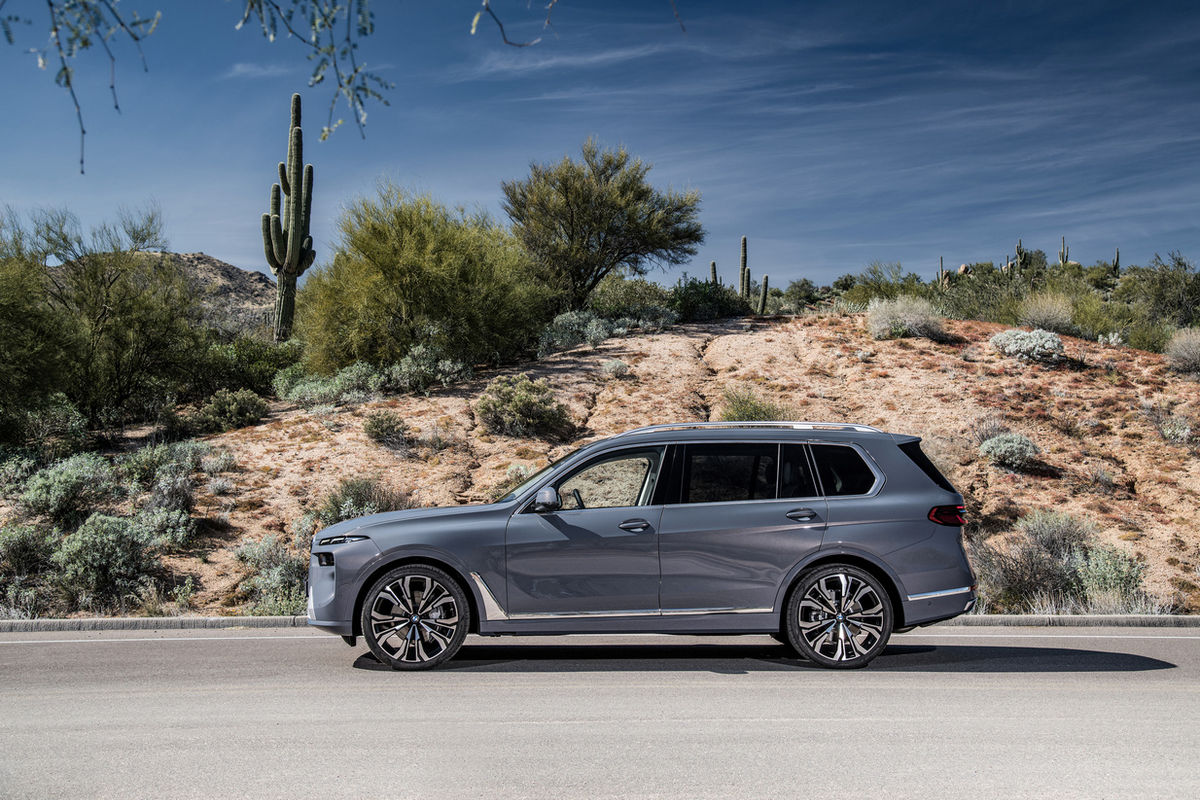
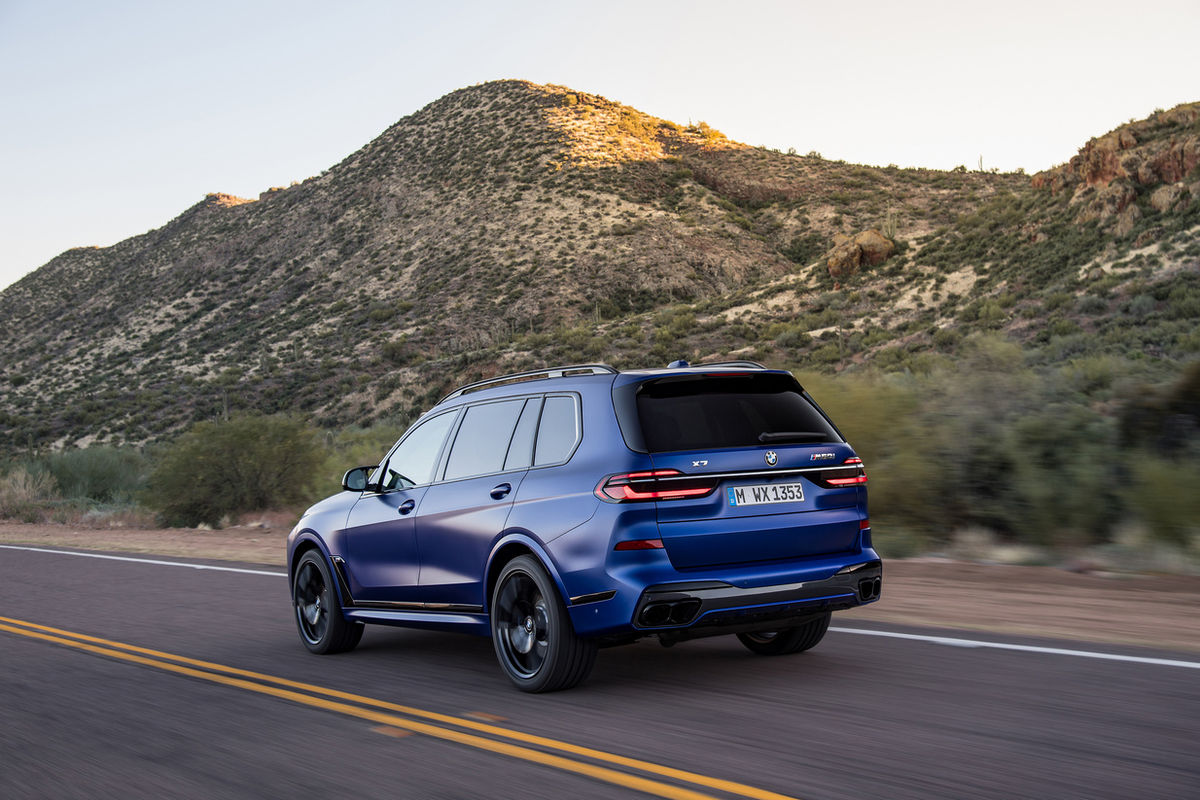
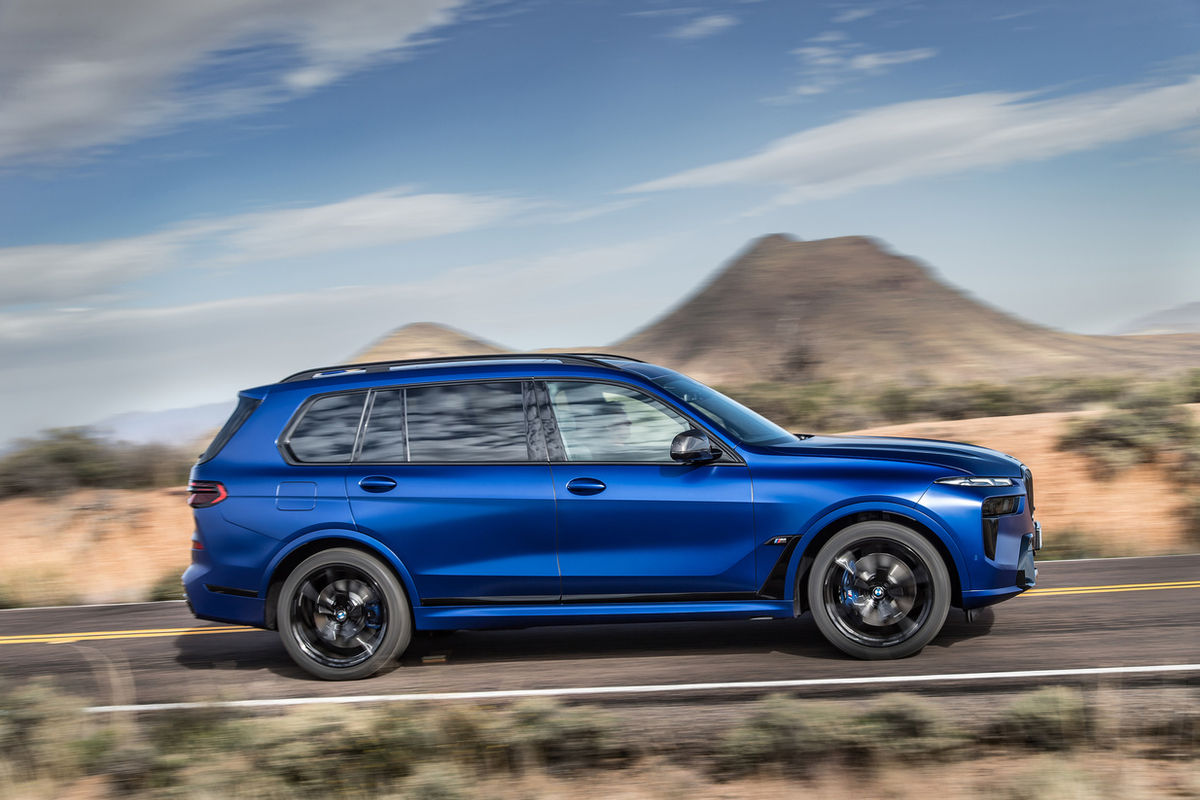
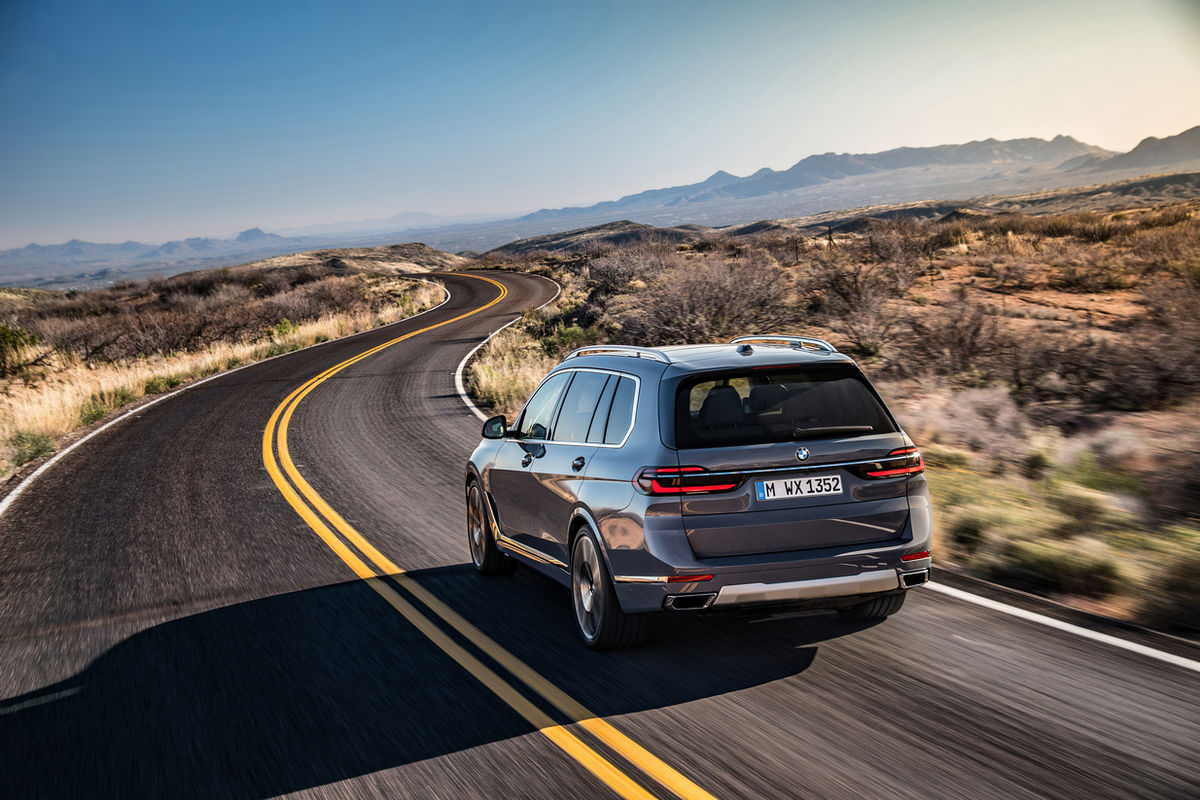
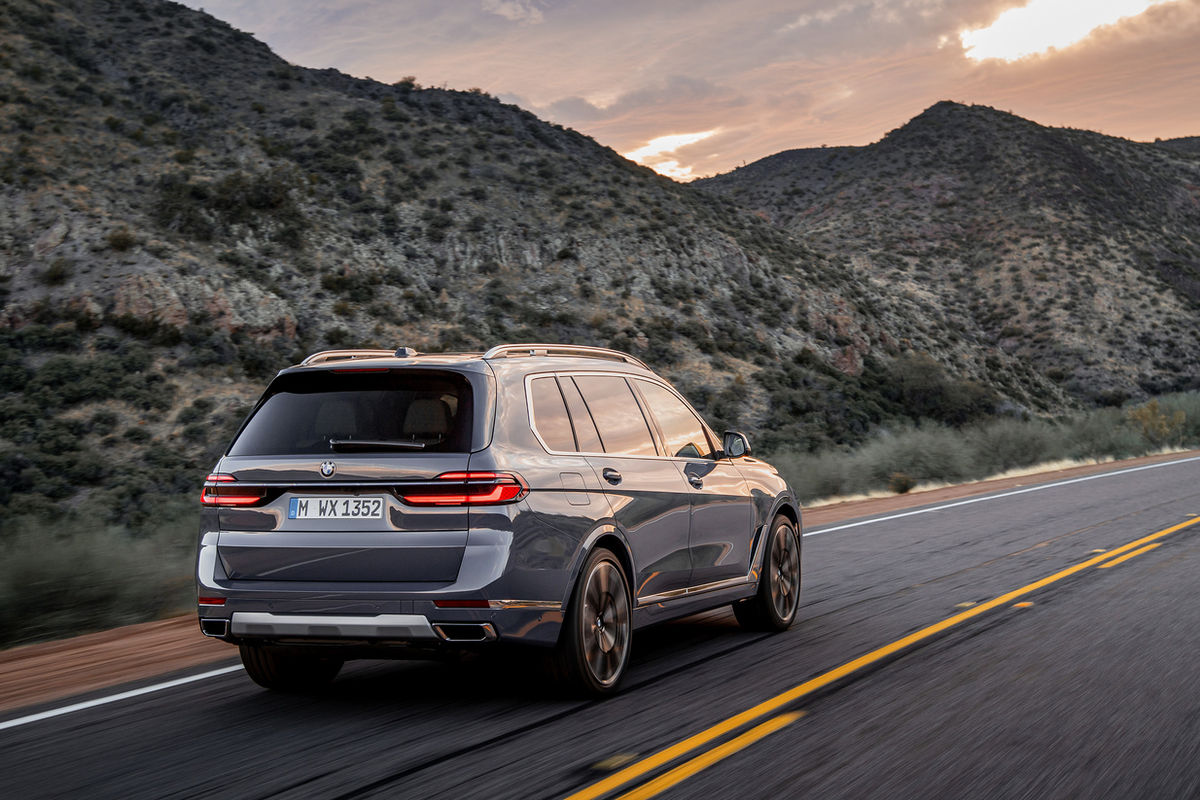
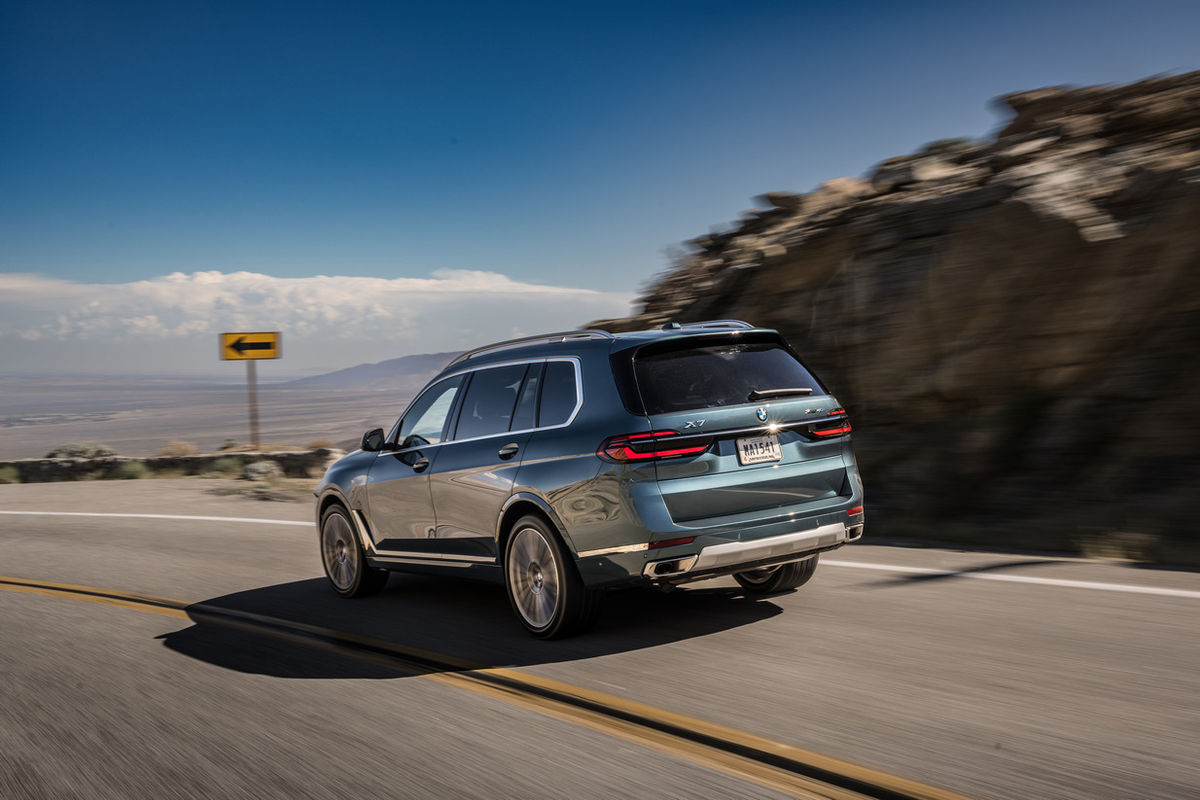
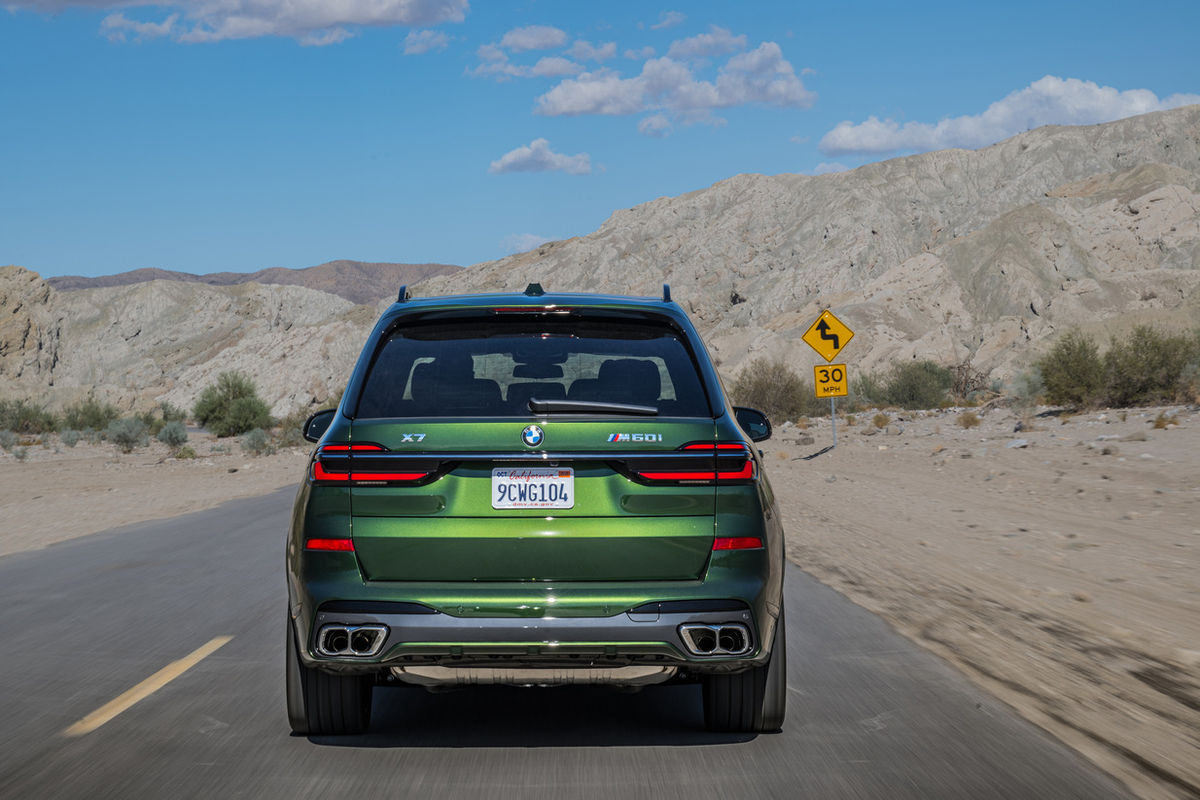
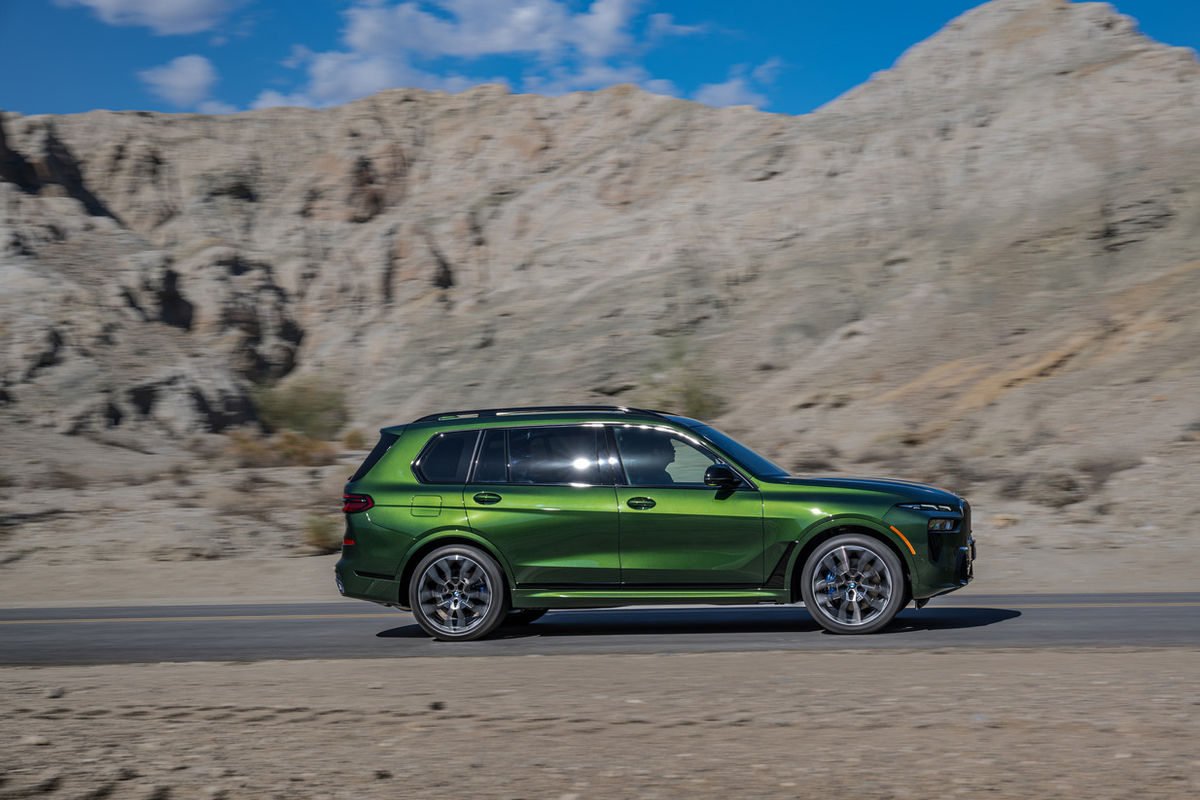
The quickest way to distinguish the updated X7 from its predecessor is by the split-headlight design, which it carries over from the new 7 Series (G70). M Sport and M Sport Pro packages add a bolder exterior treatment with more blacked-out surfaces, while 23-inch rims are now the largest wheels in the range (up from the pre-facelift’s 22s). As for the rear, a new 3D graphic for the light clusters – and an aluminium strip that links them – are the most significant revisions.
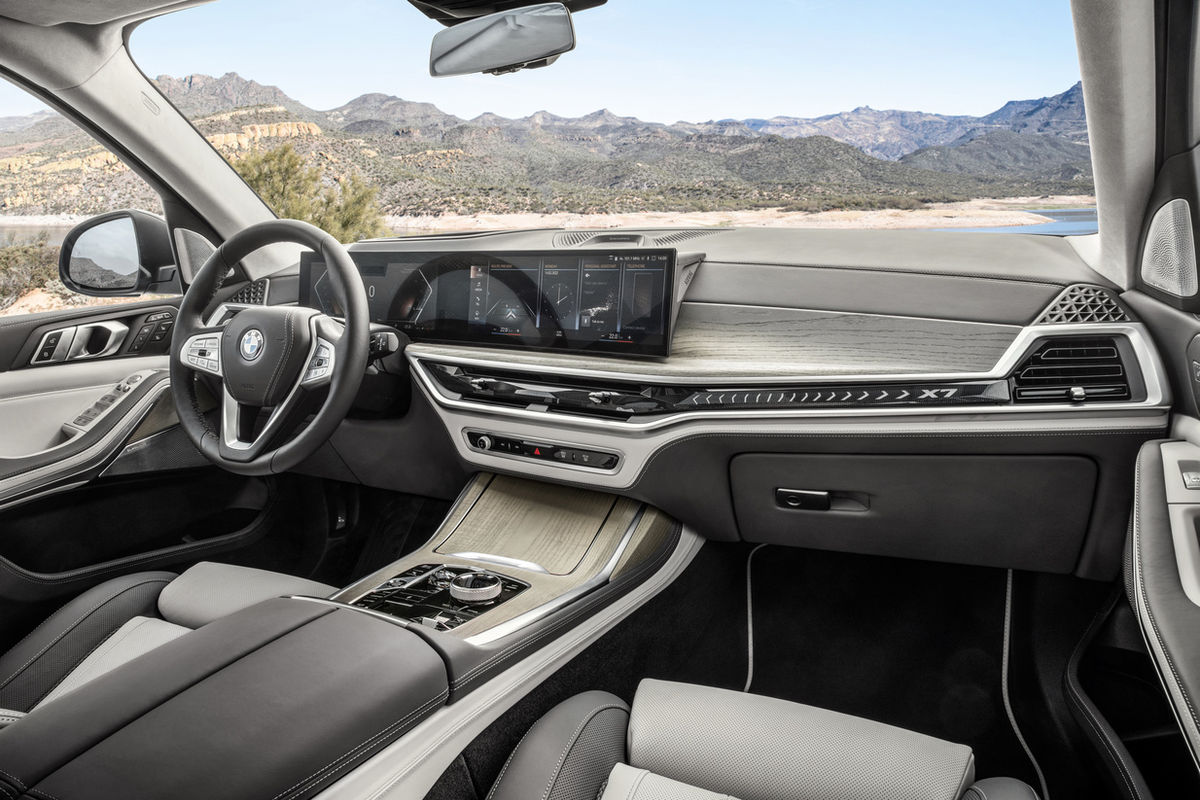
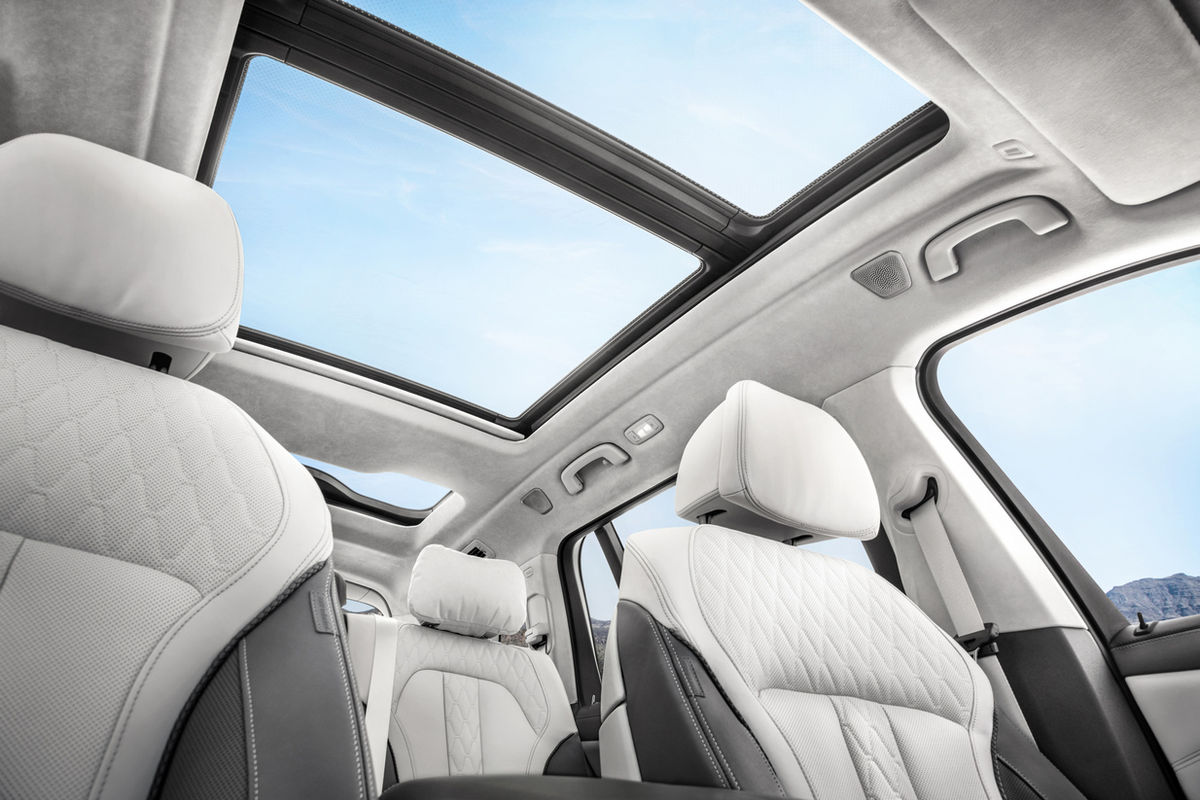
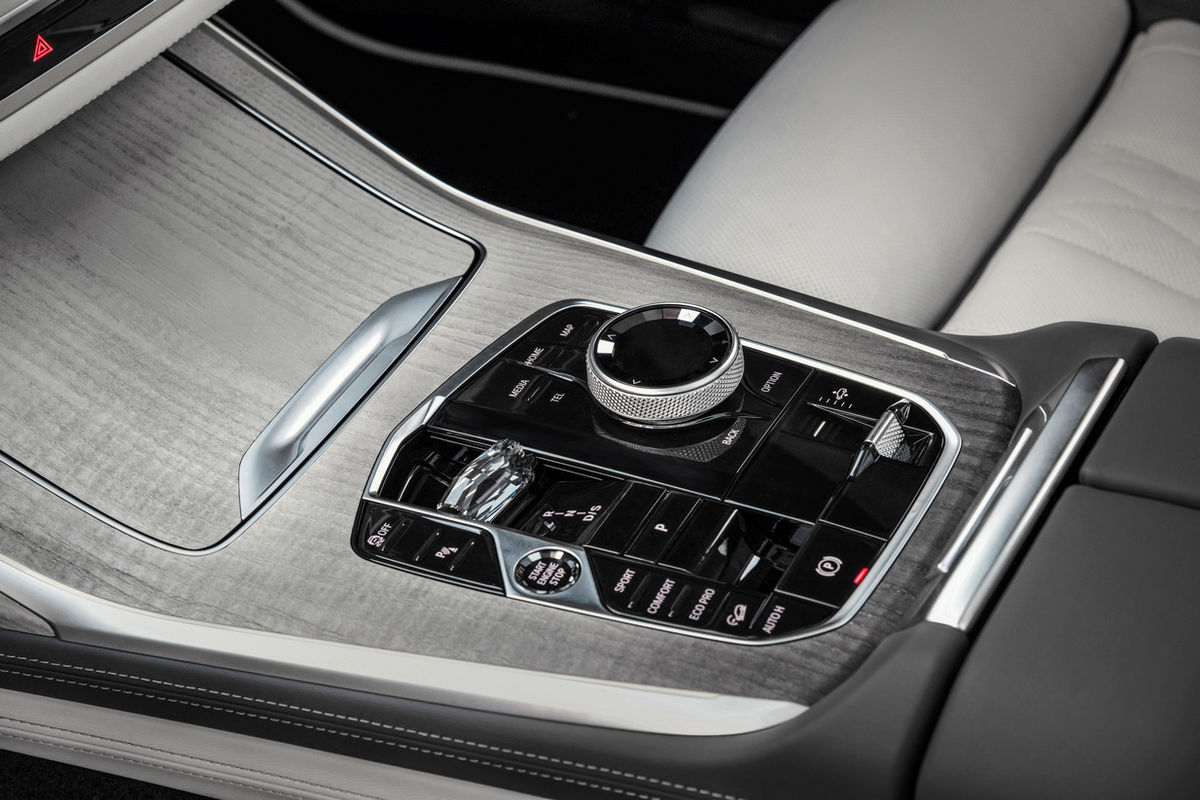
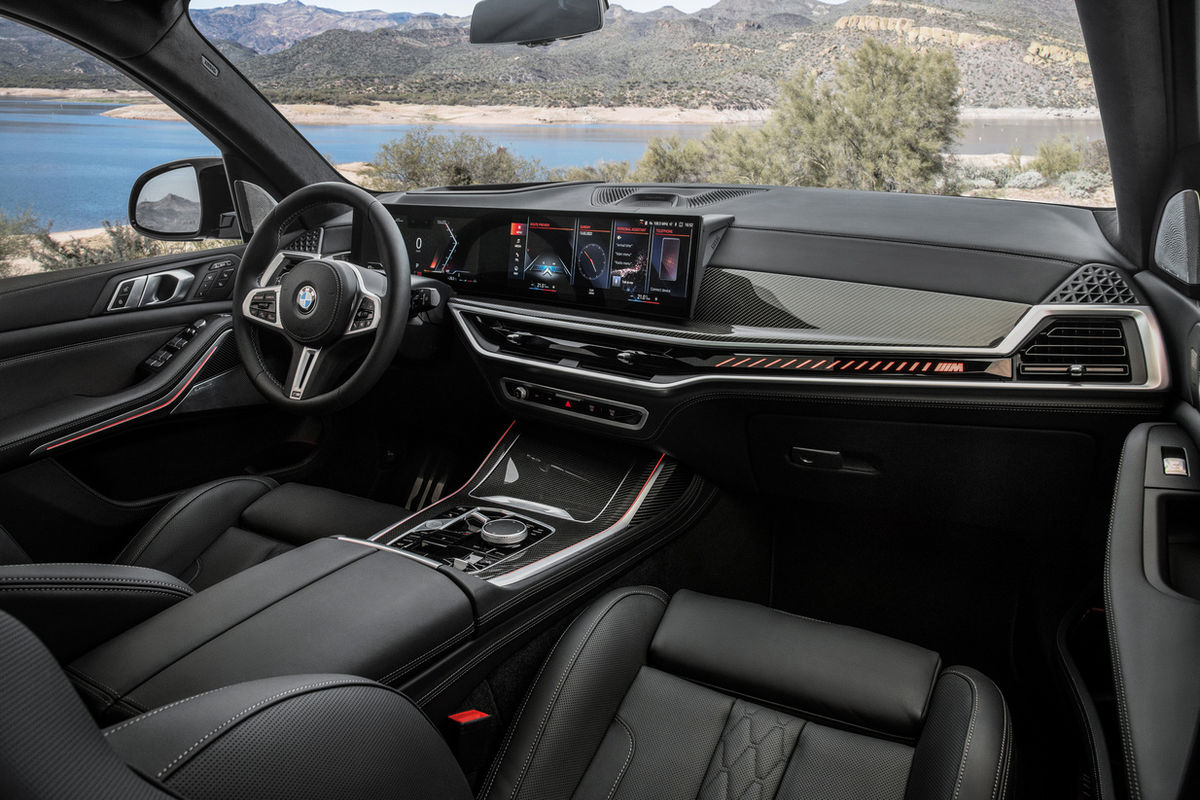
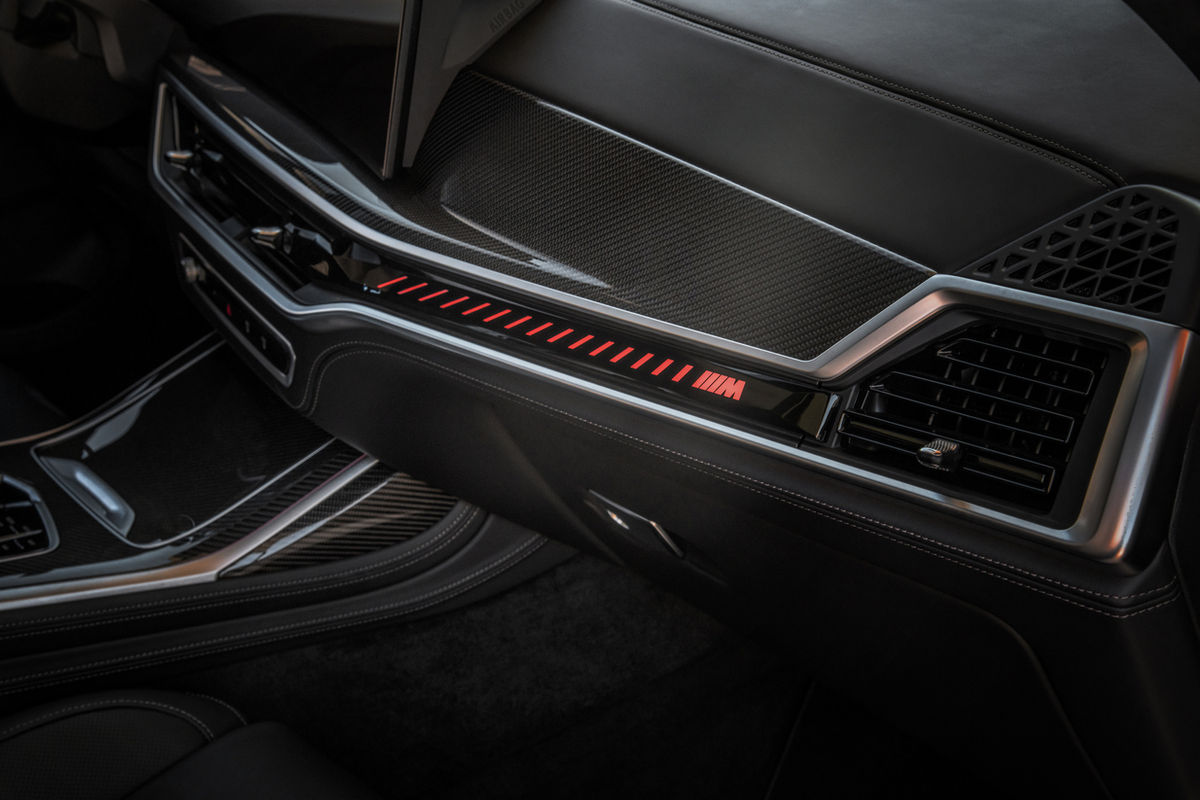
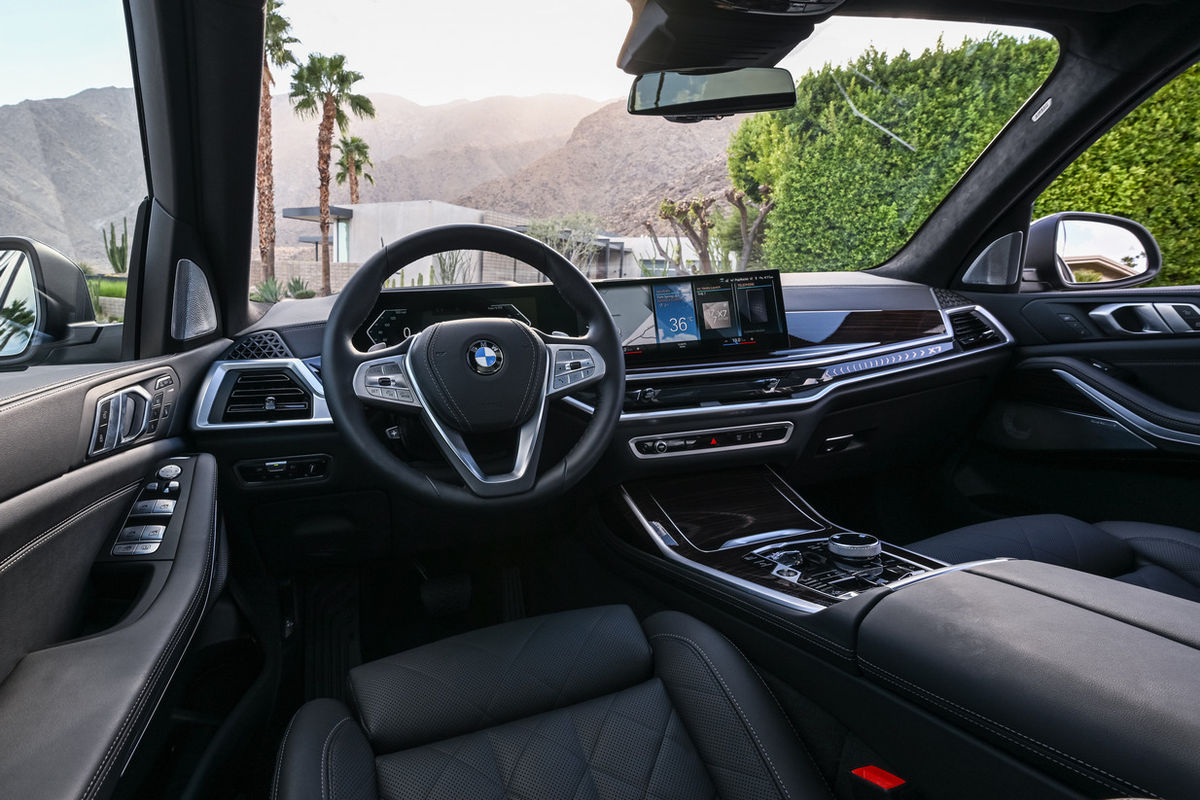
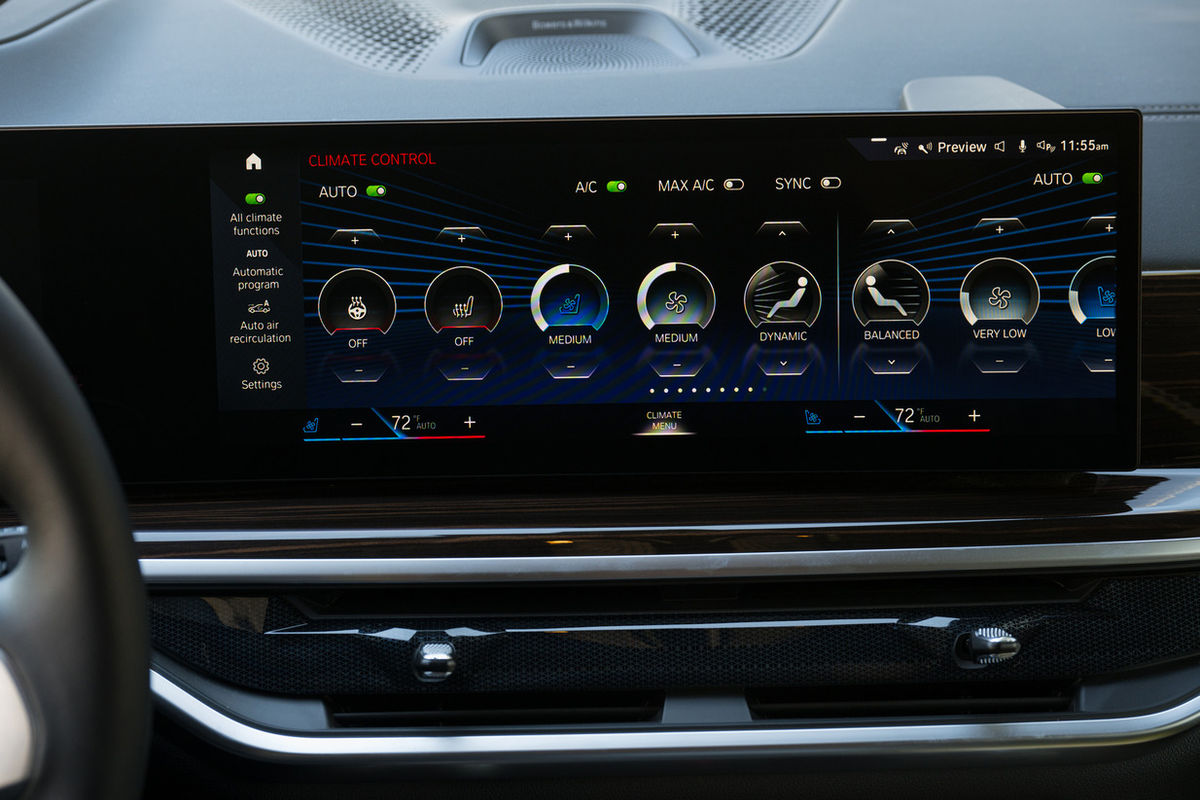
Inside, the X7 comes standard with 7 seats, but it’s optionally available with 6 seats (in a 2+2+2 formation, with a central corridor – of sorts – in the rear). The infotainment system has a new curved display and runs on BMW’s latest iDrive operating system (OS 8). Meanwhile, the love-it-or-hate-it cut-glass transmission lever has been replaced with a simple toggle (to create more space in the centre console), while the vents gain new metallic switches for adjusting airflow.
What’s under the bonnet?
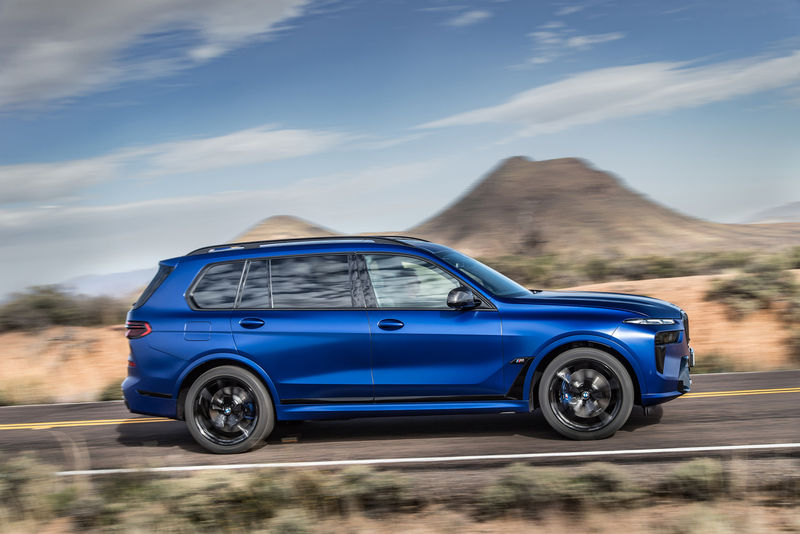
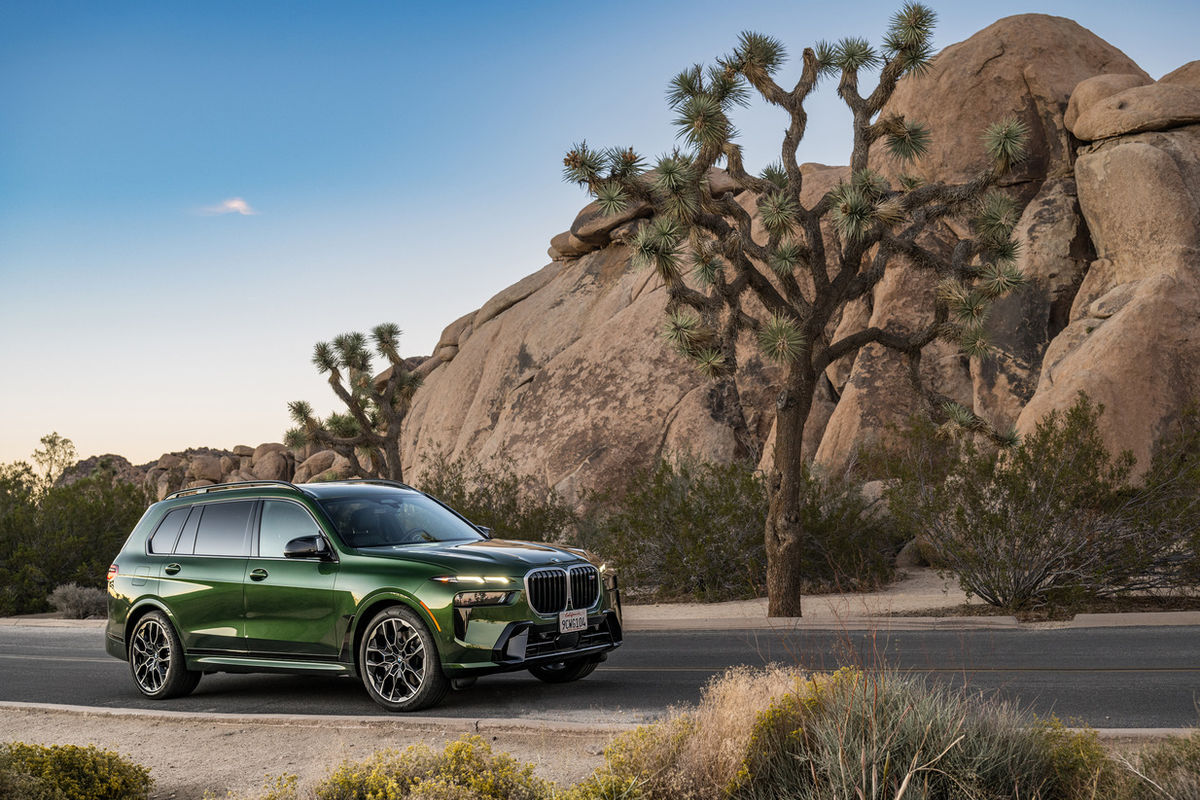
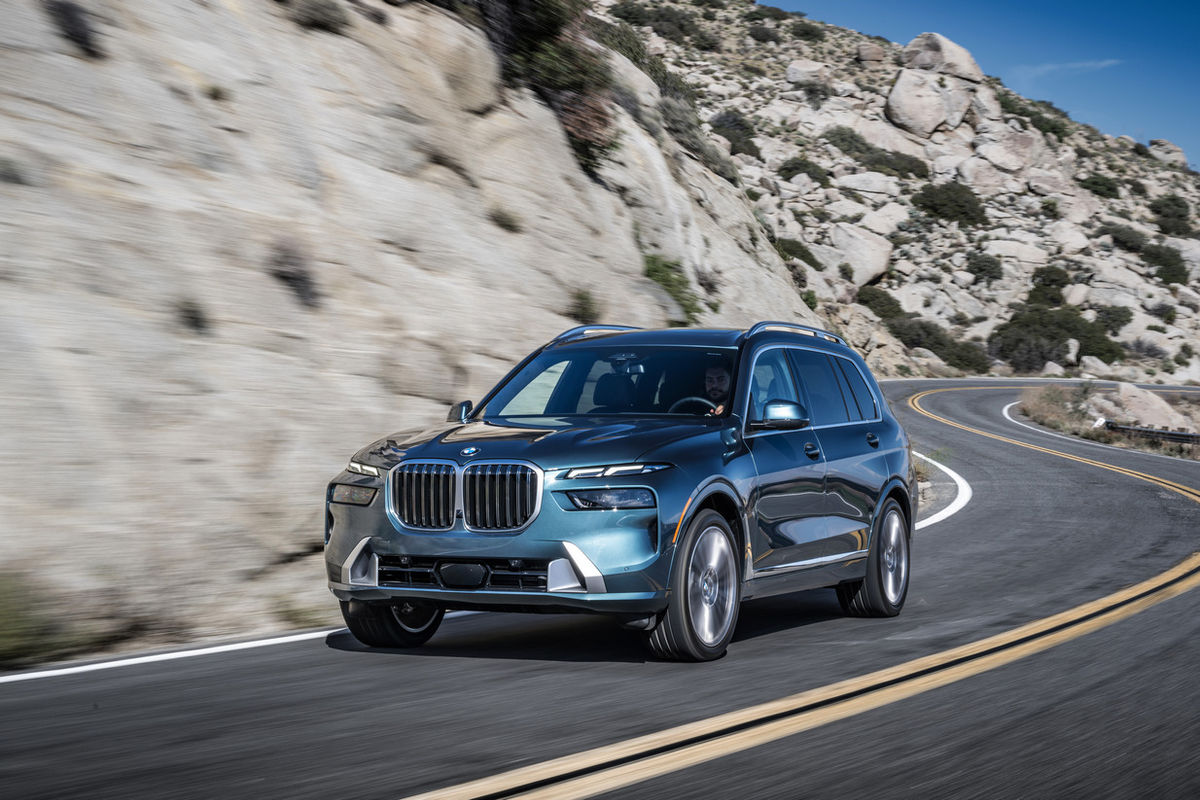
M Sport and M Sport Pro packages add more menace to the body styling.
There are 3 engines in the X7 line-up and all of them have 48V electrical architectures; the mild-hybrid setup facilitates improved efficiency, of course, but also produces up to 200 Nm of torque from a standstill. Globally, the X7 xDrive40i accounts for more than 70% of all X7 sales and the facelifted derivative is equipped with the latest-gen 3.0-litre 6-cylinder engine, which produces peak outputs of 280 kW and 520 Nm of torque (or 540 Nm, when 48V boost is available).
We drove an xDrive40i on the barren flats beyond Palm Springs and, in spite of the extremely well-insulated cabin, the inline-6’s characteristic howl can still be heard when you rev the motor out. The sheer heft of the X7 certainly blunts the powerplant’s performance to an extent; after all, derivatives with nomenclatures that end in 40i are usually quite punchy. The X7 xDrive40i, by contrast, lacks that level of “urgency”, but it does enough that you don’t feel hard done by.
Those in search of no-compromise performance could always beef up the engine bay with an extra pair of cylinders and another turbocharger… Compared with the single-turbo inline-6 of the xDrive40i, the M60i is powered by a twin-turbo 4.4-litre V8 that pumps out 390 kW and 750 Nm of torque. It would not be unreasonable to assume that the 8-cylinder is quite thirsty, but the claimed figure (12.1–12.9 L/100 km, depending on spec) seems pretty good for such a bruiser cruiser.
Perhaps the xDrive40d is the ideal choice for those looking to conserve a bit of fuel while wafting around in BMW’s most luxurious SUV. The turbodiesel is good for 259 kW/720 Nm, while fuel consumption is claimed at just 7.7–8.6 L/100 km.
What’s the X7 like to drive?
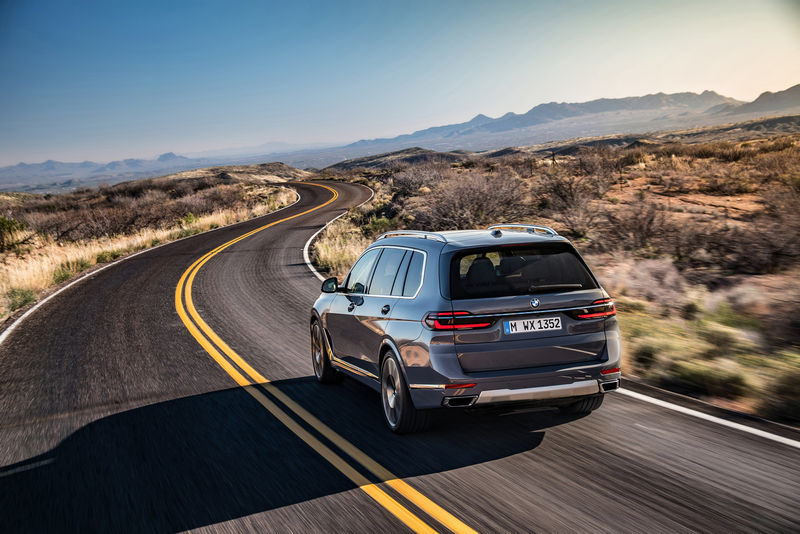
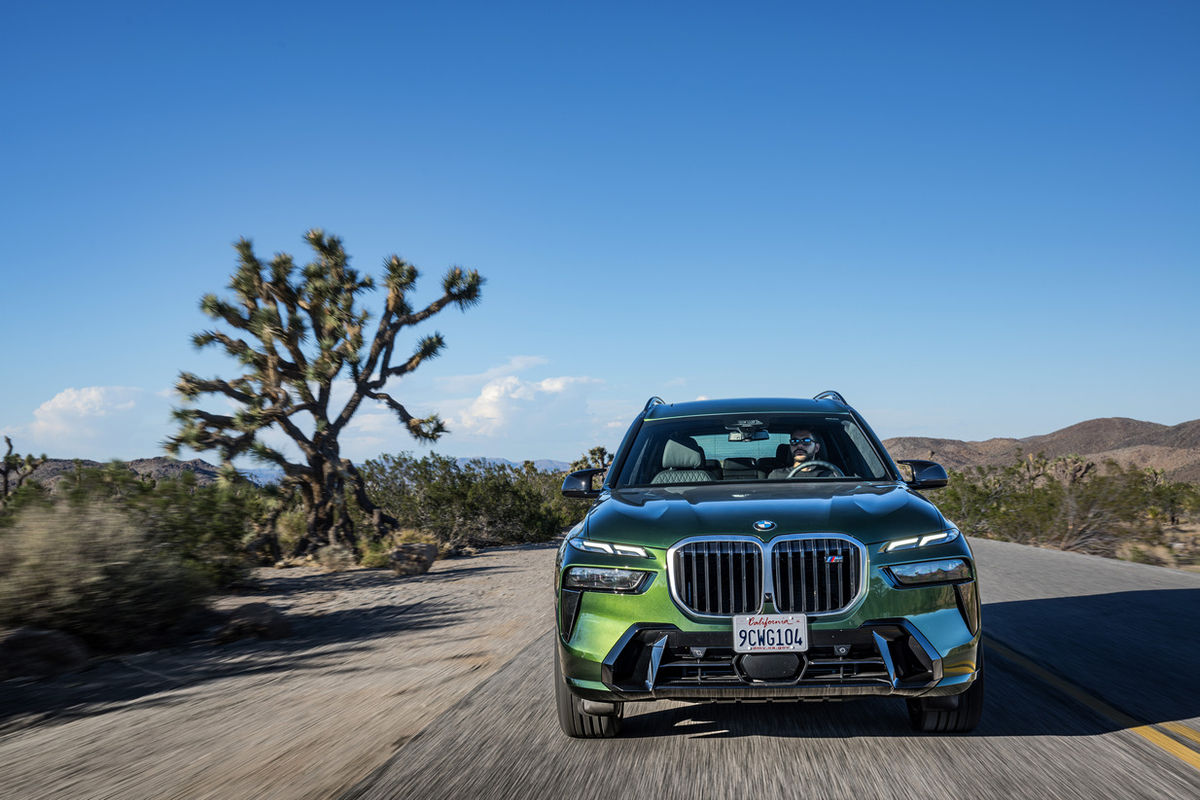
The X7 hides its size reasonably well, but don’t assume that it’s a match for its sedan equivalents in terms of dynamism.
As before, the X7 utilises adaptive air suspension, but for the revised model it has been retuned to suit a broader range of driving conditions. It can now lean further towards comfort, but also be sportier when required. The new “My Modes” function allows you to individualise more driving options and create shortcuts to saved setups that suit a variety of situations. These can be quickly selected via a button in the centre console and then confirmed via the touchscreen.
I found that the Comfort setting worked best for most on-road scenarios; it enables the X7’s suspension to soak up bumps with aplomb. The overall ride quality is so absorbent/forgiving, in fact, that it arguably rivals that of a Range Rover.
If you’re inclined to drive a sizeable first-class SUV like it’s a hot hatch (okay, let’s say a sports sedan), BMW’s dynamics engineers have done an incredible job of making the hefty X7 feel quite similar to its smaller (but also CLAR-based) premium SUV sibling – the X5 – in terms of cornering ability. It doesn’t feel too large or cumbersome on narrower or twistier roads but, saying that, we did drive the X7 on US roads, which are renowned for being a bit wider than average roads.
We briefly ventured off-road to take some photos in a dry riverbed and, even with its xDrive setup, the big Bimmer does not feel at ease dipping its humungous wheels and tyres in the sand. There is an optional off-road pack available, but whether it will be offered on the local market remains to be seen. The X7 doesn’t feel like it has the chassis or wheel articulation to deal with any serious off-roading. The off-road stint was short, but the Bimmer felt awkward on the rough stuff.
Is it impressive inside?
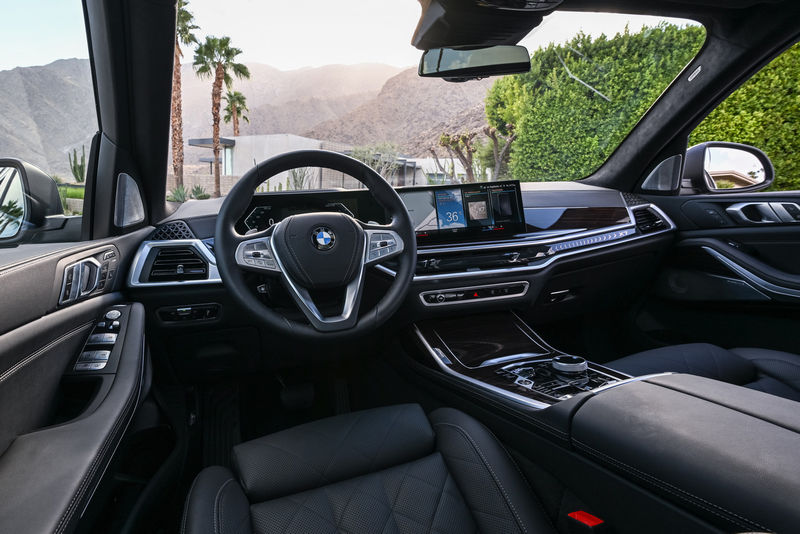
The transmission lever has been replaced with a switch, while a new curved screen and operating system have been fitted.
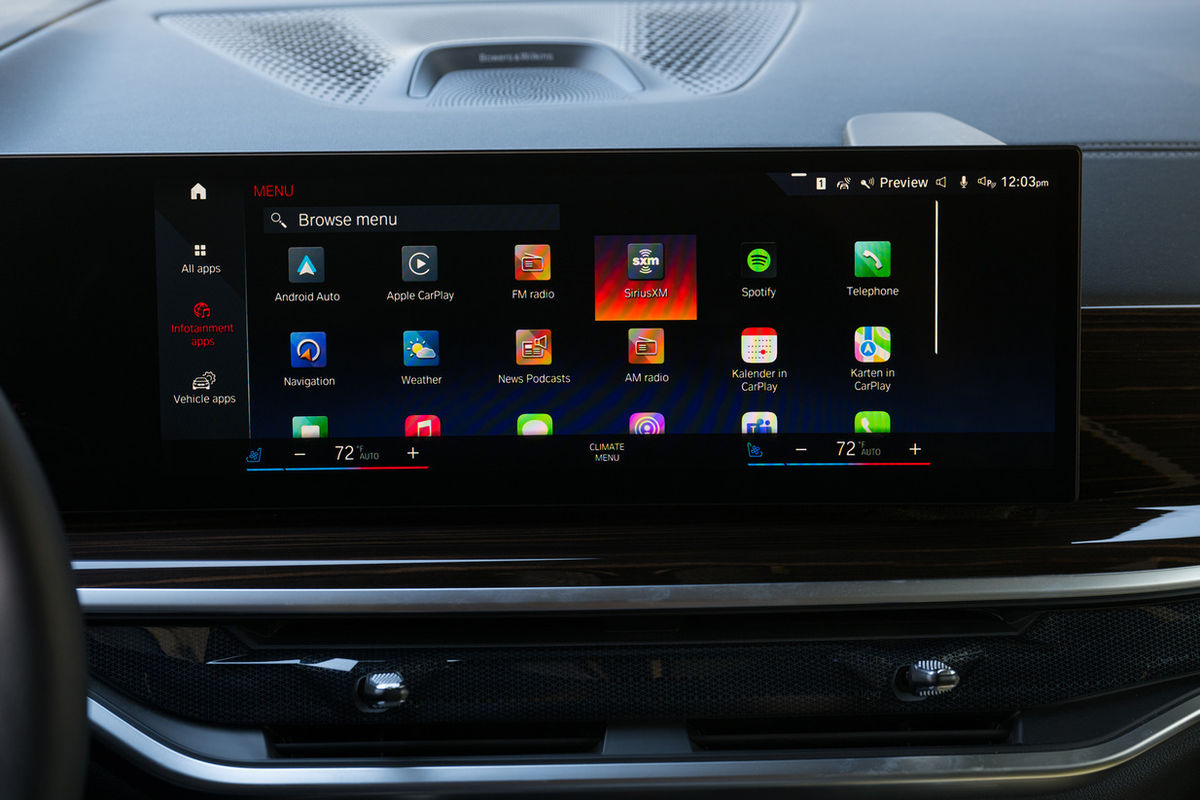
The highlight of the facelifted X7’s interior is the introduction of the new operating system and curved infotainment screen. OS 8, as it is called, brings much more functionality and connected features to the X7. Here’s just one example… When we presented ourselves to undertake an evaluation drive in the updated model, we weren’t given a key for the X7, but an iPhone instead. We used that very smartphone to locate the car, unlock it and hook up all the navigation. Connectivity’s improved too… Using a single QR code to connect another device to the car is much, much easier than going through the old-school way of searching for Bluetooth devices and accepting passkeys etc.
The huge central screen, meanwhile, looks incredibly upmarket; in fact, it resembles a high-end frameless TV, but it’s also quite intimidating to use. The main menu is so fast (reactive) and there are so many options to choose from, the system’s almost too much to deal with when driving. Suffice it to say, you will have to set time aside and commit to learning the system before trying to find the fuel consumption readout while driving the X7 in peak traffic.
As for the interior’s sense of occasion, the updated X7’s cabin doesn’t make a tremendous style statement, but it does exude quality. The contrast between the overstated exterior design and the understated interior is dramatic, but at least It’s calm and peaceful inside with negligible NVH levels at cruising speeds. There is no doubt the materials and finishes are of high quality, but they’re not so much better than a top-spec X5 that you would instantly regret not speccing up to an X7.
Summary
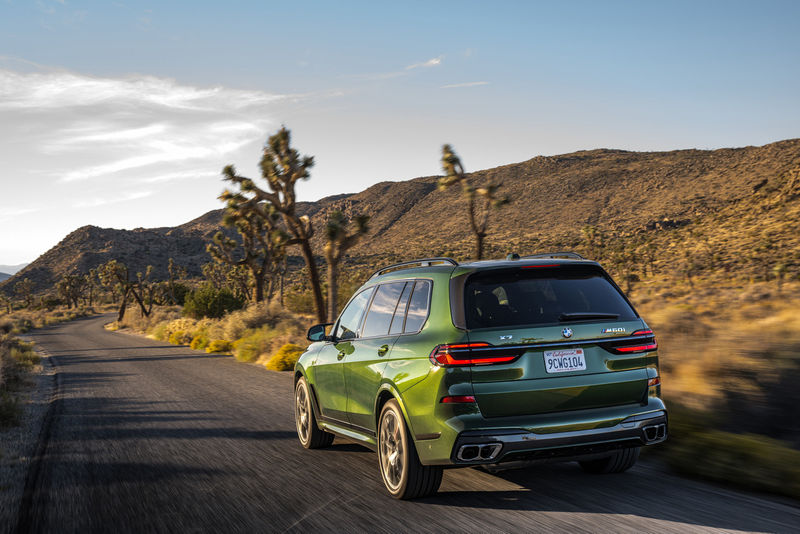
Not a game-changing facelift, but it improves the X7 in most areas.
To sum up the BMW X7’s facelift, it’s a major aesthetic exterior update combined with a minor interior digitisation upgrade. The revised version of the Bavarian marque’s first-class SUV impresses with its ability to be a super comfortable long-distance cruiser, but it manages to hold its own when tasked with ascending or descending tight mountain passes.
The big Bimmer’s exterior design sets it apart from the (comparatively restrained) Lexus LX, Mercedes-Benz GLS, Range Rover and other rivals from exotic brands as something of a polarising choice, which is something that X7 buyers, well, deeply appreciate – and crave. What’s more, the interior update brings in a new operating system that’s targeted at a much younger and tech-savvy buyer who’s capable of getting the best out of the connectivity and features.
Ashley Oldfield

Ashley has been riding or driving some sort of motorised vehicle since his 4th birthday when he got a Yamaha PW50. Equipped with years of racing experience, Ashley took up journalism and became a writer for some of South Africa’s best motoring magazines and online publications. He is SA’s first (and only) GT Academy winner having raced professionally overseas. He now serves as the Content Manager at Cars.co.za, putting his wealth of racing and driving experience to good use.