Having plied his trade in the finance industry for 20 years (during which time he worked for Accenture, Discovery, FNB and Wesbank), Alan Quinn has an intimate understanding of vehicle finance. In this article, he explains why the dreaded balloon payment might not be such a bad idea… and what you need to look out for.
When you’re enquiring about vehicle finance for your next car, a dealership’s finance manager may talk to you about a “balloon payment” or a “residual”. What is a residual/balloon and should you consider it?
So what is a residual / balloon payment?
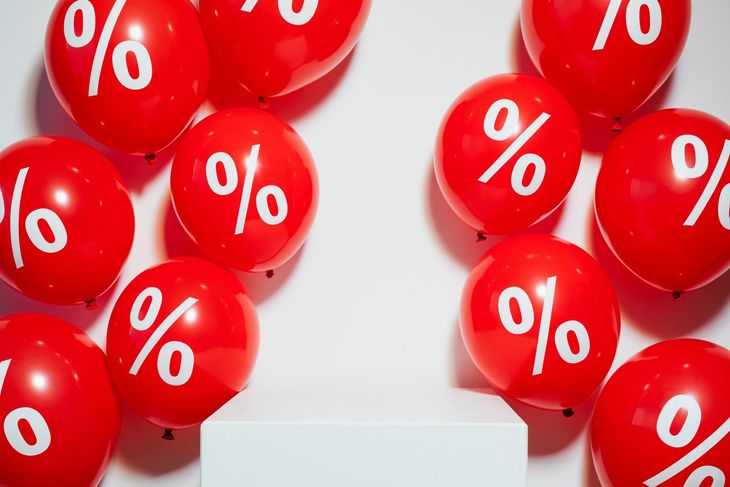
When you take out any loan from a bank, they will give you an amount you need to pay back every month (also known as the “instalment:). If you loan R250k to buy a car at an interest rate of 10%, for example, the monthly payment will be R4 631 per month if the loan term is for 72 months. You can easily work out your car repayments using our finance calculator tool.
Every month a big portion of the R4 631 you’ll pay will be used to service the interest you owe on the money the bank loaned you and the rest of it is used to “pay off” a part of the sum that you borrowed.
However, a while ago the banks came up with a bright idea to reduce your monthly payments!
The bright idea was that you don’t have to pay back ALL the money you borrowed during the 72-month contract. Let’s say, we agree that instead of paying back R250k over 72 months (plus interest), you only have to pay R175k and then pay the balance of the loan the R75k (the “residual”) – at the end of the 72 months in ONE big payment.
The R75k is the “balloon payment” you must make at the end of the term (i.e. 72 months) in order to settle your debt and own your vehicle outright.
Why would you want to take a Residual Deal?
That’s easy – it makes your monthly payment MUCH lower. In my example above, your monthly instalment for that R250k car, without a balloon payment, was R4 631. With a R75k balloon, this becomes R3 867 – a saving of almost R800 per month. That is why vehicle finance deals with balloon payments are so popular with consumers. They effectively make expensive cars more affordable!
Also read: New Cars or Used Cars: What Car Should You Buy?
Where do I find the money to make the Balloon Payment at the end?

Answer – you sell the car you now own. At the end of the 72 months, you own the car – because you paid for it for 6 years! Because you own it, this car can be sold or traded in and you can use this cash to pay off the money you still owe… but a word of caution, however: your car is worth less money every year (it devalues). In fact, every km you drive and every service you miss and every dent you do not repair will cost you in the end. If you want to sell your vehicle, to settle your residual, then you need to look after it well.
Also read: Factors That Affect the Value of Your Car
The other option to pay off your balloon payment is to ask your bank to lend you money to pay off the residual amount. You have just been paying them for 72 months and they will jump at the chance to offer you a new loan.
So why would I NOT want a residual/balloon payment?
Balloon payments make more expensive (i.e. cooler) cars more affordable! So why not? Here are 2 main reasons:
1. You have paid for the car for 6 years, but you don’t really own anything after spending hundreds of thousands of Rand. You need to settle the balloon payment, which means selling the car or taking out another loan. A residual means you are not really buying a car – you are sort of renting it, making payments every month and then, after 6 years, you have to sort out the residual. Alternatively, after 6 years you might want a break from making payments to the bank so that you can spend on numerous other things. If you want to pay off your car completely and be free of payments, then don’t do a residual.
2. How long do you think it will be until you want to change your car? There’s an important reason for that question. A balloon payment makes it harder to change your car regularly. To put it simply, a residual/balloon payment means that you are paying off less of your loan each month and the money you still owe to the bank, which is called the “settlement amount” of the loan, stays higher for longer.
This becomes a problem if you want to change your car in less than 3 to 4 years. This is because the value of your car has gone down quicker than the settlement amount. You will rock up at a dealership to buy a new car and the dealer will tell you that you still owe a big wad of cash to get out of the car you are still paying for. If you like changing your car often, my advice to you is “don’t do residuals”.
Why is a good Credit Score important here?
Residuals are very popular and most car buyers opt for them. No matter how much I tell you to pay off your loans quickly and get debt-free, I know that you are most likely to buy the best vehicle you can!
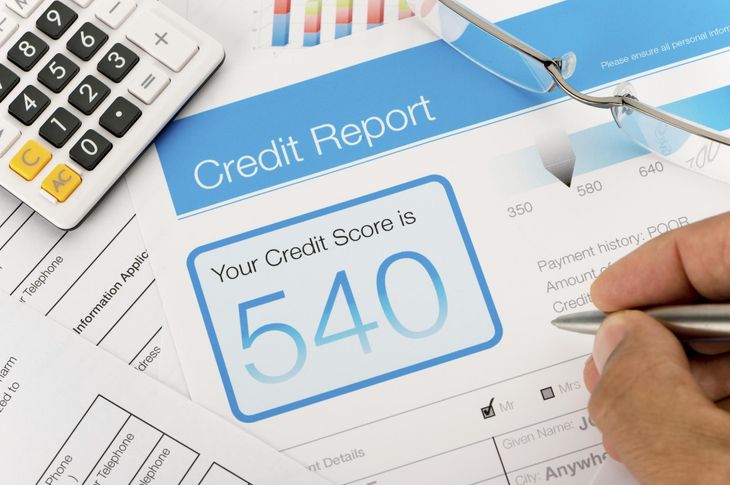
Residuals/balloon payments sound like a win/win for both the banks and the customer, BUT banks will only offer you a deal with a residual if you have a good credit score. Why do banks do this?
Remember when I said that a residual means that you will be paying off your loan more slowly? That’s a great idea if the bank really trusts you to make all those payments over 72 months. However, if the bank is not sure about you – i.e. you have a bad credit score, then they will not offer you a residual/balloon payment.
Manage your Credit Score:
When it comes to financing a car, your Credit Score is the most important thing out there. On the Cars.co.za site we have articles to explain:
What is a credit score and why is it important?
How to get a good credit score?
Why a bad Credit Score will cost you thousands every month
Cars.co.za and Just Money have teamed up and will give you your Credit Score for free, forever! Register today and start working to save money on your next car!
Cars.co.za

Providing you with the latest motoring news, new car releases and the simplest way to buy and sell cars.