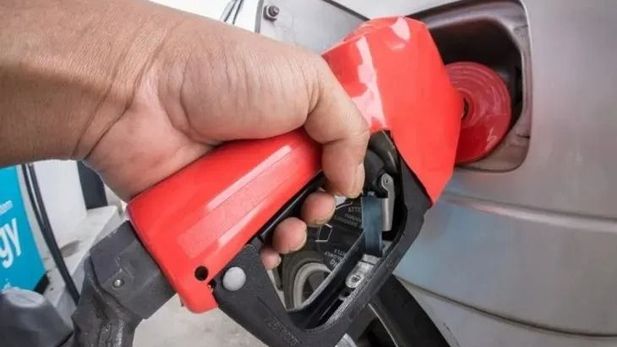
The sliding Rand and weak international oil price has dampened the fuel price forecast in South Africa.
The opening weeks of 2016 have been tough for the Rand, which has lost as much as 30% of its value against the US Dollar. Had the Rand remained stable, the current weakness in the international oil price would have translated into significant reductions in fuel prices. The significant weakening of the Rand, however, is having the opposite effect.
Based on unaudited mid-month data released by the Central Energy Fund, the Automobile Association (AA) said: "Had the exchange rate remained flat in 2015, South Africans would currently have been paying, on average, 45 cents a litre less at the pumps. This deficit has widened by another 32 to 40 cents in the first two weeks of January 2016, turning what would have been a 24 cents-a-litre drop in petrol at the end of the month into a potential rise of up to 16 cents."
The situation is much the same for the price of diesel, which should have refelected an oil-price benefit of 90 cents per litre, but instead, the effect has been reduced to only around 58 cents per litre thanks to the weak Rand.
"The exchange rate's ongoing weakness might mean trouble for the fuel price if oil prices begin to rise again," warns the AA. "At the current Rand/US dollar exchange rate, a return to oil's highs of 2013 and 2014 would result in the fuel price approaching R20 a litre, putting yet more pressure on South Africa's already strained economy."
Want to save on fuel? Consider this…
Most Fuel Efficient Cars in SA