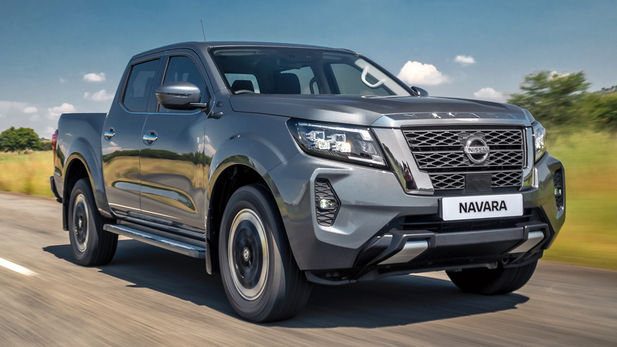
With its Rosslyn factory set to be taken over by Chery, Nissan SA will soon switch to an imported version of the Navara bakkie. But will it stick with the 2.5 DDTi engine?
- Local Navara production set to end by May 2026
- Bakkie will instead be imported from Thailand
- Likely to continue with 2.5-litre turbodiesel mill
By the middle of 2026, Chinese firm Chery looks set to finalise its acquisition of Nissan’s factory in Rosslyn. As such, local production of the Navara will end, with the brand thereafter opting to import the bakkie. Question is, will the Thai-built version stick with the 2.5 DDTi engine or switch back to the 2.3-litre twin-turbodiesel motor?
As a reminder, the D23-series bakkie launched in Mzansi way back in March 2017, sourced from Thailand and offered with the 2.3-litre bi-turbodiesel engine (YS23). After a R3-billion investment in the Rosslyn plant, local production of the updated Navara started in mid-2021, with this made-in-SA version instead using the older 2.5-litre turbodiesel mill (YD25).
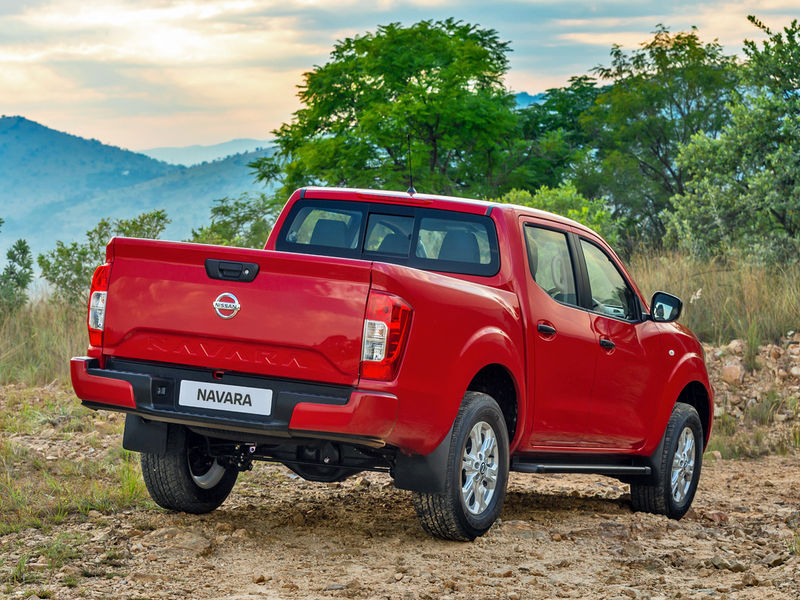
With Rosslyn production of the Navara officially scheduled to wrap up by May 2026, we asked Nissan South Africa whether the imported version of the bakkie would revert to the YS23 engine (which offers very similar outputs to the 2.5 DDTi lump) used in Thailand – and indeed most other major D23-series Navara markets around the world.
“The current outlook is that the Navara range will continue with the YD25 2.5-litre turbodiesel engine,” Nissan SA told Cars.co.za. For the record, this older powertrain is still offered in select markets, including Malaysia and the Philippines (both of which source their Navara units from the Samut Prakan factory in Thailand).
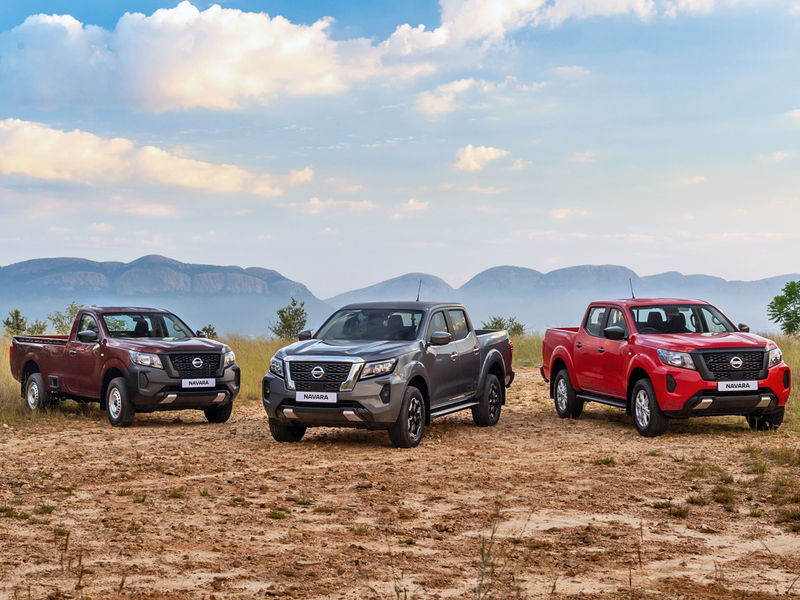
Interestingly, the Japanese automaker’s local division furthermore confirmed to us that – “based on current planning”, anyway – both the single- and double-cab body styles are set to be imported from Thailand, adding that it would “share further details regarding model derivatives, and more information, in due course”.
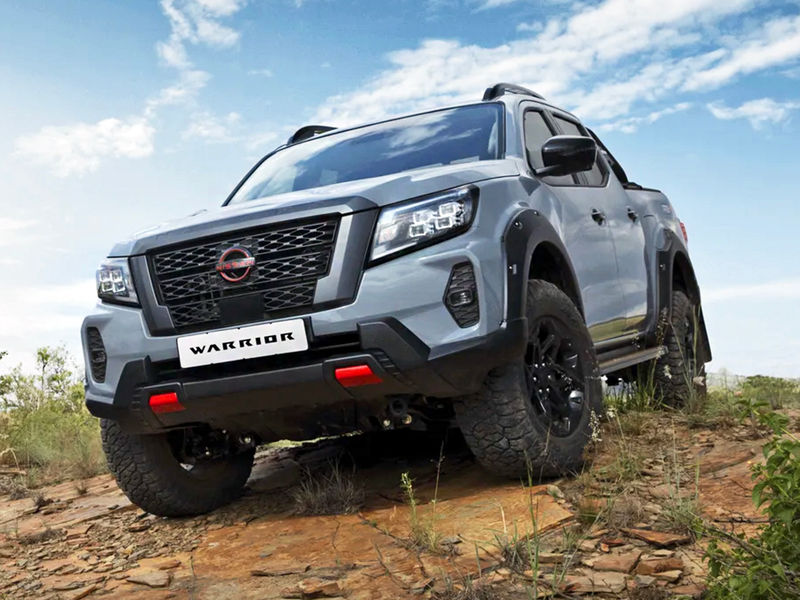
The outgoing, SA-built Navara line-up currently comprises 20 derivatives – 3 single cabs and 17 double cabs. Pricing starts at R433 500 and runs through to R924 000 (the latter for the Navara Pro-4X Warrior derivative, which is currently converted by Premcar SA at the Rosslyn plant; the future of this flagship variant, however, remains unclear). All use the 2.5-litre oil-burner, offering 120 kW/403 Nm in 6-speed manual guise and 140 kW/450 Nm in 7-speed automatic form.
In 2025, local registrations of the Navara increased 2.3% year on year to 4 985 units, seeing this model retain 6th place on the list of South Africa’s best-selling bakkies – but only just (the GWM P-Series was a mere 59 units behind). This growth came off the back of a 6.0% year-on-year increase in Navara sales in 2024.
As an aside, in November 2025, Nissan revealed the new D27-series Navara, based squarely on the Mitsubishi Triton and “developed specifically for Australia and New Zealand”. At that point, Nissan SA confirmed to us that – just as we had suspected in March 2025 – an updated version of the D23-series Navara would instead soldier on in the local market, mirroring the brand’s strategy in Latin America (where the bakkie is badged as the Frontier).
Frequently Asked Questions (FAQ) About the Nissan Navara Transition in SA
Q: Why is Nissan South Africa switching to an imported Navara?
A: Local production of the Navara at the Rosslyn factory is scheduled to end by May 2026 as the facility transitions to new ownership under Chery. To maintain its presence in the bakkie market, Nissan SA will begin importing the Navara from Thailand.
Q: Will the imported Navara feature a new engine?
A: Despite switching to Thai-sourced units, Nissan SA has confirmed plans for the Navara to continue to use the 2.5 DDTi (YD25) turbodiesel engine rather than reverting to the 2.3-litre twin-turbo (YS23) unit used in many other global markets.
Q: Is the all-new D27-series Navara revealed in late 2025 coming to South Africa?
A: No. The new Mitsubishi Triton-based D27 Navara was developed specifically for the Oceania region (Australia and New Zealand). South Africa will instead stick with the D23-series platform, which is expected to receive a comprehensive “facelift” or update in 2026 to remain competitive against rivals like the Hilux and Ranger.
Related content
It’s official: Chery SA to buy Nissan’s Rosslyn plant
Ryan Bubear

Having written about everything from sport and politics to crime, Ryan eventually settled on motoring. For well over 15 years, he's been penning articles – both online and in print – about the broader automotive industry, though he's particularly fascinated by vehicle-sales statistics. A freelance writer and editor, Ryan has owned a 1971 Austin Mini Mk3 for 20-plus years.