Isuzu’s local boss says the company is “looking at when” it can offer the new 2.2-litre turbodiesel engine in South Africa, but adds the brand doesn’t want to “move too fast”…
- Isuzu’s local boss hints at new 2.2-litre turbodiesel engine
- Likely to replace 1.9-litre oil-burner in D-Max and MU-X
- Isuzu Motors SA will eventually “consider” D-Max EV, too
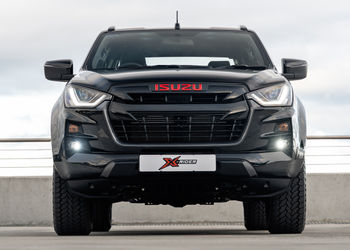
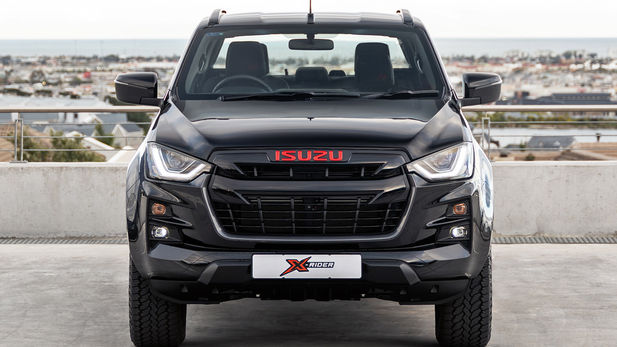
The head of Isuzu in South Africa has suggested the Japanese brand’s new 2.2-litre turbodiesel could be on the cards for the D-Max bakkie and MU-X adventure SUV, saying the company’s local division is currently “looking at” when it can offer the new engine. However, he adds the brand doesn’t want “to move too fast”.
Billy Tom, CEO of Isuzu Motors South Africa, was speaking during an interview conducted in Cars.co.za’s custom-built podcast booth at Naamsa’s recent South African Auto Week 2025 in Gqeberha in the Eastern Cape.
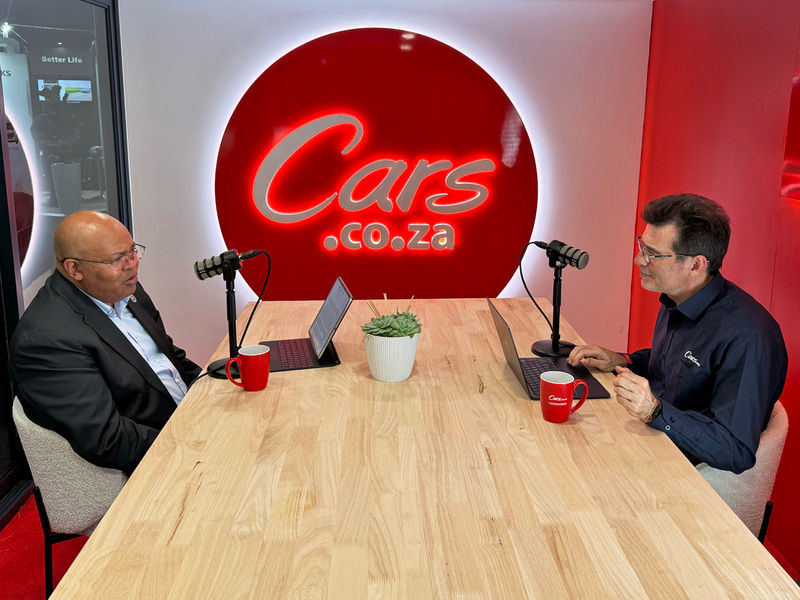
“There are newer engines – you would have seen, we’ve got a new [2.2-litre turbodiesel] engine – and we’re looking at when we can bring them. But we also don’t want to move too fast. We want to ensure that they’ve been tested, because we need to play to our strengths,” he said, referencing the Japanese brand’s long-held reputation for reliability and durability.
In November 2024, Isuzu revealed a newly developed 2.2-litre turbodiesel engine and 8-speed automatic transmission in Thailand. The “2.2 Ddi MaxForce” motor – which bears the “RZ4F” internal designation – generates 120 kW and 400 Nm. For the record, that’s an extra 10 kW and 50 Nm compared to the current 1.9-litre powerplant (but 20 kW and 50 Nm lower than the 3.0-litre unit’s outputs).
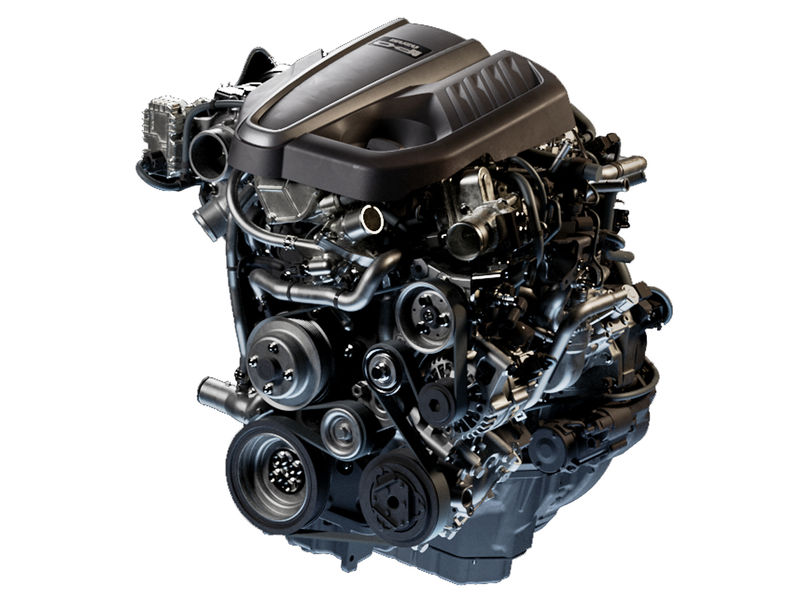
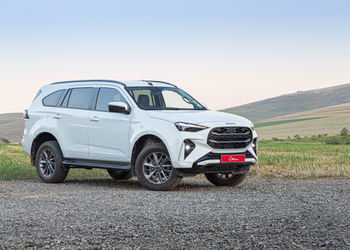
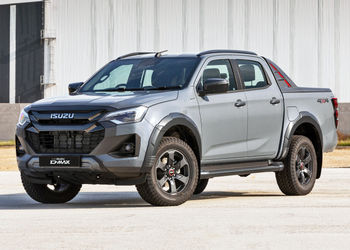
In some overseas markets, the new 2.2-litre motor has already replaced the 1.9-litre oil-burner in the facelifted D-Max and MU-X ranges. As a reminder, the latter engine currently powers 21 of the 31 derivatives in the locally built (though still pre-facelift) D-Max portfolio, along with the base variant in the 6-strong (refreshed) MU-X line-up.
Considering the Japanese firm’s Struandale facility imports its D-Max engines and transmissions from Thailand rather than producing powertrains locally, it seems exceedingly likely this new engine will eventually be offered in South Africa.
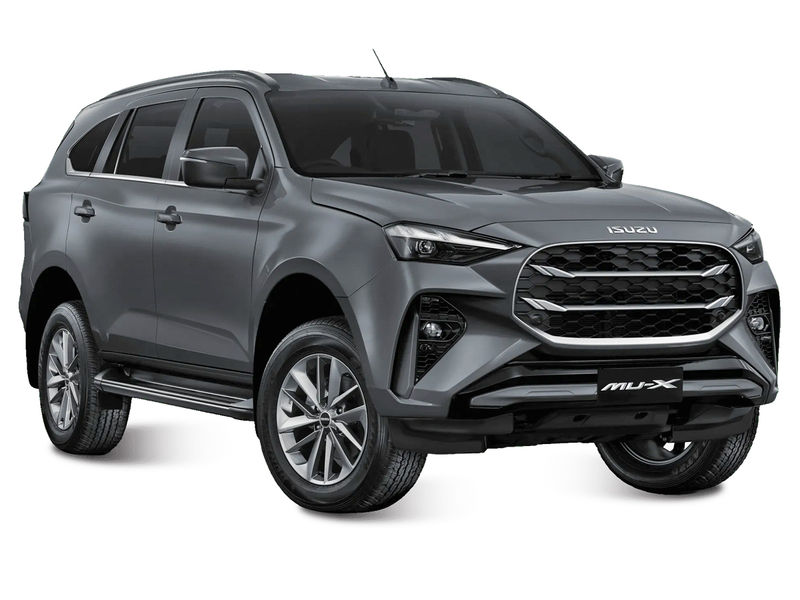
Of course, exactly when this might happen is anyone’s guess. Perhaps with the D-Max’s long-awaited mid-cycle update? Well, despite having been revealed as long ago as October 2023, the facelifted D-Max has seemingly yet to start rolling off the assembly line in Struandale (though the refreshed MU-X imported from Thailand launched locally in May 2025).
New-energy powertrains being tested locally
When asked about new-energy powertrains available in the Isuzu stable, Tom revealed that the company’s local division had been investigating certain options – and indeed testing them in local conditions.
“Diesel is our strength. We have looked at various newer technologies as we don’t want to be left behind. Last year, we brought [in] a fully [electric] truck, which we tested and [on which] we got some customer feedback,” he said, adding that his company is “looking at opportunities” to “move with” early adopters.
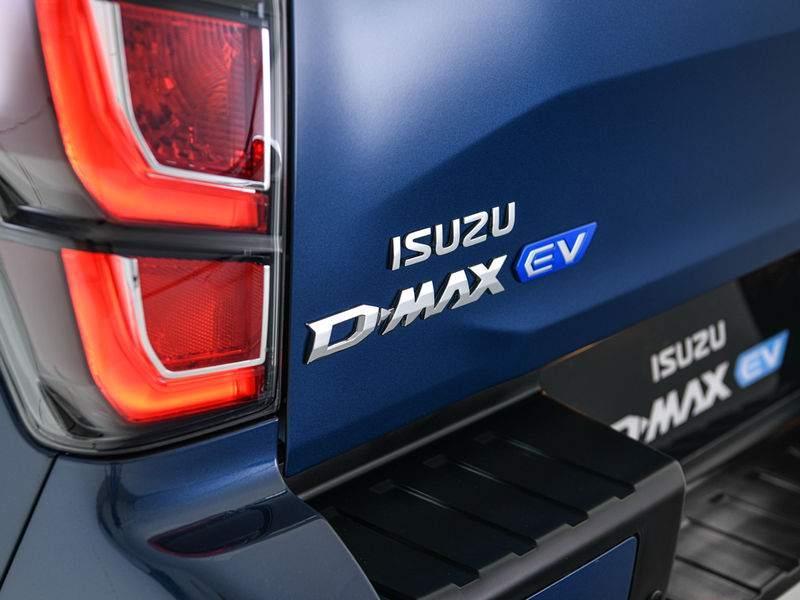
“In Europe, we recently launched the battery-electric [D-Max]. So, when they are available, we will consider that – study it – but make it a point that the consumer is not worse off, the consumer is not stranded. We’ll do the right thing,” Tom emphasised.
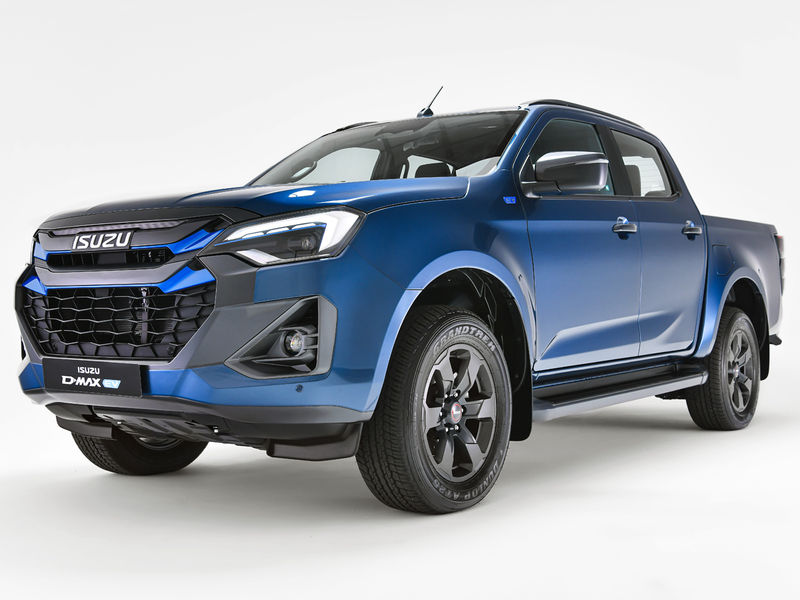
Revealed in April 2025, the Isuzu D-Max EV is the first fully electric version of the Japanese firm’s popular bakkie. Production of right-hand-drive units is scheduled to start towards the end of the year, with sales expected to commence in the United Kingdom in 2026 before being “rolled out to other countries and areas based on market needs”.
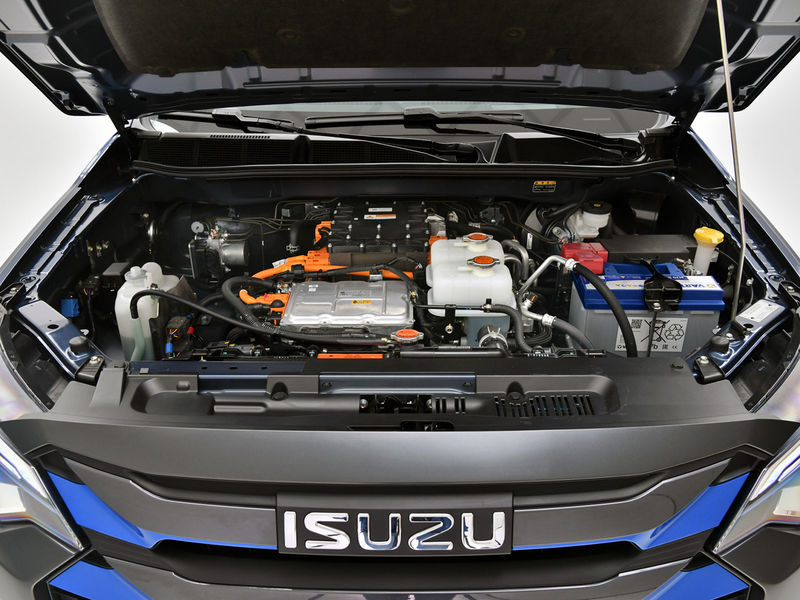
The Thai-built D-Max EV is based on a “re-engineered” version of the standard RG-series bakkie’s platform and features a 66.9 kWh lithium-ion battery pack allowing a claimed WLTP range of 263 km (or up to 361 km of city driving, according to Isuzu).
Dual electric motors produce a total power output of 140 kW, along with peak torque of 325 Nm. The electric 4×4 bakkie has a claimed 0-100 kph time of 10.1 seconds and a top speed of “over 130 kph”. The payload capacity comes in at 1 100 kg and braked towing capacity at 3 500 kg.
Frequently Asked Questions (FAQ)
Q: When will the new 2.2-litre turbodiesel engine be available in South Africa for the D-Max and MU-X?
A: Isuzu Motors South Africa is currently “looking at when” they can introduce the new engine for the D-Max bakkie and MU-X SUV. However, the company’s local boss says they don’t want to “move too fast” to ensure the engine is properly tested for reliability and durability.
Q: What are the power and torque figures for the new 2.2-litre turbodiesel engine?
A: The new “2.2 Ddi MaxForce” (RZ4F) turbodiesel engine generates peak outputs of 120 kW and 400 Nm. This represents an extra 10 kW and 50 Nm compared to the brand’s existing 1.9-litre motor.
Q: Will the fully electric Isuzu D-Max EV be launched in South Africa?
A: Isuzu Motors SA has confirmed it is testing new-energy powertrains locally and will “consider” and “study” the D-Max EV once it is available for local introduction. The company’s priority is to ensure the consumer is not “worse off” before committing to a launch.
Related content
Isuzu D-Max X-Rider Black (2025) Price & Specs
Ryan Bubear

Having written about everything from sport and politics to crime, Ryan eventually settled on motoring. For well over 15 years, he's been penning articles – both online and in print – about the broader automotive industry, though he's particularly fascinated by vehicle-sales statistics. A freelance writer and editor, Ryan has owned a 1971 Austin Mini Mk3 for 20-plus years.