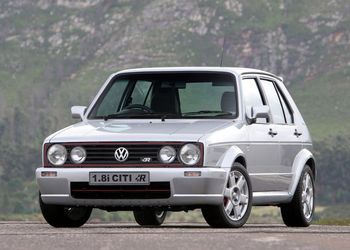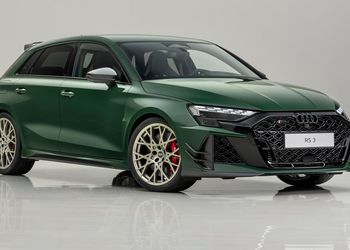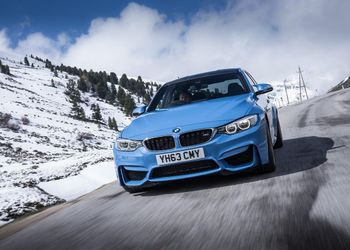
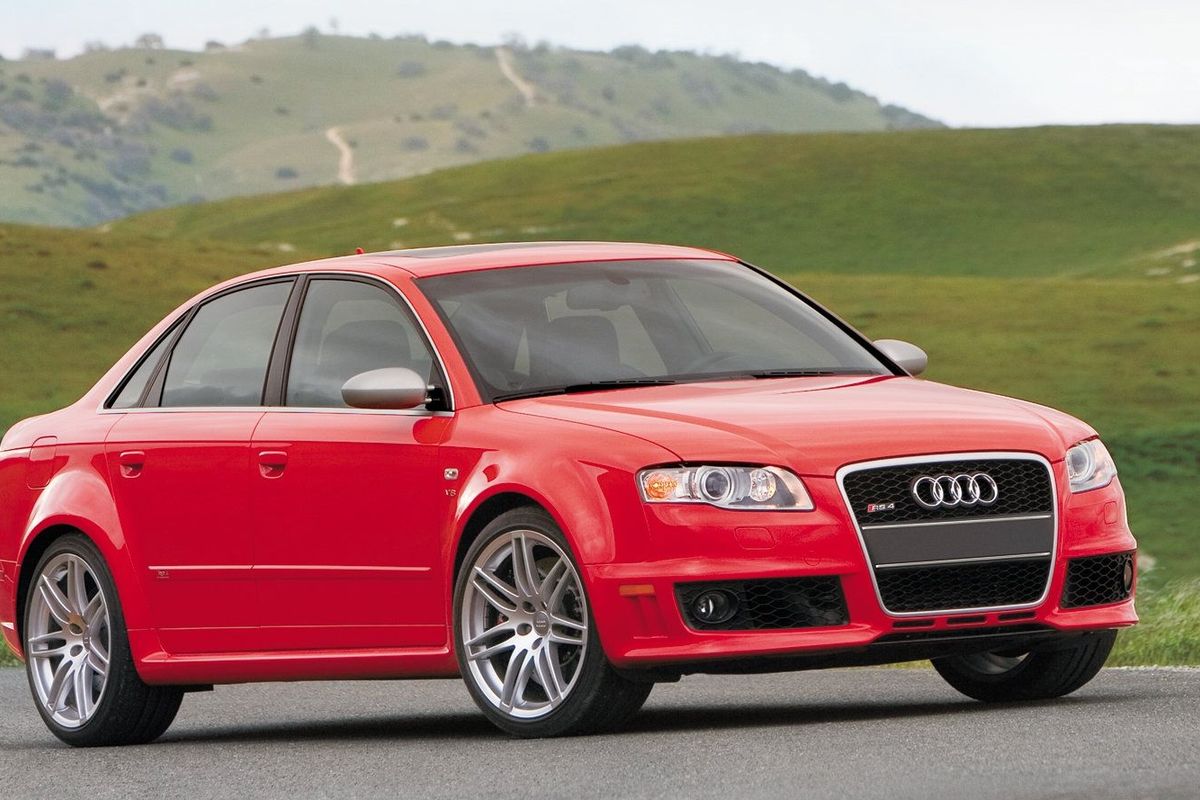
Battery-electric vehicles (BEVs) are capable of incredible levels of performance, but if you’ve driven one, you’ve driven them all. To put it bluntly, they lack character.
If you claim to be a true car enthusiast, you never talk about cars in terms of model names and the year in which they were produced. No, any discussion is shaped by quoting internal company reference codes, such as “E30” (BMW), “B7” (Audi) and “W204 (‘Benz)… And for those most dedicated purists, the debate about which car is best often relies on engine codes. But does any of this matter, anymore?
At some point during the mid-1990s, while the British car industry was floundering and the only Italian brand producing something close to a family supercar was Maserati, the Germans saw an opportunity.
Audi, BMW and Mercedes-Benz realised that by investing in large-displacement engines capable of producing enormous power, they could sell many high-margin sedans, station wagons and SUVs.
Suffice to say, from the late 1990s onwards, upper-end German family cars were fast enough to tail exotic Italian supercars. And they produced all manner of spectacular sound effects. This combination of tuned acoustics and dramatic throttle response created the legend of the Audi RS4 and RS6, BMW M3 and M5 and more “63 models” than Mercedes-AMG’s online configurator could handle.
Jaguar tried to recreate the German approach with supercharged V8s. As did General Motors, with its Cadillac CTS-V. Lexus sourced a Yamaha-made 5.0-litre V8 and built it into the IS business-class sedan to create the IS-F. But demand for German high-performance family cars and SUVs, especially, continued at a searing pace deep into the 2010s. They were built on the premise that nobody could make a V8 that sounded quite as good, and was equally driveable in traffic or at breakneck speeds, as engineers who lived and worked in the south of Germany.
Is there an EV substitute for cylinder count?
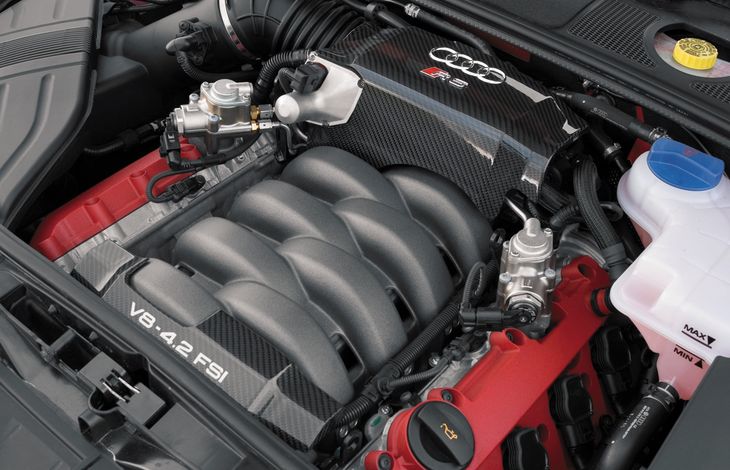
Audi has gone all-in with its EV product initiative. But can any of the e-trons compare to this engine for driver engagement?
But what happens now? Those German V8s pivoted from atmospheric induction to turbocharging (and downsizing) a decade ago and are now disappearing altogether. The promise is that 4- and 6-cylinder petrol-electric hybrids will be superior in all aspects of performance. But nothing even the most gifted German engineers can do will make a 4- or 6-cylinder hybrid powertrain sound as distinctive as a V8.
And hybrids are perhaps an intermediary measure, given that full-electric powertrains are the destiny of most high-performance brands. And in the market for terrifically expensive and very rapid high-performance BEVs, what will distinguish one model’s driving experience over that of another?
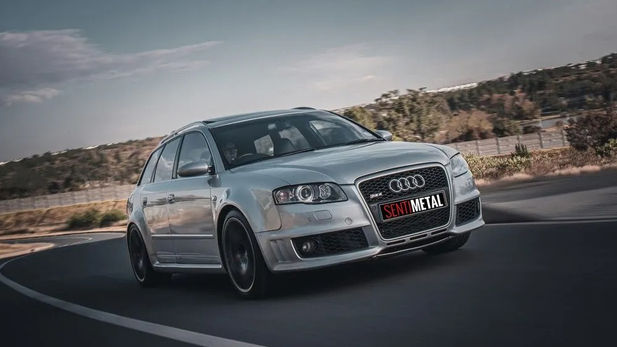
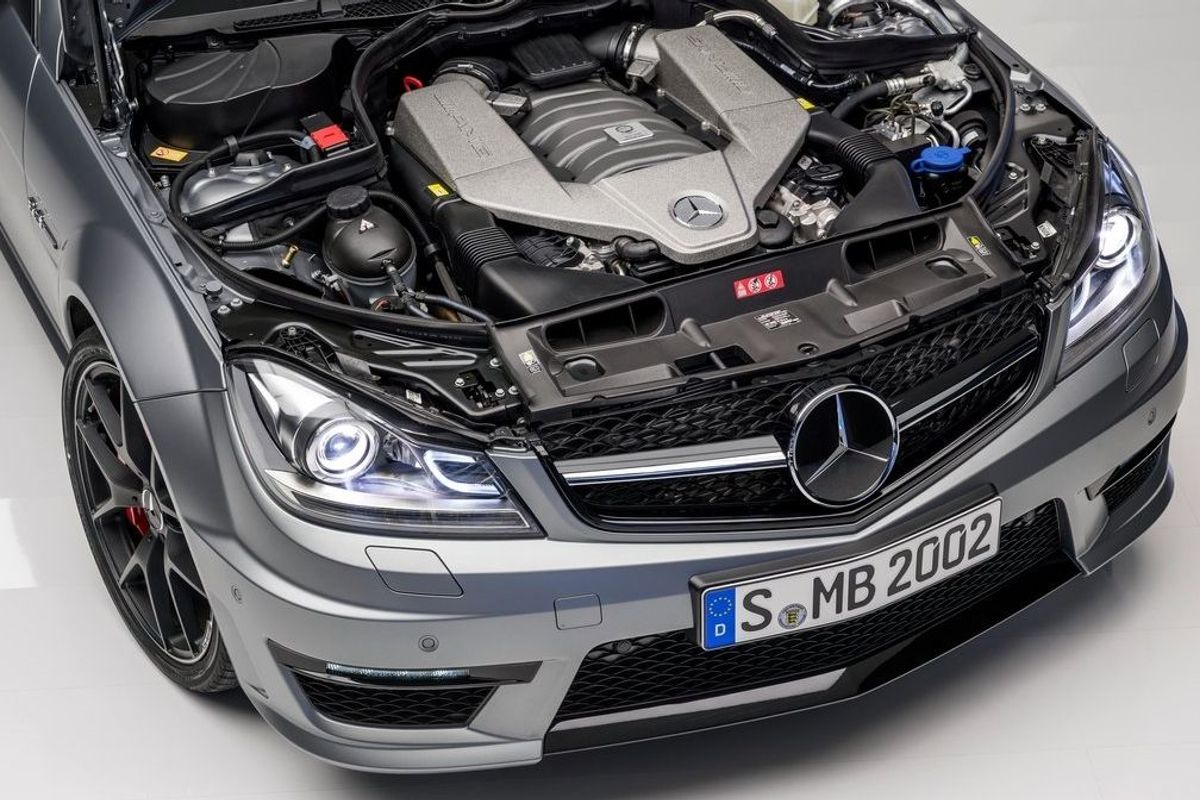
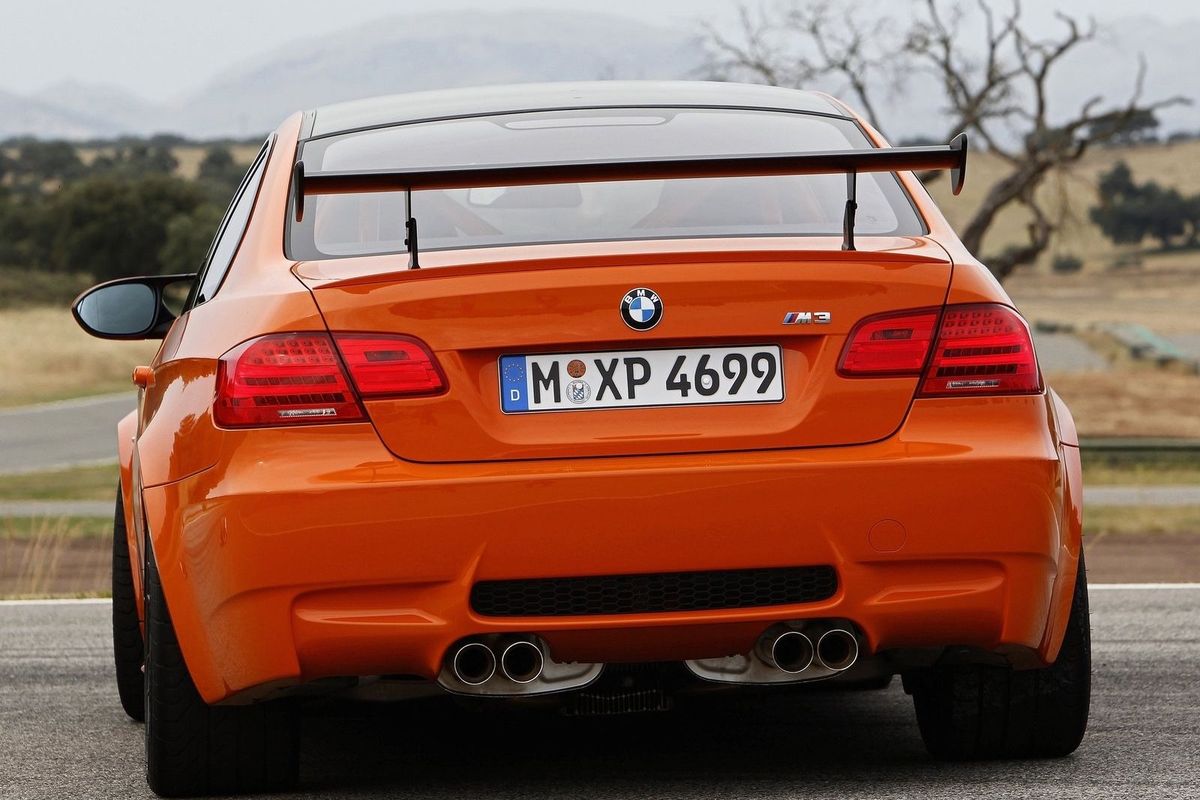
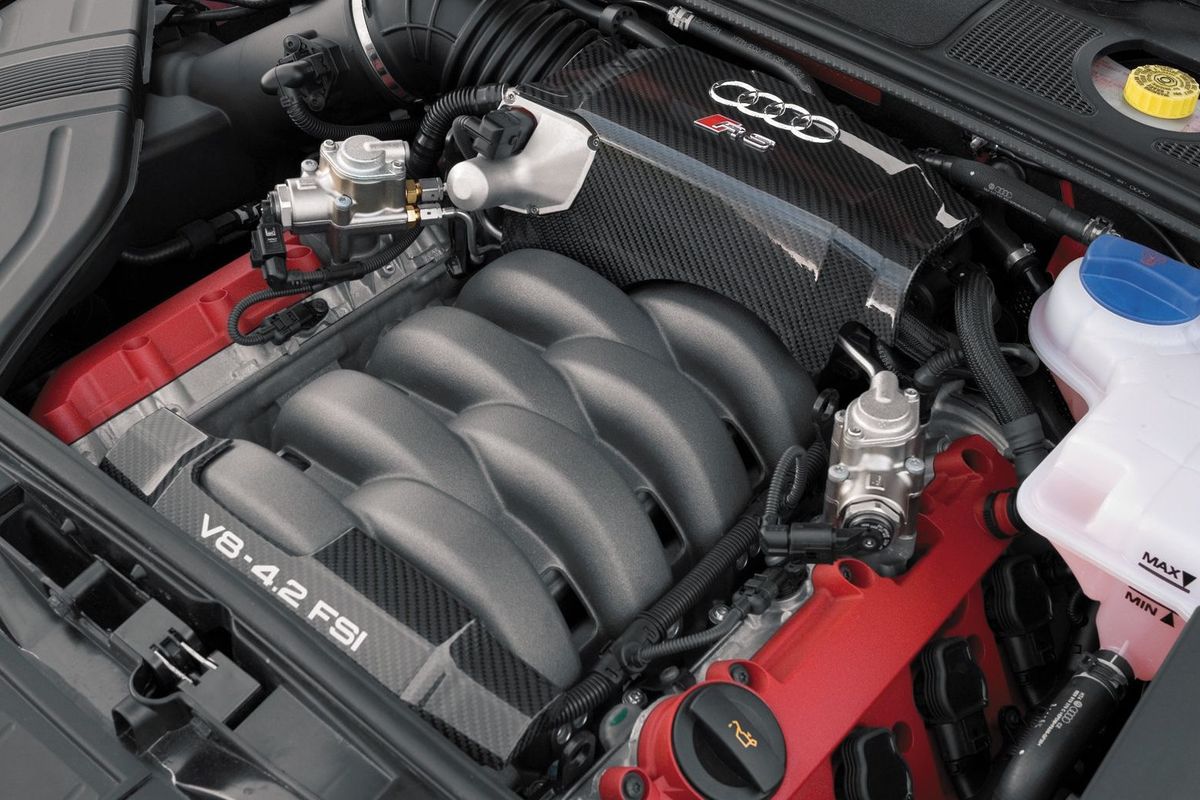
There was a poignant moment in the mid- to late-2000s when Audi, BMW and ‘Benz all fielded cars with 8-cylinder engines, but although they performed largely similar roles, they were remarkably different to drive. The Audi RS4 (B7), BMW E9x M3, plus the W203 and W204 Mercedes-Benz C63 AMG were powered by naturally-aspirated V8s with varying capacity, internal geometry and “revability”.
AMG (now known as Mercedes-AMG) opted for a larger displacement engine in the W204-generation C63, which, at 6.2-litres (its predecessor had a 5.4-litre motor) produced its peak power at 6 800 rpm. Audi and BMW’s V8s were closer in terms of engine capacity (4.2- and 4.0-litres respectively) and developed maximum kilowatt at close to 8 000 rpm.
In engine design, the limits of mechanical engineering narrow to broadly similar conclusions, but those engines sounded very different and delivered unique driving characteristics in their respective models.
Besides, compared with BEVs, petrol-engined cars have multiple gears and differing ratios. Multi-ratio transmissions further enhance specific responsiveness at any given speed and throttle input.
16 000 rpm with an electric motor – it just doesn’t feel that special
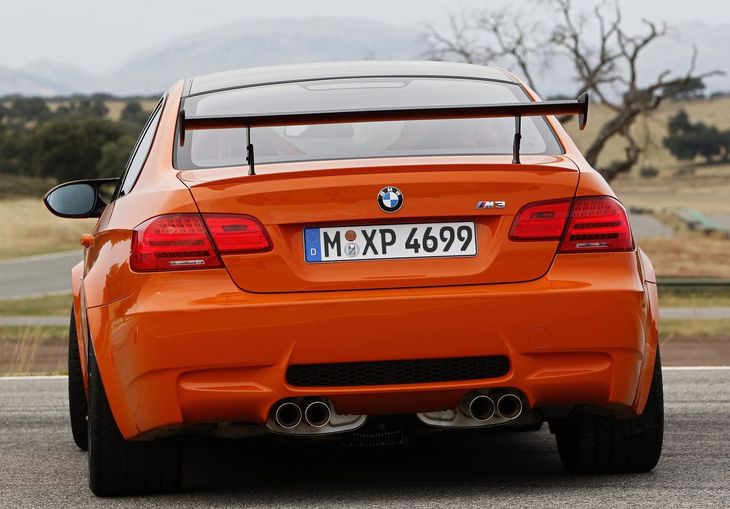
You can have the best speakers inside that cabin to create artificial noise, but nothing compares to four exhaust ends.
But how do you transfer the differentiation of golden era RS4, M3 and C63 to any EV platform with a single-gear transmission? Electric motors all produce instantaneous torque and spin to dizzyingly high shaft speeds – way beyond 10 000 rpm, in fact. This is why they feel so similar to drive – whether they’re configured as high-performance machines or family crossovers.
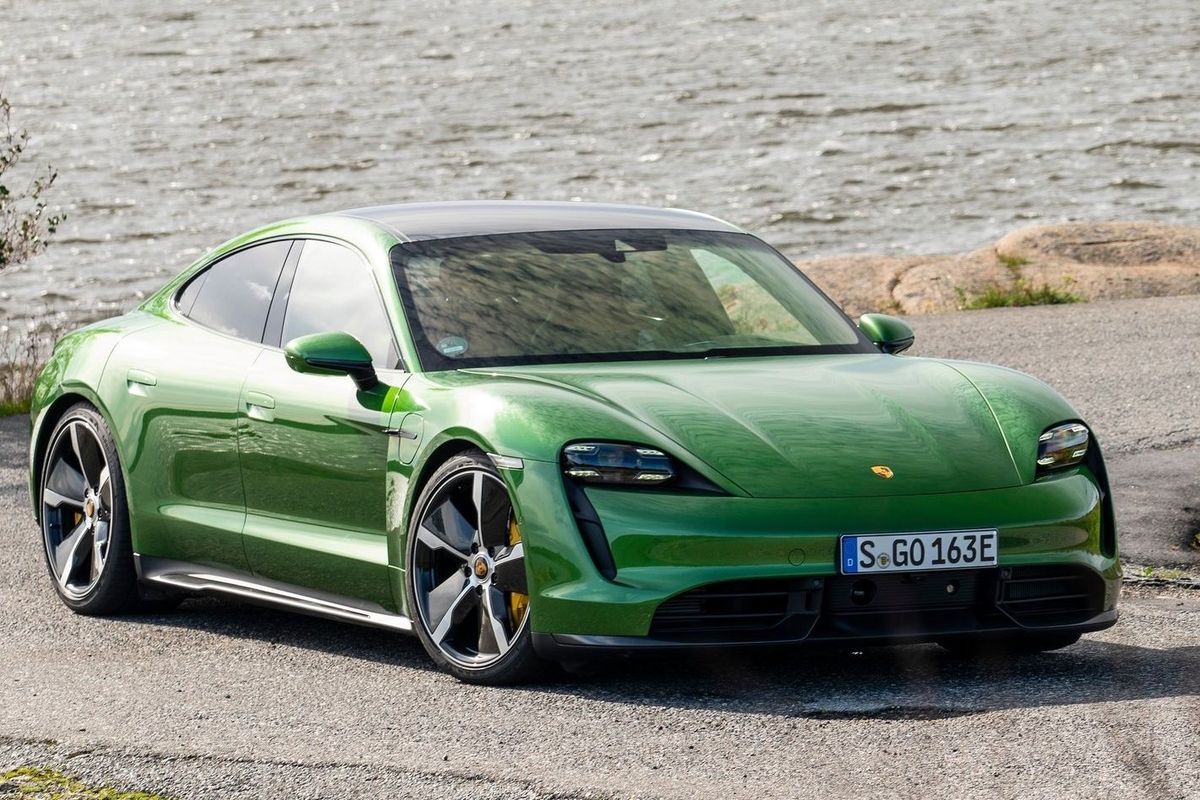
Linear power delivery is core to the traditional performance car driving experience. You build towards a power peak across a generous rev-range. That is why 8 000 rpm in a Porsche 911 GT3 feels a lot more of an occasion, than 16 000 rpm in a Taycan. The choice of trailing a throttle into corners added another dimension of engagement to the driving dynamics of a naturally-aspirated V8 performance car.
With an EV, performance is abundant – but immediate. There is no linearity. And with top speed limiters very much a reality (to conserve battery power), the appeal of a high-performance EV is squeezed into a very narrow channel of expression, where average EVs aren’t much slower from 0-100 kph.
V8 engines felt special. Electric motors are everywhere.
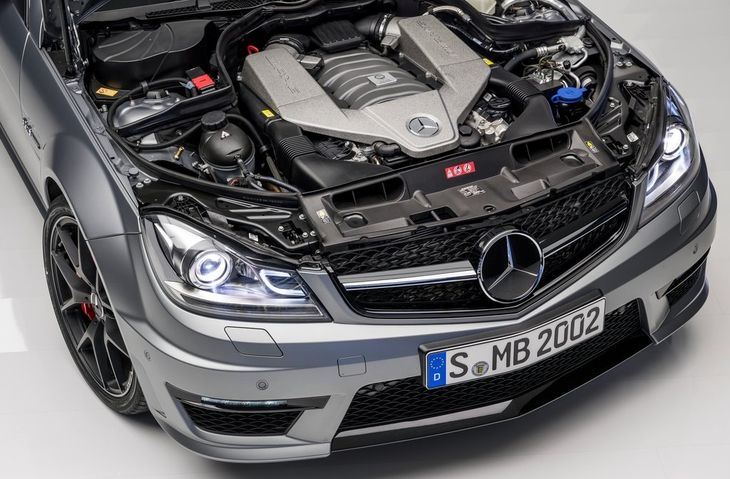
AMG built its entire business on V8s. Engines were considered so crucial to the marketing effort, they even featured a builder’s plaque.
And they sound, well, we know they sound like nothing much – at all. That removes a significant portion of what made a V8-engined performance car so mechanically intoxicating to drive.
Cartoonish torque outputs might make high-performance BEVs terrifically potent at 0-100 kph gamesmanship, but they can never replicate the acoustic drama of a V8 engine. And even the best set of speakers and trick sound mastering cannot substitute the uninspiring whirr of an electric motor.
The experience of listening to a vinyl record on a turntable isn’t very efficient. The turntable and record take up a lot of space – and materials to make. Much less, the power to turn it all. But you’d always prefer listening to your favourite music on vinyl, compared to an iPod.
A similar logic applies to using an electric heater instead of a fireplace. The latter is smoky and wasteful but inarguably more characterful – and the reason why homes with fireplaces command a premium.
There are way too many EVs that can calmly run incredible 0-100 kph numbers
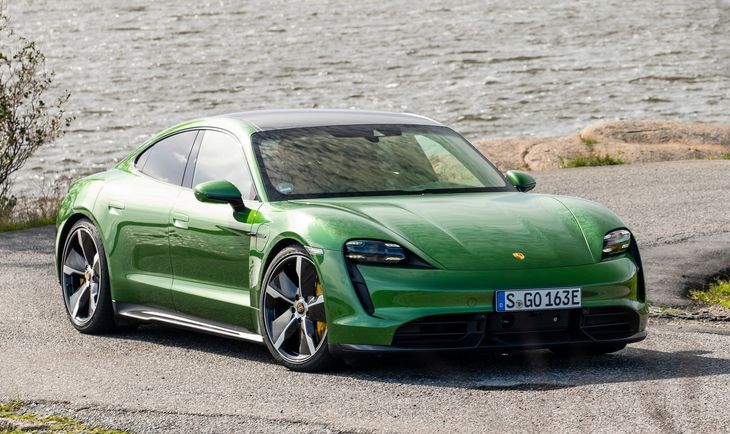
Taycan is brilliantly engineered. But there are battery-powered double-cabs that promise similar power and acceleration.
One should never underestimate the potential of software development with regard to electric motors. Engineers will make electric motor advances with more exotic materials and magnets. But those benefits will be applied to all electric motors, as efficiency gains aim to maximise battery range.
For internal-combustion product teams, the most intricate valve-timing systems and low-friction engine internals were only applied to top-end derivatives. Not shared throughout the product matrix.
But at the moment, it is challenging to imagine a world where three or four legacy automotive brands will be capable of producing vehicles that compete with each other – and offer discernibly different driving experiences, judged on their electric motor responses. The golden era RS4/M3/C63 scenario is very unlikely in a high-performance BEV product segment.
Engine legacy will soon count for nothing
I fear the market for high-performance vehicles might be undone by the very potent 0-140 kph performance that most battery-electric family cars will offer by 2024…
Volvo is a brand unbothered by any legacy of high-performance crossovers or SUVs. And its recently introduced XC40 P8 Recharge has twin electric motors producing a combined 304 kW and 660 Nm.
The XC40 P8 Recharge is said to run 0-100 kph in 4.9 seconds. That is the calibre of performance that will allow the Volvo to comfortably tailgate a BMW X3 M Competition. All that from a Volvo crossover that isn’t trying to be a performance vehicle, but happens to be one, by virtue of electrification. What is BMW’s only real claim of superiority over the Volvo, in terms of driving experience? The soundtrack.
The only way for brands to retain customers who bought into a visceral driving experience, enabled by fantastic V8 engines, would be to deliver the opposite to what electric cars are struggling with most – excess weight. And with each new BEV reveal, that appears to be the least of electromobility-championing manufacturers’ priorities.
Lance Branquinho

Lance Branquinho is a Namibian-born writer and photographer who has won numerous motoring journalism awards. He once smuggled parts to South America, in a minor contribution to help Giniel de Villiers finish on the podium at the Dakar. He fears for the eventual collapse of the air-cooled Porsche 911 market – and keenly awaits, in vain, the return of the brand's 928.