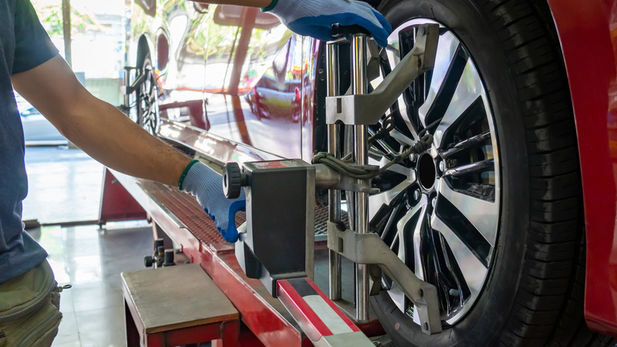
What exactly are wheel alignment and balancing? How do you know if you need it? We’re unpacking everything you need to know right here.
Does your car pull stubbornly to the side every time you release the steering wheel? This classic symptom signals wheel alignment problems that could be costing you serious money.
Misaligned wheels can reduce fuel efficiency and necessitate premature tyre replacement, making proper wheel alignment one of the most cost-effective maintenance services you can perform.
Many drivers confuse wheel alignment with wheel balancing, but these are completely different services addressing separate mechanical issues.
Let’s unpack both services and see how staying on top of these helps you maintain your vehicle properly.

What Exactly Is Wheel Alignment?
Wheel alignment is the process of adjusting the angles of your car’s wheels so they are straight and parallel to each other. The main angles adjusted are camber (wheel-tilt, inward or outward), caster (steering axis tilt), and toe (direction tyres point relative to each other).
These checks help your car drive smoothly without pulling to one side and prevent uneven tyre wear.
What Is Wheel Balancing?
Wheel balancing uses small weights to correct uneven weight distribution around the tyre and wheel assembly and ensures smooth rotation.
The process involves spinning each wheel on a specialised machine to detect heavy spots. Technicians then add small weights to counteract these imbalances, preventing vibrations that shake your steering wheel and cause irregular tyre wear.
Balancing focuses on weight distribution, whilst alignment deals with wheel angles and positioning. Both services complement each other, but address completely different mechanical problems.

What Are the Key Differences Between Alignment and Balancing?
| Aspect | Wheel Alignment | Wheel Balancing |
| What it adjusts | Wheel angles via suspension components | Weight distribution on wheel assembly |
| Primary purpose | Straight tracking and even tyre wear | Smooth rotation without vibrations |
| Common symptoms | Vehicle pulls sideways, edge tyre wear | Steering wheel vibration, patchy wear patterns |
| How it’s performed | Adjusting suspension components | Adding weights after the computerised spin test |
| Service frequency | Every 15,000-20,000km or after impacts | When installing new tyres, or vibrations occur |
Why Does Proper Wheel Alignment Matter So Much?
Proper alignment extends tyre life significantly by preventing uneven wear patterns. When wheels point in different directions, some tyre sections work harder than others, creating premature wear on edges or specific areas.
Properly maintained tyres (including alignment) can improve fuel efficiency, as misalignment increases rolling resistance, forcing your engine to work harder. This translates to measurable savings at the pumps and, therefore, reduced environmental impact. The National Academies’ research confirms that tyre-related factors, including alignment, significantly influence vehicle fuel consumption patterns.
As important as these numbers are to our budget, there’s more to it. Aligned wheels improve vehicle handling and safety. Your car responds predictably to steering inputs, maintains stability during emergency manoeuvres, and stops more effectively. Misaligned vehicles can feel unstable at motorway speeds or pull unexpectedly during braking.
Regular alignment also prevents damage to suspension and steering components that results from fighting constant misalignment forces, saving money on expensive part replacements.
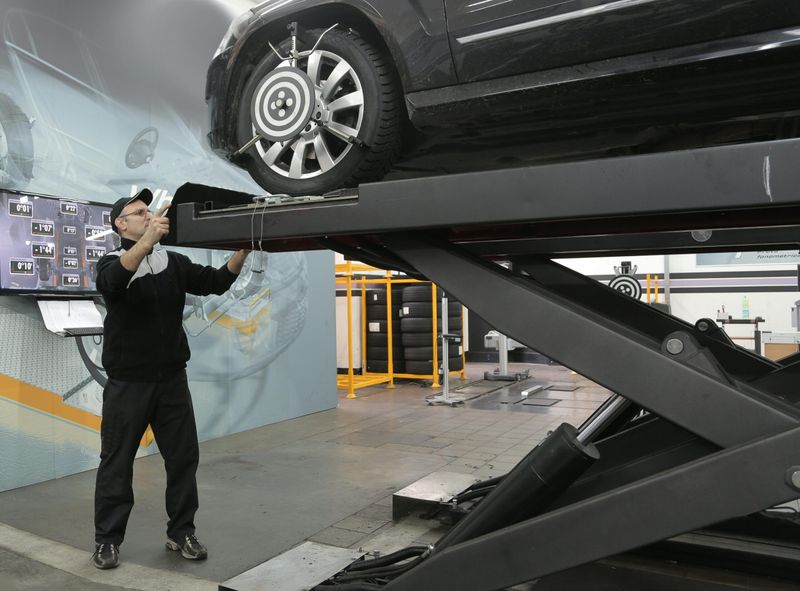
How Does Professional Wheel Alignment Work?
The alignment process begins with inspecting suspension and steering components for wear or damage. Worn parts must be replaced before proper alignment can be completed, as damaged components prevent accurate adjustments.
Modern alignment equipment uses laser or camera technology to measure wheel angles precisely. Technicians compare these measurements against manufacturer specifications and adjust camber, toe, and caster angles accordingly using specialised tools.
The service concludes with a test drive to confirm corrections and smooth handling. Professional equipment and expertise are essential – this isn’t a DIY project for weekend mechanics.

What Signs Indicate Your Vehicle Needs Alignment?
- A vehicle pulling left or right indicates misaligned toe or camber angles requiring professional correction. This symptom often appears gradually, making it easy to ignore until it becomes severe.
- Uneven tyre wear patterns signal alignment problems, causing uneven pressure distribution. Check your tyres regularly for edge wear, cupping, or irregular patterns that indicate alignment issues.
- An off-centre steering wheel when driving straight suggests misaligned steering geometry. Even if the vehicle tracks straight, this symptom indicates alignment problems that need attention.
- High-speed vibrations may indicate alignment issues, though they can also signal balancing problems. A professional diagnosis determines which service you need.
- Loose steering feel or excessive play often results from incorrect suspension angles affecting steering response and road feel.

When Should You Check Your Alignment?
Schedule alignment checks immediately after hitting potholes, curbs, or experiencing any wheel impact. South African roads present unique (yet ongoing) challenges with potholes appearing overnight and roadworks creating unexpected obstacles.
Regular maintenance intervals matter even without obvious symptoms. Have your alignment checked every 15 000 to 20 000 km, as some issues develop gradually.
New tyre installation provides an excellent opportunity for alignment verification. Starting with properly aligned wheels maximises your tyre investment and ensures even wear from the beginning.

Correct Wheel Alignment is A Safety Feature
Proper wheel alignment isn’t luxury maintenance: it’s essential for safety, performance, and financial protection. Those pulling sensations and uneven tyre wear patterns you’ve been ignoring cost money with every kilometre driven.
Regular alignment checks, combined with proper wheel balancing when needed, keep your car performing optimally whilst getting the best of your tyre life and fuel economy. Consider alignment an investment in your vehicle’s long-term health and your family’s safety.
See also: Tyre Insurance: How to Protect Your Wheels and Your Wallet
Find a new/used vehicle listed for sale on Cars.co.za
Browse Cars.co.za Car Specials in South Africa
Cars.co.za

Providing you with the latest motoring news, new car releases and the simplest way to buy and sell cars.