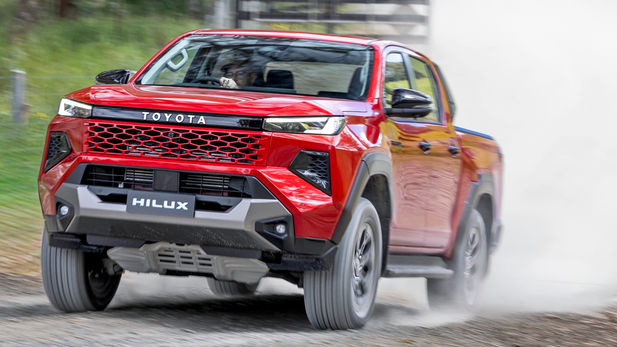
A Toyota engineer has revealed why the Japanese brand opted to stick with the IMV platform for the new Hilux, rather than shift the bakkie to the more modern TNGA-F architecture…
- 9th-gen Hilux retains outgoing model’s IMV platform
- Toyota engineer says 4 factors informed the decision
- Total cost of ownership was seemingly the key driver
Wondering why Toyota opted not to underpin the new Hilux with its latest TNGA-F platform, instead sticking with an updated version of the long-in-the-tooth IMV architecture? Well, a high-ranking Toyota engineer says 4 specific reasons informed the Japanese brand’s decision.
Anyarat Sutthibenjakul, Regional Chief Engineer at Toyota Motor Asia, told carsales.com.au that while the automotive giant indeed investigated a potential switch to the TNGA-F platform (as employed by North America’s Tacoma, for instance), it ultimately decided to build the 9th-generation Hilux on the IMV underpinnings.
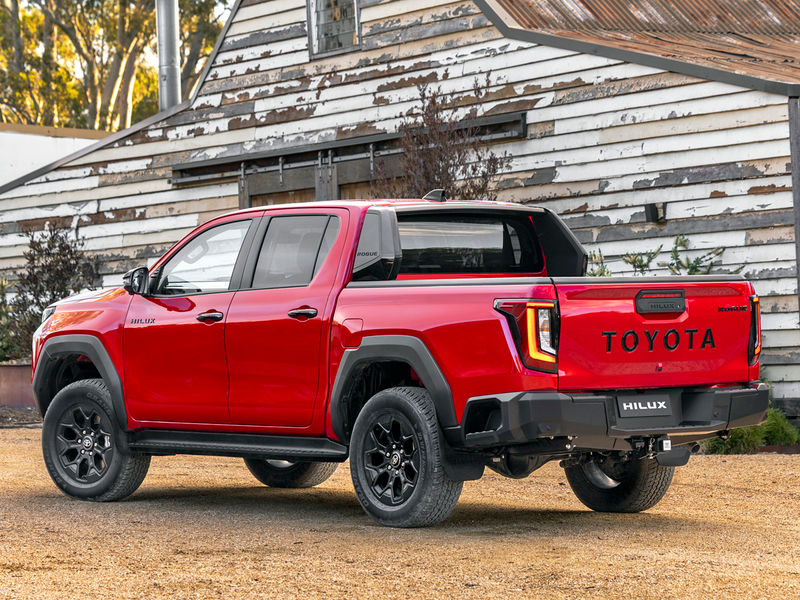
Why? Well, Sutthibenjakul suggested the decision to stick with the IMV platform was informed by the following 4 factors: QDR (quality, durability and reliability), off-road performance, safety performance and total cost of ownership.
Based on her comments to the Australian publication, the latter appeared to be the key driver of this strategy. In short, she suggested moving the Hilux to the more modern TNGA-F architecture would simply have made the final product too expensive to buy and maintain, compared to the outgoing version.
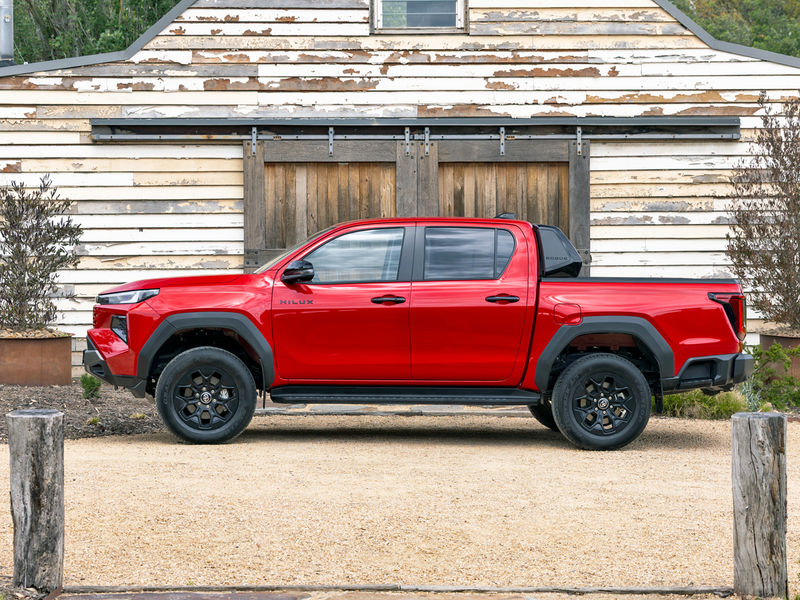
“When we talk about total cost of ownership, there are so many things, including the upfront pricing and serviceability, the maintenance, the downtime, whatever,” Sutthibenjakul told carsales.com.au, adding that the Hilux “should have the best total cost of ownership”.
- ALSO READ: Why the new Hilux uses Toyota’s old engines
She went on to suggest that while employing a single global platform – in this case, TNGA-F – to underpin Toyota’s various bakkies might look like good business sense, it would have been to the detriment of Hilux customers, who would have had to “pay more” for a platform that would furthermore have “unnecessarily” added weight.
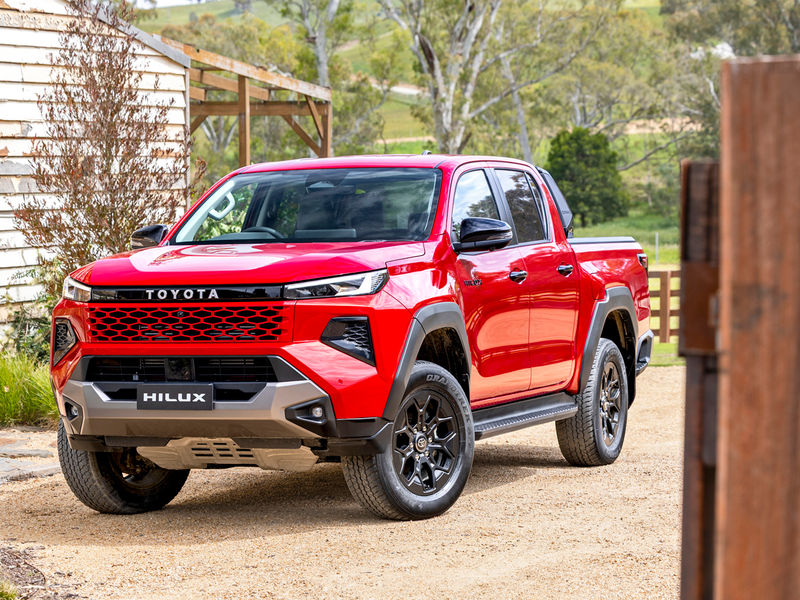
“That’s something that customers are not expecting. So, we keep the optimum platform for customers, not for ourselves,” Sutthibenjakul told the publication, before conceding the 9th-gen Hilux’s lifecycle could potentially be shorter than the traditional 10 years.
As a reminder, the new Hilux was revealed in Thailand on 10 November 2025, a decade after the debut of its predecessor. It retains that outgoing generation’s IMV platform, though gains new hydraulic engine mounts and shear-type cabin mounts to “reduce vibrations and enhance ride comfort”.
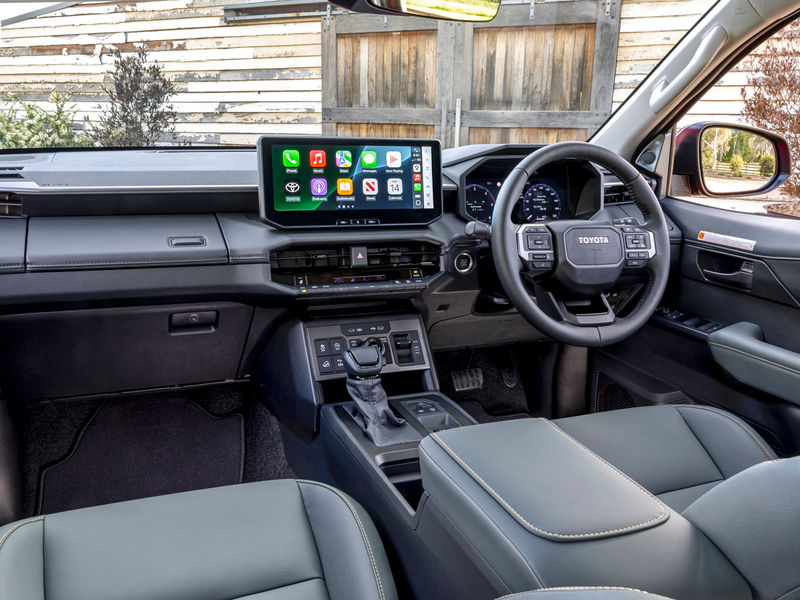
The new Hilux – the 9th iteration of a nameplate that has held the title of Mzansi’s best-selling vehicle overall for more than half a century – is expected to launch in South Africa at some point in 2026. The SA-spec version will again be produced at Toyota SA Motors’ Prospecton plant in KwaZulu-Natal.
Find a Toyota Hilux on Cars.co.za!
Frequently Asked Questions (FAQ)
Q: Why did Toyota choose to stick with the IMV platform instead of moving the new Hilux to the modern TNGA-F architecture?
A: Toyota says its decision to stick with the updated IMV platform was based on 4 key factors: Quality, Durability and Reliability (QDR), off-road performance, safety performance, and total cost of ownership. The key driver was ensuring the Hilux remains affordable to buy and maintain, as using the TNGA-F platform would have unnecessarily increased its weight, complexity and final price for customers.
Q: What are the main components of “total cost of ownership” that influenced Toyota’s decision?
A: According to a Toyota engineer, total cost of ownership includes several factors, such as the upfront pricing, serviceability, maintenance and downtime. The company prioritised keeping these costs low to meet the expectations of its Hilux customers globally.
Q: When is the new, 9th-generation Toyota Hilux expected to launch in South Africa?
A: The new, 9th-generation Toyota Hilux, which retains the IMV platform with various upgrades, is expected to launch in South Africa at some point in 2026. The SA-spec version will again be produced locally at Toyota SA Motors’ Prospecton plant in KwaZulu-Natal.
Related content
Toyota’s 9th-gen Hilux: what looks new but isn’t
Ryan Bubear

Having written about everything from sport and politics to crime, Ryan eventually settled on motoring. For well over 15 years, he's been penning articles – both online and in print – about the broader automotive industry, though he's particularly fascinated by vehicle-sales statistics. A freelance writer and editor, Ryan has owned a 1971 Austin Mini Mk3 for 20-plus years.