
You might have stretched your budget to the limit just to get that shiny new car onto your driveway. But besides your monthly finance instalment, a raft of mandatory running costs can nearly double your true outlay. How is that even possible?
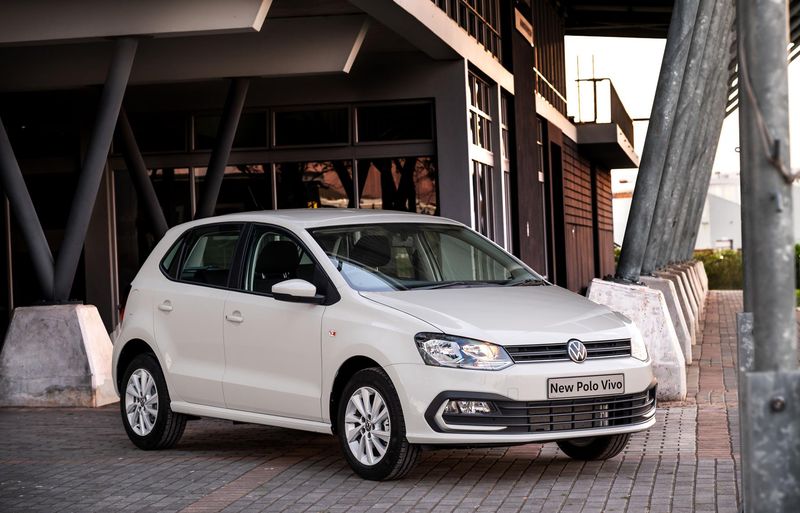
Whether you’re the first-time owner of a new VW Polo or VW Polo Vivo, or a dreamer finally snapping up a Porsche, or you sit somewhere in between, the reality of financing a car is that it’s much more expensive than just the monthly instalment. You may be able to save on fuel by driving outside of rush-hour, but as with all loans, the utilisation of credit for the purchase of an asset attracts additional administrative and compliance cost.
What are these and how much extra are we talking about? Let’s find out.
Vehicle finance instalment: Why your bank quote is only half the story
Responsible car shopping is determined by your total cost of living each month. Bond or rent, groceries, utilities and school fees all come first: only then should you start thinking about tyre-kicking for new wheels. How much can you really afford? This is where online finance and affordability calculators are essential tools for estimating base repayments at various rates. For instance, how much does your down payment differ according to interest rates when you structure your finance plan over 60 or 72 months? Small or big deposit? With or without a balloon payment at the end?
All of which help you answer the key question: how much is car finance monthly? And looking beyond the self-sabotaging “instalment-only” budgeting mindset.

Browse quality used hatchbacks under R250k
Comprehensive insurance & tracking: The non-negotiable monthly add-on cost
Here’s where the add-ons start to, um, add up.
A financed car belongs to the bank until it has been fully paid off. In legal terms, the bank is the owner and you are the operator during this period.
To protect their asset against loss or damage for the duration of finance agreement, they require that you take out comprehensive insurance cover and usually have an approved tracking device installed.
While the cost of insurance varies according to your risk profile (which is determined by, among other factors, your age, claims history, address and vehicle type), the tracker subscription is fixed. Both of these are grudge purchases that can’t be wished away, but they do provide peace of mind should the unforeseeable happen. The bottom line, however, is that they’re expenses you might not have budgeted for when first embarking on your car shopping journey.

Fuel & wear-and-tear: Calculating real-world monthly running expenses
Vehicle finance approved? Tick. Finance and insurance arranged? Yes. Tracker fitted? Let’s go.
This is where the rubber hits the road. Literally … but also financially. With all your motoring costs fixed, you may at this stage think the one variable you do have control over is your monthly fuel budget. You can avoid peak hours or choose highways over fuel-hungry urban stop-start driving. Just remember that every kilometre driven amounts to wear and tear, which is where regular maintenance comes in.
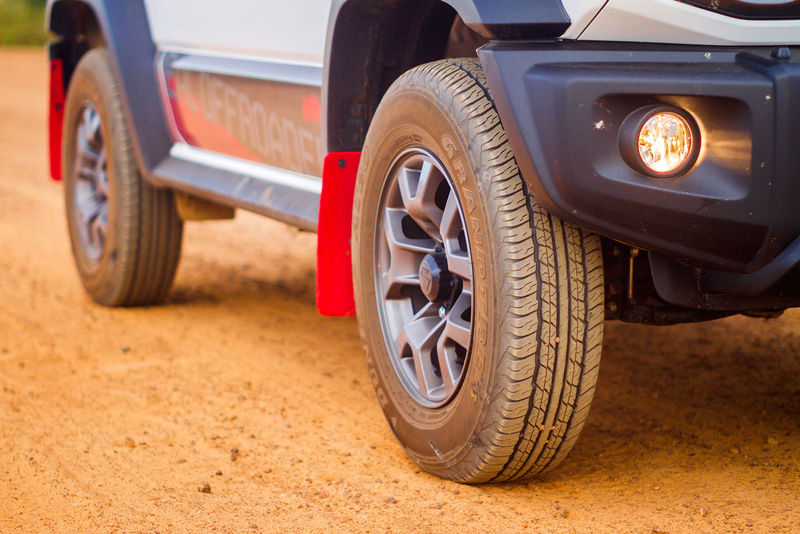
Your new car may have had a service plan bundled into its price, which is limited by time or distance driven; typically 3 years. So that’s only temporary initial relief, and the plan doesn’t cover consumable items such as brakes (unless it’s a maintenance plan) and tyres. The good news is that, by adopting fuel-saving driving habits, you’re also extending these items’ longevity.
The 1.5x rule: How to calculate your true monthly cost of ownership
If you’re busy crunching the affordability numbers and find the additional costs confusing or downright daunting, we don’t blame you.
There’s a simple (and, truthfully, slightly scary) way to frame your calculations based around your vehicle’s monthly instalment: use the finance payment as a base amount and multiply that cost by 1.5 to 1.7 times to factor in all costs.
| Cost component | Monthly cost (est.) | The cost item explained |
| Finance instalment | R5 800 (after 10% deposit on a R300 000 vehicle) | Bank repayment (R270 000 financed @ prime +1.5% over 60 months) |
| Bank admin fee | R69 | NCA-capped monthly service fee charged by credit providers |
| Comprehensive insurance | R1 350 | Required by banks for financed cars; varies by driver age & risk profile |
| Vehicle tracker | R300 | Required by most SA insurers/lenders for high-theft risk models |
| Fuel budget | R2 200 | 1 200 km/month @ 7.0 L/100km (using inland 95 ULP prices as at August 2026) |
| Maintenance & tyres | R650 | Out-of-plan wear-and-tear reserve (tyres, wipers, brake pads, annual licence disc) |
| Total real monthly cost | R10 369 | 78% higher than the base finance instalment alone |
The safest, most carefree car-ownership experience is the one that leaves your wallet breathing room at the end of every month. By doing the math upfront and budgeting for the entire ecosystem around the vehicle, you can enjoy the ride without the post-delivery shock. Put differently: if you can’t comfortably budget closer to R10 400, you aren’t ready for that R5 800 instalment just yet.
Cars.co.za

Providing you with the latest motoring news, new car releases and the simplest way to buy and sell cars.