The budget crossover segment is one of the most fiercely contested areas of the automotive market. As consumers feel the pinch of rising living costs, the appeal of a vehicle that offers SUV styling, a commanding driving position, and a comprehensive feature list for under R250k is undeniable. Enter the updated Renault Kiger…
We like: The Renault Kiger has a contemporary, stylish design, safety spec and practical cabin.
We don’t like: Lacklustre performance, light trim scuffs easily.
FAST FACTS
- Model: Renault Kiger 1.0 Techno manual
- Price: R244 999
- Engine: 1.0-litre, 3-cylinder petrol
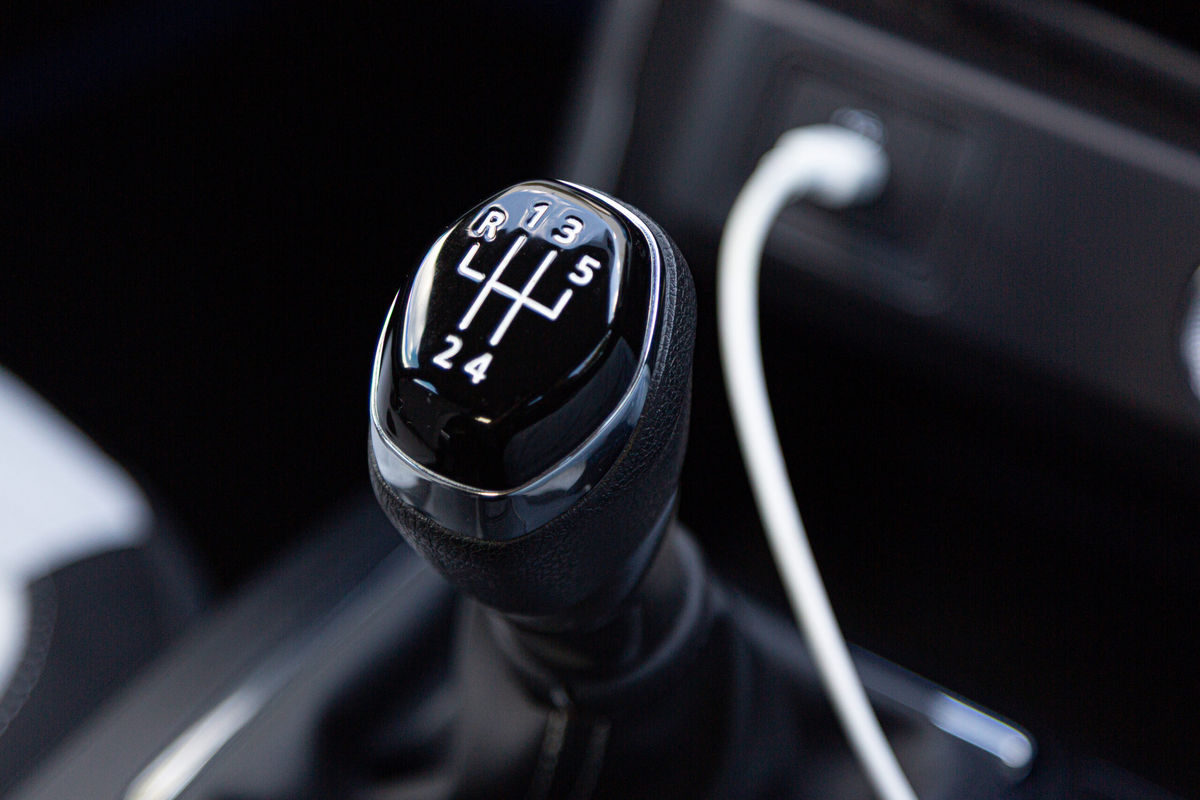
- Transmission: 5-speed manual
- Power / Torque: 53 kW/96 Nm
- Claimed fuel consumption: 5.3 L/100 km
- 0-100 kph: n/a
Where does the Renault Kiger fit in?
The recently facelifted Renault Kiger 1.0 Techno aims to hit this sweet spot. It presents a significant step up from entry-level hatchbacks in terms of size, safety, and presence, yet it remains firmly rooted in the “affordable” category. However, as with any budget-focused product, there are inevitable compromises that prospective buyers need to consider…
Design & Dimensions
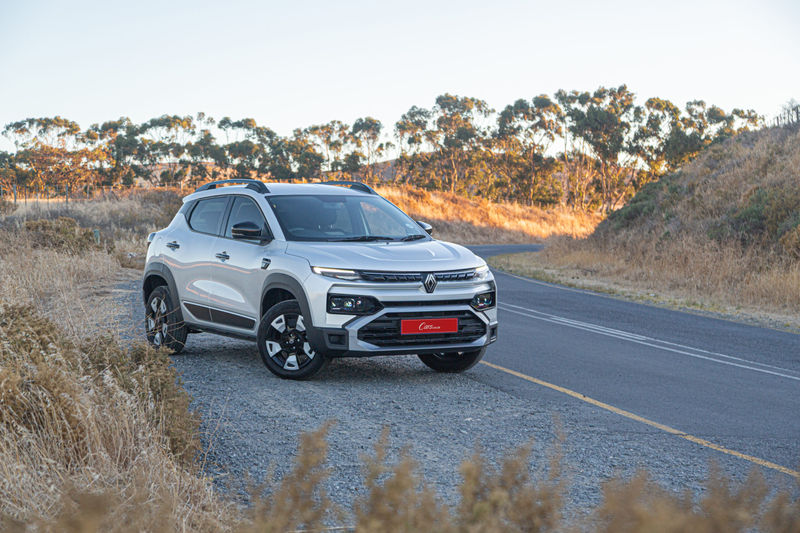
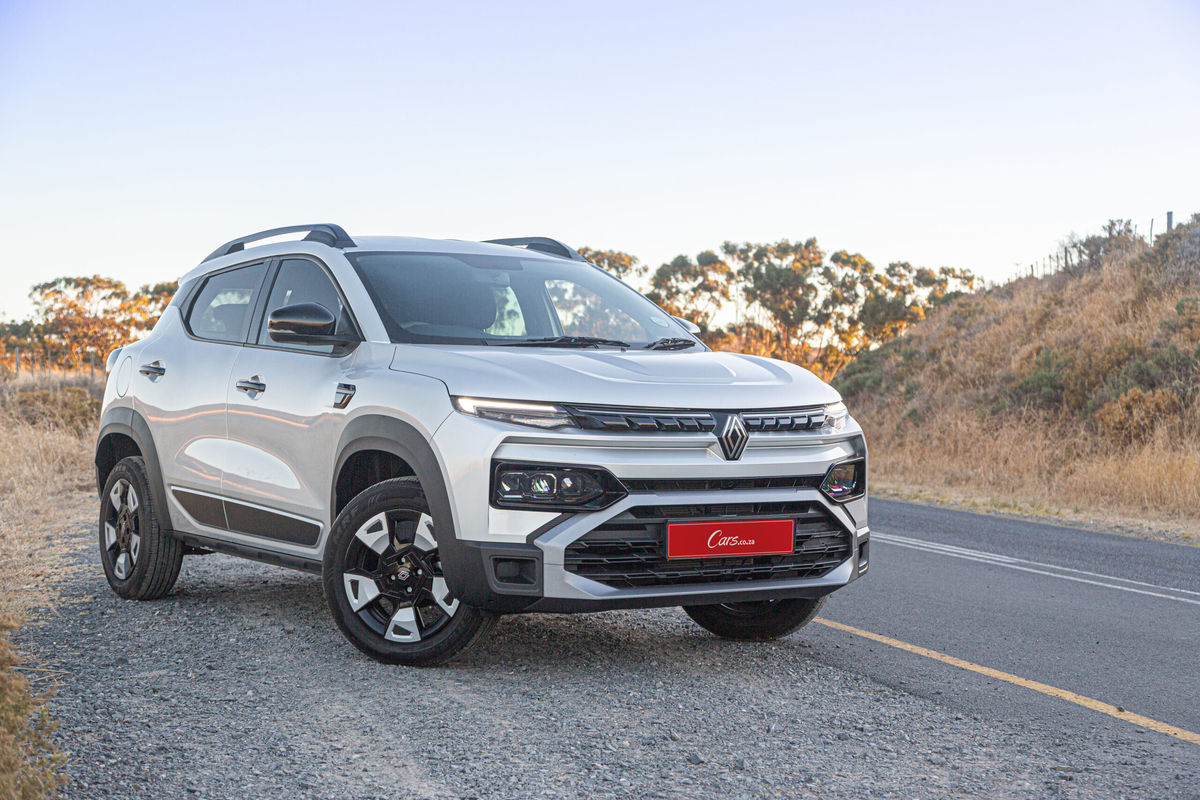
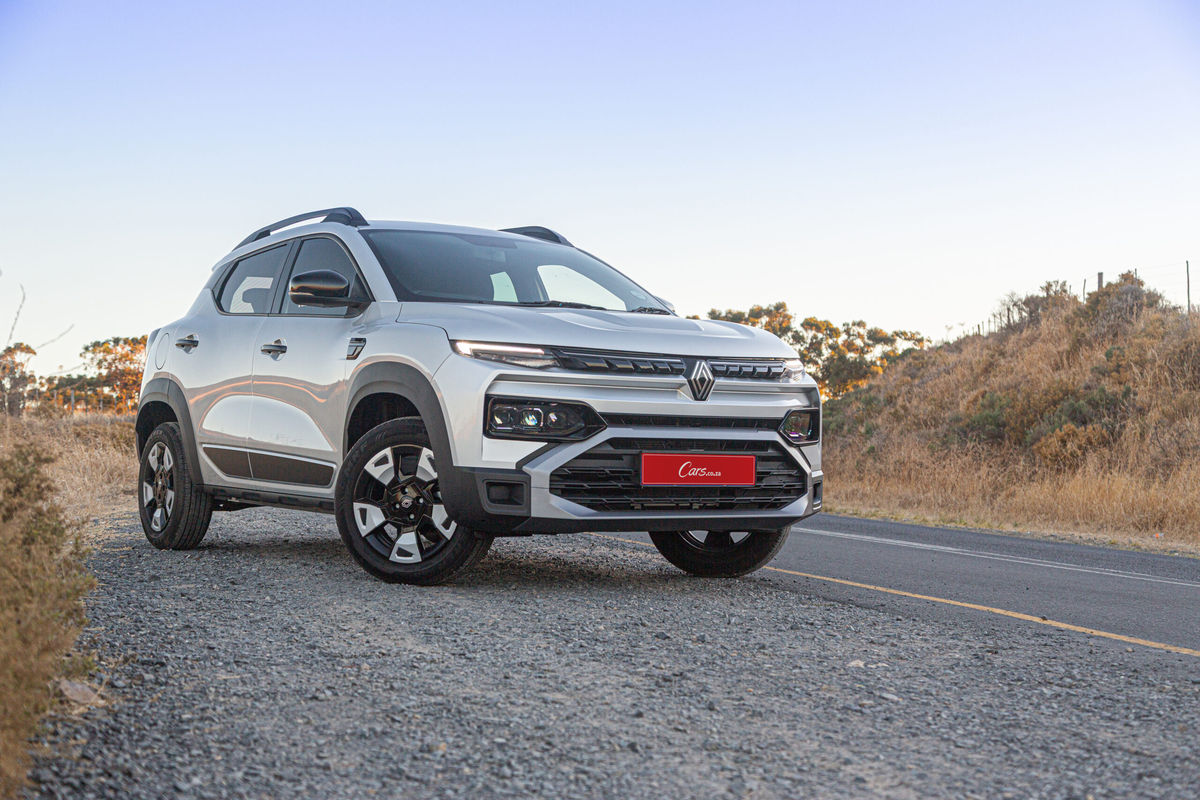
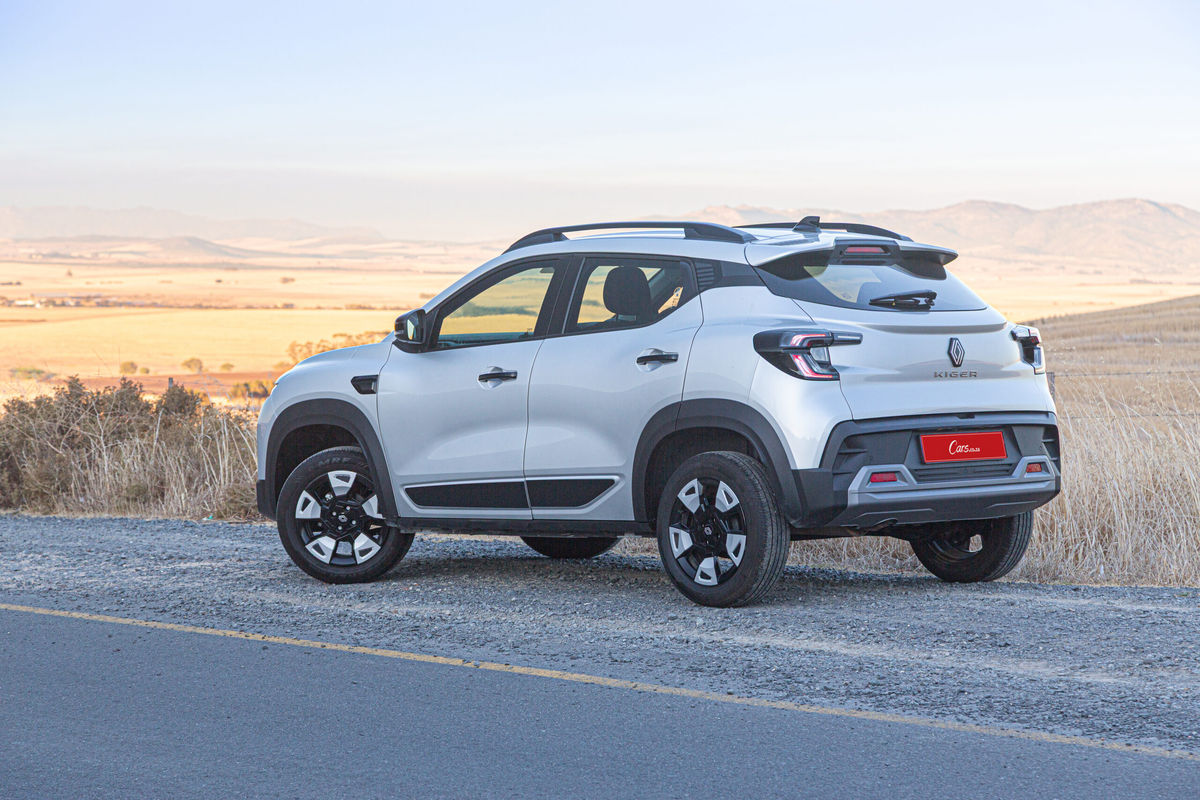
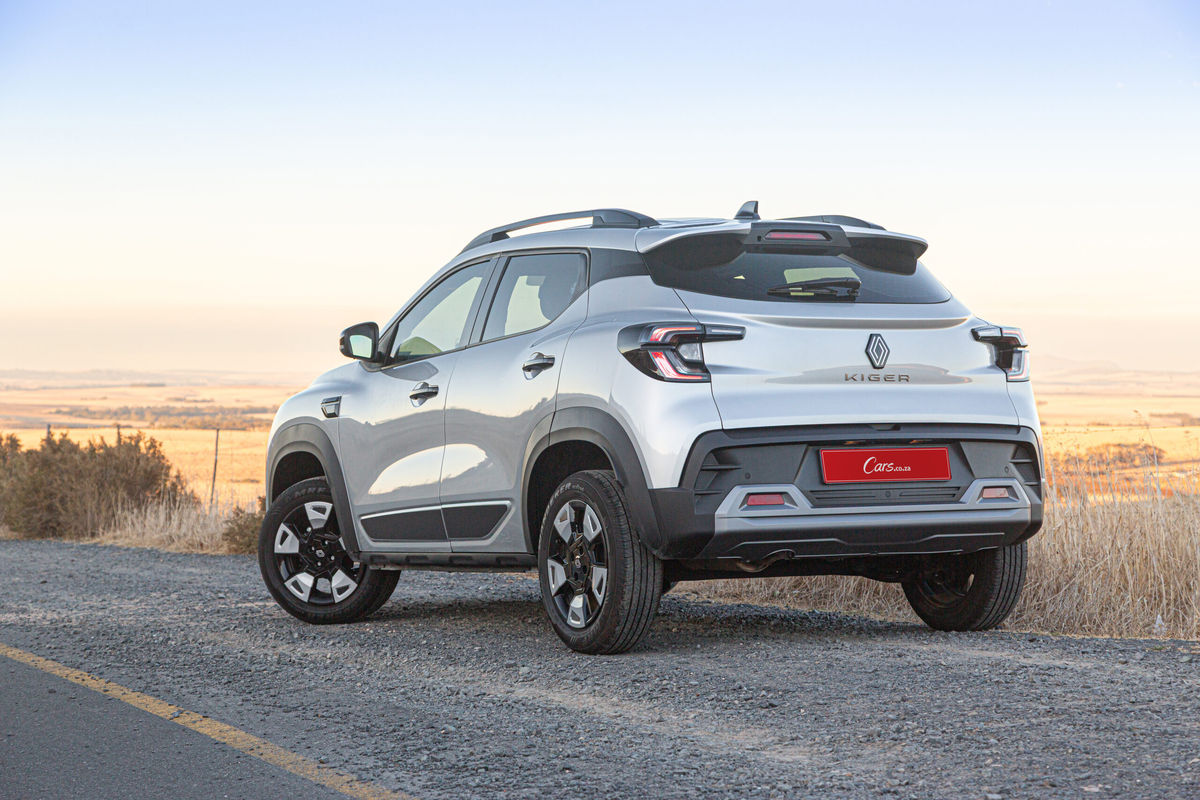
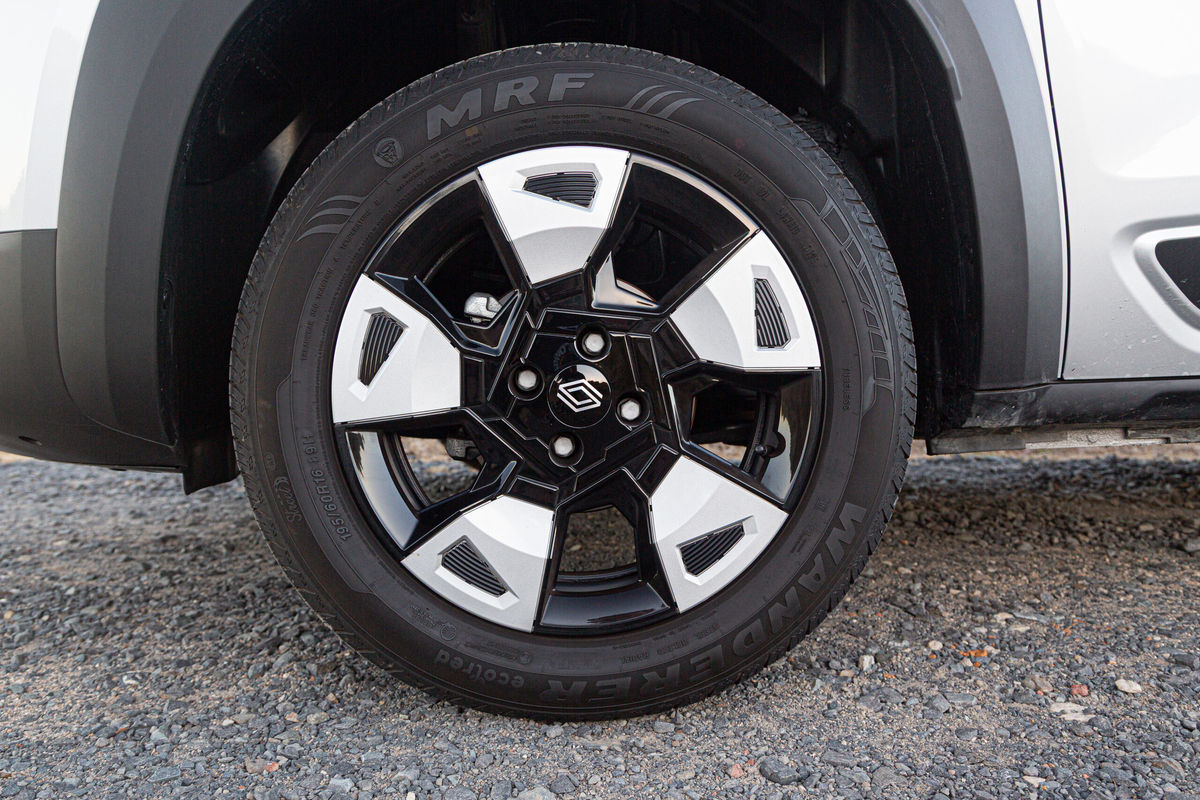
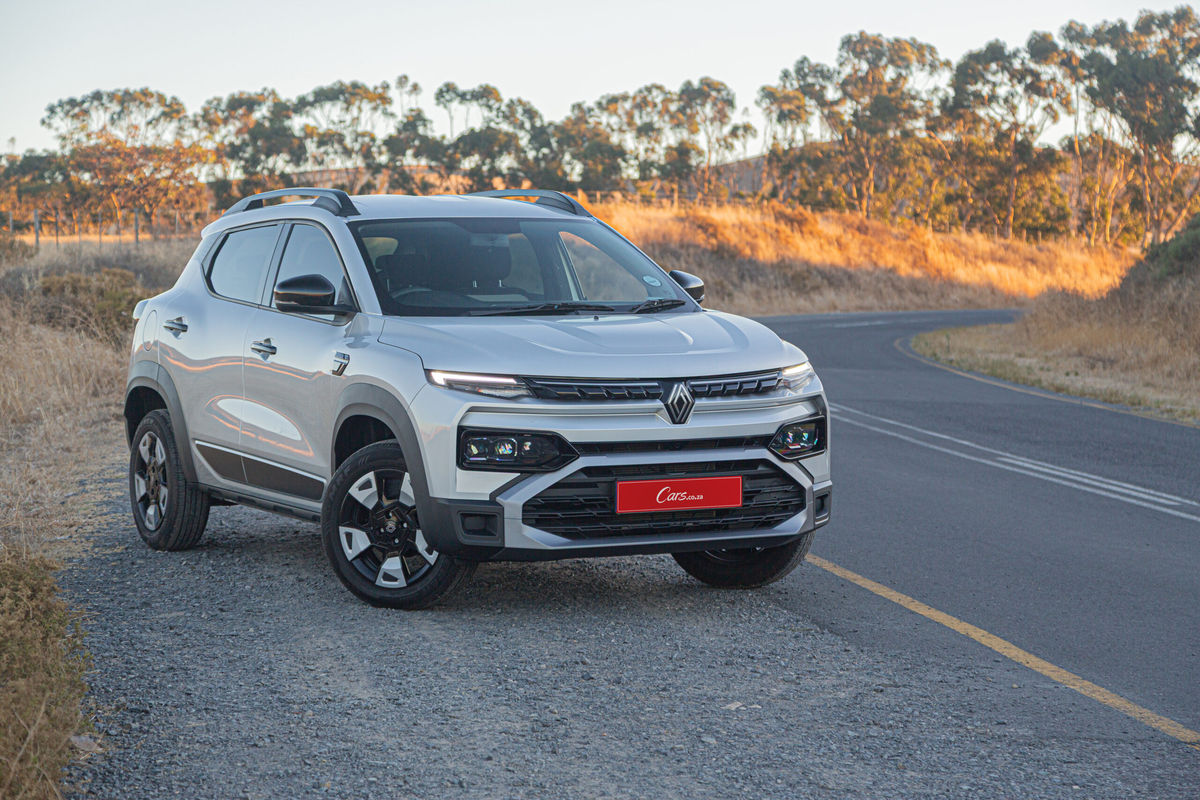
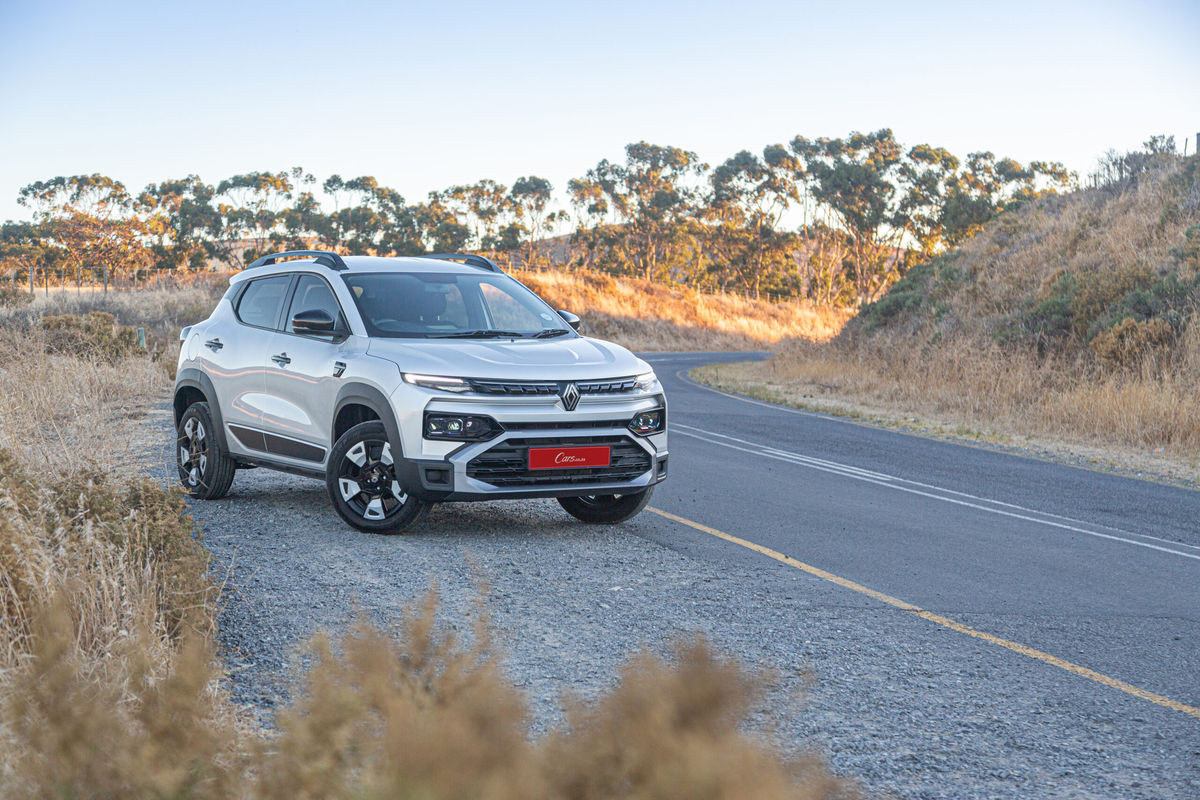
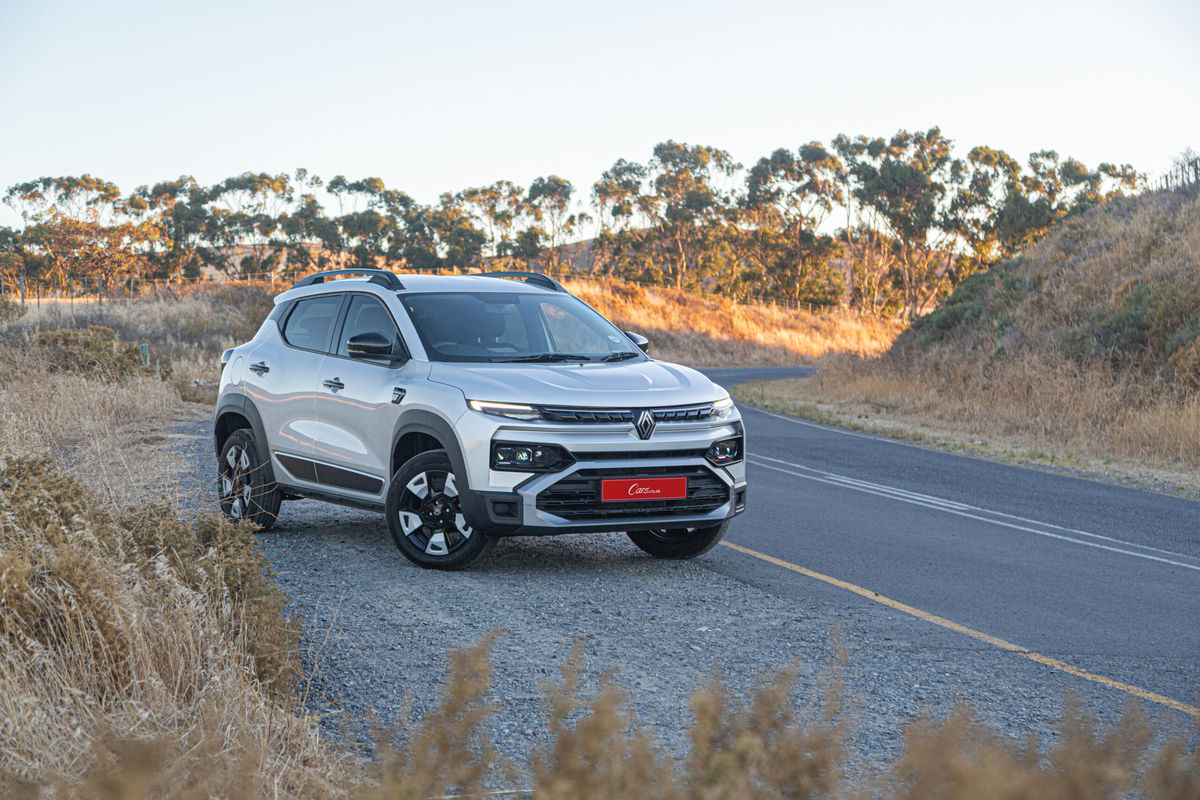
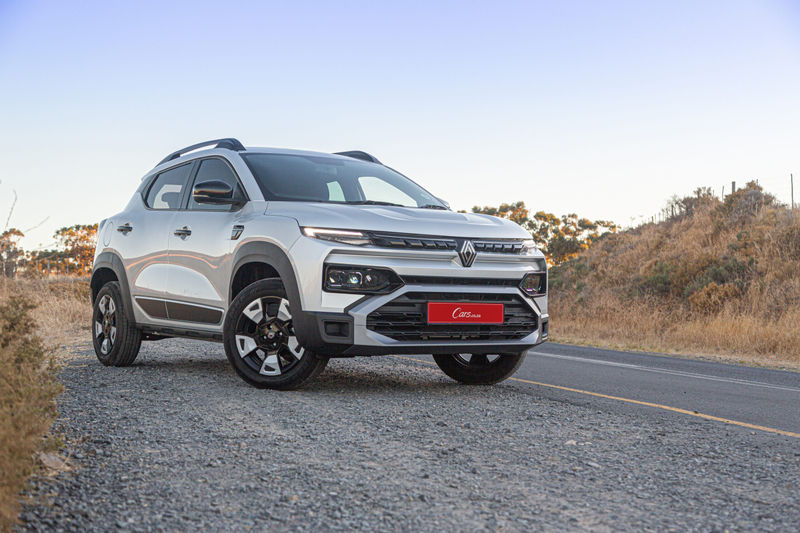
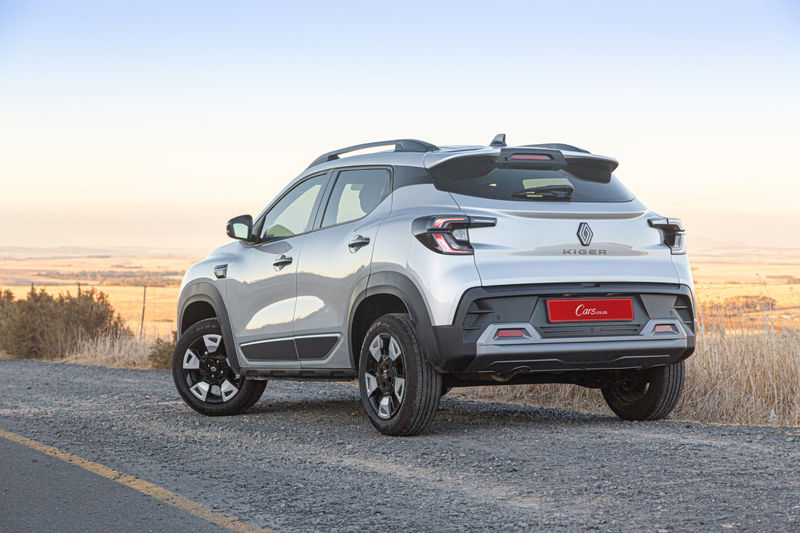
At first glance, the Kiger is an attractive proposition. It successfully blends the lines of a traditional hatchback with the rugged cues of a crossover, resulting in a mini SUV aesthetic that resonates well with local tastes. It boasts a healthy ground clearance, making it suitable for the occasional gravel road or navigating the urban jungle’s speed bumps and potholes.
Read more: Renault Kiger (2025) Launch Review
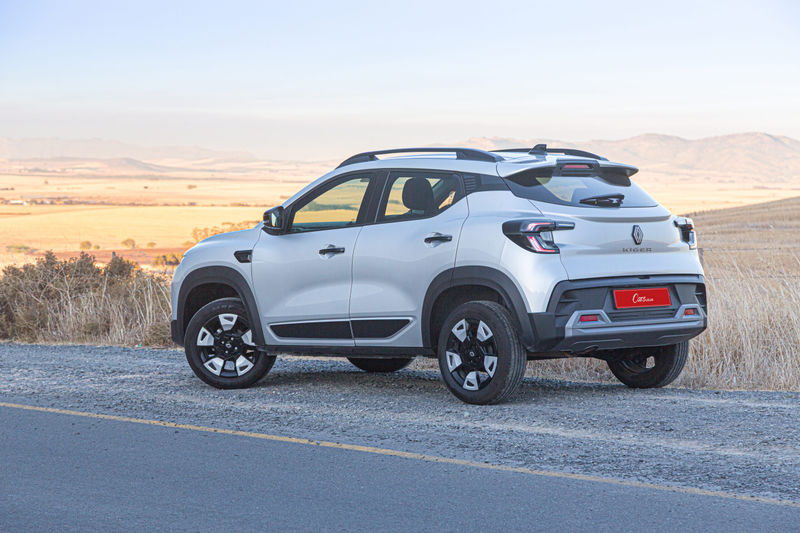
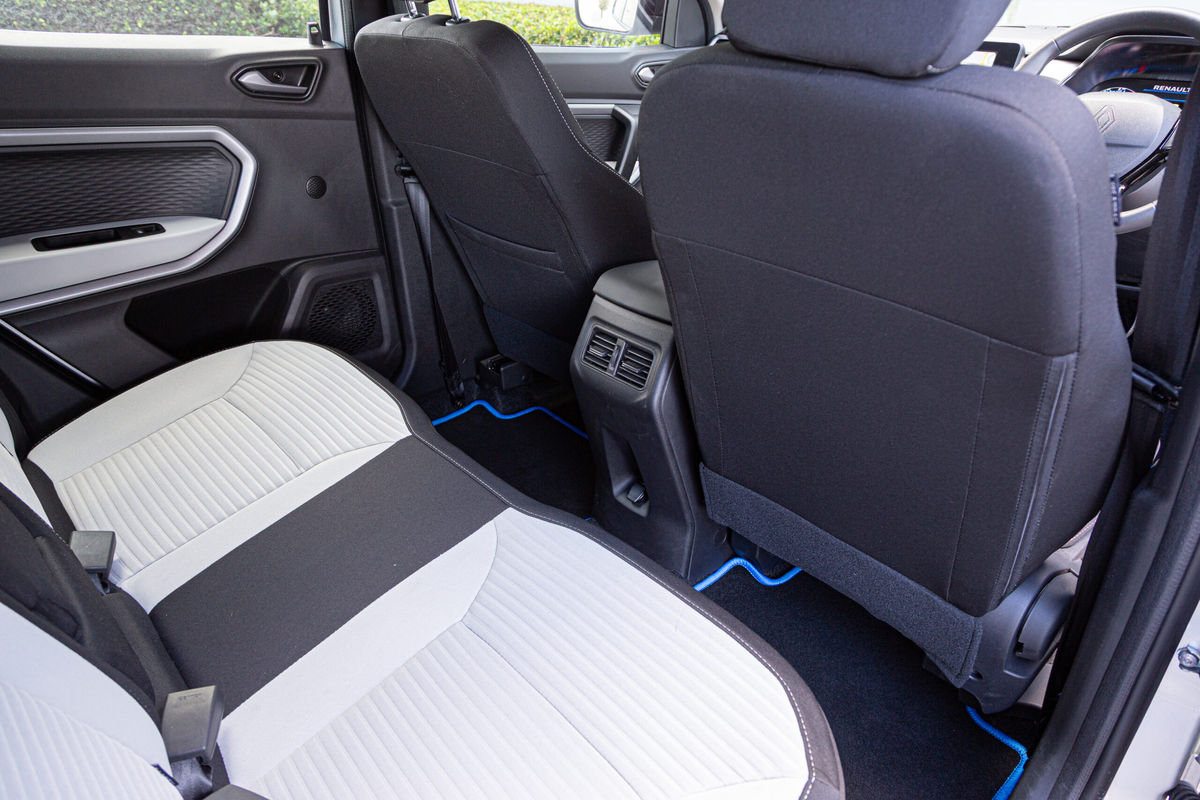
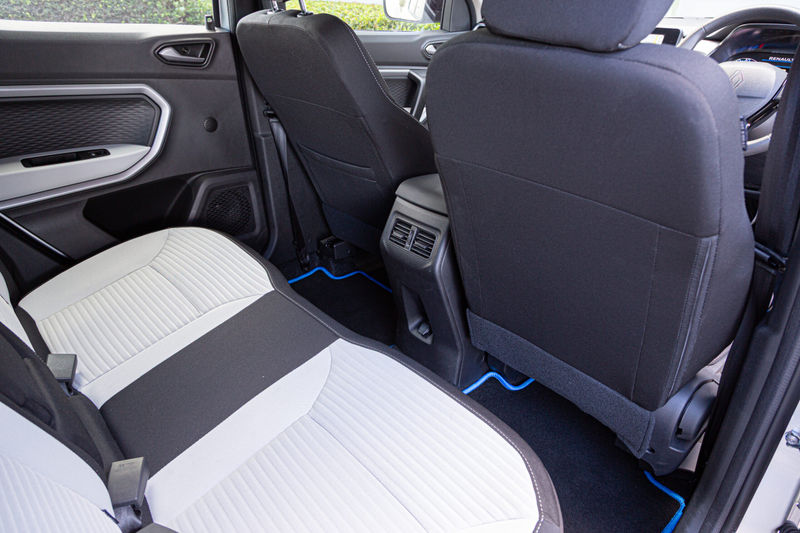
In terms of physical scale, the Kiger is surprisingly substantial. It is longer, wider, and taller than a typical B-segment hatchback like the Suzuki Swift. This extra footprint translates into a spacious cabin with plenty of headroom and legroom for passengers. Practicality is further enhanced by a 405-litre boot, which is one of the most generous in its class.
Interior & Features
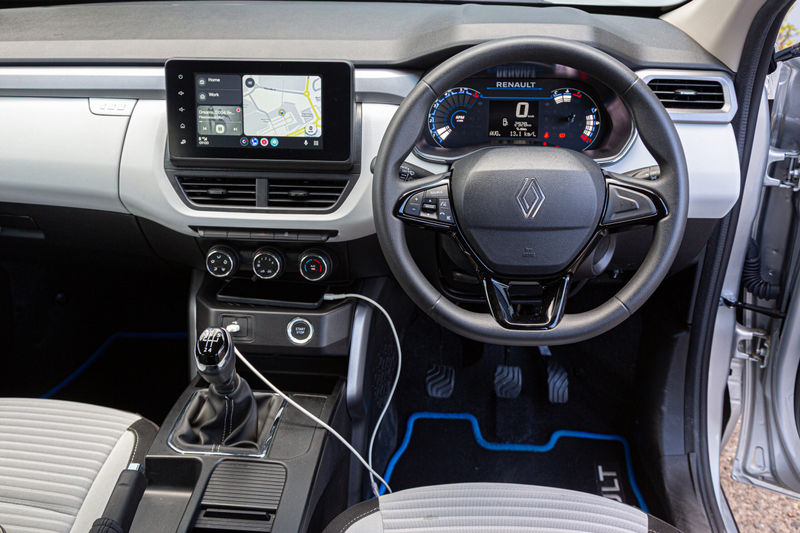
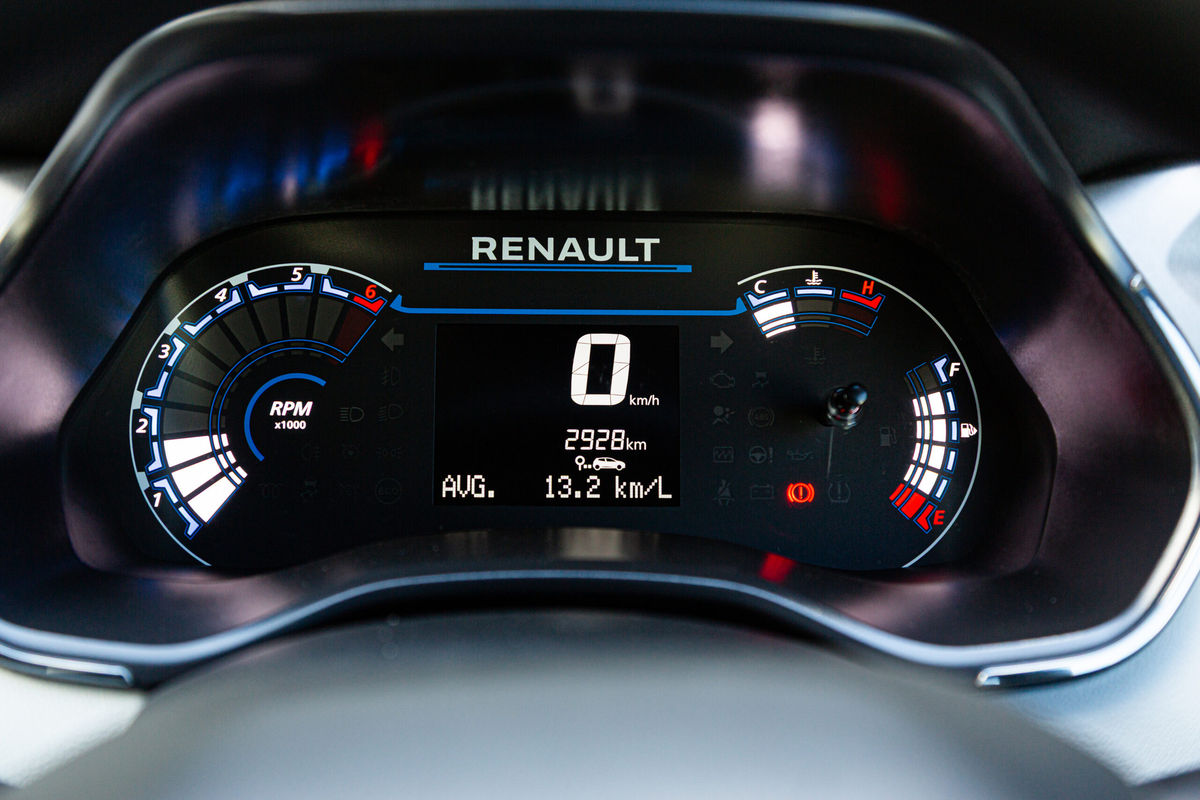
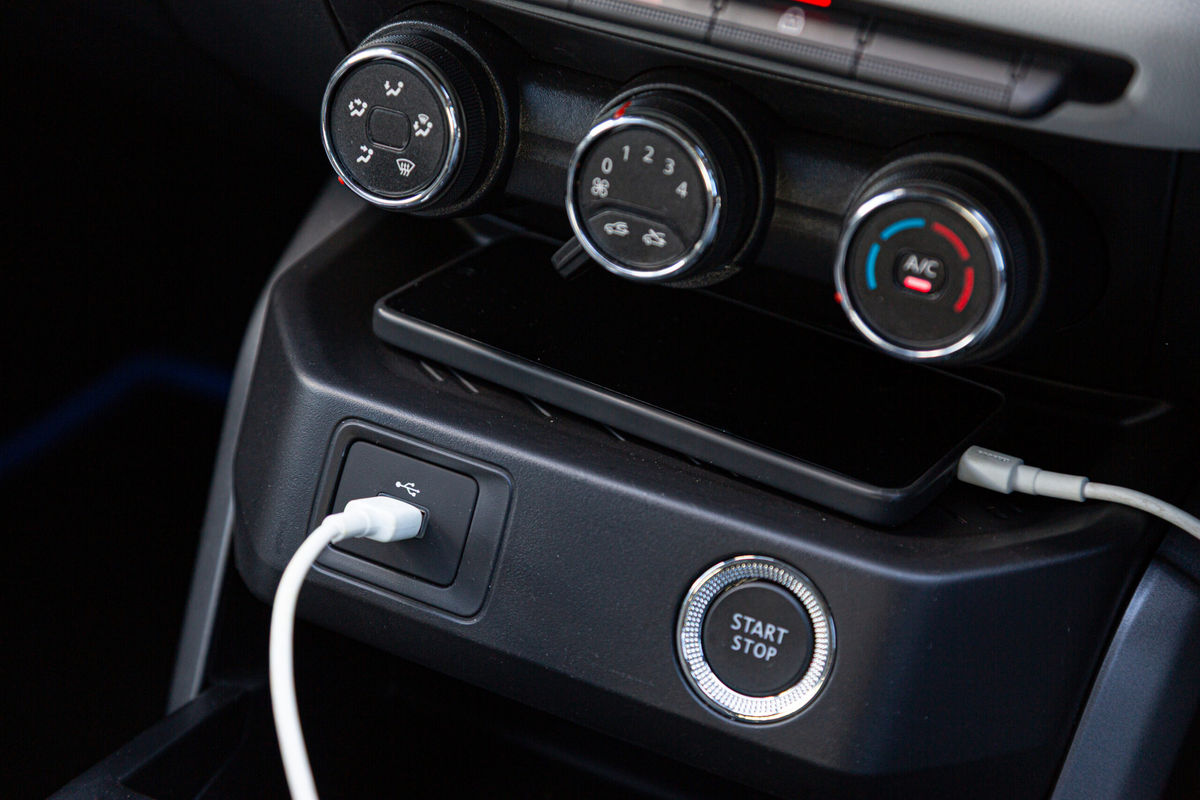
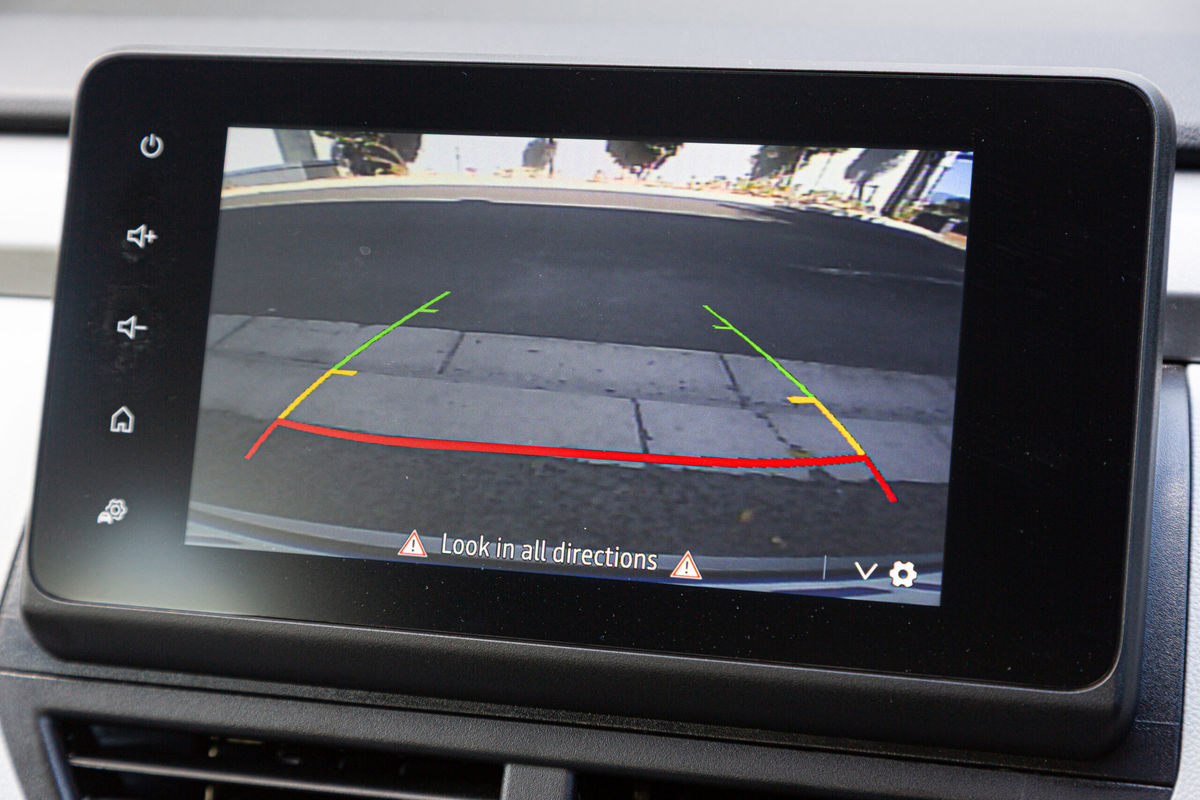
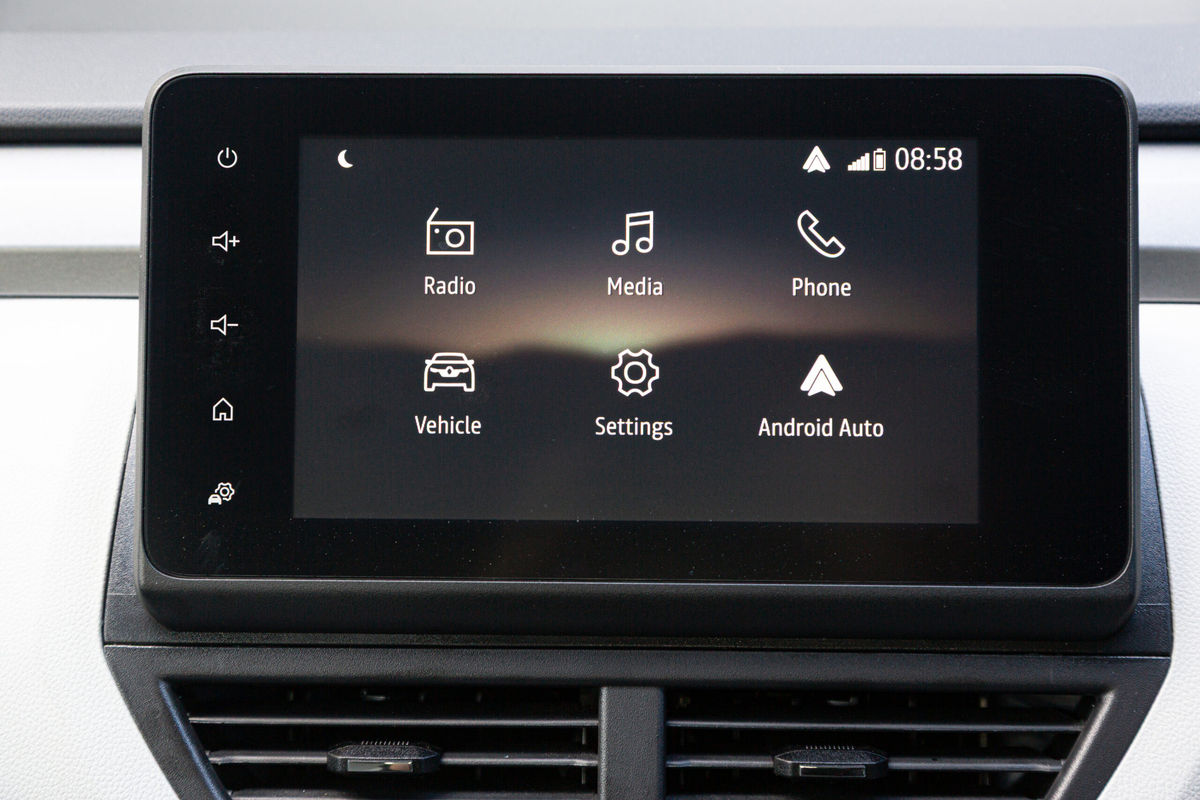
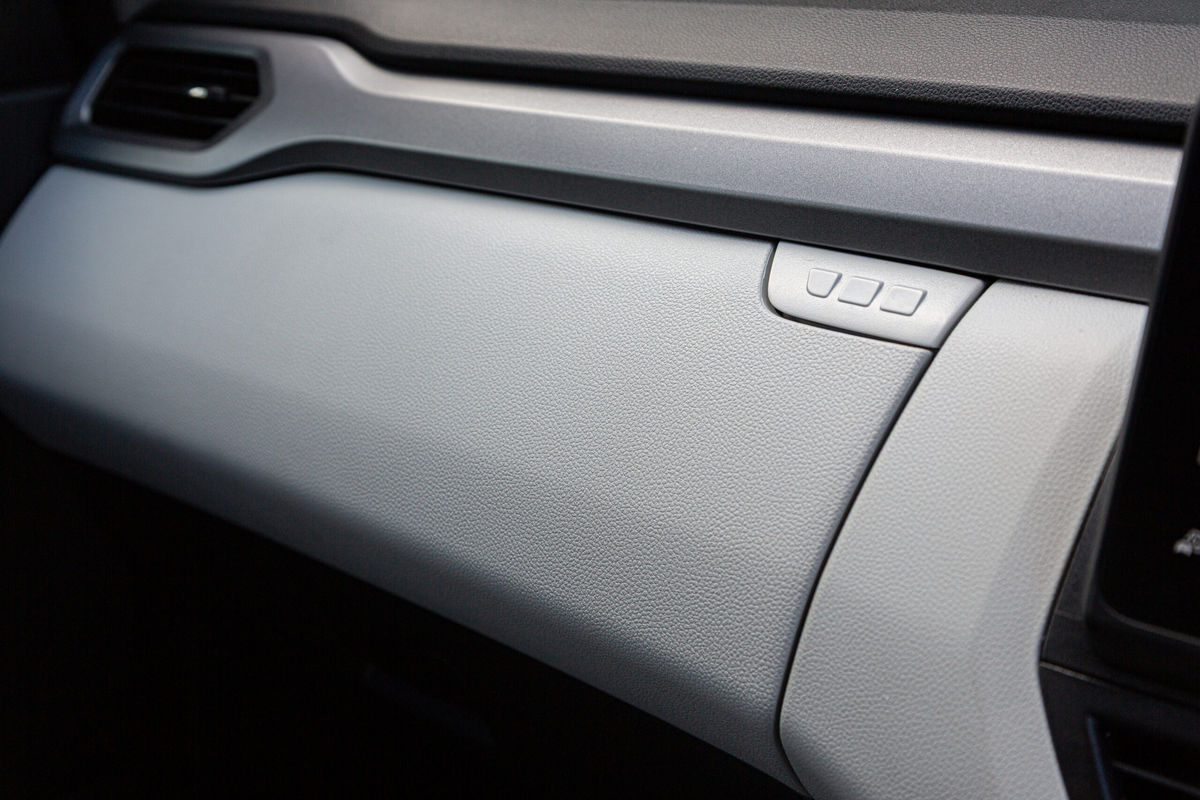
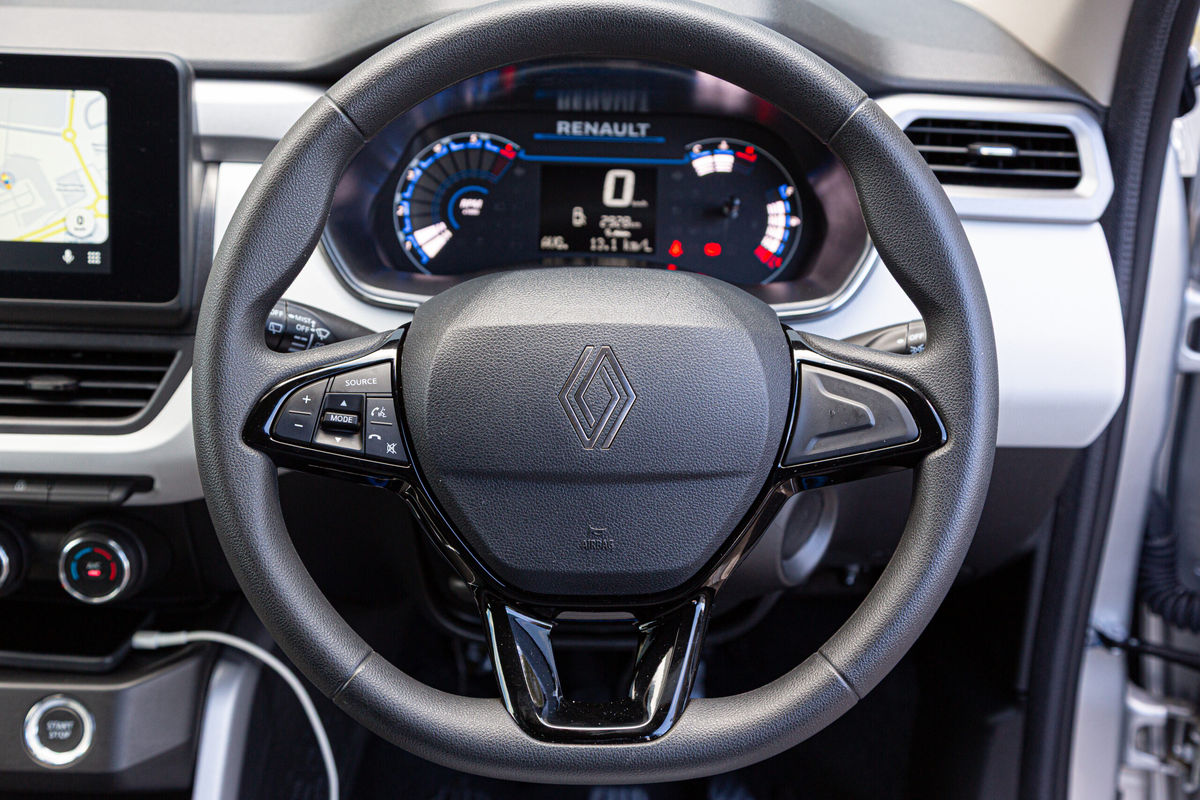
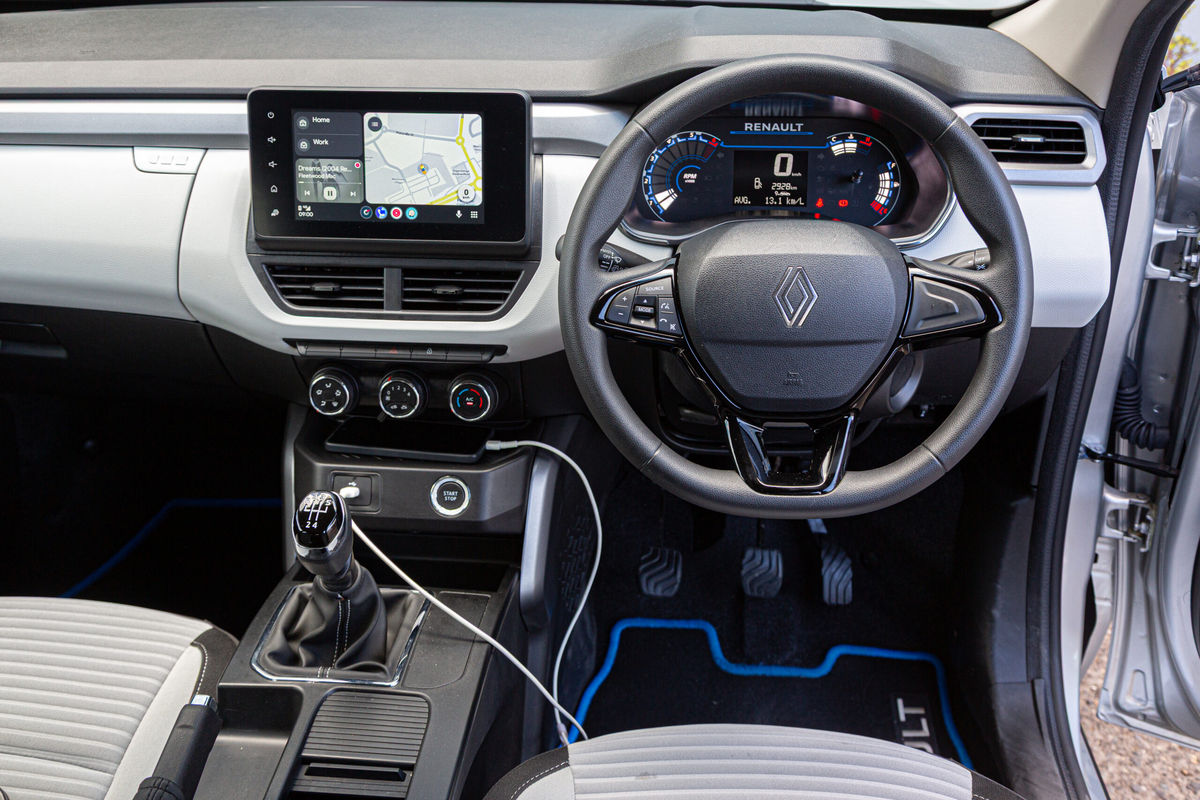
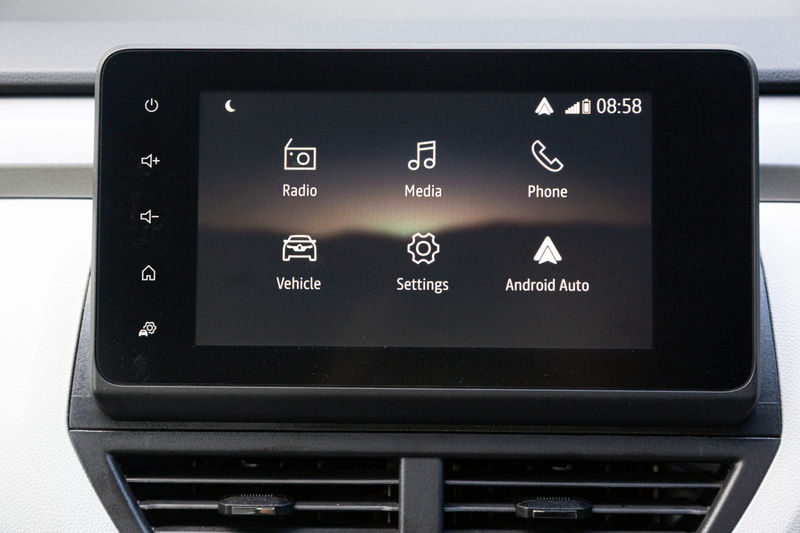
The Techno trim level brings a variety of modern conveniences to the Kiger’s cabin. Standard equipment includes keyless entry with a start-stop button, electric windows, and an 8-inch touchscreen infotainment system featuring Apple CarPlay and Android Auto. The dashboard layout is functional, though the materials used are hard plastics, which is to be expected at this price point.
The seats in the Techno variant are finished in a stylish light cloth, which certainly uplifts the cabin’s ambiance, although their longevity in a family environment may be a concern.
Safety has also been prioritised, with this model featuring 6 airbags and electronic stability control (ESC), providing a level of protection that was once reserved for much more expensive vehicles.
The power struggle
While the Kiger excels in packaging and features, its powertrain is its most significant Achilles’ heel. The naturally aspirated 1.0-litre, 3-cylinder engine produces just 53 kW and 96 Nm of torque. While these figures may suffice for low-speed city commuting, they feel inadequate when the vehicle is required to perform on the open road or tackle steep inclines.
At sea level, the performance is already modest, but the situation becomes more pronounced at the higher altitudes of the Reef. Due to the lack of oxygen at 1 700 metres above sea level, a naturally aspirated engine can lose up to 17% of its power. This makes overtaking manoeuvres, especially when the car is loaded with passengers and luggage, a task that requires careful planning and a great deal of patience.
Ownership of the Renault Kiger & Alternatives
Renault provides a competitive ownership package with the Kiger, including a 5-year/150 000 km warranty. The standard service plan is a 2-year/30 000 km arrangement, though buyers have the option to extend this at the point of purchase.
For those looking at alternatives within the same price bracket, the market is crowded. Rivals like the Hyundai Exter and the Mahindra 3XO offer similar crossover appeal. The Mahindra, in particular, features a turbocharged engine that provides significantly more torque and better performance at altitude, albeit at a slightly higher initial cost.
Verdict
The Renault Kiger 1.0 Techno manual is a well packaged, stylish, and safe option for buyers who prioritise new-car peace of mind and modern features over outright performance. It offers a lot of “car” for the money, particularly for urban dwellers who rarely venture onto the highway.
However, for those who frequently travel long distances or live at high altitudes, the lack of engine punch may prove to be a deal breaker. It remains a compelling “budget beater,” provided the owner is willing to accept its performance limitations.
Here is the FAQ SEO Schema for the Renault Kiger article, following your template exactly.Frequently Asked Questions (FAQ)
Q: What are the primary performance limitations of the Renault Kiger 1.0 Techno manual?
A: The Kiger 1.0 Techno is powered by a naturally aspirated 1.0-litre engine producing 53 kW and 96 Nm. Due to the lack of a turbocharger, it can lose up to 17% of its power at high altitudes like the Reef, making overtaking and steep inclines challenging.
Q: What safety features are included as standard in the updated Renault Kiger Techno?
A: Safety has been a priority for the facelifted model, which now features 6 airbags and Electronic Stability Control (ESC) as standard, providing a significant level of protection for a budget-segment vehicle.
Q: How does the Renault Kiger’s cabin space and practicality compare to traditional hatchbacks?
A: The Kiger is larger in all dimensions than a typical B-segment hatchback, offering a more spacious cabin with ample legroom and a generous 405-litre boot, which is one of the largest in its class.