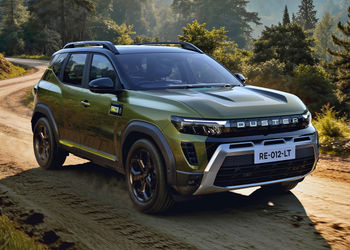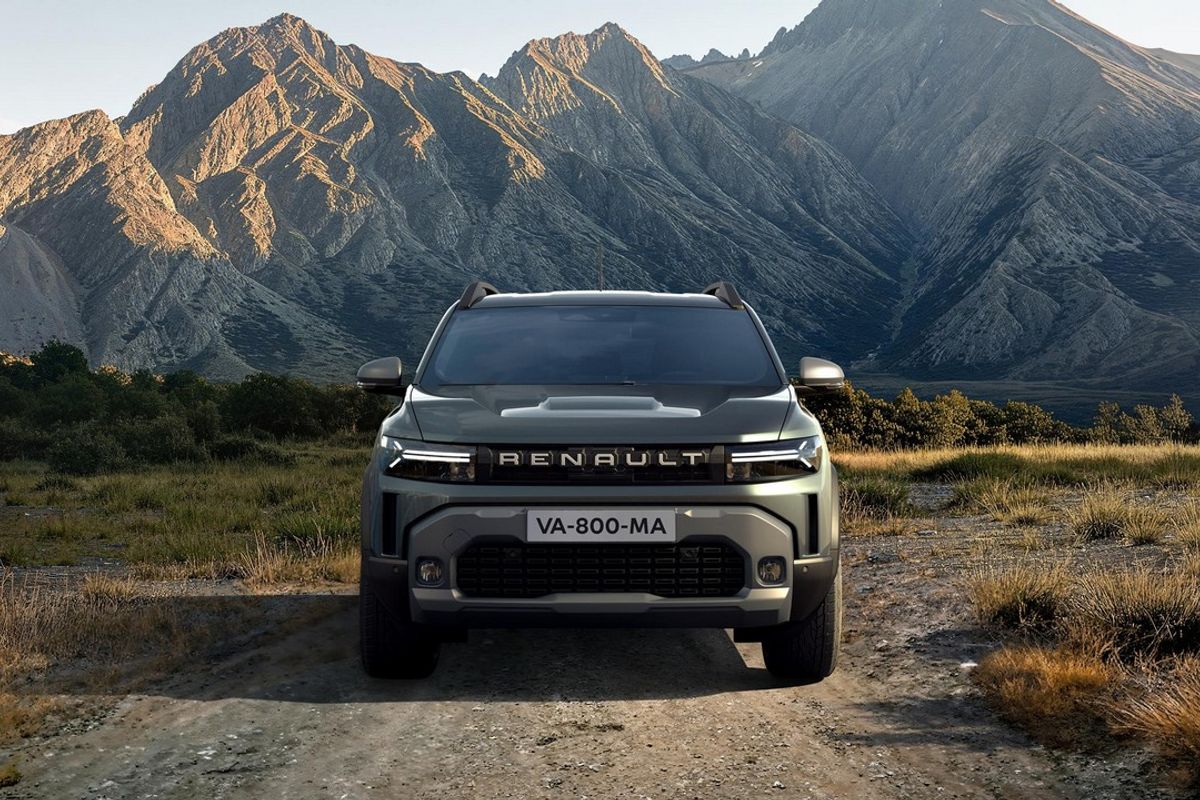
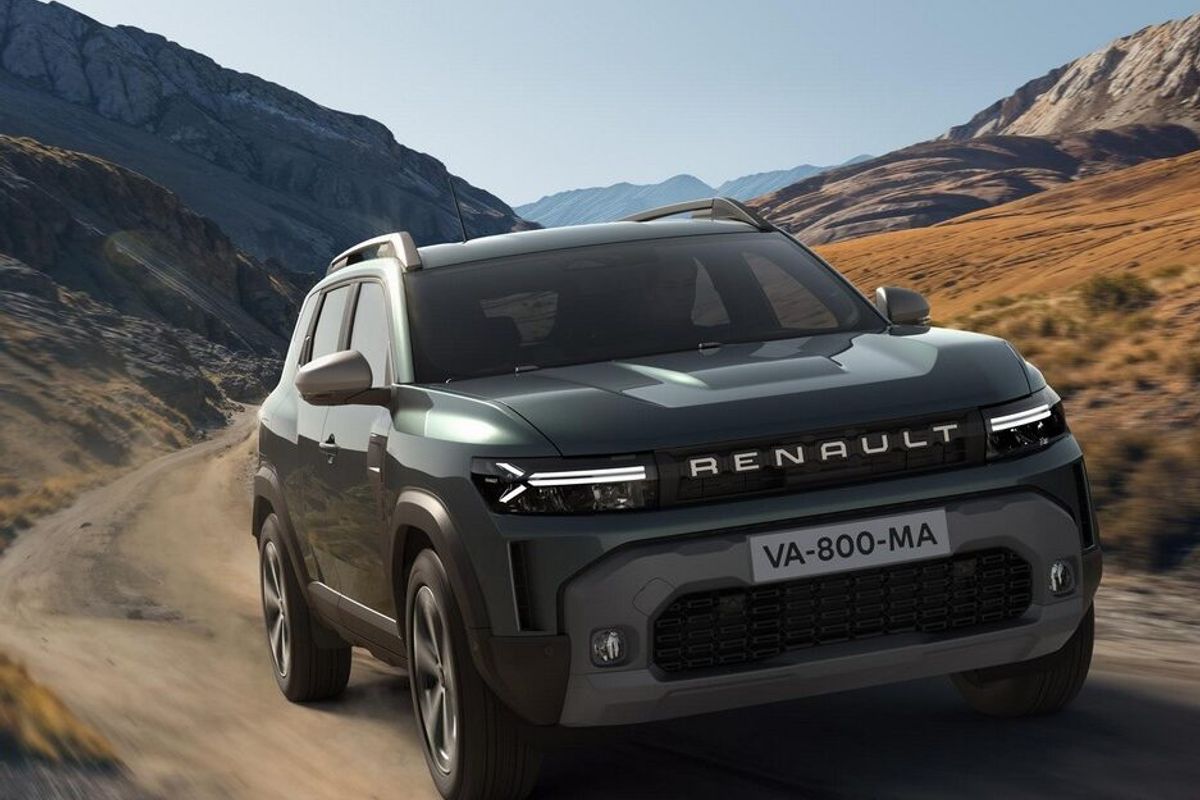
For nearly 2 years, the Renault Duster has been conspicuous by its absence from the French brand’s local sales sheets. Now that the new, 3rd-gen model is finally here, we got to drive it in the Western Cape at the budget off-roader’s national media launch.
What’s new on the Duster?
The Renault Duster has achieved great success in the South African market by catering for new-car buyers that want the versatility of an off-roader combined with the keen price tag of a small crossover.
Yes, it was basic inside and its cabin plastics felt harsh, but whereas most of its competitors were soft-roaders designed to ferry city slickers and float over speed bumps, the Duster was a hard-wearing and durable compact family car and was pretty good off-road. Back when the 1st-gen model was launched in 2013, there weren’t so many Chinese competitors, so what does this new Duster bring to the party?
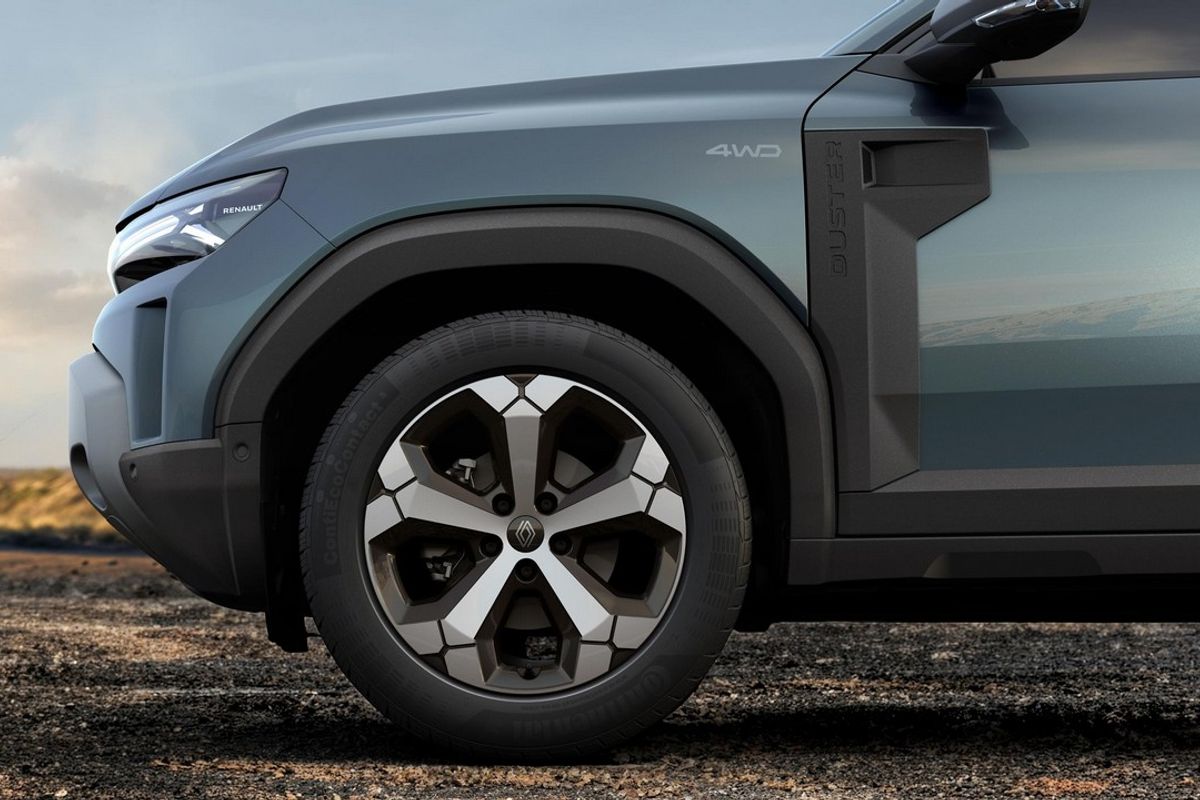
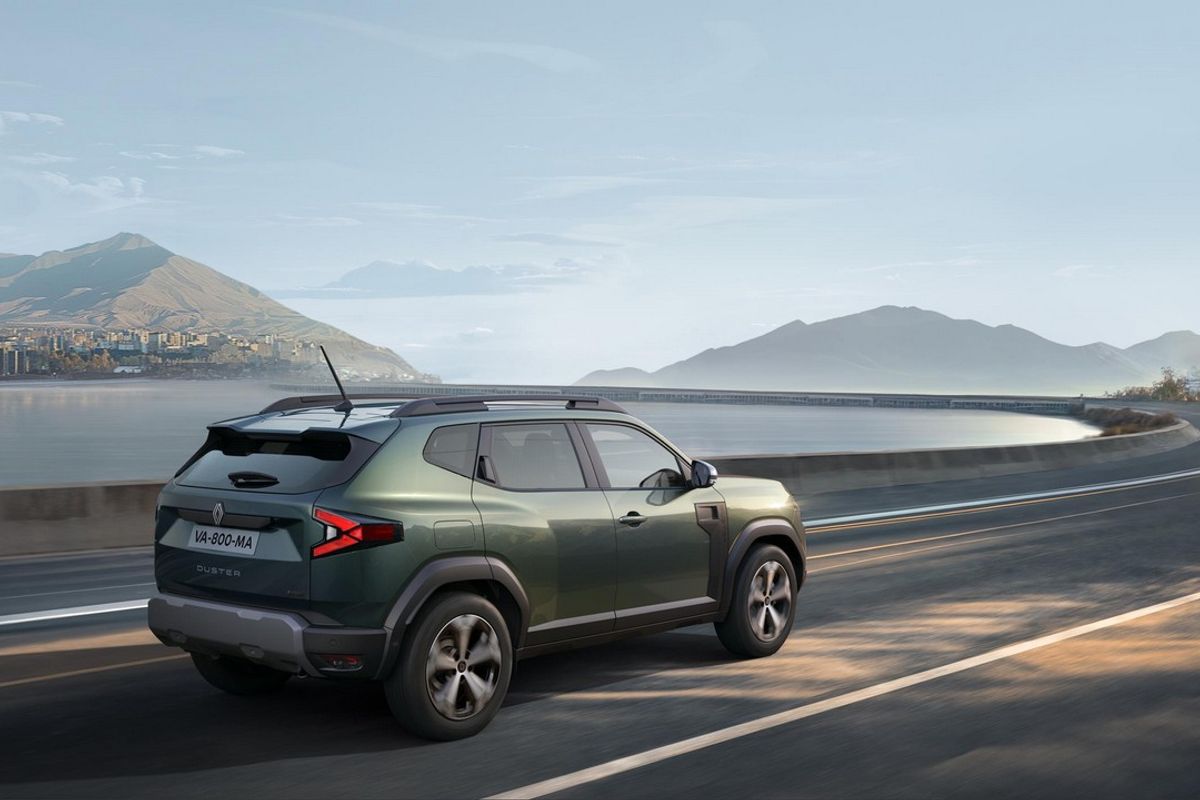
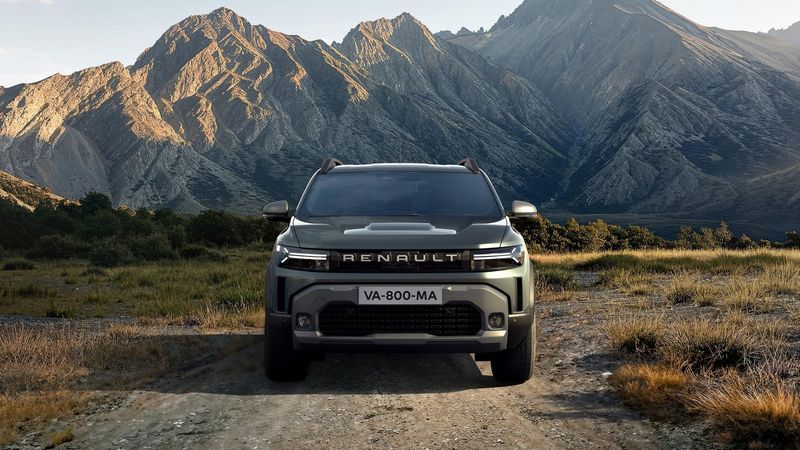
The new Duster’s design is striking and holds universal appeal. In an era when most new products seem bigger in every direction compared with their predecessors, the Duster has more fine-tuned dimensions. This Duster is 11 mm wider and just 2 mm longer, while the 4×4 gets a nifty 7 mm extra ground clearance and features a different front bumper that offers a better approach angle than the 4×2 variants.
See also: Renault Duster (2025) Price & Specs
Engine wise, the much-loved turbodiesel has been discontinued (as is the case with many European manufacturers’ passenger-car line-ups) and there are now just 2 turbopetrol offerings – a 1.3-litre turbo for the 4×2 and a 1.2-litre turbo for the 4×4. Strangely, there is no auto available on the 4×4, and you can also only have the 4×4 in the lower Zen spec, not the Intens spec, which you can have on the 4×2.
Is the new Duster still good off-road?
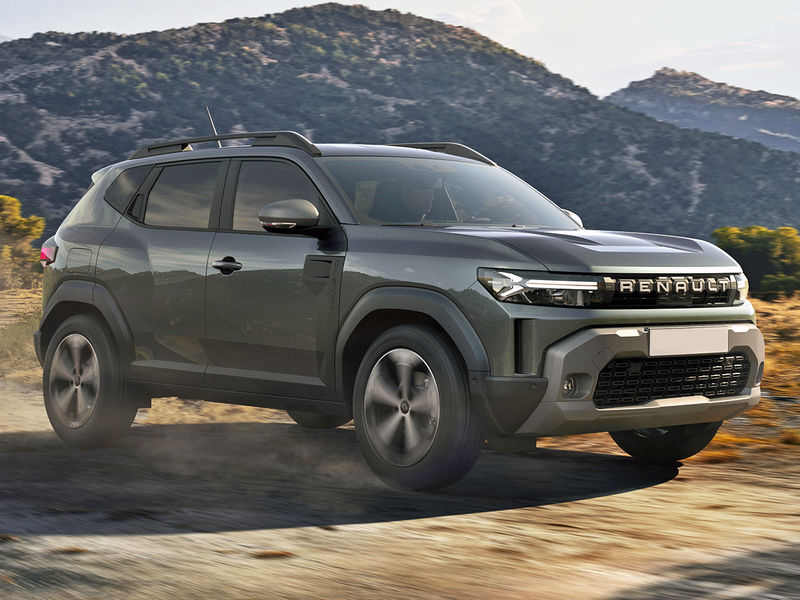
The Duster’s claim to fame is its ruggedness, and the new one also likes to put its best, um, wheels forward on gravel roads. We only got to try out the 4×4 version and its suspension felt well damped on the dirt route we traversed. The newcomer rides washboard gravel very well compared with even more expensive 4×4 SUVs and feels remarkably stable when you up the speed to triple figures on dirt.
The cabin is quiet too – even when the Duster travels on gravel roads – so that also probably added to the sense of solidity it imparted while passing harvesters and bakkies on the Malmesbury farm roads.
We also had a chance to test it on the Atlantis dunes, which is a tricky place for a small off-roader with only 96 kW and 230 Nm of torque. Sand driving is all about momentum and building speed. The Duster tried hard in the dunes, but ultimately, it lacks the grunt to be well suited for this application.
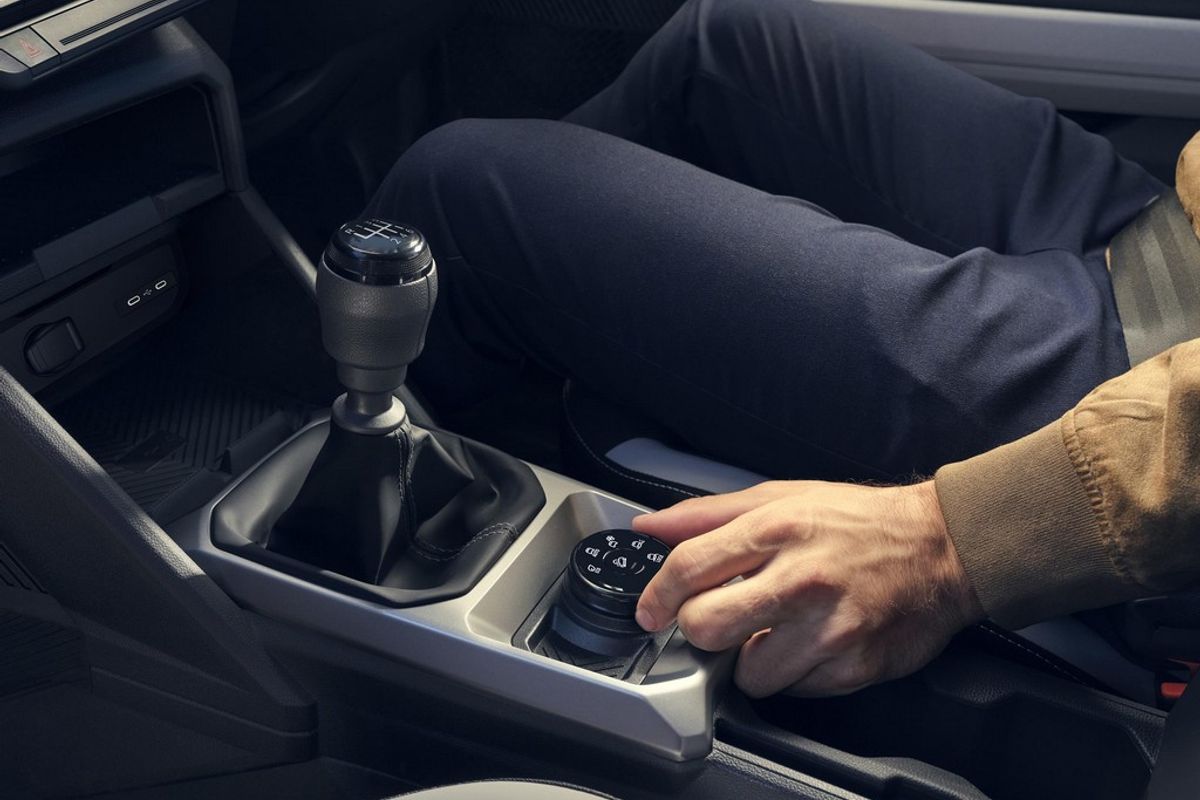
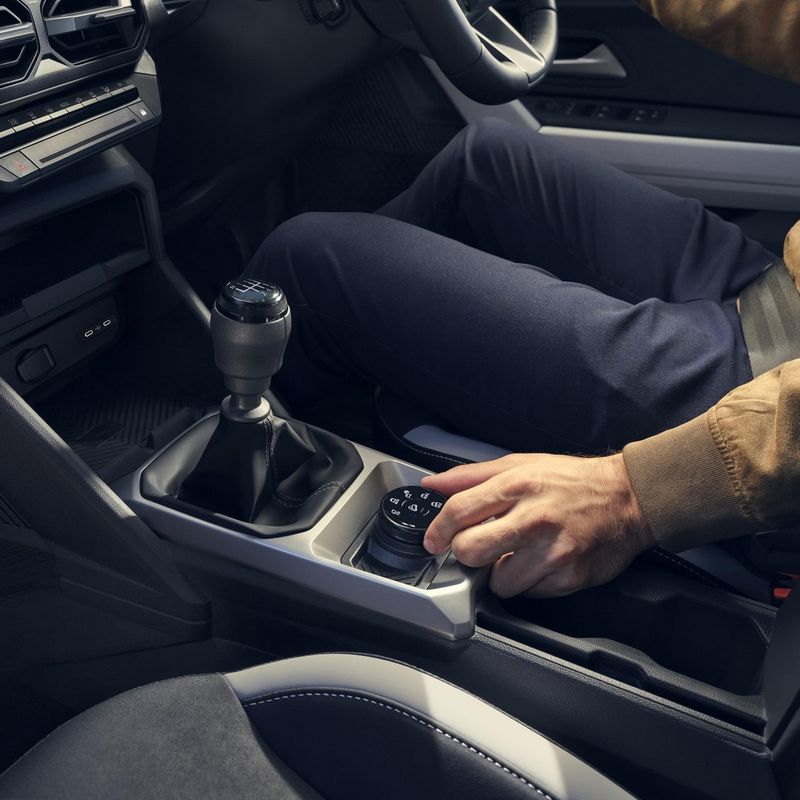
However, I suspect it will do well over more suitable off-road terrain, such as rocks or slow inclines and declines. There are special off-road drive modes (they can be accessed via a rotary dial on the centre console) and you can use them to set the car up for specific situations, such as sand, mud or snow.
My intuition says the new Renault Duster’s capability sits underneath that of a Suzuki Jimny, but it’s also more capable and comfortable on a gravel road than, say, a Haval H7.
As for on-road performance, that prudent suspension setup translates into a comfortable ride quality; I expect the Duster would be happy doing the school run and the annual pilgrimage to the bush or coast.
Why no diesel for the Duster?
Turbodiesel-powered Dusters gained a loyal following in our market, but European manufacturers have been forced to step away from diesel powertrains to meet city emissions regulations, rather than fuel-efficiency targets. This means that the black (sooty) smoke emitted from diesels is a problem and most European carmakers have been forced to offer only petrol-fed variants with some form of hybridisation.
The 1.2-litre turbopetrol in the 4×4 features a 48V mild-hybrid setup, which helps lower fuel consumption during start-ups and when pulling away. The official claimed consumption figure for this engine (with the manual ‘box) is 5.7 L/100 km, but we saw an indicated return of 7.3 L/100 km after our 180-km trip in mixed conditions. I suspect that most owners will achieve something in between those numbers.
Renaults haven’t always had the smoothest throttle, gear and clutch setups; I’ve found it takes time to learn how to avoid making jerky shifts into 2nd and 3rd. This model still has some of that difficulty, but I got better at shifting smoothly sooner, which is good. Also, the engine delivered good acceleration and got up to 120 kph and stayed there pretty easily, even with 2 adults and some luggage in the car.
Unfortunately, there wasn’t a 4×2 variant (with the 1.3-litre turbopetrol engine) to drive, because peak outputs of 113 kW and 250 Nm, in combination with 2WD, might be quite peppy. That said, the claimed consumption of that Duster is 6.5 L/100 km, so you might be in for a “thirstier drive” by comparison.
What’s the interior like?
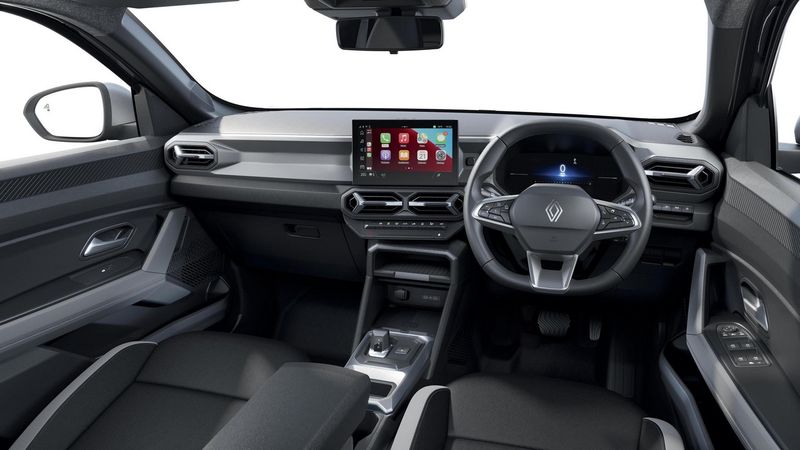
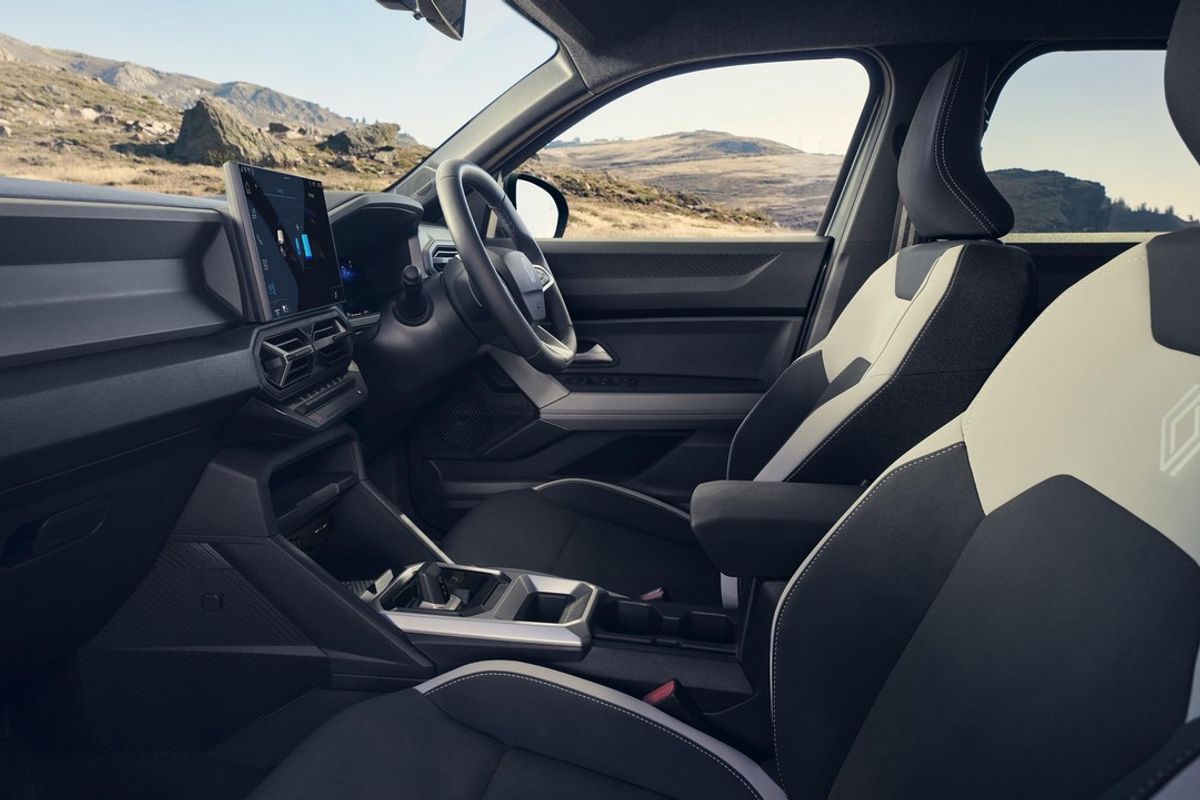
The interior of the Renault Duster has never been about an upmarket ambience/soft-touch materials. The new model continues that trend, with hard (but durable) plastics that feel sturdy and reliably fastened.
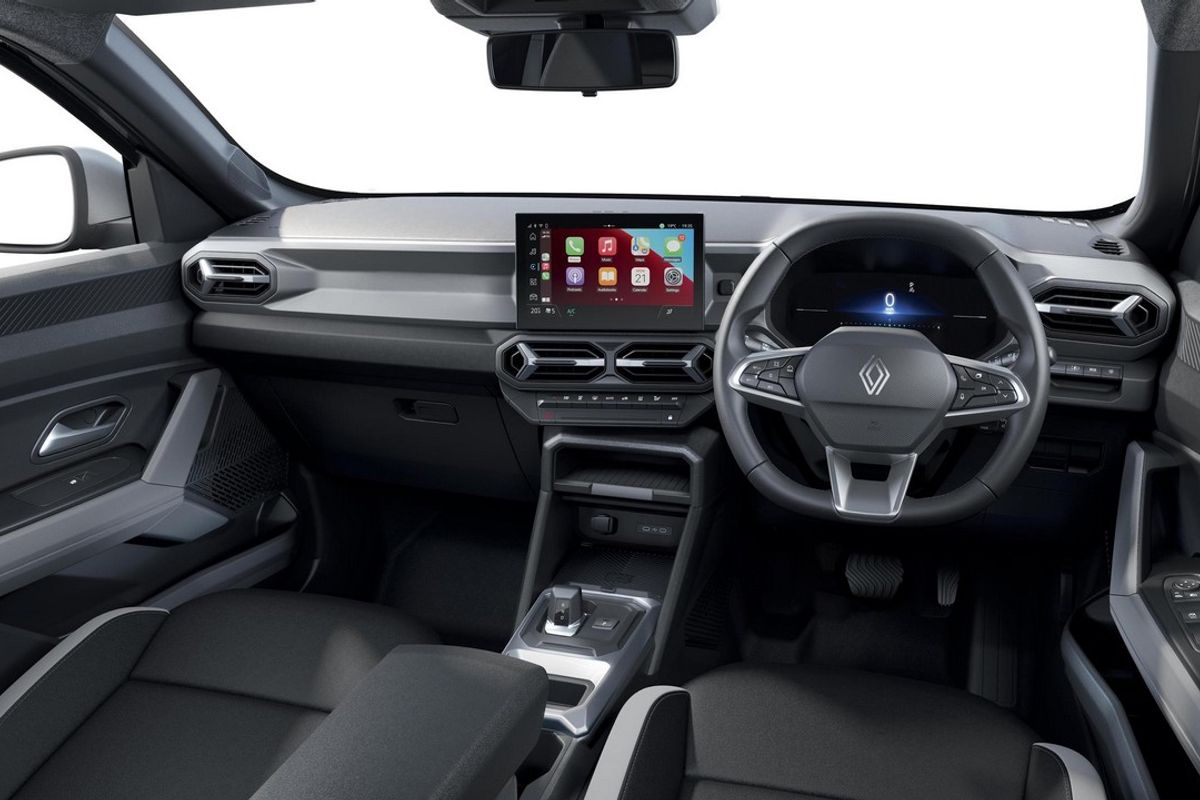
The infotainment system feels modern and it’s simple to pair your smartphone with it. It’s got wireless Apple CarPlay and Android Auto, as well as 2 USB C ports at the front. There is a wireless charger in the front of the cabin, but it didn’t seem to fit a modern smartphone, so make sure to try it out for size.
In front of the driver, you get a 7-inch digital instrument cluster that’s fairly basic to operate and, if you like, you can change the display themes and the colour of the dials’ backgrounds.
Outdoorsy people will appreciate the rubber floormats because they can take much more abuse than carpeted mats and, of course, be hosed down with ease. The Duster’s rubber mats also feature a cool yellow design streak across them.
The Duster’s load bay is comparable with that of the 2nd-gen model – the 4×4 can accommodate 444 litres and the 4×2 variants can take 472 litres, Renault says. All versions come with a full-size spare wheel and, if you need more capacity, you can fold the rear seats down in a 60/40 split to free up 1 696 litres.
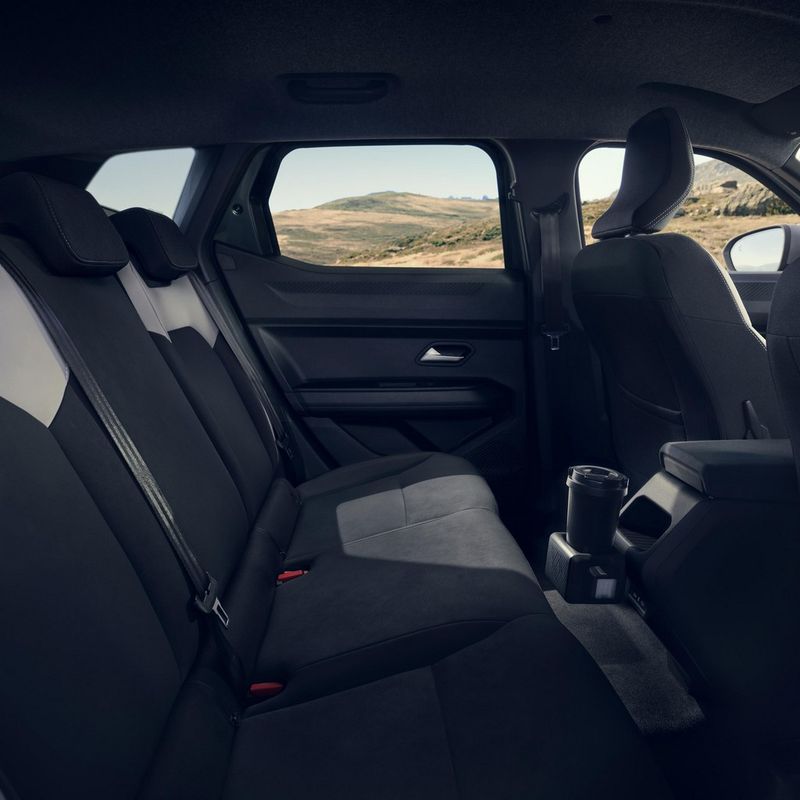
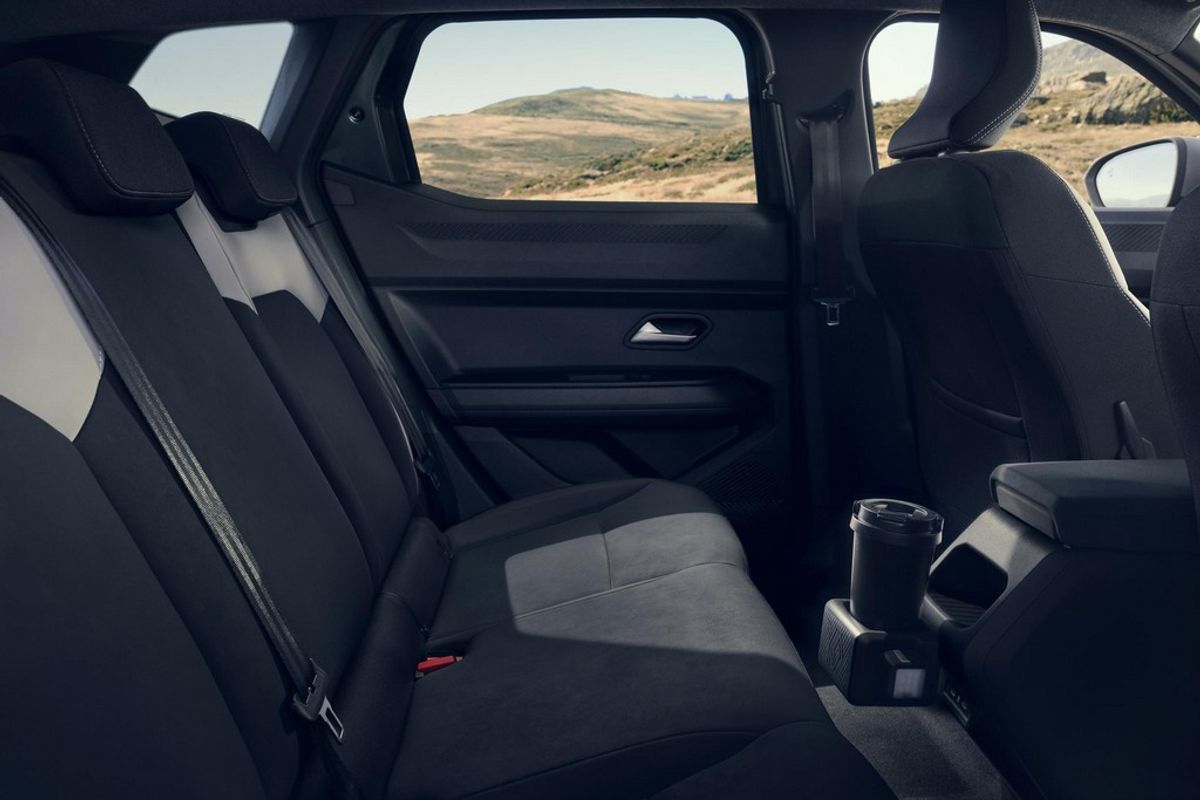
When I got into the back of the Duster for the patented “sit behind yourself” test (when the driver’s seat is set to your position), I found the legroom was a little tight (I’m 1.82m tall). However, if you’re shorter than that or have children seated at the back it will probably be acceptable. There is no centre armrest for aft occupants, but there are ISOfix points on either side of the bench (2 child seats can be installed).
Best of all, the seats of the new Duster are exactly 1 billion times better than the old-school chairs that were fitted in the previous generation – that should make longer trips much more bearable. The centre console is in a bit of an awkward spot, however, as I had to choose to have my arm in an unnatural position when shifting gear. Taller drivers are more likely to experience this ergonomic issue, though.
Renault Duster Pricing and after-sales
| Renault Duster 1.3 TCe 150 Zen EDC 4×2 | R489 999 |
| Renault Duster 1.3 TCe 150 Intens EDC 4×2 | R519 999 |
| Renault Duster 1.2 TCe 130 MHEV Zen 4WD | R549 999 |
Prices (in March 2025) include a 5-year/150 000 km warranty and a 3-year/45 000 km service plan.
New Renault Duster specs & prices in South Africa
Find a new/used Renault Duster listed for sale on Cars.co.za
Summary
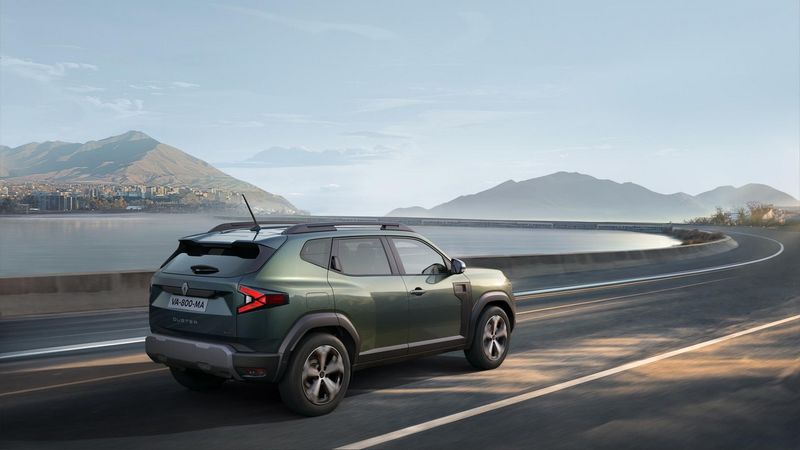
The Duster doesn’t appear to be as much of a bargain as it once was, but that’s more due to the Chinese competitors swooping in than Renault massively increasing the Duster’s pricing. What I still like about the Duster is that it stays true to its off-roader roots. It’s good on gravel, and it certainly seems more capable of reaching out-of-the-way locations than its rivals. What it lacks in luxurious refinement, it makes up for in durability and capability. Plus, its design, which stands out as bold and modern, is a major drawcard.
Something to keep in mind, however, is that the new Duster’s line-up is limited. The flagship 4WD is only available in manual guise (many consumers will demand an auto at this price point) and in the Zen trim grade, which means it misses out on a surround camera system (for example), which would suit it nicely.