
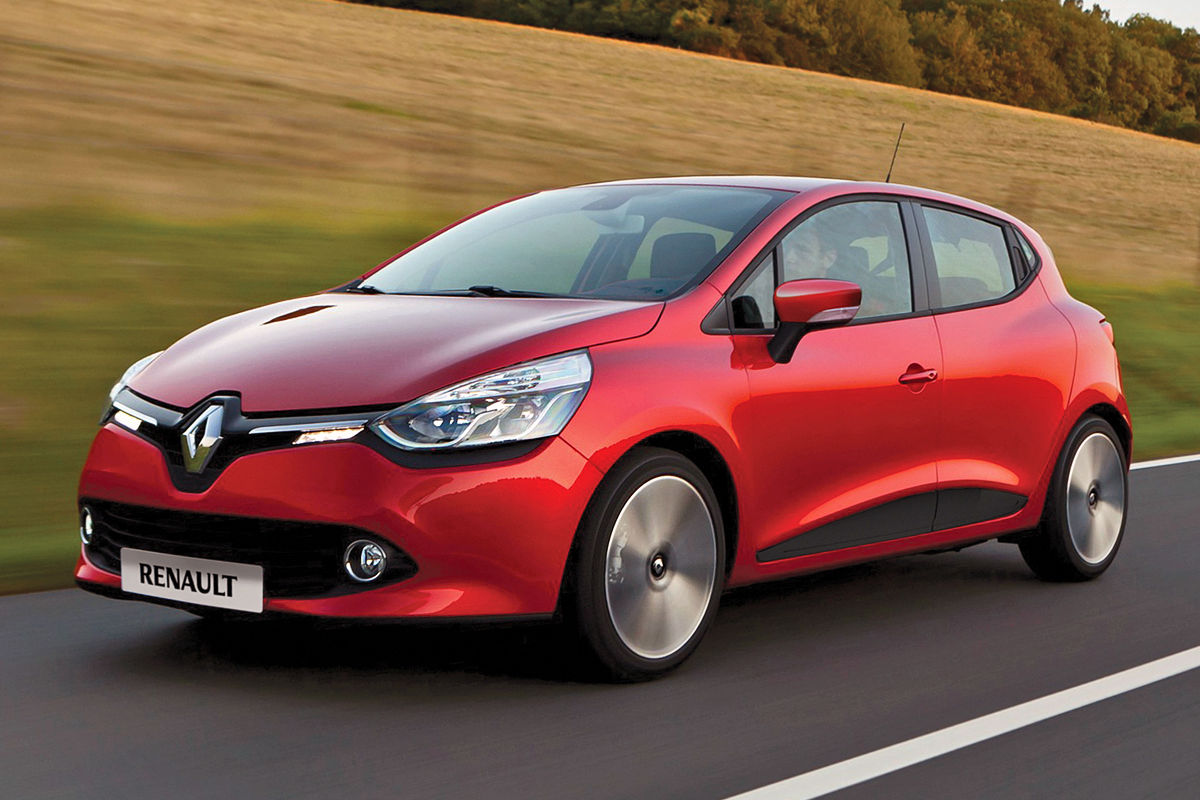
The stylish Clio IV was the model that sparked Renault’s renaissance in South Africa back in 2013. So, which derivative is best and what should you look out for when shopping for this hatchback on the used market?
In the months leading up to the launch of the fourth-generation Clio, Renault South Africa wasn’t in the best of shape. Fast-forward to around six months after the svelte hatchback’s arrival and the Boulogne-Billancourt-based firm’s local arm found itself in the midst of a remarkable revival.
Yes, South African buyers fell for the Clio IV virtually overnight, attracted by its heady mix of sleek styling and (very) competitive pricing. At launch, the French company’s local distributor boldly proclaimed it was “anticipating a stampede” from local buyers. That’s exactly what happened, with the hatchback initially exceeding even Renault SA’s sales expectations.
As a result, there is a wide range of fourth-generation Clio options on the used market today, from fuel-efficient base variants all the way through to high-performance RS-badged derivatives. Let’s take a closer look…
Renault Clio IV model line-up
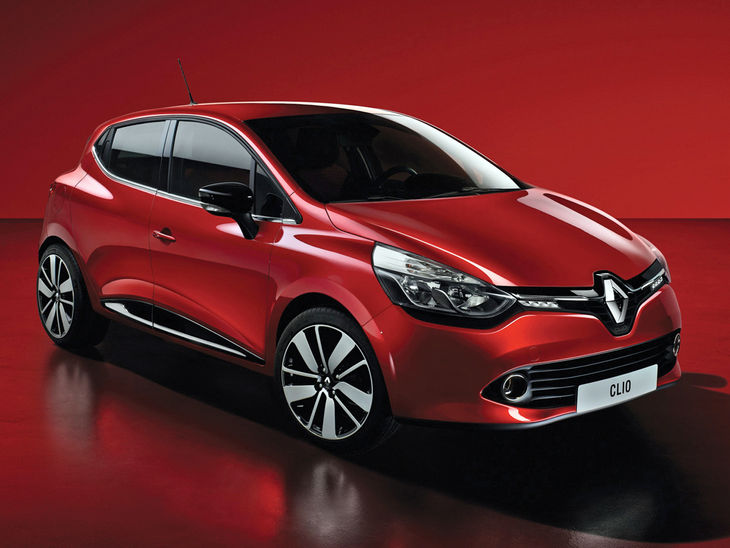
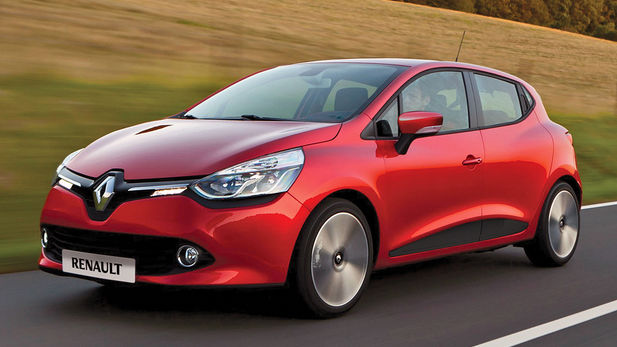
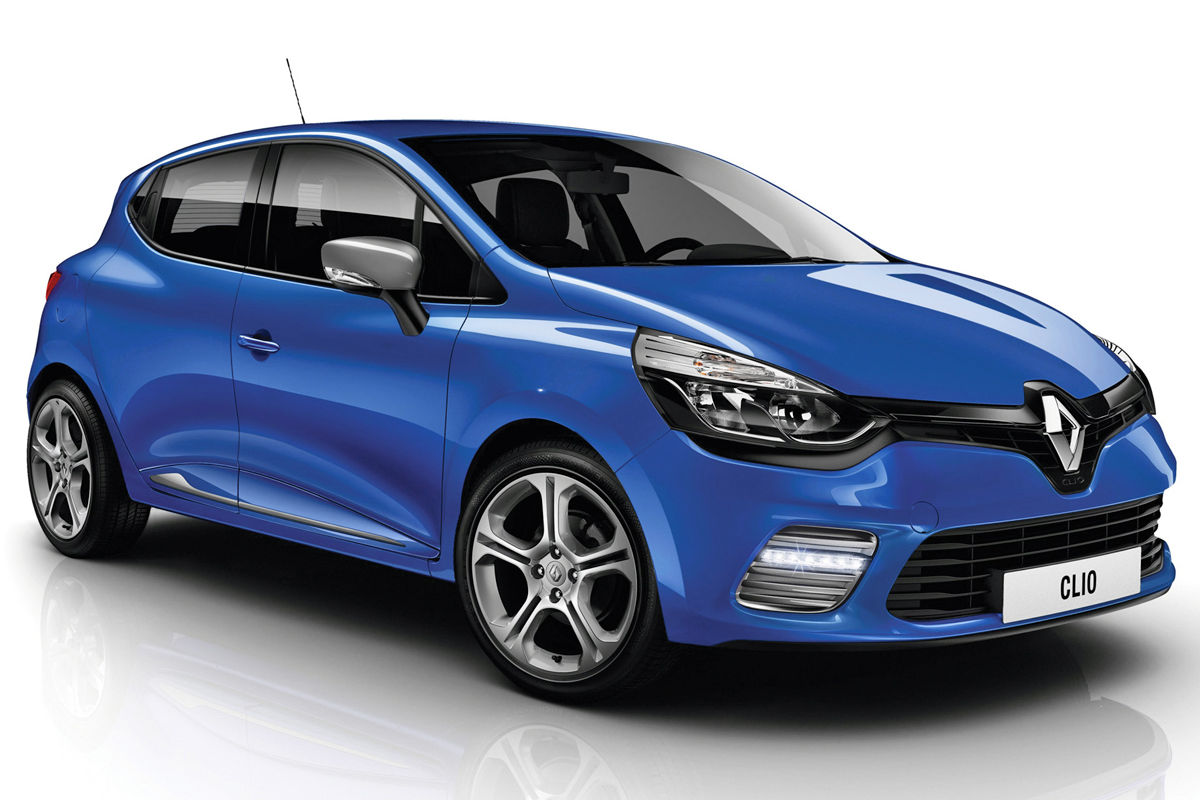
The Clio IV debuted Renault’s then-latest design language back in 2012.
Revealed at the 2012 Paris Motor Show (or Mondial de l’Automobile de Paris 2012, if you prefer), the Clio IV was the first production model to debut Renault’s then-box-fresh design language. The hatchback quickly racked up an impressive collection of international awards, many of which related to its design.
Available exclusively in 5-door form, this generation of the Clio supermini officially hit the market in South Africa in April 2013. At launch, three variants were available:
- 55 kW Authentique (1.2 with 55 kW/107 Nm) 5-speed manual
- 66 kW Turbo Expression (0.9 with 66 kW/135 Nm) 5-speed manual
- 66 kW Turbo Dynamique (0.9 with 66 kW/135 Nm) 5-speed manual
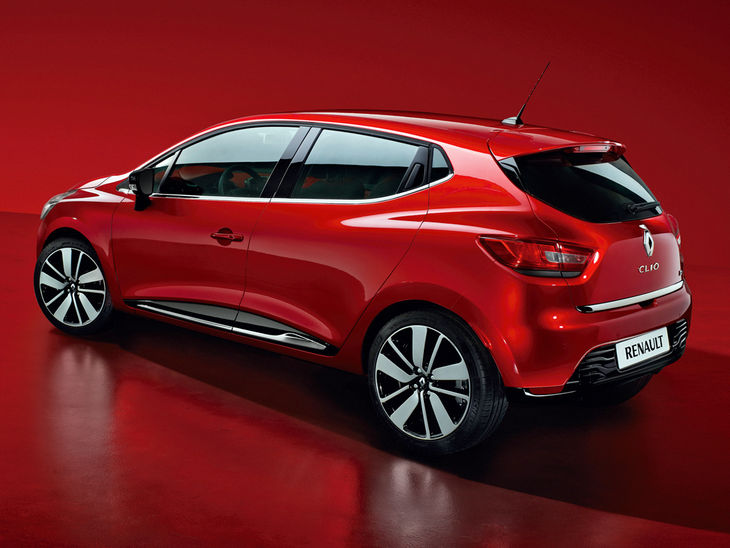
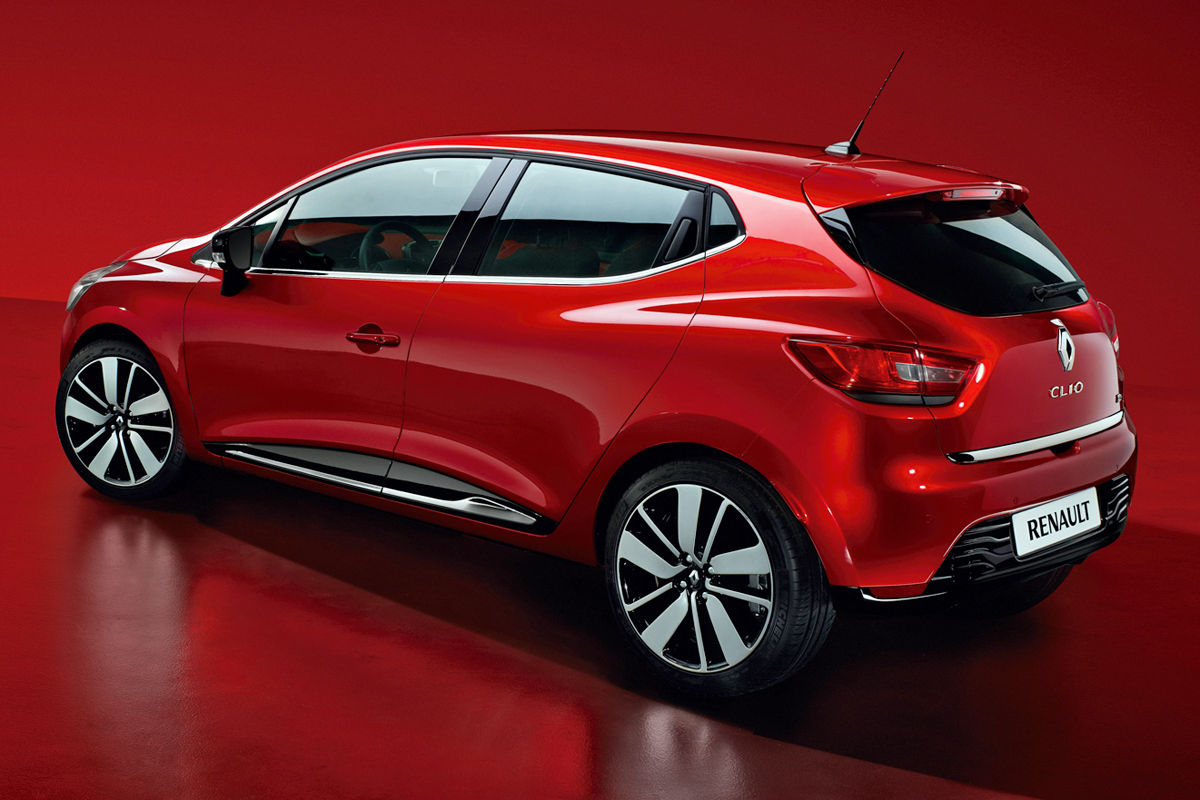
Note the rear door handle cleverly hidden in the C-pillar.
While the entry-level Authentique version employed a naturally aspirated 1.2-litre, 4-cylinder petrol engine, the mid-tier Expression and top-spec Dynamique featured a downsized turbocharged petrol mill with 3 cylinders and a displacement of only 0.9 litres. Interestingly, the 1.5 dCi turbodiesel powerplant offered in some parts of the world didn’t ever make it to local shores.
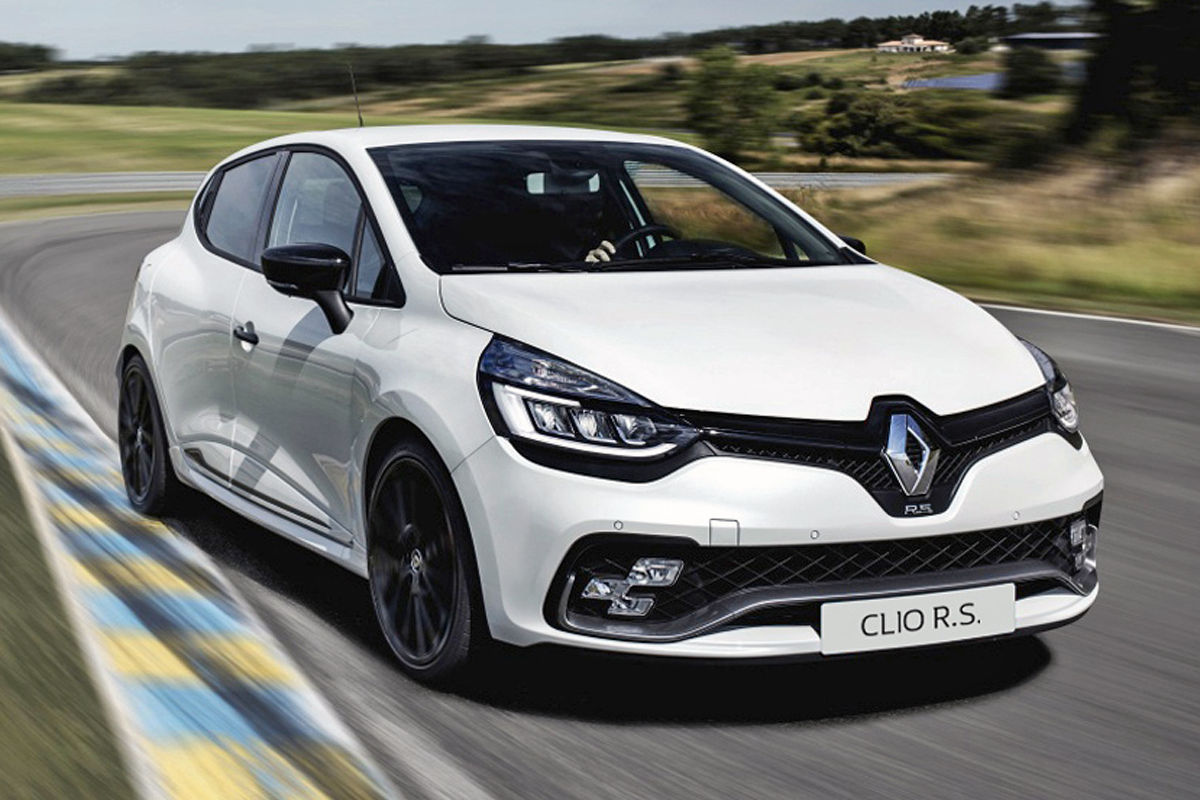
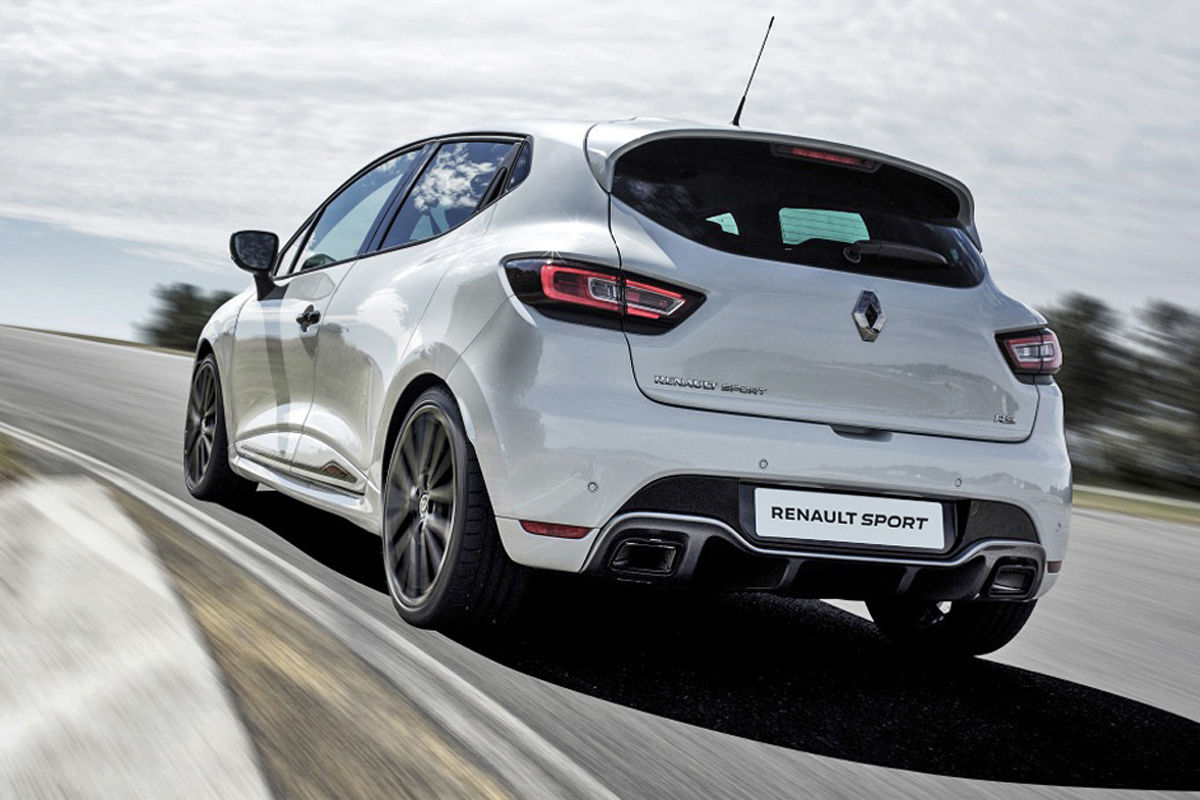
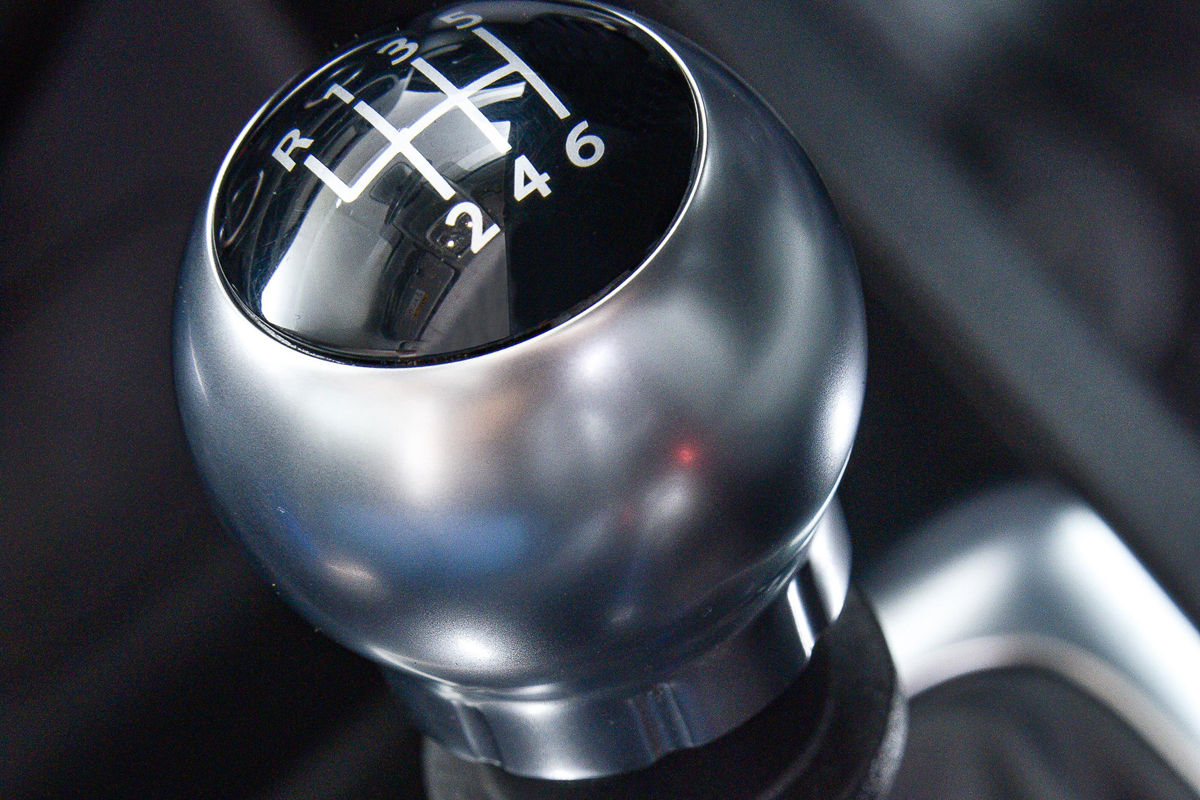
By the first quarter of 2014, the Clio RS Sport 200 EDC had slotted in at the very summit of the range, offering 147 kW and 240 Nm to the front wheels courtesy of a turbocharged 1.6-litre, 4-cylinder unit (quite a departure from the Clio III’s atmospheric 2.0-litre RS motor). Although it was offered in both Lux and Cup chassis form, only one cog-swapping choice was on the table: a new 6-speed dual-clutch transmission branded “EDC” and complete with a launch control function. That’s right, no 3-door body style and no manual gearbox, much to the chagrin of diehard RenaultSport enthusiasts.
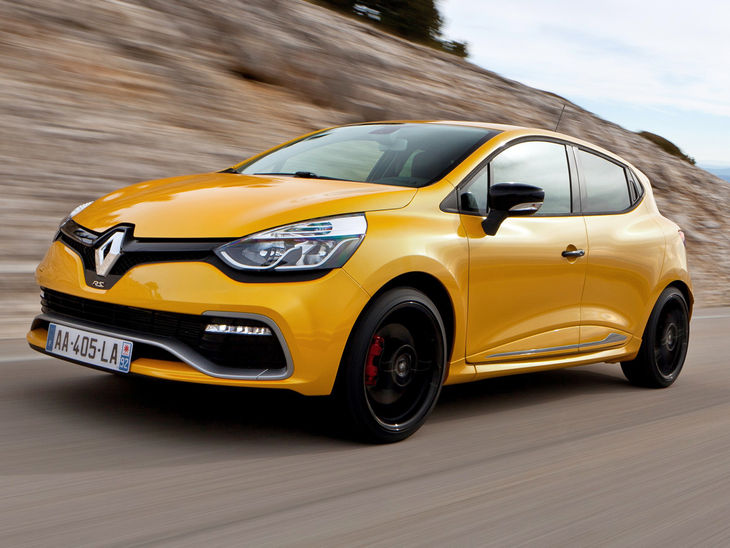
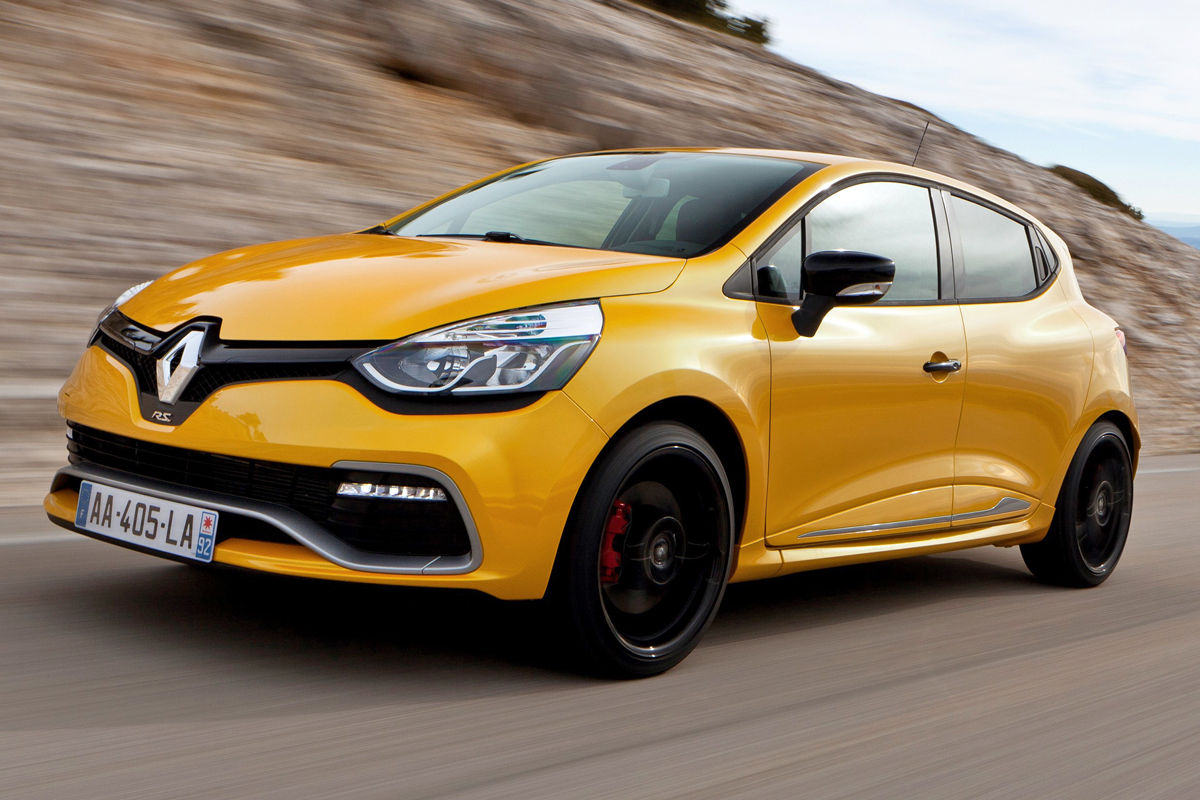
The RS version of the Clio IV came with 5 doors and no option of a manual gearbox.
At the start of 2015, Renault SA added a new GT-Line derivative to the Clio range. Though this derivative employed the same tiny 3-pot as the Expression and Dynamique models, it did gain an overboost function capable of briefly pushing peak outputs to 70 kW and 150 Nm (up 4 kW and 15 Nm).
While a limited-edition Blaze variant (complete with the aforementioned overboost-endowed turbo-triple) hit the market later in 2015, the simultaneous arrival of the Expression Turbo EDC was more significant. This model used a punchy turbocharged 1.2-litre, 4-cylinder (88 kW and 190 Nm) and was the first non-RS variant to gain the option of a 6-speed dual-clutch transmission.
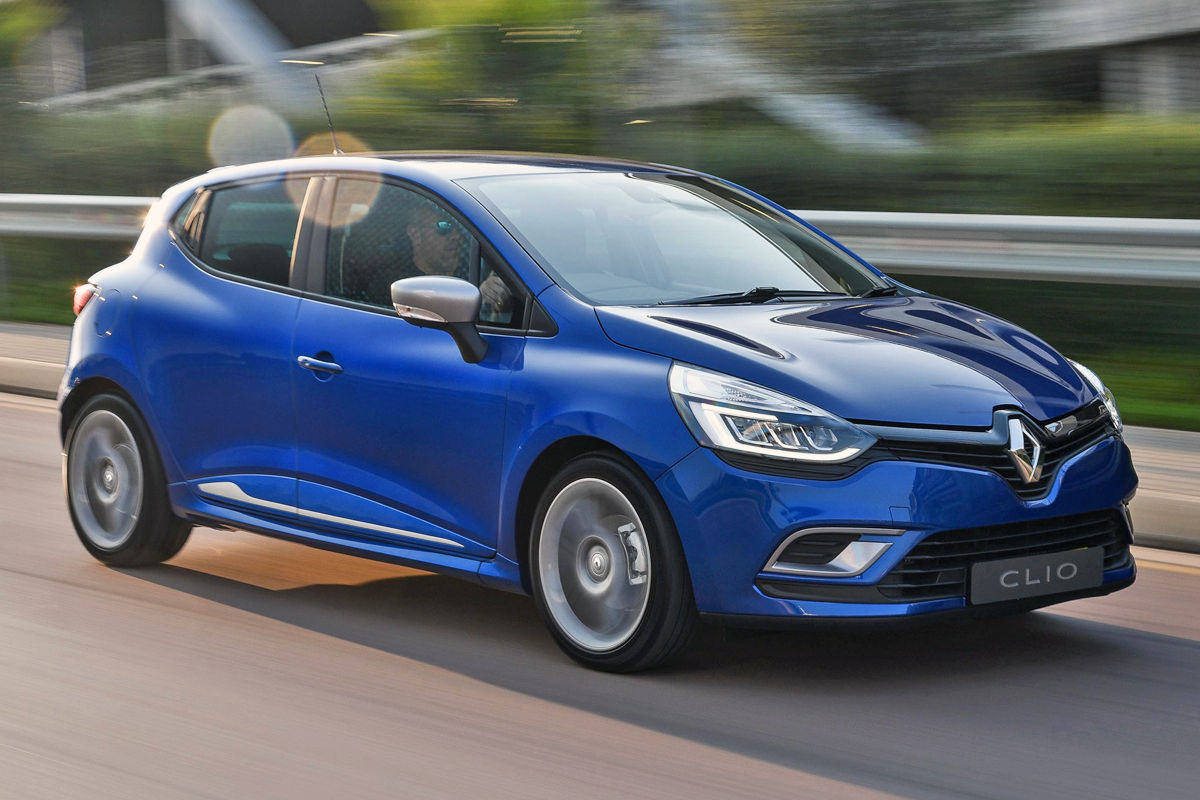
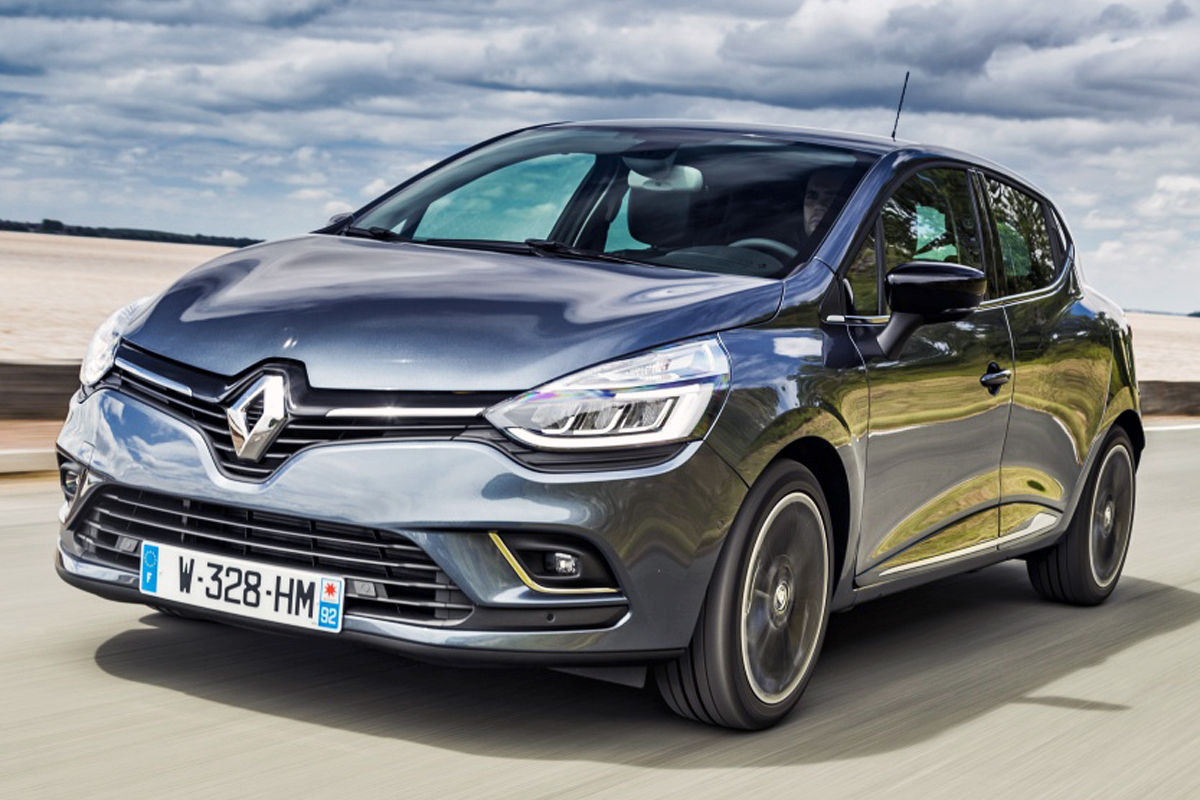
By late in 2016, with more than 20 000 units already sold in South Africa, the facelifted Clio touched down, gaining subtle styling tweaks and interior upgrades. Interestingly, the free-breathing base engine was phased out with Clio’s mid-life update, leaving three derivatives powered by the thrummy 3-pot as well as the EDC-equipped turbocharged 1.2-litre (again in Expression trim) at the sharp end of the line-up.
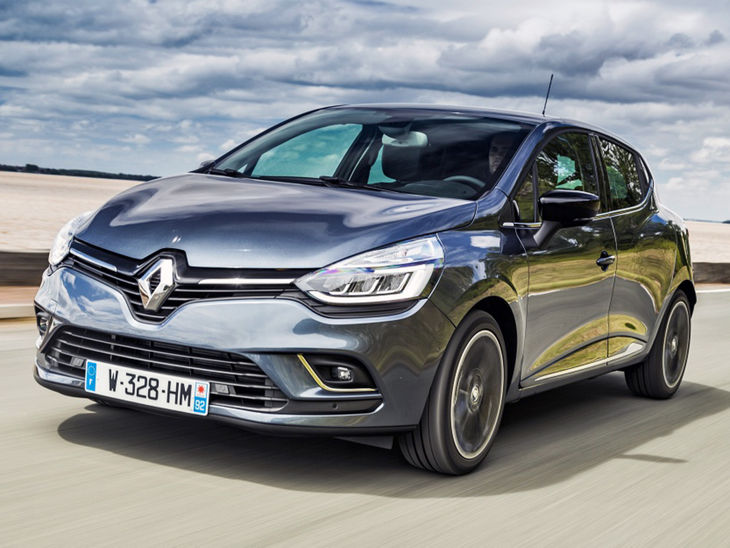
The Clio IV received a subtle facelift in 2016.
In April 2017, a new version of the Clio GT-Line arrived, though it had upgraded to the 88 kW 1.2-litre engine and – for the first time – sported a 6-speed manual gearbox. With more torque (at 205 Nm), a well-sorted manual cog-swapper, sportier exterior styling and a raft of RS-inspired goodies in the cabin, the GT-Line was a compelling alternative for those in the market for a warmish hatch.
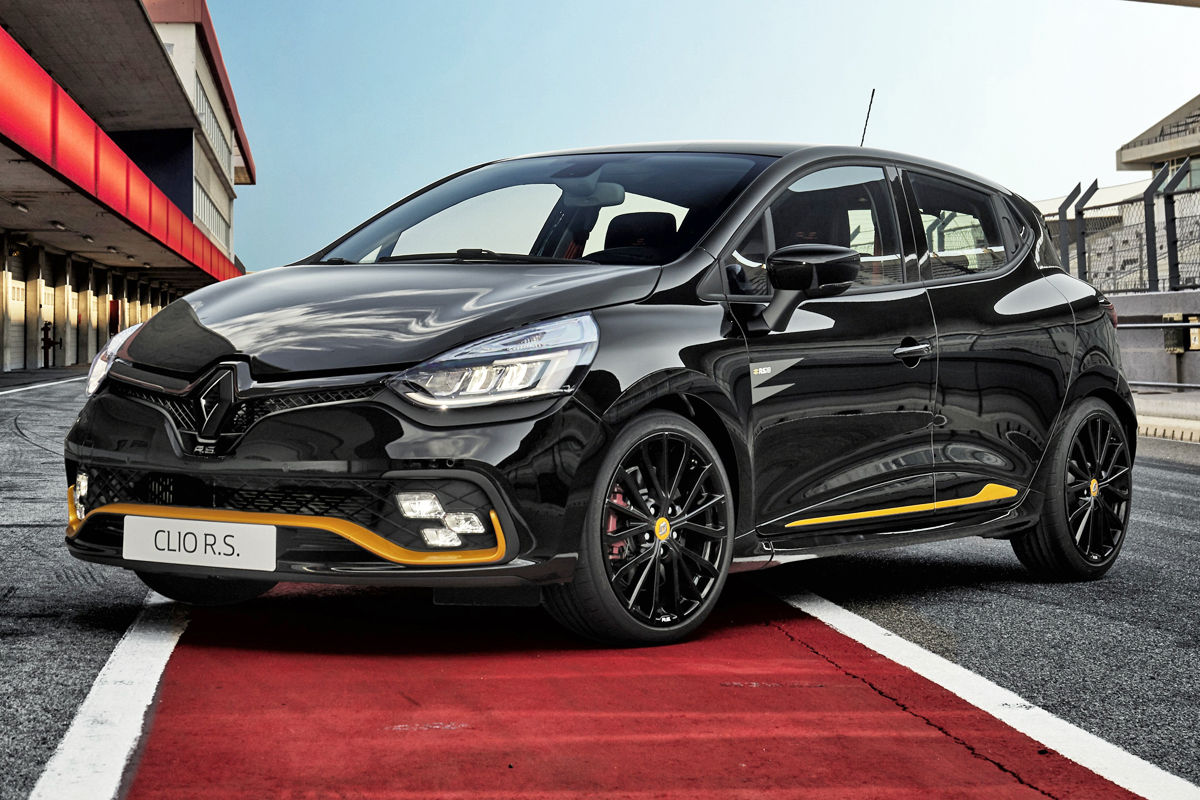
By August of that year, however, the full-fat RS badge had returned to the range, now available in both 147 kW Lux and 162 kW Trophy guise (again, shipping standard with the twin-clutch gearbox). Finally, in mid-2018, the Clio RS 18 F1 arrived, based on the Trophy, sporting the black-and-yellow colour scheme of the Renault Sport F1 team and billed as a “future collector’s item” (just 65 units were imported). Interestingly, both the Lux and Trophy versions were then scrapped, leaving the special-edition model as the only RS-badged Clio on offer.
| Date of introduction | Renault Clio model derivative |
| April 2013 | 55 kW Authentique (1.2 with 55 kW/107 Nm) 5-spd MT 66 kW Turbo Expression (0.9 with 66 kW/135 Nm) 5-spd MT 66 kW Turbo Dynamique (0.9 with 66 kW/135 Nm) 5-spd MT |
| February 2014 | RS 200 Lux (1.6 with 147 kW/240 Nm) 6-spd EDC RS 200 Cup (1.6 with 147 kW/240 Nm) 6-spd EDC |
| January 2015 | 66 kW Turbo GT-Line (0.9 with 66 kW/135 Nm) 5-spd MT |
| October 2015 | 66 kW Turbo Blaze (0.9 with 66 kW/135 Nm) 5-spd MT 88 kW Turbo Expression (1.2 with 88 kW/190 Nm) 6-spd EDC |
| November 2016 | 66 kW Turbo Authentique (1.2 with 55 kW/107 Nm) 5-spd MT 66 kW Turbo Expression (0.9 with 66 kW/135 Nm) 5-spd MT 66 kW Turbo Dynamique (0.9 with 66 kW/135 Nm) 5-spd MT 88 kW Turbo Expression (1.2 with 88 kW/190 Nm) 6-spd EDC |
| April 2017 | 88 kW Turbo GT-Line (1.2 with 88 kW/205 Nm) 6-spd MT |
| May 2017 | RS 200 Lux (1.6 with 147 kW/260 Nm) 6-spd EDC RS 200 Trophy (1.6 with 162 kW/260 Nm) 6-spd EDC |
| May 2018 | RS 18 F1 (1.6 with 162 kW/280 Nm) 6-spd EDC |
Renault Clio Product strengths
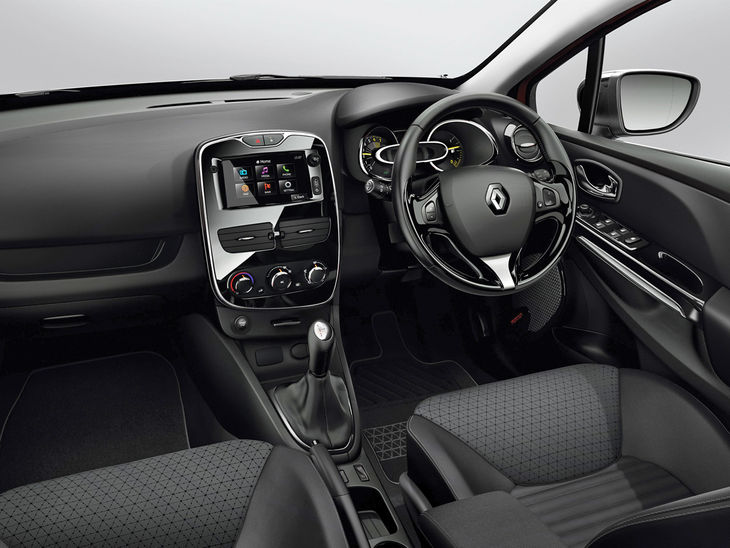
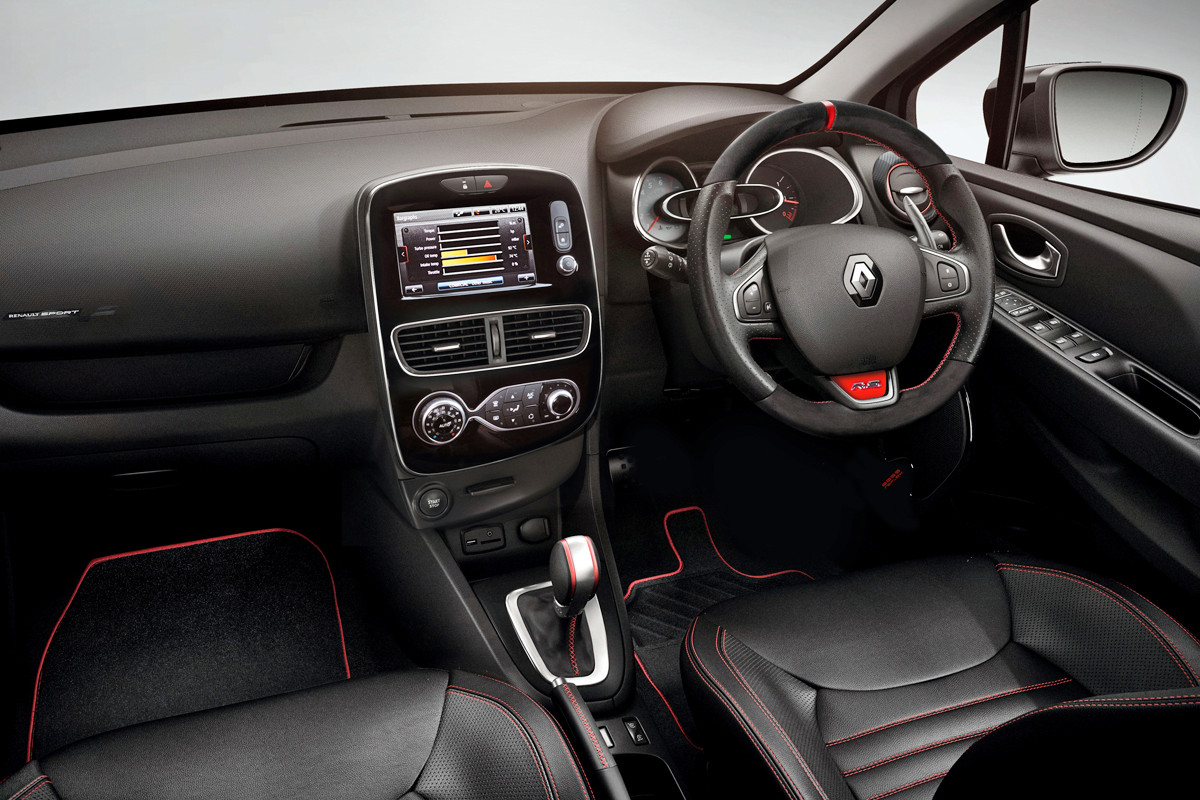
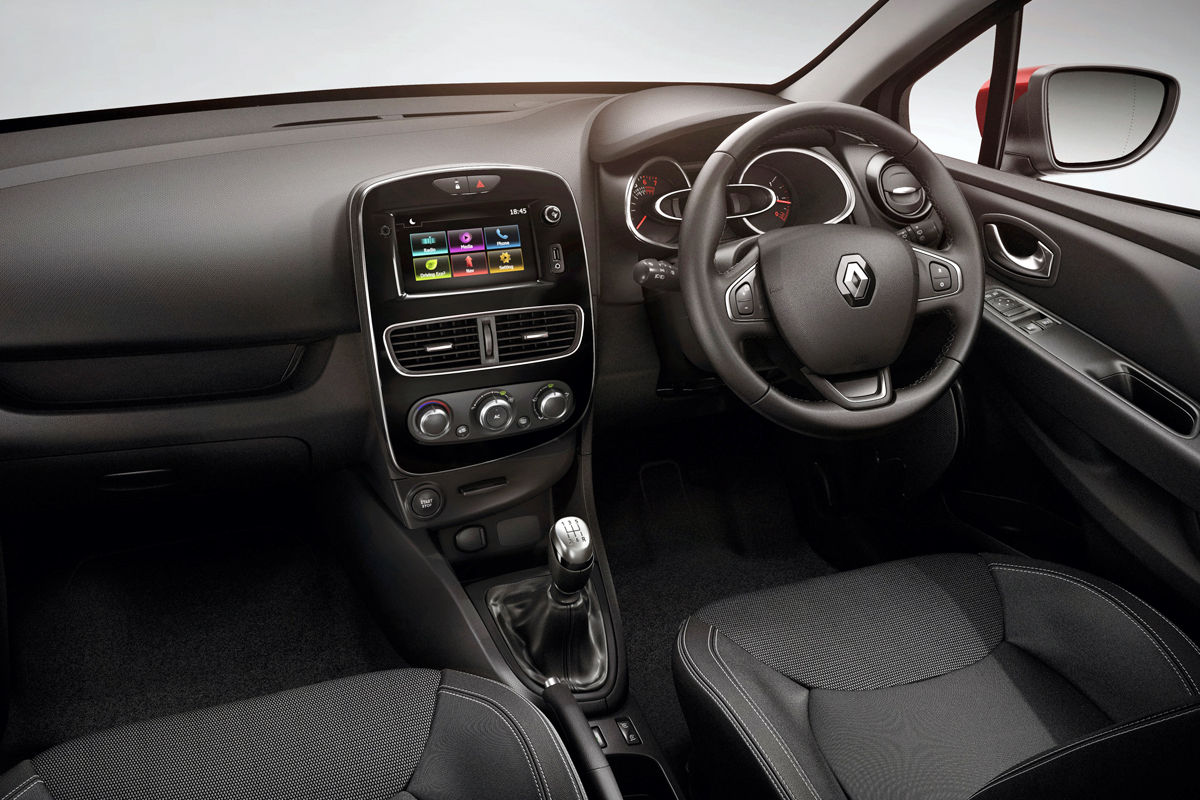
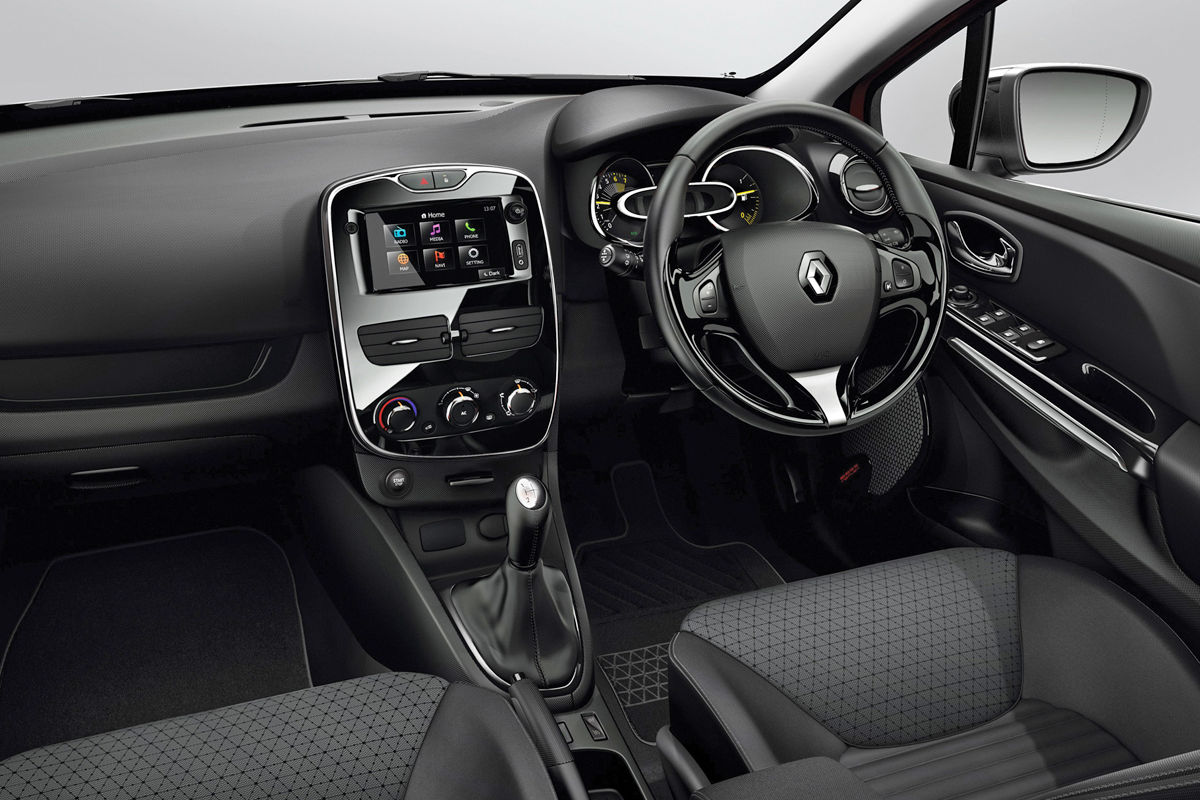
A look at the pre-facelift model’s cabin, which was roomier than that of its predecessor.
Added packing space: As is often the case with the shift from one generation to the next, the Clio IV was larger and roomier than its predecessor. Luggage space grew to a claimed 300 litres, giving the French hatchback boot-capacity bragging rights over many of its B-segment rivals. Despite the lower roofline that came with its coupé-like silhouette, headroom was also noticeably improved, though rear legroom was still a little on the tight side. In short, it was a more practical hatchback than it perhaps looked.
Standard spec: Though the sleek styling was certainly a strength, it was the lengthy list of standard specification (for the price) that really stood out. At launch, even the base model featured items such as cruise control, LED daytime running lights, a height-adjustable driver’s seat, Bluetooth and the so-called Renault Bass Reflex sound system.
The Expression trim added a 7-inch touchscreen system (with integrated satellite navigation, no less), along with 16-inch alloys, front foglights and a leather finish for the steering wheel. Dynamique models furthermore upgraded to a hands-free version of the keycard, rain-sensing wipers, automatic headlamps and 17-inch alloys.
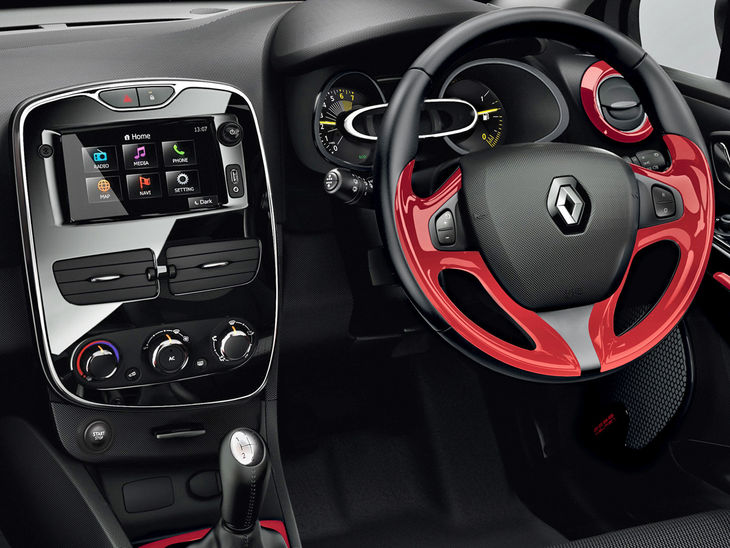
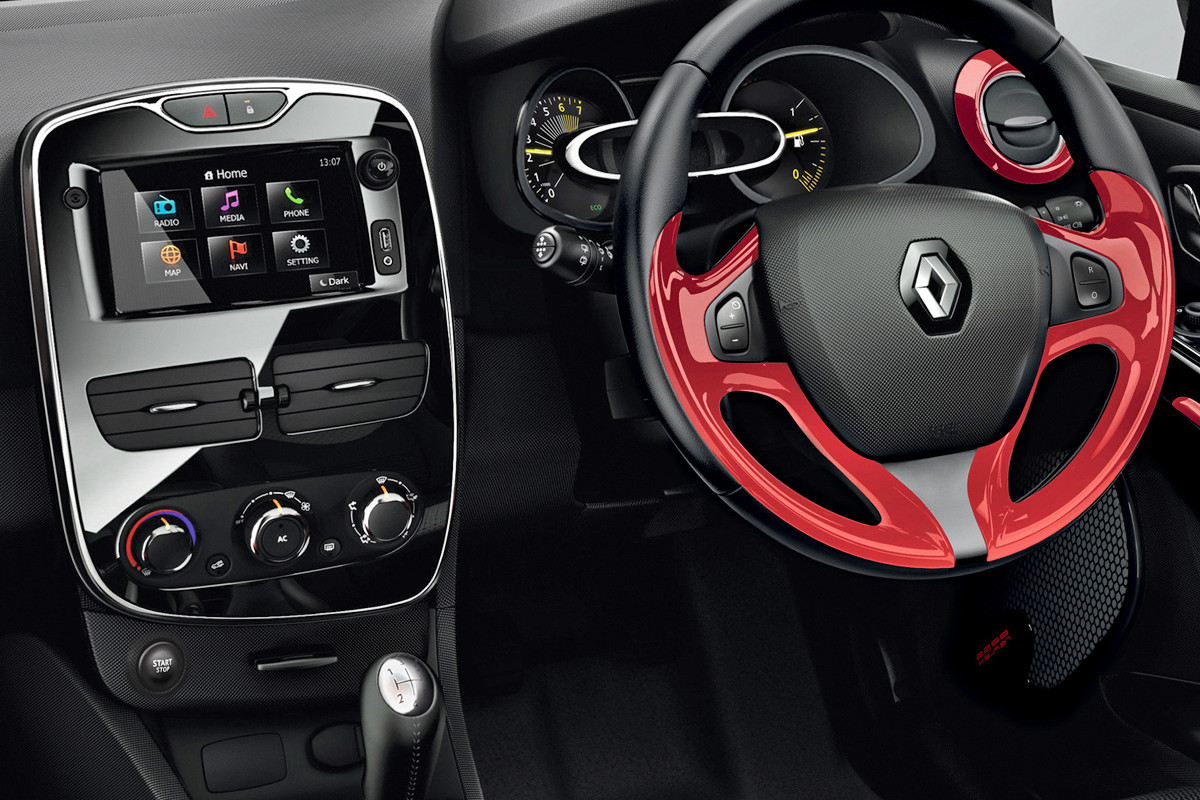
The special-edition Blaze model shipped with brighter cabin trim.
Fuel consumption: Though the Clio IV was dynamically very well mannered, it was the turbo-triple engine’s potential to return wallet-pleasing fuel efficiency that likely appealed more to its many buyers, even if the figures were tough to achieve in the real world.
Renault claimed a combined consumption of just 4.5 litres per 100 km for this lightweight 0.9-litre unit (though this interestingly climbed to 5.5 after the facelift), which furthermore benefited from an Eco drive mode, a stop-start system and even a clever energy-recovery mechanism capable of supplementing power to the car’s various electrical ancillaries. The 1.2-litre EDC, meanwhile, had a similarly impressive listed consumption of 5.2 litres per 100 km.
Safety: The Clio IV earned a 5-star crash-test rating from Euro NCAP in 2012, grabbing the “Best in Class” award for superminis for that year and shoving the Ford Fiesta down into the runner-up spot. SA-spec models were pleasingly well equipped in the safety stakes, with all variants at launch boasting traction control, ABS (with EBD), EBA, hill-start assist, 4 airbags and IsoFix child-seat anchors (both on the front passenger pew as well as the outer rear seats).
Fun factor: Although the Fiesta of the time was undoubtedly sharper to drive, the Clio was still one of the more dynamically gifted contenders in the segment, thankfully without sacrificing too much in the way of ride comfort. The cooking models were light on their feet (thanks in part to an up-to-100 kg weight reduction compared with the Clio III), while the RS hot hatch models offered plenty of amusement, even if they weren’t quite as characterful as their free-breathing, manual-equipped forebears.
Product weaknesses
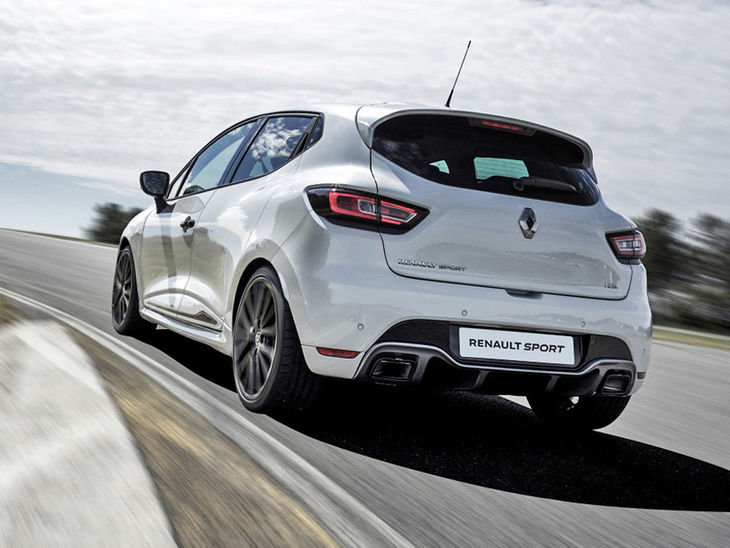
Pay close attention to the performance of the transmission when test-driving RS models.
Despite plenty of digging and hushed conversations with experts in the field, we unearthed very few reliability complaints with the Clio IV, particularly compared with the third-gen model. Still, there were a couple of issues we noted.
Timing-chain failures: Although the Clio IV’s turbocharged 3-cylinder engine is generally regarded as quite a reliable motor, we heard of a number of instances of either worn timing chains or outright timing-chain failures. If the vehicle hasn’t had its oil changed regularly (and perhaps isn’t periodically treated to an engine flush as well), the build-up of sludge has an impact on oil pressure. Since the chain tensioner is controlled by oil pressure, this is where problems can start. Listen out for rattling timing chains and ask for evidence of regular servicing. The naturally aspirated 1.2-litre engine, meanwhile, uses a timing belt that should be replaced every 5 years.
Miscellaneous: A far less common but still reported reliability issue involves a failing fuel sensor unit, while the Renault specialist we spoke to also detailed a tendency for the plastic thermostat housing on 3-cylinder models to warp over time (generally past the 100 000 km mark), leading to a coolant leak. We’d also pay close attention to the behaviour of the dual-clutch transmission when test-driving RS versions, as excessive and/or irresponsible use of the launch-control system could lead to gearbox damage.
Ergonomic anomalies: While the Clio’s cabin was generally pretty easy on the eye, drivers had a few ergonomic quirks with which to contend. The switches for the cruise control and speed limiter, for instance, were awkwardly sited alongside the handbrake, while the start button was positioned over on the passenger side of the centre console (Renault didn’t bother moving the ignition button for right-hand-drive vehicles). In addition, over-the-shoulder visibility wasn’t the best thanks to the small rear-side glass panels and that chunky C-pillar.
What to pay for a used Renault Clio?
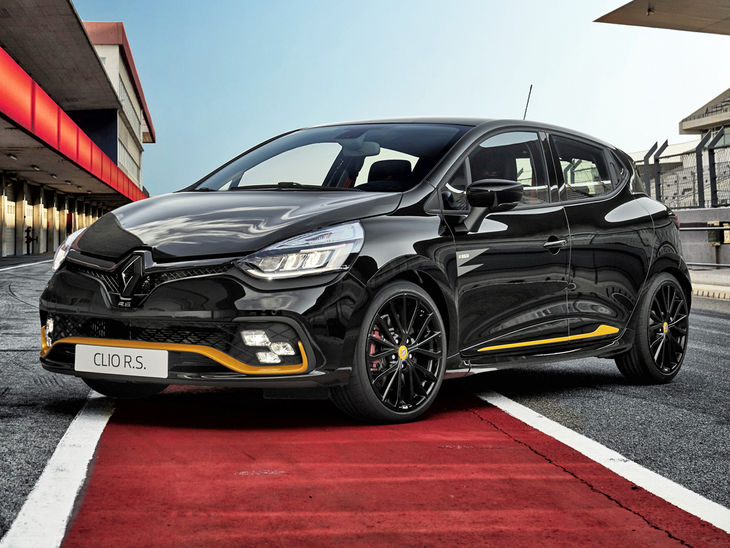
The special-edition RS 18 models command the highest prices on the used market.
Unsurprisingly considering how popular this powertrain proved on the new market, the 0.9-litre, 3-cylinder model accounted for around 80% of the available used stock on Cars.co.za at the time of writing. Interestingly, there weren’t many examples of the naturally aspirated 1.2-litre, 4-cylinder model, while just under 12% of listed cars featured an automatic transmission.
Options worth looking out for on pre-facelift models include air-conditioning for the base Authentique version (check this box was ticked before buying), a fixed glass roof for Expression and Dynamique models, and climate control plus rear park assist for the Dynamique. After its mid-cycle update, the Authentique variant could be optionally fitted with the 7-inch touchscreen navigation system and a leather-trimmed tiller, while the fixed glass roof remained available for the Dynamique.
- Below R125 000: Most Clio IV listings below this threshold were older base and mid-tier models, many featuring relatively high mileage (some even in excess of 200 000 km). Tread carefully here.
- From R125 000 to R150 000: We found a handful of compelling deals in this price bracket, with a number of high-spec Dynamique and GT-Line models available.
- From 150 000 to R200 000: At the time of writing, most of the used stock was nestled between these bookends, where we discovered a broad choice of higher-spec earlier models and base-spec later model years (with the latter still featuring the balance of their standard 5-year/150 000 km warranties).
- R200 000 and up: As you’d expect, the newer versions tend to be priced above R200 000. The few RS-badged models on offer, meanwhile, started at around R260 000 and ran all the way up to R460 000 (for a very low-mileage RS 18, in this case).
Pick of the range?
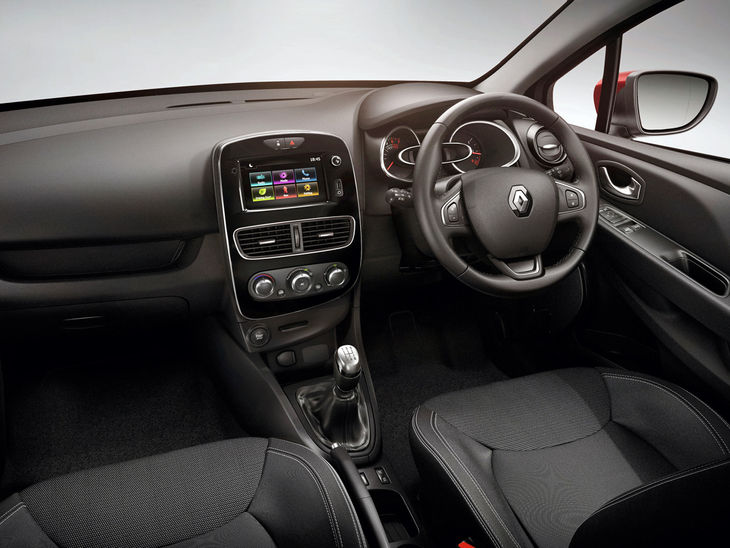
The cabin of the facelifted Clio IV in mid-tier Expression guise.
So, which one should you buy? Well, if fuel efficiency ranks high on your list of priorities, it’d make sense to focus your search on models equipped with the 3-pot engine. The mid-spec Clio 66 Turbo Expression arguably offers the most value for such buyers.
Those in the market for a hatchback delivering a compelling blend of everyday usability and driver engagement, meanwhile, would do well to consider the 6-speed manual-equipped Clio 88 kW Turbo GT-Line. However, some patience would be required as they tend to be relatively scarce on the used market.
What about the RS models? Well, while the performance variants certainly look tempting, as with all hot hatches, many of these models would likely have lived fairly hard lives (including, in some cases, being subjected to potentially ruinous modifications). If you’re determined to own a RS-badged Clio IV, we’d suggest not settling for anything less than an extremely clean example and then still having a multi-point inspection carried out at a specialist before signing on the dotted line. Due to their relative scarcity, RS 18 models are still commanding high prices, so it might be worth narrowing your search to the Clio RS 162 kW Trophy.
Verdict
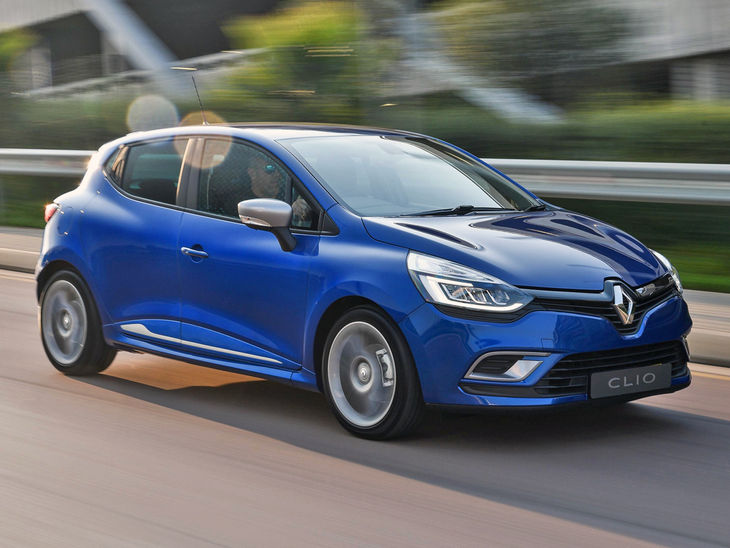
The second iteration of the Clio GT-Line boasted 88 kW and a lovely 6-speed manual gearbox.
With its bold yet refreshingly fuss-free exterior styling – which hasn’t dated very much over the past few years, if at all – as well as efficient engine options and generous standard kit for most trim levels, the Clio IV makes for an attractive proposition on the used market.
The most obvious alternatives in the B-segment are the classier Volkswagen Polo hatchback and more dynamically gifted Ford Fiesta (also offered in GTI and ST versions, respectively), though the Clio IV represents a pleasing middle ground. Other options here include the Opel Corsa and somewhat underappreciated Mazda2, along with Korean siblings, the Hyundai i20 and Kia Rio. If you desire French flair from a brand other than Renault, there’s also the Peugeot 208, which was furthermore available in 147 kW GTi form.
However, the Clio IV has the substance to go along with its heaps of style and is a worthy rival to the many options in this corner of the market. Overall, the French hatch is a highly accomplished supermini boasting commendable safety credentials and as such deserves a place on most shortlists.
Looking for a Renault Clio to buy?
Find one on Cars.co.za here
Looking to sell your car, you can sell it for free to our dealer network here
Cars.co.za

Providing you with the latest motoring news, new car releases and the simplest way to buy and sell cars.