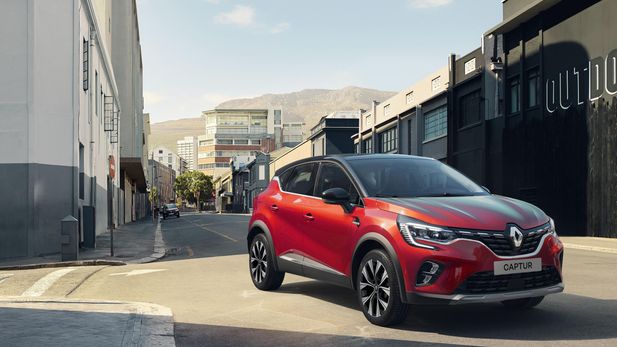
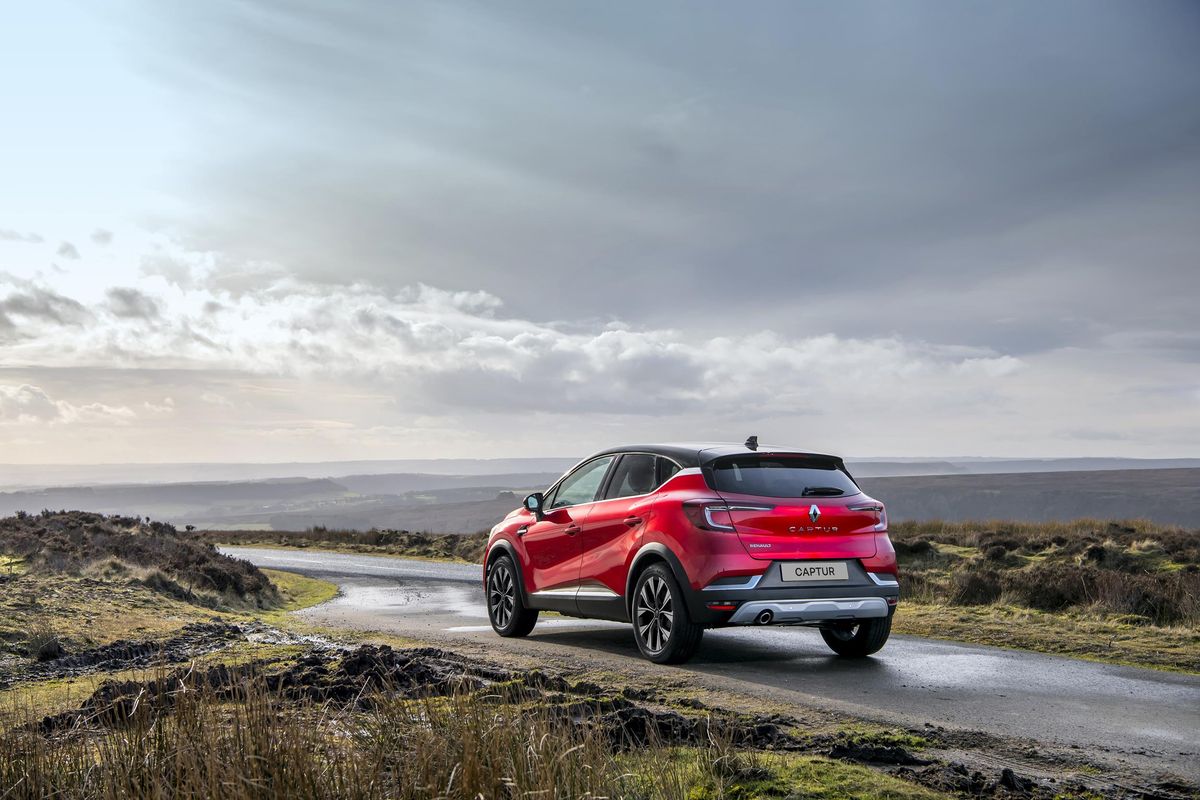
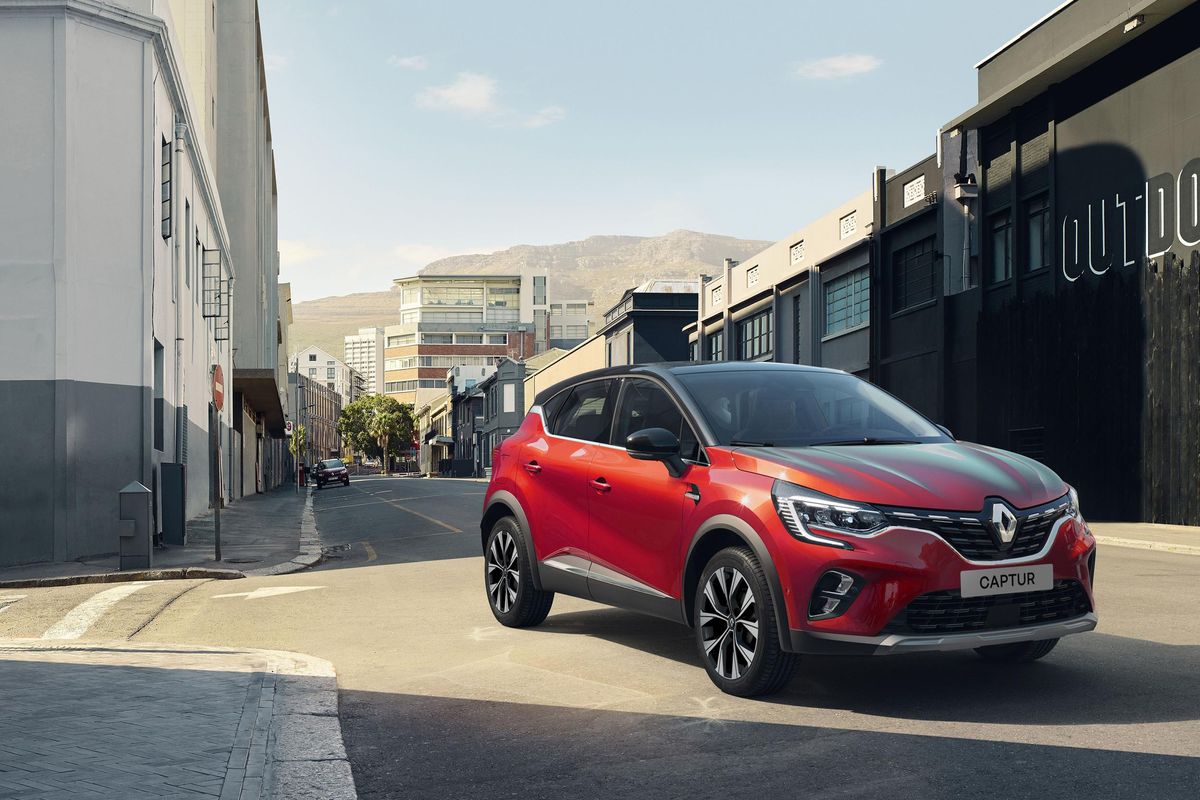
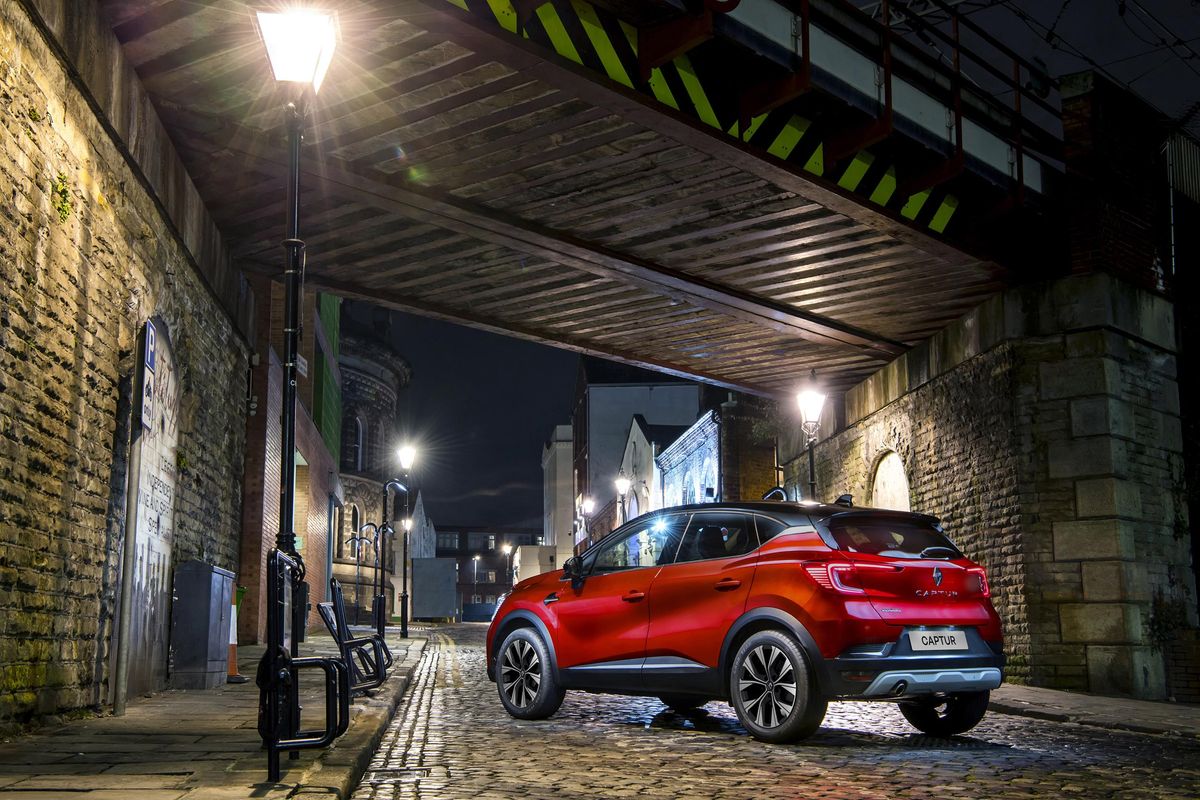
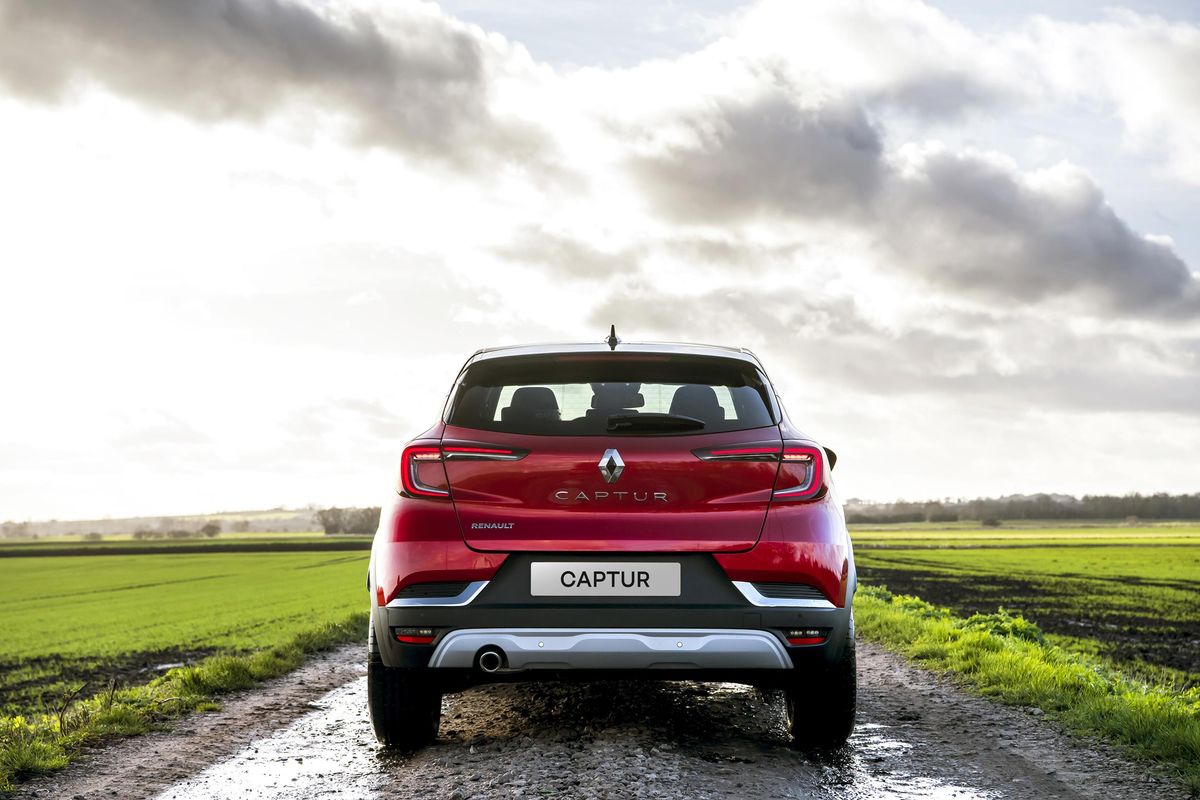
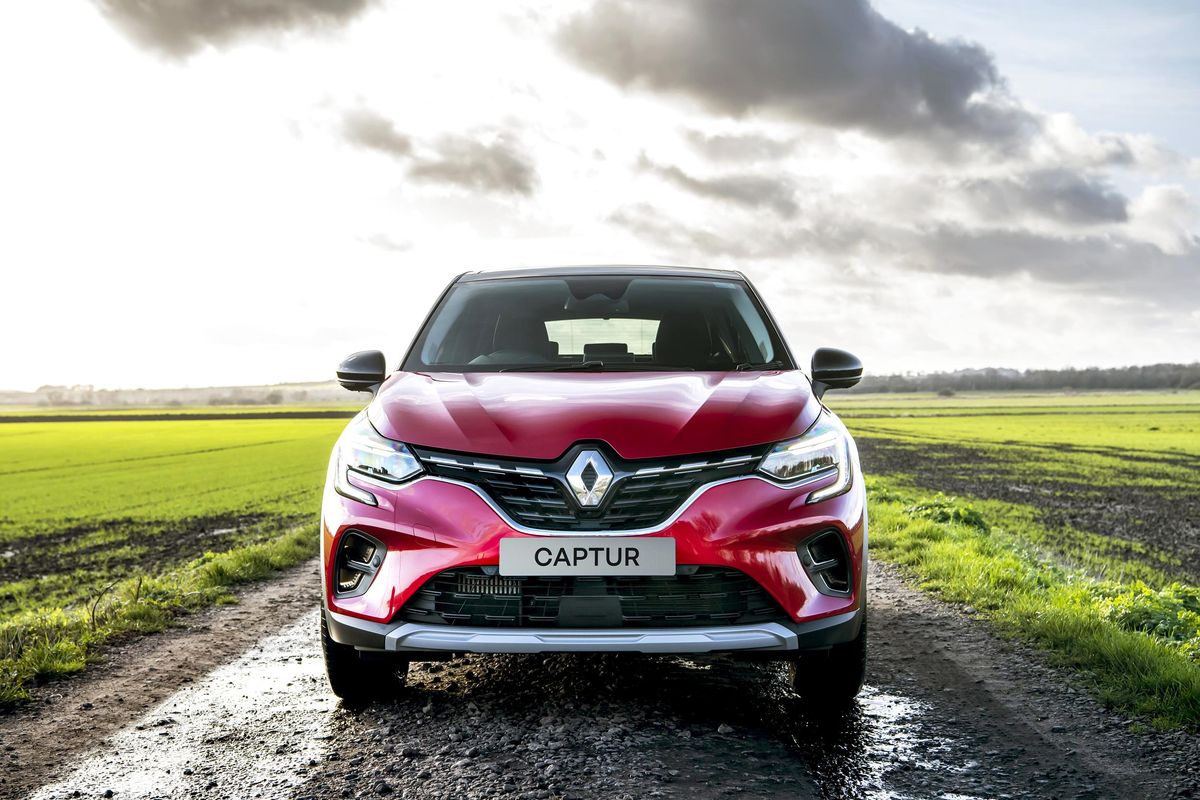
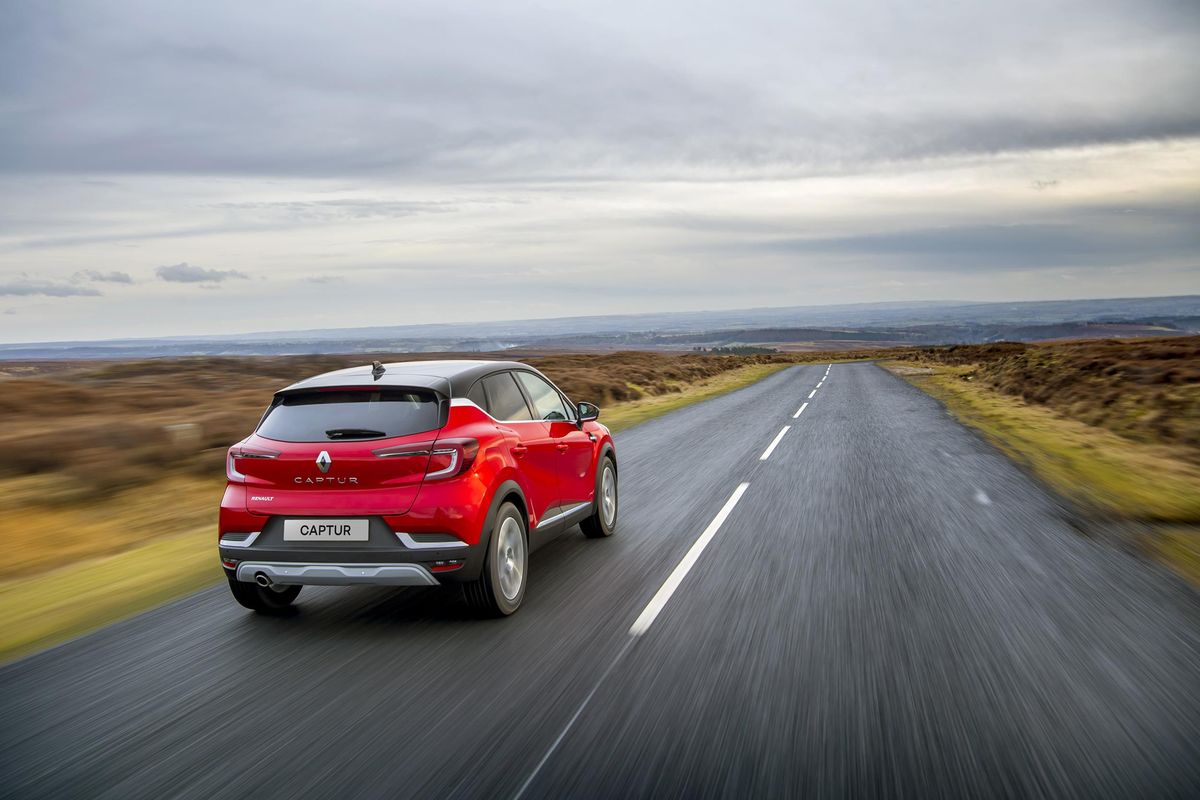
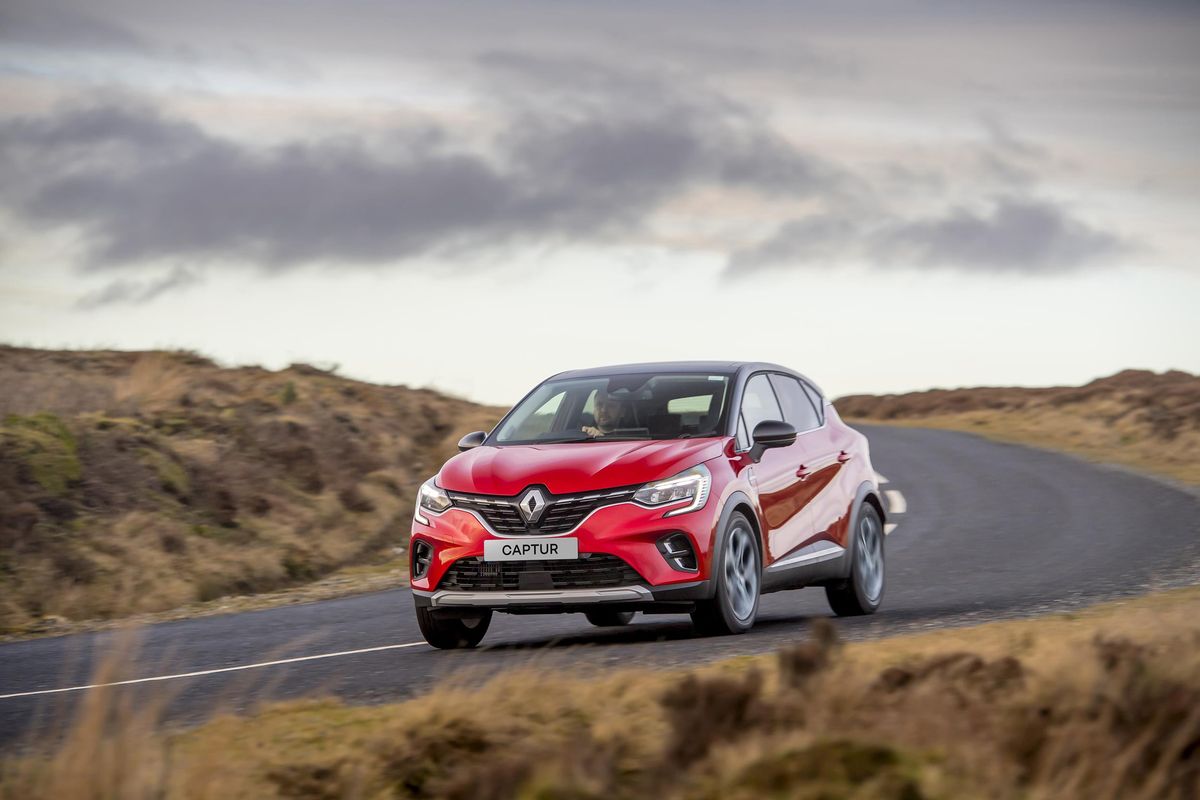
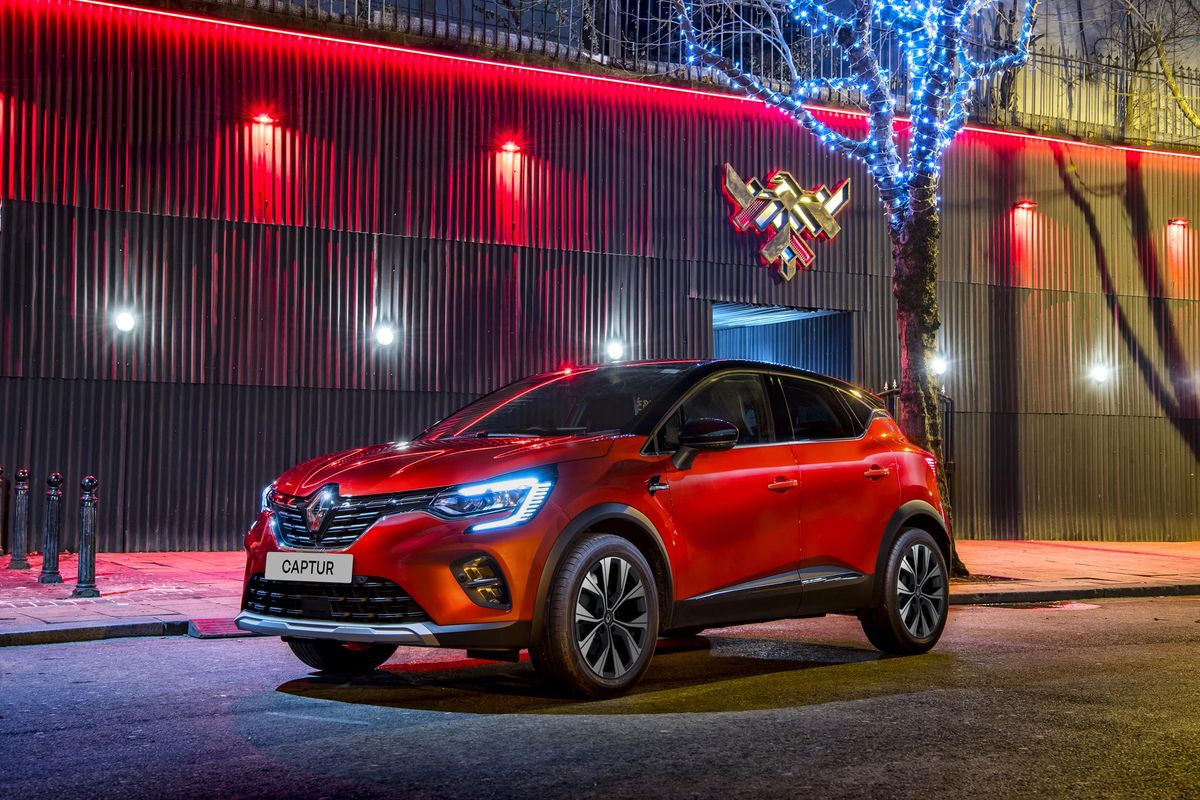
The new Renault Captur has finally arrived on local soil. With the upper end of the small crossover segment teeming with new models, is this (now 3-year-old) French contender worthy of your consideration? We headed to KwaZulu-Natal to find out.
Renault was one of many car companies that were hamstrung by semiconductor chip shortages, production stoppages and shipping challenges because of the Covid-19 pandemic; as a result, several models arrived in Mzansi quite long after their international debut – the new-generation Captur is just one example. It was revealed in 2020, but is only making its debut in local showrooms at the end of the first quarter of 2023; in fact, the model that’s sold in Europe is due for a facelift at some point next year!
Still, Renault South Africa recorded its best year in 2022, thanks to selling a significant number of Kwid and Kiger derivatives. It’s currently the 5th biggest carmaker in SA in terms of new passenger-car sales.
Last week, Renault South Africa presented the new Captur confidently – during its media presentation, the French marque benchmarked its small crossover against several strong-selling rivals. The newcomer competes with the Kia Seltos, Haval Jolion and Volkswagen T-Cross (which also cost around the R500k mark); the Opel Mokka, Peugeot 2008, Hyundai Creta and Chery Tiggo 7 Pro are also strong candidates.
What’s new on the Renault Captur?
The Renault Captur has garnered more than 1.5 million sales globally (of which 11 500 units have found homes in South Africa). The Captur’s high popularity can be attributed to the market’s predilection for small crossovers that offer raised ride heights (and -driving positions); the C-segment hatchback market has declined substantially (hence the Megane’s demise) and even the smaller Clio’s sales are lacklustre.
So, what’s new? Quite a bit! The Captur’s dimensions have increased notably, which, of course, benefits cabin space. The Captur is 107 mm longer than before and its wheelbase has been stretched by 33 mm. The new range features a single (and familiar) powerplant – it’s a 1.3-litre 4-cylinder turbopetrol motor, which also powers the Mercedes-Benz A200 and Nissan Qashqai. In the Renault, the engine produces 113 kW/270 Nm and drives the model’s front wheels via a 7-speed dual-clutch auto transmission.
Customers have 2 Renault Captur derivatives to choose from: Zen and Intens, with the latter boasting more safety-, tech- and comfort comforts.
More: Renault Captur: Price and Specifications
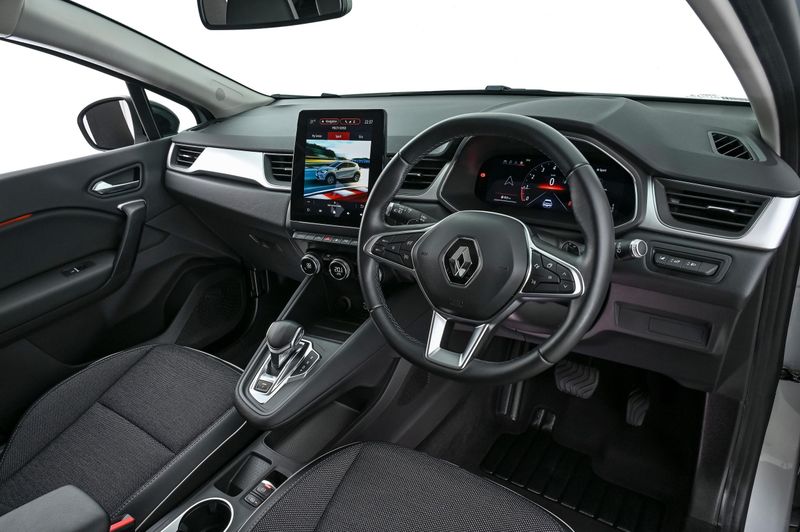
What’s the new interior like?
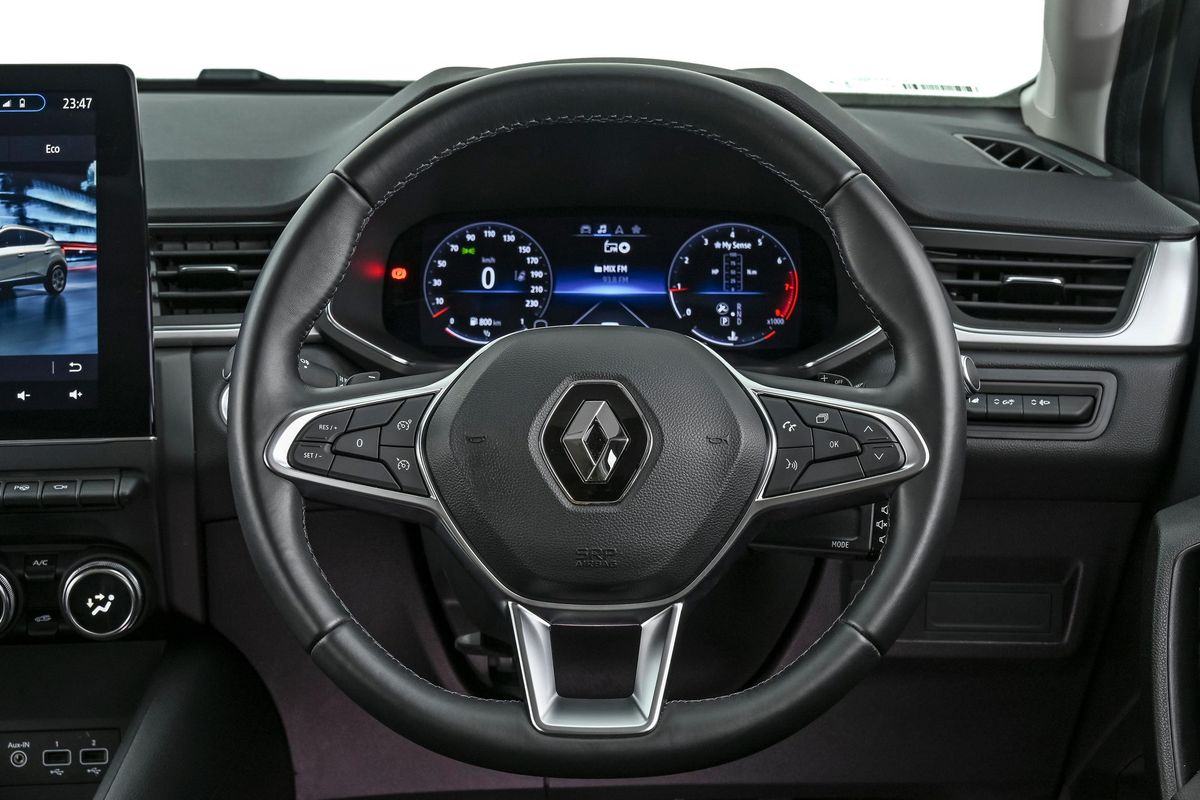
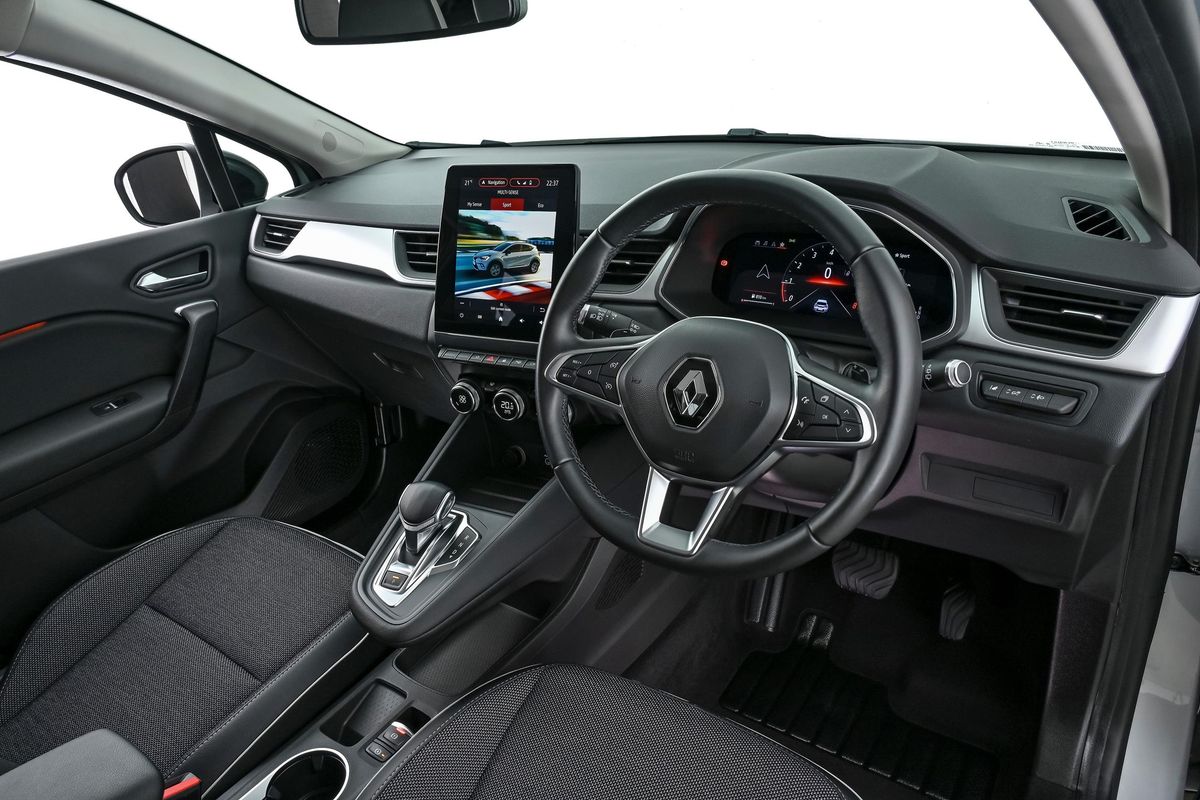
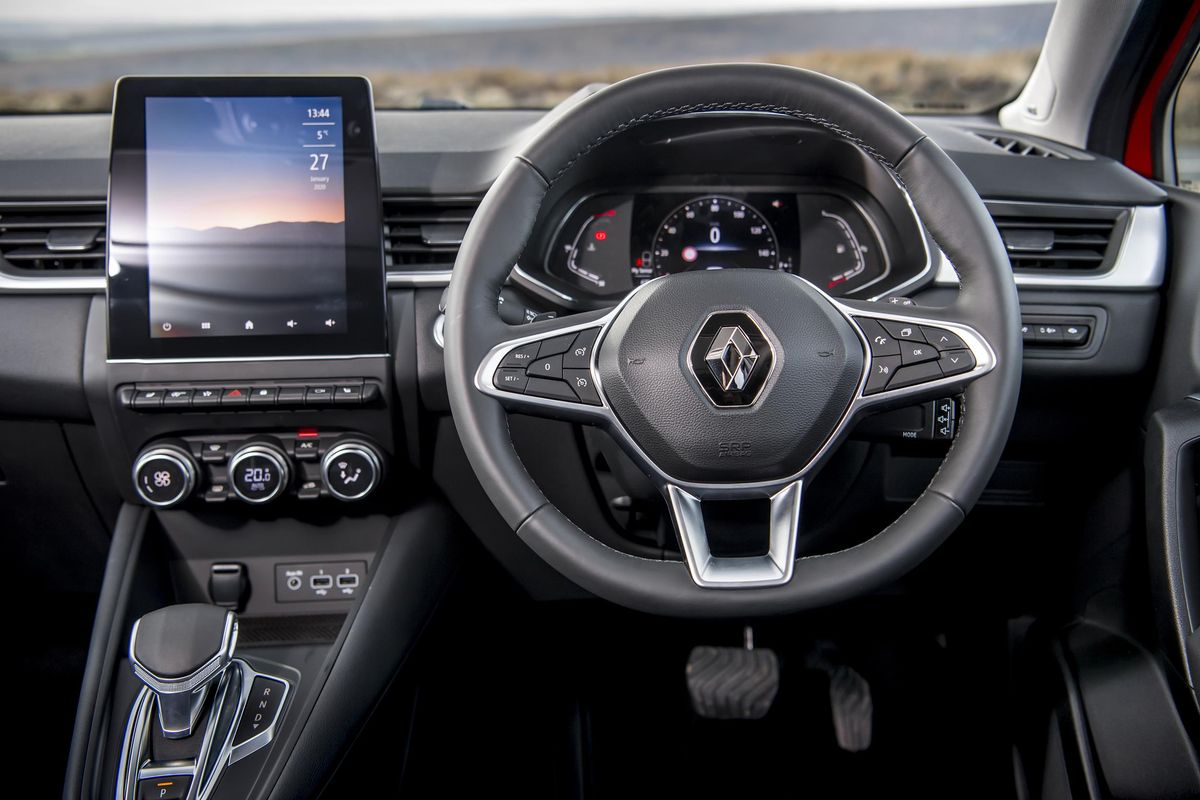
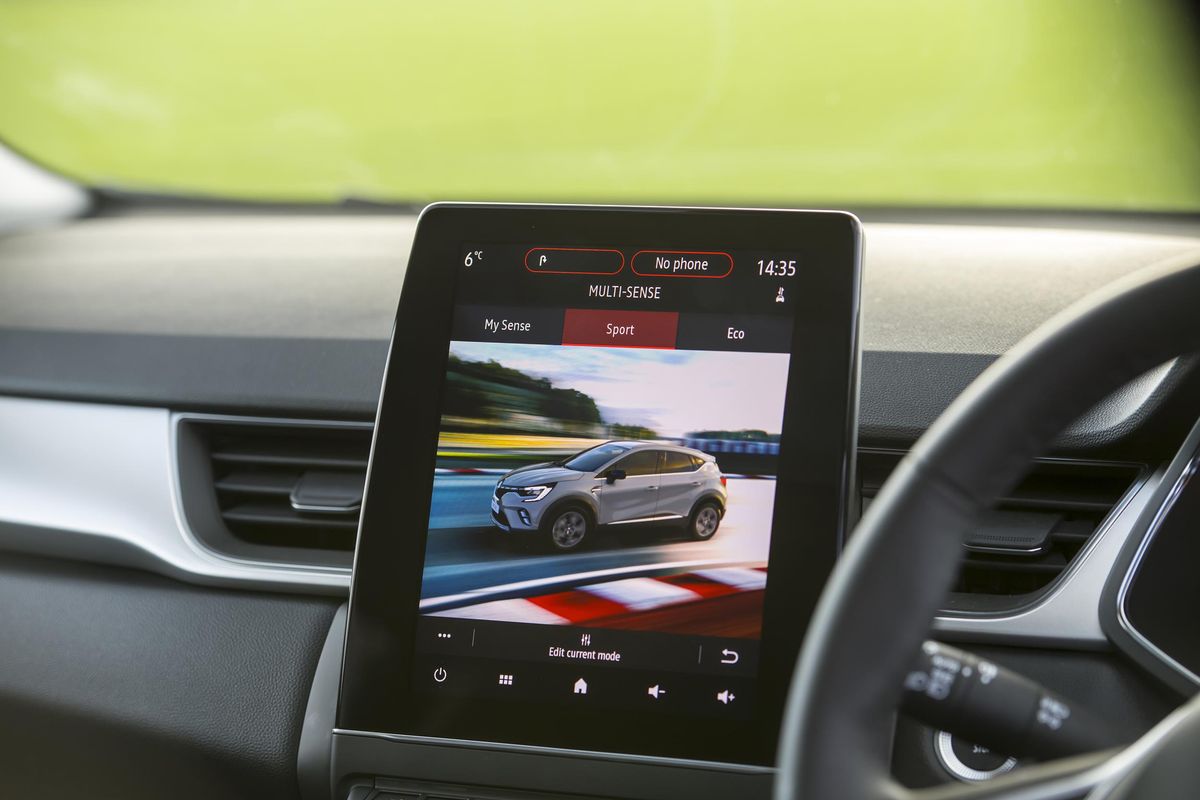
The Spanish-built Renault Captur’s cabin looks and feels upmarket. There are more than a few elements from the Renault Clio 5 in here, which is a good thing, because the B-segment hatch’s cabin is one of its finest aspects. The biggest talking point is the portrait-orientated infotainment screen that’s perched on the fascia. It’s a little in-your-face, but it has crisp graphics and its user experience is straightforward.
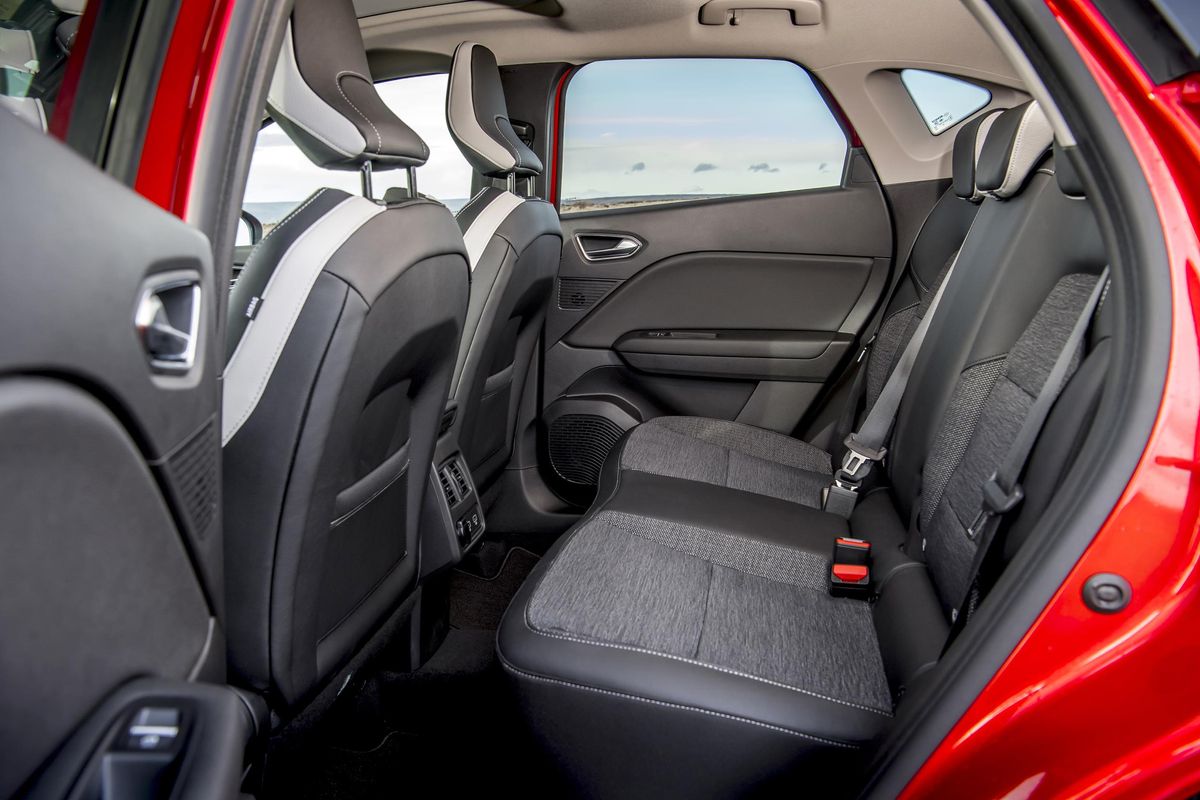
As far as the level of fit-and-finish is concerned, the Renault Captur is relatively luxurious and certainly market-relevant, which is commendable for a 3-year-old car! There is no shortage of soft-touch plastics and, while leather seat trim is not available, the standard fabric cloth upholstery is more than adequate.
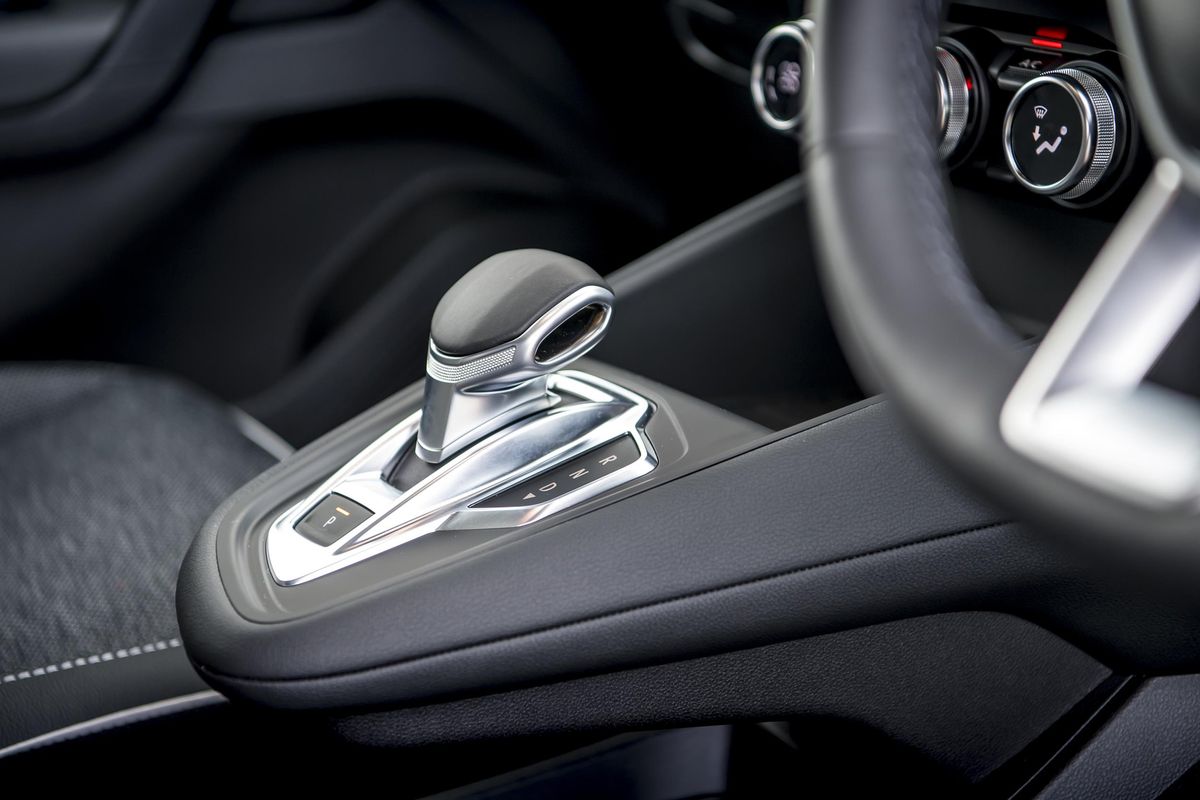
We reckon Renault dealers will have leather-trim specialists (or ‘trimmers, as they are referred to in the after-sales market) on standby for customers who really want to sit on hide! The floating transmission shelf didn’t feel particularly substantial, however… there are a few odd, cheap-feeling parts in the cabin.
Both derivatives come well equipped with standard features and, unsurprisingly, the top-of-the-range Intens derivative is the one you really want (if you can afford the R45k premium). It has a slightly larger infotainment screen, a digital instrument cluster and some additional other features. Based on a quick comparison using our Cars.co.za tool, affordability is the only reason for choosing the entry-level Zen.
More: The difference between Renault Captur Zen and Intens here.
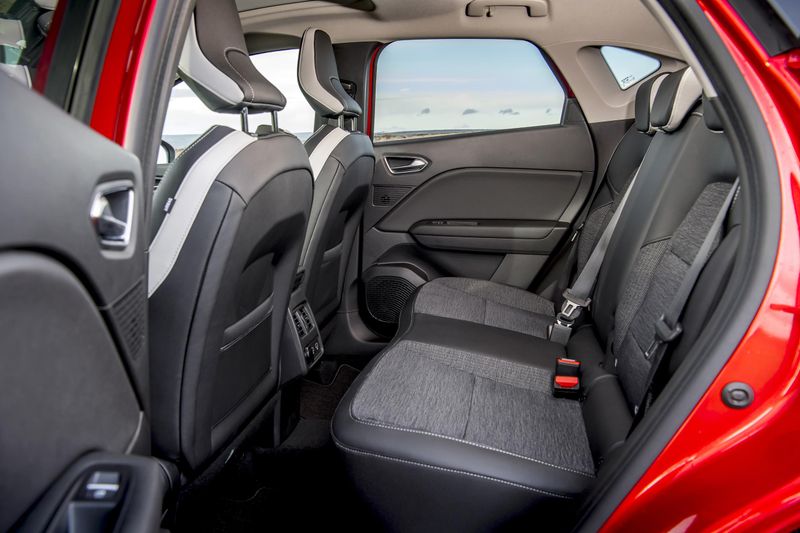
Renault pitches the Captur as a highly practical small crossover and, in truth, the model’s claimed figures make for impressive reading. With a stated capacity of 404 litres, the Captur has the second biggest load bay in its class (behind the Kia Seltos) and, with both rear seats folded, you get 1 275 litres of utility space, making it one of the most capacious models in its segment. The rear bench slides fore and aft so that you can free up more legroom for the rear occupants at the expense of luggage space, or vice versa.
What’s the Renault Captur like to drive?
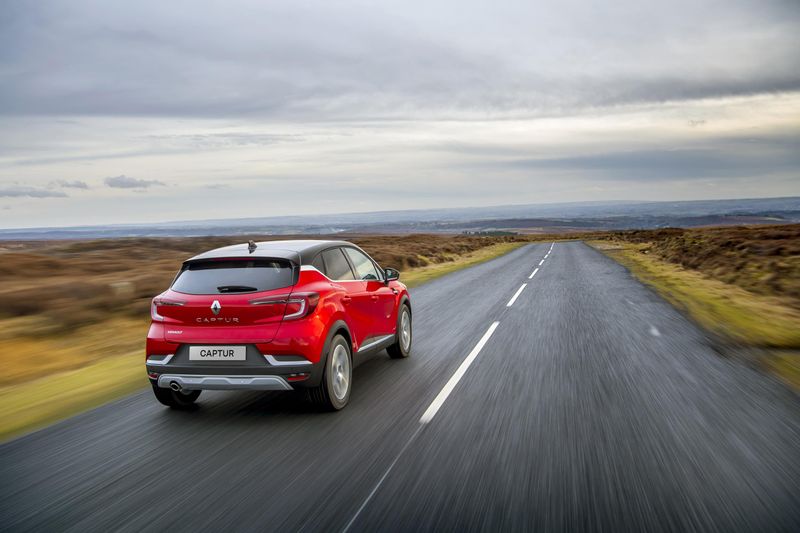
Plus, with 113 kW and 270 Nm on tap, the Captur is one of the punchier vehicles in this segment. The 1.3 litre is a smooth engine that delivers all of its grunt quickly and efficiently (it only becomes rowdy once it revs beyond 4 500 rpm). But, most customers won’t be stretching the Captur’s legs quite like we did.
Our test route took us through lush and leafy suburbs and there were plenty of hills for the Captur to climb. Impressively, the powertrain took it all in its stride – at no point did the motor feel “out of puff”.
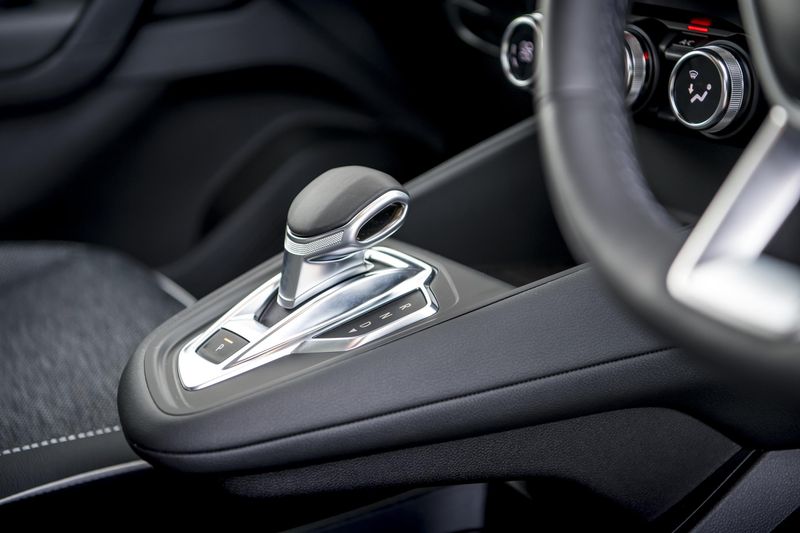
The latest generation dual-clutch transmission in this Captur shifts smoothly and quickly, which is a far cry from the dithering unit in the previous model. The transmission selector sits atop a floating shelf and really looks the part. There are gearshift paddles on the ‘wheel, but they’re not very satisfying to use and besides, you’re unlikely to need them very often – the ‘box is particularly well-calibrated to the engine.
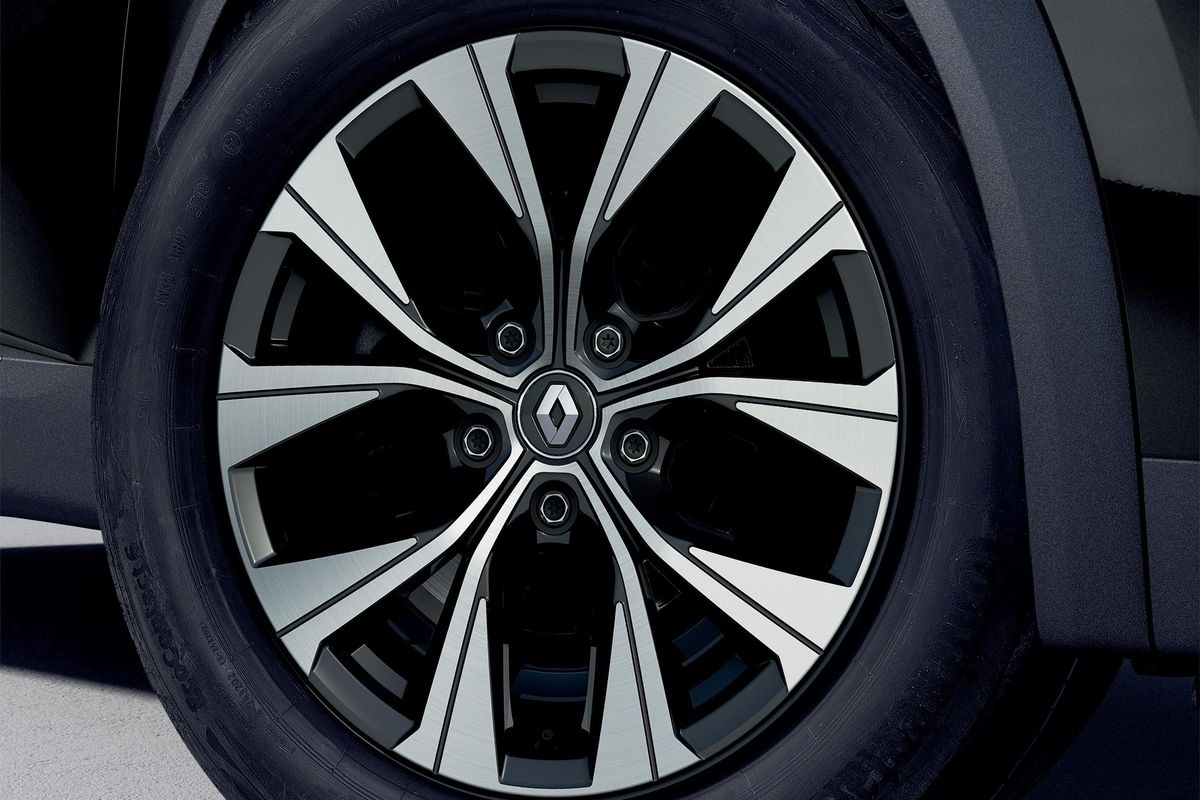
As far as ride comfort is concerned, the Renault Captur represents a notable improvement over the old model. Even when riding on 17-inch wheels, the ride quality is pliant; the suspension absorbs most of the bumps on poorer-quality road surfaces and despite its high-riding stance, there’s less roll than you’d expect. The steering setup is excellent too; it’s suitably quick and responsive, but also well-weighted.
We’d like to spend more time with the new Captur before passing a final verdict, because our launch route was only about 40 km long, but first impressions are promising. One final note, at the conclusion of our test drive, we were impressed to see that the Renault’s trip computer indicated an average fuel consumption figure of 5.9 L/100 km, which was better than the manufacturer’s claim (6.6 L/100 km).
New Renault Captur price in SA
| Renault Captur 1.3L Turbo EDC Zen | R454 999 |
| Renault Captur 1.3L Turbo EDC Intens | R499 999 |
The new Renault Captur comes with a 5-year/150 000 km mechanical warranty, a 3-year/45 000 km service plan, as well as a 6-year anti-corrosion warranty. Service intervals are every 15 000 km or 12 months, whichever comes first. A metallic paint finish costs R2 999 extra.
Summary
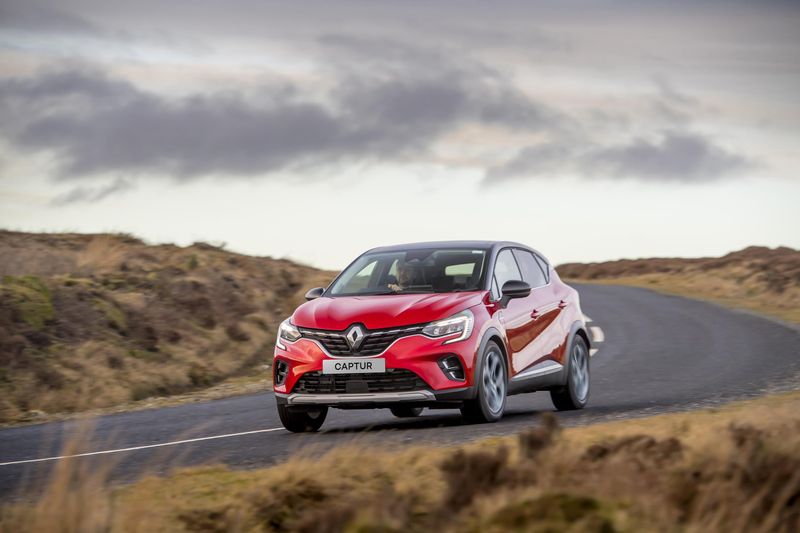
Despite its rather belated arrival – the model is already 3 years old – the Renault Captur incorporates all the elements required to be a successful player in Mzansi’s ultra-competitive small crossover segment.
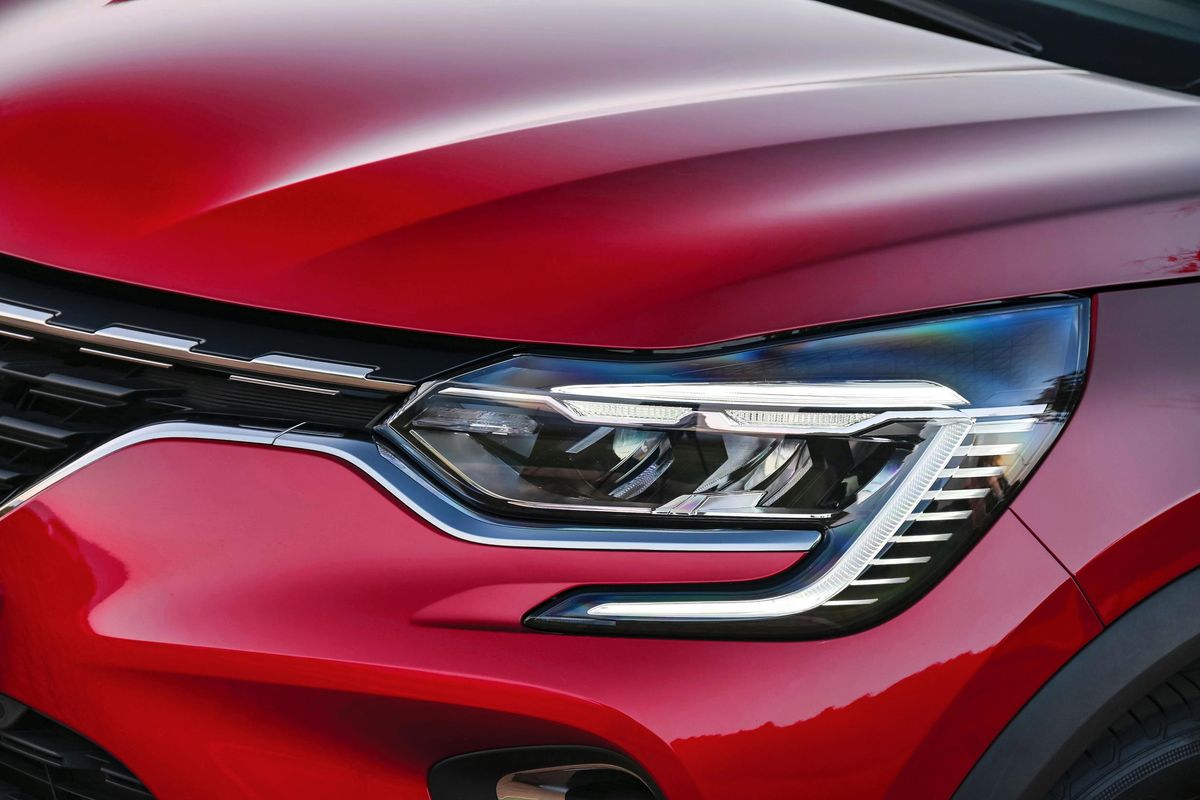
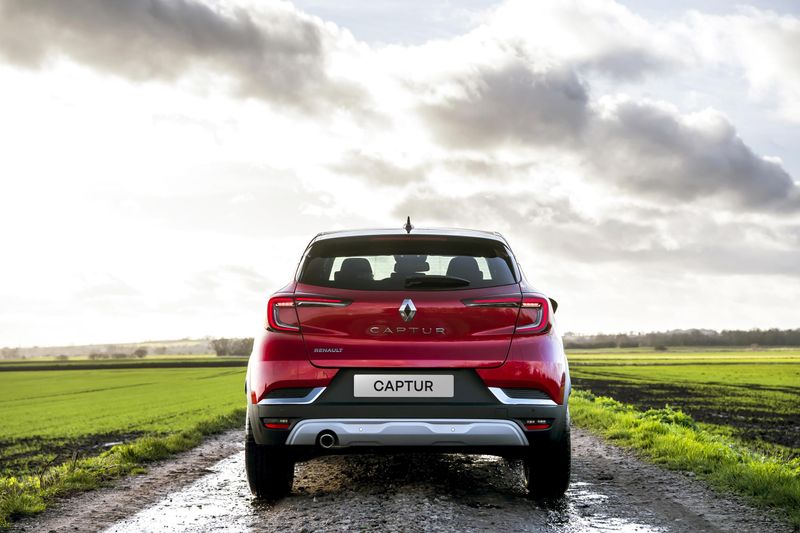
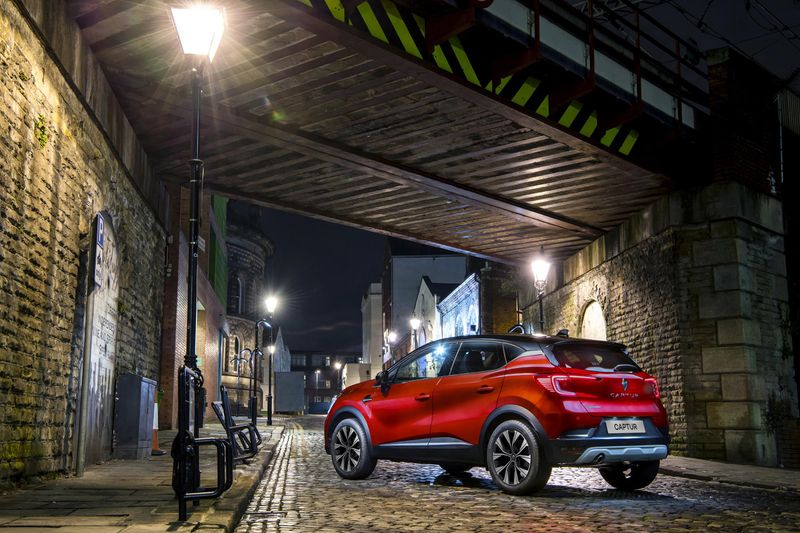
It looks still looks fresh and distinctive, its engine performs willingly and its transmission operates oh-so-smoothly. The Captur is also spacious and comfortable; compared with its predecessor, which offered a satisfactory driving experience, but felt thin and flimsy, it’s chalk and cheese. If only Renault SA could have launched this vehicle in our market sooner; let’s see whether the new Captur will achieve success.
MORE: Want to purchase a new or used Renault? Browse stock for sale here