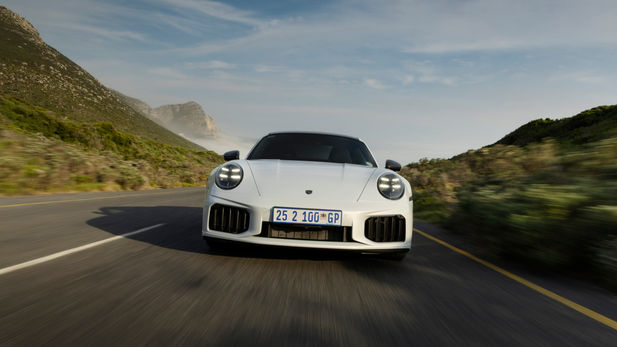
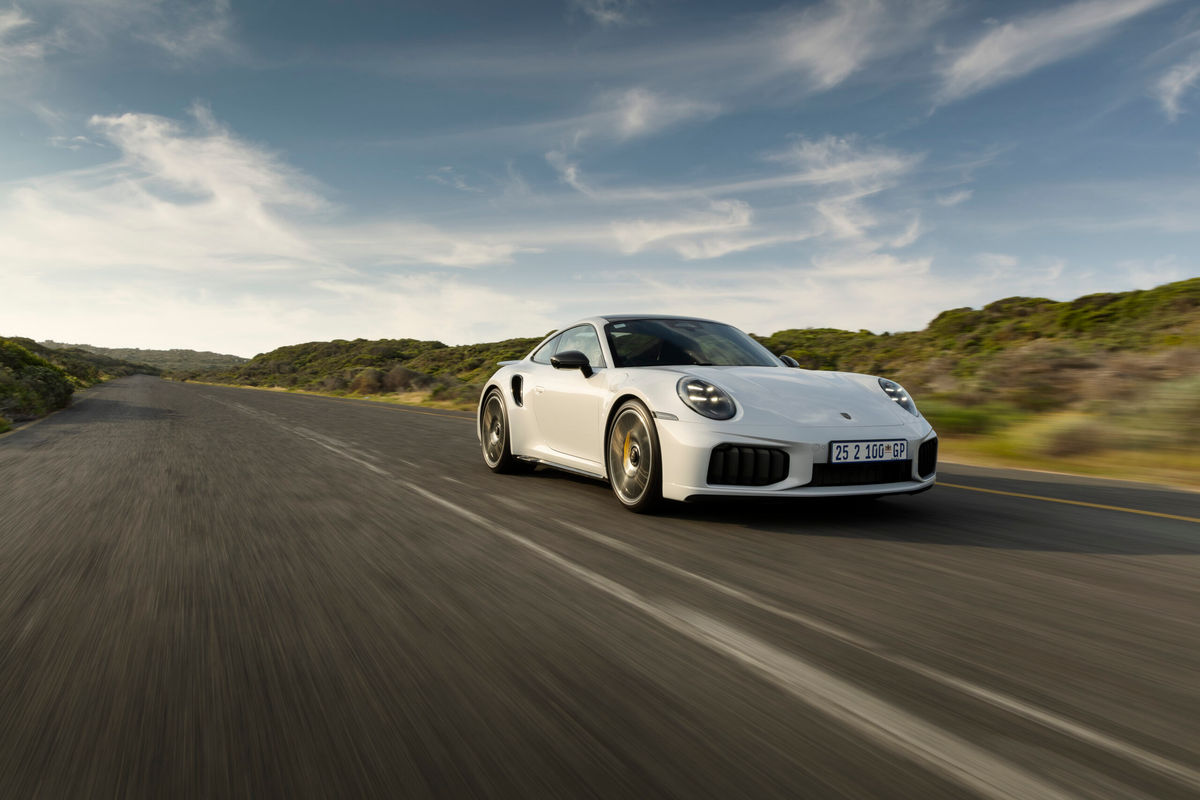
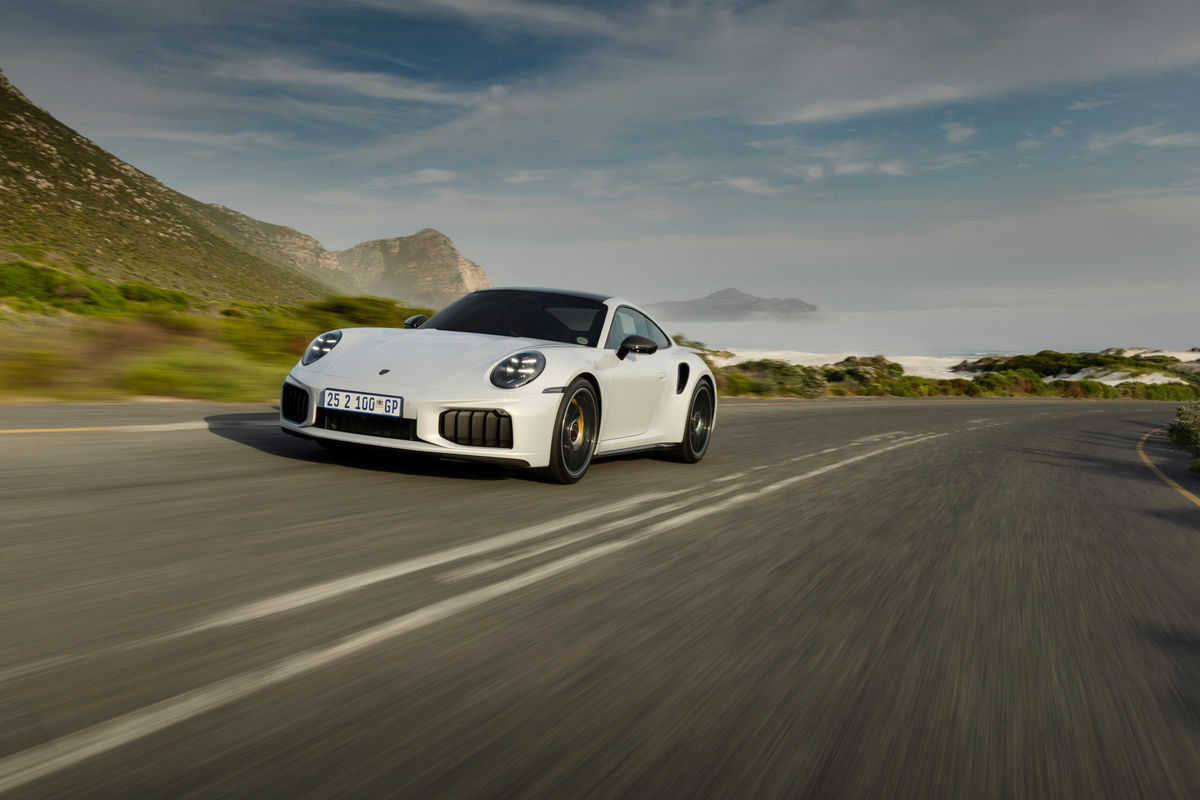
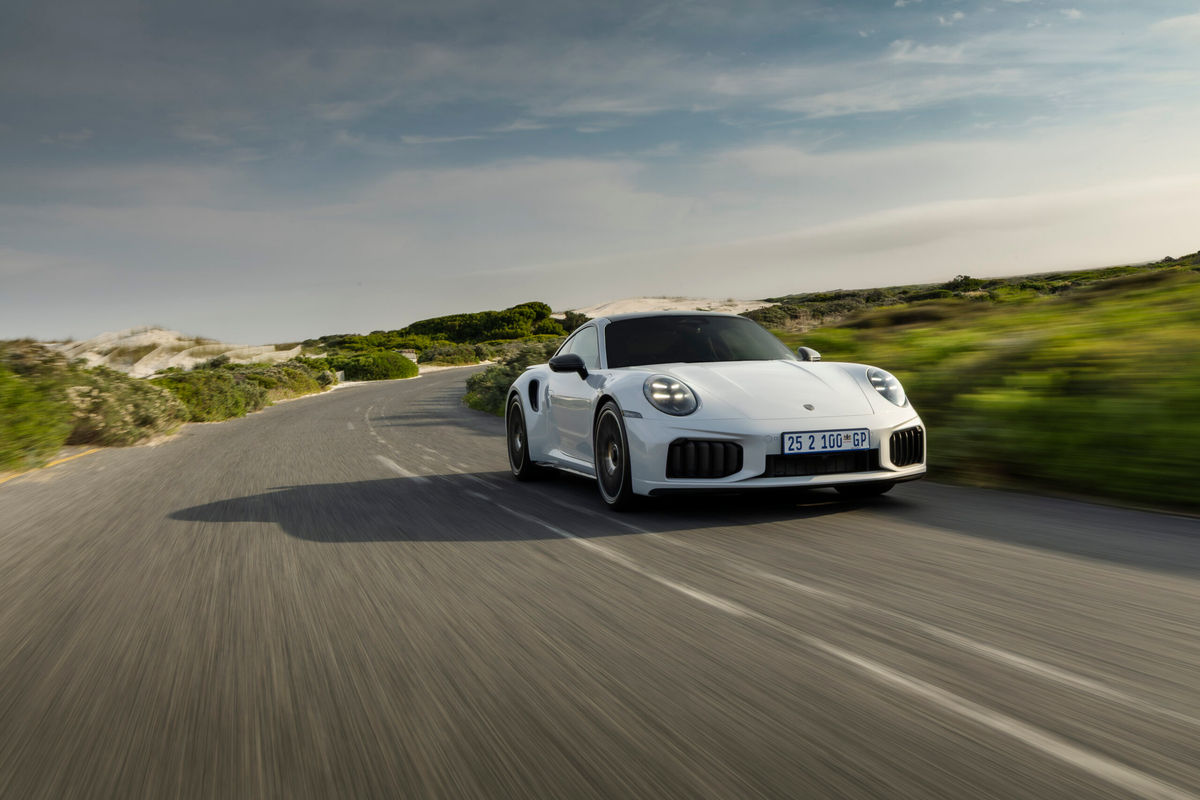
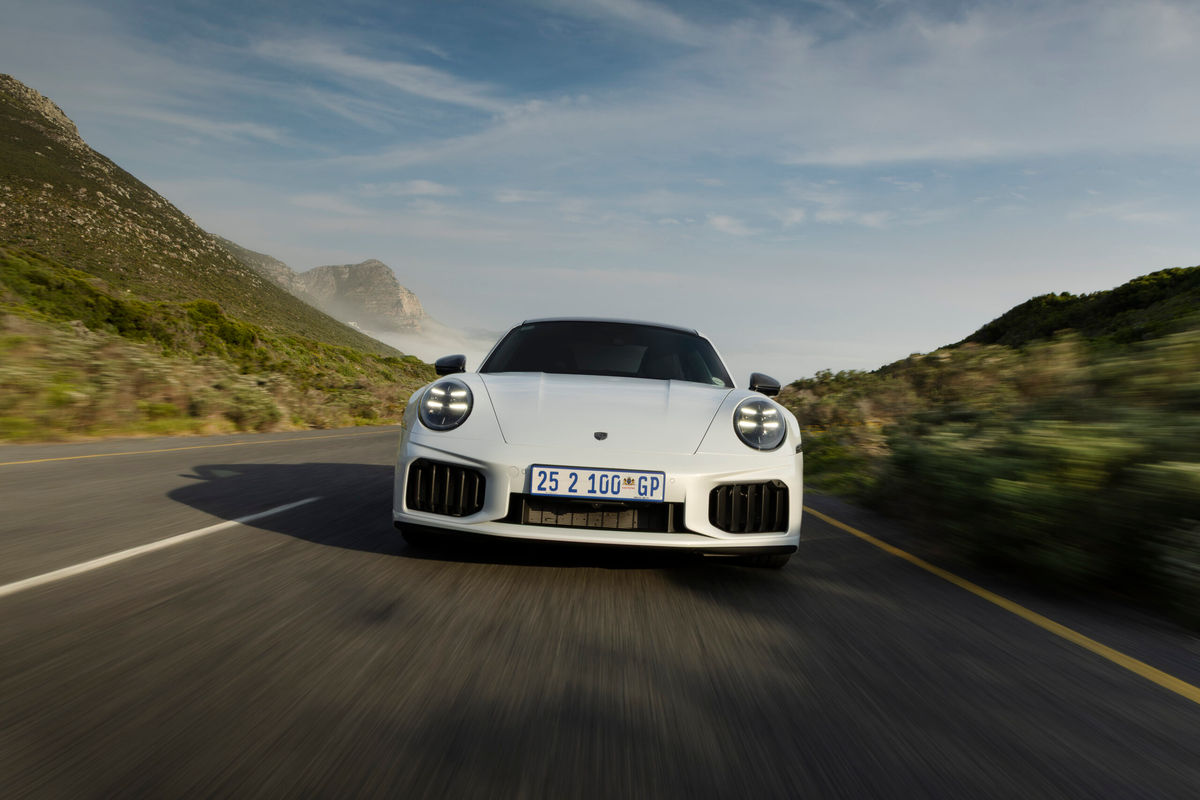
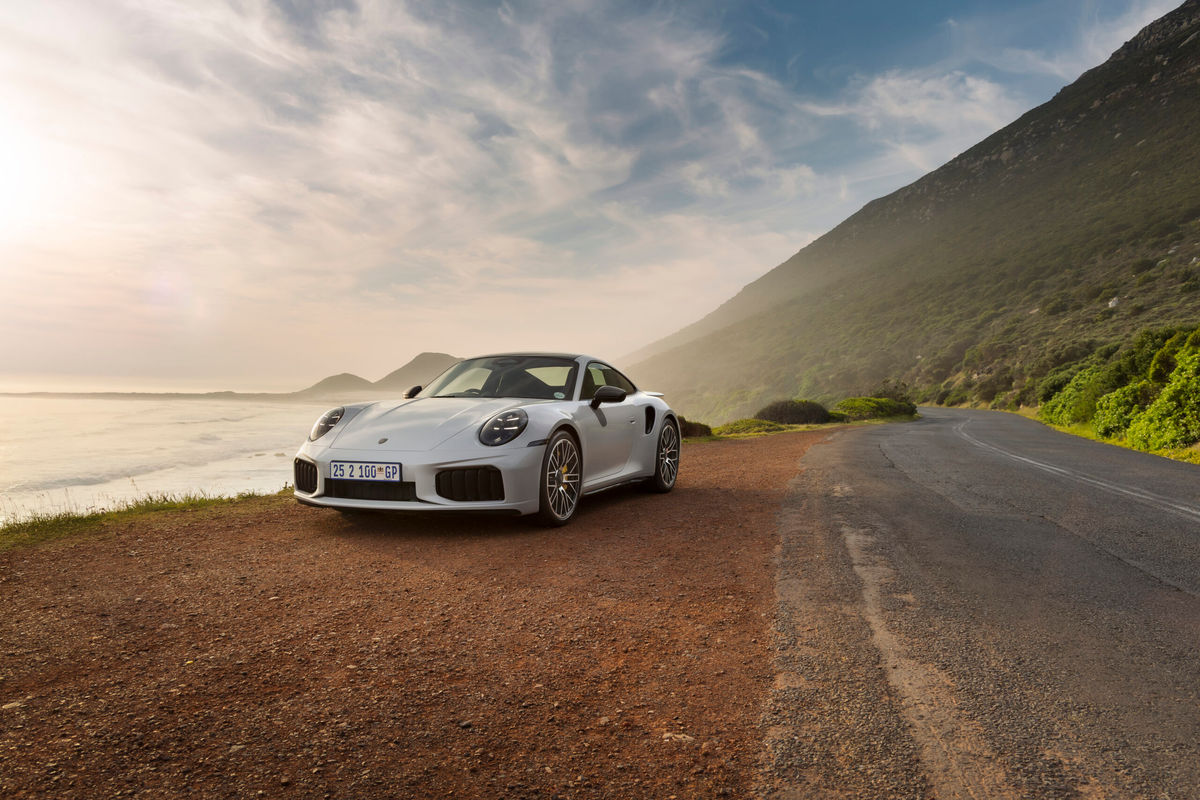
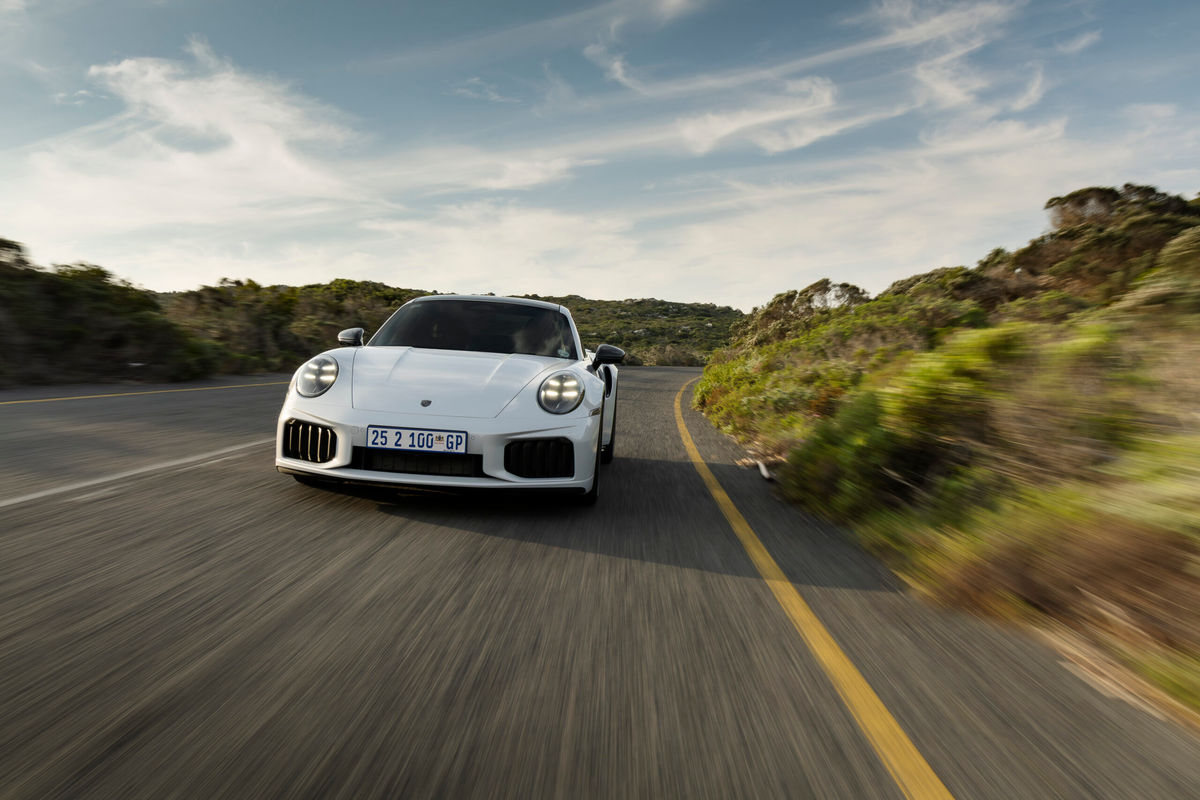
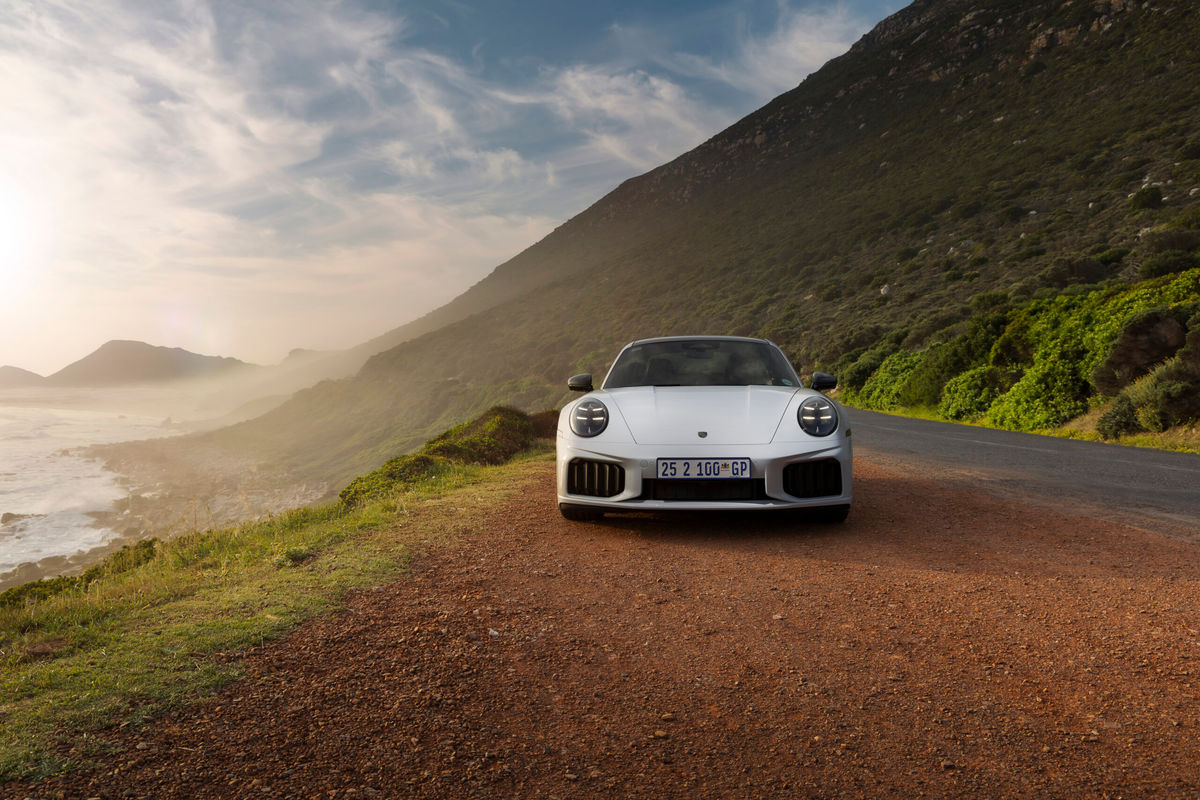
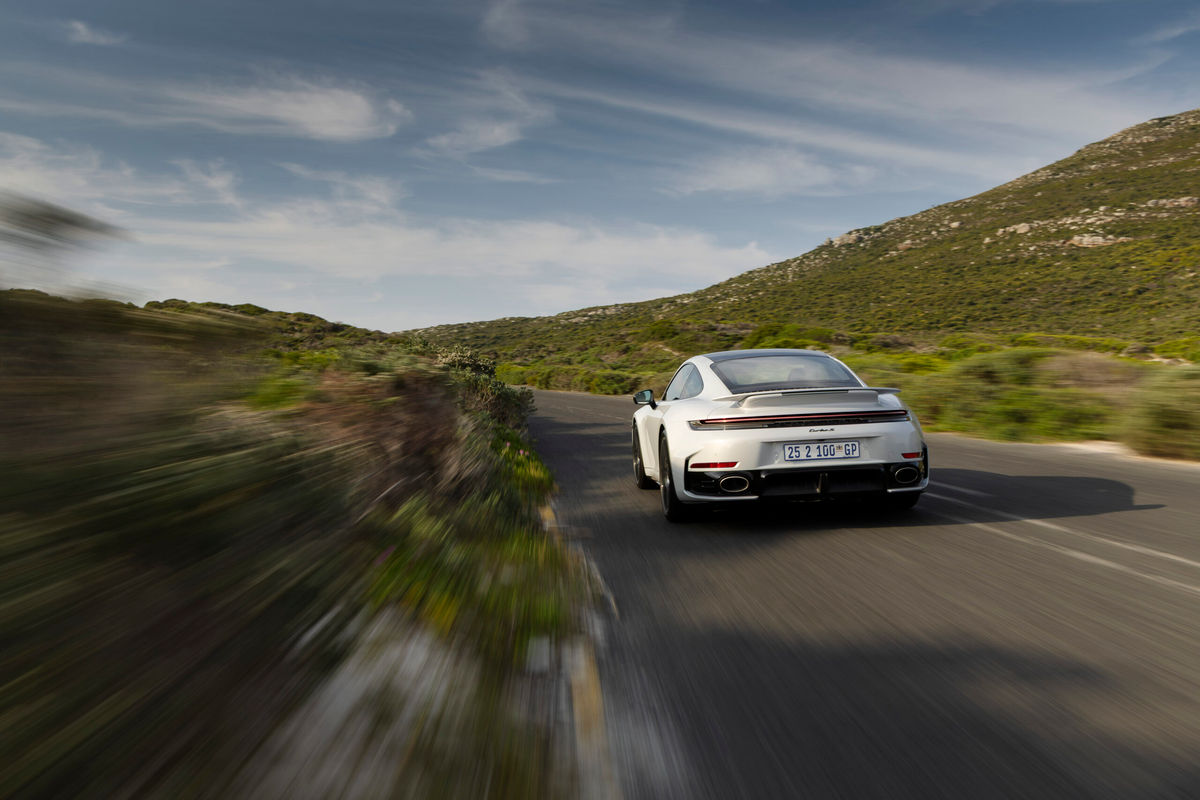
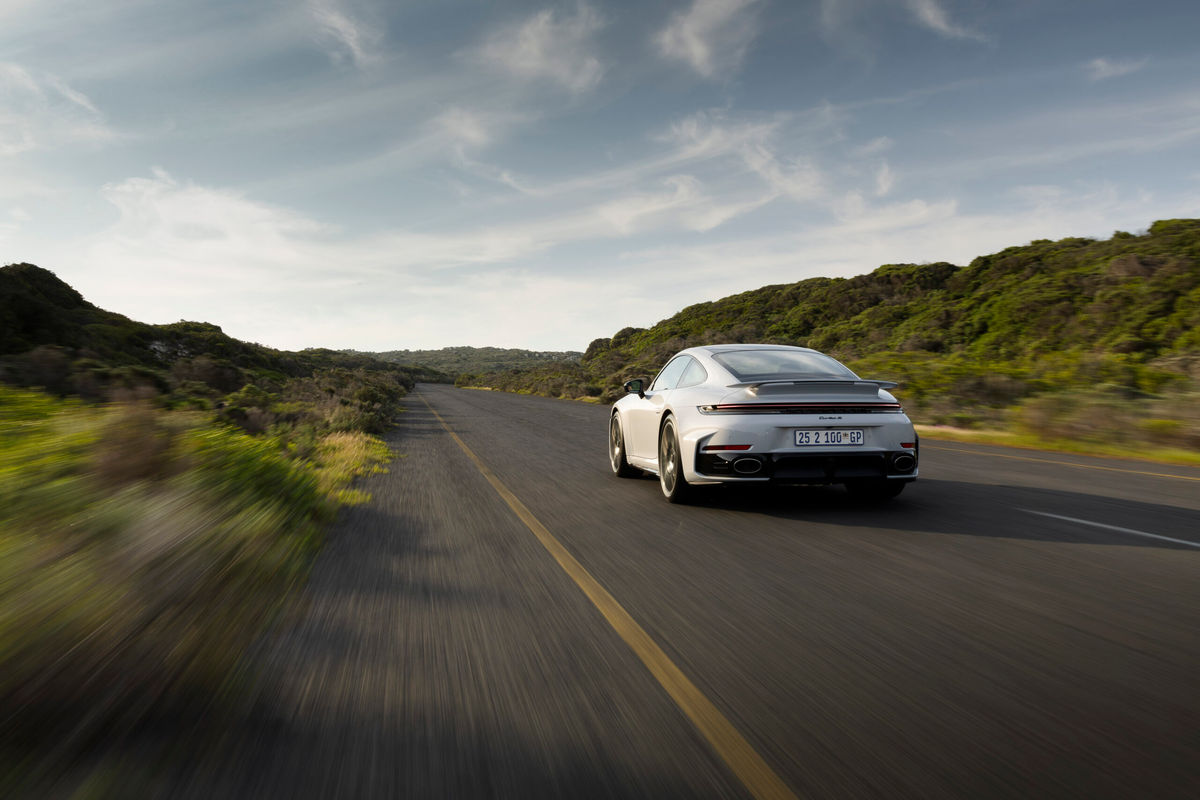
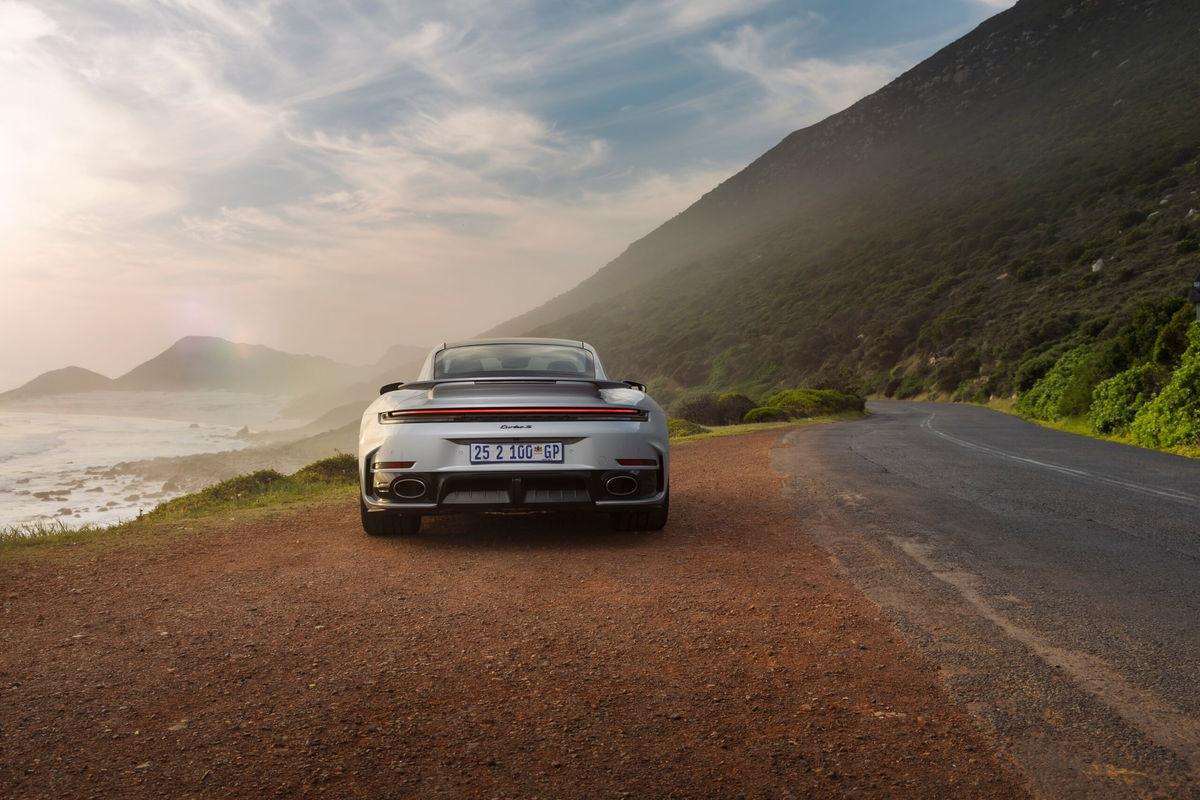
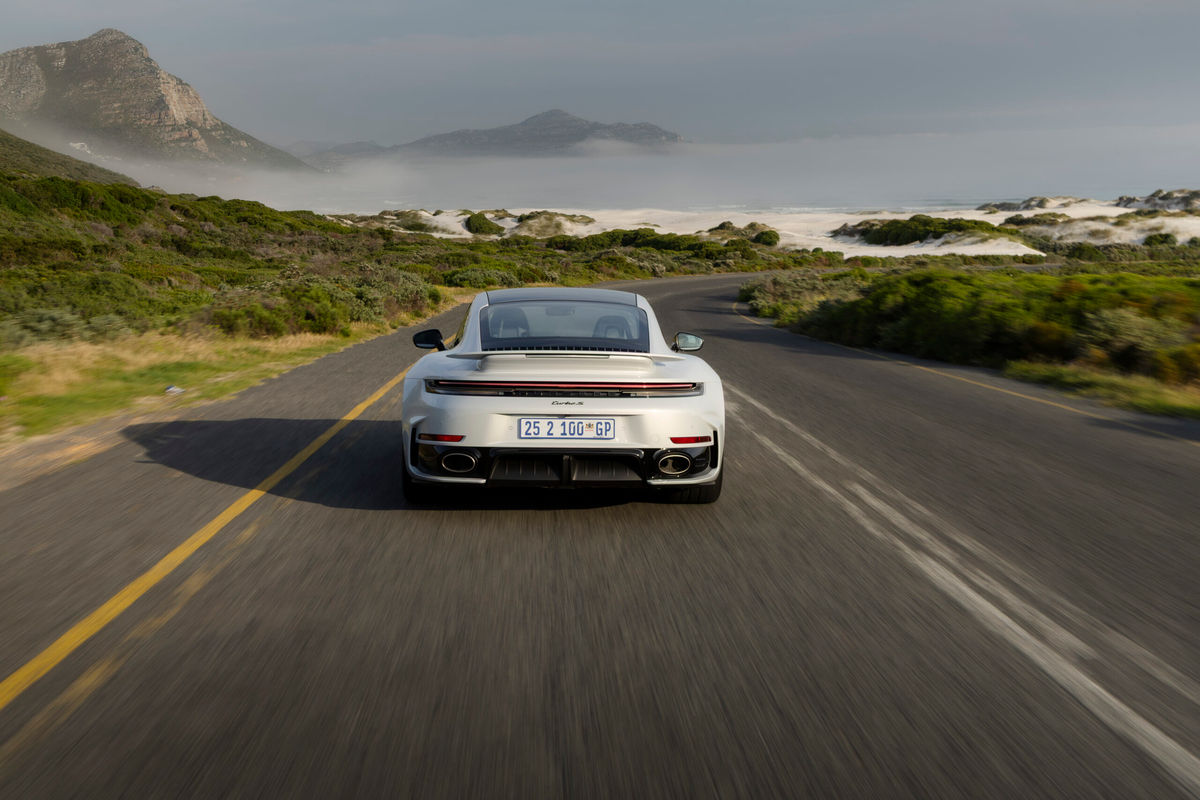
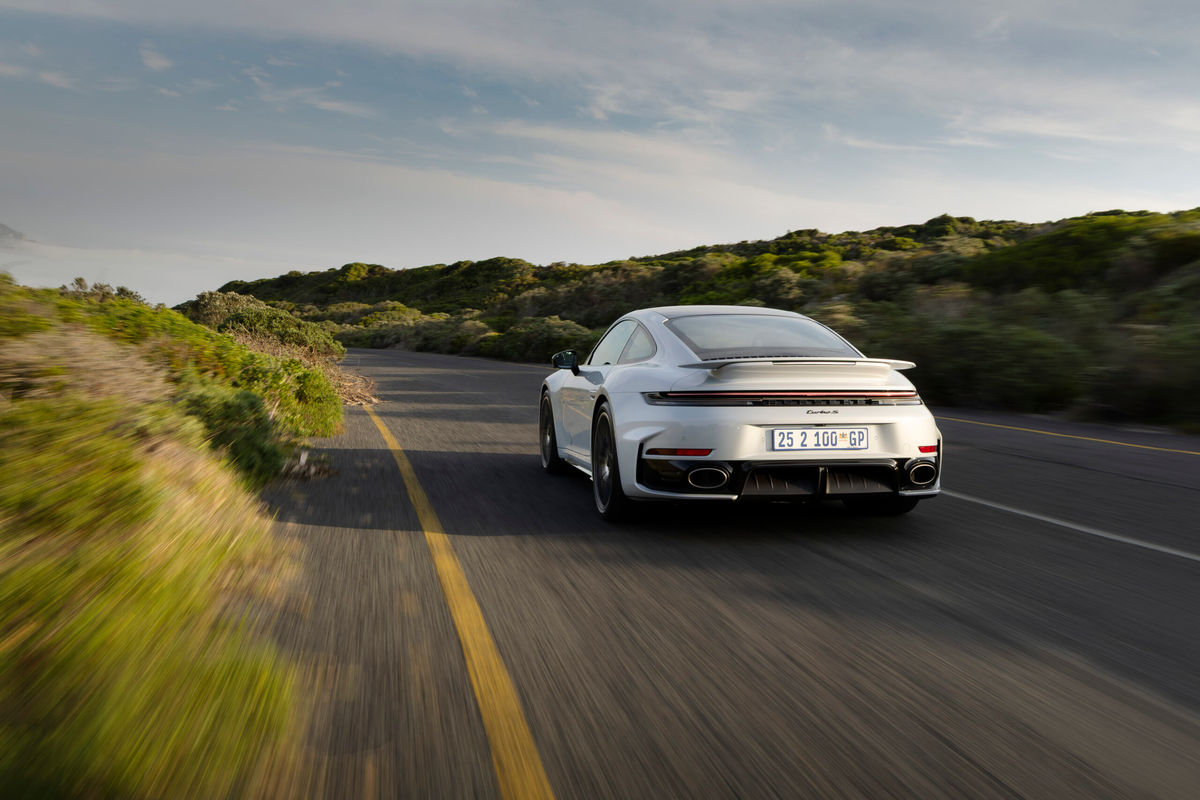
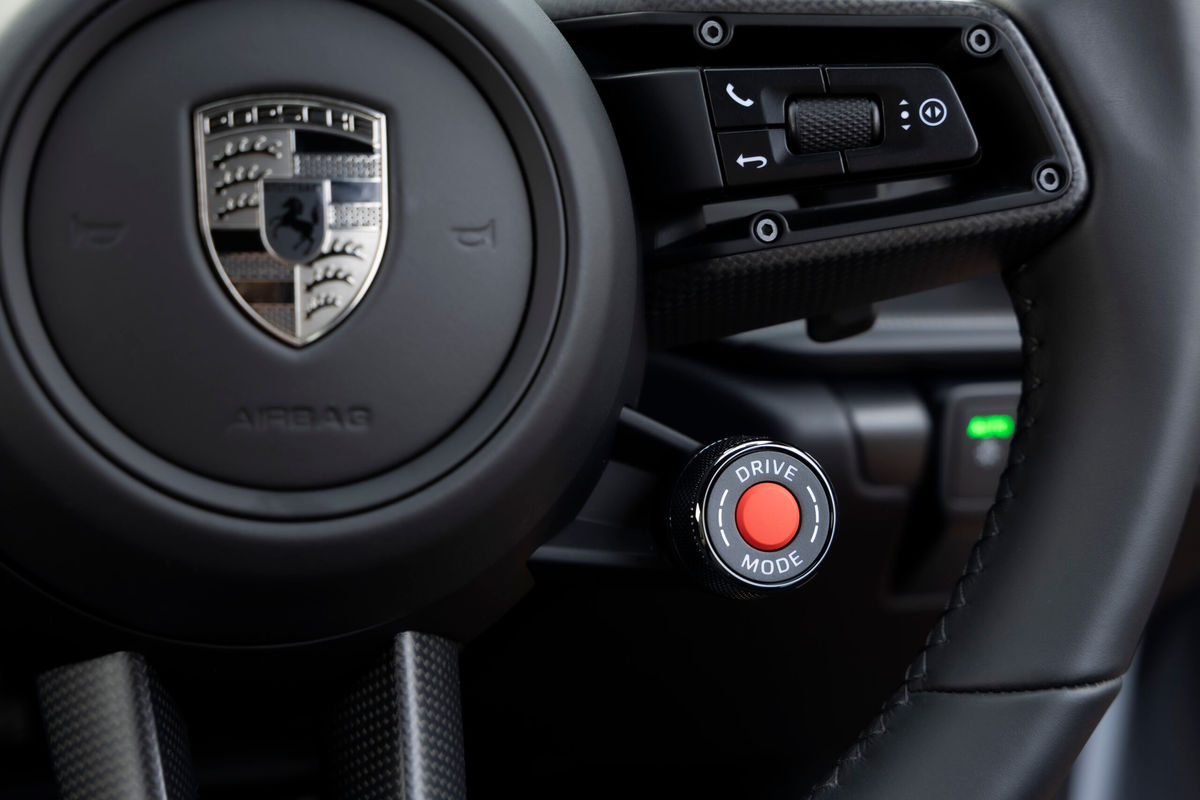
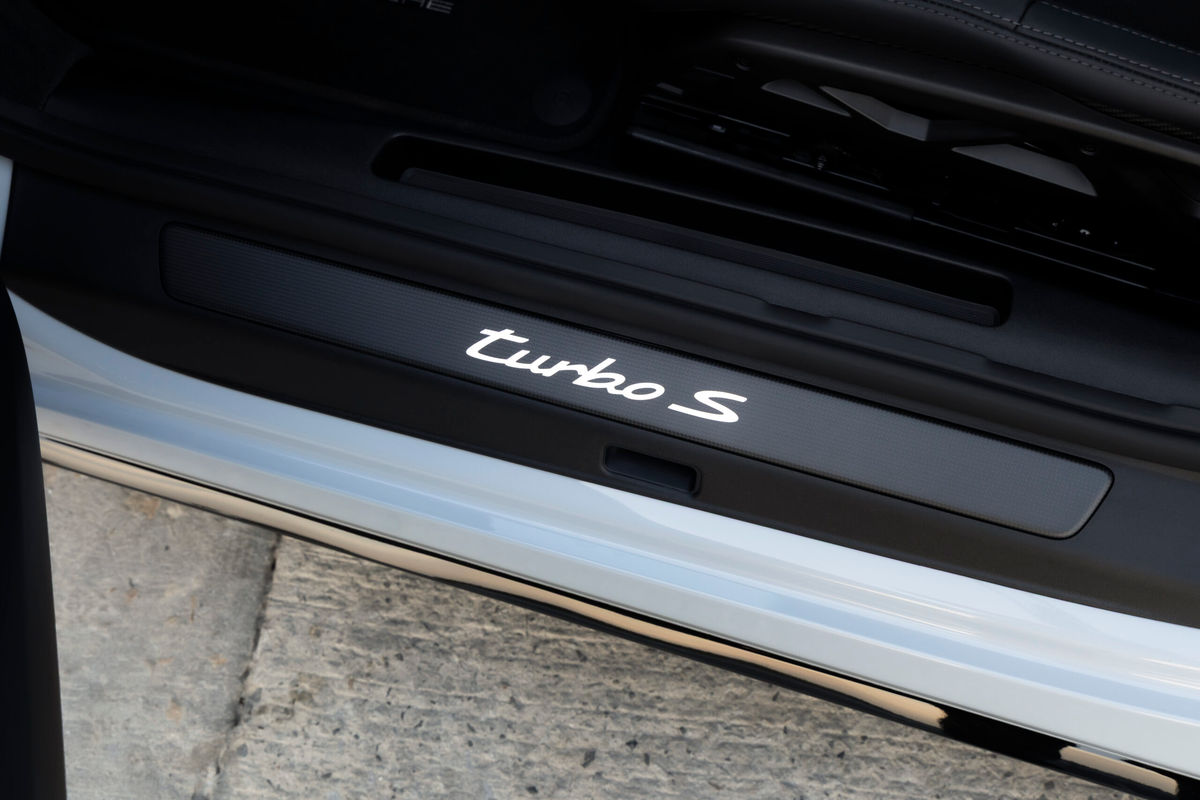
With 523 kW, twin electric turbochargers and a Nürburgring lap time that would embarrass dedicated track cars, the updated Porsche 911 Turbo S is the most powerful production 911 ever built. But as we discovered during a recent test drive in the Western Cape, this incredible machine is not only about headline numbers…
Arriving at the test drive event with memories of its sibling – the raw, fizzing GT3 Touring – still fresh in my mind, I will admit to wondering whether this encounter would be less thrilling, given the 911 Turbo S‘ positioning as a fast GT car. It only takes leaning onto the throttle pedal with intent once to banish all such thoughts. The violence. The fury. And yet, such control. But more on that later…
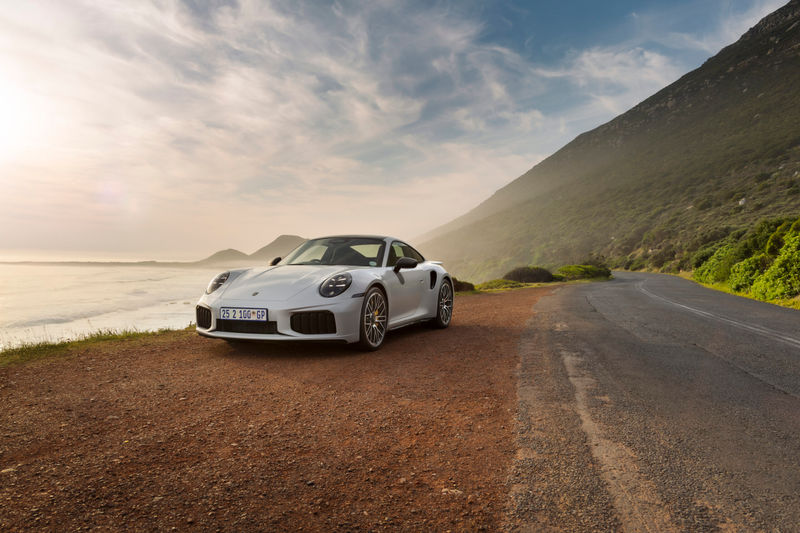
The 911 Turbo S does not compete with the GT3. It exists on its own plane entirely and customers are unlikely to consider one in place of the other. Where the GT3 Touring is a precision instrument stripped to its essential purpose (yet remaining more usable than most supercars), the Turbo S is something more complex. In a different but no less remarkable way, it is a car that is absurdly, explosively fast, yet composed enough to use every single day, even over long distances.
Read more: Porsche 911 GT3 Touring (2026) Launch Review
What is new on the Porsche 911 Turbo S?
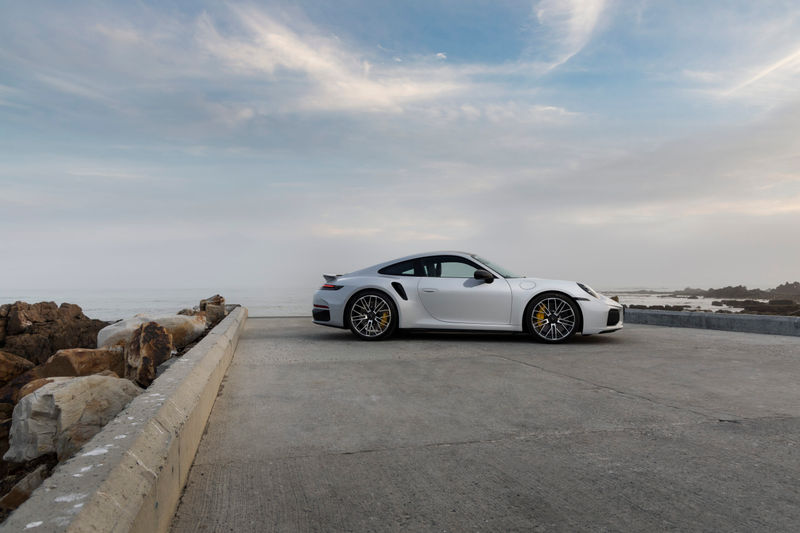
The updated 911 Turbo S is the most powerful production 911 Porsche has ever built. Maximum power output stands at 523 kW, with that power peak available from 6 500 to 7 000 rpm. Perhaps even more importantly, maximum torque (800 Nm) remains on tap from as low as 2 300 to 6 000 rpm. This translates to immediate and immense throttle response. Further reducing lag are two electric motors (one per turbocharger) that spin each turbo to working speed almost instantaneously before exhaust gases take over.
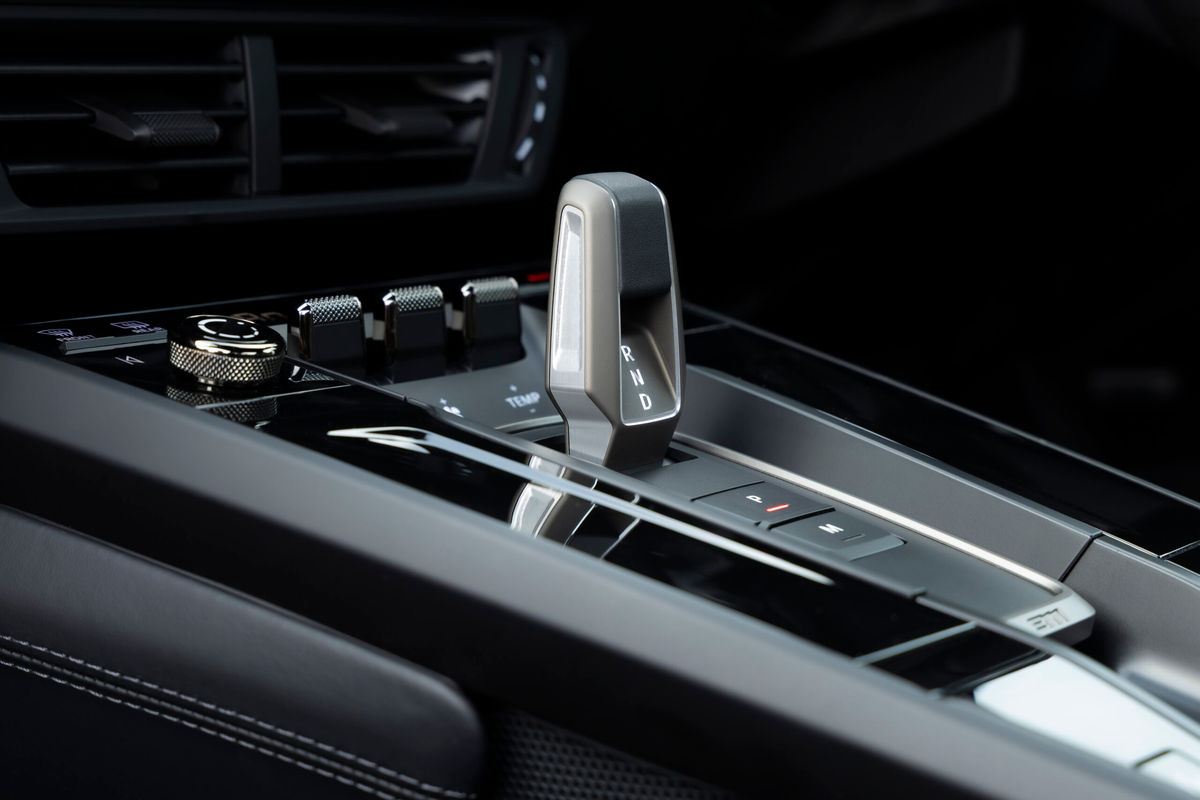
The 1.9 kWh T-Hybrid battery is borrowed from the GTS and weighs just 28 kg. The compact electric motor is integrated into the eight-speed PDK gearbox, transmitting power to the 911’s all-wheel-drive system. Despite the added weight of the hybrid components – the car is 85 kg heavier overall than its predecessor – the latest Turbo S is notably faster.
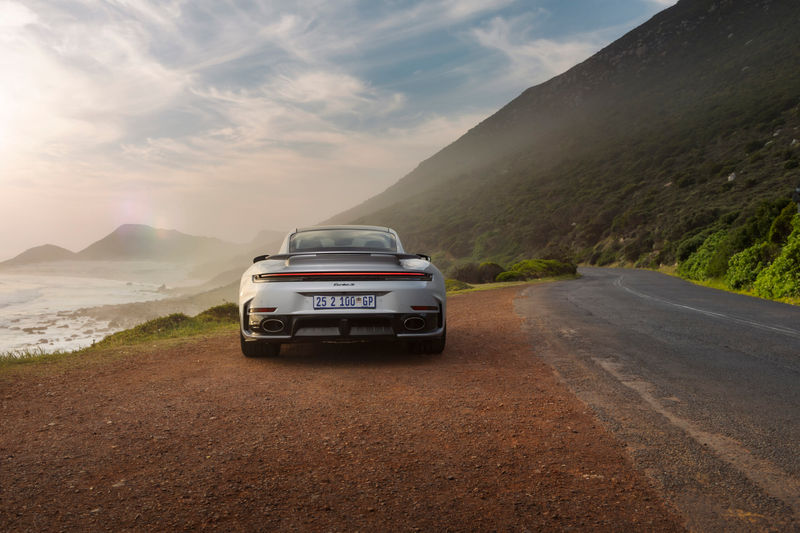
The Turbo S Coupé is claimed to blast from rest to 100 kph in 2.5 seconds – 0.2 seconds quicker than its predecessor. It reaches 200 kph half a second faster (in 8.4 seconds), with a top speed of 322 kph. At the Nürburgring, a development car posted a lap time 14 seconds faster than the previous iteration (7:03.92).
What is the Porsche 911 Turbo S like to drive?
The exact same Western Cape roads that turned my recent GT3 Touring drive into a symphony of mechanical theatre revealed the very different, yet intoxicating character of the Turbo S. The cabin is immediately and noticeably quieter. The ride is more compliant over road imperfections. The overall ambience, even in Sport mode, is several degrees of refinement removed from the GT3’s intentional, unfiltered directness. But do not for a moment imagine the Turbo S as being soft.
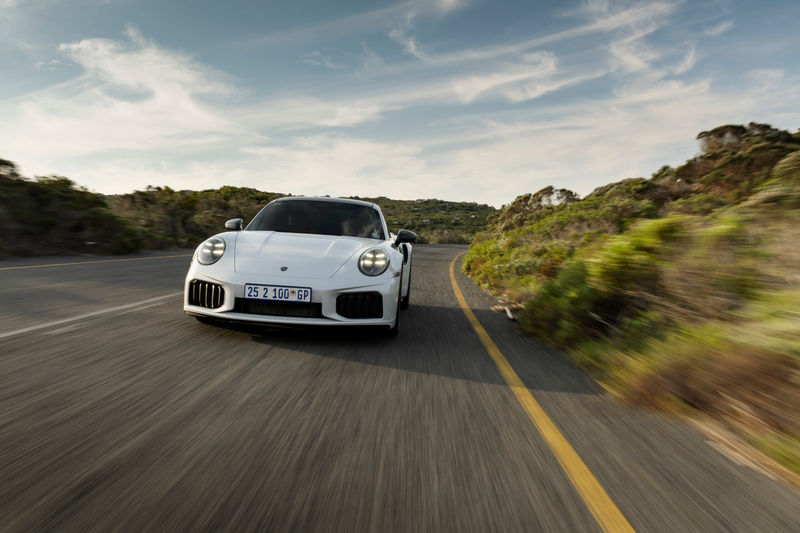
Put your foot down from pretty much any speed, in almost any gear, and the car simply catapults towards the horizon. This is a car with big lungs; there is a relentless, chest-compressing wave of power under your right foot. The vastness of the power reserves means you are very likely to run out of straight road long before the car runs out of accelerative force. It lacks the crescendo of a naturally aspirated engine building through its rev range, but in its place is something akin to the fury of a sustained, unstoppable surge.
And yet, the Turbo S never feels out of control or unwieldy. This is perhaps its most impressive engineering achievement: 523 kW in a rear-engined sports car should not feel this nimble and responsive. Far from being intimidating, it encourages the driver to push even harder, combining this sense of control with a complete lack of vagueness around the edges. The all-wheel-drive system and electro-hydraulic ehPDCC roll-control work together to keep the Turbo S planted through direction and surface changes that would unsettle lesser machinery. It is almost disconcertingly easy to drive quickly.
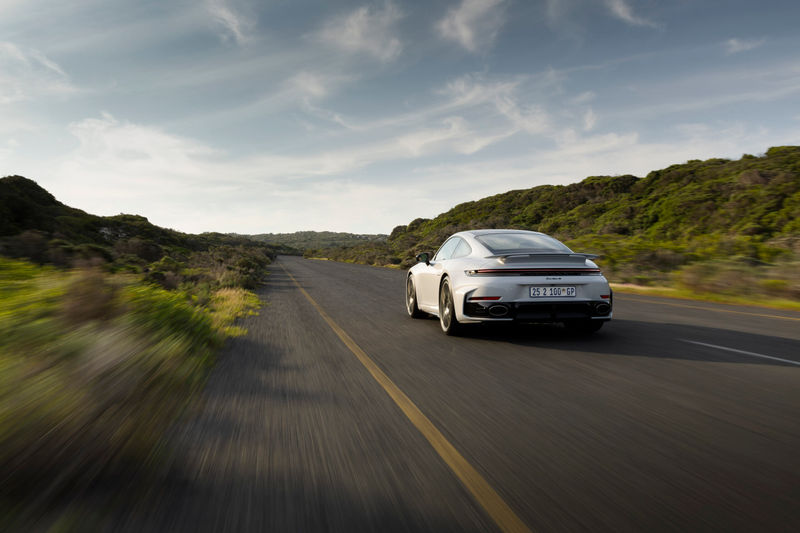
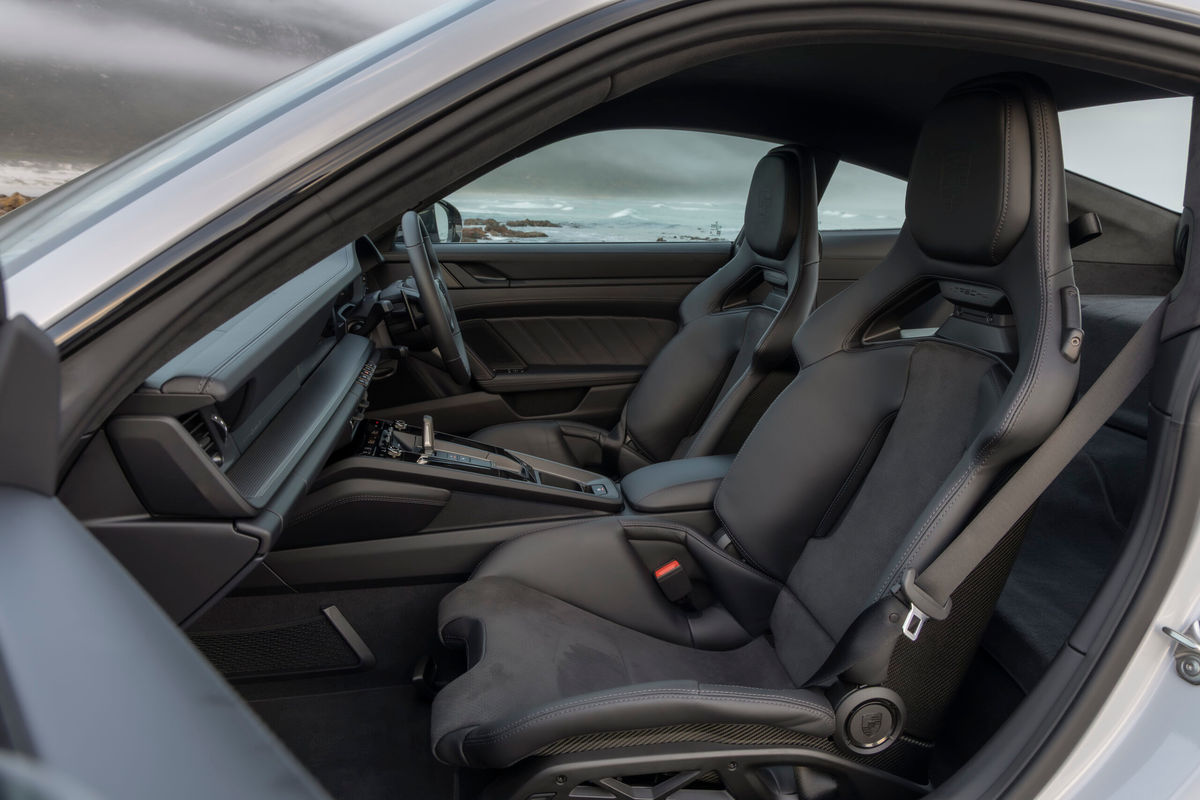
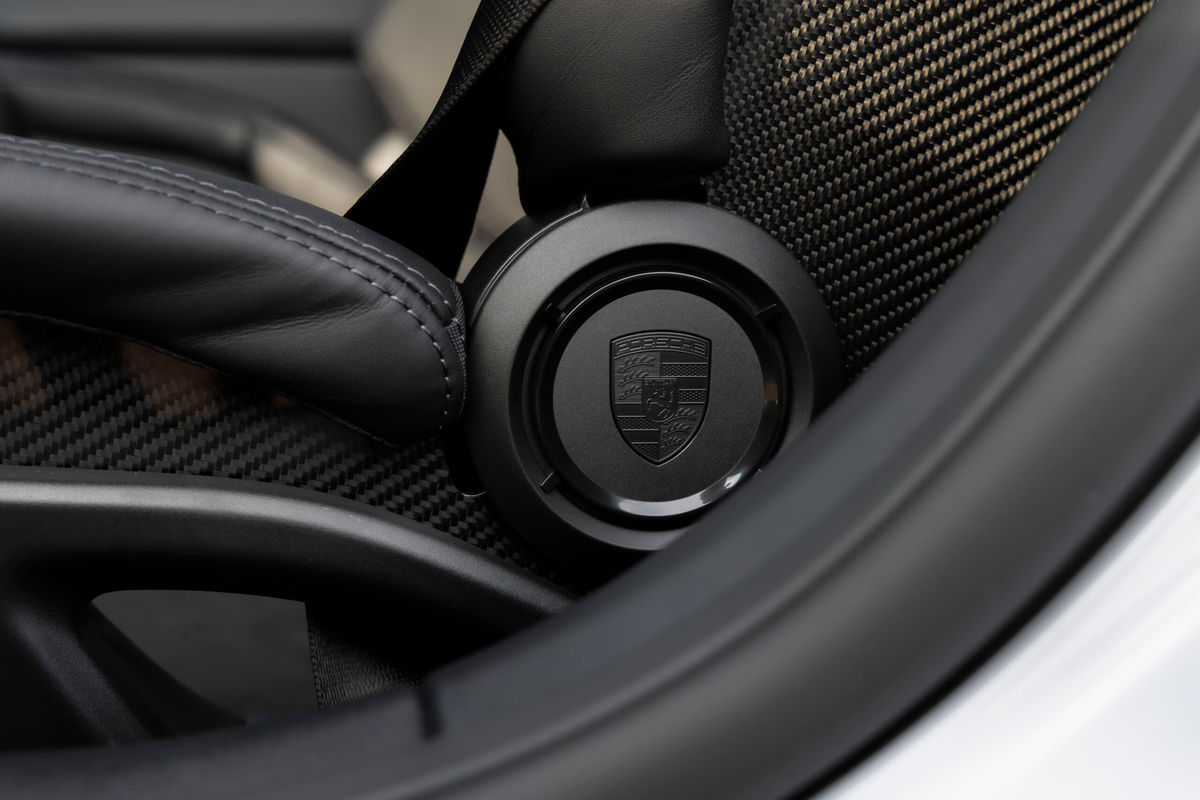
One specification note for prospective buyers: the test car was fitted with optional carbon-fibre-backed bucket seats (R132 340 extra), which are considerably firmer than the standard adaptive 18-way Sports Seats Plus. For those looking to lean into the GT touring character of the Turbo S, the standard seats are likely the more sensible choice for daily use.
Active aero and dynamics
Where the GT3’s aerodynamic story is about reducing pitch and maximising downforce through static, carefully shaped components, the Turbo S pursues a different goal: intelligent adaptability. The active aerodynamic system—comprising vertical cooling air flaps at the front, an active front diffuser, an adjustable front spoiler lip, and an extendable, tilting rear wing—works in sync to continuously optimise airflow depending on conditions.
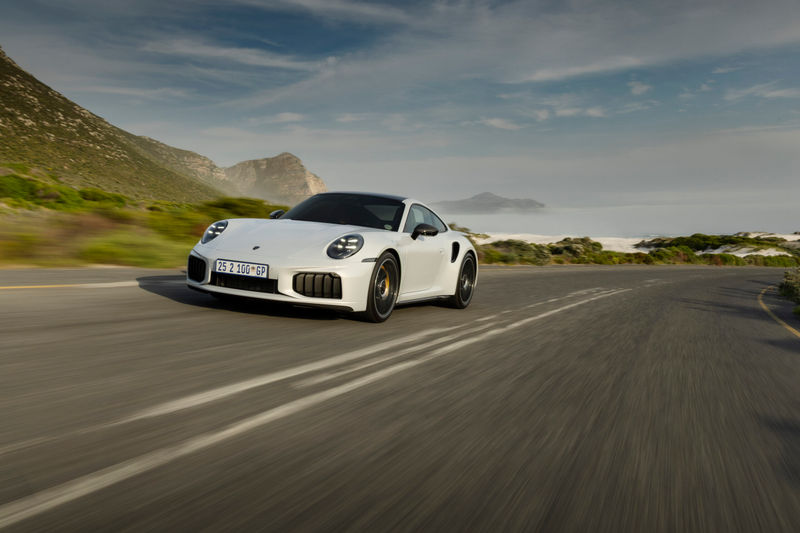
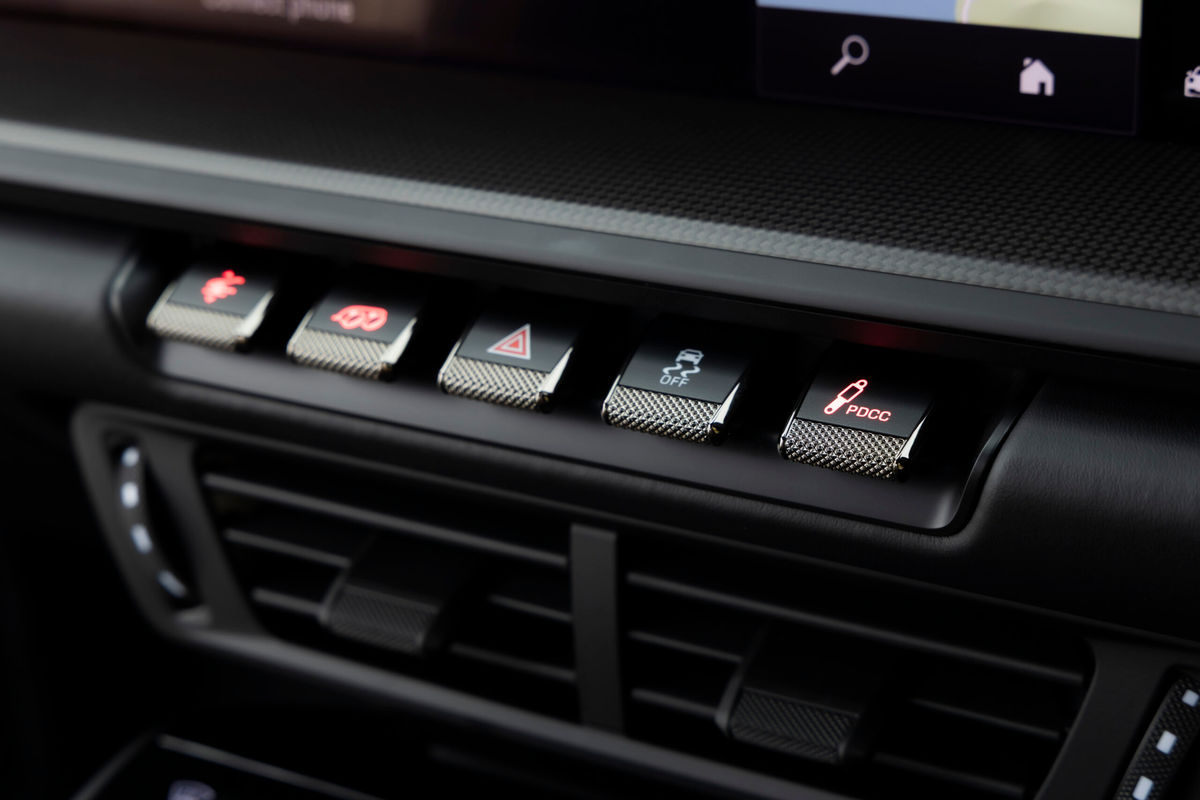
The electro-hydraulic ehPDCC roll-control system comes standard on the Turbo S, enabled by the car’s 400V high-voltage architecture. It reduces body roll during quick direction changes and improves agility when entering and exiting corners, all while improving ride comfort. It would take a very brave driver (and immense run-off areas) to safely discover the cornering limits of this machine.
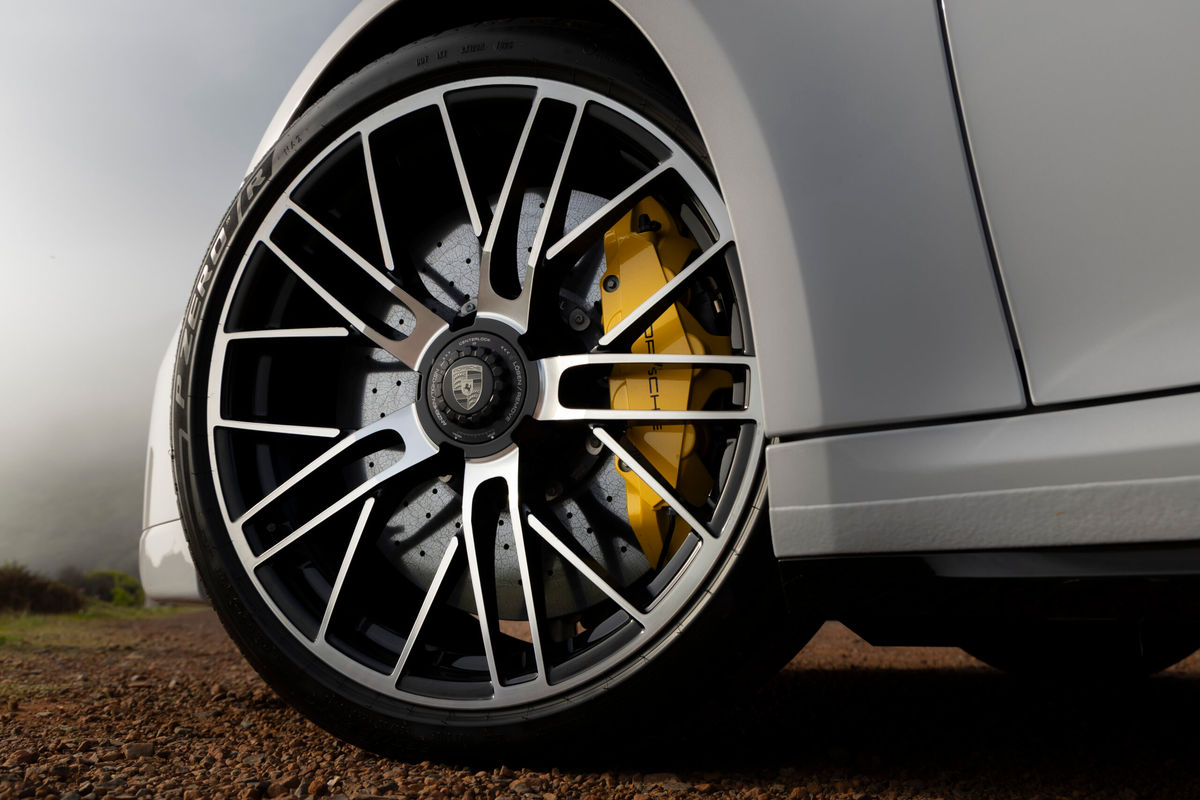
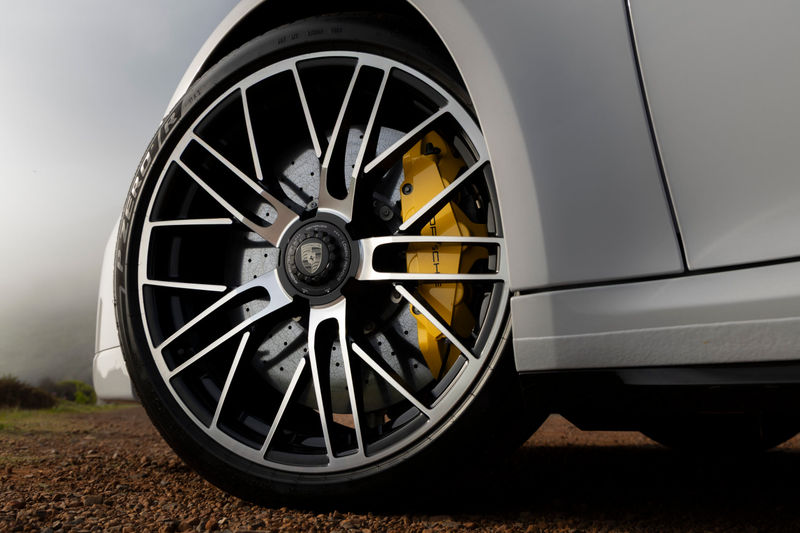
Stopping power is immense, setting a new benchmark in the evolution of the 911. The ceramic front and rear discs now measure 420 mm and 410 mm respectively (up 20 mm compared to the previous model), making them the largest ever fitted to a two-door Porsche road car. New, 10 mm wider rear tyres (325/30 ZR21) further improve dry handling while maintaining wet-weather performance, paired with 255/35 ZR20s up front.
Design & Interior ambience
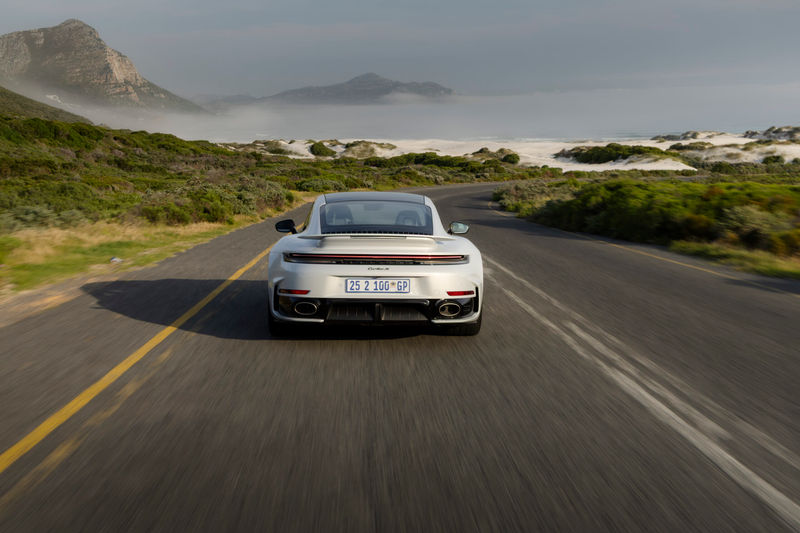
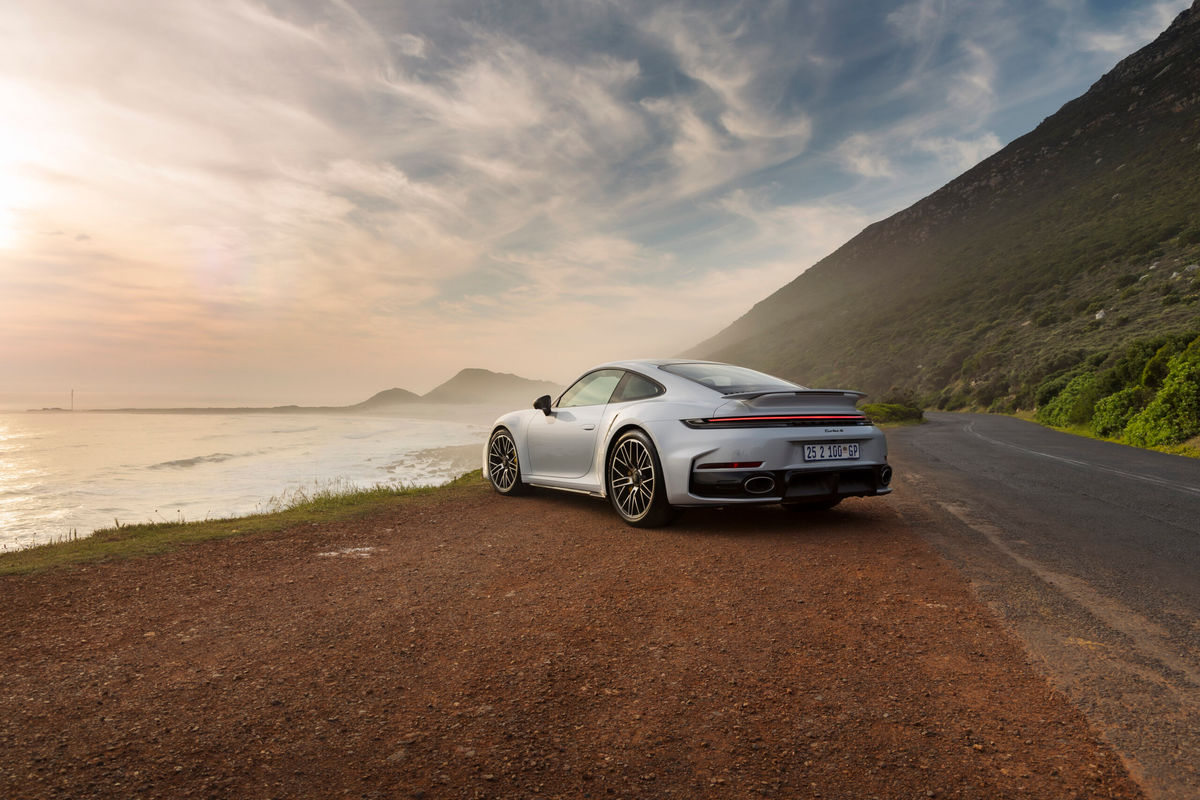
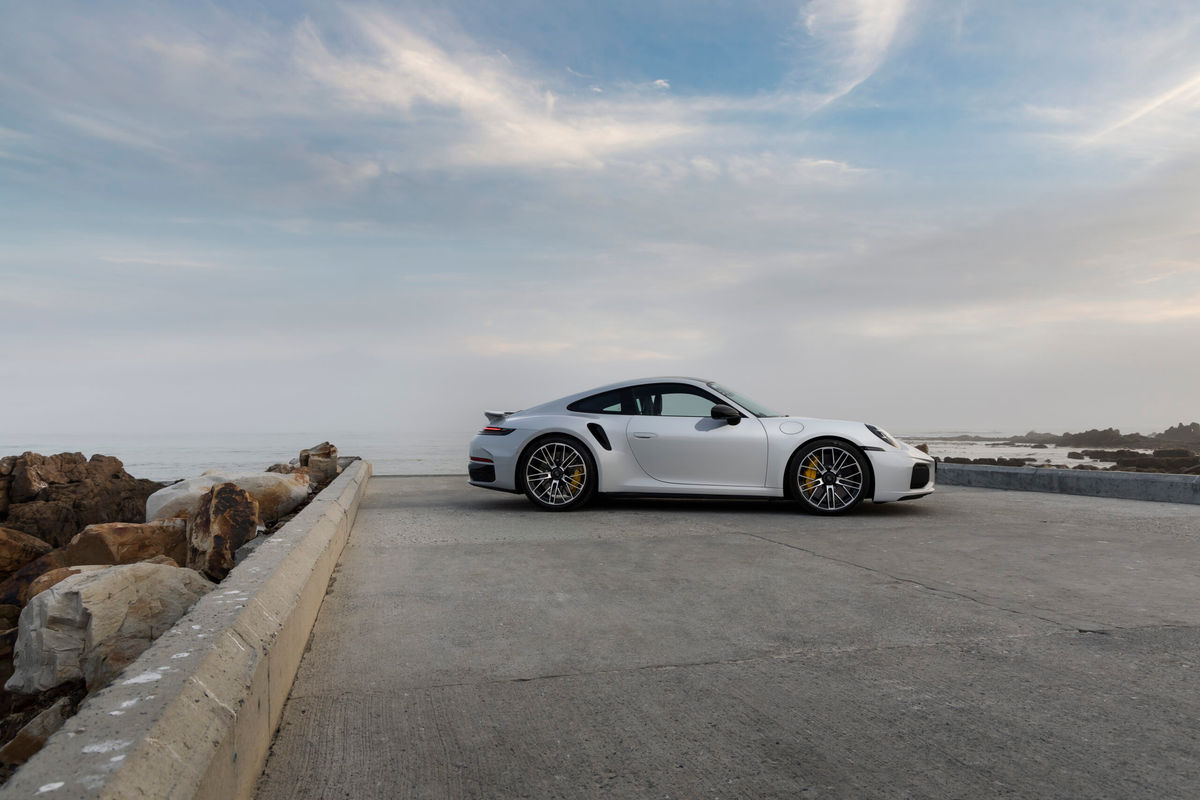
The evolution of 911 design has always been a story of subtle detail, even within the same generation. On the 911 Turbo S, the wider body and broader track compared to Carrera models are immediately evident. The air intakes in the rear haunches feeding air to the engine and rear components serve as a clear visual signature. From behind, striking ventilation openings accentuate the car’s width alongside that rear wing, which can be left in a subtle lowered position or raised for visual aggression.
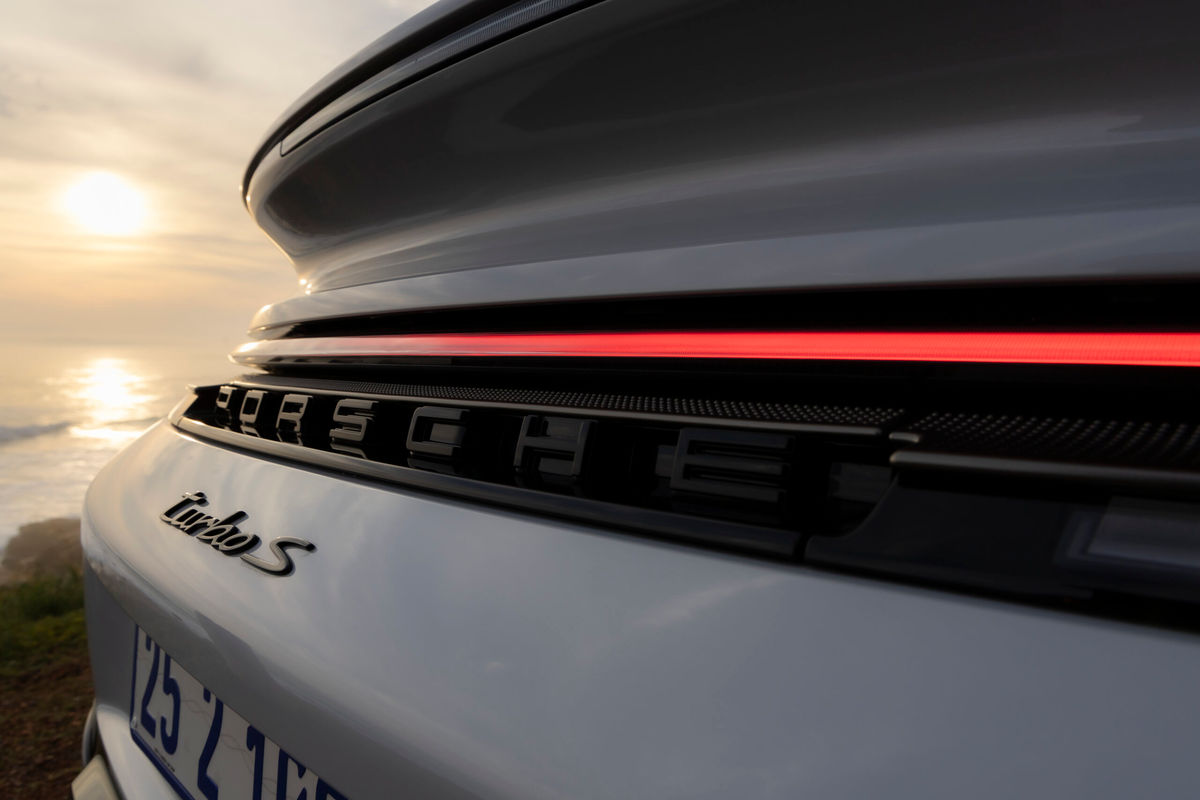
Look closely and you will spot accents finished in Turbonite – a dark, chrome-like finish reserved exclusively for Turbo models. It appears on the Porsche crest, rear badge lettering, rear wing slat inserts, side window strips, and the striking new centre-lock wheels. These Turbonite elements perfectly align with the Turbo S’s ethos of serious intent over ostentation.
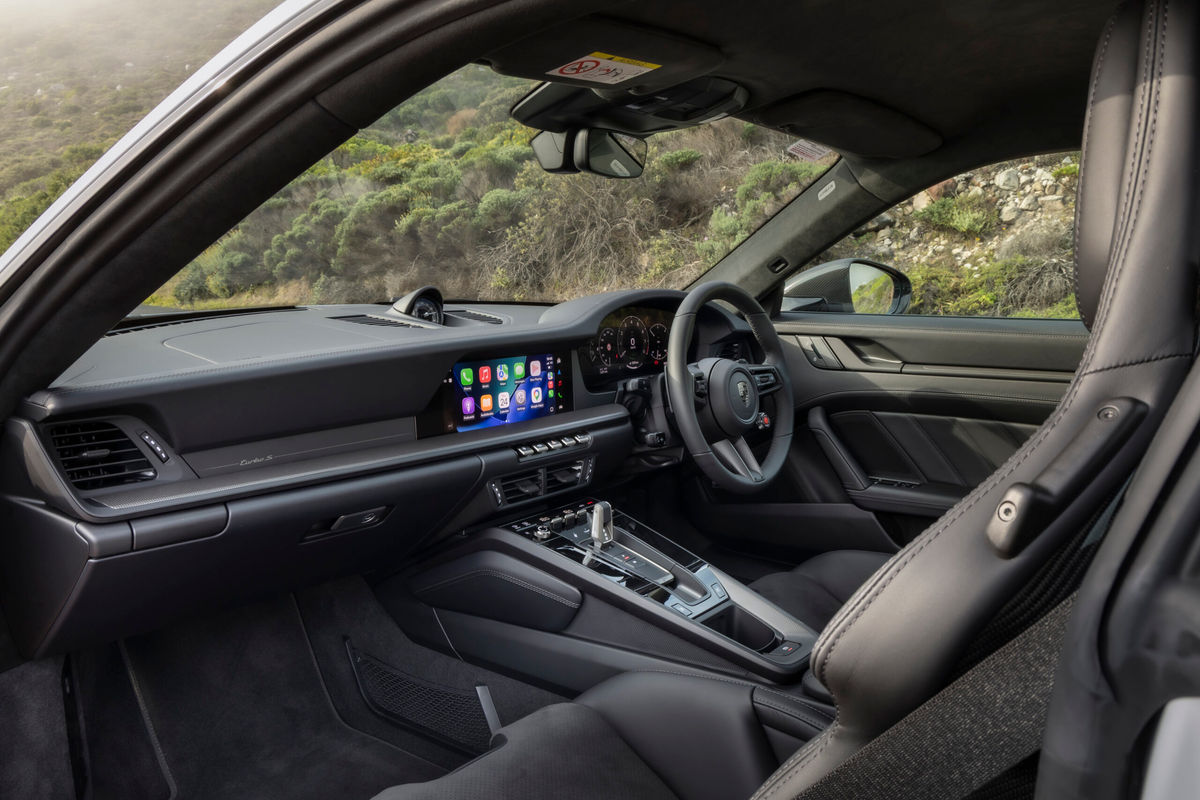
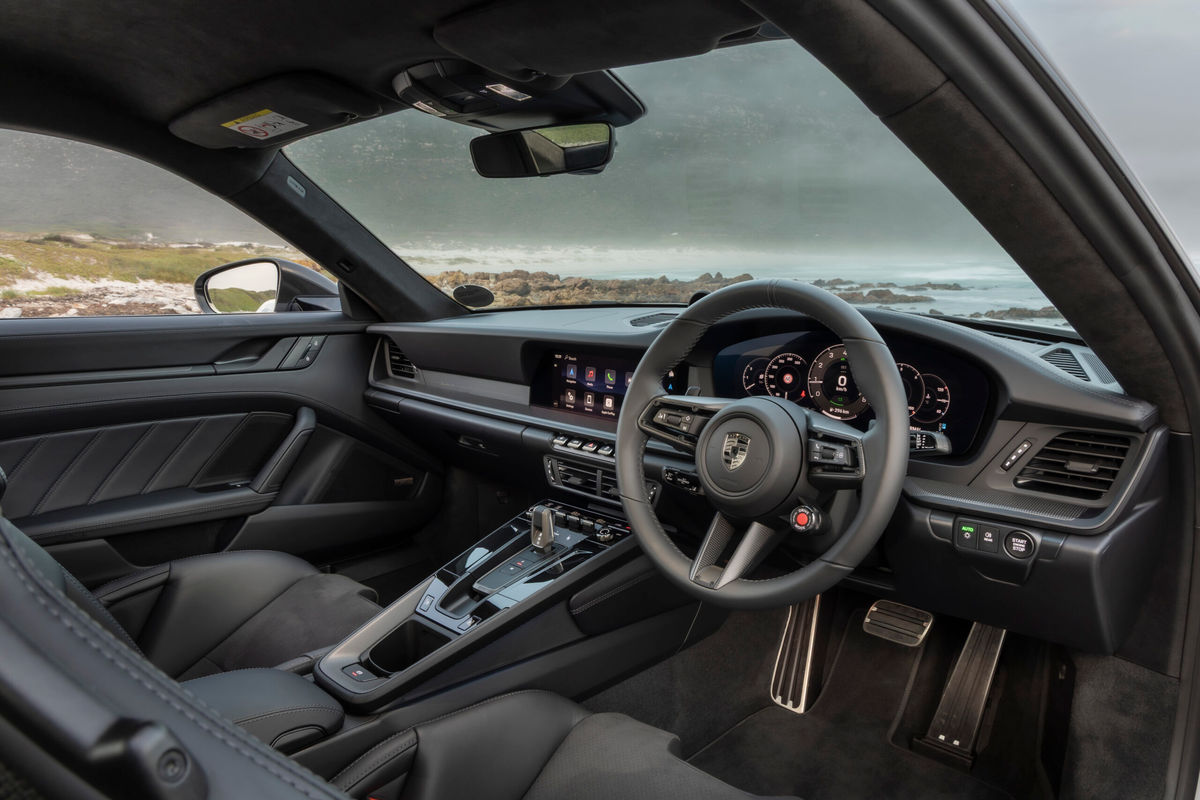
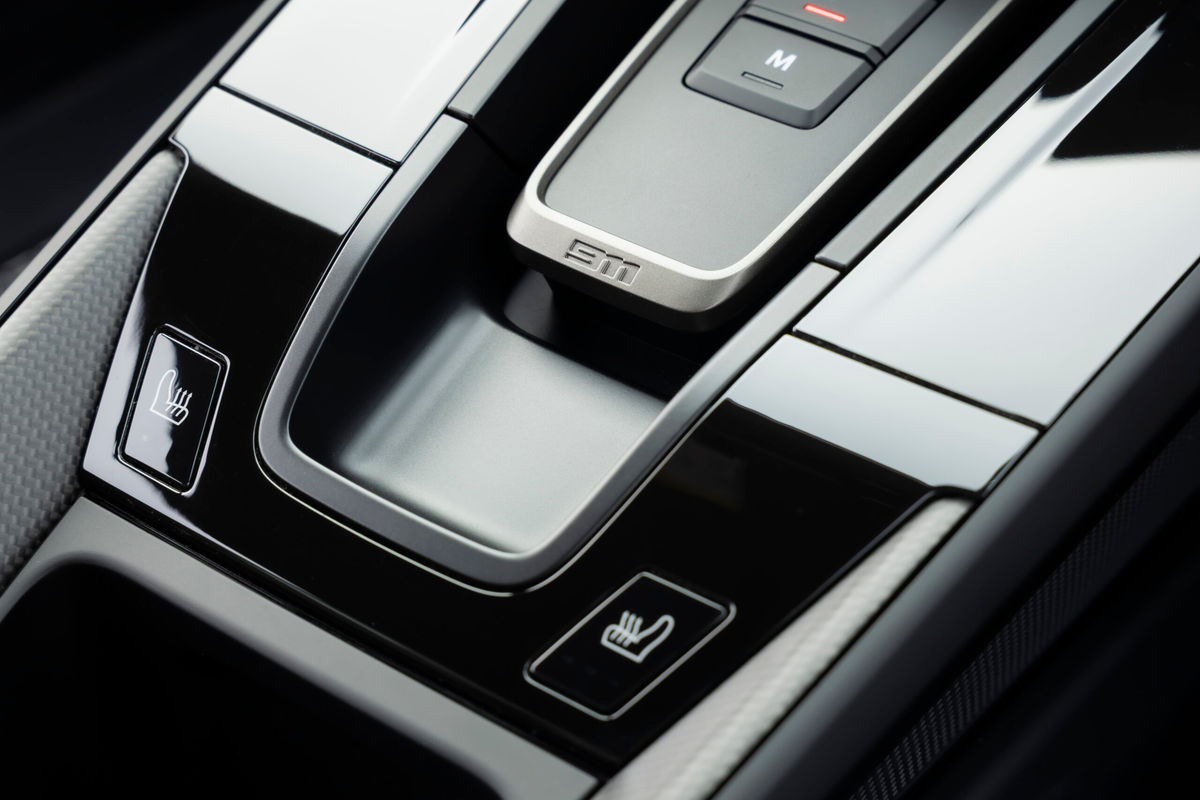
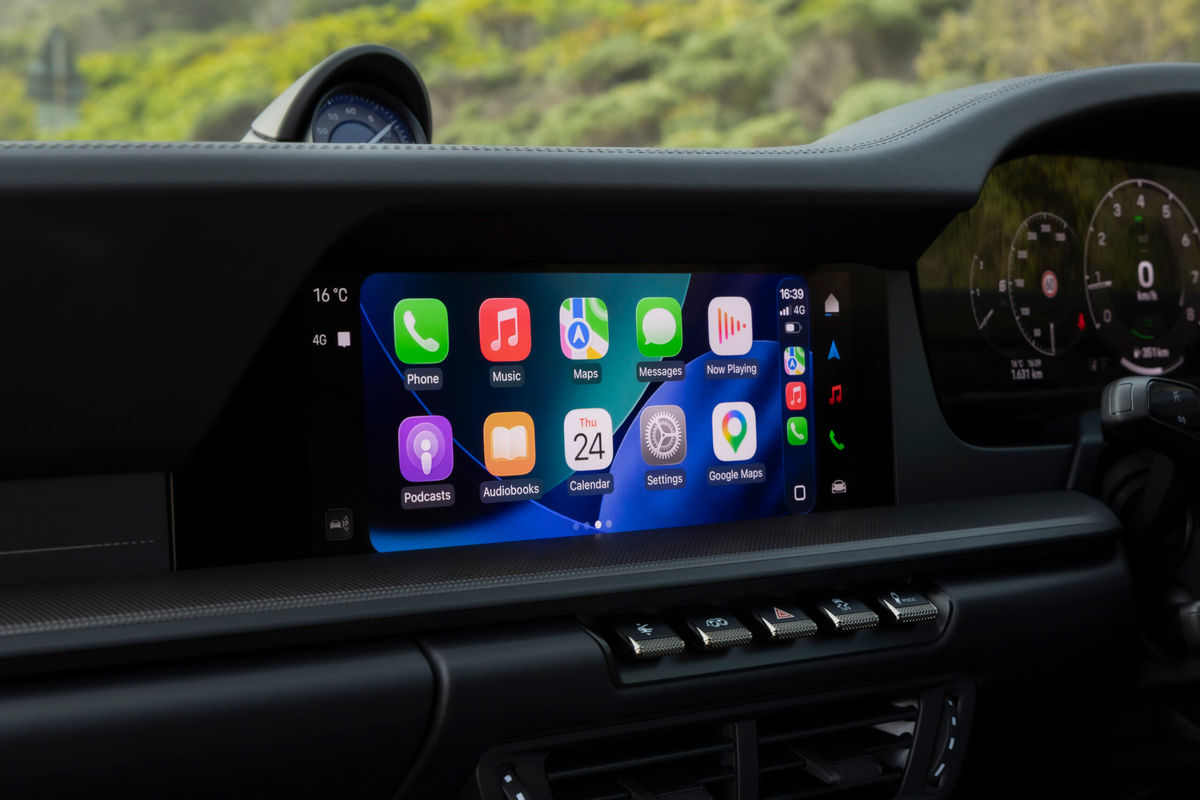
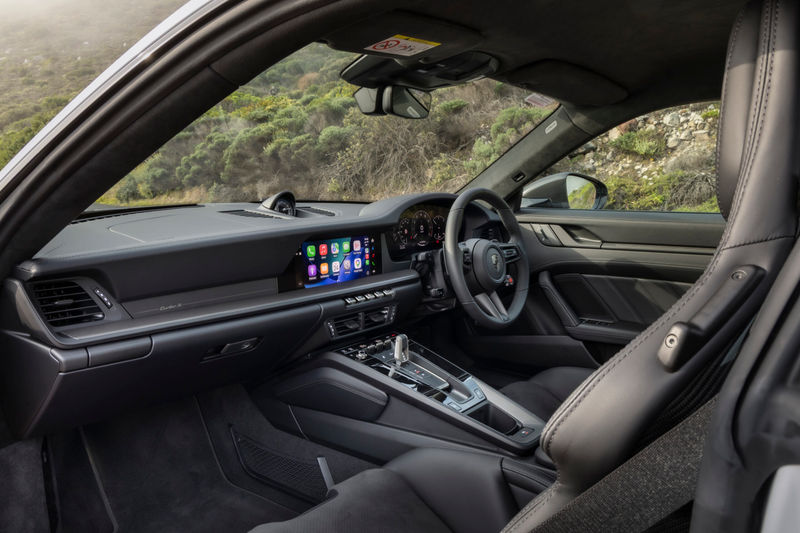
Inside, the Turbonite theme continues across the door panels, steering wheel, dashboard surrounds, centre console, Sport Chrono stopwatch face, instrument cluster and decorative stitching on the seat belts and controls.
Two new interior details make their debut here: carbon-structured trim strips with Neodyme accents, and a perforated microfibre headliner with black backing. As ever, solidity is evident in every surface, control action, and complete absence of creaks or rattles, even over rough pavement.
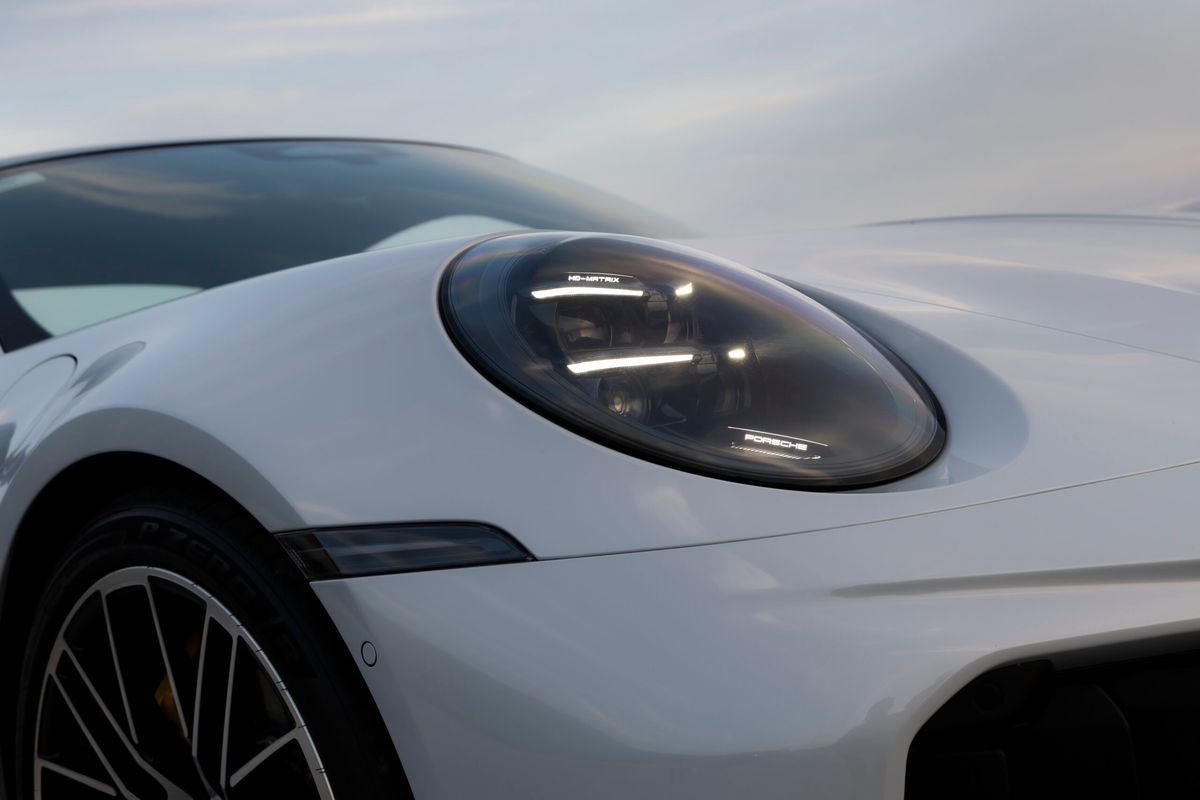
The Sports Seats Plus feature Turbo S-specific embossing on the seat surfaces and door panels – a homage to design details from the original 930 Turbo. HD Matrix LED headlights come standard, as does the Sport Chrono Package. The rear seat package for the Coupé is available at no extra charge, offering Turbo S buyers optional four-seat usability.
How much does the Porsche 911 Turbo S cost in South Africa?
The 911 Turbo S is available in Coupé and Cabriolet body styles in South Africa, with base pricing set at R5 722 000 and R5 991 000 respectively. Pricing includes a 5-year/100 000 km maintenance plan. Of course, a wide range of optional extras can be explored via Porsche South Africa’s online configurator.
Final thoughts
The GT3 and Turbo S will appeal to distinctly different buyers, even if both are, at their core, sensational driving machines. Blisteringly fast, usable every day, and engineered to an extraordinary standard, both cars make their asking price feel, if not modest, but entirely justified.
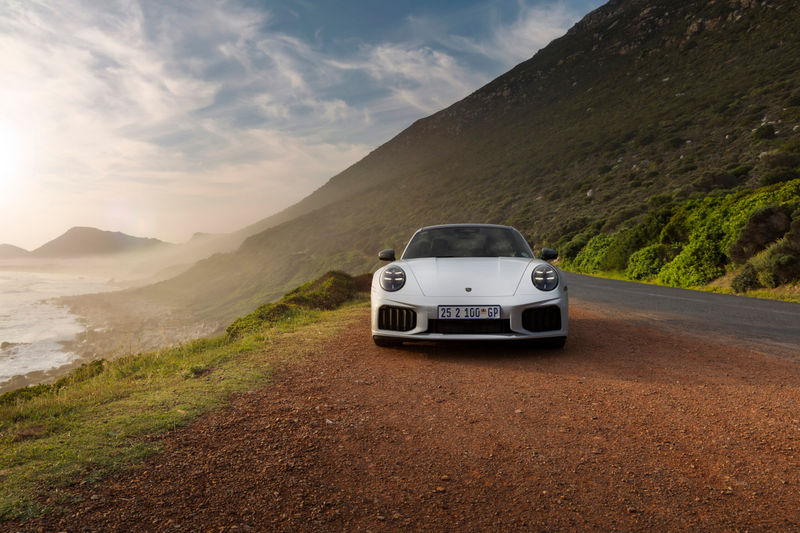
The GT3 Touring may be the more raw, communicative, and emotionally demanding option, but pigeonholing the Turbo S as merely a soft tourer would be a grave mistake. The relentless wave of power– available at any speed, in any gear – is a force the GT3’s naturally aspirated engine simply cannot match for sheer, sustained violence. The Turbo S leans decisively into the daily driver and fast tourer side of the 911 spectrum without sacrificing dynamic brilliance or agility.
If you lived in Germany, you could comfortably cover 500 km, drop into the Nürburgring for a lap or two, and drive home without a second thought for mechanical strain. Where you can fully explore its capabilities in South Africa remains an open question, but wherever you drive it, you can rest assured you are piloting one of the most complete sports cars on the planet.
Compare their specs using our handy tool: Porsche 911 Turbo S vs 911 GT3 Touring
Related content
Hannes Oosthuizen
With the ultimate goal of spending his life writing about cars, Hannes studied journalism at the University of Stellenbosch. A brief stint as a sports editor for Paarl Post followed, before he joined CAR magazine in 2001. He eventually became the (youngest-ever) editor of CAR in 2011, a position he occupied for two years. During his career at CAR he became a member of the WCOTY (World Car of the Year) panel, wrote a book (Cranked Up: Confessions of a Petrolhead) and was named by the Mail & Guardian as one of the Top 200 South Africans to take to lunch in its 2008 Youth Day supplement, and by The Media magazine as one of the most influential media professionals under 40 (2012). He left CAR in 2013 to experience the \other\" side of the industry