

With around 20 brands in attendance, Chinese car companies might have hoped to dominate the headlines at the Paris Motor Show. But, finally, it looks like the European legacy marques have come up with an actual plan – not to price-match the Chinese or out-tech them, but to do the one thing a factory in Shenzhen simply cannot: to look backwards with genuine authority.
It must be more than a decade since I last walked the halls of the Paris Motor Show. The Mondial de l’Auto – it has always had a certain je ne sais quoi – used to be the kind of event that got me genuinely excited. Important world premieres. Futuristic concepts with flair that made you pause mid-croissant. Less formal than Frankfurt, but less wacky than Geneva, Paris was important … but fun.
Then COVID-19 happened, followed by the Chinese crossover invasion. Many shows were paused as brands cut back on what was seen as unnecessary, or “frilly” spending. For those brands that did make an effort to display, stands were dominated by parades of mid-size crossovers with illuminated logos and electrified drivetrains. I watched a few from a distance and increasingly felt … less.
But I’m getting a different vibe from the 2026 Paris Motor Show – I know because I actually wish I was there! Something is shifting. Whether it’s the sheer pressure of having an entire continent’s worth of Chinese brands set up camp in the exhibition halls – again, and now more comfortably than ever – or whether someone at Stellantis, in particular, finally had enough of watching the crossover wars and decided to do something more interesting, I’m not entirely sure. Probably both. But the result is a show that’s actually given me something to smile about.
The rather large elephant in the room…
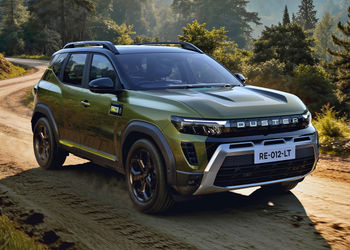
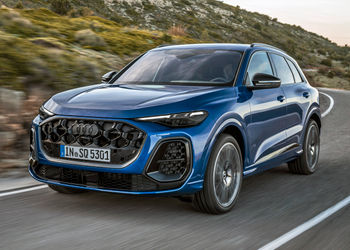
First, the uncomfortable truth: the Chinese car companies are not visitors to the Paris Motor Show anymore. BYD, Leapmotor, Denza, Li Auto, GAC, Aito, Forthing and many more. They have stands. They have (many and bigger) screens. And, importantly, they have pricing that makes the European finance managers go very quiet in meetings.
They have cracked the crossover formula. They have the technology. They have the scale and manufacturing efficiency. On the traditional metrics of modern car-buying – standard spec, screen size, price – they are a genuinely formidable proposition. Trying to out-Chinese the Chinese on those terms is a strategy with limited prospects.
Which is why what Stellantis, in particular, has done in Paris is either the smartest thing the group has pulled off in years … or the most elaborate act of expensive nostalgia the industry has seen since that period that gave us the reborn VW Beetle, Mini Cooper, Chrysler PT Cruiser and others. Stellantis rolled out concept cars for each of its European brands and five of them in particular caught my eye – Alfa Romeo, Citroën, Fiat, Peugeot and Opel. Not one was a crossover. And almost every single one of them was in deliberate, pointed conversation with its own past.
Let’s go through them.
Alfa Romeo Cuorerosso: The Red Heart is beating fast
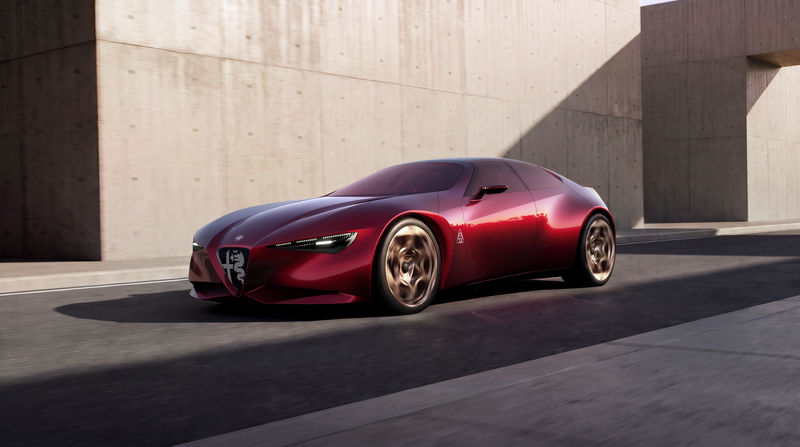
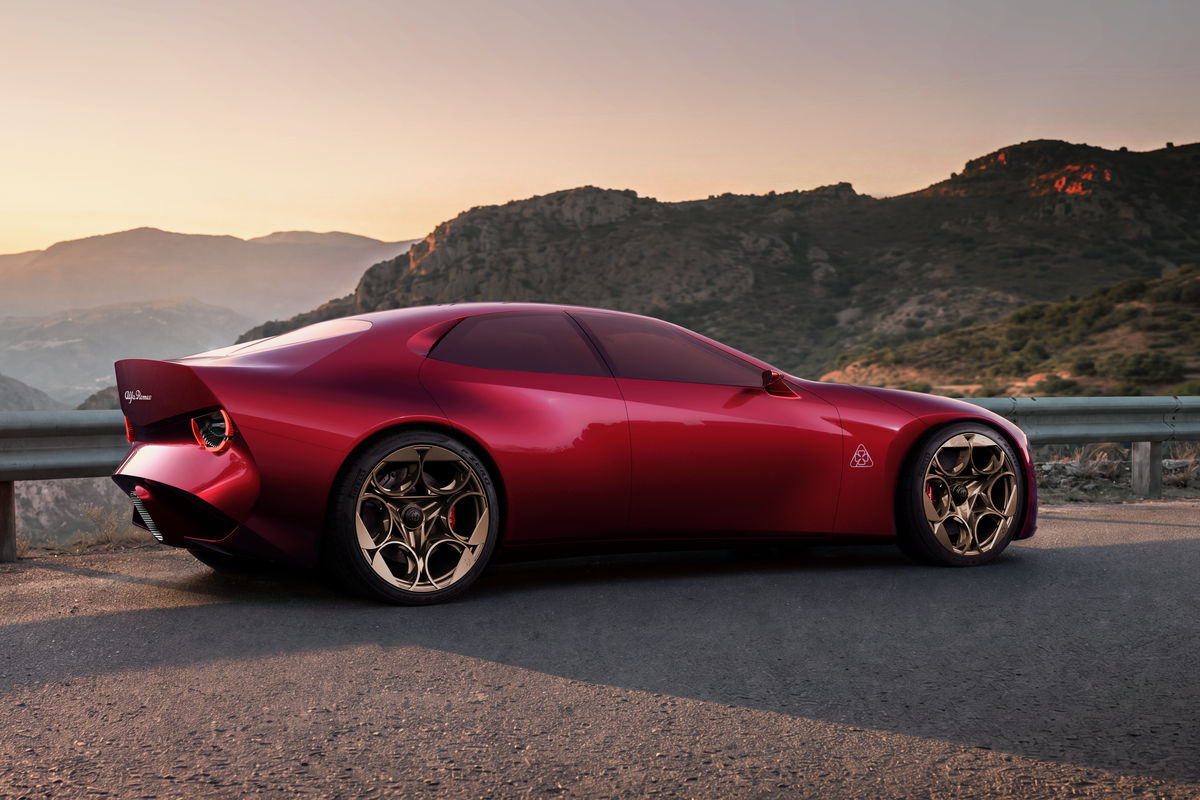
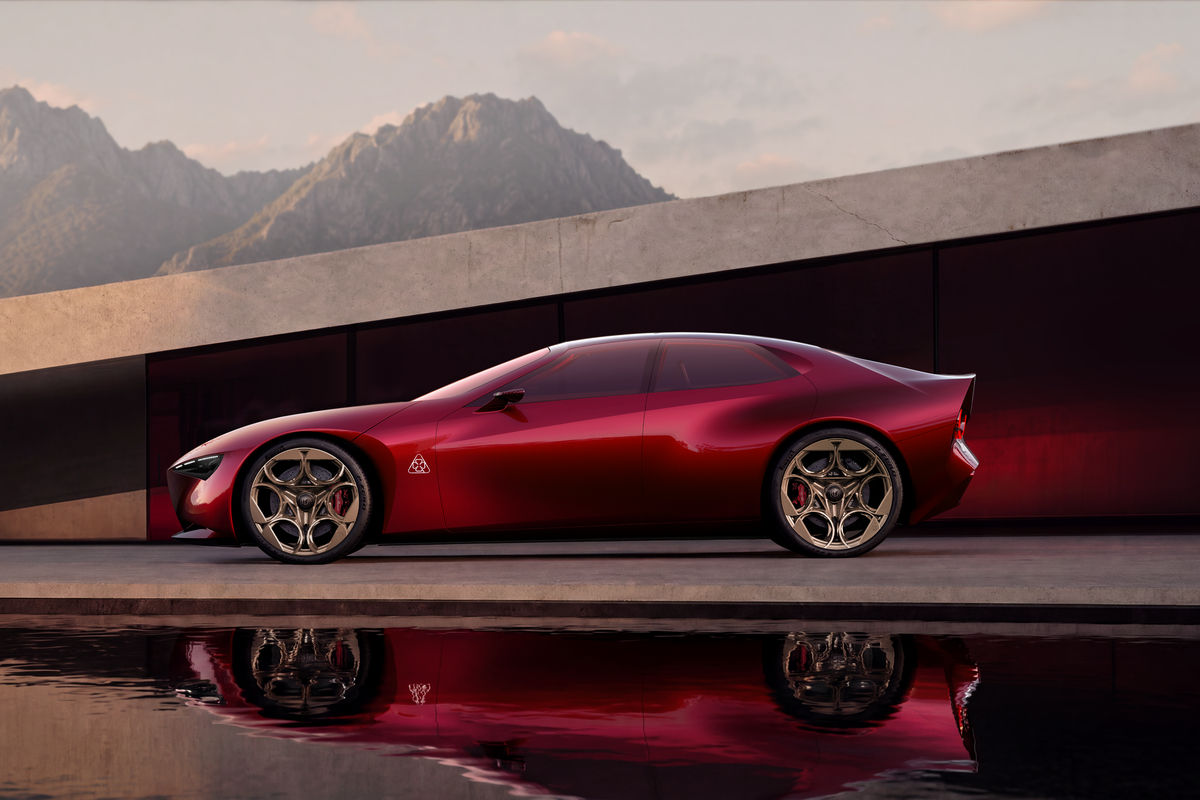
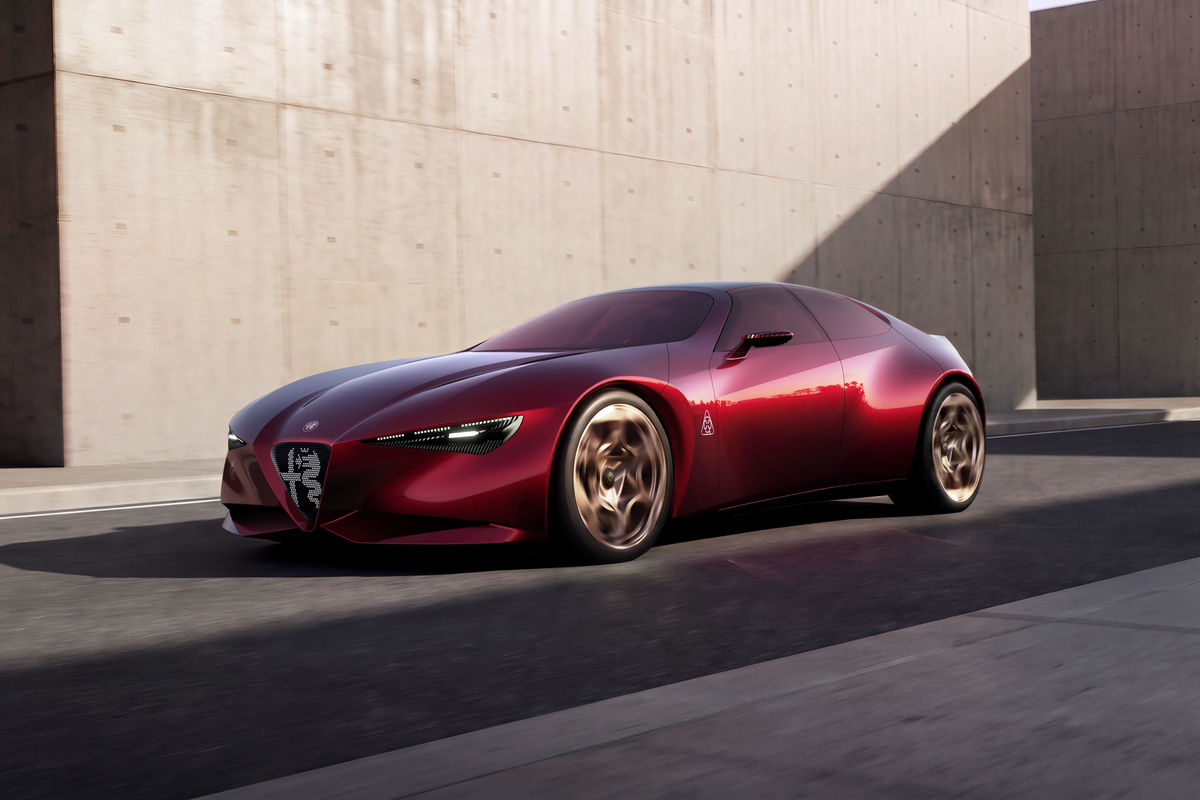
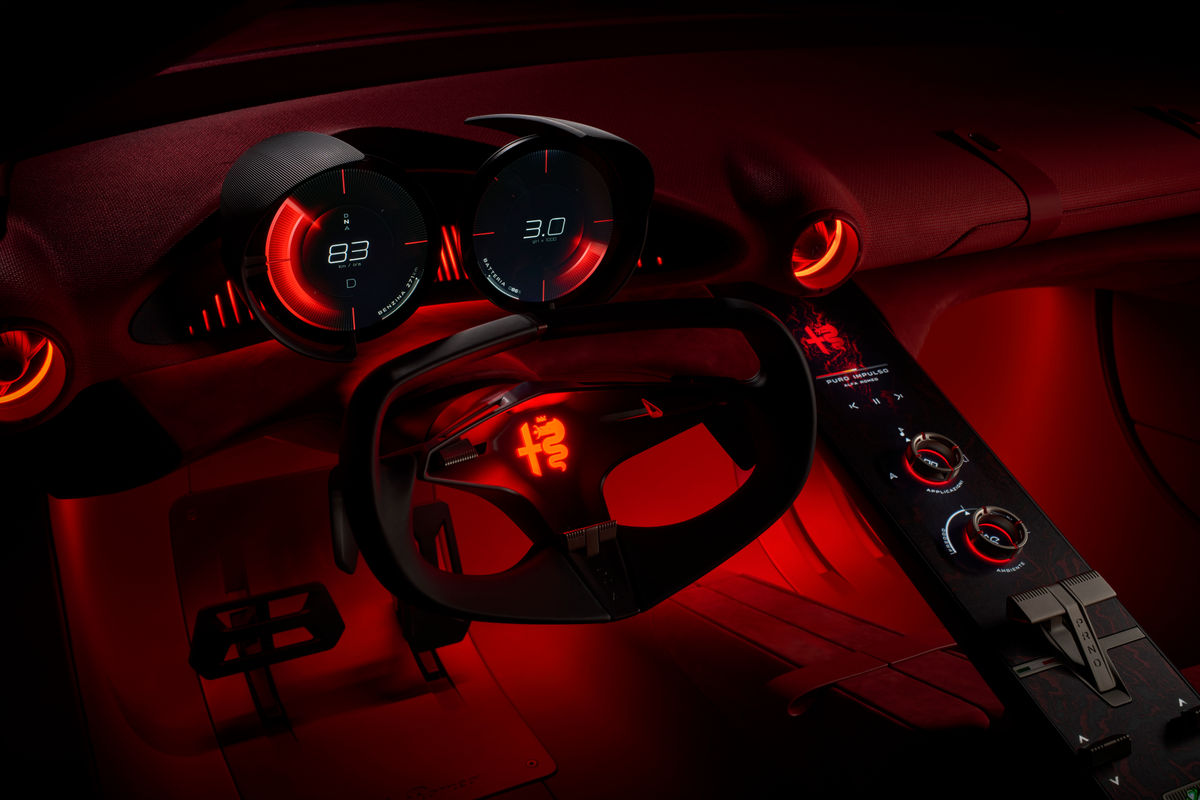
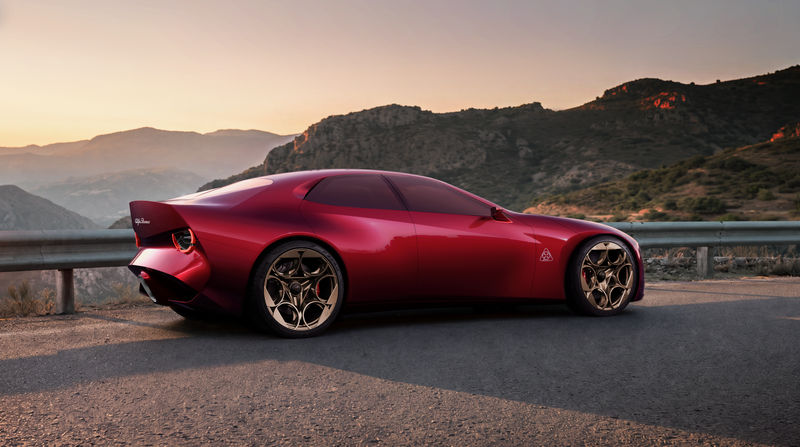
Alfa has named its jaw-dropping Paris Motor Show star the Cuorerosso – “red heart” in Italian, naturally – and it arrives in exactly the colour it promises: a deep, arterial red that makes everything parked near it look like it’s apologising for something. The concept does not directly preview the next-generation Giulia, but rather a design direction and a multi-energy approach (a fancy way of saying BEV, PHEV, hybrid or ICE).
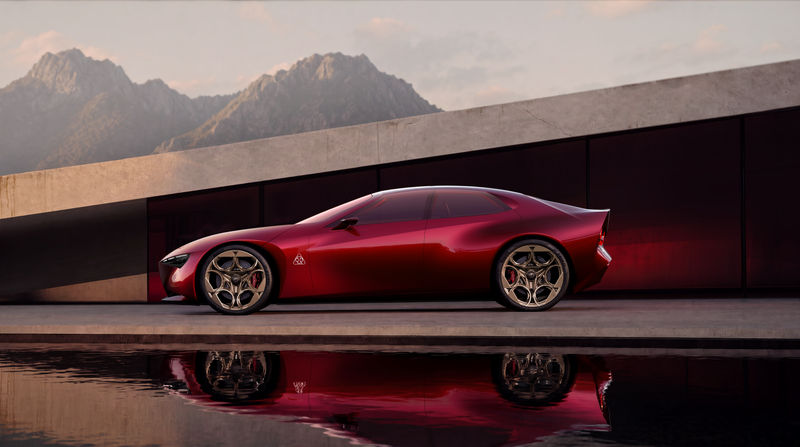
So what’s its point, then? Is it just a pretty dream? From what I’ve read, the decision to unveil the new design direction with this sleek, compact, suicide-door GT/sedan with huge 23-inch teledial wheels is both deliberate and an acknowledgement of what remains at the heart of Alfa Romeo: style, passion, performance and emotion.
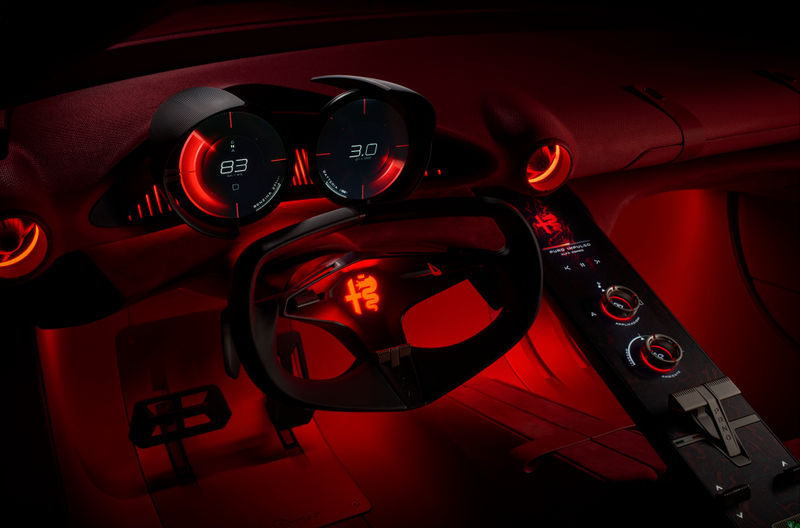
So, yes, crossovers remain in Alfa Romeo’s future, but cars like the Cuorerosso will continue to define the brand. Hints of 8C Competizione and 33 Stradale can be found on the Cuorerosso, but it’s also not an entirely retro design. Under the bonnet of this concept is the same twin-turbo 2.9-litre V6 that can be found in the current Giulia QV and Stelvio QV models.
Consider the Cuorerossa an exercise in realignment of purpose for the Alfa Romeo brand.
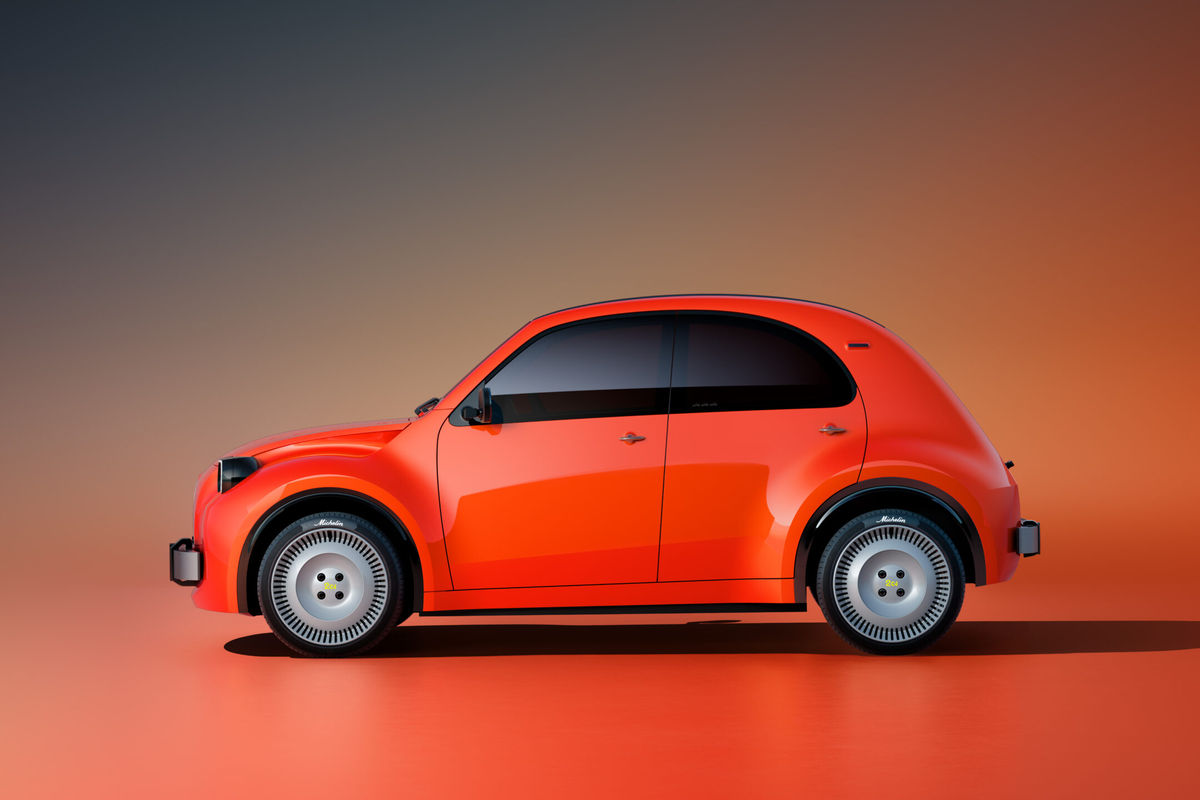
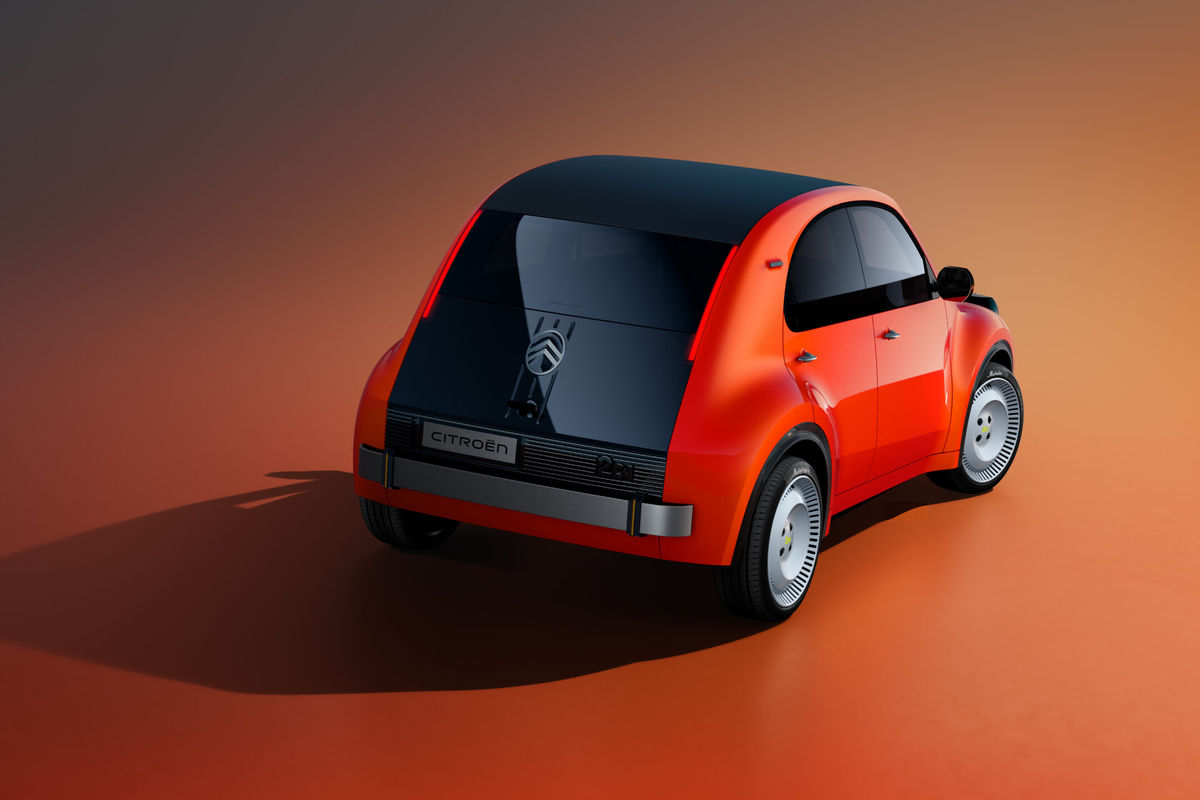
Citroën 2CV Concept: Brave, bonkers and possibly the most important car at the Paris Motor Showshow
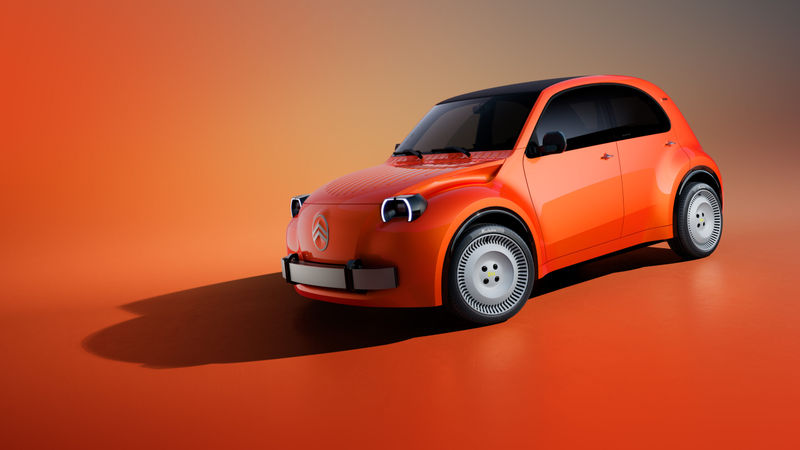
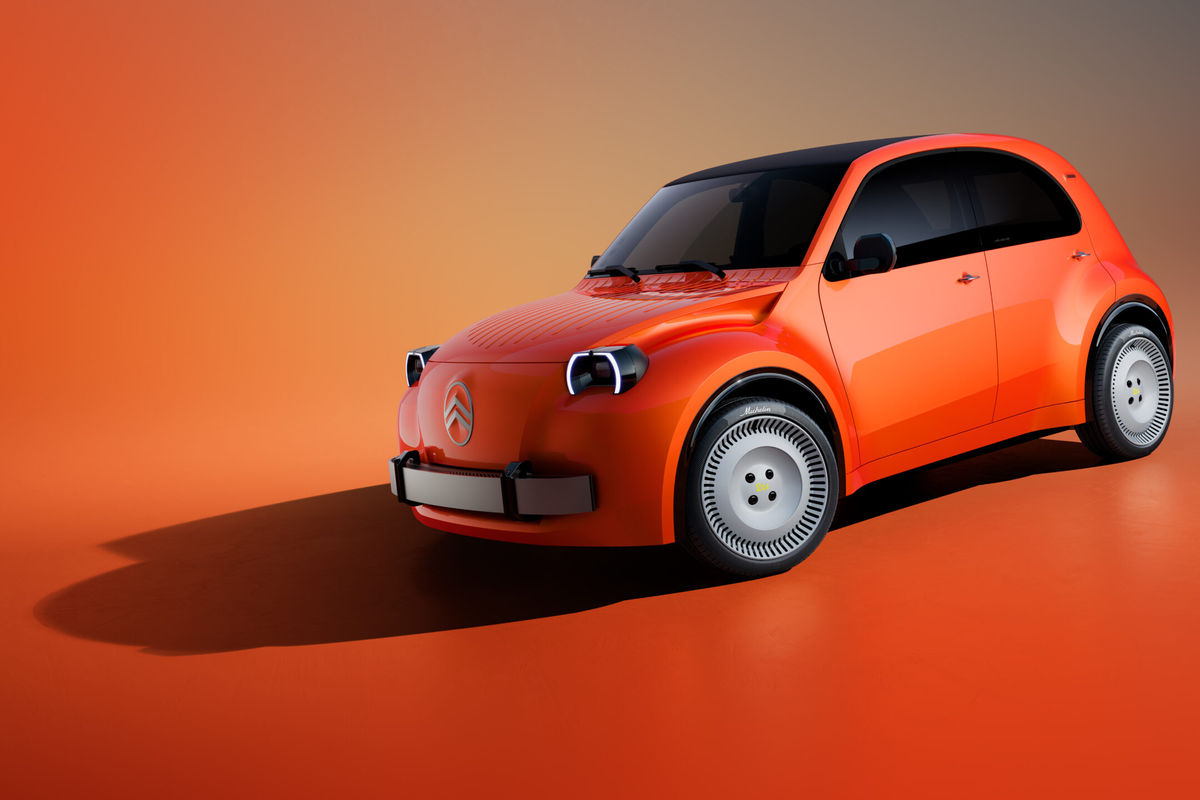
I have always had a soft spot for the 2CV because it was designed around a philosophy so clear and so unselfconscious that every single line expressed it without ambiguity. It was made for farmers. For rural tracks. For the transport of eggs across uneven ground without breakage. It was quirky to the point of absurdity and became iconic precisely because of that.
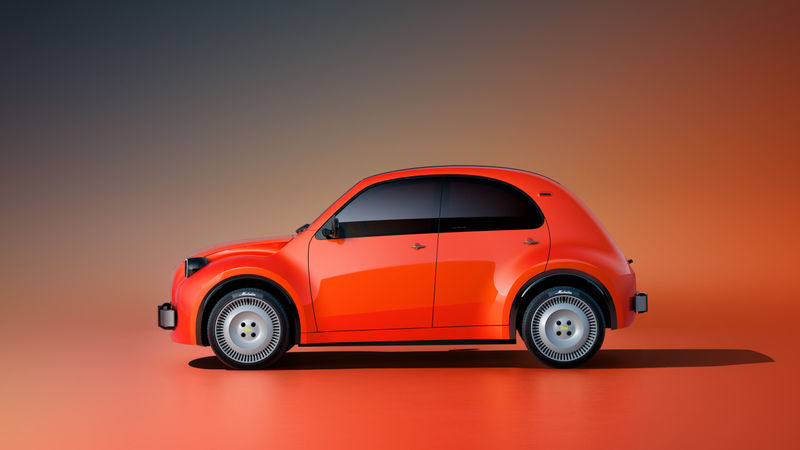
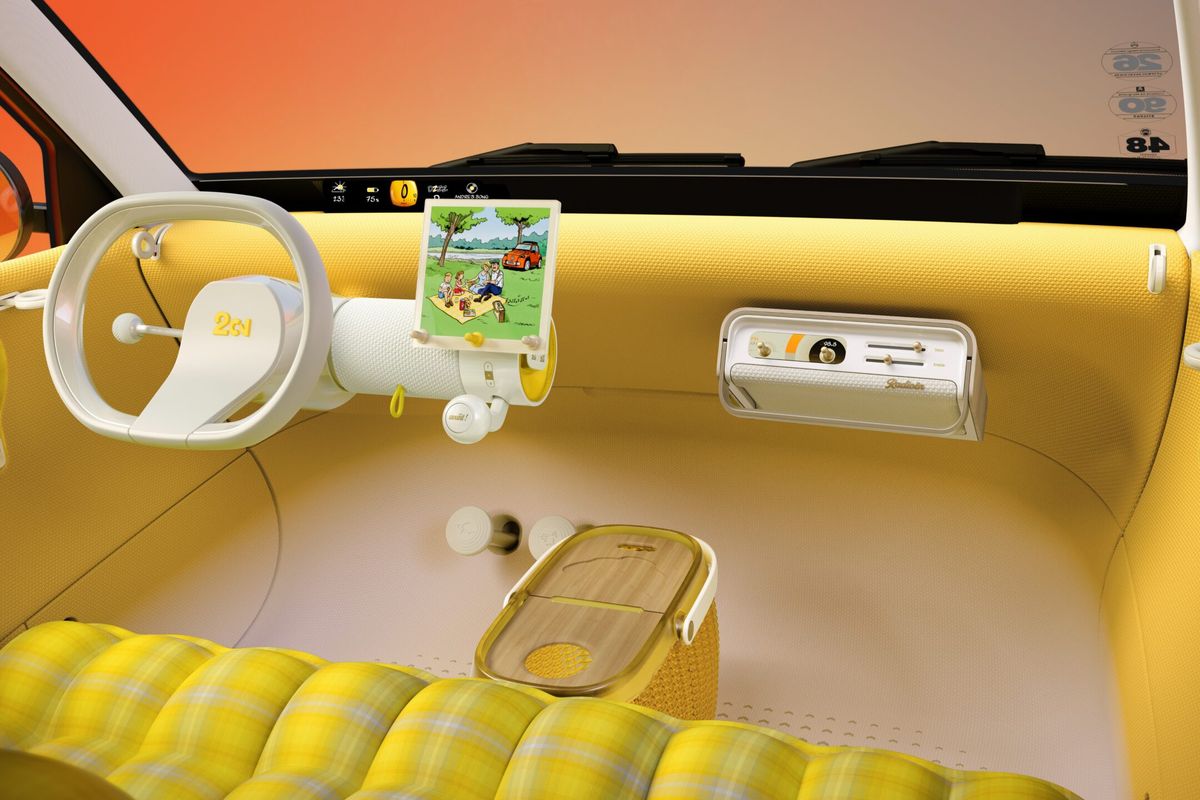
The 2026 concept is, by all accounts, not that far from an actual production car. Citroën is targeting a price of around R280 000 and a 2028 launch, which would make it one of the cheapest new cars in Europe and, more importantly, a car with a story. It has the rollback canvas roof. The bent-metal sofa-style seats. A removable radio (Bluetooth speaker) and even egg storage compartments! There is a lot of the original car in its overall look, but it’s not a simple copy. Truthfully, there are areas that I think could be improved and Citroën says it is doing just that. It will be built on a European-made E-Car city platform, which feels pointed, given the context of the show surrounding it.
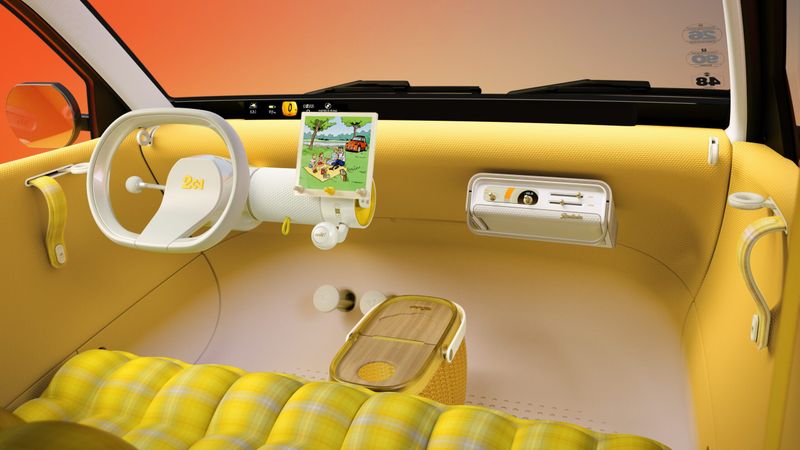
Of everything Stellantis brought to the Paris Motor Show, the 2CV is the one I keep coming back to. Not because it is the most dramatic concept – it is probably the least – but because if they actually build it faithfully, and hit the proposed price point, it could be genuinely meaningful in a market that has quietly forgotten what a city car with soul looks and feels like.
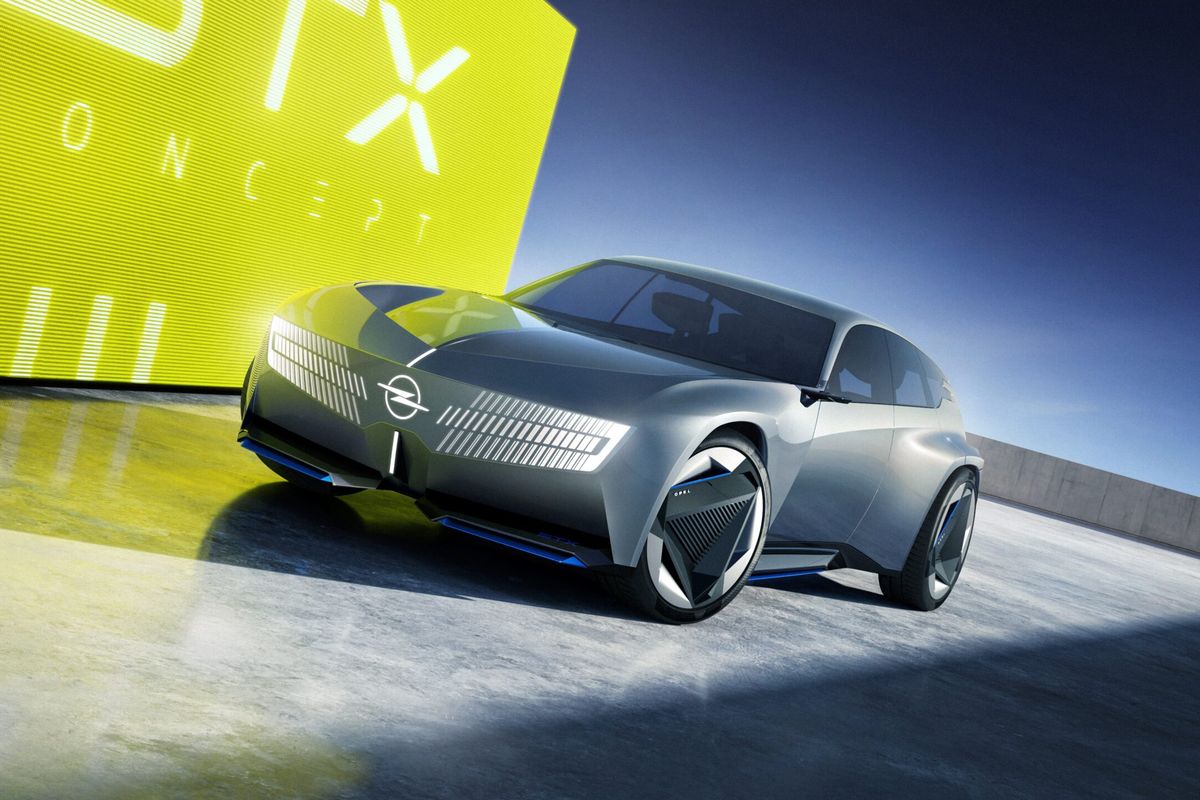
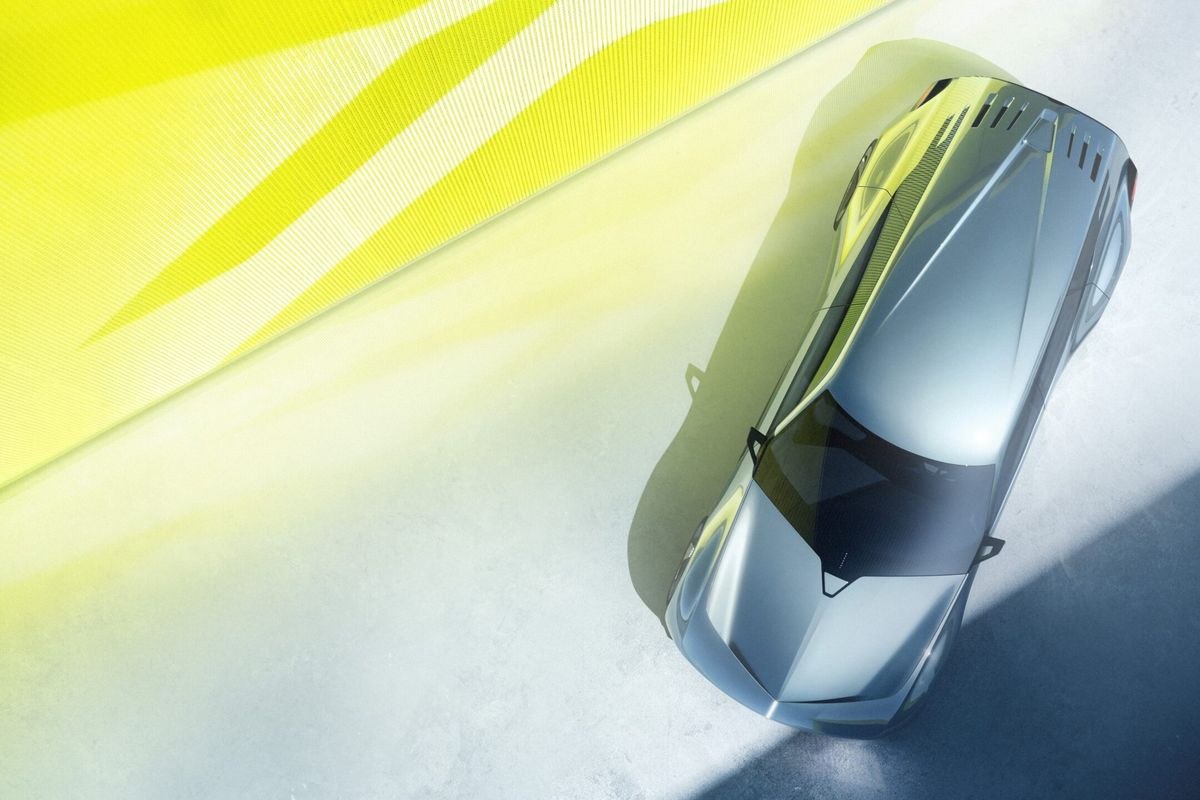
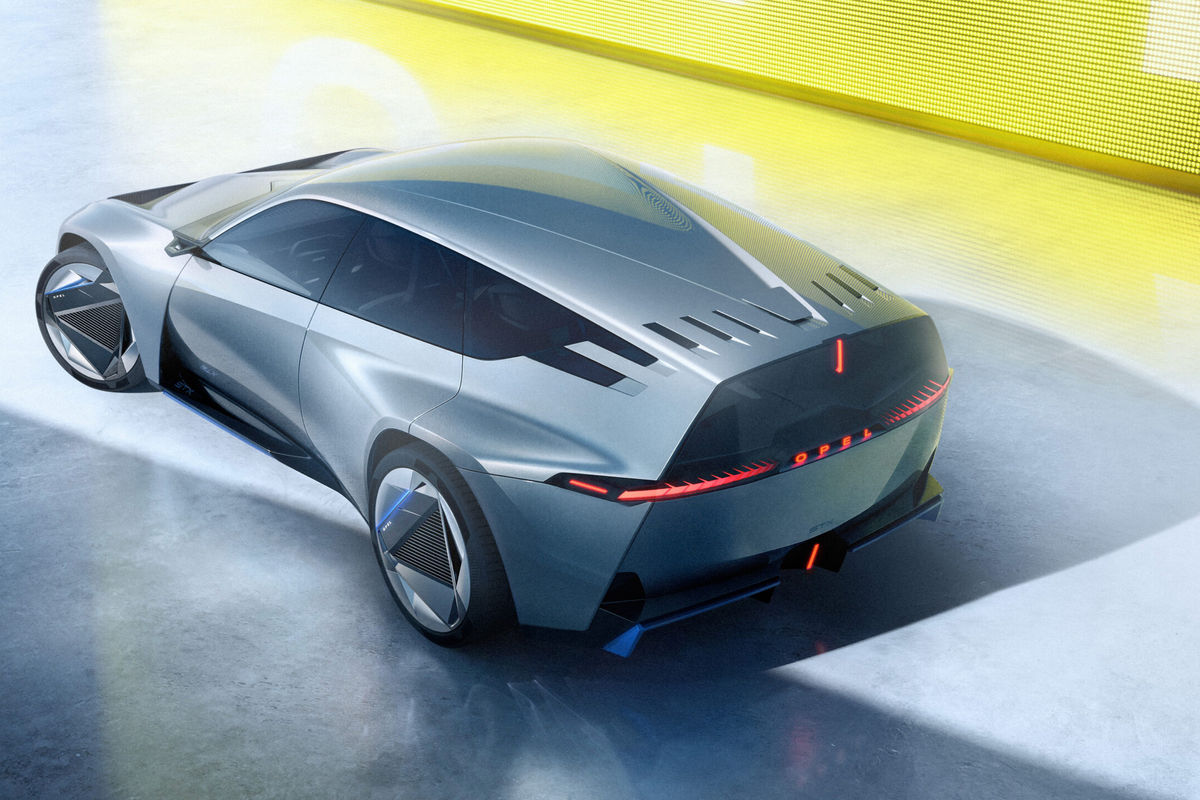
Opel STX: Previewing the Astra revolution
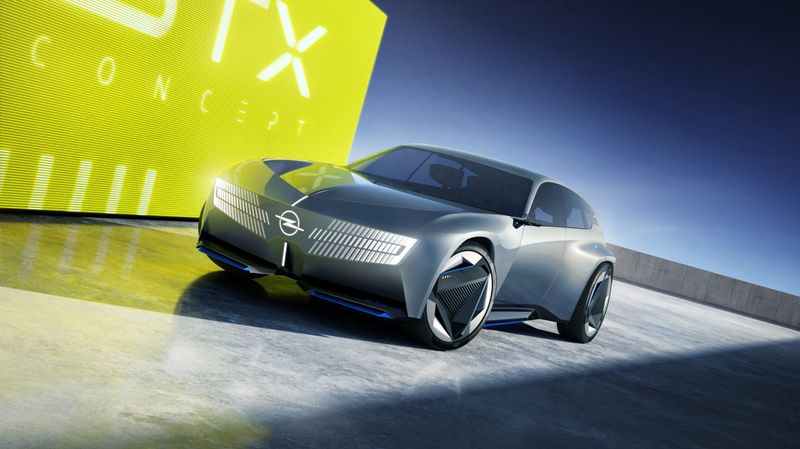
The Opel STX – short for Sports Tourer Experimental – is the concept that I suspect most people will walk past and then stop and look back at. It’s a shooting brake; a boxy, Kamm-tailed, resolutely practical load-carrier that makes no apology whatsoever for being long and low and fundamentally anti-crossover. In a world where “versatile family transport” has become a synonym for “anonymous crossover box with a panoramic roof”, the STX feels like an act of rebellion.
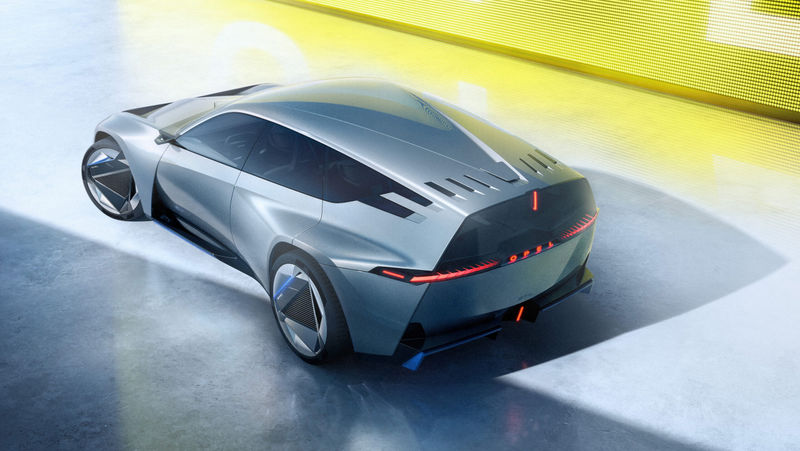
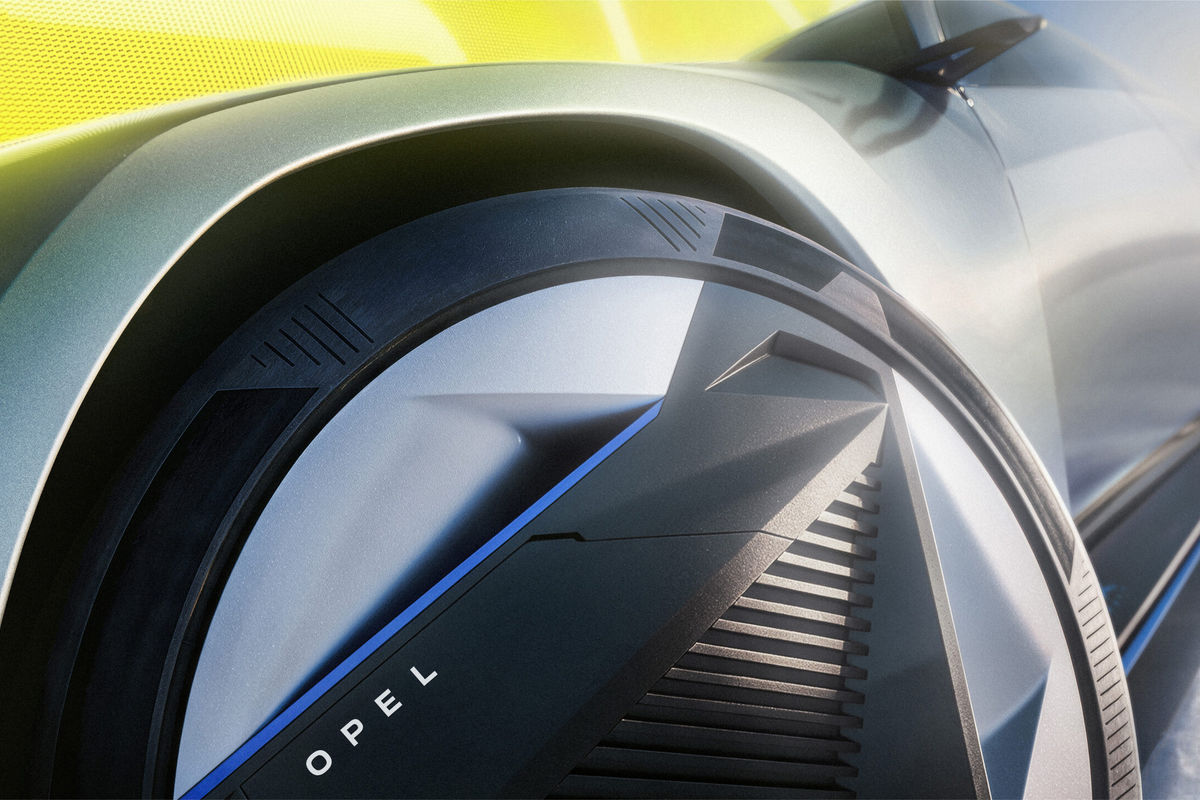
The design uses a futuristic take on Opel’s established Vizor front end with vertical light elements. It’s a purposeful, slightly stern face that suggests the car has things to do and places to be. The proportions are long and low in a way that the raised crossover format, with its inflated dimensions and inevitable plastic body cladding, simply cannot replicate. Opel has toyed with the concept of a large/sporty shooting brake before and I see glimpses of a lot of its older designs in this STX, including the wheels of the first-generation Corsa, proportions and crispness of the Monza (not the South African sedan, but the European coupé) and even the much older Opel CD concept.
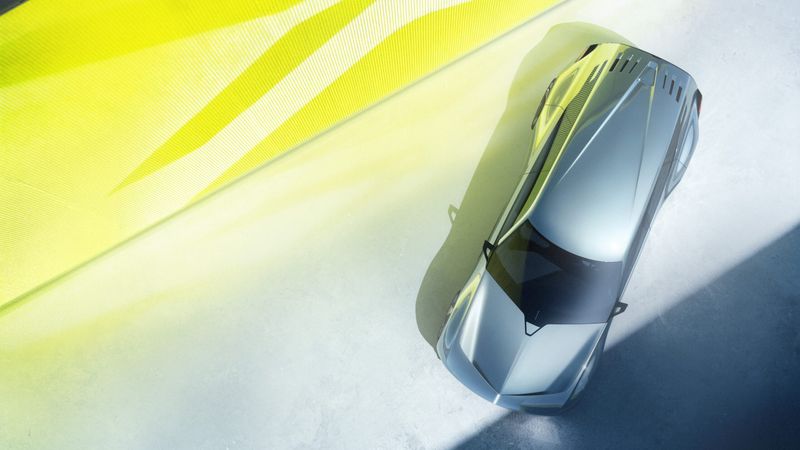
Recently, the German brand pretty much confirmed that the next-generation Astra will move away from being a hatchback-first model to an estate car. Therefore, the STX is not merely a concept for a concept’s sake. It is a reminder that “estate” or “station wagon” are not dirty words. Somehow, in 2026, that feels like a radical (not to mention brave) position.
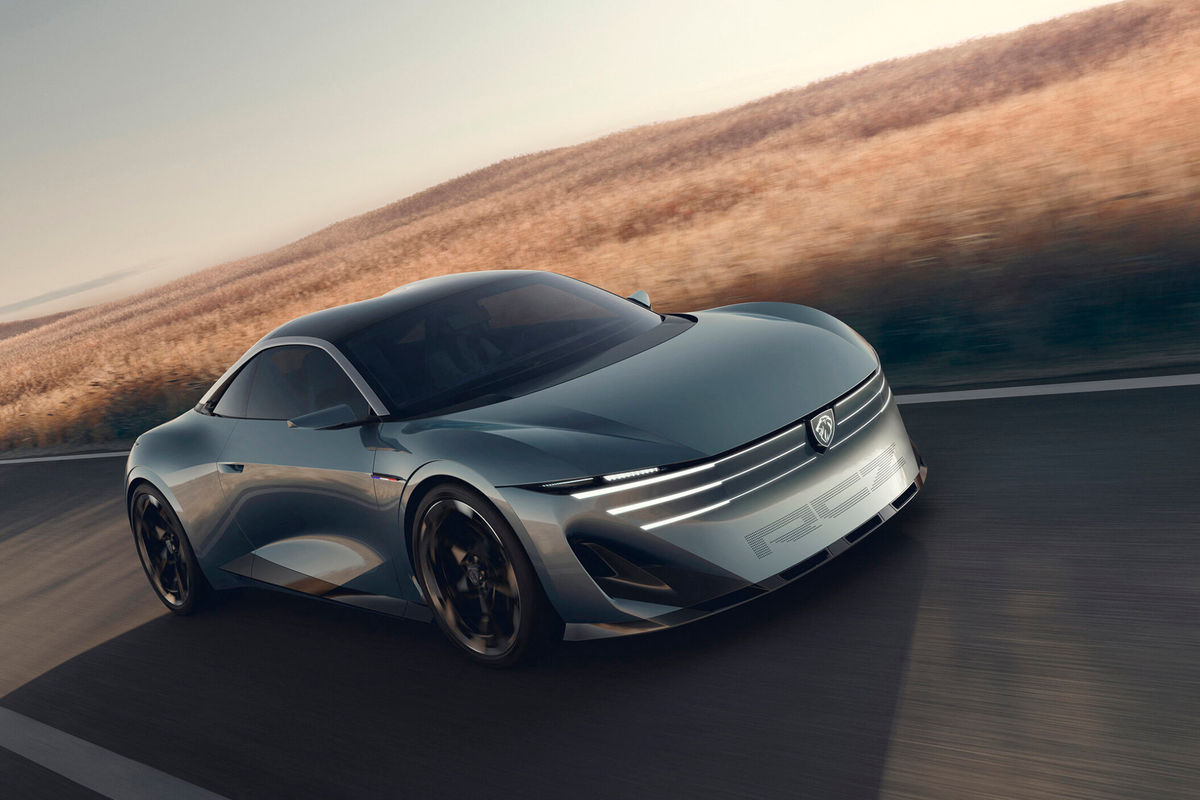
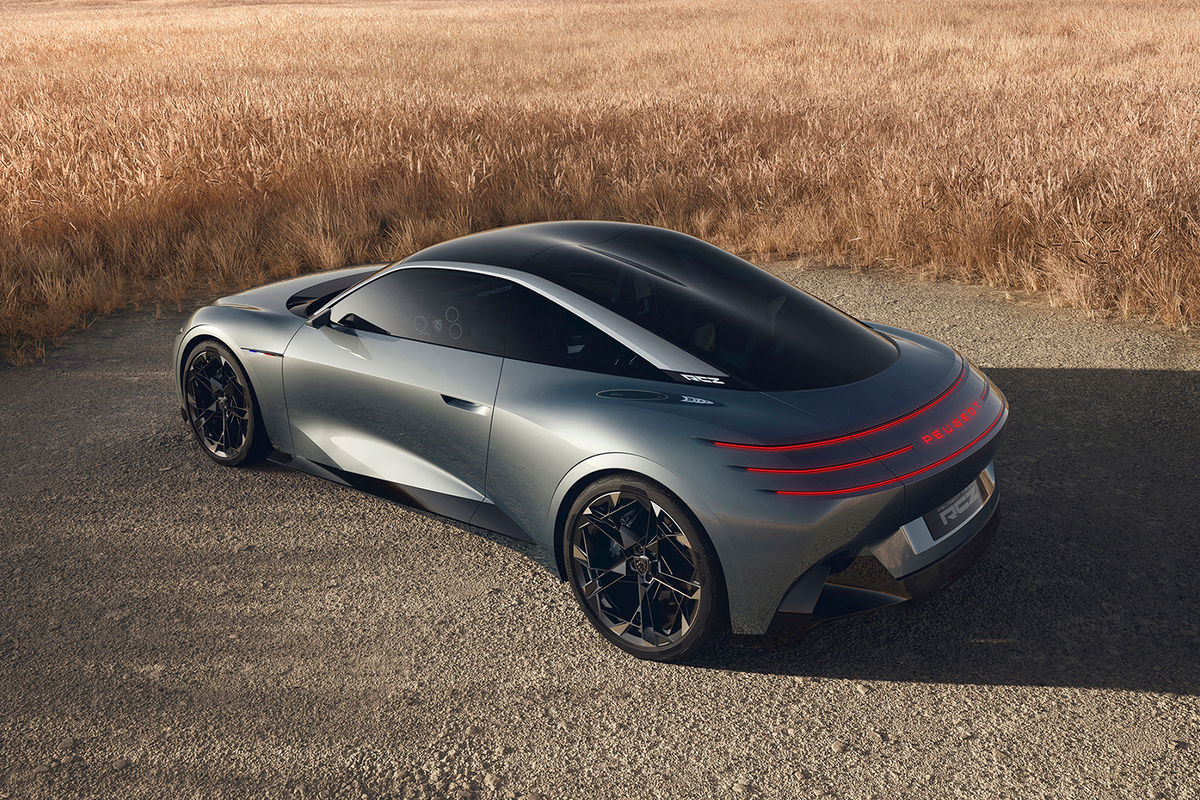
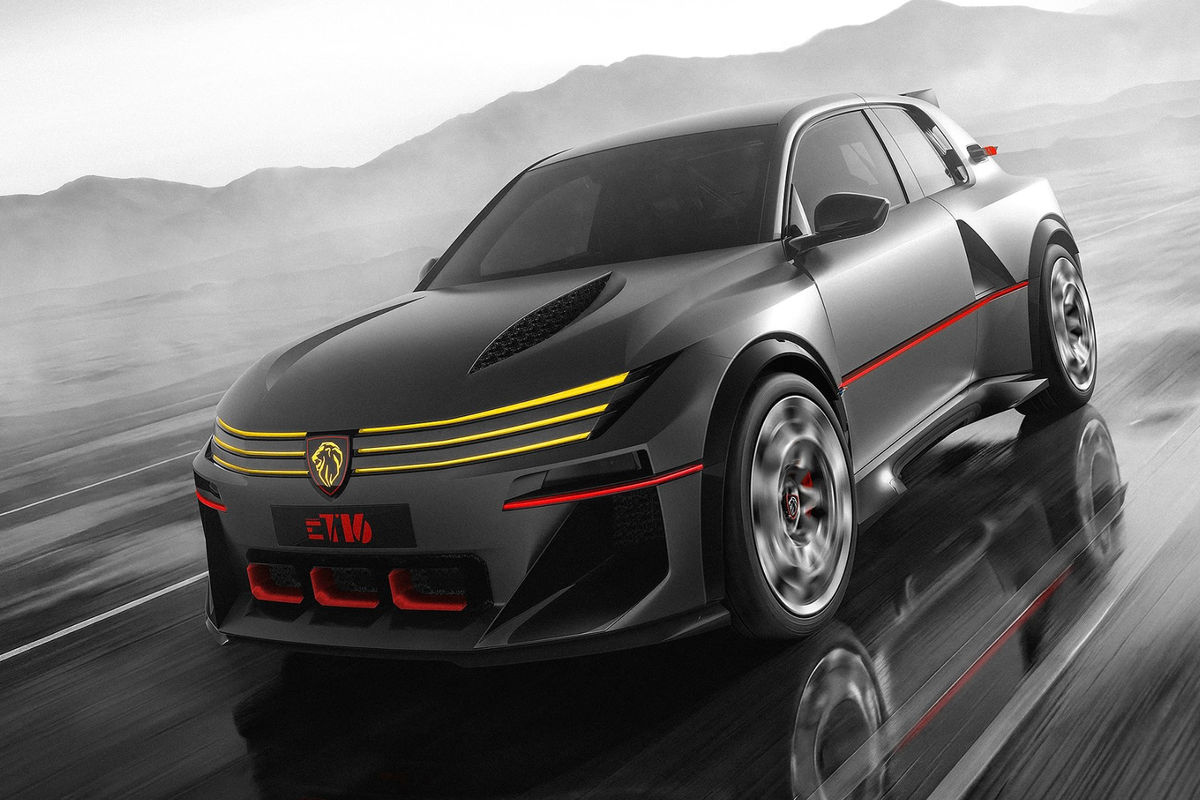
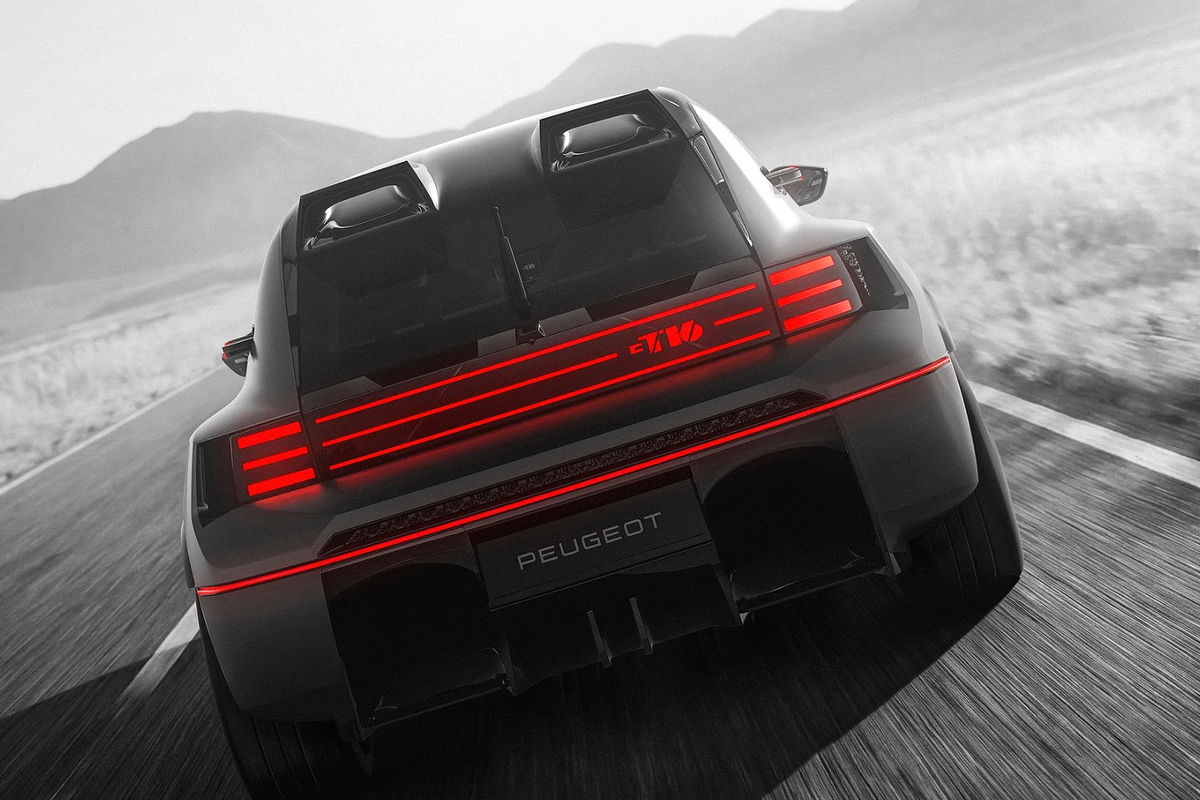
Peugeot RCZ Vision and E-T16: The double bubble returns and it’s still a beautiful idea
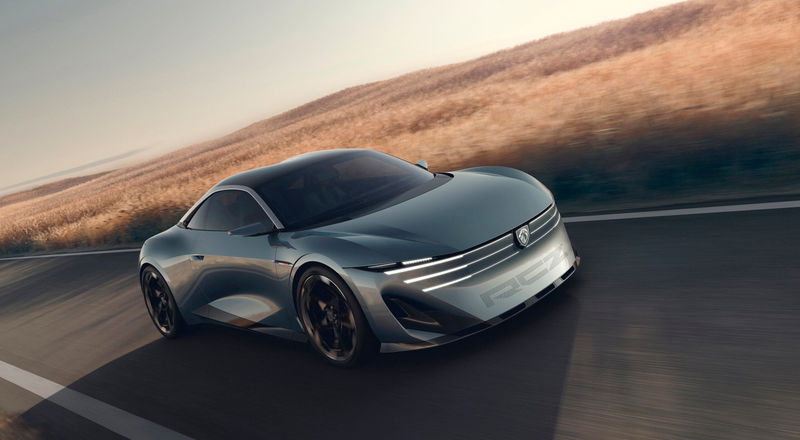
The original RCZ, which arrived in 2009 as a rival to the Audi TT, was one of those cars that was widely admired, but which, for various reasons, didn’t achieve the success it deserved. The double-bubble glass roof was distinctive in a way the industry hadn’t really seen before at its price point. It filled the gap left by the 406 Coupé, which was one of the most beautiful French cars of the 1990s and possibly of the century, if you’re feeling generous. And then the RCZ left, Peugeot made crossovers like everyone else and the world got slightly less interesting.
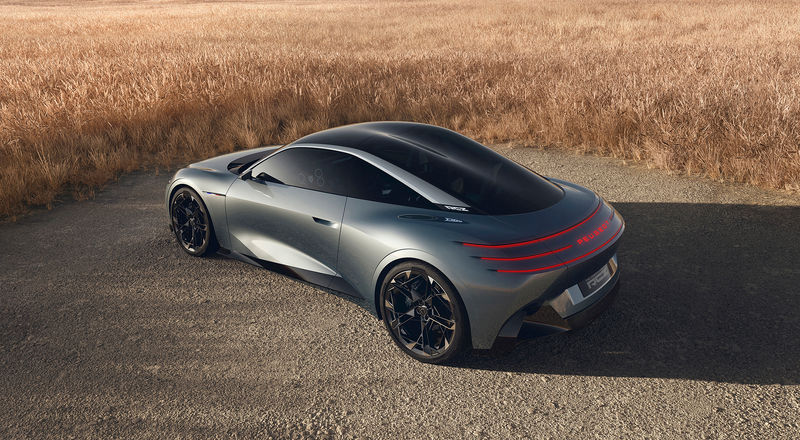
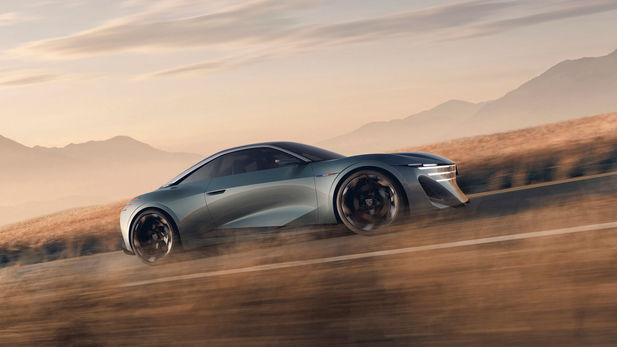
The RCZ Vision concept is Peugeot asking whether it might be time to bring back the double-bubble. A bizarre Hypersquare steering wheel – Peugeot seems intent on pursuing this – appears inside. To be honest, the interior is way more radical than the exterior, but even so it’s more interesting to look at than most of what surrounds it on the Paris Motor Show floor this week. The RCZ Vision asks an entirely reasonable question: could the coupé make a comeback? My answer: I hope so (even if it must also be an EV)! The world needs more Peugeot RCZs and fewer anonymous crossovers. This is not a controversial position. Or at least it shouldn’t be.
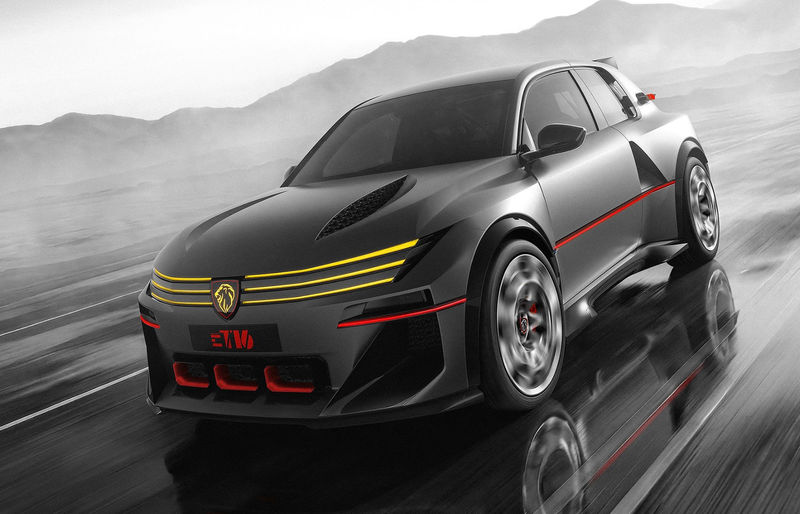
Also unveiled by Peugeot was the stunning E-T16. If you were around in the ‘80s and followed world rallying, you’ll know immediately what inspired it: the iconic 205 T16 gravel monster. It arrives on the 40th anniversary of the 205 T16’s consecutive World Rally Championship wins in 1985 and 1986. The E-T16’s colour is a deliberate match for the original’s grey livery. The backlit red line that runs around the body recreates the 205 T16’s signature pinstripe. The rear body section tilts open, exactly as it did on the original, to show the mechanical components beneath. In 2026, that means three electric motors producing a combined output of 603 kW, an 800 V architecture, an 85 kWh battery and a 0-100 kph time of just 2.5 seconds.
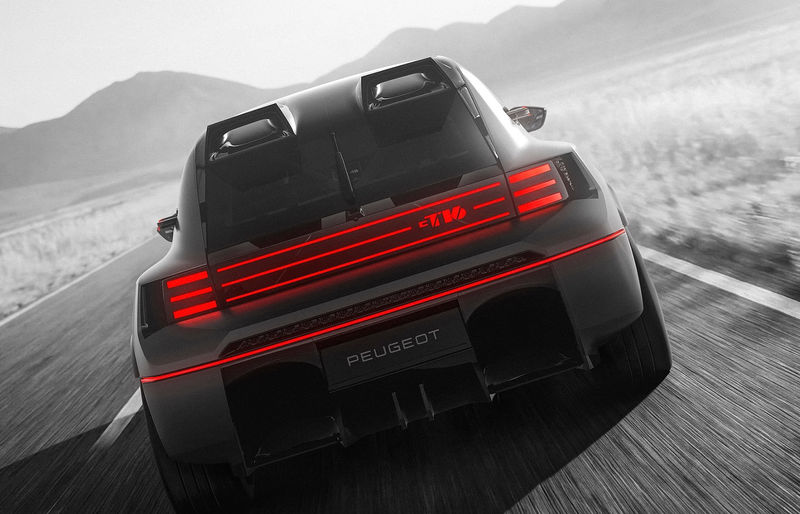
The original air intake position ahead of the rear wheel now houses the E-T16’s charging port. It was developed with Peugeot Sport, which tells you the intent is serious. Peugeot calls this a preview of the next-generation E-208’s design language, which – if even a fraction of this makes it through to production – would make the E-208 a very interesting thing indeed.
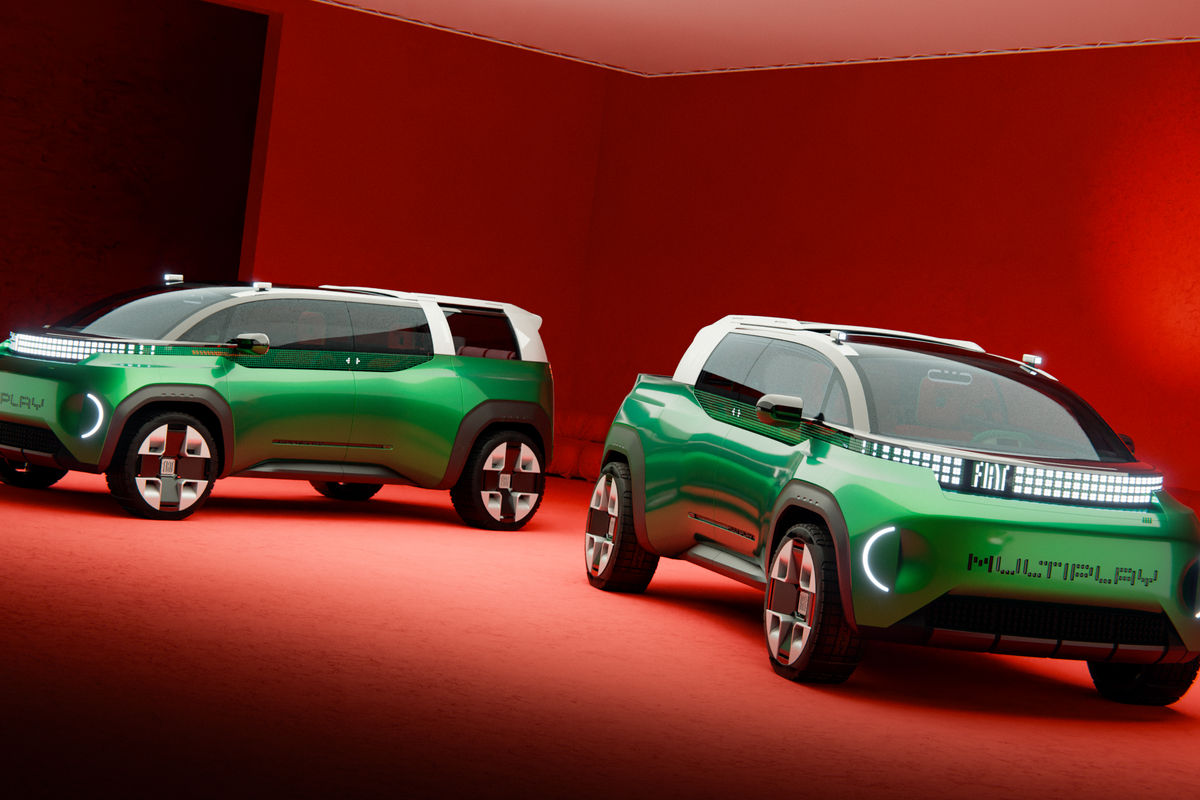
Fiat Multiplay: Diplomatically not called the Multipla (IYKYK)
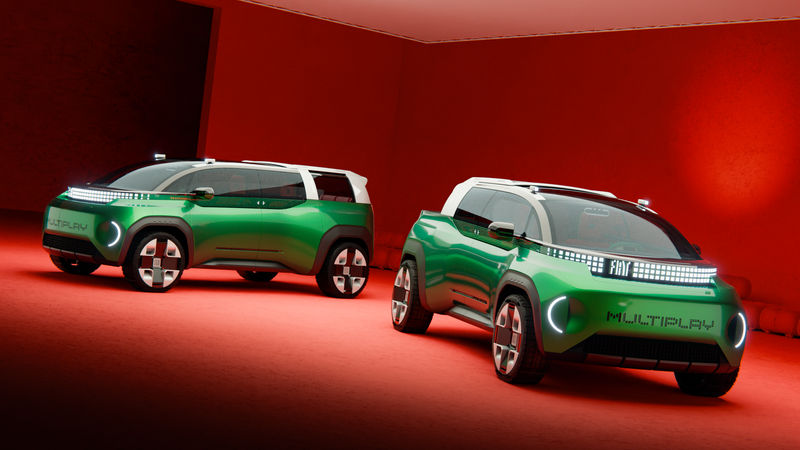
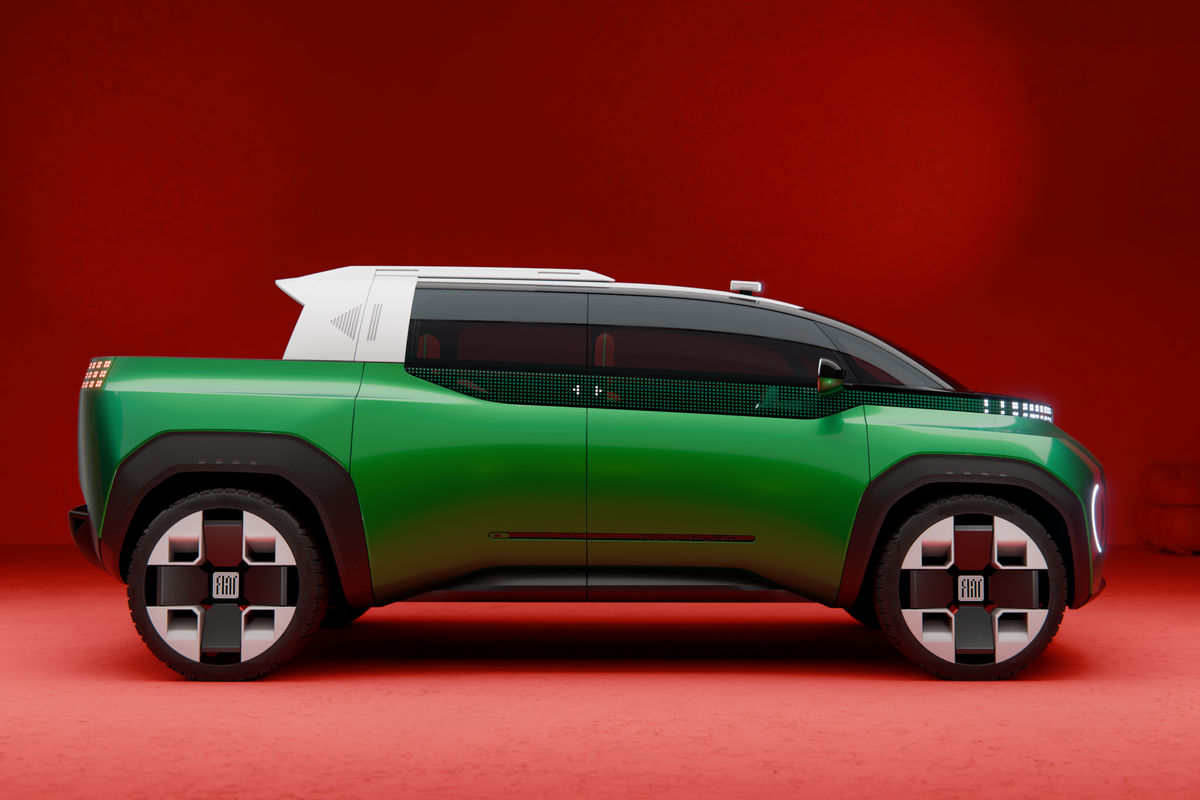
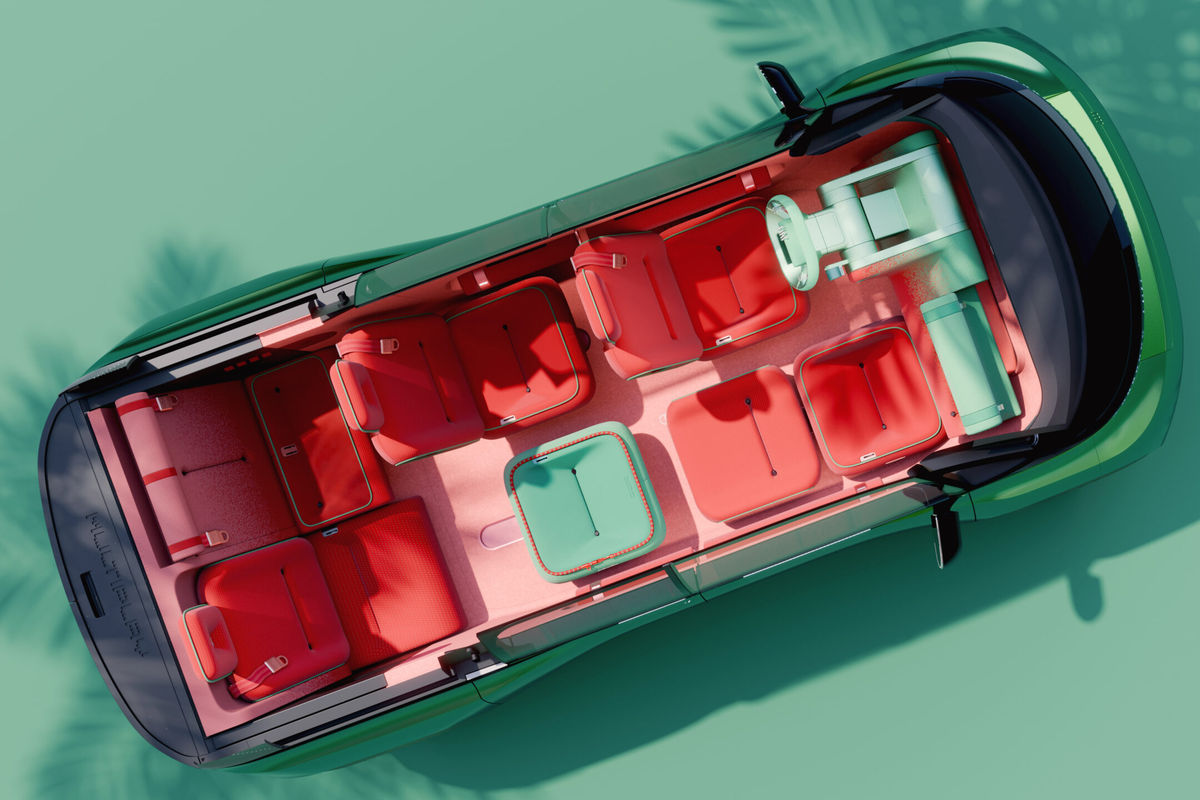
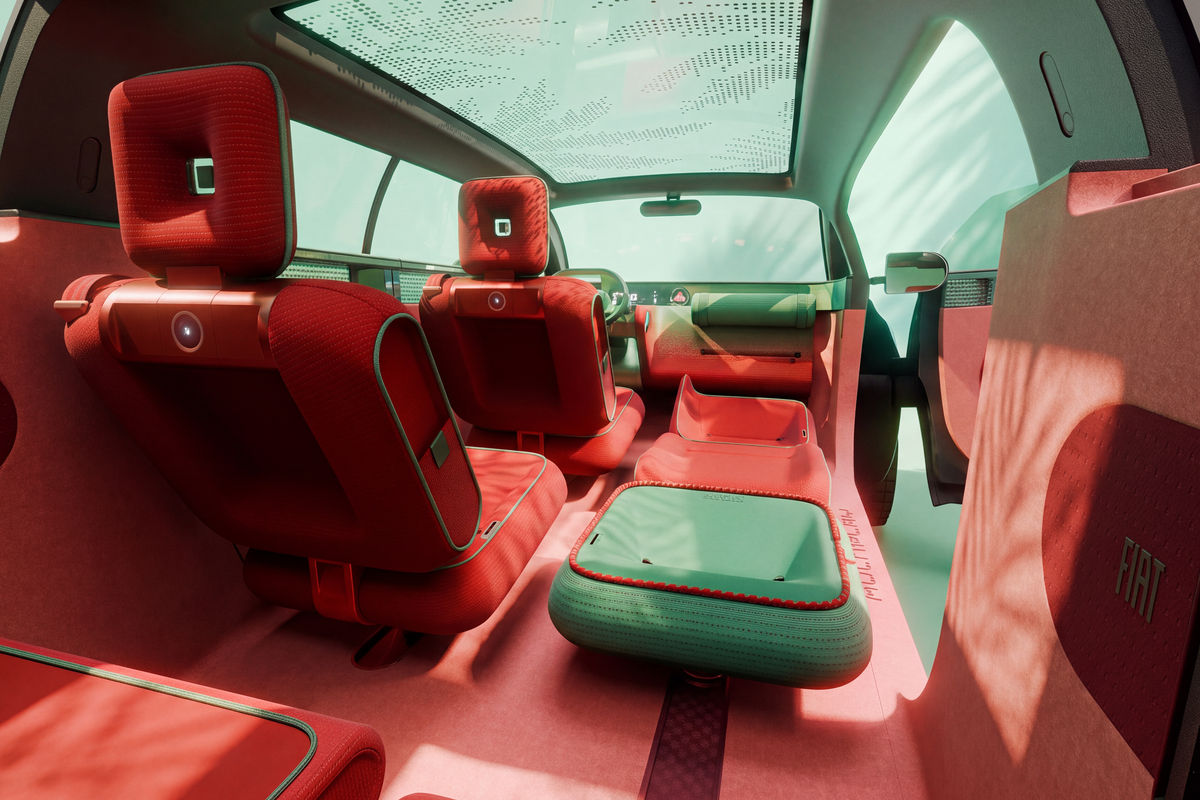
Let’s get something out of the way. The Fiat Multipla (sometimes called the Multipadda in South Africa, mostly by me) of 1999 was at the same time a masterpiece of lateral thinking and a bearer of atrocious aesthetics. Depending on which camp you fall into, this next sentence will either delight you or concern you: Fiat has made another one. Well, sort of. The Multiplay – note the slightly amended naming, doing considerable diplomatic work – is about 4.5 metres long and features wildly flexible Metamorfosi architecture that can see it transform from an MPV into a four-seat bakkie. It has what Fiat calls 6+1 seating and something called a Petsenger seat, a modular unit that can be a mounting point for a child car seat, a dedicated space for a pet, a small table or a storage compartment.
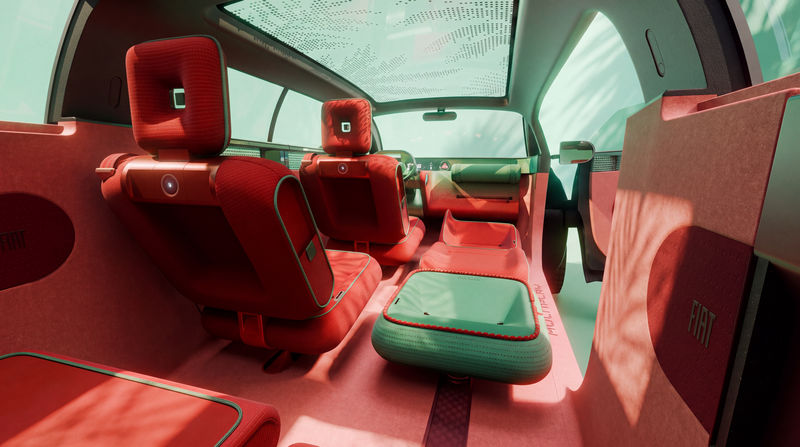
The thinking draws on the original 1956 Multipla’s layout and the 1999 version’s commitment to the philosophy of everyone gets in, no arguments. It is not conventionally beautiful but it has personality in quantities that most modern cars can only aspire to. And in a room full of Chinese crossovers with impressive spec sheets and interchangeable faces, personality is the one currency that the legacy brands still have in surplus.
And then there’s the rest of Europe, which also came to play at the Paris Motor Show
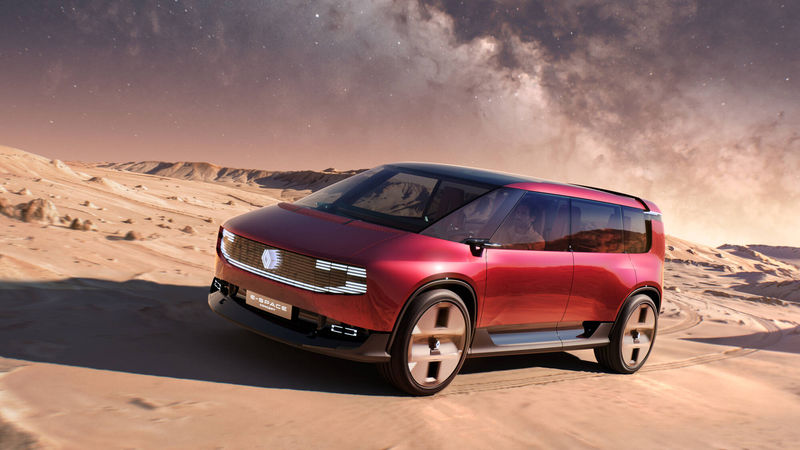
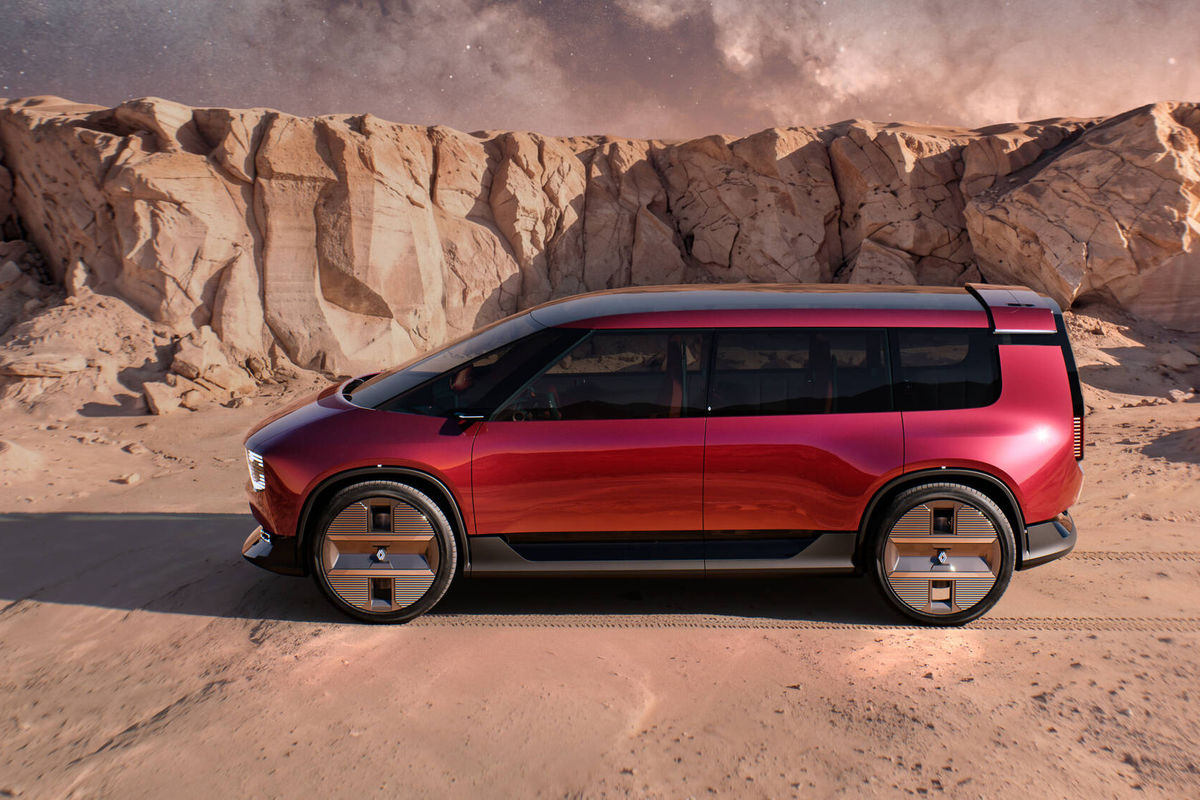
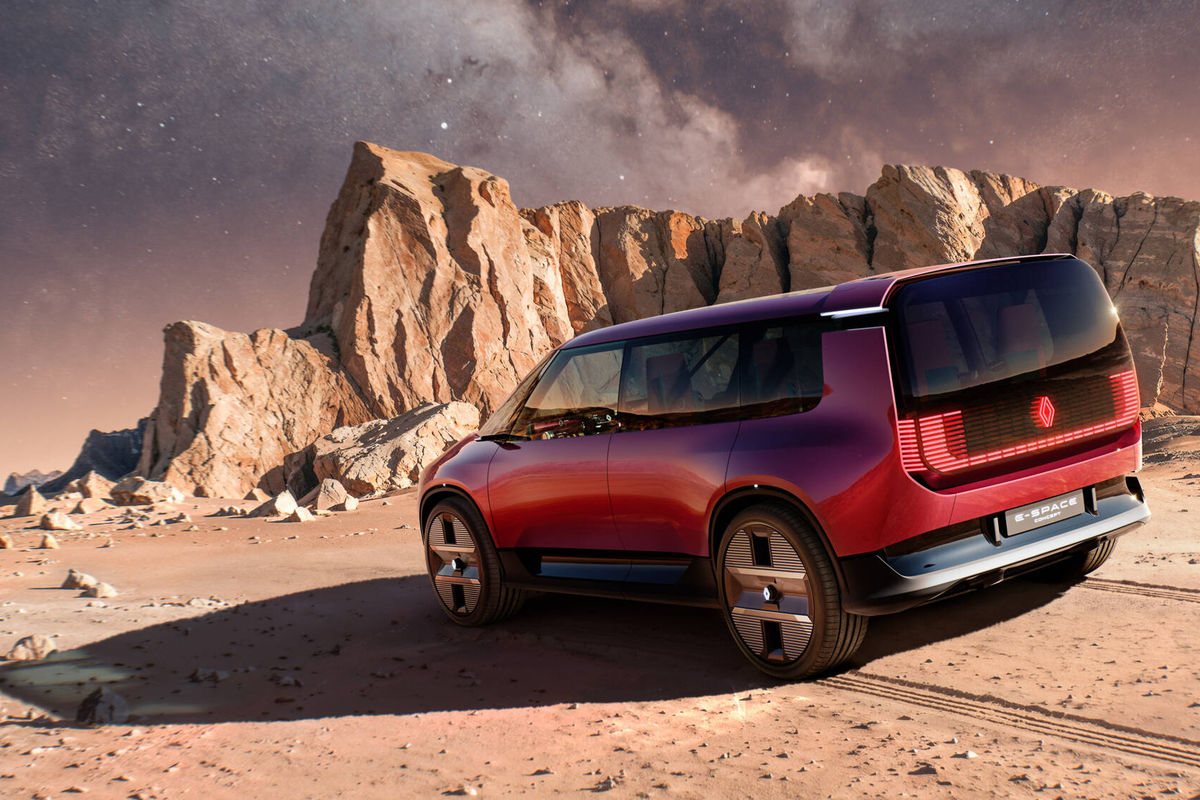
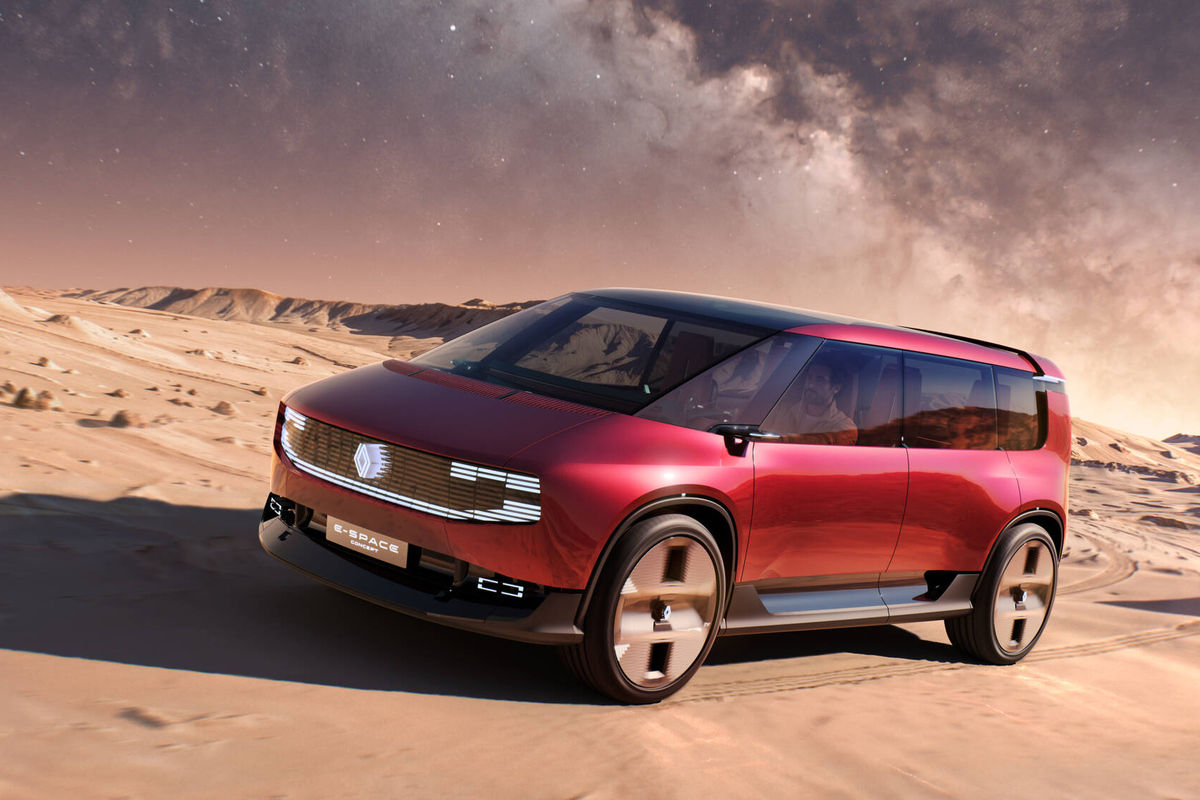
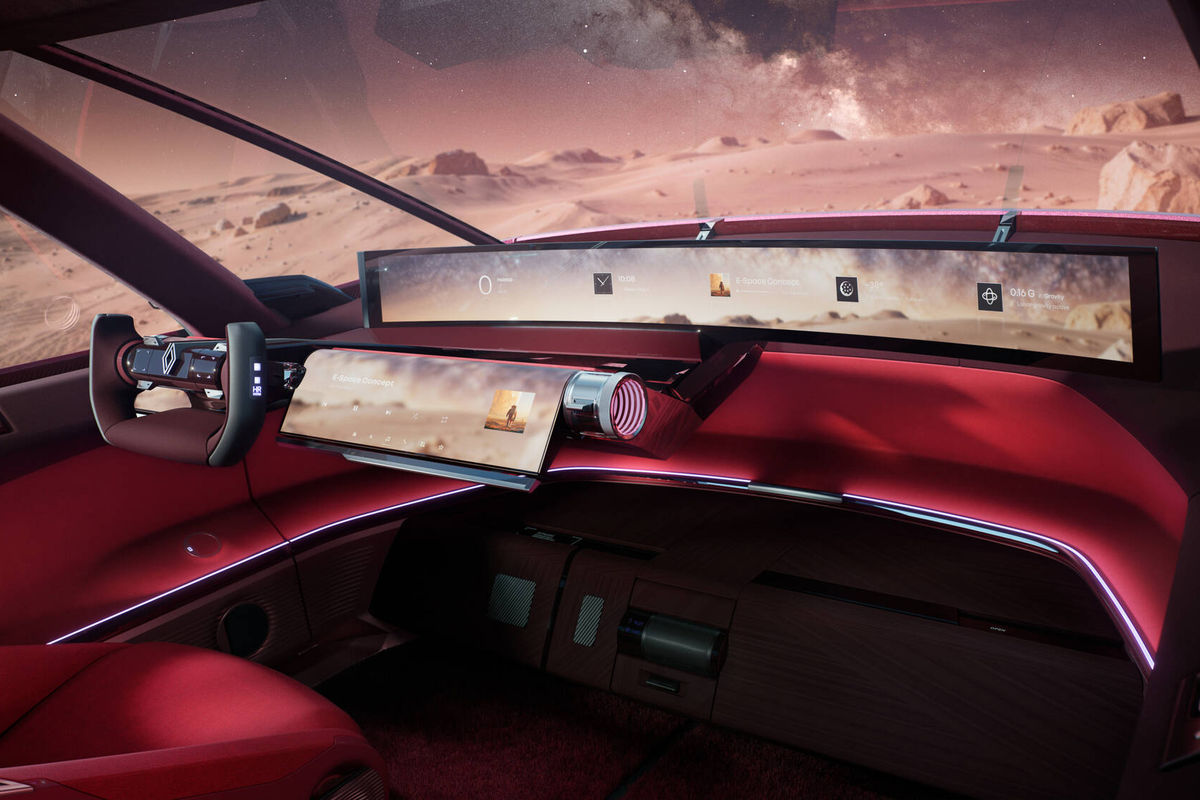
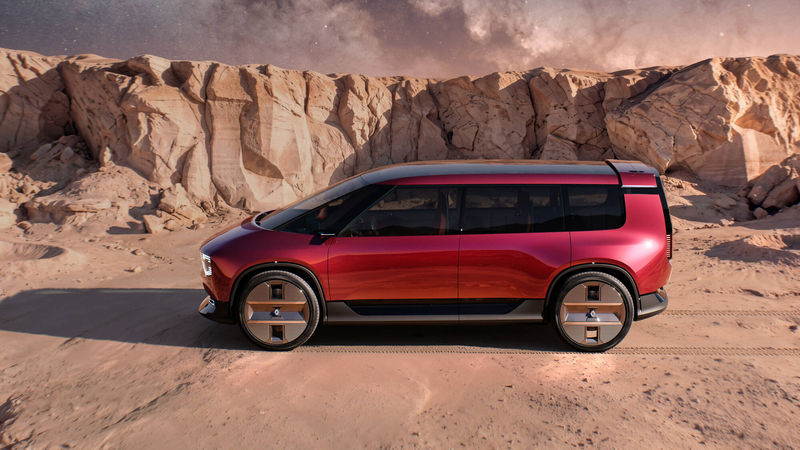
Stellantis didn’t carry Paris alone. Renault brought the E-Space Concept, the electric revival of what was once Europe’s (and my) favourite family MPV, a car which basically gave birth to an entire segment. The Twingo is back, too, which is its own small victory for anyone who thought that the city car had been euthanised by a combination of pedestrian safety regulations and the relentless logic of the crossover market.
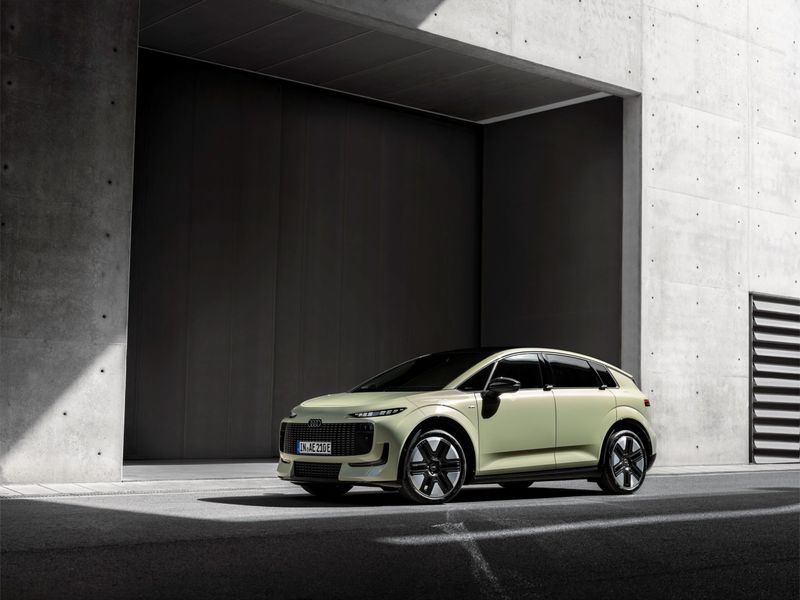
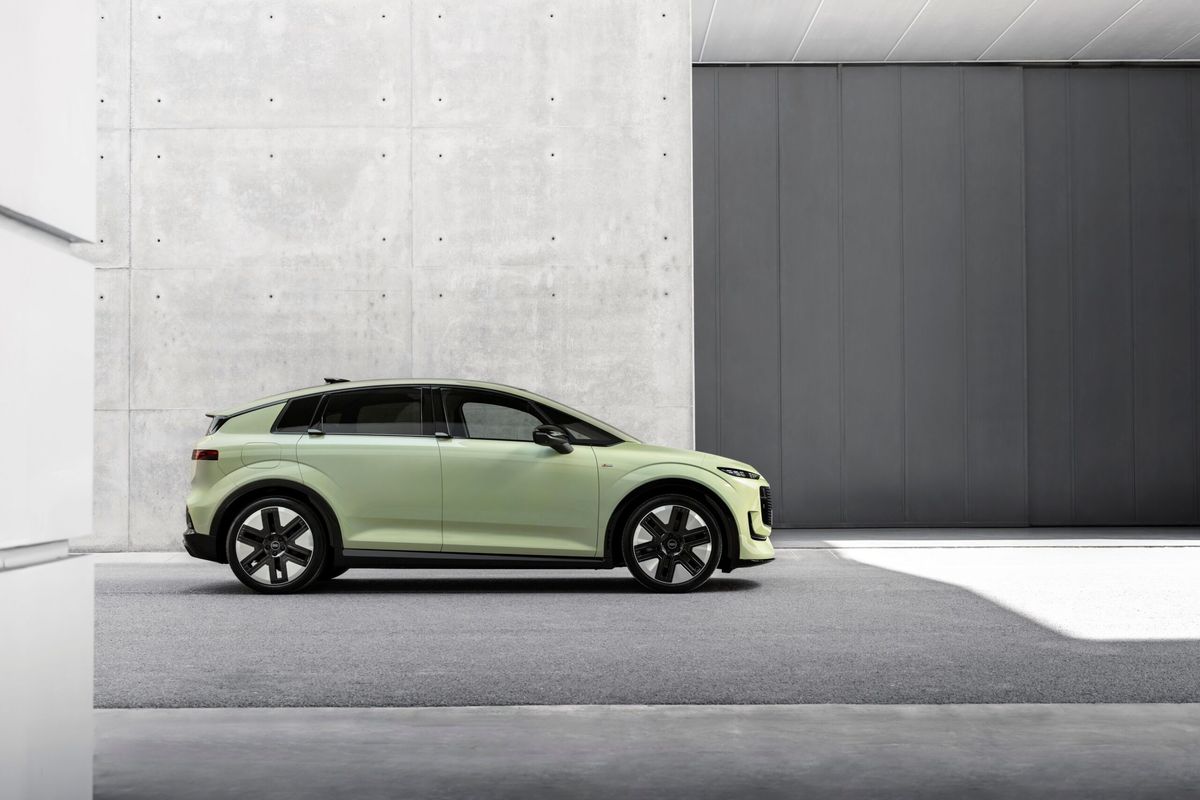
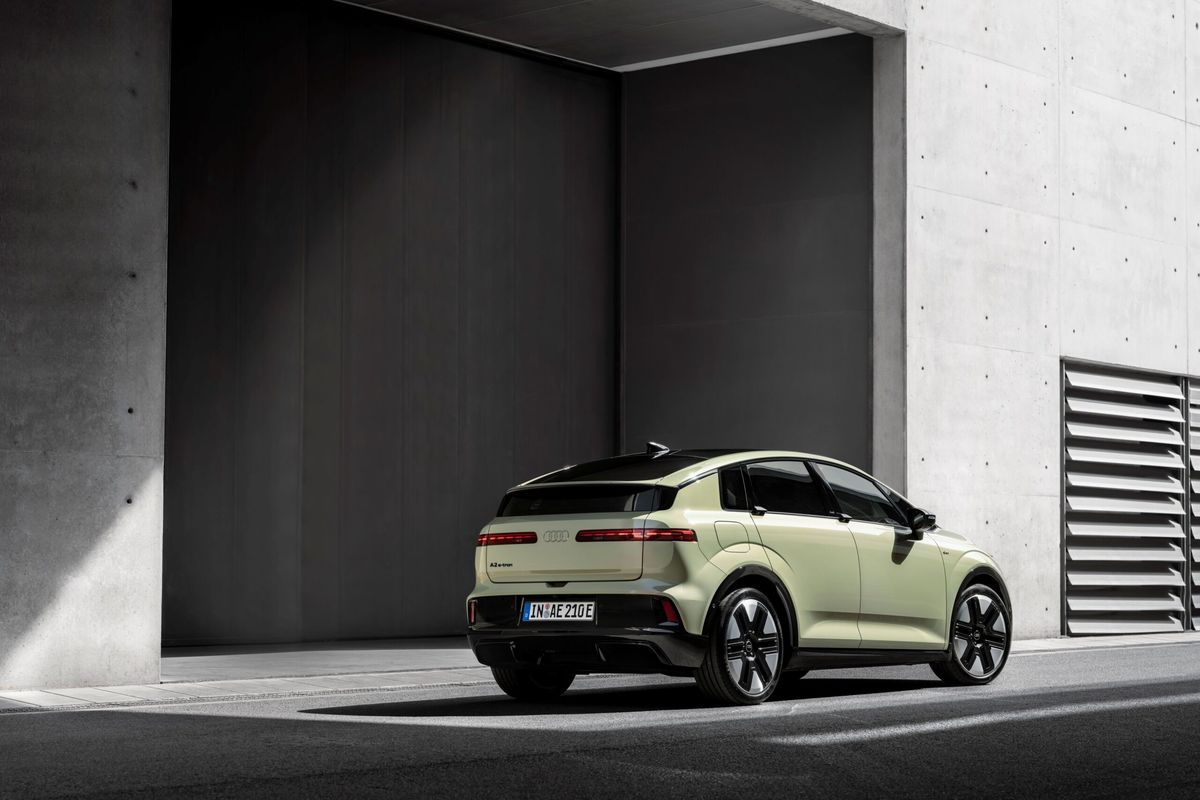
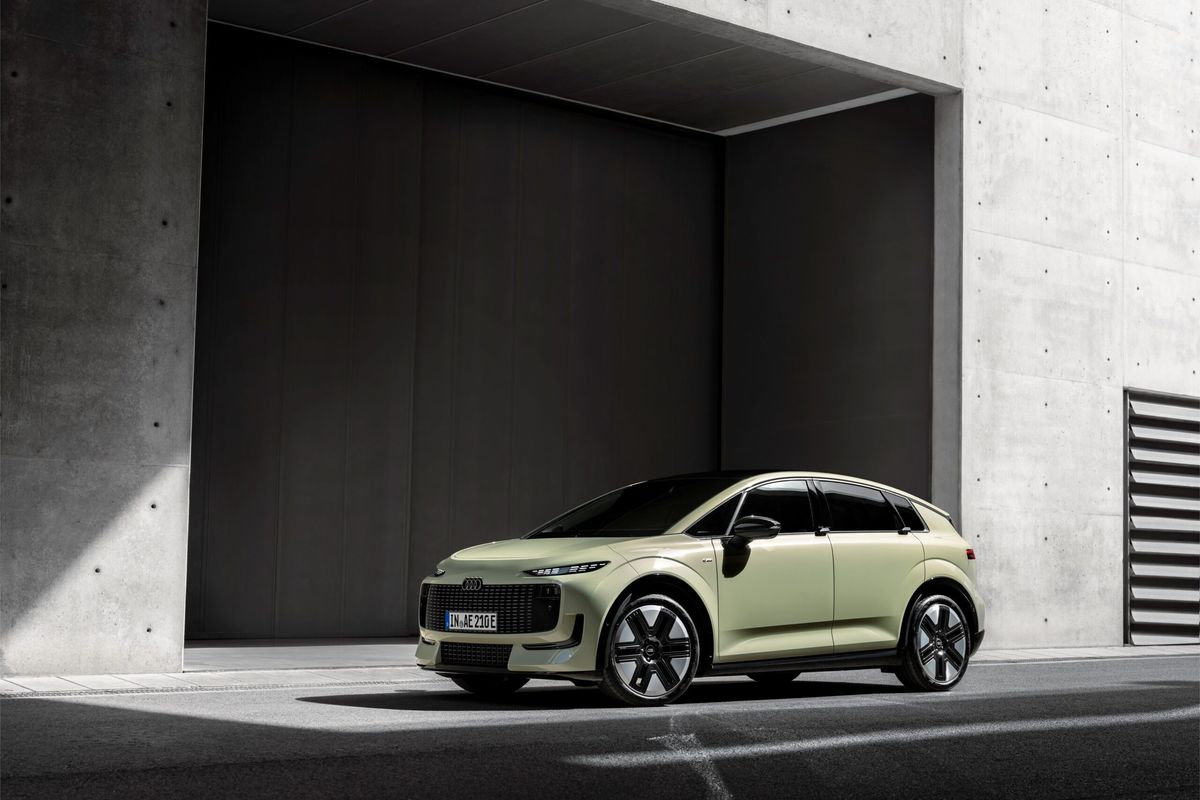
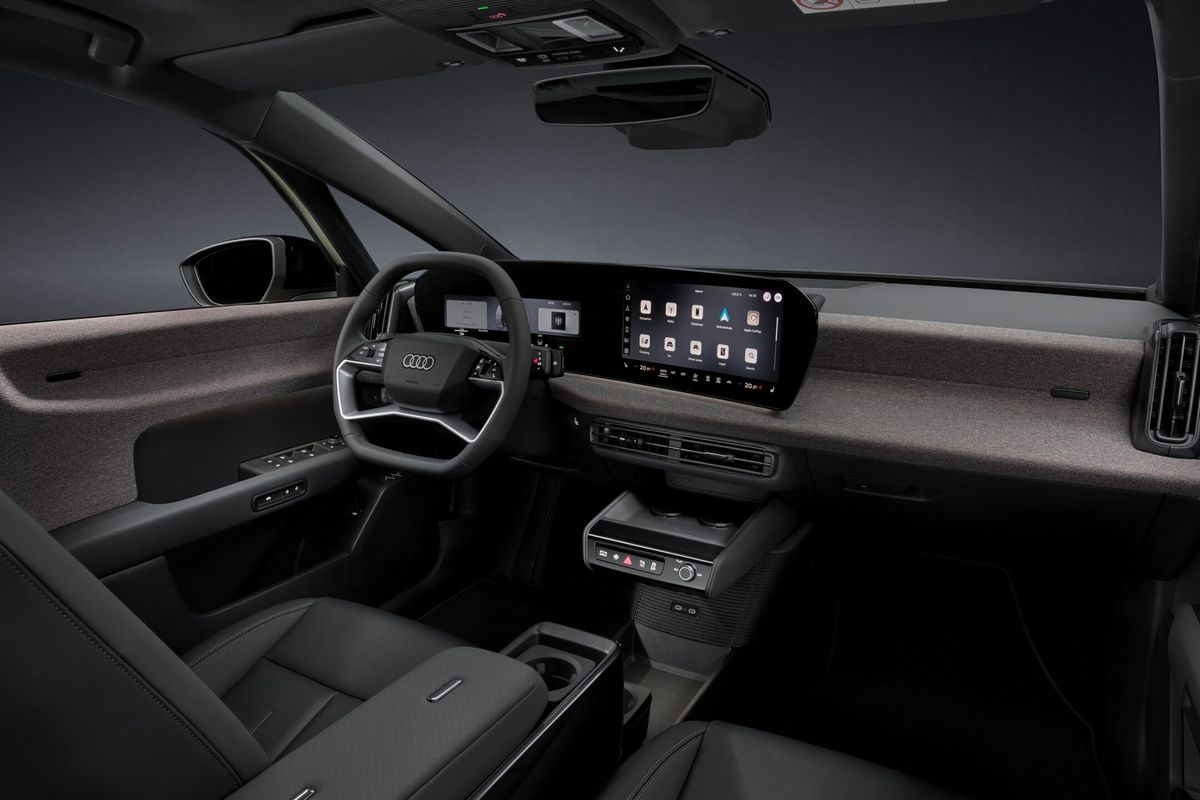
Audi showed the A2 e-tron in production form: up to 646 km of claimed range, the tall-and-narrow silhouette of the original A2 interpreted in modern electric-car language, and a starting price somewhere around R700k in the UK. The original A2 was a quietly brilliant efficiency pioneer that the market never entirely knew what to make of. It’s taken a quarter of a century and the electrification of the entire industry for Audi to try again. Sometimes, you have to wait for the world to catch up.
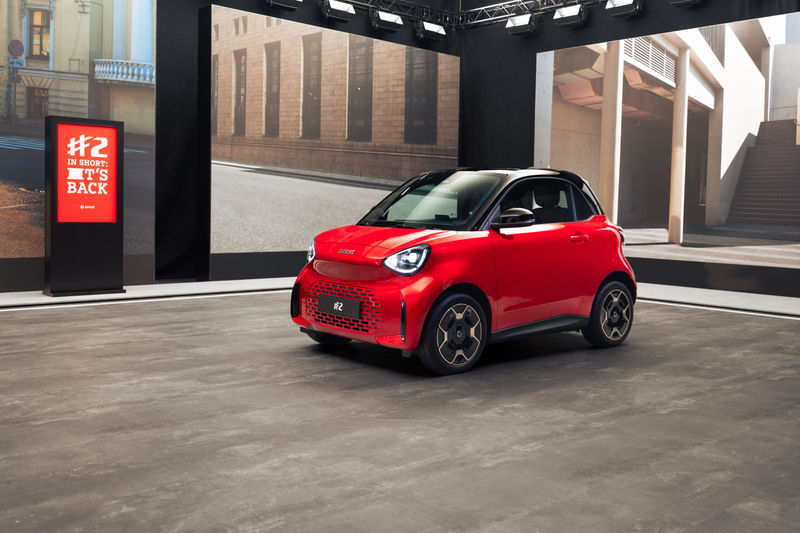
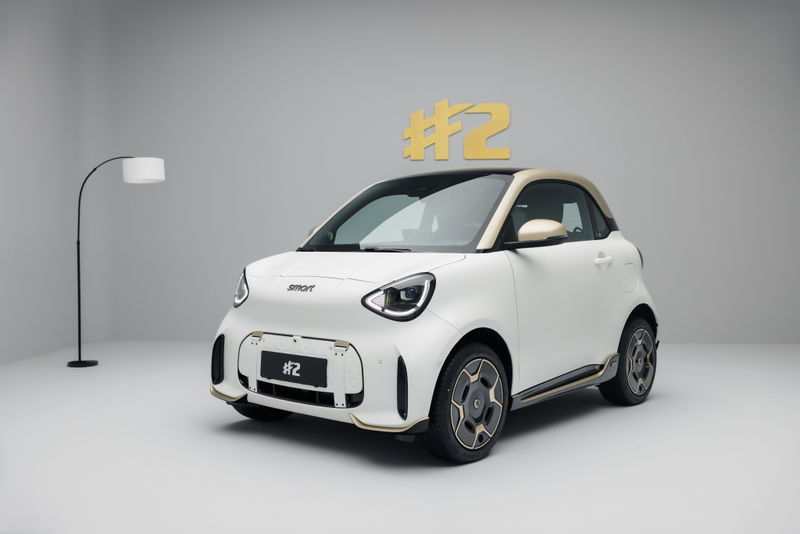
And Smart (now a joint-venture between Mercedes-Benz and Geely) brought the Concept #2 to Paris, a tiny two-seater electric pitched as the spiritual successor to the ForTwo. Around 300 km of range. Estimated price near R450 000. The original ForTwo was a car that was more beloved in theory than in practice, but perhaps it makes more sense these days? Still looks cute as a button.
Why did Paris 2026 make me smile?
Here is the observation that ties all of this together, and I don’t think it’s a coincidence: almost none of the star cars in Paris this week are crossovers. The Alfa Cuorerosso is a sleek GT/sedan. The Citroën 2CV is a city car. The Opel STX is a shooting brake. The Peugeot RCZ is a coupé. The Fiat Multiplay is a multi-purpose vehicle in the most literal sense. The Renault E-Space is an MPV. The Audi A2 e-tron is a tall hatchback. The Smart Concept #2 is a two-seater microcar.
That is not seven separate design teams arriving at the same conclusion by accident. That is a strategy. The Chinese have the crossover market thoroughly covered efficiently, technologically and at price points that Europe just can’t match. So the Europeans have retreated – or rather advanced, depending on how you want to frame it – into segments where they have history, emotional resonance and the type of genuine cultural capital that a factory in China, however large and however modern, simply cannot reproduce. Perhaps they’ll find enough consumers who want something different.
Will it work? I honestly don’t know. The gap between a beautiful concept on a Parisian show stand and a car that actual people buy from actual dealers is a very long road, and history is full of concepts that were glorious and production cars that were less so. There is a real risk that this feels like nostalgia for nostalgia’s sake, a strategy that buys good headlines at motor shows without meaningfully shifting the commercial reality of the market.
But I hope it works. I genuinely do. Because the car world has been a fairly monotonous place for the better part of a decade. We’ve witnessed a relentless parade of sensible, capable, safe and efficient boxes, each slightly larger than the last, with slightly bigger screens and slightly more advanced driver-assistance systems and slightly less reason to make you feel anything when you walk towards one in a car park.
If Paris 2026 is the beginning of something different – a genuine return to flair and personality, and the kind of design that makes you stop scrolling and actually look at something properly – then I’ll genuinely be thrilled. The 91st Mondial de l’Auto has, against reasonable odds, given me a glimmer of hope that the car world can recover its mojo.
It’s been a while. Vive la France!
Oh, one last thing: Credit where credit is due. Stellantis coming to a bleak-looking car world’s rescue was definitely not on my 2026 bingo card.
Hannes Oosthuizen
With the ultimate goal of spending his life writing about cars, Hannes studied journalism at the University of Stellenbosch. A brief stint as a sports editor for Paarl Post followed, before he joined CAR magazine in 2001. He eventually became the (youngest-ever) editor of CAR in 2011, a position he occupied for two years. During his career at CAR he became a member of the WCOTY (World Car of the Year) panel, wrote a book (Cranked Up: Confessions of a Petrolhead) and was named by the Mail & Guardian as one of the Top 200 South Africans to take to lunch in its 2008 Youth Day supplement, and by The Media magazine as one of the most influential media professionals under 40 (2012). He left CAR in 2013 to experience the \other\" side of the industry