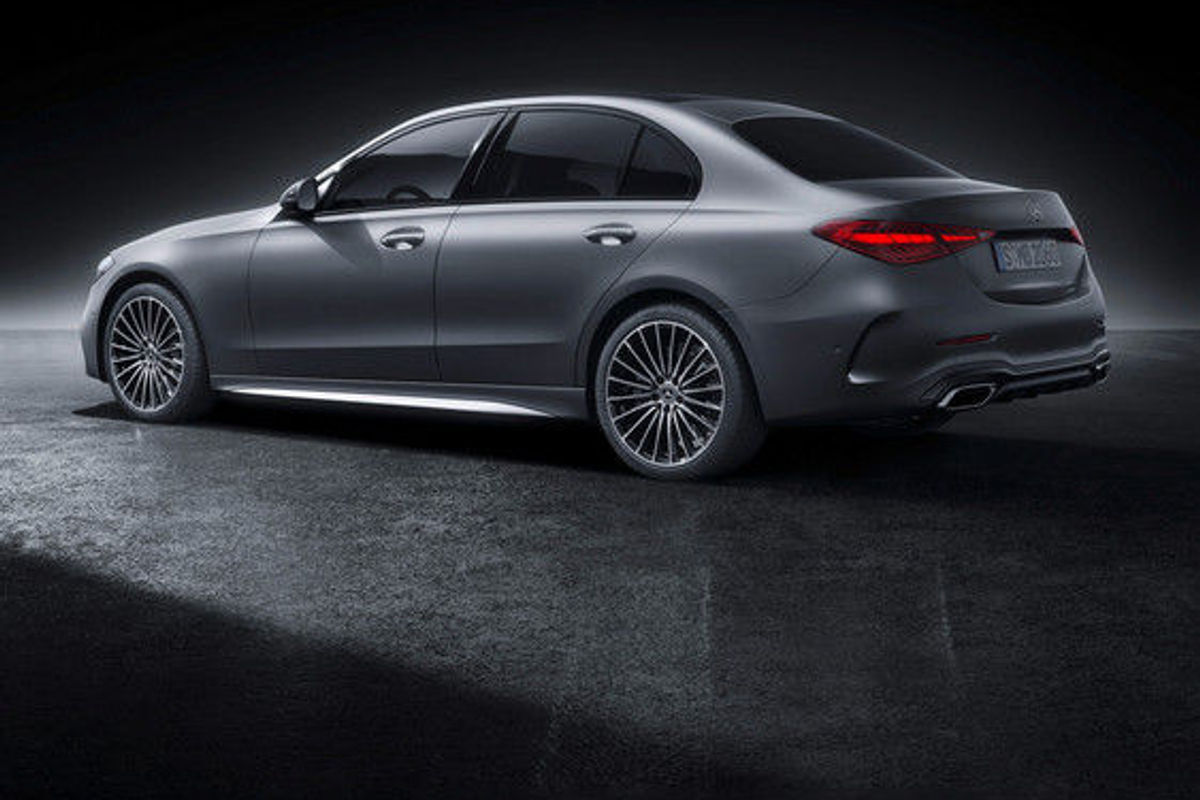
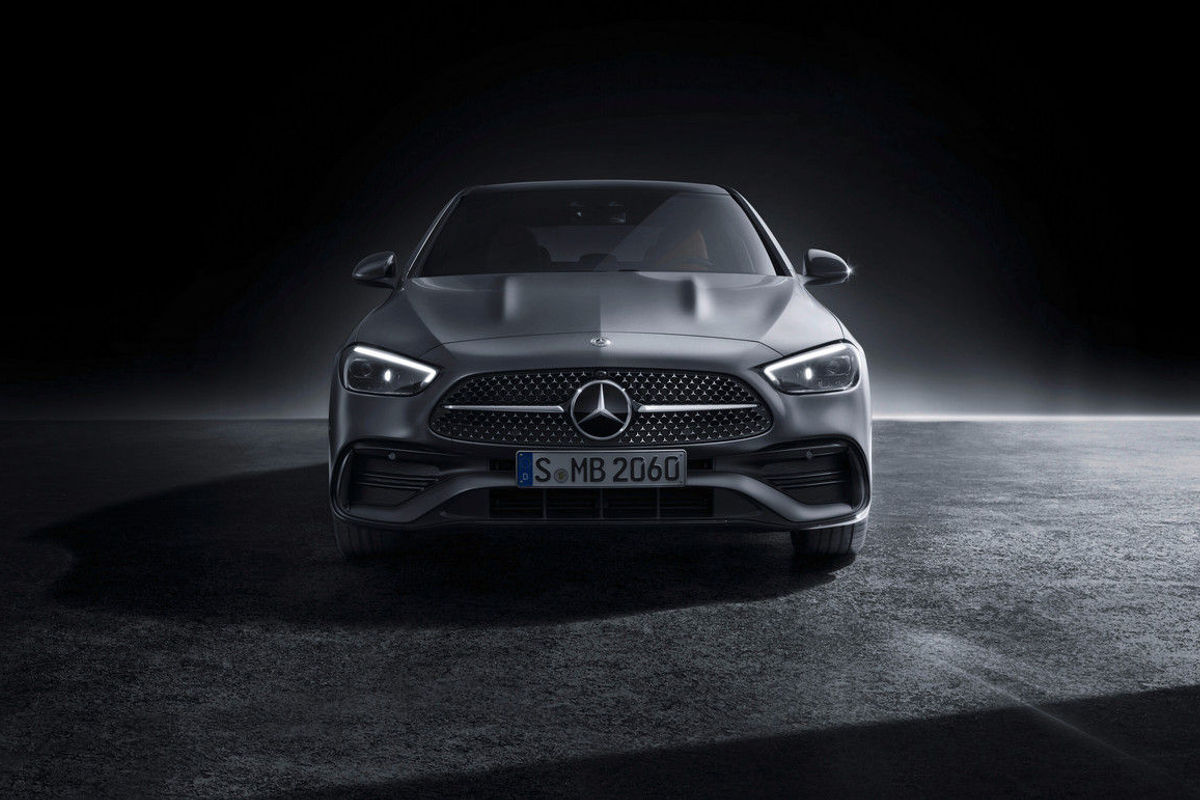
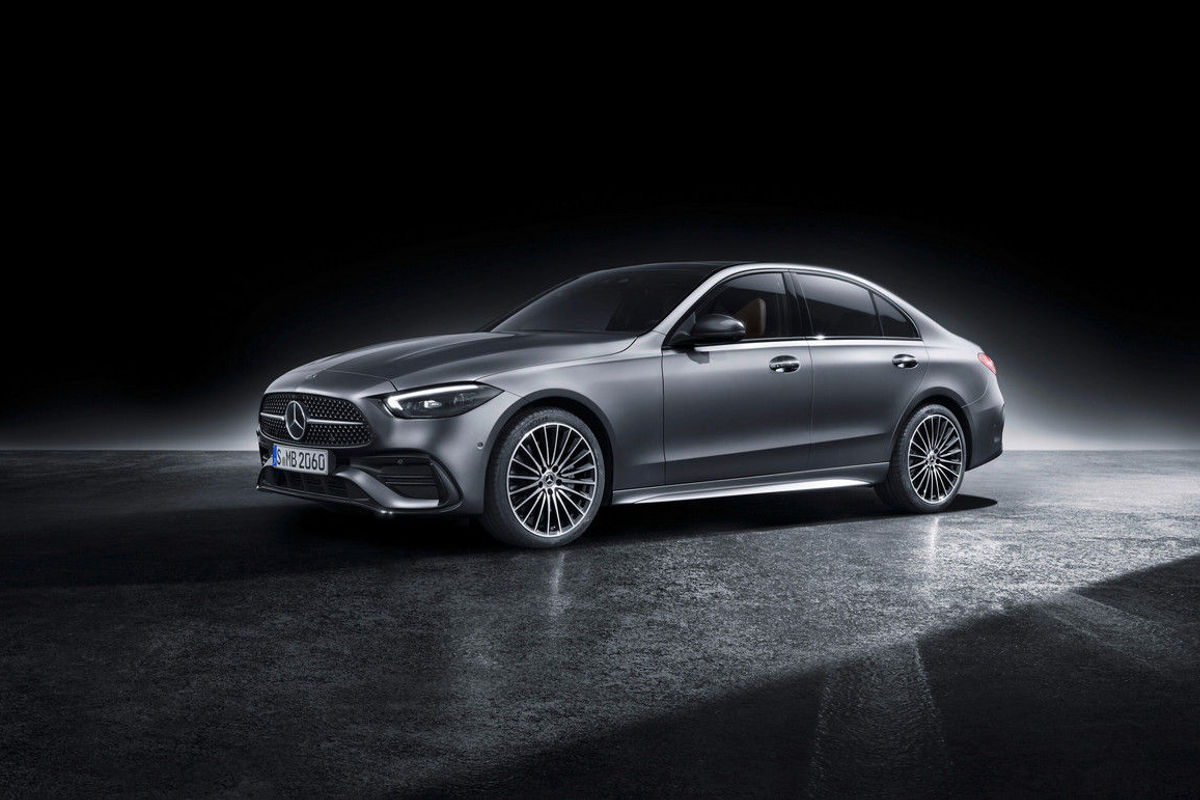
The business-class sedan segment may be declining in South Africa, but the C-Class is still Mercedes-Benz’s best-selling model globally. Besides, a new C-Class means there’s a new platform that will underpin numerous ‘Benz products, including SUVs. We’ve had a chance to drive the new sedan in the Cape Winelands.
What’s new for the C-Class?
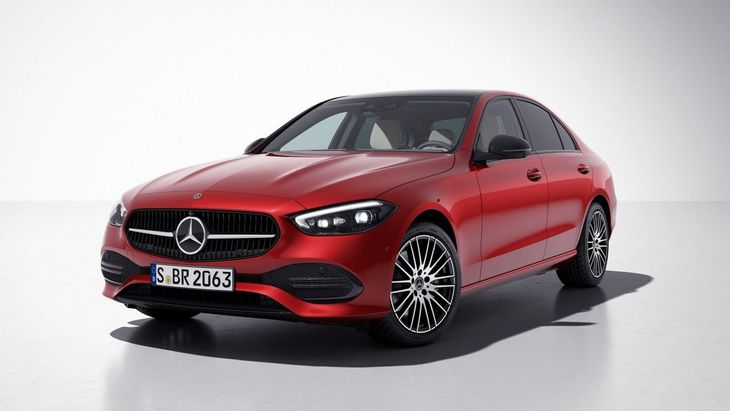
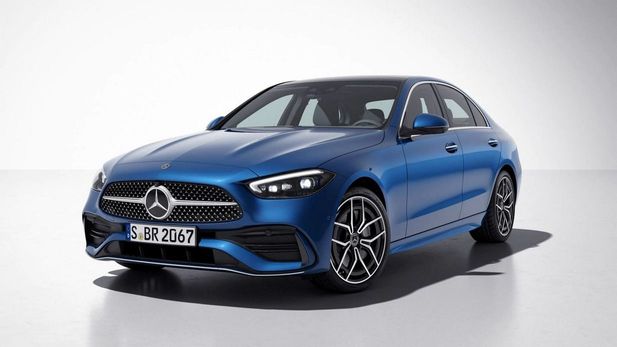
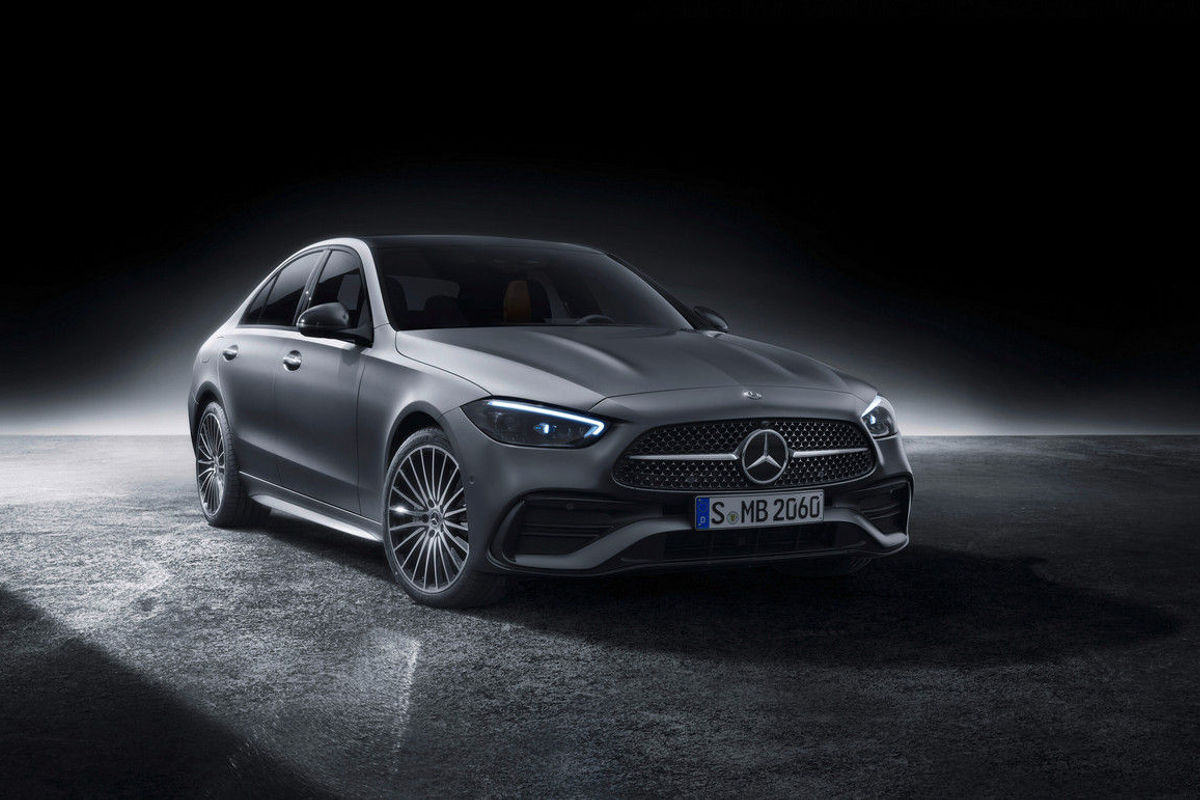
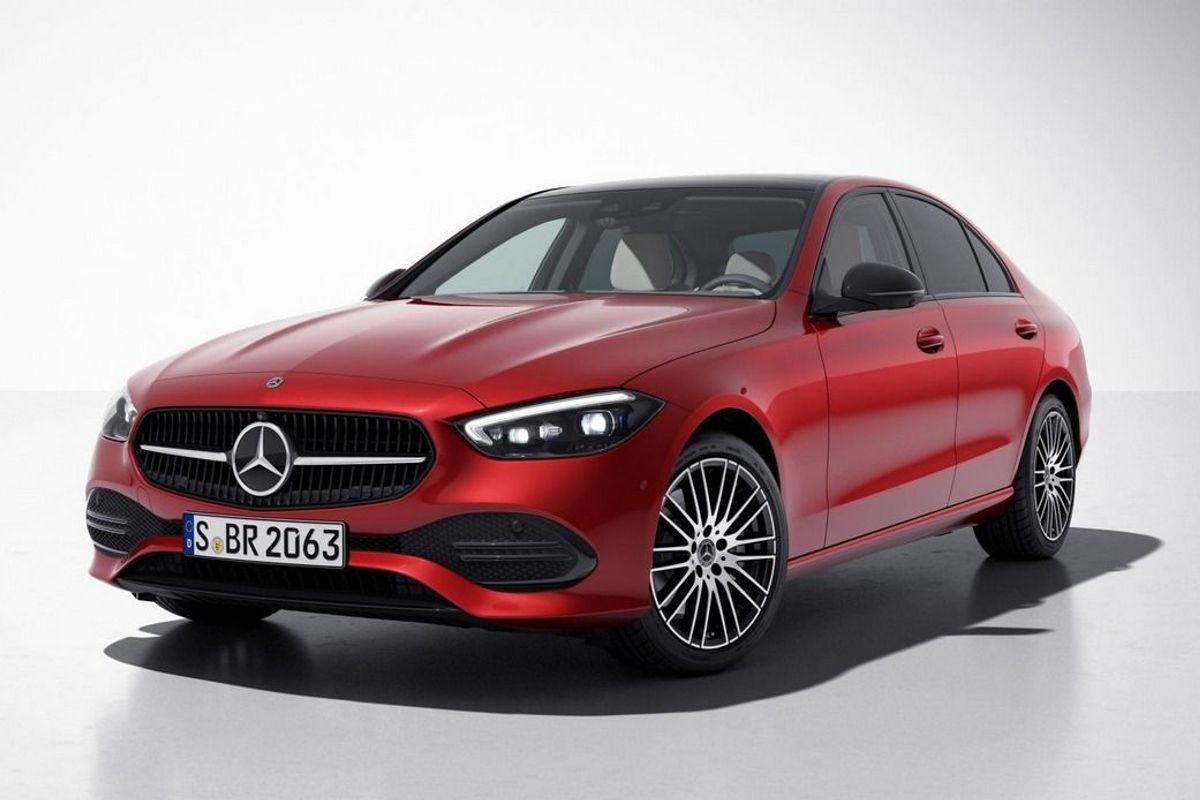
Avantgarde is now the entry-level trim for the C-Class range and features a different front-end treatment.
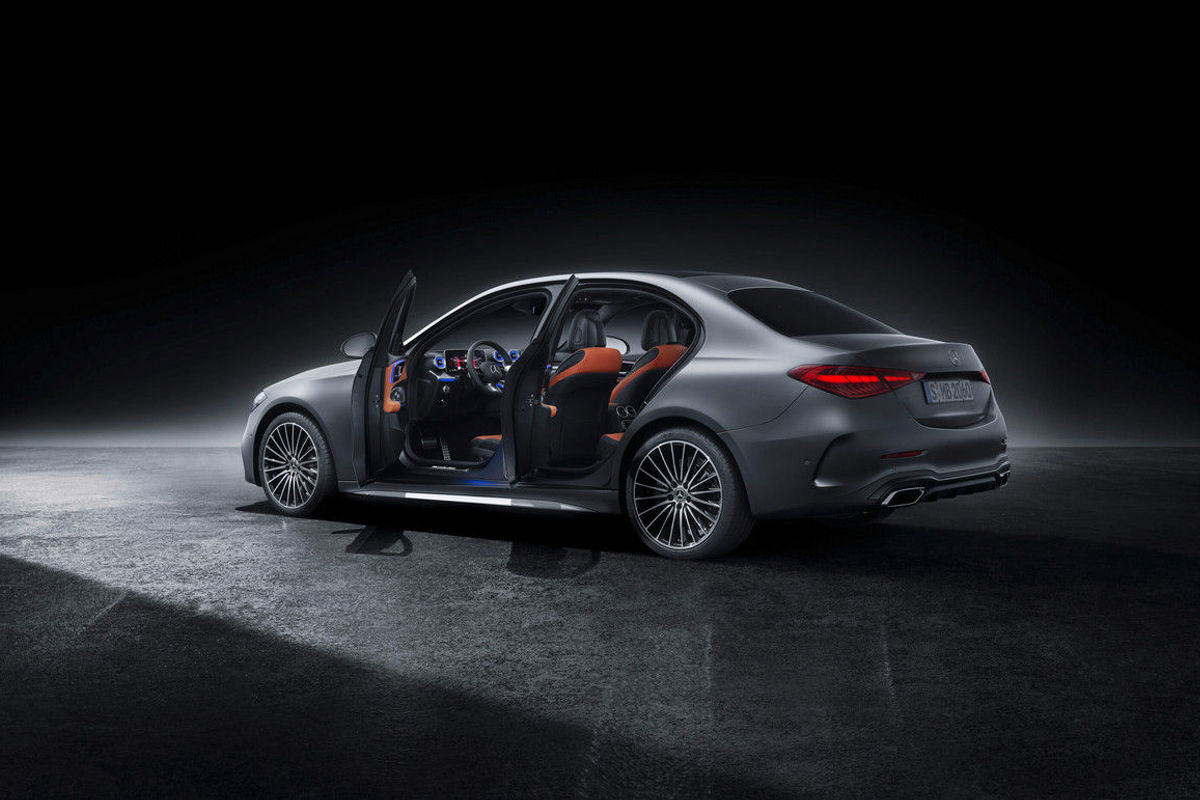
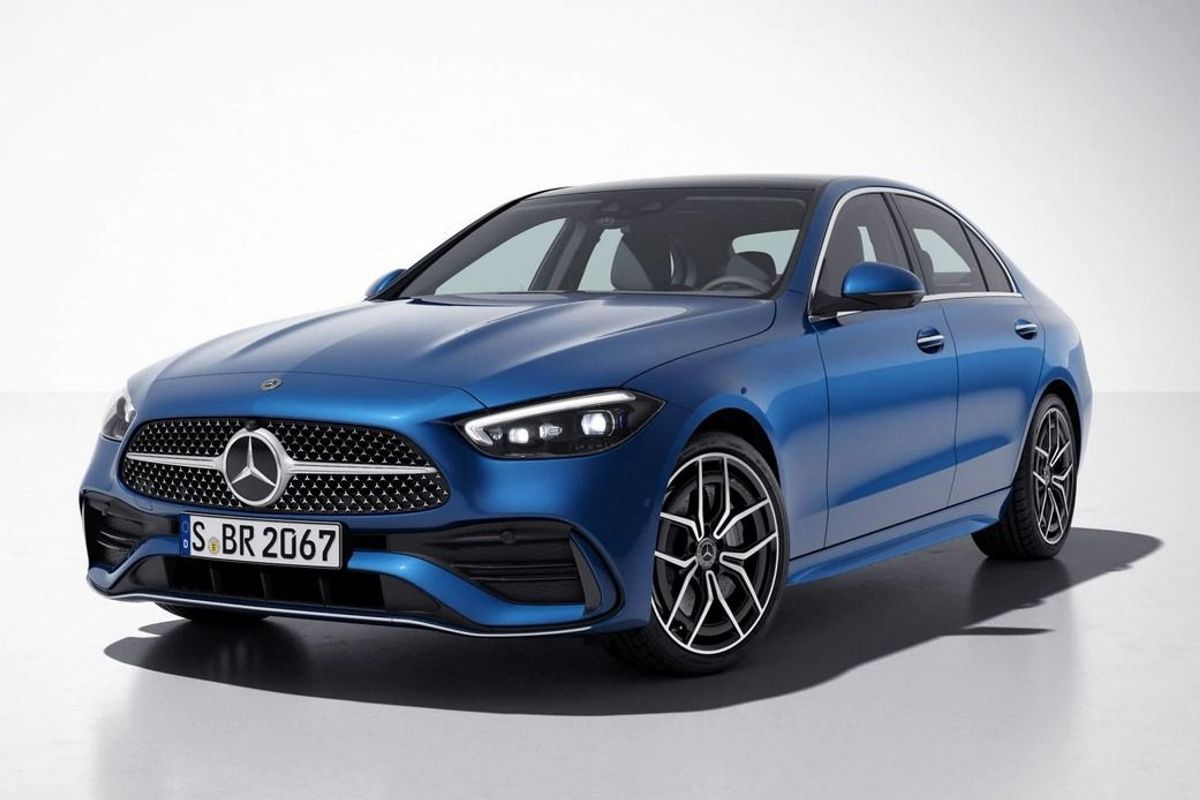
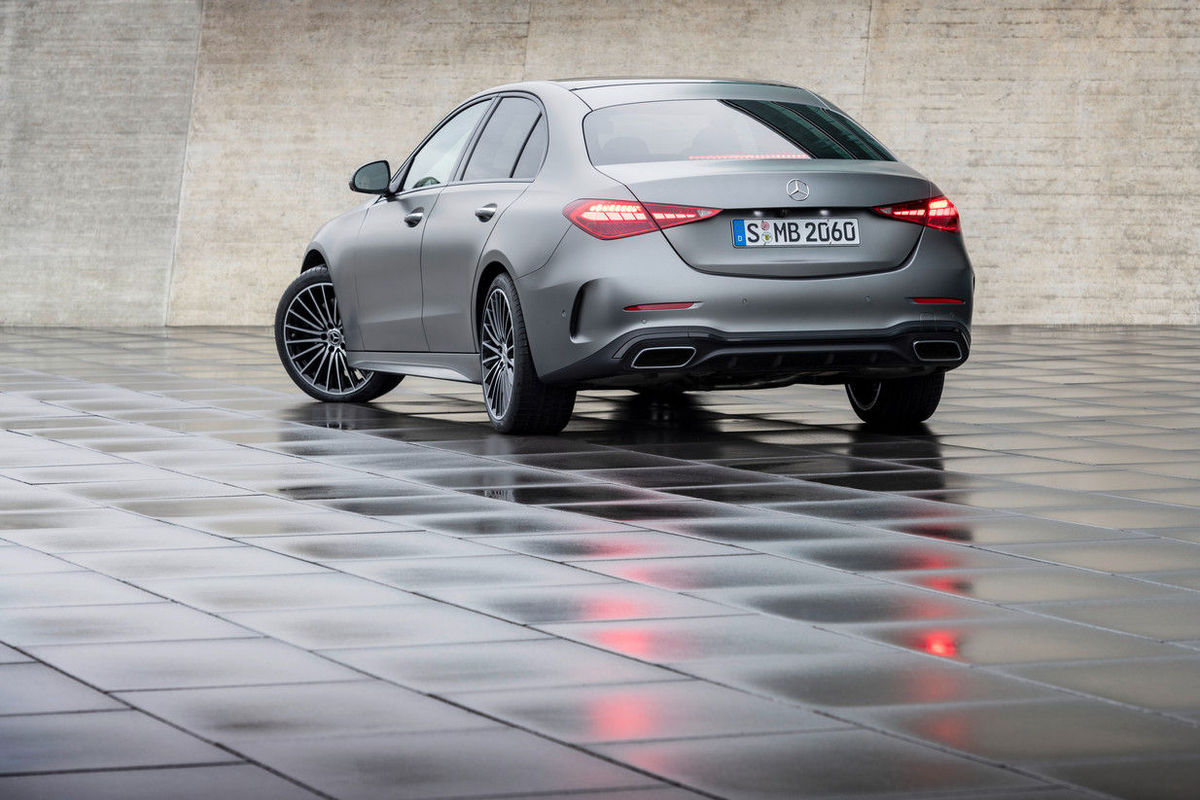
The new model’s chassis is carried over from the previous-generation sedan, but Mercedes-Benz promises that nearly every part of the W206-generation C-Class has been improved or altered to increase its appeal. The sedan is longer, wider and lower than the outgoing model. The wheelbase has been lengthened by 25mm to create additional passenger space, especially for rear occupants.
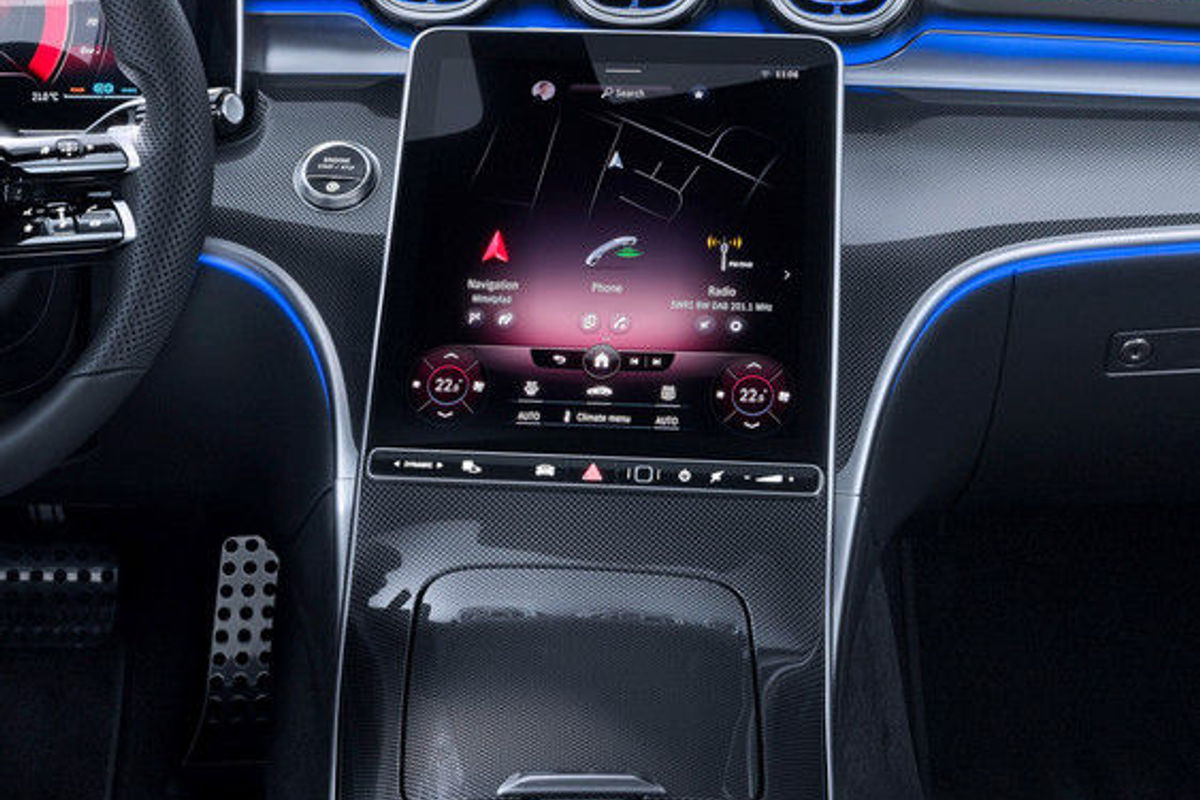
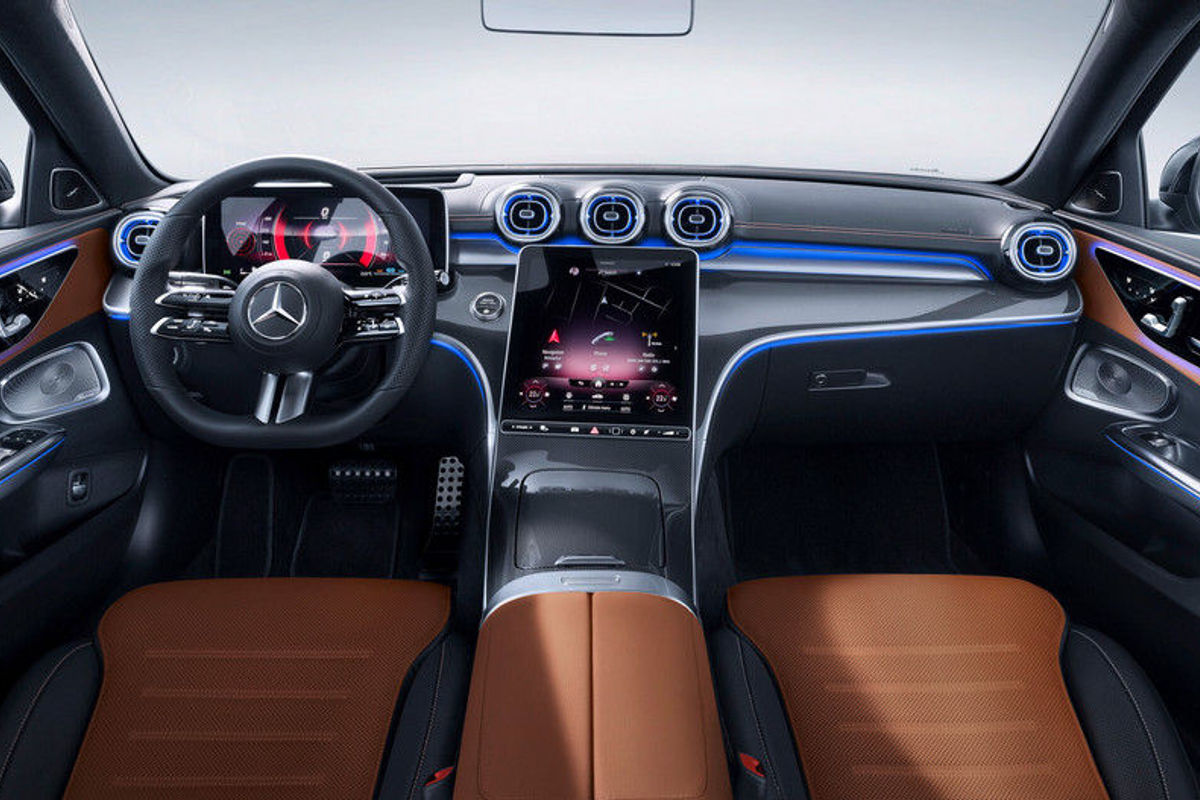
The Three-pointed Star’s focus for this car was to make it as much of a “baby S-Class” as it could be and, as a result, the new C-Class’ exterior and interior executions incorporate a plethora of cues of the grand saloon’s design. The interior features a new vertical infotainment screen and an all-digital instrument panel – they’re elements that embody Mercedes-Benz SA’s bid to push the C-Class even further upmarket. The Classic entry version has been dropped from the range, so the local lineup starts with the Avantgarde trim line and tops out with the AMG Line, both of which can be loaded with options.
The new C-Class also introduces rear-wheel steering, which aids cornering at slow speeds and stability at high speeds.
The local engine line-up
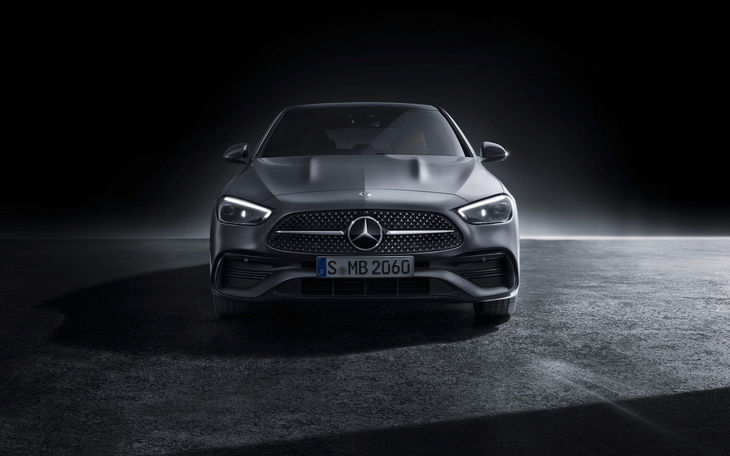
More engines will be added to the range, but currently, the C200 and C220d make up the range.
Right now, the range’s lineup comprises the C200 turbopetrol and C220d -diesel. Both engines are fitted with a 48V electrical system that operates an electric motor capable of adding 15 kW and 200 Nm to the outputs. The electric motor takes over functions such as gliding (something that used to be done by decoupling the motor and transmission); the new setup sees the engine shut off (when coasting), after which the electric motor takes over. There’s a readout on the instrument cluster that tells you how many kilometres and how long you’ve used the electric motor only (if you want to track its effectiveness).
Of the two ICE motors, the 147 kW/440 Nm turbodiesel is the one to have. Combined with an incredible 9-speed auto transmission that shifts intuitively and seamlessly, it provides a better driving experience and, paradoxically, the C220d has a smoother powertrain. The extra torque gives it that added punch from low rpm and saves the ‘box from having to shift down another ratio to deliver urgent acceleration.
If you do a lot of cruising on the freeway, this engine should help you save a lot of money at the pumps. I averaged 3.9 L/100 km for the first 10 km of my trip where we were cruising behind traffic at speeds of between 60- and 100 kph. After 280 km of mountain passes and back roads (at a decent lick) it still indicated an average consumption figure of under 7L/100 km (compared with the petrol’s 9.5 L/100 km).
The turbopetrol engine, meanwhile, is a 1.5-litre unit that delivers 150 kW and 300 Nm of torque. A small-capacity engine like this doesn’t exactly conjure up images of premium power delivery and nonchalant overtaking prowess, but it does deliver enough poke to warrant its 3-pointed badge on the bonnet. It has a surprising turn of speed when tasked to perform quick overtakes, but lacks a little bit of oomph when it needs to ascend steeper inclines. When downshifting, it often needs an extra shift to deliver the power you want from it, but, as an entry point to the C-Class range, it performs adequately.
What’s the C-Class like to drive?
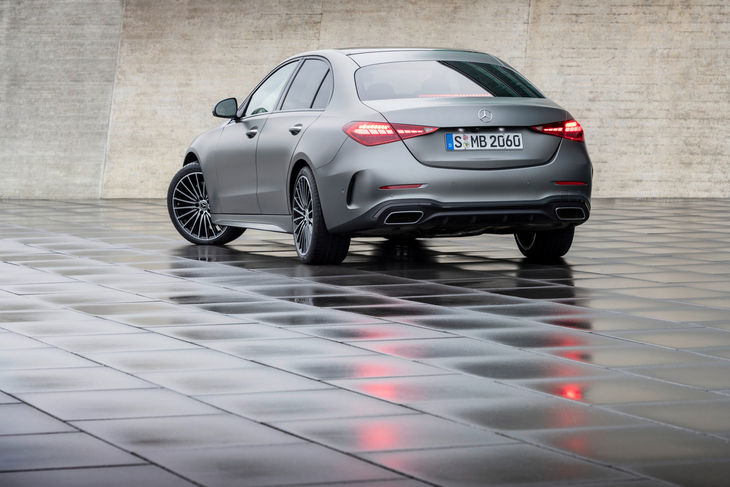
With a lower centre of gravity and rear-wheel steering, the C-Class is more dynamic than its predecessor.
The previous-gen C-Class was all about comfort. Whereas BMW and Alfa Romeo pushed the boundaries of dynamic handling ability, Mercedes-Benz stuck to its guns and produced the most comfortable sedan it could. The new model, however, seems to look for the perfect balance of comfort and athleticism. A lower stance and rear-wheel steering endow the C-Class with more dynamism than it’s ever had.
We drove the ‘Benz on a multitude of mountain passes and it proved to be much more confident (compared with its predecessor) in that setting. The improvement starts with the steering, which seems faster but also better-weighted and precise. If you toggle the drive mode to Sport or Sport Plus, the steering weights up further, but even in Normal, there’s a nice balance and heft to twirling the ‘wheel.
I like to sit low in a car – my first seat adjustment is to get the seat into its lowest position and, when you do that in the C-Class, it feels almost “sportscar low”, which no doubt helps with the centre of gravity.
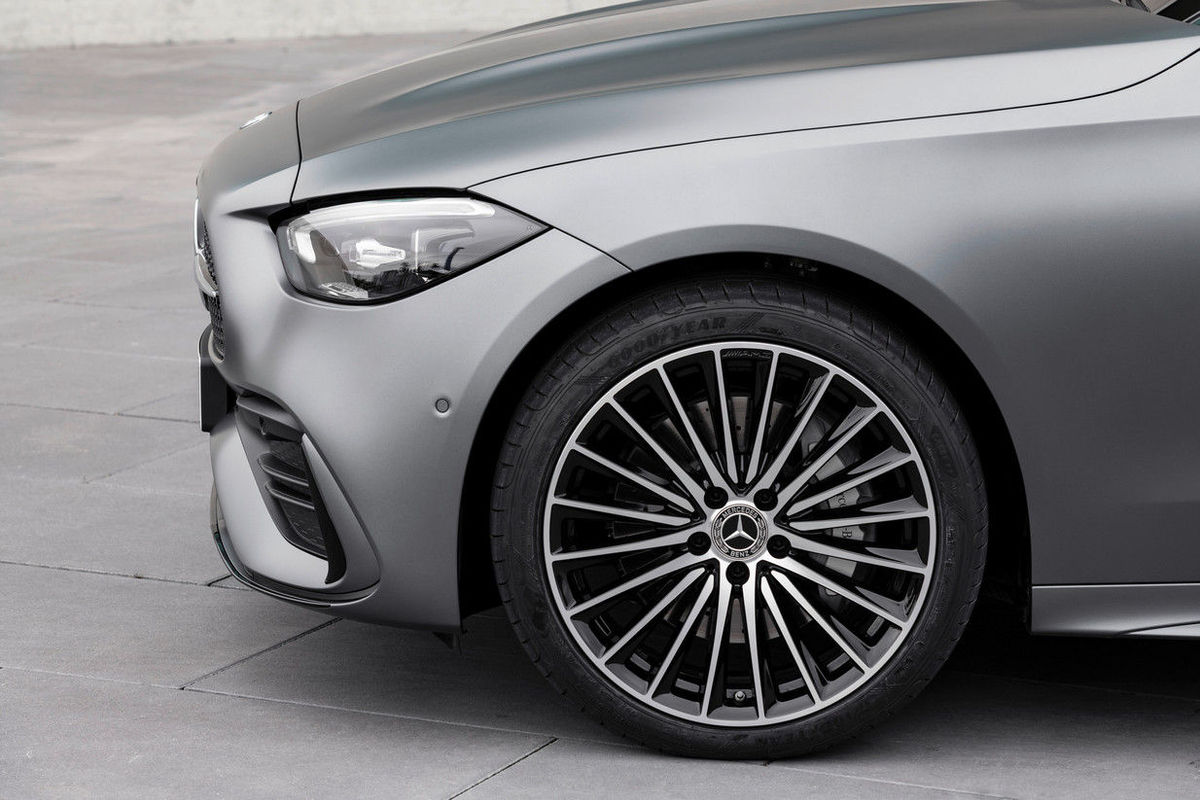
The Du Toitskloof Pass, which uses a more, shall we say, winding section of asphalt to get over the mountains behind Paarl, is a bumpy road with little in the way of camber to help you keep a car well-planted on terra firma. I found the C-Class settled really quickly after bumps, which inspired confidence to pile on more pace. The lower-profile tyres don’t really enjoy broken-up roads and, as a result, the ride quality can be rather firm when the Mercedes-Benz traverses harsh cracks or holes in the road, but, on most freeways or main roads, the comfort level is good.
If you’re not carving up a mountain pass and just hoping to get from one destination to another in luxury, the new C-Class is quiet inside and still produces segment-leading levels of in-car comfort. On long trips, you hardly need to move a finger to keep the Benz’s tiller centred in the road… even when the Western Cape’s notorious crosswind gusts are doing their worst to push the Teutonic sedan off course.
Is the new interior high tech?
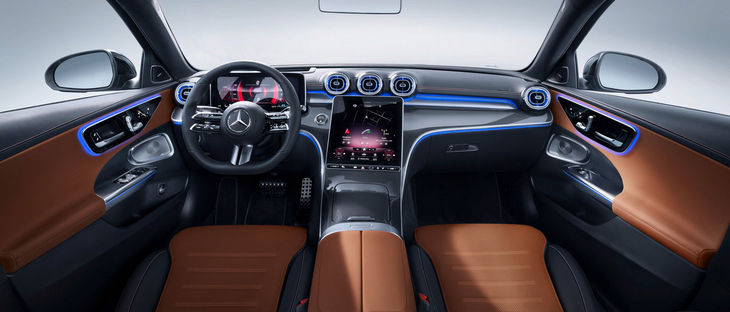
Almost a perfect clone of the S-Class… save for the steering wheel and air-vent designs.
Following on with the theme of “baby S-Class”, the interior of the new C-Class looks like a shrunken copy of its big brother’s cabin, with the addition of round air vents and more spokes on the steering wheel. It also features the 2nd-generation MBUX software for the infotainment screen, which is standard across the range (it measures 30.2cm diagonally). The display is crisp and high-res and the system performs functions quickly, as a modern tablet would. Your climate controls are stored on the bottom of the screen for quick adjustments and just below that is a row of conventional buttons that includes the new fingerprint scanner. This scanner will load a user profile associated with the ‘print and load up favourite screen displays, recent destinations and even your electric-seat position and steering settings.
The infotainment system is Apple Carplay and Android Auto compatible with wireless connectivity options, plus a charging dock is located in the central tunnel. You can also spec multiple USB-C points in the front and rear if you wish. Over-the-air updates are now available to ensure that your ‘Benz gets the latest functionality as soon as it becomes available. Updates have also been made to the safety systems and the semi-autonomous driving tech; they now intervene in a less intrusive manner. Suffice to say Mercedes will continue to develop and refine functions and implement them via internet downloads.
While the interior is a technological marvel, the build quality lets the overall product down, unfortunately. The leather at the front of the dash and on the door trims and seats is of sufficient quality and stitched neatly, but the hard plastic surfaces in the cabin lack that same premium touch. The centre console is made to look like carbon but when you touch it, it creaks like plastic (well, because it is made of plastic) and the surround of the centre tunnel is scratchier than you’d expect from a product wearing a Mercedes-Benz badge.
Mercedes-Benz C-Class pricing
Only the C200 and the C220d are on sale at the moment, but Mercedes-Benz South Africa plans to introduce the C43 later this year and the AMG C63 in early 2023.
| Mercedes-Benz C200 Avantgarde | R857 280 |
| Mercedes-Benz C200 AMG Line | R911 280 |
| Mercedes-Benz C220d Avantgarde | R911 812 |
| Mercedes-Benz C220d AMG Line | R965 812 |
| Mercedes-Benz C200 Edition 6 | R917 380 |
For a full list of the specs, check out our specs and pricing article here
Summary
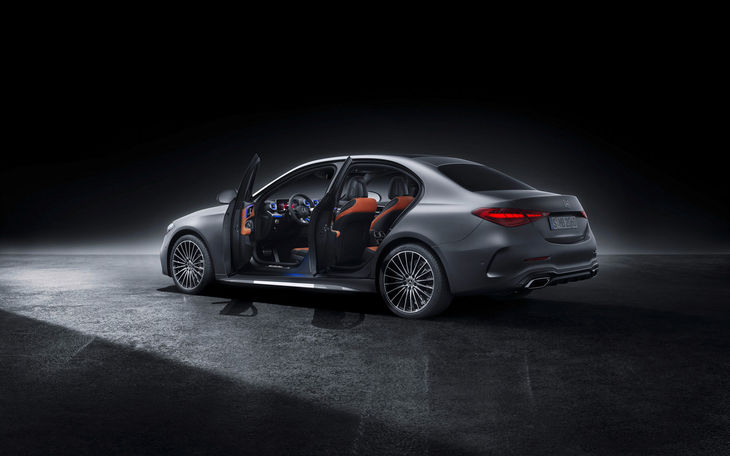
Will the sedan segment prove surprisingly resilient throughout the life-cycle of the new C-Class? We hope so.
The new Mercedes-Benz C-Class has certainly lifted its game in terms of dynamic driving ability and technological advancements. Indeed, it is the baby S-Class that it is purported to be, but there are certain areas where you can see the luxury levels aren’t quite up there with those of its vaunted first-class sibling – which one should probably expect, given the chasm in pricing between the two models.
The engines and 9-speed automatic transmission are highlights of the package. The C220d is a peach – it outperforms its petrol-powered sibling in terms of performance and efficiency. The price point has certainly been raised with this generation of C-Class, but so has the driving refinement. We’ll just have to see whether the sedan will still be a popular choice once it has spawned a new range of SUVs…
Ashley Oldfield

Ashley has been riding or driving some sort of motorised vehicle since his 4th birthday when he got a Yamaha PW50. Equipped with years of racing experience, Ashley took up journalism and became a writer for some of South Africa’s best motoring magazines and online publications. He is SA’s first (and only) GT Academy winner having raced professionally overseas. He now serves as the Content Manager at Cars.co.za, putting his wealth of racing and driving experience to good use.