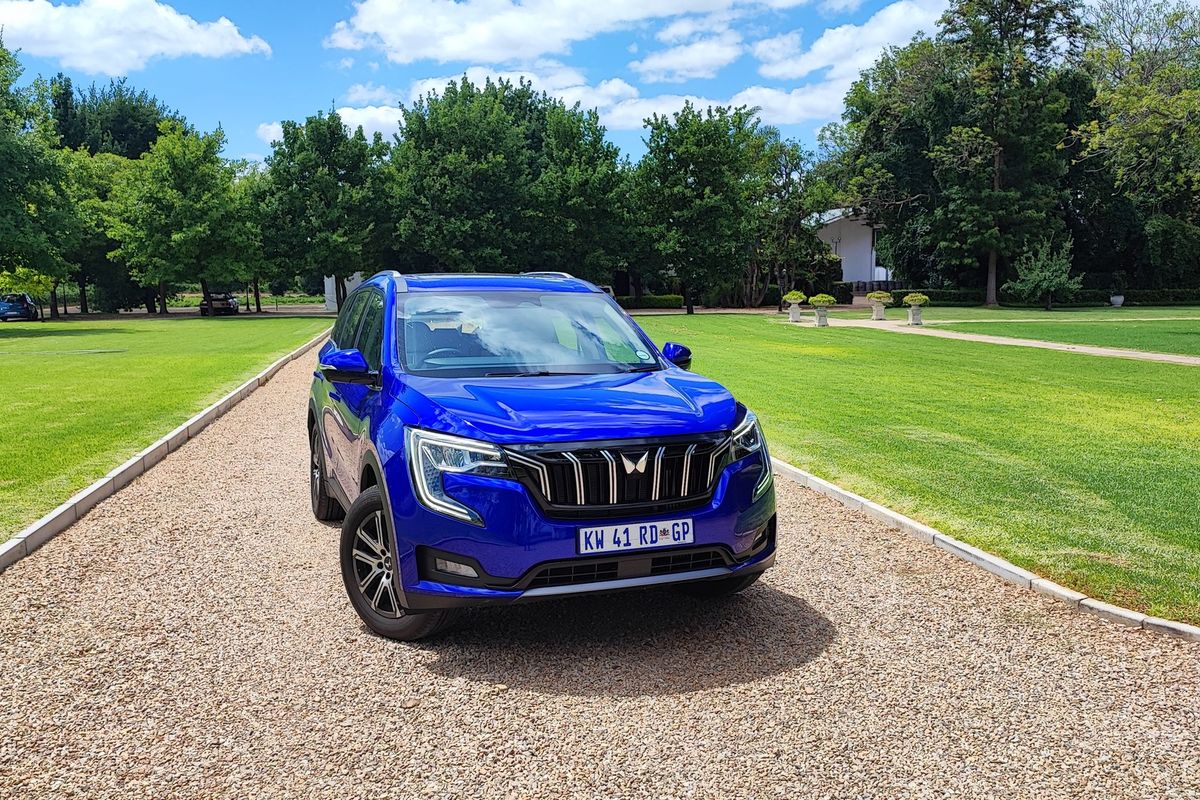
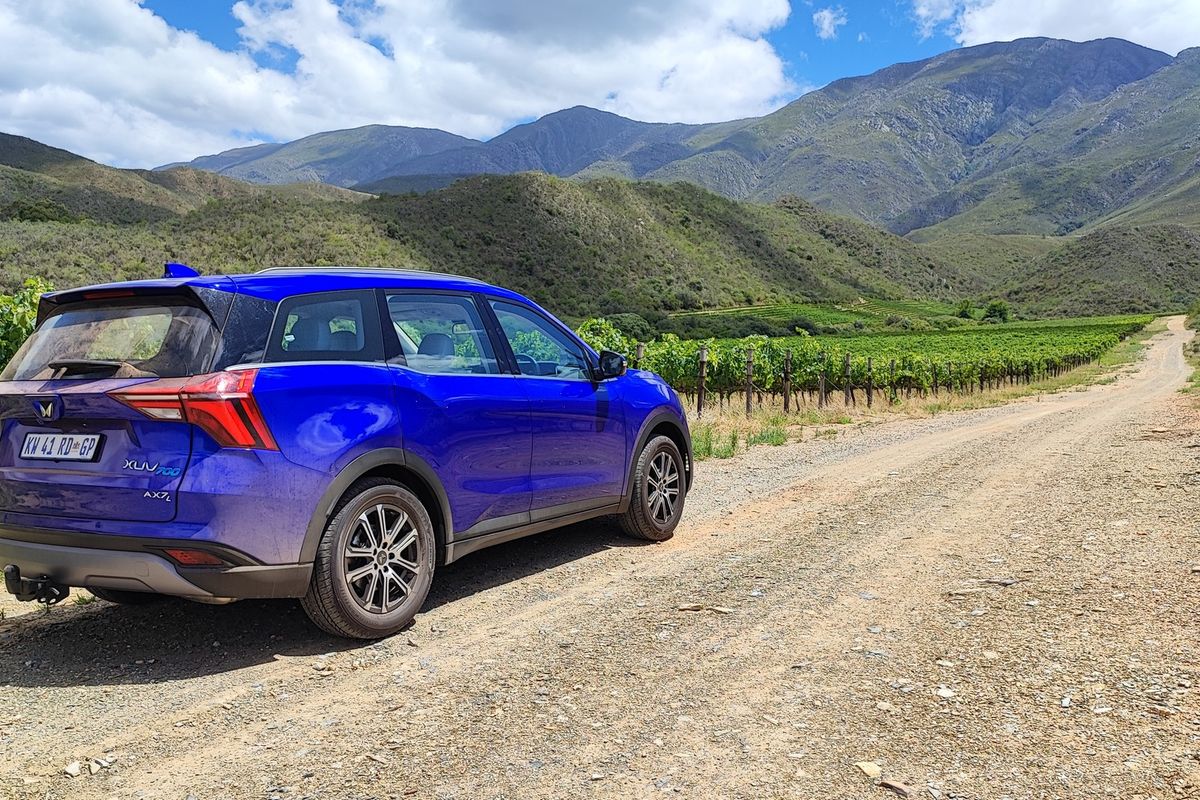
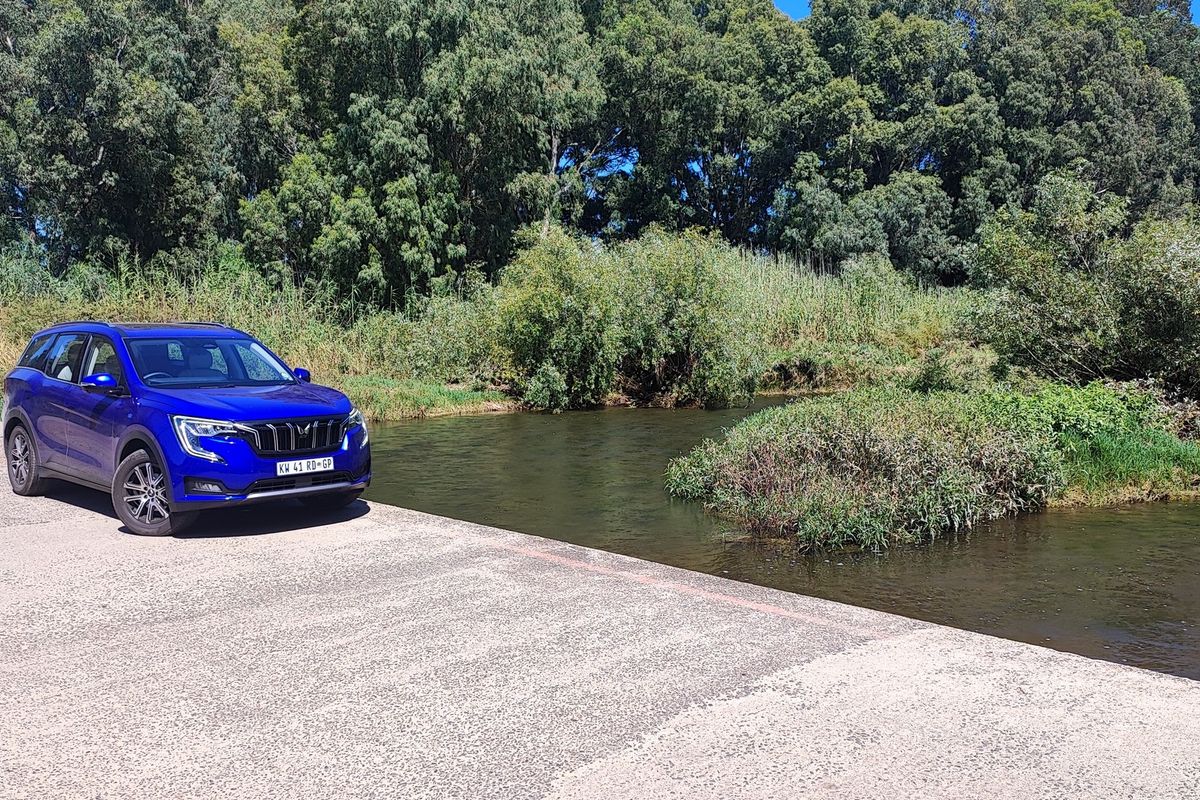
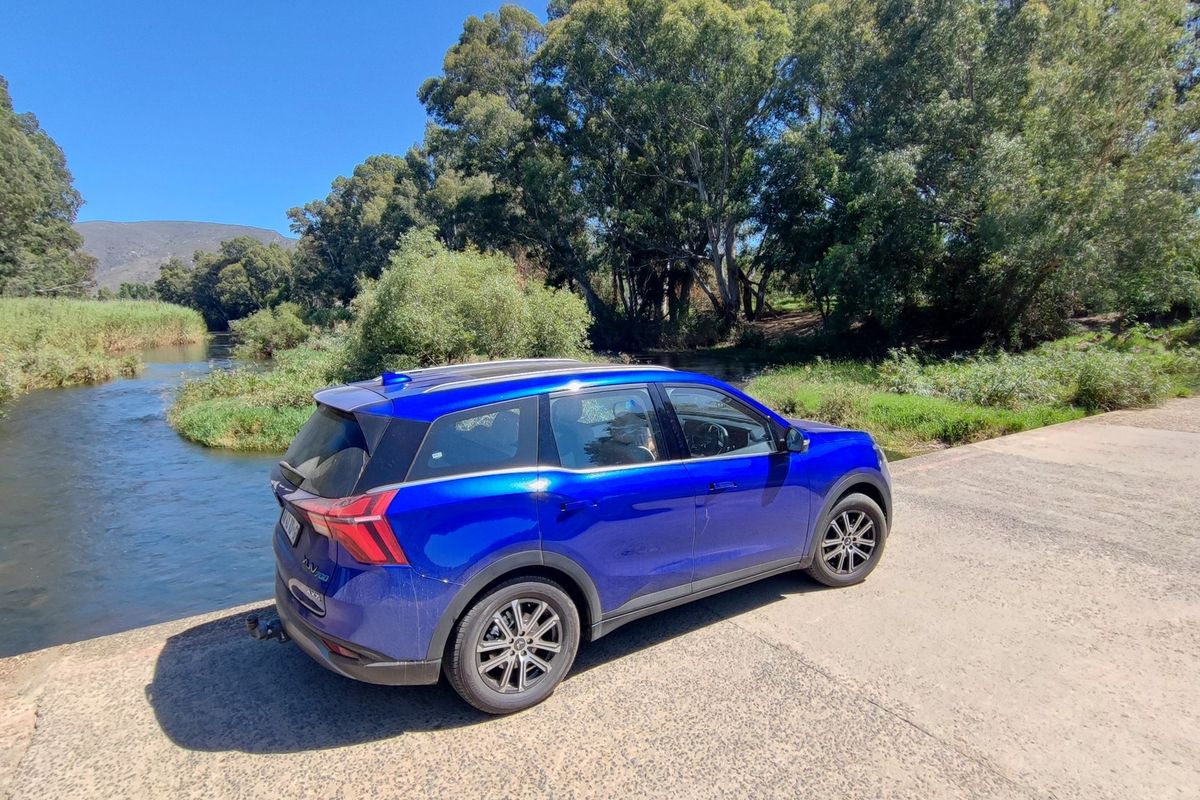
Mahindra’s new medium SUV – the XUV700 – joined our fleet just before the recent end-of-year break. Is the fresh offering from the brand any good? Let’s hit the road.
The best thing about conducting an extended test is that it provides an opportunity to form a more in-depth understanding (and, sometimes, appreciation) of a new model. Our usual 10-14 day tests are quite thorough, but because all testers need to have a chance to drive test cars during the rest of the year, individuals may not necessarily get enough seat time to notice all of a vehicle’s quirks and talents.
While most motoring journalists prefer to test products from established brands (so that they can have benchmarks on which to base their evaluations), I chose to veer off the established path this year and sampled the new Mahindra instead. Due to calendar clashes, we were unable to attend the local debut of the XUV700, but, when I had a small taste of a homologation unit of the model back in July 2022, I was quietly impressed with it. December, then, proved the perfect opportunity to assess the newcomer.
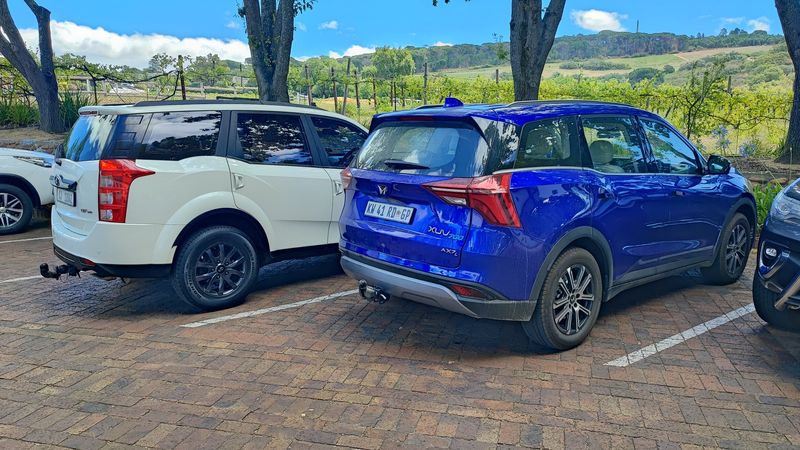
The middling and (not to be too unkind) plain-Jane Mahindra SUV range from years ago is gone; it has been replaced by a line-up of thoroughly modern, well-equipped and nicely finished family cars. The Indian brand is on the up; first, it launched the underrated XUV300 (one of the safest models in its class) and now the XUV700. Clearly, Mahindra, which recently adopted a new logo, has done something right – the XUV700 has been voted Car of the Year in its home country, where the waiting list for one is long.
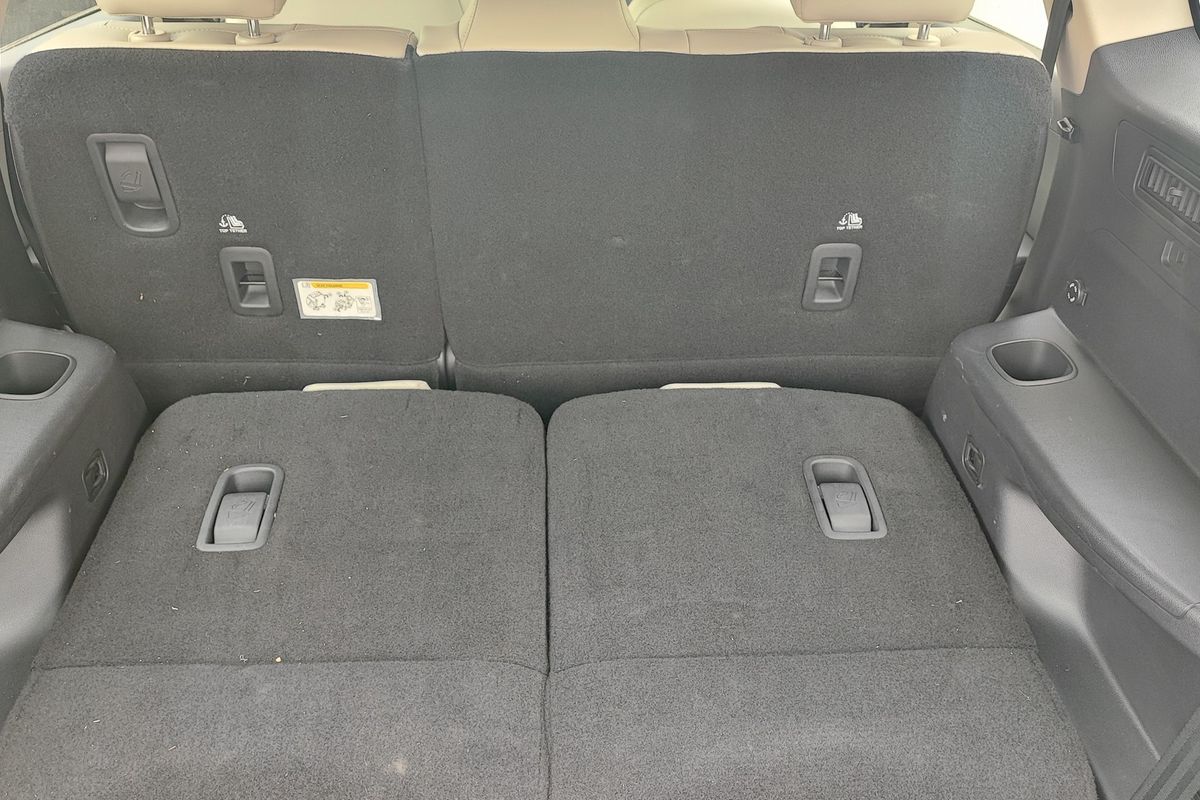
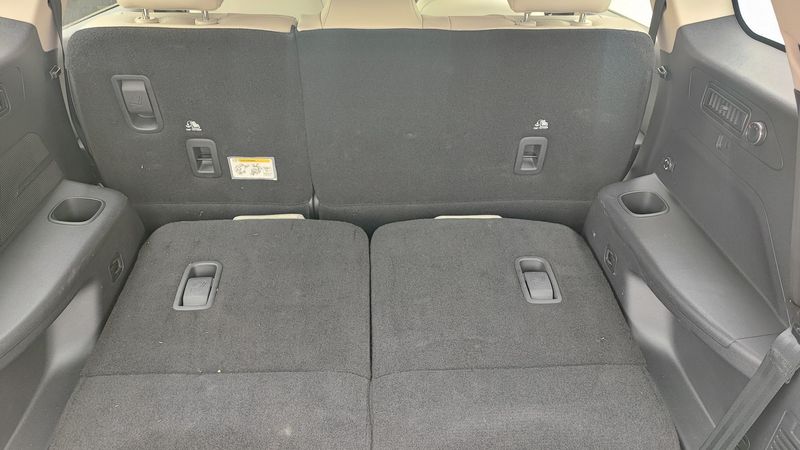
There are 3 derivatives in the XUV700 range and our test unit was the top-of-the-range 2.0T AX7 L. The entry point to the new range is a 5-seater, with the middle and top versions being 7-seaters. Like virtually all medium SUVs that offer 3rd-row accommodation, the Mahindra’s luggage space is limited when all seats are in use. Fortunately, we didn’t need to utilise the additional seats, so they stayed folded flat.
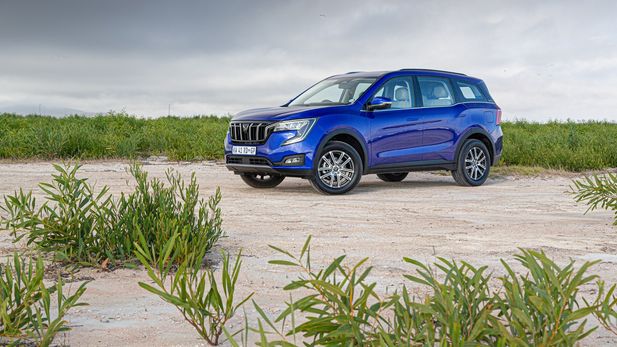
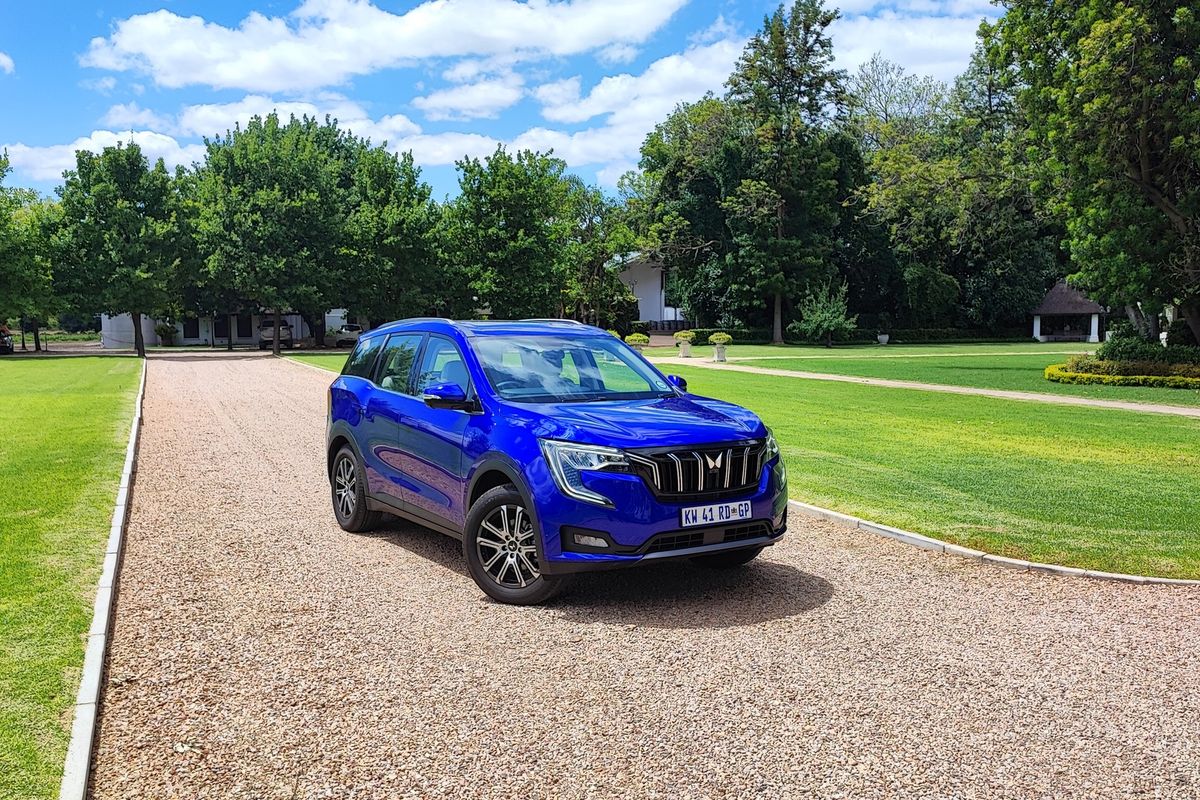
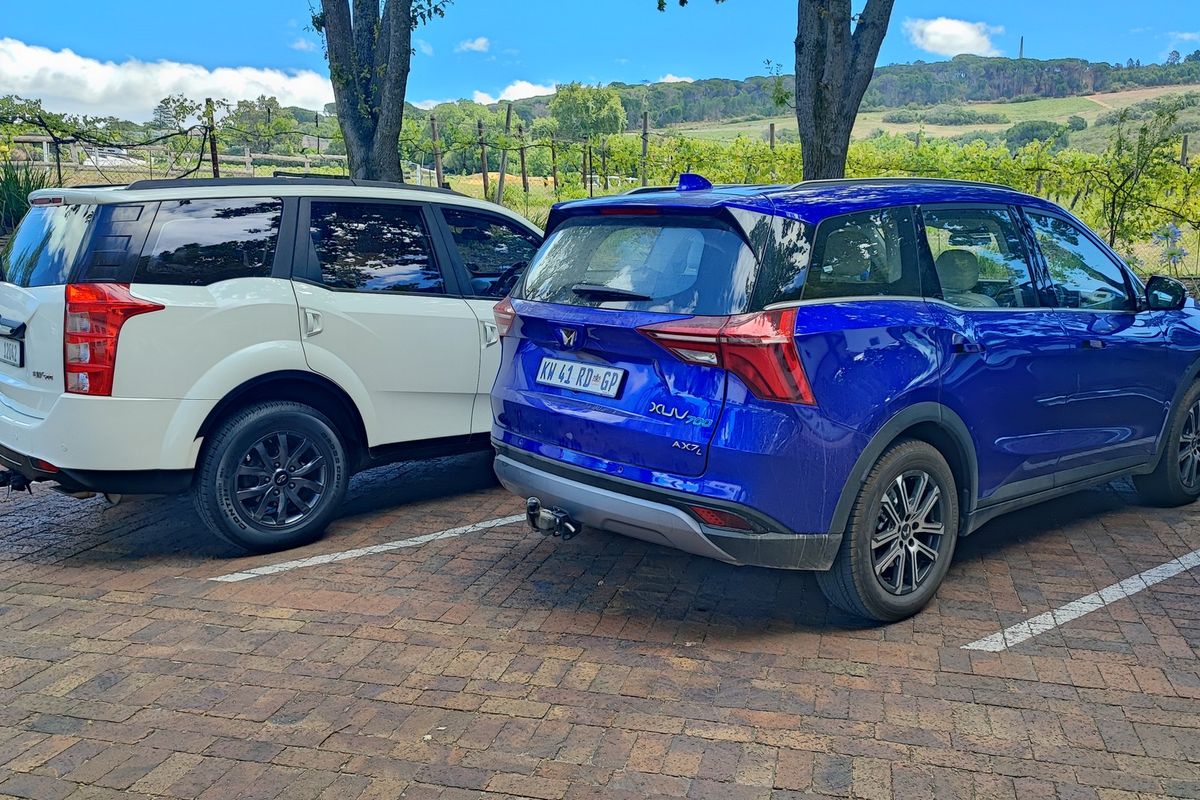
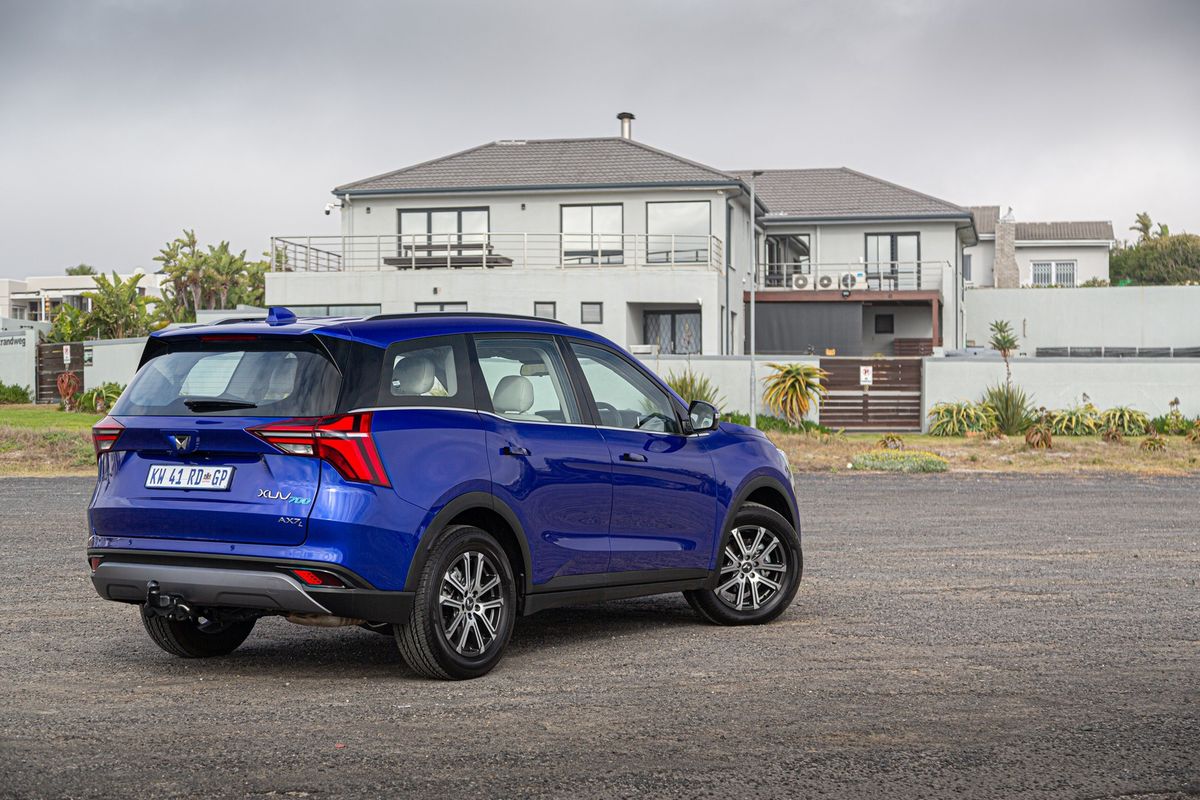
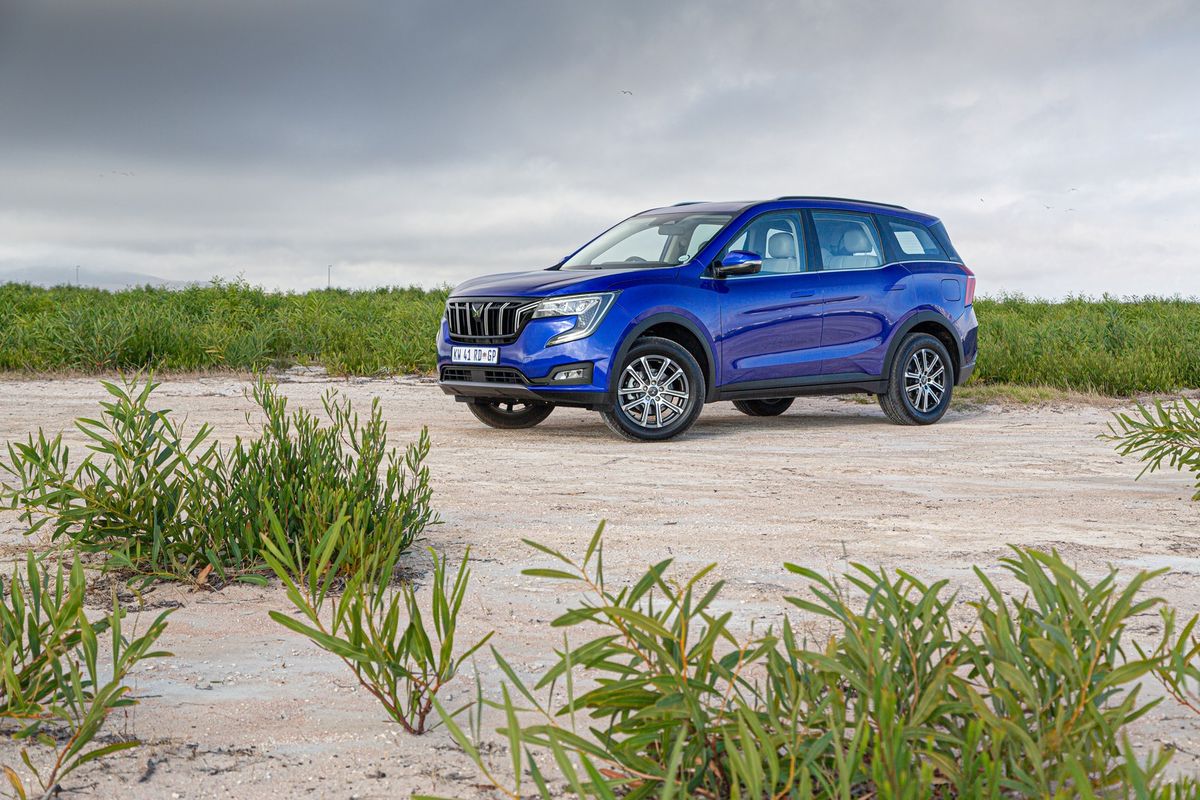
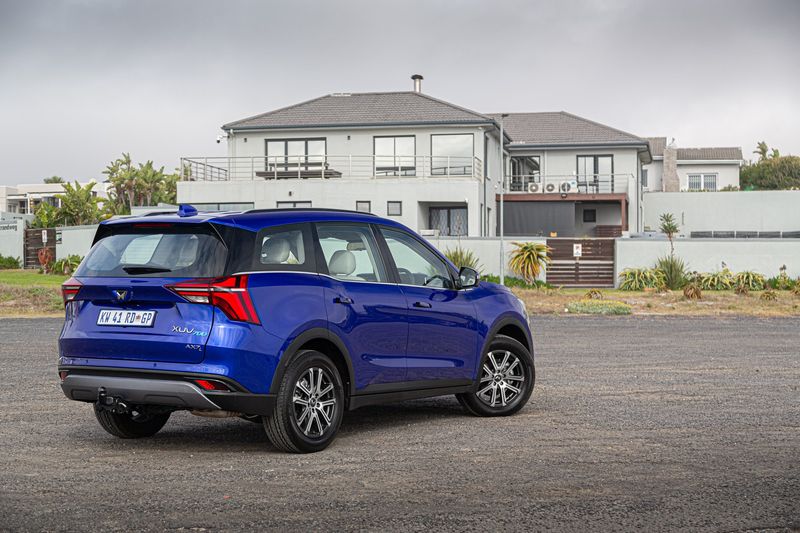
Our test unit (finished in the signature Electric Blue hue), ticked many boxes in the design stakes. The XUV700 features a variety of contemporary visual elements, such as bold – and bright – daytime running lights, sweeping LED indicators, attractive wheels, flush-fitting door handles and wrap-around tail lamps.
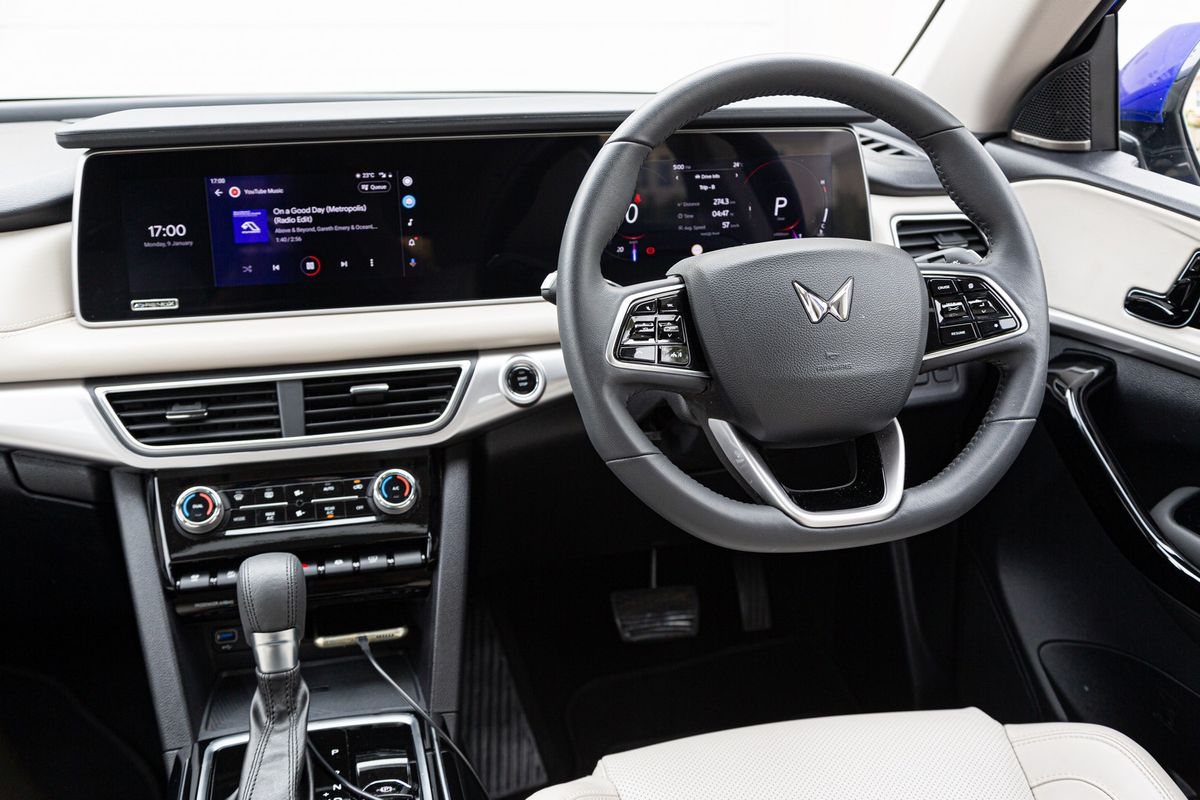
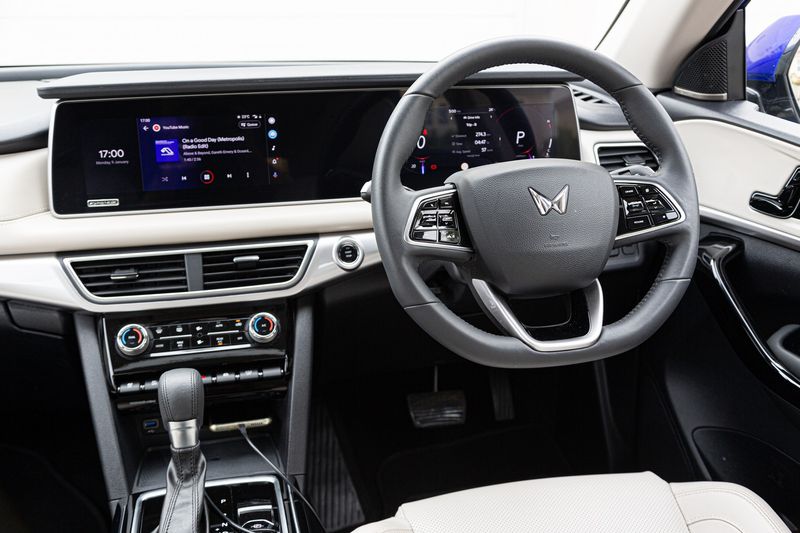
When you step inside, you’ll soon discover that the cabin’s visual appeal and build quality represent a huge leap forward for Mahindra products. Gone are the days when cheap-feeling scratchy and poorly-fitting plastics, and the overwhelming smell of adhesive, dominated the ambience. The interior has a reassuring solidity and it has all the gadgets and gizmos you’d expect at the price (just over R550k).
3 Things To Like about the Mahindra XUV700
Powertrain
The headline act is the new 2.0-litre 4-cylinder turbopetrol engine, which is nicely matched with a 6-speed automatic transmission. The powertrain’s peak outputs (149 kW and 380 Nm) translate into effortless performance, both from a standstill and in gear (it produces brisk overtaking acceleration). The ‘box’s mapping software is intuitive enough to know when to kick down and when to hold onto gears.
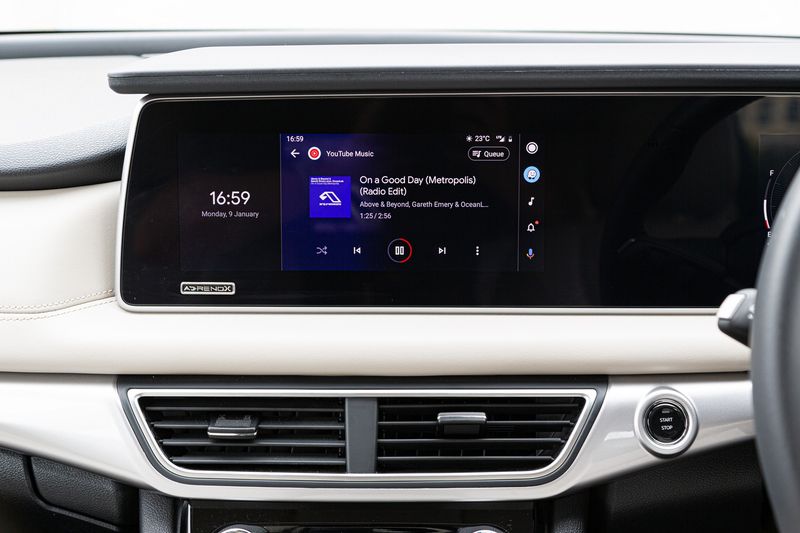
No official performance figures are stated for the XUV700, but our test equipment revealed that 0-100 kph was dispatched in just 9.28 sec; it confirmed our suspicion that the model’s quicker than expected.
But this is not what the XUV700 is about. Instead, you (like me) will be impressed with just how quiet the model’s powertrain is at the national limit. It’s a pity the tyres generate notable noise when they traverse coarser road surfaces, but the grumbling can be easily drowned out by the excellent Sony audio system.
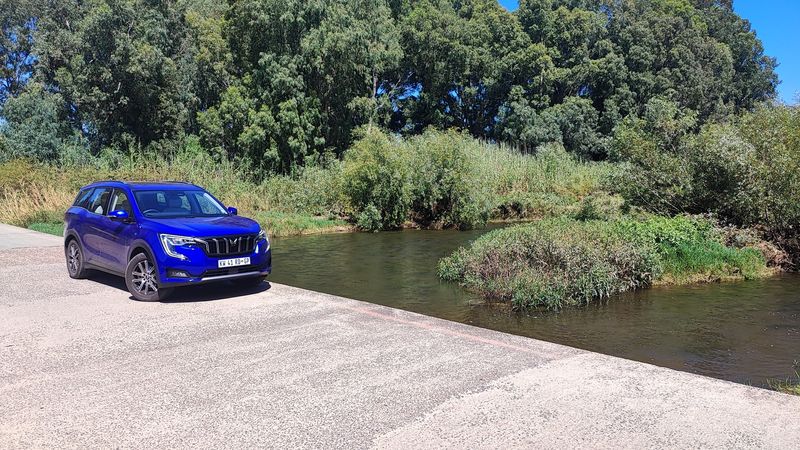
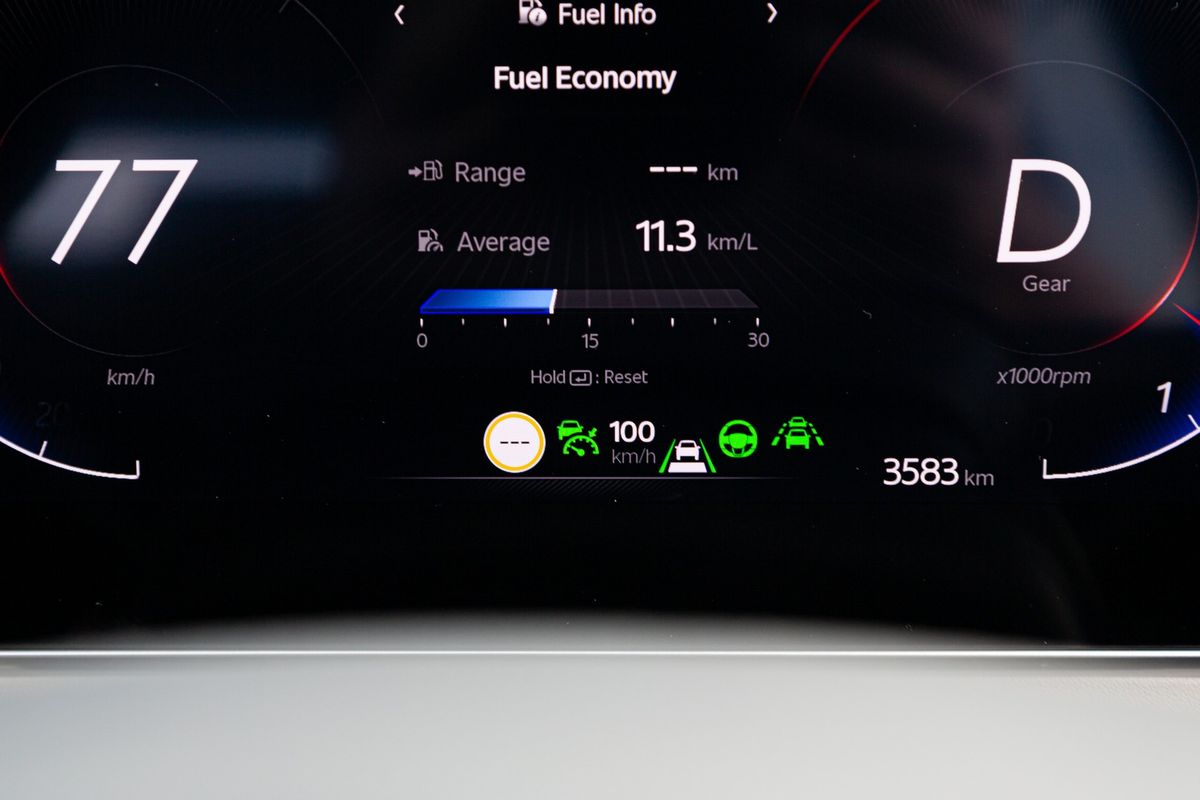
The vehicle arrived with the trip computer readout at 9.8 km/L (10.2 L/100 km) and after our long, open-road journey out to the magnificent Breedekloof Valley, the Mahindra indicated 12.1 km/l (8.2 L/100 km). Yes, the consumption does appear to be a bit heavy, but the XUV700 does offer punchy performance, plus it tips the scales at 1960 kg – so, that’s acceptable in my book. The vehicle has a 60-litre fuel tank.
Sadly, there’s no diesel engine in the local XUV700 line-up, but Mahindra will be launching an off-road-biased variant of this vehicle (the Scorpio-N) later this year; that should include a turbodiesel derivative.
Comfort and Practicality
In our line of work, we get to drive almost every new model from each brand in the market and my wife definitely raised her eyebrows when I announced the new XUV700 would be our chariot throughout the December holiday. See, her last taste of the brand came with the Mahindra Quanto in 2015, which, well, failed to impress her. After the first hour of travelling in the XUV700, however, she exclaimed: “It’s SO comfortable” and “this aircon is saving my actual life” (the temperature reached a baking 35°C at one point).
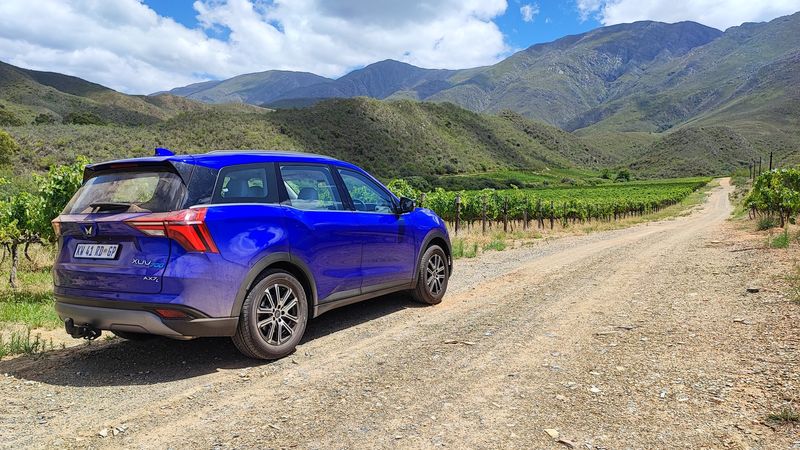
The quality of the seats is excellent – they’re neatly trimmed and offer plenty of support; once you have found your ideal driving position, you’ll be hard-pressed to think of a medium SUV (yes, from mainstream brands) that is as comfortable and well-thought-out at this price point. Drawbacks? Well, the steering feels extremely light and it’s not the sharpest (most accurate). While this is a bonus within the confines of a tight parking lot or a narrow street, we often needed to make tiny steering inputs on the open road.
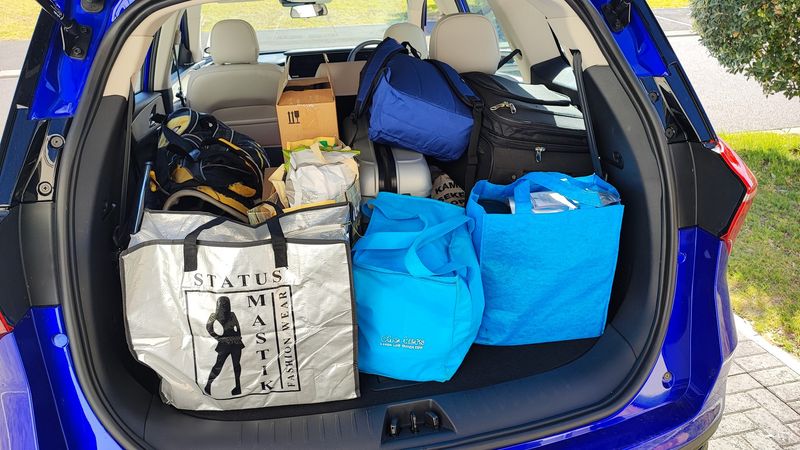
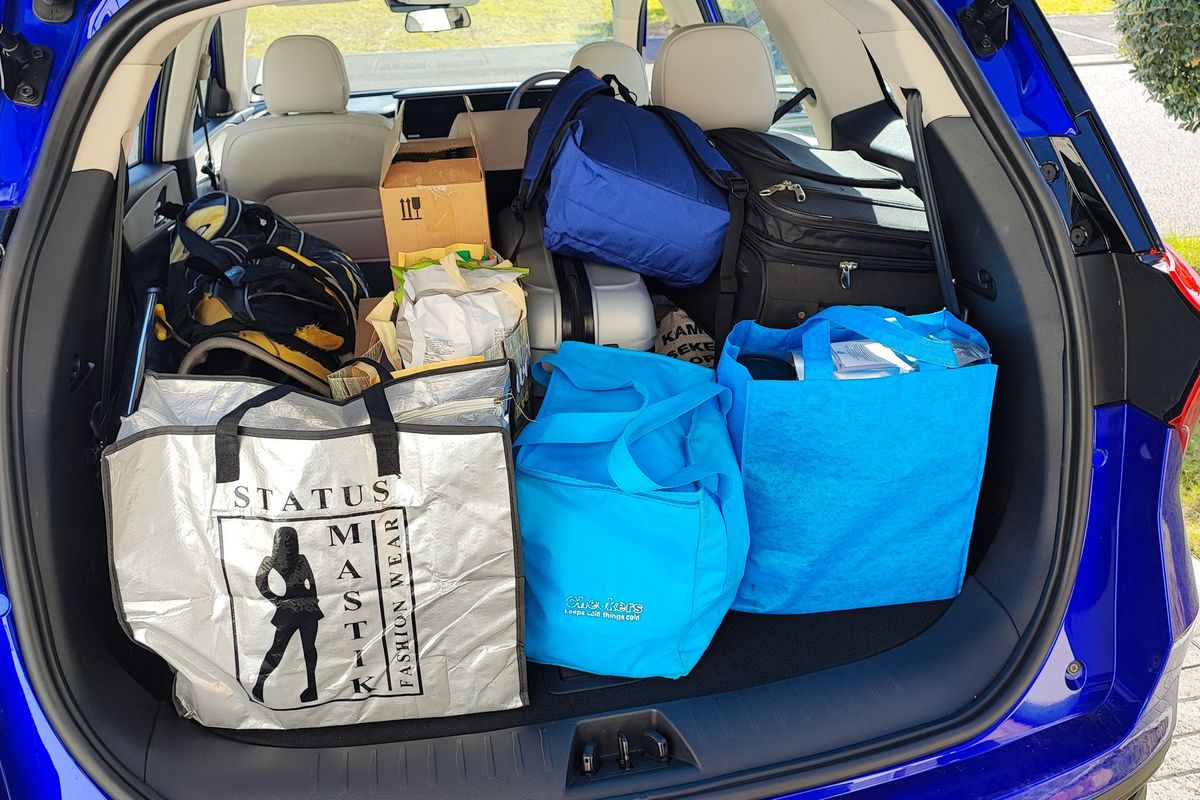
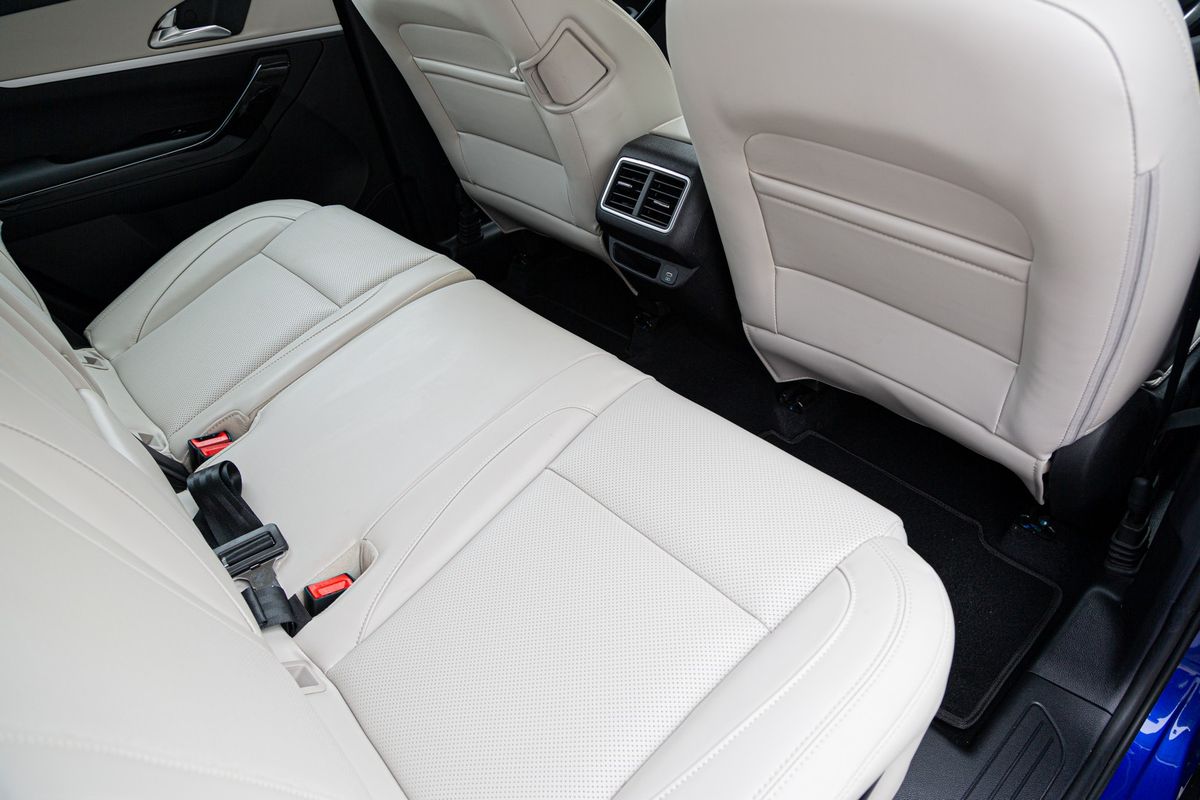
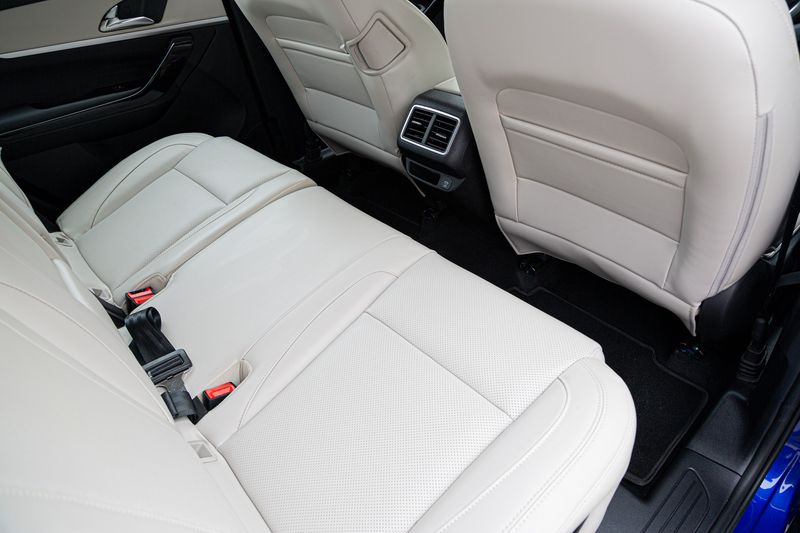
When undertaking long-haul journeys with the family, space and comfort are priorities and, when in 5- (as opposed to 7-seat) configuration, the XUV700’d load bay comfortably swallowed all the things you’d need for a few nights away, as well as golf clubs and fishing gear. The 2nd row of seats is easily foldable (if you need extra cargo space), but if you’re carrying passengers, the seats can be reclined for comfort.
Inside, there’s plenty of oddment space, with 2 cupholders in the centre and a large storage bin (big enough to hold a 1-litre bottle) – in every door. The bin in the central armrest is also impressively deep.
Safety and Tech Features
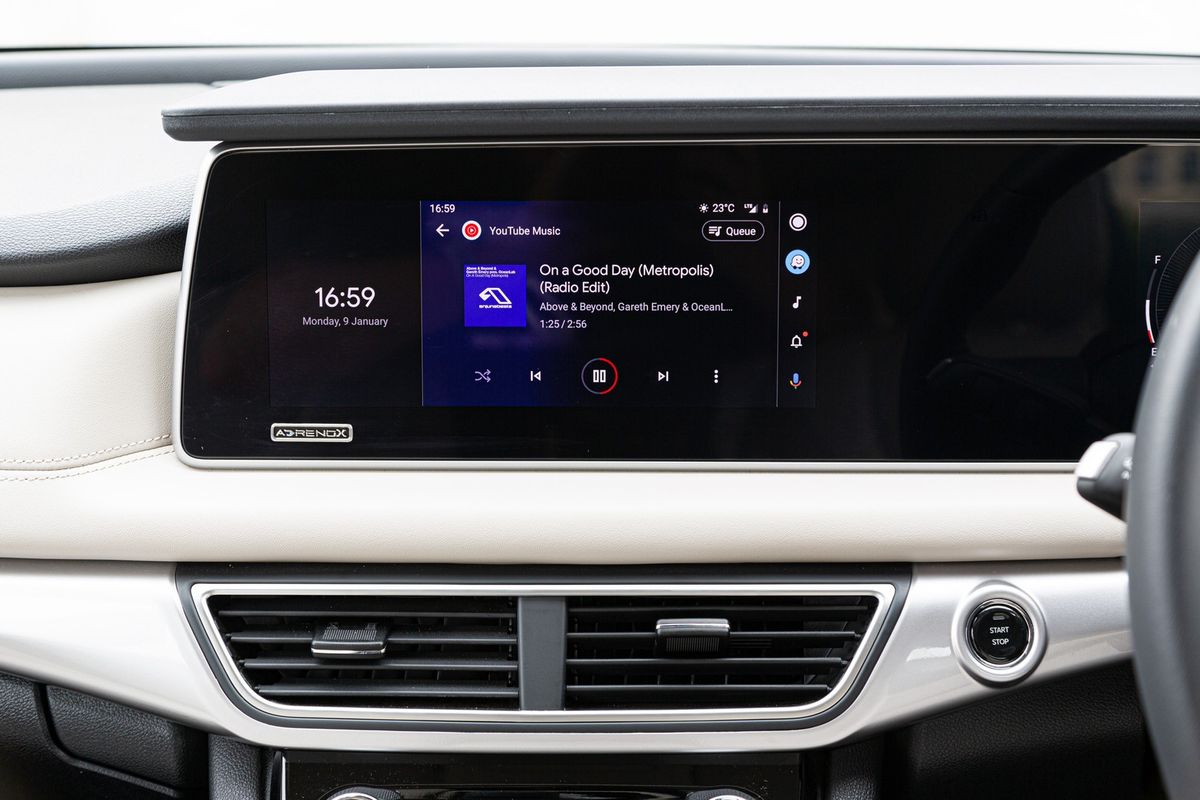
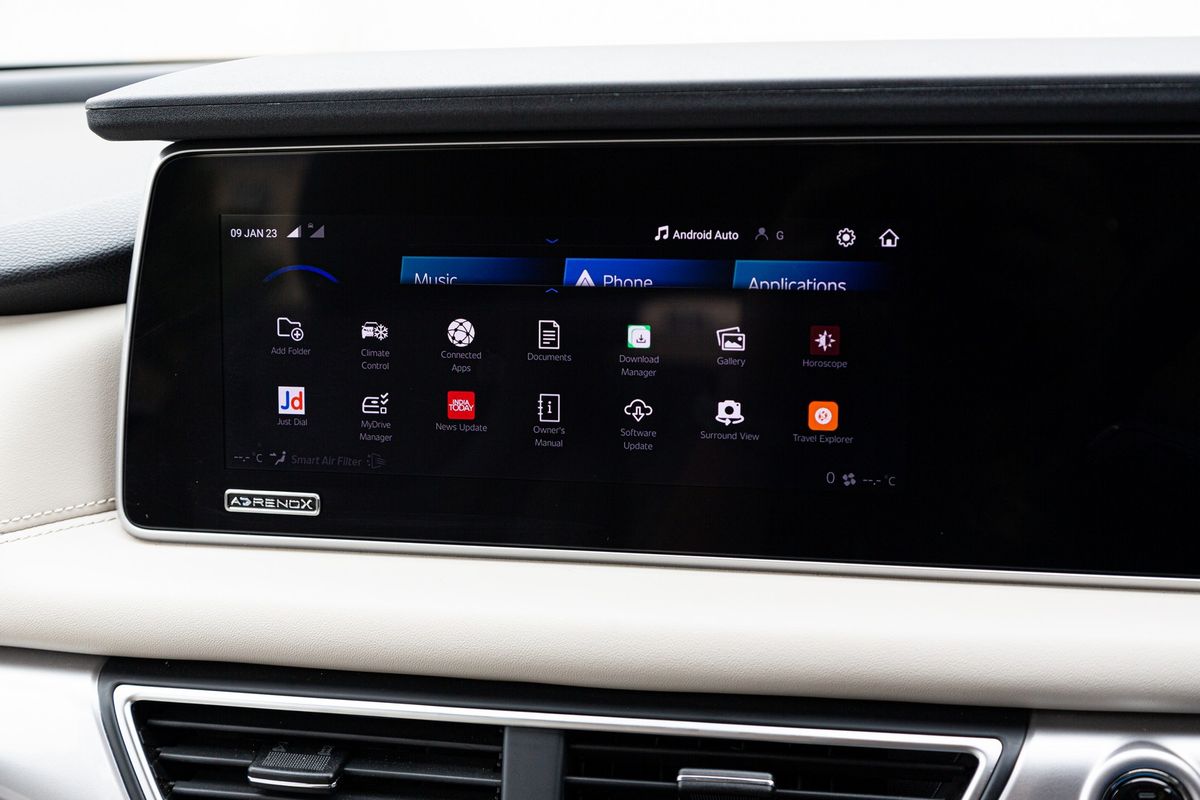
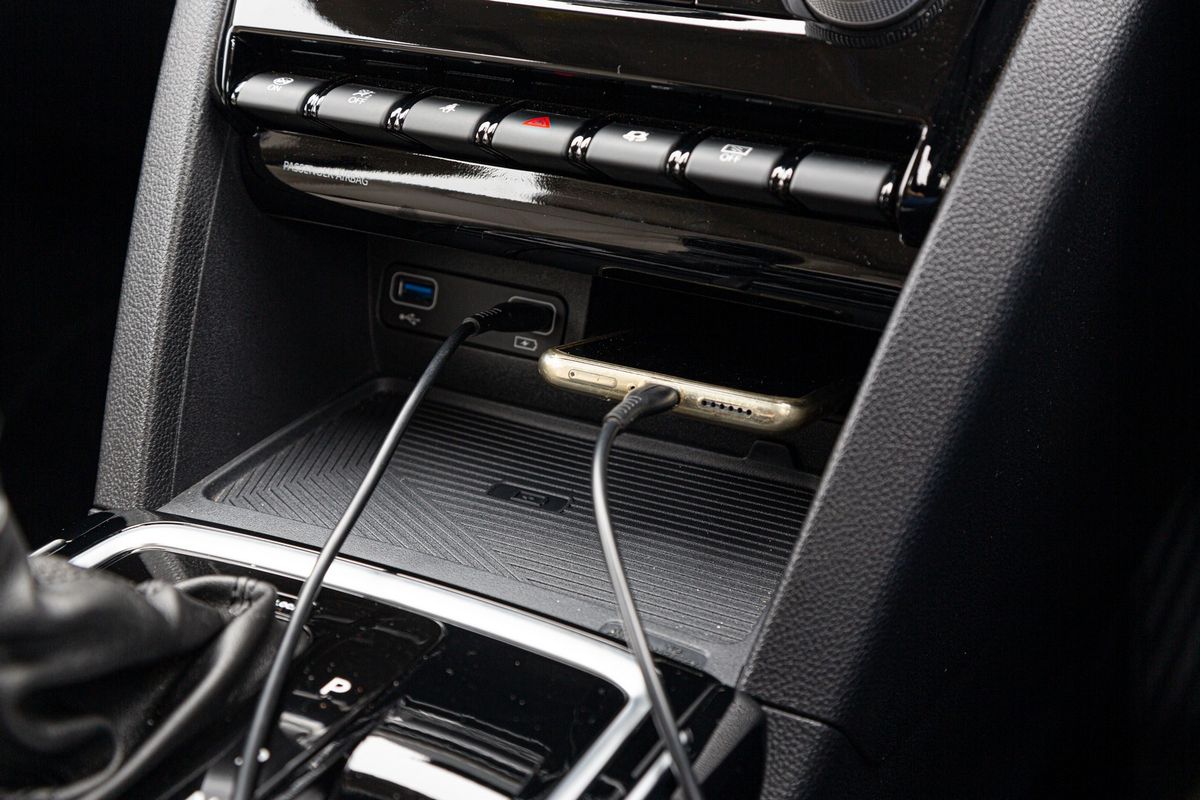
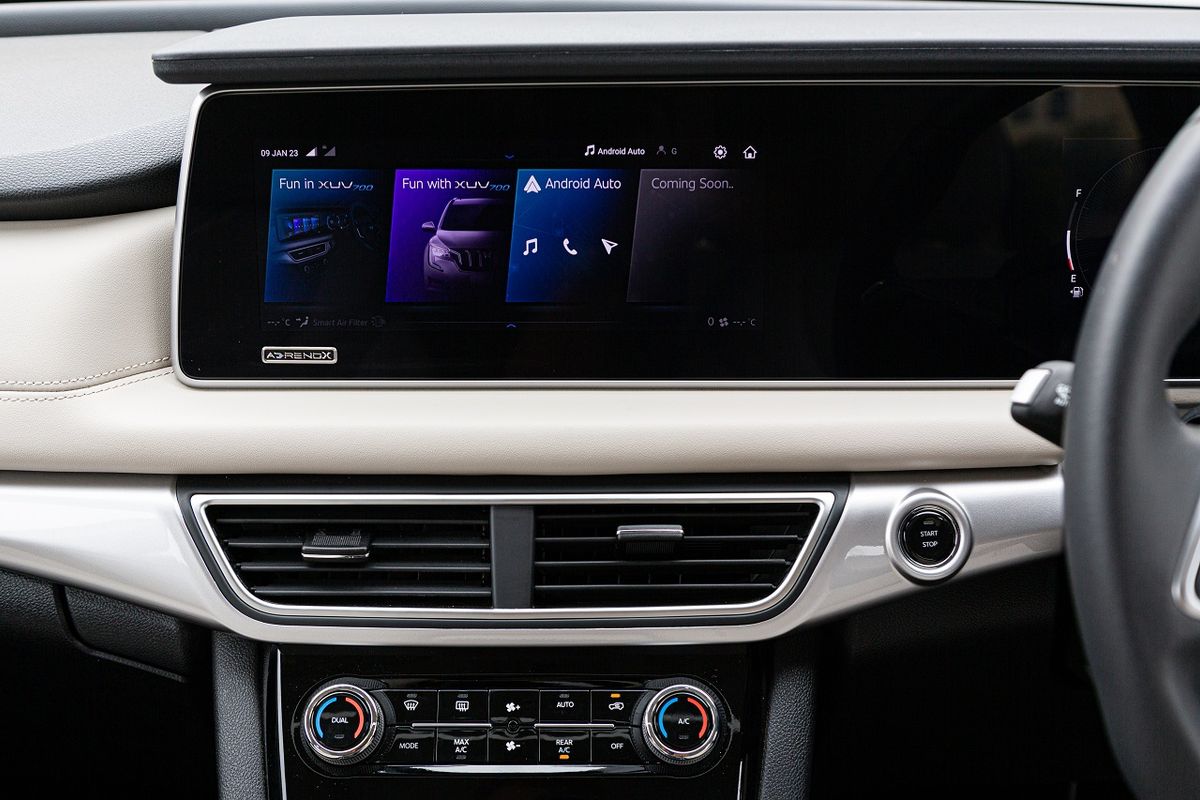
The standard spec is impressive across the range; the 2.0T AX7 L comes with a large panoramic roof, wireless Android Auto/Apple CarPlay and fancy-looking digital displays. We appreciated the 2 USB ports and the wireless charging pad that kept our devices topped up, because they were constantly streaming music and running navigation apps (Waze and Google Maps). There’s even Amazon Alexa functionality.
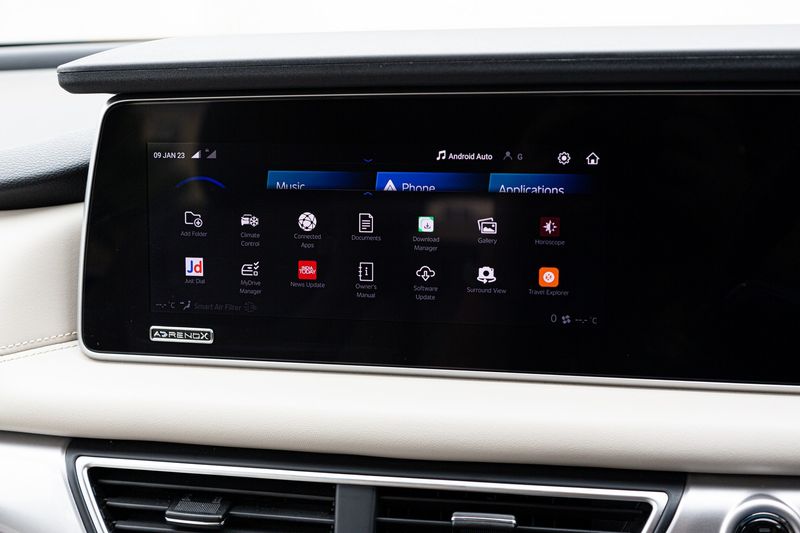
The AX7 L is distinguished from the AX7 derivative by high-end features such as a 12-speaker 3D audio system from Sony (which is very good, by the way), keyless entry and start, reach adjustment for the steering column, wireless charging pad, 360-degree cameras and additional safety equipment, including a knee airbag, blind-spot monitor and stop&go functionality for the adaptive cruise control system.
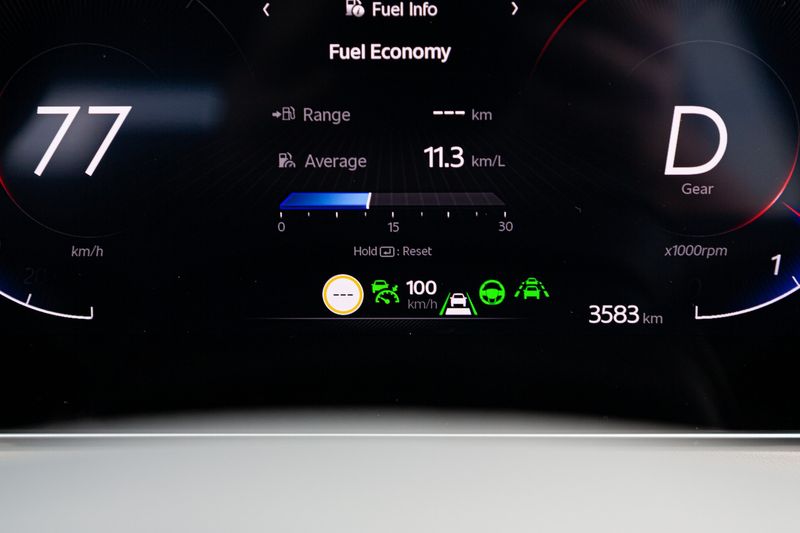
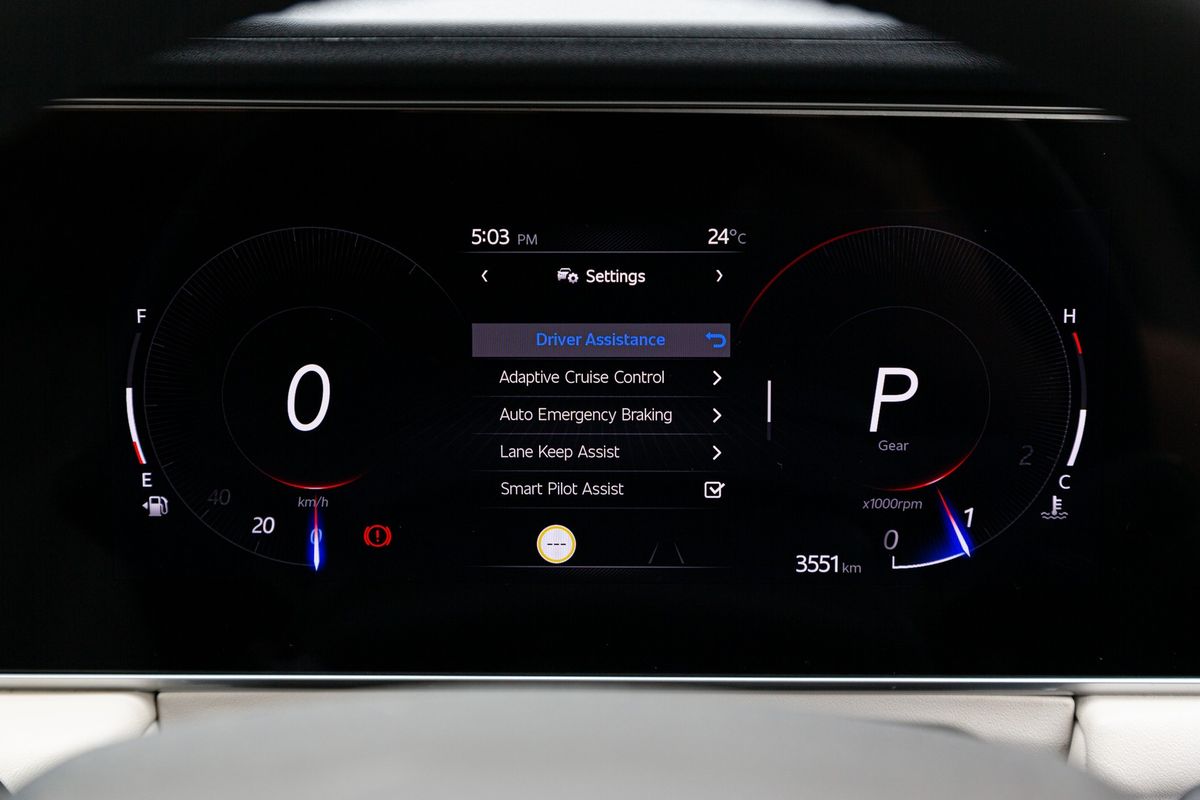
Speaking of safety, the Mahindra was fitted with 7 airbags, automatic emergency braking, lane departure warning and -keep assist, traffic-sign recognition, tyre pressure sensors and smart pilot assist. Mahindra claims Level 1 autonomy – that’s impressive! – and we experienced the emergency autonomous systems in action when a vehicle ahead of us turned at the last minute, which prompted the XUV700 to alert us of an imminent collision. Had we not braked immediately, the car would have stepped in milliseconds later.
Dislikes?
Despite the many advances that the XUV700 incorporates, there were a couple of niggles that blotted its copybook. We encountered an electronic error on the fuel trip computer – it simply would not display a distance-to-empty figure, so we had to estimate a range based on consumption and tank size.
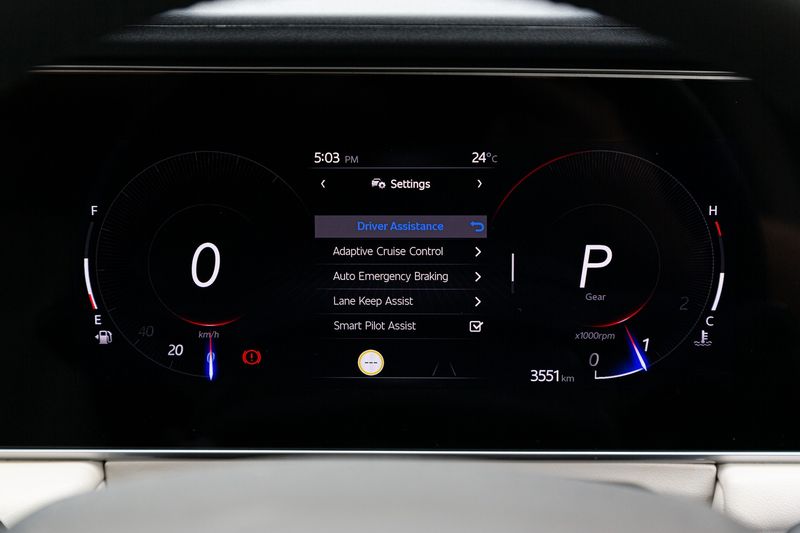
Secondly, the infotainment screen would lag upon start-up and, on a few occasions, it remained off until the vehicle was switched off and back on again. The digital dashboard also refused to boot up once, but nothing a quick off/on couldn’t resolve. We hope that a software update will root out these tech gremlins.
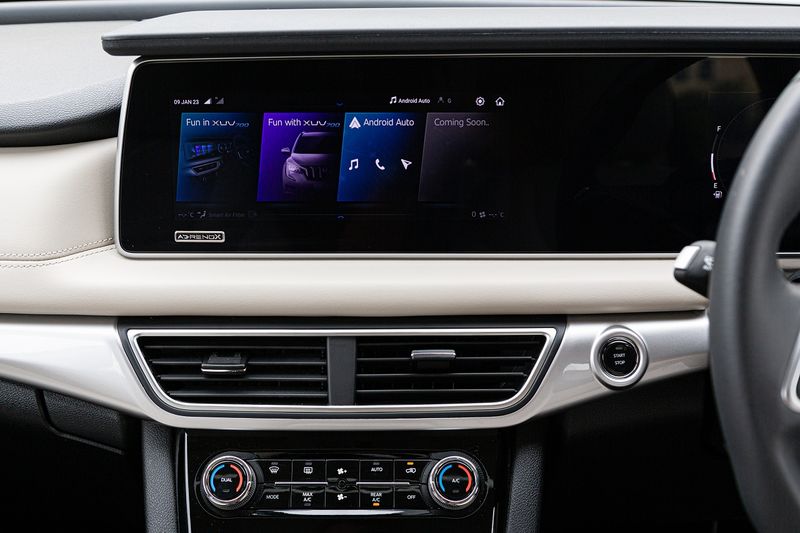
Other gripes concerned the infotainment system’s user experience – its interface requires a bit of familiarisation (it’s not what we’d call user-friendly). Also, the rearview mirror vibrated constantly – even on the smoothest roads – and we reckon that could be fixed by the installation of a sturdier mounting.
Summary
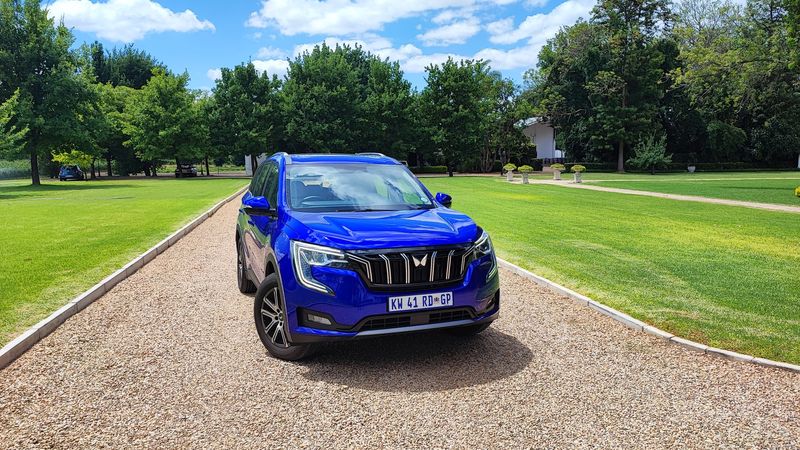
The evidence in its favour is overwhelming – the XUV700 is a massive step up for Mahindra; it brings new levels of build quality, refinement and comfort to the brand. The timing’s good too, because many consumers are switching from established brands (that are now priced beyond the reach of the average buyer) to up-and-coming brands that offer “more car, for less money”. Haval and Chery are 2 examples!
If the pre-order success is anything to go by (over 1 100 units of the XUV700 had been reserved by the end of December 2022), Mahindra has got a winner on its hands. If you want something that’s a bit more off-road-biased, the XUV700’s more outdoorsy Scorpio-N brother will be launched quite soon…
As of January 2023, the Mahindra XUV700 is priced from R474 999, with the flagship model going to R559 999.
Mahindra XUV700 specs and pricing
Browse through Mahindra units for sale in South Africa here