
Mahindra considers South Africa its second home, so when we travelled to India to drive the pre-production units of its upcoming leisure bakkie, it took us seriously. Here’s what you can expect from the brand’s big chess move.
The double-cab market in South Africa is notoriously congested, but it remains the battlefield where local automotive dominance is truly decided. Mahindra has made impressive strides over the last decade, transitioning from a budget-focused commercial utility brand into a serious volume player (its Pik Up is the 4th best-selling bakkie in SA). Now, the Indian manufacturer is eyeing a slice of the lucrative, lifestyle-oriented double-cab segment with an all-new offering: the Lifestyler (the name might change when the bakkie is introduced in 2027).
I travelled to India to attend the vehicle’s official reveal in Mumbai, followed immediately by an exclusive pre-production drive at Mahindra’s proving grounds in Chennai. While the finished product won’t land on local shores for a while, this early evaluation gives us a clear look at how far Mahindra has come; where it is targeting the establishment; and what South African buyers can expect when it officially goes on sale.
From Cape Town concept to Mumbai reveal

If the visual silhouette of the new Mahindra Lifestyler looks remarkably familiar, that is because its roots trace directly back to South Africa. Three years ago, Mahindra chose Cape Town as the global stage to reveal its striking “Global Pik Up” concept. As I reported on Cars.co.za at the time, that concept signalled a radical departure from the utilitarian boxiness of the brand’s traditional commercial line-up, previewing a modern, aggressive and consumer-focused design language intended for international markets.
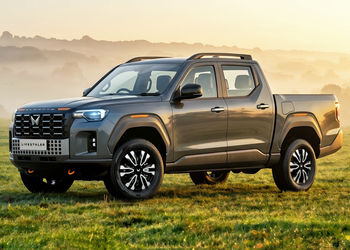
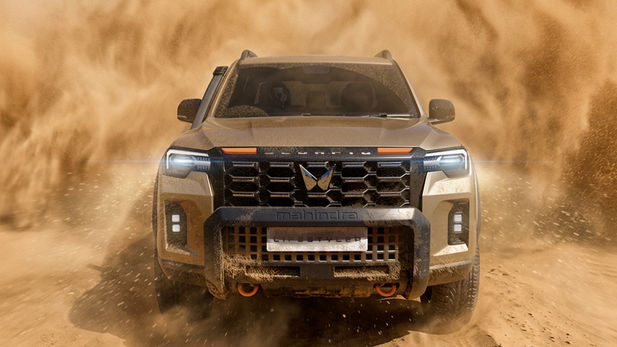
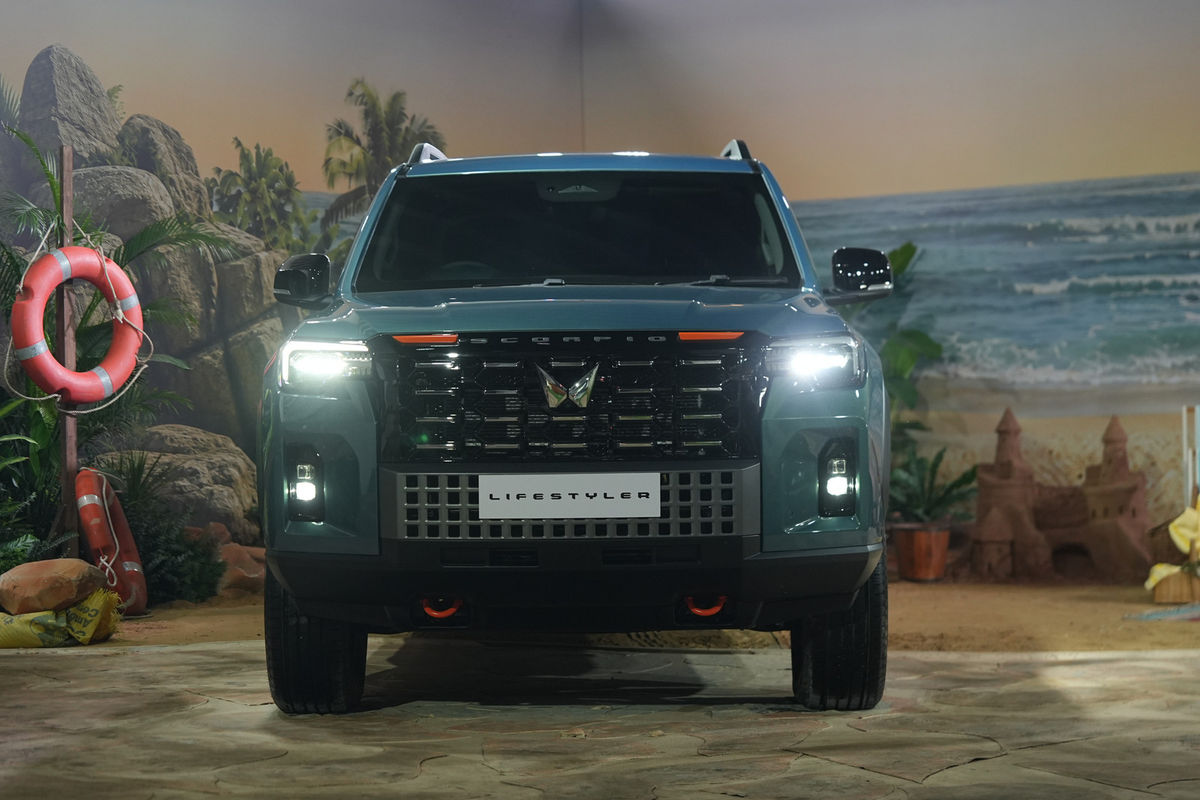
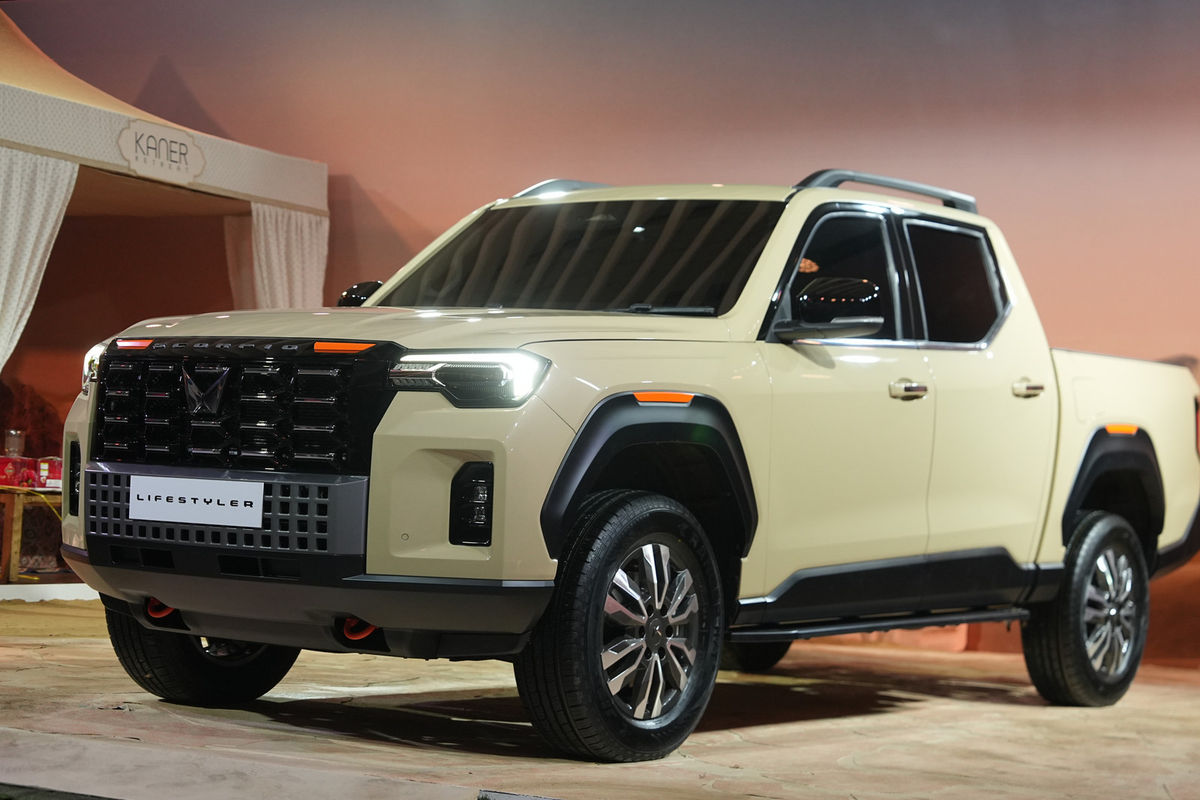
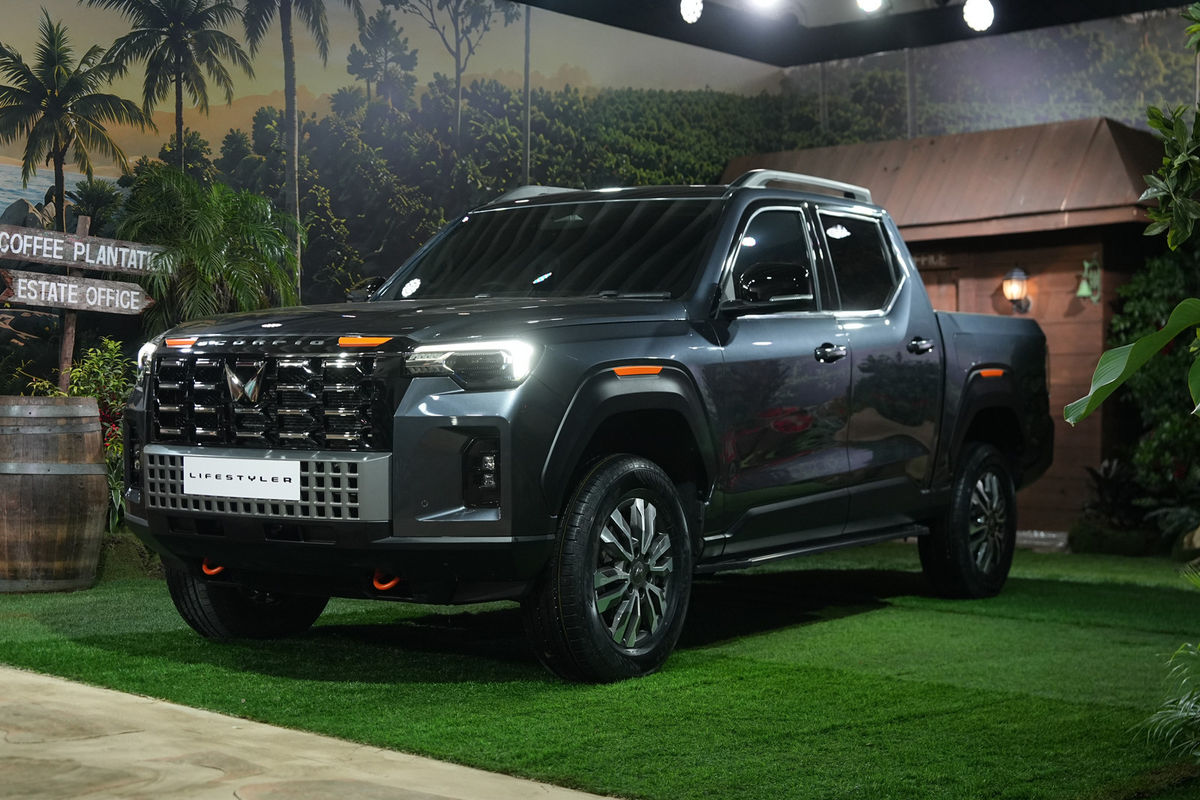
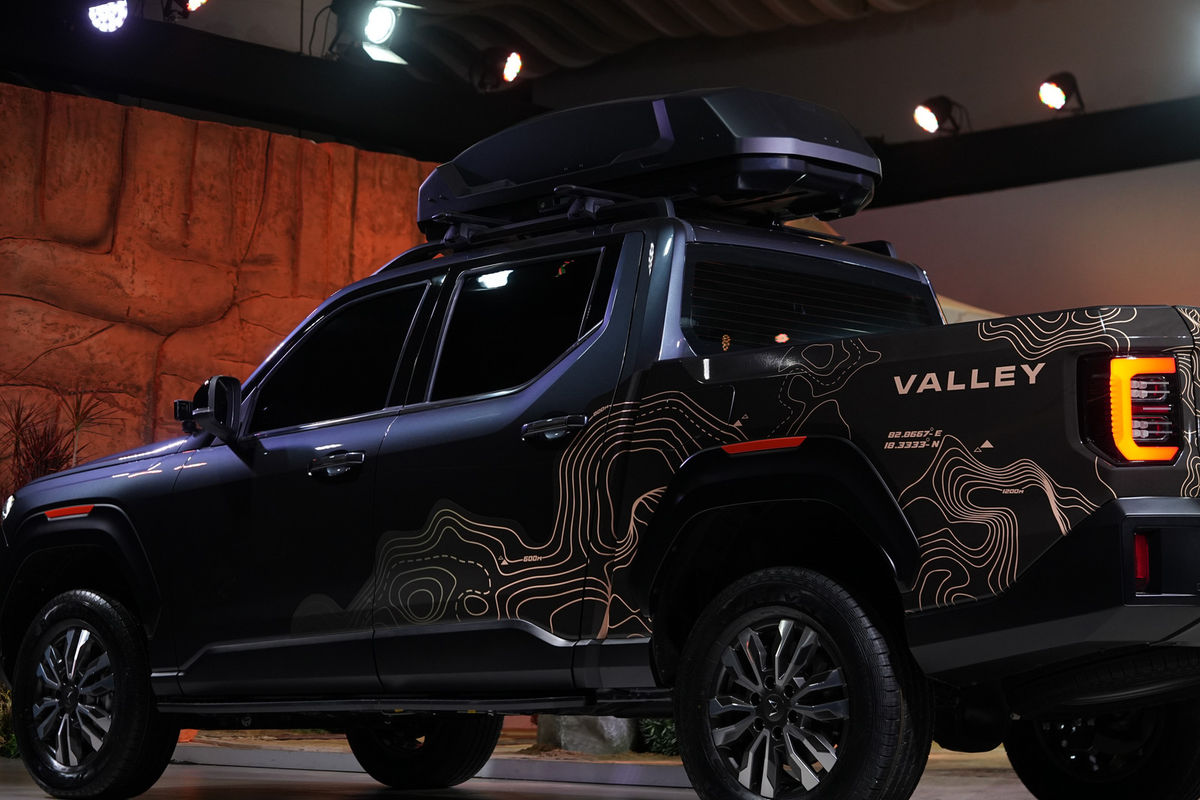
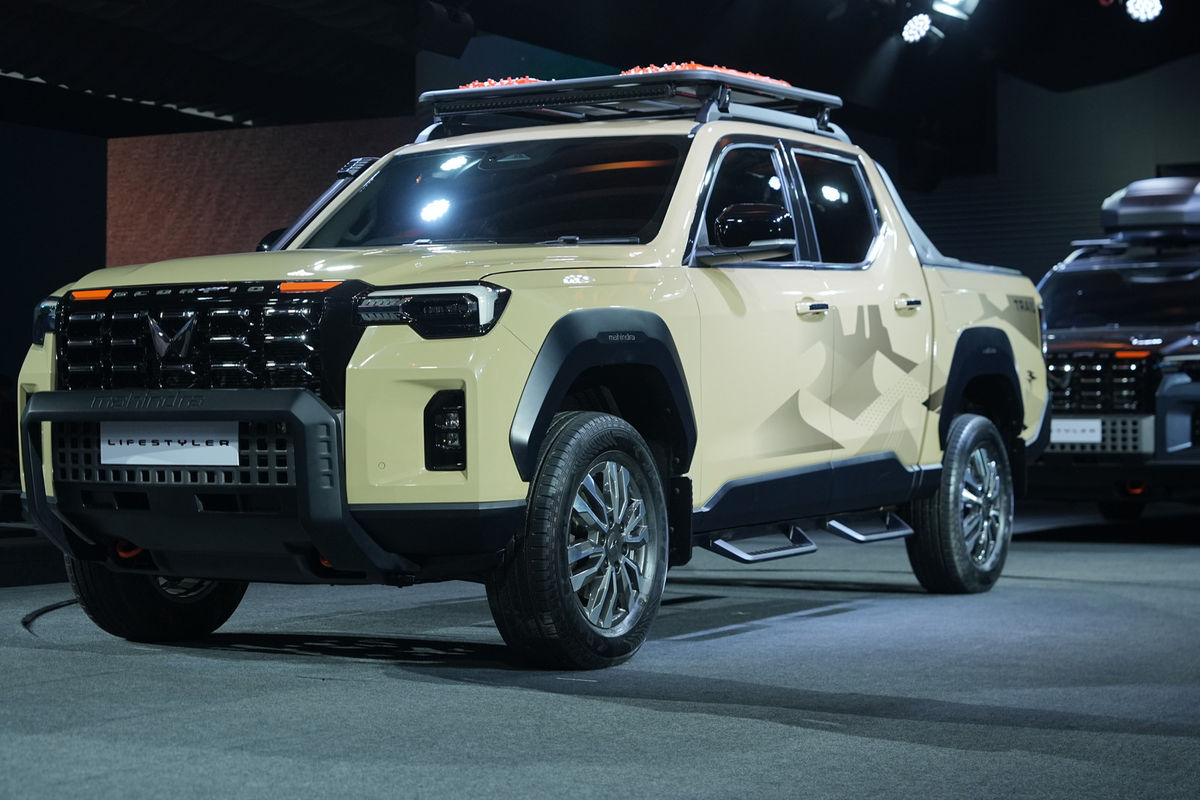
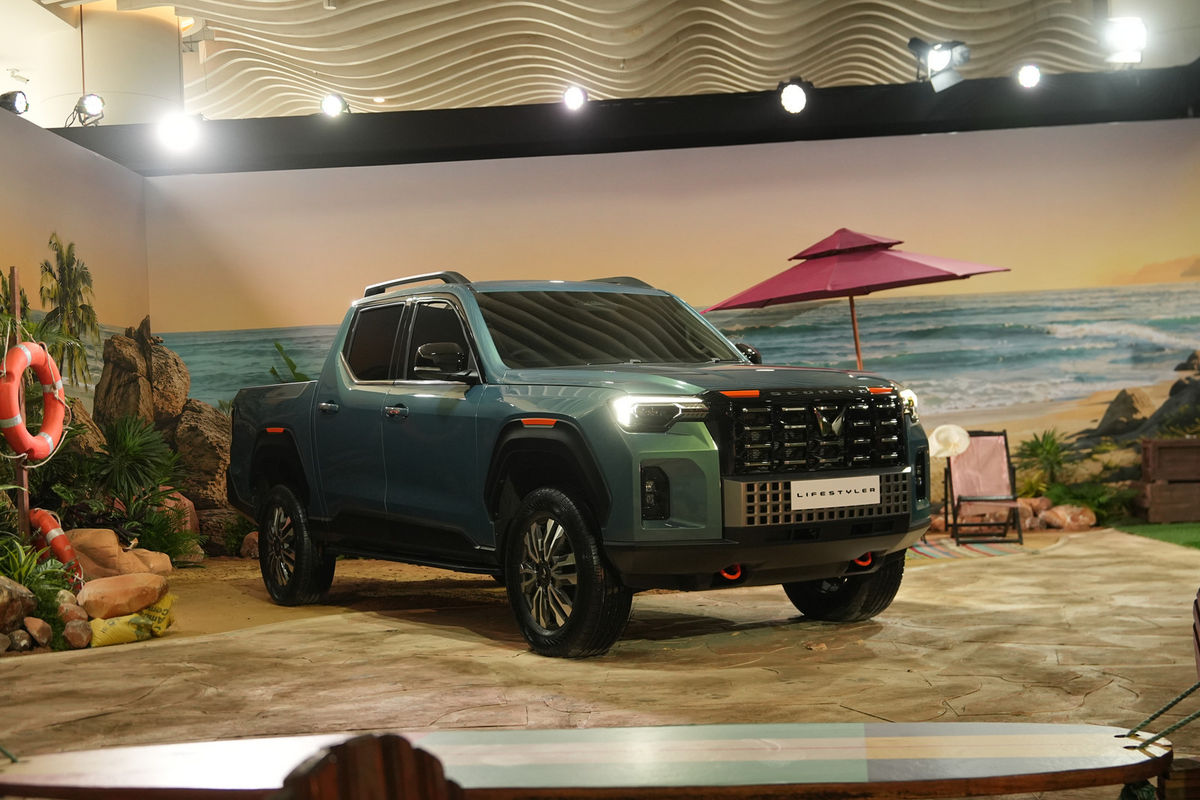
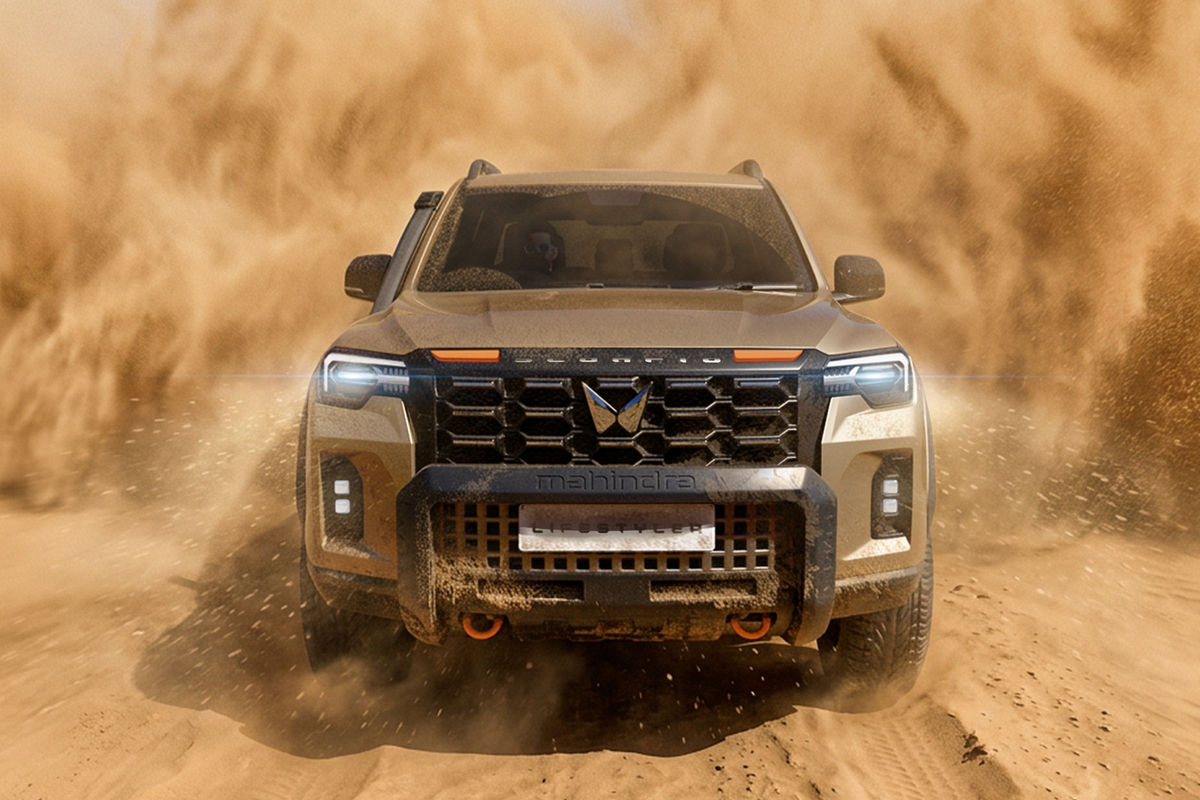
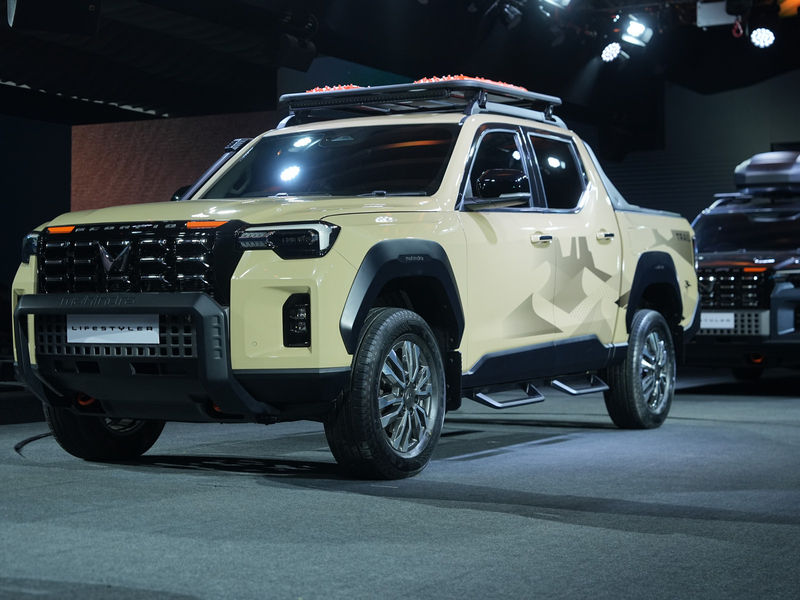
Seeing the production-ready Lifestyler under the lights in Mumbai confirmed that Mahindra’s design team stuck impressively close to that original vision. The sheet metal retains the wide stance, prominent front grille and sculpted bodysides of the Cape Town concept.
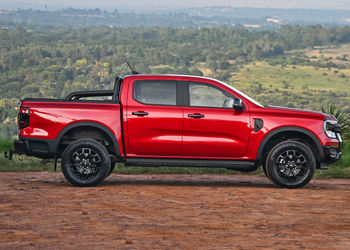
The Lifestyler looks purpose-built to take on urban commutes and weekend adventure trails alike, leaving behind the purely utilitarian proportions of Mahindra’s other bakkies to embrace a far more modern, lifestyle-focused aesthetic.
Proving ground reality: Testing the Lifestyler in Chennai
Immediately following the Mumbai reveal, we took a detour to Mahindra’s testing facility in Chennai for a first drive behind the wheel of early pre-production prototypes. It is worth noting that these evaluation units are still some way off the final production specification. Fit and finish on early hand-assembled test rigs can be deceiving. Therefore, the exercise was designed to evaluate the underlying chassis development, powertrain calibration and mechanical progress.
In a segment dominated by established heavyweights, Mahindra knows it cannot simply launch another dual-purpose bakkie; it needs a distinct unique selling proposition to make serious inroads. During our technical briefings, Mahindra’s engineering leadership was clear about their development targets. They have set explicit performance benchmarks for this new platform: deliver on-road ride quality superior to a Toyota Hilux, while matching the class-leading dynamics and cabin refinement of the Ford Ranger.
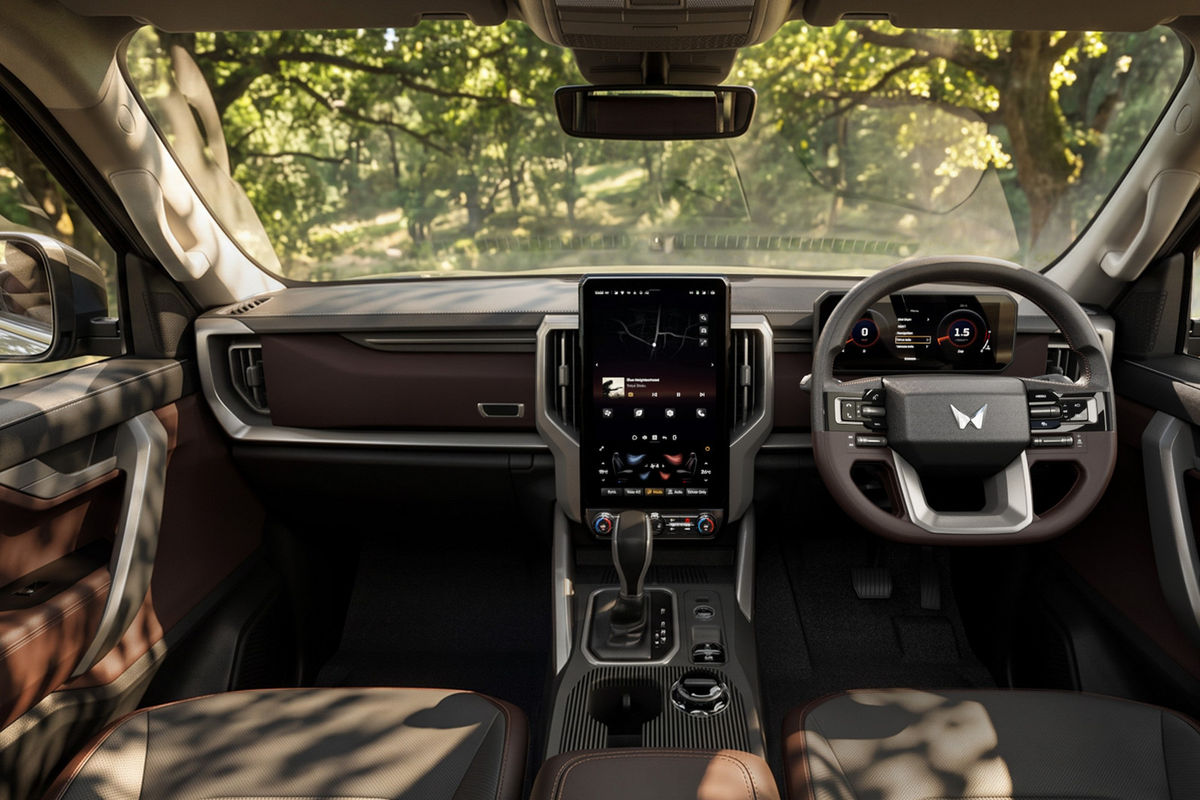
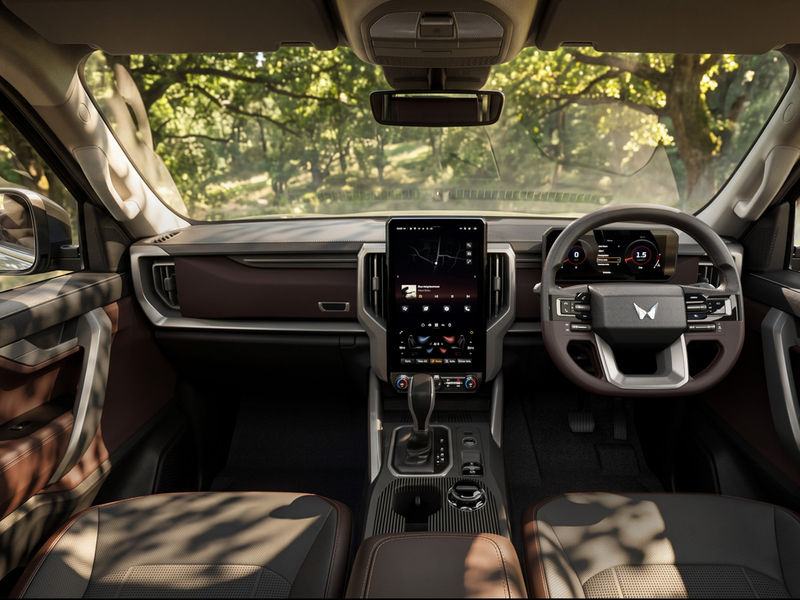
Judging by the press images released alongside the reveal, the Ranger has been earmarked as the primary target. The interior architecture features clean horizontal lines, a massive vertical central digital interface, upgraded tactile touch points, and an ergonomic layout aimed squarely at leisure buyers who treat their double cabs as primary family vehicles.
Market strategy and local assembly in Durban
Despite the modern styling and elevated positioning, the Lifestyler will not act as an immediate replacement for the ageing Pik Up range. The trusted Pik Up has built a massive, loyal following across South Africa’s agricultural, commercial and fleet sectors thanks to its mechanical simplicity and rugged durability.
Mahindra is considering building the Lifestyler alongside the Pik Up at its assembly plant in Durban. This dual-model strategy would be a sharp commercial move. It will allow Mahindra to preserve its high-volume, value-driven commercial footprint with the current Pik Up, while simultaneously deploying the Lifestyler to capture higher-margin consumer sales in the competitive leisure bakkie market. It could well also price the Lifestyler aggressively if it was assembled locally, which it’ll need to do to combat the influx of Chinese bakkies.
On-track driving impressions and local engineering input
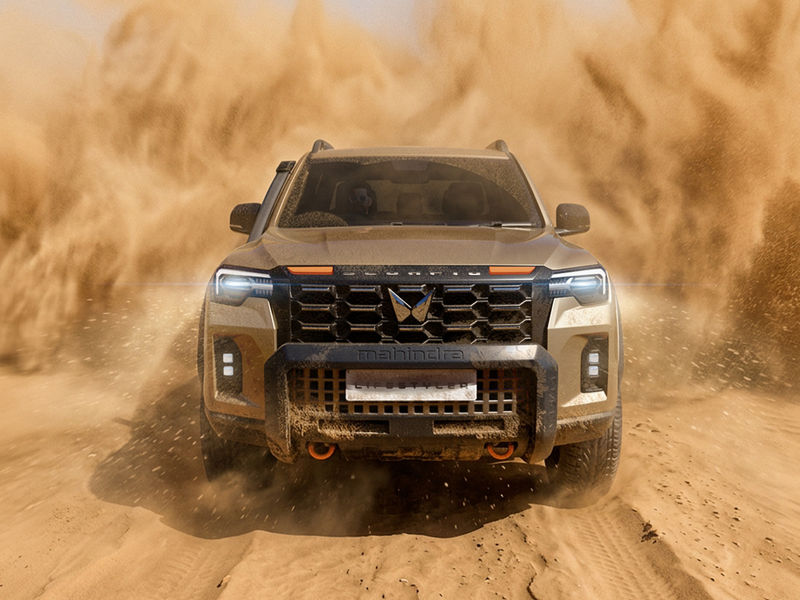
These days, the real test of any modern double cab comes down to a demanding trifecta: durability; genuine off-road capability; and passenger-car-level on-road refinement. Our time in Chennai was restricted to tarmac surfaces at the proving ground, meaning a full evaluation of the Lifestyler’s rough-road and high-speed gravel stability will have to wait until local launch units arrive in South Africa.
However, the proving ground loop provided enough valuable initial feedback on chassis composure. For our test runs, the development team weighted the load bay with 200 kg of ballast. This payload helped settle the rear leaf-spring setup, keeping the axle planted through faster sweeping turns and over artificial tarmac undulations.
Without weight in the back, unladen bakkies can suffer from a skittish, overly firm rear end. While the 200 kg weight settled the chassis, Mahindra’s engineers openly admitted they still have work to do on spring rates, damping and overall suspension tuning before signing off on the final production spec.
What makes this development process unique is Mahindra’s commitment to our local market. Following our driving sessions, the engineering team hosted a dedicated feedback workshop specifically for the attending South African journalists. They meticulously logged our critiques on steering weighting, suspension refinement, gearshift calibration and damping. Mahindra is arguably the only major bakkie importer taking local market feedback and chassis engineering this seriously, ensuring the vehicle’s dynamics are tuned for South Africa’s harsh climate, heavy towing demands and unforgiving road surfaces.
Powerplant and launch timeline
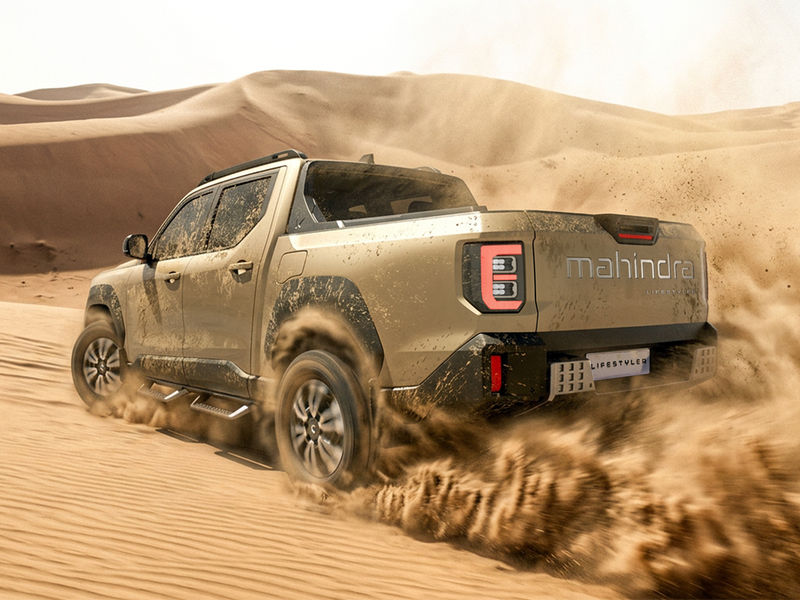
Under the bonnet, the pre-production units were running a version of Mahindra’s familiar 2.2-litre turbodiesel engine paired with an automatic transmission. The drivetrain provided smooth, linear power delivery around the proving ground, but Mahindra hinted that this unit will likely undergo further mechanical and software evolution before reaching dealership floors. Expect refinements in noise, vibration and harshness (NVH) levels, as well as minor tweaks to power and torque outputs to ensure it’s competitive against rival setups.
The Lifestyler is officially scheduled to go on sale in April next year. With several months of fine-tuning remaining on the calendar, the development team is working aggressively to polish every detail. If the final production model delivers on its promise of refined ride quality, strong cabin ergonomics and proven mechanical toughness, Mahindra will have a compelling product on its hands.
While the official local line-up and specifications will be confirmed only closer to the launch date, one thing is certain: Mahindra knows that competitive pricing is its ultimate weapon. If it prices the Lifestyler aggressively against mid-tier double cabs, it could easily disrupt the established order in SA’s favourite vehicle segment.