South Africa’s luxury automotive industry has undergone a dramatic transformation over the past 2 years, as prestigious marques have fundamentally restructured their dealership operations amid plummeting sales figures, mounting economic challenges and evolving consumer behaviour patterns.
While comprehensive data regarding Lexus dealership rationalisation remains scarce in public records, the brand’s strategic positioning within the wider premium market restructuring offers crucial understanding of the obstacles confronting luxury automotive retailers.
The Premium market collapse
The South African luxury automotive sector has endured a catastrophic contraction, with premium marques collectively suffering a devastating 68% sales decline between 2014 and 2024. Industry statistics reveal that luxury brands, including Audi, BMW, Mini and Mercedes-Benz, sold approximately 74 015 vehicles in 2014, yet this figure collapsed to merely 23 881 units by 2024’s conclusion. This implosion has fundamentally transformed the dealership environment across all premium manufacturers.
BMW
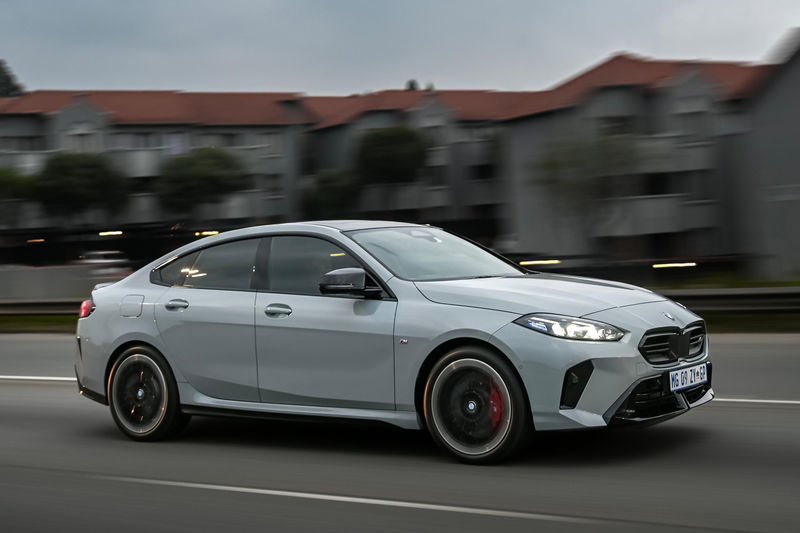
BMW has spearheaded dealership network restructuring throughout South Africa. The German manufacturer has substantially reduced its physical footprint, with dealer outlets contracting from 55 establishments in 2015 to 46 by 2024’s end. This represents approximately a 16% reduction.
Such consolidation mirrors BMW’s sales trajectory, which tumbled from 24 521 units in 2014 to 12 145 units in 2024, constituting a 51% decline. The marque has concentrated on streamlining operations to mitigate substantial inventory expenditure and enhance operational effectiveness responding to the contracting premium marketplace.
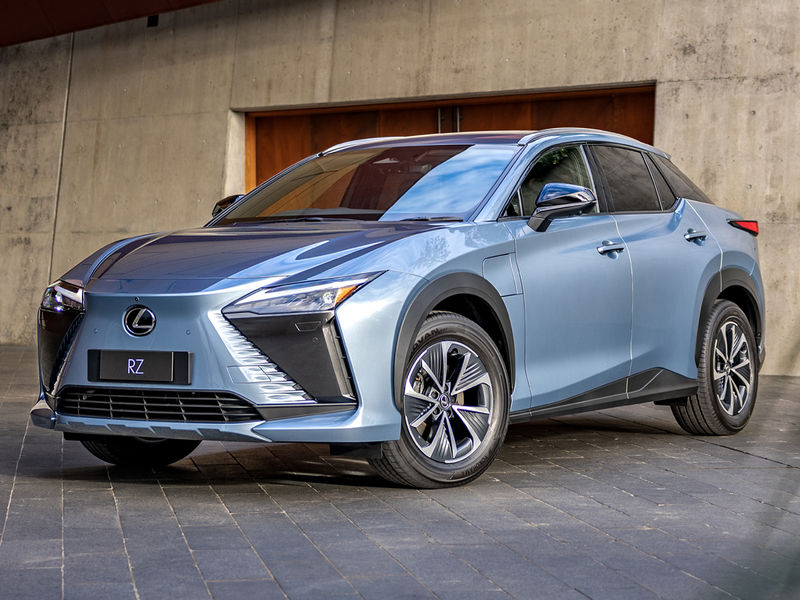
Lexus
Lexus South Africa operates through a considerably more restricted network compared to its German rivals. The brand’s positioning as a minor participant in the South African premium market, with less established brand recognition relative to BMW and Mercedes-Benz, has undoubtedly shaped its dealership methodology.
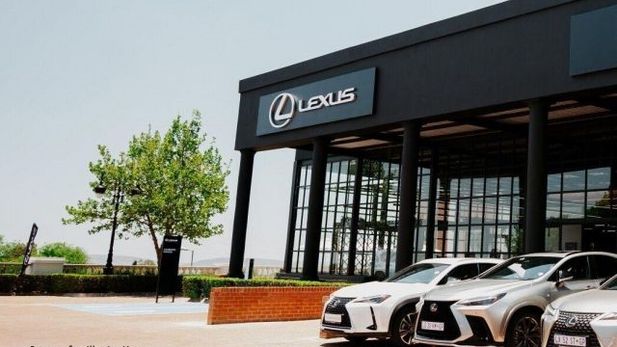
Lexus has confirmed operating 14 dealerships throughout South Africa (reduced from 18 dealerships two years previously). This includes four flagship centres in Pretoria, Fourways, Umhlanga and Cape Town. The premium marque, part of the Toyota empire, also maintains that selected Toyota dealerships nationwide possess the capabilities to service Lexus vehicles.
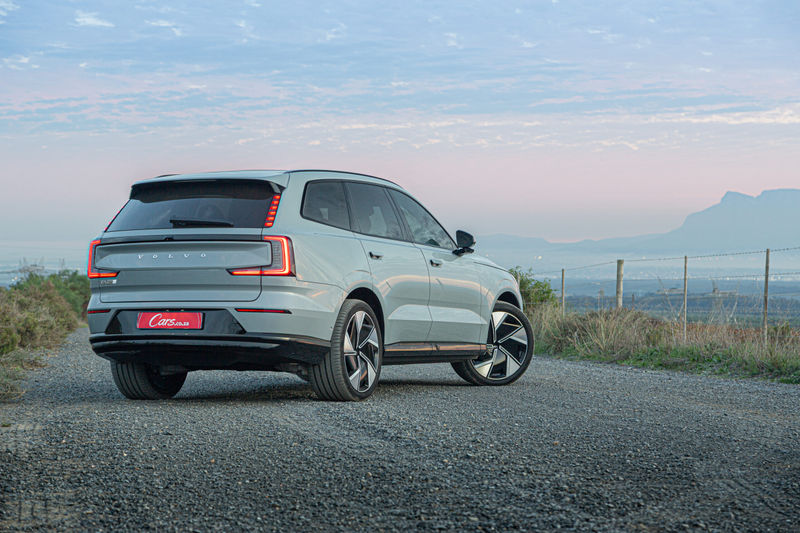
Volvo
Volvo Cars South Africa has implemented arguably the most aggressive consolidation approach among premium brands. The Swedish manufacturer shuttered 12 showrooms, representing a 60% reduction in its dealership network.
This radical restructuring reflects Volvo’s response to sustained market pressures and requirements to maintain viable operations within a significantly contracted luxury vehicle marketplace. However, focused on an electric vehicle future, the company is establishing a new dealership in the Eastern Cape.
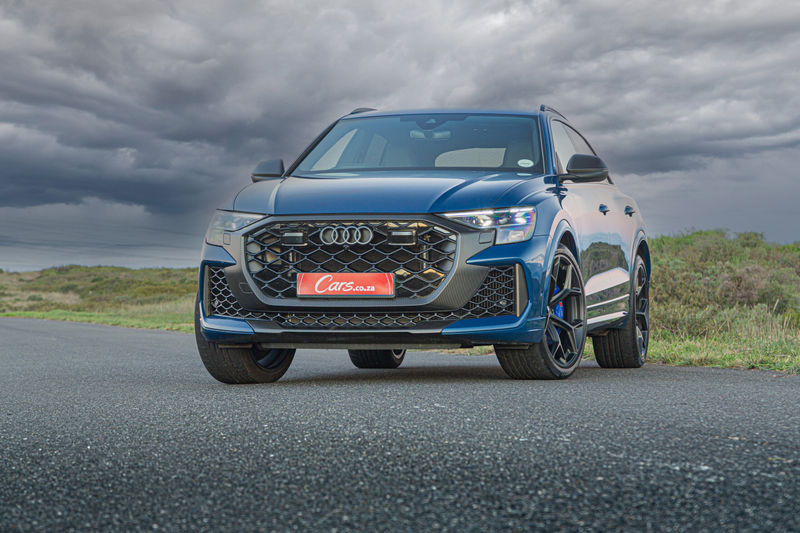
Audi
Audi has similarly embraced the consolidation movement, announcing its decision in April 2024 to restructure dealership networks across South Africa. The brand cited “significant pressures in the premium automotive sector” and noted that market challenges alongside changing buyer preferences have necessitated a fundamental business model review.
Audi’s statement referenced the broader trend of consumers “buying down” to more affordable vehicle segments.
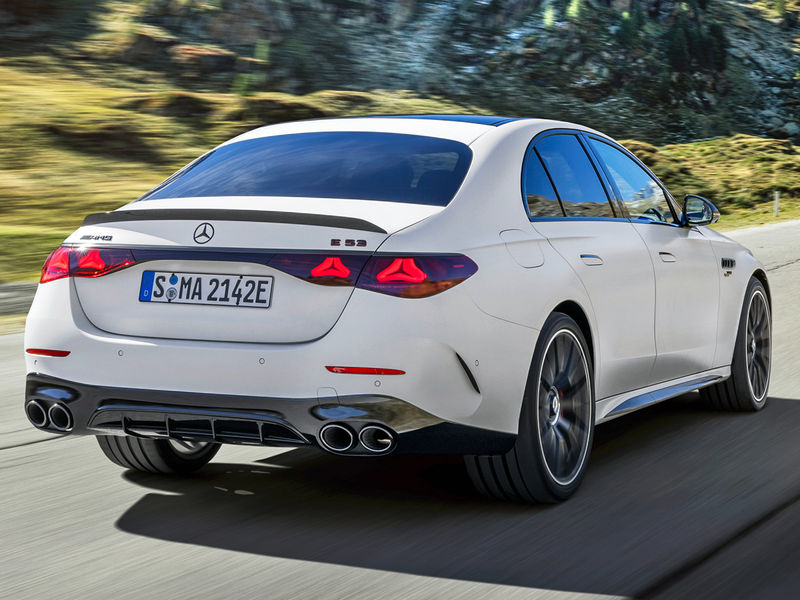
Mercedes-Benz
While specific dealership closure figures for Mercedes-Benz remain undisclosed, the brand has participated in the broader premium market decline. Mercedes-Benz, traditionally among the strongest luxury segment performers, has encountered similar challenges to its German competitors, with industry data demonstrating significant sales reductions across all premium brands.
Market forces driving consolidation
Several factors have contributed to this widespread consolidation:
- Economic Pressures: South Africa’s economic difficulties have substantially impacted luxury vehicle purchasing capacity, with consumers increasingly selecting more affordable alternatives.
- Evolving Consumer Preferences: A notable shift towards value-oriented purchases has emerged, with buyers abandoning premium brands, favouring more practical and cost-effective options.
- Inventory Management: Elevated inventory costs, combined with reduced sales volumes, have rendered extensive dealership network maintenance financially unviable.
- Digital Transformation: The automotive retail landscape continues evolving, with increased emphasis on digital sales channels and diminished reliance on physical showrooms.
Industry Implications
The consolidation trend represents a fundamental transformation in South Africa’s premium automotive retail environment. Surviving dealerships will likely serve expanded geographical territories, potentially affecting customer service and accessibility. Nevertheless, this consolidation may generate more efficient operations, improved resource allocation and enhanced profitability for remaining outlets.
The trend also emphasises resilience requirements within the luxury automotive sector, where brands must balance maintaining premium positioning with operational viability under challenging economic conditions. For consumers, this consolidation may result in reduced dealership choice but potentially more concentrated and efficient service from surviving establishments.
Cars.co.za

Providing you with the latest motoring news, new car releases and the simplest way to buy and sell cars.