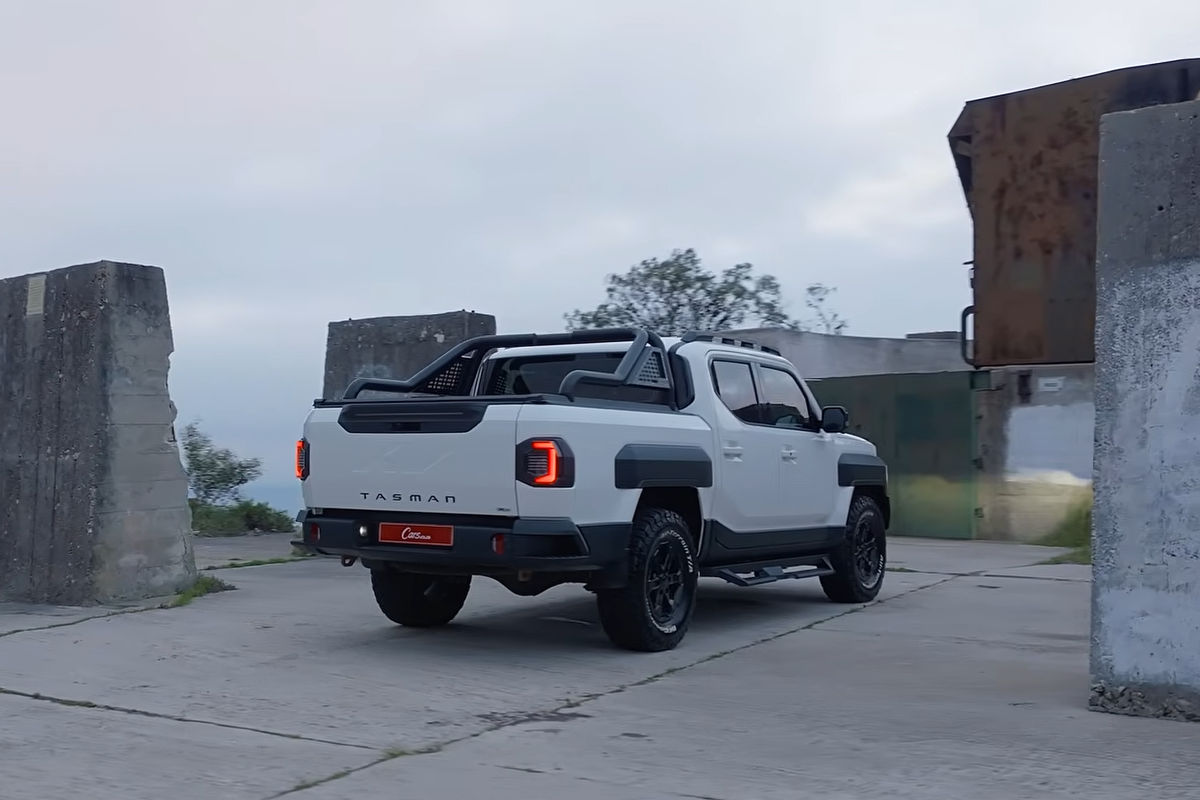
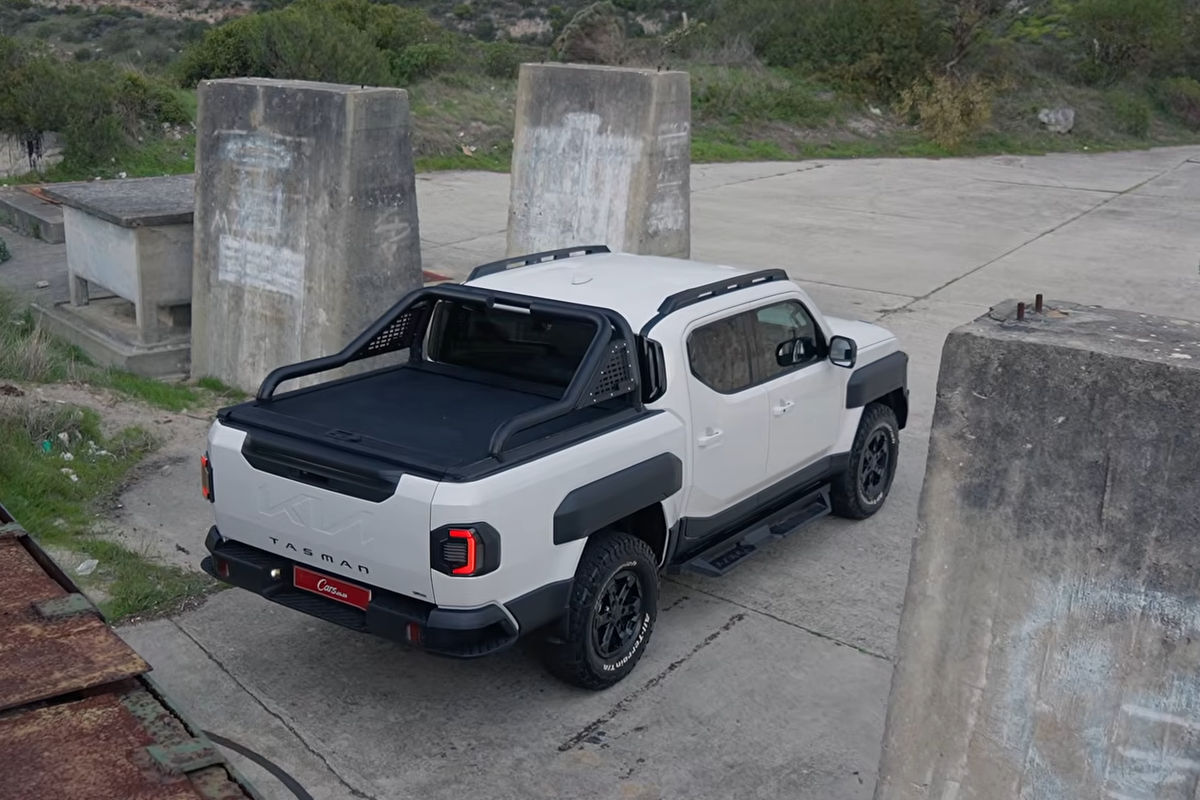
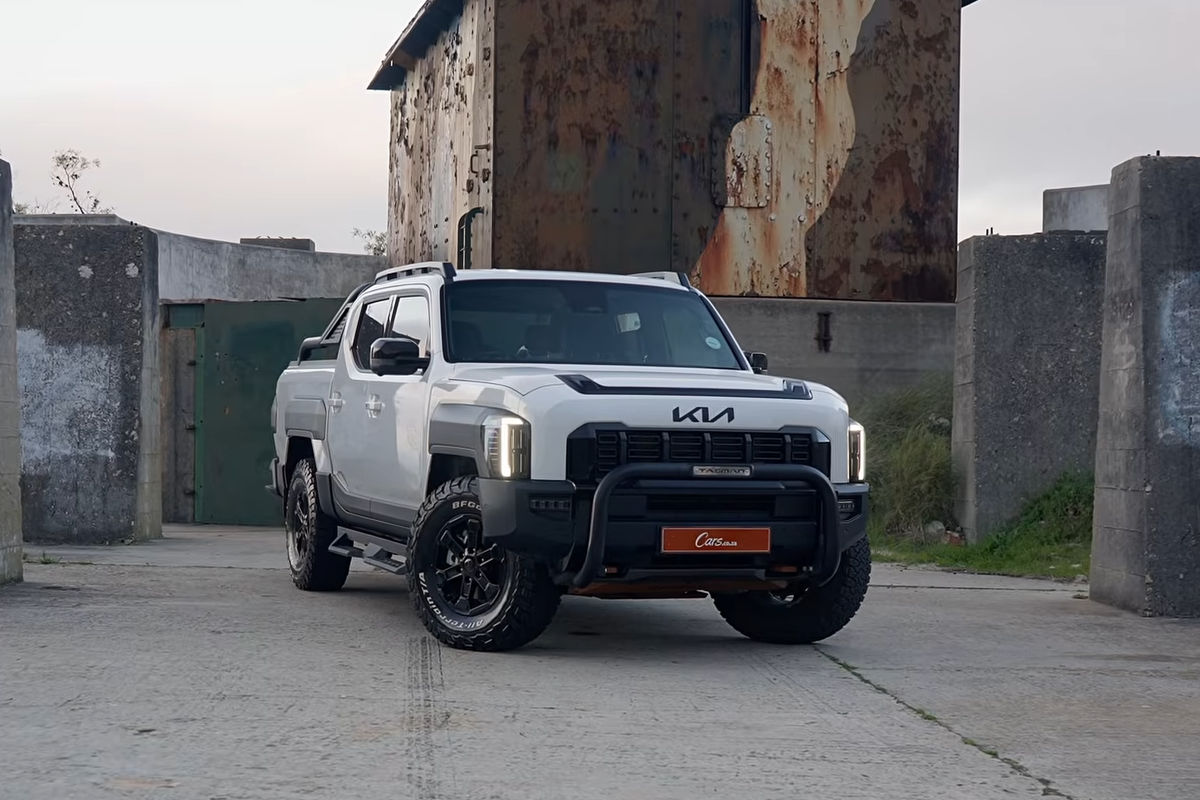
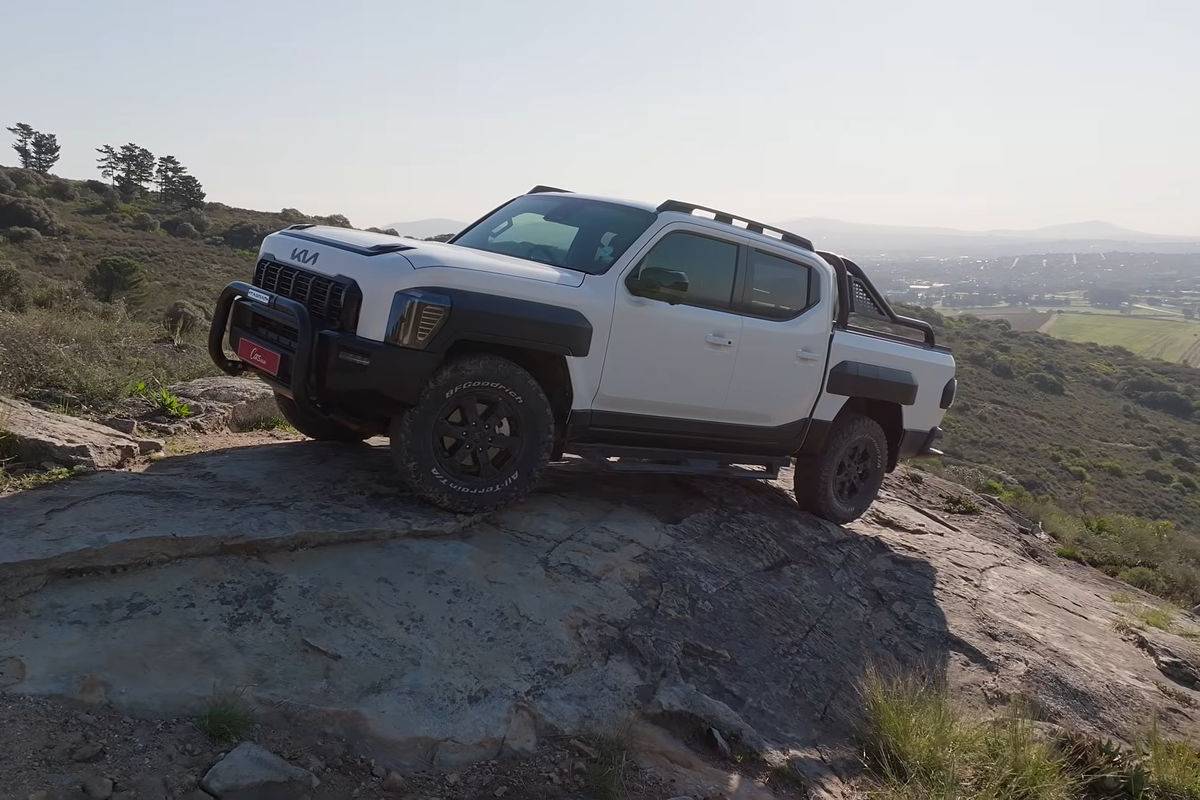
The Kia Tasman has officially landed, throwing the South Korean brand directly into the deep end of South Africa’s fiercely contested leisure double-cab market. In part 1 of this 2-part review, we assess the newcomer on-road.
We like: Tasman has a bold, unmistakable road presence; highly digitalised and versatile cabin layout; refined power delivery; impressive standard safety suite.
We don’t like: Divisive exterior styling elements; unladen rear ride can feel typically firm over sharp ruts; steering lacks feedback on-centre.
FAST FACTS
- Model: 2026 Kia Tasman 2.2 CRDi DC X-Pro 4×4 8AT
- Price: R999 995
- Engine: 2.2-litre, 4-cylinder turbodiesel
- Transmission: 8-speed automatic
- Power/Torque: 154 kW/440 Nm
- Claimed fuel consumption: 7.8 L/100 km
- 0-100 kph: 10.4 seconds (claimed)/10.59 seconds (tested)
Where does the Kia Tasman 2.2 CRDi DC X-Pro 4×4 8AT fit in?
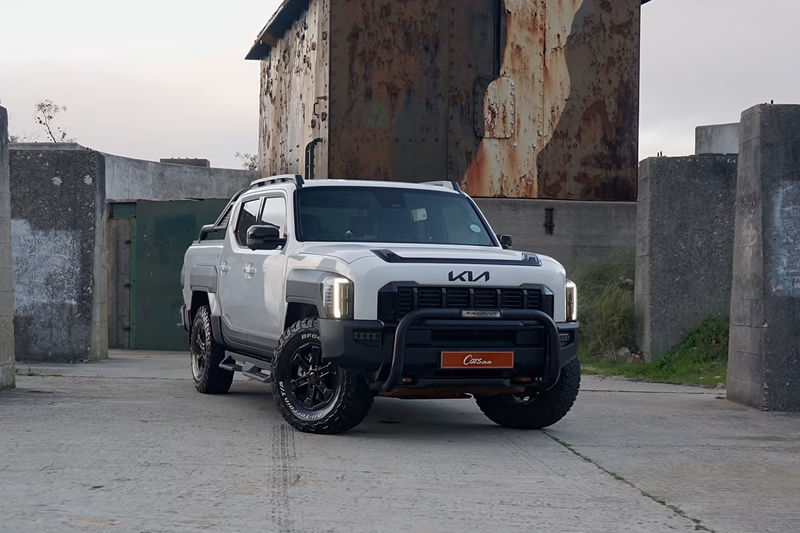
The all-new Kia Tasman marks the South Korean brand’s first-ever foray into the fiercely contested double-cab bakkie market, built from the ground up on a rugged ladder-frame chassis rather than adapting an existing SUV platform.
Compare their specs: Kia Tasman vs Ford Ranger vs (new) Toyota Hilux
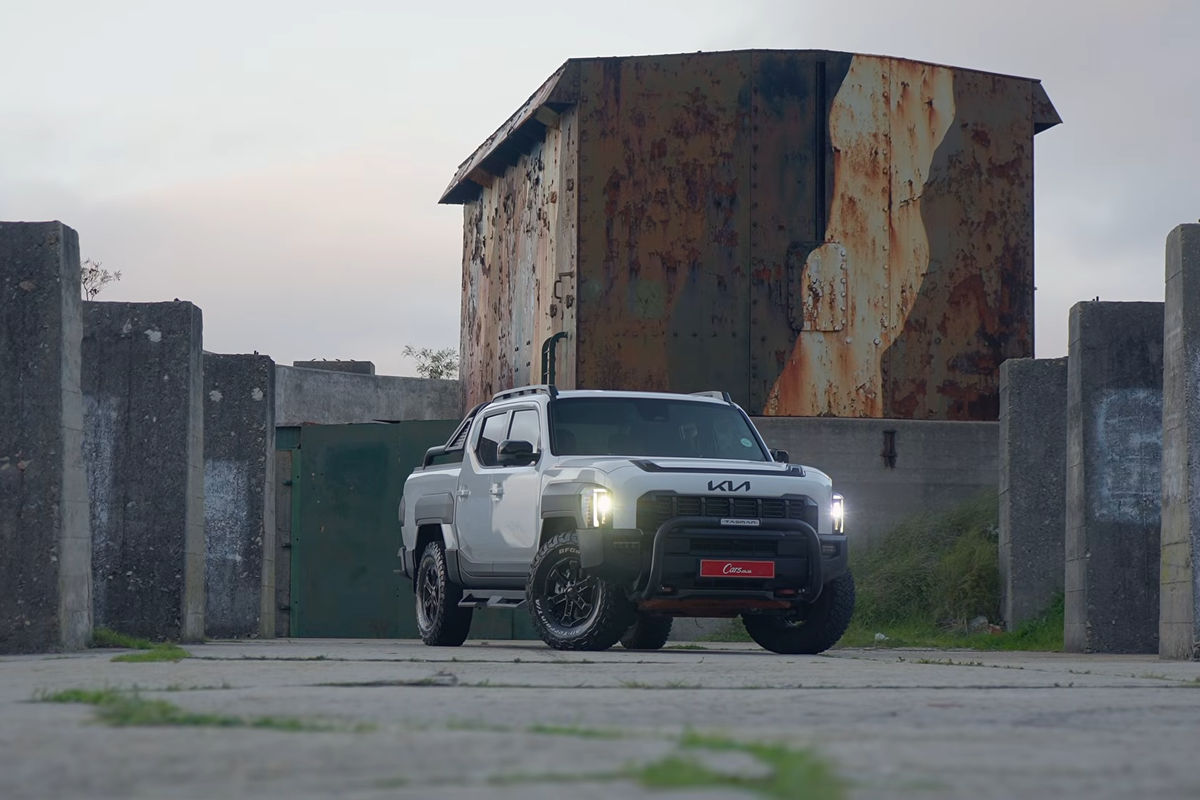
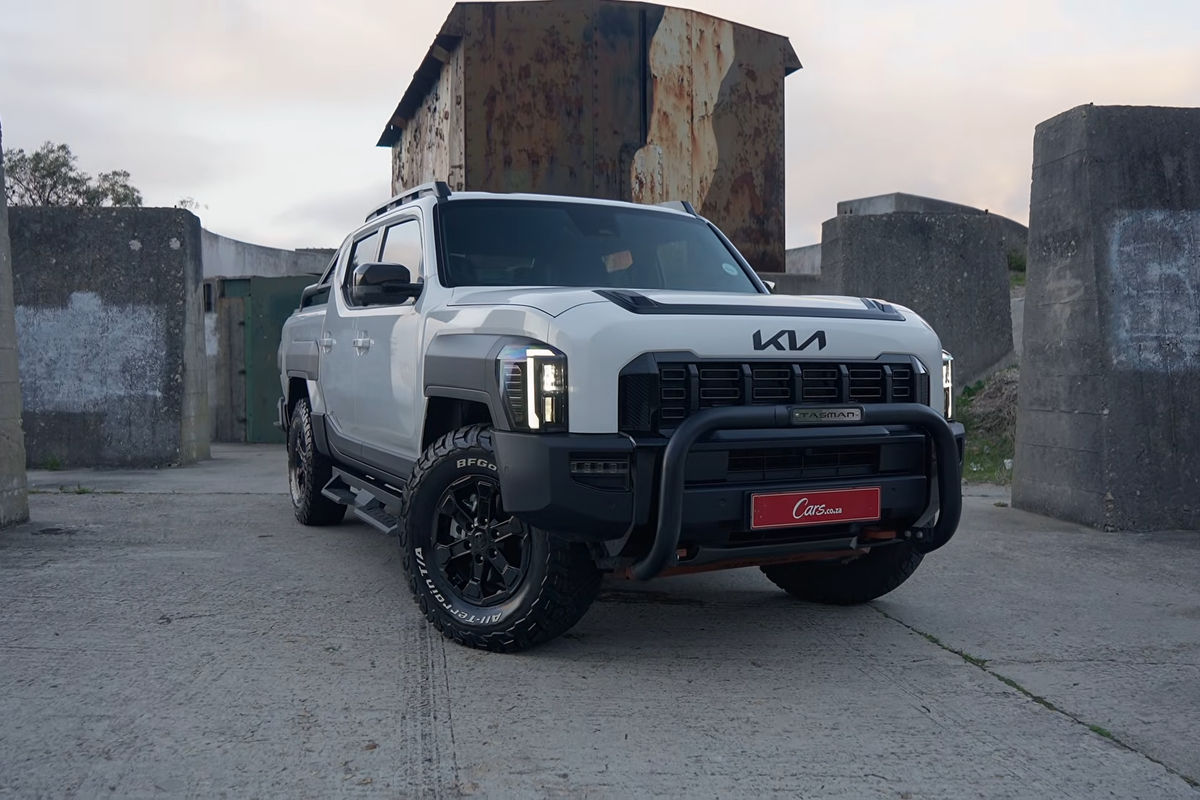
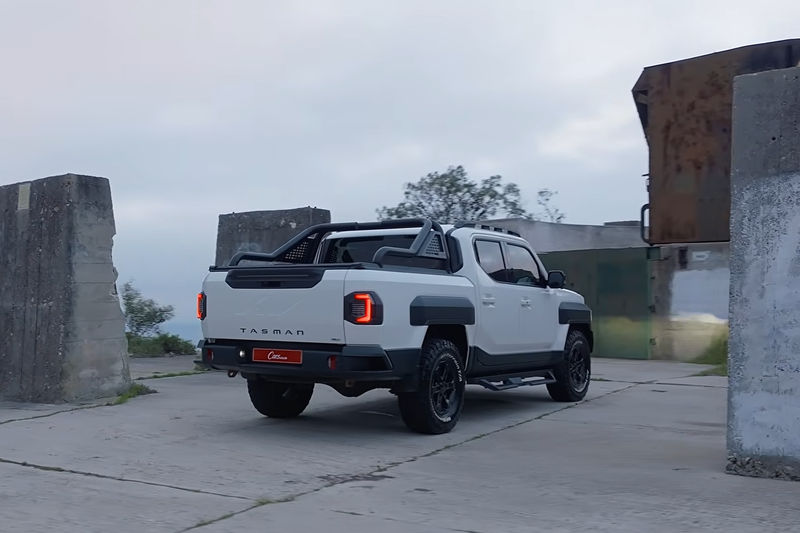
Visually striking and highly polarising, its boxy, military-inspired exterior strips away traditional bakkie styling conventions to emphasise pure functionality, while the cabin counters with a premium, tech-heavy, car-like environment.
How the Kia Tasman fares in terms of…
Design & Packaging
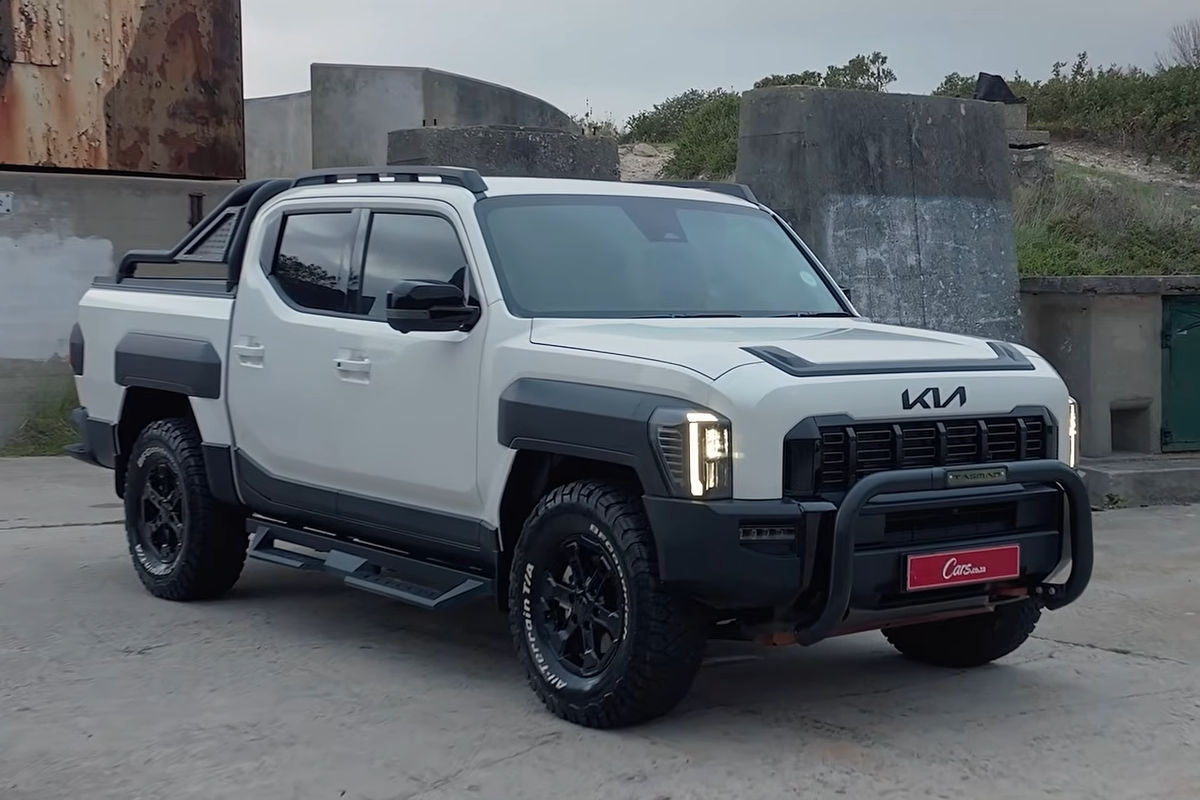
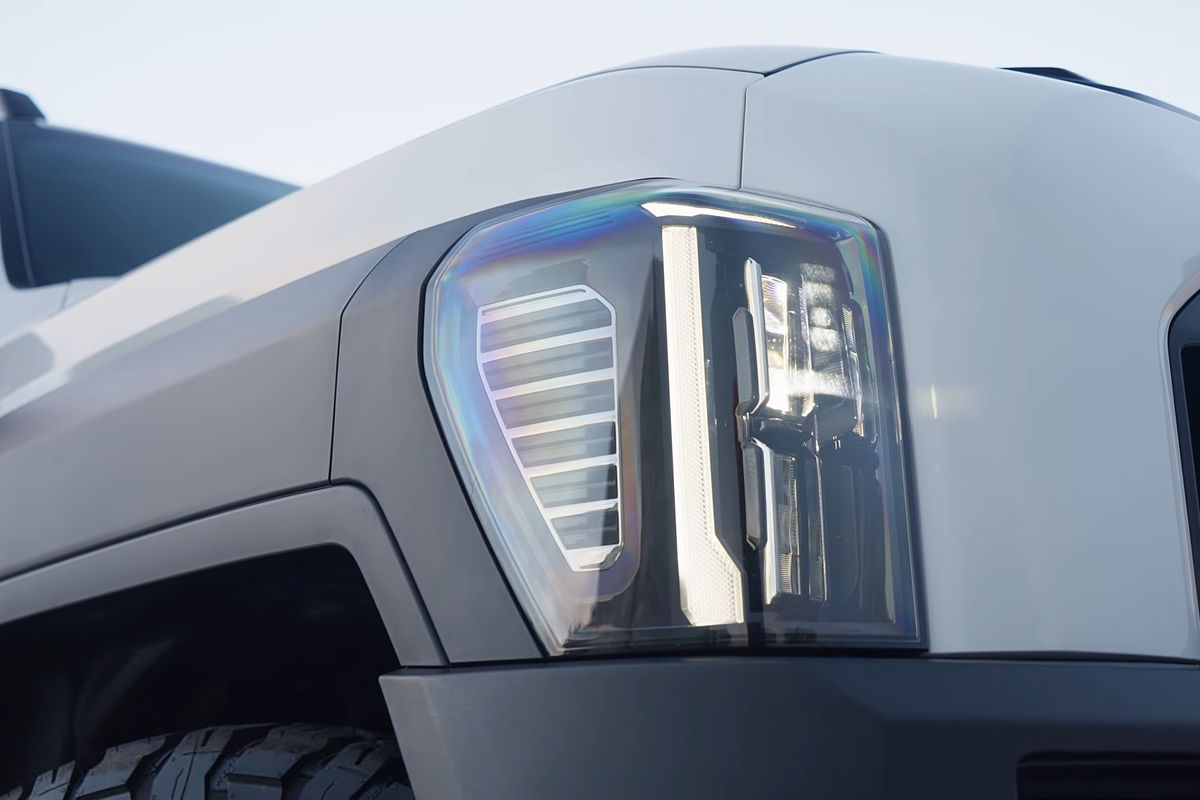
There is no escaping the Tasman’s exterior design. Kia has deliberately steered clear of the conservative, evolutionary styling language that dominates the bakkie segment. The front end is dominated by a massive, upright grille treatment, vertically oriented LED projector headlamps pushed to the outer edges, and prominent, blocky wheel-arch cladding that integrates storage steps. It is a highly unconventional look that ensures maximum road presence, even if it splits opinion in local parking lots.
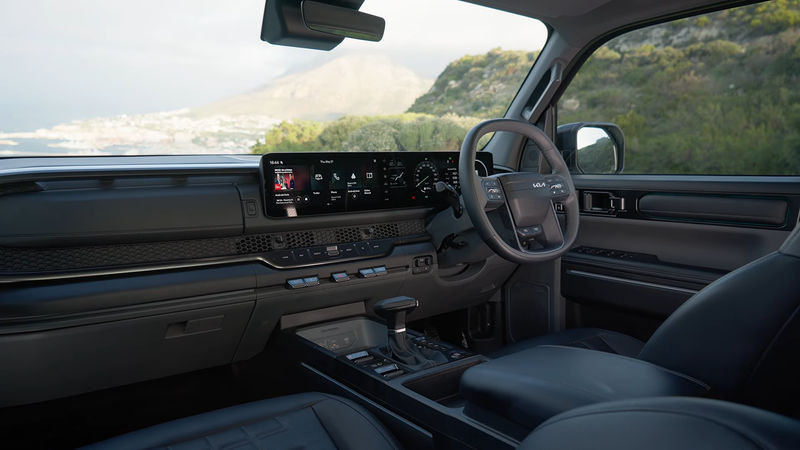
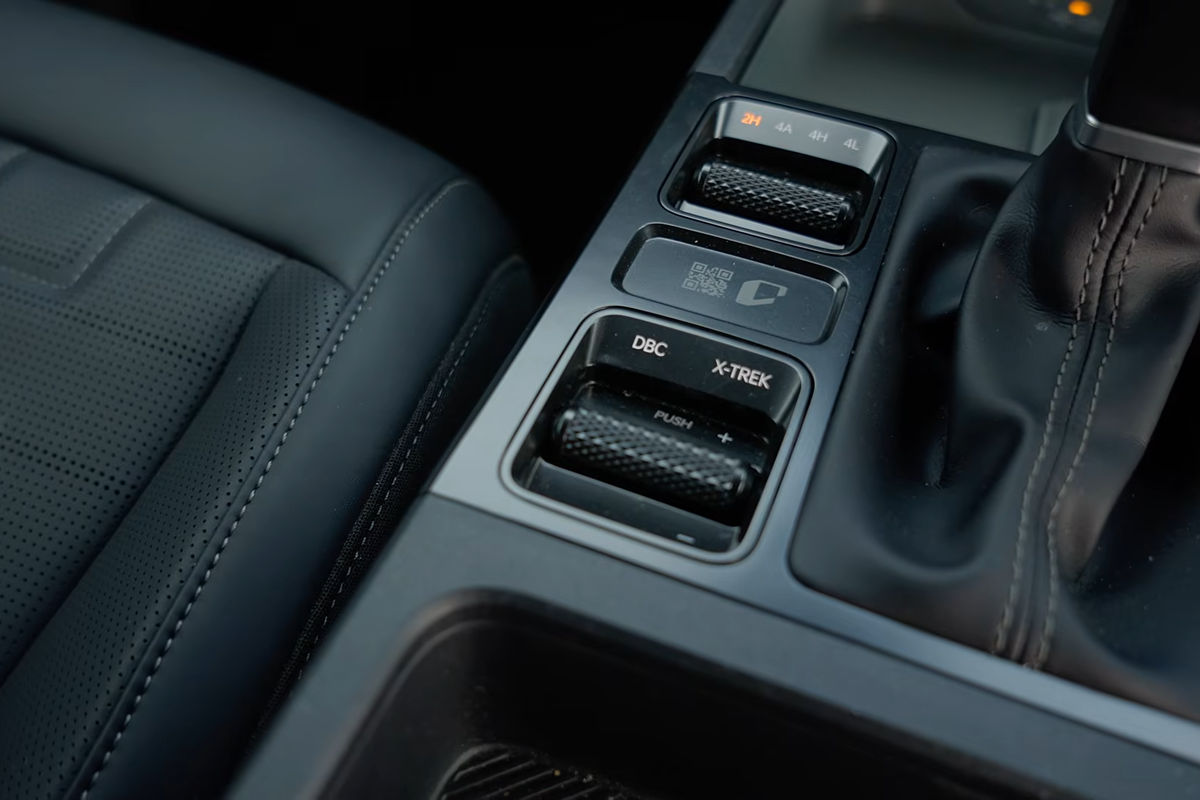
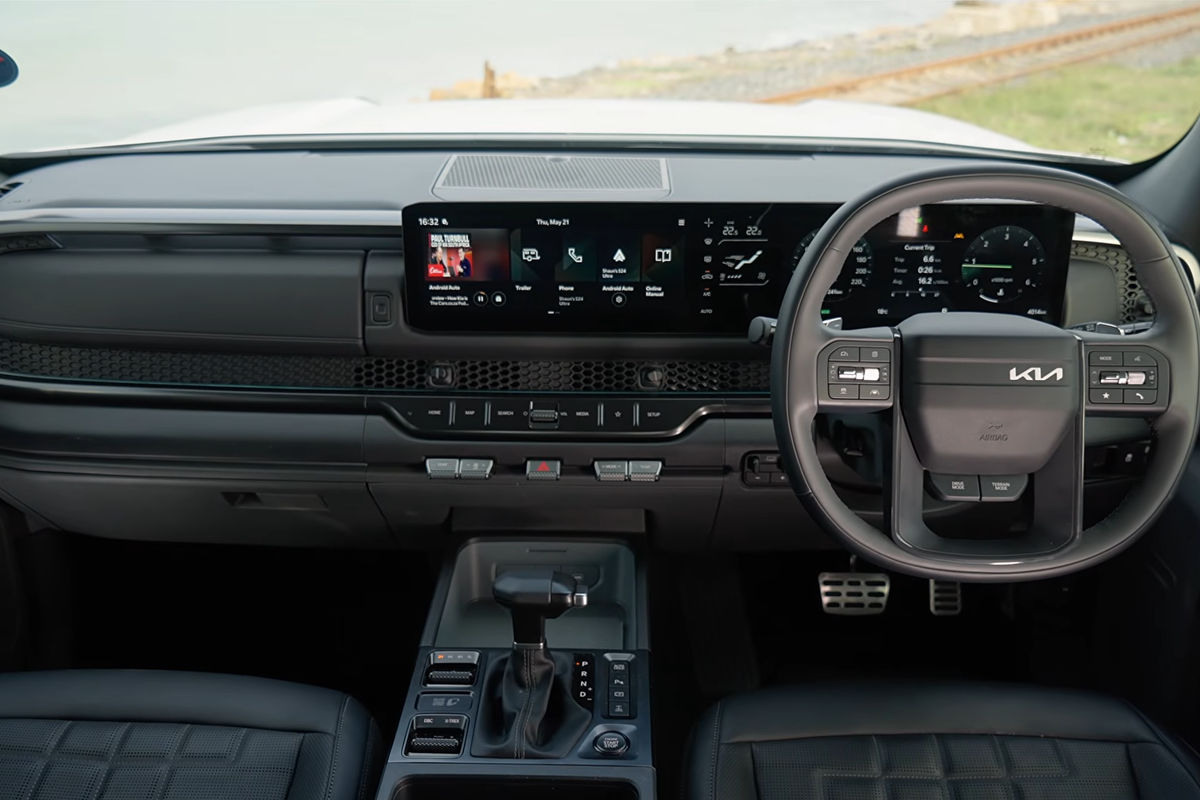
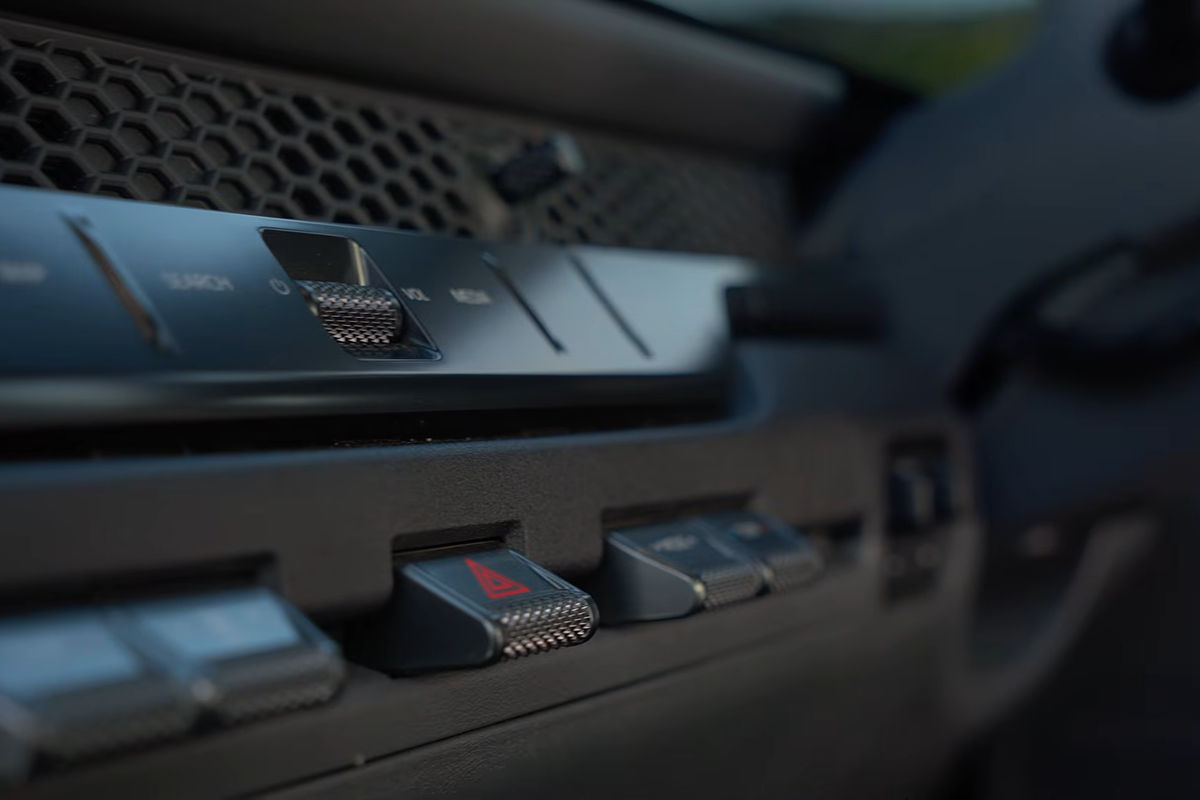
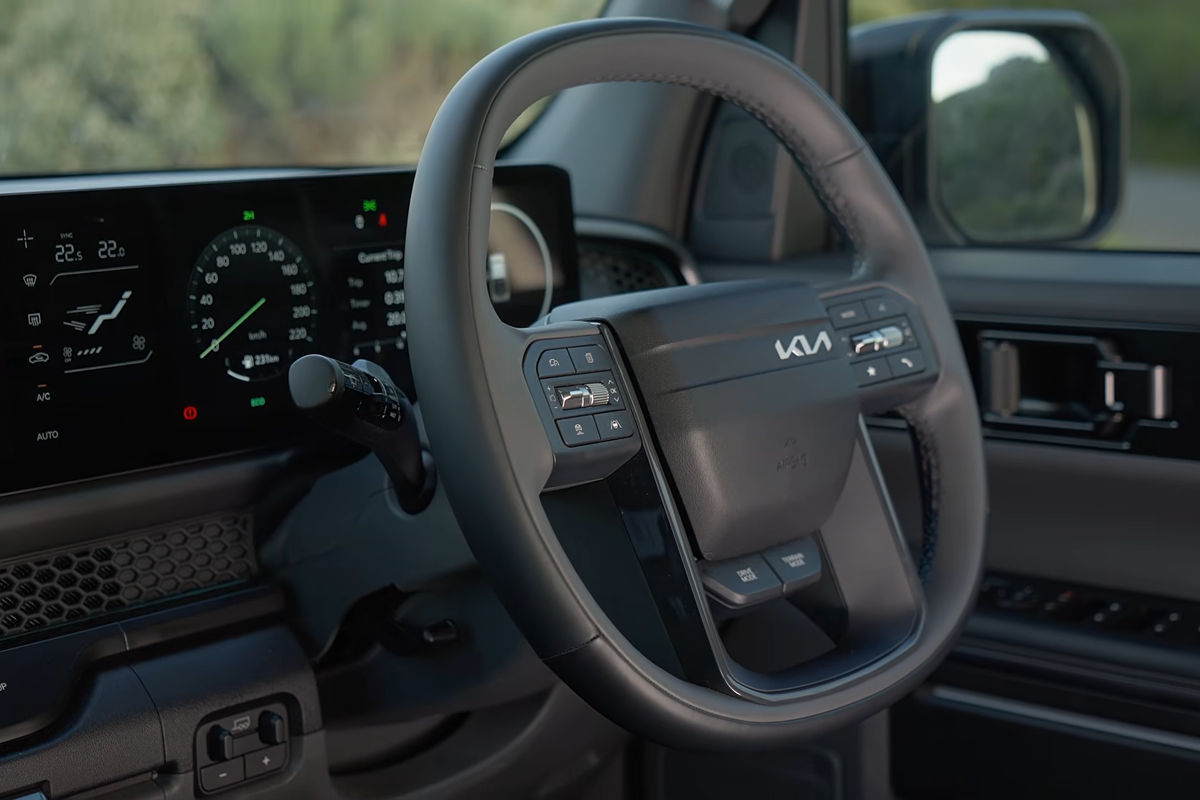
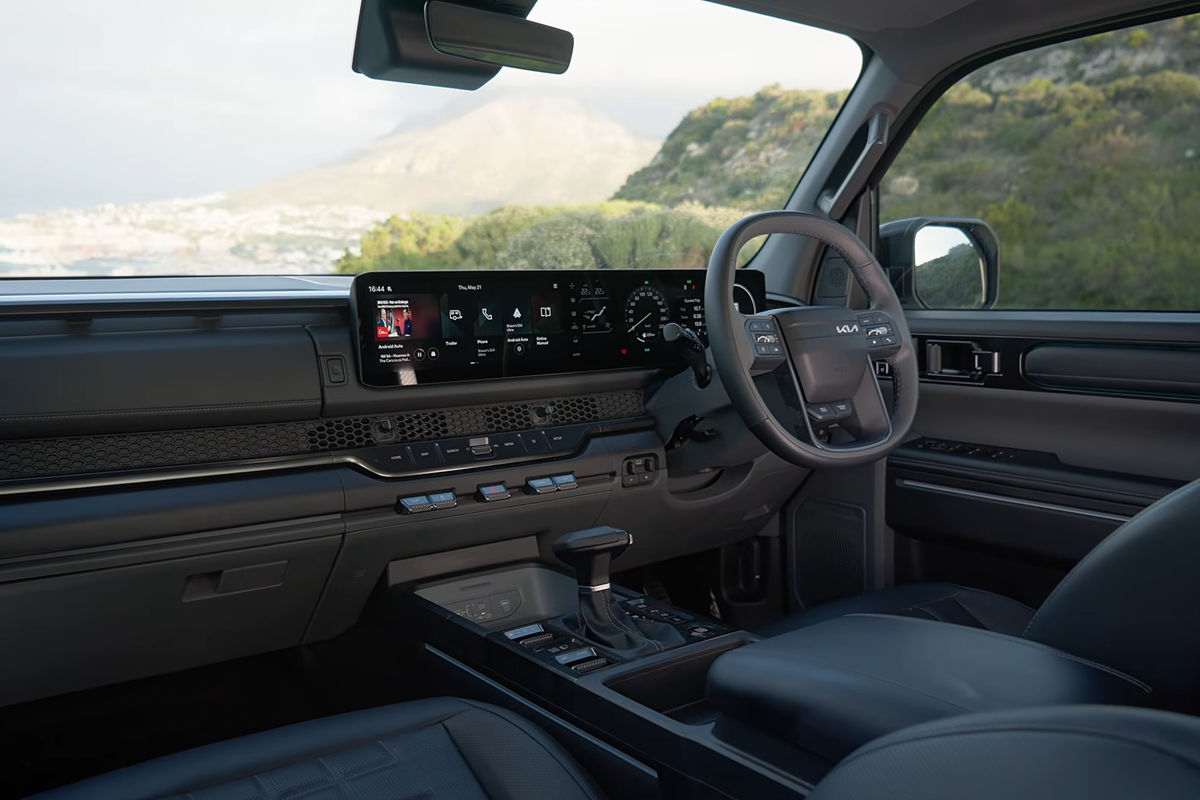
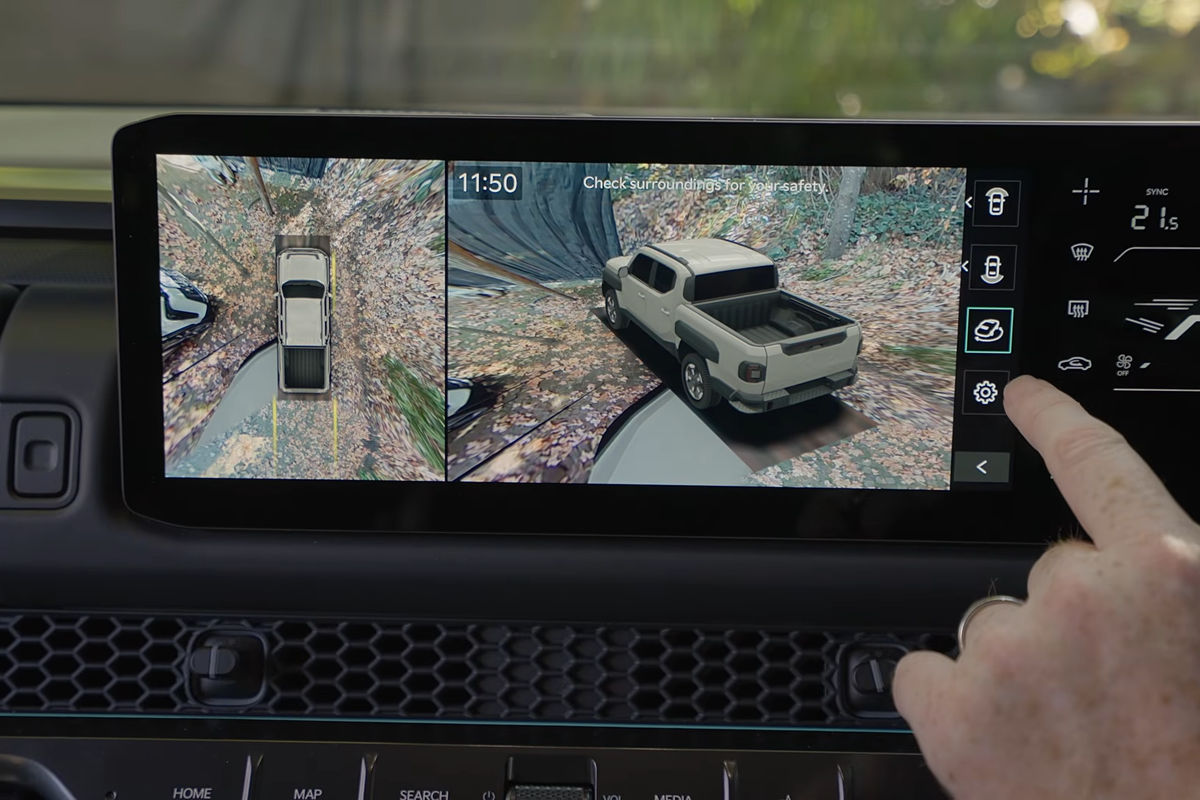
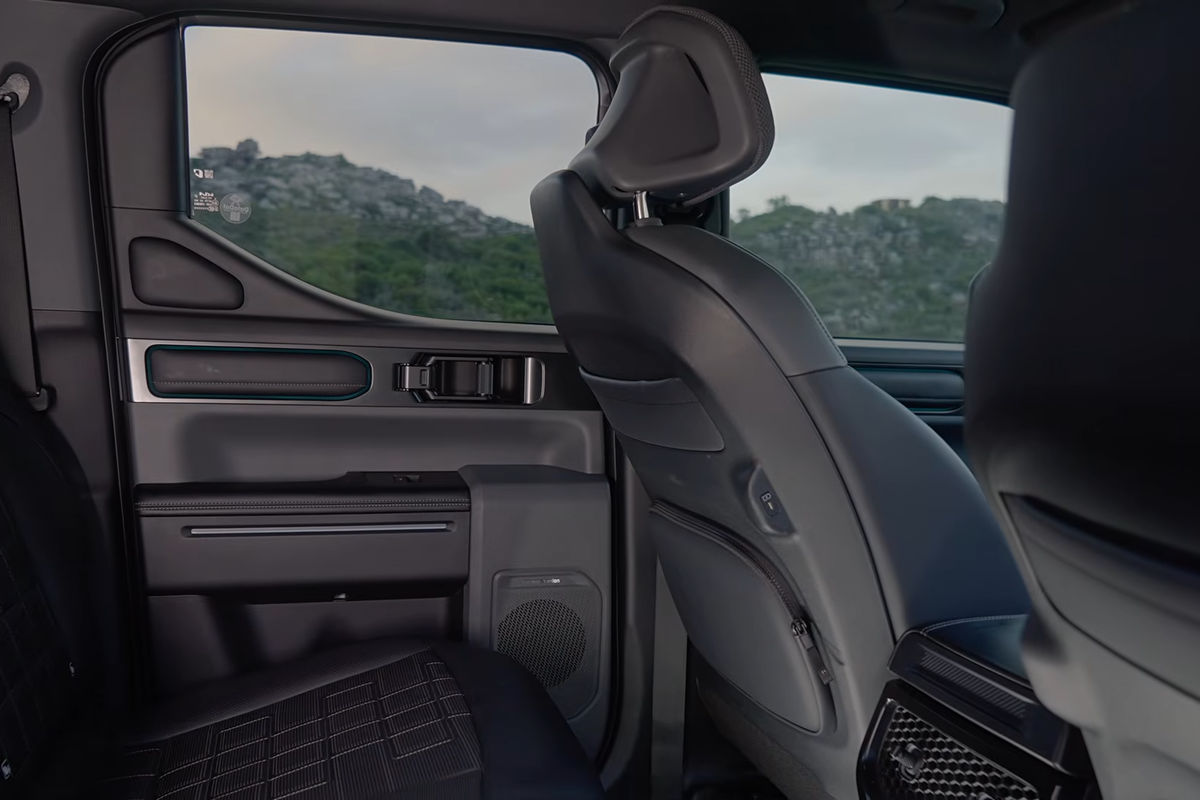
Step inside, however, and the narrative shifts entirely toward modern sophistication. The cabin layout borrows heavily from Kia’s premium EV line-up, featuring an expansive panoramic display panel that houses a 12.3-inch digital instrument cluster, a 5-inch climate touchscreen control segment, and a primary 12.3-inch infotainment system. Crucially, Kia has retained a neat row of physical toggle switches for core functions below the screen, balancing tech with daily usability.
Kia Tasman (2026) Price & Specs
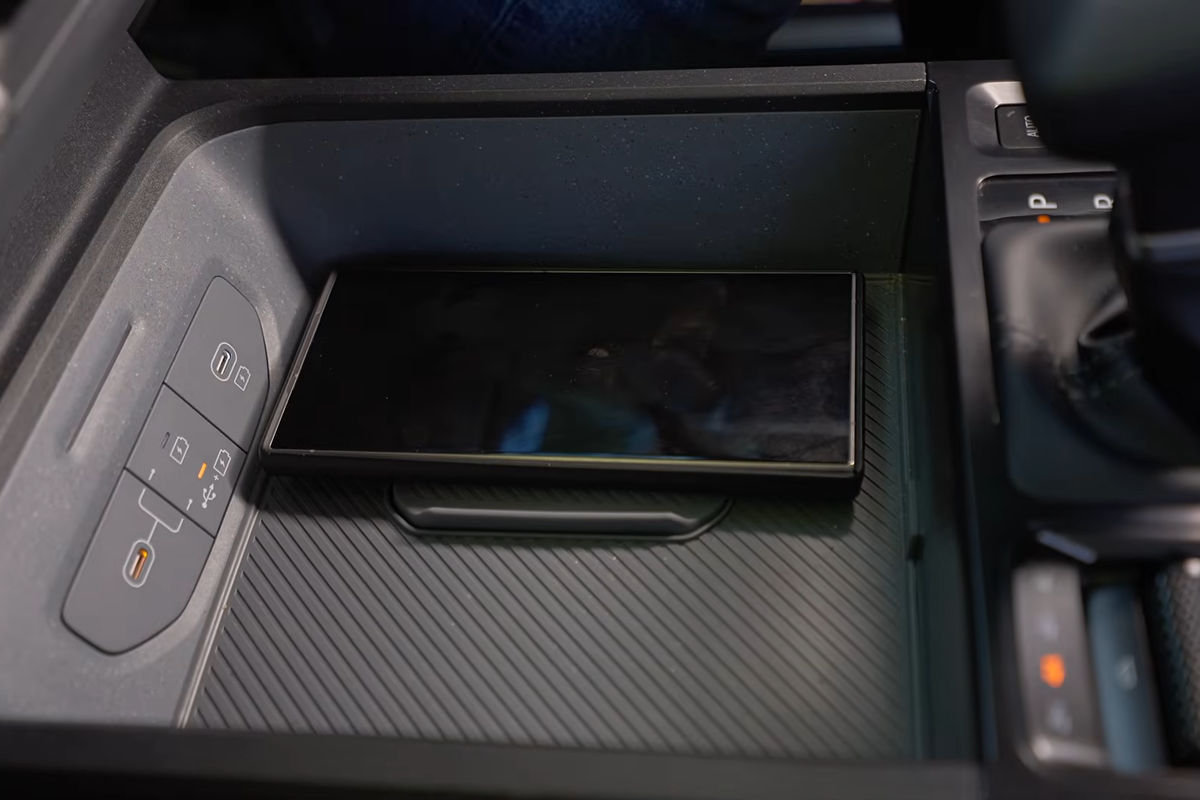
Material quality is excellent for a utility vehicle, with extensive use of sustainable materials and robust switchgear.
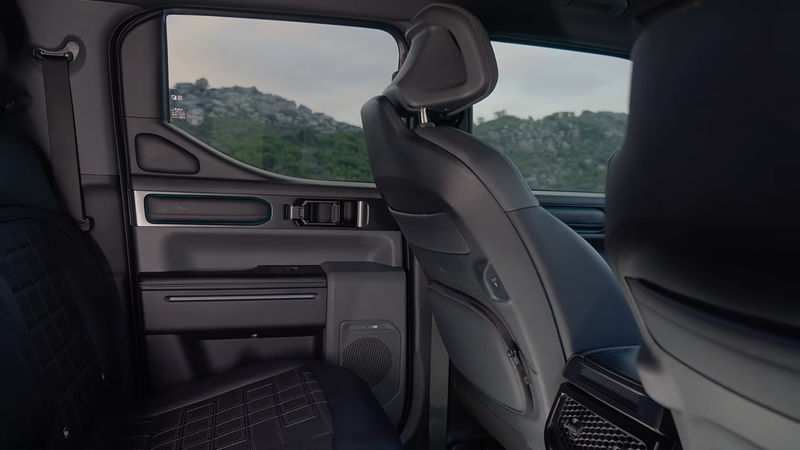
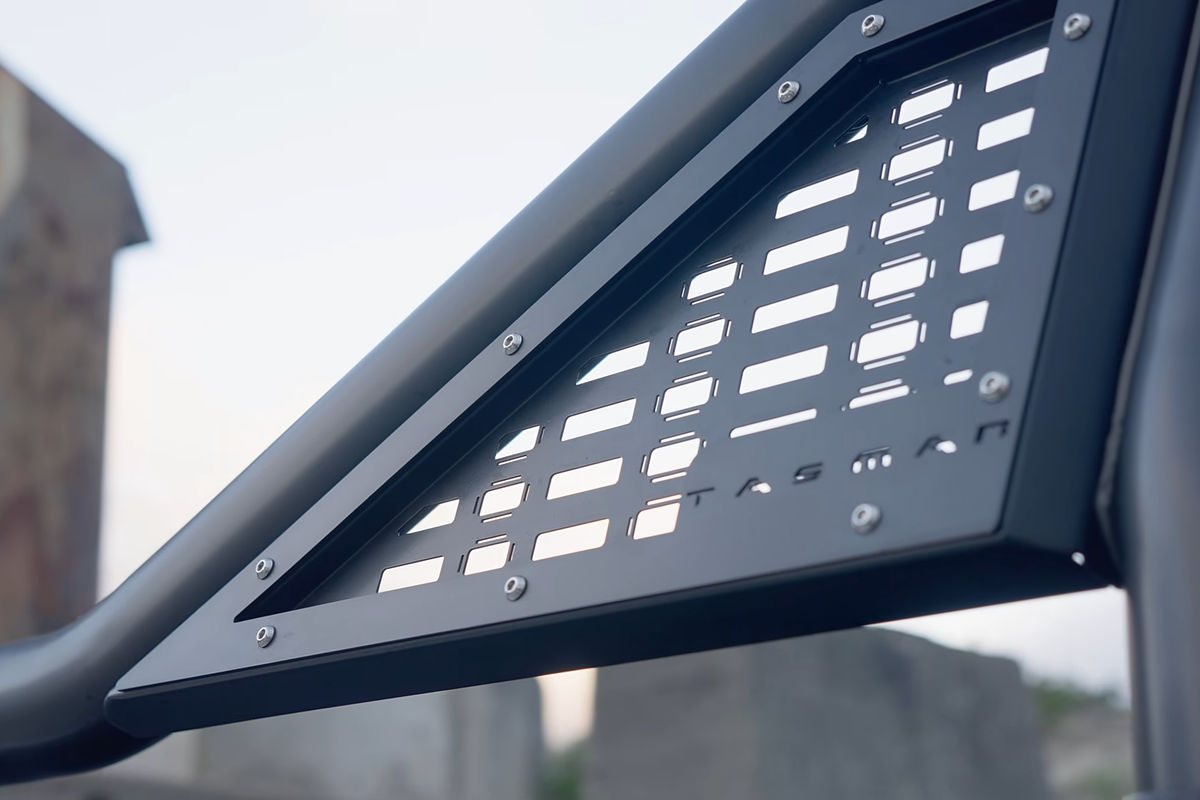
Practicality is a major highlight, too: the rear seats can slide and recline, and folding them up reveals a generous 29-litre under-seat storage bin. Out back, the load bay features an integrated power outlet, illuminated corner steps and a sliding cargo floor configuration on higher-grade models.
Performance & Efficiency
Under the bonnet, the Tasman relies on a revised iteration of Kia’s proven 2.2-litre four-cylinder Smartstream turbodiesel engine. Producing 154 kW and 440 Nm of torque, it sends power to all 4 wheels via a slick-shifting 8-speed torque-converter automatic transmission.
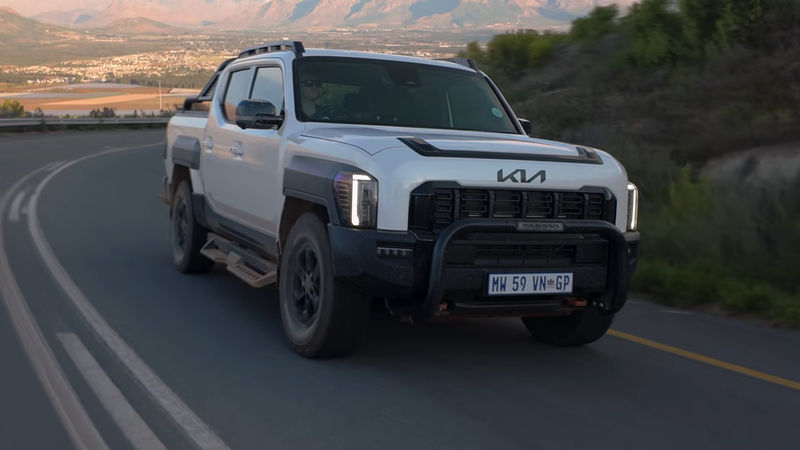
While it lacks the outright muscularity of V6 rivals, the power delivery is linear and responsive from low revs. In urban traffic, the powertrain is decently quiet and refined, with minimal diesel clatter entering the cabin. Out on the open road, the gear shifts are intuitive, although executing high-speed overtakes when fully loaded requires a bit of forward planning.
Efficiency is a notable strong suit. On our mixed testing route, real-world consumption hovered around 8.4 L/100 km, which is a respectable return for a vehicle of this size and wind-resistant aerodynamic profile.
Ride, Handling & Comfort
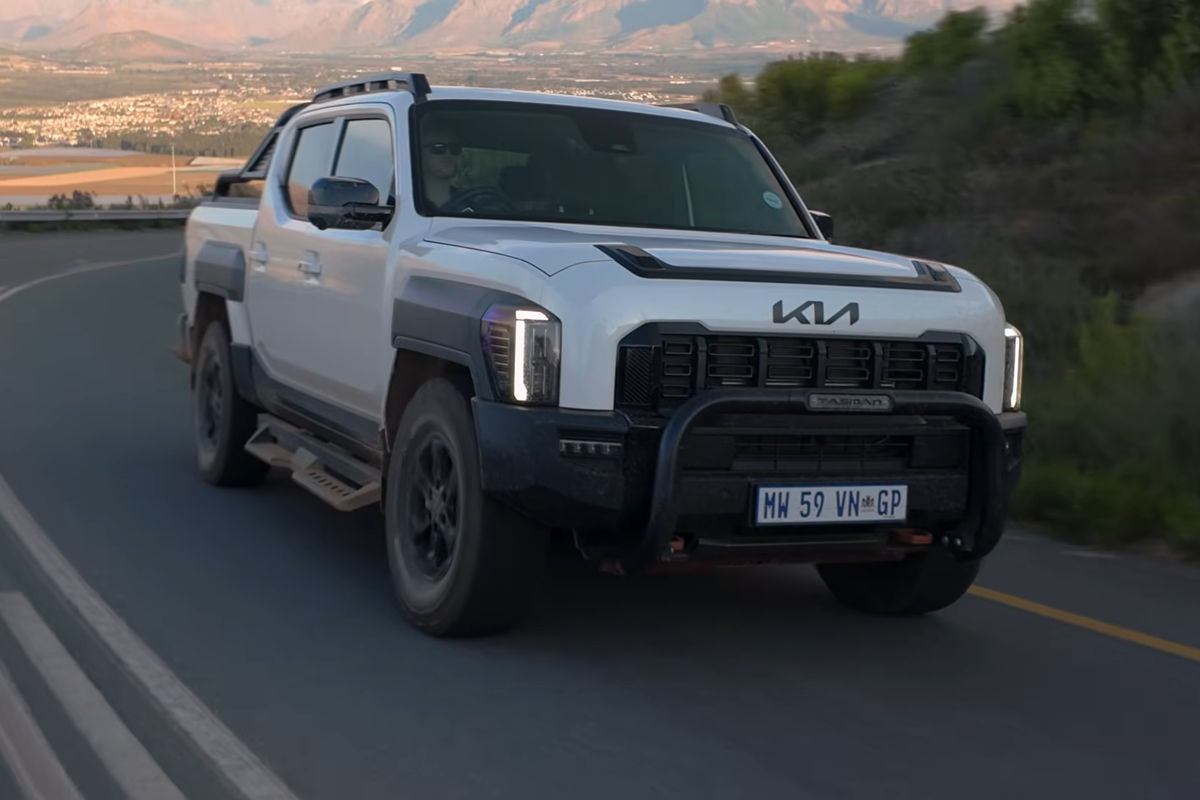
On the tarmac, the Tasman prioritises occupant comfort and long-distance refinement. NVH suppression is class-leading, with wind and road noise kept well at bay despite the blocky exterior design and large side mirrors.
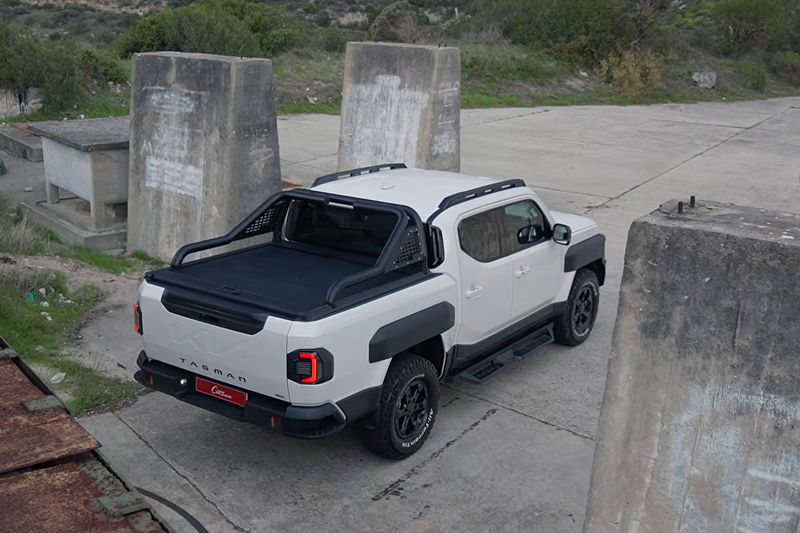
The suspension layout utilises a double-wishbone front setup paired with a traditional leaf-spring rear axle to handle heavy payloads (up to 1 195 kg) and a 3 500 kg braked towing capacity. The inclusion of frequency-selective dampers helps mitigate some of the typical agricultural jitteriness associated with empty ladder-frame bakkies, although not entirely. Sharp ruts can still cause a momentary shimmy through the chassis.
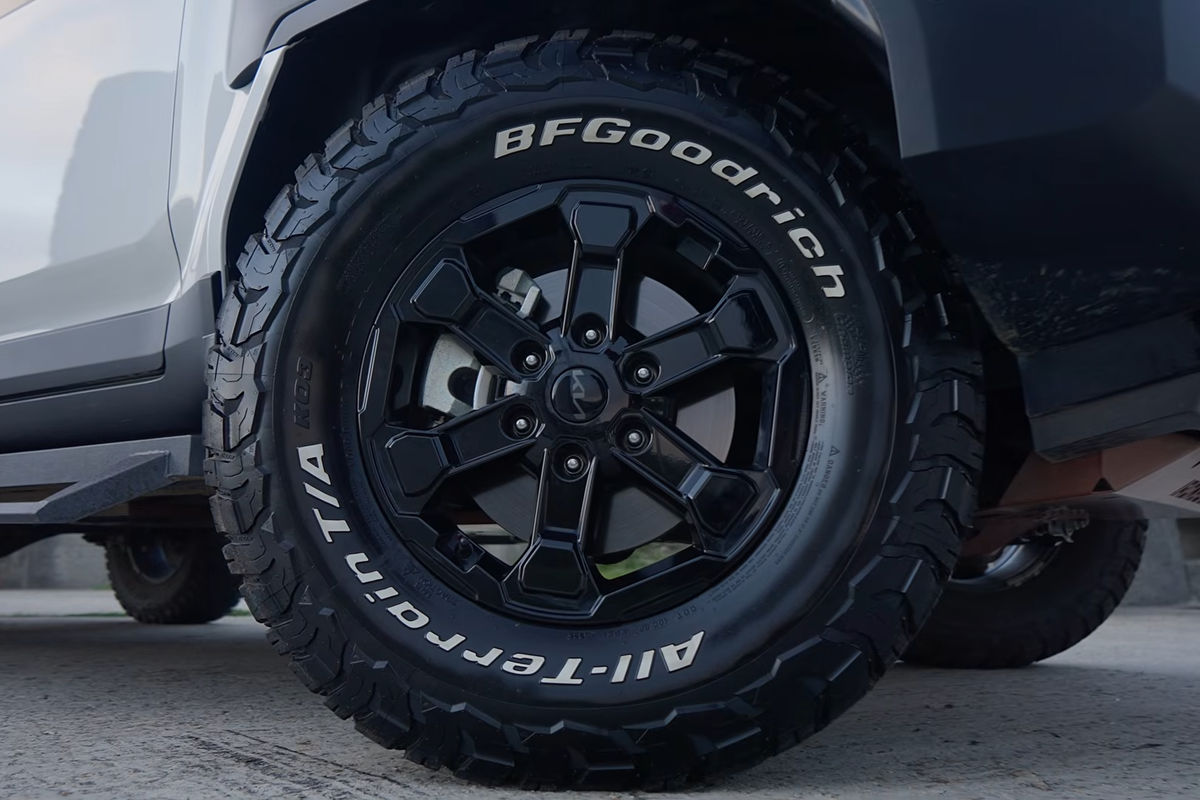
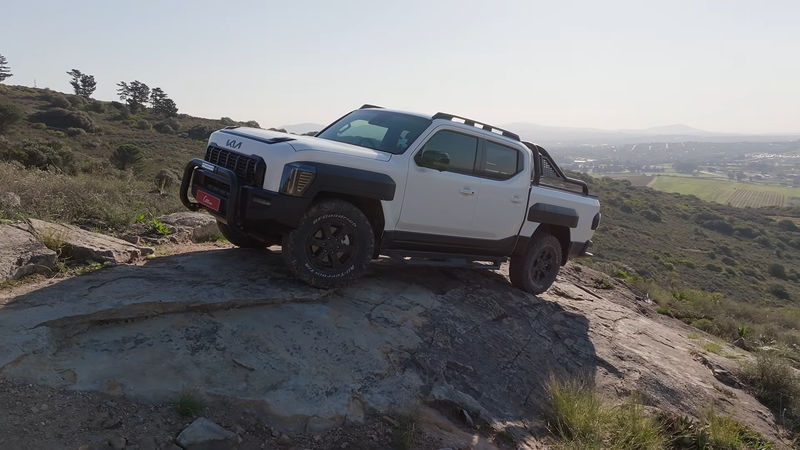
This flagship X-Pro derivative ups the ante off-road, adding an automatic electronic locking rear differential, an extra 28 mm of ground clearance (totalling 252 mm), and 17-inch gloss-black wheels wrapped in chunky all-terrain rubber. The steering is light and effortless around town, which simplifies parking manoeuvres, though it does feel somewhat vague and numb around the dead-centre position at highway cruising speeds. The tyres also produce quite a bit of road noise.
Kia Tasman Price & After-sales support
All Tasman models boast a 5-year/90 000 km service plan and 5-year/unlimited km warranty.
| Kia Tasman DC 2.2 CRDi LX 8AT | R679 995 |
| Kia Tasman DC 2.2 CRDi SX 4×4 8AT | R879 995 |
| Kia Tasman DC 2.2 CRDi X-Pro 4×4 8AT | R999 995 |
Verdict
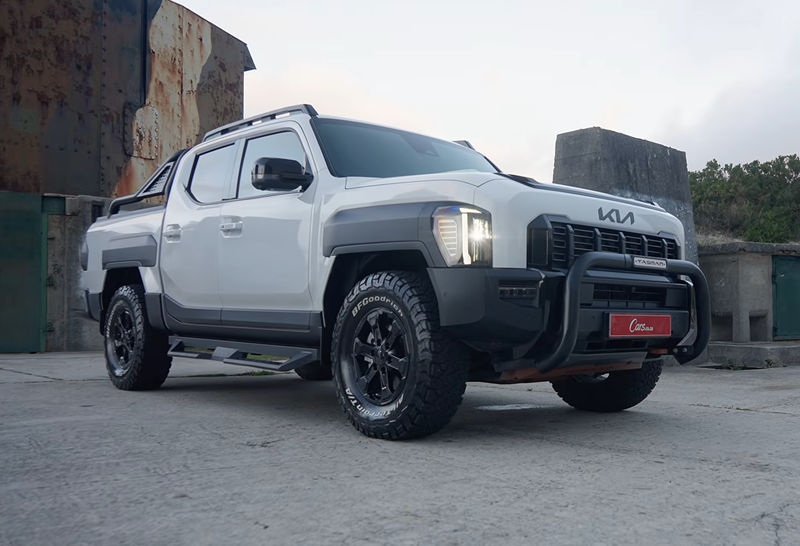
The Kia Tasman enters a fiercely competitive segment, but it does so with a very specific set of skills. It offers a massive amount of standard equipment, a nicely finished and practical cabin environment, and a refined powertrain package.
While the polarising exterior design will undoubtedly be the primary talking point for prospective South African buyers, look beneath the skin and you will find an accomplished, comfortable, and deeply rational lifestyle double-cab bakkie.
Read more: Kia Tasman (2026) Launch Review