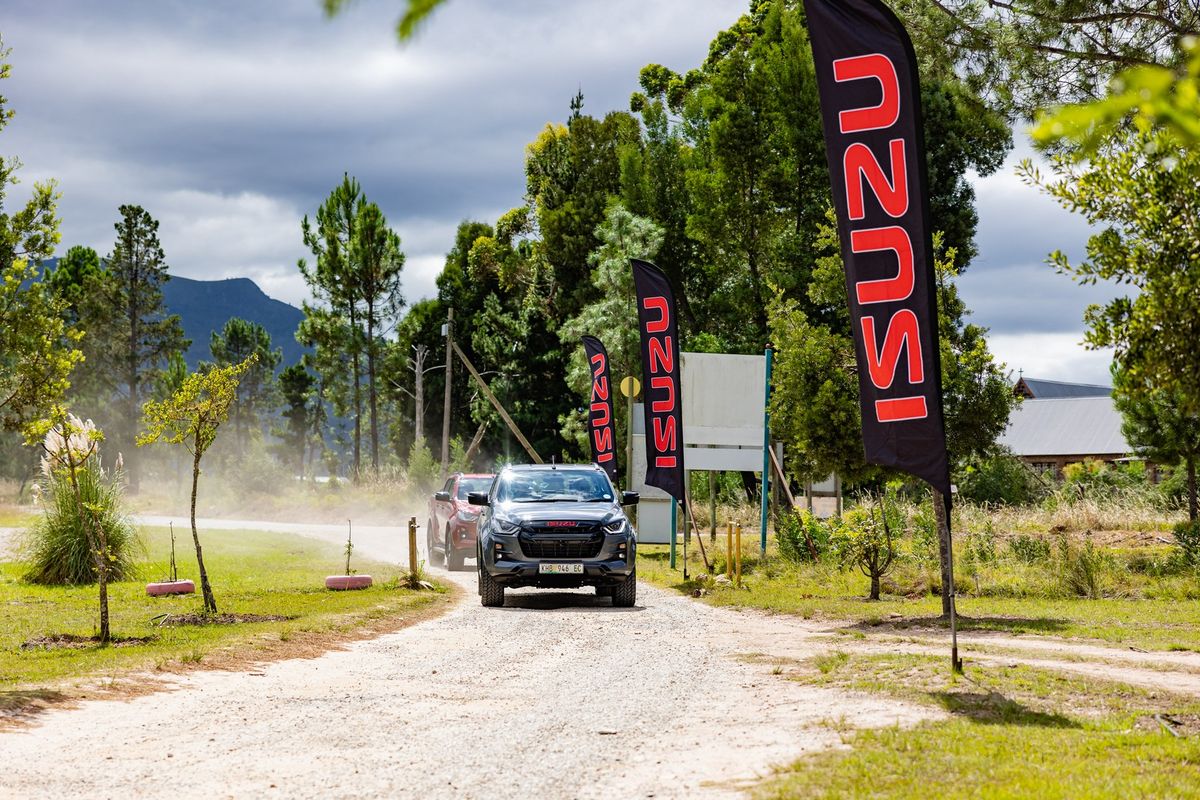
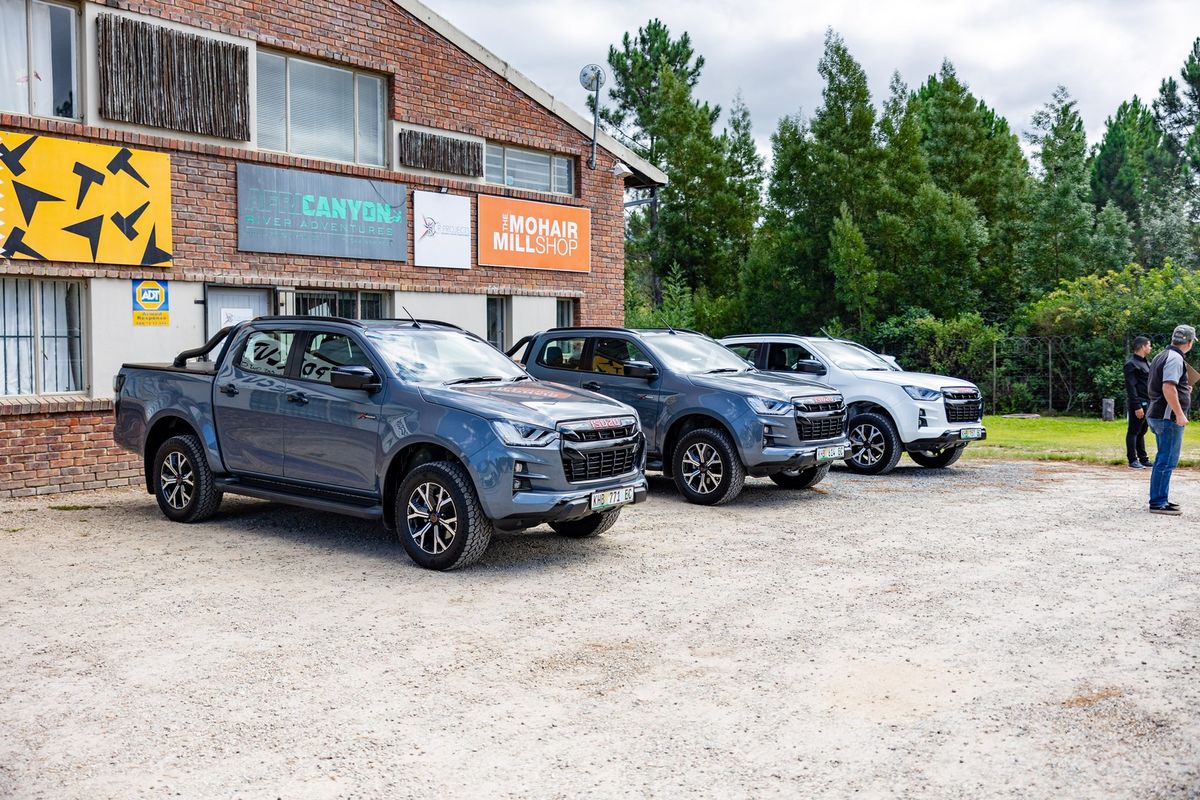
We headed to the Garden Route to try out the latest iteration of the Isuzu D-Max X-Rider. Can it justify its premium over the other derivatives of the 3rd-gen model?
What is an Isuzu D-Max X-Rider?
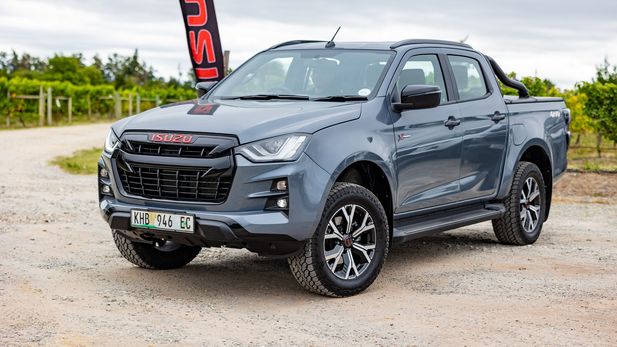
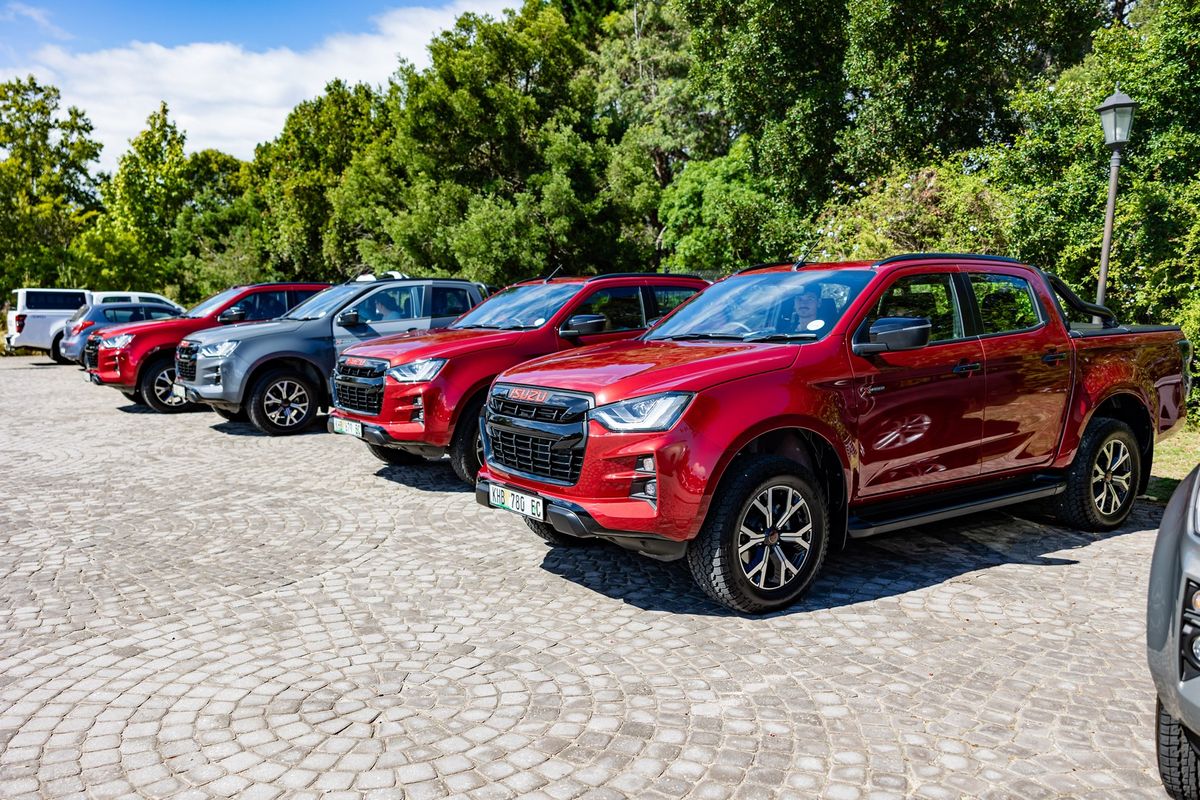
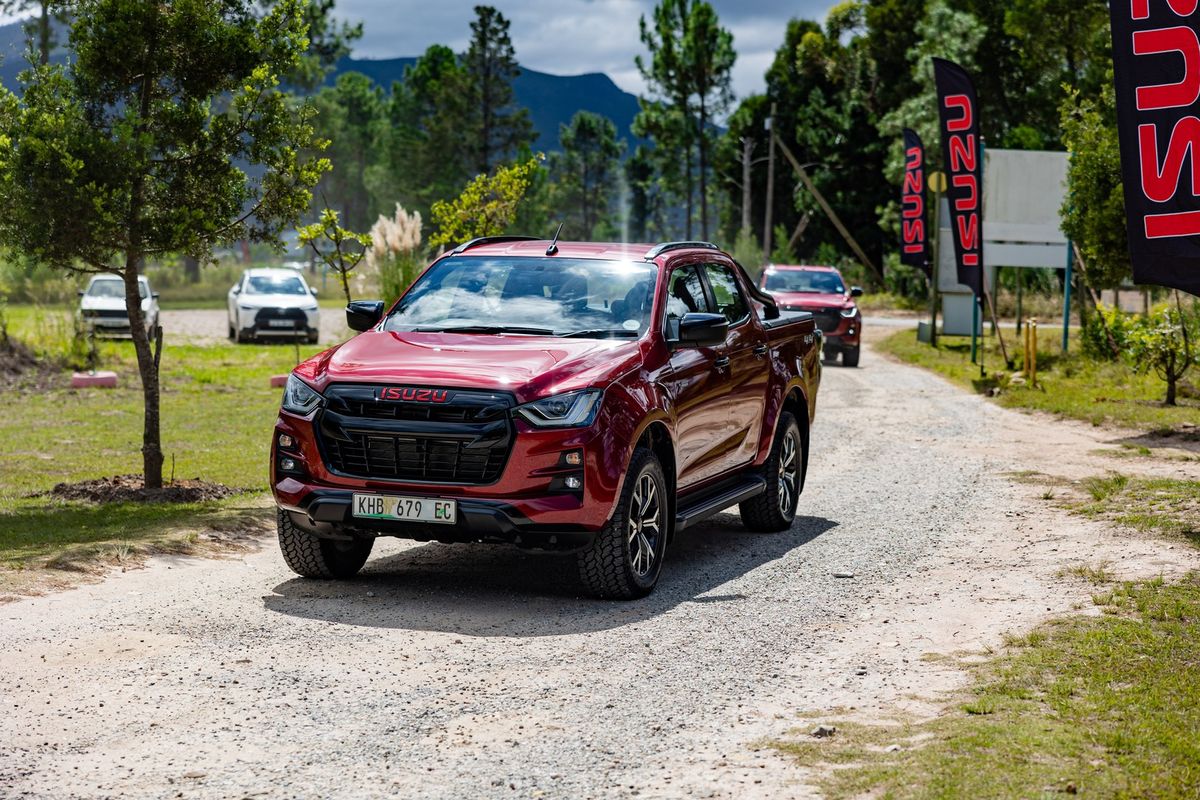
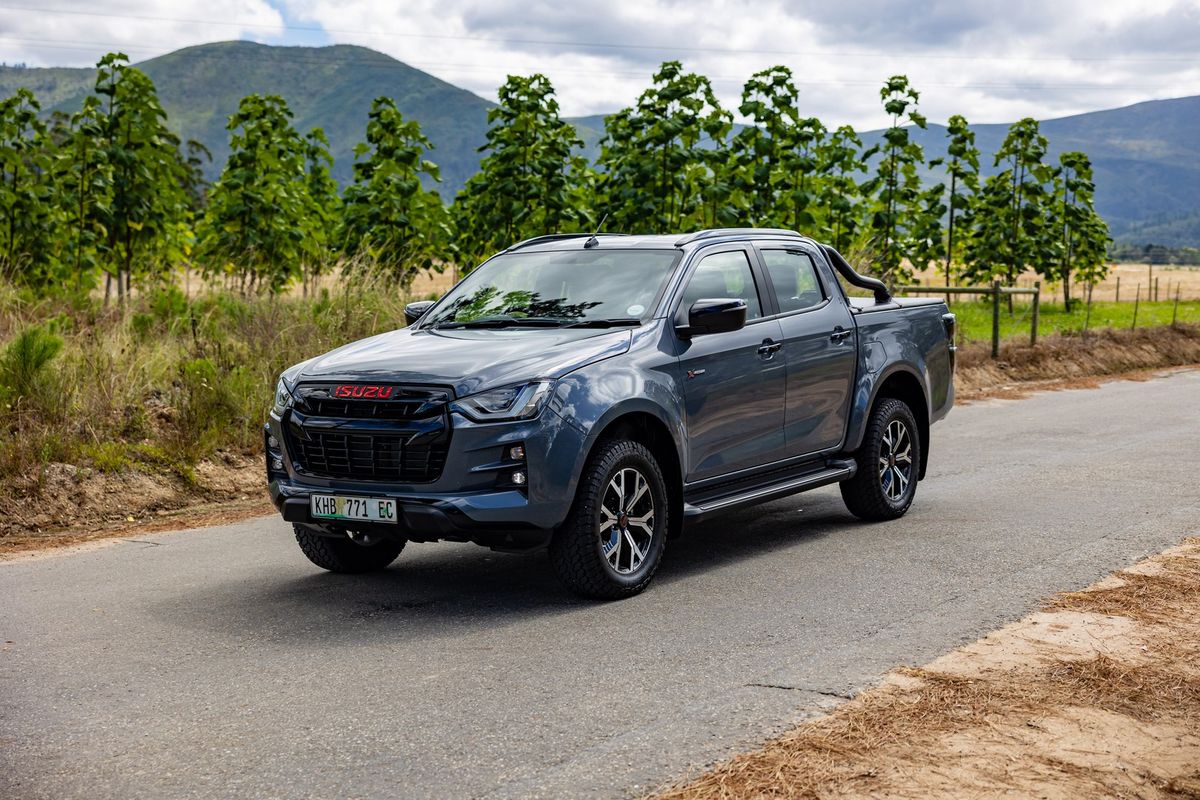
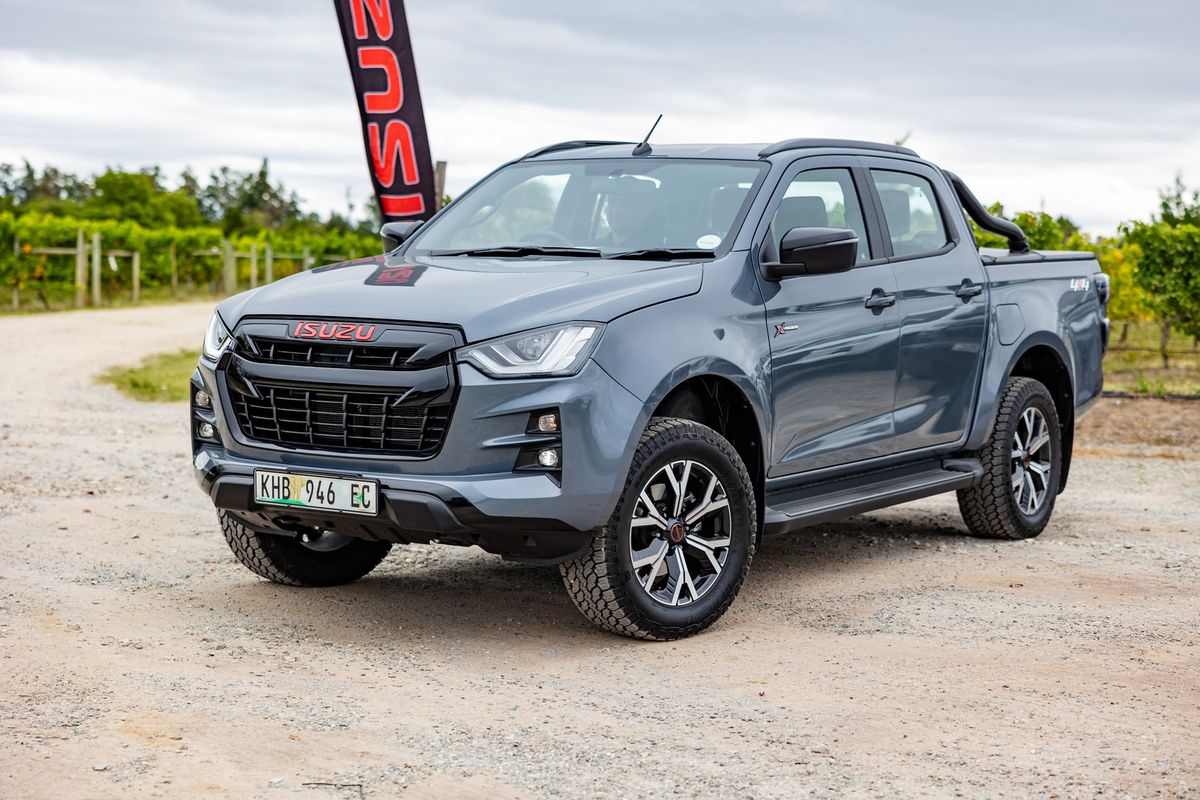
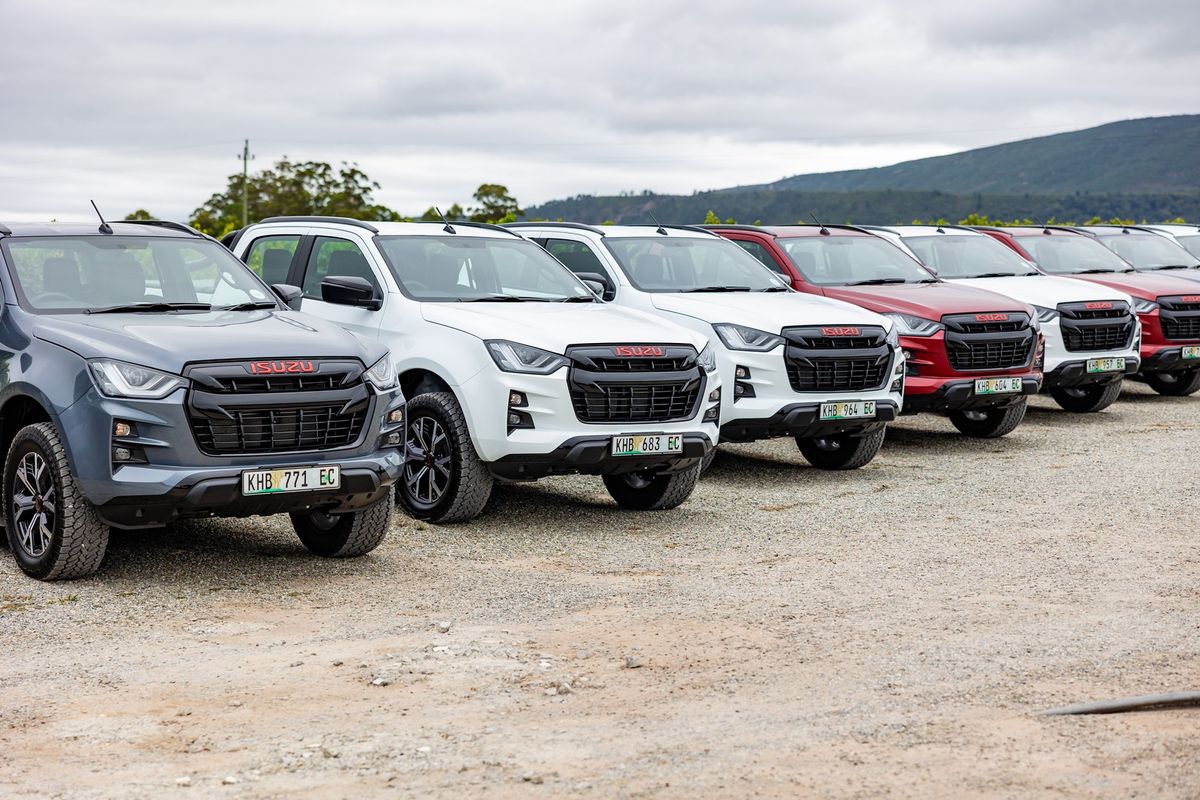
The popularity of the X-Rider badge, which has become synonymous with the D-Max, has inspired Isuzu Motors South Africa to add the sporty, lifestyle-orientated trim grade to the 3rd-gen bakkie’s line-up. When combined with the correct exterior finish, it truly stands out – we adore the Islay (dark) grey!
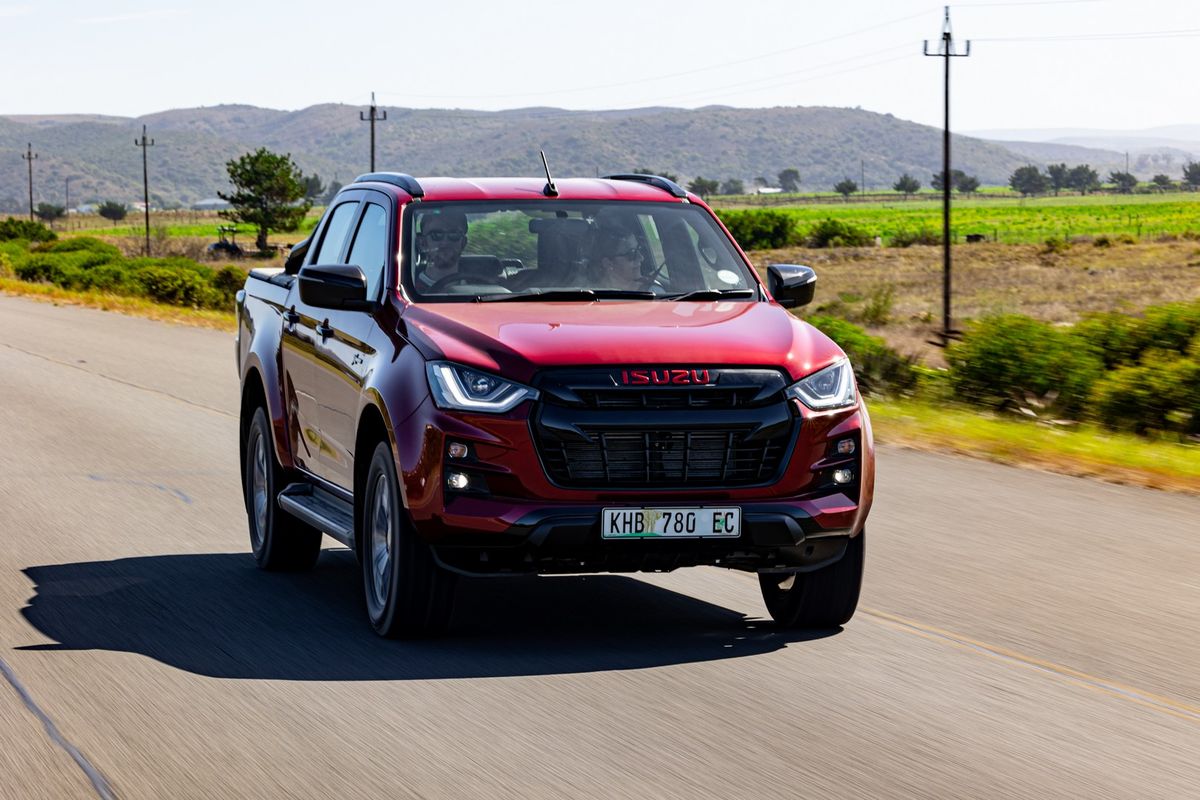
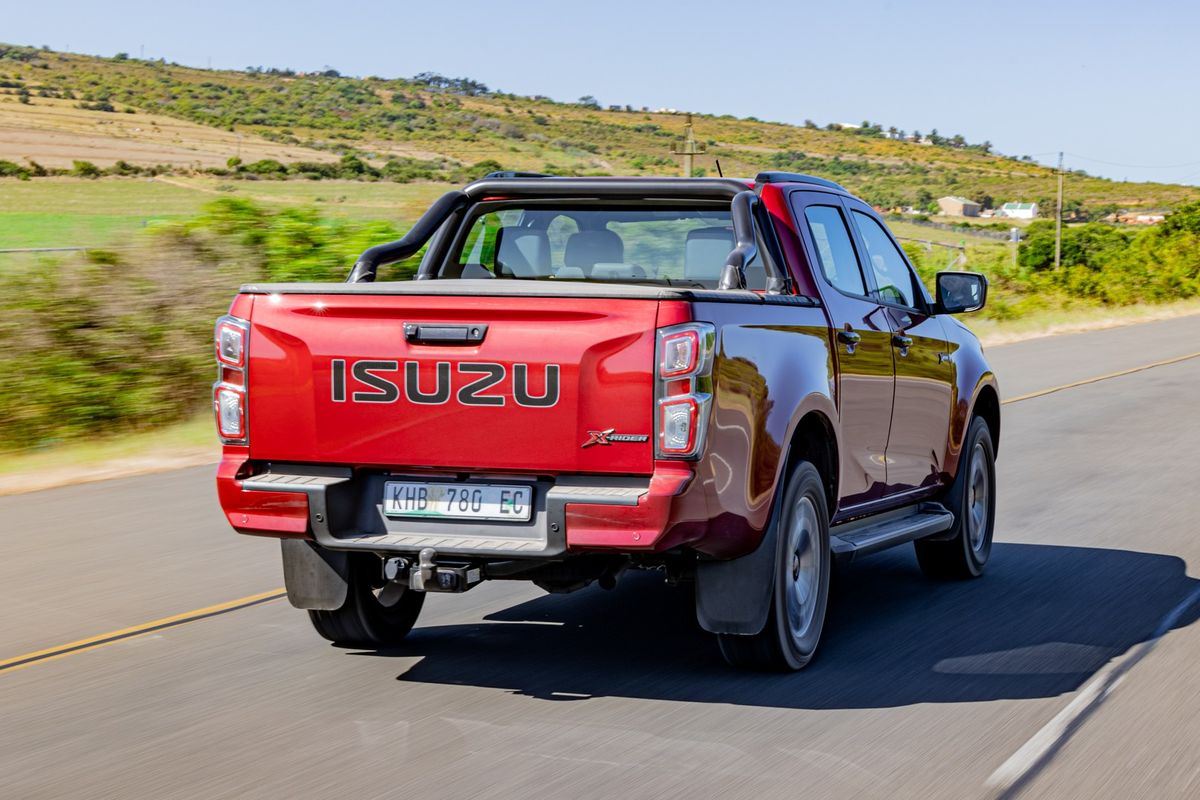
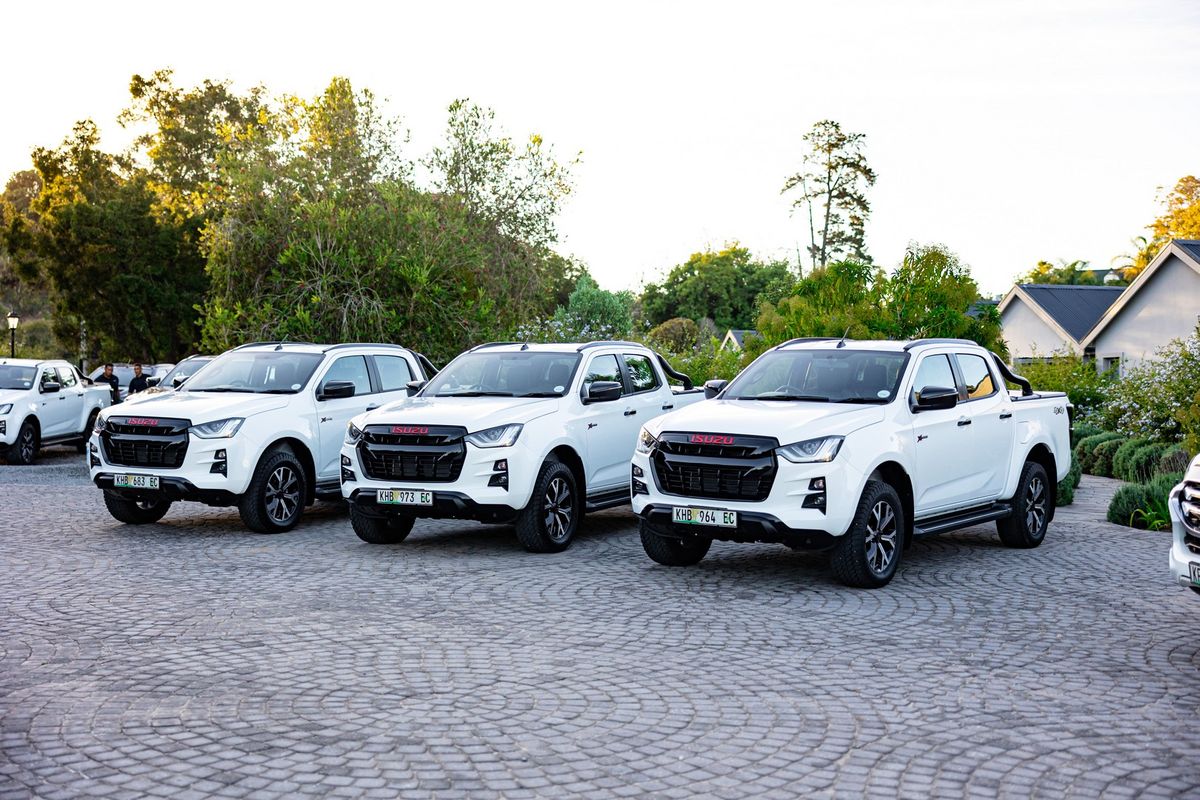
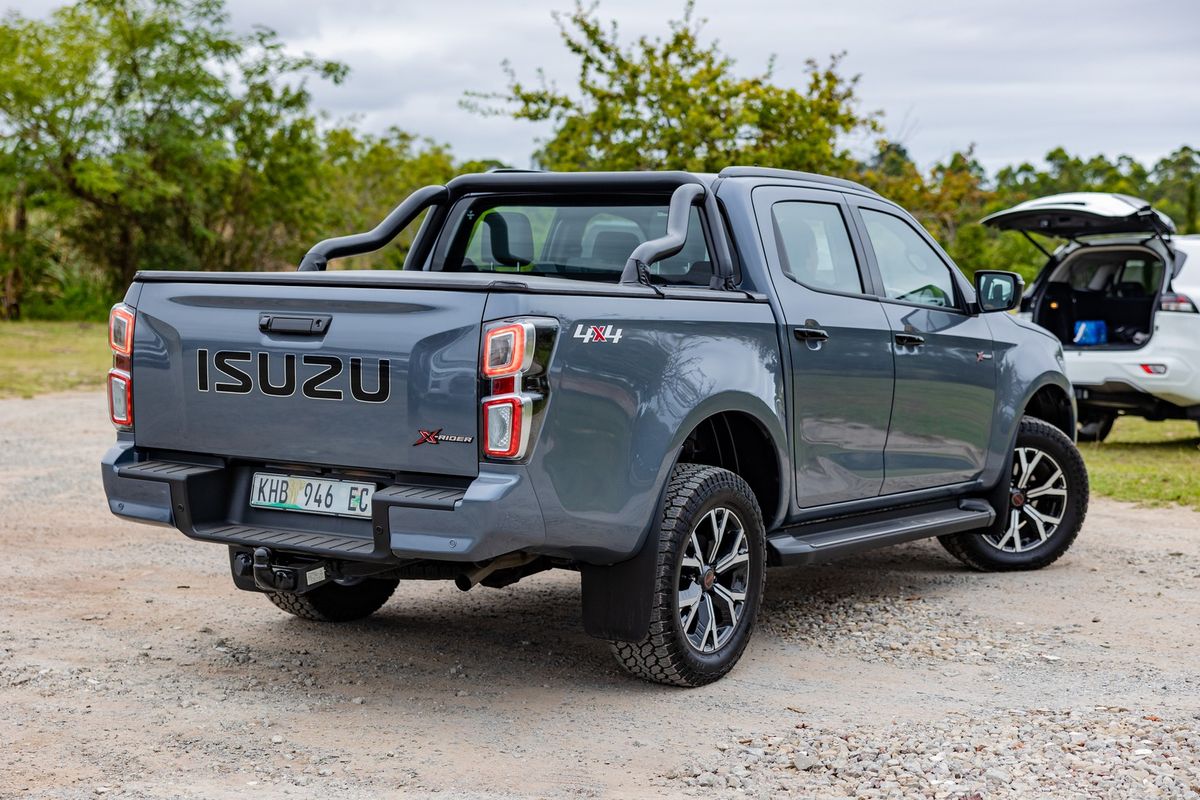
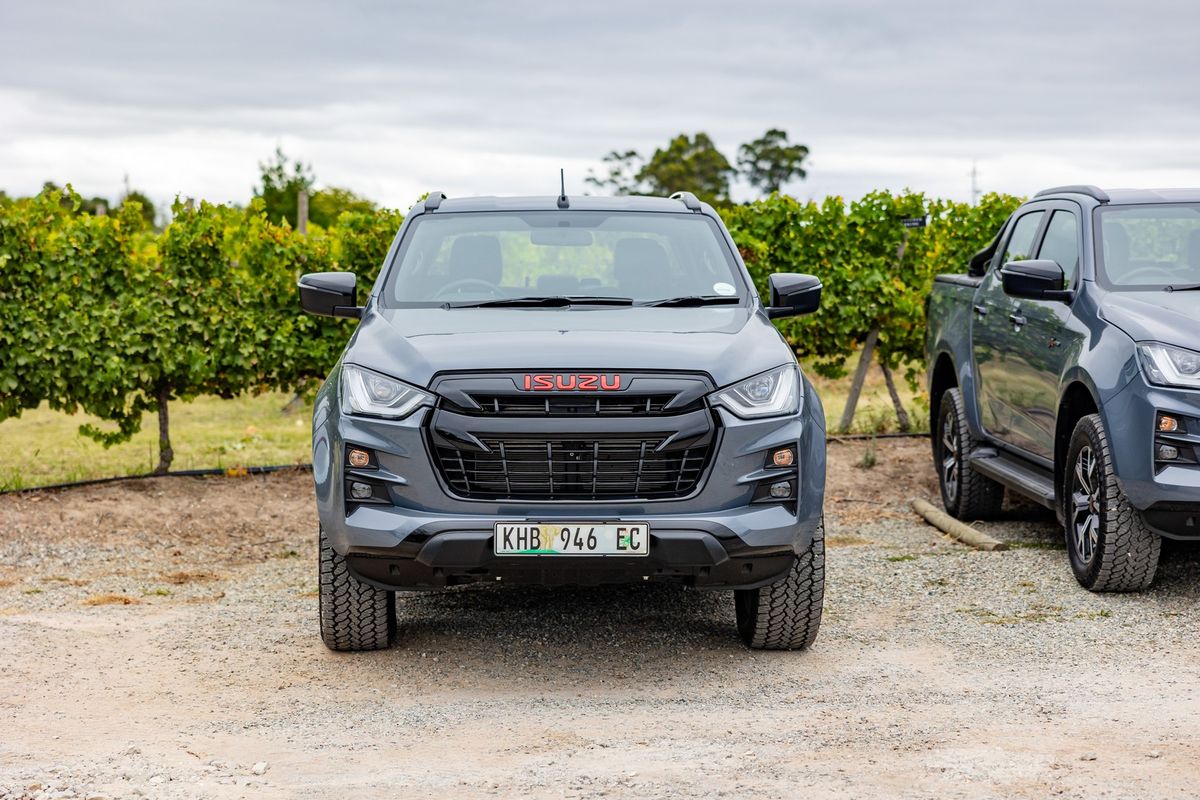
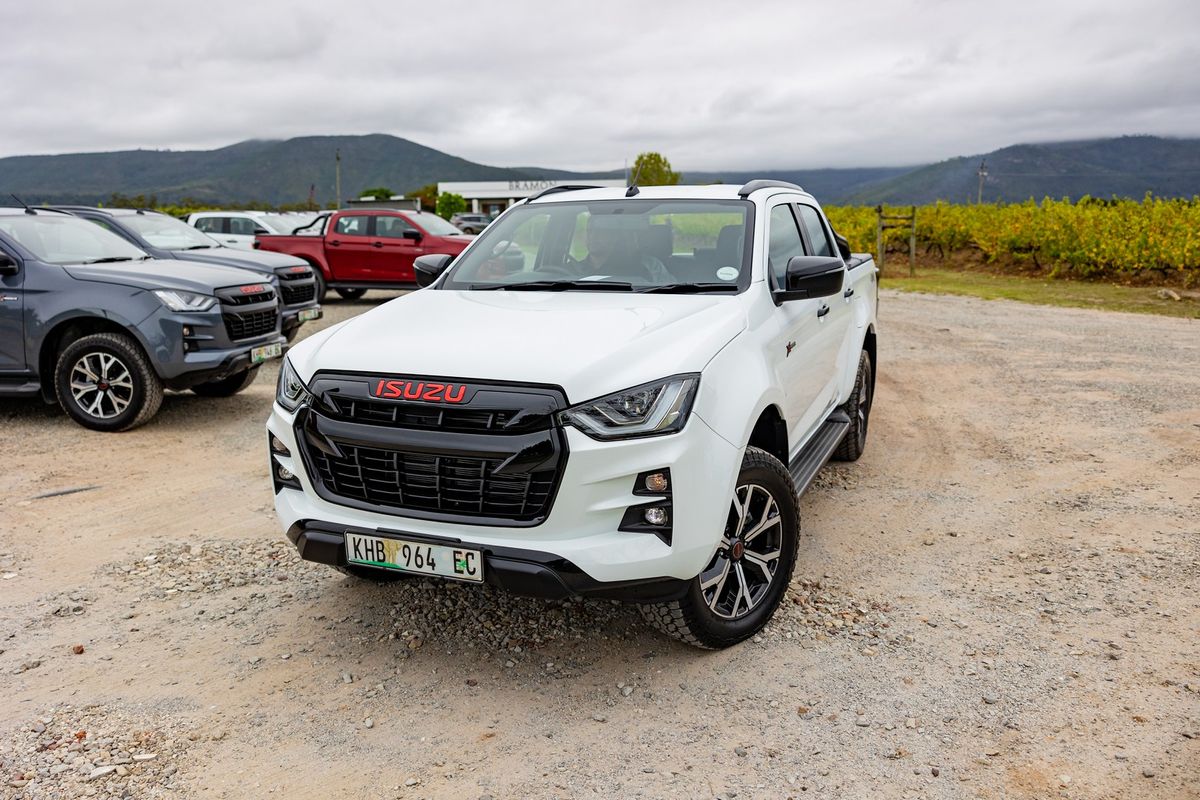
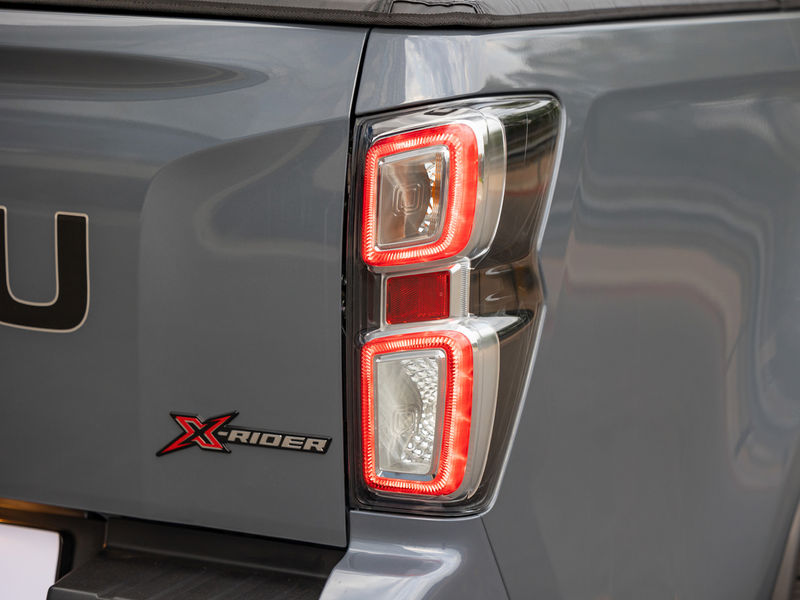
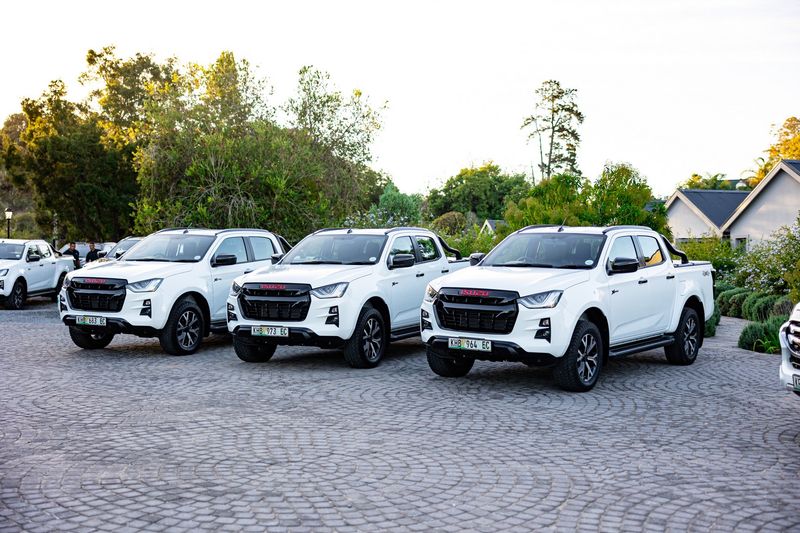
Visually, you can spot the new X-Rider derivatives by their bold exterior adornments. There are black mirror covers, a red Isuzu badge, a 2-tone colour front bumper, LED headlamps and -fog lamps, a sports bar, 18-inch diamond-cut wheels, X-Rider badges, a tow bar, as well as a black Isuzu tailgate decal.
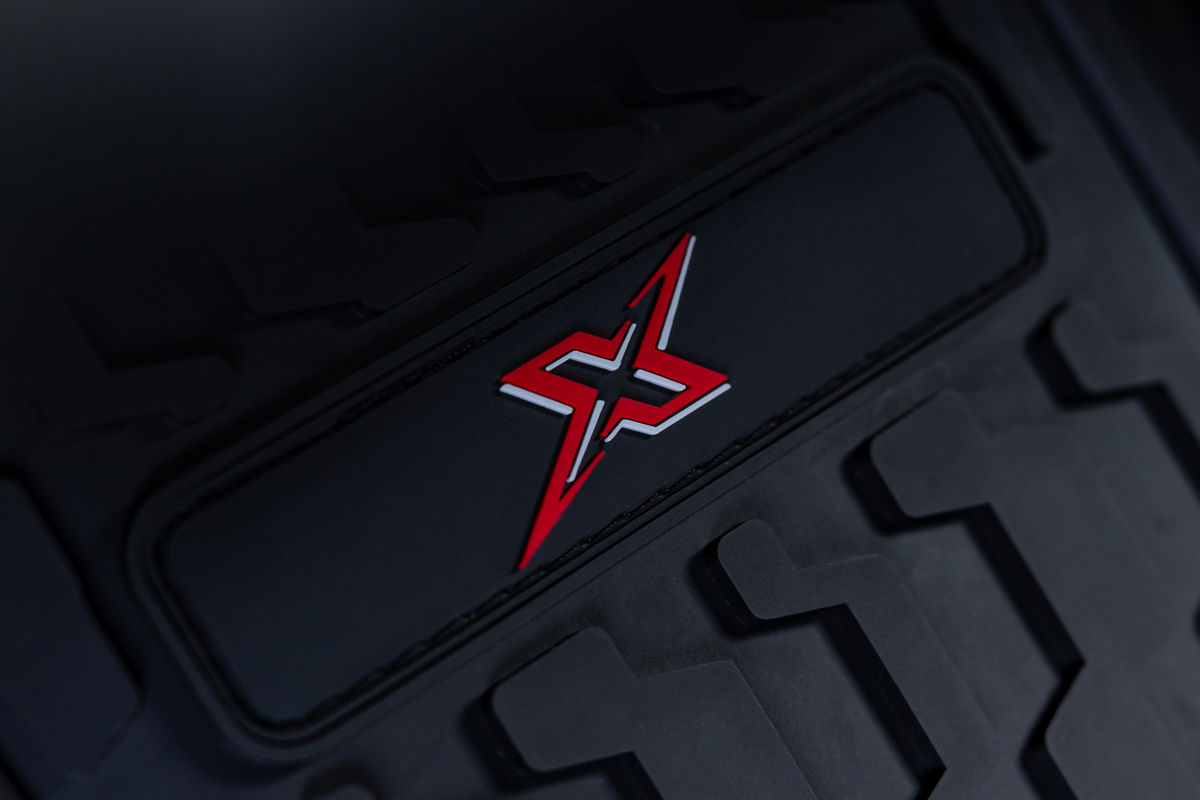
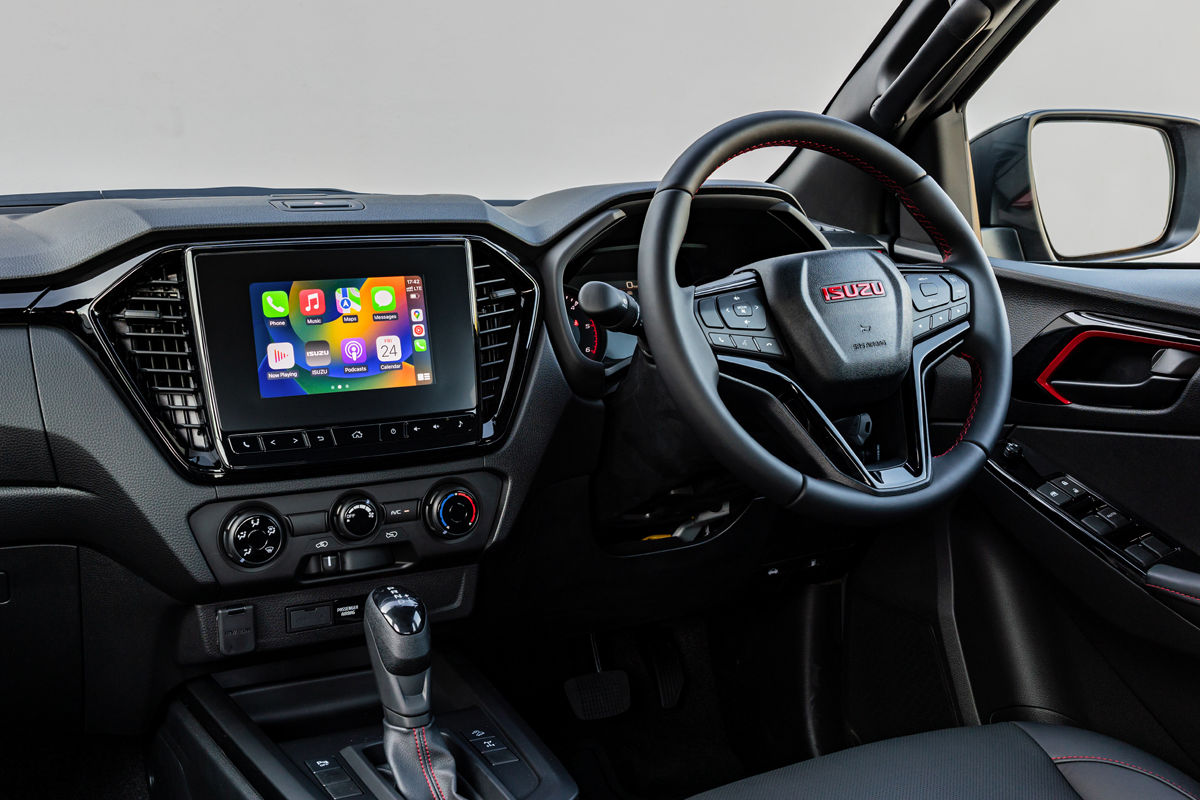
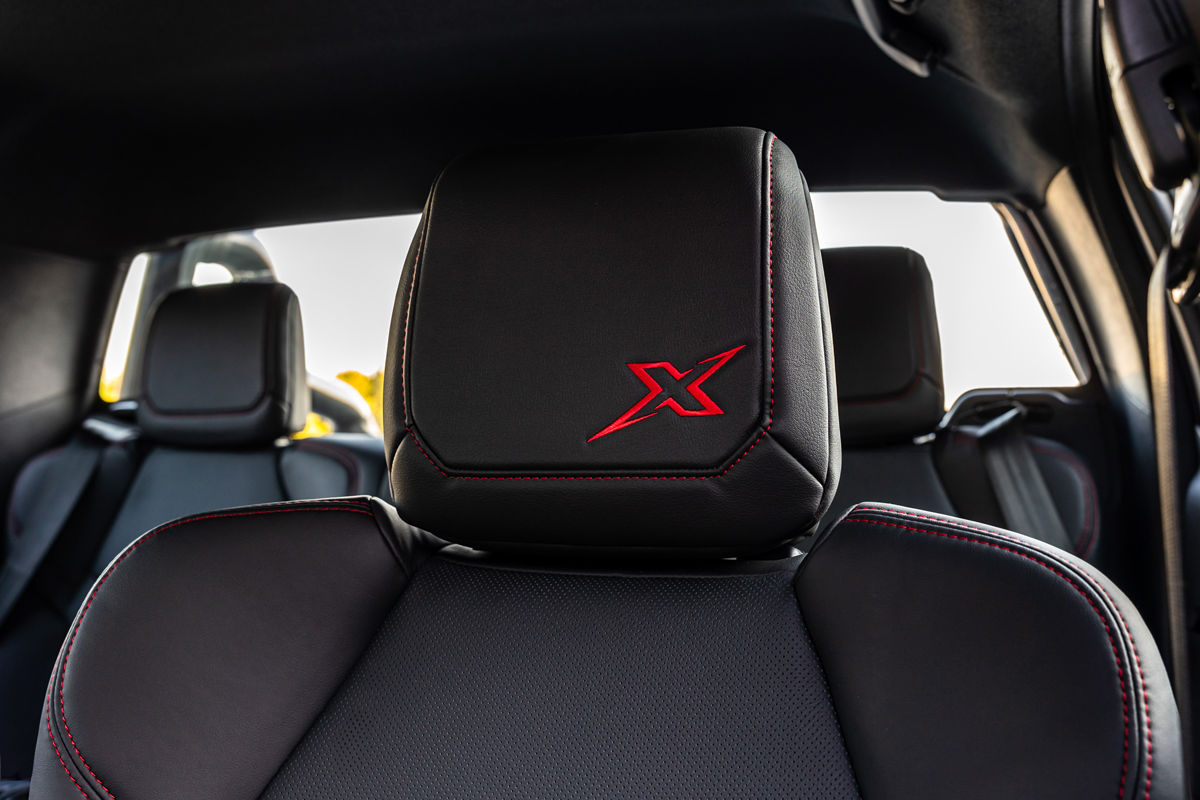
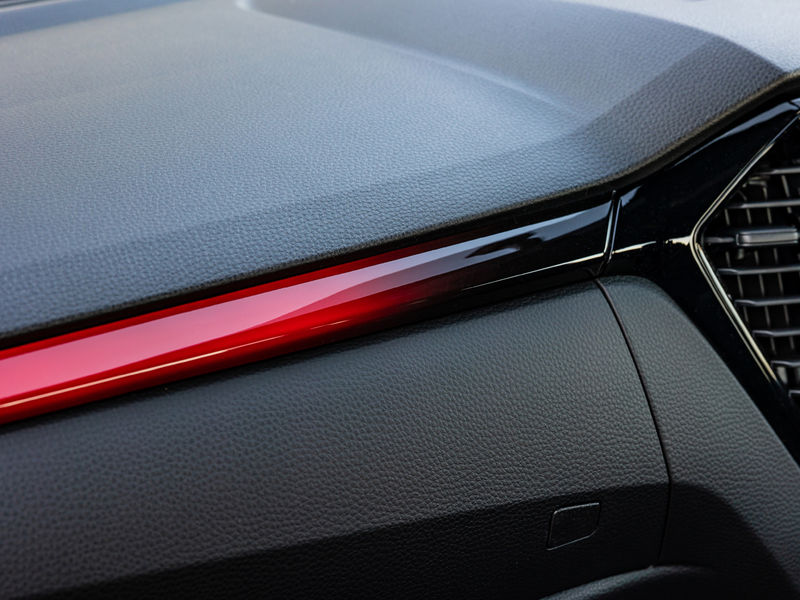
When you climb inside the X-Rider’s cabin, you can’t help but notice its additional sporty adornments (such as a neat red ombre dashboard insert, matching stitching on the gear- or transmission-lever boot and X-Rider floor mats) immediately. Compared with a standard Isuzu D-Max derivative, the X-Rider injects some vibrance into (what’s generally regarded as) an unspectacular workhorse bakkie.
What’s on offer?
Despite Isuzu Motors SA having 2 engines at its disposal, the X-Rider exclusively utilises the 1.9-litre turbocharged 4-cylinder diesel engine. In this application, it produces peak outputs of 110 kW and 350 Nm of torque and customers can choose between 4×2 and 4×4 configurations. The 4×2 is offered with either a manual gearbox or an automatic transmission, while the 4×4 derivative is automatic only.
When asked why it didn’t make the X-Rider trim grade available in conjunction with the 3.0-litre 4-cylinder turbodiesel, Isuzu South Africa said that “it could be offered at some point in the future”. The D-Max is assembled at Isuzu’s Struandale assembly plant in Gqeberha in the Eastern Cape, remember?
What is the D-Max X-Rider like to drive?
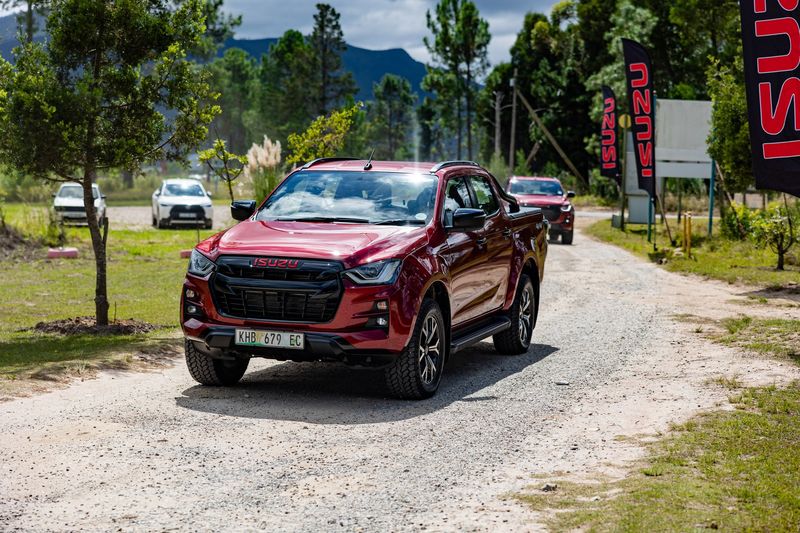
We spent 2 days travelling on (and along) the Garden Route on a mixture of national highway and urban routes. Like most double-cabs, the Isuzu D-Max exhibits that typical ladder-frame ride characteristic of jiggling on less-than-perfect road surfaces. You can, of course, solve that by putting some weight over the rear axle, but for day-to-day use, it’s just one of those slightly annoying quirks of bakkie ownership.
But when the sealed-road section of our route ended and we began driving on the gravel of the infamous Phantom Pass (near Knysna), the X-Rider came into its own. The 7.5-km dirt road is not well maintained and littered with loose stones; think of it as precariously layered with marbles that undermine traction. The 18-inch wheels were wrapped in thick all-terrain rubber that worked hard to keep the Isuzu stable.
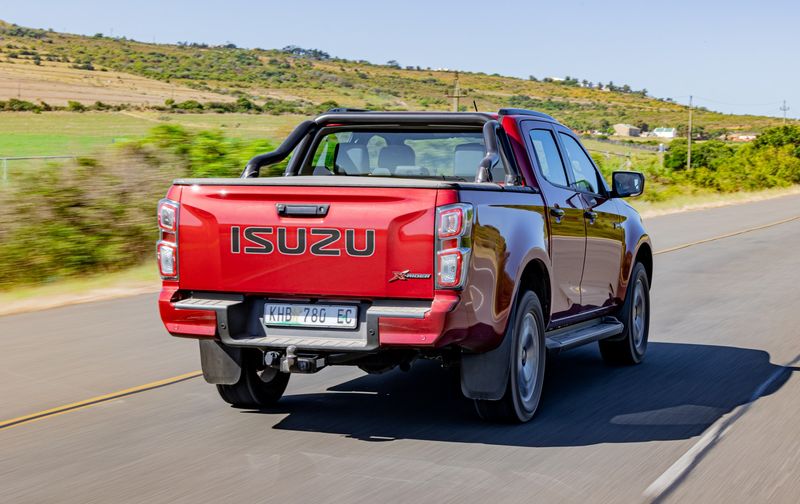
Once we rejoined an asphalt road after the dirt road jaunt, we didn’t hear a single rattle or squeak from the X-Rider’s cabin, which only underlined Isuzu’s reputation for building tough and solid bakkies.
We had no issues with the bakkie’s 1.9-litre turbodiesel engine either. Some may scoff at the supposed limitations of the small-capacity motor, but its outputs are in the same ballpark as those of its rivals. The bakkie certainly has sufficient torque to propel it past slower traffic quite promptly, if or when required.
Besides, the real benefit of the downsized engine is its miserly fuel consumption figure. Isuzu claims 7.6 L/100 km and, during our launch route, the X-Rider’s trip computer indicated just under 9 L/100 km!
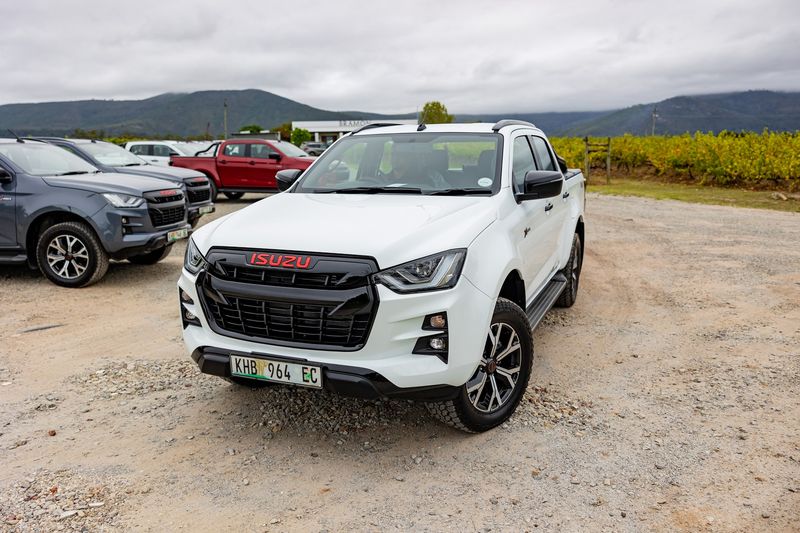
However, considering the lifestyle roles a turbodiesel double-cab may be expected to fulfil, the 1.9TD might struggle when made to tow larger trailers. It has a 750 kg (unbraked) and 2 100 kg (braked) tow rating and a standard tow bar. If towing is a priority, we’d suggest looking at a 3.0-litre D-Max derivative.
Cabin space and features?
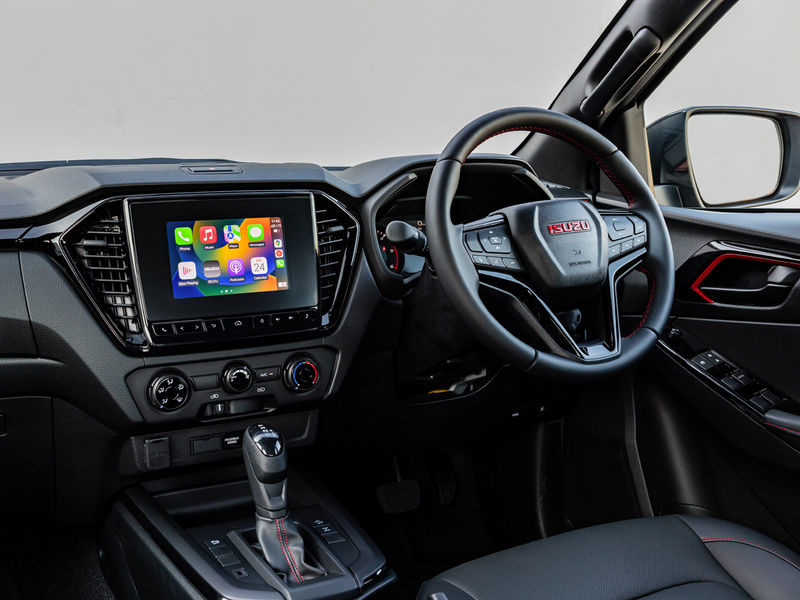
To reiterate, the X-Rider trim grade adds some eye-catching goodness to the D-Max’s cabin. In terms of specification, X-Rider is positioned at the same level as the LS trim grade, but with cosmetic add-ons.
The vehicle ships standard with an Apple CarPlay/Android Auto-compatible infotainment screen, USB ports, a 6-speaker audio system, a multifunction steering wheel, cruise control, manual aircon, rear parking sensors with a reverse-view camera, etc. There’s stability control, hill start assist, and 7 airbags.
We found the cabin quite comfortable and ergonomically sound, which is to say that it has an intuitive layout, replete with easy-to-access (and -master) in-car functions. The steering column is tilt- and telescopically adjustable, and the driver’s seat is 6-way adjustable. The perceived build quality is impressive too; you get the impression the vehicle can withstand heavy usage/is designed to last.
How much does the X-Rider cost in SA (March 2024)
The vehicle is sold with a 5-year/120 000 km warranty and a 5-year/90 000 km service plan (with intervals of 15 000 km).
| D-Max 1.9TD DC X-Rider 4×2 manual | R640 500 |
| D-Max 1.9TD DC X-Rider 4×2 automatic | R659 200 |
| D-Max 1.9TD DC X-Rider 4×4 automatic | R740 700 |
Summary
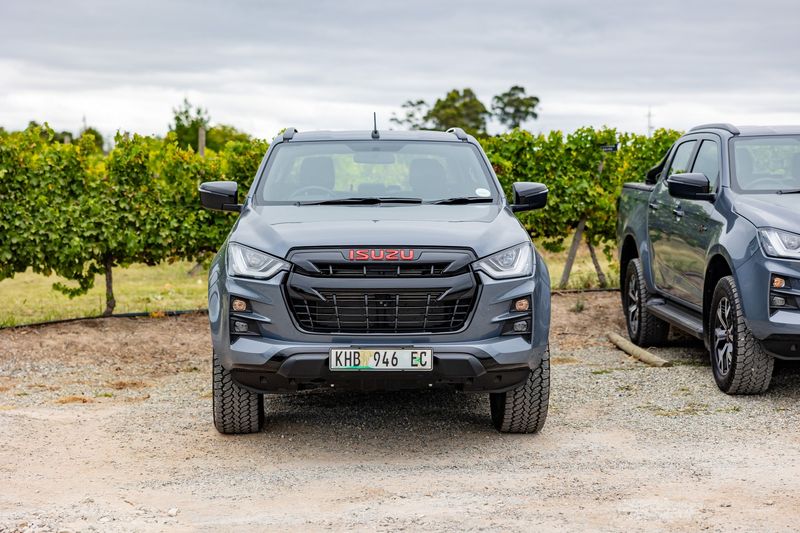
Given how popular the X-Rider derivatives of the (long-serving) previous-gen D-Max were, this iteration of the distinctive and sporty trim grade will probably be welcomed by Isuzu loyalists. The cosmetic and lifestyle enhancements are clear drawcards and the price difference (of around R55k) seems good value.
While we have reservations about the towing ability and under-load performance of the 1.9TD, this D-Max should be on your shortlist if you’re simply looking to purchase a new lifestyle double-cab bakkie that does the basics right. We look forward to putting the X-Rider through a comprehensive road test.
Further Reading
Facelifted Isuzu D-Max bakkie revealed overseas
David Taylor

Having contributed to multiple motoring titles as well helping run the public relations machine of the Johannesburg International Motor Show, Dave has experience in both sides of the motoring industry. He's based in the Western Cape and is responsible for the performance testing, photography & weekly YouTube news for Cars.co.za.